Blog

  • Pasture Management Secrets: Keeping Your Charlotte Metro Horse Farm Soil Healthy (What Local Experts Don’t Always Tell You)
    Pasture Management Secrets: Keeping Your Charlotte Metro Horse Farm Soil Healthy (What Local Experts Don’t Always Tell You)

    You can spend a fortune on premium hay. You can invest in the finest barn upgrades. But if your pasture soil isn't healthy, you're fighting an uphill battle that drains your budget and leaves your horses on nutrient-poor grass year after year.

    Here's what many Charlotte Metro horse farm owners discover too late: the rolling pastures that looked so promising at purchase often harbor soil chemistry problems that no amount of fertilizer can fix: unless you address the foundation first.

    The Soil Test You're Probably Skipping (But Shouldn't)

    Most farm managers guess at what their pastures need. They see poor grass growth and throw down fertilizer, wondering why results remain disappointing season after season.

    Soil testing eliminates the guesswork. A comprehensive analysis reveals exactly what your land is missing: not what the guy at the feed store thinks you need.

    Your local Soil and Water Conservation office typically offers free testing. When results arrive, focus on four critical metrics: pH level, nitrogen (N), phosphorus (P), and potassium (K). These numbers tell the real story of your pasture's capacity to support healthy forage.

    The test takes fifteen minutes to collect samples from different areas of your property. The insights last for years and save thousands in wasted amendments.

    Farm manager collecting soil samples in Charlotte Metro horse pasture for pH testing

    The pH Problem That's Costing You More Than You Think

    Here's the secret most local experts mention but don't emphasize enough: Charlotte Metro soils: particularly in the Sandhills region: run exceptionally acidic, typically ranging from 4.5 to 6.0 pH.

    Sandy soil composition and pine tree presence drive pH levels down. Why does this matter? Soil below 6.0 pH creates an environment where grass literally cannot access the nutrients you're applying. You're feeding your land, but your pastures are starving.

    The solution sounds simple: apply lime: but the execution requires understanding local soil chemistry. In sandy Charlotte-area soils, raising pH one full point requires approximately one ton of lime per acre. That's significantly more than many Midwestern or clay-based regions need.

    Timing matters as much as quantity. Apply lime in fall or spring, three to six months before your grass green-up period. Lime requires months to neutralize soil acidity. Spring applications made in March show limited impact by May growth periods.

    Many farm managers apply lime once and consider the problem solved. Soil pH naturally decreases over time. Retest every three years and reapply as needed to maintain optimal 6.0-6.5 range for most pasture grasses.

    The Nitrogen Application Schedule Nobody Follows (But Should)

    Nitrogen drives pasture growth more than any other nutrient. It's also the most mismanaged.

    The mistake: applying nitrogen once annually and expecting year-round results.

    Unlike phosphorus and potassium, which remain relatively stable in soil, nitrogen dissipates rapidly. Plants consume it quickly. Rain leaches it. Warm temperatures accelerate its breakdown into forms grasses cannot use.

    Single annual applications leave your pastures adequately fed for perhaps six weeks, then increasingly nutrient-deficient for the remaining ten months.

    The Charlotte Metro growing season demands multiple nitrogen applications: typically three to four times between spring green-up and fall dormancy. Split your total annual nitrogen requirement into smaller applications timed with active growth periods: early spring, late spring, mid-summer, and early fall.

    This approach matches nutrient availability with plant demand, maintaining consistent pasture productivity rather than the feast-or-famine cycle of single applications.

    Healthy dark soil with organic matter from well-managed horse farm pasture

    How Your Grazing Patterns Destroy Soil Health

    Soil amendments matter. But management practices determine whether those amendments create lasting improvement or temporary Band-Aids.

    Continuous grazing without rest periods devastates pasture soil structure. When horses access the same paddocks without rotation, they graze preferred areas down to bare dirt while avoiding less palatable sections. Those overgrazed areas lose root systems, exposing soil to erosion and compaction from constant hoof traffic.

    Research consistently shows grass grazed below four inches experiences root stress that eventually kills the plant. Dead grass means bare soil. Bare soil means erosion, weed invasion, and nutrient runoff during rain events: precisely the environmental problems that attract regulatory attention and cost money to remediate.

    The solution requires space and commitment: rotational grazing that allows minimum 30-day rest periods between grazing cycles in each paddock.

    For properties without infrastructure to support rotation, maintain stocking density at two acres of well-established grass per horse minimum. This conservative ratio allows grass to recover faster than horses can destroy it, though rotating smaller paddocks produces superior results.

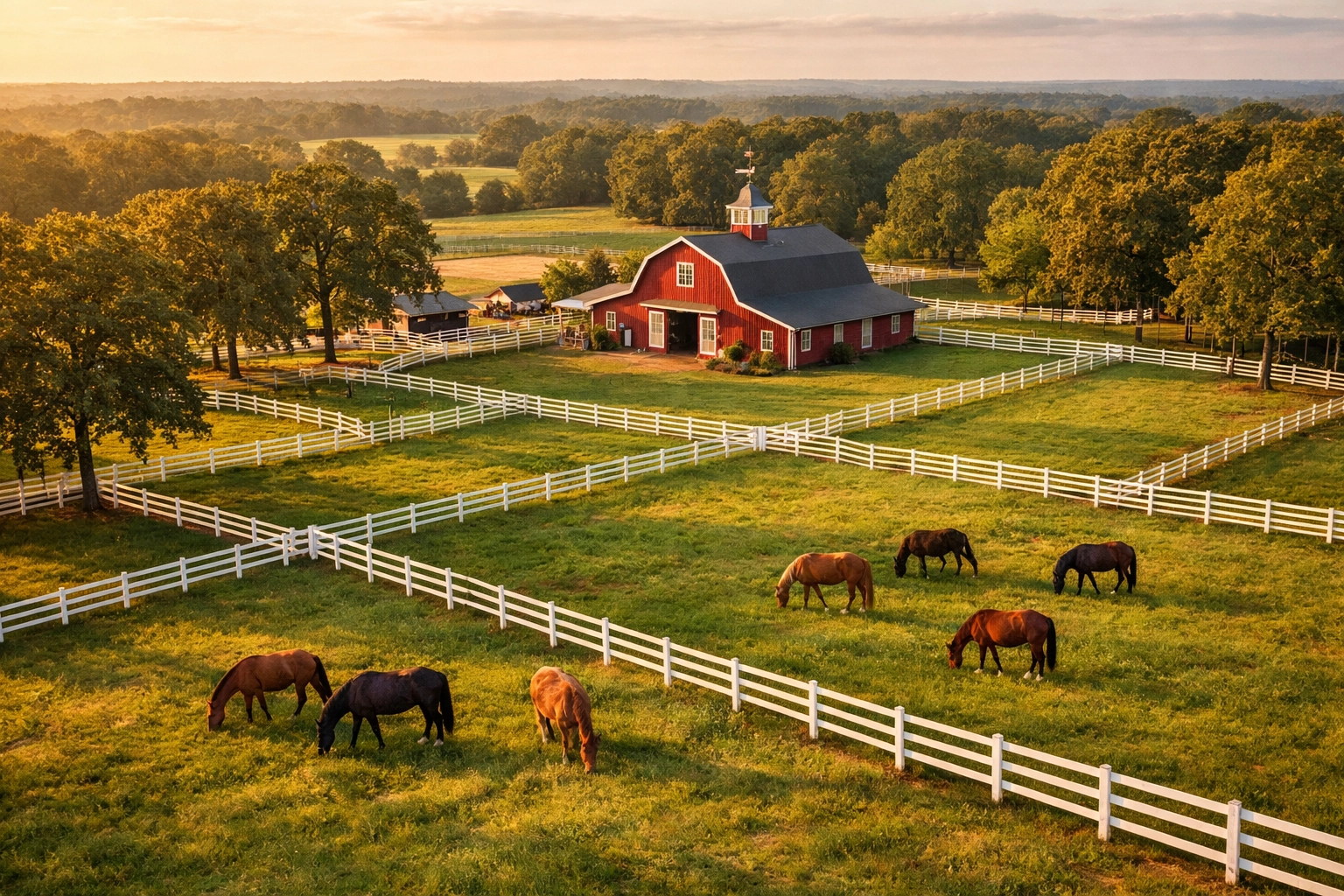
    Aerial view of rotational grazing paddocks on Charlotte horse farm with wooden fencing

    The Maintenance Schedule That Compounds Your Investment

    Proper soil chemistry and grazing rotation create the foundation. Regular maintenance compounds those investments into long-term pasture productivity.

    Brush hog or mow pastures when grass reaches eight to ten inches. This height indicates growth has outpaced grazing pressure: a good problem. Clipping prevents excessive seed head development that reduces nutritional value and allows weeds to establish in overly thick growth.

    Mowing also stimulates tillering: the process where grass plants produce additional shoots from the base, creating denser, more resilient stands that resist weed pressure naturally.

    Time maintenance activities for late spring and mid-summer, after primary growing flushes but before heat stress periods. Avoid mowing during drought stress or extreme heat when cutting further weakens already-stressed plants.

    Harrowing or dragging pastures in spring breaks up manure piles, distributing nutrients more evenly and interrupting parasite life cycles. This simple practice captures value from manure rather than allowing nutrients to concentrate in spots horses avoid.

    The Drainage Factor Most Buyers Overlook

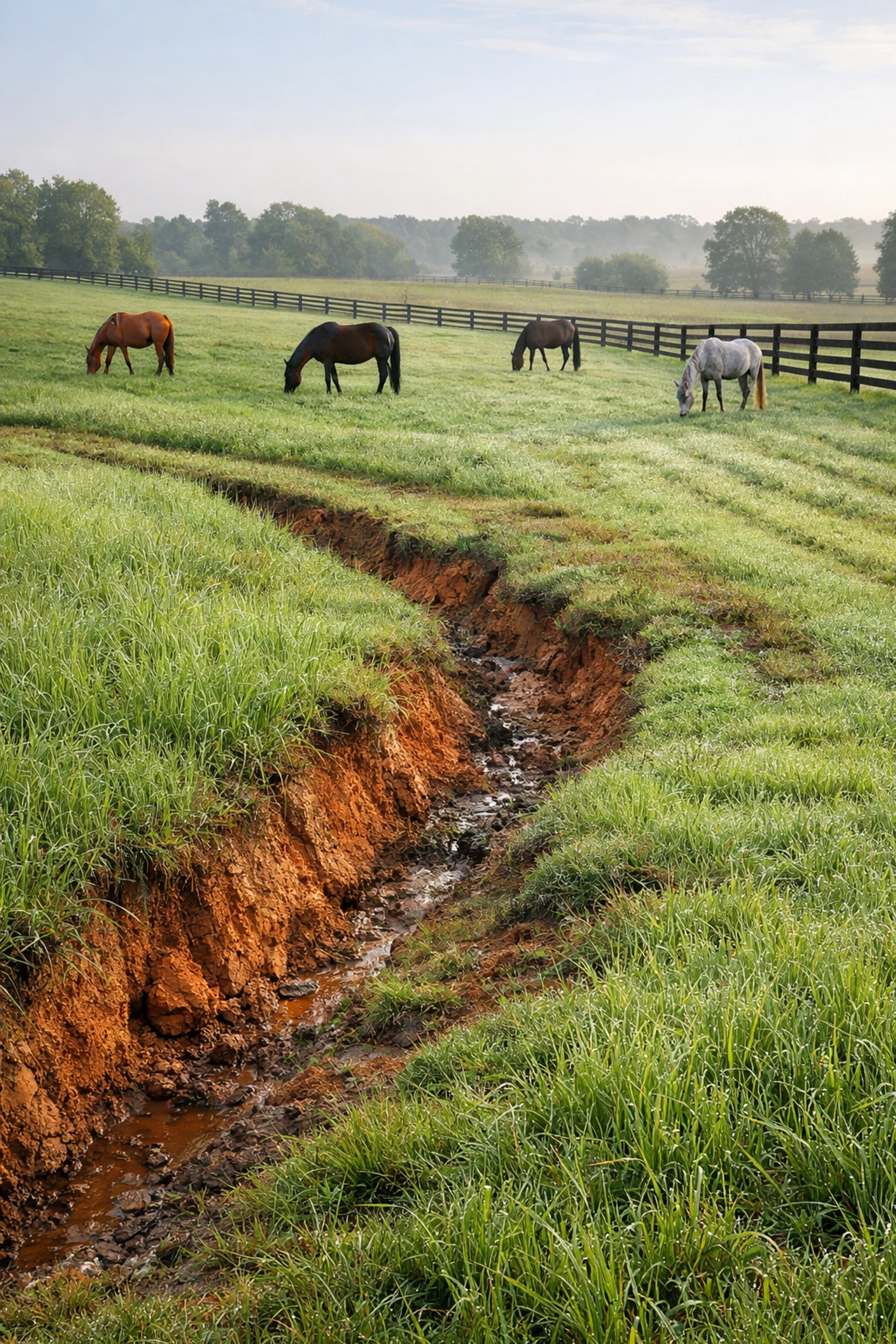
    Charlotte Metro clay and sandy loam soils create unique drainage challenges. Poor drainage impacts soil health in ways fertilizer cannot fix.

    Standing water after rain events signals compaction or grading problems. Saturated soil becomes anaerobic: lacking oxygen: which kills beneficial soil organisms and grass roots. Wet areas also compact under hoof traffic, creating hardpan layers that prevent water infiltration and root development.

    When evaluating horse farms for sale in the Charlotte area, observe pastures after significant rain. Notice where water stands, how quickly it drains, and whether existing grading directs runoff appropriately. These observations reveal more about long-term soil health potential than any single day inspection during dry weather.

    Properties with established drainage solutions: French drains, graded swales, or tile systems: represent significant value that isn't always reflected in listing prices but saves tens of thousands in remediation costs.

    Tractor mowing horse pasture at optimal height for maintenance and soil health

    Building Soil Health Is Building Property Value

    Healthy pasture soil isn't just about better grazing: though that benefit alone justifies the investment. Well-managed pastures demonstrate land stewardship that sophisticated equestrian buyers recognize and value.

    When properties come to market with documented soil testing history, visible pasture rotation infrastructure, and dense, productive grass stands, they command premium pricing from buyers who understand the difference between cosmetic appeal and genuine agricultural functionality.

    The Charlotte equestrian market increasingly attracts buyers who evaluate properties through a horse-first lens. They notice soil health indicators: pasture density, weed pressure, drainage patterns, and grazing management systems. These buyers built their horse programs on sound land management and won't compromise when purchasing their next property.

    Your Next Step in Property Stewardship

    Whether you're currently managing a Charlotte Metro horse farm or searching for equestrian property that won't require remediation before supporting your program, understanding soil health fundamentals positions you for success.

    Start with a soil test this spring. The investment rarely exceeds $50 per sample and provides three years of management guidance. Partner with your local extension service to interpret results and develop an amendment schedule specific to your property's needs and your program goals.

    For those evaluating horse farms for sale in Waxhaw, Weddington, Marvin, or throughout the Charlotte Metro region, request soil testing history during due diligence. Properties without testing history aren't necessarily problematic: but they represent unknown variables that affect your first-year budget and long-term carrying costs.

    The difference between productive pastures and persistent problems often comes down to understanding what local experts assume you already know: Charlotte Metro soils require specific management that respects regional chemistry, climate, and the unique demands of maintaining land that works as hard as your horses do.


    Carolina Horse Farm Realty specializes in equestrian properties throughout the Charlotte Metro region where land quality and horse program functionality matter as much as the home. Connect with our team to discuss properties with documented soil management or to explore how land health impacts your property search.

  • The Ultimate Guide to Horse Farms for Sale in Waxhaw, NC: Everything You Need to Succeed

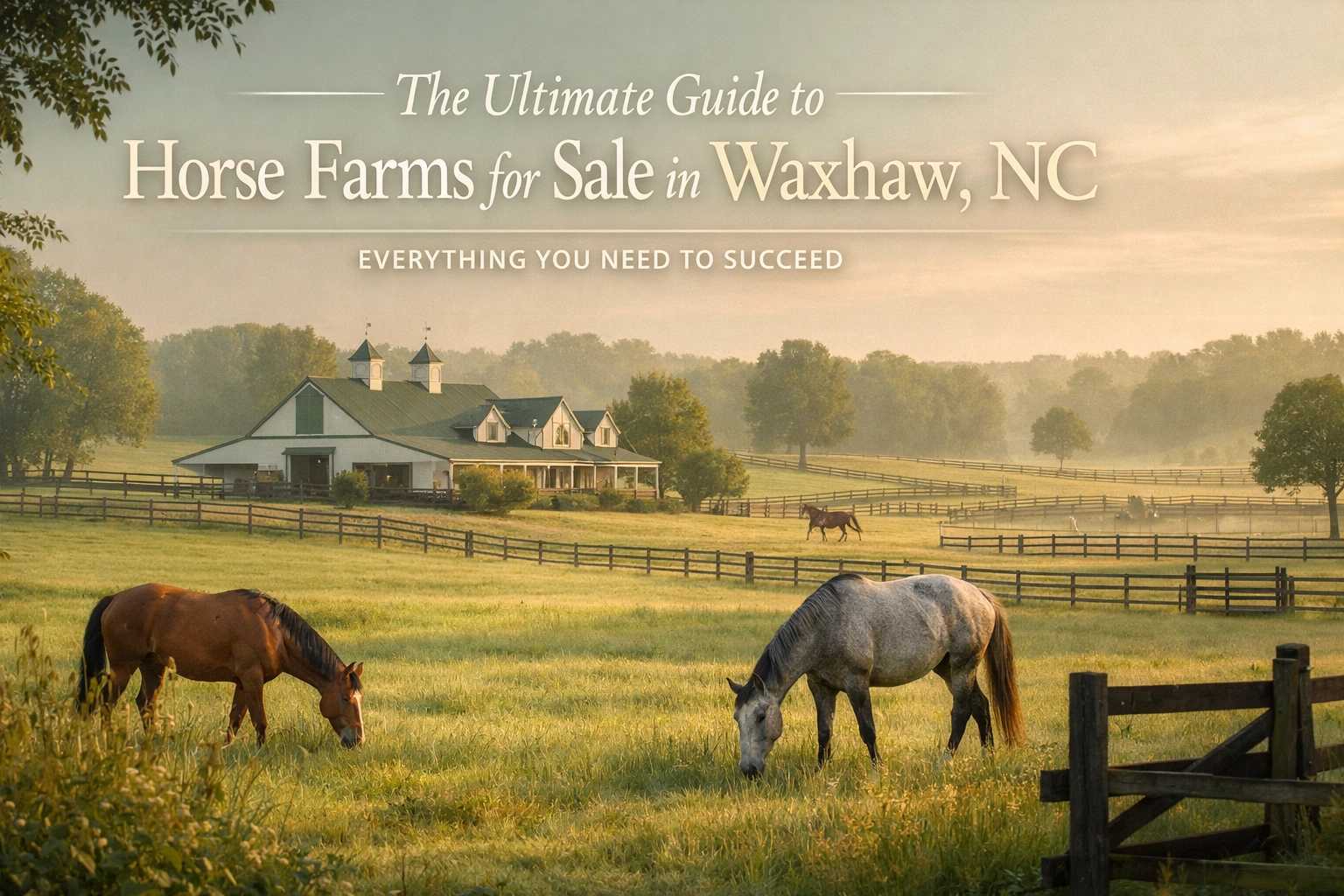
    The Ultimate Guide to Horse Farms for Sale in Waxhaw, NC: Everything You Need to Succeed

    If you've been searching for the right place to build your equestrian life: where your horses have room to breathe, your facilities can grow with your program, and you're still close enough to Charlotte for veterinary care and feed runs: Waxhaw deserves your attention.

    This isn't another cookie-cutter suburb pretending to be horse country. Waxhaw has protected farmland, genuine working barns, and a community that understands the difference between a paddock and a pasture. The market here offers real options, from starter farms to established training facilities, all within reach of trails, shows, and the infrastructure that keeps horses healthy and programs running smoothly.

    What the Current Market Actually Looks Like

    As of early 2026, Waxhaw's equestrian real estate market maintains 17 to 45 active horse property listings depending on the platform, with an average listing price of $539,000 and land averaging $50,005 per acre. This isn't speculation: these are working numbers from current inventory.

    The range is wide: you'll find listings from $295,000 for smaller acreage up to $1,500,000 for turn-key estates with full facilities. That spread matters because it means options exist whether you're bringing three personal horses or running a boarding operation.

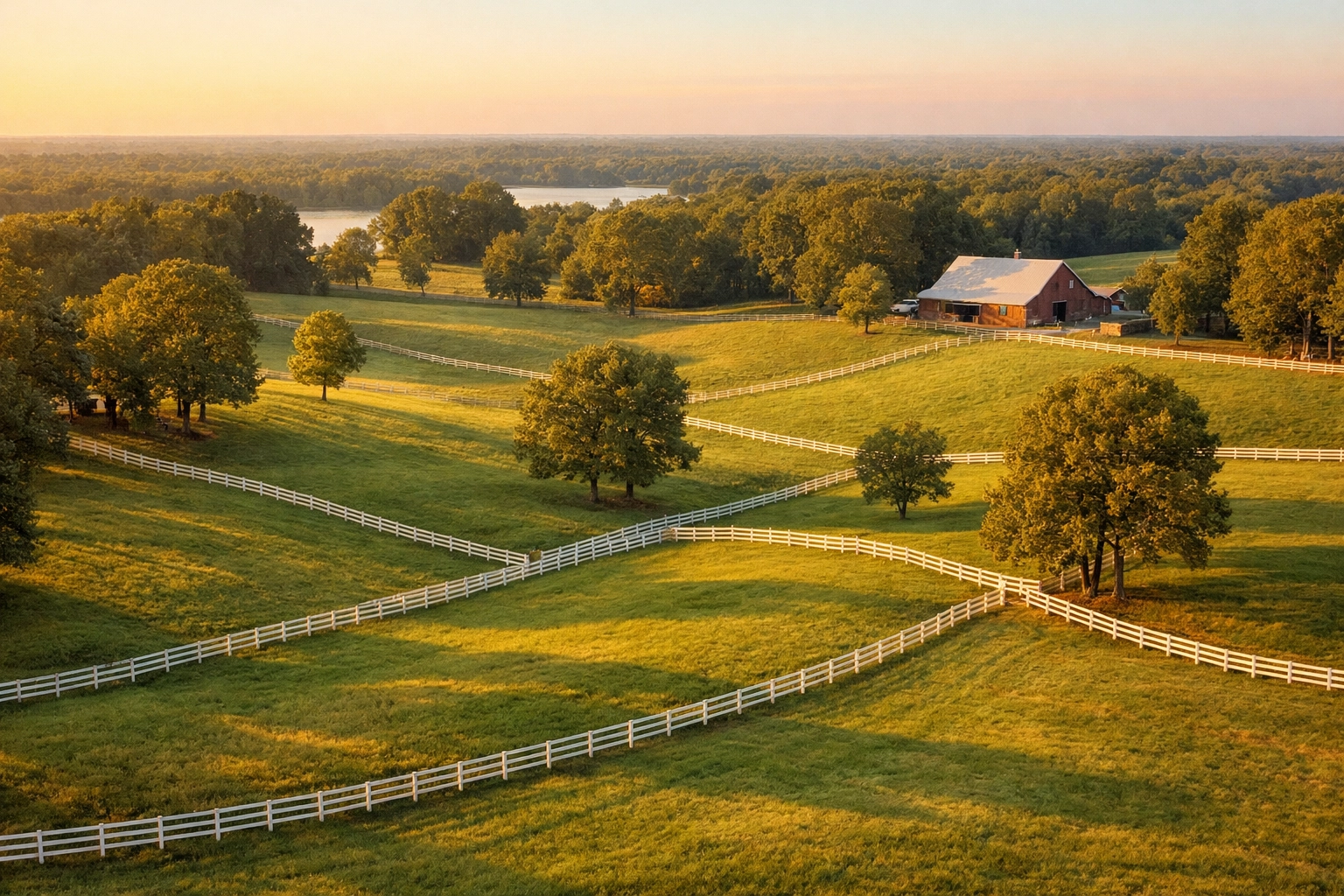
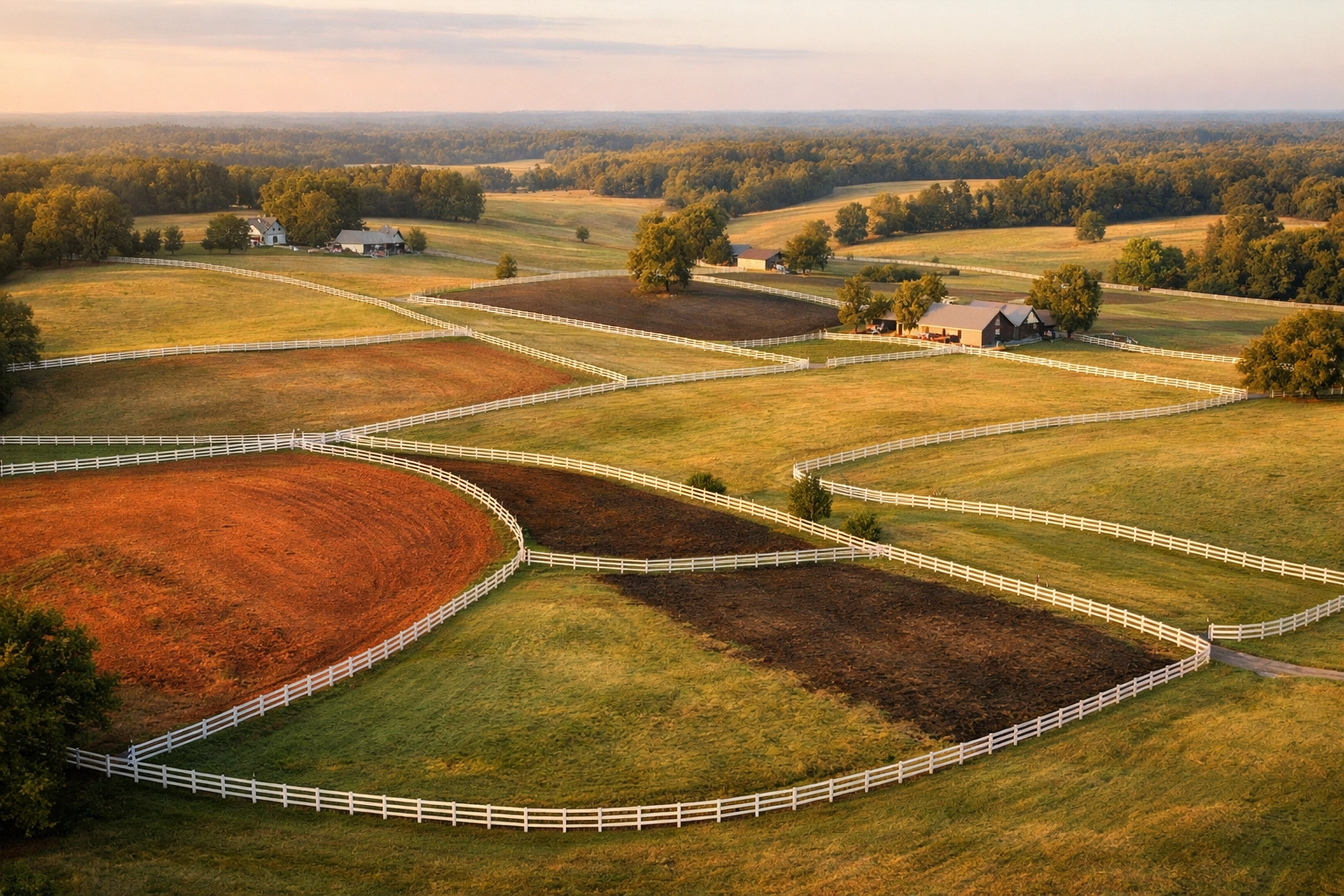
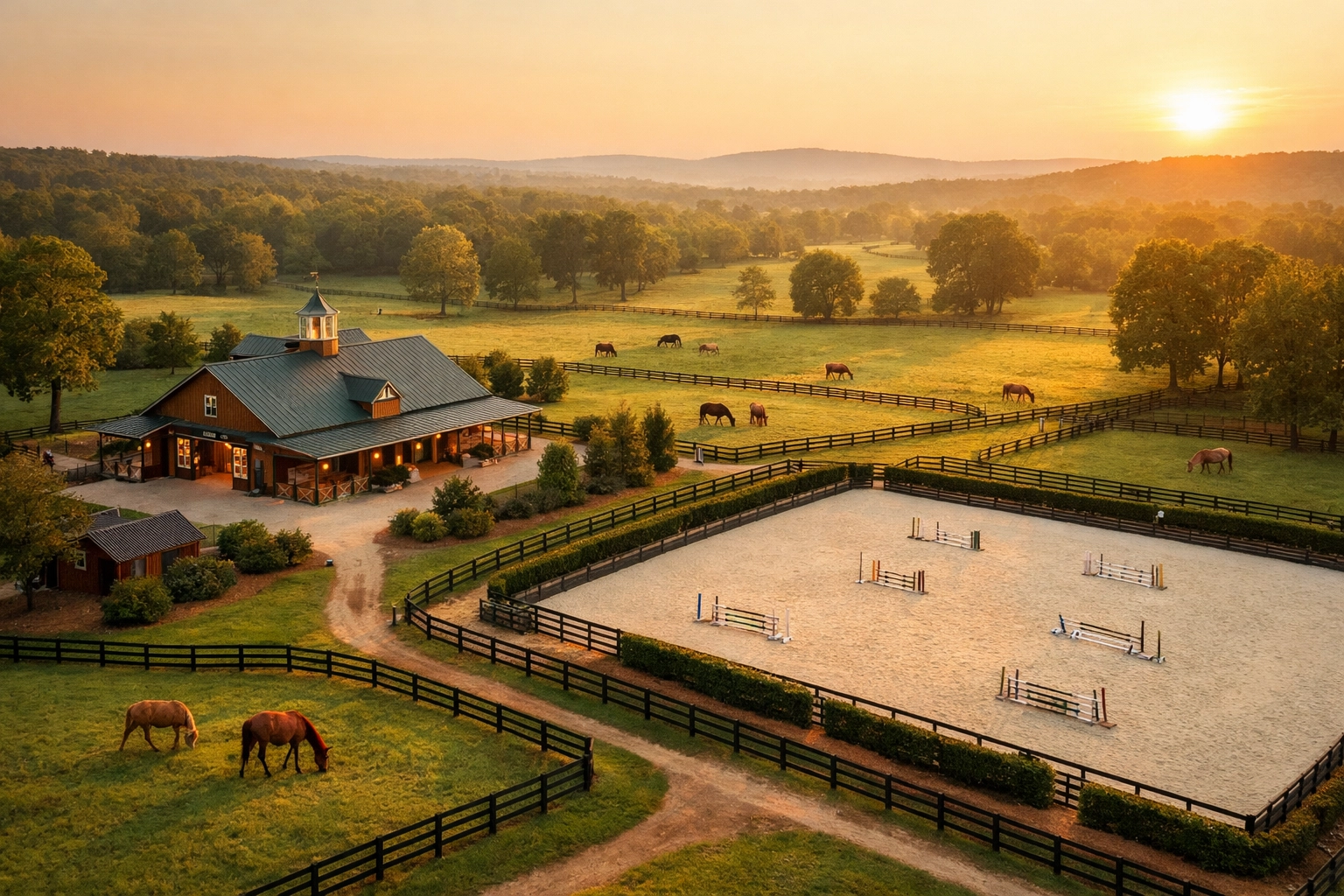
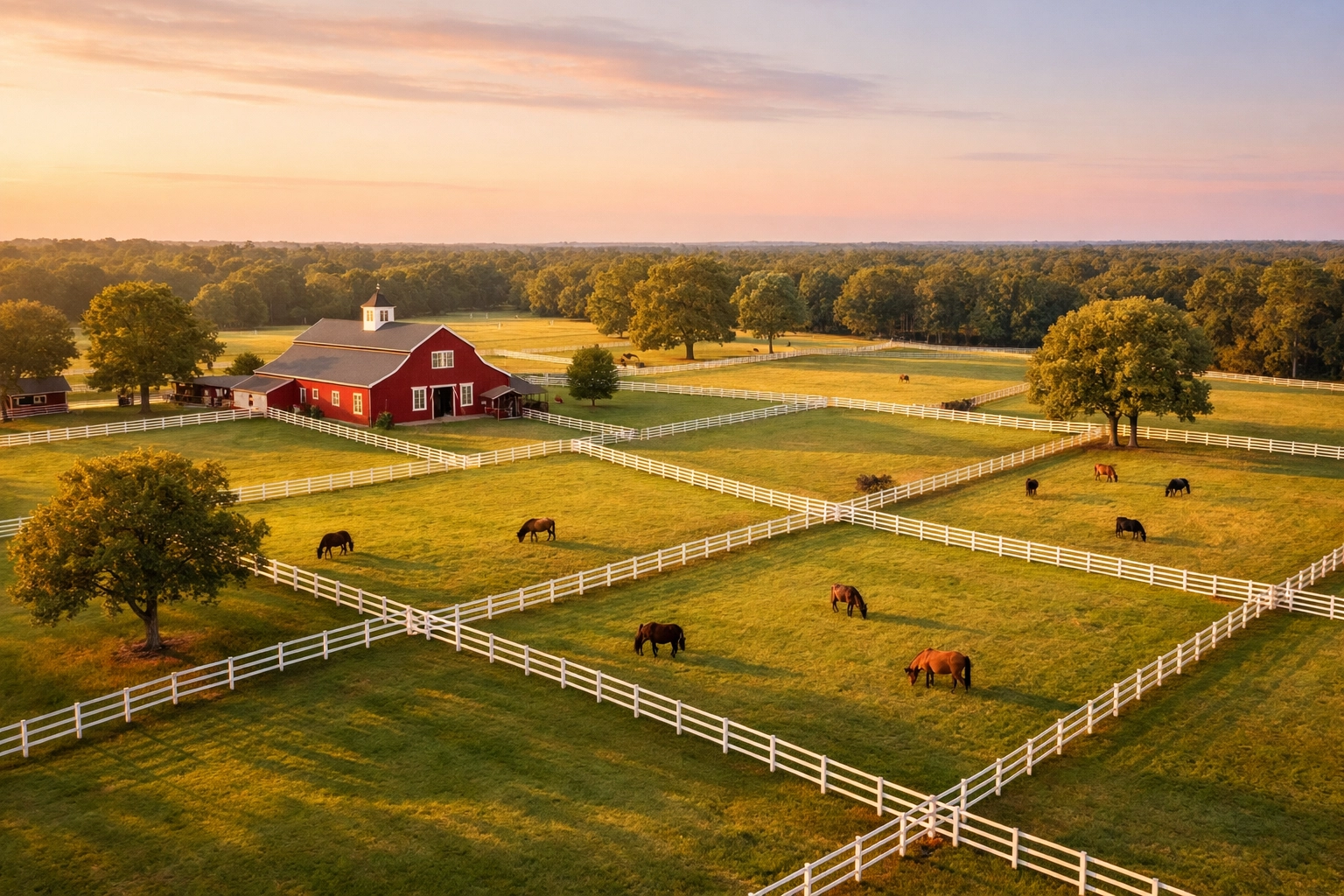
    Aerial view of horse farm for sale in Waxhaw NC with fenced pastures and barn

    Why Waxhaw Works for Horse People

    Geography matters when you're hauling to shows at 5 a.m. or waiting for an emergency vet call. Waxhaw sits in Union County, approximately 25 miles southeast of Charlotte: close enough for access to Carolina Equine Hospital and quality feed suppliers, far enough that land prices haven't been completely consumed by residential sprawl.

    The soil here drains better than the red clay you'll fight closer to Charlotte proper. Summers are humid (you know this if you've ever clipped a horse in July), but winter rarely shuts down riding for more than a few days. Hay grows well. Pastures recover. These aren't small considerations when you're calculating long-term farm viability.

    Access to riding space extends beyond your property line. Cane Creek Park offers 1,100 acres with established riding trails less than 15 minutes from most Waxhaw farms. Mineral Springs Greenway provides additional trail access. This matters when you need to vary terrain for conditioning or when you want to get young horses out beyond the arena.

    Property Categories You'll Actually Encounter

    Land-Only Parcels (2-10 Acres)

    Currently listed from $295,000 to $450,000, these properties appeal to buyers who want to build exactly what they need. You'll find parcels ranging from 2.1 acres to 5+ acres, some with percolation tests completed, others requiring site work.

    What to verify: Soil composition for arena footing, drainage patterns during heavy rain, access to three-phase power for barn electrical, and county requirements for agricultural exemptions.

    Starter Farms with Existing Facilities (5-15 Acres)

    The $500,000 to $750,000 range typically includes a residence, 3-6 stall barn, run-in shed, and basic fencing. These properties work for riders transitioning from boarding or small breeders starting a program.

    Look past cosmetic updates. Focus on barn foundation, roof condition, pasture rotation capability, and whether the water system can handle additional stalls if you expand.

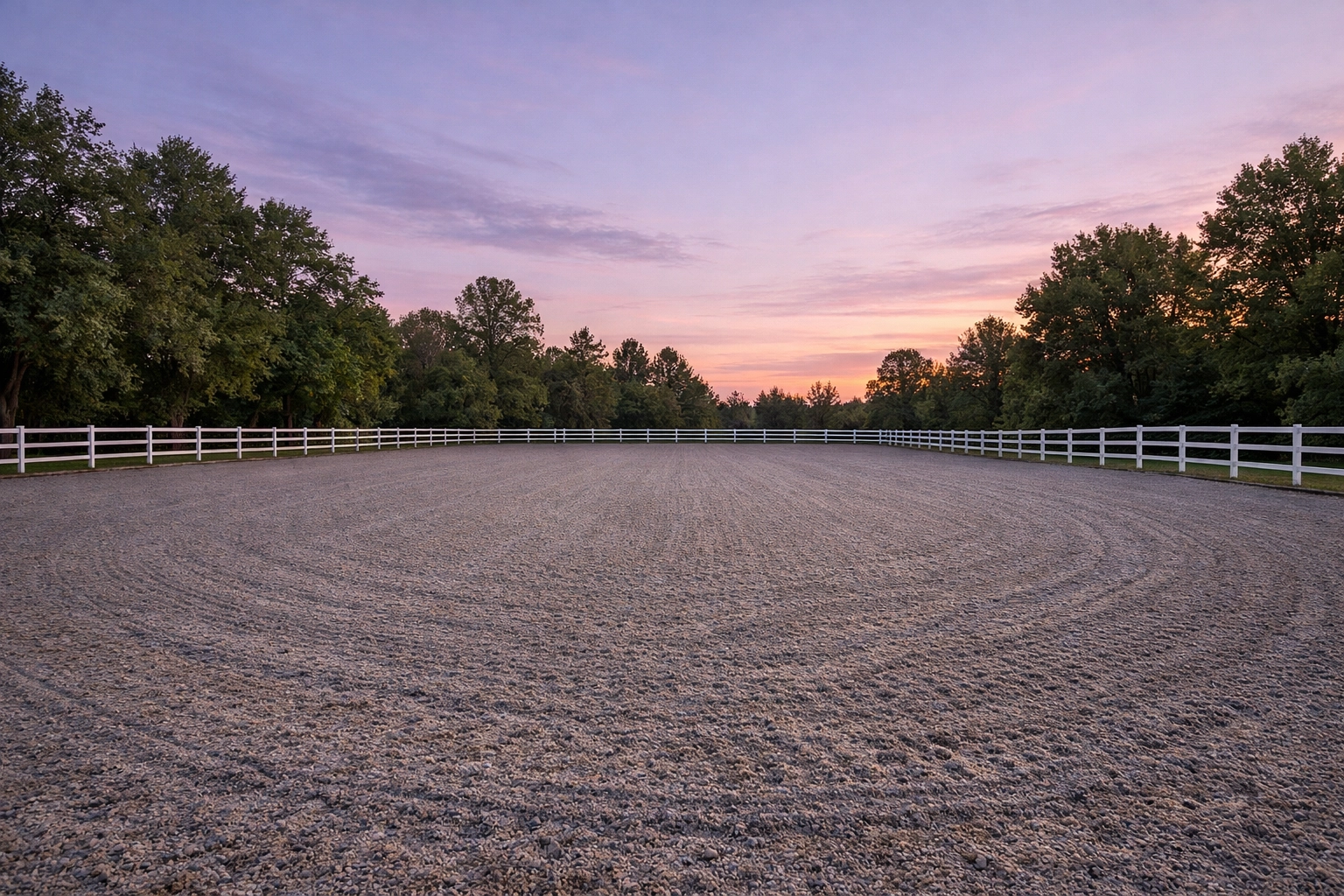
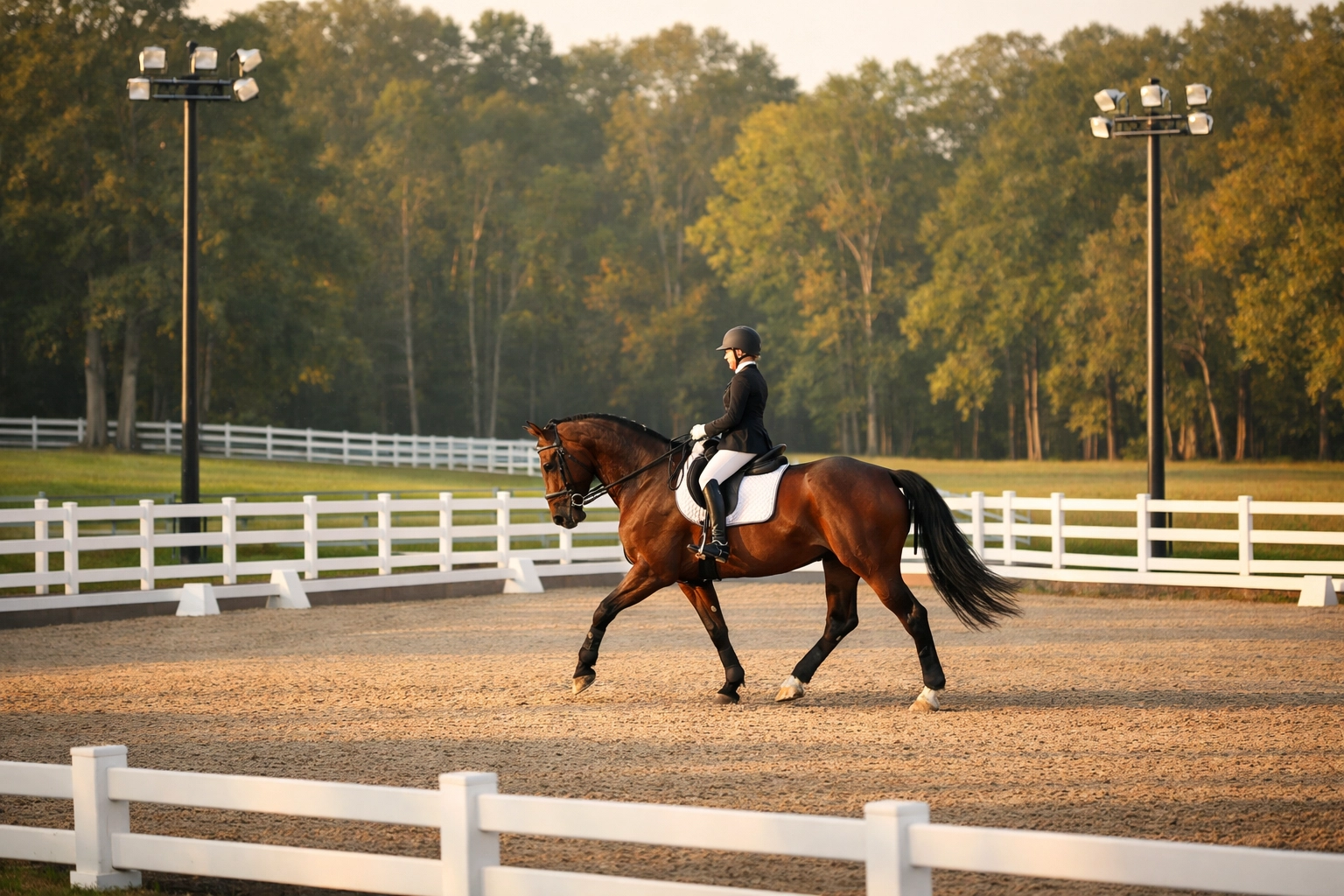
    Professional equestrian arena at Waxhaw NC horse property with quality footing

    Established Training Facilities (15-50 Acres)

    Properties listed from $950,000 to $1,500,000 in this category come with infrastructure: indoor or covered arenas, 10+ stall barns with tack rooms and wash racks, multiple turnout areas, and storage for equipment and hay.

    Break Away Farm, a recent listing, exemplifies this category with 10+ acres featuring four pastures, a 4-stall barn with hay loft, equipment shed, and a lighted 50' × 125' arena with irrigation. Trinity Ridge Farm represents the high end: 46 acres with a French country manor and comprehensive equestrian facilities.

    Critical Features That Separate Functional Farms from Real Estate Listings

    Barn Design That Actually Works

    A good barn layout reduces daily labor and keeps horses safer. Look for:

    • 12' × 12' minimum stall size (14' × 14' for warmbloods or draft crosses)
    • Center aisle width of 12-14 feet for equipment access
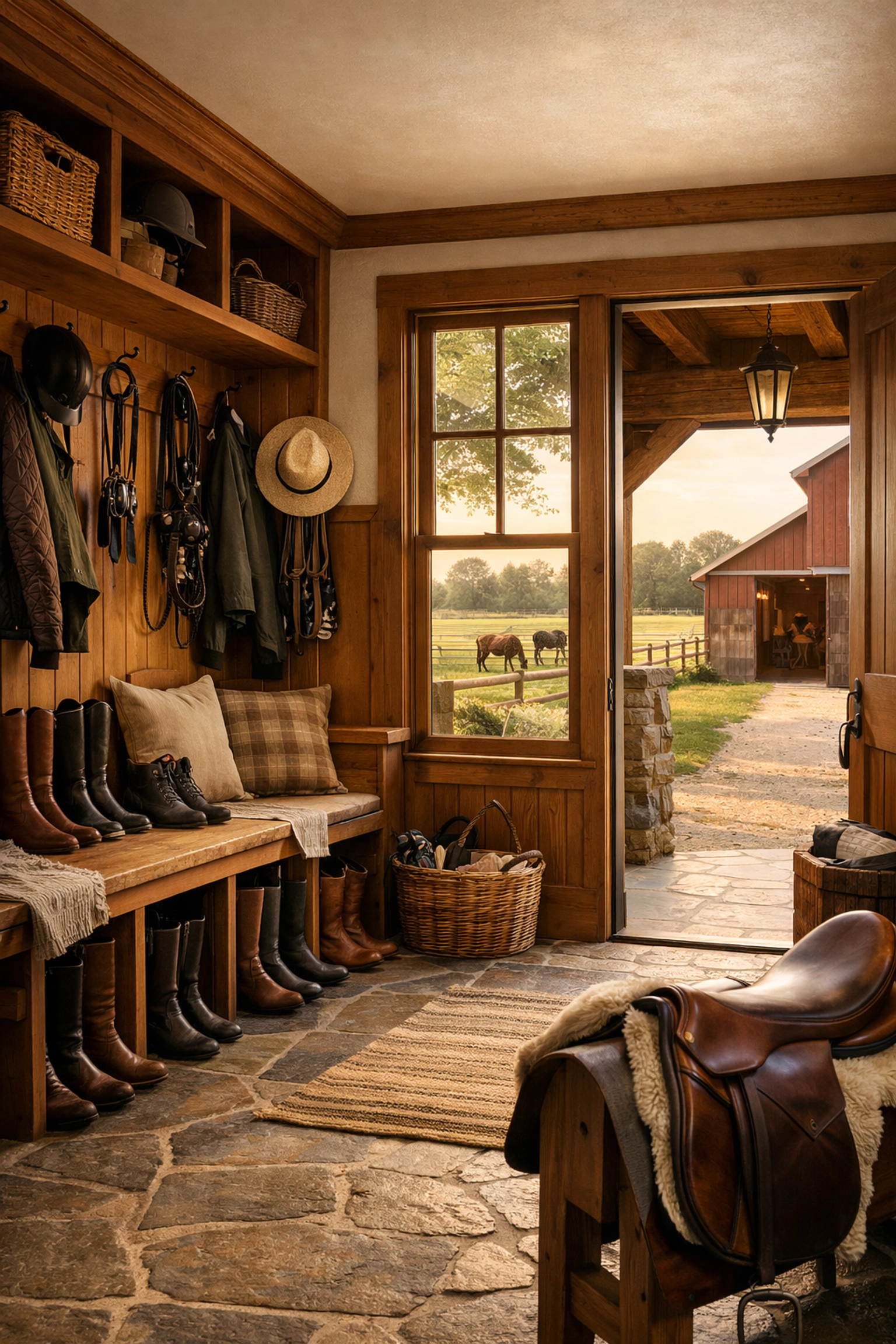
    • Tack room positioned near the work area to reduce steps during training sessions
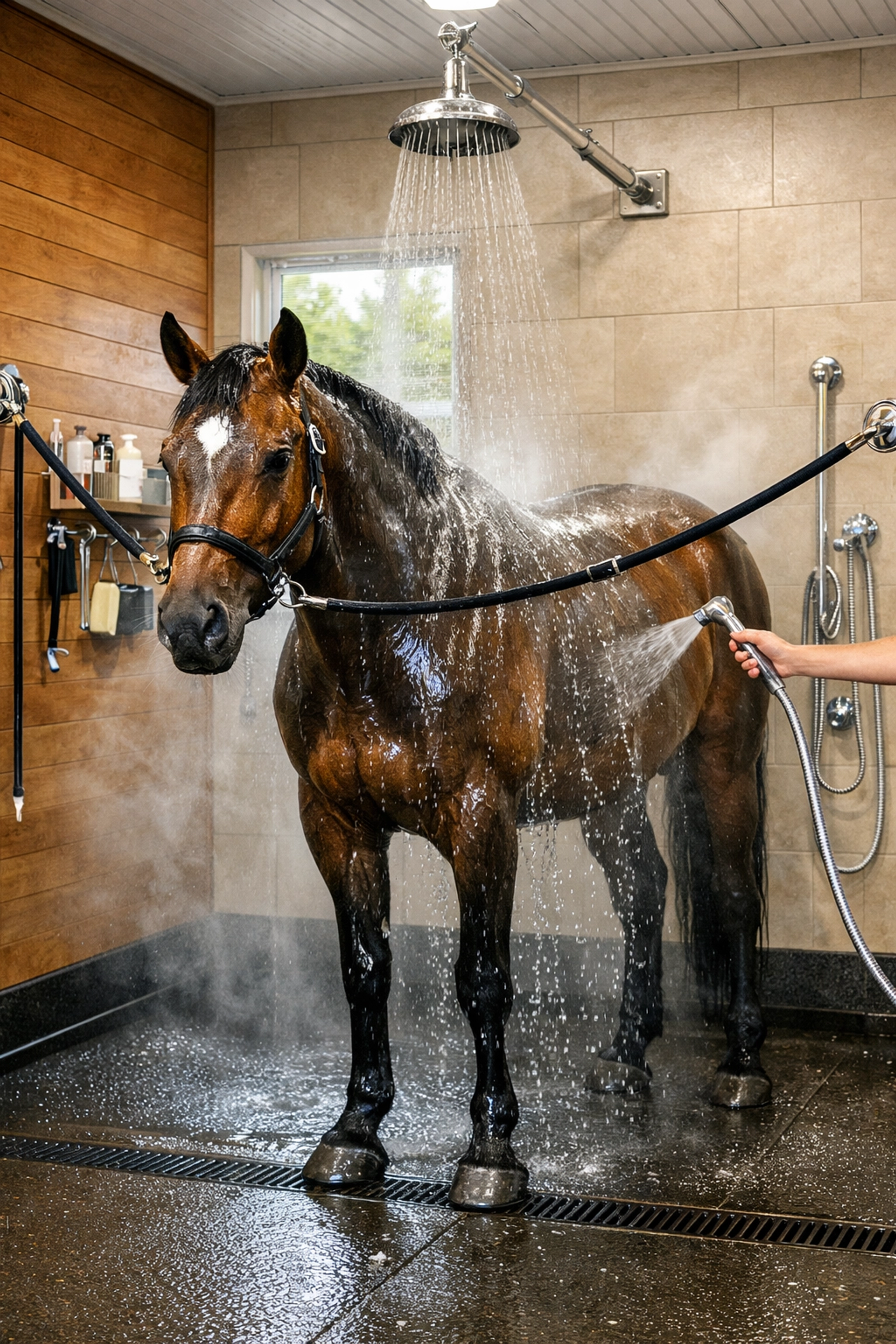
    • Wash rack with hot water and proper drainage
    • Hay storage with airflow to prevent mold

    Red flags include narrow aisles that create bottlenecks during feeding, inadequate ventilation that traps ammonia, and electrical systems that can't support heated water buckets in winter.

    Arena Specifications

    If a property advertises an arena, verify the footing composition and drainage system. A 50' × 125' space handles basic flatwork and small jump courses. Dressage riders need 20 × 60 meters minimum. Eventers want space for gymnastics.

    Footing depth matters more than you'd expect. Too shallow and you're riding on hardpan. Too deep and tendons take unnecessary strain. Quality sand/fiber blend footing typically runs 3-4 inches deep, properly compacted and maintained with regular dragging.

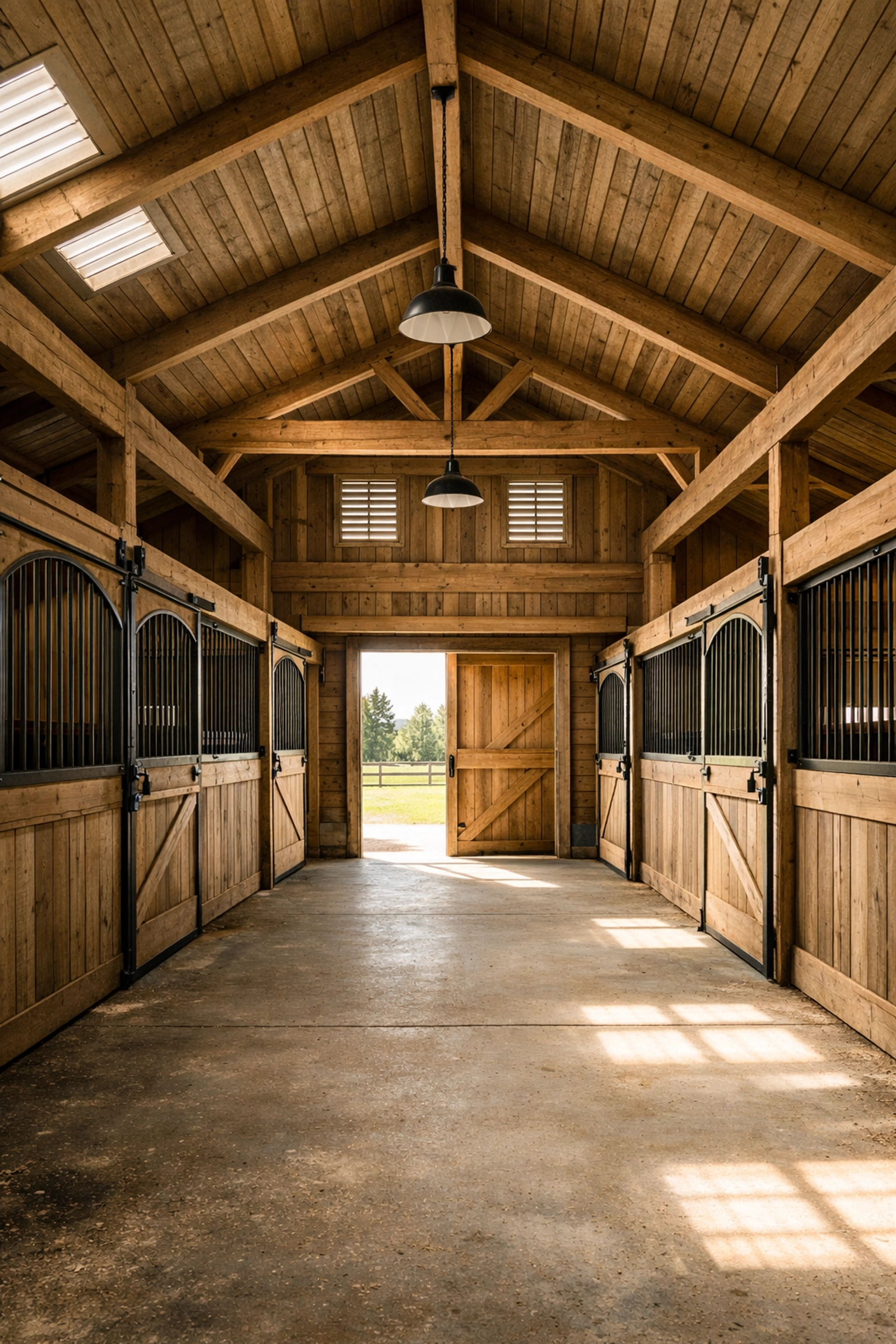
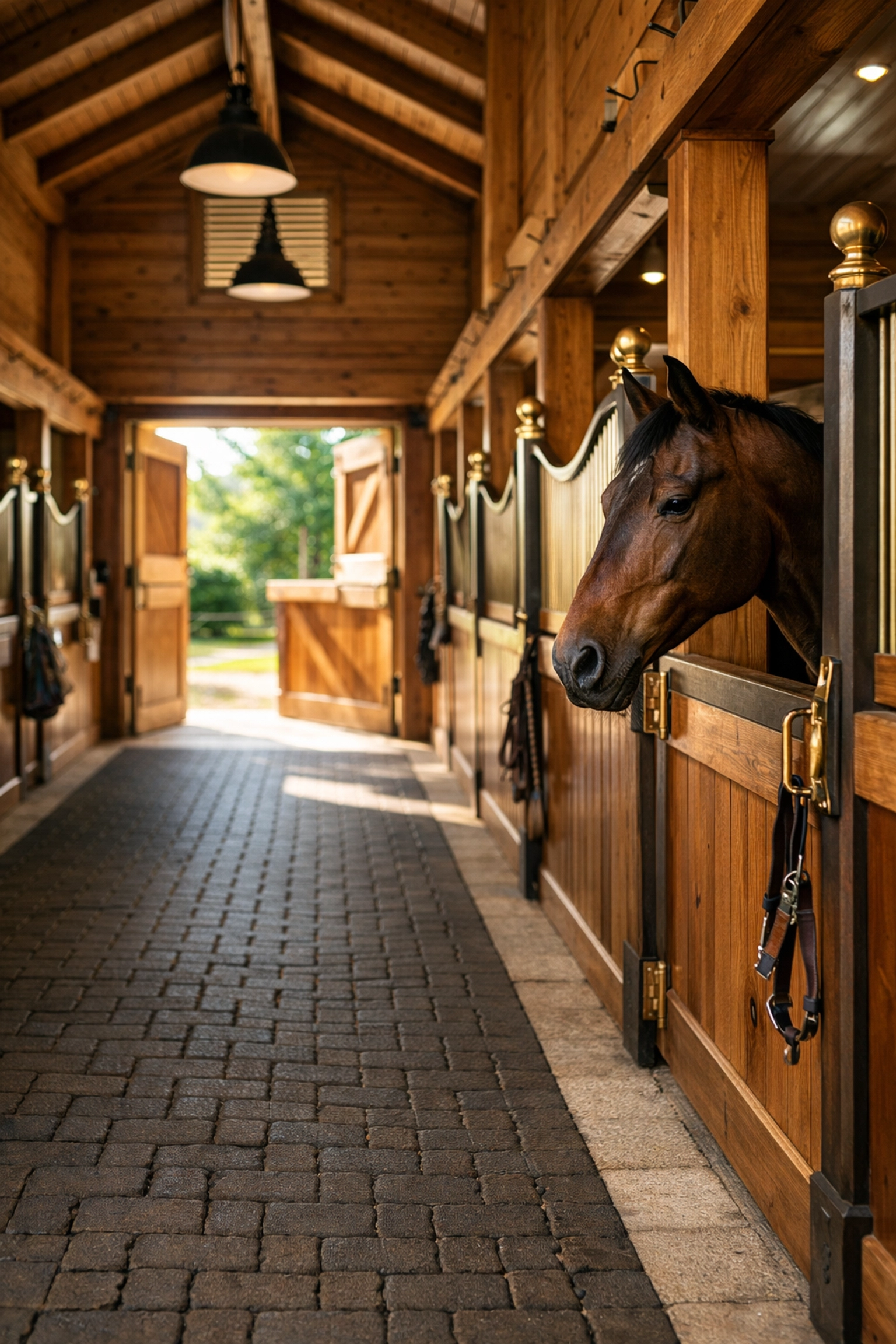
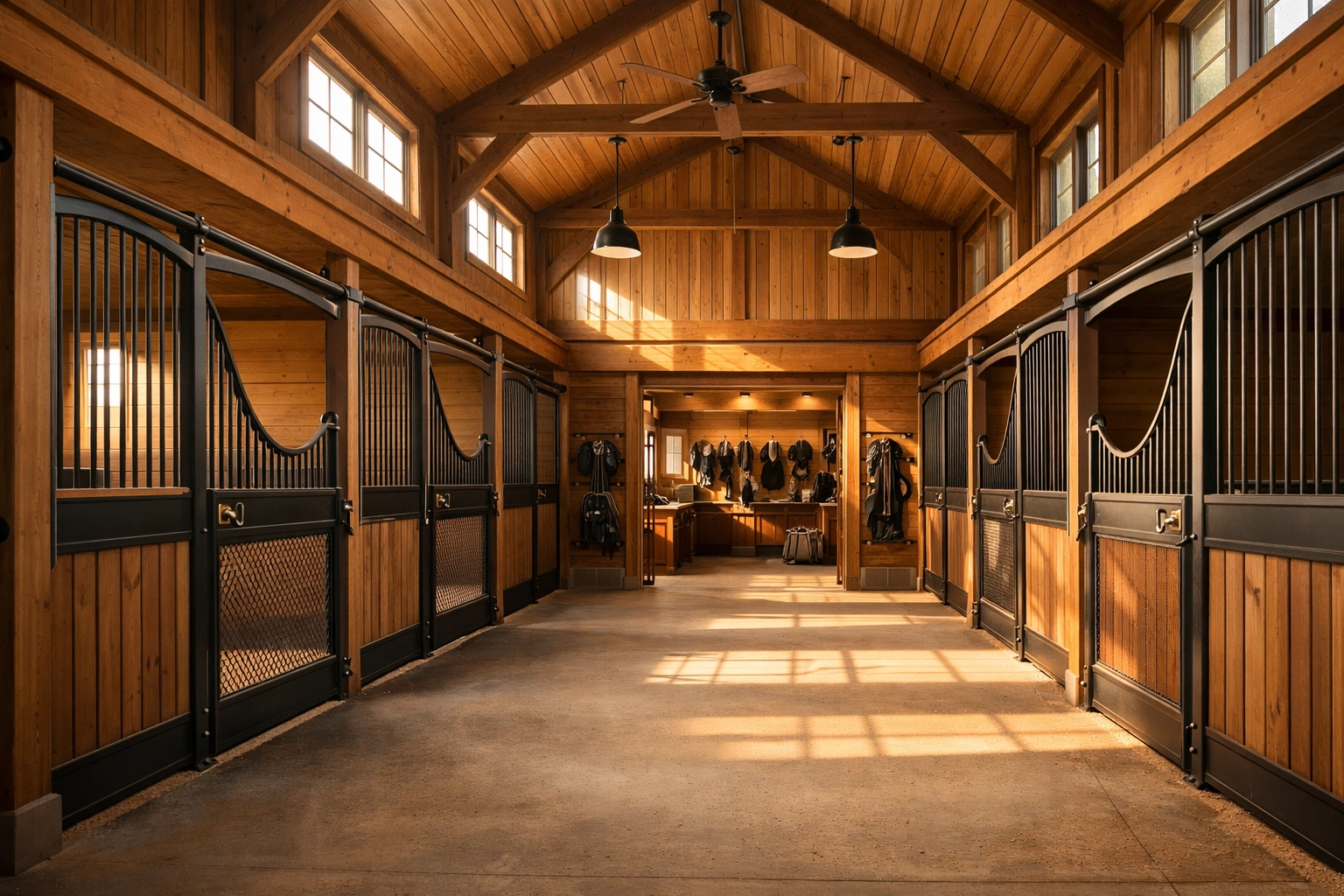
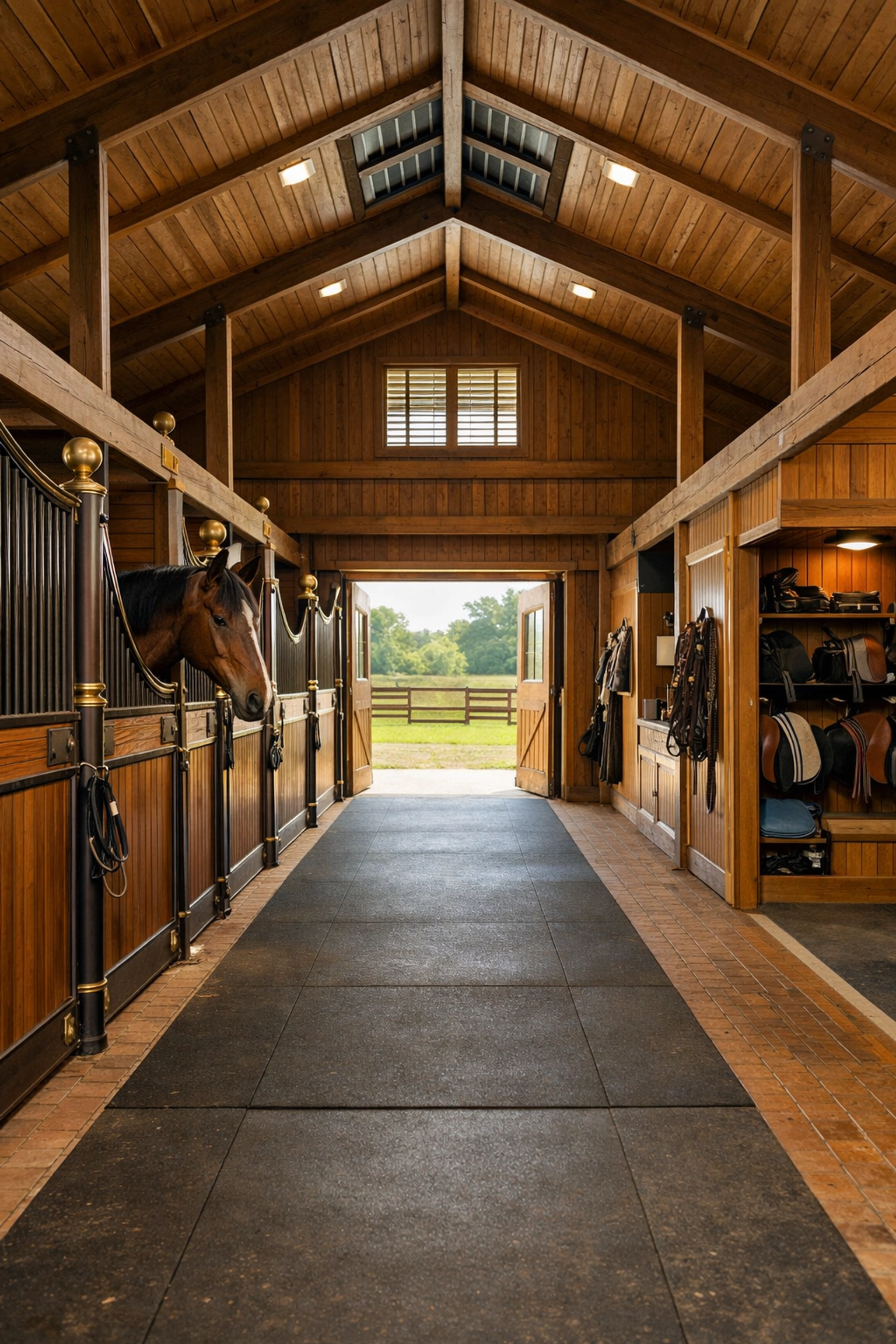
    Well-designed horse barn interior with center aisle and stalls at Waxhaw NC farm

    Pasture Infrastructure

    Count gates, check fence tension, and walk the perimeter. Four-board oak fencing remains the gold standard for safety and durability. Well-maintained wire is acceptable if properly tensioned. Electric tape works for subdivision but shouldn't be the primary perimeter.

    Evaluate pasture size against your intended herd. Two acres per horse minimum for North Carolina climate: more if your soil tends toward clay or if you plan year-round turnout.

    The Practical Benefits of Waxhaw Location

    Veterinary and Emergency Access

    Carolina Equine Hospital in Monroe sits approximately 20 minutes from most Waxhaw properties. That proximity matters during colic episodes or lacerations that won't wait. Multiple large-animal practitioners service the area regularly for routine care and dentistry.

    Feed and Supply Infrastructure

    Southern States and local feed mills deliver to the area. Tractor Supply and smaller tack shops provide equipment access without the drive to Charlotte. This infrastructure exists because working farms have been here long enough to support it.

    Show Venue Access

    Waxhaw positions you within trailering distance of:

    • FENCE in Tryon (1 hour)
    • Carolina Horse Park (1.5 hours)
    • Charlotte-area hunter/jumper barns (30-45 minutes)

    If you're bringing clients to rated shows or young horses to schooling events, logistics matter. Waxhaw provides reasonable access without the premium land prices you'd pay in Tryon itself.

    Due Diligence That Protects Your Investment

    Soil Testing Before Closing

    North Carolina soil varies dramatically within short distances. Professional testing identifies pH levels, nutrient deficiencies, and drainage capacity. This information determines pasture management costs and arena construction feasibility.

    Budget $300-500 for comprehensive testing across multiple paddocks. The data pays for itself when you're calculating lime applications or deciding whether an outdoor arena needs French drains.

    Zoning Verification for Commercial Use

    If you plan to board, train, or host clinics, verify agricultural zoning permits commercial equestrian activity. Union County regulations differ from Mecklenburg County standards. Some properties carry residential zoning with agricultural exemptions that may not cover paid training.

    Confirm directly with county planning rather than relying on listing descriptions. This single call prevents expensive surprises after closing.

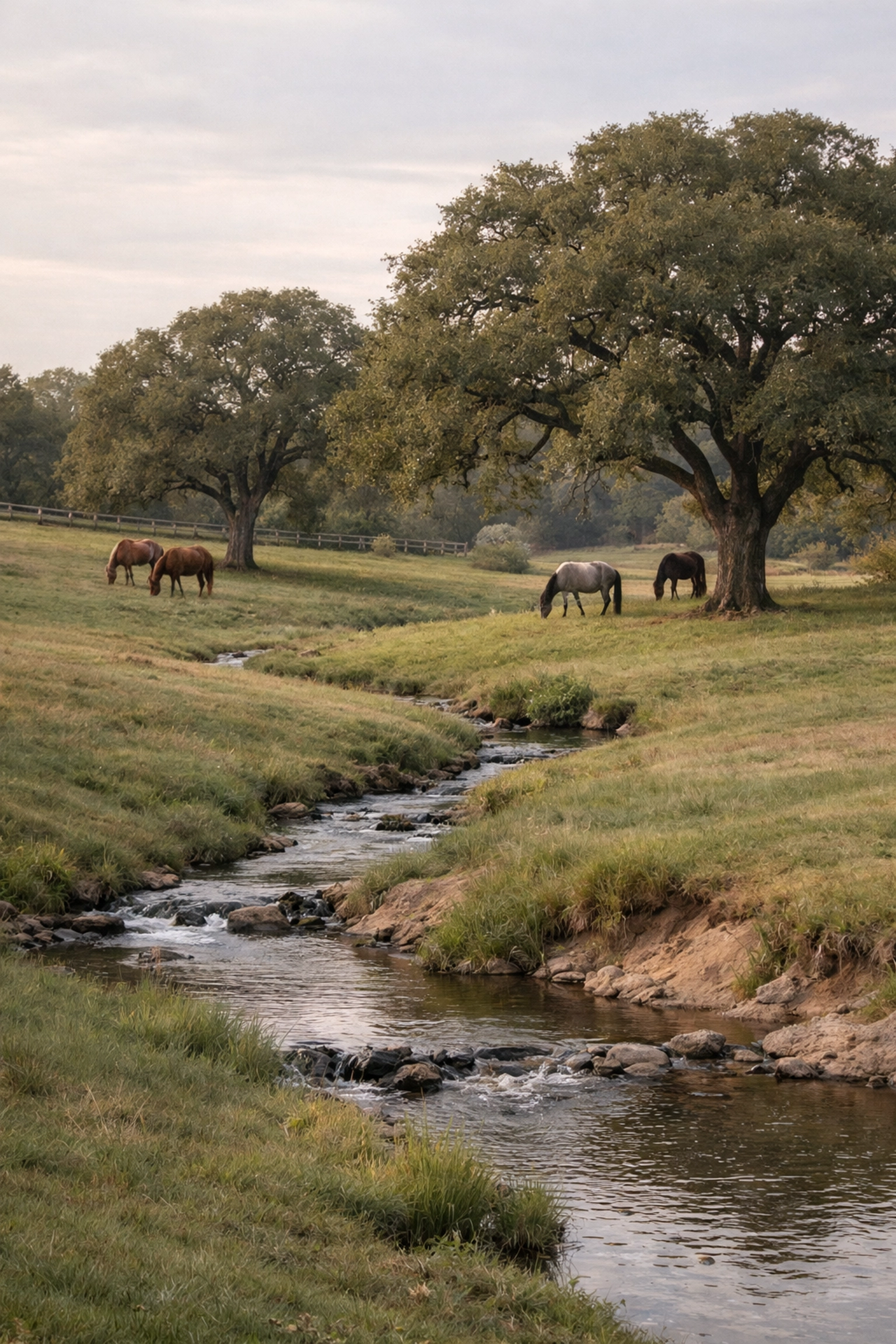
    Horses grazing in fenced pasture at Waxhaw NC equestrian property

    Inspection Focus for Horse Properties

    Standard home inspections miss critical farm infrastructure. Hire inspectors experienced with agricultural properties who will evaluate:

    • Barn electrical systems for code compliance and capacity
    • Well water production rates (essential if you're running automatic waterers)
    • Septic system sizing for barn wash areas
    • Arena drainage and footing base
    • Fence condition across entire perimeter

    Working with Specialists Who Understand Farm Transactions

    Equestrian property transactions require different expertise than residential sales. The right agent understands why a 10-acre property with a 6-stall barn and arena listed at $725,000 represents different value than a 10-acre residential lot with a hobby barn at the same price.

    At Carolina Horse Farm Realty, our team lives this daily: we evaluate properties from the perspective of someone who mucks stalls, hauls to shows, and manages pasture rotation. Our knowledge of Waxhaw and surrounding areas comes from working with buyers and sellers who depend on their land for breeding programs, training operations, and retirement farms.

    Next Steps for Serious Buyers

    Current inventory moves when properties are priced correctly and offer genuine equestrian infrastructure. If you're ready to evaluate what's actually available in Waxhaw right now, explore our current listings or contact our team to discuss your specific requirements.

    Whether you need 5 acres for personal horses or 40 acres for a training facility, understanding what exists in today's market: and what those properties actually offer beyond the listing photos: separates productive searches from wasted weekends.

    The right farm is out there. Finding it requires knowing what questions to ask, what infrastructure actually costs to maintain, and which compromises you can live with versus which ones will haunt you every morning during feeding.

  • The Ultimate Guide to Horse Farms for Sale in Waxhaw, NC: Everything You Need to Succeed

    The Ultimate Guide to Horse Farms for Sale in Waxhaw, NC: Everything You Need to Succeed

    Waxhaw, North Carolina has quietly established itself as one of the Charlotte Metro area's premier destinations for serious equestrians. With rolling pastures, preserved open space, and a community that genuinely understands horse life, this historic town offers something increasingly rare: room to breathe and the infrastructure to support a real working equestrian operation.

    The Waxhaw Horse Property Market: What You Need to Know

    The current inventory speaks for itself. 45 active horse property listings are available in Waxhaw as of early 2026, with an average listing price of $539,000 and land costs averaging $50,005 per acre. Properties range from intimate 2-acre parcels ideal for a few personal horses to expansive 10+ acre estates designed for training operations or breeding programs.

    The median price point sits between $570,000 and $620,000, positioning Waxhaw as accessible compared to Tryon's high-end market while offering significantly more land and privacy than closer-in suburbs like Weddington or Marvin.

    What matters more than the numbers: the properties themselves are purpose-built for horses. We're not talking about McMansions with a decorative barn. These are functional equestrian facilities with thoughtful infrastructure, established pastures, and owners who understood what horses actually need.

    Aerial view of horse farm for sale in Waxhaw NC with fenced pastures and barn

    Why Waxhaw Works for Horse People

    The appeal isn't complicated. Waxhaw offers legitimate acreage at prices that make sense, combined with proximity to Charlotte's amenities when you need them: roughly 30 minutes to uptown. The soil drains well, critical for pasture management in North Carolina's clay-heavy terrain. Summers are hot, but the tree coverage on most properties provides natural shade, reducing the stress on horses during peak months.

    The town's agricultural heritage remains intact. Union County's zoning regulations are generally favorable for equestrian use, and neighbors understand that horses are livestock, not pets. You won't face the same conflicts that arise in areas where horse properties are squeezed between residential developments.

    Access to veterinary care is excellent. Multiple large animal practices serve the area, and you're within reasonable trailering distance to NC State's renowned veterinary hospital when specialized care is necessary. Farriers, feed suppliers, and tack shops are local: not conveniences to underestimate when you're managing horses daily.

    Property Types and Infrastructure You'll Find

    The variety in Waxhaw's equestrian inventory allows buyers to match property to purpose:

    Established Training Facilities: Properties like Break Away Farm exemplify this category: 10+ acres with 4-stall barns, hay lofts, equipment storage, run-in sheds, and lighted arenas measuring 50' x 125'. These turnkey operations include sprinkler systems for arenas, proper drainage, and multiple pastures with safe fencing already in place.

    Breeder-Ready Properties: Look for farms offering 5-8 acres with multiple paddocks suitable for separating mares and foals, covered shelters for turnout, and barn layouts with foaling stalls or the space to add them.

    Private Family Farms: The 2-5 acre range works well for families maintaining 2-4 personal horses. These properties typically feature 2-3 stall barns, small riding rings, and enough pasture for daily turnout without the maintenance burden of larger acreage.

    Horse barn interior with stalls and center aisle at Waxhaw equestrian property

    Essential Features in Waxhaw Properties

    Strong equestrian infrastructure separates legitimate horse farms from hobby properties. Serious buyers should evaluate:

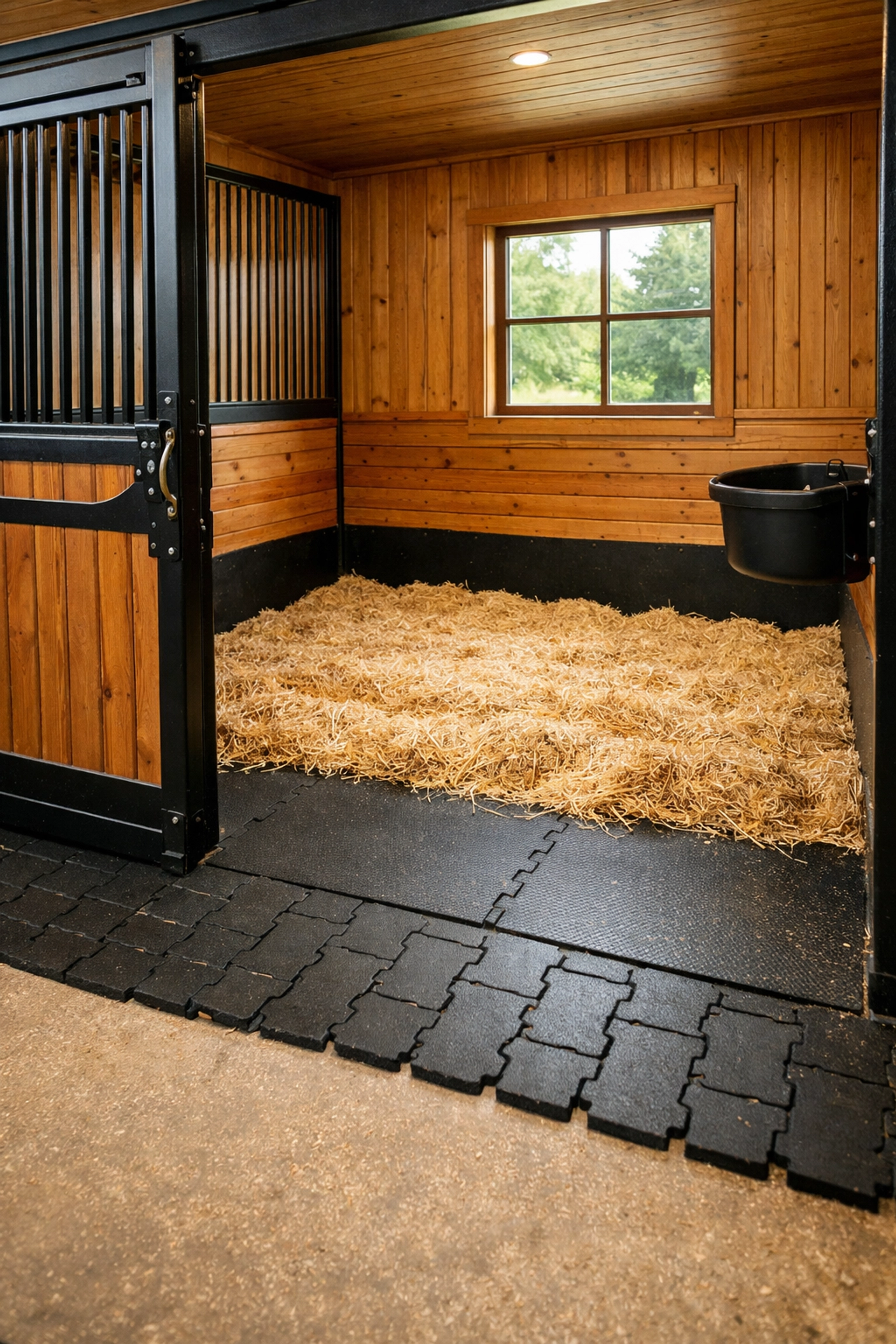
    Barn Construction and Layout: Look for center-aisle barns with proper ventilation, rubber matting in stalls, dutch doors for natural light, and dedicated tack rooms with climate control potential. Many Waxhaw properties feature 12' x 12' stalls minimum: adequate space for warmbloods and larger breeds.

    Pasture Quality and Fencing: Established properties have rotational pasture systems with quality fencing: four-board wood, flex fencing, or properly maintained wire. Pay attention to gate placement, water access in each pasture, and whether the property has separate sacrifice areas to preserve grass during wet months.

    Arena and Riding Spaces: Lighted arenas with quality footing allow year-round training. The best properties have professionally installed arena bases with proper drainage: critical in North Carolina where afternoon thunderstorms are routine from spring through fall.

    Water and Utilities: Automatic waterers in stalls and pastures, adequate electrical service to barns, and well systems capable of handling equine demands matter more than fancy amenities in the main house.

    The Waxhaw Equestrian Community and Lifestyle

    Beyond individual properties, Waxhaw offers genuine community infrastructure for horse owners. Cane Creek Park provides 1,100 acres of preserved space with extensive trail systems suitable for conditioning horses and leisurely trail rides. The Mineral Springs Greenway connects to additional riding areas, giving you options beyond your property lines.

    Local equestrian businesses create a support network that makes horse ownership more sustainable. You'll find trainer barns accepting outside horses for training, boarding facilities for overflow or sales horses, and a community of owners who understand the daily rhythm of equine care.

    The town center retains its historic character without sacrificing modern conveniences. Feed stores deliver to area farms, veterinarians know the local properties, and you can actually find competent barn help through word-of-mouth networks: a significant advantage over areas where equestrian culture is newer or more fragmented.

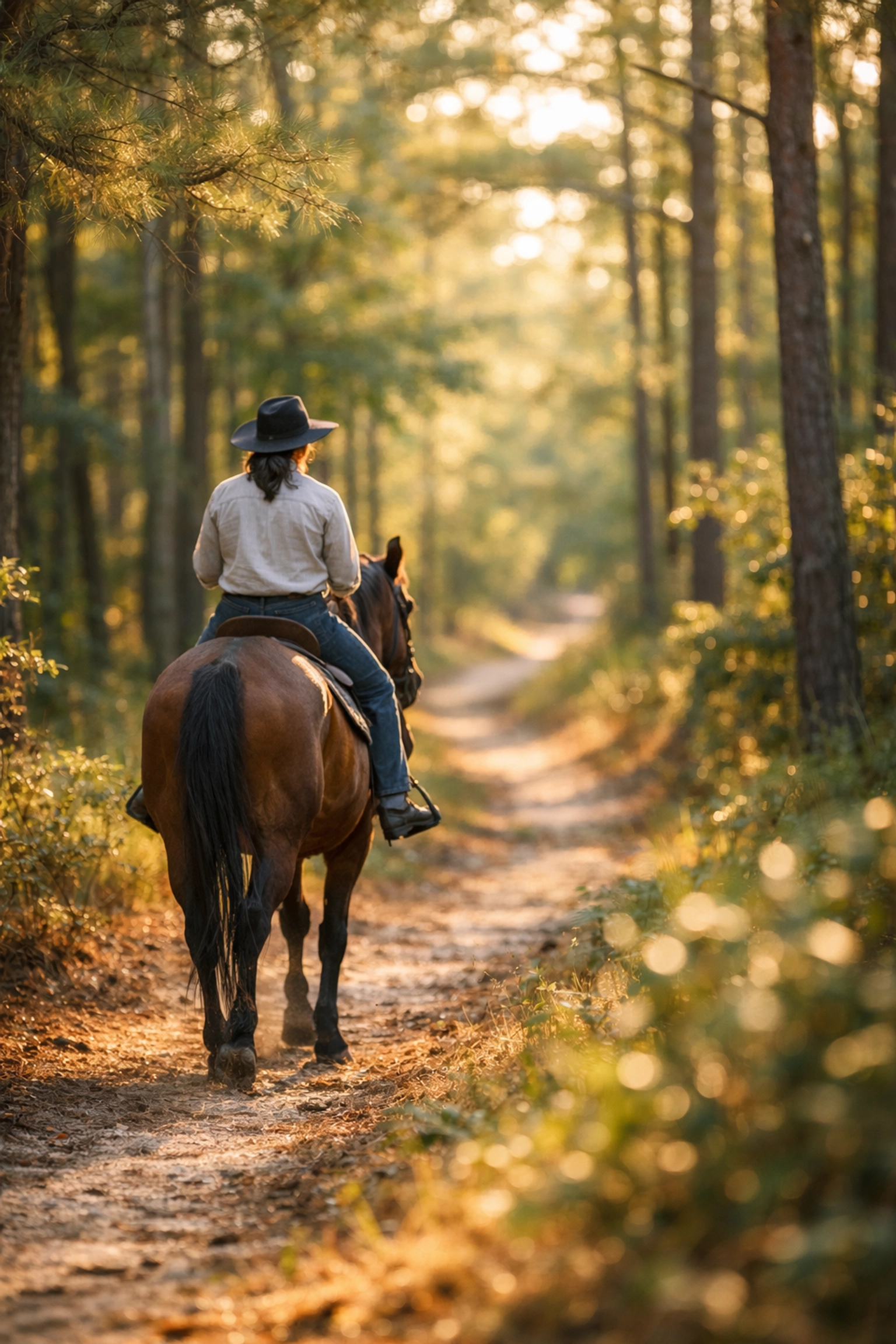
    Horseback riding on wooded trail in Cane Creek Park near Waxhaw NC

    Practical Considerations Before You Buy

    Zoning and Agricultural Designations: Union County permits agricultural use on properties meeting minimum acreage requirements. Confirm the property's current zoning and whether it qualifies for agricultural tax advantages. Present Use Value taxation can significantly reduce property taxes for working farms.

    Soil and Drainage Assessment: Request soil tests before closing. North Carolina's red clay requires management, but Waxhaw's terrain generally offers better natural drainage than areas closer to Charlotte. Properties with established pastures demonstrate that the land can sustain grass: not always a given in the Piedmont.

    Infrastructure Upgrades and Costs: Budget realistically for deferred maintenance or improvements. Even well-maintained farms need fence repairs, arena grooming equipment, and barn updates. Properties priced at the lower end of the market may need substantial investment to reach your operational standards.

    Access and Road Frontage: Consider trailer access, especially if you compete regularly. Properties on unpaved roads or with challenging ingress may complicate daily operations and affect resale value.

    Making Your Move to Waxhaw

    The current market offers opportunities for buyers who know what they're evaluating. Inventory remains strong, and motivated sellers are pricing properties to move rather than testing the market with aspirational numbers.

    Work with representation that understands equestrian infrastructure from a management perspective, not just a marketing checklist. The difference between adequate fencing and dangerous fencing isn't visible in photos. Arena footing that looks acceptable may be unsuitable for serious work. Barn layouts that seem functional may create daily inefficiencies that compound over years of ownership.

    Successful horse farm purchases happen when buyers view properties through both emotional and operational lenses. Waxhaw offers both: the lifestyle appeal of pastoral North Carolina and the practical infrastructure to support real equestrian programs.

    If you're ready to explore what Waxhaw offers, view our current listings of horse farms and equestrian properties or reach out to discuss your specific requirements. We work with buyers who take horse property seriously: because that's the only way it should be approached.

  • The Ultimate Guide to Horse Farms for Sale in Waxhaw, NC: Everything You Need to Succeed

    The Ultimate Guide to Horse Farms for Sale in Waxhaw, NC: Everything You Need to Succeed

    If you've spent any time searching for horse property in the Charlotte metro area, you already know: Waxhaw keeps showing up in the conversation. There's a reason seasoned horse people and first-time farm buyers alike gravitate toward this Union County town. It's not just available land: it's the right kind of land, in the right place, with a community that actually understands what it means to live with horses.

    Waxhaw offers something increasingly rare in North Carolina's growing metro areas: genuine rural character within commuting distance of Charlotte, paired with an established equestrian infrastructure that doesn't require you to build everything from scratch.

    The Waxhaw Horse Property Market: Current Landscape

    As of early 2026, Waxhaw's equestrian real estate market presents 17 active listings with an average price point of $539,000 and an average cost of approximately $50,000 per acre. This positions Waxhaw in the mid-range among Charlotte-area equestrian communities: more accessible than Weddington or Marvin, with better-established horse infrastructure than emerging areas.

    Aerial view of horse farm for sale in Waxhaw NC with pastures, barn, and white board fencing

    The inventory spans a practical range of buyer needs. Entry-level properties start around $295,000, typically offering smaller acreage with basic barn facilities suitable for a few horses and hobbyist owners. Mid-market options in the $500,000–$700,000 range generally provide 8–15 acres with professionally built barns, proper fencing, and turnkey equestrian amenities. Premium estates exceeding $1,000,000 deliver 20+ acres, high-end stable facilities with 9+ stalls, arenas, and custom residential features that rival any luxury home in the region.

    This price diversity creates opportunities across multiple buyer profiles: from professionals relocating with a small personal string to trainers establishing commercial operations to retirees seeking their forever farm.

    Why Waxhaw Works for Horse People

    Location Without Compromise

    Waxhaw sits at a geographic sweet spot: genuinely rural but not remote. The town center offers charming local businesses and dining, while Charlotte-Douglas International Airport lies just 35 minutes north. Matthews and Indian Trail provide additional shopping and services within 15 minutes. You're not sacrificing convenience for land: you're gaining both.

    The Union County location matters for practical reasons beyond lifestyle. County regulations tend to be more farm-friendly than Mecklenburg County's increasingly restrictive zoning. Property taxes remain lower than neighboring counties, and agricultural exemptions are straightforward when you're running a legitimate equestrian operation.

    Established Equestrian Infrastructure

    Unlike newly developing equestrian areas where you're pioneering alone, Waxhaw has decades of horse culture embedded in its identity. This translates to real advantages:

    • Veterinary Access: Multiple large-animal veterinary practices serve the area, including emergency services that understand equine medicine isn't optional
    • Feed and Supply: Local feed stores stock quality hay, grain, and supplements without requiring trips into Charlotte
    • Farrier Network: Established farriers with full books who actually return calls
    • Training Community: Working professionals across disciplines: dressage, hunters, eventers, western: create opportunities for lessons, clinics, and competitive venues

    Professional horse barn interior in Waxhaw with center aisle, stalls, and natural lighting

    This infrastructure doesn't materialize overnight. It exists because Waxhaw has sustained a horse community long enough to support it.

    Trail Access and Natural Resources

    The nearby Cane Creek Park encompasses 1,100 acres with designated equestrian trails: a significant asset when you consider how few public riding areas exist in the Charlotte metro. The Mineral Springs Greenway offers additional trail options. These resources extend your usable land beyond your property lines, particularly valuable for farms with limited acreage or horses that benefit from varied terrain and exposure.

    The region's topography provides natural drainage in most areas, with rolling terrain that supports healthy pastures when properly managed. Creek frontage appears on many properties, offering natural water sources and additional environmental appeal.

    Types of Horse Farms Available in Waxhaw

    Small Acreage Starter Farms (3–8 Acres)

    These properties suit owners with 2–4 horses who prioritize location and community over extensive land. Expect a modest barn (4–6 stalls), one or two paddocks, and a small pasture. These farms work well for professionals maintaining personal horses while boarding out young stock or sales horses elsewhere. Average price range: $350,000–$550,000.

    Mid-Size Training or Breeding Facilities (10–20 Acres)

    The most versatile category, these farms support commercial operations or serious amateurs. Look for 8–12 stall barns, multiple pastures with proper rotation capability, equipment storage, and often a riding arena (outdoor or covered). Properties in this range frequently include manager's quarters or second dwellings for working students. Average price range: $650,000–$950,000.

    Horseback rider on wooded trail near Waxhaw NC equestrian community

    Premier Equestrian Estates (20+ Acres)

    Turnkey operations designed for professional training, breeding programs, or private owners who want every amenity. These properties feature high-end barns (12+ stalls with European-style designs), indoor and outdoor arenas with quality footing, multiple pastures with excellent fencing, cross-country features, wash stalls with hot water, climate-controlled tack rooms, and main residences that match the quality of the equestrian facilities. Average price range: $1,200,000+.

    What to Evaluate in a Waxhaw Horse Farm

    Barn Construction and Functionality

    Beyond stall count, examine barn layout. Center aisle barns with 12'x12' stalls, proper ventilation (ridge vents, cupolas, windows), rubber-mat flooring, and convenient water access represent standard quality construction. Avoid barns with poor drainage, inadequate ventilation, or structural issues that will cost tens of thousands to remedy.

    Tack rooms should be dry and secure. Wash stalls with hot water aren't luxury: they're practical necessities in North Carolina's climate. Feed rooms must protect grain from moisture and pests. These details reveal whether the previous owner actually used the facility or simply installed Instagram-worthy but functionally problematic features.

    Pasture Quality and Fencing

    North Carolina soil varies dramatically across even small geographic areas. Quality Waxhaw horse farms maintain well-established pastures with appropriate grasses (tall fescue, orchardgrass, timothy) and manageable weed pressure. Bare dirt lots indicate poor management or overstocking: problems that require years and significant investment to correct.

    Fencing must be horse-safe, well-maintained, and properly tensioned. Wood board fencing offers classic aesthetics but requires constant maintenance. Coated wire (like Centaur or similar) provides durability with lower maintenance. Avoid properties with barbed wire or deteriorating fencing that needs immediate replacement.

    Water and Drainage

    Automatic waterers in pastures save hours of daily labor and ensure consistent hydration. Properties relying solely on tank filling require constant monitoring and winter ice management.

    Proper drainage prevents mud issues that plague poorly planned farms. Observe low spots in pastures, barn areas, and arena locations. Standing water indicates drainage problems that impact horse health, facility usability, and long-term property maintenance.

    The Investment Perspective

    Waxhaw horse farms represent more than lifestyle purchases: they're investments in appreciating assets within a growing metro region. Union County's population growth continues, but agricultural zoning protects larger parcels from immediate subdivision pressure. This dynamic supports property value appreciation while maintaining the rural character that makes the area desirable.

    Mid-size equestrian training facility in Waxhaw with riding arena, barn, and pastures

    Properties with quality infrastructure, well-built barns, proper fencing, arena facilities: command premium resale values because informed buyers understand the six-figure cost to replicate these improvements. Purchasing a turnkey farm, even at higher initial cost, typically proves more economical than buying raw land and building from scratch.

    For commercial operators, Waxhaw's established horse community provides built-in clientele. Training businesses, breeding operations, and boarding facilities benefit from proximity to other equestrian professionals and the cross-referral network that exists in established horse communities.

    Moving Forward With Confidence

    Finding the right horse farm requires balancing emotional appeal with practical evaluation. Waxhaw's market offers sufficient inventory across price ranges to accommodate various needs, but quality properties move quickly when priced appropriately.

    Work with real estate professionals who understand equestrian properties beyond superficial features: agents who can evaluate barn construction, assess pasture management, and understand how equestrian facilities impact property value. The difference between a knowledgeable equestrian agent and a general residential agent becomes clear when negotiating repairs, evaluating infrastructure, or understanding the true cost of deficiencies.

    Waxhaw's combination of location, community, and available inventory creates an environment where horse farms aren't just properties: they're the foundation for the equestrian lifestyle you've been working toward. The right farm exists; finding it requires patience, knowledge, and a clear understanding of your priorities.

    Whether you're searching for your first farm or your forever property, Waxhaw deserves serious consideration. Explore current horse farm listings or connect with our team to discuss how Waxhaw's equestrian properties align with your specific goals.

  • The Ultimate Guide to Horse Farms for Sale in Waxhaw, NC: Everything You Need to Succeed

    The Ultimate Guide to Horse Farms for Sale in Waxhaw, NC: Everything You Need to Succeed

    Waxhaw, North Carolina sits in that rare sweet spot where authentic equestrian country meets Charlotte Metro accessibility. If you're searching for a horse farm that offers both land quality and lifestyle convenience, this historic town deserves your full attention.

    Twenty minutes from South Charlotte, Waxhaw has preserved its agricultural heritage while developing the infrastructure serious horse owners need. The soil drains well, the community understands farm life, and you can trailer to Tryon or attend a veterinary appointment without losing half your day.

    Understanding the Current Waxhaw Equestrian Market

    The numbers tell a straightforward story. Waxhaw currently maintains approximately 45 active equestrian property listings across major platforms, with inventory consistently available at multiple price points. Average listing prices hover around $539,000, though the actual range spans from entry-level farms under $300,000 to premier estates exceeding $1.5 million.

    Properties typically remain on market for 52 days: a healthy timeframe that suggests neither desperation selling nor stagnant inventory. The average cost per acre sits at approximately $50,000, reflecting the area's proximity to Charlotte while remaining significantly more accessible than comparable locations in Weddington or Marvin.

    This market depth matters. Whether you're searching for five acres to retire two horses or fifty acres to operate a training facility, Waxhaw's inventory consistently delivers options.

    Aerial view of horse farm for sale in Waxhaw NC with fenced pastures and red barn

    What Your Investment Actually Buys

    The Waxhaw equestrian market segments into three distinct tiers, each serving different operational needs:

    Foundation Properties ($295,000 – $450,000)

    Entry-level farms in this range typically offer 3-8 acres with basic equestrian infrastructure. Expect a modest barn with 2-4 stalls, simple run-in sheds, and adequate pasture for personal horse keeping. These properties suit semi-retired professionals, small-scale breeders, or families transitioning from boarding to property ownership.

    Current examples include updated homes on 5+ acres with functioning barns, equipment storage, and fenced paddocks. The land quality remains strong: you're sacrificing amenities, not soil or drainage.

    Established Estates ($500,000 – $950,000)

    Mid-market properties deliver serious equestrian functionality. Farms in this tier commonly feature 10-25 acres, professionally designed barns with 6-12 stalls, dedicated hay storage, wash racks, and riding arenas. Pastures are properly subdivided with quality fencing, and properties often include manager's quarters or guest accommodations.

    These farms support active training programs, breeding operations, or multi-horse private ownership. The infrastructure exists: you're buying turnkey capability, not a development project.

    Premier Operations ($1,000,000+)

    Top-tier Waxhaw estates rival anything found in Union County. Properties at this level offer 30+ acres, indoor or covered arenas, high-end barn systems with full amenities, multiple residences, and complete equestrian complexes. These farms function as true business operations with professional-grade everything: lighting, footing, water systems, and facility design.

    The $1.5 million properties currently listed feature 7+ bedroom homes with 4,000+ square feet, multiple barns, extensive trail access, and land suitable for competition-level facilities.

    Geographic Advantages That Matter Daily

    Waxhaw's location solves the urban-rural tension that challenges most Charlotte-area horse owners. You're 25 minutes from South Park, 35 minutes from Charlotte Douglas International Airport, and less than an hour from Tryon International Equestrian Center.

    Well-designed horse barn interior with spacious stalls and center aisle in North Carolina

    More importantly for daily life: quality equine veterinary care operates within 15 minutes, multiple feed stores service the area, and farrier availability remains strong. This infrastructure density matters when you're managing horses seven days per week.

    The trail access deserves specific attention. Many Waxhaw properties either directly adjoin public trails or sit within trailering distance of significant systems. The Mineral Springs Greenway provides developed trail access, while Cane Creek Park's 1,100 acres offers extensive riding opportunities. Properties backing to or near these systems command premiums: and deliver value if you actually use trails regularly.

    Waxhaw's zoning generally supports agricultural operations without the restrictions increasingly common in more developed areas. Union County's agricultural protection policies favor working farms, and the local community maintains genuine understanding of horse-keeping realities. Your neighbors understand early morning feeding schedules and truck traffic.

    Essential Features Worth Prioritizing

    After twenty years watching horse owners settle into Waxhaw properties, certain features consistently determine long-term satisfaction:

    Soil and Drainage Performance

    Waxhaw's clay-based soils require proper management but perform well when correctly maintained. Properties with established drainage systems, graded paddocks, and healthy pasture growth indicate previous owners who understood land stewardship. Standing water in low areas after moderate rain signals problems you'll inherit.

    Barn Design and Condition

    Look beyond aesthetic appeal to structural integrity and functionality. Well-designed barns feature proper ventilation, adequate stall size (12×12 minimum), quality flooring, and logical workflow from feed storage to stalls to turnout. Barns requiring major structural repairs consume budgets faster than almost any other farm element.

    Fencing Quality and Configuration

    Proper fencing represents both safety and financial investment. Board fencing requires ongoing maintenance but provides excellent visibility and strength. Electric systems offer flexibility but demand attention. Properties with well-maintained, properly configured fencing for your specific discipline save tens of thousands in immediate improvement costs.

    Water Access and Infrastructure

    Automatic waterers, frost-free hydrants at logical locations, and adequate well capacity matter daily. Properties with municipal water connections eliminate well concerns entirely. Inadequate water infrastructure becomes expensive to retrofit across multiple acres.

    Navigating the Purchase Process Successfully

    Horseback rider on wooded trail near Waxhaw NC equestrian properties

    Buying equestrian property differs meaningfully from residential transactions. Specialized inspections should evaluate barn structures, fencing systems, pasture health, drainage patterns, and soil quality. Standard home inspectors rarely possess equestrian facility expertise.

    Title research must confirm legal access to any adjoining trails, verify agricultural zoning status, and identify any restrictions on commercial equestrian operations if you're planning a business. Some properties maintain HOA restrictions limiting boarding or training activities.

    Financing equestrian properties often requires specialized agricultural loans, particularly for larger acreages or properties generating farm income. Establishing relationships with lenders experienced in equestrian real estate prevents delays and disappointment during the purchase process.

    The Waxhaw market moves decisively on properly priced, quality properties. Farms with strong infrastructure, excellent location, and competitive pricing typically receive multiple offers within 30 days. Serious buyers should maintain pre-approval and flexibility to move quickly when the right property appears.

    Setting Realistic Timelines

    Finding and closing on the right Waxhaw horse farm typically requires 3-6 months from initial search to ownership. This timeline reflects the specialized nature of equestrian properties: you're not simply buying a house, but evaluating an entire agricultural operation.

    Plan additional time for any significant improvements or modifications before moving horses. Even turnkey properties often benefit from customization to match your specific program needs.

    Properties requiring extensive renovation or development might need 6-12 months before supporting full equestrian operations. Budget accordingly for both the purchase and the improvements.

    Moving Forward From Research to Reality

    Waxhaw consistently delivers what serious horse owners need: quality land, functional infrastructure, and authentic equestrian community, all within reach of Charlotte's services and employment base. The market offers genuine depth across price points, with inventory regularly refreshing.

    Success in this market comes from clarity about your operational needs, realistic budgeting for total ownership costs, and willingness to move decisively on properly matched properties. The farms exist: finding the right one requires understanding both the market and your own requirements.

    Ready to evaluate specific Waxhaw properties that match your equestrian goals? Our team specializes in Charlotte-area horse farms and maintains current knowledge of available inventory, off-market opportunities, and properties approaching the market. We speak horse first, real estate second: and we understand what makes Waxhaw properties succeed long-term.

  • Charlotte Equestrian SEO Blitz: 30 Long-Tail Blog Post Ideas to Grow Your Horse Farm’s Website Traffic

    Charlotte Equestrian SEO Blitz: 30 Long-Tail Blog Post Ideas to Grow Your Horse Farm’s Website Traffic

    If you're marketing an equestrian property or running a horse-focused business in the Charlotte Metro area, you already know the clients you want aren't searching for generic real estate listings. They're typing specific questions into Google at midnight after barn chores: "indoor arena horse properties Waxhaw," "Union County horse zoning rules," or "best trails near Charlotte for trail riding."

    That's where long-tail SEO transforms your website from invisible to indispensable. These 30 blog post ideas are designed to capture the exact searches your ideal buyers and sellers are making, while establishing your authority as someone who truly understands the equestrian lifestyle in North Carolina.

    Why Long-Tail Keywords Matter for Equestrian Real Estate

    Long-tail keywords are three-to-five-word search phrases that reflect specific intent. Unlike broad terms like "horse farm" (which you'll never rank for against national sites), phrases like "pasture management tips North Carolina clay soil" attract qualified visitors actively seeking solutions.

    For equestrian properties, this specificity is your competitive advantage. Your prospective clients aren't casual browsers, they're serious horse owners with detailed requirements, limited inventory, and substantial budgets. When your content answers their precise questions, you build trust before the first phone call.

    The Charlotte Metro equestrian market spans multiple counties, each with distinct zoning regulations, soil conditions, and community cultures. This geographic and regulatory complexity creates hundreds of content opportunities that national real estate platforms will never address.

    Luxury horse farm with white fencing and barn in Charlotte NC equestrian property area

    Geographic-Specific Property Content (Posts 1-10)

    1. The Ultimate Guide to Horse Farms for Sale in Waxhaw, NC
    Waxhaw remains the crown jewel of Charlotte equestrian real estate. This comprehensive guide should cover price ranges, typical acreage, barn styles, proximity to Canter Lane and Waxhaw Equestrian Center, and what makes the Union County location attractive for hunters, eventers, and dressage riders alike.

    2. Why Weddington is the Perfect Spot for Your Equestrian Estate
    Position Weddington as the luxury equestrian suburb, excellent schools, horse-friendly zoning, and just minutes from Charlotte. Discuss minimum lot sizes, architectural standards, and the balance of privacy with community.

    3. Luxury Living: Equestrian Properties in Marvin, NC
    Marvin attracts high-end buyers seeking statement properties. Cover the town's rural character protection ordinances, waterfront horse properties on Lake Lee, and the aesthetic expectations for this sophisticated market.

    4. Exploring York County, SC: A Haven for Horse Lovers
    Just across the state line, York County offers more land for less money with South Carolina's favorable tax structure. Detail the Fort Mill and Lake Wylie equestrian communities, barn builders in the area, and what NC residents should know about purchasing across state lines.

    5. Finding Your Dream Horse Property in Mooresville
    Mooresville provides lake access combined with horse property, a rare combination. Discuss properties near Lake Norman, the western hunter/jumper community, and proximity to Tryon for those who show.

    6. Tryon Horse Country: Why It's Still a Top Destination
    Tryon International Equestrian Center changed everything. Explain the investment opportunity, rental income potential from horse show visitors, and lifestyle considerations for year-round versus seasonal residents.

    7. Huntersville Equestrian Real Estate: Space Close to the City
    Huntersville offers the increasingly rare combination of substantial acreage within 30 minutes of Uptown Charlotte. Cover northern Mecklenburg's remaining agricultural parcels and what's driving development pressure.

    8. Hidden Gems: Horse Farms for Sale in Davidson, NC
    Davidson's preserved rural character and town planning make it distinctive. Discuss historic farms, preservation easements, and the college town's unique cultural amenities.

    9. Why Harrisburg, NC is Growing for Equestrian Families
    Harrisburg's explosive growth hasn't eliminated horse properties yet. Cover what's still available, how to navigate rezoning pressures, and the Rocky River corridor's trail access.

    10. Large Acreage and Privacy: Monroe's Best Horse Properties
    Monroe and eastern Union County offer the most land per dollar in the metro area. Ideal for breeding operations, large boarding facilities, or those who simply want 50+ acres and total privacy.

    Modern indoor riding arena with timber beams for Charlotte area equestrian properties

    Infrastructure and Farm Design Content (Posts 11-19)

    11. Must-Have Feature: Why an Indoor Riding Arena Changes Everything
    Break down the investment (typically $150,000-$500,000), maintenance requirements, and how an indoor arena affects property value and marketability. Include discussion of North Carolina's heat, humidity, and summer afternoon thunderstorms.

    12. Barn Layouts 101: Designing for Efficiency and Horse Safety
    Cover aisle barn versus stall barn configurations, the European-style barn trend in Charlotte, optimal stall sizing for various disciplines, and workflow considerations for feed rooms and tack areas.

    13. Pasture Management: Keeping Your North Carolina Soil Healthy
    Address the Charlotte area's clay soil challenges, appropriate grass species (fescue versus Bermuda debates), rotational grazing systems, and when to call an agricultural extension agent.

    14. The Essentials of High-End Stable Design in Charlotte
    Luxury buyers expect heated viewing lounges, radiant floor heating in tack rooms, automated stall cleaning systems, and architectural continuity with the main residence. Detail these upgrades and their ROI.

    15. Fencing Options for NC Horse Farms: Safety Meets Style
    Compare board fencing, flex fencing, electric options, and the aesthetic expectations for luxury properties. Discuss maintenance requirements in North Carolina's climate and typical costs per linear foot.

    16. Manure Management: Best Practices for Small and Large Farms
    An unglamorous but essential topic. Cover composting systems, pickup services in various counties, spreading regulations, and how to handle this during property showings.

    17. Drainage Solutions for Your Equestrian Property
    Charlotte's clay soil and afternoon thunderstorms create drainage challenges. Discuss French drains, retention ponds, proper arena base construction, and working with civil engineers.

    18. Tack Room Goals: Organizing Your Equestrian Gear
    From heated blanket racks to saddle room design, buyers love this content. Include Pinterest-worthy organization systems and how proper tack rooms add value.

    19. Preparing Your Hay Storage for the North Carolina Seasons
    Cover barn storage versus separate hay barns, managing humidity and mold, and calculating storage needs based on herd size and seasonal availability.

    Lifestyle and Community Content (Posts 20)

    20. The Best Public Riding Trails Near Charlotte, NC
    Map out Latta Plantation Nature Preserve, Anne Springs Close Greenway, Ribbon Walk Nature Preserve, and the Yadkin River Greenway. Include trailer parking, seasonal closures, and trail etiquette.

    Well-maintained horse pasture with board fencing and grazing horses in North Carolina

    Buyer and Seller Education Content (Posts 21-30)

    21. First-Time Horse Farm Buyer? Here's Where to Start
    Walk through the unique considerations: well water versus municipal, septic sizing for barns, insurance requirements, and the emotional versus practical decision-making process.

    22. Navigating Zoning Regulations for Horses in Mecklenburg County
    Mecklenburg is increasingly restrictive. Detail minimum lot sizes, conditional use permits, and how recent zoning changes affect equestrian property owners.

    23. Union County Zoning: What Equestrian Buyers Need to Know
    Union County remains more horse-friendly, but regulations vary by township. Cover agricultural exemptions, commercial boarding regulations, and future comprehensive plan changes.

    24. Staging Your Horse Farm: How to Sell Faster and for More
    Address both the residence and the barn. Buyers want to visualize their horses in stalls, not your accumulated equipment. Discuss professional farm photography and drone footage.

    25. 5 Things to Look for During a Horse Property Home Inspection
    Beyond standard home inspection items, cover barn electrical systems, well water testing, fence line evaluation, pasture condition assessment, and arena base inspection.

    26. Financing Your Dream: Specialized Loans for Equestrian Estates
    Few conventional lenders understand equestrian properties. Discuss portfolio lenders, USDA loans, agricultural loans, and how barns and arenas affect appraisals.

    27. The 2026 Charlotte Equestrian Market: Trends to Watch
    Provide data-driven analysis of inventory levels, median prices by area, days on market, and how development pressure affects availability. Position yourself as the market authority.

    28. Tax Benefits of Owning a Working Horse Farm in NC
    Cover Present Use Value taxation, agricultural exemptions, business versus hobby classification, and when to consult a CPA familiar with equestrian operations.

    29. From Pro to Retirement: Finding the Right Training Facility
    Different life stages require different properties. Discuss turnkey training facilities versus retirement-friendly farms with minimal infrastructure.

    30. Why Soil Testing is a Must Before Buying Land in Charlotte
    Before you build that dream barn, test the soil. Cover perc tests for septic, soil composition for arena construction, agricultural suitability testing, and environmental assessments.

    Implementing Your Content Strategy

    These 30 posts form the foundation of a comprehensive SEO strategy that positions you as the Charlotte area's equestrian real estate authority. Publish consistently: two posts monthly creates a year-long content calendar while allowing time for thorough research and quality writing.

    Each post should include location-specific details, current market data, and authentic equestrian perspective. Add internal links to your property listings where relevant, but prioritize education over promotion.

    The horse community in Charlotte is close-knit. When your content demonstrates genuine understanding of their priorities: proper footing before fancy fixtures, land quality over house size: you'll become the trusted resource they call when they're ready to buy or sell.

    If you're ready to elevate your equestrian property's online visibility or want to discuss marketing your farm, let's talk. We understand this market because we live it.

  • The Ultimate Guide to Horse Farms for Sale in Waxhaw, NC: Everything You Need to Succeed

    The Ultimate Guide to Horse Farms for Sale in Waxhaw, NC: Everything You Need to Succeed

    If you've been searching for that rare combination: established equestrian infrastructure, manageable acreage, and a genuine horse community: Waxhaw deserves your attention. This Union County town has quietly become one of the Charlotte Metro's most balanced equestrian markets, where you'll find working horse farms, not just estates with barns as afterthoughts.

    Why Waxhaw Works for Serious Horse People

    Waxhaw sits at a practical crossroads. You're 30 minutes from Charlotte's amenities but surrounded by protected greenspace and agricultural zoning that actually means something. The town has managed growth without sacrificing its rural character: a feat that's increasingly rare in this market.

    The soil drains well here. The Carolina clay gives way to sandier loam in pockets, which matters when you're managing pastures through our humid summers. You'll find established trail systems at Cane Creek Park's 1,100 acres and the Mineral Springs Greenway, plus a network of horse-friendly neighbors who actually ride, not just keep horses as lawn ornaments.

    Aerial view of Waxhaw horse farm with white fencing, barn, and horses grazing in multiple pastures

    Current Market Snapshot: What You're Working With

    As of early 2026, Waxhaw's equestrian inventory shows approximately 45 horse properties actively listed, with pricing that reflects both the area's desirability and its accessibility compared to luxury markets like Weddington or Marvin.

    Market metrics worth knowing:

    • Average listing price: $539,000
    • Cost per acre: $50,005 average
    • Range: $295,000 to $1.5M+
    • Median price for equestrian community homes: $570,000-$620,000

    This pricing structure means you're not paying the premium of northern Mecklenburg County, but you're getting comparable: often superior: land and facilities. The inventory moves steadily here; properties with quality infrastructure and maintained pastures don't linger.

    Property Types: Understanding Waxhaw's Equestrian Inventory

    The Waxhaw market offers distinct tiers, each serving different operational needs:

    Starter Horse Properties (Under $400K)
    Typically 5-15 acres with basic barn infrastructure: three to four stalls, one or two pastures, run-in sheds. These work well for personal horse keeping or small boarding operations. Expect to invest in upgrades, but the bones are usually sound.

    Mid-Range Working Farms ($400K-$800K)
    This is Waxhaw's sweet spot. Ten to twenty-five acres with established barns (6-10 stalls), multiple rotational pastures, covered riding areas or small arenas, and proper drainage systems already in place. Many include secondary structures: hay barns, equipment storage, even apartments over barns for working students or managers.

    Premium Equestrian Estates ($800K+)
    Full-scale training facilities with indoor arenas, 20+ stalls, professional-grade footing, and homes that match the barn quality. These properties often come with established client bases if you're buying an operating business.

    Well-designed horse barn interior with center aisle, Dutch doors, and organized tack room

    Essential Features That Define Quality Waxhaw Properties

    After years of walking properties in this market, certain features separate functional horse farms from hobby farms with horses:

    Pasture Infrastructure
    Look for rotational grazing capability: at least four separate paddocks with established fencing (board fence, no-climb wire, or electric). The best properties show evidence of pasture management: even grazing patterns, minimal bare spots, weed control. Check water access in every paddock; hauling water gets old fast.

    Barn Design and Condition
    Twelve-foot aisles minimum, Dutch doors or grilled fronts for ventilation, properly sized stalls (12'×12' for horses, 10'×12' acceptable for ponies), secure tack rooms with climate consideration for leather. Hay storage should be separated from horse areas: fire safety isn't negotiable.

    Riding Surfaces
    Even if there's no formal arena, quality properties offer maintained work areas. Lighted arenas add significant value and functionality. The best have GGT or similar engineered footing, not just dragged dirt that turns to soup in March.

    Water and Drainage
    Critical in Union County. Properties with natural springs, ponds, or creek frontage provide backup water sources. Proper drainage away from barns and high-traffic areas prevents the mud management nightmare that defines poorly planned facilities.

    Professional lighted riding arena with quality footing on North Carolina equestrian property

    Zoning and Land Use: What Union County Allows

    Union County's agricultural zoning protects horse farm operations with reasonable regulations. Most equestrian properties sit on RA-40 (Residential-Agricultural) or RA-20 zoning, permitting:

    • Private horse keeping (no limit on personal horses)
    • Boarding operations (specific requirements for commercial boarding)
    • Training and lesson programs
    • Arena construction and agricultural buildings

    Before making offers, verify current zoning allows your intended use: especially if you plan commercial operations. Union County's planning department is straightforward to work with, unlike some neighboring jurisdictions where equestrian use faces increasing restrictions.

    The Waxhaw Equestrian Community: Beyond Property Lines

    You're not just buying land; you're entering a functional horse community. Waxhaw supports multiple disciplines: dressage, hunters, eventers, western performance. The local shows at FENCE (Foothills Equestrian Nature Center) draw competitors regionally, and you'll find everything from casual trail riding groups to serious training barns.

    Local veterinary care is excellent, with several practices offering both routine and emergency services. Farriers stay busy here: a good sign of active horse keeping, not just pasture ornaments.

    The Waxhaw equestrian community tends toward working professionals who are serious about their horses but not precious about their facilities. You'll find more muck boots than designer barn coats, which typically indicates people who actually know what they're doing.

    Making Your Search Strategic

    Start with land quality, not house appeal. You can renovate a kitchen; you can't easily fix poorly draining clay or pastures with compacted soil from years of overgrazing. Walk the property in March after rain to see how water moves.

    Evaluate barn infrastructure with a critical eye. New paint doesn't fix structural issues, inadequate drainage, or poor layout. Bring someone who knows barn construction: not just a home inspector.

    Consider your five-year plan. Buying too small because it's affordable leads to another move and transaction costs. Buying too large creates maintenance burden that kills profit margins if you're running a business.

    Research property history. How long has it operated as a horse farm? What condition are the pastures? Is infrastructure maintained or just standing? Previous use tells you about soil health and facility functionality.

    Healthy rotational pastures with proper fencing and horses on Union County horse farm

    Starting Your Waxhaw Property Search

    The Carolina Horse Farm Realty team has walked every serious equestrian property in Union County: not as listing agents trying to move inventory, but as horse people evaluating whether facilities actually work. We understand the difference between attractive barns and functional barns, between adequate acreage and properly managed land.

    Begin by defining your non-negotiables: acreage requirements, facility must-haves, proximity to specific services. Then let's match those needs against current inventory and emerging listings. The best Waxhaw properties often sell through word-of-mouth before hitting MLS, particularly those with established operations and quality infrastructure.

    Whether you're relocating a training business, upgrading from a smaller property, or establishing your first serious horse facility, Waxhaw offers the land, infrastructure, and community to support long-term success. The market rewards buyers who understand equestrian functionality over purely residential appeal: exactly the expertise we bring to every property search.

    Explore current equestrian properties or contact our team to discuss your specific requirements. We'll help you find not just a property, but the right foundation for your equestrian goals.

  • Hidden Gems: 5 Horse Farms for Sale in Davidson, NC You’ve Never Thought Of

    Hidden Gems: 5 Horse Farms for Sale in Davidson, NC You’ve Never Thought Of

    Most equestrian buyers bypass Davidson entirely. They're heading south to Waxhaw or west to Tryon, chasing the established horse country reputation. Meanwhile, a quiet enclave just north of Charlotte offers something increasingly rare: acreage with privacy, excellent soil, and proximity to Lake Norman: all within 30 minutes of uptown.

    Davidson doesn't announce itself as horse country. There are no highway billboards advertising boarding barns, no concentration of tack shops along Main Street. That's precisely why it works for a particular type of buyer: the one who values discretion, wants their horses at home, and appreciates that their neighbors won't all be in the horse business.

    Why Davidson Deserves Your Attention

    The current inventory sits at approximately eight equestrian properties, with an average listing price around $2.19 million and land costs averaging $175,340 per acre. These numbers reflect Davidson's position as a premium market: you're paying for location, school districts, and the infrastructure that comes with an established town. But within that market, genuine value exists for buyers who know what to look for.

    Aerial view of horse farm in Davidson NC with fenced pastures and Lake Norman views

    The soil here transitions from the red Carolina clay typical of Mecklenburg County to slightly sandier compositions as you approach the lake. This means better natural drainage than properties further south, a consideration that saves thousands in pasture maintenance over time. The topography offers gentle rolls rather than dramatic elevation changes, creating natural paddock divisions without the erosion challenges of steeper terrain.

    The Converted Estate with Equestrian Bones

    These properties weren't purpose-built as training facilities, but they have the infrastructure that matters. Look for former estates on 10-15 acres where a previous owner kept a few personal horses. You'll find a well-built four-stall barn: nothing fancy, but constructed with proper ventilation and quality materials. The paddocks have good perimeter fencing, often board or coated wire that's been maintained.

    What makes these hidden gems is the land itself. The property sits on a premium lot, often with mature hardwoods, a pond, or long-range views. The home reflects the same quality as the setting: custom construction, high-end finishes, spaces designed for entertaining. The equestrian component is understated, almost an afterthought in the listing photos, which means serious horse people can recognize the value while competing against fewer buyers.

    You're buying a property where someone invested in the land and infrastructure first, then added horses because the property could support them: not the other way around. That distinction matters when you're evaluating long-term property value and zoning protections.

    The Lake Norman Buffer Property

    Davidson's proximity to Lake Norman creates a unique category of equestrian property: parcels that exist as buffers between the lake developments and the town proper. These are often 15-25 acres, tucked on secondary roads, where the land was too irregularly shaped or had too many wetlands to subdivide profitably during the development boom.

    Well-maintained horse barn with board fencing on Davidson NC equestrian estate

    For equestrian buyers, these "problems" become assets. The wetlands mean year-round water access for pastures. The irregular boundaries create natural privacy. The location puts you within minutes of lake access for swimming horses in summer, but you're far enough from the vacation traffic that your daily routine remains undisturbed.

    These properties typically feature older barns: 1980s or 1990s construction: that need aesthetic updates but have solid structural integrity. The home might be dated, but it sits on a basement or crawl space with proper grading, meaning you're not dealing with the foundation issues common in rushed new construction. You're buying land position and access, with buildings that can evolve with your program.

    The Old Dairy or Tobacco Farm Remnant

    Davidson's agricultural history predates its current reputation as a college town. Before Lake Norman reshaped the region's economy, this area supported working farms. What remains are parcels ranging from 20-40 acres where the original farmstead has been updated but the land use never fully transitioned to suburban estate lots.

    These properties offer the most acreage for the investment. The barns might be repurposed dairy structures or tobacco barns: high ceilings, excellent ventilation, sturdy post-and-beam construction. They weren't designed for horses, but they convert beautifully because they were built to last and to accommodate livestock workflow.

    The pastures show evidence of decades of maintenance. The soil has been limed, the fields rotated, the tree lines managed. You're not starting from scratch with land reclamation or pasture establishment. The previous owner understood land stewardship, even if their animals weren't horses.

    Horse farm pastures with natural wetlands near Lake Norman in Davidson area

    What you sacrifice in modern amenities: indoor arenas, covered wash racks, heated tack rooms: you gain in land quality and price per acre. For breeders, retirement facilities, or anyone planning to build their program from the ground up, these properties provide the right foundation without the premium costs of turnkey equestrian estates.

    The Equestrian Property Hiding in Plain Sight

    Some of the best values in Davidson sit just outside the town limits in unincorporated Mecklenburg County. These properties list as "Davidson area" but don't carry the town's tax rates or zoning restrictions. They're close enough to use Davidson's address for mail, access the schools, and claim the location's prestige, but they fall under county agricultural zoning that offers more flexibility for equestrian use.

    Look for properties on the northeastern side, toward Huntersville, or the northwestern corridors toward Mooresville. These parcels range from 5-10 acres and appeal to buyers who want horses at home without managing a large operation. The barns are typically four to six stalls, built within the last 20 years, with attached equipment storage and sometimes a small apartment or office space above.

    The advantage here is acquiring Davidson's lifestyle without Davidson's price premium. You're typically saving 15-20% on comparable acreage, and the county's agricultural exemptions provide meaningful tax benefits if you structure your operation correctly. These properties move quickly when they list because buyers who understand the market see the value immediately.

    The Estate Parcel with Development Rights Intact

    The rarest category, but worth understanding: larger parcels (25+ acres) within Davidson's planning jurisdiction that retain subdivision rights but haven't been exercised. The current owner uses the property for personal equestrian purposes, but the underlying zoning allows future flexibility.

    These properties command premium pricing because you're buying optionality. If your program succeeds and you want to add a trainer's cottage or guest barn, the zoning supports it. If market conditions change and you need to subdivide, you can. If you simply want to ensure your current use is protected, the existing classification provides security.

    Historic barn converted to horse stables on Davidson NC agricultural property

    For buyers planning a 10-20 year hold, this category offers the best combination of current use and future flexibility. You're not locked into a single-use agricultural classification that might complicate financing or limit improvements. The property can evolve with your program or life circumstances while maintaining its core equestrian functionality.

    Making Your Move in Davidson's Market

    The Davidson equestrian market moves differently than high-volume horse country. Properties don't sit for six months while sellers wait for perfect offers. Quality listings receive attention within the first 30 days, often from qualified buyers who've been waiting for the right property to surface.

    Your advantage comes from knowing what you're looking at before the property hits the broad market. Understanding soil composition, drainage patterns, and zoning nuances lets you move decisively when the right property appears. These aren't impulse purchases: they're strategic acquisitions by buyers who've done the research and know exactly what they need.

    If you're considering Davidson for your next equestrian property, start by driving the back roads off Highway 115 and Griffith Street. Look past the main estate properties advertising their equestrian amenities. The hidden gems sit on tree-lined drives, behind established landscaping, with modest barn signage or none at all. They're not trying to be horse farms. They simply are: and that authenticity is worth the search.

    Ready to explore Davidson's equestrian opportunities? Our team specializes in connecting buyers with properties that match their program requirements and long-term goals. Contact us to discuss what you're looking for, or browse our current listings to see what's available in the Charlotte metro area.

  • The Ultimate Guide to Horse Farms for Sale in Waxhaw, NC: Everything You Need to Succeed

    The Ultimate Guide to Horse Farms for Sale in Waxhaw, NC: Everything You Need to Succeed

    There's a reason Waxhaw continues to draw serious horse people to its red clay and rolling pastures. This isn't the kind of place where equestrian estates are an afterthought: horse properties here were planned and built by people who understand what it takes to keep horses sound, happy, and thriving in the Carolina climate.

    If you're searching for a horse farm that balances genuine equestrian functionality with proximity to Charlotte's amenities, Waxhaw deserves your attention. This guide walks through everything that matters: current market conditions, infrastructure essentials, acreage considerations, and the practical details that determine whether a property will support your program or become a constant renovation project.

    Understanding the Waxhaw Equestrian Market

    The current inventory includes 17 to 45 equestrian properties depending on listing sources, with an average price point of $539,000. Per-acre costs average $50,005, though this figure varies significantly based on improvements, location, and usable pasture versus wooded acreage.

    This market offers genuine range. Entry-level properties start around $295,000 for smaller lots with basic infrastructure. Mid-range estates between $500,000 and $1,000,000 typically feature established barns, quality fencing, and pasture systems that don't require immediate overhaul. Premium properties exceed seven figures and include facilities built to support breeding operations, training programs, or client boarding.

    Aerial view of horse farm for sale in Waxhaw NC with barn, white fencing, and divided pastures

    Critical Infrastructure: What Separates Functional Farms from Money Pits

    Barn Quality and Layout

    Standard barns in this market feature four-stall configurations with hay lofts, though you'll find everything from modest run-in sheds to 12-stall facilities with apartments and grooming bays. Pay attention to ventilation, footing, and electrical systems: not just stall count. A well-designed four-stall barn with proper airflow and good drainage outperforms a poorly planned eight-stall structure every time.

    Run-in sheds matter more than many buyers initially recognize. Quality properties include multiple shelter options across pastures, not just one central barn. This reduces mud concentration, distributes manure load, and gives horses choice in weather: particularly important during Carolina's humid summers.

    Arena and Riding Facilities

    Properties with existing arenas should specify dimensions, footing type, and maintenance history. A 50' x 125' arena with proper base and sprinkler system represents significant value. Many farms include lighted facilities, extending riding hours during winter months. Evaluate drainage patterns around arenas carefully: standing water destroys footing and creates maintenance nightmares.

    Indoor arenas remain relatively rare in this price range. If an indoor facility ranks as essential for your program, expect to search longer or consider properties with suitable building sites where you can add one.

    Fencing and Pasture Layout

    Board fencing dominates the aesthetic here, though quality vinyl and coated wire products are gaining acceptance among practical horse people who prioritize maintenance costs over pure aesthetics. Walk the fence lines. Look for proper tension, absence of protruding nails or splinters, and appropriate height for your horse types.

    Pasture rotation capability matters more than total acreage for most operations. Properties with 10 acres divided into four to six paddocks support better grazing management than 20 acres with two massive fields. Evaluate gate placement, water access in each paddock, and whether the layout allows you to rest pastures during peak growing season.

    Well-maintained horse barn interior showing quality stall construction and ventilation in North Carolina

    Acreage Considerations: Matching Land to Your Program

    Small Operations (2-5 Acres)

    Properties under five acres suit retired horses, small personal boarding operations, or riders who primarily train off-site. These parcels require careful management but can absolutely support two to four horses with proper rotation and hay supplementation. The trade-off is convenience: you're 30 minutes from downtown Charlotte and close to quality feed stores, veterinarians, and farriers.

    Mid-Size Properties (5-15 Acres)

    This range represents the sweet spot for many serious amateurs and small professionals. You gain genuine pasture management options, space for arenas and turnout, and enough buffer from neighbors to operate without constant concern about noise or dust complaints. Properties in this category typically include mature hardwoods, some open pasture, and room to expand facilities if your program grows.

    Larger Estates (15+ Acres)

    Farms exceeding 15 acres support breeding operations, training programs with client horses, or riders who value privacy and room to build extensive trail systems on-property. Some properties in this range include nature preserve areas and mature landscaping that creates the kind of setting where clients want to board or train.

    Trail Access and Riding Community

    Waxhaw's location provides access to Cane Creek Park, a 1,100-acre facility with extensive riding trails that draws equestrians from across the region. Mineral Springs Greenway offers additional trail options within short trailering distance. This access matters: having quality trails nearby means you can vary your horses' work, build fitness on terrain, and tap into a broader riding community.

    The area's equestrian culture runs deeper than facilities alone. Waxhaw was home to the Waxhaws tribe, and the region's agricultural character persists despite development pressure. You'll find feed stores that actually stock what you need, veterinarians who understand performance horses, and farriers who stay busy enough to maintain their skills but not so overbooked that you can't get scheduled.

    Divided horse pastures with white board fencing and grazing horses on Waxhaw equestrian property

    Price Ranges and Realistic Expectations

    $295,000-$390,000

    Entry-level properties at this price point typically include smaller lots, basic barn structures, and limited pasture. These farms work for buyers willing to invest in improvements or those keeping one to two horses primarily for personal use. Expect to add fencing, improve drainage, or upgrade electrical systems.

    $500,000-$750,000

    Mid-market properties offer established infrastructure, functional barns, quality fencing, and enough acreage to support proper pasture rotation. These farms often come from owners who maintained them properly: you're buying functional systems, not renovation projects. This range suits serious amateurs, small breeding operations, or professionals starting client-based programs.

    $750,000-$1,000,000+

    Premium estates include facilities built to support commercial operations. Expect multiple barns, established arenas, comprehensive fencing systems, and property layouts designed for efficiency. Some include homes with quality finishes, guest houses, or apartments for farm staff. Properties at this level should allow you to move horses in and begin operations immediately.

    Zoning and Practical Considerations

    Union County zoning generally supports agricultural use, but specific regulations affect building placement, barn construction, and whether you can operate a commercial boarding or training facility. Properties zoned agricultural typically allow barns, arenas, and personal horse keeping without extensive permitting. Commercial operations may require additional review depending on scale and traffic impact.

    Soil composition across Waxhaw varies from rich bottomland to red clay with drainage challenges. Properties with established pastures demonstrate which areas support good grass growth and which require more intensive management. Mature trees, while beautiful, create shade patterns that affect pasture quality: something to balance against aesthetic preferences.

    Water access reliability matters year-round. Properties with pond access, multiple frost-free hydrants, or automatic waterers in each paddock save hours of winter chores and reduce the risk of dehydration during summer heat. Wells should be evaluated for capacity if you're planning to support multiple horses, irrigate arenas, or add wash stalls.

    Horseback rider on wooded trail at Cane Creek Park near Waxhaw NC

    Working With Specialized Real Estate Knowledge

    Horse farm transactions require different expertise than residential real estate. Understanding barn construction quality, evaluating pasture drainage, recognizing proper fence installation, and assessing arena footing all demand specialized knowledge. Working with agents who understand equestrian properties means you'll identify potential issues before they become expensive surprises after closing.

    The best properties move quickly in this market, particularly those priced appropriately with quality infrastructure already in place. Serious buyers benefit from pre-qualification for specialized rural property financing and clear understanding of their program requirements before beginning the search process.

    Moving Forward With Confidence

    Waxhaw offers genuine opportunities for horse people seeking functional farms within reach of Charlotte's amenities and professional services. The market includes properties at multiple price points, from starter farms to established estates, with infrastructure ranging from basic to comprehensive.

    Success in this market comes from clear priorities, realistic budgets, and willingness to act decisively when the right property appears. Understanding what you're looking at: and what questions to ask: determines whether you find a farm that supports your program or spend years correcting someone else's poor decisions.

    If you're serious about finding a horse farm in Waxhaw that matches your program and budget, contact our team to discuss current inventory and upcoming listings. We understand equestrian properties because we're horse people first: and that perspective makes all the difference when you're making one of the most important decisions for your horses and your future.

  • The Ultimate Guide to Horse Farms for Sale in Waxhaw, NC: Everything You Need to Succeed

    The Ultimate Guide to Horse Farms for Sale in Waxhaw, NC: Everything You Need to Succeed

    Waxhaw sits at that rare intersection where small-town equestrian culture meets accessibility to Charlotte's amenities. If you're searching for horse property in the Charlotte Metro area, you've likely noticed Waxhaw's name appearing consistently: and for good reason. This historic town has protected its agricultural roots while thoughtfully adapting to growth, creating an environment where serious horse people can actually thrive.

    The Current Waxhaw Horse Farm Market

    The numbers tell a story of healthy inventory and diverse options. Between 17 and 45 equestrian properties are currently available depending on which platform you're searching, with an average listing price of $539,000 and cost per acre averaging around $50,005. This isn't the cheapest land in the region, nor should it be: you're paying for established infrastructure, respected equestrian neighbors, and proximity to both trails and veterinary services.

    Entry-level properties start around $295,000, typically offering smaller acreage with basic barn facilities suitable for backyard horse keeping or a small breeding operation. Mid-range estates between $500,000 and $950,000 represent the market's sweet spot: adequate land for pasture rotation, functional barn designs with 4-8 stalls, and amenities like arenas or round pens. Premium properties exceeding $1,500,000 deliver exactly what you'd expect: extensive acreage, indoor arenas, manager's quarters, and turnkey operations for training facilities or breeding programs.

    Properties average 52 days on market, moving faster than typical residential listings. When the right property hits at the right price, horse people recognize value quickly.

    Aerial view of horse farm for sale in Waxhaw NC with white fencing and barn

    Why Waxhaw Works for Equestrians

    Waxhaw's equestrian appeal isn't accidental. The town has actively preserved its agricultural character through thoughtful zoning and a community culture that values land stewardship. You're not fighting against residential development pressure or neighbors complaining about manure smells and early morning feeding schedules.

    Access to trail systems significantly enhances property value beyond the acreage you own. The Mineral Springs Greenway offers miles of maintained trails, while the 1,100-acre Cane Creek Park provides extensive riding opportunities without trailering your horses off-property. This connectivity transforms a 10-acre farm into something that feels exponentially larger: a critical consideration for horses' mental and physical well-being.

    The veterinary and farrier network in Waxhaw reflects decades of established equestrian activity. You're not pioneering horse ownership in a golf course community; you're joining a functional infrastructure of professionals who understand equine needs. Emergency vet care, specialized lameness diagnostics, and quality farriers are available locally, not an hour's drive into rural counties.

    Neighborhoods That Understand Horse Property

    Four neighborhoods consistently appear in serious equestrian property searches: Cureton, Walnut Creek, Lawson, and Millbridge. Each offers distinct advantages worth understanding before you start touring properties.

    Cureton provides larger parcel options with more privacy and traditional farm layouts. Properties here tend toward working farms rather than manicured estates: think functional barn designs, multiple pastures, and neighbors who understand that tractors make noise during hay season.

    Walnut Creek attracts buyers seeking refinement without sacrificing functionality. You'll find thoughtfully designed barns with higher-end finishes, professional landscaping around equestrian areas, and properties that balance aesthetics with practical horse keeping.

    Lawson and Millbridge offer newer construction options where properties were designed from the ground up with modern equestrian needs in mind. These areas attract professionals relocating from other equestrian markets who want specific features like covered riding arenas, wash stalls with hot water, and properly engineered drainage systems.

    White board fencing and horses grazing in Waxhaw equestrian property pastures

    Essential Property Features Worth Prioritizing

    Every horse farm listing mentions barns and pastures, but understanding quality versus quantity separates successful purchases from expensive learning experiences.

    Pasture quality matters more than pasture quantity. North Carolina's soil and climate can produce exceptional forage, but only if properly managed. Look for properties with visible pasture rotation systems, minimal mud problems during wet seasons, and established grass stands rather than weed-filled paddocks. Soil testing results from the previous owner provide valuable insight: if they don't exist, budget for testing before closing.

    Barn design reveals previous owners' experience level. Four-stall barns with hay storage, tack rooms, and feed rooms represent the minimum functional design for serious horse keeping. Pay attention to stall size (12×12 minimum), aisle width (10-12 feet for safe horse movement), and ventilation systems. Older barns with poor ventilation create respiratory problems; retrofitting proper air exchange is expensive.

    Water access throughout the property isn't negotiable. Automatic waterers in stalls, frost-free hydrants in pastures, and adequate pressure for filling stock tanks during summer months determine whether your daily chore routine takes one hour or three. Properties relying on buckets carried from the house reflect someone who thought horses were romantic but discovered they're work.

    Arena footing represents significant investment when absent. A basic 100×200 arena with proper base material and quality footing costs $30,000-$60,000 to construct. Properties with existing arenas in good condition provide immediate training capability and substantial value compared to raw land requiring development.

    Modern horse barn interior with stalls and tack room in Waxhaw NC property

    What to Investigate Before Making Offers

    Every property inspection should include equestrian-specific elements beyond standard home inspection protocols.

    Fencing condition determines immediate budget requirements after closing. Walk every fence line personally: photographs hide deterioration. Budget $3-$5 per linear foot for quality board fence replacement, substantially more for specialized options like Centaur or coated wire systems.

    Drainage patterns affect property usability during North Carolina's wet seasons. Stand in low-lying areas during rain or shortly after. Properties with standing water problems create mud management nightmares and limit seasonal pasture access. Observe where water flows during heavy rain and whether barn areas stay dry.

    Septic system capacity requires verification when properties include living quarters for managers or staff. Equestrian properties often feature additional bathrooms in barn areas; confirm septic systems handle actual usage rather than minimum design requirements.

    Property access during maintenance activities matters daily. Can your hay supplier's truck reach the barn without damaging landscaping? Does the manure removal service have adequate turning radius? Can the veterinarian's truck access all paddock gates? These practical considerations affect your operational efficiency for years.

    Zoning Considerations in Union County

    Union County's zoning regulations generally support agricultural uses, but specific property restrictions vary by parcel. Verify allowable number of horses per acre, whether commercial boarding or training operations are permitted, and any restrictions on accessory structures like additional barns or covered arenas.

    Some properties carry HOA restrictions despite appearing rural. Read every covenant carefully: restrictions on fence types, building colors, or commercial activity can fundamentally alter your intended use. Properties outside formal subdivisions typically offer more flexibility, but always verify rather than assume.

    Well-maintained horse farm with multiple pastures and riding arena in Waxhaw NC

    Making Your Decision

    Successful horse farm purchases balance emotional appeal with practical analysis. That stunning barn with copper cupolas matters less than proper drainage, quality fencing, and adequate pasture acreage for your specific program.

    Calculate your total cost of ownership beyond mortgage payments. Property taxes, fence maintenance, pasture management, arena dragging, and facility insurance create ongoing expenses that vary dramatically between properties. A less expensive purchase price with deferred maintenance often costs more over five years than a higher-priced turnkey operation.

    Consider your timeline for facility development. Some buyers prefer purchasing raw land and building exactly what they need; others require immediate operational capability. Waxhaw's market offers both options, but matching property type to your timeline and available capital determines success.

    Moving Forward

    The Waxhaw equestrian market rewards informed buyers who understand both real estate fundamentals and practical horse keeping requirements. Properties offering quality infrastructure, thoughtful design, and community connections move quickly at fair market prices.

    If you're serious about finding your horse farm in Waxhaw, contact our team for a conversation about your specific requirements. We understand equestrian properties from a horse person's perspective: not just as real estate transactions, but as the foundation for the barn life you're building.

    Quality riding arena footing at Waxhaw NC equestrian property for training

    Start by clarifying your non-negotiables: minimum acreage, number of stalls, arena requirements, and budget parameters. This focus allows efficient property searches and meaningful property tours. Browse current listings to understand market options and refine your criteria.

    Waxhaw offers the equestrian lifestyle you're seeking: accessible, established, and authentically horse-friendly. The right property exists; finding it requires patience, knowledge, and clear priorities. The work you invest in educated searching pays dividends in daily satisfaction for years after closing.