Author: james

  • Charlotte Equestrian Market & Lifestyle Focus: Fresh Fall Horse Farms for Sale, Turnkey Trends & the Horse-First Buying Guide

    Charlotte Equestrian Market & Lifestyle Focus: Fresh Fall Horse Farms for Sale, Turnkey Trends & the Horse-First Buying Guide

    Carolina Horse Farm Realty specializes in horse farms, equestrian estates, and land for horses across the Charlotte Metro and Carolina Piedmont.

    Weekly Charlotte Equestrian Market & Lifestyle Focus | September 16, 2026

    Fall inventory is arriving with a clear message: buyers can find value, but functional barns, safe turnout, quality footing, and close-in acreage continue to command attention.

    Fresh Canopy MLS opportunities show the full Charlotte horse-property range

    The following mid-September opportunities include value acreage, turnkey farms, luxury equestrian estates, and land plays. Prices, status, acreage, features, and availability can change. Verify every detail through the live Canopy MLS search before scheduling a showing or making an offer.

    1. 160 Palomino Trail, Mount Holly , fresh value with working infrastructure

    $675,000 | 3 BD/2 BA | 5 acres | MLS 4422505 | approximately six days on market

    This just-listed Gaston County farm includes a six-stall center-aisle barn, wash stall with hot and cold water, fenced pastures, turnout areas, hay and equipment storage, and a dedicated riding arena with professional footing. A regulation-size lighted dressage court is possible, subject to verification.

    The property demonstrates the value-entry segment of the Charlotte market. It offers horse-ready infrastructure within a short drive of Charlotte, TIEC, and Carolina Horse Park.

    2. 10600 Archer Road, Davidson , a premier turnkey estate and facility

    $4,000,000 | 6 BD/10 BA | 58.2 acres | MLS CAR4416229 | listed September 8

    Reflections Farm, also known as Healing Chamber Farm, features a climate-controlled 10-stall stable, indoor and outdoor arenas, and guest or caretaker housing. The property spans Iredell and Cabarrus counties and carries RA zoning.

    Its agricultural, equestrian, and income-producing potential must be verified through due diligence. This is the clearest example of a luxury equestrian estate and a potential professional training facility in the current market.

    3. 3909 Piaffe Avenue, Mint Hill , an entry point for a custom horse-lifestyle home

    $324,650 | 2.2 wooded acres | MLS CAR4423493 | listed September 10

    This homesite in the Cheval luxury equestrian community provides access to established stables and walking trails. It demonstrates the land-play segment: buyers can enter an established equestrian setting and build a residence around their preferred horsekeeping plan.

    Lot-level permissions, HOA covenants, and barn or paddock allowances require verification.

    4. 2985 Bradshaw Road, Mooresville , established acreage with practical turnout

    $2,395,000 | 22.6 acres | MLS CAR4417280

    The property includes a five-stall barn, nine fenced pastures, and a private pond. It demonstrates the appeal of established Mooresville acreage for buyers who prioritize pasture rotation, privacy, and usable horse infrastructure.

    5. 9821 Harvest Lane, Davidson , fresh acreage near a high-demand corridor

    $999,999 | 10.05 acres | 3 BD/3 BA | MLS CAR4422485

    This Davidson opportunity represents the active middle of the market: enough acreage for a serious horse-first plan, while remaining below the premier-estate tier. Buyers should evaluate water, septic capacity, fencing, barn potential, access, and zoning before assigning value to the land.

    6. 8528 Waxhaw Creek Road, Waxhaw , finished equestrian living

    $2,100,000 | 11.66 acres | The Farms at Heartwood

    This finished equestrian estate includes a professional arena and custom barn. It demonstrates why Waxhaw remains one of the strongest markets for horse farms, dressage estates, and refined country living near Charlotte.

    Horse pasture and Carolina acreage near Charlotte

    The numbers confirm that usable infrastructure leads the market

    Our team evaluates horse properties through the systems that shape daily care, training, and long-term value.

    01 | Turnkey farms command approximately a 15% premium.
    Properties with usable barns, safe fencing, functioning pastures, and quality riding facilities outperform properties requiring major work.

    02 | Turnkey farms average approximately 24 days on market.
    Buyers seeking immediate functionality face short decision windows.

    03 | Ten to 20 acres is the most active bracket.
    This range balances pasture, privacy, facility potential, and access to Charlotte employment centers within roughly 30–40 minutes.

    04 | Inventory is up approximately 10% year over year.
    New options are appearing, but suitable acreage remains limited.

    05 | Land near Charlotte commonly ranges from $15,000 to $40,000 per acre.
    Topography, utilities, zoning, improvements, and proximity to employment hubs determine the final value.

    06 | Market price bands remain distinct.

    • $300,000–$600,000: Starter farms, homesites, and smaller acreage opportunities.
    • $800,000–$2 million: Established farms with barns, pastures, arenas, and usable improvements.
    • $3 million–$5 million-plus: Premier estates, professional facilities, and larger turnkey properties.

    07 | Waxhaw research from early 2026 tracked approximately 17 equestrian listings.
    Those listings averaged approximately $539,000, 52 days on market, and roughly one offer per listing.

    08 | Two or more acres per horse remains a practical planning benchmark.
    Pasture quality, rainfall, stocking, sacrifice areas, and management determine whether a specific plan works.

    09 | The UNC Charlotte Urban Institute reports that the 14-county region lost 760 farms between 2017 and 2022.
    That represents an 8% decline and confirms that suitable acreage near employment hubs is becoming more scarce.

    10 | Covered and indoor arenas can command $100,000–$200,000 premiums.
    Year-round riding, weather protection, and professional training capacity have measurable value.

    September farm management protects pasture, horses, and improvements

    Piedmont fall preparation should begin before the show season accelerates.

    • Rotate grazing before overgrazing begins: Use approximately 7–14 days of grazing and 21–30 days of rest, adjusted for rainfall, pasture growth, and stocking.
    • Test soil before applying amendments: Target a pH near 6.0–6.5 based on test results and agronomic recommendations.
    • Verify water capacity: Mature horses consume approximately 5–10 gallons daily. A sustained well flow of 5-plus gallons per minute is a practical benchmark.
    • Service arena footing: Drag consistently, correct low spots, confirm drainage, and maintain adequate footing depth before fall competitions.
    • Improve fencing safety: Avoid barbed wire around horses. Use visible boards, smooth wire, or V-mesh, and secure every gate.
    • Audit barn ventilation: Maintain airflow without drafts at horse level and keep dust under control.
    • Plan manure management: Define storage, composting, removal, and runoff-control procedures.
    • Winterize water systems: Protect wells, exposed lines, hydrants, and automatic waterers before freezing weather.

    Buyers reduce risk by inspecting five horse-property systems first

    Our team recommends evaluating these systems before becoming attached to the house or the view:

    1. Zoning and use permissions: Confirm horsekeeping, barns, arenas, boarding, training, and event-related uses.
    2. Water and septic capacity: Review well flow, water quality, septic permits, reserve areas, and household-plus-livestock demand.
    3. Arena footing and drainage: Inspect base construction, surface depth, slope, runoff, and maintenance history.
    4. Pasture layout and fencing: Evaluate rotation, gates, shade, shelter, sacrifice areas, and safe separation.
    5. Trailer access: Confirm road approach, turning radius, bridge limits, parking, and emergency access.

    A specialist equestrian inspection commonly costs approximately $2,000–$3,000. USDA eligibility is address-specific. Most urban Mecklenburg properties are ineligible, while rural areas of Union and Iredell may qualify.

    Sellers protect value by documenting the farm as an operating equestrian property

    Acreage alone does not tell the full story. Sellers should organize:

    • Barn construction, repair, and maintenance records
    • Surveys, easements, and access documents
    • Zoning approvals, permits, and certificates
    • Well, septic, and water-quality tests
    • Fencing maps and pasture rotation plans
    • Arena specifications, footing details, and drainage history

    Our team prices the infrastructure, not just the acreage. Clear documentation helps buyers understand how the farm functions and supports a more accurate market position.

    Summit Farms and Chapel Cove require precise lifestyle expectations

    Summit Farms Davidson NC is an approximately 60-acre farm-centered agrihood with a working-farm concept, trails, open space, a village component, and approximately 56 custom homes in The Preserve. It is not automatically a private horsekeeping subdivision. Buyers must verify lot-level horse permissions, barn and arena allowances, HOA covenants, and the Town of Davidson Summit Farms Conditional Master Plan. The community suits riders who want farm-centered living while boarding nearby.

    Chapel Cove Charlotte NC is a lake-oriented residential community on Lake Wylie with lake access, a marina, clubhouse, pool, and trails. It is not a private equestrian subdivision. Homes do not automatically include barns or paddocks. Its advantage is location near facilities such as Palisades Equestrian Center. Buyers should verify HOA rules for animals, fencing, outbuildings, trailer storage, boarding availability, and the commute to their chosen barn.

    Farm-centered residential landscape in the Davidson area

    Local venues let buyers test the lifestyle before purchasing

    Use the region’s equestrian network before selecting a property:

    • Carolina Horse Park in Raeford offers major multi-discipline competition across preserved land.
    • Tryon International Equestrian Center hosts the Tryon Fall Series from September 18–October 25 and the National Horse Show from October 21–November 1, 2026.
    • Cane Creek Park in Waxhaw provides approximately 1,050–1,100 acres for trail riding and equestrian camping.
    • NC State Equine Veterinary Service provides 24/7 emergency and referral care.
    • Charlotte Equestrian Club offers lessons, leasing, clinics, and camps.
    • Waxhaw-area options include Horseshoe Lodge, Providence Equestrian Center, and Silver Hill Farm.
    • Mooresville’s Kingfisher Park Equestrian provides trails and cross-country resources.
    • Magnolia Equestrian Center, Joli Cheval, and Horse Shadow Run serve riders in the Huntersville and Mint Hill areas.

    “The team at Carolina Horse Farm Realty helped us navigate the transition from a suburban home to a 15-acre estate in Waxhaw. Their knowledge of barn layouts and pasture management was just as valuable as their real estate expertise.”
    : The Harrison Family, Waxhaw Equestrian Estate Owners

    Frequently asked questions about horse farms near Charlotte

    What are the newest horse farms for sale near Charlotte?

    The freshest featured opportunities include 160 Palomino Trail in Mount Holly, 10600 Archer Road and 9821 Harvest Lane in Davidson, 3909 Piaffe Avenue in Mint Hill, 2985 Bradshaw Road in Mooresville, and 8528 Waxhaw Creek Road in Waxhaw. Confirm live status through the Canopy MLS search.

    How much does horse farm land cost near Charlotte?

    Land near Charlotte commonly ranges from approximately $15,000 to $40,000 per acre. Finished horse farms command more based on barns, arenas, fencing, water, drainage, zoning, and commute.

    What should I inspect first on an equestrian property?

    Inspect zoning, water and septic, arena drainage and footing, pastures and fencing, and trailer access before evaluating cosmetic features.

    Is Summit Farms Davidson NC a private horsekeeping community?

    No. Summit Farms is a farm-centered agrihood, not automatically a private horsekeeping subdivision. Verify every lot’s permissions and HOA requirements.

    Is Chapel Cove Charlotte NC suitable for keeping horses at home?

    Not automatically. Chapel Cove is a lake-oriented residential community. Verify animal, fencing, barn, paddock, and trailer rules before considering at-home horsekeeping.

    How many acres do I need for horses in the Charlotte Metro?

    Two or more acres per horse is a practical planning benchmark. Soil, pasture quality, rainfall, sacrifice areas, and management determine the actual requirement.

    What does a turnkey horse farm include?

    A turnkey farm includes functional barns, safe fencing, usable pasture, reliable water, suitable footing, drainage, storage, and infrastructure that supports immediate horsekeeping without major reconstruction.

    Where can I find current horse farms for sale?

    Review the live horse farm and equestrian property search, which updates from Canopy MLS throughout the day.

    Review the live listings, explore our Charlotte Metro service areas, and schedule a horse-first consultation with our team at (704) 929-3289.
  • Charlotte Horse Farms for Sale: September Market Update, Farm Management Tips & a Horse-First Buying Guide

    Charlotte Horse Farms for Sale: September Market Update, Farm Management Tips & a Horse-First Buying Guide

    Carolina Horse Farm Realty specializes in horse farms, equestrian estates, and land for horses across the Charlotte Metro and the Carolina Piedmont.

    September brings new opportunities across Waxhaw, Weddington, Davidson, and the broader Charlotte equestrian market. Buyers searching for horse farms for sale, equestrian properties Charlotte NC, or a horse property for sale Charlotte should focus first on usable land, legal horse use, water, drainage, and the daily care routine, not simply the house or acreage.

    All listing details and availability can change. Confirm current status, price, concessions, and showing instructions through the live MLS search.

    Start with the newest horse-property opportunities

    The current website search reports 5,308 equestrian properties across North and South Carolina. This is a broad Carolinas count, not a Charlotte-only inventory statistic. Listings are pulled from Canopy MLS and can be filtered by acreage, stalls, barns, and arenas.

    Representative September opportunities

    The following properties are representative examples supplied for this market update. Buyers should verify each listing through the live MLS before relying on price, status, or availability.

    • 0 Harkey Rd, Waxhaw: Approximately 10 acres offered at $498,900, located across from Cane Creek Park. This property presents a land-forward opportunity for buyers evaluating horse farm land for sale near established riding resources.
    • 5508 McWhorter Rd, Waxhaw: Approximately 5 acres offered at $1,275,000. This turnkey farm includes a barn, riding arena, fenced pastures, and a recent price reduction.
    • 2703 Blythe Rd, Waxhaw: Approximately 15.2 acres offered at $1,900,000. Reported as coming soon, with creek frontage and a renovated farmhouse.
    • 8528 Waxhaw Creek Rd: Approximately 11.6 acres offered at $2,100,000. This finished equestrian estate is located in The Farms at Heartwood.

    Each property serves a different horsekeeping plan. Harkey Road may appeal to buyers prioritizing acreage and location. McWhorter Road offers immediate functionality. Blythe Road combines acreage with a renovated residence. Waxhaw Creek Road represents a finished estate model. Our team evaluates these distinctions through a horse-first lens.

    Farmhouse and acreage at a Davidson equestrian property

    Use the numbers to define the right search

    The most useful statistics combine verified company information with practical planning benchmarks.

    1. 5,308 broad-market listings: The current live search includes equestrian properties across North and South Carolina, not Charlotte alone.
    2. 250+ properties sold: Carolina Horse Farm Realty brings experience across specialized farms, estates, and land transactions.
    3. $500M+ in career sales volume: Our team brings verified transaction experience across equestrian properties, estates, and land.
    4. NC and SC dual licensed: We serve buyers and sellers across both sides of the Charlotte regional market.
    5. 15+ years of experience: Our team understands the relationship between land, infrastructure, and equestrian use.
    6. 11 cities served: Our Charlotte Metro coverage includes communities such as Waxhaw, Weddington, Matthews, Mooresville, Charlotte, and surrounding areas.
    7. 2+ acres per horse: This is a practical planning benchmark shown on the company’s property-search guidance. Actual needs depend on soil, pasture quality, rotation, supplemental hay, turnout design, and local regulations.

    A property’s price reflects more than acreage. Barn ventilation, stall layout, fencing, arena footing, drainage, well capacity, septic design, and trailer access determine whether the farm works in daily life.

    Protect your horses with a complete farm-management review

    A beautiful property can become an expensive project when the infrastructure does not support the horses. Our team recommends evaluating these systems before making an offer:

    • Zoning and horse use: Confirm permitted livestock use, horse limits, accessory structures, commercial boarding rights, setback requirements, and restrictions created by zoning, easements, or covenants.
    • Pasture and rotation: Map usable turnout rather than counting wooded acreage, steep slopes, flood-prone ground, or protected areas. Plan sacrifice lots and rotational grazing areas.
    • Barn ventilation and stalls: Inspect airflow, roof height, stall dimensions, aisle width, lighting, fire safety, wash areas, tack storage, hay storage, and electrical systems.
    • Fencing: Review post condition, gate placement, visibility, species safety, maintenance history, and whether fencing safely separates horses, vehicles, neighbors, and waterways.
    • Drainage: Walk the property after rain when possible. Check barn approaches, paddocks, gates, arena edges, and low areas for standing water, erosion, and runoff.
    • Water and septic: Test well flow and water quality. Confirm septic capacity for the residence and investigate how horse use, wash racks, and future improvements may affect the system.
    • Arena footing: Evaluate base construction, drainage, footing material, maintenance records, dimensions, lighting, and whether the surface suits dressage, jumping, or general schooling.
    • Trailer access: Confirm road width, turning radius, bridge or culvert limits, loading areas, gate clearance, and emergency access for larger vehicles.
    • Manure management: Identify the designated composting or removal area, drainage controls, local requirements, and the equipment needed for regular handling.
    • Inspections and insurance: Use inspectors and contractors familiar with barns, arenas, wells, septic systems, roofs, electrical work, and agricultural improvements. Obtain insurance guidance for the residence, outbuildings, liability, and equine operations.

    Our horse-farm inspection checklist provides a practical starting point.

    Match the community to the way you keep horses

    Waxhaw and Cane Creek Park remain important parts of the Charlotte horse-property conversation. Cane Creek Park, located at 5213 Harkey Road, offers multi-use trails that include horseback riding on designated routes. Riders should confirm current trail rules, closures, trailer access, and seasonal conditions with Union County Parks & Recreation.

    Summit Farms Davidson NC is an agrihood built around shared agricultural and residential concepts. It is not automatically a private horse subdivision. The central farm and planned agricultural areas do not guarantee that individual homeowners may keep horses or other livestock on private lots. Buyers must verify the current zoning conditions, HOA declaration, design guidelines, and livestock rights with the Town of Davidson’s Summit Farms resources.

    Chapel Cove Charlotte NC is a lake-oriented residential community near Lake Wylie. It offers a lifestyle base for buyers who may prefer nearby boarding rather than maintaining horses at home. It should not be evaluated as a horse-farm community. Confirm HOA rules, fencing restrictions, outbuilding limitations, and animal provisions before purchasing.

    For competition and training, Carolina Horse Park in Raeford provides hunter/jumper, dressage, eventing, schooling, and community programming across 315 preserved acres. Tryon International supports major hunter/jumper, dressage, and multidisciplinary events in Mill Spring. NC State Equine Veterinary Services provides referral-level equine care and emergency resources. Charlotte Equestrian Club offers riding lessons, leasing, clinics, and equestrian programming in Charlotte; confirm current boarding availability directly.

    Equestrian facilities at Carolina Horse Park in Raeford

    Prepare your farm to attract the right buyer

    Sellers of Charlotte horse farms should present the property as an operating equestrian environment.

    Before photography and showings:

    • Repair unsafe fencing and label pasture gates.
    • Organize tack rooms, feed areas, and hay storage.
    • Document well tests, septic records, arena maintenance, and barn improvements.
    • Remove excess equipment from driveways and trailer-turning areas.
    • Mow selectively while preserving the character of mature trees and established pasture.
    • Prepare a clear summary of stalls, turnout, footing, drainage, water sources, and permitted uses.
    • Disclose known easements, tax programs, repairs, and environmental considerations.

    Our team understands the unique requirements of equestrian properties and uses deep knowledge of barn layouts, pasture management, zoning, and local buyer behavior to position a farm accurately.

    “The team’s knowledge of barn layouts and pasture management was just as valuable as their real estate expertise.”
    — Client testimonial, Waxhaw equestrian estate owners

    Choose a specialist for equestrian real estate NC

    Searching for North Carolina horse farms, equestrian estates Charlotte, dressage estates NC, or training facilities for sale NC requires more than a standard residential search. Our team evaluates whether the land supports the horses, whether the improvements justify the price, and whether the property aligns with the buyer’s discipline and long-term plan.

    Start with the live listings search, explore the Waxhaw area guide, and review the horse-farm buying guide.

    Frequently asked questions about Charlotte horse farms

    How many equestrian properties are currently listed?

    The live search currently reports 5,308 equestrian properties across North and South Carolina. This is a broad Carolinas figure, not a Charlotte-only inventory count. The search is connected to Canopy MLS and supports filters for acreage, barns, stalls, and arenas.

    What should I verify before buying a horse property?

    Verify zoning, permitted horse use, HOA restrictions, acreage quality, pasture rotation, barn condition, fencing, drainage, well flow, septic capacity, arena footing, trailer access, manure management, insurance, and inspection findings.

    Is Summit Farms Davidson NC a private horse subdivision?

    No. Summit Farms is an agrihood with shared agricultural concepts and residential development. Individual horse or livestock rights are not automatic. Review the current zoning documents, HOA covenants, and design rules before purchasing.

    Is Chapel Cove Charlotte NC suitable for keeping horses?

    Chapel Cove is a lake-oriented residential community, not a horse-farm community. Buyers who plan to live there and board elsewhere should confirm commute times, boarding availability, HOA rules, and animal restrictions.

    Where can I find horse farms for sale near Charlotte?

    Use the Carolina Horse Farm Realty live search to review current horse farms, equestrian estates, and horse farm land for sale. Filter by acreage, location, stalls, barns, arenas, and price, then confirm each property’s current MLS status.

    Review the newest opportunities now and contact Carolina Horse Farm Realty to arrange a focused search, private tour, or equestrian property valuation.

  • Charlotte Equestrian Market & Lifestyle Focus: New Horse Farms for Sale, September Market Trends & Farm Management Tips

    Charlotte Equestrian Market & Lifestyle Focus: New Horse Farms for Sale, September Market Trends & Farm Management Tips

    Carolina Horse Farm Realty specializes in horse farms, equestrian estates, and horse-friendly land across the Charlotte Metro area and North Carolina Piedmont.

    Start with the newest Charlotte-area equestrian market examples

    Our team reviewed the current Canopy MLS equestrian-focused feed in mid-September 2026. These fresh market examples show the range of price points, home sizes, and horse-property possibilities currently appearing near Charlotte:

    Charlotte horse property market example at 3249 Elyse Manor Court

    Recent Waxhaw-area equestrian examples add a different level of acreage and infrastructure:

    • 8522 Waxhaw Creek Road , approximately 11.66 acres, about $2,100,000, with an arena and barn.
    • 8706 Tirzah Church Road , approximately 24 acres, about $750,000, near established horse trails.
    • 2800 Waxhaw Indian Trail Road S , approximately 49.23 acres, about $4,650,000, with a barndominium and open pasture.

    These properties illustrate why buyers compare more than bedrooms and bathrooms. Barn functionality, usable pasture, trail access, water, zoning, and the cost of future improvements directly influence value.

    Market note: Status, pricing, acreage, features, and availability change quickly. Verify every property through the live Canopy MLS search before making a decision.

    Seven statistics defining the September 2026 horse-farm market

    Our market research shows a Charlotte equestrian market that rewards practical infrastructure and careful due diligence.

    1. Turnkey farms are moving faster. Properties with functional barns, safe fencing, productive pastures, and reliable water supplies are selling faster and commanding stronger pricing than raw acreage requiring major improvements.

    2. Ten to 20 acres remains the highest-demand range. This size supports pasture rotation, privacy, riding space, and manageable maintenance without the cost of a much larger estate.

    3. Covered riding is becoming essential. Indoor or covered arenas increasingly influence buyer decisions, particularly for dressage riders, professional trainers, and families managing a regular show schedule.

    4. Due diligence is becoming more detailed. Buyers are examining zoning, animal-use allowances, well capacity, drainage, septic systems, easements, and future arena or barn permissions before proceeding.

    5. Mecklenburg County pricing spans a wide range. Horse-friendly properties generally range from the mid-$300,000s to $1 million–$3 million or more, depending on acreage, improvements, location, and equestrian infrastructure.

    6. Waxhaw remains a recognized horse-country market. Early 2026 research identified approximately 17 equestrian listings, averaging about $539,000, approximately 52 days on market, and roughly one offer per listing.

    7. North Carolina horse farms occupy distinct price bands. Starter farms generally fall between $300,000 and $600,000; established mid-range farms with barns and arenas often range from $800,000 to $2 million; premier estates commonly reach $3 million to $5 million or more. Land near Charlotte generally ranges from approximately $15,000 to $40,000 per acre.

    Source: Carolina Horse Farm Realty market research.

    Protect your horses and property with disciplined fall management

    Fall preparation matters in the Piedmont. Cooler temperatures and the fall show season increase riding activity, trailer traffic, pasture use, and pressure on facilities.

    • Rotate pasture before grass becomes overgrazed. Use a planning benchmark of two or more acres per horse, then adjust for soil, rainfall, forage quality, and management practices.
    • Inspect every fence line. Repair broken boards, exposed wire, loose posts, sharp edges, and gates that do not latch securely.
    • Improve barn ventilation. Confirm that air moves through the barn without creating dangerous drafts at horse level. Remove cobwebs and accumulated dust around vents and rafters.
    • Test wells and inspect water systems. Check well output, water quality, automatic waterers, hydrants, hoses, and winterization needs before cold weather arrives.
    • Organize manure management. Confirm that composting areas, access lanes, drainage, and removal schedules can handle increased fall activity.
    • Prepare footing for the show calendar. Inspect arena drainage, compacted areas, base stability, and footing depth before regular schooling or competition use.

    A horse property should support a predictable daily routine. Our team evaluates that routine alongside the real estate itself.

    Buy and sell with the infrastructure clearly documented

    Buyers should inspect these five systems first

    Before committing to a horse property for sale in Charlotte or elsewhere in North Carolina, inspect:

    • Zoning and use permissions for horses, barns, arenas, boarding, training, and events.
    • Water supply and septic capacity, including well production, testing records, and service history.
    • Arena footing and drainage, including base construction, grading, footing depth, and maintenance.
    • Pasture layout and fencing, including turnout access, shade, gates, and tractor routes.
    • Trailer access, including bridge capacity, turning radius, parking, road width, and emergency access.

    Our buying guide provides a structured starting point for evaluating North Carolina horse farms.

    Sellers should prepare the property records

    A well-documented farm allows buyers to understand the value of specialized improvements. Sellers should assemble:

    • Barn records, stall dimensions, and construction details.
    • Surveys, permits, easements, and zoning documentation.
    • Well, septic, and water-testing records.
    • Fencing maps and pasture-rotation plans.
    • Arena specifications, footing history, and drainage improvements.
    • Maintenance records for barns, roofs, wells, fencing, and equipment.

    “The team at Carolina Horse Farm Realty helped us navigate the transition from a suburban home to a 15-acre estate in Waxhaw. Their knowledge of barn layouts and pasture management was just as valuable as their real estate expertise.”
    : The Harrison Family, Waxhaw equestrian estate buyers

    Understand what Summit Farms and Chapel Cove actually offer

    Summit Farms Davidson NC provides farm-centered living: not automatic horsekeeping

    Summit Farms is a roughly 60-acre agrihood with a working farm, trails, open space, custom residences, and planned community amenities. It offers a strong connection to agriculture and outdoor living.

    It is not automatically a private horsekeeping subdivision. Buyers must verify:

    • Whether horses are permitted on the specific homesite.
    • Whether barns, arenas, paddocks, and livestock fencing are allowed.
    • Whether HOA covenants limit animal ownership or commercial activity.
    • Whether nearby boarding facilities meet the horse’s discipline and care requirements.
    • Whether the Town of Davidson master plan affects future accessory structures or land use.

    Summit Farms may suit an equestrian family that prefers community living while boarding nearby. Buyers who require private pasture and a home barn should focus on properties with clearly verified zoning and acreage.

    Chapel Cove Charlotte NC combines lakefront living with nearby equestrian access

    Chapel Cove is a Lake Wylie community with lake access, a marina, clubhouse, pool, and recreational amenities. It is not a private equestrian subdivision and homes do not automatically include barns or paddocks.

    Its advantage is location. Residents can live near the lake while boarding and training at nearby facilities, including the Palisades Equestrian Center, subject to current availability and program requirements.

    Before purchasing, confirm:

    • The community’s HOA rules for animals, fencing, and accessory structures.
    • The driving time to the preferred boarding barn during peak traffic.
    • Boarding availability, turnout policies, discipline focus, and waitlists.
    • Trailer storage, hauling routes, and emergency veterinary access.
    • Whether waterfront lifestyle priorities align with daily horse-care routines.

    Use the Charlotte region’s equestrian resources

    The Charlotte Metro and Carolina Piedmont provide strong options for riding, competition, education, and horse care:

    Frequently asked questions about Charlotte horse farms

    What are the newest horse farms near Charlotte?

    Current Canopy MLS examples include properties in Charlotte, Mooresville, Matthews, and the Waxhaw area. Review the live listings search for current status, pricing, acreage, barns, and arena features.

    What should I look for in a horse property?

    Prioritize legal horse-use permissions, usable pasture, safe fencing, reliable water, appropriate septic capacity, barn ventilation, arena drainage and footing, manure management, and trailer access.

    Are Summit Farms and Chapel Cove private horsekeeping communities?

    No. Summit Farms Davidson NC is a farm-centered agrihood, while Chapel Cove Charlotte NC is a lakefront residential community. Neither should be treated as a private horsekeeping subdivision without written verification of zoning, HOA rules, barns, arenas, and livestock permissions.

    Where can I find training facilities for sale in North Carolina?

    Use Carolina Horse Farm Realty’s Canopy MLS search and filter by acreage, stalls, barns, indoor arenas, outdoor arenas, and location. Our team also evaluates specialized training facilities and off-market opportunities across the Carolina Piedmont.

    How do I begin buying North Carolina horse farms?

    Start with your discipline, horse count, acreage needs, budget, commute, and facility requirements. Then schedule a consultation, review live listings, and complete zoning, water, septic, drainage, and facility due diligence before making an offer.

    Move forward with a horse-first property search

    Review the live Charlotte-area listings, identify the farms that fit your horses and daily routine, and schedule a consultation with our team. We will help you compare horse farms for sale, equestrian estates Charlotte buyers can use immediately, and horse farm land for sale across the North Carolina Piedmont.

  • Charlotte Equestrian Market & Lifestyle Focus: September Horse Farm Listings, Land Values & the Horse-First Buying Guide

    Charlotte Equestrian Market & Lifestyle Focus: September Horse Farm Listings, Land Values & the Horse-First Buying Guide

    Horse-first guidance on Charlotte Metro equestrian properties, land values, seasonal management, and current opportunities across North Carolina.

    Weekly Charlotte Equestrian Market & Lifestyle Focus | September 4, 2026

    September brings active show calendars, cooler mornings, and new reasons to evaluate horse properties across the Charlotte Metro. This week’s featured opportunities range from an equestrian-adjacent luxury home in Davidson to a working 10-acre farm in Waxhaw and a barn-ready acreage property for buyers prepared to build their program.

    Start with the newest Charlotte-area opportunities

    309 Walking Horse Trail brings equestrian-adjacent luxury to Davidson

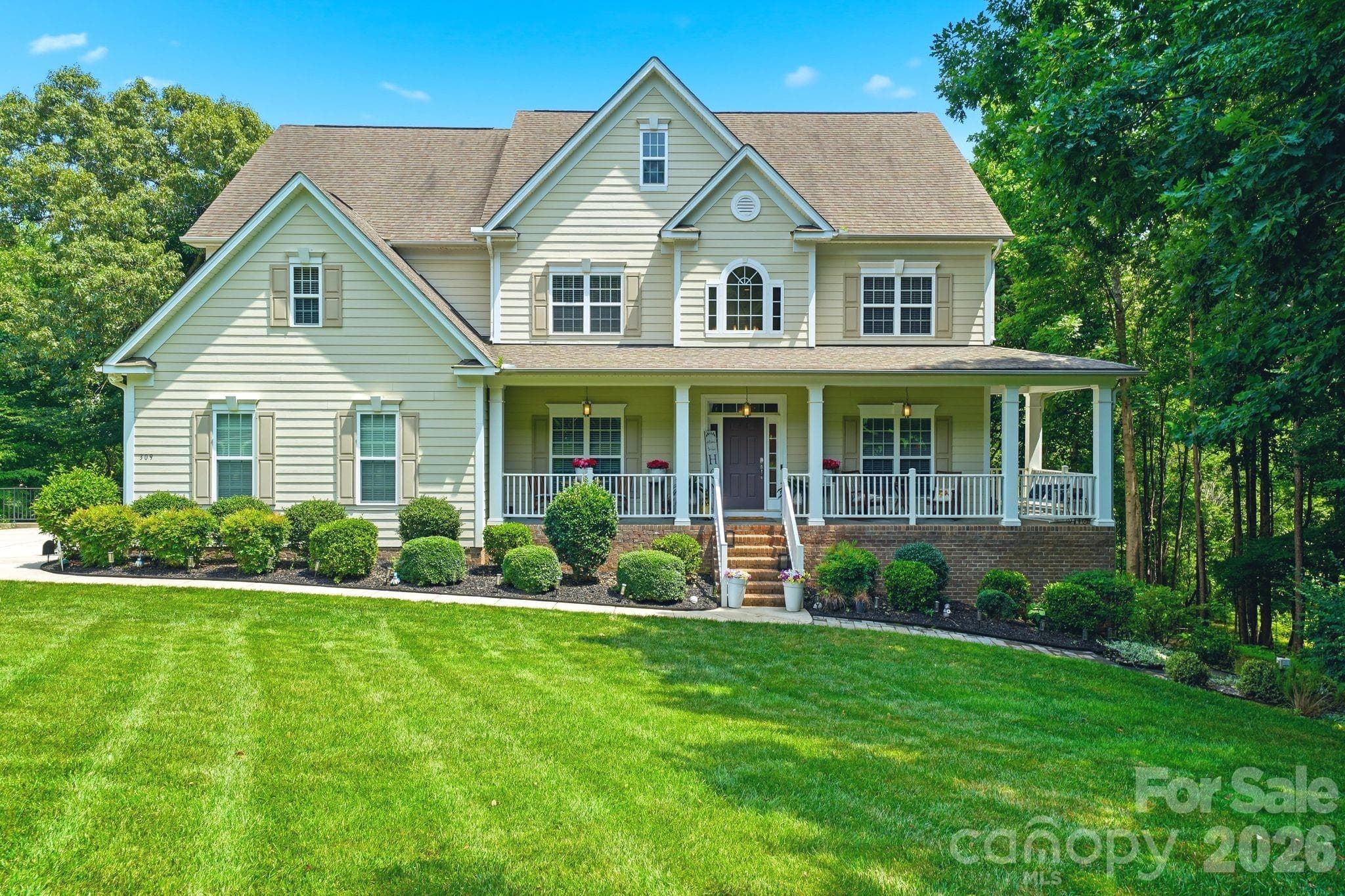
    309 Walking Horse Trail, Davidson, NC | $1,189,900 | 5 bedrooms | 5 bathrooms | 4,591 square feet | 1.59 acres

    This private Davidson retreat combines a substantial luxury residence with access to North Mecklenburg horse country. Built in 2010, the home sits along a peaceful natural creek and includes a fully finished basement, two-story living areas, a wraparound porch, screened porch, mature trees, and new carpet installed in 2026.

    The property is minutes from downtown Davidson and suits buyers who want refined residential living while boarding or training horses at an off-site facility. It demonstrates an important distinction in the local market: proximity to horse country can support an equestrian lifestyle even when a property is not designed for private horsekeeping.

    View the 309 Walking Horse Trail listing.

    Valley Farm offers a working Waxhaw horse property

    Waxhaw, NC | $925,000 | 3 bedrooms | 2 bathrooms | 10 acres

    The Valley Farm working equestrian farm represents the functional middle of the Waxhaw market. Ten acres provides room for pasture rotation, a barn, turnout planning, and a private riding routine while remaining connected to one of the Charlotte region’s strongest horse communities.

    Valley Farm is known for its equestrian setting, shared trails, and larger residential lots. Buyers should still confirm the property’s exact horsekeeping rights, barn specifications, fencing, water systems, and current MLS status before writing an offer.

    Review current Waxhaw properties.

    McWhorter Road creates an entry point for a horse-first plan

    Waxhaw, NC | $289,900 | 7 acres

    The equestrian-ready barn property on McWhorter Road is a lower-price example of the opportunity available to buyers seeking horse farm land for sale with existing agricultural potential. At seven acres, the property may appeal to a first-time farm buyer, small private program, or purchaser planning phased improvements.

    The value question is operational, not simply visual. Buyers should verify the condition and legality of the barn, water access, fencing, septic capacity, driveway access, and permitted number of horses. Properties in this price range can require meaningful capital after closing.

    Matthews and Davidson illustrate the luxury and acreage tiers

    Two additional market examples remain relevant this week:

    • Elizabeth Lane Equestrian Property, Matthews | $2,500,000 | 4 bedrooms | 4 bathrooms | 5 acres. This property represents the premium end of close-in Matthews horse ownership, where location, residential finish, privacy, and equestrian improvements carry significant weight.
    • Davidson 38.86-acre estate | $1,800,000. The Davidson estate referenced in prior coverage includes a renovated farmhouse, barn, riding arena, creek frontage, fenced pasture, well and septic, and agricultural zoning. It is reported as active under contract, demonstrating the competition for meaningful acreage near Charlotte.

    Listings change status quickly. Confirm current availability, price, concessions, and contract status through the live Carolina Horse Farm Realty listings page.

    Use the numbers to compare Charlotte horse properties

    Charlotte’s equestrian market is defined by land usability, infrastructure, zoning, and commute: not by house size alone.

    01 | $15,000–$40,000 per acre

    Horse-suitable land near Charlotte commonly falls within this range. Premium buildable locations in Davidson, Waxhaw, and other high-demand pockets can exceed that benchmark because of road access, soils, zoning, and proximity to employment centers.

    02 | 10–20 acres

    This is the most active acreage range within approximately 30–40 minutes of Charlotte employment centers. It balances pasture rotation, privacy, barn placement, and manageable operating costs.

    03 | Approximately 10% more inventory

    Charlotte-area equestrian inventory is approximately 10% higher year over year, giving buyers more selection while turnkey farms remain competitive.

    04 | Approximately 24 days on market

    Turnkey farms with usable barns, safe fencing, functioning pastures, and quality riding facilities average roughly 24 days on market when priced correctly.

    05 | Approximately 15% turnkey premium

    Move-in-ready farms command an approximate 15% premium over properties requiring major work on barns, arenas, fencing, drainage, or pasture systems.

    06 | Three primary price bands

    • $400,000–$700,000: Hobby farmettes and smaller acreage properties.
    • $700,000–$1.5 million: Functional mid-size farms with established infrastructure.
    • $2 million–$5 million-plus: Luxury equestrian estates and professional-grade facilities.

    In Waxhaw, the broader market commonly ranges from approximately $400,000 to $2.5 million. Working farms on 10–30 acres commonly fall between $500,000 and $1.2 million, depending on improvements and location.

    Protect pasture quality before fall shows begin

    Early fall is the right time to prepare a Piedmont farm for cooler weather and the autumn competition calendar.

    • Rotate paddocks before grass is overgrazed. Use approximately 7–14 days of grazing followed by 21–30 days of rest, adjusting for rainfall, stocking rate, and grass growth.
    • Test soil before applying amendments. Target a pasture pH of approximately 6.0–6.5, then base lime and fertilizer decisions on the test results.
    • Verify water capacity. Mature horses commonly consume 5–10 gallons per day. A sustained well-flow benchmark of at least 5 gallons per minute supports a more dependable household and horsekeeping system.
    • Maintain arena footing. Drag high-use areas, correct low spots, inspect drainage, and confirm footing depth before show-season conditioning increases.
    • Replace unsafe fencing. Do not use barbed wire around horses. Favor visible board, smooth wire, or V-mesh fencing with secure gates and no exposed hardware.
    • Prepare for the fall show season. Check trailer access, lighting, stall fans, tack storage, manure removal, first-aid supplies, and emergency contact information.

    Horse grazing in a maintained North Carolina pasture during early fall

    Complete due diligence before you buy

    A conventional home inspection does not evaluate an equestrian operation. Our team recommends a specialist inspection costing approximately $2,000–$3,000 to review:

    • Barn structure, roof, ventilation, stalls, and electrical systems.
    • Arena footing, drainage, grading, and discipline suitability.
    • Pasture condition, soil quality, creek buffers, and flood exposure.
    • Fencing, gates, waterers, hydrants, and trailer access.
    • Well yield, septic permits, manure storage, and emergency access.
    • Zoning, livestock allowances, boarding rights, training uses, and HOA restrictions.

    Mecklenburg’s standard residential districts generally do not support livestock. Where a property is represented as horse-friendly or falls within an applicable agricultural or N1-A context, buyers must verify the exact municipal rules. A commonly cited local benchmark is approximately one horse per acre with a two-acre minimum, but the controlling standard depends on the municipality and zoning classification. Union and Iredell counties generally offer more horse-friendly rural conditions, but address-specific confirmation remains essential.

    USDA financing is also address-specific. Eligibility depends on the property location, intended use, borrower qualifications, and program requirements. Review the horse farm financing guide and consult an experienced lender before relying on rural-loan assumptions.

    Understand the difference between lifestyle communities and horse farms

    Summit Farms Davidson NC supports a farm-centered lifestyle

    Summit Farms is an approximately 60-acre Davidson agrihood with about 56 custom homes in The Preserve, gardens, trails, and open space. Its design centers on agriculture, gathering, and connection to nature.

    It is not a private horsekeeping subdivision. Buyers seeking a home at Summit Farms should verify livestock rights, deed restrictions, and private barn allowances. The community suits buyers who enjoy a farm-centered setting while boarding horses at a nearby professional facility.

    Chapel Cove Charlotte NC supports lake living with off-site boarding

    Chapel Cove is a lake-oriented residential community near Lake Wylie with boating, trails, a pool, clubhouse, sports amenities, and access to the Palisades area. It is not a horse-farm community.

    Chapel Cove can suit buyers who prefer lake living and plan to board or train off-site, including at facilities near the Palisades Equestrian Center. Buyers who need private stalls, pasture, and an arena should search for true equestrian properties rather than relying on community proximity alone.

    Use the region’s equestrian resources to test your lifestyle plan

    Before purchasing, map the facilities that will shape daily horse life:

    • Cane Creek Park in Waxhaw encompasses approximately 1,050–1,100 acres and includes multi-use trails open to horseback riders.
    • Carolina Horse Park in Raeford offers recognized hunter/jumper, eventing, and dressage events. Its September calendar includes the War Horse Event Series and Harvest Moon Dressage / CBLM Championships.
    • Tryon International Equestrian Center hosts The Fork, Tryon Fall Dressage, combined driving, hunter/jumper competition, and the Tryon Fall Series from September into October 2026.
    • NC State Equine Veterinary Service provides advanced equine care and 24/7 emergency and critical care.
    • Charlotte Equestrian Club provides city-adjacent lessons, clinics, camps, and horsemanship opportunities.

    Equestrian competition at Carolina Horse Park in Raeford, North Carolina

    Present a farm as an operating equestrian property

    Sellers can strengthen a farm’s position without overbuilding. Our team recommends repairing unsafe fencing, servicing gates and water lines, maintaining arena footing, organizing permits and well records, and photographing the barn, turnout, trails, work areas, and trailer access.

    The property should be presented to the buyer who will actually use it. A clean stall row, documented drainage improvement, safe pasture layout, and functional manure-management system can communicate more value than generic residential staging.

    “The team at Carolina Horse Farm Realty helped us navigate the transition from a suburban home to a 15-acre estate in Waxhaw. Their knowledge of barn layouts and pasture management was just as valuable as their real estate expertise.”
    : The Harrison Family, Waxhaw Equestrian Estate Owners

    Our team understands the unique requirements of equestrian real estate NC buyers and sellers, from dressage estates NC and training facilities for sale NC to first-time farmettes and North Carolina horse farms with room to grow.

    Find the right horse property for September

    Whether you are searching for a horse property for sale Charlotte, comparing equestrian estates Charlotte, or evaluating Charlotte horse farms for long-term investment, begin with the land and the horses. Define your discipline, horse count, acreage target, commute, infrastructure needs, and budget before touring.

    Review current horse farms for sale in North Carolina, confirm live availability, and contact Carolina Horse Farm Realty to arrange a focused review of the properties that fit your horses and long-term plan.

    Charlotte Equestrian Market FAQs

    What are the newest horse farms and equestrian properties near Charlotte?

    Current featured opportunities include 309 Walking Horse Trail in Davidson at $1,189,900, the Valley Farm working equestrian farm in Waxhaw at $925,000, the McWhorter Road barn property in Waxhaw at $289,900, the Elizabeth Lane Equestrian Property in Matthews at $2.5 million, and the Davidson 38.86-acre estate referenced at $1.8 million.

    How much does horse farm land cost near Charlotte?

    Horse-suitable land commonly ranges from approximately $15,000 to $40,000 per acre. Premium buildable parcels near Davidson, Waxhaw, and established equestrian communities can command more.

    Is 309 Walking Horse Trail a private horse farm?

    No. It is an equestrian-adjacent luxury home on 1.59 acres. The property offers access to North Mecklenburg horse country and suits buyers who plan to board or train horses off-site.

    What should I inspect first on a horse property?

    Begin with zoning, water capacity, septic, drainage, fencing, barn structure, arena footing, pasture condition, trailer access, and any HOA or deed restrictions. A specialist equestrian inspection is essential.

    Are Summit Farms Davidson NC and Chapel Cove Charlotte NC horse communities?

    No. Summit Farms is a farm-centered agrihood, while Chapel Cove is a lake-oriented residential community. Both can suit buyers who board horses off-site, but neither should be treated as a private horsekeeping subdivision.

    How should sellers prepare a horse farm for market?

    Repair safety issues, maintain pastures and arenas, document wells and septic systems, organize permits, photograph equestrian improvements, and position the property for horse buyers rather than a general residential audience.

  • Charlotte Equestrian Market & Lifestyle Focus: New Horse Farm Listings, Farm Management Tips, and the 2026 Buying Guide

    Charlotte Equestrian Market & Lifestyle Focus: New Horse Farm Listings, Farm Management Tips, and the 2026 Buying Guide

    Carolina Horse Farm Realty specializes in horse farms, equestrian estates, and land for horses across the Charlotte Metro area and the broader Carolinas.

    For buyers searching for horse farms for sale, 2026 brings more choice, but the best properties still require fast decisions and disciplined due diligence. Our team tracks the details that matter to horse owners: functional acreage, water capacity, pasture rotation, barn design, arena footing, zoning, and access to the region’s equestrian community.

    Start with the newest regional horse farm opportunities

    1. 8520 Stock Horse Trail: turnkey infrastructure on 16.92 acres

    8520 Stock Horse Trail in Windsor, SC is offered at $2,000,000 and represents the high-functioning end of the Carolina equestrian market.

    The property includes:

    • 16.92 acres in the Aiken-area horse country
    • 13 total stalls across the remodeled main barn and additional stall structures
    • A new sand-and-fiber arena with proper base construction, perimeter fencing, and irrigation
    • Multiple paddocks and pasture enclosures
    • A dedicated wash rack and manure-management area
    • Guest quarters, a saltwater pool, detached garage, and workshop

    The value is in the operational detail. The barns, fencing, footing, water systems, and pasture layout are designed for immediate use rather than years of corrective work. For professional trainers, serious competitors, or buyers seeking a polished equestrian estate, this is the type of property that defines the current turnkey premium.

    Equestrian barn and facility details at 8520 Stock Horse Trail in Windsor, South Carolina

    2. Waxhaw Valley Farm Estate: 10 acres at $925,000

    The Waxhaw Valley Farm Estate provides a strong example of the mid-market horse property for sale near Charlotte: approximately 10 acres offered at $925,000 with a residence, barn, fenced pastures, and riding infrastructure.

    Waxhaw remains one of the strongest locations for equestrian properties in Charlotte, NC, particularly for buyers who want established horse-country character, access to trails, and proximity to schools and Charlotte employment centers. Ten acres can support a thoughtful pasture rotation plan, a private barn, turnout areas, and a riding arena without creating the maintenance burden of a much larger estate.

    Because equestrian listings can change status quickly, buyers should confirm current availability, price, and facility details through our Charlotte-area properties and Waxhaw market page. Our team also tracks off-market opportunities, including farms that owners may consider selling privately before a public launch.

    Know the 2026 Charlotte horse farm market by the numbers

    Our 2026 Charlotte equestrian market review shows a clear flight toward properties that are ready for horses.

    01 , Inventory is approximately 10% higher year over year

    More inventory gives buyers additional choices across Waxhaw, Weddington, Mooresville, Matthews, Mint Hill, and surrounding rural corridors. It does not eliminate competition for properties with sound infrastructure.

    02 , Turnkey farms average approximately 24 days on market

    Functional farms with usable barns, fencing, arenas, drainage, and established pasture systems continue to move quickly when priced correctly.

    03 , Turnkey properties command approximately a 15% premium

    The premium reflects the cost and complexity of building equestrian infrastructure. A well-designed barn, properly constructed arena, reliable water system, and mature fencing can represent hundreds of thousands of dollars in avoided construction and correction costs.

    04 , The most active acreage bracket is 10–20 acres

    This range balances pasture rotation, riding space, privacy, and manageable upkeep. It serves first-time farm buyers, established equestrians, families, and small training operations.

    05 , Common price segments remain clearly defined

    • Hobby farmettes: approximately $400,000–$700,000
    • Mid-size horse farms: approximately $700,000–$1.5 million
    • Luxury equestrian estates: approximately $2 million–$5 million or more
    • Waxhaw luxury estates: approximately $1.5 million–$4.5 million on 2–10 acres

    Protect pasture health with disciplined farm management

    Owning a horse property means managing a living system. The land, water, footing, fencing, and daily routines must work together.

    Rotate grazing before the pasture fails

    Divide usable pasture into paddocks and move horses before forage is grazed too short. Build in rest periods for regrowth, and maintain a sacrifice area or dry lot for wet seasons, drought, and intensive use. Rotational grazing reduces mud, protects root systems, and improves long-term carrying capacity.

    Test soil before applying amendments

    Annual soil testing helps determine pH, phosphorus, potassium, and lime requirements. Pasture fertility directly affects forage quality and farm productivity. Testing also helps buyers understand whether neglected fields require substantial rehabilitation.

    Confirm water capacity, not just water presence

    A mature horse typically consumes 5–10 gallons of water per day, with higher needs during North Carolina heat, exercise, illness, or lactation. A well producing 5 gallons per minute may support a small operation, but the buyer must verify sustainable yield, recovery rate, pump condition, storage, and peak demand.

    Evaluate:

    • Number of horses and livestock
    • Household and barn use
    • Trough placement and freeze protection
    • Arena watering requirements
    • Backup power and emergency water access

    Maintain arena footing on a schedule

    Arena performance depends on base construction, drainage, footing depth, moisture, and regular dragging. Maintain consistent moisture during dry weather, remove manure and debris promptly, and monitor areas that become compacted or uneven. A sand-and-fiber arena requires a different maintenance plan from a traditional sand or clay surface.

    Create a farm manual

    A written farm manual should document feeding, turnout, blanketing, medications, emergency contacts, gate locations, water shutoffs, equipment procedures, manure handling, and veterinary instructions. A clear manual protects horses and provides continuity when owners, staff, or caretakers change.

    Buy with equestrian-specific due diligence

    A conventional home inspection does not fully evaluate a horse property. Our buying guide and inspection checklist help buyers organize the process.

    Prioritize:

    • Zoning verification: Confirm livestock rights, minimum acreage, setbacks, barn permissions, boarding rules, and future expansion potential with the correct county or municipality.
    • Equestrian inspection: Budget approximately $2,000–$3,000 for a specialist review of barns, stalls, fencing, arenas, drainage, utilities, manure systems, and pasture conditions.
    • Water and septic testing: Confirm well flow, water quality, septic capacity, and the location of all lines before relying on existing infrastructure.
    • Access and logistics: Evaluate trailer access, road width, emergency vehicle access, hay delivery routes, and distance to veterinarians, trainers, feed stores, and show venues.
    • Financing fit: USDA eligibility is address-specific. Most urban Mecklenburg County properties are excluded from USDA rural programs, while rural portions of Union and Iredell counties may qualify. Buyers must verify the exact parcel, household income, primary-residence requirement, and program rules through the USDA eligibility portal. Conventional, jumbo, and Farm Credit financing may provide better options for properties with extensive equestrian improvements.

    Choose a community that matches the way you ride

    Summit Farms Davidson NC is a roughly 60-acre agrihood with a farm-centered lifestyle, approximately 56 custom homes in The Preserve, gardens, trails, open space, and a future village component. It is not a private horse-farm subdivision. Buyers should view it as a nature-oriented residential community rather than a place to keep horses at home.

    Chapel Cove Charlotte NC is a lake-oriented community near Lake Wylie with boating, trails, a pool, clubhouse, and sports amenities. It suits buyers who want a lifestyle base in southwest Charlotte while boarding horses at an off-site facility. It is not a horse farm community.

    For competition and recreation, local resources include:

    Competitive riding at Carolina Horse Park in North Carolina

    Prepare a horse farm for a stronger sale

    Sellers attract qualified buyers by presenting the farm as an operating equestrian property, not simply a house with outbuildings.

    Before listing, our team recommends:

    • Repairing gates, fencing, stall hardware, roofs, and wash racks
    • Organizing well, septic, survey, permits, and improvement records
    • Documenting arena construction, footing type, drainage, and maintenance
    • Cleaning barns while preserving practical horse-use features
    • Creating a simple pasture and farm-management summary
    • Presenting the property during its best season for pasture and landscaping

    “Carolina Horse Farm Realty understood that my barn was just as important as my house. They didn’t just see ‘outbuildings’; they saw a professional-grade facility that added immense value to the sale.” , Sarah T., Waxhaw estate seller

    That distinction matters. Buyers want to understand how a property functions, and sellers deserve representation that recognizes the value of thoughtful pasture management, drainage, footing, and barn design.

    Move forward with a horse-first search

    Whether you are comparing Charlotte horse farms, evaluating a 10-acre Waxhaw estate, or preparing a specialized property for sale, our team brings deep knowledge of equestrian real estate in North Carolina. Review current listings, identify your acreage and discipline requirements, and contact Carolina Horse Farm Realty to begin the next step.

    Frequently asked questions about Charlotte equestrian real estate

    What is the Charlotte horse farm market like in 2026?

    Charlotte-area equestrian inventory is approximately 10% higher year over year. Turnkey farms average about 24 days on market and command an estimated 15% premium. The most active acreage range is 10–20 acres, with pricing from hobby farmettes under $700,000 to luxury estates above $2 million.

    What is the difference between Summit Farms Davidson NC and Chapel Cove Charlotte NC?

    Summit Farms Davidson NC is a farm-centered agrihood with gardens, trails, open space, and custom homes. It is not a private horse-farm subdivision. Chapel Cove Charlotte NC is a lake-oriented community near Lake Wylie. It works well for buyers who plan to board horses off-site.

    What should a horse property inspection include?

    A specialist should evaluate stalls, barn structure, roofs, electrical systems, waterers, fencing, gates, arena base and footing, drainage, pasture condition, manure handling, well capacity, septic systems, and trailer access. Buyers should budget approximately $2,000–$3,000.

    How much acreage do I need for horses near Charlotte?

    Ten to twenty acres is the most active range because it supports pasture rotation, turnout, an arena, a barn, and privacy. The correct acreage depends on soil, forage quality, stocking rate, management practices, and whether hay is supplemented.

    Can I use a USDA loan for a Charlotte-area horse property?

    USDA eligibility depends on the exact address, household income, and primary-residence requirements. Most urban Mecklenburg County properties are ineligible, while rural areas of Union and Iredell counties may qualify. Confirm eligibility through USDA and a participating lender before making an offer.

  • New Charlotte Horse Farms for Sale: Davidson, Waxhaw & Weddington Market Update

    New Charlotte Horse Farms for Sale: Davidson, Waxhaw & Weddington Market Update

    Carolina Horse Farm Realty specializes in horse farms, equestrian estates, and land for horses throughout the Charlotte Metro and Carolina Piedmont.

    Weekly Charlotte Equestrian Market & Lifestyle Focus | Week of August 24, 2026

    New inventory is setting the tone for this week’s Charlotte-area horse farm market. Davidson brings rare large-acreage opportunities, Waxhaw offers a turnkey five-acre farm minutes from town, and Weddington demonstrates the value of a smaller buildable homesite with an existing barn.

    All listing information below reflects the verified Canopy MLS details provided for this market update. Status, pricing, concessions, and availability can change quickly. Buyers should confirm current information through a live MLS review before making decisions.

    Start with the newest Charlotte-area horse property opportunities

    1. Davidson acreage creates a rare private equestrian retreat

    9151 Archer Rd, Davidson, NC 28036
    MLS CAR4415043 | Listed August 14, 2026 | $1,800,000 | Active Under Contract

    This 38.86-acre Davidson property combines the ingredients that horse buyers rarely find together: meaningful acreage, established equestrian improvements, creek frontage, rolling pasture, and a renovated farmhouse.

    The 2022 renovation updated the 1,900-square-foot home, which includes 3 bedrooms and 3 bathrooms. The property also offers a horse barn, riding arena, well and septic systems, AO zoning, and a private rural setting near Davidson.

    The county tax deferment program is currently in effect. Buyers who do not continue the program may owe back taxes for the last approved period. Our team recommends reviewing the program directly with the appropriate county authorities and including the issue in due diligence.

    Renovated farmhouse and acreage at 9151 Archer Road in Davidson

    2. Waxhaw delivers a turnkey farm with immediate functionality

    5508 McWhorter Rd, Waxhaw, NC 28173
    MLS 4359167 | Active | $1,275,000 | Updated August 16, 2026

    This five-acre Waxhaw farm is designed for buyers who want to move into an established horse setup without beginning with raw land or major infrastructure work.

    The property includes a 5-bedroom, 4-bathroom home with 3,490 square feet, a well-equipped barn, riding arena, fenced pastures, dry lots, and multiple outbuildings. The seller is offering $25,000 toward closing costs or a rate buydown, subject to the terms of the listing and purchase contract.

    Its location adds daily convenience. The property is minutes from downtown Waxhaw while retaining the land, turnout, and equestrian utility that horse owners need.

    3. Weddington shows how a smaller homesite can support a horse-first plan

    3428 Red Fox Trl, Weddington, NC 28104
    MLS CAR4409397 | Listed August 10, 2026 at $615,000 | Now $610,000

    At 2.3 acres, this property represents a different category of horse real estate: a buildable homesite with an existing barn rather than a finished farm.

    The quiet cul-de-sac location, no HOA, available city sewer, completed surveys, and Weddington schools strengthen the property’s appeal. Buyers can evaluate the site for a custom home and determine how the existing barn, access, drainage, and future turnout plan fit their horses.

    This is an important reminder that acreage alone does not define horse-property value. Utilities, buildability, zoning, topography, fencing, and the cost of creating a safe daily horsekeeping routine matter just as much.

    4. Davidson value is emerging below the original asking price

    9870 Harvest Ln, Davidson, NC 28036
    MLS 4385994 | Active | $1,570,000

    The 12.49-acre property was listed at $1,799,000 on June 1 and is now offered at $1,570,000. The listing states that the property is priced below appraised value.

    Improvements include a custom 2024 barndominium, an updated guest cottage, a handcrafted two-stall stable with matted floors, a fenced two-acre pasture, dry lot, hay feeders, and a metal workshop barn.

    The two-residence layout gives the property flexibility for guests, multigenerational living, a farm manager, or a home-based equestrian operation. Buyers should independently verify the current appraisal, permitted uses, square footage, and all structures during due diligence.

    Understand the numbers behind today’s horse farm demand

    The Charlotte Metro equestrian market is rewarding usable infrastructure and operational readiness. Our team evaluates each property through a horseperson’s lens: pasture quality, water, barn layout, footing, drainage, zoning, and the practical rhythm of daily care.

    01 | Approximately 15% premium
    Turnkey, “ready now” farms are commanding premiums of approximately 15% over comparable properties requiring major barn, fencing, pasture, or arena work.

    02 | Approximately 24 days on market
    Turnkey farms are averaging roughly 24 days on market, creating a short decision window for buyers who need established facilities.

    03 | 10–20 acres is the most active bracket
    The 10-to-20-acre range currently offers the strongest balance of privacy, pasture, facility potential, and proximity to Charlotte.

    04 | 5+ gallons per minute matters
    Buyers are checking well-flow documentation, with 5+ gallons per minute becoming an important practical benchmark for household and horse use.

    05 | Covered riding is becoming expected
    Covered arenas and sheltered riding options are increasingly expected in higher-end properties, particularly for dressage, training, and year-round programs.

    06 | Fiber-ready connectivity attracts younger buyers
    Reliable internet and fiber-ready infrastructure are expanding the buyer pool for farms that support remote work, online education, and modern farm management.

    Current price bands remain clear:

    • $400,000–$700,000: Farmettes, smaller acreage, and buildable horse-friendly properties.
    • $700,000–$1.5 million: Functional farms with established barns, pastures, and riding facilities.
    • $2 million and above: Premier estates, professional facilities, larger acreage, and highly finished equestrian environments.

    Match the community to the way you keep horses

    Davidson offers acreage, privacy, and long-term flexibility

    Davidson’s surrounding horse country appeals to buyers who want more land without giving up access to the Lake Norman region and Charlotte amenities. Properties such as Archer Road and Harvest Lane show how rare acreage and established improvements can create long-term value.

    Summit Farms is also shaping Davidson’s lifestyle conversation. The approximately 60-acre agrihood includes a working-farm concept and 56 custom home sites within The Preserve. It is an agrarian residential and village-center development, not a private equestrian neighborhood with individual barns, stalls, or horse facilities. Buyers should distinguish between agricultural lifestyle amenities and a property designed to keep horses at home.

    The Preserve at Summit Farms in Davidson

    Waxhaw supports the daily horse-owner lifestyle

    Waxhaw remains one of the Charlotte Metro’s strongest equestrian communities. Rolling terrain, established farms, equine services, and access to Cane Creek Park make it attractive to both first-time farm buyers and experienced horse owners.

    Our Waxhaw area guide provides additional context on the local land, riding, and property market. Buyers should still verify trail access, boarding availability, zoning, and farm-service providers for each address.

    Weddington prioritizes location, schools, and smaller-scale ownership

    Weddington buyers often balance horse ownership with schools, commuting, and a refined residential setting. Smaller parcels require careful planning. A 2.3-acre homesite may support a limited private setup, but the feasibility depends on local regulations, drainage, fencing, manure management, barn placement, and the number of horses.

    Chapel Cove is another frequently searched lifestyle reference in the broader Charlotte area. This Lake Wylie community offers lake access, recreation, and residential amenities. It is a lake-oriented residential base, not a private equestrian neighborhood, and should not be evaluated as a substitute for a horse farm.

    Use local equestrian resources to evaluate the lifestyle

    The Carolina Horse Park’s Harvest Moon Dressage / CBLM Championships are scheduled for September 11–13, 2026, as a USEF/USDF Level 3 competition. Review the official event information before attending.

    The Tryon International events calendar provides year-round access to hunter/jumper, dressage, eventing, and other equestrian disciplines. Charlotte Equestrian Club and Cane Creek Park also remain relevant local resources for riders comparing training, boarding, and trail-riding options.

    Equestrian facilities at Carolina Horse Park

    Choose an equestrian specialist who understands the improvements

    “The team at Carolina Horse Farm Realty helped us navigate the transition from a suburban home to a 15-acre estate in Waxhaw. Their knowledge of barn layouts and pasture management was just as valuable as their real estate expertise.”
    , The Harrison Family, Waxhaw Equestrian Estate Owners

    “Selling a specialized horse farm requires a targeted approach. The team highlighted our estate’s turnkey arena and drainage upgrades, connecting us with qualified buyers quickly.”
    , Sarah Jenkins, Luxury Farm Seller, Weddington, NC

    Our team understands the unique requirements of horse properties. We review barn ventilation, stall dimensions, pasture rotation, arena drainage, fencing safety, water sources, zoning documents, and the relationship between the land and the horsekeeping plan.

    Browse live horse farm listings to monitor new inventory, price changes, acreage, barns, stalls, and arenas across North Carolina and South Carolina.

    Frequently asked questions about Charlotte horse farms

    What are the newest horse farms for sale near Charlotte?

    The newest featured opportunities are 9151 Archer Road in Davidson, listed August 14; 5508 McWhorter Road in Waxhaw, updated August 16; 3428 Red Fox Trail in Weddington, listed August 10; and 9870 Harvest Lane in Davidson, currently active with a reduced price.

    Is 9151 Archer Road still available?

    The listing is reported as active under contract at $1,800,000. Active-under-contract status means the property may still be viewable or subject to contract terms, but availability can change. Buyers should confirm the current Canopy MLS status.

    What should buyers verify on a horse farm?

    Buyers should verify zoning, permitted horse use, well flow, septic capacity, floodplain or creek restrictions, barn condition, fencing, pasture drainage, arena footing, access, and any tax deferment obligations.

    Are turnkey horse farms worth the premium?

    Turnkey farms command premiums because they reduce the time, cost, and uncertainty involved in building barns, arenas, fencing, dry lots, and usable pasture. Our team evaluates whether the existing improvements justify the price and fit the buyer’s discipline.

    How do I begin a Charlotte horse farm search?

    Start by defining your horse count, discipline, acreage target, commute, facility needs, and budget. Then review the live MLS search and contact our team to arrange a focused property review.

    Review the newest listings now, confirm current status through Canopy MLS, and contact Carolina Horse Farm Realty to arrange a private tour of the properties that fit your horses, land requirements, and long-term plan.

  • Charlotte Equestrian Market & Lifestyle Focus

    Charlotte Equestrian Market & Lifestyle Focus

    Horse-first real estate guidance for buyers, sellers, and landowners across the Charlotte Metro area.

    Start with the newest Charlotte-area opportunities

    What makes a good horse farm near Charlotte? A strong horse property combines usable acreage, horse-friendly zoning, reliable water, safe fencing, practical drainage, trailer access, and equestrian infrastructure that fits your program. The best farms are not just attractive. They function well for horses, riders, and long-term resale.

    The Charlotte equestrian market continues to reward buyers who understand the difference between a beautiful property and a functional horse property.

    One current listing illustrating the luxury end of the market is 6421 Joli Cheval Lane in Mint Hill. Offered at $3.2 million, the property includes 5 bedrooms, 6 bathrooms, and 5,174 square feet of living space. Its location reflects continued demand for refined residential properties with access to Charlotte’s established equestrian communities and urban amenities.

    For buyers searching beyond the immediate metro, 1140 Highway 9 in Mill Spring offers a different vision: 29 acres, mountain views, an equestrian trail, and a deeded marina slip on Lake Adger. The property is listed at $490,000 and demonstrates the range available across Carolina horse country, from luxury estates near Charlotte to land with room to build near Tryon.

    Important: Inventory, prices, and availability change. Readers should verify each property’s live MLS status before making decisions.

    Current luxury property listing in Mint Hill, North Carolina

    Four market statistics define the 2026 outlook

    Charlotte’s equestrian segment is not a conventional residential market. Acreage, zoning, infrastructure, and proximity to barns and trails all influence value.

    1. Inventory is approximately 10% higher year over year.
    More properties are reaching the market, particularly in the sought-after 10- to 20-acre range. Buyers have more choice, but well-positioned horse farms remain competitive.

    2. Turnkey farms are averaging approximately 24 days on market.
    Properties with usable barns, established fencing, functional pastures, and quality arenas continue to attract serious buyers quickly when priced correctly.

    3. Turnkey infrastructure can command a premium of approximately 15%.
    Professional barns, safe fencing, established drainage, and riding arenas reduce the time and expense required after closing.

    4. The most active acreage bracket is 10 to 20 acres.
    This range balances pasture rotation, privacy, room for facilities, and manageable operating costs for many private owners and small professional programs.

    Reported 2026 pricing ranges broadly from approximately $400,000 to $700,000 for basic 5- to 10-acre farmettes, $700,000 to $1.5 million for functional 10- to 20-acre farms, and $2 million to $5 million or more for premier equestrian estates. Property condition, location, zoning, water supply, and facility quality create significant variation.

    These figures are market benchmarks, not guarantees. Our team evaluates each property through an equestrian lens rather than relying on residential comparables alone.

    Choose the Charlotte community that fits your riding life

    Location determines more than commute time. It shapes trail access, boarding options, training opportunities, veterinary support, land availability, and long-term resale appeal.

    Waxhaw and Weddington deliver established horse-country character

    Waxhaw remains one of the strongest searches for horse farms for sale and equestrian properties in Charlotte NC. Rolling terrain, mature horse communities, and proximity to Cane Creek Park make the area especially attractive to private owners and families.

    Weddington offers larger-lot living, high-demand neighborhoods, and convenient access to South Charlotte. Buyers should verify zoning and deed restrictions carefully because not every large-lot property permits horses, barns, or commercial equestrian activity.

    Mint Hill and Matthews keep riders close to Charlotte

    Mint Hill preserves a rural character while remaining approximately 20 minutes from Uptown Charlotte. The area includes horse-friendly properties, established barns, and access to suburban services.

    Matthews appeals to hobby equestrians and families who want a small farm setting without leaving the city’s orbit. Available properties range from homes with modest barn setups to larger parcels requiring thoughtful facility planning.

    Mooresville and North Mecklenburg expand the acreage options

    Mooresville, Huntersville, Cornelius, and Davidson offer access to Lake Norman, I-77, and Charlotte employment centers. Acreage varies considerably, so buyers must distinguish between pastoral views and land that can actually support turnout, drainage, and safe access for trailers.

    Mountain acreage and equestrian trail near Mill Spring, North Carolina

    Understand what Summit Farms and Chapel Cove really offer

    Hyper-local searches often bring buyers to Summit Farms and Chapel Cove. Both communities support an equestrian lifestyle, but neither should be represented as a traditional private horse-farm subdivision.

    Summit Farms is a Davidson agrihood built around open space, a working-farm concept, trails, and village-style amenities. It is known as a 60-acre community planned around 56 custom homes, green space, and a farm-centered lifestyle rather than private backyard horse facilities. Private barns on individual residential lots are not the defining use. This community suits riders who want to live near horse country, enjoy an authentic rural setting, and board or train at nearby professional facilities.

    Chapel Cove is a lake-oriented residential community near Lake Wylie and Charlotte. Its appeal comes from waterfront proximity, neighborhood amenities, trails, and convenient access to surrounding equestrian services in the Steele Creek and York County horse belt. It is not a private equestrian neighborhood. For many buyers, Chapel Cove works best as a lifestyle base for off-site boarding, training, and showing rather than at-home horsekeeping.

    Our team helps buyers separate lifestyle proximity from true horse-property functionality. That distinction protects both daily convenience and long-term value.

    Protect your horses with better farm management

    A horse property succeeds when the land and facilities work together. Before buying or upgrading, we recommend evaluating four operating fundamentals.

    • Test the soil before improving pasture. Review pH, nutrient levels, drainage patterns, and grass species. Local conditions commonly support fescue and bermudagrass, but the right plan depends on soil and use.
    • Design for rotational grazing. Divide turnout into workable paddocks, provide safe lanes, and maintain a sacrifice lot for wet weather and heavy-use periods.
    • Verify water capacity. Horses commonly consume 5 to 10 gallons of water per day, with demand increasing during hot Carolina summers. A sustained well-flow test is essential; our buying guide recommends verifying a capacity of at least 5 gallons per minute.
    • Inspect the entire facility, not just the house. Evaluate stall ventilation, roof condition, footing depth, drainage, gates, perimeter fencing, manure storage, trailer access, and emergency vehicle access.

    A standard residential inspection does not cover these details. Specialty equestrian inspections commonly cost $2,000 to $3,000, while immediate first-year improvements can reach $20,000 to $50,000 depending on the property.

    Barn and small equestrian property in North Carolina

    Buy with zoning, financing, and resale in mind

    The existence of a barn does not prove that the current use is legal or that future expansion is permitted.

    Before making an offer, our team verifies:

    • Whether horses are permitted under the current zoning classification.
    • Whether barns, arenas, fencing, and accessory structures are allowed.
    • Whether boarding, lessons, training, or events require additional permits.
    • Whether HOA covenants restrict livestock or commercial activity.
    • Whether the driveway can accommodate horse trailers and hay deliveries.
    • Whether septic, well, wetlands, and flood-zone conditions affect expansion.

    Financing also differs from a conventional home purchase. Rural and agricultural properties may qualify for USDA, Farm Service Agency, or specialized land-and-ranch lending programs. An appraiser familiar with equestrian properties is important because barns, arenas, fencing, and pasture improvements require specialized valuation.

    Prepare a horse farm for a thoughtful sale

    Sellers do not need to over-improve every facility. They need to document and present the property’s actual strengths.

    Our team recommends:

    • Repairing unsafe fencing and clearly identifying pasture boundaries.
    • Servicing gates, water lines, stall doors, and arena drainage.
    • Organizing permits, surveys, well records, septic records, and maintenance history.
    • Photographing barns, turnout, footing, trails, and practical work areas.
    • Positioning the property for the buyer who will use it: not for a generic residential audience.

    That is the expertise horse-property transactions require: understanding the land, the horses, and the regulations together.

    Use local equestrian resources to evaluate the lifestyle

    Local infrastructure matters when buyers compare horse farms for sale, equestrian properties Charlotte NC, and specialized horse properties across the region.

    Buyers should also map local veterinary coverage, emergency clinics, feed suppliers, and farrier routes before closing. Daily horse life depends on reliable service access as much as acreage.

    Find your next Carolina horse property with informed guidance

    Whether you are searching for horse farms for sale, evaluating equestrian properties Charlotte NC, or preparing a long-held farm for market, our team brings more than residential real estate knowledge. We understand barn layouts, pasture management, arena footing, equestrian zoning, and the communities that make Charlotte horse country distinctive.

    Explore current horse properties, review our buying guide, and contact our team to discuss live listings and off-market opportunities with a specialist who sees the property the way a horse person does.

    Charlotte Equestrian Market FAQs

    Is Charlotte a good market for buying a horse farm?

    Yes. Charlotte offers established equestrian communities, access to veterinary and feed services, strong employment centers, and rural properties within commuting distance. Waxhaw, Weddington, Mint Hill, Matthews, and Mooresville remain important search areas.

    Are Summit Farms and Chapel Cove true horse-farm communities?

    No. Summit Farms is a Davidson agrihood built around a working-farm concept and village-style amenities, while Chapel Cove is a lake-oriented residential neighborhood near Lake Wylie and Charlotte. Buyers who require private barns and pastures should focus on properties with suitable zoning and acreage outside these communities.

    What should I inspect first on an equestrian property?

    Start with zoning, water supply, pasture drainage, fencing safety, barn structure and ventilation, arena footing, septic capacity, and trailer access. A residential inspection alone is not sufficient.

    How much acreage does a horse need near Charlotte?

    Acreage requirements depend on soil quality, pasture management, turnout design, and the number of horses. The 10- to 20-acre range is a common local target because it provides room for rotational grazing, facilities, and privacy.

    What should buyers verify before making an offer?

    Buyers should verify zoning, deed restrictions and HOA rules, permitted equestrian uses, septic and well capacity, flood-zone or wetlands concerns, trailer access, and whether the land and infrastructure truly support the intended horse program.

  • The 2026 Charlotte Equestrian Market: Turnkey Farms, Indoor Arenas & the Land Race Ahead of the Queen City

    The 2026 Charlotte Equestrian Market: Turnkey Farms, Indoor Arenas & the Land Race Ahead of the Queen City

    Carolina Horse Farm Realty specializes in horse farms, equestrian estates, and land for horses across the Charlotte Metro area and Carolina Piedmont.

    Charlotte’s equestrian market has entered a more selective phase in 2026. Buyers still want acreage, privacy, and access to the Queen City. They are also demanding functional infrastructure, verified land-use rights, dependable utilities, and facilities that support daily horse care without years of renovation.

    Our team evaluates every property as horse people first and real estate professionals second. We understand the difference between a productive pasture and a pretty field, between a true riding arena and cleared dirt, and between a barn that photographs well and one that works every day.

    The 2026 market rewards quality, function, and readiness

    Our current Charlotte Metro market read shows a clear flight to quality. Buyers are choosing properties that are ready for horses now rather than properties that require extensive drainage, fencing, barn, or arena work.

    1. 15% turnkey premium

    Properties with professional barns, established pastures, safe fencing, and functional arenas are commanding approximately a 15% premium over unimproved land and dated facilities.

    2. 24 days to contract

    Established horse properties that are correctly priced and well maintained are averaging approximately 24 days on market before going under contract.

    3. 10–20 acres remains the sweet spot

    The most sought-after acreage range offers room for turnout, pasture rotation, privacy, and future improvements without the management burden of a 50-acre estate.

    4. Indoor and covered arenas have moved up the priority list

    A covered or indoor arena provides reliable year-round training through summer heat, heavy rain, and winter footing challenges. In the luxury segment, many buyers now treat this amenity as an expectation rather than an optional upgrade.

    The result is a two-speed market. Turnkey farms attract decisive buyers. Fixer-uppers face more scrutiny, longer marketing periods, and larger pricing adjustments.

    Professional covered riding arena and turnkey horse property in the Charlotte region

    Turnkey infrastructure protects your time and your investment

    A horse property is a working system. The barn, fencing, water, pastures, arena, access drives, and manure-management plan must function together.

    Buyers are prioritizing:

    • Wide, practical barn aisles that support feed delivery and safe horse movement.
    • Well-ventilated stalls with appropriate dimensions, mats, fans, and drainage.
    • Established pasture systems that support rotation and reduce overgrazing.
    • Safe, visible fencing without barbed wire in primary horse areas.
    • Professional arena bases and footing with proven drainage.
    • Trailer-friendly access for veterinarians, hay deliveries, and farm equipment.
    • Fiber or dependable high-speed internet for remote work, cameras, and equestrian businesses.

    In the Piedmont, pasture planning typically begins with approximately two acres per horse, although soil quality, grass management, supplemental feed, and turnout design all affect the true capacity of a farm.

    A beautiful farm that becomes muddy around every gate is not turnkey. A large barn with poor airflow is not luxury infrastructure. Our team identifies these distinctions before they become ownership costs.

    Scarce land makes the 10–20 acre parcel increasingly valuable

    The Charlotte region’s growth continues to reshape the rural edge. According to the UNC Charlotte Urban Institute, the 14-county Charlotte region lost 760 farms between 2017 and 2022, an 8% decline.

    That loss reflects consolidation, development pressure, and farmland conversion as the metro expands. For equestrian buyers, the implication is direct: suitable acreage near employment hubs is becoming harder to replace.

    The most competitive parcels combine:

    • Ten to 20 usable acres.
    • Convenient access to Charlotte employment centers.
    • Horse-friendly zoning or clearly documented agricultural use.
    • Existing barns, fencing, and arenas.
    • Reliable water and high-speed internet.
    • Room for future expansion without compromising pasture function.

    Raw land can still make sense for buyers with a clear construction plan. However, current construction costs, permitting requirements, contractor availability, and infrastructure timelines make turnkey ownership the more efficient path for many buyers.

    Charlotte’s strongest equestrian corridors serve different lifestyles

    Waxhaw and western Union County deliver the deepest horse culture

    Waxhaw remains the core market for Charlotte horse farms. The area offers rolling pasture, established horse communities, trail access, and a strong network of trainers, veterinarians, farriers, and feed suppliers.

    Smaller hobby farms commonly begin around $850,000, depending on acreage, home quality, barn condition, and zoning. Established luxury farms and equestrian estates in Waxhaw and nearby western Union County often range from $1.5 million to $4.5 million.

    Explore Waxhaw equestrian properties and current horse farms for sale.

    Weddington combines estate living with employment access

    Weddington appeals to families and professionals who want larger homes, quality schools, and direct access to Charlotte while keeping horses at home. Properties are often more residentially refined, with carefully designed barns, landscaped approaches, and premium acreage values.

    Matthews and Mint Hill support practical hobby ownership

    Matthews and Mint Hill offer rural character closer to Charlotte’s urban conveniences. Buyers may find smaller acreage parcels, existing barns, and horse-friendly pockets suitable for personal horses and family riding.

    Review the Matthews area guide and Mint Hill properties.

    Summit Farms Davidson NC and Chapel Cove Charlotte NC offer alternative lifestyle models

    Summit Farms Davidson NC is positioned as a sustainable, mixed-use agrihood rather than a traditional equestrian subdivision. Its agricultural setting and trail-oriented lifestyle may appeal to buyers who want community amenities while boarding or training horses nearby. Buyers must verify whether a specific home or parcel permits horse ownership.

    Chapel Cove Charlotte NC offers lakefront living in southwest Charlotte. The community is not built as a horse farm development, but its location provides access to nearby boarding, training, and equestrian facilities. It may suit families who want a lake lifestyle while keeping professional horse care outside the community.

    Our team confirms zoning, covenants, boarding options, and trailer logistics for each buyer instead of assuming that a rural-looking community supports horses.

    North Carolina horse owner inspecting safe fencing, pasture drainage, and water access

    Farm management decisions begin before closing

    Buying the right property is only the first step. Proper management preserves pasture health, horse safety, and long-term value.

    Rotate turnout before pastures decline

    Divide usable pasture into manageable paddocks. Resting sections allows grass recovery and reduces parasite pressure, mud, and overgrazing.

    Test soil and plan for seasonal conditions

    A soil test establishes pH and nutrient requirements. North Carolina’s heat and humidity make drainage, shade, and water placement essential. Inspect gates, low areas, and barn approaches after substantial rain.

    Build water redundancy

    Horses may consume five to 15 gallons of water per day each, with demand increasing in hot weather. Verify well capacity through a sustained flow test, test water quality, and confirm access to hydrants or automatic waterers throughout the farm.

    Maintain arenas as systems

    Footing depth, base construction, grading, and drainage determine arena performance. Schedule regular dragging and leveling, and document footing materials and maintenance history.

    Keep a farm manual

    A farm manual should include pasture schedules, soil tests, well records, septic permits, fencing repairs, arena maintenance, vaccination schedules, and equipment information. This record supports daily management and creates confidence when it is time to sell.

    Buyers need equestrian-specific due diligence

    A standard home inspection does not evaluate a horse farm adequately. During the due diligence period, our team helps buyers coordinate reviews of:

    1. Zoning and animal limits: Confirm horses are permitted and identify any limits on animal units per acre.
    2. Commercial use: Verify requirements for boarding, lessons, training, clinics, or events.
    3. Barn condition: Review roof, structure, ventilation, stalls, electrical systems, hay storage, and wash-rack drainage.
    4. Arena construction: Evaluate footing, base, compaction, grading, and drainage.
    5. Water supply: Complete well-flow and water-quality testing where applicable.
    6. Septic and soils: Confirm septic capacity, reserve areas, soil suitability, and building locations.
    7. Easements and covenants: Identify restrictions affecting barns, arenas, fencing, trails, or future expansion.
    8. Internet and utilities: Verify fiber availability, electrical capacity, service reliability, and barn connectivity.
    9. Trailer access: Assess driveway width, turning radius, bridge limits, and emergency access.
    10. Equine support network: Map realistic travel times to veterinarians, farriers, feed suppliers, and training venues.

    Our horse farm buying guide provides a detailed framework for this process.

    Sellers can earn stronger results by documenting function

    Sellers should prepare the farm as a working equestrian property, not simply as a residential listing.

    We recommend:

    • Completing urgent fencing, drainage, and barn repairs before going to market.
    • Cleaning stalls, tack rooms, wash racks, and feed-storage areas.
    • Providing well tests, septic permits, soil reports, and arena maintenance records.
    • Documenting pasture rotation, hay storage, manure management, and equipment systems.
    • Photographing the farm’s functionality, including barn aisles, turnout, arena footing, and trailer access.
    • Clarifying zoning, permitted uses, acreage, easements, and any HOA restrictions.
    • Positioning the property around its true buyer profile, whether hobby owner, trainer, competitor, family, or investor.

    A recent client emphasized the value of this specialized approach:

    “The team at Carolina Horse Farm Realty helped us navigate the transition from a suburban home to a 15-acre estate in Waxhaw. Their knowledge of barn layouts and pasture management was just as valuable as their real estate expertise.”
    : The Harrison Family, Waxhaw Equestrian Estate Owners

    That is the difference an equestrian specialist brings. We understand the unique requirements of horse farms and apply deep knowledge of land, facilities, zoning, and local values to every transaction.

    Work with a team that evaluates the farm, not just the house

    The 2026 Charlotte equestrian market favors buyers and sellers who understand function. The strongest equestrian properties Charlotte NC offers will have clear zoning, usable acreage, dependable water, high-speed connectivity, and facilities that support horses immediately.

    Whether you are searching for a first horse property for sale Charlotte, upgrading to an indoor-arena estate, or preparing to sell a long-held farm, our team provides the local intelligence and equestrian perspective required to move forward with confidence.

    Browse current properties, request a property valuation, or contact Carolina Horse Farm Realty today. Tell us your discipline, acreage goals, commute, and facility requirements, and we will begin matching you with the right Charlotte-area horse property.

  • Late Summer Horse Flexible Prep: 5 Essential Steps for Charlotte Metro Equestrians Before the Fall Show Season

    Late Summer Horse Flexible Prep: 5 Essential Steps for Charlotte Metro Equestrians Before the Fall Show Season

    As the sweltering heat of July begins to soften across the Piedmont, seasoned equestrians throughout the Charlotte Metro area know that late summer is not a time to slow down: it is the critical turning point of the agricultural and competitive calendar. From the serene horse country of Davidson and Waxhaw to the premier equestrian neighborhoods surrounding Lake Norman, preparing your property for the upcoming fall show circuit requires a meticulous, horse-first approach.

    Whether you are conditioning seasoned sport horses for premier events like The Fork at Tryon (scheduled for September 10–13, 2026) or preparing your young prospects for the historic National Horse Show at Tryon (running October 21 through November 1, 2026), your facility must operate at peak efficiency. At Carolina Horse Farm Realty, our team understands that exceptional equestrian properties demand specialized infrastructure, flawless pasture management, and a deep understanding of local agricultural regulations.

    In this comprehensive guide, we outline five essential late-summer steps every Charlotte Metro horse owner should take to optimize their farm before the fall cooler weather arrives.


    1. Pasture Renovation and Forage Management for Autumn Recovery

    The intense summer drought and heavy grazing typical of the North Carolina Piedmont often leave horse pastures stressed, compacted, and overrun with summer weeds. As daytime temperatures moderate in late August and early September, cool-season grasses such as fescue and orchardgrass enter their primary growth phase.

    Well-maintained horse pasture in North Carolina with rolling hills

    Our team recommends initiating a comprehensive pasture management protocol before the autumn rains set in:

    • Soil Testing and Amendment: Collect core samples across all paddocks to evaluate pH and nutrient levels. Most Piedmont soils require lime and targeted fertilization to support strong root development ahead of winter dormancy.
    • Aeration and Overseeding: Alleviate soil compaction caused by hooves during wet spring months by aerating pastures. Follow immediately with high-quality cool-season grass seed blends tailored for equine consumption.
    • Weed and Pest Control: Target persistent summer weeds through spot-spraying or mechanical clipping before they go to seed, protecting your grazing quality and minimizing forage competition.

    For those currently browsing horse farms for sale across the region, evaluating existing pasture health and irrigation infrastructure is paramount. A well-established rotational grazing system not only reduces supplemental feed costs but also ensures your performance horses have access to premium forage year-round.


    2. Navigating the New NC Zoning and Land-Use Laws (Session Law 2026-41)

    Equestrian property ownership in North Carolina involves unique legal and zoning considerations. With the implementation of the recent legislative updates, including NC Session Law 2026-41 and the broader framework of the NC Farm Act (Session Law 2026-11), understanding your property's legal standing has never been more vital.

    Under North Carolina law, qualifying bona fide horse operations: encompassing the boarding, training, breeding, and care of horses: enjoy vital protections. Key agricultural exemptions ensure that county zoning regulations generally cannot restrict property used for bona fide farm purposes. Furthermore, recent adjustments to the statute of limitations for challenging unified development ordinances (extended from one year to three years under G.S. 1-52) underscore the importance of working with specialized professionals who understand local municipal boundaries versus unincorporated county jurisdictions.

    Whether you are expanding your current equestrian properties Charlotte NC footprint or investing in premier equestrian real estate NC, our advisors bring deep local market expertise. We help clients navigate zoning classifications, agricultural present-use value (PUV) tax deferments, and county-specific setback requirements with absolute confidence.


    3. Barn Infrastructure and Ventilation Audits Before Seasonal Sealing

    As autumn nights bring cooler temperatures, horse owners naturally feel tempted to tighten up barn windows and doors to preserve warmth. However, improper barn ventilation in the transitional months can trap ammonia, dust, and moisture, leading directly to respiratory issues in sport horses gearing up for heavy fall training schedules.

    Inside a sophisticated, modern horse barn aisle with natural sunlight

    Take time in late summer to perform a rigorous infrastructure audit:

    • Inspect and Service Ventilation Systems: Clean cupolas, exhaust fans, and louvered windows to ensure continuous, draft-free air exchange throughout the stable.
    • Check Stall Flooring and Mats: Lift rubber stall mats to inspect sub-bases for moisture accumulation, uneven settling, or odor buildup. Proper drainage is essential for maintaining pristine stall hygiene.
    • Lighting and Electrical Checks: With shorter daylight hours approaching, test all barn lighting, heated water line connections, and security systems to ensure uninterrupted winter readiness.

    Discerning buyers searching for luxury equestrian estates Charlotte often look for turnkey facilities equipped with state-of-the-art center-aisle ventilation, automatic fly-spray systems, and climate-controlled tack rooms. Explore our curated selection of Charlotte horse farms to discover exceptional craftsmanship designed for modern equestrian lifestyles.


    4. Highlighting Local Equestrian Communities: Summit Farms and Chapel Cove

    The Charlotte Metro area is home to some of the most vibrant and sophisticated equestrian communities in the Southeast. Two standout locations capturing the attention of serious horse enthusiasts and investors this season are Summit Farms in Davidson and the stunning lake-adjacent enclave of Chapel Cove.

    Summit Farms in Davidson offers an ideal blend of rural tranquility and upscale neighborhood design, featuring spacious acreage, private riding trails, and seamless access to local veterinary hospitals and training hubs. Meanwhile, Chapel Cove provides an unmatched lifestyle where residents enjoy scenic natural surroundings near Lake Norman, combining luxurious residential living with effortless proximity to top-tier equestrian amenities.

    Property values in these premier corridors continue to reflect strong demand for well-appointed acreage. If you are considering listing your property, our estimate tool provides an initial valuation, followed by a personalized, data-driven market analysis tailored specifically to horse properties in your neighborhood.


    5. Ring Footing Preparation and Fall Show Season Conditioning

    With the prestigious fall show calendar kicking off: highlighted by the Tryon Fall Series running from September 18 through October 25, 2026, and the historic National Horse Show at Tryon welcoming top competitors in late October: your riding arenas and training infrastructure must be primed for maximum performance and injury prevention.

    Immaculate outdoor riding arena with professional footing surrounded by mature trees

    Maintaining optimal arena footing requires distinct mechanical steps:

    • Leveling and Grading: Eliminate low spots, ruts, and compaction layers in both indoor and outdoor arenas to ensure uniform moisture retention and shock absorption.
    • Footing Replenishment: Add specialized sand, fiber, or rubber amendments where necessary to maintain the ideal cushion-to-firmness ratio for dressage, show jumping, and eventing disciplines.
    • Drainage Clearance: Clear perimeter drainage ditches, French drains, and culverts around your riding arenas to prevent standing water during heavy autumn downpours.

    For professional trainers and serious competitors seeking dedicated facilities, finding properties equipped with regulation-sized arenas, covered lunging rings, and extensive turnout paddocks is essential. Browse our exclusive listings of training facilities for sale NC and magnificent dressage estates NC designed to elevate your training program to the highest echelon.


    Partner with Charlotte’s Premier Equestrian Real Estate Specialists

    Preparing your horse farm for the autumn show season is a rewarding endeavor that protects your investment and ensures your equine partners perform at their absolute best. Whether you are looking to buy a sprawling rural sanctuary or sell a premier equestrian estate in the Charlotte Metro area, expert guidance makes all the difference.

    "Carolina Horse Farm Realty provided unmatched expertise when we acquired our equestrian property near Davidson. Their deep understanding of barn layouts, pasture zoning, and local market values gave us complete confidence throughout the entire transaction." : Equestrian Property Owners, Davidson, NC

    Our team combines lifelong equestrian experience with elite real estate marketing to connect discerning buyers and sellers across Charlotte, Cornelius, Matthews, Mooresville, Waxhaw, Weddington, and surrounding communities.

    Ready to explore exceptional horse property for sale Charlotte or discuss a confidential marketing strategy for your farm? Contact our team today to begin your equestrian real estate journey.

  • Charlotte Equestrian Market & Lifestyle Focus: Navigating Horse Properties in the Queen City

    Charlotte Equestrian Market & Lifestyle Focus: Navigating Horse Properties in the Queen City

    As the premier equestrian real estate specialists serving the Charlotte Metro area, our team at Carolina Horse Farm Realty connects discerning horse enthusiasts with exceptional horse farms for sale, bespoke equestrian properties Charlotte NC, and premier country estates across North Carolina's finest equine communities.


    Understanding Charlotte’s Evolving Equestrian Real Estate Landscape

    Navigating the market for equestrian properties requires far more than standard residential real estate expertise. It demands an intimate understanding of soil composition, pasture management, barn architecture, zoning laws, and the unique lifestyle requirements of horse owners. The greater Charlotte region offers a rare blend of vibrant urban proximity and serene rural privacy, making it one of the most sought-after relocation destinations for equestrians nationwide.

    To help buyers and sellers make informed decisions, our team continually analyzes local market metrics. Current regional data highlights several key benchmarks defining the Charlotte equestrian market:

    1. 24 Days of Inventory: Established horse properties average exceptionally tight inventory, meaning turnkey farms move rapidly under competitive buyer demand.
    2. 10% Year-Over-Year Growth: Equestrian property inventory has expanded modestly, yet demand for fully functional farm infrastructure outpaces new supply.
    3. $1.6 Million Average List Price: Dedicated equestrian estates in the greater Charlotte metro command top-tier values, driven by premium barn and arena amenities.
    4. 60% Remote-Work Flexibility: In high-demand equestrian pockets like Waxhaw, Weddington, and Marvin, remote-work capability continues to fuel long-term lifestyle relocations.

    Maximizing Value Through Strategic Farm Infrastructure

    Sophisticated center-aisle barn with natural wood finishes and stable doors

    When evaluating horse farms for sale, infrastructure value consistently outpaces raw land value. Constructing barns, fencing, and riding arenas from scratch involves significant time, permitting hurdles, and escalating material costs. Consequently, properties equipped with pre-existing, high-standard equestrian facilities command substantial price premiums and sell significantly faster.

    Our team evaluates every property against rigorous operational standards to ensure long-term functionality:

    • Structural Integrity: We inspect center-aisle barn layouts, tack rooms, feed storage, wash stalls, and specialized equine ventilation systems.
    • Pasture Management: We analyze fencing safety (four-board wood, no-climb wire, or high-tensile ribbon), rotational grazing potential, and well-maintained forage coverage.
    • All-Weather Resilience: We assess arena footing, drainage systems, and turnout paddocks to ensure year-round usability regardless of seasonal weather shifts.
    • Zoning Compliance: We verify local agricultural zoning, equine head counts, manure management guidelines, and agricultural tax exemptions (such as North Carolina's Present-Use Value program).

    Exploring Regional Highlights: Summit Farms and Chapel Cove

    The Charlotte Metro area encompasses diverse micro-markets, each catering to distinct equestrian lifestyles. Two notable communities frequently requested by our clients illustrate the spectrum of choices available in the region:

    Summit Farms: Luxury Working Estates

    For buyers seeking dedicated, high-end equestrian enclaves, areas like Summit Farms represent the pinnacle of luxury horse farm living. Properties in and around Summit Farms combine expansive acreage, custom executive residences, and top-tier equestrian facilities. These estates offer complete privacy, professional-grade training setups, and seamless integration into Charlotte’s sophisticated equestrian community.

    Chapel Cove: Gateway to Lakefront & Equestrian Living

    Situated in southwest Charlotte, Chapel Cove offers a unique lifestyle proposition. While primarily celebrated as a premier lakefront residential community, Chapel Cove serves as an ideal strategic gateway for equestrian families. Residents enjoy waterfront recreation while remaining just minutes away from the York County "Horse Belt" and elite facilities like the Palisades Equestrian Center. It is the perfect pairing for equestrian buyers who desire lake living combined with nearby boarding and training convenience.


    Climate Resilience and Modern Training Amenities

    Pristine outdoor riding arena surrounded by mature pine trees and rolling North Carolina pastures

    Today’s equestrian property buyers view advanced training amenities not as luxury add-ons, but as essential operational requirements. Inquiries for properties featuring covered or all-weather riding arenas have surged across the Charlotte market by over 40%.

    Our team understands the unique requirements of maintaining peak riding conditions throughout North Carolina's changing seasons. When advising buyers, we focus on:

    • Drainage Engineering: Ensuring arenas and paddocks remain usable immediately following heavy southeastern rainfall.
    • Footing Composition: Evaluating high-performance footing materials that protect equine joints and minimize dust.
    • Trailer Accessibility: Verifying reinforced gravel driveways, turnaround circles, and parking areas capable of accommodating large gooseneck horse trailers.

    Proven Expertise: Client Success Stories

    Our commitment to personalized service and deep equestrian knowledge has earned the trust of professional trainers, breeding operations, and amateur enthusiasts alike.

    "As an equestrian relocating from out-of-state, finding a farm with safe fencing and proper barn zoning felt overwhelming. Carolina Horse Farm Realty understood our exact training needs and guided us effortlessly through our Weddington horse farm purchase. Their knowledge of local equestrian communities is unmatched."
    : Dr. Sarah and Marcus Vance, Weddington, NC (12-Acre Dressage Estate)

    "When it came time to sell our equestrian property near Waxhaw, we needed a team that could articulate the value of our custom indoor arena and specialized pasture layouts. Carolina Horse Farm Realty brought qualified buyers who truly appreciated our infrastructure, resulting in a smooth, successful sale."
    : Jonathan Reynolds, Waxhaw, NC (Equestrian Training Facility)


    Finding Your Place in the Queen City

    Breathtaking luxury horse farm estate featuring southern architecture and immaculate pastures

    Whether you are searching for a private hobby farm, a competitive training facility in Summit Farms, or a strategic property near Chapel Cove, navigating the Charlotte equestrian market requires trusted partnership and specialized insight.

    Our team combines deep local market expertise across 11 Charlotte-area cities with a lifelong passion for horses. We take the time to understand your specific equestrian discipline, herd size, and lifestyle goals, providing honest communication and dedicated support throughout your entire buying or selling journey.

    Explore our current curated selection of properties, learn more about our team, or contact us today to schedule a private consultation for your equestrian real estate needs.