Author: james

  • Looking For Horse Farms in Davidson, NC? Here Are 10 Hidden Gems You Should Know

    Looking For Horse Farms in Davidson, NC? Here Are 10 Hidden Gems You Should Know

    Davidson sits just north of Charlotte, best known for its charming college town atmosphere and lakeside views. What many people don't realize is that just beyond the boutique shops and tree-lined streets, there's a quiet equestrian community that's been thriving for decades: under the radar, the way horse people prefer it.

    If you're searching for horse farms in Davidson, NC, you're looking in a smart place. While Waxhaw and Tryon get most of the attention in the Charlotte metro equestrian market, Davidson offers something different: acreage with privacy, proximity to Lake Norman, excellent schools, and a tight-knit community that values open space. The "hidden gems" here aren't necessarily flashy showplace farms: they're functional, well-maintained properties owned by people who actually ride.

    Why Davidson Works for Horse People

    Davidson's appeal starts with location. You're twenty-five minutes from Uptown Charlotte, but the landscape opens up quickly once you leave town. Rolling terrain, mature hardwoods, and established neighborhoods with larger lots create the kind of environment where horses fit naturally into daily life.

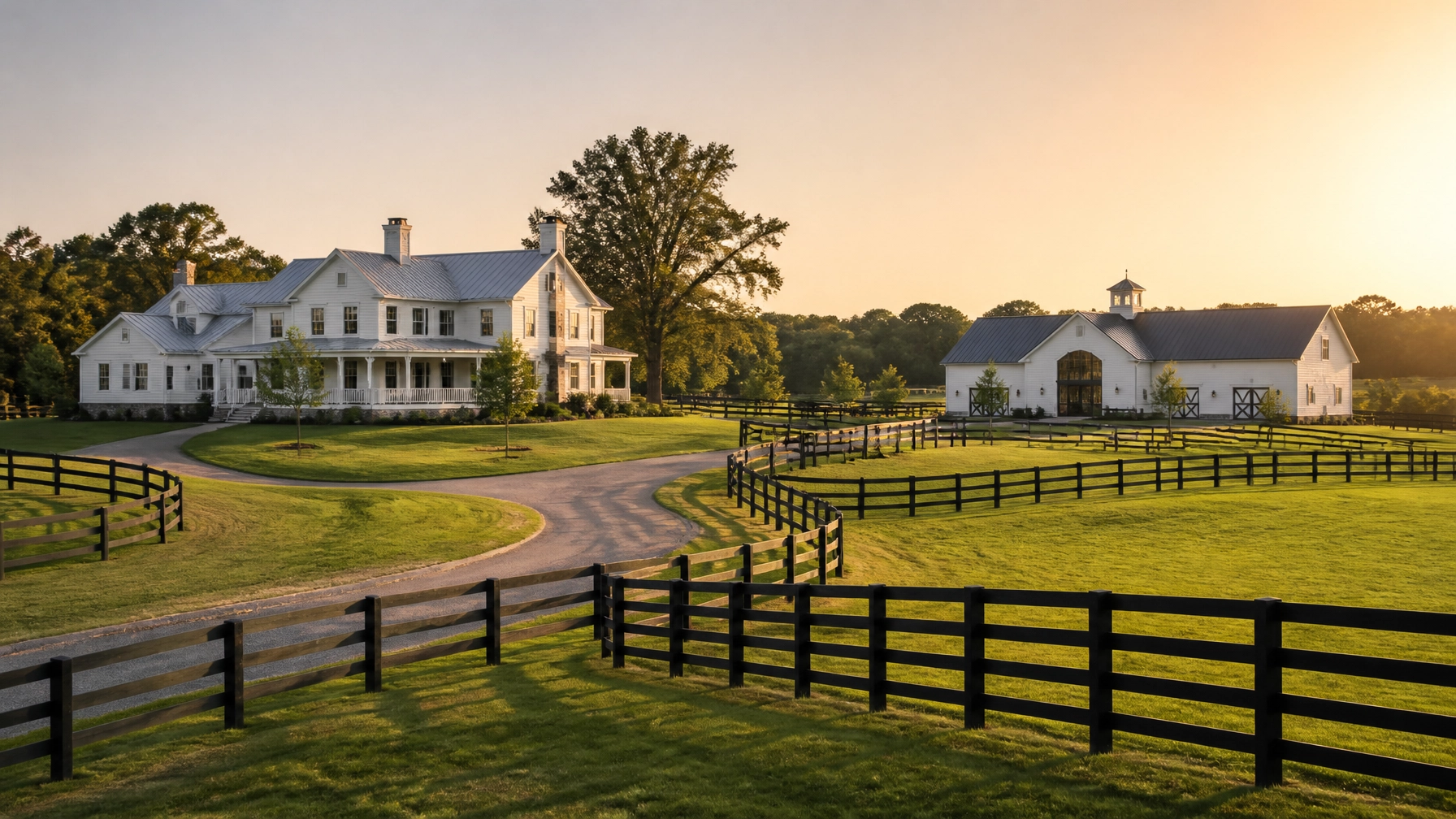
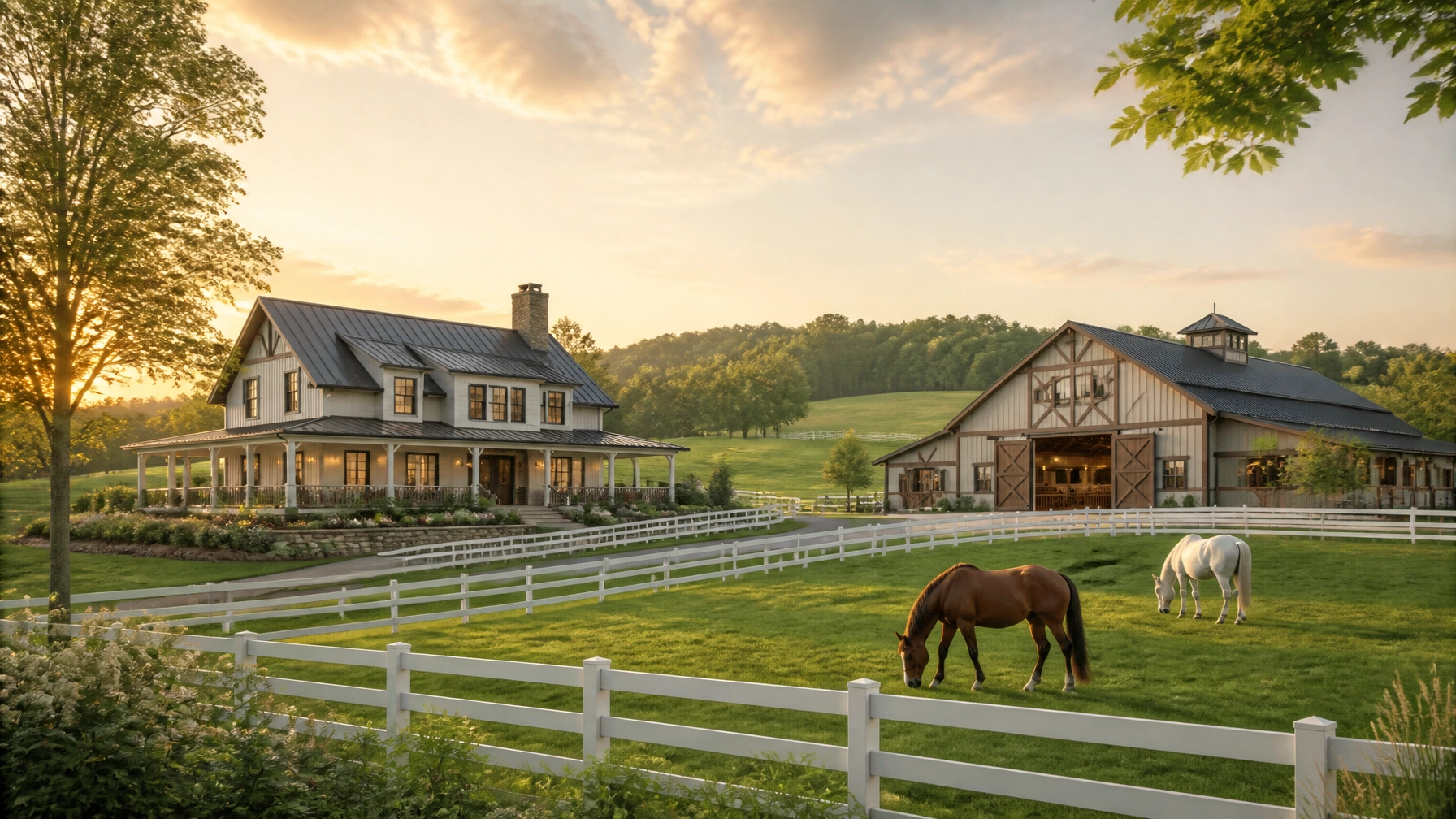
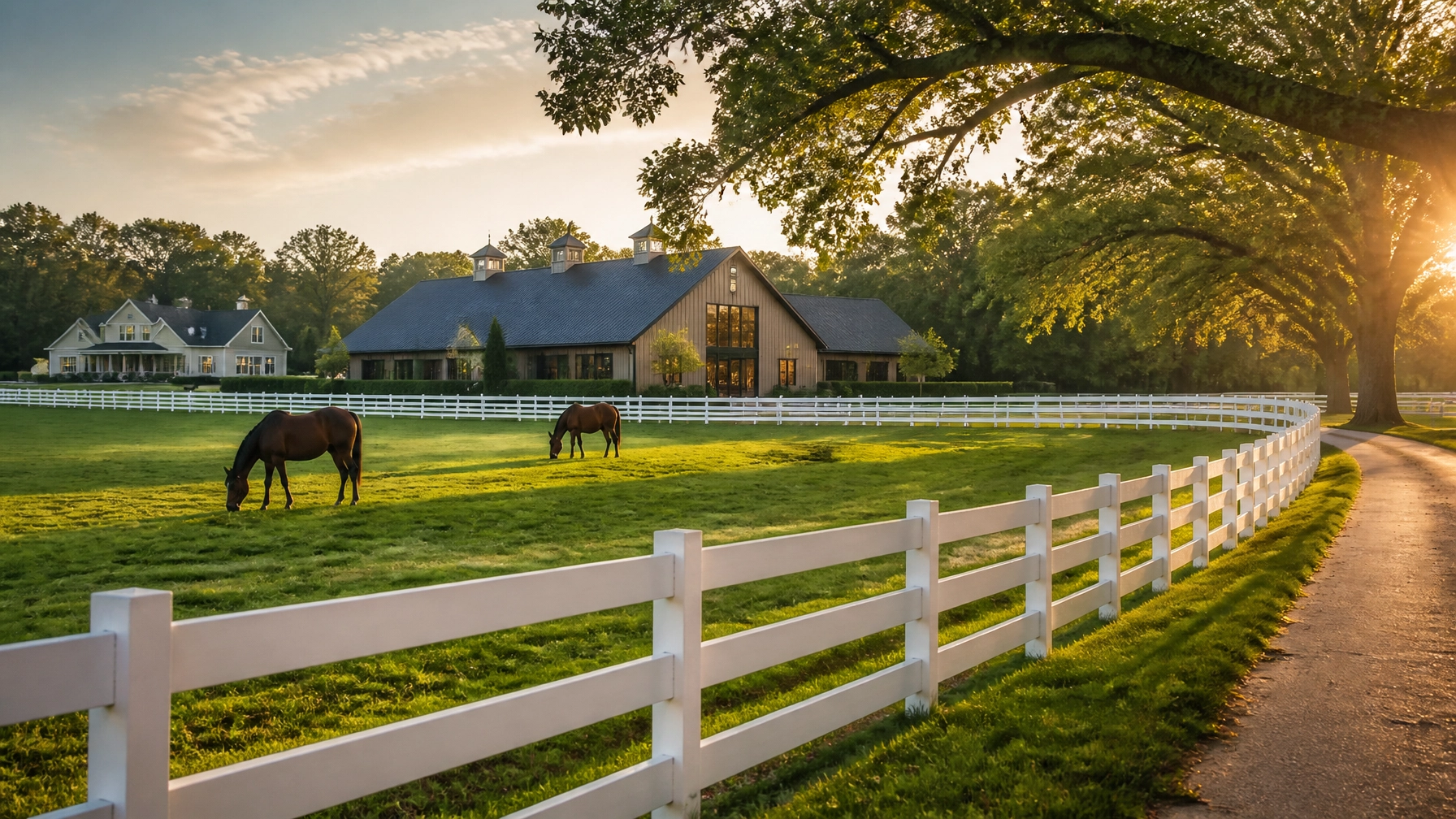
    Rolling pastures and mature trees on Davidson NC horse farm with white board fencing

    The soil drains well compared to some areas closer to Charlotte. If you've dealt with standing water and mud in Mecklenburg County, you'll appreciate Davidson's elevation changes and natural drainage. Pasture management is still work: this is North Carolina: but you're starting from better ground.

    Zoning in the rural parts of northern Mecklenburg County and southern Iredell County (where Davidson's boundaries blur) tends to be more horse-friendly than areas experiencing heavier development pressure. You'll find properties where agricultural use is grandfathered, and neighbors understand that manure happens and tractors make noise.

    What Makes a Hidden Gem?

    In real estate terms, a hidden gem usually means one of three things: undervalued, under-marketed, or overlooked because it doesn't fit the typical buyer's search criteria.

    For horse properties around Davidson, hidden gems are often:

    Older farms with solid infrastructure that needs aesthetic updates. The bones are good: sound barn, safe fencing, functional layout: but the paint's faded and the landscaping has gotten away from someone. These properties often belong to longtime owners who maintained them well for horses but didn't worry much about curb appeal. If you can see past cosmetic issues, there's real value here.

    Properties just outside the Davidson town limits. Most buyers search "Davidson" and stop at the municipal boundary. Some of the best equestrian land sits five minutes north in Iredell County or ten minutes west toward Sherrills Ford. Same community, better acreage, lower taxes.

    Farms without indoor arenas. The high-end market fixates on covered riding spaces, but plenty of serious horsewomen and horsemen ride outside year-round. If you don't need an indoor, you're competing with fewer buyers and paying significantly less per acre.

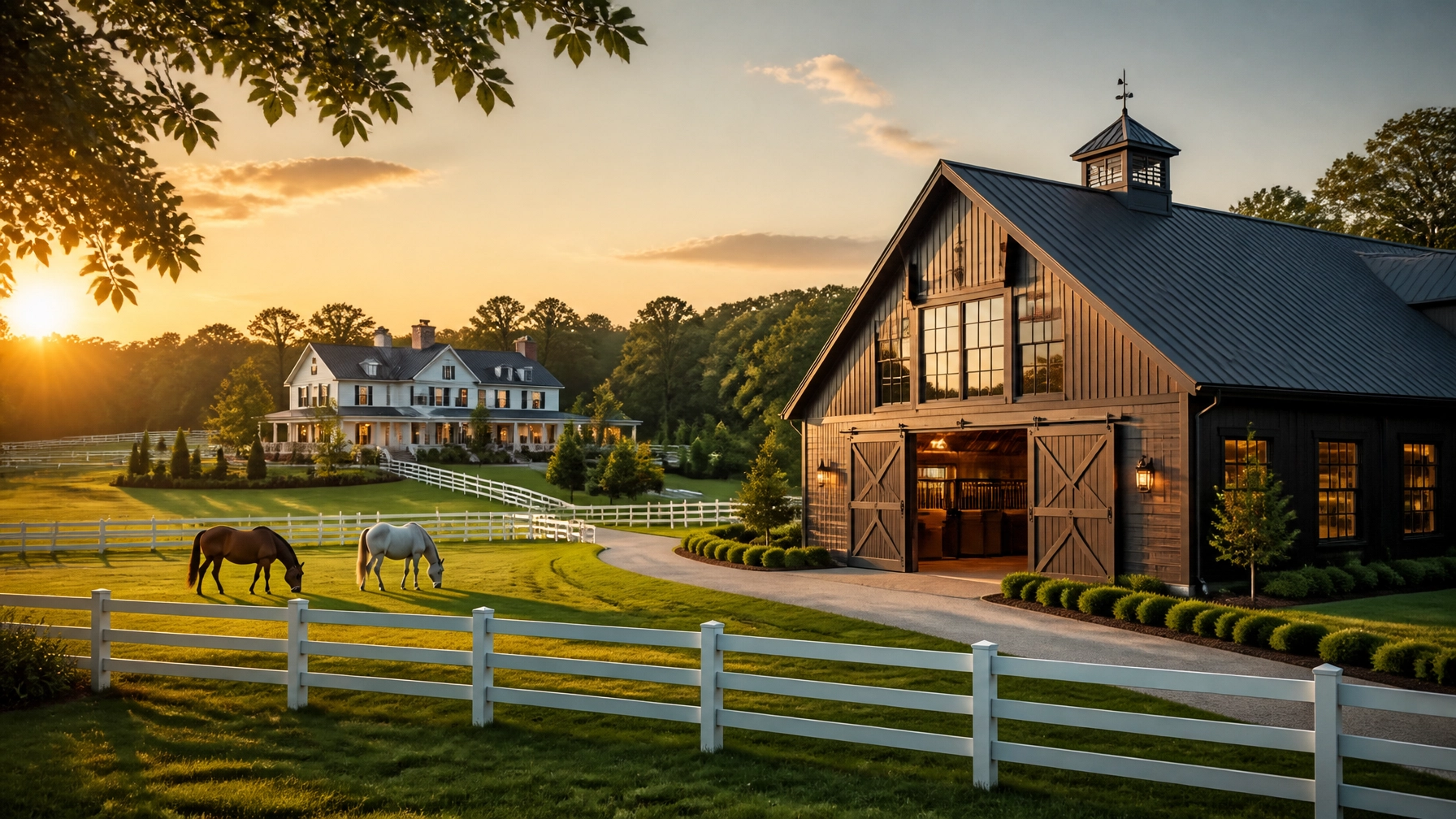
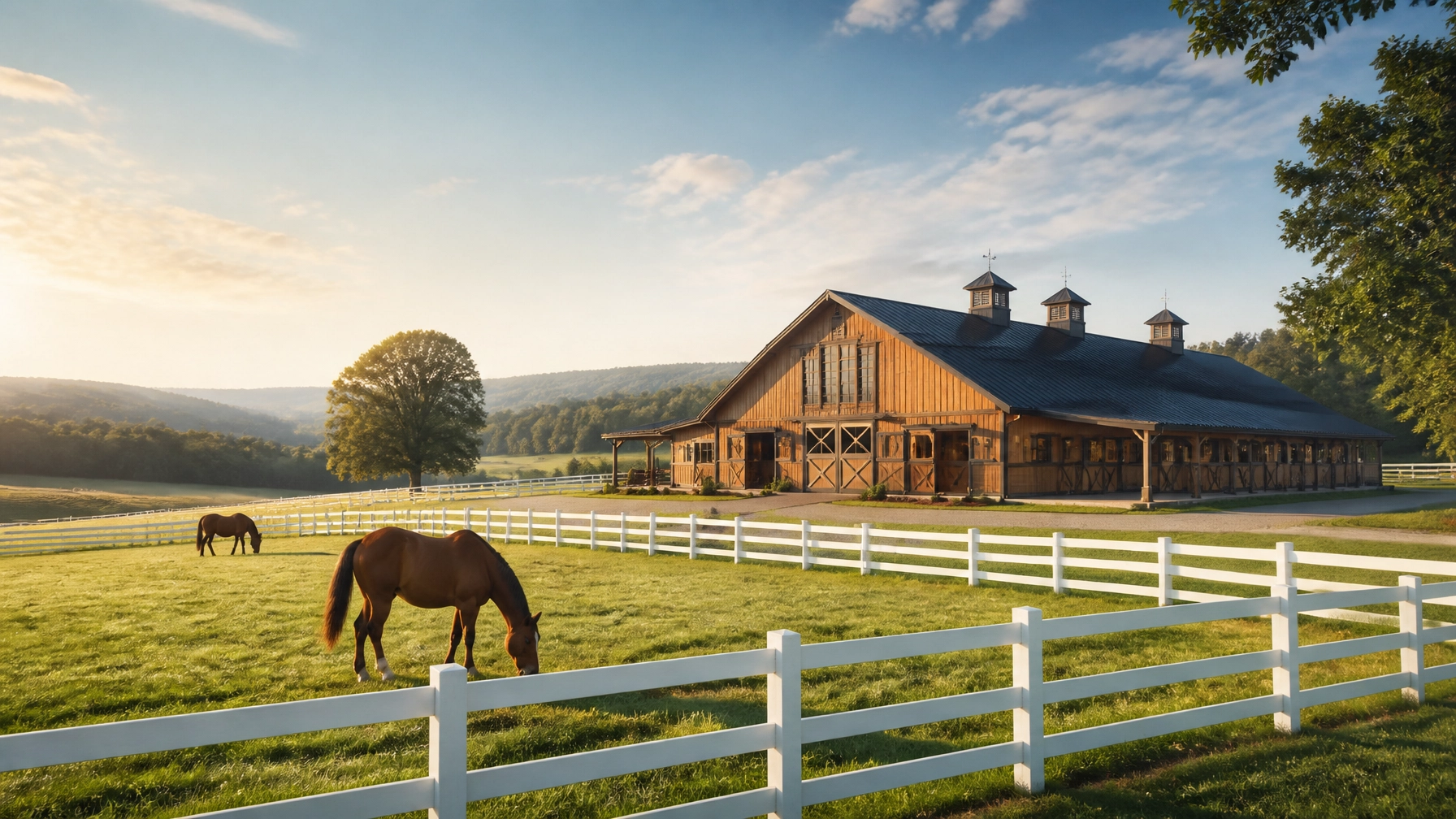
    Horses grazing in well-drained pasture with creek on Davidson area equestrian property

    Multi-generational properties hitting the market quietly. When a farm that's been in one family for thirty years comes up for sale, it doesn't always get the full marketing treatment immediately. These are the listings your agent hears about before they hit the MLS: if your agent knows the local equestrian community.

    Ten Things to Look For in Davidson Area Horse Properties

    Rather than naming ten specific farms (availability changes weekly, and truly hidden gems don't stay hidden once you publish their addresses), here are ten features that define quality horse properties in the Davidson market:

    1. Usable Acreage vs. Total Acreage

    A thirty-acre property sounds impressive until you realize twenty of those acres are wooded slopes. Look for farms where at least sixty percent of the land can be fenced and managed as pasture. Davidson's terrain can be dramatic: beautiful views, but challenging for horses if you're trying to turn out a senior mare with arthritic hocks.

    2. Water Access

    Properties with creek frontage or pond access add value for horses that need water beyond automatic waterers. Natural water sources also give you options for pasture layout and irrigation if you're managing hay fields. Just confirm water rights and environmental restrictions before you commit.

    3. Barn Design That Actually Works

    Forget the glossy barn photos from Pinterest. Look for proper ventilation, safe stall construction with minimal hardware that can injure a horse, adequate ceiling height (ten feet minimum for stalls), and a layout that makes sense for your daily routine. A twelve-stall barn sounds great until you realize it was designed by someone who'd never mucked a stall.

    Functional horse barn interior with proper ventilation and safe stall construction

    4. Fencing Condition and Type

    Davidson properties built in the '80s and '90s often have aging board fencing that's been repaired piecemeal over decades. Budget for fence replacement: it's expensive and unavoidable. Some farms have switched to coated wire or flex rail, which holds up better in North Carolina weather. Whatever's there, walk the entire perimeter and check every gate latch.

    5. Arena Footing and Drainage

    If the property includes a riding ring, check the base and footing quality, not just the dimensions. A poorly built arena is worse than no arena: you'll spend thousands fixing drainage and compaction issues. Good arena construction in Davidson means proper excavation, several inches of stone base, and appropriate footing material for your discipline.

    6. Hay Storage and Equipment Space

    Year-round horse keeping in North Carolina requires covered storage for hay and bedding. Look for barns with dedicated hay lofts or separate hay sheds with good ventilation. You'll also need space for a tractor, mower, manure spreader, and truck/trailer parking. Many older Davidson farms have equipment barns that are functionally perfect but aesthetically rough: don't let that scare you off.

    7. Proximity to Veterinary and Farrier Services

    Davidson's location means you're within reasonable driving distance of excellent equine veterinarians and quality farriers who service the Lake Norman area. Emergency vet response times matter when you have a colicking horse at midnight. Being thirty minutes from multiple vet clinics is a genuine advantage.

    8. Road Frontage and Access

    Some of Davidson's most private horse farms sit at the end of long gravel driveways or shared access roads. Beautiful and quiet, but confirm the access easement is properly recorded and maintained. You need reliable access for hay deliveries, vet trucks, and horse trailers: year-round, including after heavy rain.

    9. Utilities and Infrastructure

    Rural properties sometimes mean well water and septic systems. Both are manageable, but both require maintenance and eventual replacement. Ask about water quality (iron content can be an issue in this region) and septic capacity if you're planning to expand the house or add a guest cottage for working students or staff.

    10. Future Development Pressure

    This is the hard one. Davidson is growing, and the land around it is increasingly valuable. Some rural roads that felt remote ten years ago now have new subdivisions creeping closer. If long-term solitude matters to you, research the comprehensive land use plan for Mecklenburg and Iredell counties. Conservation easements on neighboring properties offer some protection against development.

    Working With an Agent Who Knows Horses

    The Davidson equestrian market isn't large enough to have dedicated horse property listings pages like Tryon or Aiken. Finding the right farm here requires an agent who understands what you actually need: not someone who thinks five acres and a run-in shed qualifies as an "equestrian estate."

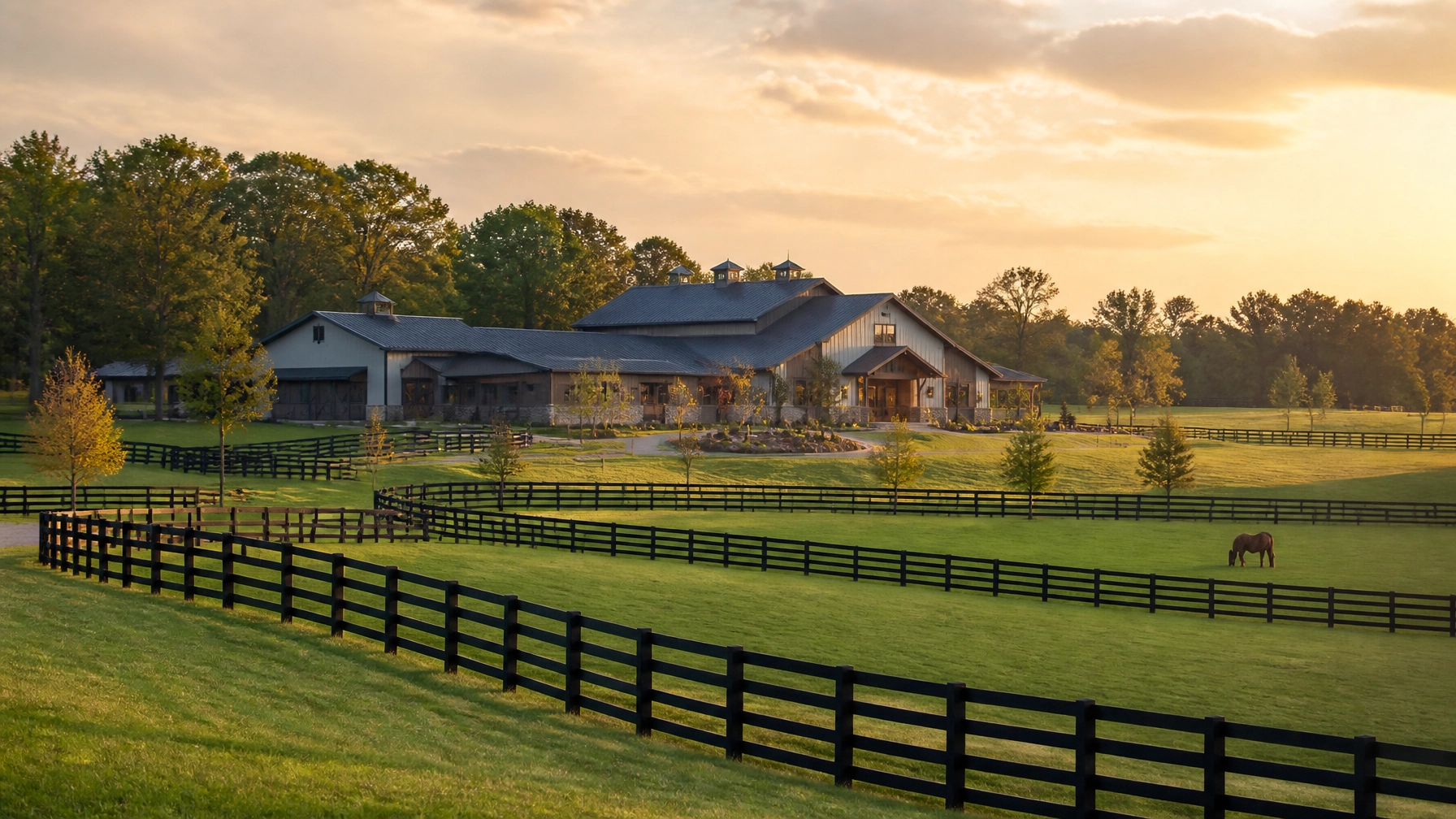
    Outdoor riding arena with quality footing on Davidson NC equestrian estate

    We've walked enough farms to know the difference between a property that works and one that will drain your savings in year two. We understand that a sound barn with functional footing is worth more than a pretty house with a decorative cupola on an undersized outbuilding. And we know which properties will come on the market before they're widely advertised, because we're part of the community: not just selling to it.

    If you're seriously looking for horse property in the Davidson area, start with a conversation about what you actually need. Not what you think you should want based on social media barn tours, but what will work for your horses, your discipline, your budget, and your daily routine.

    Hidden gems stay hidden because they're not marketed to the masses: they're matched quietly to the right buyer. That's how we prefer to work.

    The best properties don't always photograph well or show up at the top of Zillow searches. Sometimes they're the ones you drive past three times before you notice the good bones underneath the dated exterior. Those are worth a second look.

    If you'd like to explore current and upcoming horse properties near Davidson, we're here to help you find what actually fits( not just what's listed.)

  • Horse Farms for Sale in Waxhaw, NC: Everything You Need to Succeed in 2026

    Horse Farms for Sale in Waxhaw, NC: Everything You Need to Succeed in 2026

    Waxhaw represents one of Union County's most compelling markets for equestrian property buyers who understand that location, land quality, and community infrastructure determine long-term success more than any single amenity.

    The town sits at a geographic sweet spot: close enough to Charlotte for professional commutes, far enough out for genuine acreage and agricultural zoning that protects your investment. This balance matters when you're planning for horses that will be here for decades, not just the next show season.

    The Waxhaw Equestrian Market in 2026

    Current inventory tells a story about sustained demand and realistic pricing. The market currently offers 45 horse properties across multiple listing platforms, with price points ranging from $295,000 to $1.5 million. The average listing price sits at $539,000, with land costs averaging $50,005 per acre: a figure that reflects the premium buyers place on Union County's combination of soil quality, zoning flexibility, and established equestrian infrastructure.

    Aerial view of Waxhaw NC horse farm with vinyl fencing, pastures, and red barn

    Properties in established equestrian communities like Valley Farms command a median listing price of $620,000, reflecting the value of built-in amenities and like-minded neighbors who understand that horses require space, patience, and occasionally, fence repairs at inconvenient hours.

    The range of available properties accommodates different equestrian business models and personal goals. First-time buyers building modest breeding operations find starter farms on 5-10 acres. Professionals relocating training barns look at 20+ acre facilities with existing client bases. Retirees downsizing from larger operations seek turnkey properties where infrastructure already works and pastures rotate on proven schedules.

    What Actually Matters When Evaluating Waxhaw Properties

    Land quality supersedes barn aesthetics in any long-term equestrian investment. Waxhaw's soil composition: predominantly clay-based with moderate drainage: requires specific pasture management strategies that differ from the sandier coastal plains or mountain properties. Properties with established drainage systems, rotational grazing patterns, and soil amendments already in place reduce your first-year workload considerably.

    Water access determines carrying capacity more than acreage alone. Properties with multiple water sources: whether municipal connections, wells with proven GPM rates, or maintained ponds: provide operational flexibility that becomes critical during summer droughts or winter freezes when automatic waterers fail.

    Well-maintained horse pasture in Union County NC showing healthy grazing and board fencing

    Fencing condition and type reveal previous owners' commitment and knowledge. Well-maintained board fencing, vinyl rail, or properly tensioned wire indicate owners who understood horses. Patched fence lines, mixed materials, and creative repairs suggest deferred maintenance that extends beyond what's visible from the road.

    Barn layouts expose practical experience. Efficient facilities minimize labor while maximizing safety: wide aisles, proper ventilation, strategic tack room placement, and logical feed storage that doesn't require daily gymnastics. The difference between a 10-minute feeding routine and a 45-minute ordeal compounds over years.

    Neighborhoods That Support Equestrian Operations

    Valley Farms establishes Waxhaw's model for purpose-built equestrian communities where covenants protect horse-keeping rights while maintaining property values. These communities balance individual property autonomy with shared understanding about early morning training schedules, trailer traffic, and the organic realities of horse keeping.

    Properties along Providence Road South and Potter Road offer larger acreage options outside formal communities: ideal for operations requiring privacy, minimal restrictions, or expansion potential. These areas provide agricultural zoning classifications that support breeding operations, training facilities, or small boarding businesses without navigating HOA approval processes.

    The eastern sections toward Lancaster benefit from older farm infrastructure: established tree lines for shade, mature fencing, and barns built when lumber quality exceeded current construction standards. Properties here often need updating but provide solid bones for renovation rather than complete rebuilds.

    Union County Zoning Advantages for Horse Operations

    Union County's agricultural zoning classifications permit equestrian activities with fewer restrictions than Mecklenburg County's increasingly urbanized ordinances. The minimum acreage requirements for horses: typically 2 acres for the first horse, 1 additional acre per additional horse: remain reasonable and enforceable without the political pressure that affects counties closer to Charlotte's core.

    Modern horse barn interior with wide aisle, stalls, and tack room in Waxhaw NC

    The county maintains clear definitions distinguishing private horse keeping from commercial boarding operations, providing legal clarity for owners planning to generate income from their property. This distinction matters for insurance, liability, and long-term property classification that affects tax assessments.

    Manure management and environmental regulations align with practical farm operations rather than residential development standards. The county recognizes that properly managed equestrian properties provide environmental benefits: maintained open space, water table recharge, and wildlife corridors: that justify agricultural classifications and associated tax treatments.

    Infrastructure That Separates Good Properties from Great Investments

    Electric service capacity determines whether you can install arena lighting, heated waterers, or run multiple wash racks simultaneously. Properties with 200-amp or higher service panels provide operational flexibility. Older farms with 100-amp service face expensive upgrades before supporting modern facility requirements.

    Road frontage and access routes affect property value beyond convenience. Direct access to paved roads reduces maintenance costs and liability exposure from damaged driveways. Properties requiring easements through neighboring parcels create complications during property transfers and limit your control over access conditions.

    Elegant horse farm entrance with tree-lined driveway and white fencing in Waxhaw NC

    Proximity to emergency veterinary services: specifically the equine hospitals in Monroe and Charlotte: provides peace of mind that becomes critical at 2 AM when colic symptoms appear. The 20-30 minute range between Waxhaw and these facilities represents a manageable transport window for most emergencies.

    Current Properties Worth Examining

    The property at 2709 Valley Farm Road demonstrates what $1.5 million purchases in Waxhaw's current market: 10.96 acres with a 4,289-square-foot main residence, three fenced pastures with vinyl rail, a two-stall shed row barn with tack room, carriage house with three-car garage and studio apartment, equipment storage, and a maintained pond. This property reflects the complete package: functional equestrian infrastructure, quality land, and flexible space for family or farm staff.

    Mid-range properties in the $500,000-$700,000 range typically offer 5-10 acres with modest barns requiring updates but providing solid foundations for customization. These properties appeal to buyers with specific facility requirements who prefer designing their own layouts rather than adapting to previous owners' configurations.

    Starter properties under $400,000 exist but require careful evaluation. At this price point, buyers typically choose between better land with minimal structures or compromised acreage with nicer barns. The correct decision depends on whether you're building a breeding operation where land quality determines foal development, or a training facility where covered workspace matters more than pasture rotation.

    Making Informed Decisions in Waxhaw's Market

    Successful equestrian property purchases begin with honest assessment of your actual requirements rather than aspirational facility lists compiled from late-night Pinterest sessions. The difference between necessary infrastructure and desirable amenities determines whether you invest in long-term value or expensive features that don't improve daily operations.

    Working with professionals who understand equestrian-specific considerations: from soil testing to barn inspections: prevents expensive discoveries after closing. Standard home inspections miss critical details about arena footing, pasture drainage, and barn structural integrity that affect your operational budget for years.

    The 2026 Waxhaw market rewards buyers who move decisively on properly priced properties while maintaining discipline to walk away from compromised land or problematic infrastructure regardless of cosmetic appeal. Quality equestrian properties in desirable locations generate immediate interest from multiple qualified buyers who recognize value when inventory appears.

    Your Next Steps

    Evaluating horse farms requires different expertise than residential real estate. Properties that appear similar in listing photos reveal significant differences during in-person assessment: soil composition, drainage patterns, fence condition, and barn functionality that determine operational success.

    Our team focuses exclusively on equestrian properties throughout Union County and the greater Charlotte region. We understand the questions you should ask, the problems to anticipate, and the details that separate sound investments from expensive lessons.

    View current Waxhaw listings or contact our team to discuss specific requirements for your operation. Whether you're establishing your first breeding program, relocating an existing training facility, or finding the right property for retirement horses that deserve better than borrowed pastures, Waxhaw offers options worth examining carefully.

  • Charlotte Equestrian SEO Blitz – 30 Long-Tail Posts

    Charlotte Equestrian SEO Blitz – 30 Long-Tail Posts

    We're launching something different. Over the next several weeks, Carolina Horse Farm Realty will publish 30 targeted guides designed specifically for horse people searching the Charlotte Metro region. Not generic real estate content, actual answers to the questions we hear every week from riders, trainers, breeders, and farm owners looking for their next property.

    This isn't about SEO for SEO's sake. It's about being the resource you wish existed when you were searching for acreage at 11 PM, wondering if Waxhaw really has better soil than Mooresville, or whether an indoor arena is worth the investment in North Carolina's climate.

    The Charlotte Equestrian Landscape Has Changed

    The Charlotte Metro equestrian market in 2026 looks nothing like it did five years ago. Inventory remains tight. Zoning regulations have evolved. Buyer expectations have shifted from "pasture and a run-in" to "turnkey facility with quality infrastructure." Meanwhile, sellers are asking smarter questions about how to position their properties in a market that knows the difference between adequate and exceptional.

    These 30 posts address that gap. They're written for people who understand that "barn" isn't a generic term, that center aisle matters, that footing choices affect soundness, that pasture rotation isn't optional. We're covering geography, infrastructure, regulations, financing, and farm management because those are the conversations that actually matter.

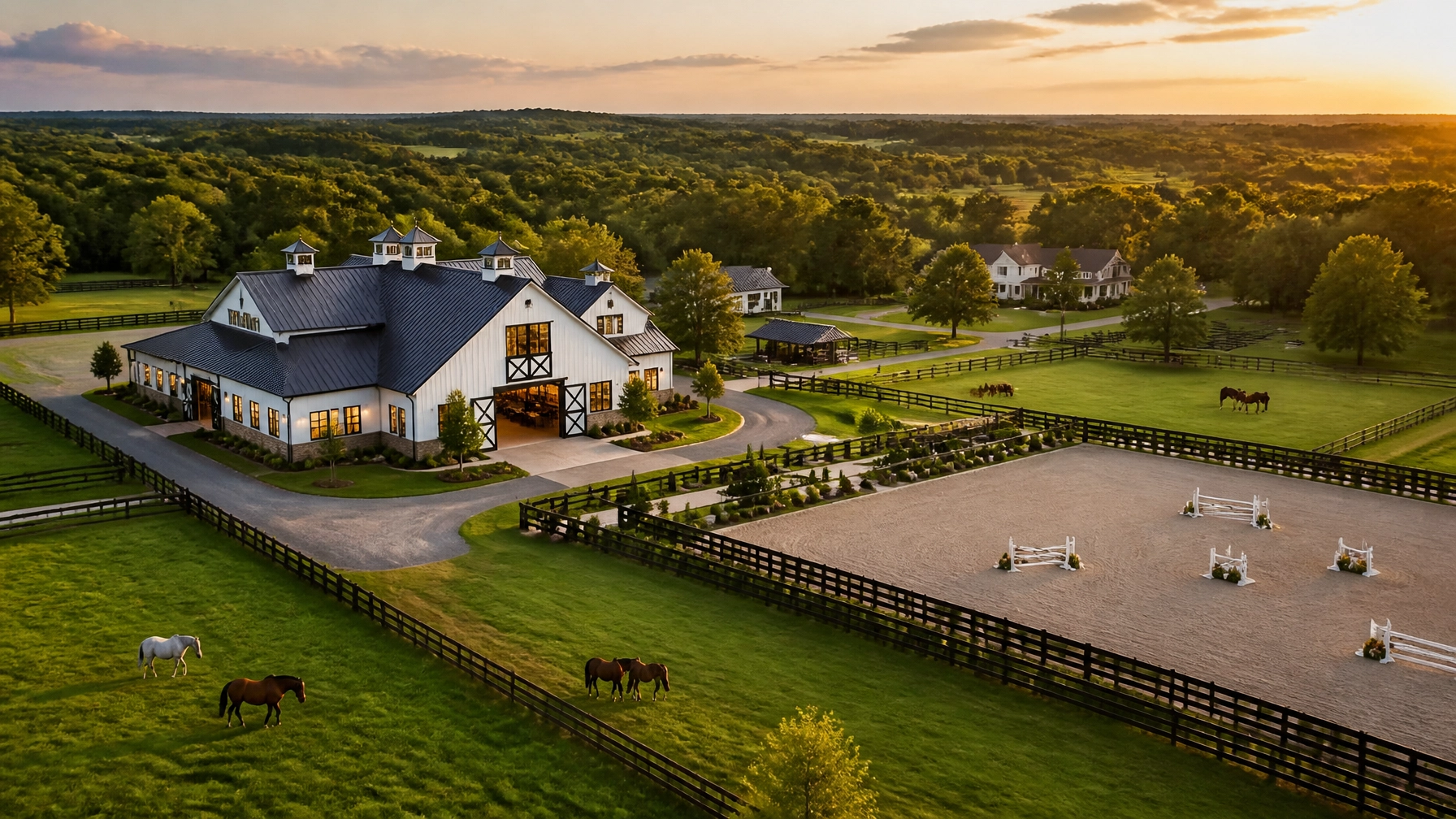
    Aerial view of Charlotte horse farm with pastures, barn, and riding arena at sunset

    Location-Focused Deep Dives

    The Ultimate Guide to Horse Farms for Sale in Waxhaw, NC – Why Waxhaw continues to dominate the Charlotte equestrian conversation, from soil composition to community culture.

    Why Weddington is the Perfect Spot for Your Equestrian Estate – Executive convenience meets serious horse infrastructure in one of Mecklenburg's most desirable pockets.

    Luxury Living: Equestrian Properties in Marvin, NC – Where understated elegance and horse facilities coexist on properties that understand both worlds.

    Exploring York County, SC: A Haven for Horse Lovers – Just across the state line, York County offers acreage, value, and established equestrian networks.

    Finding Your Dream Horse Property in Mooresville – Lake access and horse property can work together when you know where to look.

    Tryon Horse Country: Why It's Still a Top Destination – The international equestrian community that put North Carolina on the map.

    Huntersville Equestrian Real Estate: Space Close to the City – Professional accessibility without sacrificing acreage or facility quality.

    Hidden Gems: Horse Farms for Sale in Davidson, NC – Small-town character with surprising equestrian infrastructure options.

    Why Harrisburg, NC is Growing for Equestrian Families – The emerging market that combines new construction with horse-friendly zoning.

    Large Acreage and Privacy: Monroe's Best Horse Properties – When 50+ acres and seclusion top your priority list.

    These guides go beyond listing inventory. They explain soil types, water availability, veterinary access, trainer networks, and the cultural differences between communities. Because choosing a location isn't about the house, it's about whether your horses will thrive there.

    Infrastructure and Farm Management Essentials

    Luxury horse barn interior with center aisle and custom stalls

    Must-Have Feature: Why an Indoor Riding Arena Changes Everything – The ROI analysis nobody talks about, from training continuity to property value.

    Barn Layouts 101: Designing for Efficiency and Horse Safety – Center aisle versus shed row, stall dimensions, ventilation standards, and why barn orientation matters more than aesthetics.

    Pasture Management: Keeping Your North Carolina Soil Healthy – Rotation schedules, rest periods, and dealing with red clay and summer heat stress.

    The Essentials of High-End Stable Design in Charlotte – What separates adequate from exceptional in premium barn construction.

    Fencing Options for NC Horse Farms: Safety Meets Style – Board, no-climb, electric, Centaur, the honest comparison including maintenance reality.

    Manure Management: Best Practices for Small and Large Farms – Compliance, composting, and systems that actually work year-round.

    Drainage Solutions for Your Equestrian Property – Red clay doesn't drain. Here's how to handle it before it becomes a mud problem.

    Tack Room Goals: Organizing Your Equestrian Gear – Functional design that protects expensive equipment and saves time daily.

    Preparing Your Hay Storage for the North Carolina Seasons – Humidity, ventilation, and preventing mold in Southern climates.

    The Best Public Riding Trails Near Charlotte, NC – Where to ride when your own property isn't enough.

    These posts answer the operational questions that determine whether a property functions well or becomes a constant maintenance burden. They're written from experience, the kind you gain after walking hundreds of farms and hearing what actually works versus what looks good in photos.

    Buyer and Seller Navigation

    First-Time Horse Farm Buyer? Here's Where to Start – The checklist that prevents expensive mistakes before you make an offer.

    Navigating Zoning Regulations for Horses in Mecklenburg County – Maximum horses per acre, structure setbacks, and ag exemption eligibility.

    Union County Zoning: What Equestrian Buyers Need to Know – Different county, different rules, here's what changes across the border.

    Staging Your Horse Farm: How to Sell Faster and for More – What buyers notice, what they overlook, and where to invest your preparation budget.

    5 Things to Look for During a Horse Property Home Inspection – Standard home inspections miss critical equestrian infrastructure issues.

    Financing Your Dream: Specialized Loans for Equestrian Estates – Conventional mortgages don't always accommodate significant barn and land value.

    The 2026 Charlotte Equestrian Market: Trends to Watch – Current inventory levels, price movements, and buyer profile shifts.

    Tax Benefits of Owning a Working Horse Farm in NC – Present use value, ag exemptions, and legitimate business deductions.

    From Pro to Retirement: Finding the Right Training Facility – What makes a property work for a professional operation versus personal use.

    Why Soil Testing is a Must Before Buying Land in Charlotte – What's actually growing beneath that grass matters for pasture health and long-term sustainability.

    Rider inspecting horse farm fencing with barn and arena in North Carolina

    Why These Topics Matter

    Every topic in this series addresses a real question we've answered multiple times for buyers and sellers. They reflect actual search behavior from people actively looking for horse property, not generic traffic farming. Someone searching "Union County NC horse zoning" at midnight has a specific need. Someone researching "indoor arena cost benefit analysis" is making a major decision. These posts meet people exactly where they are in their journey.

    The long-tail approach works because horse property buyers don't search like typical homebuyers. They use specific terminology. They care about details that don't matter in residential real estate. They need answers from people who understand that "good fencing" means something entirely different when horses are involved.

    How to Use This Series

    Bookmark the topics relevant to your situation. If you're selling, start with the staging and preparation guides. If you're buying, begin with location overviews and zoning regulations. If you're planning infrastructure improvements, dive into the farm management content.

    These posts will be released over the coming weeks, each one providing standalone value while building toward comprehensive coverage of the Charlotte Metro equestrian real estate landscape. They're designed to be referenced, shared with partners or trainers, and revisited as your needs evolve.

    Carolina Horse Farm Realty specializes in equestrian properties throughout the Charlotte Metro region. We understand these topics because we live them, as Realtors, yes, but as horse people first. When you're ready to explore current listings or discuss your specific property needs, we're here to help.

    No pressure. Just honest answers from people who know the difference between a property that works and one that just looks good in photos.

  • Looking For Horse Farms in Waxhaw, NC? Here Are 10 Things You Should Know Before You Buy

    Looking For Horse Farms in Waxhaw, NC? Here Are 10 Things You Should Know Before You Buy

    Waxhaw has quietly become one of the Charlotte Metro's most desirable locations for equestrian properties. With its rolling terrain, established horse community, and proximity to major show venues, this Union County town offers something special for horse owners ready to find their permanent home base.

    But buying a horse farm isn't like buying a house with a backyard. The stakes are higher, the considerations more complex, and the mistakes more expensive. Before you fall in love with a property, here are ten essential factors that will determine whether that farm becomes your dream or your burden.

    1. Union County Zoning Allows Agricultural Use: But Verify the Details

    Union County's agricultural zoning is generally horse-friendly, but not all parcels are created equal. Properties zoned RA-40 (Residential Agricultural) typically allow horses as a matter of right, while other residential classifications may require conditional use permits or have livestock restrictions based on acreage minimums.

    Before making an offer, confirm the current zoning designation and request documentation showing horses are explicitly permitted. Ask about barn setbacks from property lines, manure storage requirements, and any homeowner association restrictions that might supersede county zoning. Some newer subdivisions in Waxhaw allow horses on paper but impose restrictions that make practical horse keeping difficult.

    Aerial view of Waxhaw horse farm pastures showing soil variations and fenced paddocks

    2. Soil Quality Varies Dramatically Across Waxhaw Properties

    The Piedmont soil composition in Waxhaw ranges from red clay hardpan to more loamy, workable ground. This isn't just an aesthetic concern: soil quality directly impacts drainage, pasture productivity, and your long-term maintenance costs.

    Clay-heavy properties create standing water issues, require more intensive pasture management, and increase hoof health problems. Before closing, invest in a soil test that evaluates pH levels, nutrient content, and drainage characteristics. Properties with established pastures that show healthy grass coverage year-round are worth the premium over bare land that will require years of soil amendment and reseeding.

    3. Water Access Is Non-Negotiable

    Municipal water reaches most of Waxhaw, but many equestrian properties rely on well water. A horse drinks 10-12 gallons daily in moderate weather and significantly more during summer heat. Multiply that by your herd size, add barn washing and arena maintenance, and you're looking at substantial water demands.

    Request well flow rate documentation and recent water quality tests. Wells producing less than 10 gallons per minute may struggle to support a multi-horse operation. If the property uses municipal water, calculate the monthly costs: they add up quickly when you're filling multiple water troughs daily.

    4. The Existing Barn Either Saves or Costs You Significantly

    That charming barn in the listing photos might be a liability disguised as an asset. Quality barn construction in North Carolina requires proper ventilation, adequate stall dimensions (minimum 12×12 for average horses), safe footing, and electrical systems that meet code for agricultural use.

    Walk the barn with a critical eye. Check for structural soundness in the framing, roof condition, foundation stability, and proper drainage around the structure. Poor ventilation leads to respiratory issues. Inadequate stall sizing creates behavioral problems. Outdated electrical systems are fire hazards. Sometimes a property with no barn is the better investment than one with a structure that needs immediate replacement.

    Well-maintained horse barn interior with wooden stalls and center aisle in North Carolina

    5. Fencing Condition Determines Your First-Year Budget

    Quality fencing is expensive: figure $3-5 per linear foot for new installation of safe horse fencing. Before buying, walk every fence line on the property and assess the condition honestly. Wood fencing typically needs replacement or major repair every 15-20 years. Check for rotted posts, sagging rails, and gaps that create entrapment hazards.

    The safest options for horse properties include properly installed board fencing, mesh wire with wood rails, or coated wire systems specifically designed for horses. Barbed wire is dangerous and should be replaced. If the property has extensive fencing that needs immediate replacement, factor that five-figure expense into your offer price.

    6. Distance to Equine Veterinary Care Matters in Emergencies

    Waxhaw's location provides reasonable access to several equine veterinary practices, but response times during emergencies vary by your exact location. Properties in the southern reaches of Waxhaw may be 30-45 minutes from emergency veterinary services: a critical factor when colic surgery or acute lameness strikes.

    Identify the nearest 24-hour equine emergency facility before buying. Southern Pines Equine Associates, Tryon Equine Hospital, and practices in the greater Charlotte area all serve Waxhaw, but distance impacts response times. Properties closer to Highway 16 or Providence Road typically offer faster access to emergency care.

    7. Highway Access Makes or Breaks Your Show Schedule

    If you trailer regularly to shows, clinics, or trail riding locations, highway access becomes a daily quality-of-life factor. Waxhaw offers excellent access to Highway 16, which connects to I-485 and I-77, providing reasonable routes to major show venues throughout the Carolinas.

    Properties on the eastern side of Waxhaw typically offer easier access to Tryon and Southern Pines show facilities. Western locations connect more readily to Charlotte venues. Consider your competition schedule and trailer setup: narrow country roads with tight turns are manageable with a small trailer but nightmarish with a 4-horse gooseneck.

    White board fencing and grazing horses on Waxhaw NC equestrian property pasture

    8. The Equestrian Community Is Established and Active

    Waxhaw isn't a horse community in name only: it's home to respected training facilities including Silver Hill Farm and Providence Equestrian Center. This established infrastructure means access to riding instruction, training services, show opportunities, and the supportive network that makes horse ownership sustainable.

    Properties within a short trailer ride to these facilities command premiums for good reason. The ability to access quality instruction without a 90-minute haul changes your daily routine and your horses' development. Before buying, visit local barns to understand the competitive landscape and training philosophy that dominates the area.

    9. Property Taxes Reflect Union County's Growth Trajectory

    Union County's rapid growth has increased property values and tax assessments accordingly. Current property taxes in Waxhaw run approximately $1.02 per $100 of assessed value, and assessments are rising as the Charlotte Metro continues expanding southward.

    Request the last three years of tax records for any property under consideration. Properties enrolled in present-use value (agricultural) programs receive significant tax reductions, but maintaining that status requires meeting specific agricultural income thresholds. Understand these requirements before assuming you'll qualify: the income standards eliminate most hobby farm operations.

    10. Acreage Requirements Depend on Your Horse Management Philosophy

    The "acres per horse" question has no universal answer, but Waxhaw's climate and growing season allow for relatively productive pasture management with proper rotation. Two acres per horse is the frequently cited minimum, but that assumes quality pasture and rotational grazing discipline.

    Clay-heavy soil and high-traffic areas quickly become mudpans without sufficient space. Properties under five acres typically require dry lot management with supplemental hay year-round, while 10+ acre farms can support rotational grazing that significantly reduces feed costs. Consider your management time, budget, and horse care philosophy before deciding your minimum acreage requirement.

    Finding the Right Property Takes Patience and Expertise

    The Waxhaw equestrian real estate market moves quickly when quality properties list. Farms with proper infrastructure, adequate acreage, and desirable locations often receive multiple offers within days of listing. Understanding these ten factors before you start your search positions you to move decisively when the right property appears.

    Explore available equestrian properties in Waxhaw and throughout the Charlotte Metro area, or contact our team to discuss your specific requirements. We work exclusively with equestrian properties and understand the details that matter to horse owners( because we're horse people first.)

  • First-Time Horse Farm Buyer? Here’s Where to Start (And 10 Questions to Ask Before You Tour)

    First-Time Horse Farm Buyer? Here’s Where to Start (And 10 Questions to Ask Before You Tour)

    You've spent years boarding. You've hauled to lessons, paid monthly stall fees, and adjusted your schedule around barn hours. Now you're ready to bring your horses home, to a property that's truly yours.

    Buying your first horse farm is exhilarating. It's also one of the most complex real estate transactions you'll make. Unlike typical home purchases, equestrian properties demand specialized knowledge about land management, barn infrastructure, zoning regulations, and the daily realities of horse care. The property that looks perfect during a sunny Saturday tour might reveal serious issues once you understand what to evaluate.

    The good news? With the right preparation, you can avoid expensive mistakes and find a property that supports both your horses' wellbeing and your long-term goals.

    Define Your Purpose Before You Start Searching

    The first question isn't about acreage or barn style, it's about purpose. Are you creating a private sanctuary for your personal horses, or do you envision a boarding operation that generates income? Will you teach lessons, host clinics, or train competitively?

    Your answer shapes everything else. A personal farm for two horses requires dramatically different infrastructure than a boarding facility for twelve. Lesson programs need parking, liability considerations, and accessible arenas. Breeding operations demand specialized facilities that training barns don't require.

    Be honest about your goals. Many first-time buyers underestimate the management commitment required for commercial operations or overestimate their desire to handle boarder relationships. There's no wrong answer, just clarity that will guide your search toward properties that match your actual lifestyle.

    Aerial view of horse farm with white fencing, grazing horses, and barn surrounded by rolling pastures

    Build Your Advisory Team First

    Before you tour a single property, assemble a team that understands equestrian real estate. This isn't the time to use your cousin's real estate agent or the first lender who returns your call.

    You need:

    A real estate agent experienced in horse properties. They should understand the difference between usable pasture and decorative acreage, recognize quality barn construction, and know local zoning regulations specific to livestock. At Carolina Horse Farm Realty, we work exclusively with equestrian properties across the Charlotte Metro area, we speak horse first, real estate second.

    A lender familiar with agricultural or specialty properties. Rural properties with significant acreage often require different financing than suburban homes. Some lenders balk at properties with income-generating potential or unique features like indoor arenas.

    A real estate attorney who handles farm transactions. Equestrian properties involve considerations like water rights, easements for trail access, and agricultural exemptions that standard residential closings don't address.

    This team will save you time, money, and heartache. They'll identify red flags you wouldn't notice and negotiate terms that protect your interests.

    Understand the Complete Financial Picture

    Mortgage pre-approval tells you what a bank will lend, not what you can comfortably afford once you factor in the true cost of farm ownership.

    Beyond your mortgage payment, budget for:

    • Property taxes (often higher on larger acreage)
    • Utilities for both house and barn
    • Well and septic maintenance
    • Fence repairs and replacement
    • Arena footing maintenance
    • Equipment purchases (tractor, mower, drag)
    • Emergency veterinary access
    • Feed and bedding storage infrastructure
    • Farm labor if you can't manage everything yourself

    Many first-time buyers focus exclusively on the purchase price and then feel financially stretched once they're managing daily farm expenses. A property at the top of your budget leaves no room for the inevitable fence repair or barn roof replacement.

    If your down payment is less than 20 percent, you'll also need mortgage insurance, which adds to monthly costs.

    The 10 Questions You Must Ask Before Scheduling a Tour

    Don't waste time touring properties that won't work. Ask these questions upfront, before you fall in love with a barn you can't actually use.

    1. What is the property's current zoning, and are horses explicitly allowed?

    Some municipalities restrict livestock or limit the number of animals per acre. Others prohibit commercial equestrian operations in certain zones. Verify that your intended use is permitted and understand any limitations on future expansion.

    2. How many acres of usable pasture does the property actually have?

    Total acreage and usable horse acreage are rarely the same number. Exclude woodlands, wetlands, steep slopes, and areas unsuitable for grazing. In North Carolina, plan on roughly 1.5 to 2 acres of quality pasture per horse for rotational grazing.

    3. What is the water source and capacity?

    Horses drink 5-10 gallons of water daily, more in hot weather or heavy work. Well capacity matters enormously, especially if you're watering pastures, filling water troughs, and running a household. Ask about flow rate, well depth, and whether the system has supported horses previously. Municipal water is simpler but may come with restrictions or higher costs.

    Horse property buyer reviewing survey maps and documents during farm consultation planning session

    4. What is the condition and design of the barn?

    Look beyond aesthetics. Is the barn structurally sound? Does it have proper ventilation? Are stalls sized appropriately (at least 12×12 for average horses)? Is the electrical system safe and sufficient? Are there dedicated spaces for feed storage, tack, medications, and hay that keep these areas separate from stalls?

    5. What is the fencing type, condition, and configuration?

    Fencing is one of the most expensive infrastructure elements you'll maintain. Inspect carefully for old barbed wire, rotting posts, sagging lines, and gaps. Board fencing requires regular maintenance. High-tensile or no-climb wire is durable but must be properly installed. Electric fencing needs consistent power and maintenance.

    6. How is the land graded, and where does water drain?

    Poor drainage creates muddy paddocks, damages pastures, and leads to hoof problems. Walk the property during or after rain if possible. Note where water pools, how quickly it drains, and whether barn aisles and turnout areas stay manageable in wet weather. Flat or gently sloping land is ideal: avoid steep grades and gullies.

    7. Has the property been soil tested recently?

    Soil health determines pasture quality. Testing reveals pH levels, nutrient deficiencies, and contamination issues. It also helps you understand fertilization needs and whether the land has been properly managed. This is especially critical in areas with heavy clay soil common throughout the Charlotte region.

    8. Are there toxic plants or environmental hazards present?

    Walk fencelines and pastures looking for red maple trees, black walnut, wild cherry, and other species toxic to horses. Check for old debris, buried trash, rusty equipment, and abandoned wells. These hazards aren't always obvious during a casual tour but pose serious risks to horses.

    9. What are the setback requirements and building restrictions?

    If you plan to add a barn, expand stalls, or build an arena, understand setback requirements from property lines, wells, septic systems, and water sources. Some counties have strict regulations about new agricultural construction that could limit your plans.

    10. What is the insurance situation?

    Standard homeowner's policies often exclude or severely limit equestrian liability coverage. If you plan to board horses, teach lessons, or host any activities involving other people's horses, you'll likely need commercial farm insurance. Get quotes before you commit: the cost might surprise you.

    Additional Considerations That Matter

    Accessibility and location affect your daily life more than you might expect. A property 45 minutes from your current home sounds manageable until you're driving it twice daily to feed. Consider your commute, emergency vet access, and proximity to equestrian services like farriers and feed stores.

    Hay and equipment storage needs are substantial. A year's worth of hay for three horses requires significant covered storage. Equipment like tractors, mowers, and arena drags need protection from weather.

    Existing infrastructure quality often matters more than quantity. A well-maintained three-stall barn with good footing and drainage is vastly superior to a ten-stall facility with rotting boards and standing water.

    Well-maintained horse barn aisle with clean flooring, organized tack room, and pasture access

    Neighborhood dynamics influence your experience. Are neighbors equestrian-friendly, or will you face complaints about flies, manure, and trailer traffic? Is the area growing residential, which might bring zoning pressure in the future?

    Moving Forward With Confidence

    Buying your first horse farm is a significant decision: but it doesn't have to be overwhelming. With clear goals, a knowledgeable team, and the right questions asked upfront, you can find a property that serves your horses well and supports your equestrian lifestyle for years to come.

    The Charlotte Metro area offers exceptional opportunities for horse farm buyers, from the established equestrian communities of Waxhaw and Weddington to the more rural acreage available in Union County and York County, SC. Each area has unique characteristics, zoning considerations, and property styles worth exploring.

    Ready to start your search with an agent who understands horses first? Browse our current equestrian properties or reach out to discuss your specific needs. We're here to help you find not just a property, but a place where both you and your horses can thrive.

  • The Essentials of High-End Stable Design in Charlotte: What Serious Equestrians Look For

    The Essentials of High-End Stable Design in Charlotte: What Serious Equestrians Look For

    When you've spent years mucking stalls at dawn, trailering to shows, and managing everything from colic episodes to winter blanketing schedules, you develop specific opinions about what makes a barn work. High-end doesn't mean gold-plated feed buckets: it means thoughtful engineering that keeps horses healthy, reduces daily labor, and stands up to North Carolina's humidity, afternoon thunderstorms, and everything else our climate throws at us.

    If you're searching for equestrian properties in Charlotte or considering building custom stables on land you already own, understanding these essentials will help you recognize quality construction versus expensive mistakes.

    Site Engineering Comes Before Anything Else

    The foundation of excellent stable design starts underground. Serious equestrians evaluate drainage patterns, soil composition, and natural topography before placing a single post. In the Charlotte metro area, where clay soil predominates and summer storms can drop inches of rain in hours, poor site engineering creates chronic mud, standing water, and expensive remediation.

    High-end properties feature professionally graded building sites with swales, French drains, or subsurface drainage systems that move water away from barn foundations and high-traffic areas. The barn location considers prevailing winds for natural ventilation, sun exposure for winter warmth and summer shade, and logical flow between turnout areas, riding arenas, and wash stalls.

    Luxury horse barn exterior in Charlotte showing professional site grading and drainage design

    Properties in developments like Cheval in Mint Hill or throughout Waxhaw and Weddington often include engineered pad sites specifically designated for barn construction, with utility access already planned and environmental considerations addressed during development permitting.

    Ventilation Systems That Actually Work Year-Round

    North Carolina's humid summers and variable winters demand ventilation systems that adapt. High-end stable design incorporates multiple ventilation strategies rather than relying solely on open doors or ridge vents.

    Serious equestrians look for:

    Cupolas with functional louvers positioned along the ridge line to create natural thermal lift, pulling hot air up and out while drawing cooler air through lower openings

    Dutch doors or grilled stall fronts that allow individual stall ventilation adjustment without sacrificing security

    Ceiling height of at least 12 feet in aisles and 10 feet in stalls to provide adequate air volume and reduce heat buildup

    Cross-ventilation design where barn orientation and window placement create natural airflow patterns without creating drafts directly on horses

    Covered overhangs extending at least four feet beyond the roofline to allow windows and doors to remain open during rain

    Climate control isn't about air conditioning: though some high-end Charlotte facilities do incorporate fans or misting systems in wash stalls and grooming areas. It's about designing airflow that keeps respiratory health optimal while horses remain comfortable during temperature extremes.

    Stall Dimensions and Materials Built for Longevity

    Standard 12×12 stalls suffice for most horses, but serious equestrians investing in high-end facilities often specify 12×14 or larger for foaling stalls, stallions, or horses that spend extended time inside. The materials defining those spaces matter significantly.

    Premium stable construction in the Charlotte area features:

    Tongue-and-groove hardwood or composite stall fronts with rounded edges and flush hardware that eliminates catch points

    Powder-coated steel grills rather than wood bars that horses can chew, break, or get caught in

    Interlocking rubber or eva foam mats over compacted stone dust bases that provide cushioning, insulation, and easier maintenance than concrete or bare dirt

    Kickboards or lower walls of at least 4 feet in solid material (lumber or metal) to contain bedding and protect walls from damage

    Stall doors with centered latches positioned where horses can't reach them, with smooth closure mechanisms that won't pinch fingers or catch lead ropes

    High-end stable interior with spacious aisles and natural ventilation through Dutch doors

    Corner feed and water buckets installed at chest height reduce contamination and create safer stall environments than floor-level buckets horses can step in or tip over.

    Wash Stalls and Grooming Areas That Function Daily

    Anyone who's bathed horses in a dirt aisle with a garden hose understands the value of proper wash facilities. High-end stable design includes dedicated wash stalls with hot and cold water, non-slip flooring, and drainage that actually works.

    Essential features include:

    Textured rubber or concrete flooring with adequate slope (minimum 2%) toward drains sized to handle hair, bedding, and debris without clogging

    Cross-ties anchored to walls or posts rather than overhead beams, positioned at appropriate height for various horse sizes

    Hot water heaters sized adequately for multiple back-to-back baths without running cold

    Multiple water sources including overhead spray attachments and standard hose connections

    Natural light from windows or skylights that allows proper visualization during grooming and veterinary work

    Adjacent grooming areas benefit from electrical outlets for clippers and vacuums, storage for grooming supplies, and mounting blocks or step stools within easy reach.

    Tack Room Security and Climate Control

    Quality tack represents significant investment: custom saddles alone run $4,000 to $8,000, and complete wardrobes for competitive horses easily exceed $15,000. High-end facilities protect these investments with climate-controlled tack rooms featuring dehumidification systems that combat North Carolina humidity and prevent mold growth on leather goods.

    Serious equestrians look for tack rooms with:

    Exterior-grade locks and reinforced doors with solid cores rather than hollow construction

    Individual saddle racks with proper spacing and support rather than generic wall hooks

    Organized bridle storage with individual hangers that maintain shape

    Climate control systems that maintain 40-60% relative humidity regardless of outdoor conditions

    Adequate square footage for the number of horses in training: minimum 100 square feet for 4-6 horses, with proportional increases for larger programs

    Custom horse stall with rubber mats, hardwood walls, and premium safety features

    Windows positioned to allow equipment monitoring from barn aisles provide security oversight without requiring separate camera systems, though many high-end facilities incorporate both.

    Aisle Width and Traffic Flow

    Narrow barn aisles create safety hazards and operational inefficiency. High-end stable design specifies minimum 12-foot aisle width: preferably 14 feet: that allows horses to pass each other safely, tractors to access stalls for deep cleaning, and handlers to work without crowding.

    Center aisle barns benefit from doors at both ends sized for equipment access (minimum 10 feet wide) and positioned to create natural ventilation corridors. Concrete aisles should include textured finishes or rubber pavers that provide traction when wet, and the ceiling height throughout aisles should match stall requirements at 12 feet minimum.

    Feed Storage and Rodent Prevention

    Proper feed storage protects expensive grain from spoilage, contamination, and pest damage. High-end Charlotte area facilities include dedicated feed rooms separate from tack storage, with sealed containers, climate control, and construction details that exclude rodents.

    Quality feed rooms feature:

    Metal or heavy-duty plastic bins with locking lids rather than bags left on pallets

    Sealed door sweeps and wall penetrations that eliminate rodent entry points

    Concrete flooring rather than wood that rodents can chew through

    Ventilation that prevents moisture buildup without allowing pest access

    Adequate capacity for 2-4 weeks of feed inventory with organized storage for supplements and medications

    The Charlotte Equestrian Property Advantage

    The Charlotte metro area offers unique advantages for serious equestrians investing in high-end stable facilities. Properties throughout Waxhaw, Weddington, Marvin, and into York County, SC provide adequate acreage for custom barn construction while maintaining reasonable proximity to quality veterinary services, feed suppliers, and competition venues.

    Professional wash stall in Charlotte equestrian facility with proper drainage and lighting

    Unlike regions where equestrian infrastructure requires extensive travel, Charlotte-area horse owners access specialized farriers, veterinarians, and trainers within 30-minute drives while enjoying rural property settings with genuine acreage and privacy.

    Finding Properties with Existing High-End Facilities

    Building custom stables requires significant investment and time: often 18-24 months from concept to completion. Purchasing existing equestrian properties with thoughtfully designed facilities allows immediate operation while potentially offering better value than ground-up construction in today's building cost environment.

    When evaluating existing barns, serious equestrians prioritize the engineering fundamentals discussed above: site drainage, ventilation systems, materials quality: over cosmetic finishes that generate visual appeal but don't affect daily functionality or horse welfare.

    Properties featuring custom-engineered stables rather than converted pole barns or agricultural buildings demonstrate previous owners who understood equestrian-specific requirements and invested appropriately.

    Moving Forward With Your Search

    High-end stable design represents the intersection of equestrian knowledge, construction expertise, and site-specific engineering. Whether you're searching for turnkey equestrian properties or land suitable for custom development, understanding these essentials helps you evaluate quality and recognize value.

    Explore our current listings of equestrian properties throughout the Charlotte metro area, or contact our team to discuss your specific stable requirements and property goals. We understand the difference between barns that look impressive and facilities that actually work for serious horse programs.

  • The Ultimate Guide to Horse Farms for Sale in Waxhaw, NC: Everything You Need to Succeed

    The Ultimate Guide to Horse Farms for Sale in Waxhaw, NC: Everything You Need to Succeed

    Why Waxhaw Remains North Carolina's Premier Equestrian Destination

    Waxhaw sits at the intersection of preservation and progress: a town where century-old horse culture meets modern equestrian infrastructure. Just 25 miles south of Charlotte, this Union County community has protected its agricultural heritage while developing the amenities serious horse people require. The soil drains well. The communities understand livestock. The trail networks connect.

    If you're searching for horse farms for sale in Waxhaw, you're looking in one of the most established equestrian markets in the Charlotte Metro area. The question isn't whether Waxhaw works for horses: it does, and always has. The question is which property matches your specific program and long-term vision.

    Understanding the Waxhaw Equestrian Property Market

    The current inventory reflects healthy market activity. Between 17 and 43 equestrian properties are actively listed in Waxhaw at any given time, with an average listing price of $539,000 and cost-per-acre averaging $50,005. Properties range from $295,000 starter farms to luxury estates exceeding $1,500,000.

    Aerial view of horse farm for sale in Waxhaw NC with barn, arena, and fenced pastures

    Median market time runs approximately 52 days: longer than standard residential properties, which is normal for specialized equestrian real estate. Buyers with horses move deliberately. They evaluate pasture quality, barn layouts, and water sources. They consider trailer turnaround, arena footing, and neighboring land use. This takes time, and sellers understand that qualified buyers will conduct thorough due diligence.

    Price per acre varies significantly based on improvements. A 10-acre property with professional barn, lighted arena, and cross-fencing commands premium pricing compared to raw land. The investment in infrastructure matters: both functionally and financially.

    Property Size and Acreage: Finding Your Operational Sweet Spot

    Waxhaw's horse properties typically range from 2 acres to 20+ acres, with the majority falling between 5 and 15 acres. This range accommodates different programs:

    2-5 acres suits the owner with 2-4 horses focused on a single discipline. These properties work well for semi-retired professionals or weekend riders who board out for training but keep horses at home between lessons. Pasture rotation becomes critical at this size: you're managing grass carefully.

    5-10 acres provides operational flexibility. You can maintain 4-6 horses comfortably with proper pasture management, support a small training program, or accommodate visiting horses during show season. This acreage allows breathing room for arena placement, round pen, and separate turnout areas.

    10-20+ acres opens possibilities for breeding operations, training facilities, or boarding programs. Larger properties often include separate pastures for stallions or mares with foals, multiple barn structures, and space for future expansion.

    Union County's zoning generally supports agricultural use without excessive restrictions, but verification of specific property allowances remains essential during due diligence.

    Essential Infrastructure: What Separates Turnkey from Project Properties

    The gap between a property with horses and a true horse farm comes down to infrastructure. Successful equestrian properties share common elements:

    Professional horse barn interior with spacious stalls and organized tack room in Waxhaw

    Barn design and functionality dictates daily efficiency. Look for 12×12 stalls minimum, adequate ceiling height (10+ feet), proper ventilation, and strategic placement that protects horses from prevailing weather. Tack rooms, wash racks, and hay storage shouldn't be afterthoughts: they're operational necessities.

    Arena quality and size varies considerably in Waxhaw listings. A 50' x 125' lighted arena appears frequently and accommodates most disciplines. Footing composition, drainage systems, and maintenance history matter more than size alone. Some properties feature covered arenas: a significant advantage in North Carolina's summer heat and unpredictable weather.

    Pasture management and fencing reveals how seriously previous owners took their program. Properly maintained pastures with rotational grazing systems, quality fencing (board, no-climb wire, or electric), and adequate water sources indicate stewardship. Poor pasture management becomes your immediate project and expense.

    Water access and reliability cannot be negotiated. Automatic waterers, frost-free hydrants, and backup systems prevent daily barn chores from becoming exhausting tasks. Properties on well water should provide documentation of flow rate and water quality testing.

    The Valley Farm Community: Waxhaw's Premier Equestrian Neighborhood

    South of Waxhaw proper, the Valley Farm Community represents planned equestrian living done correctly. These manicured estates feature professional barns, maintained arenas, and most importantly: direct trail access to Mineral Springs Greenway and the 1,100-acre Cane Creek Park.

    Trail access from your property transforms riding from isolated arena work into daily exploration. It reduces arena boredom for horses, provides natural conditioning, and connects you with other local riders. Valley Farm's integration with public trail systems offers recreational value that standalone farms cannot replicate.

    Properties in Valley Farm command premium pricing, but the amenities justify the investment: established community standards, architectural consistency, and neighbors who understand equestrian operations. No one complains about early morning feeding schedules or weekend arena activity.

    Beyond the Barn: Residential Considerations for Equestrian Properties

    Horse facilities matter most, but the home itself affects daily quality of life. Waxhaw's equestrian properties often feature:

    • Open floor plans with sightlines to barns and pastures
    • Mudrooms designed for boots, coats, and equipment
    • Large garages or workshops for tractor and equipment storage
    • Secondary living quarters for trainers, grooms, or guests
    • Outdoor living spaces positioned to monitor horses

    Horseback rider on wooded trail near Waxhaw equestrian property

    The best properties position the home to oversee operations without placing you directly adjacent to barn activity. You want visibility, not constant noise and dust infiltration.

    Consider commute patterns. If you're maintaining a Charlotte career while pursuing equestrian goals, travel time to I-485 or Highway 16 affects sustainability. Waxhaw's location provides reasonable access without feeling urban.

    Zoning, Regulations, and Long-Term Viability

    Union County's agricultural preservation efforts generally support equestrian use, but specific restrictions vary by property. Confirm allowed uses before making offers:

    • Number of horses permitted per acre
    • Commercial boarding or training allowances
    • Building restrictions and setback requirements
    • Restrictions on additional structures (run-in sheds, storage buildings)
    • Any HOA covenants that limit equestrian activity

    Properties listed as agricultural or farm use typically offer the most flexibility. Some planned communities impose limitations on stallions, number of horses, or commercial operations. Understanding these restrictions prevents purchasing a property that cannot support your intended use.

    Practical Steps for Serious Buyers

    Finding the right horse farm in Waxhaw requires systematic evaluation:

    Define your program first. Are you maintaining personal horses, operating a training facility, or starting a breeding program? Your answer determines necessary acreage, barn size, and infrastructure requirements.

    Evaluate properties horse-first. The barn, pastures, and arena matter more than granite countertops. Many buyers reverse these priorities and regret it. Home renovations are straightforward. Equestrian infrastructure is expensive and time-consuming.

    Conduct thorough inspections beyond standard home requirements. Bring your trainer, veterinarian, or experienced equestrian friend. Evaluate footing drainage, fence condition, stall safety, and electrical systems. Properties with horses look different from properties staged for sale.

    Understand total ownership costs. Property taxes, insurance, maintenance, and utilities on 10+ acres exceed suburban expectations. Factor in ongoing costs for pasture care, fencing repairs, and arena maintenance.

    Equestrian home mudroom with view of barn and pastures at Waxhaw horse farm

    Making Your Move in the Waxhaw Market

    The Waxhaw equestrian market rewards prepared buyers who understand their requirements and act decisively when the right property appears. With approximately 52-day market times, quality properties move steadily but not instantaneously. This provides opportunity for thorough evaluation without requiring rushed decisions.

    Working with agents who understand equestrian operations: not just residential sales: makes substantial difference in outcome. The questions you need answered differ from standard buyers. Pasture capacity, arena footing, and barn layouts require specialized knowledge.

    Current inventory levels suggest healthy selection without overwhelming choice. When 20-40 properties are active simultaneously, serious buyers can conduct meaningful comparisons without analysis paralysis.

    Starting Your Search

    Waxhaw's established equestrian community, proven infrastructure, and accessible location make it North Carolina's most reliable market for horse farms. The properties exist. The community supports equestrian lifestyles. The question is matching your specific requirements to available inventory.

    Browse current equestrian properties to see what's active in the Waxhaw market, or contact our team to discuss your specific program requirements. We work with buyers who put horses first and understand that finding the right property takes patience, expertise, and a genuine understanding of equestrian operations.

    The perfect Waxhaw horse farm for your program is out there. Finding it requires knowing exactly what you're looking for and recognizing it when it appears.

  • The Ultimate Guide to Horse Farms for Sale in Waxhaw, NC: Everything You Need to Succeed

    The Ultimate Guide to Horse Farms for Sale in Waxhaw, NC: Everything You Need to Succeed

    If you're searching for horse farms for sale in the Charlotte Metro area, Waxhaw deserves your serious attention. This Union County town has quietly built a reputation among equestrians who understand that location, land quality, and community matter as much as barn square footage.

    Why Waxhaw Works for Serious Equestrians

    Waxhaw sits in that ideal zone: far enough from Charlotte's sprawl to secure acreage and privacy, close enough to access world-class veterinary care, feed suppliers, and competition venues within 30 minutes. The soil drains well, the climate supports year-round turnout with proper pasture rotation, and the zoning remains favorable for agricultural use.

    The equestrian infrastructure here didn't appear overnight. It developed organically as horse people recognized what the land offered: rolling terrain that's easier on horses' legs than flat clay, established trail systems including Cane Creek Park's 1,100 acres, and a network of boarding facilities, trainers, and farriers who actually return your calls.

    Aerial view of horse farm for sale in Waxhaw NC with pastures, barn, and white fencing

    The Current Market: What You'll Find

    As of early 2026, Waxhaw's equestrian property market shows healthy inventory with options across price points. Current listings range from starter properties around $295,000 to fully developed luxury estates exceeding $1.5 million. The average cost per acre hovers near $50,000, though this varies significantly based on improvements, location within Waxhaw's boundaries, and existing facilities.

    You'll find approximately 17-45 properties marketed specifically as equestrian estates, depending on how broadly you define the search parameters. Some are turnkey training facilities with indoor arenas and professional-grade barns. Others are undeveloped acreage waiting for someone with a vision and a competent barn builder.

    The sweet spot for many buyers falls between 10-25 acres: enough land for proper pasture rotation, room to build what you need, and manageable enough that you won't spend every weekend on a tractor.

    What Defines Quality Horse Property in Waxhaw

    The Land Itself

    Before you fall in love with a barn, walk the property. How does water move across the terrain after heavy rain? North Carolina gets 43 inches annually, and poor drainage creates mud, eroded pastures, and hoof problems. Quality Waxhaw properties show intentional grading, established drainage patterns, and pastures that recover quickly after weather events.

    Look at the soil. Union County's piedmont soils can support good forage with proper management, but some parcels have been mined out by decades of poor practices. If the seller can't show you a recent soil test, that's information in itself.

    Consider sun exposure and natural windbreaks. Southern-facing pastures stay warmer in winter but may need more shade infrastructure for summer turnout. Established tree lines provide natural protection from our occasional ice storms and give horses places to shelter during peak sun hours.

    Professional horse barn interior with stalls and center aisle at Waxhaw equestrian property

    Evaluating Existing Facilities

    Barns and Stabling

    A well-designed barn reflects an owner who understood horses, not someone who copied a picture from Pinterest. Look for:

    • Stall dimensions: Minimum 12×12 for average horses, 12×14 or larger for warmbloods, drafts, or mares with foals
    • Ventilation without drafts: Ridge vents, cupolas, and window placement that creates airflow without blasting horses directly
    • Footing: Concrete aisles with proper slope for drainage, stall mats over well-draining base material
    • Electrical: Updated panels, sufficient outlets for winter blanket warmers and fans, exterior lighting for evening chores
    • Water systems: Frost-proof hydrants, reliable pressure, easy-to-clean automatic waterers or convenient hose access

    Valley Farm properties and similar established communities often feature thoughtfully designed barns because they were built by people who actually lived with the consequences of their design choices.

    Arenas and Riding Spaces

    An arena represents significant investment: $15,000 to $100,000+ depending on size, footing, and amenities. Existing quality arenas add real value, but only if they're maintained properly. Check the base: if it's failing, you're looking at complete reconstruction. Quality footing (not just "sand") that's been regularly maintained with proper moisture and dragging patterns tells you the previous owner took their riding seriously.

    Lighting, irrigation systems, and proper fencing around riding spaces indicate professional-level commitment to the property's equestrian function.

    Infrastructure That Matters

    Fencing

    Budget $3,000-$8,000 per acre for quality fencing installed. What's already in place? Four-board wood looks beautiful but demands maintenance. Coated wire is safer and more economical but requires proper tensioning. Electric rope works for some horses and fails spectacularly with others.

    Check corner posts, gate hardware, and fence line condition. Replacing rotted posts and sagging runs adds up quickly.

    Storage and Equipment Buildings

    You need somewhere dry for hay (minimum 200 square feet per horse for year's supply), secure space for tack and equipment, and covered parking for tractors and trailers. Properties with existing hay barns, equipment sheds, and organized storage save you $20,000-$50,000 in immediate infrastructure investment.

    Well-maintained riding arena with quality footing at North Carolina horse farm

    The Residential Component

    Horse people sometimes focus so intensely on barns and pastures that they forget they'll actually live in the house. Waxhaw horse properties range from modest ranches to custom estates with gourmet kitchens and primary suites overlooking the pastures.

    Consider proximity between house and barn. That 200-yard walk seems romantic until you're doing it six times daily in August heat or January ice. Views to the horses, covered walkways, and mudroom space for boots and barn clothes matter more than you think.

    Location Within Waxhaw: Micro-Markets Matter

    Properties closer to Waxhaw's town center offer easier access to schools, shopping, and restaurants: important if you have non-horse family members. The tradeoff is typically smaller lots and higher per-acre costs.

    Moving toward the rural edges provides more acreage options, lower prices, and genuine agricultural neighbors who understand that manure smells and tractors make noise. You'll sacrifice some convenience but gain the space and privacy that serious equestrian operations require.

    Proximity to Cane Creek Park and the Mineral Springs Greenway adds value for riders who want trail access beyond their own property lines.

    Zoning and Practical Realities

    Union County generally maintains favorable agricultural zoning, but regulations vary by specific location. Verify permitted uses, animal limits (some zones restrict commercial boarding operations), and requirements for manure management and property maintenance.

    Well-managed horse properties actually appreciate in value, but only if you maintain them as such. Factor ongoing costs: pasture maintenance, manure removal, fence repairs, arena upkeep, and the inevitable equipment purchases. Budget 10-15% of purchase price annually for maintenance and improvements.

    Finding Properties Before They Hit the Market

    The best horse properties often sell quietly through word-of-mouth within the equestrian community. Working with real estate professionals who specialize in equestrian properties in the Charlotte Metro area provides access to off-market opportunities and pre-listing properties where motivated sellers want to connect directly with qualified horse people.

    These specialists understand the difference between a property marketed as "equestrian" because it has a three-sided shed and actual working horse farms with professional infrastructure. That knowledge saves you countless hours viewing unsuitable properties.

    Horse property in Waxhaw showing home connected to barn with horses in paddocks

    Making Your Decision

    Buying horse property represents a lifestyle choice as much as a real estate transaction. The right Waxhaw property supports your equestrian goals, fits your management capabilities, and provides room to grow your program over time.

    Take time to visit properties during different weather conditions. Watch how water drains, note which pastures stay muddy, and imagine your daily routine across the seasons. Talk to neighbors about well depth, septic capacity, and local service providers.

    The best horse properties create a sustainable system where the land supports the horses, the facilities make daily management efficient, and the overall setup allows you to focus on riding rather than constant crisis management.


    Carolina Horse Farm Realty specializes in connecting horse people with properties that match their equestrian lifestyle throughout the Charlotte Metro area. Our team understands the land, the facilities, and the practical realities of horse property ownership because we live this life ourselves. Explore current equestrian listings or contact our team to discuss your specific requirements: we're here to help you find property that works as hard as you do.

  • The Ultimate Guide to Horse Farms for Sale in Waxhaw, NC: Everything You Need to Succeed

    The Ultimate Guide to Horse Farms for Sale in Waxhaw, NC: Everything You Need to Succeed

    If you've been searching for the perfect blend of Southern charm, genuine horse country, and proximity to Charlotte amenities, Waxhaw deserves your attention. This Union County gem has quietly built a reputation as one of the region's most authentic equestrian communities, where pasture management still matters, where your neighbors understand why you're up at 5 AM, and where trail access is measured in miles, not minutes.

    Understanding the Waxhaw Horse Property Market

    The current market offers meaningful variety for buyers at different stages of their equestrian journey. With 17 to 45 equestrian properties actively listed across major platforms, Waxhaw presents options that range from starter farms to legacy estates. The average listing price hovers around $539,000, with per-acre costs averaging $50,005, positioning Waxhaw as competitive compared to nearby Weddington or Marvin while offering superior acreage potential.

    Properties span from intimate 2-acre setups ideal for private horse owners keeping two to three horses, up to sprawling 46-acre estates designed for breeding operations or boarding facilities. This range means you're not forced into compromise, whether you're a backyard horse keeper or running a professional training program, Waxhaw's inventory can meet your operational needs.

    Aerial view of horse farm for sale in Waxhaw NC with white fencing, barn, and grazing horses

    Why Horse People Choose Waxhaw

    Waxhaw isn't trying to be something it's not. There's no manufactured equestrian aesthetic here, this is working horse country that happens to be beautifully maintained. The soil composition supports quality pasture growth with proper management. The topography provides natural drainage advantages that anyone who's dealt with North Carolina clay will immediately appreciate.

    The community itself operates with an understanding of agricultural rhythms. Zoning in Union County generally supports equestrian use without the restrictions you'll encounter in more developed Mecklenburg County areas. Your neighbors will understand why trucks and trailers need wide turning radiuses, why manure management is a serious topic, and why 6 AM isn't too early for barn chores.

    Access to riding infrastructure separates Waxhaw from properties that merely allow horses versus properties designed for them. The nearby Mineral Springs Greenway and the expansive 1,100-acre Cane Creek Park provide hundreds of acres of maintained trails. This means your horses can work on varied terrain without hauling, a practical advantage that impacts training quality and your daily schedule.

    Property Types and Investment Levels

    Entry-Level Properties ($295,000-$450,000): These typically offer 2-5 acres with modest barn facilities, think 2-3 stalls, basic run-in sheds, and established fencing. They suit private horse owners, semi-retired professionals downsizing, or first-time farm buyers building equity. At this level, you're buying functionality and location, with the understanding you may add amenities over time.

    Mid-Range Estates ($450,000-$900,000): This bracket delivers serious equestrian infrastructure on 8-15 acres. Properties feature 4-8 stall barns with proper ventilation and tack rooms, multiple paddocks with quality fencing, and often an outdoor arena. Some include equipment storage, hay barns, and established pasture rotation systems. These properties support small boarding operations, breeding programs, or serious amateur competition horses.

    Center aisle barn interior showing horse stalls and tack room at Waxhaw equestrian property

    Premium Farms ($900,000-$1,500,000+): At the top tier, you're acquiring comprehensive facilities on 20+ acres. Properties like Trinity Ridge Farm's 46-acre French country estate or Break Away Farm's meticulously designed 10-acre facility represent turnkey operations. Expect lighted arenas with irrigation systems, 8+ stall barns with wash stalls and grooming areas, multiple run-in sheds, professional-grade fencing, and homes designed with sight lines to monitor horses from interior spaces.

    Essential Features That Matter

    When evaluating Waxhaw horse farms, focus on infrastructure that's expensive to retrofit. A lighted 50' x 125' arena with proper footing and drainage, like the one at Break Away Farm, represents $40,000-$80,000 in value that's immediately usable. Quality fencing (board fence, coated wire, or well-maintained split rail) indicates owners who understood horse safety and proper boundary maintenance.

    Barn layout affects your daily efficiency more than almost any other feature. Look for center aisle designs with 12' x 12' or larger stalls, proper ventilation through ridge vents or cupolas, rubber matting, and adequate tack storage. A 4-bay equipment shed isn't glamorous, but it's essential for protecting tractors, mowers, and implements that represent tens of thousands in equipment investment.

    Pasture quality reveals management history. Walk the fields and assess grass variety, drainage patterns, and soil health. Properties with established rotational grazing systems, minimal erosion, and healthy grass coverage indicate owners who invested in land stewardship, saving you years of soil remediation work.

    Professional riding arena with fencing at North Carolina horse farm during training session

    Location Advantages Beyond the Property Line

    Waxhaw's position creates practical benefits for horse owners balancing rural lifestyle with urban access. You're 30-35 minutes from Charlotte's south side, meaning veterinary specialists, feed suppliers, and tack shops remain accessible without living in suburban density. This proximity matters during emergencies, when your horse colics at midnight, knowing an equine surgical facility is within 45 minutes provides genuine peace of mind.

    The local equestrian community functions as an informal support network. You'll find competent farriers who don't consider Waxhaw "too far out," mobile veterinarians familiar with the area's specific challenges (hello, summer pasture management), and neighbors who can check your property when you're away. These relationships develop naturally in areas where horse ownership isn't novelty.

    Weather patterns favor year-round riding more consistently than areas closer to the mountains. Waxhaw's elevation and position mean fewer ice events than northern Union County locations, while remaining cooler than low-lying areas prone to oppressive summer humidity. Your riding season extends naturally without forcing horses to work in extreme conditions.

    Strategic Considerations for Buyers

    Soil and Drainage Assessment: Before making offers, walk properties after rainfall. Note where water collects, how quickly pastures drain, and whether barn areas show signs of standing water. Clay-heavy soil requires more intensive management but can be improved with proper amendments and drainage solutions. Request soil tests to understand pH levels and nutrient composition, this data informs realistic pasture development costs.

    Infrastructure Expansion Potential: Even well-equipped properties may need modifications as your program evolves. Evaluate where you could add a round pen, additional turnout areas, or expand barn space. Review property setbacks and easements that might restrict future development. Properties with cleared, level areas beyond existing improvements offer cost-effective expansion options.

    Healthy managed pastureland with horses grazing at Union County NC equestrian property

    Fencing Inventory and Maintenance: Calculate fencing replacement or repair costs separately from purchase price. Quality board fence installation runs $12-$18 per linear foot. Properties with well-maintained fencing represent significant embedded value, while farms needing complete fence replacement require $30,000-$100,000+ depending on acreage and configuration.

    Utility Infrastructure: Confirm adequate electrical service for barn operations, arena lighting, and potential future needs. Properties with three-phase power support larger operations without expensive utility upgrades. Well capacity and water quality matter equally: horses consume 10-12 gallons daily in moderate weather, doubling in summer heat.

    Making Your Waxhaw Move

    The most successful horse property purchases happen when buyers understand their operational requirements before viewing properties. Define your must-haves: How many horses now and in three years? Do you need arena space for regular training? Will you board horses for income? Does your discipline require specific facilities?

    Work with real estate professionals who understand equestrian operations beyond basic horse-friendly designations. The difference between adequate fencing and safe fencing, between functional barn layout and inefficient space, between proper drainage and chronic mud problems: these distinctions require practical horse experience to evaluate accurately.

    Waxhaw's market rewards prepared buyers who can move decisively on properly-priced properties. Quality farms with legitimate infrastructure attract multiple offers quickly. Having financing pre-arranged, understanding your inspection priorities, and knowing your walk-away points positions you to act when the right property emerges.

    Horse farm entrance in Waxhaw NC with white board fencing and tree-lined gravel driveway

    Your Next Steps

    Carolina Horse Farm Realty specializes in helping horse owners navigate Union County's equestrian property market with the practical knowledge that comes from actual horse ownership and farm management. We understand that buying a horse farm isn't about square footage in the house: it's about soil quality, fence lines, water access, and whether the arena footing will hold up through a wet spring.

    If Waxhaw's combination of authentic horse country, practical infrastructure, and strategic location aligns with your vision, let's talk about current inventory and what's realistically available at your investment level. Browse our current horse farm listings or contact our team to discuss your specific requirements. We'll help you find property that works for your horses first( because that's what matters most.)

  • Charlotte Equestrian SEO Blitz: 30 Long-Tail Posts for Horse Property Success

    Charlotte Equestrian SEO Blitz: 30 Long-Tail Posts for Horse Property Success

    The Charlotte Metro equestrian market deserves content written by people who understand the difference between a run-in shed and a twelve-stall center aisle barn. The difference between someone who reads about horses and someone who's mucked stalls at 6 a.m. before work shows in every paragraph.

    This collection of 30 long-tail blog posts represents a comprehensive approach to equestrian property marketing in Charlotte, one that prioritizes land quality, horse welfare, and the realities of farm ownership over generic real estate talking points. Each topic addresses specific search intent from buyers and sellers who think like horse people first.

    Location Intelligence: Where the Land Matters

    The first ten posts focus on specific markets within the Charlotte Metro area, each with distinct characteristics that matter to equestrians. Waxhaw's established horse community and proximity to the Carolina Horse Park creates different opportunities than Tryon's international competition scene. Weddington offers estate-sized parcels with excellent schools, while York County, SC provides more affordable acreage with similar accessibility.

    Aerial view of Charlotte horse farm with white fencing, barn, and horses grazing in green pastures

    These location-specific guides serve buyers searching for horse properties in precise geographic areas. They also position sellers to understand their market advantages, whether that's Mooresville's Lake Norman access, Davidson's convenient-yet-rural feel, or Monroe's large-acreage privacy. Each location piece emphasizes soil quality, riding community, and distance to equine services before discussing property values.

    Huntersville's equestrian real estate balances proximity to Charlotte with genuine farm space. Harrisburg's growth attracts families seeking newer construction with acreage. Marvin represents luxury equestrian estates with high-end finishes. Each market serves different buyer profiles, and understanding these distinctions prevents wasted time touring properties in unsuitable locations.

    Infrastructure That Protects Your Investment

    Posts eleven through nineteen address the physical elements that separate functional horse properties from land with a barn. Indoor riding arenas extend training seasons and protect footing investments. Barn layouts affect daily efficiency, horse safety, and long-term operational costs. Pasture management determines carrying capacity and veterinary expenses.

    The barn layout post explains center aisle versus shedrow designs, stall sizing for different breeds, and feed room placement that minimizes rodent access. The indoor arena piece discusses footing materials, ventilation requirements, and the financial impact on property values. These topics answer questions buyers ask after they've toured three farms with inadequate drainage and unsafe fencing.

    Center aisle barn interior showing organized stalls and tack room in equestrian property

    Fencing receives dedicated coverage because choosing between board, pipe, or high-tensile wire affects both safety and maintenance budgets for decades. Manure management may sound unglamorous, but improper handling creates neighbor complaints, environmental violations, and fly problems that diminish property value. Drainage solutions prevent pasture destruction during North Carolina's intense summer storms.

    The tack room organization post speaks to the daily reality of equestrian life, finding your mare's fly mask at 7 a.m. shouldn't require excavating three trunks. Hay storage adapted to North Carolina's humidity prevents mold issues that cause colic and respiratory problems. These practical topics establish credibility with serious horse owners evaluating properties.

    Community Connection and Lifestyle

    Post twenty highlights public riding trails near Charlotte because horse ownership extends beyond property boundaries. Access to the Carolina Thread Trail, Anne Springs Close Greenway, and other riding areas adds recreational value that increases property desirability. Trail access matters to buyers considering whether they'll feel isolated or connected to the broader equestrian community.

    This post also addresses boarding facility proximity for horses in training, veterinary specialists within trailer distance, and show venues that don't require overnight hauls. The lifestyle piece recognizes that horse properties succeed when they connect owners to the community and services that sustain equestrian activities.

    Buyer and Seller Education: The Technical Details

    The final ten posts provide the specialized knowledge that separates informed buyers and sellers from those learning expensive lessons. First-time horse farm buyers need different guidance than someone selling their third property. Zoning regulations in Mecklenburg versus Union County affect everything from commercial boarding operations to building additional structures.

    Horse farm fencing options including board fence and pipe rail with pastures in North Carolina

    The zoning posts explain agricultural exemptions, setback requirements, and what "residential with equestrian use" actually permits. They prevent buyers from purchasing properties where their intended use violates local ordinances. These technical pieces demonstrate the specialized knowledge required for equestrian real estate transactions.

    Staging a horse farm for sale involves different priorities than suburban homes, safe fencing creates better impressions than granite countertops. The home inspection post identifies septic systems sized for barn water use, well capacity for livestock watering, and structural issues specific to barn buildings. Specialized loan products for equestrian properties include different appraisal requirements and down payment structures than conventional mortgages.

    The 2026 Charlotte equestrian market trends post analyzes inventory levels, price-per-acre averages across different locations, and demand patterns from buyers relocating to the area. This data-driven approach appeals to sellers evaluating timing and buyers assessing market conditions.

    Tax Strategy and Land Stewardship

    Post twenty-eight addresses agricultural tax benefits: Present Use Value taxation in North Carolina provides significant property tax reductions for qualifying farms. Understanding income requirements, acreage minimums, and application processes affects annual carrying costs by thousands of dollars. This technical knowledge demonstrates expertise that general real estate agents lack.

    The training facility post serves buyers transitioning from amateur competition to professional operations, or professionals retiring from intense competition schedules. Different life stages require different property configurations, and recognizing these transitions helps buyers select properties that accommodate their evolving needs.

    Horseback rider on wooded trail near Charlotte showcasing equestrian lifestyle and community

    Soil testing before purchase reveals pH levels, nutrient deficiencies, and contamination issues that affect pasture productivity. This final post in the series emphasizes land quality over cosmetic property features: the perspective of someone who understands that healthy soil produces healthy horses.

    Strategy Behind the Structure

    These thirty posts create comprehensive coverage of Charlotte equestrian real estate through targeted long-tail keywords that capture specific search intent. Someone searching "horse farms for sale in Waxhaw NC" receives different information than someone researching "barn layouts for efficiency," yet both queries indicate serious interest in equestrian property ownership.

    The location posts attract buyers in active search mode. The infrastructure pieces educate during the research phase and establish authority. The practical management topics demonstrate ongoing expertise that builds trust with sellers evaluating representation. The technical buyer/seller guides address specific transaction concerns that arise during negotiations.

    This content strategy reflects how horse people actually think: starting with location and land quality, considering infrastructure requirements, connecting to community resources, and understanding the technical details that protect investments. Each post serves readers while building search visibility for Carolina Horse Farm Realty across dozens of relevant keyword phrases.

    The approach prioritizes education over promotion, recognizing that buyers and sellers making million-dollar farm decisions value expertise demonstrated through useful content. When someone needs specialized representation for equestrian property transactions, they'll remember the source that explained drainage solutions or zoning regulations: not the agent who sent generic market reports.

    Explore our current equestrian property listings or contact our team to discuss your specific farm buying or selling goals in the Charlotte Metro area.