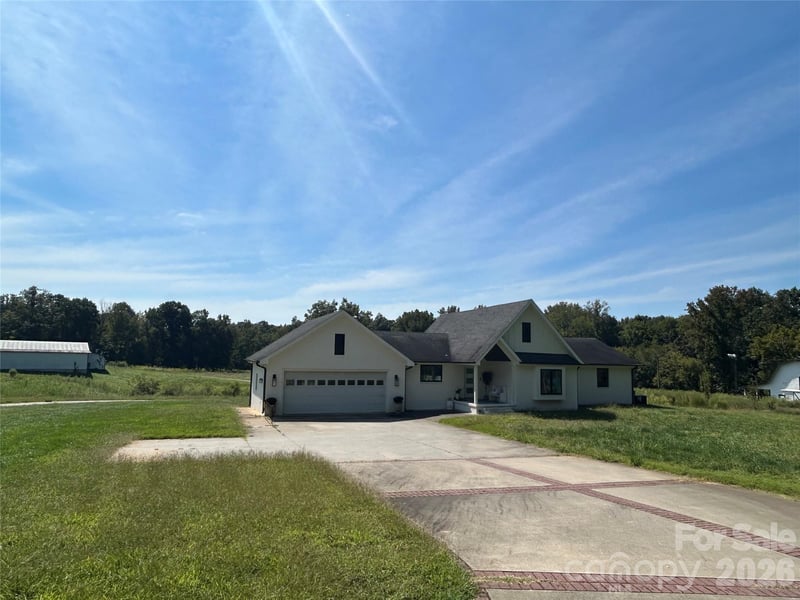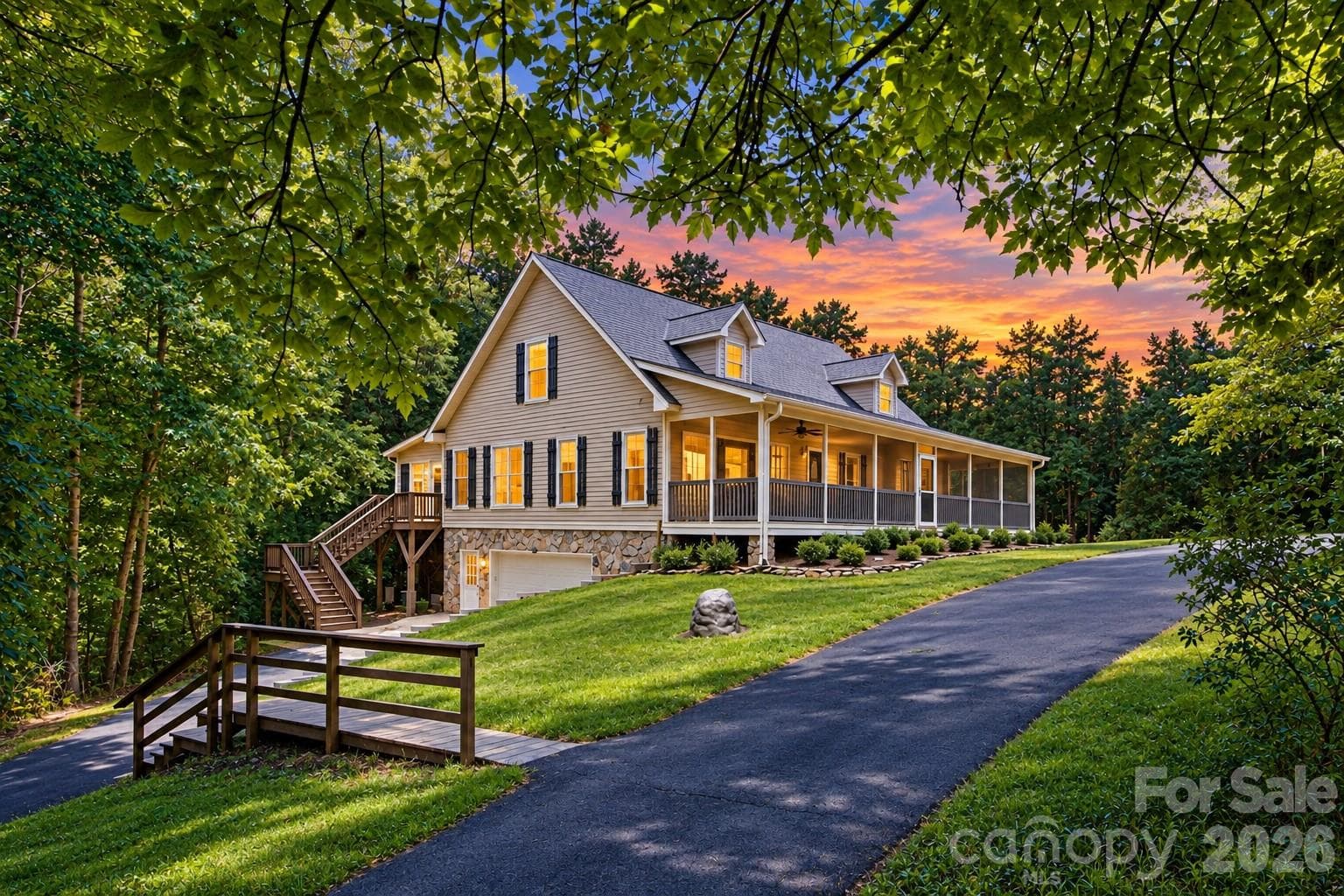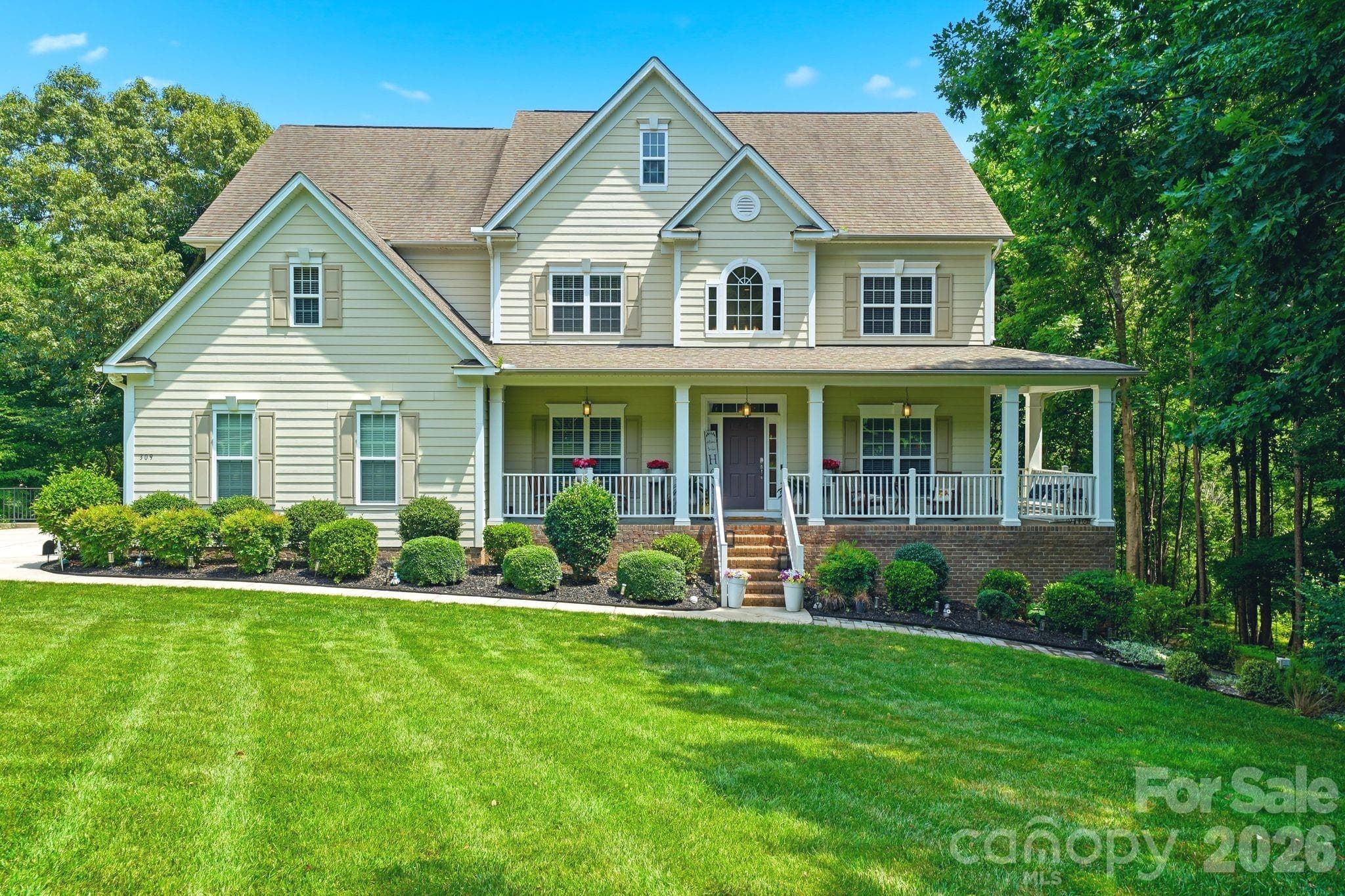
Category: Horse Farming Real Estate

  • The Ultimate Guide to Horse Farm Land for Sale: Everything You Need to Succeed with North Carolina Horse Farms

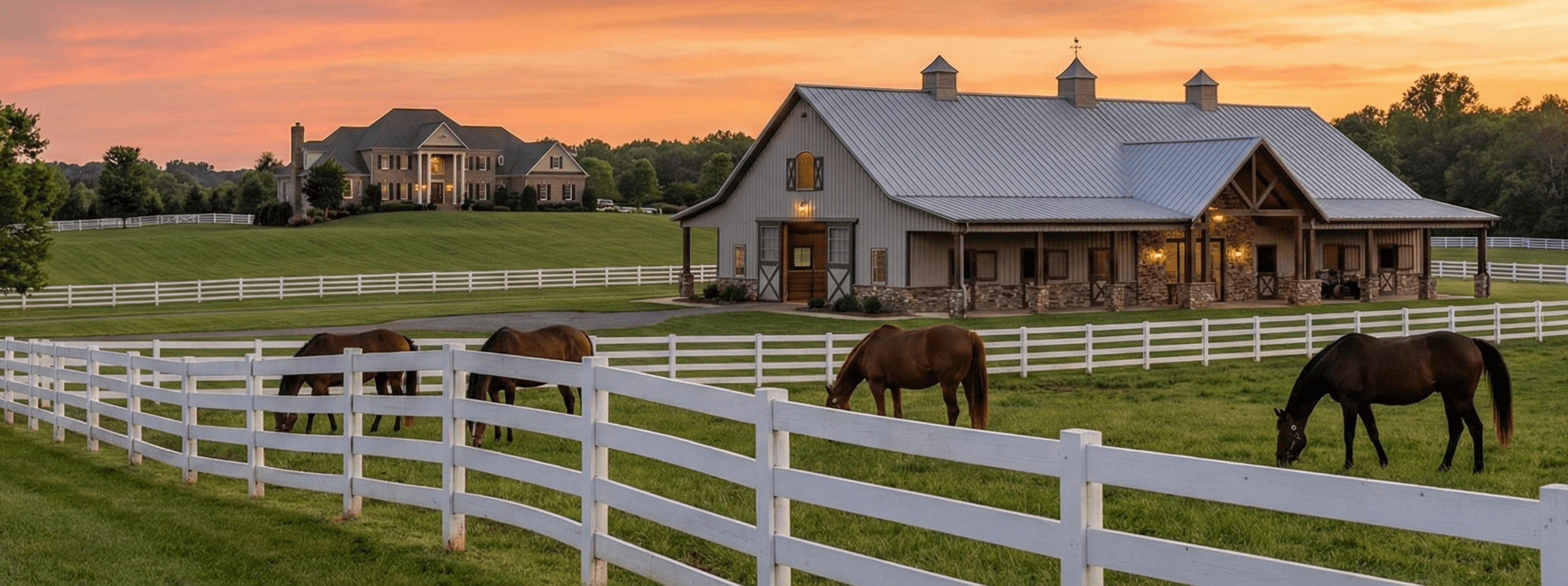
    Sophisticated North Carolina Horse Farm

    Carolina Horse Farm Realty provides expert guidance for buying and selling premier equestrian estates and farm land across the Charlotte Metro area.

    Finding the perfect piece of land isn't just about the acreage; it’s about the soil, the drainage, the zoning, and the lifestyle that only another horse person truly understands. Whether you are looking for a compact training facility in Waxhaw or a sprawling luxury estate in Davidson, the North Carolina Piedmont offers some of the most versatile horse farm land in the country.

    In this guide, we break down exactly what you need to know to navigate the current market for horse farms for sale and how to ensure your investment thrives for years to come.

    Our Proven Expertise in the Carolina Market

    • 11 Cities served across the Charlotte Metro and beyond.
    • 39% Increase in general property inventory, creating new opportunities for strategic buyers.
    • 100% Focus on equestrian-specific requirements, from barn layouts to pasture rotation.
    • 96.8% Average list-price-to-sale ratio in the current market, requiring expert negotiation.

    Understand the Charlotte Metro Equestrian Market Trends

    The market for equestrian properties in Charlotte, NC has evolved. While the broader residential market has seen a softening in prices, high-quality, turnkey horse properties remain in high demand. We are seeing a "flight to quality," where buyers are willing to pay a premium for properties that are already fenced, cross-fenced, and equipped with functional outbuildings.

    Remote work has shifted the landscape, allowing enthusiasts to live further from the city center in equestrian-friendly pockets like Mooresville, Weddington, and Tryon. However, the supply of "move-in ready" farms is tightening. If you find a property with a well-maintained arena and established pastures, you must be prepared to act quickly.

    Luxury Stable Interior

    Hyper-Local Spotlights: Summit Farms and Chapel Cove

    When searching for the perfect location, it is essential to look beyond the barn. The lifestyle surrounding your farm is just as important as the land itself.

    The Vision of Summit Farms

    Located near the charming town of Davidson, Summit Farms represents the pinnacle of ag-forward living. While primarily known as a sustainable, agriculture-focused community featuring farm-to-table dining and green spaces, its proximity to the equestrian hubs of North Charlotte makes it a key keyword for those seeking a refined, rural lifestyle. Living near a community like Summit Farms offers the perfect balance of "farm life" with the amenities of high-end commercial and residential development.

    Waterfront Living at Chapel Cove

    If you prefer a lifestyle that combines the water with your equine passions, Chapel Cove near Lake Wylie is an exceptional choice. While Chapel Cove is a residential lakefront community, its location in the Steele Creek area places it within a short trailer ride of some of the best boarding and training facilities in the region. Many our clients choose the luxury of a community like Chapel Cove for their primary residence while keeping their horses at premier facilities in nearby Waxhaw or Fort Mill.

    Essential Checklist for Buying Horse Farm Land

    Buying land for horses is significantly more complex than a standard residential purchase. Our team understands the unique requirements that can make or break a property's functionality.

    1. Zoning and Restrictions: Always verify the "Right to Farm" and specific animal unit per acre (AUA) requirements. Just because a property is five acres doesn't mean the local municipality allows three horses.
    2. Soil and Drainage: The Piedmont’s clay-heavy soil requires careful management. Avoid "bottom land" that stays boggy in the winter, as this leads to thrush and lost grazing days.
    3. Water Access: An existing well is great, but its output must handle both household needs and the high-volume requirements of a barn and wash rack.
    4. Existing Easements: Check for utility or trail easements that might bisect your planned pasture or arena location.

    North Carolina Pasture Management: From the Ground Up

    Success with a North Carolina horse farm starts with the grass. Our local climate presents unique challenges that require a proactive approach to land management.

    • Stocking Rates: In the Charlotte area, you should ideally plan for 1.5 to 2 acres per horse if you intend to rely on the pasture for forage. Higher densities require a "sacrifice lot" or dry lot to prevent overgrazing and mud.
    • The Power of Lime: NC soils are notoriously acidic. A professional soil test: facilitated by the NC State Extension: is the first step. Applying lime to balance pH is essential for growing the high-quality fescue and orchardgrass your horses need.
    • Fescue Awareness: Most NC pastures are fescue-based. If you are a breeder, you must be aware of endophyte-infected fescue, which can cause serious complications for broodmares.

    Horse in NC Pasture

    Benefit-Focused Solutions for Every Seller

    If you are looking to sell your horse farm, you need a partner who can speak the language of your potential buyers. We don't just list your property; we market the lifestyle and the infrastructure.

    • We Highlight Infrastructure: We know the value of a 12×12 stall, a matted aisleway, and a mirrored dressage arena.
    • We Understand Land Value: We look beyond the square footage of the house to the quality of the fencing and the health of the soil.
    • We Connect with Experts: Our deep network includes professional trainers, barn builders, and farm managers who can help buyers see the full potential of your property.

    "Carolina Horse Farm Realty helped us find a property in Waxhaw that wasn't even on the main sites yet. Their knowledge of barn drainage saved us from a very expensive mistake." : E. Thompson, Dressage Trainer

    Equestrian Property Planning

    Secure Your Future in the Carolina Countryside

    Whether you are searching for equestrian communities or looking for a secluded parcel to build your dream facility, the right guidance makes all the difference. We invite you to explore our current listings and leverage our deep local knowledge to find the property that fits your specific needs.

    Contact Carolina Horse Farm Realty today to schedule a consultation or a private tour of the finest equestrian properties in the Charlotte Metro area.

    View All Equestrian Properties for Sale

  • 7 Mistakes You’re Making with Your Dressage Estate’s Pasture (and How to Fix Them for Sustainable Grazing)

    7 Mistakes You’re Making with Your Dressage Estate’s Pasture (and How to Fix Them for Sustainable Grazing)

    Expert guidance on equestrian real estate and sustainable land management across the Carolinas.

    A dressage estate is defined by more than just a mirrored arena and a pristine stable; it is defined by the quality of the land that supports the athlete. In North Carolina, where the terrain ranges from the sandy loam of the Sandhills to the heavy red clay of the Piedmont, pasture management is an art form that requires as much precision as a Grand Prix freestyle.

    At Carolina Horse Farm Realty, we understand that when you are looking for horse farm land for sale, you aren't just buying acreage: you are buying the foundation of your horse's health. Poorly managed pastures lead to more than just an eyesore; they result in soil compaction, parasite loads, and nutritional deficiencies. Our team has identified the seven most common mistakes owners make on dressage estates and, more importantly, how to rectify them to ensure long-term sustainability.

    1. Treating Pasture as a "Turnout" Rather than a Crop

    The most significant mistake is a shift in mindset. Many owners view their fields simply as a place for horses to stretch their legs between training sessions. In reality, a pasture is a living crop that requires active management.

    The Fix: Implement a Nutrient Management Plan
    High-performance horses require high-performance forage. We recommend professional soil testing every two years. In North Carolina, our soils are naturally acidic.

    • 6.2 to 6.5: The ideal pH range for optimal grass growth in our region.
    • 20%: The potential increase in forage yield when lime and fertilizer are applied based on scientific soil analysis rather than guesswork.

    2. Overgrazing and the "Golf Course" Aesthetic

    There is a common desire among estate owners to keep pastures looking like manicured lawns. However, grazing grass lower than three inches weakens the root system, making the field susceptible to drought and weed encroachment.

    The Fix: The Rule of Halves
    Sustainable grazing follows a simple math: "Take half, leave half." When grass is grazed down to 3–4 inches, move the horses to a fresh paddock. This allows the plant to keep enough leaf surface to photosynthesize and recover quickly. For those managing dressage estates NC, this often means smaller, managed paddocks rather than one massive, overgrazed field.

    Warmblood horse grazing in a lush North Carolina pasture with healthy grass on a managed dressage estate.

    3. Neglecting the Power of Rotational Grazing

    Leaving horses on the same parcel of land year-round is the fastest way to destroy the turf. This leads to "horse sick" pasture: areas of bare dirt (scuffed by hooves) and "roughs" (tall, unpalatable weeds where horses manure).

    The Fix: Divide and Conquer
    Our team frequently advises clients on the layout of their equestrian communities to include internal fencing for rotation.

    1. Divide your main pasture into at least three or four smaller cells.
    2. Rotate horses every 10–14 days depending on the season.
    3. Mow and harrow the rested paddock to spread manure and encourage even regrowth.

    4. Overlooking High-Traffic Soil Compaction

    Dressage horses are powerful athletes, and their movement: especially during a celebratory gallop in the rain: exerts tremendous pressure on the soil. Compaction prevents oxygen and water from reaching the roots, essentially "suffocating" the grass.

    The Fix: Sacrifice Lots and Heavy Use Areas
    A "sacrifice lot" or dry lot is a non-negotiable for a high-end estate. By pulling horses off the grass during wet weather, you protect the rest of your acreage.

    • Use Geotextile Fabric: Layering fabric under crushed stone or screenings in gate areas and around waterers prevents the "sinkhole" effect common in NC clay.
    • 30 Feet: The minimum recommended distance for a gravel pad around water troughs to ensure stability.

    5. Using Inappropriate Fencing for Aesthetics Alone

    While white board fencing is the hallmark of luxury horse property for sale, relying solely on wood without a hot-wire offset can lead to "cribbing" and leaning, which destroys the fence and the surrounding turf. Worse, using dangerous materials like barbed wire or uncapped T-posts poses a significant risk to expensive equine athletes.

    The Fix: Functional Elegance
    We recommend a blend of aesthetics and safety.

    • Pressure-Treated Wood: Posts should be at least 4 inches in diameter and buried 3 feet deep.
    • Safety Caps: If T-posts are used for internal rotations, they must be capped with high-visibility plastic to prevent impalement.
    • Electric Offsets: A single strand of electrified polymer-coated wire kept at 2,000–3,000 volts will keep horses off the fence line, preserving your investment.

    Luxury black three-rail horse fencing with electric offsets protecting a dressage estate pasture in NC.

    6. Misidentifying Weeds as Forage

    Just because a field is green doesn't mean it’s good. Many dressage estates struggle with buttercup, crabgrass, and Carolina horsenettle. These provide "empty calories" at best and are toxic at worst.

    The Fix: Targeted Weed Management
    Don't reach for a general herbicide immediately.

    • Mowing Height: Keeping your grass at 5–6 inches naturally shades out many weed seeds.
    • Identification: Work with a local extension office to identify specific invaders. In the Carolinas, summer weeds often require a different management strategy than winter annuals.

    7. Poor Drainage Planning Near the Arena

    On many estates, the pasture and the arena are inextricably linked. If the pasture drainage isn't managed, runoff from the fields can undermine the expensive sub-base of your dressage arena.

    The Fix: Integrated Water Management
    When we assist clients with a horse farm cost calculator, we always include a line item for professional grading.

    • Swales and Berms: Use natural land contouring to direct water away from both the arena and the heavy-use areas of the pasture.
    • Rain Gardens: Implementing deep-rooted native grasses in low spots can help filter runoff before it leaves your property.

    Why Land Management Matters for Your Property Value

    Pasture health is a direct reflection of property value. A dressage estate with lush, weed-free, and well-drained paddocks commands a significantly higher price point in the North Carolina market. It signals to a potential buyer that the current owner understands the nuances of equine stewardship.

    "Carolina Horse Farm Realty helped us see the potential in a neglected 20-acre parcel in Union County. Their knowledge of soil types and drainage was the difference between us buying a mud pit and building our dream dressage facility." : E. Sterling, Dressage Competitor, Waxhaw, NC

    Practical Steps to Take This Season

    To move toward a more sustainable grazing model, we suggest following this checklist:

    1. Soil Test: Contact the NCDA&CS for a soil sample kit.
    2. Evaluate Fencing: Ensure all perimeters are secure and interior lines allow for rotation. Use our estimate tool to see how improvements impact your farm's value.
    3. Plan Your Sacrifice Lot: If you don't have one, this should be your next infrastructure project.

    Managing a dressage estate requires a balance of passion and practicality. By avoiding these seven common pitfalls, you ensure that your land remains as resilient and impressive as the horses that call it home.

    Are you looking to buy or sell a specialized equestrian property?
    Our team brings deep knowledge of land use, soil health, and the unique requirements of the dressage community to every transaction. Whether you are searching for your next training base or looking to position your estate for a premium sale, we are here to guide you.

    Explore our current listings of horse farms for sale in NC or contact us today to discuss your land management goals.

  • Mecklenburg vs. Union County: Which Is Better For Your Horse Farm Land for Sale Search?

    Mecklenburg vs. Union County: Which Is Better For Your Horse Farm Land for Sale Search?

    [HERO] Mecklenburg vs. Union County: Which Is Better For Your Horse Farm Land for Sale search?

    Choosing the ideal location for an equestrian estate involves more than just selecting a beautiful piece of land; it requires a deep understanding of local zoning, soil quality, and the shifting landscape of regional development. For those exploring North Carolina horse farms, the decision often narrows down to two primary contenders: Mecklenburg County and Union County.

    While both counties anchor the greater Charlotte metropolitan area, they offer vastly different opportunities for the equestrian lifestyle. As specialists in the region, our team understands that "location" is a multi-faceted decision involving commute times to Uptown, proximity to quality hay suppliers, and the long-term protection of your property’s value. This guide provides a professional analysis of the market data and lifestyle factors that define the horse farm search in these two distinct regions.

    The Availability Index: Understanding Inventory Constraints

    When searching for Charlotte horse farms, the first hurdle is sheer availability. The real estate landscape in Mecklenburg County has shifted significantly over the last decade due to rapid urban expansion and high-density residential development.

    Current market data reveals a stark contrast in inventory:

    • Union County Inventory: Consistently hosts between 25 and 300+ listings that cater specifically to equestrian needs, offering roughly 1,000 acres of dedicated horse property at any given time.
    • Mecklenburg County Inventory: Often fluctuates between only 1 and 5 active equestrian listings, making it a "boutique" market where the right property appears only once or twice a year.

    If your timeline is immediate or your requirements are specific: such as a 20-stall barn or a covered arena: Union County provides the necessary selection to find a match. Mecklenburg County requires a patient buyer who is willing to pay a premium for a rare urban-fringe location.

    Aerial view of expansive Union County horse farm land for sale with pastures and professional fencing.

    Cost Analysis: Maximizing Your Investment Per Acre

    Financial performance is a cornerstone of any land acquisition. For the equestrian buyer, the "cost per acre" is the most critical metric, as it dictates how much turnout and pasture rotation you can affordably maintain.

    1. Union County Average: Approximately $71,415 – $73,974 per acre. This allows for the acquisition of larger 20+ acre parcels without exceeding typical luxury price points.
    2. Mecklenburg County Average: Can reach $216,383 per acre for prime land. In this market, you are often paying for the "highest and best use" of the land as a potential subdivision rather than its value as a farm.

    A typical equestrian estate in Union County carries an average listing price of roughly $1.4 million. In Mecklenburg, a comparable property often exceeds $1.8 million, frequently with less acreage. For those looking to maximize their budget, our horse farm cost calculator can help you visualize how these price differences impact your long-term operating costs.

    Zoning and Land Use: Protecting the Equestrian Lifestyle

    The long-term viability of a horse farm depends on zoning protections. As an owner, you must ensure that a new housing development won't suddenly appear on your fence line, bringing noise complaints and traffic that can spook performance horses.

    Union County: The Agricultural Stronghold
    Union County has a long-standing history of supporting its agricultural roots. Many areas around Waxhaw, Mineral Springs, and Monroe are specifically zoned to preserve rural character. These communities often feature "Right to Farm" protections, which are essential for maintaining a stress-free environment for both the horses and the owners.

    Mecklenburg County: The Urban Encroachment Challenge
    In Mecklenburg, land is at a premium. Small pockets of equestrian land still exist in areas like Davidson and Huntersville, but they are increasingly surrounded by high-density residential projects. Owners in Mecklenburg must be hyper-vigilant about local planning and zoning meetings, as the pressure to rezone agricultural land for residential use is constant.

    Protected North Carolina equestrian land for sale showcasing agricultural integrity and rural zoning.

    Commute Times and Accessibility

    For the professional who works in Uptown Charlotte but lives for the saddle, commute times are the ultimate trade-off.

    • The Mecklenburg Advantage: Living in southern or northern Mecklenburg means a 20–30 minute commute to the heart of the city. You get the benefit of being "close-in" while still maintaining a small barn or stable.
    • The Union County Trade-off: Areas like Waxhaw or Marvin offer a more robust equestrian culture but typically require a 40–60 minute commute during peak hours. However, for many, the quality of life and the ability to ride in a dedicated equestrian community outweighs the extra time behind the wheel.

    Access to major equestrian hubs is also a factor. Both counties offer reasonable drives to the Tryon International Equestrian Center (TIEC), though Union County’s southern position often provides a slightly more direct route to equine centers in Aiken, South Carolina. You can explore our dedicated TIEC resources to see how these locations compare for competitive riders.

    Equestrian Communities and Social Infrastructure

    A farm is not an island; it is part of a larger ecosystem. The availability of veterinarians, farriers, hay suppliers, and trainers is essential for a functional estate.

    Union County: A Specialized Ecosystem
    Union County is widely regarded as the equestrian hub of the Charlotte region. It is home to the Queen’s Cup Steeplechase and numerous hunter/jumper and dressage barns. When you buy here, you are entering an established network where the local tractor supply store is five minutes away and your neighbors understand the nuances of pasture management.

    Mecklenburg County: Intimate and Prestigious
    The equestrian scene in Mecklenburg is smaller but prestigious. In areas like Davidson, you will find high-end hobby farms and private dressage estates. While the "social infrastructure" is less dense than in Union, the properties often feature barn homes and architectural designs that blend seamlessly with the sophisticated aesthetics of Charlotte’s northern suburbs.

    Modern luxury barn and riding arena on a high-end equestrian property near Charlotte North Carolina.

    Key Takeaways for Your Search

    Feature Union County Mecklenburg County
    Land Availability High (1,000+ acres available) Very Low (Scarce inventory)
    Average Cost/Acre ~$72,000 ~$216,000
    Zoning Atmosphere Farm-friendly, rural preservation Development-heavy, urban fringe
    Commute to Uptown 45–60 Minutes 20–35 Minutes
    Primary Appeal Serious equestrian operations Boutique hobby farms & proximity

    Expert Guidance for Discerning Buyers

    The choice between Mecklenburg and Union County ultimately depends on your priorities: the convenience of the city or the freedom of the country. Our team specializes in navigating these nuances, helping you secure land that meets the rigorous requirements of a functional horse farm while protecting your capital investment.

    If you are early in your search, we recommend exploring our recently sold properties to see the types of estates currently trading in both counties. For a more personalized analysis of what your current property might be worth in today’s market, visit our property estimate page.

    Whether you are looking for the rolling pastures of Union County or a hidden gem in Mecklenburg, we provide the deep knowledge and professional distance required to make a sound decision in a competitive market.

    Ready to find your next estate? Browse our current property listings or contact us today to begin a tailored search for the perfect North Carolina horse farm.

  • Looking For Equestrian Properties in Charlotte NC? Here Are 10 Things You Should Know About Protecting Your Land From Development

    Looking For Equestrian Properties in Charlotte NC? Here Are 10 Things You Should Know About Protecting Your Land From Development

    The skyline of Charlotte is a testament to the city's meteoric growth. For many, that growth represents opportunity. For those of us who spend our mornings in the barn and our afternoons in the saddle, it often represents a looming question mark. As the metro area expands, the rolling pastures that define the Piedmont are increasingly sought after by residential and commercial developers.

    When searching for equestrian properties in Charlotte NC, the priority is usually the barn, the arena, and the quality of the soil. However, in today’s market, the most critical feature of a horse farm isn’t something you can touch: it’s the legal and regulatory framework that keeps the surrounding land green. Our team at Carolina Horse Farm Realty understands that buying a horse farm is an investment in a lifestyle that requires proactive protection.

    Here are 10 essential things you should know about protecting your land from development in the Charlotte region.

    1. Recognize that Zoning is Fluid, Not Fixed

    Many buyers assume that if a property is currently zoned for agricultural use, it will stay that way forever. In reality, zoning is a living document. In counties like Union, Cabarrus, and Gaston, "Residential-Agricultural" (RA) zoning is common, but it is often the first category targeted for rezoning when a developer proposes a high-density subdivision. Understanding the long-term land-use map of your specific municipality is more important than knowing the current zoning. We recommend reviewing the county’s "Comprehensive Plan" to see if your prospective farm sits in a "growth corridor."

    2. The Power of Conservation Easements

    A conservation easement is one of the most robust tools available to a landowner. By voluntarily restricting the development rights on your property, you ensure it remains a farm in perpetuity. This is often done in partnership with organizations like the Catawba Lands Conservancy. While you give up the right to build a strip mall or a 50-home subdivision, you often retain the right to farm, build additional barns, and maintain your equestrian lifestyle.

    Serene North Carolina horse farm with rolling green pastures and stable protected by a conservation easement.

    3. Financial Incentives of Land Preservation

    Protecting your land isn’t just a moral or aesthetic choice; it’s a financial strategy. Placing a property under a conservation easement can result in significant federal income tax deductions and may lower your estate taxes. In a region where horse farms for sale are fetching premium prices, reducing the "highest and best use" value through an easement can make the property more affordable to pass down to the next generation of riders.

    4. Present Use Value (PUV) Tax Programs

    North Carolina offers a "Present Use Value" program that allows for qualifying agricultural, horticultural, and forest land to be taxed at its farming value rather than its market value for development. For an equestrian property, this can mean a 90% reduction in property taxes. To qualify, you typically need at least 10 acres in active production (which can include hay production or commercial horse boarding) and a sound management plan. This program creates a financial barrier that makes it more expensive for developers to "hold" land while waiting to build.

    5. Joining a Voluntary Agricultural District (VAD)

    Many counties surrounding Charlotte participate in the Voluntary Agricultural District program. Joining a VAD signals to the community and the local government that your land is dedicated to agriculture. While it doesn't legally block all development, it does require a public hearing before any land within the district can be condemned by a public agency. It also provides "Right to Farm" protections, which are essential when suburban neighbors move in and realize that farms occasionally involve noise, dust, and smells.

    6. The "Buffer" Strategy

    When evaluating equestrian properties in Charlotte NC, look at what surrounds the property. Is it bordered by a state park, a protected watershed, or other farms already under easement? A property that is an "island" of green in a sea of planned developments is much harder to protect than one that is part of a larger agricultural corridor. We often advise clients to look for properties that share borders with permanent open spaces.

    Equestrian property in Charlotte NC bordering a protected forest corridor for permanent land preservation.

    7. Deed Restrictions and Covenants

    Unlike zoning, which can be changed by a vote of the county commissioners, deed restrictions are private agreements that "run with the land." If you are selling a portion of your farm or buying from a like-minded horse person, you can place specific restrictive covenants on the deed that limit the number of dwellings or prohibit certain types of commercial activity. This is a common practice in many of the premier equestrian communities around the Charlotte metro.

    8. Navigating the NCDOT "Comprehensive Transportation Plan"

    In the Charlotte area, development follows the roads. Before committing to a property, it is vital to check the North Carolina Department of Transportation (NCDOT) long-range plans. A quiet farm today could be the site of a major highway bypass or a road widening project ten years from now. Land that is targeted for infrastructure is significantly harder to protect through conservation, as the state has the power of eminent domain.

    9. Understanding Watershed Protections

    Parts of the Charlotte region, particularly near the Catawba River and various lakes, fall under strict watershed protection ordinances. These regulations limit the amount of "impervious surface" (roofs, pavement, etc.) that can be built on a property. While this can sometimes make building a massive indoor arena more complicated, these protections act as a natural deterrent to high-density residential developers who need high-density builds to make their margins work.

    10. Succession Planning as Protection

    The greatest threat to a horse farm is often not the developer, but the lack of a plan for the next generation. When a landowner passes away without a clear succession plan, the heirs are often forced to sell to a developer to pay estate taxes or to split the assets. By integrating land protection into your estate planning early, you ensure that your legacy as a steward of the land continues.

    Generations of equestrians in a barn, highlighting the legacy of land stewardship on a Charlotte horse farm.

    The Role of Expertise in Your Search

    Navigating the intersection of real estate and land conservation requires a specialized set of skills. It isn't enough to find a beautiful pasture; you must understand the soil beneath it and the laws surrounding it. At Carolina Horse Farm Realty, we don't just show you horse property for sale; we help you analyze its long-term viability.

    We speak the language of both the equestrian and the land conservator. Whether you are looking for a private dressage estate in Waxhaw or a boarding facility in Huntersville, we prioritize the protection of the lifestyle you love.

    If you are considering the purchase of an equestrian property or are thinking about how to sell your horse farm to a buyer who will cherish it as you have, we invite you to start a conversation with our team. Protecting the Carolinas' rural character is a collective effort, and it begins with informed land ownership.

    Contact Carolina Horse Farm Realty today to discuss your vision for a protected equestrian legacy.

  • Boost Your Property Value Instantly with These 5 Smart Farm Technology Tips for Equestrian Estates in Charlotte

    Boost Your Property Value Instantly with These 5 Smart Farm Technology Tips for Equestrian Estates in Charlotte

    In the refined world of Charlotte real estate, the value of an equestrian estate is no longer measured solely by its acreage or the craftsmanship of its stalls. As we move further into 2026, a new metric has emerged: the "intelligence" of the infrastructure. Discerning buyers seeking horse property for sale in Charlotte are increasingly prioritizing properties that offer seamless, data-driven management.

    At Carolina Horse Farm Realty, we understand that true luxury lies in peace of mind. For the sophisticated seller, integrating smart farm technology is not merely an upgrade; it is a strategic investment that positions your property at the pinnacle of the market. These technologies reduce labor, enhance equine wellness, and provide a level of oversight that was once impossible.

    Here are five essential smart technology integrations that will instantly elevate the prestige and market value of your equestrian estate.

    1. Biometric Sensors and Real-Time Health Monitoring

    The greatest anxiety for any horse owner is the "unseen" emergency. Modern equestrian estates in Charlotte are now being equipped with integrated sensor networks that monitor everything from stall temperature to individual horse vitals.

    By installing wireless sensor nodes: often utilizing Waspmote or similar low-power wide-area network (LPWAN) technologies: owners can track heart rates, respiratory patterns, and even early signs of colic or foaling distress. When a property is marketed with a pre-installed, barn-wide health monitoring system, it signals to a buyer that the estate was designed for the ultimate care of the horse. This "horse-first" infrastructure often justifies a premium price point, as it alleviates the most significant stressor of farm ownership.

    Close-up of a biometric horse health sensor on a leather halter in a luxury Charlotte equestrian estate stable.

    2. Automated Hydration Systems with Consumption Analytics

    The traditional float-valve waterer is being replaced by intelligent hydration stations. These systems do more than just keep the bowl full; they track exactly how many gallons each horse consumes daily. In the humid North Carolina summers, monitoring hydration is critical for preventing impaction colic.

    Smart watering systems can alert a barn manager via a smartphone app if a horse’s water intake drops below a certain threshold. For a prospective buyer looking at NC horse farms for sale, this level of detail is a massive selling point. It transforms a routine chore into a diagnostic tool, adding a layer of sophisticated stewardship to the property's profile.

    3. High-Definition AI Security and Surveillance

    Security for a high-end equestrian estate requires more than just a few cameras at the gate. Today’s sophisticated buyers expect "invisible" security: systems that are powerful yet unobtrusive. Modern AI-driven surveillance can distinguish between a wandering horse, a delivery driver, and an unauthorized intruder.

    We recommend a 360-degree approach:

    • Stall Cameras: High-definition, low-light cameras that allow owners to check on their horses from anywhere in the world.
    • Perimeter AI: Thermal imaging and motion sensors that monitor fencelines and pasture gates.
    • Access Control: Smart gates that log entry and exit times, providing a digital trail of everyone who enters the property.

    A secure estate is a valuable estate. When you sell your horse farm, highlighting a turn-key, integrated security system provides a sense of sanctuary that is highly coveted in the Charlotte market.

    Modern barn security camera overlooking lush pastures at a high-end Charlotte horse property for sale.

    4. Intelligent Climate Control and Air Quality Management

    Respiratory health is paramount for performance horses. An intelligent barn management system uses sensors to monitor humidity, ammonia levels, and particulate matter in the air. When thresholds are met, the system automatically activates high-volume, low-speed (HVLS) fans or adjust automated louvers to optimize cross-ventilation.

    In the South, where heat management is a constant battle, automated misting systems and climate-controlled tack rooms are no longer "extras": they are expectations. Buyers of equestrian communities in the Charlotte metro area look for properties that mitigate the local climate through smart design and automated execution. This technology ensures the longevity of the barn’s interior and the health of its inhabitants, directly impacting the long-term appraisal value.

    5. The Infrastructure of Connectivity: Fiber and Mesh Networks

    None of the aforementioned technologies can function without a robust digital backbone. Many equestrian properties suffer from "dead zones" due to the distance between the main residence and the outbuildings. Upgrading your property with professional-grade outdoor Wi-Fi mesh networks or running fiber-optic lines to the barn and equipment sheds is perhaps the most underrated value-add.

    A "Smart Barn" is only smart if it stays connected. Providing seamless high-speed internet across the entire acreage: from the barn home to the riding arena: caters to the modern professional who may be running a business while overseeing their stable. In our experience, properties that are "plug-and-play" ready for remote work and smart management sell faster and closer to the asking price.

    Grand stable interior featuring smart climate control fans for optimal horse health in a luxury estate.

    The Carolina Horse Farm Realty Standard

    Implementing these technologies requires a deep understanding of both high-end real estate and equine behavior. At Carolina Horse Farm Realty, we don't just list properties; we understand the mechanical and digital heartbeat of a functional farm.

    By the Numbers: The Impact of Smart Integration

    • 35%: The increase in buyer inquiries for properties featuring integrated security and "Smart Barn" technology.
    • 12%: Average reduction in annual labor costs for farms utilizing automated feeding and watering systems.
    • 24/7: The duration of peace of mind provided by remote health and security monitoring.

    Whether you are looking for horse property for sale or preparing to list your estate, the integration of smart technology is the bridge between traditional horsemanship and modern luxury. It demonstrates a commitment to excellence and a forward-thinking approach to land stewardship.

    "The modern equestrian buyer isn't just looking for a place to keep horses; they are looking for a system that allows them to enjoy their horses more and manage them less." : The Team at Carolina Horse Farm Realty.

    If you are curious about how these upgrades might affect your property's market position, we invite you to use our horse farm cost calculator or request a professional property estimate. Our team specializes in the unique requirements of the Charlotte market, from the rolling hills of Union County to the luxury estates surrounding Lake Norman.

    Equestrian managing smart farm technology on a tablet at a luxury Charlotte estate at sunset.

    Why Sophisticated Sellers Choose Us

    Our approach to real estate is rooted in the soil and refined by experience. We recognize that an equestrian estate is more than just a home; it is a complex asset that requires specialized knowledge to market effectively.

    • Understands the unique requirements of luxury equestrian infrastructure.
    • Deep knowledge of the Charlotte and Aiken, SC horse farm markets.
    • Professional distance combined with personal passion for the equestrian lifestyle.

    When you are ready to take the next step in your real estate journey, we are here to provide the expertise you deserve. Our recently sold portfolio speaks to our ability to match exceptional properties with the right buyers.

    Ready to elevate your equestrian lifestyle?
    Contact Carolina Horse Farm Realty today to discuss how we can maximize the value of your estate in today’s high-tech market.

  • The Ultimate Guide to Buying North Carolina Horse Farms: Everything You Need to Succeed with 2026 Interest Rates

    The Ultimate Guide to Buying North Carolina Horse Farms: Everything You Need to Succeed with 2026 Interest Rates

    Buying a horse farm in North Carolina in 2026 requires more than just a passion for the equestrian lifestyle; it requires a calculated approach to land management and financial strategy. As the market has shifted toward a "higher-for-longer" interest rate environment, the days of casual browsing are over. Success today belongs to the buyer who understands forage capacity as clearly as they understand their mortgage amortization schedule.

    North Carolina remains one of the premier destinations for horse enthusiasts, but the competition for quality land: especially near hubs like Charlotte, Aiken, and Tryon: has intensified. Whether you are looking for a private dressage estate or a commercial boarding facility, navigating the current landscape of North Carolina horse farms demands local expertise and a horse-first perspective.

    Navigating the 2026 Financial Climate: Understanding Your Borrowing Power

    The most significant factor for buyers in 2026 is the stabilization of interest rates. We have moved past the volatility of previous years into a period of tighter credit conditions and thinner operating margins. For the equestrian buyer, this means your financial planning must be precise from day one.

    While traditional lending remains an option, many buyers are looking toward specialized programs. As of mid-2026, the USDA Farm Service Agency (FSA) has become a vital resource for those looking to establish or expand their agricultural footprint. Current direct lending rates for 2026 include:

    • Farm Ownership Loans (Direct): 5.875%
    • Farm Ownership Loans (Direct, Joint Financing): 3.875%
    • Farm Ownership Loans (Down Payment): 1.875%
    • Farm Operating Loans (Direct): 4.750%

    These rates highlight the importance of "joint financing" and down payment programs. If you can bring significant capital to the table or partner with traditional lenders alongside the USDA, your effective interest rate can drop significantly. Before you fall in love with a property, we recommend using our horse farm cost calculator to see how these rates impact your monthly carry and long-term investment.

    A modern farmhouse office looking out over a misty North Carolina horse farm at sunrise.

    Maximizing Land Value Through Agricultural Classification

    In North Carolina, your farm is more than just a home; it is a piece of the state's agricultural heritage. One of the most effective ways to offset the cost of higher interest rates is to ensure your property qualifies for the Present-Use Value (PUV) program.

    North Carolina law explicitly recognizes the raising, management, care, training, and boarding of horses as agriculture. However, to qualify for the substantial property tax breaks associated with this classification, you must meet three strict criteria:

    1. Acreage Minimum: You must have at least 10 acres in actual agricultural production.
    2. Revenue Requirement: You must demonstrate at least $1,000 in gross farm receipts averaged over a three-year period.
    3. Management Plan: You must provide evidence of sound management practices.

    For many buyers, seeking out horse property for sale that already holds this classification is a major advantage, as it proves the land’s viability and keeps your overhead low.

    The Acreage Math: Why the 2-Plus-1 Rule Still Matters

    When evaluating equestrian real estate in NC, the size of the lot is often the first thing buyers look at, but the quality of those acres is what matters most. We advise our clients to follow the "two-plus-one" rule: two acres for the first horse and one additional acre for every horse thereafter.

    However, in 2026, land efficiency is key. If you are looking at horse farms for sale in NC with smaller footprints, you must account for "intensive management." A well-managed one-acre paddock with proper rotational grazing can often support a horse better than five acres of neglected, overgrazed scrubland.

    Consider these forage statistics for North Carolina:

    • Annual Consumption: One horse typically consumes the equivalent of 27 acres of forage per year.
    • Carrying Capacity: High-quality NC pasture can support one horse per 1.5 to 2 acres if managed correctly.
    • Breeding Operations: Expect to need 4 to 6 acres per animal to maintain sustainable grazing for mares and foals.

    Two horses grazing in a lush North Carolina pasture with professional perimeter fencing.

    Regional Spotlights: Where to Invest in 2026

    The North Carolina market is not a monolith. Different regions offer distinct advantages depending on your discipline and budget.

    The Charlotte Corridor

    The demand for horse farms in Charlotte remains at an all-time high. Areas like Waxhaw, Weddington, and Monroe offer proximity to the city's economic engine while maintaining a rural feel. However, land prices here are the highest in the state, making it essential to work with a team that understands the nuances of Mecklenburg and Union County zoning.

    The Foothills and Tryon Area

    Proximity to the Tryon International Equestrian Center (TIEC) continues to drive value. Buyers here are often looking for barn homes that serve as seasonal residences or high-end training facilities. The topography here is more varied, which requires careful attention to drainage and arena construction costs.

    Aiken and the South Carolina Border

    While we focus heavily on NC, the proximity to Aiken, SC, cannot be ignored. Many of our clients cross-shop Aiken SC horse farms because of the year-round eventing and polo culture. The sandy soil in this region offers superior drainage compared to the red clay common in Piedmont NC.

    Infrastructure and Hidden Costs: Budgeting Beyond the Purchase Price

    In a high-rate environment, your "soft costs" can make or break your budget. When touring properties, we look past the aesthetics and focus on the structural integrity of the equestrian improvements.

    • Fencing: Budget between $3 and $8 per linear foot for quality horse fencing. In 2026, labor and material costs for black four-board fencing have remained high, so look for properties with existing, well-maintained perimeters.
    • Manure Management: North Carolina regulations require specific manure storage facilities based on horse count. A facility for 1-10 horses typically requires 500-1,500 square feet of dedicated space to stay compliant with environmental standards.
    • Water Access: Ensure the property has adequate well capacity. A single horse drinks 10-15 gallons of water daily, but that number doubles in the humid NC summers.

    Aerial view of a luxury North Carolina equestrian estate with a dressage arena and barn.

    Due Diligence: The Equestrian Professional’s Checklist

    Buying a horse farm is significantly more complex than buying a suburban home. Your due diligence period must include specialized inspections that a general home inspector isn't qualified to perform.

    • Soil Testing: Is the ground suitable for an outdoor arena? Does it have the nutrient profile to support healthy fescue or bermuda grass?
    • Zoning and Setbacks: Many counties have strict setbacks for barns: sometimes up to 100 feet from property lines. Ensure your "dream barn" location is actually legal.
    • Easements: Check for utility or conservation easements that might prevent you from clearing land for new pastures.

    Our team at Carolina Horse Farm Realty understands these unique requirements because we live them every day. We don't just show you the house; we walk the fence lines, check the stall dimensions, and evaluate the drainage in the lower pastures.

    Partnering with an Authority in NC Equestrian Real Estate

    The 2026 market doesn't reward hesitation. With "higher-for-longer" rates, the cost of waiting for a "market crash" that isn't coming is simply lost equity and lost time with your horses. The goal should be to find a property that offers long-term sustainability, both financially and environmentally.

    Success in this market requires a team that speaks your language. Whether you are ready to browse recently sold data to understand local valuations or you need a professional estimate of your current farm's worth, we are here to provide the expertise you need.

    High-quality black four-board fencing on a well-maintained North Carolina equestrian property.

    Take the Next Step Toward Your North Carolina Farm

    Navigating interest rates, agricultural tax laws, and land management is a complex puzzle. Don't solve it alone. Our team provides the deep knowledge of North Carolina’s topography and market trends to ensure your purchase is a sound investment for your family and your horses.

    Ready to find your place in the Carolina countryside?

    Contact Carolina Horse Farm Realty today to begin your search with a team that puts the horse first.

  • The Ultimate Guide to Horse Farms for Sale in Waxhaw, NC: Everything You Need to Succeed

    The Ultimate Guide to Horse Farms for Sale in Waxhaw, NC: Everything You Need to Succeed

    Waxhaw, North Carolina sits quietly at the southern edge of the Charlotte Metro, where subdivisions give way to rolling pastures and the word "equestrian" still means something. If you're searching for horse property that offers legitimate acreage, established infrastructure, and a community that actually rides: not just talks about it: Waxhaw deserves your attention.

    This isn't about chasing trends or inflated lifestyle marketing. This is about understanding what makes a horse farm functional, sustainable, and worth the investment in 2026.

    The Current Market: What's Actually Available

    As of early 2026, Waxhaw maintains a steady inventory of equestrian properties ranging from compact training operations to full-scale breeding facilities. Current listings include approximately 17 to 45 properties depending on search parameters, with an average listing price around $537,700.

    Aerial view of horse farm for sale in Waxhaw NC with fenced pastures and barn

    The price range tells the real story: entry points start near $295,000 for smaller acreage parcels, while established estates with premium improvements can reach $1,500,000 or higher. Average cost per acre hovers around $49,884, positioning Waxhaw as more accessible than neighboring Weddington or Marvin while maintaining similar quality and infrastructure.

    These numbers reflect actual horse farms: properties with barns, pastures, and water systems already in place. Not vacant land with "equestrian potential." Not subdivisions with a horse restriction waiver. Functional facilities designed by people who understand how horses live and work.

    Why Waxhaw Works for Serious Horse Operations

    Waxhaw earned its equestrian reputation through geography and community, not marketing. The terrain offers natural drainage, the climate supports year-round turnout with proper management, and the local culture includes established trainers, veterinarians, and feed suppliers who know their business.

    The soil composition in this region: predominantly clay with reasonable drainage when properly maintained: supports healthy pastures without the constant battle against sand or rock. You'll need a rotational grazing plan and regular soil testing, but the foundation is solid.

    Access to trail systems includes the Mineral Springs Greenway and the 1,100-acre Cane Creek Park, providing off-property riding options that become essential when you're training young horses or maintaining fitness programs. The Valley Farm Community and similar developments have preserved equestrian access rights and shared trail easements that add functional value beyond property lines.

    Distance from Charlotte's urban center runs approximately 25 miles: far enough to escape density and noise, close enough to maintain access to major veterinary hospitals, specialty farriers, and competitive venues. Travel time to the Tryon International Equestrian Center: roughly 90 minutes. Travel time to quality hay suppliers and tack shops: under 20 minutes.

    Property Types and What They Actually Include

    Well-maintained four-board fence at Waxhaw equestrian property with horse grazing

    Current Waxhaw listings typically fall into four categories, each serving different operational needs:

    Starter Farms (5-10 acres): Suitable for private horse owners keeping 2-4 horses. Typically include a 4-6 stall barn with tack room, two-board fencing, and basic run-in sheds. These properties work for boarders transitioning to private ownership or semi-retired professionals maintaining a small string. Limitations: minimal space for arena or round pen, requires off-property access for serious training.

    Mid-Range Training Facilities (10-25 acres): The sweet spot for professional trainers or serious amateurs. Features often include 8-12 stall barns with hay storage, at least one riding arena (frequently lighted), multiple pastures with rotation capability, and equipment storage. These properties support boarding operations, lesson programs, or breeding operations at manageable scale.

    Established Equestrian Estates (25-50 acres): Full-service facilities with multiple barns, indoor and outdoor arenas, walker systems, round pens, and comprehensive pasture networks. These properties serve professional training operations, breeding programs, or high-level competitive riders requiring extensive home training capability. Infrastructure typically includes manager housing, client parking, and trailer turnaround areas.

    Premium Horse Ranches (50+ acres): Rare but available. Properties at this scale offer privacy, private trail systems, multiple facilities, and potential for agricultural designation tax benefits. Suitable for breeding operations, retirement facilities, or private estates with significant horse populations.

    Critical Evaluation Points Before You Buy

    Walk the fencing first. Not to admire the view: to check every post, board, and gate latch. Deferred fencing maintenance represents the single largest hidden cost in horse property purchases. Quality four-board oak fencing in good repair indicates an owner who understood horses. Sagging wire and rotted posts indicate expensive surprises ahead.

    Professional horse barn interior showing spacious stalls and center aisle

    Barn infrastructure requires detailed assessment beyond aesthetic appeal. Check stall dimensions (12×12 minimum for most horses, 14×14 for mares and foals), ventilation systems, footing drainage, electrical service capacity, and water line condition. A beautifully painted barn with 10×10 stalls and poor ventilation creates more problems than it solves.

    Pasture quality varies significantly across Waxhaw properties. Established grass varieties, maintained fencing, proper drainage, and evidence of rotational grazing indicate knowledgeable management. Bare dirt lots, aggressive weed populations, and standing water after normal rainfall indicate substantial investment required.

    Arena footing deserves specific attention if the property includes riding areas. Proper base installation, drainage, and maintained footing material represent significant value. Sand dumped on clay without base preparation represents a problem waiting to surface, literally.

    Zoning and Regulatory Considerations

    Union County maintains generally horse-friendly zoning, but specific regulations vary by parcel. Agricultural designation offers tax benefits but requires documented farming activity. Boarding operations may trigger business licensing requirements. New barn construction requires permits and setback compliance.

    Before making offers, verify permitted use for your intended operation. Training and boarding facilities face different requirements than private horse ownership. Understanding local zoning prevents expensive surprises during due diligence.

    The Waxhaw Community: Beyond Property Lines

    The functional value of Waxhaw extends beyond individual property boundaries. Local feed stores understand seasonal requirements and maintain appropriate inventory. Established veterinary practices know the regional farms and maintain emergency response capability. Farriers maintain reasonable schedules because client density supports their businesses.

    Horses grazing in managed pastures at Waxhaw NC horse farm near Charlotte

    This infrastructure matters during emergencies and for daily management. Access to quality professionals who return calls and show up on time adds tangible value that doesn't appear on property listings.

    The equestrian social network includes recognized trainers, active breed associations, and regular schooling shows. If you're moving from an established horse community, Waxhaw offers comparable professional connections rather than isolated property ownership.

    What Success Actually Requires

    Buying the right property represents half the equation. Operating it successfully requires understanding North Carolina's climate patterns, pasture management requirements, and seasonal challenges.

    Budget for professional pasture consultation and soil testing before your first season. Plan for hay storage that accommodates North Carolina's humidity without creating fire hazards or mold problems. Design manure management systems that comply with regulations and maintain property value.

    If you're relocating from different climates, invest time understanding local parasite patterns, vaccination protocols, and seasonal grass management. North Carolina horse keeping differs from western states or northern climates in ways that affect daily management and annual costs.

    Moving Forward With Confidence

    Waxhaw's equestrian real estate market rewards educated buyers who understand their operational requirements and conduct thorough due diligence. The properties exist. The community functions. The infrastructure supports serious horse operations.

    Whether you're searching for your first farm or upgrading existing facilities, focus on functionality over aesthetics, infrastructure over acreage, and location within the working equestrian community over isolation.

    The right property will match your horses' needs, your management capabilities, and your long-term operational goals: not magazine photographs or lifestyle fantasies.

    If you're ready to evaluate Waxhaw properties with experienced guidance from professionals who understand horse operations first and real estate second, let's start with an honest conversation about your requirements. No pressure. No sales pitch. Just straight information from people who've spent enough time in barns to know what actually matters.

  • Luxury Equestrian Properties in Marvin, NC: The Ultimate Guide to High-End Horse Farm Living

    Luxury Equestrian Properties in Marvin, NC: The Ultimate Guide to High-End Horse Farm Living

    When you're ready to move beyond boarding and build the equestrian life you've been working toward, Marvin, NC offers something few markets can match: genuine space for horses paired with luxury living, all within reasonable reach of Charlotte.

    This isn't about sacrificing amenities for acreage or settling for a "country house" when what you really need is a functional equestrian estate. Marvin has established itself as the rare location where custom architecture, top-rated schools, and serious horse facilities exist on the same property.

    What Sets Marvin Apart in the Charlotte Equestrian Market

    Marvin sits in Union County, just south of Charlotte proper, where zoning protections preserve rural character and larger lot sizes remain the standard rather than the exception. While neighboring communities face increasing development pressure, Marvin has maintained its semi-rural identity through intentional planning and community standards that prioritize space.

    The numbers tell the story: median home values currently stand at $1,225,241, with equestrian estates typically listing between $1.65 million and well above $2 million depending on acreage and facilities. These aren't inflated prices for quarter-acre lots with a backyard shed: these properties deliver five to ten-plus acres with legitimate horse infrastructure.

    Aerial view of luxury equestrian estate in Marvin NC with custom barn and horse pastures

    Union County property taxes remain considerably lower than Mecklenburg County, a factor that becomes increasingly significant as property values rise. For equestrian owners managing ongoing facility costs: hay, bedding, veterinary care, farrier services: this tax differential translates to meaningful annual savings.

    The school systems consistently rank among the state's highest performers, which matters when you're planning long-term and considering how children will grow up alongside horses. The combination of excellent schools, protected acreage, and favorable tax structure creates a foundation that few comparable markets offer.

    Providence Road Estates: Purpose-Built Equestrian Community

    Providence Road Estates represents Marvin's premier address for serious equestrian owners. This community was designed from the ground up around horses, with homesites spanning five-plus acres specifically sized and zoned for barns, arenas, and paddocks.

    The caliber of builders: Linnane Homes and Shea Homes among them: ensures custom construction quality matches the property potential. These aren't spec homes with generic layouts. Expect architectural details, high-end finishes, and floor plans designed around how people who own horses actually live.

    Community location provides convenient access to Blakeney and Stonecrest shopping, plus local golf and country clubs, while maintaining the privacy and quiet that horses require. The balance between accessibility and seclusion proves harder to find than most buyers initially realize.

    Broadmoor at Marvin: New Construction Luxury

    Broadmoor at Marvin, developed by Beechwood Carolinas, offers new construction estates priced from $1.9 million to beyond $2.5 million on one-to-two-acre lots. While smaller than Providence Road homesites, these properties still accommodate private horse facilities and deliver the modern systems, energy efficiency, and design features that new construction provides.

    Professional barn interior with stalls and tack room at Marvin NC horse property

    Strict zoning protects the community's equestrian and rural character, preventing the gradual erosion of standards that often undermines newer developments over time. Before purchasing, verify specific restrictions regarding number of horses, barn size and placement, and any architectural review requirements for outbuildings.

    What Luxury Equestrian Properties Actually Include

    Understanding what constitutes a true equestrian estate versus a large property with a small barn matters significantly when evaluating listings. In Marvin's luxury market, legitimate equestrian facilities typically feature:

    Barn Infrastructure: Five-stall barns with proper ventilation, tack rooms with climate control, dedicated wash stalls with hot water, and separate equipment storage. Quality construction includes concrete aisles, rubber stall mats, automatic waterers, and proper electrical service for heated buckets in winter.

    Arena and Turnout: Riding arenas with proper footing (sand, fiber blend, or specialty surfaces depending on discipline), adequate drainage, and lighting for year-round use. Paddocks with safe fencing: board fence, no-climb wire, or coated wire: and rotation capability for pasture management.

    Property Layout: Thoughtful positioning of barns relative to prevailing winds and the main residence. Proper drainage throughout the property, particularly in areas where horses congregate. Access roads wide enough for hay delivery, farrier trucks, and veterinary vehicles.

    Lit riding arena at dusk on luxury Marvin equestrian property with barn and home

    Residence Features: Beyond the horse facilities, luxury homes typically include heated saltwater pools, outdoor kitchens and covered entertaining spaces, gated entries, whole-house generators, and integrated home automation. These aren't afterthought additions: they're integrated into the overall property design.

    The Lifestyle Reality: Advantages and Considerations

    Living on a luxury equestrian property in Marvin delivers daily benefits that go beyond simple property ownership. Horses stay home under your direct care and management. Morning and evening checks happen in your barn, not someone else's. Feed programs, turnout schedules, and training routines run according to your standards and your horses' individual needs.

    Privacy becomes a tangible asset. Your nearest neighbor sits beyond several acres rather than twenty feet away. Children can ride safely on your property. Dogs have space to run. The outdoor lifestyle that drew you to horses in the first place expands beyond arena time into daily living.

    Union County schools consistently rank among the state's top performers, a consideration that becomes primary when raising children. The combination of excellent education and the opportunity to grow up with horses on-property creates childhood experiences increasingly difficult to provide elsewhere.

    Commute times to Uptown Charlotte vary by route and time of day, typically ranging from thirty-five to fifty minutes. Check live traffic patterns for your specific work location and schedule before assuming the drive will work long-term. South Charlotte corporate locations and SouthPark generally sit closer than Uptown proper.

    Understanding the Investment Perspective

    Marvin's limited inventory, strong school systems, and protected zoning create conditions that favor long-term value retention. The luxury equestrian segment demonstrates particular stability: buyers in this market typically purchase with longer holding periods and higher standards for property condition.

    Properties that come to market generally show well and move relatively quickly when priced appropriately. The buyer pool, while specialized, includes both local equestrians upgrading from smaller properties and out-of-state relocations drawn by North Carolina's favorable business climate and equestrian infrastructure.

    Luxury outdoor kitchen and pool overlooking horse pastures at Marvin NC estate

    Working with real estate professionals who understand equestrian facilities proves essential in this market. Evaluating barn construction quality, arena footing, pasture conditions, and water access requires specific knowledge that general residential agents typically lack. The difference between a well-designed equestrian property and an expensive property with inadequate horse facilities becomes apparent only when you understand what questions to ask.

    Before You Begin Your Search

    Successful equestrian property purchases start with clear requirements rather than emotional reactions to beautiful listings. Define your minimum acreage, required number of stalls, arena preferences, and must-have home features before scheduling showings. Properties in this price range and category move quickly when they meet buyer requirements: preparation accelerates decision-making.

    Verify zoning regulations, HOA restrictions if applicable, and any community-specific rules regarding horses before making offers. Marvin generally provides excellent equestrian zoning, but individual communities may impose additional restrictions on commercial boarding, training operations, or number of horses per acre.

    Budget for ongoing property maintenance beyond the mortgage. Equestrian facilities require regular upkeep: barn repairs, arena maintenance, pasture care, and fencing: that exceeds typical residential property costs. Factor these expenses into your financial planning from the beginning.

    Horses grazing in fenced paddocks at well-maintained Marvin NC equestrian farm

    Moving Forward

    Marvin represents one of the Charlotte region's most compelling options for luxury equestrian living. The combination of protected acreage, quality construction, excellent schools, and favorable taxes creates conditions that support both lifestyle goals and long-term value.

    We work exclusively with buyers and sellers who understand that equestrian properties require different evaluation criteria than standard residential real estate. Our team brings hands-on horse experience and deep knowledge of Union County's equestrian communities to every transaction.

    If you're ready to explore what's currently available in Marvin's luxury equestrian market, reach out to our team. We'll discuss your specific requirements, explain current market conditions, and help you understand which properties legitimately meet your needs versus which simply look good in photographs.

    The right equestrian estate supports how you want to live with horses for years to come. Finding it requires patience, knowledge, and someone who speaks horse first.

  • Hidden Gems: 7 Reasons Horse Farms for Sale in Davidson, NC Are Worth a Second Look

    Hidden Gems: 7 Reasons Horse Farms for Sale in Davidson, NC Are Worth a Second Look

    When most equestrians think about horse property in the Charlotte Metro area, their minds immediately jump to Waxhaw, Weddington, or maybe Union County. Davidson rarely makes the first cut. And honestly? That's exactly what makes it worth your attention.

    With just eight equestrian properties currently available near Davidson, this isn't a market flooded with options. But for the right buyer, someone who values quality over quantity and understands the difference between finding a property and finding the property, Davidson offers something genuinely different.

    1. You're Buying Into a Protected Character, Not Just Acreage

    Davidson isn't accidentally charming. The town has spent decades establishing one of the most thoughtful land-use frameworks in Mecklenburg County. What this means for you: the pastoral character you're paying for today won't disappear into subdivision hell in five years.

    Aerial view of preserved horse farm in Davidson NC with white fences and mature oak trees

    While other areas rush to approve maximum-density developments, Davidson maintains strict guidelines that preserve open space and rural character. Your neighbors won't suddenly become a 200-lot subdivision. That tree-lined drive leading to your barn? It stays a tree-lined drive. This level of intentional preservation is rare this close to a major metro area, and it's priced accordingly. The average listing here sits at $2,190,000, reflecting not just land and improvements, but genuine scarcity.

    2. Lake Norman Access Without the Lake Norman Circus

    Here's what experienced horse owners know: proximity to water features matters for quality of life, but you don't actually want to be on the party lake. Davidson gives you the best of both worlds.

    You're minutes from Lake Norman's northern reaches, where the vibe shifts from jet skis and weekend chaos to quieter coves and natural shoreline. Several equestrian properties here incorporate ponds, creeks, or seasonal water features, critical for pasture health and infinitely better for horses than relying solely on well water during droughts.

    The lake proximity also moderates summer heat slightly and creates microclimates that support better pasture growth than you'll find in drier inland areas. Small detail, massive difference when you're managing grazing rotation.

    3. The Davidson College Effect: Culture That Values Land and Legacy

    Living in a college town might not seem like an obvious equestrian advantage until you experience the alternative. Davidson College's presence creates a community that genuinely values education, historic preservation, and thoughtful development.

    Equestrian property near Lake Norman with pond and horses grazing in Davidson NC

    This isn't abstract theory. It translates directly into neighbors who respect agricultural exemptions, local officials who understand conservation easements, and a planning board that doesn't treat every acre as a future strip mall. The cultural infrastructure matters as much as the physical infrastructure when you're making a generational property investment.

    For families, Davidson's school system consistently ranks among the state's best, and the intellectual atmosphere creates opportunities for young equestrians to develop beyond the barn, something that becomes increasingly important as your kids grow.

    4. Less Discovered Means Better Negotiating Position

    Waxhaw and Weddington have become victim to their own success. Every serious equestrian buyer knows about them, which means every seller knows they can be choosy. Multiple offers on day one. Escalation clauses. Waived contingencies. It's exhausting.

    Davidson's equestrian market remains relatively undiscovered. With only two homes featuring horse stables currently listed within town limits, and the broader Davidson area showing just eight properties, you're not competing against fifteen other buyers who all toured the same barn last weekend.

    This scarcity means selectivity on your part, yes: but it also means motivated sellers who value qualified buyers. When a property has been quietly listed for months rather than days, you have room for thoughtful due diligence. Soil testing. Pasture evaluation. Barn inspection without rushed timelines. That's how you avoid expensive mistakes.

    5. Infrastructure That Actually Works for Horses

    Davidson's location at the intersection of I-77 and Highway 115 provides something critical that newer equestrian areas lack: established infrastructure that wasn't retrofitted for horses as an afterthought.

    Private tree-lined drive leading to horse farm estate in Davidson North Carolina

    The roads here can handle your rig. Local contractors understand barn construction and aren't learning on your dollar. Hay suppliers, veterinarians, and farriers already have established routes through the area: you won't be the "difficult stop" at the end of a long day. Large animal emergency services from both Charlotte and Mooresville can reach you in reasonable time.

    These practical realities matter more than any amenity list when you're actually living the property, not just dreaming about it.

    6. The Neighborhood Balance: Privacy With Community

    One of Davidson's unique characteristics is how its established neighborhoods: Highland Creek, Vermillion, Skybrook, Moss Creek, River Run: create pockets of community without sacrificing the rural feel equestrian buyers require.

    You can find properties offering genuine privacy and acreage while still being part of a neighborhood infrastructure with maintained roads, established HOAs that respect agricultural use, and neighbors who chose the area for similar lifestyle reasons. This balance is nearly impossible to find in truly remote areas and completely absent in dense equestrian subdivisions where your round pen is fifteen feet from someone's kitchen window.

    Several properties currently available sit down private drives with significant road frontage setbacks, offering that tree-lined approach that says "estate" rather than "subdivision lot 47."

    7. Charlotte Proximity Without Charlotte Compromise

    Twenty-five minutes to Uptown Charlotte. That's the reality from most Davidson equestrian properties, traffic cooperating. You're close enough for careers that require city presence but far enough that your horses never hear highway noise.

    This proximity matters more than many buyers initially realize. Access to Charlotte-Presbyterian equine hospital. The ability to maintain professional careers while living the farm life. Cultural amenities when you want them, dirt roads when you don't.

    The average cost per acre in Davidson proper: $175,340: reflects this positioning. You're paying a premium over Davidson County's broader market ($23,902 per acre average), but you're buying a specific lifestyle equation that's difficult to replicate elsewhere.

    Well-maintained horse farm infrastructure with barn and white fencing in Davidson NC

    The Practical Reality

    Davidson won't be right for everyone. If you need 100+ acres, you'll likely need to look elsewhere. If you're shopping primarily by price per acre, Union County makes more sense. If you want a barn already built to your exact specifications, you'll be searching a while.

    But if you're the buyer who understands that the right twenty acres in the right location outperforms mediocre fifty acres every time? Davidson deserves more than a quick scroll-past on your property search.

    The properties here require patience to find and decisiveness to secure. With limited inventory, the perfect match might not be available today: but when it appears, you need to recognize it quickly.

    Finding Your Davidson Property

    The current market shows eight equestrian properties near Davidson, each offering distinct advantages depending on your program needs. From custom estates with personal training facilities positioned down tree-lined drives overlooking ponds, to undeveloped acreage waiting for your vision, the variety exists within the scarcity.

    If you're seriously considering Davidson as your equestrian home base, we recommend starting with a clear understanding of your must-haves versus nice-to-haves. The focused nature of this market rewards prepared buyers who know exactly what they're seeking.

    Want to explore current equestrian properties in Davidson and throughout the Charlotte Metro area? We maintain detailed knowledge of inventory, off-market opportunities, and upcoming listings throughout Mecklenburg County's equestrian corridor.

    This is horse country for people who value substance over signage: and that might be exactly what you've been searching for.

  • The Ultimate Guide to Horse Farms for Sale in Waxhaw, NC: Everything You Need to Succeed

    The Ultimate Guide to Horse Farms for Sale in Waxhaw, NC: Everything You Need to Succeed

    Why Waxhaw Continues to Draw Serious Equestrians

    Waxhaw sits at the intersection of Old South charm and modern equestrian infrastructure. Located just 25 minutes south of Charlotte, this Union County town has preserved its agricultural character while building the amenities serious horse people need, quality veterinarians, feed suppliers, farriers, and a network of horse families who understand that turnout schedules and feed routines aren't just preferences, they're non-negotiables.

    The soil drains well. The terrain offers gentle rolls without the erosion headaches of steeper properties. Zoning remains horse-friendly. These aren't selling points, they're the foundational realities that make Waxhaw work for horses first, which is exactly how it should be.

    Current Market Snapshot: What You're Working With

    The Waxhaw equestrian market currently offers 17 to 45 active listings depending on property size and classification, with inventory that shifts seasonally but maintains consistent availability year-round. The average listing price sits around $539,000, translating to approximately $50,005 per acre: a crucial metric when you're calculating pasture rotation capacity and long-term property value.

    Properties span from $295,000 for smaller acreage parcels to estates exceeding $1.5 million for turnkey facilities with extensive improvements. The sweet spot for most buyers falls between $500,000 and $850,000, where you'll find functional horse operations with 5-15 acres, established barns, and homes that don't require immediate renovation.

    Aerial view of horse farm for sale in Waxhaw NC with barn and fenced pastures

    The median days on market hovers around 52 days, which tells you something important: properties move when they're priced correctly and present well. This isn't a market where overpriced farms linger for six months. Buyers here know what quality infrastructure costs, and sellers who understand that reality sell faster.

    What Serious Equestrian Properties Include

    Cookie-cutter suburban homes get generic amenities. Horse farms require specific infrastructure that directly impacts your daily operation and your horses' wellbeing.

    Barn facilities in Waxhaw typically feature 6-12 stalls with proper ventilation: fans in summer, good air exchange in winter without creating drafts that lead to respiratory issues. Look for center-aisle designs with 12×12 stalls minimum, concrete or rubber-matted aisles for easy cleaning, and dedicated tack rooms with climate control to protect leather from humidity.

    Tack rooms should offer more than a closet with hooks. Proper facilities include saddle racks positioned to prevent tree warping, bridle brackets that maintain shape, and enough space to organize grooming supplies, blankets, and medical supplies with clear visibility and access.

    Feed rooms need rodent-proof storage with adequate volume for bulk purchasing: buying feed in quantity saves money and reduces delivery frequency. Proper rooms include separate bins for different feed types, supplement storage, and easy access for delivery trucks.

    Professional horse barn interior with center aisle and stalls at Waxhaw equestrian property

    Riding arenas range from 100×150 outdoor spaces with quality footing to covered or indoor facilities that extend your riding season through summer heat and winter weather. The footing material matters more than the size: proper drainage and consistent depth prevent injuries and reduce maintenance costs. Round pens complement arena work, particularly valuable for starting young horses or rehabbing injuries with controlled movement.

    Pasture infrastructure determines whether you're managing horses or constantly managing problems. Look for well-maintained fencing (board fence, diamond mesh, or quality electric), adequate acreage for rotation grazing (typically 1.5-2 acres per horse with proper management), and established run-in sheds or loafing sheds positioned for natural drainage.

    Water systems need to function reliably: automatic waterers reduce labor but require proper winter preparation, while tank systems offer simplicity with more frequent maintenance requirements. Both hot and cold water access to the barn isn't luxury; it's essential for efficient daily operation and emergency care.

    Land Quality and Infrastructure Considerations

    The property underneath the improvements determines your long-term success more than the barn paint color.

    Soil composition in Waxhaw generally features clay-based soils with decent drainage when properly managed. This creates good bone-building minerals for growing horses while requiring attention to prevent compaction in high-traffic areas. Test soil before purchase to understand pH levels, nutrient availability, and any amendments needed for productive pastures.

    Topography should work with water, not against it. Gentle slopes provide natural drainage away from barn areas and prevent standing water that breeds parasites and creates hoof problems. Properties with significant elevation changes look dramatic but often require extensive erosion control and create maintenance challenges that consume time and budget.

    Access and infrastructure extend beyond the property line. Evaluate road access for large trailers and delivery trucks, electric service capacity for barn operations and arena lighting, and well water quality and flow rate. Municipal water access provides convenience but adds monthly costs; well systems require maintenance but offer independence.

    Outdoor riding arena at North Carolina horse farm with proper fencing and drainage

    Residential Considerations That Matter

    The house matters, but it's not why you're buying the property. Still, you'll live there, and practical considerations impact daily quality of life.

    Most Waxhaw horse properties include 3-4 bedroom homes with 2,000-3,500 square feet: sufficient space for family living without the overhead of maintaining estate-sized residences. Many feature main-floor owner suites, useful when early morning feeding schedules start before dawn regardless of weather.

    Sight lines to the barn from the house aren't negotiable for many owners. Being able to visually check horses during foaling season, monitor turnout, or simply watch your horses from the kitchen window adds immeasurable value to daily life that no square footage calculation captures.

    Outdoor living spaces matter in the Carolina climate. Covered porches provide year-round usability, essential when you're pulling boots on and off multiple times daily or need covered space to store equipment temporarily.

    Price-to-Value Analysis: Making Smart Investment Decisions

    Understanding value requires looking beyond listing price to infrastructure replacement costs and land appreciation potential.

    A 9-stall barn with proper construction, electric, and water systems costs $150,000-$300,000+ to build new, depending on finish level and amenities. An established, well-maintained barn represents significant embedded value that new construction timelines can't replicate.

    Arena construction with proper base, footing, and drainage runs $25,000-$75,000 for outdoor facilities, significantly more for covered or indoor options. Replacing deteriorated footing costs nearly as much as building new, making existing facilities with good maintenance history valuable.

    Fencing costs approximately $3-$8 per linear foot depending on material choice. A 10-acre property requires substantial fencing investment: 1,000+ feet of perimeter fence plus cross-fencing for pasture rotation. Established, well-maintained fencing represents another significant embedded value.

    Properties priced at $50,000+ per acre in Waxhaw reflect these infrastructure investments. Comparing raw land costs to improved equestrian properties requires accounting for improvement expenses that would take 12-24 months to complete even with available capital and contractors.

    Working With Specialized Equestrian Representation

    Residential real estate agents understand houses. Equestrian property specialists understand the infrastructure that makes horse operations functional versus frustrating.

    The difference emerges in subtle details: recognizing that barn placement relative to prevailing winds affects daily ammonia exposure and respiratory health, understanding that arena footing type impacts soundness and training effectiveness, knowing which well flow rates support multiple automatic waterers during summer heat.

    Waxhaw horse pasture with grazing horses and run-in shed on rolling terrain

    At Carolina Horse Farm Realty, we evaluate properties through the lens of daily horse management first. We notice deficient drainage before it creates abscess outbreaks, identify electrical service limitations before they prevent indoor arena lighting, and recognize soil conditions that affect pasture productivity and long-term land value.

    This isn't sales expertise: it's horse management experience applied to property evaluation. The questions we ask during property tours reflect the same considerations you face at 6 AM when the farrier's running late and the feed delivery schedule changed.

    Location Context: Waxhaw's Equestrian Ecosystem

    Properties exist within communities, and Waxhaw's equestrian community provides the support network that turns property ownership into sustainable horse keeping.

    Multiple quality veterinary practices serve the area with both routine and emergency capabilities. Feed stores stock premium options beyond basic production feeds. Farriers maintain reasonable scheduling: critical when you're managing multiple horses with different shoeing cycles. Local trainers, riding instructors, and equine bodywork professionals create a service network that keeps horses sound and progressing.

    The competition scene offers everything from local schooling shows to recognized events, allowing riders to compete without trailering hours each direction. Public trail access remains limited, but private networks and nearby facilities provide options for conditioning and variety beyond arena work.

    Moving Forward With Clear Intention

    Purchasing an equestrian property requires different evaluation criteria than residential real estate. You're not buying investment potential measured in comparable sales and appreciation projections: you're buying daily infrastructure that either supports your horses' wellbeing or creates constant management problems.

    The right Waxhaw property balances functional horse infrastructure with reasonable home amenities, set on land that drains properly and supports productive pastures, located within a community that understands horses aren't livestock or pets: they're athletes and partners requiring specific care and management.

    If you're ready to evaluate Waxhaw properties through that lens, we can help you separate marketing language from functional reality. View current listings or reach out directly to discuss what specific features and infrastructure your operation requires. We'll focus on finding property that works for your horses first, which is exactly how the process should go.