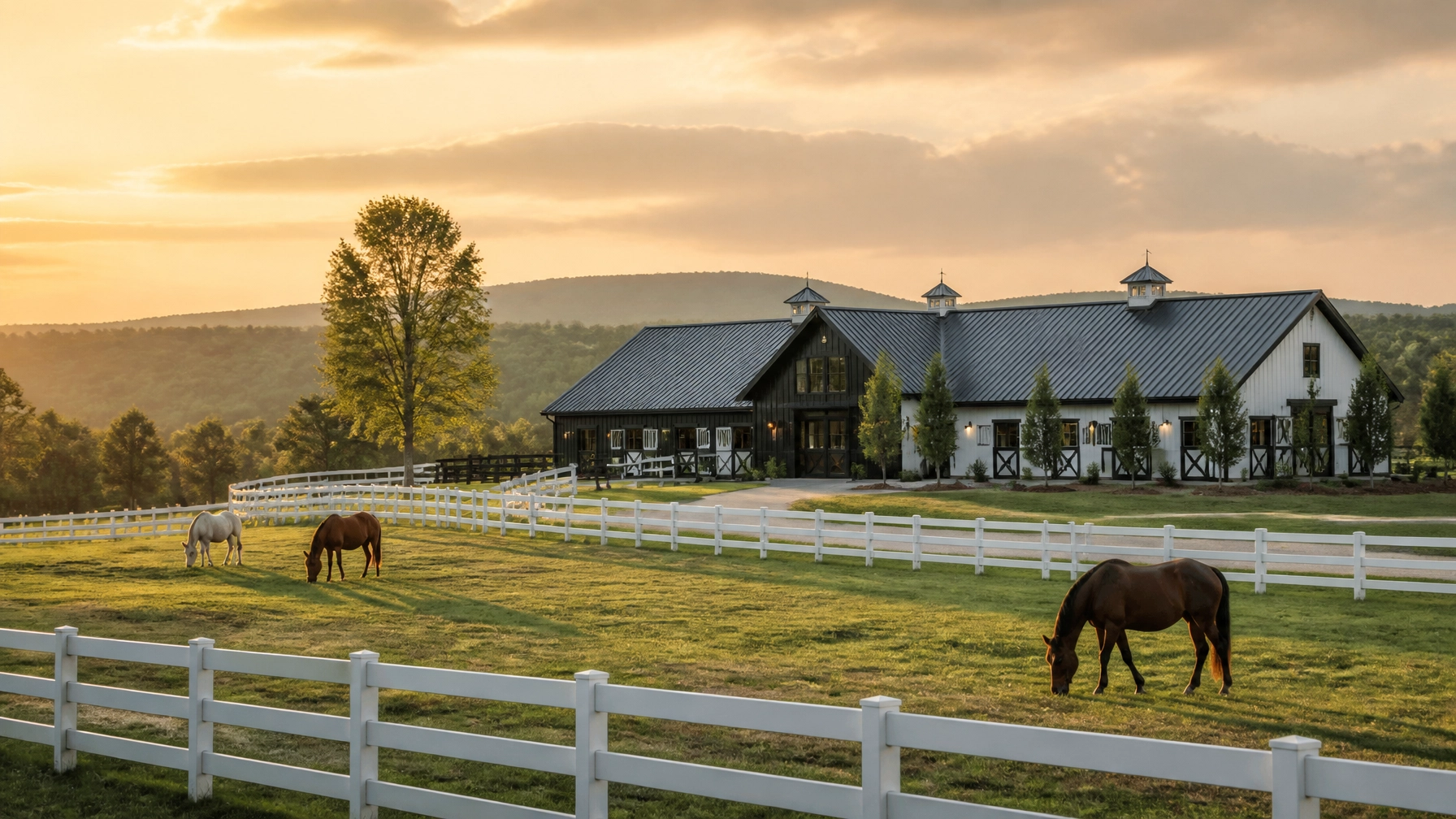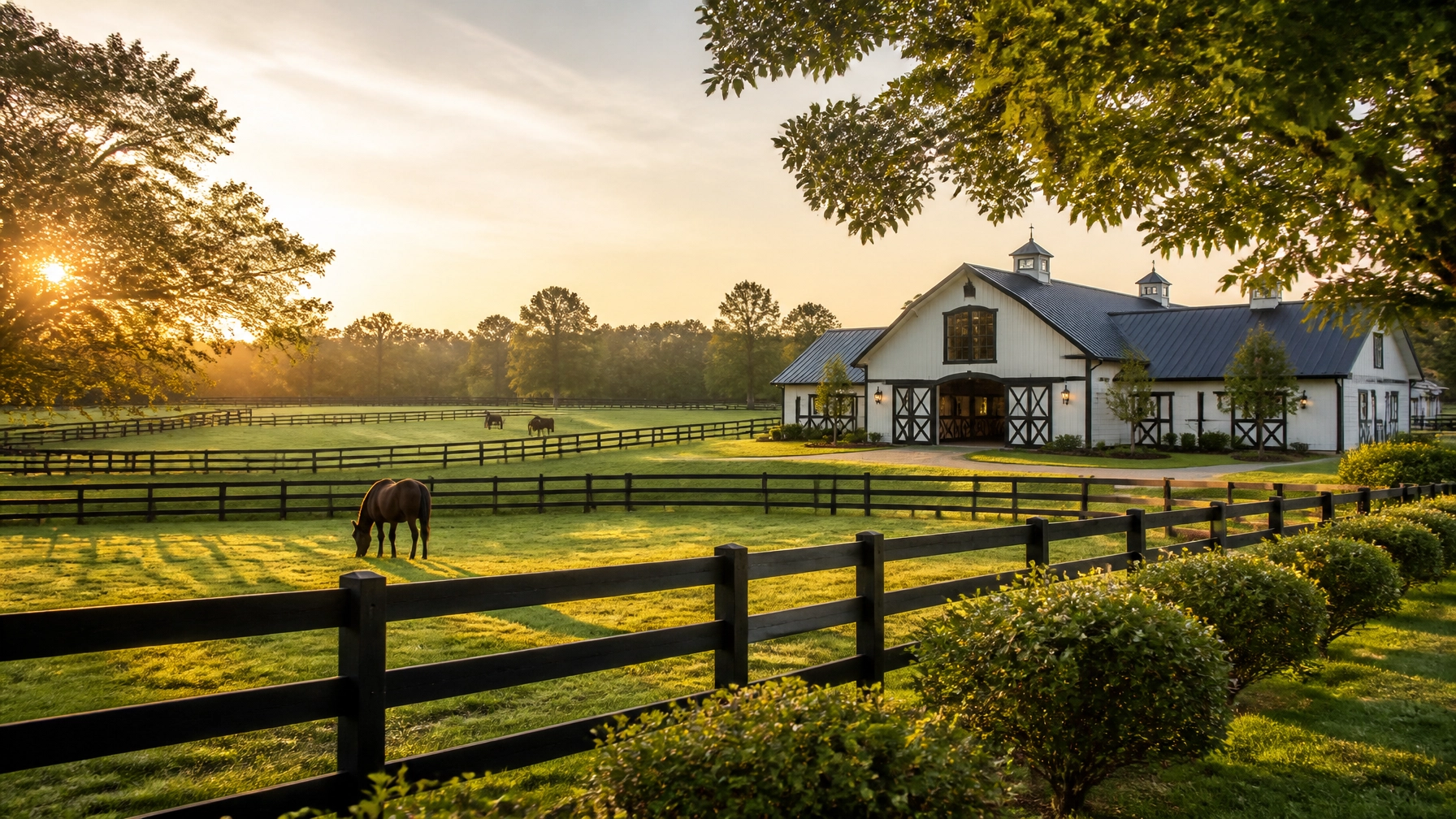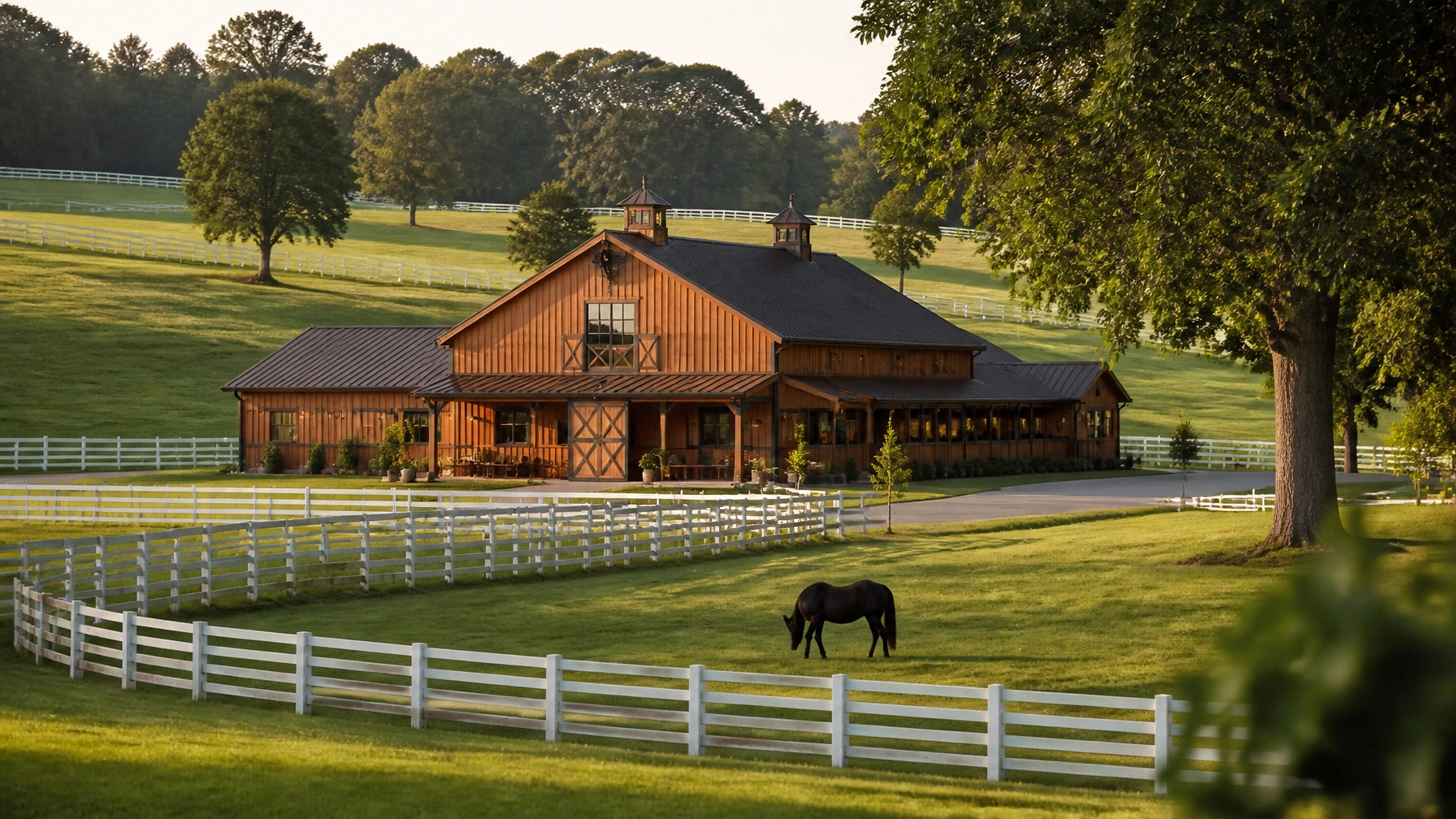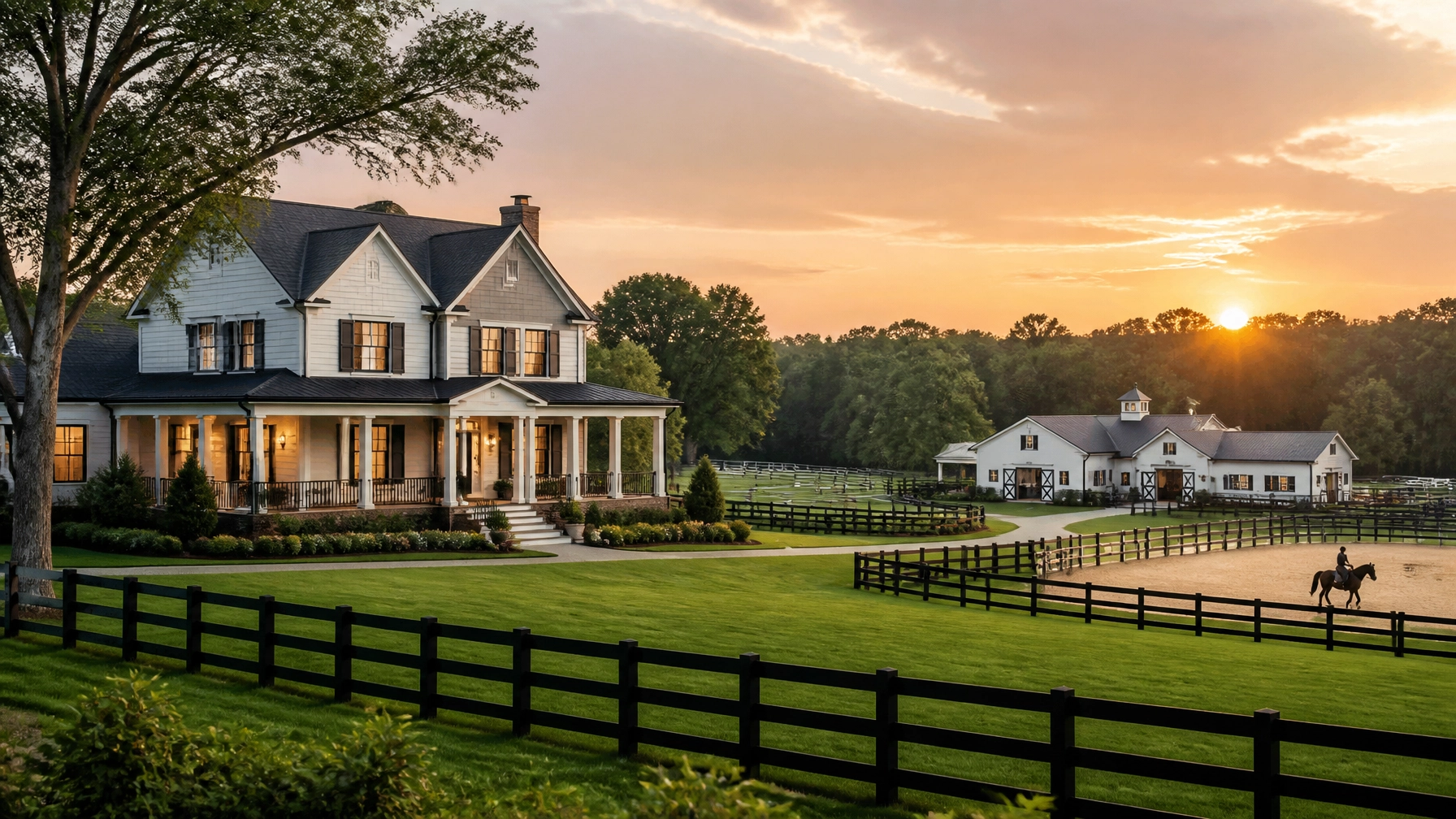
Category: Horse Farming Real Estate

  • Hidden Gems: Horse Farms for Sale in Davidson, NC (And Why Smart Buyers Are Looking Here)

    Hidden Gems: Horse Farms for Sale in Davidson, NC (And Why Smart Buyers Are Looking Here)

    Most equestrian buyers looking at the Charlotte Metro area immediately gravitate toward Waxhaw, Weddington, or maybe Tryon if they're dreaming big. Davidson rarely makes the shortlist. That's changing, and for good reason.

    While everyone else fights over the same dozen properties in the usual suspects, a quieter group of smart buyers is discovering what Davidson offers: legitimate acreage with character, proximity that actually matters for work commutes, and a community that values preservation over constant development. If you're the type who wants land that feels private without being isolated, it's worth understanding why Davidson belongs on your radar.

    The Davidson Advantage Most Buyers Miss

    Davidson sits in a unique position. You're twenty-five minutes from Uptown Charlotte on a good day, but the feel is decidedly rural once you pass the college town center. What makes this relevant for horse properties? The township and surrounding Iredell County still have parcels in the 20-60 acre range that haven't been subdivided into oblivion.

    Aerial view of rolling horse farm pastures and barn in Davidson, NC with mature trees and fencing

    The current market shows eight equestrian properties near Davidson, with an average listing price around $2.19 million and land costs averaging $175,340 per acre. Yes, that's premium pricing: but you're getting finished properties with infrastructure already in place. Compare that to buying raw land in Union County at "cheaper" per-acre costs, then spending two years and $400K+ building out barns, arenas, and utilities. The math starts looking different.

    What really sets Davidson apart is the soil and terrain. You're working with rolling topography that provides natural drainage: a critical factor that gets overlooked until you're standing in a muddy sacrifice lot during February. The clay-loam composition supports good pasture growth without the constant amendment battles you face in sandier areas south of Charlotte. If you've ever managed horses through a Carolina winter, you know drainage isn't optional.

    The Community Factor

    Davidson has something increasingly rare: a functioning rural community that hasn't been completely suburbanized. You'll find feed stores within fifteen minutes, experienced farriers who actually return calls, and neighbors who understand that horses make noise and attract flies. That matters more than most first-time farm buyers realize.

    The Lake Norman area brings another dimension. You're not just buying a horse property: you're in proximity to a lifestyle hub with excellent dining, private schools if you have kids, and a surprisingly strong professional network. Many buyers in this space are working remotely or running their own businesses. Davidson gives you the credibility of a recognized address without the stuffiness of Myers Park.

    Tree-lined entrance to established horse farm in Davidson, NC with barn and grazing horses

    Infrastructure and Practical Realities

    Here's what seasoned horse owners care about: Can you get a truck and trailer in and out easily? Is the barn positioned for good airflow in summer but protection from north winds in winter? Do you have reliable well water and septic that can handle volume? These aren't sexy talking points, but they're the difference between a property that works and one that becomes a money pit.

    Many Davidson-area farms were built by people who actually kept horses, not developers who thought "barn" just meant a cute outbuilding. You'll find properties with proper center aisles, concrete floors with drain systems, tack rooms positioned away from feed storage, and run-ins that make sense for the prevailing weather patterns. Properties like Reflections Farm: a 58-acre spread on Archer Road: exemplify this: purpose-built facilities that reflect an understanding of daily horse management, not Pinterest aesthetics.

    The electrical service in this area is also notably better than more remote locations. If you're planning an indoor arena with serious lighting or heated water systems for winter, that infrastructure exists. Zoning in Iredell County is generally straightforward for agricultural use, though it's always worth verifying specific parcel restrictions before falling in love.

    Market Positioning and Investment Logic

    Let's talk frankly about money. Davidson-area horse properties represent a specific investment thesis: you're buying finished quality in a location with constrained future supply. The township has been aggressive about protecting greenspace and limiting density in rural areas. That's good for your lifestyle but also means properties here don't come to market frequently.

    Professional horse barn interior with center aisle, stalls, and quality design in Davidson, NC

    The average $2.19 million price point reflects move-in-ready estates: we're typically talking about custom homes with 4-6 stalls, outdoor arenas, pasture systems with proper fencing, and often amenities like indoor arenas or cross-country courses. If you're selling a house in South Charlotte and looking to transition into an equestrian lifestyle without a two-year renovation project, this pricing starts to make sense.

    Appreciation trends in this micro-market have been steady rather than explosive, which actually appeals to serious buyers. You're not dealing with speculative flippers or investors treating farms like tear-down opportunities. The buyer pool is selective, which means less volatility and more predictable long-term value.

    Who This Area Fits (And Who It Doesn't)

    Davidson makes sense for specific buyer profiles. If you're keeping 2-8 horses, running a small training operation, or semi-retired from upper-level competition but still serious about having proper facilities: this area works. You get legitimate space without the isolation of being forty-five minutes from a grocery store.

    It also appeals to professionals who need reasonable commute access. Plenty of buyers in this market are corporate executives, business owners, or consultants who work in Charlotte 2-3 days per week. You can make a morning meeting downtown without leaving at dawn.

    Where Davidson doesn't fit: if you need 100+ acres for a large breeding operation, you'll likely look toward Tryon or York County. If you're on a tight budget and willing to do major infrastructure work yourself, there are cheaper options in more remote areas. And if you want the deep community of established equestrian neighborhoods with 30+ horse families, areas like Waxhaw offer that density.

    Complete equestrian estate layout in Davidson NC showing barn, arena, and pastures from above

    What to Actually Look For

    When evaluating Davidson-area properties, prioritize these factors in order:

    Water and drainage first. Walk the property after rain. Check where water flows and pools. Look at pasture conditions in low spots. This tells you more than any listing description.

    Barn functionality over aesthetics. A well-designed six-stall barn with good ventilation beats a ten-stall barn with design flaws. Look at aisle width (12 feet minimum for equipment), ceiling height (10+ feet), and feed room positioning.

    Fencing quality and layout. Good board fencing or coated wire is expensive to replace. Check corner bracing, gate functionality, and whether the layout makes sense for rotation and management.

    Pasture composition and history. Ask about fertilization schedules, what grasses are established, and how long since renovation. Mature, well-managed pasture is worth thousands in avoided establishment costs.

    Arena footing and base. If there's an outdoor arena, dig down six inches. You want proper base material, not just sand over clay. Indoor arenas should have documentation on footing type and maintenance history.

    The Bigger Picture

    Davidson represents something increasingly uncommon in the Charlotte Metro: equestrian properties that exist in their own right, not as afterthoughts in master-planned communities or weekend vanity projects. The buyers looking here tend to be serious about horses but also value proximity to urban amenities and cultural opportunities.

    It's not the right fit for everyone: no location is. But if you're tired of compromising between "legitimate horse property" and "reasonable access to normal life," Davidson deserves your attention. The market here doesn't move fast because inventory is limited and buyers are selective. That's either frustrating or reassuring, depending on your perspective.

    Horse and rider training in outdoor arena at Davidson NC equestrian property

    For those who understand what they're looking at, these properties offer something rare: the ability to maintain a serious equestrian lifestyle without completely removing yourself from professional and social connectivity. That balance is harder to find than it sounds.

    If you're considering Davidson-area horse farms, take time to understand the specific property's history, infrastructure, and practical management requirements. The right place will feel obvious once you walk it with a critical eye: not because it's perfect, but because you can see yourself actually living and working there day after day. That's ultimately what distinguishes a smart purchase from a pretty listing.


    Carolina Horse Farm Realty specializes in equestrian properties throughout the Charlotte Metro area. We understand horse properties from a land-first, horse-first perspective: because we live this lifestyle ourselves. Explore current listings or connect with our team to discuss your specific needs.

  • The Ultimate Guide to Horse Farms for Sale in Waxhaw, NC: Everything You Need to Succeed

    The Ultimate Guide to Horse Farms for Sale in Waxhaw, NC: Everything You Need to Succeed

    Why Waxhaw Belongs on Every Equestrian's Radar

    Waxhaw isn't trying to be the next Tryon or Aiken. It doesn't need to. What it offers is something increasingly rare in the Charlotte Metro: genuine horse country within reach of urban conveniences, land that hasn't been carved into postage stamps, and a community that understands the difference between a hobby farm and a working equestrian operation.

    If you're tired of compromise: properties that are either too far from civilization or too expensive for what they offer: Waxhaw presents a third option worth your attention.

    The Current Market: Numbers That Tell the Real Story

    The Waxhaw equestrian property market offers substantive inventory across multiple price points. Current listings include 17 equestrian properties with an average listing price of $539,000 and an average land cost of $50,005 per acre, according to recent market data. Additional sources report up to 45 horse properties available in the broader area, with prices ranging from $295,000 to $1,500,000.

    Properties typically spend 52 days on market and receive approximately one offer: a sign of a balanced market where quality properties move without frenzied competition, but buyers still need to act decisively when they find the right fit.

    Aerial view of horse farm for sale in Waxhaw NC with barn, pastures, and white fencing

    What Makes Waxhaw Different for Horse Operations

    Land That Actually Works

    Waxhaw's geography offers rolling terrain with established drainage patterns: critical for anyone who's dealt with standing water in paddocks or mud management nightmares. The soil composition in southern Union County supports pasture establishment and maintenance without the constant battle against clay hardpan that plagues properties closer to Charlotte proper.

    Properties regularly feature 5 to 20+ acres in single parcels, providing enough space to separate mares and geldings, rotate pastures properly, and maintain the buffer zones that make good neighbors. This isn't gentleman farm territory where you're squeezing four horses onto two acres and calling it equestrian living.

    Infrastructure That Understands Horses

    Many properties in Waxhaw come with equestrian infrastructure already in place: not the bare-minimum two-stall shed that passes for a barn in some markets, but purpose-built facilities designed by people who actually keep horses.

    Break Away Farm exemplifies the standard: a 10+ acre manicured estate featuring four pastures with proper fencing, a four-stall barn with functional hay loft, a run-in shed for field turnout, a four-bay equipment shed (because tractors and farm equipment need shelter too), and a lighted 50' x 125' arena with sprinkler irrigation for dust control.

    These details matter because they represent tens of thousands of dollars in infrastructure you won't need to build from scratch.

    Professional horse barn interior with stalls and center aisle at Waxhaw equestrian property

    Essential Features to Evaluate in Waxhaw Properties

    Barn Configuration and Condition

    Look beyond stall count to functionality. Does the barn layout support efficient daily care? Are aisles wide enough for equipment and horses to pass safely? Is there adequate hay and feed storage that's protected from weather and rodents?

    Check for electrical service sufficient to support modern needs: heated water buckets in winter, fans in summer, security lighting. Examine roof condition, foundation integrity, and ventilation systems. A barn that needs a new roof isn't necessarily a dealbreaker, but it's a $20,000+ negotiating point you need to know about before making an offer.

    Pasture Quality and Fencing

    Walk the fence lines personally. In Waxhaw, you'll find everything from traditional board fence to modern coated wire systems. What matters more than aesthetic preference is maintenance condition and proper installation. Fencing that's sagging, has rotted posts, or shows signs of horses testing boundaries needs addressing immediately.

    Evaluate pasture health: is it productive grassland or weed-infested hardpan? North Carolina's climate supports excellent pasture growth when properly managed, but recovery from neglect takes time and money.

    Water Access and Arena Facilities

    Properties with reliable well systems designed for livestock use: not just a residential well serving the house: offer significant operational advantages. Confirm water quality and flow rates support your intended horse numbers.

    Arena facilities vary widely. Some properties feature professional-grade surfaces with all-weather footing, lighting for evening riding, and irrigation systems. Others offer basic cleared areas suitable for light work. Match your expectations to your discipline and training requirements.

    Horses grazing in well-maintained pasture with white board fencing in Waxhaw NC

    Location Benefits Beyond the Property Lines

    Trail Access and Community Amenities

    Waxhaw's equestrian appeal extends beyond individual property boundaries. The 1,100-acre Cane Creek Park offers extensive trail riding opportunities, while the Mineral Springs Greenway provides additional recreational access. These public resources mean your horses can experience varied terrain without trailering hours away.

    The historic village of Waxhaw: minutes from most equestrian properties: provides genuine small-town character without isolation. Quality veterinary services, feed stores that stock what working horsemen actually need, and farriers who show up when scheduled are all locally accessible.

    Proximity to Equestrian Resources

    Waxhaw's location positions you within reasonable trailering distance of major competition venues, specialized veterinary hospitals, and training resources throughout the Charlotte Metro and beyond. You're not sequestered in remote horse country, but you're far enough removed to maintain acreage, privacy, and the quiet necessary for quality horse keeping.

    Price Ranges and What They Buy

    $295,000 – $450,000: Expect smaller acreage (2-5 acres) with basic equestrian amenities. These properties suit owners with 2-4 horses focused on recreational riding rather than intensive training operations. Barns typically feature 2-4 stalls with minimal additional facilities.

    $450,000 – $750,000: This range delivers 5-15 acres with established infrastructure: proper barns, multiple pastures, and often an arena or round pen. These properties support small breeding operations, training businesses, or serious amateur programs with 6-10 horses.

    $750,000 – $1,500,000+: Premium estates offering 15+ acres, sophisticated barn designs, climate-controlled facilities, professional arena systems, and high-end residential accommodations. These properties function as complete equestrian centers suitable for commercial operations or discerning private owners maintaining larger herds.

    Rider training horse in professional sand arena at Waxhaw equestrian estate

    Practical Considerations Before You Buy

    Zoning and Use Regulations

    Union County's agricultural zoning generally supports equestrian use, but confirm specific allowances for your intended operation. Commercial boarding, training facilities, and breeding operations may trigger different requirements than private horse keeping. Verify whether your business plans align with permitted uses before making offers.

    Infrastructure Costs and Maintenance

    Budget realistically for ongoing maintenance. Even well-maintained horse properties demand continuous investment in fence repair, pasture management, barn upkeep, and equipment replacement. Properties that appear to be bargains often reveal deferred maintenance that quickly consumes any initial savings.

    Soil Testing and Environmental Assessment

    North Carolina's soil composition varies significantly within small geographic areas. Professional soil testing reveals pH levels, nutrient content, and contamination risks that affect both pasture productivity and horse health. This $300-500 investment provides critical information before purchase.

    Finding Properties That Match Your Requirements

    The Waxhaw equestrian market moves faster than generic residential real estate but slower than urban markets. Quality properties with proper infrastructure and competitive pricing typically receive offers within 30-60 days of listing.

    Working with professionals who understand equestrian operations: not just agents who list "horse property" as a specialty: makes the difference between finding a property that works and discovering expensive problems after closing. The questions you need answered require someone who knows what a properly graded arena looks like, understands appropriate stocking rates for North Carolina pastures, and can evaluate barn functionality beyond counting stalls.

    Your Next Steps in Waxhaw's Horse Property Market

    The Waxhaw equestrian market rewards buyers who understand both horse operations and real estate fundamentals. Properties that meet serious equestrians' requirements don't linger indefinitely, but thoughtful evaluation beats hasty decisions every time.

    If you're ready to explore horse farms for sale in Waxhaw with someone who speaks your language: horse person first, Realtor second: we should talk. Our team knows these properties, this market, and what makes an equestrian operation actually work in southern Union County.

    Connect with Carolina Horse Farm Realty to discuss your specific requirements and see current listings that match your operational needs.

  • The 2026 Charlotte Equestrian Market: 7 Trends Horse Farm Buyers Should Watch

    The 2026 Charlotte Equestrian Market: 7 Trends Horse Farm Buyers Should Watch

    If you're considering buying a horse property in the Charlotte metro area this year, you're entering a market that looks notably different than it did just two years ago. The equestrian real estate landscape in North Carolina has shifted, and understanding these changes will position you to make smarter decisions: whether you're relocating from out of state or upgrading from your current facility.

    After working with dozens of horse farm buyers and sellers across Mecklenburg, Union, and York counties, we've observed clear patterns emerging in 2026. These aren't predictions: they're trends already reshaping how properties are valued, marketed, and sold in our region.

    1. Turnkey Properties Command Premium Pricing

    The days of buyers eagerly tackling fixer-upper farms have largely passed. In 2026, properties with quality infrastructure in place: functional barns, maintained fencing, established pastures, and reliable water systems: are selling faster and at higher price points than comparable raw or neglected acreage.

    This shift reflects demographic changes in equestrian buyers. Many are time-constrained professionals who want to move horses in immediately, not spend two years renovating. Others are relocating from states where horse property values are significantly higher, making Charlotte-area farms feel reasonably priced even at premium levels.

    Turnkey horse farm with maintained barn and white fencing in Charlotte NC

    What this means for you: If your budget allows, prioritize properties where the essential horse-keeping infrastructure already exists. A quality six-stall barn with proper ventilation and rubber-matted aisles adds more value than the same square footage in deteriorating condition. The initial cost difference typically proves smaller than renovation expenses, and you gain immediate usability.

    2. The 10-20 Acre Sweet Spot Has Intensified

    While large acreage properties (50+ acres) still hold their niche, we're seeing exceptional demand for well-configured properties in the 10-20 acre range, particularly in Waxhaw, Weddington, and western Union County.

    This acreage range offers enough space for meaningful horse keeping: pasture rotation, a riding area, privacy: while remaining manageable for owners who don't want to operate full-scale farms. Properties in this category that include amenities like indoor arenas or exceptional barn facilities generate multiple offers quickly.

    The competition intensifies when these mid-sized properties sit within 30-40 minutes of Charlotte's employment centers. Buyers want equestrian lifestyle without sacrificing career accessibility or forcing long commutes on non-riding family members.

    3. Income-Generating Potential Influences Valuations

    More buyers are considering properties where boarding, training, or lesson programs could offset operating costs. Even buyers who don't intend to run commercial operations immediately view this flexibility as valuable insurance against changing financial circumstances.

    Aerial view of 15-acre horse property with pastures and covered arena

    Properties configured for multiple boarders: with eight or more quality stalls, sufficient pasture for rotation, and adequate parking: consistently attract stronger interest than comparable acreage with minimal horse infrastructure. Buyers recognize that zoning-approved, established boarding operations provide options their personal-use-only farms cannot.

    This trend doesn't mean every property needs commercial potential, but it does mean farms with versatile layouts hold broader appeal in today's market. If you're evaluating two similar properties, the one that could accommodate boarders if needed typically represents the stronger investment.

    4. Zoning Clarity Has Become Non-Negotiable

    The 2026 buyer arrives more educated about zoning restrictions than buyers did five years ago. Too many equestrians have learned expensive lessons about agricultural district requirements, setback regulations, and boarding limitations after closing.

    Properties where zoning status is crystal clear: with documented approval for intended horse-related uses: move faster than those requiring buyers to navigate uncertain approval processes. Sellers who proactively provide zoning letters or verification of grandfathered uses eliminate significant buyer hesitation.

    In Union County particularly, where agricultural zoning can vary dramatically between parcels, this documentation matters. Buyers want confirmation they can legally keep the number of horses they own, potentially add an arena, or run a small boarding operation without rezoning battles.

    5. Water Quality and Drainage Command Serious Attention

    North Carolina horse owners have always understood pasture management, but 2026 buyers are conducting more thorough due diligence on water sources and property drainage before making offers.

    Recent weather patterns: including intense rainfall events followed by dry periods: have highlighted which properties handle water well and which turn into mud pits or face well capacity issues. Buyers now routinely request well flow tests, water quality analysis, and detailed drainage assessments during inspection periods.

    Professional horse barn interior with multiple stalls for boarding

    Properties with thoughtfully designed drainage systems, maintained creek beds, or multiple water sources hold distinct advantages. Conversely, farms with standing water issues, limited well production, or erosion problems face longer market times and reduced values.

    What savvy buyers know: North Carolina's red clay requires intentional management. Properties where previous owners invested in proper drainage, established grass coverage, and maintained water features demonstrate a level of stewardship that protects your investment long-term.

    6. Indoor Arenas Have Shifted From Luxury to Expected Amenity

    Five years ago, an indoor riding arena marked a property as exceptional. In 2026, serious buyers: particularly those relocating from northern states: increasingly view covered riding space as essential rather than optional.

    This expectation doesn't mean every property needs a full-sized indoor. But covered work areas, round pens with roofs, or quality outdoor arenas with excellent footing and drainage are becoming baseline requirements for buyers who train regularly or operate lesson programs.

    Properties offering climate-controlled riding options can command $100,000-$200,000 premiums over comparable farms without them, assuming the structure is well-maintained and properly sized. Poorly constructed or deteriorating covered arenas add minimal value.

    7. Technology Integration Attracts Younger Buyers

    The emerging buyer demographic: often younger professionals with remote work flexibility: expects modern connectivity even in rural settings. Properties within areas served by fiber internet, or where installation is feasible, hold advantages over those restricted to satellite service.

    Horse farm with excellent drainage and creek through North Carolina pastures

    Beyond internet, we're seeing increased interest in properties where barn monitoring systems, automated watering, or security cameras can be easily implemented. These buyers view farm management technology not as unnecessary luxury but as practical tools that allow them to work remotely while maintaining proper horse care.

    Properties marketed with existing smart home integration, quality cell service, or demonstrated internet speeds receive notably stronger interest from buyers under 45.

    Positioning Yourself in This Market

    Understanding these trends provides advantage whether you're beginning your search or making offers. The 2026 Charlotte equestrian market rewards buyers who move decisively on well-maintained properties that match their specific needs, while requiring patience from those seeking projects or unconventional configurations.

    Properties that check multiple boxes: turnkey condition, manageable acreage, income potential, clear zoning, quality water management, covered riding space, and modern connectivity: generate competitive situations quickly. If you identify a farm meeting your priority criteria, hesitation typically means losing to more decisive buyers.

    Conversely, properties requiring significant infrastructure investment or presenting zoning complications are negotiating more in 2026 than in previous years. These farms still sell, but to buyers with specific skills, time availability, or vision for long-term development.

    Working With Equestrian Real Estate Specialists

    Navigating these market dynamics requires partnership with agents who understand both real estate transactions and legitimate horse property evaluation. The critical considerations: pasture health, barn functionality, arena footing quality, fence safety: fall outside typical residential agent expertise.

    At Carolina Horse Farm Realty, we bring horse ownership experience to every property evaluation. We understand which infrastructure elements justify premium pricing and which represent future expense. We know which areas offer the best combination of land value, equestrian community, and practical access to services horse owners need.

    If you're ready to explore equestrian properties in the Charlotte area, or want detailed analysis of how these trends affect your specific property search, we'd welcome the conversation. The 2026 market offers excellent opportunities for informed buyers who understand what they're evaluating.

    Contact our team to discuss your equestrian property goals and how current market conditions align with your timeline and requirements.

  • Luxury Equestrian Properties in Marvin, NC: Everything You Need to Succeed in This Hidden Market

    Luxury Equestrian Properties in Marvin, NC: Everything You Need to Succeed in This Hidden Market

    Most serious equestrians looking at the Charlotte metro area immediately focus on Waxhaw or Union County. They're missing Marvin: a market where strict zoning protections preserve equestrian character, acreage remains substantial, and luxury construction meets genuine horse functionality. While others chase the obvious options, buyers who understand this market secure properties that combine true privacy with proximity to Charlotte's amenities.

    Why Marvin Remains Under the Radar

    Marvin doesn't advertise. The town maintains its rural character through deliberate planning rather than marketing campaigns. This intentional discretion creates a market where quality matters more than visibility: exactly what serious horse owners need. The 28173 zip code offers properties ranging from working horse farms to luxury estates with equestrian zoning, all protected by regulations that prevent suburban sprawl from compromising the landscape.

    The area sits minutes from Ballantyne's commercial corridor and Waxhaw's equestrian community, yet maintains the seclusion necessary for serious training programs or breeding operations. This balance between accessibility and privacy defines Marvin's appeal for buyers who need both: professionals who want their horses at home without sacrificing career proximity, or retirees seeking tranquility without isolation.

    Aerial view of luxury equestrian estate in Marvin NC with white fencing, custom barn, and riding trails

    Estate Communities Built for Horse Owners

    Providence Road Estates represents the standard for purpose-built equestrian communities in Marvin. Large acreage homesites accommodate custom barns, riding arenas, and trail systems without compromising architectural standards. These aren't suburban lots with barn options added as afterthoughts: they're designed from the ground up for horse owners who refuse to choose between luxury living and functional equestrian facilities.

    Broadmoor offers a different approach: bespoke residences ranging from 4,125 to 4,705 square feet on estate lots, with pricing starting at $1,890,000. The community emphasizes refined construction and landscaping while maintaining flexibility for buyers who want to add equestrian infrastructure. Properties here suit owners whose horses are part of their lifestyle rather than their primary focus: weekend riders or those maintaining a few personal mounts rather than full training operations.

    The distinction matters. Understanding whether you need a property designed for horses with a luxury home attached, or a luxury estate with room for horses, determines which Marvin communities align with your actual requirements versus aesthetic preferences.

    Property Characteristics That Separate Marvin from Standard Markets

    Luxury equestrian properties in Marvin typically feature 10 to 20+ acres, with exceptional listings offering more than 20 acres of maintained riding trails. This isn't pasture acreage: these are managed landscapes with proper drainage, established trail systems, and topography suitable for various riding disciplines. Properties listed with equestrian zoning accommodate multiple horses with options to construct barns or barndominiums according to individual program requirements.

    Premium horse barn interior with mahogany stalls and natural lighting in Marvin luxury property

    High-end construction standards include reinforced poured-concrete foundations, full masonry façades, Pella Reserve windows, and Brazilian Ipe decks: details that matter when you're investing seven figures and planning to stay. Solid hardwood flooring throughout, mahogany wine cellars, and Lutron lighting systems reflect the lifestyle these properties support, while 600-amp electrical service, multiple tankless water heaters, and whole-house generators address the practical demands of running a residential equestrian facility.

    Resort-style amenities: heated and cooled pools, lower-level entertainment spaces, Sonos integrated sound systems: acknowledge that luxury equestrian properties serve as primary residences, not just horse facilities. The best properties balance barn functionality with living spaces designed for both daily comfort and elegant entertaining. Custom-carved riding trails, professional landscaping, and centrally monitored security systems complete properties where every detail receives equal attention whether it serves horses or humans.

    Infrastructure That Supports Serious Equestrian Operations

    Properties in this market often include infrastructure most buyers don't consider until they're managing their first major storm or planning their first clinic. Multiple furnaces maintain consistent temperatures across large square footage. Whole-house generators keep barns operational during outages: critical for properties with temperature-controlled tack rooms, security systems monitoring valuable breeding stock, or automatic waterers serving multiple paddocks.

    Comprehensive surveillance systems protect both the main residence and barn facilities. When you're managing six-figure horses or hosting clients' horses in training, security isn't luxury: it's insurance. Centrally monitored alarm systems, perimeter cameras, and barn monitoring create the oversight necessary for properties where valuable animals live outdoors and valuable equipment fills accessible structures.

    The 600-amp electrical service standard in high-end Marvin properties accommodates current needs while anticipating future additions: heated wash stalls, indoor arena lighting, eurociser operation, or barn apartment HVAC. Properties built with adequate electrical infrastructure from the start avoid the expensive retrofitting that plagues buyers who purchase stunning homes on beautiful acreage only to discover the electrical system can't support their actual equestrian requirements.

    Private riding trails through wooded estate with white rail fencing in Marvin NC horse property

    Location Benefits That Create Long-Term Value

    Marvin's strict zoning protections preserve property values by preventing the suburban creep that has compromised other formerly rural areas near Charlotte. These regulations maintain the rural and equestrian character that makes the location valuable in the first place. Buyers invest in Marvin knowing their neighbors can't subdivide, their viewshed remains protected, and the quiet they purchased today won't disappear in five years.

    Proximity to Charlotte, Waxhaw, and Ballantyne provides access to employment centers, veterinary specialists, and equestrian services without the traffic and development pressure those areas experience. Properties here suit professionals commuting to Charlotte, equestrian professionals serving the Waxhaw market, or retirees who want access to urban amenities without urban neighbors.

    The location serves multiple equestrian disciplines equally well. Dressage riders appreciate the privacy for focused training. Hunter/jumper trainers benefit from proximity to major competition venues. Breeding operations value the acreage and zoning flexibility. Trail riders enjoy the terrain. This versatility protects resale value: the property appeals to the next buyer regardless of their specific discipline or program focus.

    Market Diversity for Different Buyer Priorities

    The Marvin market includes small horse farms under $500,000, mid-range equestrian estates with established barns between $750,000 and $1,500,000, and luxury horse ranches exceeding $2,000,000. This range accommodates buyers at different life stages: young professionals purchasing their first horse property, established trainers upgrading to larger facilities, or successful business owners building dream estates that happen to include serious equestrian infrastructure.

    Properties vary from raw land with equestrian zoning for buyers who want complete design control, to turnkey operations with established barns, arenas, and pasture systems for those who need immediate functionality. Mixed-use communities offer golf and recreational amenities alongside equestrian facilities, appealing to families where not everyone shares the horse obsession or buyers who want lifestyle diversity beyond the barn.

    Understanding this diversity helps buyers avoid the common mistake of touring properties across the entire price spectrum instead of focusing on the specific segment that matches their actual budget and requirements. A $600,000 buyer wastes everyone's time touring $1,500,000 estates, regardless of how beautiful those properties are. Similarly, a serious competitor needs different infrastructure than a leisure rider, regardless of similar budget ranges.

    Covered breezeway connecting luxury home to custom barn facility at Marvin NC equestrian estate

    What Serious Buyers Should Understand Before Shopping Marvin

    The Marvin market rewards buyers who understand their actual requirements rather than their wish list fantasies. Properties here get purchased by horse owners who know the difference between adequate acreage and functional acreage, between a barn that photographs well and a barn that supports efficient daily care, between impressive architectural details and the infrastructure that actually determines whether an equestrian property succeeds.

    Zoning matters more than aesthetics. The most beautiful property becomes a disappointment if regulations prevent your intended use. Understanding what "equestrian zoning" actually permits: number of horses, allowable structures, commercial activity restrictions: determines whether a property works for your program or just looks like it should.

    Soil quality, drainage patterns, and pasture management history affect long-term costs more than purchase price differences. Properties that look similar can perform very differently based on how previous owners managed the land. Serious buyers bring their farm manager, trainer, or equine veterinarian to evaluate properties before making offers: they're investing in functional horse facilities, not just beautiful real estate.

    Finding Your Property in This Protected Market

    The Marvin luxury equestrian market operates differently than standard residential real estate. Many properties sell quietly through equestrian networks before appearing on public listings. The best opportunities often come from owners who want their property to go to someone who understands and will preserve its equestrian character: they're selective about buyers rather than focused solely on price.

    Working with a real estate professional who understands both luxury property standards and actual equestrian functionality makes the difference between finding a property that looks impressive and securing one that actually works for your program. The details that matter: arena footing drainage, barn ventilation design, fence line maintenance access, pasture rotation capability: require horse experience to properly evaluate.

    If you're serious about finding a luxury equestrian property in Marvin that serves your actual needs rather than just matching your aesthetic preferences, connect with our team. We understand this market because we live it: we're horse people first, helping you find properties where both the horses and the humans thrive.

  • Pasture Management in North Carolina: 7 Mistakes You’re Making (And How to Fix Them)

    Pasture Management in North Carolina: 7 Mistakes You’re Making (And How to Fix Them)

    Your pasture is more than green space: it's the foundation of your horse operation. Whether you're managing a 10-acre weekend retreat in Waxhaw or a 100-acre breeding facility in Tryon, the quality of your forage directly impacts your horses' health, your property's resale value, and your monthly feed bill.

    North Carolina's unique climate: humid summers, variable rainfall, and red clay soils: creates specific challenges that many horse property owners underestimate. After working with equestrian properties throughout the Charlotte Metro area, I've watched well-intentioned owners make the same costly mistakes year after year.

    Here are the seven most common pasture management errors I see on horse farms across the region, and the proven fixes that will transform your land.

    Mistake #1: Overstocking Your Pastures

    The calculation seems simple: more horses, more riding time. But overstocking is the fastest way to turn productive pasture into a dirt paddock.

    North Carolina State University recommends one to two acres of good pasture per horse for year-round grazing. Yet I regularly visit properties in Union County and Mecklenburg County where owners are trying to maintain four or five horses on five acres of tired fescue.

    The result? Bare patches, erosion along fence lines, and paddocks that turn to mud after every rain: a familiar sight on our red clay soils.

    The Fix: Calculate your true carrying capacity based on your pasture's current condition, not its potential. Never allow grazing below 3-4 inches. Once grass height drops to this point, rotate animals to fresh pasture or supplement with hay. This single change prevents plants from depleting root reserves and gives your soil a chance to recover.

    Rotational grazing paddocks on North Carolina horse farm with horses grazing

    Mistake #2: Continuous Grazing Without Rotation

    Horses are selective grazers with precise teeth that repeatedly target the same palatable species. Without rotation, they'll graze favorite plants down to nothing while ignoring others: creating a patchwork of overgrazed "lawns" and rank, mature grasses.

    I've walked properties in Weddington and Marvin where half the pasture stands 18 inches tall and untouched, while the other half is grazed to dirt. This isn't just inefficient; it's killing your desirable forage species.

    The Fix: Implement a simple two-paddock rotation system. Divide existing pastures with temporary electric fence and alternate horses between sections every 7-10 days. Allow 10-18 days of rest between grazing cycles.

    Follow the time-honored principle: "Graze half, leave half." This means allowing animals to graze from 6-8 inches down to 3-4 inches, then moving them. More paddocks provide even better results, but starting with two is infinitely better than continuous grazing.

    Mistake #3: Ignoring Weeds Until They Take Over

    Bare ground from overgrazing becomes the perfect seedbed for weeds. Every horse property in North Carolina battles something: buttercup, dock, thistle, or invasive brush. But the aggressive approach many owners take: mowing everything to ground level or reaching for herbicide first: often makes the problem worse.

    The Fix: The most effective weed control is a healthy stand of competitive grasses and legumes. Address overgrazing first; healthy pastures naturally resist weed pressure.

    When mowing is necessary, never mow shorter than 3-4 inches. Clip weed seed heads before they become viable, but preserve enough grass height to shade out new weed germination.

    For severe weed infestations, targeted herbicide application may be warranted. Consult with your local cooperative extension office for products approved for horse pastures and proper timing for North Carolina conditions.

    Healthy pasture grass at ideal 4-6 inch grazing height for horses

    Mistake #4: Skipping Soil Tests and Fertility Management

    You wouldn't guess at your horse's mineral needs: why guess at your soil's? Yet many horse property owners apply fertilizer based on what the farm supply store recommends or what the neighbor uses, without knowing their actual nutrient levels.

    North Carolina's acidic clay soils typically require lime to raise pH and support optimal forage growth. Without testing, you're flying blind.

    The Fix: Test your soil every 2-3 years through your local Soil and Water Conservation district or cooperative extension office. Many offer free or low-cost testing.

    Results will specify exactly what your pastures need. For cool-season grasses like fescue: the dominant pasture grass across the Charlotte region: apply 30-50 pounds of nitrogen per acre as recommended by test results. Apply lime according to soil test recommendations, typically in fall or winter.

    Proper fertility management isn't just about grass height: it's about nutritional value. Well-fertilized pastures reduce your hay and grain expenses significantly.

    Mistake #5: Neglecting Regular Maintenance and Mowing

    I've toured horse farms in Huntersville and Mooresville where owners haven't mowed pastures in two years. The result: mature, stemmy grass that horses refuse to eat, scattered manure piles creating nutrient-rich "roughs," and seed heads everywhere.

    Unmaintained pastures waste your most valuable resource: the land itself.

    The Fix: Mow pastures when the tallest grass reaches 8-10 inches. This accomplishes three goals: it promotes even, vegetative growth; controls weeds before they seed; and spreads manure more effectively.

    After mowing, drag pastures to break up and distribute manure piles. This returns nutrients to the soil and reduces parasite pressure.

    Never mow below 3-4 inches: scalping pastures damages plants and exposes soil to erosion and weed germination.

    Before and after horse pasture maintenance showing proper mowing results

    Mistake #6: Grazing New Pastures Too Soon

    You've invested in pasture renovation: new seed, lime, fertilizer. Naturally, you want to see results and get horses back on that grass. But turning horses out before seedlings are established destroys months of work and wastes money.

    The Fix: Allow newly seeded pastures to reach 6-8 inches before introducing any grazing pressure. For overseeded pastures where you've added clover or other legumes to existing grass, keep horses grazing the existing grass below 4 inches for the first month. This maximizes sunlight reaching new seedlings.

    First-grazing should be brief and carefully managed: no more than a few days before rotating to another paddock. Think of it as "training" both the new plants and your horses to the rotation system.

    Patience during establishment pays dividends for years. Rush this step, and you'll be reseeding again next year.

    Mistake #7: Failing to Monitor Pasture Health Regularly

    Poor pasture management often goes undetected until problems become severe. By the time you notice widespread bare patches or significant weed pressure, you're looking at expensive renovation rather than simple maintenance.

    The Fix: Conduct weekly pasture walks during the growing season. Use the step-point check: walk your pasture and stop every 20 paces. Look down at what your boot is pointing at. Is it desirable forage or weeds? Bare ground or healthy grass?

    This simple visual evaluation identifies problems early: before they require aggressive intervention: and guides your rotation decisions.

    Watch for early warning signs: bare patches developing along fence lines, horses grazing the same areas repeatedly, or increasing weed pressure in specific paddocks. These indicators tell you when to adjust stocking rates, rotation timing, or management practices.

    Regular monitoring transforms pasture management from reactive crisis control to proactive stewardship.

    Building Long-Term Pasture Health

    Quality pasture management isn't about perfection: it's about consistent attention to fundamentals. The horse properties that maintain beautiful, productive pastures year after year share one thing in common: owners who understand that land stewardship is inseparable from horse care.

    Whether you're currently managing pastures on your existing horse farm or evaluating equestrian properties throughout the Charlotte Metro area, these seven principles apply universally. The farms that hold their value and attract serious buyers when the time comes are invariably those with healthy, well-managed pastures.

    If you're searching for a horse property with quality pasture infrastructure already in place: or need guidance on evaluating pasture potential during your property search: that's where our equestrian-focused expertise makes the difference. We know what to look for because we live this life ourselves.

    Ready to talk about your horse property goals? Reach out to our team for a conversation about what matters most to you and your horses.

  • Hidden Gems: Horse Farms for Sale in Davidson, NC You’ve Never Thought Of

    Hidden Gems: Horse Farms for Sale in Davidson, NC You’ve Never Thought Of

    When most equestrians search for horse farms for sale in the Charlotte Metro area, their eyes immediately drift south to Waxhaw or Weddington. Meanwhile, Davidson: quietly nestled along Lake Norman's western shore: continues to host some of the region's most thoughtfully designed equestrian properties that somehow escape the typical buyer's radar.

    Perhaps it's Davidson's reputation as a college town that causes horse property seekers to scroll past. Or maybe it's the perception that lakeside communities don't accommodate acreage. Whatever the reason, this oversight creates unique opportunities for discerning buyers who understand that the best equestrian estates aren't always found where everyone else is looking.

    The Davidson Market Nobody's Talking About

    Davidson currently maintains 8 active equestrian property listings, with an average price point of $2,190,000 and an average cost of $175,340 per acre. These numbers tell an important story: while Davidson commands premium pricing, you're investing in a community with exceptional infrastructure, proximity to Charlotte's employment centers, and: critically: a level of privacy that's increasingly difficult to find in more densely developed equestrian corridors.

    The inventory is deliberately curated rather than abundant. Properties here don't linger because sellers are desperate; they're listed when owners make considered life transitions. This creates a different buying dynamic than markets flooded with speculative land sales or outdated facilities.

    Aerial view of horse farm for sale in Davidson NC with pastures, barn, and riding arena

    What Davidson Offers That Traditional Horse Country Doesn't

    Davidson's equestrian properties benefit from the town's strict development regulations that have preserved rural character even as surrounding areas succumbed to subdivision pressure. This means your neighbor's 20-acre parcel won't suddenly transform into a 200-home development. The town's commitment to conservation easements and agricultural preservation creates long-term stability for equestrian investment.

    The Lake Norman location provides natural topographical variation that's ideal for establishing varied terrain work. Many properties feature gentle rolling hills that allow for conditioning without the flat monotony common to piedmont farms or the extreme elevation changes that complicate infrastructure in mountain properties.

    Water access deserves particular attention. While not every Davidson horse farm includes lake frontage, the proximity to Lake Norman means exceptional well production and reliable water tables: a consideration that becomes increasingly critical as climate patterns shift and summer droughts become more frequent across the Carolinas.

    Property Profiles Worth Your Attention

    Reflections Farm represents the scale of operation possible within Davidson's boundaries. This 58.2-acre property at 10600 Archer Road features professionally maintained horse facilities including fenced pastures, outdoor arena, and barn infrastructure designed for serious equestrian programs. At this acreage, you're operating a legitimate training facility, breeding operation, or private sanctuary without compromise.

    The property's layout demonstrates thoughtful planning: a characteristic that separates Davidson's equestrian estates from hastily converted farmland. Pastures are properly established and rotated, drainage systems are engineered rather than improvised, and facility placement considers both operational efficiency and aesthetic integration.

    Professional outdoor riding arena at Davidson NC equestrian property with quality footing

    For buyers seeking turnkey training facilities, Davidson Equestrian Estate offers custom-designed personal training infrastructure positioned on a mature, tree-lined drive with approximately one acre of pond water feature. This represents the upper tier of residential equestrian properties where every element: from footing materials to barn ventilation: has been specified by someone who actually rides.

    The property demonstrates how Davidson attracts serious equestrians rather than hobby farmers: these are facilities built to USEF standards by owners who competed, trained, or bred at professional levels before establishing private home bases.

    The Middle-Market Opportunity

    Not every buyer requires 50+ acres or million-dollar custom barns. Davidson's market includes properties like the 10910 Archer Road listing: 3 bedrooms, 1 bath, 1,354 square feet at $690,000: that provide entry points for equestrians prioritizing location and land over luxury amenities.

    These smaller acreage properties (typically 3-10 acres) allow you to keep horses at home within Davidson's protected community while building or expanding facilities according to your specific discipline and timeline. The infrastructure investment happens gradually, customized to your program, rather than purchasing someone else's vision at premium pricing.

    This approach particularly suits young professionals, recent retirees downsizing from larger operations, or equestrians transitioning from boarding facilities who need proof of concept before committing to extensive development.

    Small horse farm in Davidson NC with three-stall barn and horses grazing in pasture

    Location Intelligence: Why Davidson Works

    Twenty-three miles to Charlotte's center positions Davidson within reasonable commuting distance without the daily congestion plaguing southern corridor communities. Your morning feed routine doesn't require choosing between horse care and career obligations: both are achievable from this location.

    Interstate 77 access connects Davidson to Tryon (90 minutes), Southern Pines (2 hours), and Virginia Horse Center (4.5 hours) without navigating through metro traffic. For competitors and trainers, this routing efficiency translates to reduced hauling stress and expanded market reach.

    Veterinary and specialty services concentrate around Charlotte's northern suburbs, meaning emergency equine care arrives in minutes rather than the 45-60 minute response times common to remote rural properties. Anvil Ridge Equine in Roseneath (15 minutes), Reata Equine Hospital in Troutman (20 minutes), and Carolina Equine Hospital in Salisbury (25 minutes) create a comprehensive safety network.

    Davidson's Main Street commercial district provides unexpected convenience: you're grabbing afternoon coffee or meeting clients in a walkable downtown rather than driving 30 minutes to the nearest civilization. This matters more than most buyers initially realize: quality of life includes human amenities alongside equestrian infrastructure.

    The Davidson Difference for Sellers

    If you're currently managing a Davidson equestrian property and contemplating transition, understand that your asset occupies a unique market position. Unlike overbuilt areas where every third listing claims "horse farm" status despite minimal facilities, Davidson's limited inventory and rigorous development standards create genuine scarcity value.

    Buyers seeking Davidson specifically are typically sophisticated equestrians who recognize the community's preservation advantages and are prepared to pay appropriately for properties that meet their standards. This isn't the bargain-hunting crowd combing through distressed rural listings: these are qualified purchasers who understand long-term value.

    Tree-lined entrance to Davidson NC horse farm near Lake Norman with white fencing

    Timing matters less in stable markets than trending areas. Davidson properties sell based on quality and fit rather than frenzied buyer competition or artificial urgency. This allows for proper marketing, facility presentation, and buyer qualification: the professional approach that protects your investment rather than racing to close.

    Infrastructure Considerations Often Overlooked

    Davidson's municipal water and sewer availability in certain districts creates development flexibility impossible on purely well-and-septic properties. This infrastructure supports guest cottages, manager residences, or future facility expansion without the permitting complications that halt projects on conventional rural land.

    The town's fiber optic network and reliable utility services mean your farm office, security systems, and remote monitoring equipment function as reliably as downtown Charlotte businesses. For equestrians managing breeding programs, training operations, or remote work obligations, this connectivity isn't luxury: it's operational necessity.

    Soil composition throughout Davidson's geography generally features piedmont clay with adequate drainage when properly managed. This provides stable footing for arena construction and pasture development, though professional soil analysis remains essential before facility planning. The region's topography naturally sheds water when graded correctly, avoiding the standing water problems common to flatter terrain.

    Moving Forward Thoughtfully

    Davidson's equestrian properties reward patient, educated buyers who prioritize long-term stability over immediate gratification. These aren't investments you flip in three years: they're foundations for decade-long or generational equestrian programs.

    Before exploring available properties, clarify your non-negotiables: required acreage, facility specifications, proximity tolerance, and budget parameters. Davidson's limited inventory means compromise on preferred finishes or minor layout preferences, but never on fundamental land quality or location suitability.

    Working with realtors who understand equestrian operations rather than generic residential agents becomes particularly critical in specialized markets like Davidson. The questions you need answered: about soil percolation, agricultural zoning provisions, facility permitting, and neighboring property restrictions: require horse-world fluency that transcends standard real estate knowledge.

    The hidden gems aren't necessarily the lowest-priced listings or the newest constructions. They're the properties where land quality, facility functionality, and community integration align with your specific equestrian vision. Sometimes that's the 60-acre training facility everyone notices. Other times it's the 8-acre property with exceptional soil, perfect sun exposure, and room to build exactly what you need.

    Davidson remains overlooked because it requires looking differently: past the obvious southern corridor choices toward a community that quietly protects the rural character serious equestrians require. For buyers ready to see what others miss, that perspective creates opportunity.

  • The Ultimate Guide to Horse Farms for Sale in Waxhaw, NC: Everything You Need to Succeed

    The Ultimate Guide to Horse Farms for Sale in Waxhaw, NC: Everything You Need to Succeed

    Waxhaw isn't just another Charlotte suburb with paddocks, it's a genuine equestrian community where your neighbors understand why you're up at 5 AM and why your truck smells like shavings. If you're searching for horse property that balances land quality, community, and accessibility, Waxhaw deserves serious consideration.

    The Waxhaw Equestrian Market: What You Need to Know

    The current market offers 45+ active horse property listings, ranging from starter farms to full-scale training facilities. Average listing prices sit around $537,700, with per-acre costs averaging $49,884, competitive for the Charlotte Metro area considering what you're getting in return.

    Properties move at a moderate pace, typically staying on market for 52 days. This timeline gives serious buyers space to conduct proper due diligence without the pressure-cooker environment you'll find closer to Charlotte's urban core.

    The inventory spans a genuine range: three-acre turnkey operations starting around $295,000 up to premier estates exceeding $1.5 million with custom barns, covered arenas, and homes that match the quality of your stable design.

    Aerial view of horse farm for sale in Waxhaw NC with pastures, barn, and white fencing

    Why Waxhaw Works for Horse People

    Location matters differently when you own horses. You're not just thinking about your commute, you're considering hay delivery access, veterinary response times, and whether your farrier will grumble about the drive.

    Waxhaw sits in Union County, which maintains agricultural-friendly zoning that actually supports livestock operations rather than merely tolerating them. The township itself preserves its historic character while accommodating growth, meaning you get modern conveniences without sacrificing the rural feel that makes horse property livable.

    The Mineral Springs Greenway and Cane Creek Park's 1,100 acres provide trail access without trailering off your property. When you can hack out your young horses or cool down your eventers on varied terrain, it changes your daily routine entirely.

    Water quality runs high here, the Carolina clay you'll deal with exists, but groundwater tables support healthy pasture growth with proper management. The mild winters mean less blanket juggling and more riding days per year than you'd find an hour north.

    Property Types: Understanding Your Options

    Working Training Facilities

    At the upper end, you'll find properties designed for professional operations. These typically feature 8-12 stall barns with separate tack rooms, wash stalls with hot water, dedicated feed rooms with rodent-proof storage, and covered or indoor arenas ranging from 80' × 200' to regulation dressage size.

    The best include thoughtful details: rubber-matted aisles, efficient muck storage positioned away from prevailing winds, separate equipment buildings, and attached apartments for working students or staff.

    Interior of professional equestrian barn with stalls and center aisle in Waxhaw property

    Mid-Size Private Estates

    The 5-10 acre properties with 4-6 stall barns represent Waxhaw's sweet spot for serious amateurs. These farms typically include quality four-rail fencing, run-in sheds, lighted outdoor arenas around 100' × 200', and homes built with horse owners in mind, mudrooms that actually handle dirty boots, large kitchen windows overlooking the barn, covered porches for morning coffee while watching turnout.

    Look for properties with separate paddocks that allow rotation, not just one large field. Multiple water sources matter more than most buyers realize until they're dragging hoses in August.

    Starter Properties

    Smaller acreage under five acres works for retired horses, young stock, or owners boarding out but wanting horses at home part-time. These properties require careful evaluation, tight acreage demands better infrastructure to succeed. Adequate shelter, smart fence lines that maximize usable space, and excellent drainage become non-negotiable rather than nice-to-have features.

    Critical Features That Determine Long-Term Success

    Barn Quality and Design

    Pre-fabricated pole barns can work, but examine the construction. Proper ventilation prevents respiratory issues that plague sealed structures. Twelve-foot aisle widths allow safe horse movement and equipment access. Stall sizes matter, cramped 10' × 10' boxes cause behavioral issues in horses that stand 16+ hands.

    Check electrical systems carefully. Barns need adequate outlets positioned away from curious mouths, proper lighting that doesn't create blind spots when leading horses, and circuits that handle block heaters, water trough de-icers, and clippers simultaneously.

    Healthy horse pastures with proper fencing and horses grazing in North Carolina

    Pasture Health and Fencing

    Walk the fence lines. Four-rail wood looks elegant but requires maintenance. Well-installed high-tensile wire with visibility strips works reliably. Avoid barbed wire entirely, repair costs from horse injuries exceed fence replacement.

    Evaluate pasture composition. Healthy stands of fescue, orchard grass, and clover indicate soil that supports grazing. Bare spots, standing water, or predominant weeds signal drainage issues or depleted soil requiring significant investment to rehabilitate.

    Rotational grazing becomes difficult on properties without adequate cross-fencing. Converting one large field into a rotation system requires substantial fencing investment and often reveals grading issues masked by continuous grazing.

    Arena Footing and Drainage

    Outdoor arenas require proper base construction, not just dragged dirt in a flat spot. Quality footing includes base layers of drainage rock, intermediate layers that prevent migration, and top surfaces appropriate for your discipline. Budget $15,000-$30,000 for professional arena construction if you're adding one.

    Covered arenas in this climate provide value year-round. Summer storms and winter mud limit riding without cover. If the property lacks covered space, evaluate whether zoning and lot layout accommodate future construction.

    Location-Specific Advantages

    Waxhaw's position fifteen minutes south of Weddington and twenty-five minutes from south Charlotte provides accessibility without urban pressure. Large animal veterinarians service this area readily, you're not waiting hours for colic calls.

    The village itself offers actual amenities: feed stores that stock quality hay and supplements, tack shops run by people who've forgotten more about bits than most trainers learn, and farriers with availability.

    Schools in Union County maintain strong reputations, which matters for families unwilling to compromise children's education for horse property. The commute to Charlotte remains manageable for professionals working hybrid schedules.

    What First-Time Horse Farm Buyers Miss

    Maintenance costs exceed expectations. Budget for fence repairs, arena dragging, pasture reseeding, and barn upkeep beyond your mortgage payment. Properties requiring deferred maintenance consume time and money that prevents actual riding.

    Water matters more than aesthetic features. Automatic waterers freeze. Hoses split. Wells run dry during droughts. Verify water sources and backup systems before aesthetic considerations.

    Seller motivations affect negotiations. Empty-nesters downsizing approach sales differently than investors flipping properties. Understanding backstory provides negotiating insight most buyers overlook.

    Well-maintained outdoor riding arena at Waxhaw equestrian property

    Starting Your Search Strategically

    Define your non-negotiables before viewing properties. Most buyers compromise on house features before barn quality, they're correct. You'll spend more time in the barn than the formal dining room you think you need.

    Consider properties slightly above your target acreage if they offer superior infrastructure. Five acres with quality fencing, excellent drainage, and a solid six-stall barn outperforms ten acres requiring complete fence replacement and barn renovation.

    Work with representation that understands equestrian property requirements. Agents unfamiliar with horse farms miss critical details that create expensive surprises post-purchase. Proper due diligence includes soil tests, well capacity verification, and septic system evaluation: standard home inspections don't cover what matters for agricultural operations.

    Moving Forward With Confidence

    Waxhaw's equestrian market offers genuine options across price points and property types. The community supports horse ownership through agricultural zoning, established service networks, and fellow owners who understand the lifestyle.

    Success requires balancing practical evaluation with the emotional pull of finding your place. Properties that support your horses' physical needs while feeding your soul exist here: finding them demands patience and proper guidance.

    If you're ready to explore what Waxhaw offers, view our current listings or reach out to discuss your specific requirements. We'll help you find property that works for your horses first and everything else second: because that's the only approach that creates long-term satisfaction.

  • Charlotte Equestrian SEO Blitz – 30 Long-Tail Posts

    Charlotte Equestrian SEO Blitz – 30 Long-Tail Posts

    Your Complete Guide to Equestrian Living in the Charlotte Metro

    The Charlotte Metro area has quietly become one of the most sought-after equestrian destinations on the East Coast. From the rolling pastures of Waxhaw to the established horse country of Tryon, this region offers something for every horse person: whether you're searching for your first five-acre starter property or a turnkey training facility with an indoor arena.

    We've created this comprehensive content series to answer the questions you're actually asking. Not generic real estate advice, but specific, boots-on-the-ground information about horse property in our region. This is horse person to horse person: the details that matter when your barn design, pasture rotation, and county zoning regulations directly impact your daily horse care routine.

    Aerial view of horse farm in Charlotte Metro with white fencing, barn, and grazing horses on green pastures

    What You'll Find in This Series

    Over the next several weeks, we're publishing 30 in-depth guides covering three essential categories: location-specific market insights, property features and farm management, and buying and selling strategy. Each post addresses the long-tail questions we hear from clients every week: the specific searches you're making at 10 PM after evening barn check, when you're seriously evaluating whether this horse property thing can actually work.

    Location Guides: Finding Your Perfect Equestrian Community

    The Charlotte Metro isn't one homogeneous market. Waxhaw offers completely different opportunities than Mooresville, and what works in Union County may not be possible in Mecklenburg. Our location-specific guides break down:

    Waxhaw, NC has emerged as the epicenter for serious horse operations. With relaxed county regulations, affordable large acreage, and an established equestrian community, it's where many trainers and boarding facilities choose to build. We'll cover why this area consistently delivers value for horse property buyers.

    Weddington appeals to buyers wanting equestrian life within reach of uptown Charlotte. The zoning allows horses, the properties offer privacy, and you're still 30 minutes from the city. It's the sweet spot for families balancing careers with horse ownership.

    Marvin, NC represents the luxury end of the market: custom estates with professionally designed stables, manicured paddocks, and homes that rival anything in Myers Park. We'll explore what makes these properties special and who they're designed for.

    York County, SC just across the state line provides more acreage per dollar, different tax structures, and a strong horse community. Many Charlotte-based equestrians have discovered this area offers exceptional value.

    Well-maintained horse barn interior with wooden stalls and organized equestrian facility design

    Mooresville near Lake Norman brings a different dimension: waterfront horse properties are rare, and this market serves buyers wanting both equestrian amenities and lake access. We'll explain the unique considerations here.

    Tryon remains North Carolina's most established horse destination. Even with premium pricing, it delivers unmatched equestrian infrastructure and community. Our guide covers whether Tryon still makes sense for buyers in 2026.

    Additional location guides will cover Huntersville, Davidson, Harrisburg, and Monroe: each with distinct characteristics, zoning regulations, and market dynamics that directly impact your property search.

    Property Features: Building and Managing Your Equestrian Facility

    Buying horse property means evaluating factors that standard residential buyers never consider. Our technical guides address the infrastructure and management systems that define successful equestrian properties:

    Indoor Riding Arenas represent a significant investment, but they transform your training capability. We'll break down construction costs, design considerations, and whether this feature makes financial sense for your operation.

    Barn Layouts and Stable Design directly impact your daily efficiency and horse safety. From stall dimensions to aisle width to ventilation systems, proper design prevents problems before they start.

    Pasture Management in North Carolina requires understanding our soil types, grass varieties, and rotation strategies. Overgrazing destroys land value: we'll show you how to maintain healthy pastures year-round.

    Fencing Options range from traditional wooden board to high-tensile wire to synthetic materials. Each choice balances safety, aesthetics, maintenance, and cost. We'll help you evaluate what works for your situation.

    Luxury equestrian estate in North Carolina featuring custom stable, riding arena, and manicured paddocks

    Drainage Solutions prevent the muddy sacrifice areas and flooded paddocks that plague poorly planned properties. Proper drainage isn't glamorous, but it's fundamental to any successful horse farm.

    Manure Management systems must comply with local regulations while handling the daily reality of horse waste. We'll cover practical solutions for small backyard barns and larger breeding operations.

    Additional guides cover tack room organization, hay storage, trail access, and the high-end stable features that distinguish luxury equestrian estates from basic horse properties.

    Buying and Selling Strategy: Navigating the Equestrian Real Estate Market

    Horse property transactions require specialized knowledge. Standard residential real estate practices don't account for the unique considerations of equestrian estates. Our strategic guides address:

    First-Time Horse Farm Buyers need a framework for evaluating properties beyond the standard home inspection. What questions should you ask? What red flags matter most? We'll walk you through the process.

    Zoning Regulations vary dramatically by county. Mecklenburg County has different rules than Union County. We'll decode what you can actually do on horse property in each jurisdiction: before you make an offer.

    Specialized Financing options exist for equestrian estates, but many buyers don't know they're available. Agricultural loans, land development financing, and portfolio products can make deals work that conventional mortgages can't support.

    Staging Your Horse Farm for sale requires different thinking than residential staging. Buyers want to see a working facility, not a stripped-down property. We'll show sellers how to present their farms effectively.

    Healthy pasture grass and soil on North Carolina horse farm showing quality land management

    Home Inspections for Horse Properties must evaluate barns, fencing, pasture drainage, septic capacity for large water usage, and electrical systems handling barn loads. Standard inspectors miss critical issues.

    Tax Benefits of agricultural use, present use value assessment, and working farm designations can dramatically reduce your property tax burden. We'll explain what qualifies and how to maintain status.

    The 2026 Market brings specific trends: shifting interest rates, changing buyer demographics, and evolving preferences in equestrian property features. We'll analyze what's happening now in Charlotte Metro.

    Soil Testing before purchase reveals whether land can support healthy pastures or requires significant amendment. This $200 test can save you tens of thousands in post-purchase remediation.

    How to Use This Content Series

    Each guide in this series stands alone: you don't need to read them sequentially. Start with the topics that match your current situation:

    Actively searching for property? Begin with our location guides for the areas you're considering, then move to the buying strategy posts.

    Already own a horse farm? Our management and infrastructure guides provide actionable information for improving your current operation.

    Thinking about selling? Our seller-focused content addresses staging, timing, and positioning your property for maximum value.

    Just researching possibilities? The location and lifestyle guides will help you understand what's actually available in different price ranges and areas.

    The Horse Person First Approach

    This series reflects how we work with clients: as horse people who happen to be real estate professionals, not the reverse. We understand that your barn layout matters more than your kitchen backsplash. That pasture drainage affects your daily routine more than the master bathroom tile. That county zoning regulations governing the number of horses you can keep are more important than HOA covenants about lawn maintenance.

    Every guide in this series provides specific, actionable information. No generic real estate clichés. No pressure to "buy now before rates change." Just the detailed knowledge you need to make informed decisions about equestrian property in the Charlotte Metro area.

    Organized tack room with saddles, bridles, and equestrian gear in Charlotte area horse facility

    Whether you're currently in the market or planning for a future move, this content series serves as your comprehensive resource for understanding horse property in our region. We'll be publishing new guides throughout the coming weeks: covering everything from the practical realities of small acreage horse keeping to the sophisticated infrastructure of high-end training facilities.

    The Charlotte Metro equestrian market offers exceptional opportunities in 2026. You just need the right information to navigate it successfully. That's what this series delivers: from people who understand that horse care comes first, and everything else follows from there.

    Ready to explore specific topics? Browse our complete blog archive as we publish each guide, or reach out directly if you have questions about your specific situation. We're here to help you find the right property, manage it successfully, or position your current farm for sale when the time comes.

  • The Ultimate Guide to Horse Farms for Sale in Waxhaw, NC: Everything You Need to Succeed

    The Ultimate Guide to Horse Farms for Sale in Waxhaw, NC: Everything You Need to Succeed

    If you've been dreaming of turning out your horses on quality North Carolina pasture while still being close enough to Charlotte for convenience, Waxhaw deserves your attention. This Union County town has quietly become one of the region's most compelling equestrian communities: offering the land, the infrastructure, and the horse-friendly culture that serious riders need.

    Why Waxhaw's Equestrian Market Stands Out

    Waxhaw currently has 45 horse properties available for sale, representing one of the healthiest equestrian real estate inventories in the Charlotte Metro area. The average listing price sits at $539,000, with cost per acre averaging $50,005: a competitive price point considering the quality of land and proximity to urban amenities.

    What makes these numbers meaningful isn't just affordability. It's that Waxhaw has maintained its agricultural character even as the Charlotte region grows. You'll find working horse farms alongside gentleman's estates, all with the acreage and infrastructure that horses actually need.

    Aerial view of horse farm for sale in Waxhaw NC with pastures, barn, and white fencing

    The Land: What Makes Waxhaw Soil Work for Horses

    Before you fall in love with a barn or arena, look at the land. Waxhaw's soil composition supports strong pasture growth when properly managed. The rolling terrain provides natural drainage in most areas: critical for keeping horses sound and pastures from turning to mud during North Carolina's wet seasons.

    Properties range from 2.1 acres to over 10 acres, though serious horse operations typically start considering parcels at 5+ acres. That gives you room for proper pasture rotation, a dry lot for rehab or weather turnout, and space to separate horses by temperament or feeding requirements.

    The region's climate supports year-round turnout with proper shelter, which means lower feed bills and happier horses compared to colder climates where barn time dominates the calendar.

    Infrastructure That Actually Functions

    The difference between a property with horses and a true horse farm often comes down to thoughtful infrastructure. Current Waxhaw listings typically include:

    Barns with functional stall design: Look for 12×12 stalls minimum, proper ventilation systems, and wash stalls with hot water. Many properties feature center-aisle barns with hay lofts: practical for daily operations and efficient for one-person management.

    Multiple pastures and paddocks: Rotational grazing isn't optional if you want to maintain pasture quality. Properties with established fencing and water systems in multiple fields save you years of infrastructure investment.

    Run-in sheds and equipment storage: Horses need shelter even with full turnout. Separate storage for tractors, implements, and hay keeps your operation organized and your equipment protected.

    Riding arenas: Many Waxhaw properties include outdoor arenas, some with lighting for summer evening rides. The sand-clay mix available locally creates excellent footing when properly maintained.

    Horses grazing on lush green pastures at Waxhaw NC equestrian property

    Price Points and What They Buy You

    The Waxhaw market offers genuine range depending on your program needs:

    $295,000 – $450,000: Starter farms or smaller acreage with basic infrastructure. Expect 2-5 acres, a modest barn with 2-4 stalls, and room to improve systems over time. These properties work well for private owners with 1-3 horses or those willing to phase in improvements.

    $450,000 – $750,000: Mid-range properties with established infrastructure. You'll find 5-10 acres, barns with 6-8 stalls, multiple pastures with working fencing, and often an outdoor arena. These farms can accommodate small boarding operations or serious training programs.

    $750,000 – $1,500,000+: Premium equestrian estates with everything in place. Expect 10+ acres, exceptional barns, indoor or covered arenas, living quarters or guest houses, and land maintained to high standards.

    The $539,000 average puts most buyers in that middle category: enough infrastructure to start operating immediately while leaving room to customize over time.

    Location Benefits Beyond the Property Line

    What happens beyond your fence line matters as much as what's inside it. Waxhaw delivers on several fronts that make daily life with horses more sustainable:

    Trail access: The Mineral Springs Greenway and 1,100-acre Cane Creek Park provide extensive trail systems. Having quality trails nearby means you can vary your horses' work without trailering: better for fitness, mental health, and your fuel budget.

    Veterinary and farrier networks: The established equestrian community supports excellent professional networks. You'll find experienced vets who understand sport horses, therapeutic farriers, and specialist clinicians who travel to the area regularly.

    Feed and supply access: Multiple feed stores serve the region, and Waxhaw's location on US-16 provides easy access to Charlotte's larger equine suppliers when you need specialized equipment or bulk orders.

    Show and training opportunities: Within an hour, you can access everything from local schooling shows to recognized competitions at the Tryon International Equestrian Center.

    Horse barn interior with center aisle and stalls at Waxhaw equestrian estate

    The Community Factor: Why It Actually Matters

    Numbers and infrastructure tell part of the story. The rest comes from Waxhaw's established equestrian culture. This isn't a town where horses are tolerated: it's a community built around them.

    The area balances growth with charm. New developments often include equestrian-friendly covenants. Local government understands agricultural needs. Neighbors wave from tractors, not just cars.

    That matters when you need to borrow a water trough, want to organize a trail ride, or simply need people who understand why you're reorganizing your entire day around a lame horse.

    Starting Your Property Search the Right Way

    Finding the right horse farm requires a different approach than standard real estate:

    Define your program first: Are you housing your own horses, running a small boarding operation, or planning a training business? Your answer determines minimum acreage, stall count, and infrastructure requirements.

    Evaluate land before buildings: Barns can be built or renovated. Land quality, topography, and drainage define the property's long-term potential. Walk the entire property, check soil conditions, and evaluate water sources.

    Consider daily workflow: The best property layout supports efficient daily care. Stalls near water sources, hay storage accessible to feeding areas, and pastures you can see from the house all reduce labor and improve oversight.

    Budget for the complete picture: Purchase price is the starting point. Factor in immediate infrastructure needs, ongoing maintenance costs, and the seasonal expenses that come with property ownership.

    Making Your Move to Waxhaw

    The current market offers inventory and opportunity, but quality equestrian properties move quickly when priced appropriately. Serious buyers start by getting pre-qualified for equestrian-specific financing, then work with agents who understand horse properties: the difference between a real estate professional and an equestrian real estate specialist becomes obvious during inspections and negotiations.

    Trail riding through wooded paths near Waxhaw NC horse farms

    If you're ready to explore what Waxhaw offers, start by viewing current listings to understand what's available at different price points. Pay attention to how long properties stay on the market: that tells you which features buyers value and where opportunities might exist.

    The Waxhaw equestrian market rewards buyers who understand what makes a property functional for horses, not just beautiful in photographs. Focus on land quality, practical infrastructure, and community connection. Those fundamentals support successful horse operations regardless of whether you're bringing in your first horse or your fortieth.

    Ready to see what Waxhaw's equestrian properties offer in person? Explore current horse farms for sale or contact our team to discuss your specific program needs and timeline. We understand horses first, real estate second: and that makes all the difference in finding property that actually works.

  • Charlotte Equestrian SEO Blitz – 30 Long-Tail Posts

    Charlotte Equestrian SEO Blitz – 30 Long-Tail Posts

    As horse property specialists in the Charlotte Metro area, we understand that finding the right equestrian estate isn't just about square footage or school districts: it's about land quality, barn design, pasture management, and proximity to riding communities. That's why we're launching a comprehensive content series designed specifically for serious equestrian buyers and sellers who need real, actionable information about horse farms in our region.

    Why Long-Tail Content Matters for Equestrian Real Estate

    Generic property searches won't cut it when you're looking for a working horse farm. You're not just typing "homes for sale" into a search engine: you're researching "horse farms with indoor arenas in Waxhaw" or "equestrian zoning regulations in Union County." These specific, long-tail searches reveal serious intent, and they deserve equally serious answers.

    Over the next several months, we're publishing 30 in-depth guides covering every aspect of buying, selling, and maintaining horse properties in the Charlotte area. Each post targets the specific questions you're actually asking.

    Aerial view of Charlotte horse farm with white fencing, barn, and horses grazing in pastures

    Geographic Guides: Finding Your Perfect Equestrian Community

    The Charlotte Metro encompasses diverse equestrian communities, each with distinct advantages. Our location-specific guides break down what makes each area special:

    Waxhaw remains the crown jewel of Charlotte horse country, with established equestrian infrastructure and a true horse-town culture. Weddington offers upscale equestrian estates with excellent schools and easy highway access. Marvin has emerged as the luxury option, where high-end custom barns meet modern estate living.

    Cross the state line into York County, SC, and you'll find larger acreage at more accessible price points, with lower property taxes and a growing equestrian community. Mooresville attracts both horse and motorsports enthusiasts with its lake access and rural character. Tryon needs no introduction to serious riders: the international equestrian center has solidified its status as a destination location.

    For those seeking the best of both worlds, Huntersville and Davidson offer equestrian properties within 30 minutes of Uptown Charlotte. Harrisburg is experiencing significant growth as families discover its combination of land availability and excellent schools. Monroe provides large-acreage options with privacy and room to expand.

    Each of these locations has unique zoning regulations, soil conditions, and community characteristics that impact your horse property experience. Our detailed guides examine these factors with the specificity you need to make informed decisions.

    Essential Infrastructure: Building and Maintaining Your Horse Property

    Buying the land is just the beginning. Understanding what makes a functional, efficient horse property requires knowledge that goes beyond standard real estate expertise.

    Indoor riding arenas transform how you train and ride, especially during North Carolina's humid summers and unpredictable winters. We explore sizing requirements, footing options, and realistic budgets for both construction and retrofitting existing structures.

    Indoor riding arena with natural light and horse training in Charlotte equestrian facility

    Barn layout directly impacts your daily efficiency and horse safety. Our guide examines aisle width, stall sizing, feed room placement, and wash rack considerations specific to North Carolina climate and common management styles.

    Pasture management in the Piedmont region requires understanding our clay-heavy soils, summer heat stress, and fescue toxicity concerns. We cover rotation strategies, over-seeding schedules, and realistic stocking rates for our region.

    Fencing decisions involve balancing safety, durability, aesthetics, and budget. We compare board fence, wire options, and specialized horse fencing, including how HOA restrictions might impact your choices in different areas.

    Drainage solutions prevent the mud management nightmares that plague poorly planned properties. Charlotte's heavy clay soils and afternoon thunderstorms demand thoughtful grading, French drains, and sacrifice area management.

    Property Features That Add Real Value

    When evaluating horse properties, certain features consistently add value and functionality:

    Well-designed tack rooms protect expensive equipment and streamline your daily routine. Our guide covers climate control, organization systems, and security considerations.

    Proper hay storage protects your winter feed investment from moisture and mold: critical concerns in North Carolina's humidity. We examine barn bay configurations, separate hay buildings, and creative solutions for smaller properties.

    High-end stable design goes beyond aesthetics to incorporate ventilation systems, matting options, automatic waterers, and stall front selections that enhance both horse health and property value.

    Organized tack room with English saddles, bridles, and equestrian equipment storage

    For First-Time Buyers: Starting Your Search With Confidence

    Buying your first horse property feels overwhelming. Our comprehensive first-time buyer guide walks through the entire process: setting realistic budgets that include both purchase and maintenance costs, identifying must-have versus nice-to-have features, and understanding the true costs of property ownership.

    Zoning regulations vary dramatically across jurisdictions. Mecklenburg County has different requirements than Union County or York County, SC. Our detailed guides explain minimum acreage requirements, allowable structures, commercial boarding restrictions, and how to navigate the permitting process.

    Property inspections for equestrian estates require specialized attention. We outline the critical items to examine: well and septic systems, barn electrical, fencing integrity, pasture drainage, and potential soil contamination issues that standard home inspectors might miss.

    Financial Considerations and Market Intelligence

    Specialized financing for equestrian properties differs from conventional home mortgages. Our guide covers USDA rural development loans, farm loan programs, and lenders who understand the unique appraisal challenges of horse properties.

    The 2026 Charlotte equestrian market shows interesting trends: increased demand for move-in-ready facilities, growing interest in properties under 10 acres that still allow horses, and premium pricing for locations near public trail access.

    Tax benefits available to working horse farms can significantly impact your bottom line. We explain North Carolina's Present Use Value program, agricultural exemptions, and documentation requirements to maintain these benefits.

    Well-maintained horse pasture in North Carolina with white fencing and grazing horses

    For Sellers: Positioning Your Property Strategically

    Selling a horse property requires different strategies than conventional real estate. Our seller-focused guides approach the process with empathy: we understand you're not just selling a house; you're transitioning away from a lifestyle and land you've carefully stewarded.

    Staging your horse farm means presenting both the residence and equestrian facilities in optimal condition. We cover seasonal timing considerations, which upgrades provide return on investment, and how to highlight the features that serious equestrian buyers prioritize.

    Manure management systems demonstrate to buyers that the property is well-maintained and operationally sound. Our guide covers composting systems, removal services, and spreader options for different property sizes.

    Community Resources and Lifestyle Integration

    The Charlotte equestrian community extends beyond property lines. Our guide to public riding trails near Charlotte maps out Lake Norman State Park, Anne Springs Close Greenway, and other accessible trail systems that enhance your horse property's value.

    Training facilities dot the region, from hunter/jumper barns to western performance centers. Whether you're a professional seeking boarding and training operations or planning retirement with recreational riding, we help you understand the landscape.

    The Authority in Charlotte Equestrian Real Estate

    These 30 guides represent our commitment to serving the Charlotte equestrian community with depth and authenticity. We're horse people first, which means we understand that pasture quality matters more than granite countertops, that barn layout impacts your daily quality of life, and that finding the right equestrian community is about far more than proximity to amenities.

    Each article in this series delivers actionable information drawn from years of specializing in horse property transactions across the Charlotte Metro area. Whether you're searching for your dream farm, preparing to sell, or simply exploring what's possible, these resources provide the foundation for confident decision-making.

    Luxury horse barn exterior with cupola and board-and-batten siding in Charlotte area

    The Charlotte region offers exceptional opportunities for equestrian living: from established horse communities to emerging areas with room to grow. Our goal is to ensure you have the knowledge to find exactly what you need.

    Visit our properties page to explore current horse farm listings, or contact us to discuss your specific equestrian real estate needs. We're here to help you navigate every aspect of buying or selling a horse property in the Charlotte area.