Horse-first guidance on Charlotte Metro equestrian properties, land values, seasonal management, and current opportunities across North Carolina.
Weekly Charlotte Equestrian Market & Lifestyle Focus | September 4, 2026
September brings active show calendars, cooler mornings, and new reasons to evaluate horse properties across the Charlotte Metro. This week’s featured opportunities range from an equestrian-adjacent luxury home in Davidson to a working 10-acre farm in Waxhaw and a barn-ready acreage property for buyers prepared to build their program.
Start with the newest Charlotte-area opportunities
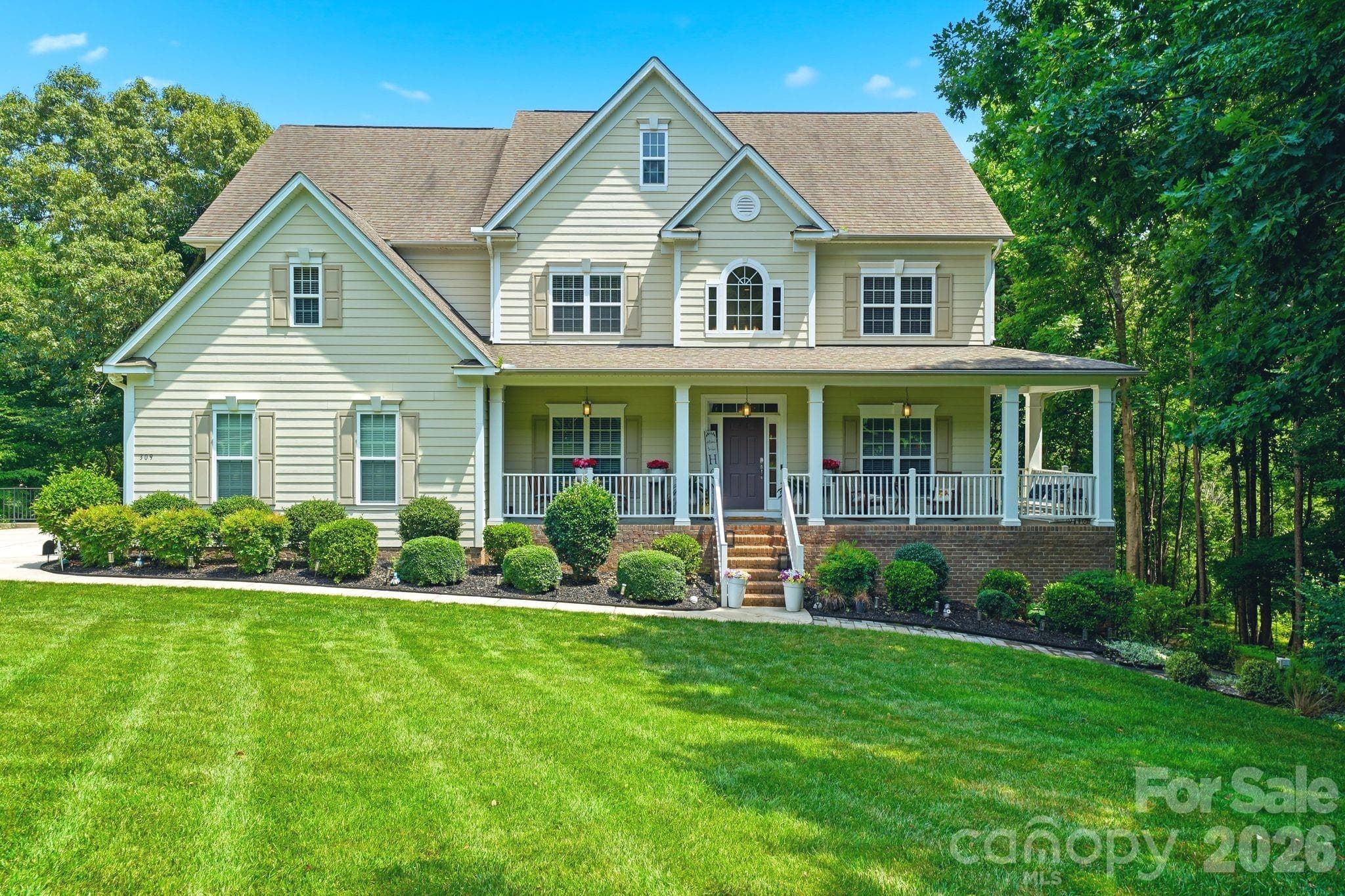
309 Walking Horse Trail brings equestrian-adjacent luxury to Davidson
309 Walking Horse Trail, Davidson, NC | $1,189,900 | 5 bedrooms | 5 bathrooms | 4,591 square feet | 1.59 acres
This private Davidson retreat combines a substantial luxury residence with access to North Mecklenburg horse country. Built in 2010, the home sits along a peaceful natural creek and includes a fully finished basement, two-story living areas, a wraparound porch, screened porch, mature trees, and new carpet installed in 2026.
The property is minutes from downtown Davidson and suits buyers who want refined residential living while boarding or training horses at an off-site facility. It demonstrates an important distinction in the local market: proximity to horse country can support an equestrian lifestyle even when a property is not designed for private horsekeeping.
View the 309 Walking Horse Trail listing.
Valley Farm offers a working Waxhaw horse property
Waxhaw, NC | $925,000 | 3 bedrooms | 2 bathrooms | 10 acres
The Valley Farm working equestrian farm represents the functional middle of the Waxhaw market. Ten acres provides room for pasture rotation, a barn, turnout planning, and a private riding routine while remaining connected to one of the Charlotte region’s strongest horse communities.
Valley Farm is known for its equestrian setting, shared trails, and larger residential lots. Buyers should still confirm the property’s exact horsekeeping rights, barn specifications, fencing, water systems, and current MLS status before writing an offer.
Review current Waxhaw properties.
McWhorter Road creates an entry point for a horse-first plan
Waxhaw, NC | $289,900 | 7 acres
The equestrian-ready barn property on McWhorter Road is a lower-price example of the opportunity available to buyers seeking horse farm land for sale with existing agricultural potential. At seven acres, the property may appeal to a first-time farm buyer, small private program, or purchaser planning phased improvements.
The value question is operational, not simply visual. Buyers should verify the condition and legality of the barn, water access, fencing, septic capacity, driveway access, and permitted number of horses. Properties in this price range can require meaningful capital after closing.
Matthews and Davidson illustrate the luxury and acreage tiers
Two additional market examples remain relevant this week:
- Elizabeth Lane Equestrian Property, Matthews | $2,500,000 | 4 bedrooms | 4 bathrooms | 5 acres. This property represents the premium end of close-in Matthews horse ownership, where location, residential finish, privacy, and equestrian improvements carry significant weight.
- Davidson 38.86-acre estate | $1,800,000. The Davidson estate referenced in prior coverage includes a renovated farmhouse, barn, riding arena, creek frontage, fenced pasture, well and septic, and agricultural zoning. It is reported as active under contract, demonstrating the competition for meaningful acreage near Charlotte.
Listings change status quickly. Confirm current availability, price, concessions, and contract status through the live Carolina Horse Farm Realty listings page.
Use the numbers to compare Charlotte horse properties
Charlotte’s equestrian market is defined by land usability, infrastructure, zoning, and commute: not by house size alone.
01 | $15,000–$40,000 per acre
Horse-suitable land near Charlotte commonly falls within this range. Premium buildable locations in Davidson, Waxhaw, and other high-demand pockets can exceed that benchmark because of road access, soils, zoning, and proximity to employment centers.
02 | 10–20 acres
This is the most active acreage range within approximately 30–40 minutes of Charlotte employment centers. It balances pasture rotation, privacy, barn placement, and manageable operating costs.
03 | Approximately 10% more inventory
Charlotte-area equestrian inventory is approximately 10% higher year over year, giving buyers more selection while turnkey farms remain competitive.
04 | Approximately 24 days on market
Turnkey farms with usable barns, safe fencing, functioning pastures, and quality riding facilities average roughly 24 days on market when priced correctly.
05 | Approximately 15% turnkey premium
Move-in-ready farms command an approximate 15% premium over properties requiring major work on barns, arenas, fencing, drainage, or pasture systems.
06 | Three primary price bands
- $400,000–$700,000: Hobby farmettes and smaller acreage properties.
- $700,000–$1.5 million: Functional mid-size farms with established infrastructure.
- $2 million–$5 million-plus: Luxury equestrian estates and professional-grade facilities.
In Waxhaw, the broader market commonly ranges from approximately $400,000 to $2.5 million. Working farms on 10–30 acres commonly fall between $500,000 and $1.2 million, depending on improvements and location.
Protect pasture quality before fall shows begin
Early fall is the right time to prepare a Piedmont farm for cooler weather and the autumn competition calendar.
- Rotate paddocks before grass is overgrazed. Use approximately 7–14 days of grazing followed by 21–30 days of rest, adjusting for rainfall, stocking rate, and grass growth.
- Test soil before applying amendments. Target a pasture pH of approximately 6.0–6.5, then base lime and fertilizer decisions on the test results.
- Verify water capacity. Mature horses commonly consume 5–10 gallons per day. A sustained well-flow benchmark of at least 5 gallons per minute supports a more dependable household and horsekeeping system.
- Maintain arena footing. Drag high-use areas, correct low spots, inspect drainage, and confirm footing depth before show-season conditioning increases.
- Replace unsafe fencing. Do not use barbed wire around horses. Favor visible board, smooth wire, or V-mesh fencing with secure gates and no exposed hardware.
- Prepare for the fall show season. Check trailer access, lighting, stall fans, tack storage, manure removal, first-aid supplies, and emergency contact information.

Complete due diligence before you buy
A conventional home inspection does not evaluate an equestrian operation. Our team recommends a specialist inspection costing approximately $2,000–$3,000 to review:
- Barn structure, roof, ventilation, stalls, and electrical systems.
- Arena footing, drainage, grading, and discipline suitability.
- Pasture condition, soil quality, creek buffers, and flood exposure.
- Fencing, gates, waterers, hydrants, and trailer access.
- Well yield, septic permits, manure storage, and emergency access.
- Zoning, livestock allowances, boarding rights, training uses, and HOA restrictions.
Mecklenburg’s standard residential districts generally do not support livestock. Where a property is represented as horse-friendly or falls within an applicable agricultural or N1-A context, buyers must verify the exact municipal rules. A commonly cited local benchmark is approximately one horse per acre with a two-acre minimum, but the controlling standard depends on the municipality and zoning classification. Union and Iredell counties generally offer more horse-friendly rural conditions, but address-specific confirmation remains essential.
USDA financing is also address-specific. Eligibility depends on the property location, intended use, borrower qualifications, and program requirements. Review the horse farm financing guide and consult an experienced lender before relying on rural-loan assumptions.
Understand the difference between lifestyle communities and horse farms
Summit Farms Davidson NC supports a farm-centered lifestyle
Summit Farms is an approximately 60-acre Davidson agrihood with about 56 custom homes in The Preserve, gardens, trails, and open space. Its design centers on agriculture, gathering, and connection to nature.
It is not a private horsekeeping subdivision. Buyers seeking a home at Summit Farms should verify livestock rights, deed restrictions, and private barn allowances. The community suits buyers who enjoy a farm-centered setting while boarding horses at a nearby professional facility.
Chapel Cove Charlotte NC supports lake living with off-site boarding
Chapel Cove is a lake-oriented residential community near Lake Wylie with boating, trails, a pool, clubhouse, sports amenities, and access to the Palisades area. It is not a horse-farm community.
Chapel Cove can suit buyers who prefer lake living and plan to board or train off-site, including at facilities near the Palisades Equestrian Center. Buyers who need private stalls, pasture, and an arena should search for true equestrian properties rather than relying on community proximity alone.
Use the region’s equestrian resources to test your lifestyle plan
Before purchasing, map the facilities that will shape daily horse life:
- Cane Creek Park in Waxhaw encompasses approximately 1,050–1,100 acres and includes multi-use trails open to horseback riders.
- Carolina Horse Park in Raeford offers recognized hunter/jumper, eventing, and dressage events. Its September calendar includes the War Horse Event Series and Harvest Moon Dressage / CBLM Championships.
- Tryon International Equestrian Center hosts The Fork, Tryon Fall Dressage, combined driving, hunter/jumper competition, and the Tryon Fall Series from September into October 2026.
- NC State Equine Veterinary Service provides advanced equine care and 24/7 emergency and critical care.
- Charlotte Equestrian Club provides city-adjacent lessons, clinics, camps, and horsemanship opportunities.
Present a farm as an operating equestrian property
Sellers can strengthen a farm’s position without overbuilding. Our team recommends repairing unsafe fencing, servicing gates and water lines, maintaining arena footing, organizing permits and well records, and photographing the barn, turnout, trails, work areas, and trailer access.
The property should be presented to the buyer who will actually use it. A clean stall row, documented drainage improvement, safe pasture layout, and functional manure-management system can communicate more value than generic residential staging.
“The team at Carolina Horse Farm Realty helped us navigate the transition from a suburban home to a 15-acre estate in Waxhaw. Their knowledge of barn layouts and pasture management was just as valuable as their real estate expertise.”
: The Harrison Family, Waxhaw Equestrian Estate Owners
Our team understands the unique requirements of equestrian real estate NC buyers and sellers, from dressage estates NC and training facilities for sale NC to first-time farmettes and North Carolina horse farms with room to grow.
Find the right horse property for September
Whether you are searching for a horse property for sale Charlotte, comparing equestrian estates Charlotte, or evaluating Charlotte horse farms for long-term investment, begin with the land and the horses. Define your discipline, horse count, acreage target, commute, infrastructure needs, and budget before touring.
Review current horse farms for sale in North Carolina, confirm live availability, and contact Carolina Horse Farm Realty to arrange a focused review of the properties that fit your horses and long-term plan.
Charlotte Equestrian Market FAQs
What are the newest horse farms and equestrian properties near Charlotte?
Current featured opportunities include 309 Walking Horse Trail in Davidson at $1,189,900, the Valley Farm working equestrian farm in Waxhaw at $925,000, the McWhorter Road barn property in Waxhaw at $289,900, the Elizabeth Lane Equestrian Property in Matthews at $2.5 million, and the Davidson 38.86-acre estate referenced at $1.8 million.
How much does horse farm land cost near Charlotte?
Horse-suitable land commonly ranges from approximately $15,000 to $40,000 per acre. Premium buildable parcels near Davidson, Waxhaw, and established equestrian communities can command more.
Is 309 Walking Horse Trail a private horse farm?
No. It is an equestrian-adjacent luxury home on 1.59 acres. The property offers access to North Mecklenburg horse country and suits buyers who plan to board or train horses off-site.
What should I inspect first on a horse property?
Begin with zoning, water capacity, septic, drainage, fencing, barn structure, arena footing, pasture condition, trailer access, and any HOA or deed restrictions. A specialist equestrian inspection is essential.
Are Summit Farms Davidson NC and Chapel Cove Charlotte NC horse communities?
No. Summit Farms is a farm-centered agrihood, while Chapel Cove is a lake-oriented residential community. Both can suit buyers who board horses off-site, but neither should be treated as a private horsekeeping subdivision.
How should sellers prepare a horse farm for market?
Repair safety issues, maintain pastures and arenas, document wells and septic systems, organize permits, photograph equestrian improvements, and position the property for horse buyers rather than a general residential audience.
Leave a Reply