Author: james

  • The Ultimate Guide to Horse Farms for Sale in Waxhaw, NC: Everything You Need to Succeed

    The Ultimate Guide to Horse Farms for Sale in Waxhaw, NC: Everything You Need to Succeed

    There's a reason serious equestrians keep coming back to Waxhaw. The land still has space to breathe. The soil drains well. And you can trailer to Tryon or Charlotte with equal ease. If you're searching for horse farms for sale in the Charlotte Metro area, Waxhaw isn't just another suburb with a few acres: it's a community that still understands what horses need.

    The Waxhaw Equestrian Market: What You're Working With

    The current inventory tells a practical story. Seventeen to forty-three equestrian properties are actively listed in Waxhaw, with an average listing price around $539,000 and land pricing at approximately $50,005 per acre. That range matters because it means options exist whether you're bringing two retirees or running a professional training operation.

    Properties span from $295,000 to $1.5 million, typically offering 2 to 7+ acres. The sweet spot for most buyers falls between 5 and 10 acres: enough room for proper turnout rotation, a functional arena, and separation between living and barn areas without overwhelming maintenance demands.

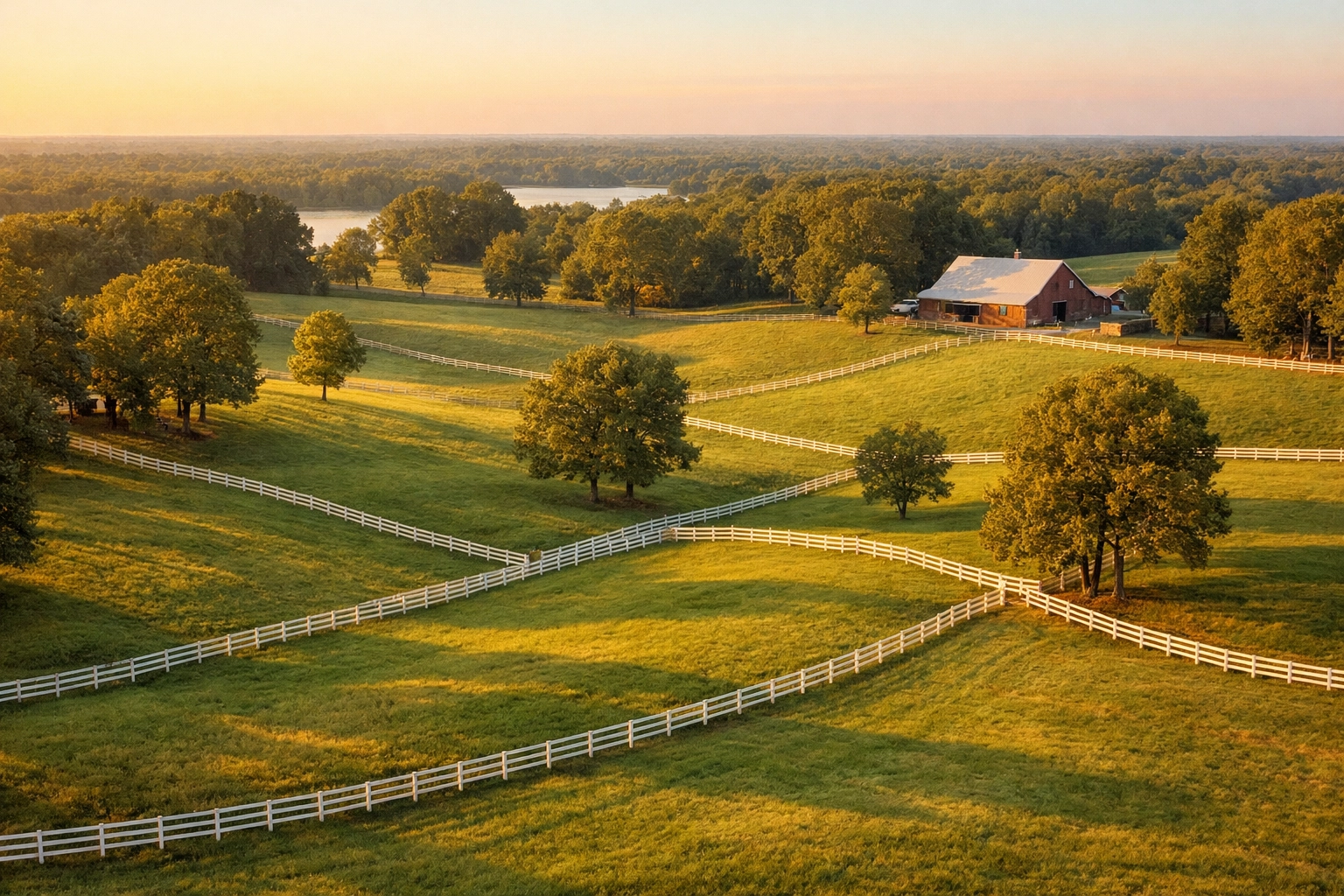
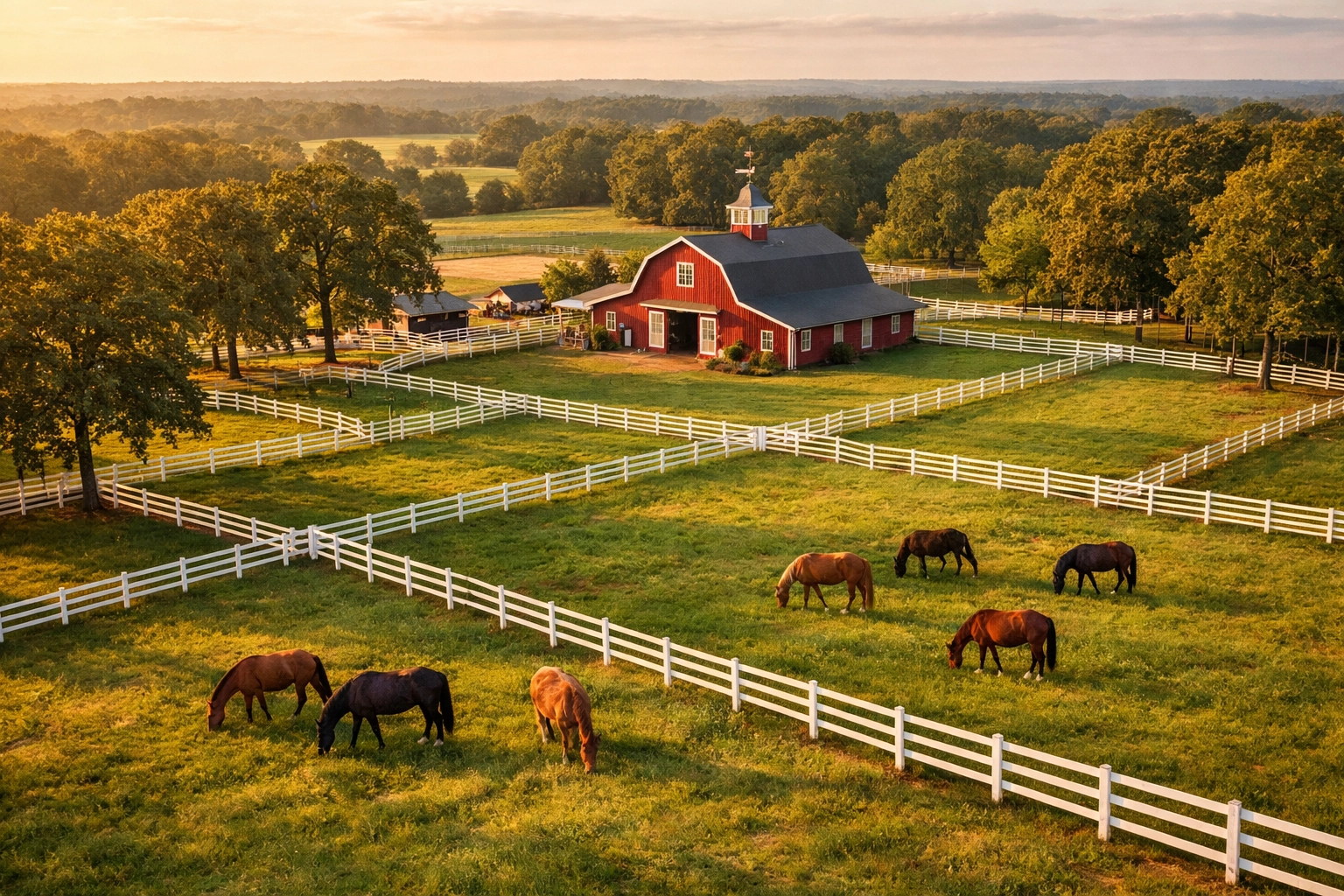
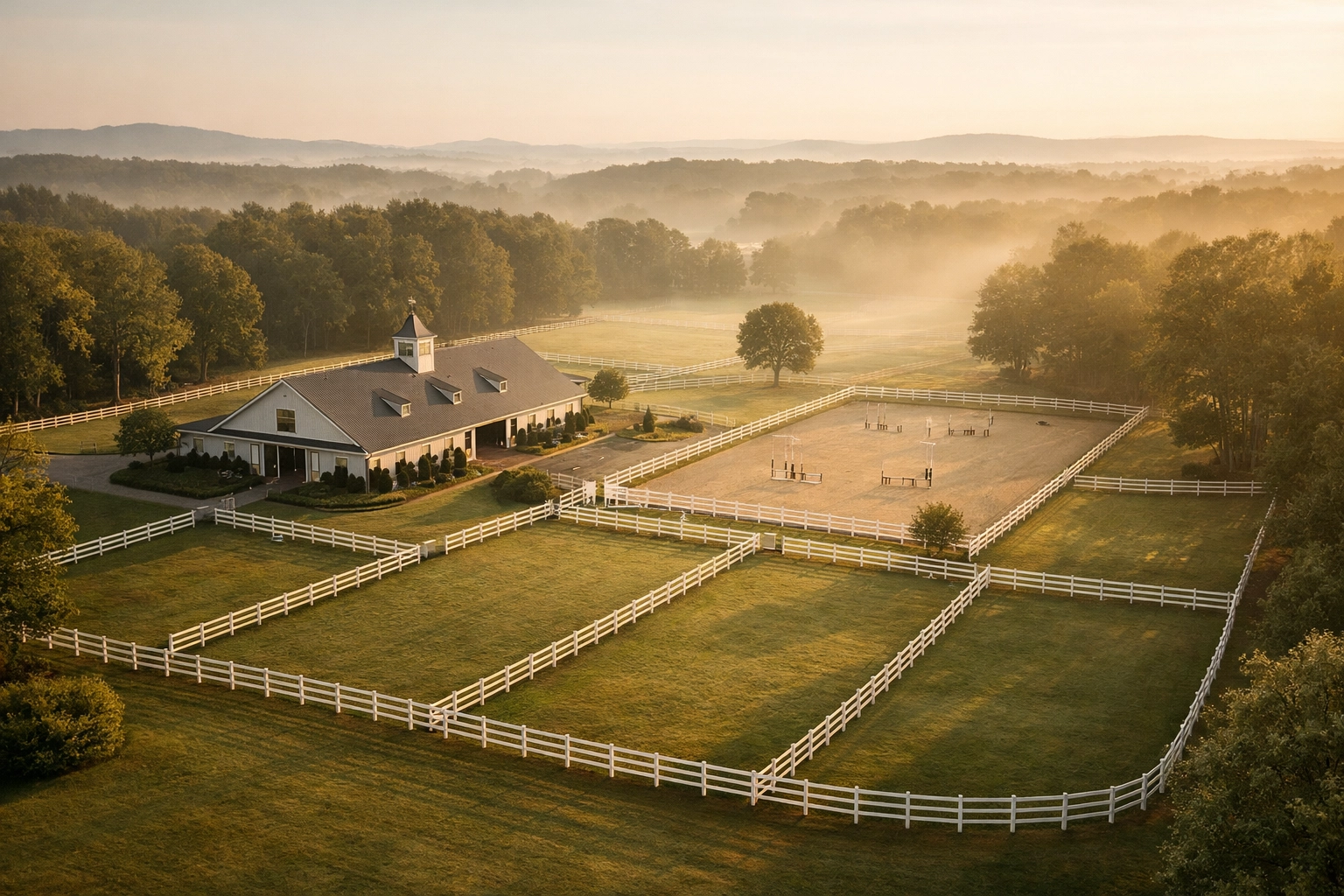
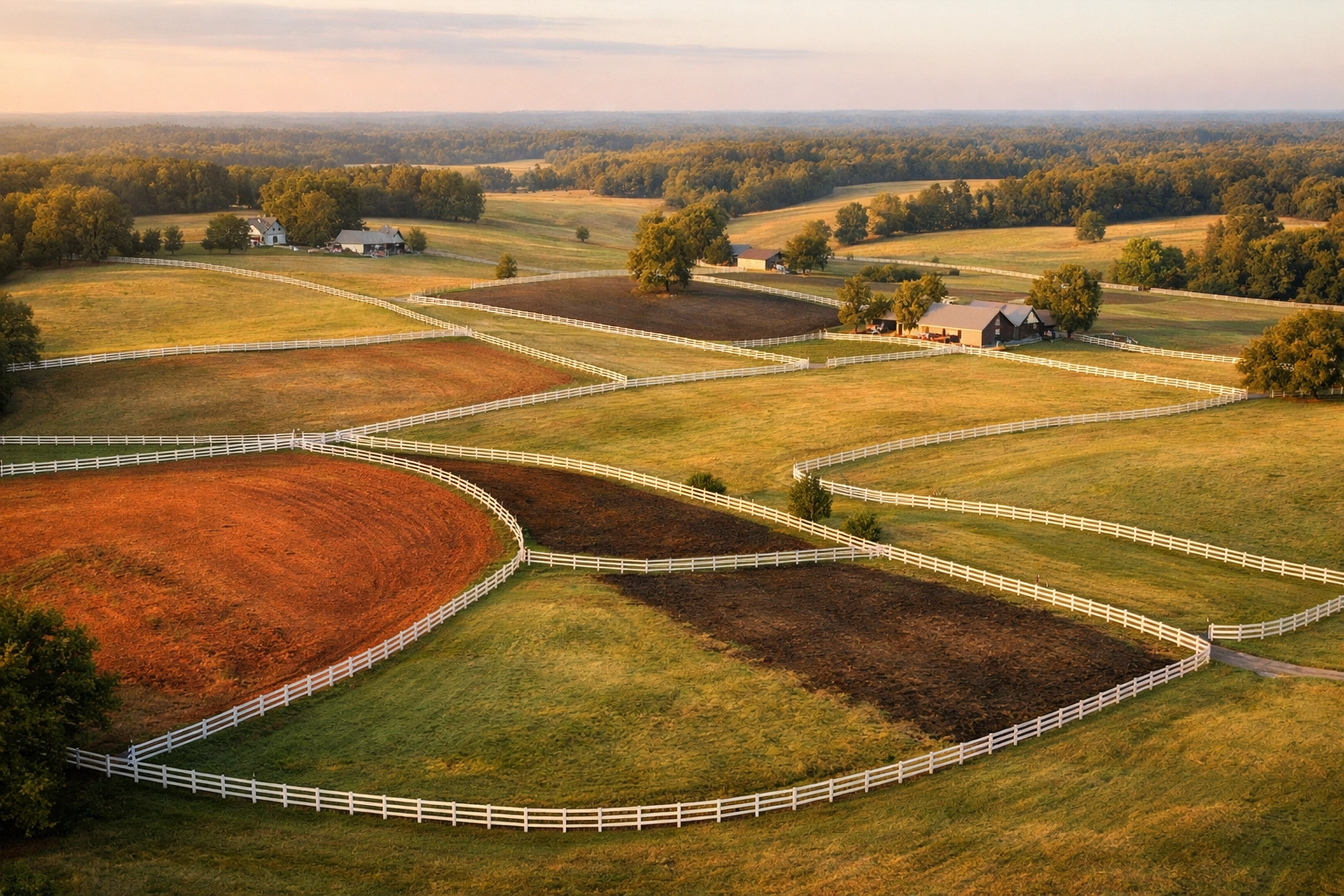
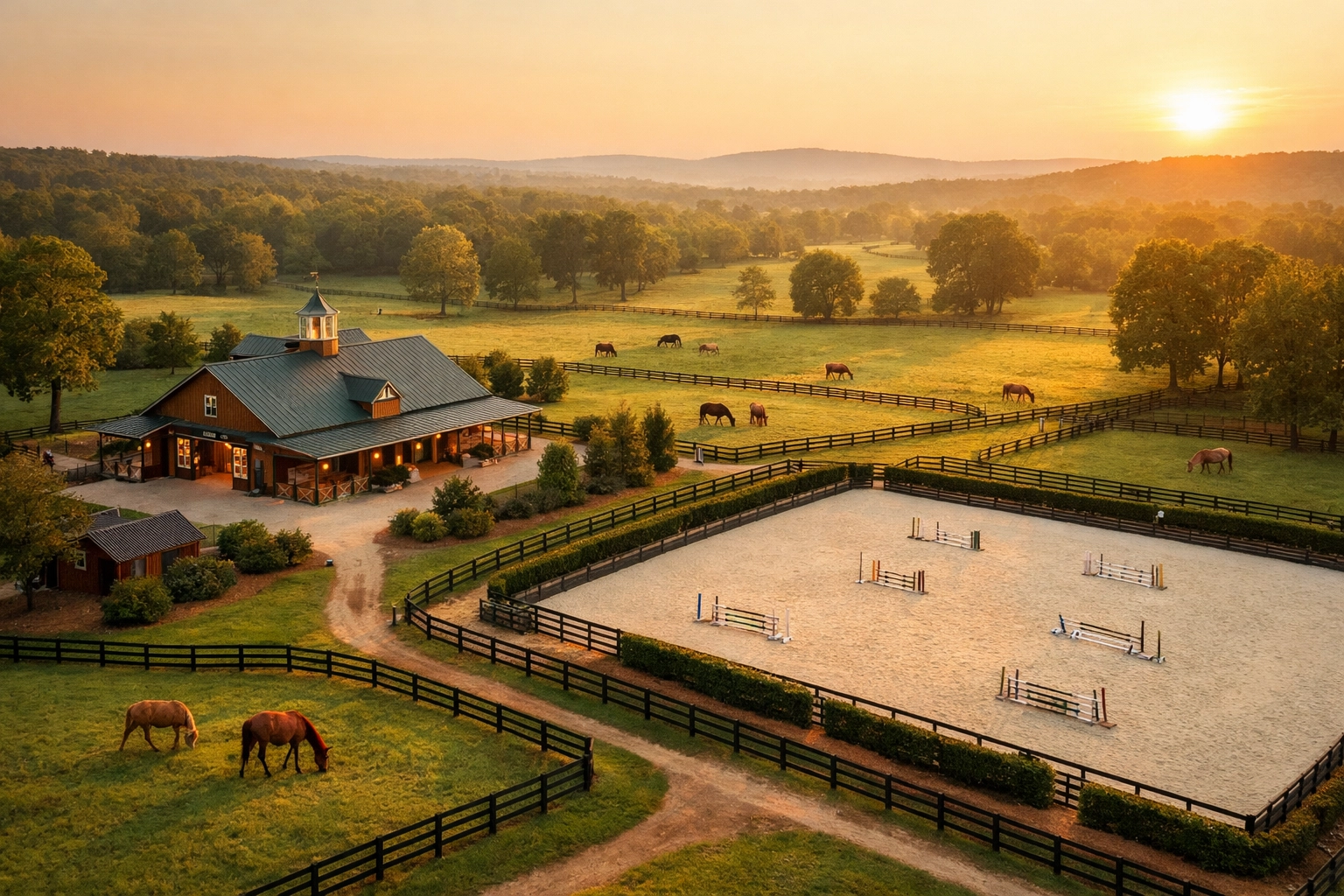
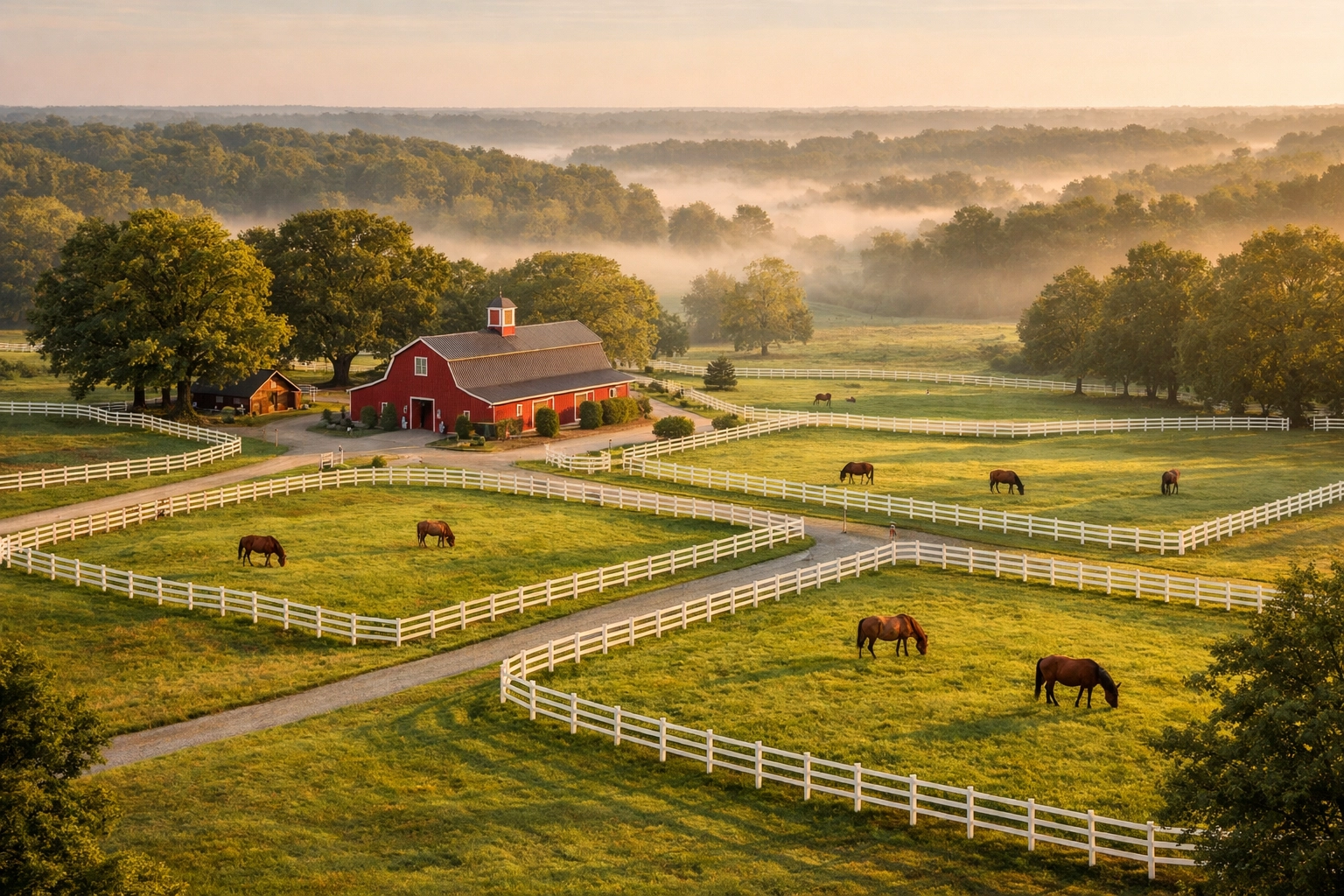
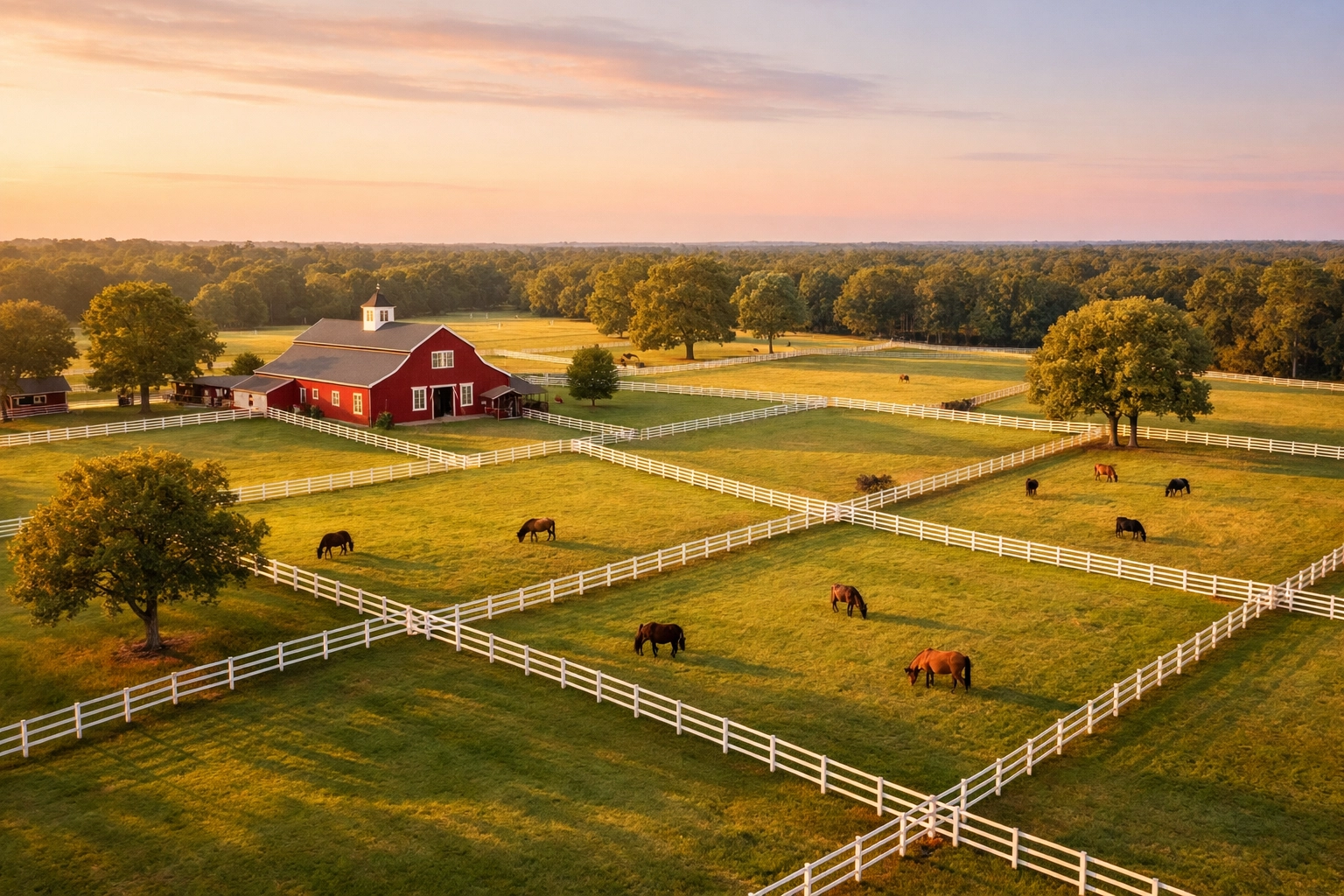
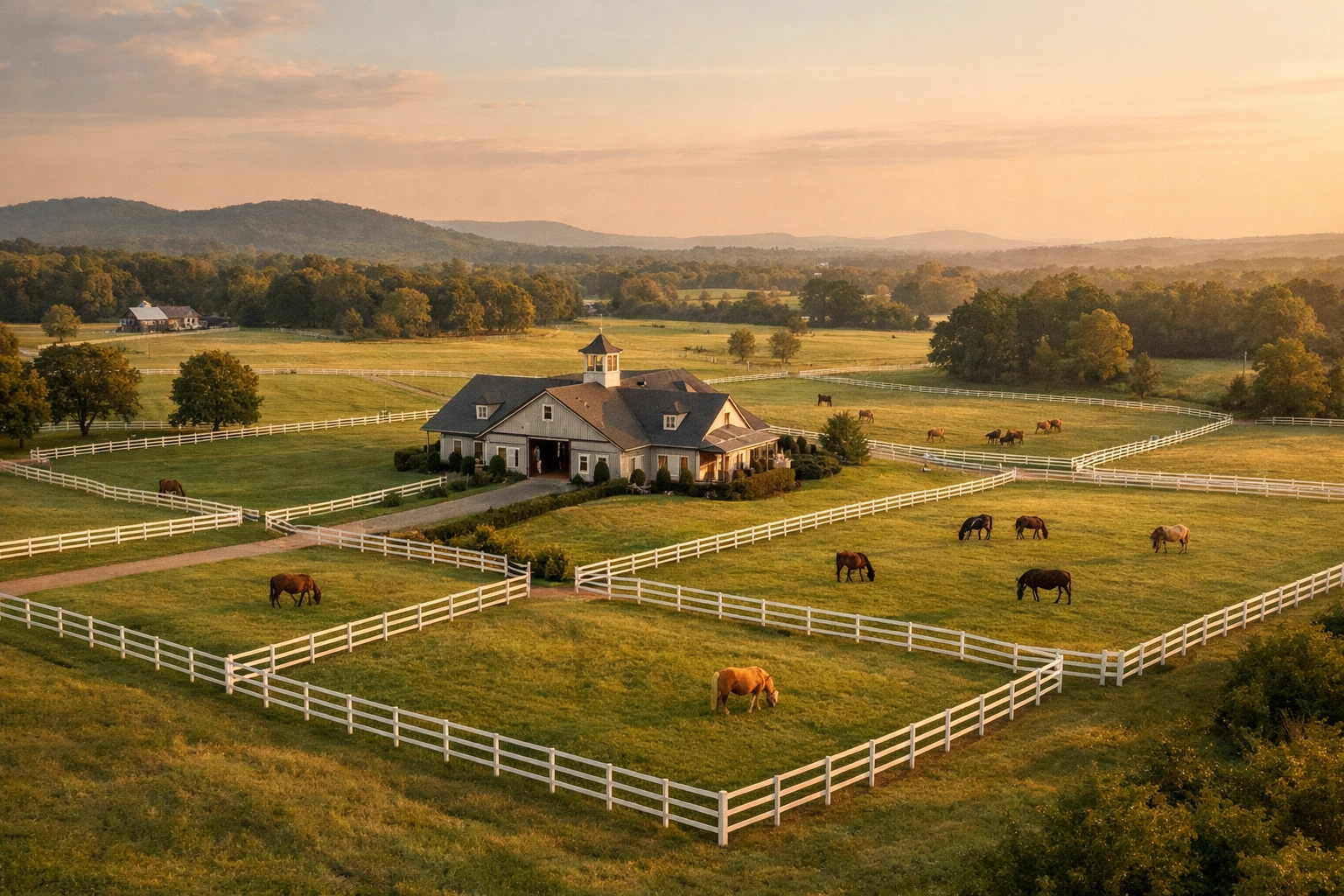
    Aerial view of horse farm for sale in Waxhaw NC with pastures, barn, and riding arena

    Individual listings vary widely in configuration. You'll find everything from modest setups with run-in sheds and basic fencing to established facilities featuring lighted arenas, multi-stall barns with attached tack rooms, and automated watering systems. The key is matching infrastructure to your actual program, not aspirational plans that may never materialize.

    What Separates a Good Horse Farm from a Money Pit

    Walk enough properties and patterns emerge. The Waxhaw farms that function well: the ones where horses stay sound and owners stay sane: share specific characteristics.

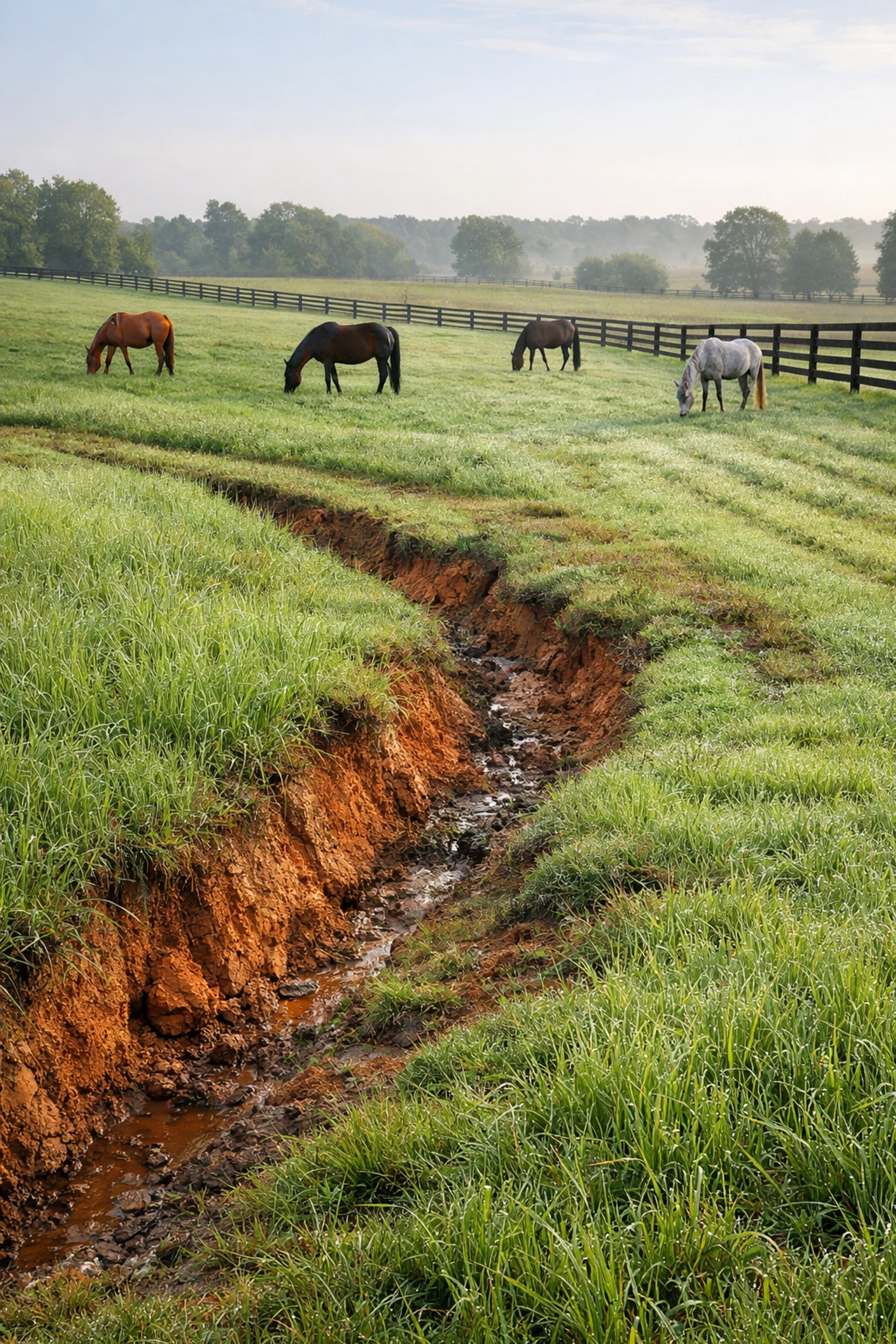
    Pasture quality and drainage matter more than barn aesthetics. North Carolina clay can be unforgiving during wet seasons. Look for properties with established pastures that show proper drainage patterns, minimal standing water, and evidence of rotational grazing. Compacted soil and sparse grass signal future headaches, regardless of how impressive the barn looks.

    Barn placement and orientation affect daily workflow and horse comfort. The best setups position barns to maximize natural ventilation while providing protection from prevailing winds. Southern or southeastern exposures help manage summer heat. Direct access from barn to pastures eliminates the dangerous chore of leading multiple horses across driveways or through gates.

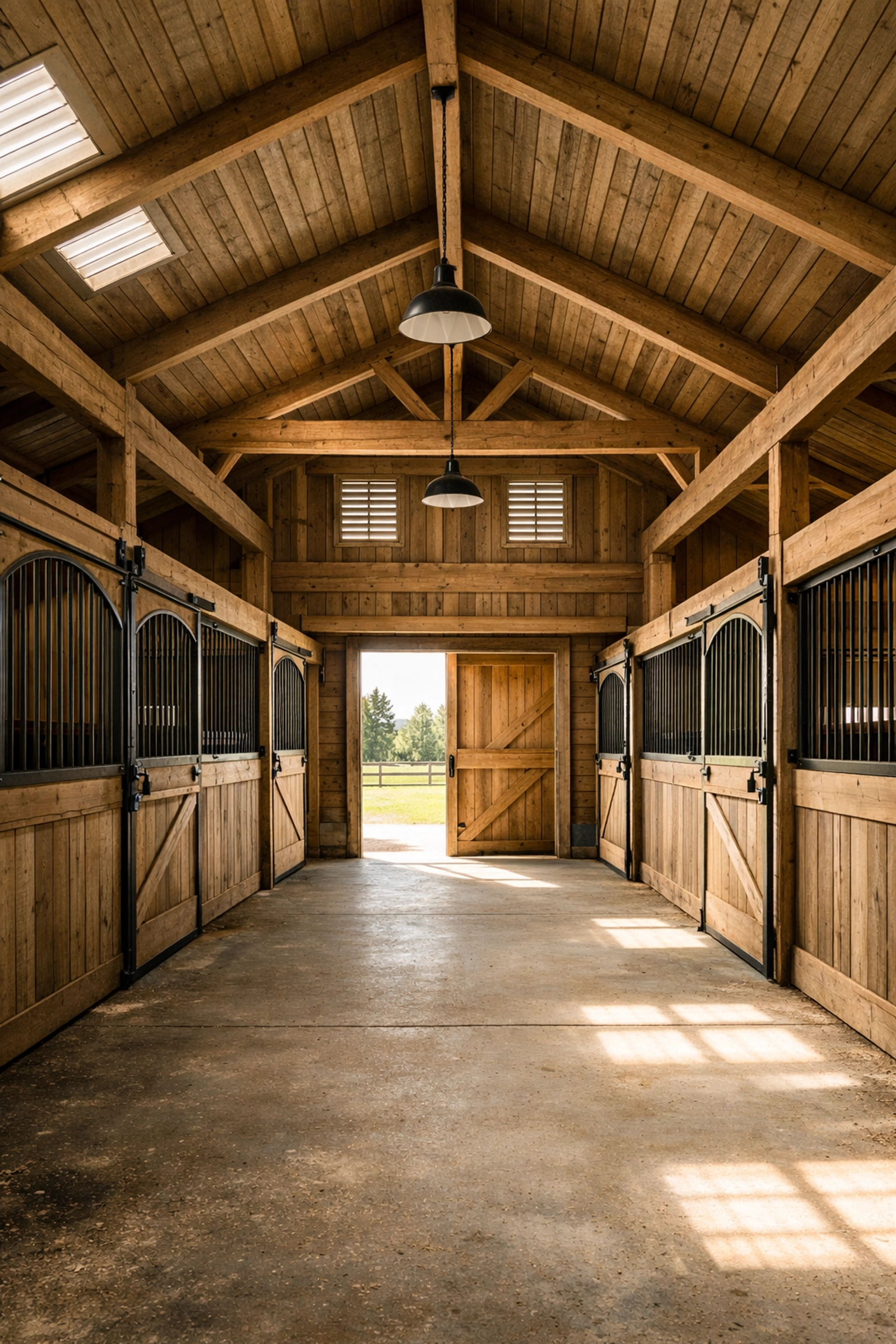
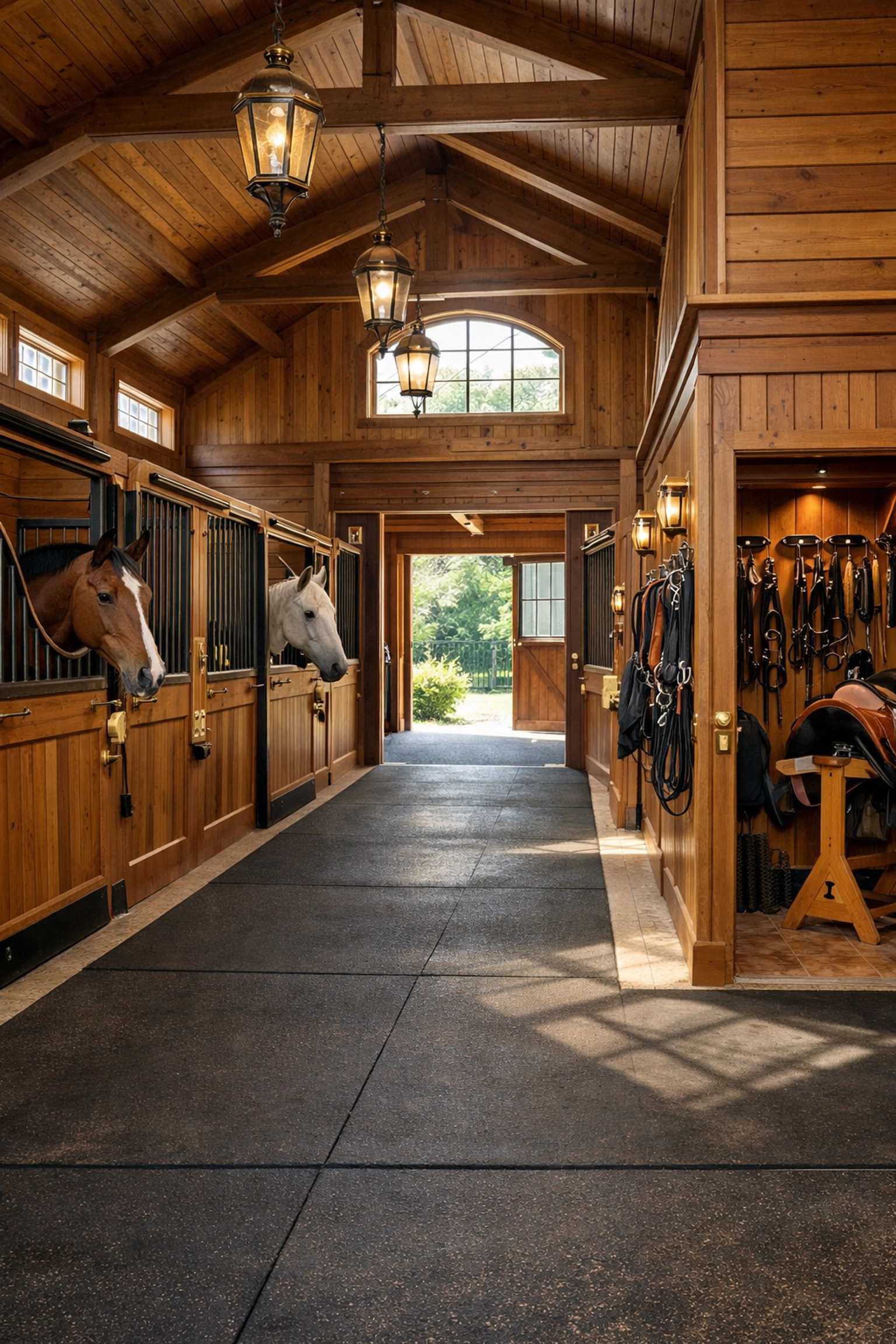
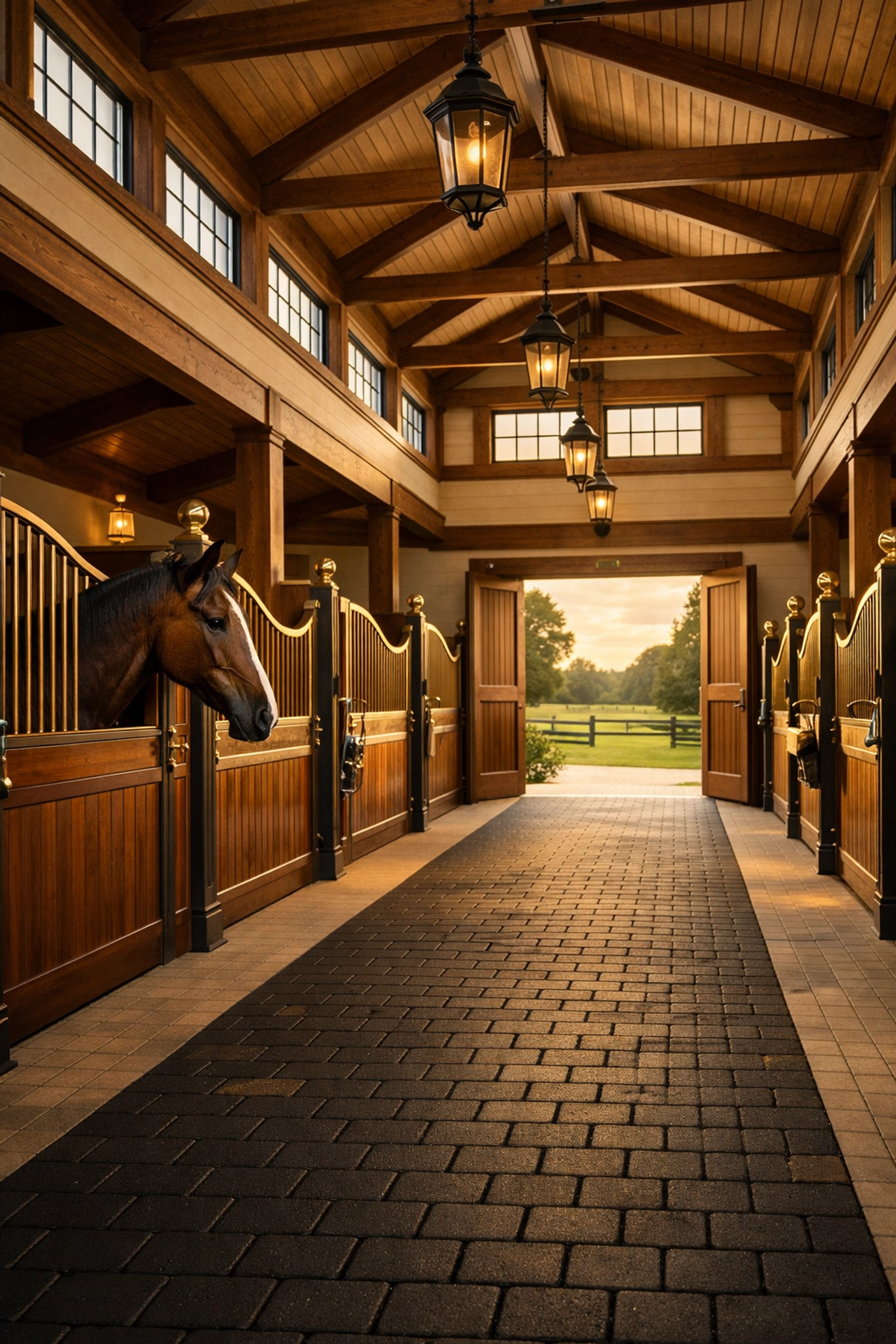
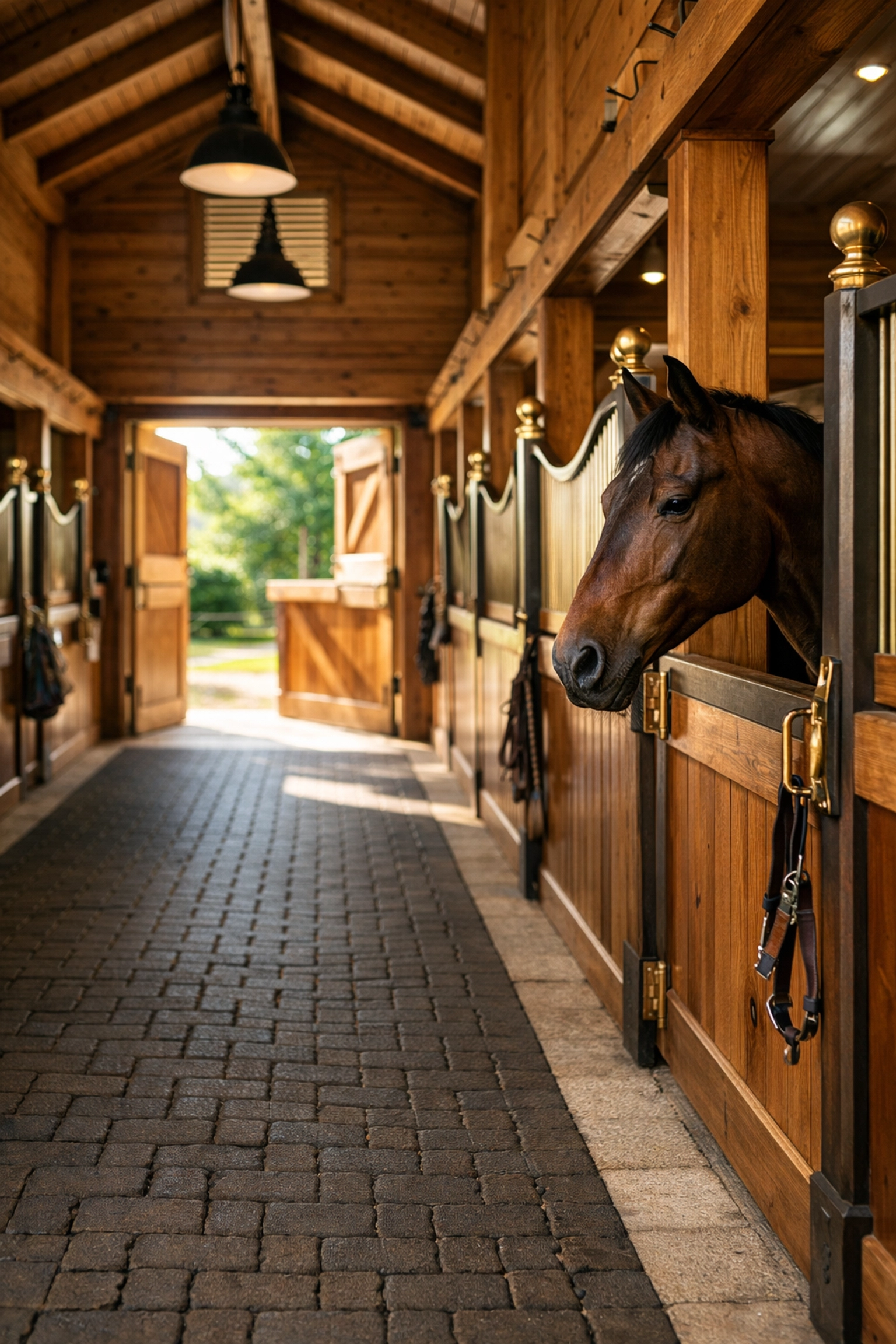
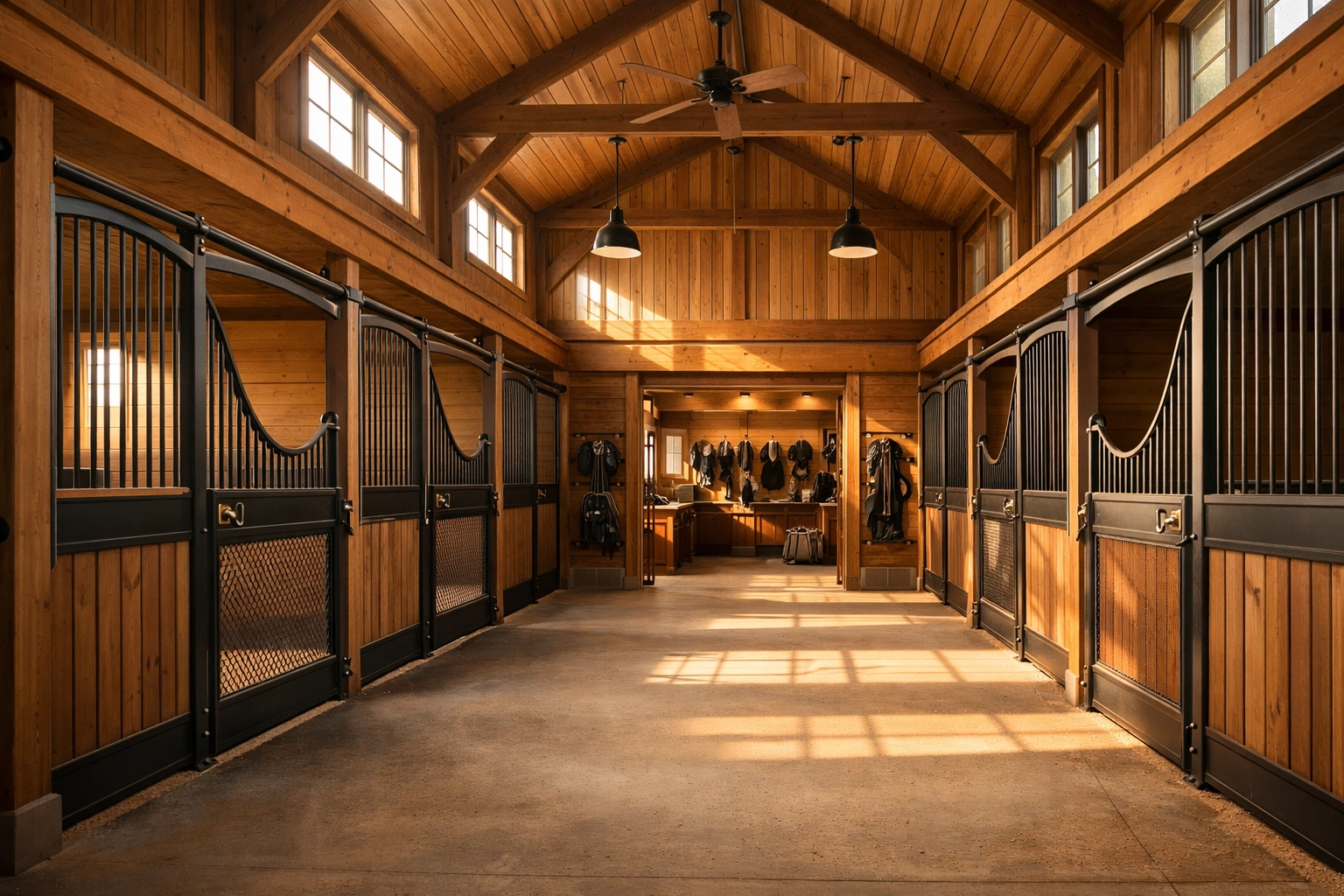
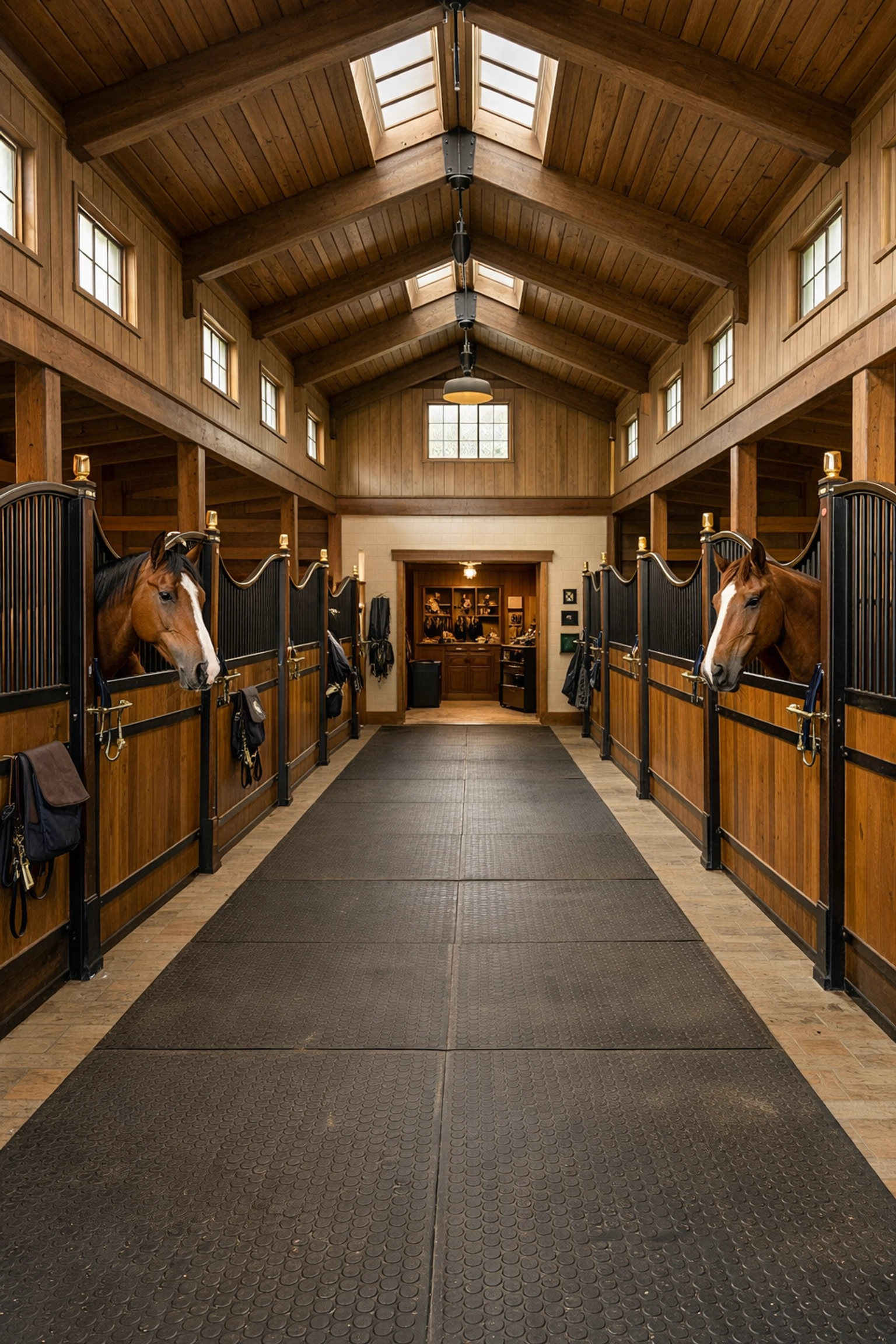
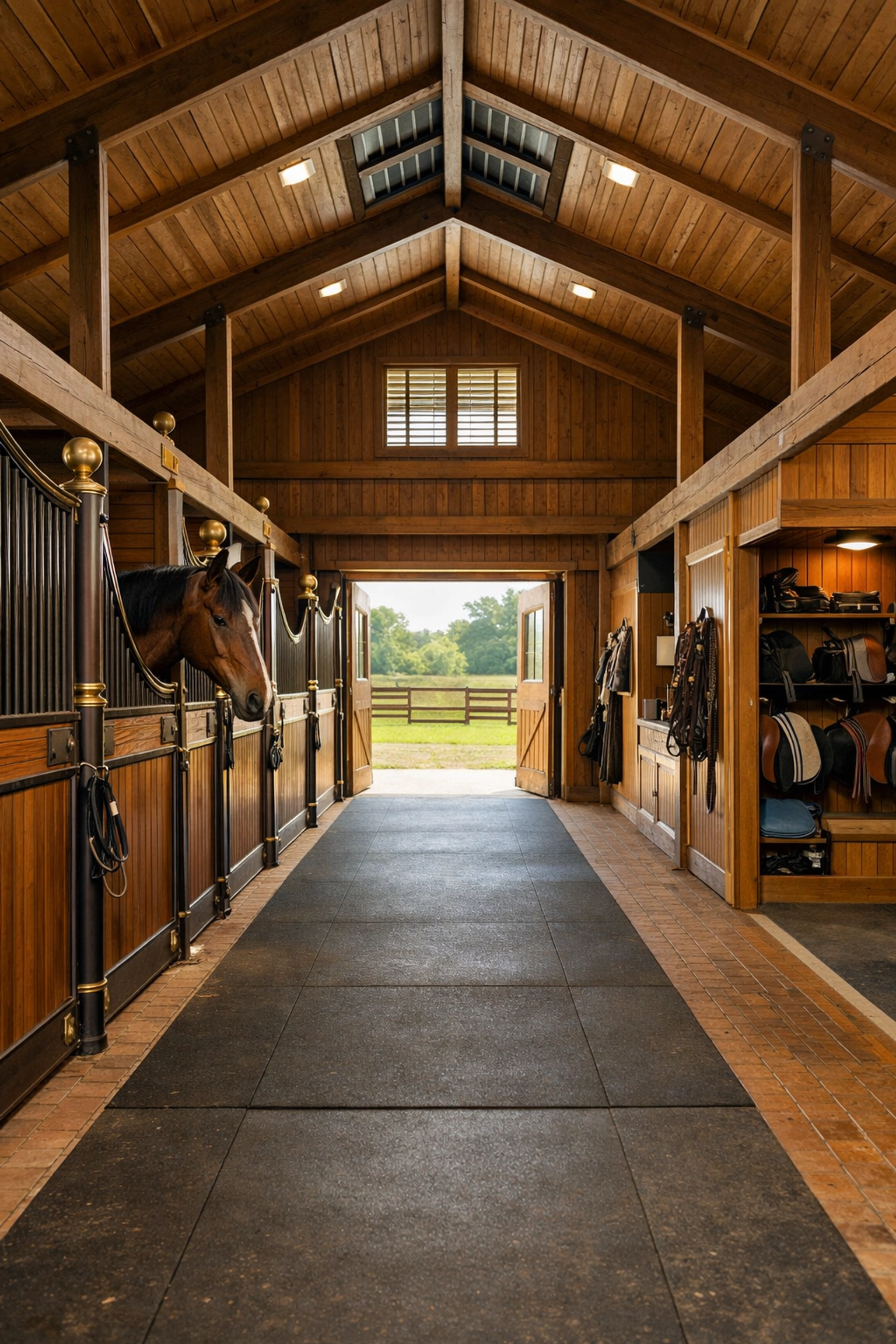
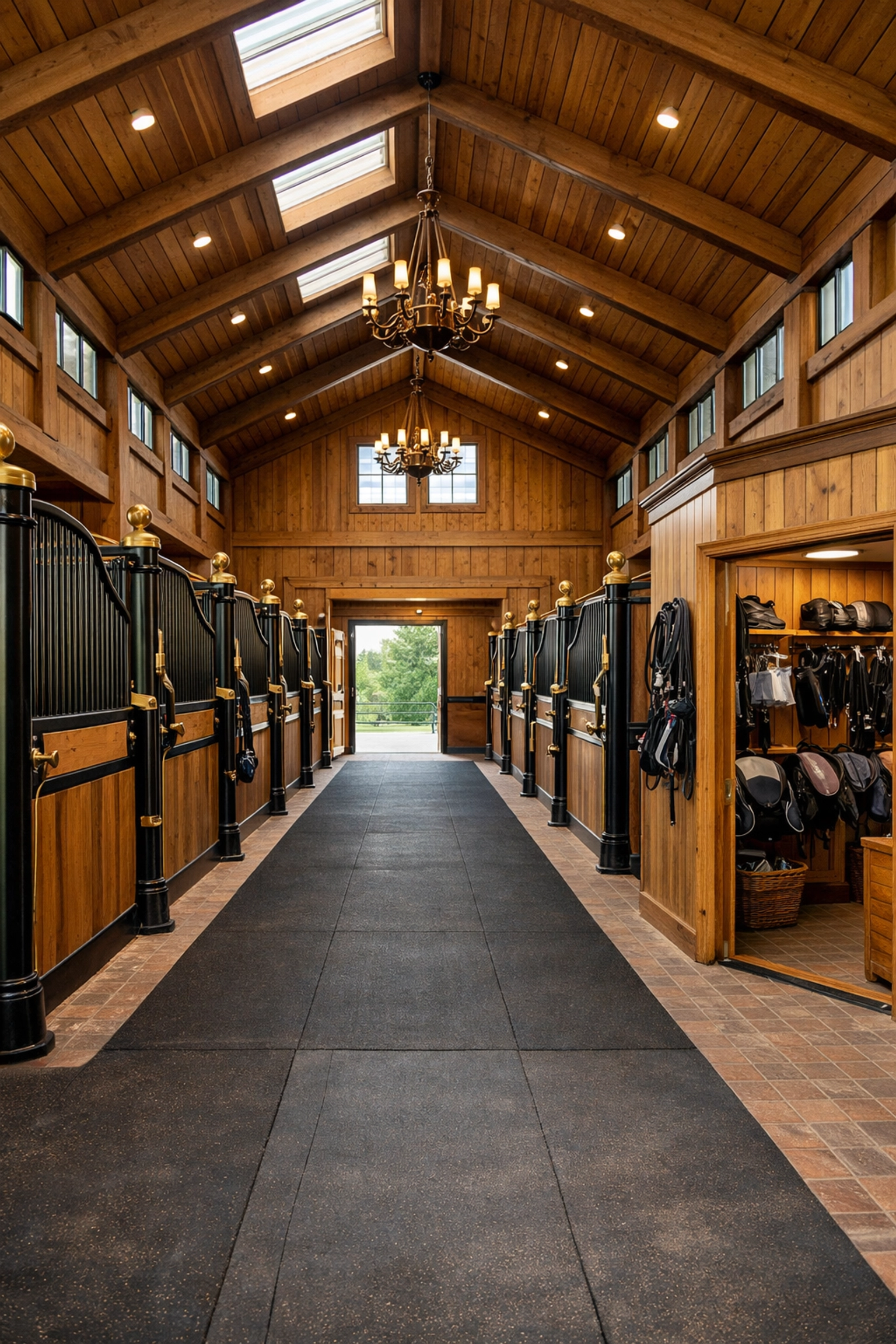
    Well-designed horse barn interior in Waxhaw showing ventilated stalls and tack room

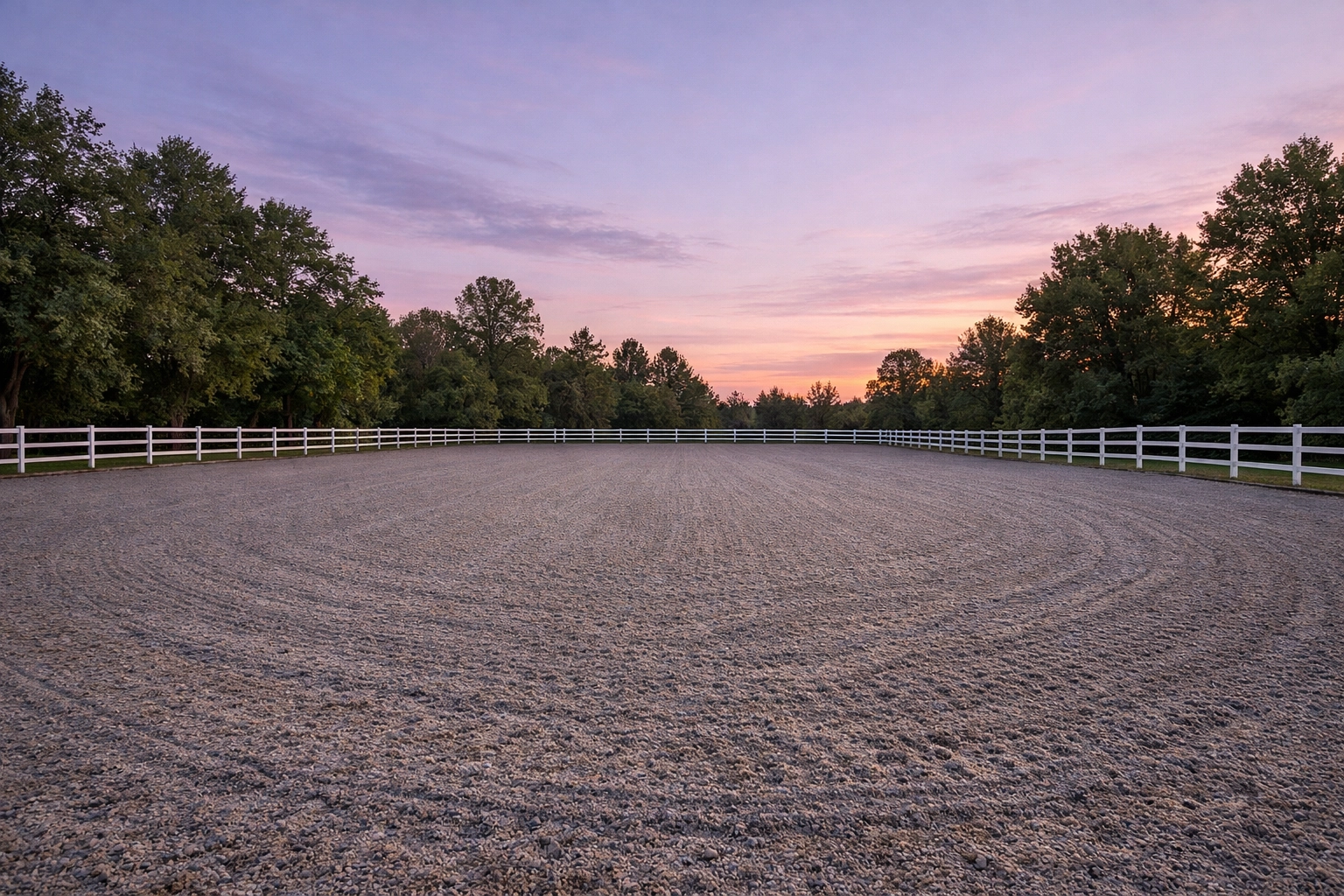
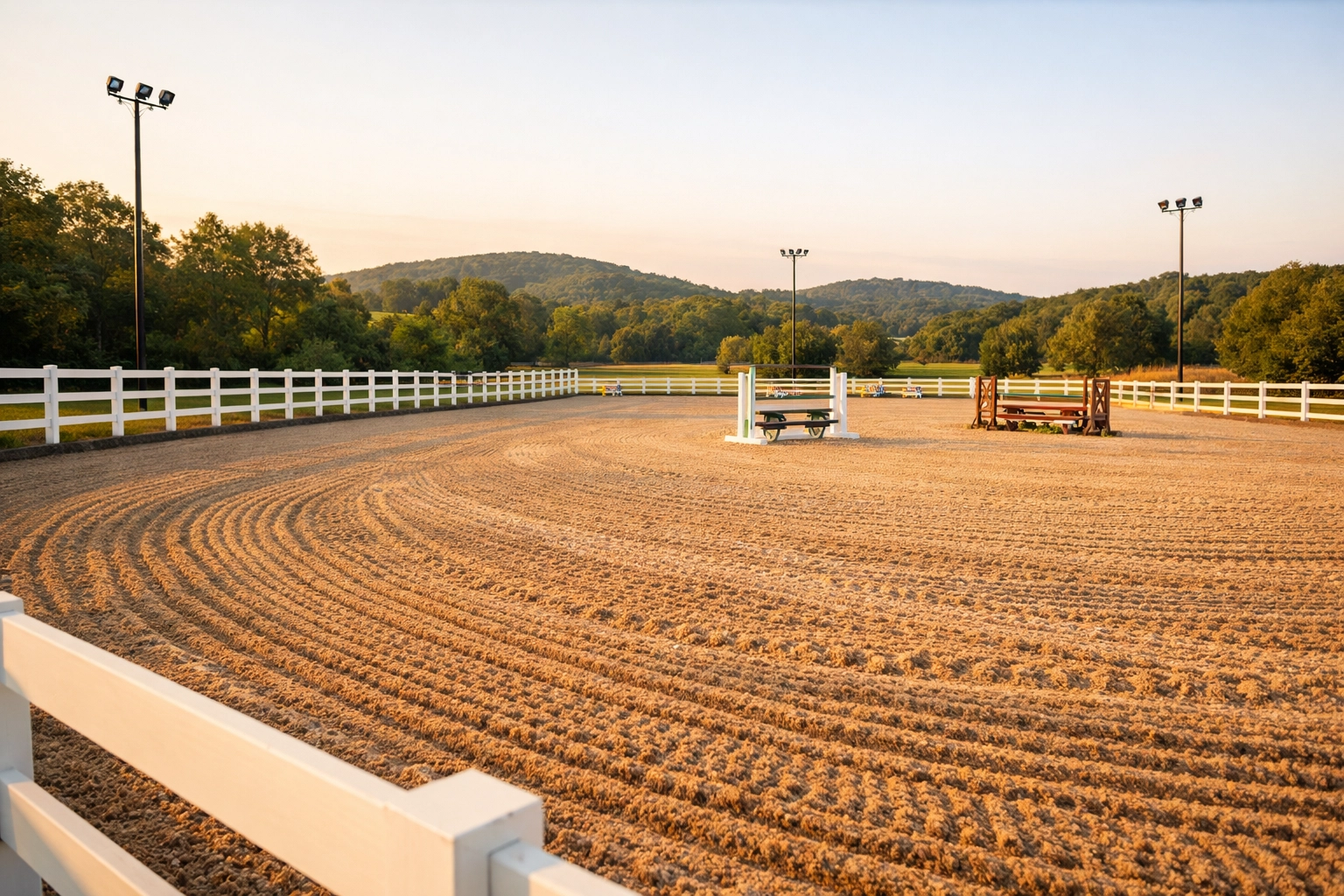
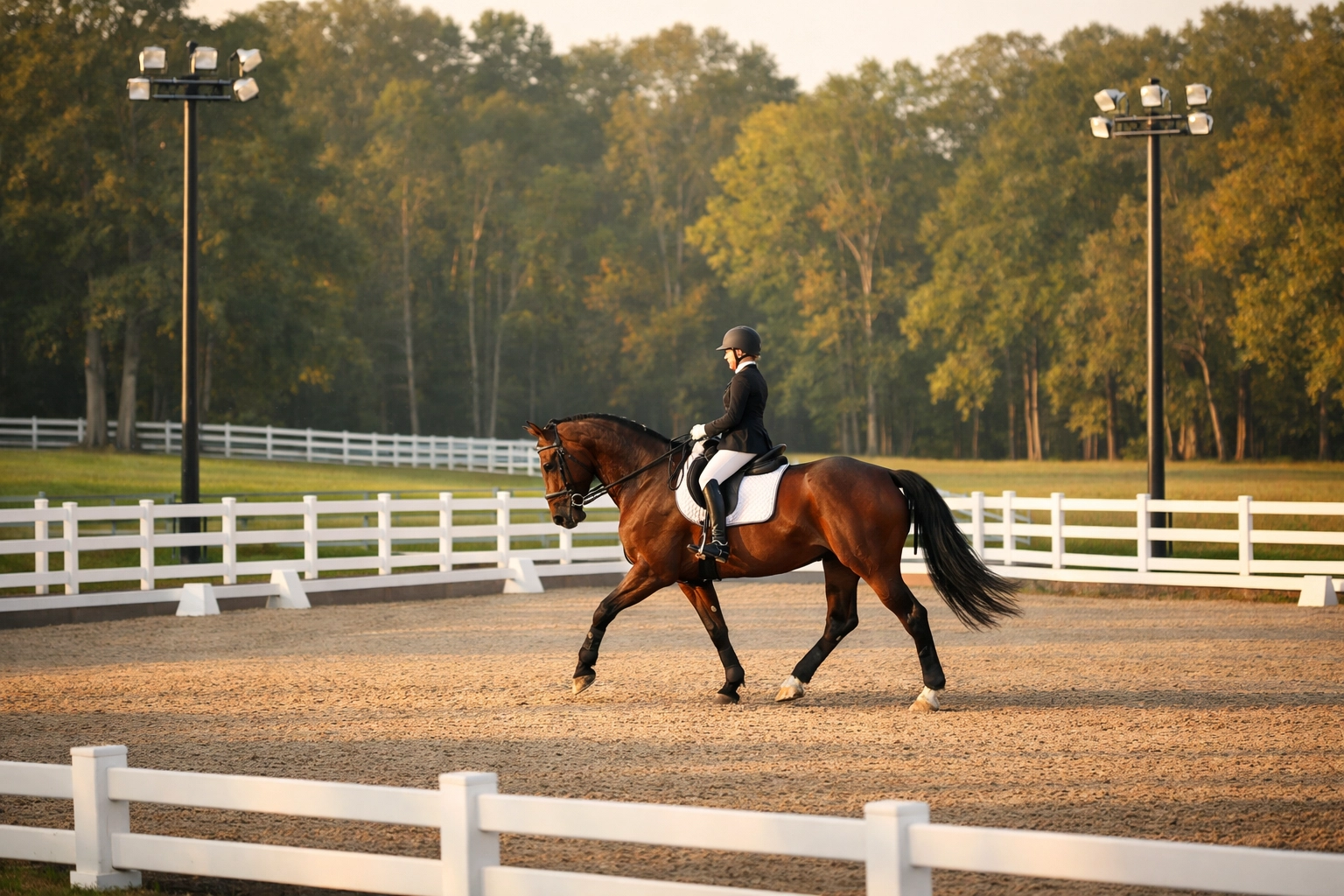
    Arena footing and maintenance access determine whether your riding space becomes an asset or an abandoned expense. A well-constructed 50' × 125' arena with proper base, footing material, and drainage will serve you for years. Inadequate base preparation creates an ongoing financial drain. Verify water access for dust control and equipment access for periodic harrowing.

    Fencing type and condition directly impact safety and replacement costs. Waxhaw properties typically feature board fencing, field fencing, or electrified tape systems. Board fencing offers classic aesthetics but requires consistent maintenance. Wire is economical but demands vigilant inspection. Whatever the material, confirm corner posts are properly braced and gates function smoothly under daily use.

    The Waxhaw Advantage: Location Without Compromise

    Union County's equestrian infrastructure distinguishes it from generic rural acreage. Cane Creek Park encompasses 1,100 acres with established trails suitable for conditioning work and pleasure riding. The Mineral Springs Greenway provides additional access to trail systems without the liability of riding along roadways.

    This proximity to maintained trail systems matters for several reasons. Training programs benefit from varied terrain that develops different muscle groups and mental engagement. Young horses gain exposure to natural obstacles and environmental stimuli in controlled settings. And frankly, trail access keeps riding interesting when arena work becomes monotonous.

    The geographic positioning offers practical advantages beyond recreation. Waxhaw sits close enough to Charlotte for veterinary specialists, feed suppliers, and equine services while maintaining the rural character that makes horse keeping viable. Major equestrian events at the Tryon International Equestrian Center remain accessible without the premium pricing of properties in Polk County.

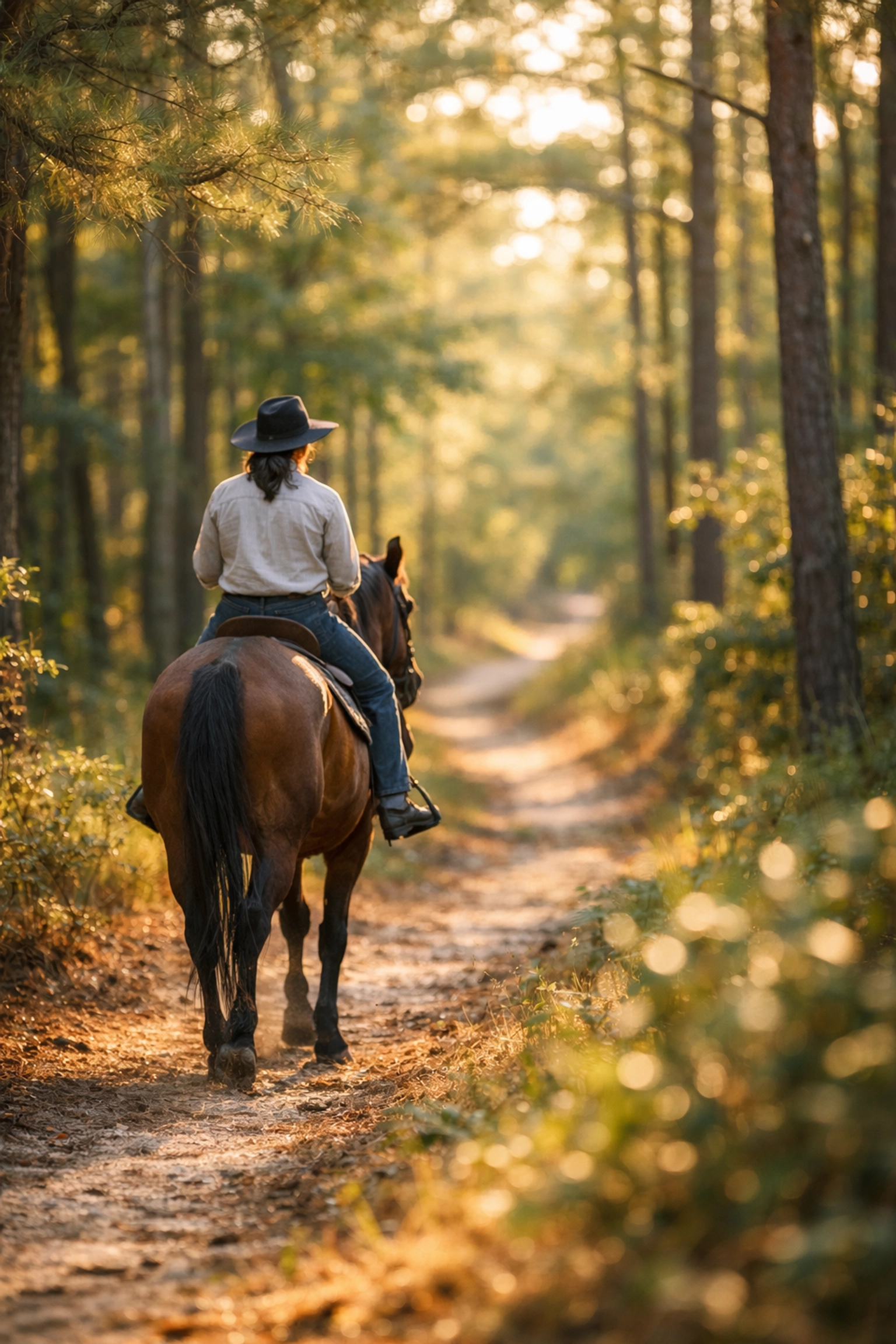
    Horseback rider on wooded trail at Cane Creek Park near Waxhaw NC

    Zoning and Regulatory Considerations in Union County

    Union County zoning permits agricultural use on suitable acreage, but specifics matter. Verify permitted number of horses per acre, setback requirements for structures, and any homeowner association restrictions before making offers.

    Some properties fall within subdivisions that appear equestrian-friendly but carry covenants limiting commercial instruction, breeding operations, or the number of horses owned by non-residents. If your plans include boarding, lessons, or training for clients, confirm these activities align with both county regulations and any applicable HOA rules.

    Septic capacity becomes relevant for larger operations. County health departments regulate waste management, and properties supporting multiple horses may require agricultural waste management plans. This isn't necessarily prohibitive, but it's information you need before closing.

    Infrastructure That Actually Supports Horse Operations

    The difference between a property listed as "equestrian" and one that functions as a legitimate horse farm often comes down to utility infrastructure.

    Electrical capacity determines whether you can add heated water buckets in winter, run arena lights for evening riding, or install climate-controlled tack rooms. Many older properties have undersized panels that require expensive upgrades to support modern equestrian needs.

    Water delivery systems affect daily chores and emergency preparedness. Automatic waterers save time but require proper installation and winterization. Frost-free hydrants positioned strategically throughout the property enable efficient watering during turnout and cleaning routines.

    Equipment storage and maintenance areas separate functional farms from residential properties with a few horses. Hay storage requires covered space with adequate ventilation. Manure management needs dedicated areas with proper screening and access for removal services or composting systems.

    Making the Move: Timeline and Process Considerations

    Equestrian property transactions typically require longer due diligence periods than standard residential sales. Schedule property visits during different weather conditions to observe drainage patterns. Bring your farrier or trainer to evaluate practical aspects that general home inspectors miss.

    Specialized inspections should address well water quality and quantity, septic system capacity, soil testing for pasture management, and structural integrity of barns and fencing. These assessments cost more upfront but prevent expensive surprises after closing.

    Horse farm water infrastructure with frost-free hydrants and automatic waterers

    Financing equestrian properties sometimes requires lenders familiar with agricultural or specialty property valuations. Properties over certain acreage thresholds or with significant farm income potential may qualify for specialized loan products with favorable terms.

    The Waxhaw Equestrian Community

    Beyond the real estate metrics, Waxhaw maintains an active equestrian culture. Local trainers, boarding facilities, and riding clubs create the support network that makes horse ownership sustainable long-term. The community includes both professionals operating competitive programs and recreational riders who value quality facilities without show-circuit pressures.

    This matters more than many buyers initially recognize. Equestrian properties succeed or fail based not just on physical infrastructure but on access to veterinarians, farriers, feed suppliers, and other horse owners who understand the commitment involved.

    Your Next Steps

    Finding the right horse farm in Waxhaw requires balancing location, land quality, existing infrastructure, and financial parameters. The current market offers legitimate inventory across price points, but properties that check all boxes move quickly.

    If you're ready to explore equestrian properties in the Charlotte area, working with specialists who understand both horses and North Carolina real estate makes the process considerably more efficient. We know which listings warrant serious consideration and which represent projects beyond most buyers' realistic capacity.

    The right property exists. The question is whether you're prepared to recognize it when you walk the land, assess the facilities, and envision your program taking root in Waxhaw's equestrian community. When you're ready for that conversation, we're here to help.

  • The Ultimate Guide to Horse Farms for Sale in Waxhaw, NC: Everything You Need to Succeed

    The Ultimate Guide to Horse Farms for Sale in Waxhaw, NC: Everything You Need to Succeed

    There's something about Waxhaw that just works for horse people. Maybe it's the rolling pastures that still feel like North Carolina horse country should: undeveloped, unspoiled, with room to breathe. Or maybe it's the fact that you can trailer to Mineral Springs Greenway in ten minutes and still come home to genuine privacy. Whatever draws you here, Waxhaw has quietly become one of the Charlotte Metro area's most compelling equestrian markets, and the numbers back it up.

    The Current Market: What You're Walking Into

    As of early 2026, Waxhaw has 17 to 43 horse properties actively listed, depending on inventory fluctuations. The average listing price sits at $539,000, with land averaging $50,005 per acre. These aren't just numbers: they represent real opportunity in a market where quality equestrian infrastructure is increasingly hard to find.

    Properties move at a reasonable pace here. The average days-on-market hovers around 52 days, which tells you two things: there's genuine buyer interest, and sellers who price appropriately aren't sitting indefinitely. The range is substantial: from $295,000 to well over $1,500,000: meaning whether you're looking for a starter farm or a full training facility, Waxhaw likely has inventory that fits.

    Aerial view of horse farm for sale in Waxhaw NC with fenced pastures and barn

    Why Waxhaw Works for Horses (And Horse People)
    Let's talk about what actually matters when you're looking at horse property. Waxhaw isn't trying to be Wellington or Aiken. It's something different: a place where small farms and larger training operations coexist, where you can find both the weekend warrior setup and the serious competitor's facility.

    The soil here drains well compared to some areas closer to Charlotte. That matters when you're managing pastures and dealing with North Carolina's humid summers. The topography rolls just enough to provide natural drainage without creating issues for arena placement or barn construction. These aren't sexy selling points, but they're the kind of details that determine whether you're fighting mud year-round or managing a functional farm.

    Access to Trail Systems That Actually Matter

    Waxhaw's proximity to Mineral Springs Greenway and Cane Creek Park gives you access to over 1,100 acres of riding trails. That's not a neighborhood bridle path: that's real trail riding. For many buyers, especially those keeping horses at home for the first time, having established trail access nearby removes one of the biggest limitations of private horse ownership.

    What Typical Waxhaw Horse Farms Include

    Understanding what's standard in the market helps you identify both opportunities and red flags. Most established horse farms in Waxhaw feature:

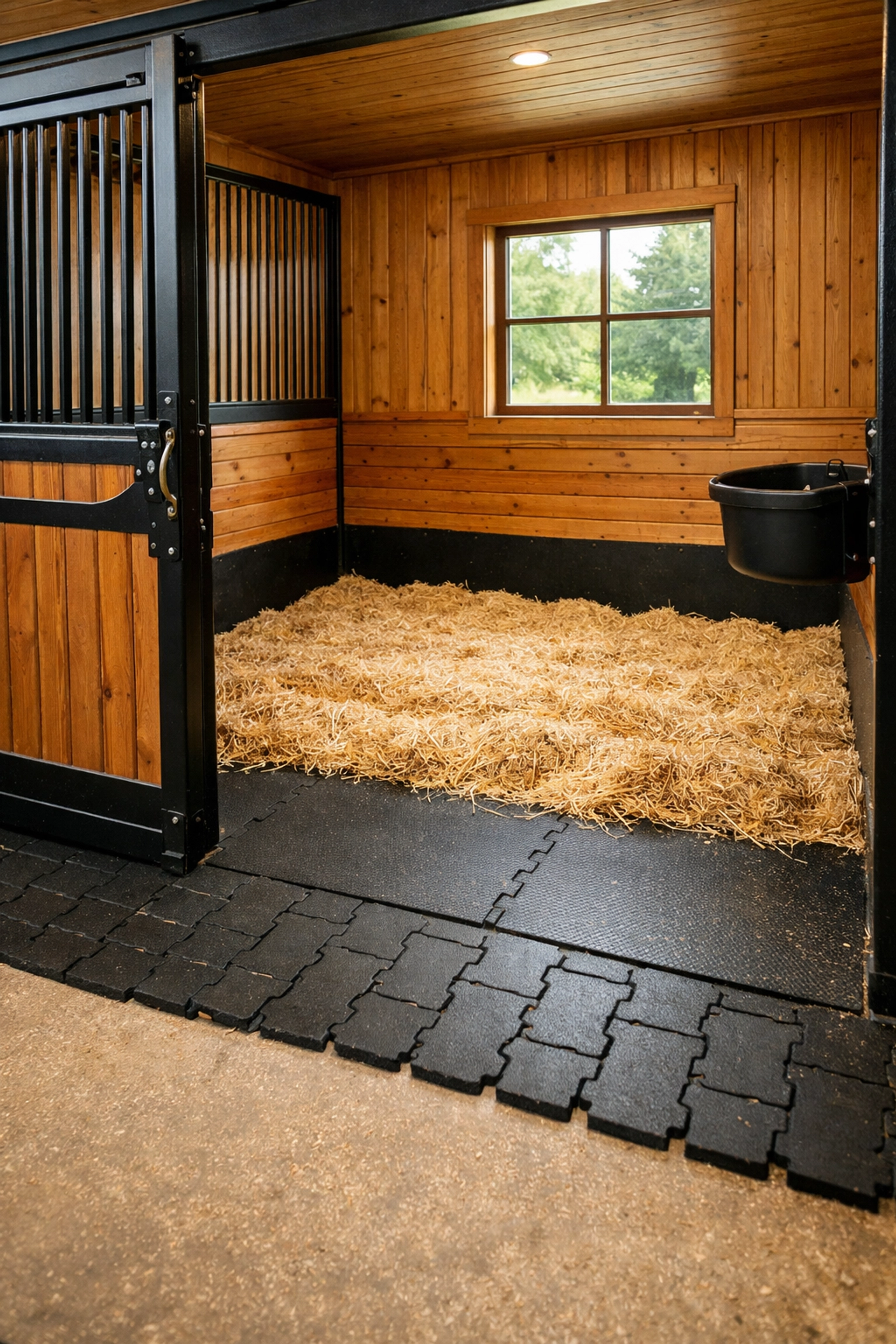
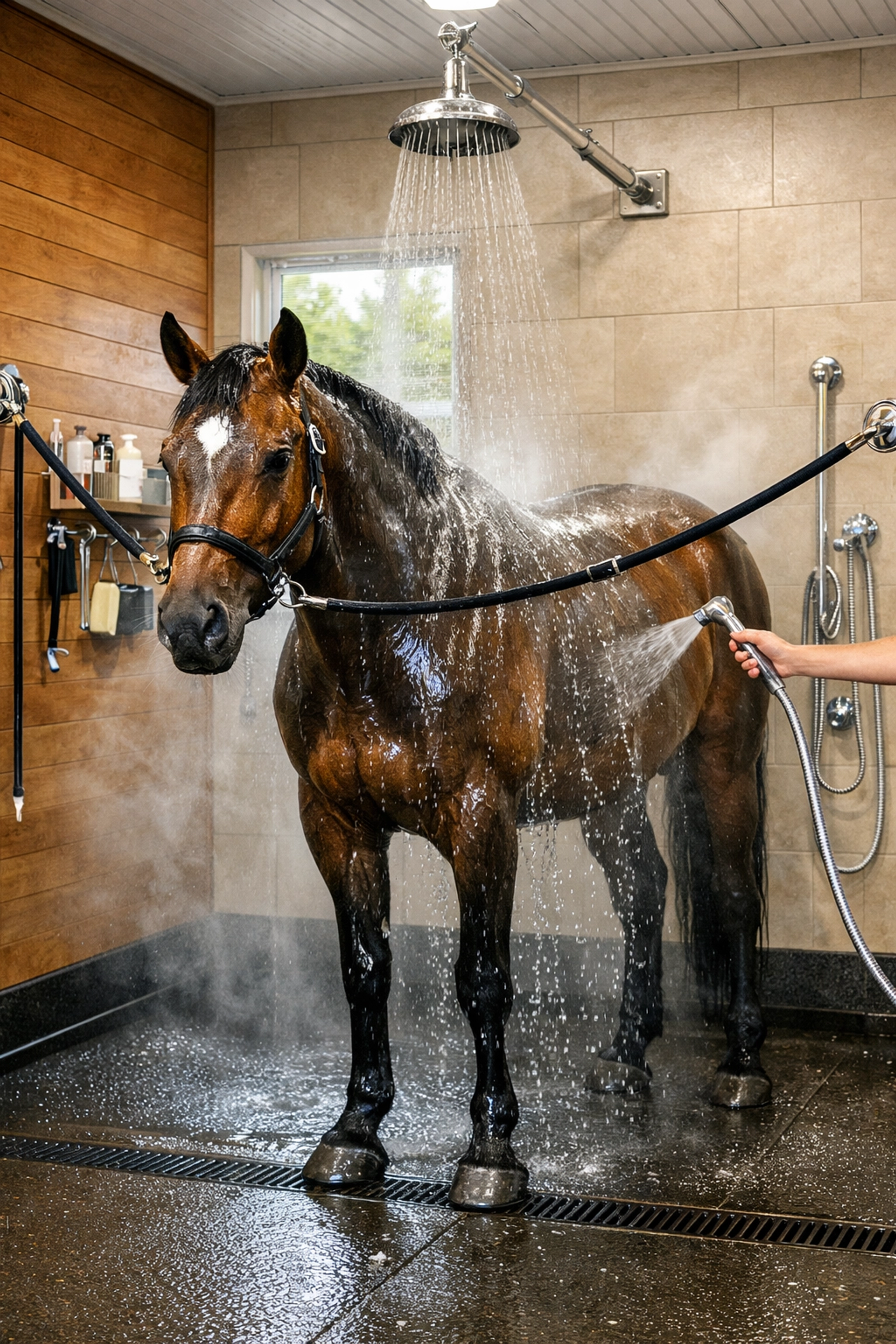
    Barn Infrastructure: Expect to see 4 to 9-stall barns with dedicated tack rooms and feed storage. These aren't always fancy, but they're functional. The better properties include features like rubber mats in stalls, proper ventilation, and convenient wash racks.

    Riding Areas: Arena sizes typically range from 50' × 125' to 100' × 150'. Lighting is common, and footing quality varies significantly. This is worth investigating carefully: replacing arena footing is a substantial expense that buyers often underestimate.

    Pasture Configuration: Multiple fenced paddocks and pastures are standard. Board fencing dominates, though you'll see some vinyl and wire combinations. Pay attention to fence condition and turnout configurations: these reveal how seriously the current owner has managed the property.

    Well-maintained horse barn interior with stalls and center aisle in North Carolina

    Supporting Structures: Run-in sheds, equipment storage buildings, and hay lofts appear on most established farms. The presence and condition of these structures often distinguish a turnkey operation from a project property.

    Featured Property Examples: What's Actually Available

    Consider the 10-acre farm at 4107 Cahnnas Way: nine stalls, dedicated tack room, a 100' × 150' riding arena, round pen, and four fenced pastures. The main residence is a 3-bedroom, 2-bath home with recent updates. This represents the larger end of the market: a property where you could realistically run a small boarding or training operation.

    On a similar scale, Break Away Farm at 2705 Valley Farm Road offers 10+ acres with a 4-stall barn, 4-bay equipment shed, and a lighted 50' × 125' arena with direct trail access. These properties show what established, functional equestrian facilities look like in the Waxhaw market.

    The fact that properties at this level exist demonstrates market maturity. You're not pioneering here: you're joining a community where equestrian infrastructure is understood and valued.

    Lighted outdoor riding arena at equestrian property in Waxhaw NC

    Location Strategy: Rural Feel, Urban Access

    Waxhaw sits in that increasingly rare sweet spot: genuinely rural character within reasonable reach of Charlotte amenities. You're roughly 30 minutes from uptown Charlotte in moderate traffic, but the drive back feels like you're entering a different world.

    This matters more than it might seem. Many equestrian buyers underestimate how much they'll value proximity to quality veterinary care, feed stores, farriers, and other equestrian service providers. Waxhaw has the critical mass to support these businesses locally, while still maintaining enough land value stability to make horse property ownership financially viable.

    Communities like Valley Farm have been intentionally developed with equestrian use in mind, featuring larger lots, appropriate zoning, and trail connectivity. These neighborhoods offer something beyond just buying acreage: they provide community with other horse people who understand that 5 AM feeding schedules and late-night foaling checks are just part of the deal.

    Price Ranges and What They Get You

    Understanding price tiers helps frame realistic expectations:

    $295,000 – $450,000: Typically smaller acreage (3-7 acres) with modest barn facilities. These properties work well for personal horse ownership: two to four horses maximum. Expect some deferred maintenance or areas requiring improvement.

    $450,000 – $700,000: The sweet spot for many buyers. Properties in this range often feature 8-12 acres, established barns with 4-8 stalls, proper arenas, and well-maintained fencing. These farms can support small boarding operations or serious amateur training programs.

    $700,000+: Larger acreage, premium facilities, or exceptional locations. Properties here may include indoor arenas, multiple barns, or significantly updated residences. Some approach small commercial training facility capacity.

    Horses grazing in fenced pastures at Waxhaw horse farm with rolling terrain

    Critical Considerations Before You Buy

    Zoning and Use Restrictions: Union County zoning generally supports agricultural use, but specific properties may have homeowner association restrictions or deed limitations. Verify what's actually permitted before making assumptions.

    Water Access: Wells are common, but verify capacity. Running automatic waterers in multiple stalls and paddocks requires substantial water flow. Municipal water, where available, eliminates this concern but adds recurring costs.

    Soil and Drainage: North Carolina clay can be challenging. Properties with established pastures demonstrate proven drainage and soil management. Starting from scratch on raw land requires understanding what you're working with.

    Infrastructure Age and Condition: A 20-year-old barn isn't necessarily a problem, but budget for maintenance and updates. Electrical systems, roofing, and footing all have service lives that affect your total cost of ownership.

    The Practical Path Forward

    Waxhaw's horse farm market rewards buyers who understand what they're actually looking for. If you know your horse operation's real requirements: not the fantasy version, but the practical daily reality: you can identify properties that will genuinely work.

    The inventory exists across multiple price points. The community infrastructure supports equestrian lifestyles. The location balances accessibility and rural character. What remains is matching your specific needs with available properties.

    We work with buyers and sellers throughout the Charlotte Metro equestrian market, with particular depth in Union County and the Waxhaw area. Our approach focuses on understanding your horse operation first, then finding property that supports it. If you're seriously exploring Waxhaw horse farms, reach out to our team. We can discuss current inventory, market dynamics, and what actually makes sense for your specific situation.

    The right horse property changes everything about how you keep and enjoy horses. Waxhaw offers legitimate options worth investigating carefully.

  • Looking for Horse Farms in Waxhaw, NC? Here Are 10 Things You Should Know Before You Buy

    Looking for Horse Farms in Waxhaw, NC? Here Are 10 Things You Should Know Before You Buy

    Waxhaw has quietly become one of the most sought-after equestrian communities in the Charlotte Metro area. With its rolling terrain, established horse farms, and genuine equestrian culture, it's no surprise that serious horse owners are looking here first. But before you make an offer on that beautiful farm you've been eyeing, there are critical considerations that go beyond curb appeal and square footage.

    As horse people who happen to sell real estate, we've walked countless properties with buyers who know exactly what questions to ask, and we've helped others avoid expensive mistakes they didn't see coming. Here are ten essential things every buyer should understand before purchasing horse property in Waxhaw.

    1. Union County Zoning is Horse-Friendly, But Know the Details

    Union County's agricultural zoning regulations generally support equestrian use, but the specifics matter. Most horse farms in Waxhaw fall under agricultural or agricultural-residential zoning, which typically allows for horse keeping without special permits. However, if you're planning to operate a commercial boarding facility, training operation, or host regular shows, you'll need to verify that your intended use aligns with the property's current zoning classification.

    Some properties may have deed restrictions that limit the number of horses per acre or prohibit certain commercial activities. Always review the covenants before you're emotionally invested. The last thing you want is to discover you can't run the breeding program you've been planning because of a restriction buried in the fine print.

    Aerial view of well-maintained horse farm in Waxhaw NC with fenced pastures and red barn

    2. Soil Quality Varies Dramatically Across Properties

    Not all Waxhaw land is created equal. The soil composition can range from well-draining sandy loam to heavy Carolina red clay that turns into a skating rink when wet and concrete when dry. This directly impacts pasture health, drainage patterns, and how much money you'll spend on footing and arena maintenance.

    Before you buy, request a soil test or be prepared to conduct one during your due diligence period. Understanding your pH levels, nutrient content, and drainage capacity will tell you whether you're looking at a turnkey pasture situation or a significant investment in soil amendments and drainage solutions. Properties with existing, well-maintained pastures often indicate that the seller understood proper land management, a good sign of overall property care.

    3. Water Access Goes Beyond the Well Report

    Yes, you'll get a well report during the inspection process, but think deeper about water as it relates to your horses. How many water sources are available across the property? Are there frost-free hydrants in each pasture and near barn areas? Is there a pond or creek that provides natural water access, and if so, is it safely fenced?

    Properties with municipal water connections offer peace of mind, but most Waxhaw farms rely on well water. A single well serving both the house and barn can become a pressure issue when you're filling multiple water troughs, washing horses, and running household water simultaneously. Some farms have dedicated barn wells: a feature worth its weight in gold.

    4. The Established Equestrian Community is One of Waxhaw's Biggest Assets

    Waxhaw isn't just a place where people keep horses: it's a genuine equestrian community. Facilities like Silver Hill Farm, Sugaree Ranch of Horsemanship, and Cedarhill Farm create an infrastructure of trainers, farriers, veterinarians, and fellow horse owners who understand this lifestyle.

    This community aspect affects everything from finding reliable help to maintaining property values. When your neighbors understand that manure piles and early morning feeding schedules are normal, you won't face the conflicts that arise in areas where equestrian use is the exception rather than the rule.

    Testing North Carolina soil quality for horse pasture management on equestrian property

    5. Acreage Requirements Depend on Your Management Style

    The standard recommendation of two acres per horse assumes rotational grazing and proper pasture management. In reality, your acreage needs depend entirely on how you plan to manage your property. If you're bringing in hay and using sacrifice lots during wet months, you might maintain three or four horses comfortably on five acres. If you want your horses on grass year-round with minimal supplemental feeding, you'll need significantly more land.

    Consider also your future plans. Properties with 10-15 acres give you room to grow, add facilities, or maintain better pasture rotation. Smaller properties under five acres can work beautifully for one or two horses but offer little flexibility for expansion.

    6. Barn Infrastructure Can Make or Break Your Daily Routine

    A beautiful barn is wonderful, but functionality matters more than aesthetics when you're doing chores twice a day. Look critically at the workflow: How far do you walk from the feed room to each stall? Where does the manure go? Is there adequate ventilation? Can you easily move horses from stalls to turnout?

    Properties with covered tie areas, wash stalls with hot water, and properly designed tack rooms save you countless hours and frustration. Concrete aisles are easier to maintain than dirt or stone dust. Proper electrical service to the barn isn't just convenient: it's essential if you ever need heat lamps, fans, or to run clippers and other equipment.

    Don't discount the value of existing run-in sheds in pastures. Building new structures requires permits, concrete work, and significant expense. Existing infrastructure that's well-maintained represents real value.

    Frost-free water hydrant and trough system on Waxhaw horse farm with grazing horses

    7. Proximity to Charlotte Offers Advantages and Challenges

    Waxhaw's location roughly 25 miles south of Charlotte provides an ideal balance: far enough for land prices to remain reasonable and for properties to offer genuine privacy, yet close enough for convenient access to specialized veterinary care, tack shops, and employment opportunities.

    This proximity affects property values positively but also means you'll see more development pressure than in more remote equestrian areas. Pay attention to what's happening on surrounding properties. Large undeveloped tracts next door could become your new subdivision neighbors in five years.

    8. Property Taxes and Agricultural Exemptions Require Planning

    Understanding North Carolina's Present Use Value (PUV) program is essential for managing the ongoing costs of horse property ownership. Properties meeting specific requirements can qualify for agricultural assessment, significantly reducing property tax burden. However, qualifying requires meeting minimum acreage thresholds and demonstrating agricultural use: which equestrian operations can satisfy.

    If the property you're considering currently has PUV status, understand that you'll need to maintain that qualification or face rollback taxes. If it doesn't currently qualify, determine whether it's feasible to apply. Your accountant and a knowledgeable real estate professional can help you navigate these details before purchase.

    9. Fencing Tells You Everything About How the Property Was Managed

    Walk every fence line before you buy. The type, condition, and layout of fencing reveals how seriously previous owners took horse safety and property maintenance. Well-maintained board fence, properly installed wire with visibility strips, or quality electric fencing with appropriate spacing indicates owners who invested in doing things right.

    Sagging wire, rotted posts, or dangerous barbed wire in horse pastures signals deferred maintenance: and potentially significant expense ahead. Budget $3-8 per linear foot for quality horse fencing installation, and multiply that by the perimeter of your pastures to understand the replacement cost.

    Well-designed barn aisle with horse stall on Waxhaw equestrian property in North Carolina

    10. The Waxhaw Market Rewards Quality

    Horse farms in Waxhaw maintain strong resale value when they're properly maintained and thoughtfully designed. This isn't the area for hobby farms with makeshift shelters and questionable infrastructure. Buyers in this market know what quality looks like and are willing to pay for it.

    Properties with proper drainage, well-maintained pastures, functional barns, and quality fencing sell faster and command premium prices. When you're evaluating a potential purchase, think not just about whether it meets your current needs, but whether it would appeal to the next discerning buyer. Investment in the right property pays dividends both in your daily enjoyment and eventual resale.

    Finding the Right Property Takes Patience and Partnership

    Buying a horse farm requires a different approach than purchasing a traditional home. You need someone who understands the difference between a pretty barn and a functional one, who knows which soil types will grow good grass, and who can help you evaluate properties through the lens of daily horse care: not just real estate metrics.

    The Waxhaw market offers exceptional opportunities for equestrian buyers, from established farms with decades of careful stewardship to newer properties with modern amenities. The key is knowing what to look for and having the patience to wait for the right property rather than settling for one that checks most boxes but misses on critical details.

    Whether you're relocating from another equestrian area or looking to upgrade from boarding to property ownership, Waxhaw deserves serious consideration. The combination of horse-friendly regulations, established community, and proximity to Charlotte creates a unique value proposition that's increasingly rare in growing metro areas.

    Explore our current listings of equestrian properties in Waxhaw and throughout the Charlotte Metro area, or contact our team to discuss your specific needs. We speak horse first, real estate second; and that makes all the difference.

  • York County, SC Horse Properties: The Beginner’s Guide to Finding Your Perfect Farm

    York County, SC Horse Properties: The Beginner’s Guide to Finding Your Perfect Farm

    Buying your first horse property feels equal parts thrilling and overwhelming. You've spent years boarding, trailering to lessons, and dreaming of the day you'd walk out your back door to feed your own horses in your own barn. York County, South Carolina sits just across the state line from Charlotte, offering that rare combination of genuine equestrian infrastructure, accessible land prices, and the kind of community where neighbors still wave from their tractors.

    If you're starting your search for a horse farm in the Charlotte Metro area, York County deserves serious consideration: not because it's trendy, but because it's practical.

    Why York County Works for Horse People

    York County doesn't market itself as a destination equestrian community. There are no grand entrance gates or mandatory architectural reviews. What it offers instead is working farmland, reasonable property taxes compared to North Carolina, and enough existing horse farms that your vet and farrier won't consider you a special trip.

    The county sits within easy reach of Charlotte's amenities while maintaining genuinely rural character. You'll find feed stores that know your name, trailer repair shops that can fit you in this week, and neighbors who understand that manure spreaders on the road are just part of life. For first-time farm buyers who need both independence and support, that balance matters.

    Current market data shows approximately 8-9 horse properties actively listed in York County, with average prices ranging between $858,000 and $927,500. Properties span from smaller turn-key operations around 20 acres to substantial training facilities exceeding 100 acres.

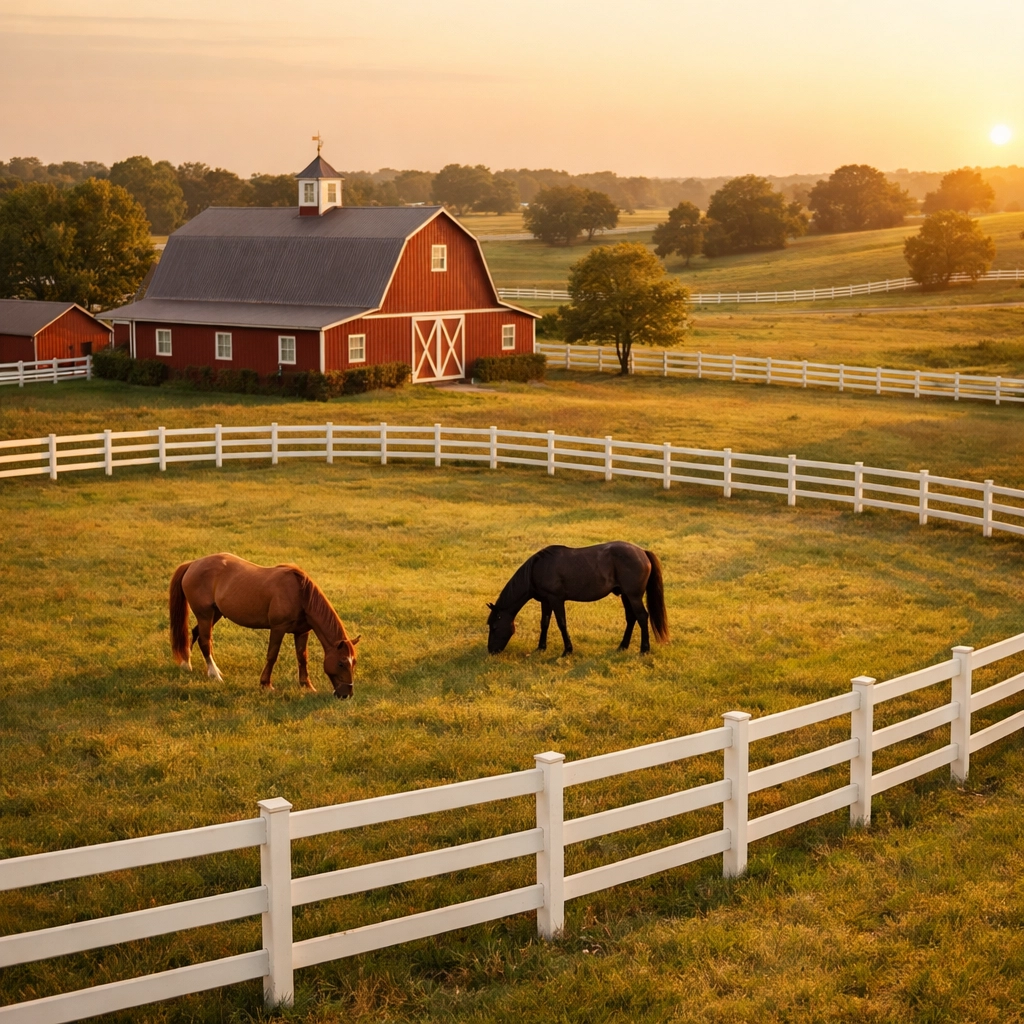
    Aerial view of York County SC horse farm with white fenced pastures and barn at sunset

    Understanding What You Actually Need

    Before you start scheduling property tours, get honest about your program. The farm you need for two retired geldings and weekend trail rides looks vastly different from one supporting a breeding operation or training business.

    For recreational riders maintaining 2-4 horses:
    A 10-25 acre property with a modest barn (4-6 stalls), run-in sheds, and well-maintained pasture rotation typically suffices. You'll want at least one all-weather riding area, though it doesn't need to be fancy. Properties in this range in York County currently start around $500,000, though turn-key facilities closer to $750,000 offer better infrastructure and less immediate improvement expense.

    For active training or boarding programs:
    You're looking at minimum 30-50 acres with professional-grade facilities: larger barn with 12+ stalls, dedicated wash stalls, tack rooms with climate control, covered or indoor arena space, and proper parking for multiple trailers. These properties command premium prices, typically ranging from $1.2 million to $1.5 million depending on location and facility quality.

    For breeding operations:
    Prioritize land quality and pasture configuration over building square footage. Safe fencing, proper drainage, multiple turnout areas for mares and foals, and isolation paddocks become critical. The current 102-acre property near Rock Hill with a 26-stall barn and events pavilion represents the higher end of this category.

    Well-maintained horse barn interior with stalls and organized tack room at equestrian property

    Budgeting Beyond the Purchase Price

    York County's per-acre costs typically run between $18,400 and $28,000, notably lower than comparable land in Mecklenburg or Union Counties. However, first-time farm buyers often underestimate carrying costs.

    South Carolina property taxes favor agricultural land, but you'll need to understand the difference between residential and agricultural classification. Properties actively used for farming operations qualify for significantly reduced tax rates, but hobby farms without commercial activity pay residential rates. Speak with a tax professional familiar with South Carolina agricultural exemptions before closing.

    Infrastructure maintenance represents your largest ongoing expense beyond mortgage and property taxes. Budget for:

    • Pasture maintenance (mowing, fertilizing, reseeding): $200-400 per acre annually
    • Fence repair and replacement: $2-5 per linear foot
    • Arena footing maintenance or replacement: $3,000-15,000 every 3-5 years
    • Barn and equipment repairs: generally 1-3% of property value annually
    • Increased utility costs, especially well water and electric for barn operations

    Properties with existing, well-maintained infrastructure command higher purchase prices for good reason. That turnkey 21-acre farm listed at $759,000 may actually cost less over five years than a $600,000 property requiring immediate fence replacement, barn updates, and arena construction.

    Critical Questions to Ask About Any Property

    Walk every property with your horse's welfare as the primary evaluation criteria. Pretty houses can be renovated, but fundamental land problems prove expensive or impossible to fix.

    Inspect the land itself:
    South Carolina's red clay soils drain poorly, leading to mud management issues during wet seasons. Walk the entire property after significant rain. Look for standing water in paddocks, erosion channels, and areas where topsoil has washed away. Properties with varied terrain typically offer better natural drainage than completely flat parcels.

    Evaluate the water sources:
    Most York County horse farms rely on well water. Ask about well depth, age, and flow rate: you'll need significant water volume for multiple horses, arena watering, and barn operations. Properties with secondary wells specifically for barn use offer redundancy if your primary system fails.

    Study the fencing:
    Calculate the cost to replace any compromised fencing before making an offer. Quality four-board fencing currently runs $4-7 per linear foot installed. A 20-acre property with perimeter and cross-fencing easily requires 3,000-5,000 linear feet. If the existing fence needs replacement, that's $12,000-35,000 added to your investment.

    White four-board horse fencing along pasture with grazing horses in York County SC

    Zoning and Regulatory Considerations

    York County's zoning regulations generally favor agricultural use, but research specific requirements for your intended operation. Properties zoned agricultural typically permit horse keeping as a primary use, but some residential-agricultural zones limit the number of horses per acre or restrict commercial boarding and training activities.

    If you plan to operate any kind of equestrian business: boarding, training, lessons, breeding sales: verify that your intended use complies with current zoning before writing an offer. Conditional use permits sound manageable until you're six months into the application process with holding costs mounting.

    Most York County properties suitable for horses fall outside municipal jurisdictions, meaning you'll deal with county-level regulations rather than town ordinances. This typically provides more flexibility, but confirms septic capacity if you're planning to add living quarters for working students or staff.

    The York County Advantage for New Farm Owners

    York County offers something increasingly rare in the Charlotte Metro area: established equestrian neighbors who remember starting out themselves. The community includes professional trainers, weekend competitors, backyard horse keepers, and working cattle operations. That diversity means you'll find mentorship regardless of your discipline or experience level.

    The area supports quality equine veterinary care, with several large animal practices servicing the county. Your farrier will actually return your calls. The local feed store stocks what you need rather than requiring special orders. These practical details matter more than most first-time buyers anticipate.

    Covered outdoor riding arena at South Carolina horse farm with quality footing and mirrors

    Starting Your Property Search Strategically

    Begin by spending time in York County before you start serious property tours. Visit local tack shops, attend a schooling show at one of the nearby facilities, stop by a public trail system. Talk to horse owners you encounter. You'll learn more about seasonal drainage issues, reliable contractors, and neighborhood dynamics from twenty minutes at a barn than from any listing description.

    When you're ready to tour properties, work with an agent who knows horses: not just someone who's sold farms, but someone who understands why arena footing depth matters and can evaluate a barn's ventilation system. The right agent saves you from expensive mistakes and spots potential in properties you might overlook.

    Schedule property visits at different times of day and in different weather conditions when possible. That beautiful property in morning sunlight may flood every afternoon. The quiet road becomes a raceway at 5:00 PM. Horses in turnout during your tour might spend most days locked in stalls.

    Moving from Dream to Reality

    York County's horse property market offers genuine opportunities for first-time farm buyers willing to do their homework. Properties range from modest starter farms requiring sweat equity to turnkey operations ready for immediate use. The key lies in honest assessment of your needs, realistic budgeting, and patience to find the right match.

    Your first farm likely won't be your forever farm. Most horse owners trade up once or twice as their programs evolve. Starting with a solid property in a good location: even if it's smaller than your ultimate dream: builds equity and experience.

    If you're serious about finding a horse property in York County, we understand what makes these properties work for actual horse people, not just what looks good in listing photos. Explore our current York County listings or reach out to discuss your specific needs. We're horse people first, and we're here when you're ready to start looking seriously.

  • Charlotte Equestrian SEO Blitz – 30 Long-Tail Posts

    Charlotte Equestrian SEO Blitz – 30 Long-Tail Posts

    The Charlotte Metro equestrian market isn't served by generic real estate content. Horse people searching for properties need specific, knowledgeable answers: not recycled Zillow copy. This collection of 30 targeted posts addresses the exact questions serious equestrian buyers and sellers ask when navigating North Carolina's horse country.

    Why Long-Tail Content Matters for Equestrian Real Estate

    When someone searches "horse farms for sale Charlotte," they're beginning a journey. When they search "indoor riding arena horse property Waxhaw NC," they're ready to act. Long-tail keywords: those specific, detailed search phrases: connect with buyers who know exactly what they want and sellers who need specialized expertise.

    These 30 posts target the intersection of equestrian knowledge and local market authority. Each addresses a specific need, location, or challenge unique to horse property in the Charlotte region.

    Aerial view of horse farm in Charlotte Metro with white fencing and grazing horses

    Location-Focused Guides: Where Charlotte Horse Country Lives

    Southern Corridor Excellence

    The Ultimate Guide to Horse Farms for Sale in Waxhaw, NC explores why this community remains the crown jewel of Charlotte equestrian real estate. With preserved farmland, established boarding facilities, and proximity to Tryon International, Waxhaw offers the full spectrum from starter farms to multi-million dollar training centers.

    Why Weddington is the Perfect Spot for Your Equestrian Estate examines how this town balances acreage with accessibility. Large lots, horse-friendly zoning, and top-rated schools make it ideal for families wanting both the equestrian lifestyle and suburban conveniences.

    Luxury Living: Equestrian Properties in Marvin, NC showcases high-end estates where custom barns meet architectural distinction. This area attracts buyers seeking statement properties with professional-grade facilities.

    Cross-Border Opportunities

    Exploring York County, SC: A Haven for Horse Lovers reveals why many Charlotte-area equestrians cross state lines. Lower property taxes, generous acreage, and proximity to major show venues create compelling value propositions.

    Lake Norman & Northern Communities

    Finding Your Dream Horse Property in Mooresville addresses the unique appeal of combining lake access with horse facilities. This area serves buyers wanting water recreation alongside their equestrian pursuits.

    Huntersville Equestrian Real Estate: Space Close to the City demonstrates how you don't have to sacrifice proximity for property. Larger parcels still exist within commuting distance of uptown Charlotte.

    Hidden Gems: Horse Farms for Sale in Davidson, NC uncovers properties in one of the region's most sought-after towns, where historic character meets modern equestrian infrastructure.

    Luxury barn interior with center aisle and stalls at North Carolina equestrian property

    Emerging Markets & Established Destinations

    Why Harrisburg, NC is Growing for Equestrian Families tracks the expansion of horse-friendly development in this northeastern corridor, where new construction meets agricultural preservation.

    Large Acreage and Privacy: Monroe's Best Horse Properties highlights options for buyers seeking substantial land, privacy, and room to build their vision without compromise.

    Tryon Horse Country: Why It's Still a Top Destination examines the enduring appeal of the foothills region, home to world-class competition and a concentrated equestrian culture unmatched in the Southeast.

    Infrastructure & Farm Features: The Details That Matter

    Essential Facilities

    Must-Have Feature: Why an Indoor Riding Arena Changes Everything breaks down the investment, benefits, and resale implications of covered riding space in North Carolina's variable climate.

    Barn Layouts 101: Designing for Efficiency and Horse Safety provides practical guidance on center aisle versus shed row, stall dimensions, ventilation, and workflow optimization.

    The Essentials of High-End Stable Design in Charlotte explores luxury barn features: from automatic waterers and radiant heat to observation lounges and groom quarters: that elevate properties above standard offerings.

    Land Management Fundamentals

    Pasture Management: Keeping Your North Carolina Soil Healthy addresses rotational grazing, soil testing schedules, and sustainable practices specific to Piedmont clay and regional climate patterns.

    Fencing Options for NC Horse Farms: Safety Meets Style compares board fence, coated wire, electric options, and no-climb mesh, weighing aesthetics against maintenance and horse safety.

    Drainage Solutions for Your Equestrian Property tackles a critical but often overlooked element. Poor drainage ruins pastures, creates mud management nightmares, and limits property usability year-round.

    Operational Excellence

    Manure Management: Best Practices for Small and Large Farms covers composting systems, spreader schedules, and regulatory compliance: unglamorous but essential knowledge that separates hobby farms from well-run operations.

    Tack Room Goals: Organizing Your Equestrian Gear transforms utilitarian spaces into functional showcases with proper ventilation, saddle racks, blanket storage, and cleaning stations.

    Preparing Your Hay Storage for the North Carolina Seasons ensures proper moisture control, rodent prevention, and fire safety: protecting both investment and horses.

    Community Resources & Local Knowledge

    The Best Public Riding Trails Near Charlotte, NC maps accessible trail systems from Latta Plantation to Cane Creek Park, helping buyers understand recreational opportunities beyond their property lines.

    Well-maintained horse pasture with fencing and horses grazing in North Carolina Piedmont

    Buyer & Seller Guidance: Navigating the Transaction

    For First-Time Buyers

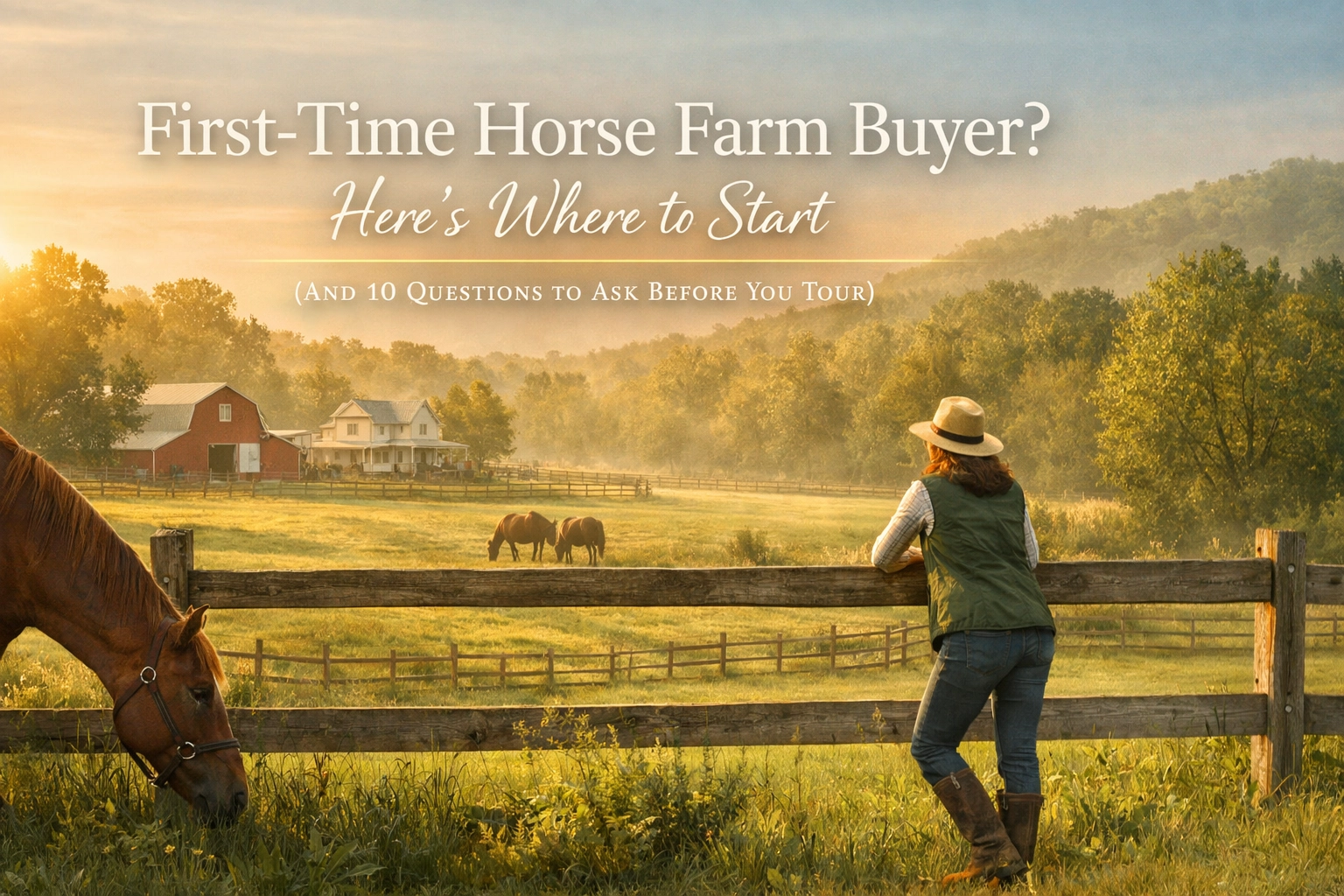
    First-Time Horse Farm Buyer? Here's Where to Start demystifies the process, from determining acreage needs to understanding well water systems and septic capacity.

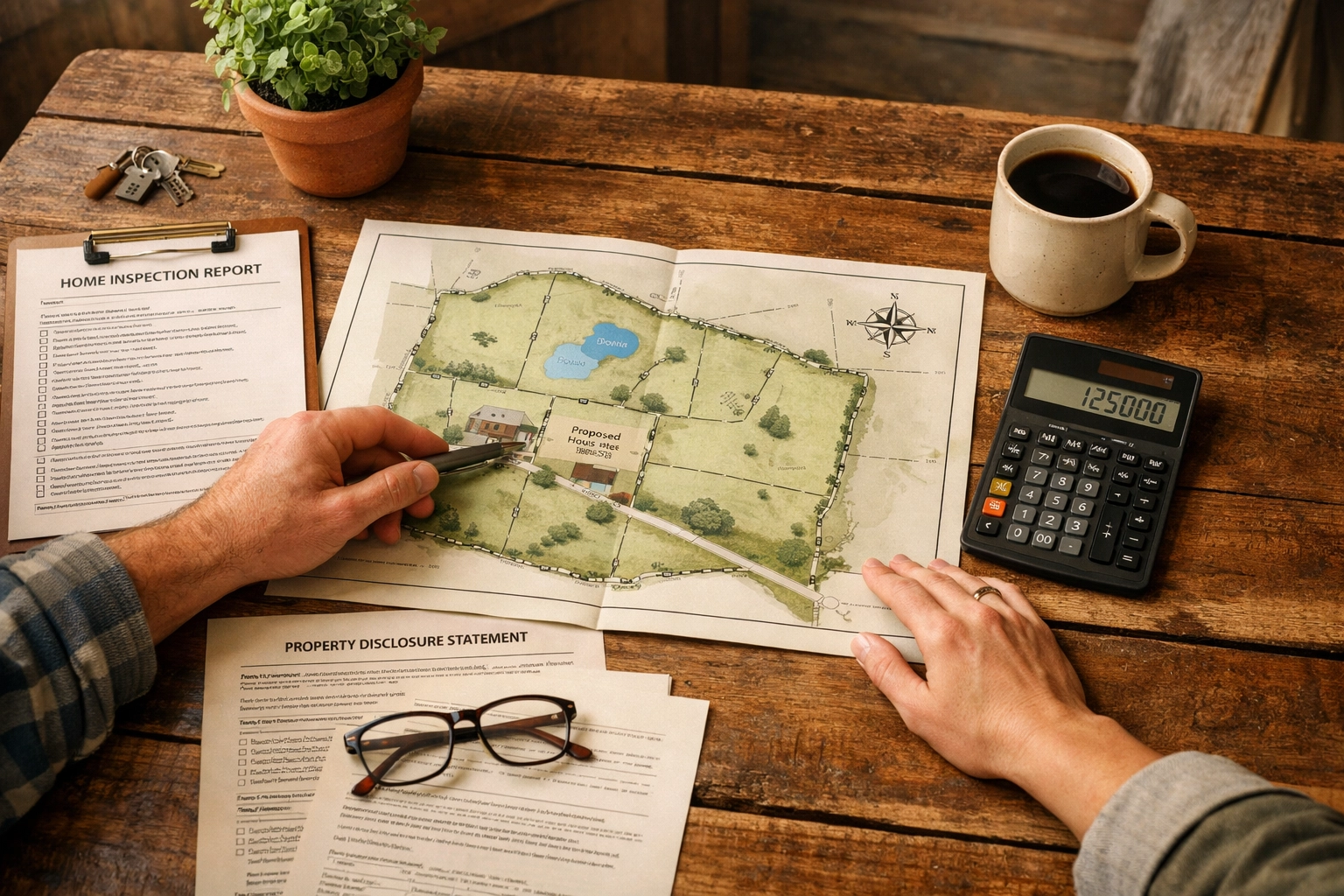
    5 Things to Look for During a Horse Property Home Inspection highlights unique considerations beyond standard residential inspections: barn electrical systems, fence condition, water trough functionality, and pasture drainage.

    Financing Your Dream: Specialized Loans for Equestrian Estates explains how agricultural loans differ from conventional mortgages, what lenders look for, and how to position your purchase for approval.

    Regulatory Knowledge

    Navigating Zoning Regulations for Horses in Mecklenburg County clarifies minimum acreage requirements, boarding restrictions, and special use permits that vary by jurisdiction.

    Union County Zoning: What Equestrian Buyers Need to Know details one of the region's most horse-friendly regulatory environments, where agricultural preservation remains a priority.

    For Sellers

    Staging Your Horse Farm: How to Sell Faster and for More offers practical advice on presenting properties to maximize appeal: from pasture presentation to barn cleanliness and photo preparation.

    Tax Benefits of Owning a Working Horse Farm in NC explores present use value taxation, agricultural exemptions, and proper documentation that can significantly reduce property tax burden.

    Market Intelligence

    The 2026 Charlotte Equestrian Market: Trends to Watch analyzes current inventory levels, price trajectories, and shifting buyer preferences shaping the local market.

    From Pro to Retirement: Finding the Right Training Facility addresses the unique needs of professionals seeking income-producing properties versus retirees wanting turnkey recreational farms.

    Pre-Purchase Due Diligence

    Why Soil Testing is a Must Before Buying Land in Charlotte prevents costly surprises by identifying pH imbalances, nutrient deficiencies, and contamination issues before closing.

    Organized tack room with saddles and gear at Charlotte area equestrian facility

    The Strategy Behind the Content

    This collection doesn't chase vanity metrics. Each post targets specific search intent from qualified prospects: people already familiar with equestrian property needs who seek local expertise. The approach builds authority incrementally, answering progressively more detailed questions as buyers and sellers move through their decision process.

    Geographic specificity matters in equestrian real estate. A buyer interested in Waxhaw farms has different priorities than someone considering York County acreage. Addressing these distinctions demonstrates market knowledge that generic content cannot replicate.

    Technical content: drainage, fencing, soil testing: establishes credibility with experienced horse owners who recognize superficial advice immediately. These buyers demand substance over style, practical knowledge over aspirational imagery.

    Content as Market Education

    The equestrian real estate market suffers from information asymmetry. Buyers often don't know what questions to ask. Sellers underestimate what makes their property valuable to the right audience. Quality content bridges this gap, creating informed participants who make better decisions and experience smoother transactions.

    This collection serves as both immediate resource and long-term reference. A buyer might discover the fencing comparison today but return months later for zoning guidance. A seller researching staging advice may need tax benefit information next year. Comprehensive coverage creates sustained engagement beyond single-visit consumption.

    Public riding trail through forest near Charlotte for equestrian recreation

    Moving Forward With Purpose

    The Charlotte equestrian market deserves representation that understands both horses and real estate at a sophisticated level. These 30 posts reflect that commitment: not as marketing exercise, but as genuine resource for a community we serve and respect.

    Whether you're beginning your property search, considering listing your farm, or simply gathering information about the local market, this collection provides the detailed, location-specific guidance you won't find in generic real estate content.

    Visit our properties page to explore current listings, or contact our team to discuss your specific equestrian real estate needs. We approach every conversation as horse people first, bringing both passion and expertise to your transaction.

  • Hidden Gems: Horse Farms for Sale in Davidson, NC (What Smart Buyers Know)

    Hidden Gems: Horse Farms for Sale in Davidson, NC (What Smart Buyers Know)

    Why Davidson Flies Under the Radar (And Why That's Changing)

    Davidson doesn't make most buyers' first lists when they're searching for horse property in the Charlotte metro. Waxhaw and Tryon get the headlines. Weddington gets the Instagram posts. But the horse people who've been paying attention? They've quietly been looking at Davidson for years.

    This college town twenty minutes north of Charlotte offers something increasingly rare in Mecklenburg County: legitimate acreage with equestrian infrastructure, preserved rural character, and proximity to everything the metro provides. With just 8 equestrian properties currently on the market and an average listing price around $2.19 million, Davidson represents a distinctive segment of the Charlotte horse property market, one that rewards buyers who understand what they're looking at.

    The Davidson Difference: What the Market Data Reveals

    The numbers tell part of the story. At approximately $175,340 per acre, Davidson's equestrian properties sit at a premium compared to outlying areas, but that price reflects genuine value for buyers prioritizing specific criteria.

    The current inventory ranges from compact horse farms to fully-developed luxury estates with professional training facilities, custom barns, and turn-key amenities. What distinguishes Davidson from comparable price points elsewhere in the metro is the community infrastructure surrounding these properties, preserved open space, strict development limitations, and a long-standing culture that values agricultural and equestrian land use.

    Private tree-lined driveway leading to horse farm in Davidson, NC

    This isn't speculative farmland waiting for rezoning. These are established equestrian properties in a community that has actively protected its rural character through planning decisions, conservation easements, and a local culture that understands why someone needs five-board fencing and a sixty-foot round pen.

    What Smart Buyers Recognize About Davidson Properties

    Access Without Compromise

    Davidson delivers what most horse properties promise but few actually provide: genuine accessibility to urban amenities without sacrificing the quiet, space, and infrastructure serious horse operations require.

    I-77 sits minutes away. Charlotte Douglas International Airport is a thirty-minute drive. Quality veterinary care, feed stores, and equestrian services are readily available. But your horses aren't listening to highway noise, and your evening ride doesn't include navigating suburban traffic or dodging new construction.

    Several Davidson equestrian estates feature tree-lined private drives, the kind that signal to visitors they've left the suburbs behind before they even see the barn. This combination of genuine seclusion with practical connectivity represents increasingly rare ground in the Charlotte market.

    The Land Itself

    North Mecklenburg County's topography and soil differ noticeably from the sandier terrain farther south. The rolling landscape provides natural drainage advantages, and the clay-loam soils, while requiring thoughtful pasture management, support healthy grass growth with proper maintenance.

    Rolling pastureland with natural drainage on Davidson NC horse property

    Properties in Davidson often include mature hardwood coverage, natural water features, and varied elevation, characteristics that create both aesthetic appeal and functional advantages for property layout. The presence of ponds, creeks, and natural spring sites on several Davidson estates reflects the area's hydrology, which differs from drier sections of the metro.

    For buyers establishing permanent facilities rather than speculating on future development, these land characteristics matter. You're not fighting the property to make it work for horses, the terrain naturally accommodates equestrian use.

    Community and Culture

    Davidson's equestrian community operates quietly. You won't find the concentration of training barns and show facilities that define Waxhaw or Tryon, but that's precisely the point for many buyers.

    The Davidson lifestyle supports private horse ownership, personal training facilities, and the kind of equestrian life that prioritizes daily riding, proper horse care, and land stewardship over competitive circuits and social scene. Properties here often feature custom-designed barns built to owner specifications rather than commercial training facilities, a distinction that reflects the market's character.

    The town's preservation efforts, open space requirements, and conservation-minded planning mean your neighbors aren't likely to subdivide and develop. That stability has value that's difficult to quantify but easy to recognize once you've experienced property ownership in rapidly changing areas.

    The Current Market: What's Actually Available

    The eight properties currently listed represent the full spectrum of Davidson's equestrian market. On one end, smaller horse farms with essential infrastructure, barn, fencing, manageable acreage, offer entry points for buyers downsizing from larger operations or establishing their first permanent facility.

    Custom equestrian barn with pond at Davidson NC luxury horse estate

    At the upper end, luxury estates with custom homes, professional training facilities, and extensive amenities showcase what's possible when budget meets vision on the right piece of land. One current listing features a custom residence with personal training facilities overlooking a one-acre pond, the kind of setting that exists because someone designed the entire property with horses as the priority, not an afterthought.

    The middle market offers the most interesting opportunities: established farms with solid infrastructure, proven pasture systems, and room for customization without requiring complete rebuilds. These properties attract experienced horse owners who recognize good bones and understand that mature trees, functioning drainage, and well-maintained fencing represent significant value beyond what photographs show.

    What to Look For: The Details That Separate Hidden Gems from Money Pits

    Smart buyers in Davidson focus on factors that affect daily horse management and long-term property value:

    Property access and road frontage. Several Davidson farms sit down private drives with significant setback from public roads. This provides privacy and quiet but requires attention to maintenance agreements, easement terms, and emergency vehicle access.

    Water sources and infrastructure. Well capacity, irrigation systems, and natural water features affect both property functionality and operating costs. Davidson's hydrology generally supports property needs, but individual assessment matters.

    Existing improvements and their condition. A twenty-year-old barn maintained by someone who understands horses differs dramatically from a twenty-year-old barn that's been neglected. Look past cosmetics to structural integrity, drainage around buildings, and whether improvements actually serve horses well or just photograph nicely.

    Pasture management history. Current grass condition tells you something about soil health and recent management, but understanding rotation history, fertilization practices, and drainage work reveals more about long-term sustainability.

    Zoning and development rights. Davidson's planning protections provide stability, but understanding specific limitations, allowable uses, and future development potential: or lack thereof: prevents surprises.

    Why This Market Requires Specialized Knowledge

    General real estate agents miss the factors that make Davidson equestrian properties valuable or problematic. They don't recognize that a thirty-stall barn might be a liability for someone wanting a private four-horse facility. They can't assess whether pasture layout actually works for efficient horse management. They won't know which subdivisions have active HOAs restricting equestrian use and which properties offer genuine agricultural status.

    White board horse fencing on well-maintained Davidson equestrian property

    Working with professionals who understand both horses and the specific nuances of Davidson's market isn't luxury: it's practical necessity. The difference between a property that serves your operation well for decades and one that becomes a frustrating compromise often comes down to details that only someone living and working in this space would recognize.

    Finding Your Davidson Property

    The limited inventory and specialized nature of Davidson's equestrian market means properties often move through quiet channels before reaching broader exposure. Buyers serious about this area benefit from relationships with agents who know the market, understand equestrian requirements, and maintain connections with property owners considering future sales.

    If Davidson's combination of accessibility, land quality, and preserved rural character aligns with what you're seeking, the current market offers genuine opportunities: not because properties are undervalued, but because the right property in this location delivers specific advantages that matter to discerning horse owners.

    Smart buyers know that finding the right horse property isn't about chasing listings the moment they hit the market. It's about understanding what you actually need, recognizing which locations deliver those requirements, and working with people who can identify opportunities that match your criteria.

    Davidson represents one of those opportunities: for buyers who know what they're looking at.


    Ready to explore equestrian properties in Davidson and throughout the Charlotte metro? Our team specializes in horse farms and understands the unique requirements that make properties work: or don't: for serious horse owners. View our current listings or contact us to discuss your specific needs.

  • Hidden Gems: Horse Farms for Sale in Davidson, NC You’ve Never Thought Of

    Hidden Gems: Horse Farms for Sale in Davidson, NC You’ve Never Thought Of

    When most equestrians search for horse properties around Charlotte, Davidson doesn't typically make the top of their list. It's known for its charming college town atmosphere and lakefront location: but not necessarily for horse farms. That's precisely why savvy buyers should be paying attention.

    Davidson sits in a unique sweet spot: far enough from Charlotte's urban sprawl to offer genuine acreage and rural character, yet close enough that you're 25 minutes from top-tier veterinary hospitals and feed stores. While everyone crowds into Waxhaw or drives out to Tryon, Davidson's equestrian pockets remain quietly attractive to those who know where to look.

    Why Davidson Works for Horse People

    The town's location on Lake Norman creates natural boundaries that have preserved larger parcels of land. Unlike rapidly developing areas where 10-acre lots are being subdivided into half-acre homesites, Davidson's geography has protected some genuinely substantial properties.

    Currently, there are 8 equestrian properties available in and around Davidson, with an average listing price of $2,190,000. Before that number sends you scrolling elsewhere, consider this: the range is significant. Properties start in the high $200,000s for smaller acreage and scale up to multi-million dollar estates. The average cost per acre runs about $175,340: competitive when you factor in Davidson's proximity advantages and the quality of available infrastructure.

    Aerial view of Davidson NC horse farm with white fencing, barn, and Lake Norman backdrop

    The Davidson Advantage Most Buyers Miss

    Davidson offers something increasingly rare in the Charlotte metro: established neighborhoods with agricultural zoning still intact. While many areas are fighting to maintain equestrian rights through shifting regulations, Davidson's rural corridors have remained relatively stable.

    The soil quality here deserves attention. You're working with the same Piedmont clay base found throughout the region, but many Davidson properties benefit from better natural drainage due to the rolling topography. That's less standing water in your pastures during our notoriously wet springs, and healthier hooves year-round.

    Access to Lake Norman also creates microclimates that moderate temperature extremes slightly: not dramatically, but enough that your horses appreciate it during August humidity. More practically, many properties either have lake access or are positioned close enough to enjoy the recreational benefits when you need a break from barn chores.

    Where to Focus Your Search

    Rural Route 73 Corridor: This area northwest of downtown Davidson holds some of the region's best-kept secrets. You'll find properties with 10-30 acres that have been horse farms for generations but rarely hit the public market. These are estates with tree-lined drives, established pastures with proper fencing already in place, and barns that were built when people still understood proper ventilation and stall sizing.

    Highway 115 North: Heading toward Mooresville, this corridor offers larger acreage options with more flexibility for development. If you're looking to build your dream facility from scratch or significantly upgrade an existing operation, this area provides the canvas. Zoning here tends to favor agricultural use, and you're more likely to find properties with multiple outbuildings, equipment storage, and room for an outdoor or indoor arena.

    East of Davidson: Between Davidson and Huntersville, you'll discover smaller parcels (5-15 acres) that work beautifully for private horse owners who want excellent access to amenities. These properties often come with updated homes built in the last 20 years, combined with older but serviceable barn structures. The trade-off is less privacy than the more remote corridors, but you're also 15 minutes from everything.

    Well-maintained horse barn interior in Davidson with center aisle and spacious stalls

    What These Properties Actually Offer

    Unlike some areas where "equestrian property" means someone added a run-in shed to a residential lot, Davidson's horse farms tend to be legitimate operations. You'll find:

    Proper barn facilities: Center-aisle barns with 12×12 stalls, tack rooms with hot water, wash stalls with proper drainage, and hay storage that actually keeps your investment dry. Many of these structures date back 20-40 years when barns were built to last, not just to photograph well.

    Established pastures: Mature fencing (board, pipe, or well-maintained electric), rotational grazing setups, and pastures that have been managed for grass health rather than just mowed occasionally. The difference becomes obvious when you're calculating hay costs for winter feeding.

    Training facilities: Several properties include riding arenas with proper footing, some covered. One current listing features a custom-built Davidson equestrian estate with personal training facilities overlooking a 1-acre pond: the kind of setup that lets you train at home rather than hauling out for every ride.

    Water access: Natural ponds, wells positioned for barn access, and in some cases, lake proximity. Water rights and access matter significantly more than most buyers initially realize.

    Private outdoor riding arena on Davidson equestrian estate with pond and natural surroundings

    The Real Numbers Behind Davidson Horse Properties

    The market data reveals interesting patterns. Farm properties currently range from $270,000 to just over $1,904,875, with homes spanning 1,177 to 4,464 square feet and typically offering 3-5 bedrooms. What these numbers don't show is value beyond the comparable sales.

    A $750,000 property in Davidson with 15 usable acres, a sound barn, and good fencing might actually represent better value than a $650,000 property in a more "popular" area where you're paying for location prestige but inheriting deferred maintenance and marginal land quality.

    Consider your total cost of ownership. Factor in commute time to your trainer, vet response time in emergencies, proximity to quality hay suppliers, and access to riding trails or competitions. Davidson positions you well for all of these without the premium pricing that comes with being in the "known" equestrian areas.

    What to Watch For

    Davidson's development pressure is real, even if it's more controlled than neighboring areas. When evaluating properties:

    Verify zoning carefully: Confirm current agricultural use rights and understand what triggers restrictions. Some properties may be grandfathered for current use but limited for expansion.

    Assess neighboring parcels: Look at what's around you and what's likely to develop. A beautiful 20-acre farm loses appeal if a subdivision is planned next door.

    Understand water and septic capacity: Many older properties have systems sized for the original use. If you're planning to add stalls, a second residence, or expand operations, current infrastructure may need upgrading.

    Evaluate access and road frontage: Some Davidson farms sit at the end of shared private drives or have easement complications. Understand your rights and responsibilities before closing.

    Healthy horse pastures in Davidson NC with grazing horses and board fencing

    Making Your Move in Davidson

    The Davidson equestrian market doesn't move with the same velocity as Waxhaw or Weddington. Properties may sit longer, which can work in your favor during negotiations. Sellers here often have long-term ownership and emotional connections to their land: they're looking for buyers who'll appreciate what they've built.

    This creates opportunity for the right buyer. Come prepared to demonstrate your horsemanship credentials and care plans. Sellers respond to buyers who understand what they're looking at and will steward the property properly.

    Don't expect every listing to appear on the major real estate platforms. Some of the best Davidson properties change hands through word-of-mouth in the local equestrian community or via agents who specialize in this specific niche. The $2.19 million average listing price reflects the higher-end estates, but deals absolutely exist in the $500,000-$900,000 range for buyers willing to do their homework.

    Finding What Others Miss

    The hidden gems in Davidson aren't hidden because they're deficient: they're hidden because most buyers aren't looking. They're driving past Davidson on their way to what they perceive as "real" horse country, missing properties that offer legitimate acreage, quality infrastructure, and a location that actually simplifies the logistics of horse ownership.

    Tree-lined entrance drive to Davidson equestrian property with barn in distance

    Eight properties currently on the market might not sound like much selection, but it represents opportunity in a market where good equestrian land grows scarcer every year. The question isn't whether Davidson offers viable horse properties: it clearly does. The question is whether you're willing to look where others aren't.

    If you're serious about finding a horse property that balances accessibility, acreage, and actual value, Davidson deserves a closer look. The combination of Lake Norman's natural preservation, established agricultural zoning, and proximity to Charlotte's resources creates something increasingly rare: room for your horses without sacrificing your connection to essential services and community.

    Ready to explore what Davidson's equestrian properties actually offer? Let's look beyond the obvious search parameters and find the property that fits your operation: not just your fantasy. Contact us to discuss current and upcoming listings that match your specific requirements.

  • Horse Farms for Sale in Waxhaw, NC: Your Complete Guide to Finding the Perfect Equestrian Property

    Horse Farms for Sale in Waxhaw, NC: Your Complete Guide to Finding the Perfect Equestrian Property

    There's something about Waxhaw that just works for horse people. Maybe it's the rolling pastures that remind you why you fell in love with this life in the first place. Maybe it's knowing you can trailer to Cane Creek Park's 1,100 acres of riding trails in minutes, or that the quaint village downtown still feels like a place where people know their neighbors. Whatever it is, Waxhaw continues to draw equestrians who want the space their horses need without sacrificing access to Charlotte's amenities.

    If you're searching for horse farms for sale in Waxhaw, NC, you're looking at one of the Charlotte Metro's most authentic equestrian communities: a place where the infrastructure for horses actually exists, not just the acreage.

    Why Waxhaw Remains a Top Choice for Equestrian Properties

    Waxhaw sits in Union County, about 25 miles southeast of Charlotte, straddling the North Carolina-South Carolina line. This location delivers a rare combination: genuine country living with surprisingly convenient access to urban resources. You're not compromising your horses' quality of life to stay connected to veterinary specialists, quality feed stores, or the occasional dinner out that doesn't require an hour's drive.

    Aerial view of horse farm for sale in Waxhaw NC with fenced pastures and barn

    The area maintains an active equestrian culture that goes beyond backyard horses. You'll find training facilities, boarding operations, and a community of riders who understand why you need to leave work early when the farrier's coming. The Mineral Springs Greenway and Cane Creek Park provide extensive trail systems, and the general terrain: gently rolling with good drainage: suits horses well.

    Current market data shows approximately 17 to 43 equestrian properties available in the Waxhaw area, depending on search parameters and how broadly you define "equestrian property." Average listing prices hover around $539,000, with land costs averaging $50,005 per acre. These numbers reflect properties that include actual horse infrastructure: not raw land marketed with equestrian potential.

    What to Expect from Waxhaw Horse Farms

    Properties in this market range from modest setups perfect for a small private barn to full-scale training facilities. A typical well-appointed horse farm in Waxhaw might include:

    Land and Pasture: Most viable equestrian properties start at 10+ acres, providing adequate grazing rotation and space for facilities. The clay-based soils common to Union County can support good pasture with proper management, though you'll want to evaluate drainage and soil health before closing.

    Barn and Stable Facilities: Expect to find 4 to 12-stall barns, often with center aisles, tack rooms, and hay storage. Many properties include covered wash racks and grooming areas: practical features that matter when you're caring for horses year-round in North Carolina's variable climate.

    Arenas and Training Space: Lighted arenas, both covered and open, appear frequently in Waxhaw listings. Sizes typically range from 50' x 125' to larger dressage or jumping arenas. Proper footing and drainage separate functional training spaces from maintenance headaches.

    Well-designed horse barn interior with center aisle and stalls in Waxhaw equestrian property

    Additional Structures: Run-in sheds, equipment buildings, and properly fenced paddocks are common. The better properties include thoughtful layouts that minimize daily chore time: barns positioned for efficient hay delivery, paddocks arranged for easy turnout routines.

    Residential Quality: Homes on these properties vary widely, from comfortable ranch-style houses to upscale estates with 3,500+ square feet. Many feature guest quarters, home offices, and outdoor living spaces that acknowledge the lifestyle you're buying into.

    Understanding the Local Market Dynamics

    Waxhaw's equestrian real estate market moves differently than generic suburban housing. Properties with legitimate horse infrastructure hold value because they're difficult to replicate: you can't easily add a properly engineered arena or quality barn to just any piece of land.

    The area benefits from Union County's more accommodating agricultural zoning compared to inner Mecklenburg County. You'll find fewer restrictions on barn sizes, number of animals, and property uses. This regulatory environment matters when you're planning facilities or considering future expansions.

    Proximity to both Charlotte and the South Carolina state line creates interesting dynamics. Some buyers specifically seek Union County for North Carolina's agricultural tax benefits, while others appreciate being positioned between Charlotte's equine community and the horse farms scattered across York County, South Carolina.

    Evaluating Properties: What Horse Owners Should Prioritize

    When you tour potential properties in Waxhaw, your checklist differs from standard homebuyers. Focus on these equestrian-specific factors:

    Water access and quality deserve immediate attention. Multiple frost-free hydrants, automatic waterers, and reliable well systems matter more than granite countertops when you're filling troughs daily.

    Fencing condition and type tell you about both immediate costs and previous ownership. Properties with well-maintained board fencing or coated wire suggest owners who understood horses. Barbed wire or failing fences signal significant upfront investment.

    Pasture health indicates how the land has been managed. Walk the fields. Look for good grass cover, minimal erosion, and evidence of rotation. Overgrazed, muddy paddocks mean recovery time and expense before the property functions properly.

    Barn functionality matters more than aesthetics. Check ventilation, footing in aisles and stalls, door hardware, and electrical systems. A plain but well-designed barn beats a showpiece with poor airflow and inadequate lighting.

    Lighted outdoor riding arena on Waxhaw NC horse farm at dusk with quality footing

    Arena footing and drainage require professional evaluation if you're serious about a property. Quality arena construction represents significant investment; existing good footing adds real value.

    The Villages and Communities Within Waxhaw's Reach

    Waxhaw proper maintains its historic village charm, but several surrounding communities also attract equestrian buyers. Valley Farm, for instance, is known for larger equestrian estates with protective covenants that maintain the area's rural character while ensuring professional property maintenance.

    The proximity to Marvin and Weddington: both upscale communities with equestrian-friendly zoning: means you're part of a broader horse-focused corridor. This geographic clustering creates practical advantages: more veterinarians who make farm calls, better hay suppliers, trainers with local knowledge, and the peer community that makes horse ownership sustainable long-term.

    Practical Considerations Before You Buy

    Financing for equestrian properties differs from standard mortgages. Many lenders cap acreage in conventional loans or restrict properties with commercial barn features. Working with lenders experienced in agricultural and equestrian real estate prevents surprises during underwriting.

    Insurance requires specialized carriers familiar with farm liability and barn structures. Standard homeowner policies often exclude or severely limit coverage for equestrian activities and structures.

    Maintenance costs for horse properties exceed typical homeownership expenses. Budget for pasture maintenance, fence repairs, arena upkeep, and barn systems. Properties with deferred maintenance can consume substantial capital quickly.

    Zoning and permits should be verified for your intended use. If you plan to board horses, offer lessons, or operate any equestrian business, confirm Union County allows these activities on your specific property and understand permit requirements.

    Waxhaw's Position in the Broader Charlotte Equestrian Market

    Compared to other Charlotte Metro equestrian areas, Waxhaw offers a middle ground. It's more accessible than Tryon (90 miles southwest) while providing more land and lower per-acre costs than closer-in Mecklenburg County locations like Davidson or Huntersville. You sacrifice some convenience compared to Weddington or Marvin but gain acreage and typically more developed equestrian infrastructure.

    The community's established equestrian presence means you're not pioneering horse ownership in a suburban area still figuring out how to accommodate livestock. The feed stores, farriers, and vets already know how to find your farm.

    Making Your Decision

    Finding the right horse farm requires patience and clear priorities. Waxhaw's market offers legitimate options, but not every property marketed as "equestrian" actually serves horses well. Take time to evaluate how a property's layout, infrastructure, and land quality match your program's needs.

    The best equestrian properties sell quickly in this market, often to buyers who understand horse facility value beyond simple acreage calculations. If you're serious about finding your farm in Waxhaw, working with professionals who know equestrian real estate: who can evaluate arena footing and barn ventilation, not just square footage and school districts: makes the difference between finding a property and finding your farm.

    Healthy horse pastures with board fencing and run-in sheds on Union County equestrian property

    Whether you're relocating your training operation, looking for the private farm you've envisioned for years, or finally ready to bring your horses home from boarding, Waxhaw's combination of land, community, and accessibility deserves consideration. The properties exist. The question is finding the one that fits your vision and your horses' needs.

    Explore current equestrian properties or reach out to discuss what you're looking for in the Waxhaw area. We work with buyers and sellers who understand that finding the right horse farm is about more than real estate: it's about finding where your equestrian life makes sense.

  • High-End Stable Design Secrets Revealed: What Charlotte Equestrian Experts Don’t Want You to Know

    High-End Stable Design Secrets Revealed: What Charlotte Equestrian Experts Don’t Want You to Know

    The real secret about high-end stable design isn't about copper cupolas or custom stall fronts. It's about the unglamorous measurements that separate a showpiece barn from a functional facility: and most equestrian properties in the Charlotte area get these fundamentals wrong.

    After years of walking through barns across Waxhaw, Weddington, and Tryon, I've noticed a pattern: the most expensive stables aren't always the best designed for actual horses. Builders focused on aesthetics often overlook the critical dimensions that impact respiratory health, behavioral wellness, and long-term maintenance costs. The difference between a 12-foot aisle and a 14-foot aisle might sound trivial until you've dealt with a anxious mare in cross-ties while someone tries to wheel a muck cart past.

    Let's talk about what actually matters when you're designing or evaluating a high-end stable in North Carolina.

    The Aisle Width That Changes Everything

    Standard barn construction in our region defaults to 12-foot aisleways. It's cheaper to build, fits neatly into modular designs, and looks perfectly adequate when the barn is empty. But watch what happens during evening feed time at a busy boarding facility.

    Expert recommendation: 14-foot minimum aisle width for private barns, 16 feet for commercial operations.

    Wide 14-foot aisle in modern horse barn showing proper spacing for Charlotte equestrian properties

    This extra two feet reduces stress-related behaviors in horses by up to 30 percent. When a horse doesn't feel crowded while standing in cross-ties, when two people can pass each other with equipment without creating a bottleneck, when air can actually circulate through the barn: that's when you see the return on investment.

    The math is straightforward: upgrading from 12-foot to 14-foot aisles adds approximately 12 percent to construction costs but delivers measurable improvements in horse health and facility functionality. For a custom build on acreage in Union County or a renovation project in Mooresville, this is the first specification to lock in.

    Stall Dimensions: One Size Doesn't Fit All Horses

    The standard 12'×12' stall serves average-sized horses adequately. But if you're housing European Warmbloods, Thoroughbred jumpers, or any draft breed, those dimensions become problematic fast.

    Proper stall sizing by horse type:

    • Standard riding horses (900-1,100 lbs): 12'×12' minimum
    • Sport horses and Warmbloods: 12'×14' or 14'×14'
    • Draft breeds or multiple occupancy: 14'×16' or custom

    I recently toured a renovated barn in the Waxhaw area where the owner designed flexibility into the layout: one horse enjoys a spacious 12'×24' double stall while smaller horses occupy standard dimensions. This approach costs less than building everything oversized while accommodating the specific horses on the property.

    Spacious luxury horse stall with Dutch doors and natural light in Charlotte stable design

    The critical consideration for Charlotte-area properties: North Carolina's humid summers mean horses spend more time inside than in arid climates. Adequate space prevents the behavioral issues that develop when horses feel confined during extended stall rest.

    Ventilation: The Hidden Health Investment

    Here's what separates amateur barn design from professional-grade facilities: respiratory health infrastructure.

    Most people focus on fans and assume they've solved ventilation. But proper air exchange requires a coordinated system of windows, ceiling height, and strategic openings.

    Minimum ventilation standards:

    • At least 4 square feet of window space per stall
    • Ceiling height minimum 10 feet (taller is better)
    • Dutch doors on every stall for independent air control
    • Ridge vents or cupolas for heat exhaust

    The Dutch door specification deserves emphasis. The split design allows you to keep the top half open for ventilation while securing the bottom: essential during North Carolina's unpredictable spring weather when temperatures swing 30 degrees between morning and afternoon.

    Charlotte's specific climate challenges: high humidity, sudden temperature changes, elevated pollen counts: make ventilation the single most important factor in preventing respiratory disease. A beautiful barn with poor air exchange becomes a veterinary expense waiting to happen.

    Layout Strategy: Center Aisle vs. Shed Row

    The classic debate in barn design comes down to two fundamentally different approaches, each with distinct advantages for North Carolina properties.

    Center aisle barns place stalls on both sides of a central corridor. This traditional American design maximizes efficiency, centralizes climate control, and creates the classic stable aesthetic. For properties with limited building footprint or owners who want climate-controlled environments, center aisle designs dominate the Charlotte market.

    Shed row barns line stalls side-by-side, each opening directly to the outdoors. Popular in milder climates and training operations, this layout provides individual ventilation control and reduces disease transmission. Several high-end facilities in Tryon have adopted shed row designs with covered walkways.

    Center aisle barn interior with proper ventilation and stalls for Charlotte equestrian estates

    For most equestrian properties in the Charlotte metro area, center aisle designs offer better value and functionality. Our weather requires some climate protection, and the efficient layout works well for private owners managing their own horses.

    The Flooring Decision That Affects Everything Else

    Concrete slab flooring dominates new barn construction because it's economical and permanent. But smart designers in our region are reconsidering this default choice.

    Alternative approach: individual pavers or interlocking systems

    A renovation project I documented in Weddington replaced traditional concrete with individual pavers. The reasoning? Long-term maintenance flexibility. When drainage issues develop or stall configurations need modification, you can adjust individual sections without jackhammering entire slabs.

    North Carolina's clay soil and seasonal drainage challenges make this consideration more important than in other regions. Proper flooring requires:

    • Non-slip surface texture
    • 2-3% grade for drainage
    • Integration with French drains or perimeter systems
    • Easy-to-clean material that withstands ammonia exposure

    The flooring choice affects daily maintenance, long-term durability, and renovation costs for decades. It's worth the extended planning session with your builder.

    What This Means for Charlotte-Area Property Buyers

    When you're touring equestrian properties in Marvin, Harrisburg, or Davidson, these design principles become your evaluation checklist. The barn with custom ironwork and expensive wood finishes might actually function worse than a simpler facility built with proper dimensions.

    Priority assessment questions:

    • Measure the aisle width with your actual equipment
    • Confirm stall dimensions match your horses (or anticipated horses)
    • Count window square footage and verify ceiling height
    • Test Dutch doors and ventilation systems during humid weather
    • Walk the drainage patterns after rain

    For properties with existing barns, renovation potential matters more than current condition. A structurally sound barn with 12-foot aisles can be modified more easily than rebuilding from scratch. But a facility with fundamental design flaws: inadequate ceiling height, poor site drainage, undersized stalls: presents expensive challenges.

    The Investment Perspective

    High-end stable design isn't about luxury features. It's about building infrastructure that maintains horse health, reduces veterinary costs, and retains property value in the competitive Charlotte equestrian market.

    Properties with properly designed barns sell faster and command premium pricing because knowledgeable buyers recognize the difference. A facility built to these specifications requires less immediate modification and signals that the property was developed by someone who actually understands horses.

    For sellers preparing to list, stable design audit often reveals cost-effective improvements that significantly impact perceived value. Sometimes it's as simple as widening a doorway, adding windows, or improving aisle lighting.

    Moving Forward with Confidence

    Whether you're planning a custom build, evaluating existing properties, or considering barn renovations, these design principles provide the framework for making informed decisions. The Charlotte equestrian market rewards properties that prioritize functionality alongside aesthetics.

    The barns that endure: that maintain value through ownership changes, that accommodate different disciplines and horse types, that prevent rather than create problems: all share these fundamental design characteristics. They're built by people who understand that every dimension serves a purpose.

    If you're serious about finding or creating a high-end equestrian property in the Charlotte area, let's talk about what truly matters in stable design. Visit our current listings or reach out directly to discuss your specific requirements. Because the conversation should always start with the horses, not the real estate.

  • The Ultimate Guide to Horse Farms for Sale in Waxhaw, NC: Everything You Need to Succeed

    The Ultimate Guide to Horse Farms for Sale in Waxhaw, NC: Everything You Need to Succeed

    Waxhaw sits in that sweet spot where Charlotte's amenities meet genuine horse country. The town hasn't lost its agricultural roots despite growth pressure, and that matters when you're looking for land that can actually support horses long-term. If you're searching for equestrian property in the Charlotte Metro area, Waxhaw deserves serious consideration, not because it's trendy, but because the infrastructure, community, and land quality align with what working horse operations actually need.

    Why Waxhaw Works for Horse People

    The equestrian community in Waxhaw didn't appear overnight. This area has supported horse operations for generations, which means you'll find the essential services already in place: quality farriers who show up on schedule, equine vets with hospital facilities, feed stores that stock what you actually use, and neighbors who understand that 6 AM feeding schedules are non-negotiable.

    Location matters beyond the riding arena. Waxhaw sits roughly 25 miles south of Charlotte, providing genuine separation from urban sprawl while keeping you within reasonable reach of the city's resources. Union County zoning typically permits agricultural use on appropriate acreage, though verifying specific restrictions before making an offer remains essential.

    The soil composition in this region, primarily clay-based with varying drainage characteristics, responds well to proper pasture management. You're not fighting sand, you're not dealing with pure hardpan, and with attention to rotational grazing and appropriate amendments, the land produces quality forage.

    Aerial view of horse farm for sale in Waxhaw NC with barn and fenced pastures

    Current Market Reality: What You'll Find Available

    As of early 2026, Waxhaw maintains substantial inventory for equestrian buyers. Current listings include approximately 43 horse properties across various platforms, with average pricing ranging from $539,000 to $571,000. Land costs average between $50,000 and $52,000 per acre, reflecting the area's desirability while remaining more accessible than comparable acreage closer to Charlotte proper.

    This pricing positions Waxhaw as a middle-ground option, more established than emerging markets like Monroe or Harrisburg, yet more attainable than premium equestrian enclaves. The inventory mix spans from functional training facilities with modest homes to luxury estates featuring custom barns and European-inspired architecture.

    What matters more than average pricing: the range. You'll find 10-acre gentleman's farms suitable for a few personal horses alongside 40+ acre training operations with client capacity. Understanding your actual requirements, not your aspirational ones, determines which properties warrant serious consideration.

    Essential Features Worth Prioritizing

    Barn Infrastructure

    Quality barn construction outlasts trends. Look for proper ventilation systems, adequate stall sizing (12×12 minimum for most horses), and sensible layouts that minimize labor. Center-aisle designs work well for smaller operations, while larger facilities often benefit from multiple smaller barn structures rather than one massive building.

    Electrical systems should be up to code with GFI protection in wash stalls and anywhere water meets electricity. Adequate lighting in aisles, stalls, and tack rooms isn't luxury, it's safety during winter feeding and late evening checks.

    Land Quality and Pasture Configuration

    Acreage numbers mean less than pasture quality and configuration. Five well-managed acres with appropriate fencing and rotation systems outperform fifteen overgrazed, compacted acres every time. Evaluate current pasture condition, drainage patterns, and whether the property layout allows for rotational grazing.

    North Carolina clay requires management. Properties with established pastures, proper grading, and functioning drainage systems save years of soil-building work. Look for evidence that previous owners understood pasture management, diverse forage species, absence of severe erosion, and fencing that enables rotation.

    Professional horse barn interior with center aisle and spacious stalls in Waxhaw

    Water, Utilities, and Hidden Infrastructure Costs

    City water access provides convenience and consistent pressure but check if wells exist as backup. Many established horse farms maintain both systems. Well capacity matters when you're filling multiple automatic waterers, washing horses, and irrigating arena footing.

    Septic systems for homes require appropriate sizing, but also consider barn facilities. Properties with wash stalls, heated tack rooms, or living quarters above barns need properly designed septic or sewer systems.

    Electric service capacity determines what equipment you can run simultaneously. Training facilities with indoor arenas, heated viewing areas, and multiple living spaces require adequate service: usually 200-amp minimum, often 400-amp for larger operations.

    Proximity to Equestrian Resources

    Waxhaw's established equestrian community means critical services cluster nearby. Identify the closest veterinary hospital with surgical capabilities: emergencies don't wait for convenient timing. Locate farriers with good reputations and availability. Find quality feed suppliers who deliver or maintain convenient retail hours.

    Access to trails, competition venues, and training resources varies by specific location within Waxhaw. Properties near the Cane Creek Park area offer trail access. Others may be closer to recognized trainers in specific disciplines or boarding facilities that accept clinic participants.

    Well-maintained horse pasture with grazing horses on North Carolina equestrian property

    Zoning and Regulatory Considerations

    Union County zoning generally supports agricultural use, but specific regulations affect how many horses you can keep, whether you can operate commercially, and what additional structures you can build. Properties zoned agricultural typically permit personal horse keeping and may allow commercial boarding, training, or breeding operations with appropriate permits.

    Verify setback requirements before planning new construction. Confirm whether existing barn placement complies with current setbacks: non-conforming structures can complicate future modifications. Check if the property falls under any homeowner association restrictions that might limit equestrian use despite agricultural zoning.

    Understand that "grandfathered" situations require documentation. If a property has operated commercially but lacks proper permitting, you may not inherit that status. Due diligence on zoning matters prevents costly surprises after closing.

    Neighborhoods and Micro-Markets Within Waxhaw

    Waxhaw encompasses varied terrain and community character. Properties toward the South Carolina state line often offer more acreage and privacy. Areas closer to downtown Waxhaw provide easier access to shops and restaurants while maintaining rural character.

    The Providence Road corridor sees more development pressure, which affects long-term value both positively and negatively depending on your goals. More remote locations offer insulation from growth but may limit future resale appeal to buyers wanting convenience alongside country living.

    Some established equestrian neighborhoods feature shared amenities or informal riding communities. Others emphasize privacy and larger individual parcels. Neither approach is superior: alignment with your priorities determines fit.

    Making the Smart Investment

    Horse property purchases require different evaluation criteria than residential real estate. Work with professionals who understand equestrian operations, not just agents who've sold properties that happen to have barns.

    Property inspections should include equestrian-specific elements: barn safety, fencing condition, water system capacity, and pasture drainage. General home inspectors miss critical issues with barns, arenas, and agricultural infrastructure.

    Consider long-term operational costs beyond the mortgage. Factor in property maintenance, fence repair, pasture management, utility costs for heated/cooled barn areas, and insurance appropriate for equestrian operations.

    Equestrian rider with horse on trail at Waxhaw NC horse farm property

    Moving Forward With Confidence

    Waxhaw offers legitimate options for serious equestrians seeking property in the Charlotte Metro area. The combination of established community, appropriate infrastructure, and available inventory creates opportunity for buyers who understand what they actually need versus what looks impressive in photos.

    Success in finding the right property requires clarity about your operation's real requirements, patience to wait for proper matches rather than settling, and willingness to look past cosmetic details toward functional fundamentals. The best horse farms prioritize horse welfare and operational efficiency over aesthetic trends.

    If you're seriously evaluating equestrian properties in the Waxhaw area, working with specialists who understand both horses and real estate eliminates costly mistakes. We evaluate properties through an equestrian lens first: because facilities that don't work for horses don't work at all, regardless of how the house photographs.

    The right Waxhaw horse farm exists. Finding it requires knowledge, patience, and realistic assessment of both property and priorities. That's where genuine expertise makes the difference between a purchase you'll grow to regret and a property that supports your equestrian goals for decades.