Category: Horse Farming Real Estate

  • Traditional vs. Emerging Equestrian Areas: Which Is Better For Your Horse Farm Investment?

    Traditional vs. Emerging Equestrian Areas: Which Is Better For Your Horse Farm Investment?

    The equestrian real estate market presents two distinct pathways for horse farm investment: established traditional hubs with proven track records and emerging areas offering affordability with growth potential. Understanding the fundamental differences between these markets will determine whether your investment aligns with your long-term goals and financial capacity.

    Defining Traditional vs. Emerging Equestrian Markets

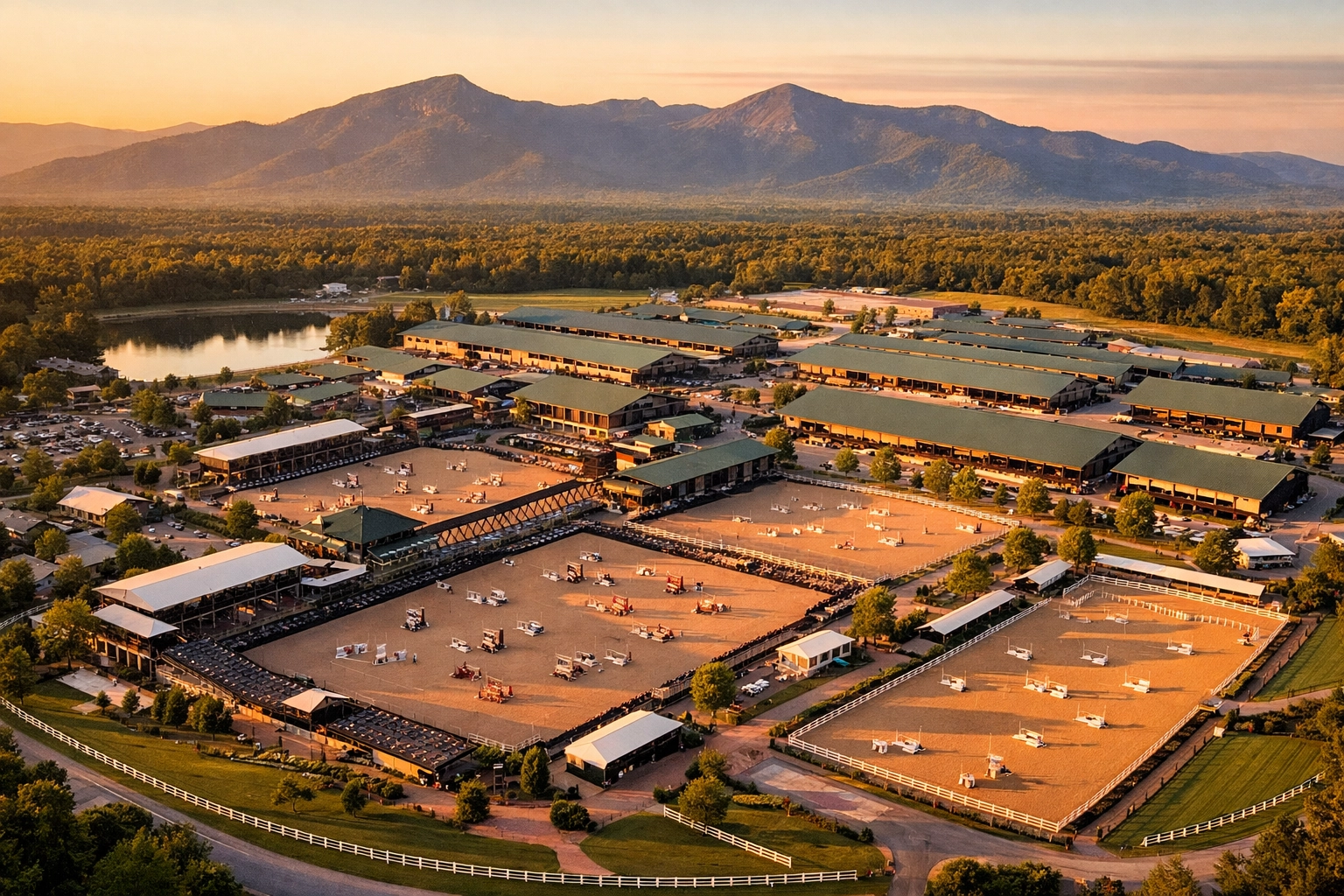
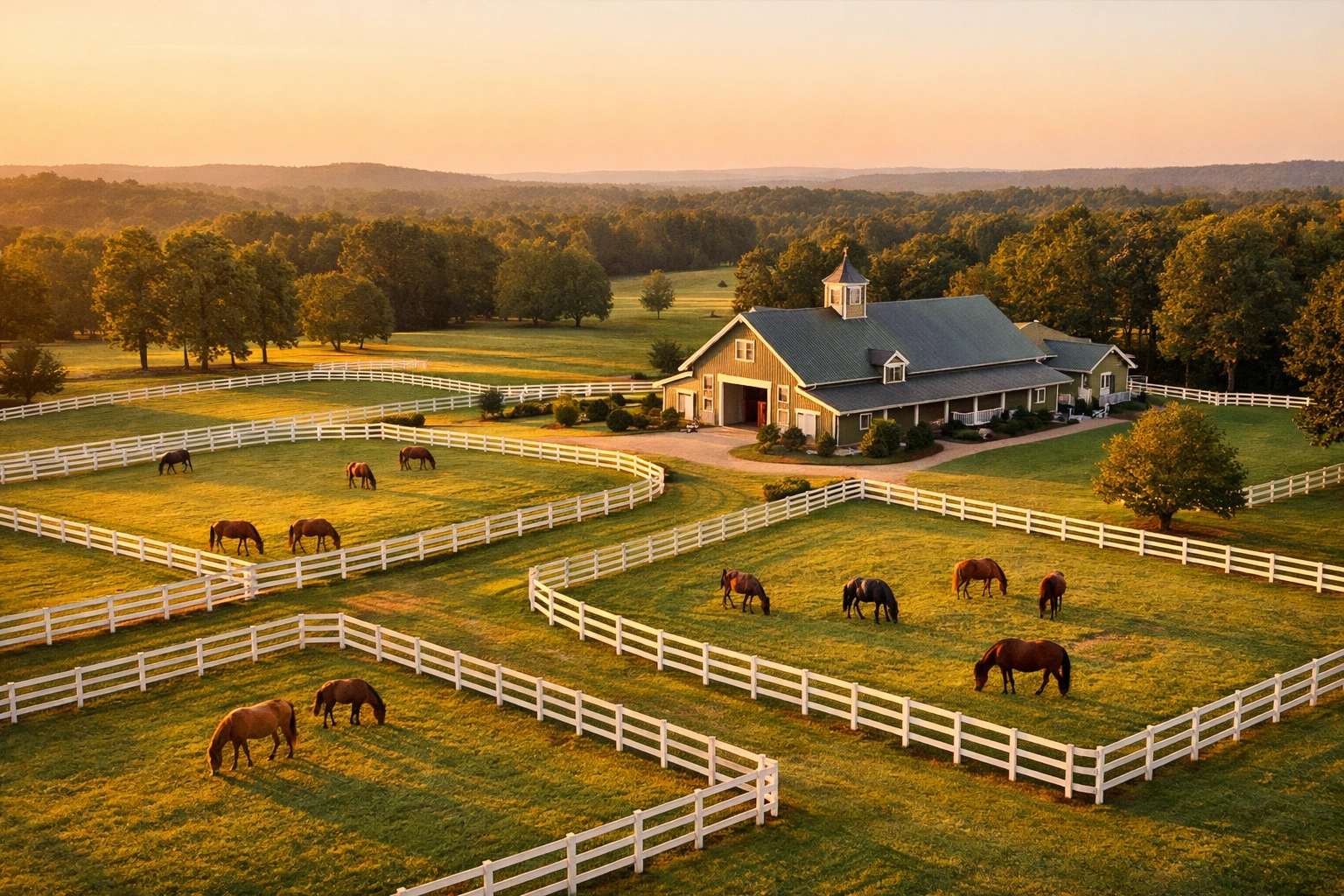
    Traditional equestrian areas represent decades of established infrastructure, concentrated wealth, and proven horse industry presence. These markets include renowned destinations like Lexington, Kentucky; Wellington, Florida; Middleburg, Virginia; and Aiken, South Carolina. These regions built their reputations through generations of horse breeding, training, and competition excellence.

    Emerging equestrian areas encompass regions with growing horse populations, developing infrastructure, and typically more affordable land prices. These markets include areas like Idaho, portions of Wyoming, rural Texas, and expanding regions within established equestrian states where development is moving outward from traditional centers.

    image_1

    Traditional Equestrian Areas: Established Excellence

    Infrastructure and Amenities

    Traditional equestrian hubs offer unmatched infrastructure development. Wellington, Florida, transforms into the winter capital of the equestrian world, hosting the Winter Equestrian Festival and providing world-class facilities including covered arenas, professional-grade footing, and veterinary hospitals specifically designed for equine care.

    Lexington, Kentucky, features the Kentucky Horse Park, Keeneland Race Course, and numerous breeding farms that have shaped the Thoroughbred industry for over two centuries. The region's limestone-rich soil provides natural calcium supplementation for developing horses, creating an inherent advantage that cannot be replicated elsewhere.

    Middleburg, Virginia, known as the equestrian capital of the East Coast, hosts the prestigious Upperville Colt & Horse Show and maintains fox hunting traditions dating back to colonial times. The area offers hunt country atmosphere with rolling hills, stone walls, and meticulously maintained properties.

    Market Stability and Appreciation

    Land values in traditional markets reflect established demand and limited supply. Wellington properties command $50,000 to $150,000 per acre, while Middleburg ranges from $20,000 to $80,000 per acre. These premium prices correlate with consistent appreciation and strong resale markets.

    Buyers in traditional markets typically possess substantial financial resources and view equestrian properties as lifestyle investments rather than purely financial decisions. This creates market stability during economic downturns, as affluent buyers often maintain their equestrian properties even when other investments decline.

    Community and Competition Access

    Traditional areas provide immediate access to high-level competition, training professionals, and established equestrian social networks. These regions host recognized competitions throughout the year, offering opportunities for horses and riders to compete without extensive travel requirements.

    The concentration of equestrian professionals creates competitive advantages for horse development and training. Access to top-tier trainers, veterinarians, farriers, and other specialists allows for optimal horse care and performance development.

    Emerging Equestrian Areas: Opportunity and Affordability

    Cost Advantages and Land Availability

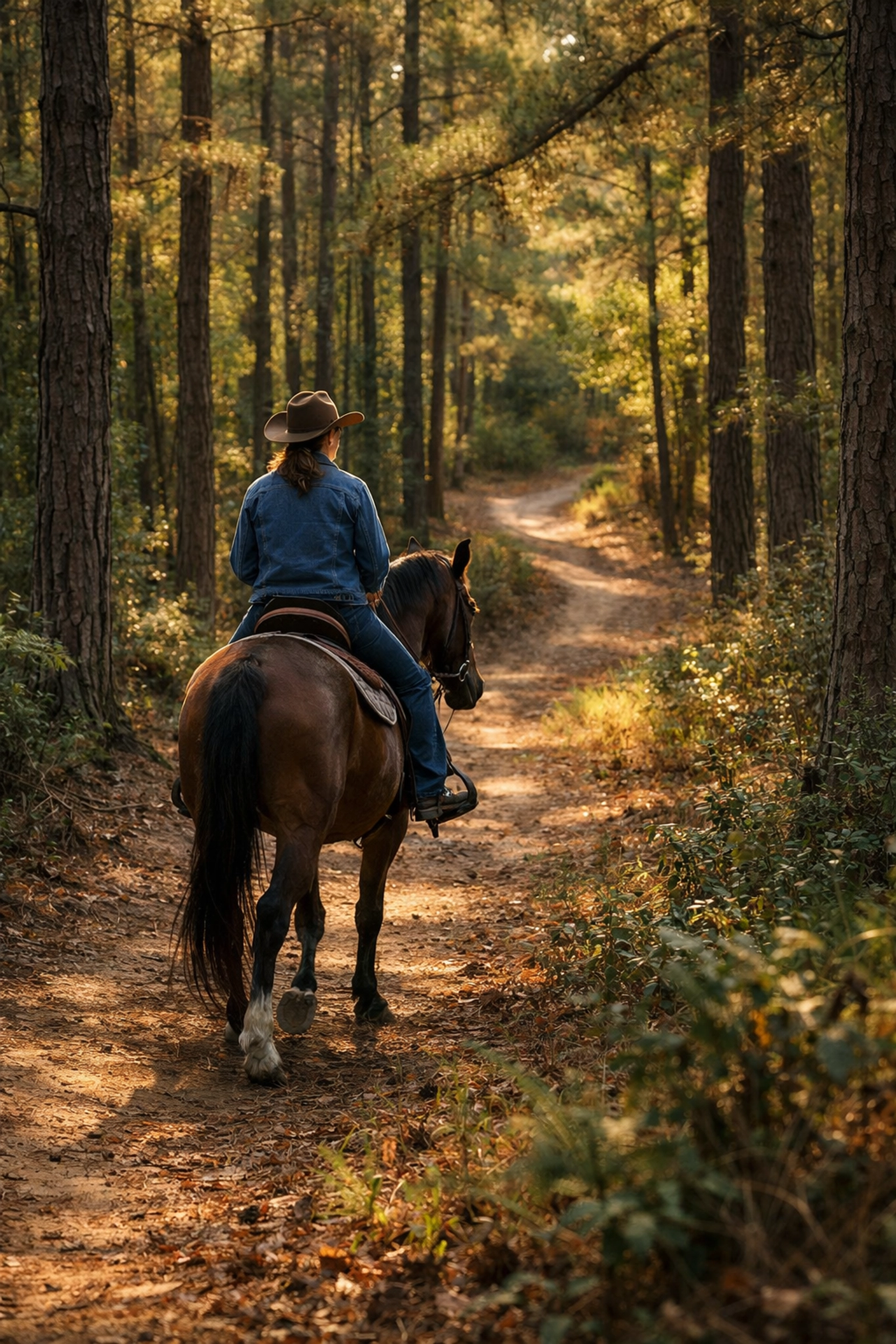
    Emerging markets offer dramatic cost savings compared to traditional hubs. Idaho provides quality horse property for $5,000 to $10,000 per acre with a cost of living 4% below the national average. Sheridan, Wyoming, offers land from $8,000 to $30,000 per acre while maintaining access to Western riding disciplines and ranch work opportunities.

    These price differentials allow buyers to purchase significantly larger acreage, enabling extensive pasture systems, multiple training facilities, and room for future expansion. A budget sufficient for 10 acres in Wellington could secure 50-100 acres in emerging markets.

    image_2

    Development Potential and Flexibility

    Emerging areas provide opportunities to establish equestrian facilities according to personal preferences rather than adapting existing infrastructure. Buyers can design barn layouts, arena configurations, and pasture systems optimized for their specific disciplines and management approaches.

    Many emerging regions qualify for agricultural classifications, providing tax advantages and development flexibility not available in established suburban equestrian communities. These classifications can significantly reduce property taxes while allowing agricultural activities that support equestrian operations.

    Growing Communities and Future Appreciation

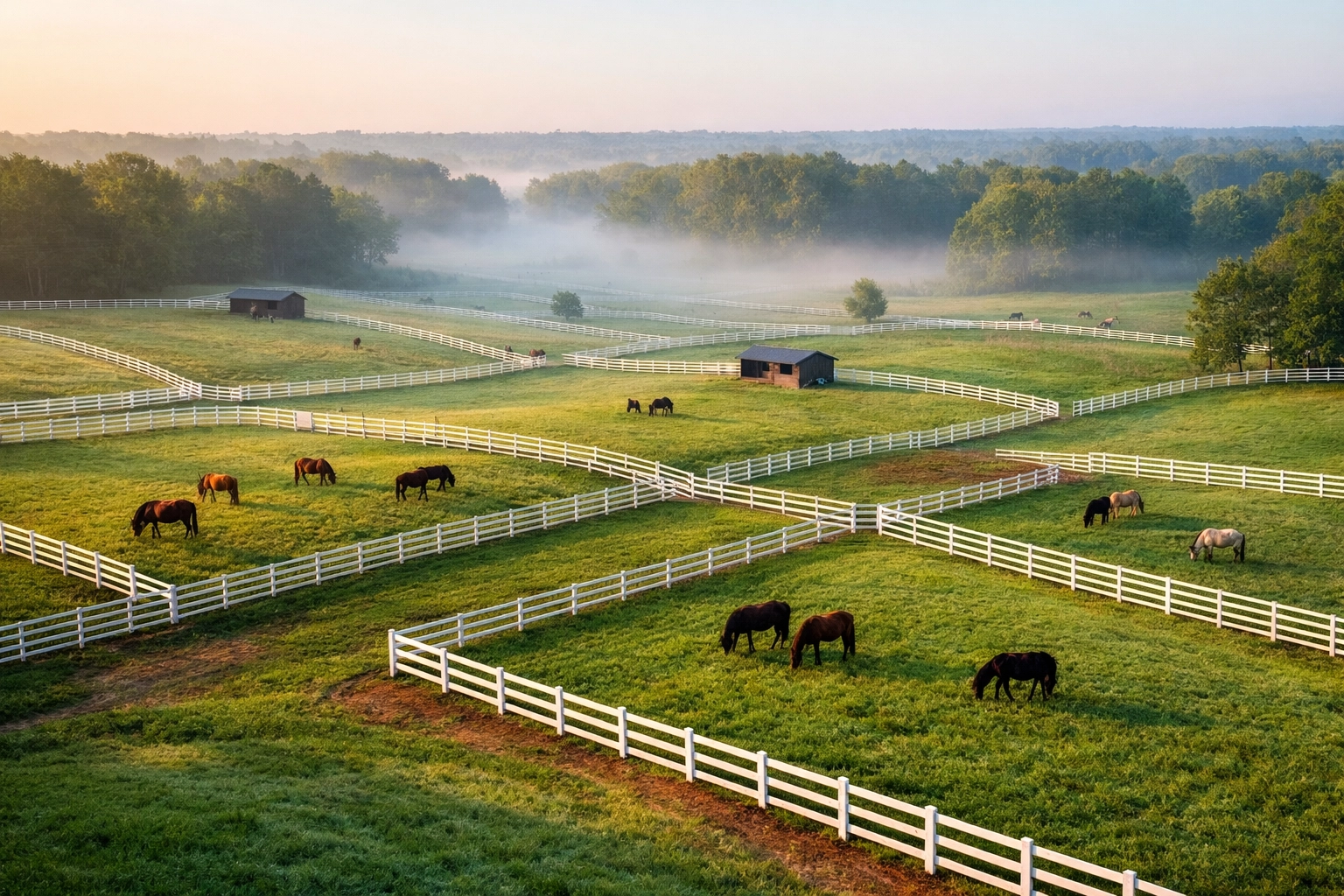
    Emerging markets often experience rapid growth as equestrian enthusiasts seek affordable alternatives to traditional high-cost areas. This migration pattern creates potential for significant property appreciation as demand increases and infrastructure develops.

    Western states particularly benefit from growing populations of equestrians interested in ranch riding, trail riding, and Western disciplines. These areas offer authentic ranch experiences and working cattle operations that appeal to riders seeking practical horsemanship rather than competitive show environments.

    North Carolina's Unique Position

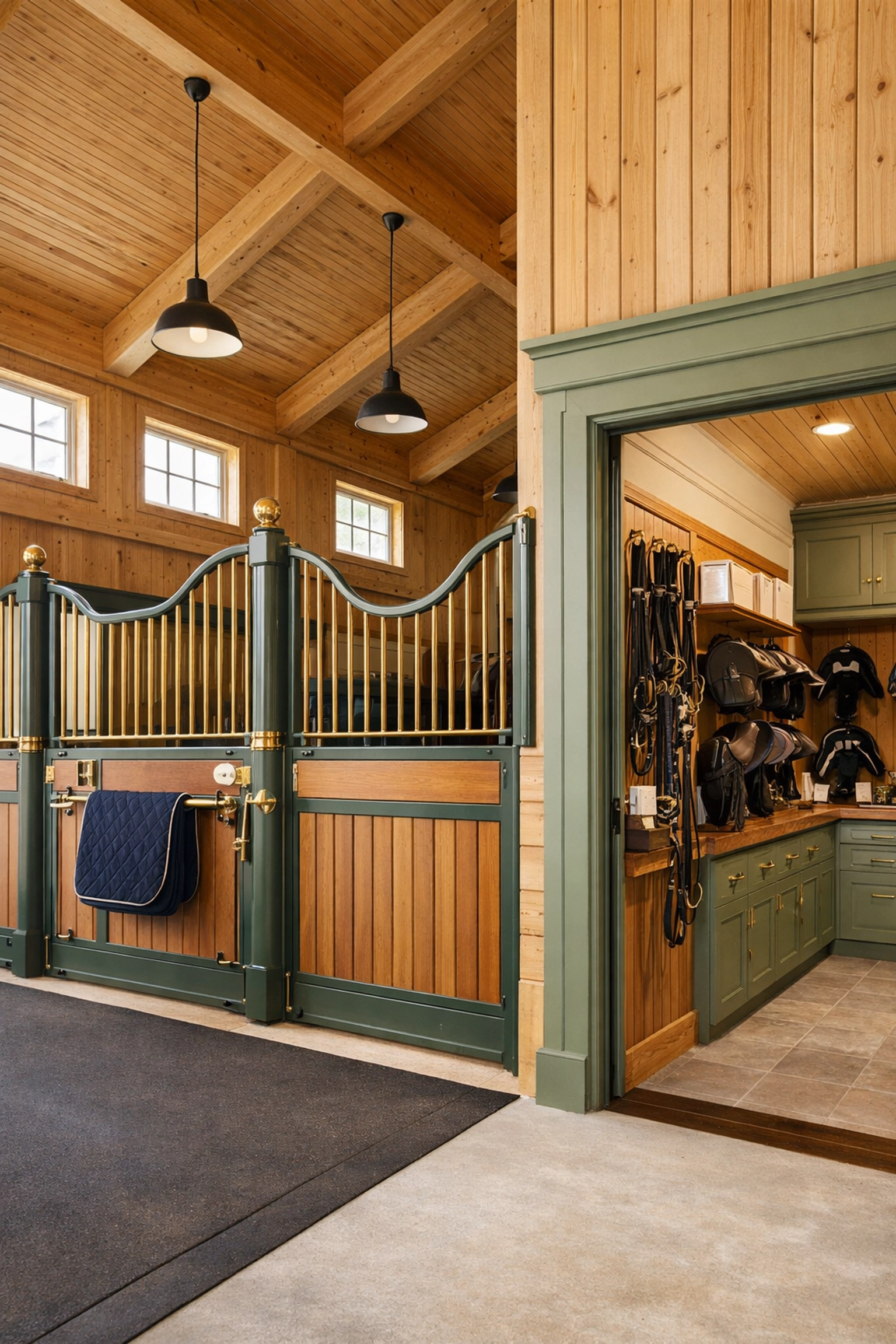
    North Carolina represents a hybrid market combining elements of both traditional and emerging equestrian areas. The Tryon region gained international recognition hosting the 2018 World Equestrian Games and offers established infrastructure rivaling traditional hubs.

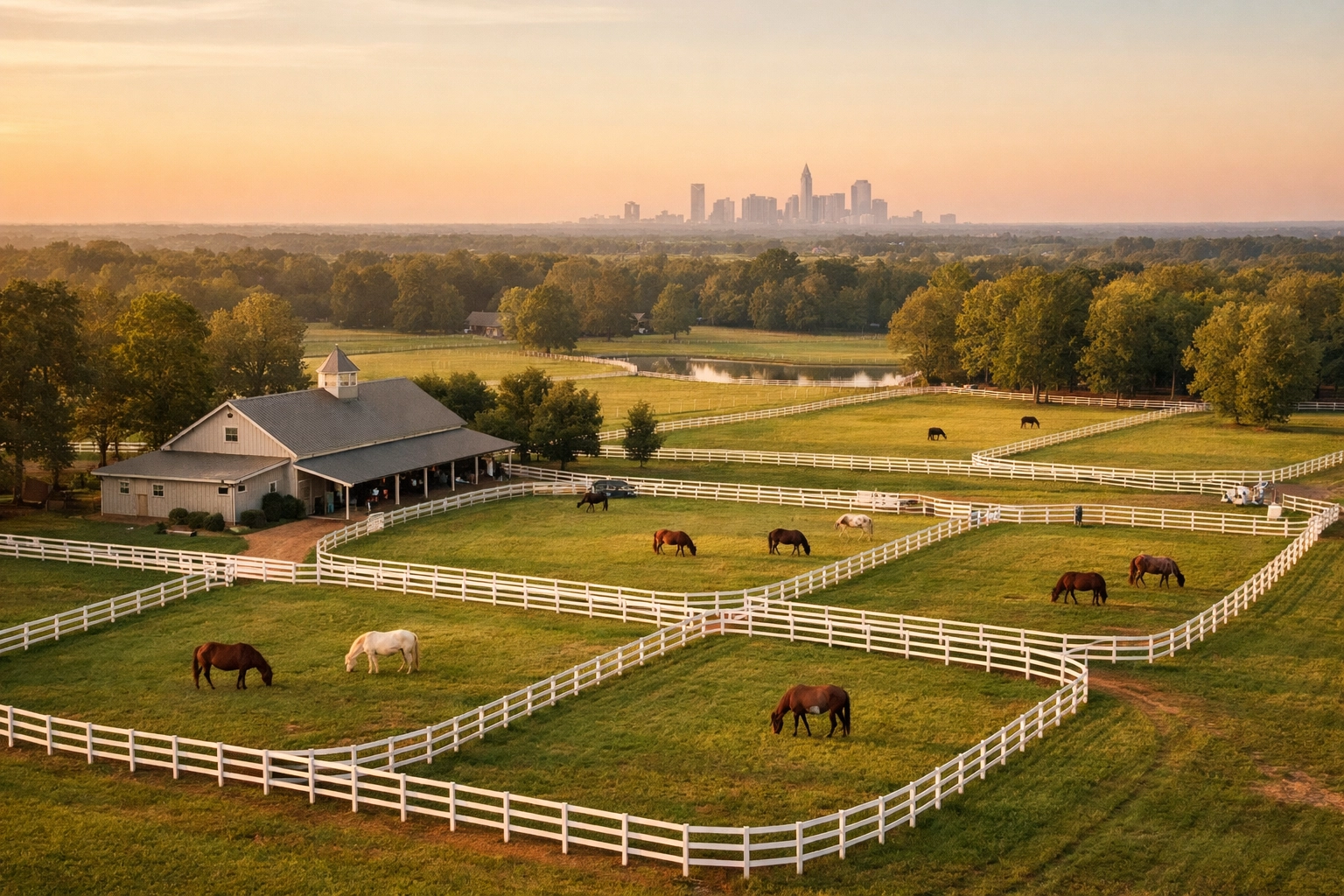
    Areas surrounding Charlotte provide emerging opportunities with reasonable land prices, growing equestrian communities, and proximity to major metropolitan amenities. These regions offer the potential for traditional area appreciation while maintaining emerging market affordability.

    The state's diverse geography supports multiple disciplines from Western pleasure to English hunt seat, creating broader market appeal than regions limited to specific riding styles. This diversity provides market stability and multiple exit strategies for future resale.

    image_3

    Investment Factors for Decision Making

    Financial Capacity and Risk Tolerance

    Traditional markets require substantial initial capital but offer proven appreciation and strong resale markets. These investments suit buyers with significant liquid assets who prioritize stability over maximum returns.

    Emerging markets appeal to buyers seeking maximum land acquisition for available capital and willing to accept longer-term appreciation timelines. These investments require patience as community development and infrastructure improvements gradually increase property values.

    Intended Use and Timeline

    Buyers planning immediate competition participation benefit from traditional markets' established infrastructure and competition access. Those building long-term breeding or training operations may prefer emerging markets' flexibility and expansion potential.

    Retirement planning influences market selection, as traditional areas provide established communities and services appealing to older equestrian enthusiasts, while emerging markets attract younger buyers building careers in the horse industry.

    Exit Strategy Considerations

    Traditional markets offer broader buyer pools and faster sale timelines due to established demand and financing availability. Properties in recognized equestrian areas appeal to multiple buyer categories including equestrian enthusiasts and general luxury property buyers.

    Emerging markets may require longer sale periods and more specialized marketing to identify qualified buyers. However, properly developed properties in growing equestrian regions can provide substantial returns as markets mature.

    Making the Strategic Choice

    Consider traditional equestrian areas when immediate infrastructure access, established community participation, and proven resale values take priority over cost considerations. These markets suit buyers with substantial capital seeking turnkey operations and immediate competition access.

    Choose emerging equestrian markets when affordability, development flexibility, and long-term appreciation potential outweigh infrastructure limitations. These markets reward buyers willing to invest time and resources in community development while building customized facilities.

    Success in either market requires thorough due diligence regarding zoning regulations, water rights, soil quality, and local equestrian community dynamics. Partner with real estate professionals who understand equestrian property requirements and can navigate the complexities of horse farm transactions.

    The optimal choice depends on aligning your financial capacity, timeline, and equestrian goals with market characteristics that support your long-term success. Both traditional and emerging markets offer viable paths to equestrian property ownership when properly matched to individual circumstances.

    Ready to explore equestrian properties that match your investment goals and riding aspirations? Our team understands the unique requirements of horse properties across traditional and emerging markets throughout North Carolina. Contact Carolina Horse Farm Realty to discuss your equestrian property search and discover opportunities that align with your vision for horse farm ownership.

  • How to Choose the Right Acreage for Your North Carolina Horse Farm

    How to Choose the Right Acreage for Your North Carolina Horse Farm

    Finding the perfect acreage for your North Carolina horse operation isn't just about having enough space: it's about understanding how different factors work together to create a sustainable, horse-friendly environment that supports your specific goals.

    Understanding the Baseline: Industry Standards for Horse Acreage

    The equestrian industry has developed general guidelines over decades of experience, but these numbers should serve as your starting point, not your final answer.

    The Two-Plus-One Rule: Most professionals recommend two acres for your first horse, then an additional acre for each horse after that. This formula works well for recreational horse owners who want adequate turnout without intensive pasture management.

    The Four-Acre Standard: For breeding operations where horses spend 80% of their time grazing, Kentucky horse farming expert Ron Wallace advocates for four acres per horse. This higher ratio accounts for the increased nutritional demands of breeding stock and the need for rotational grazing.

    The Intensive Management Exception: Sport horses focused on training rather than turnout, or operations using primarily stall-based management, can function on significantly less land. With excellent management and 70% vegetative cover, experienced horsemen can successfully maintain one horse per acre.

    image_1

    The key insight here is that acreage requirements depend heavily on your management philosophy and your horses' primary use. A dressage barn with horses in work six days a week has different land needs than a retirement farm where horses live out 24/7.

    North Carolina's County-Specific Regulations

    Unlike states with uniform agricultural zoning, North Carolina delegates most land-use decisions to individual counties, creating a patchwork of regulations that directly impacts your acreage decisions.

    Richlands Requirements: Private stables need a minimum of two acres, with specific ratios thereafter: 2 acres total for 1-7 horses, then an additional 1.25 acres for each horse beyond seven. This reflects the eastern part of the state's recognition that horse operations need room to function properly.

    Onslow County Standards: Here, the regulations distinguish between accessory and primary use. Horse stables as an accessory use (meaning your property has another primary function) require just one acre minimum. However, if horses are your property's main purpose, you'll need five acres minimum.

    The Setback Reality: Regardless of total acreage, North Carolina counties typically require substantial setbacks that can limit your usable space:

    • Stalls must sit 200 feet from dwellings and 50 feet from property lines
    • Pasture areas need 100 feet from dwellings and 20 feet from property lines
    • Manure and feed storage requires 400 feet from dwellings and 100 feet from property lines

    These setback requirements often mean that properties under five acres struggle to accommodate both residential and equestrian functions effectively.

    image_2

    The Pasture Quality Factor

    Raw acreage numbers mean nothing without considering what that land can actually produce for your horses.

    Carrying Capacity Calculations: One horse consumes roughly 27 acres' worth of forage annually, either through grazing or hay equivalent. This means that on excellent pasture with proper rotation, you might achieve one horse per acre. On poor soil with marginal grass, you might need three or four acres per horse just to provide adequate nutrition.

    North Carolina's Geographic Advantages: Our state's varied topography and climate create distinct regions with different agricultural potential. The Piedmont's rolling hills and clay-based soils support different grass varieties than the Coastal Plain's sandy soils or the Mountain region's cooler temperatures and shorter growing seasons.

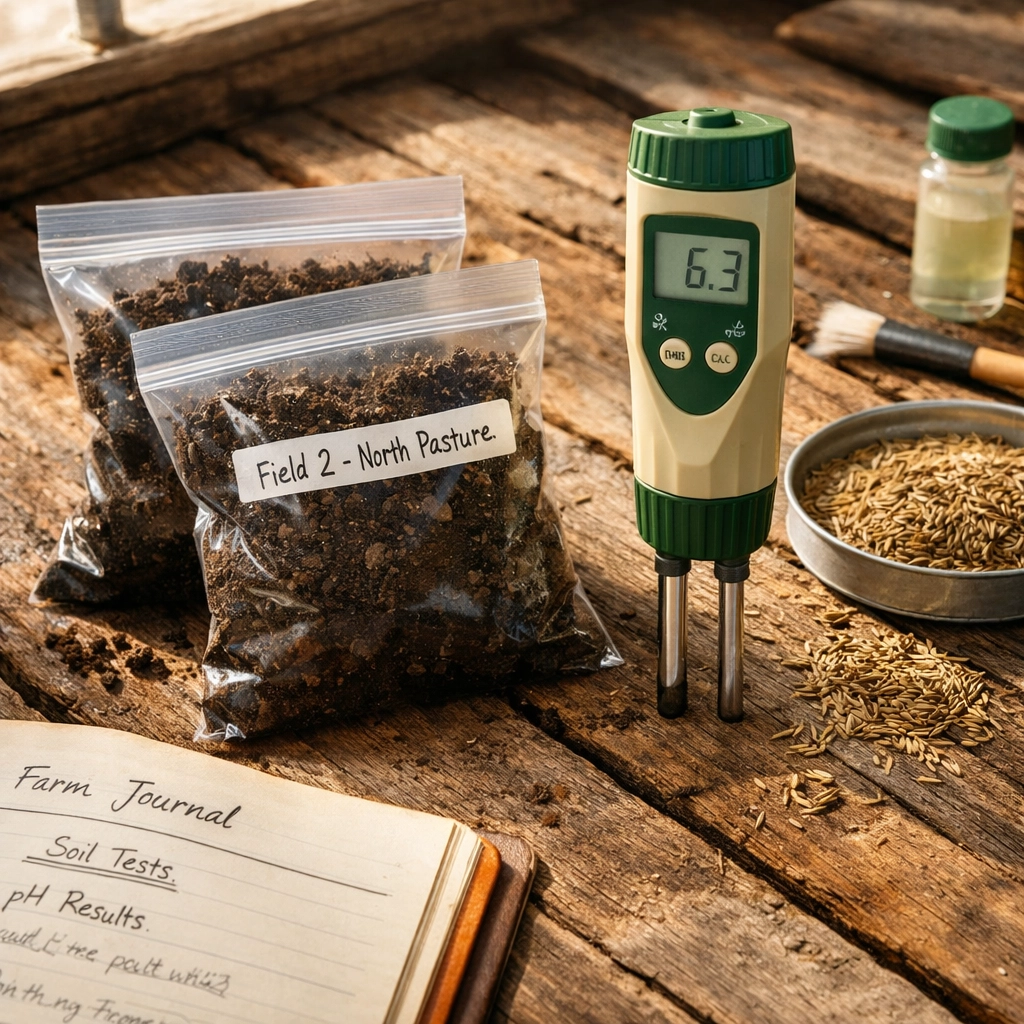
    Soil Testing and Forage Planning: Before committing to any acreage, conduct soil tests to understand pH levels, nutrient availability, and drainage characteristics. Poor soil doesn't disqualify a property, but it changes your management requirements and operational costs significantly.

    Storage and Infrastructure Space Planning

    Many buyers focus entirely on pasture acreage while overlooking the substantial space requirements for supporting infrastructure.

    Manure Management: North Carolina regulations require specific storage areas sized according to your horse population: from 500 square feet for 1-3 horses up to 6,000 square feet for operations with 21 or more horses. Factor in equipment access and proper drainage when calculating these areas.

    Feed Storage Considerations: Hay and grain storage needs increase exponentially with herd size. Quality hay storage requires protection from moisture and adequate ventilation, often necessitating substantial covered areas that many new horse property owners underestimate.

    Equipment and Vehicle Storage: Tractors, mowers, trailers, and other essential equipment need covered storage. Many successful horse operations dedicate 10-15% of their total improved area to equipment storage and workshop space.

    image_3

    Operational Type Drives Acreage Decisions

    Your intended use significantly impacts how much land you actually need, beyond any local zoning requirements.

    Breeding Operations: These typically require the highest land-to-horse ratios due to extended turnout periods, separation requirements for stallions and mares, and foaling paddocks. Plan for 4-6 acres per breeding animal, with additional space for young stock.

    Training and Sport Horse Operations: Facilities focused on riding and training can function efficiently on less acreage since horses spend significant time in work rather than turnout. However, these operations often need larger covered arenas, round pens, and specialized footing that requires different space planning.

    Retirement and Sanctuary Operations: Horses living out full-time need adequate pasture rotation and shelter options. These operations benefit from larger acreage but can sometimes work with lower-quality land since the management intensity is typically lower.

    Water Access and Natural Resources

    Water availability often determines a property's true carrying capacity more than total acreage.

    Natural Water Sources: Ponds, streams, and springs can provide excellent water access for horses, but they also come with management responsibilities and potential environmental regulations. Factor in fencing requirements to protect water sources while providing safe access.

    Well Water Considerations: Many horse properties rely on well water, which requires understanding both water quality and production capacity. A well producing five gallons per minute might support a small operation but could limit growth potential.

    Drainage and Wet Weather Management: North Carolina's humid climate and seasonal rainfall patterns mean that good drainage often matters more than total acreage. Poorly drained land becomes unusable during wet periods, effectively reducing your functional space.

    image_4

    The Hidden Costs of Acreage Size

    More land isn't automatically better: it comes with proportional management requirements and costs.

    Fencing Requirements: Perimeter fencing costs scale directly with property size, while internal paddock fencing depends on your management system. Budget $3-8 per foot for quality horse fencing, with costs varying based on terrain and materials.

    Maintenance Equipment Needs: Larger acreage typically requires more substantial equipment for mowing, bush-hogging, and pasture management. Factor in not just purchase costs but ongoing maintenance and fuel expenses.

    Property Tax Implications: North Carolina offers agricultural tax benefits for qualifying horse operations, but larger acreage means higher base tax liability even with agricultural exemptions.

    Making the Right Choice for Your Situation

    Successful horse property selection balances your horses' needs, your management capabilities, local regulations, and long-term goals.

    Start by honestly assessing your experience level and available time for property management. A smaller, well-managed property often serves horses better than extensive acreage that becomes overgrown or poorly maintained.

    Consider your growth plans carefully. Properties that work well for two horses may become inadequate if you plan to expand your operation, breed horses, or take in boarding clients.

    Ready to find your perfect horse property in North Carolina? Our team understands the unique requirements of equestrian operations and can help you navigate both the emotional and practical aspects of choosing the right acreage. Whether you're looking for a small retirement farm or a full-scale breeding operation, we'll help you find land that truly works for both you and your horses.

  • How to Prep Your Horse Farm for a Video Tour: NC Seller's Edition

    How to Prep Your Horse Farm for a Video Tour: NC Seller's Edition

    When it comes time to showcase your North Carolina horse property, first impressions happen before buyers ever set foot on your land. In today's digital-first market, that initial connection happens through video: and getting it right can mean the difference between serious inquiries and passed-over listings.

    After years of helping horse farm owners across the Tar Heel State prepare their properties for sale, we've learned what makes buyers lean forward in their chairs versus click away. It's not about perfection; it's about authentically presenting the equestrian lifestyle your farm offers.

    Understanding the Golden Hour Advantage

    North Carolina's natural light changes dramatically throughout the day, and timing your video shoot can transform ordinary pastures into magazine-worthy scenes. Plan your primary footage for the hour following sunrise or the hour before sunset. During these windows, your fields take on that warm, honeyed glow that makes viewers imagine morning feeds and evening rides.

    For farms in the Piedmont region, this lighting beautifully showcases the rolling terrain that makes our state so appealing to horse buyers. In coastal areas near Wilmington, golden hour light creates stunning contrast against darker soils and oak groves.

    image_1

    Mid-morning shoots work well for barn interiors and covered areas, when natural light filters in without harsh shadows. Avoid midday filming unless you're specifically showcasing indoor arenas with excellent artificial lighting.

    Staging Your Barns and Facilities

    Your barn tells the story of how horses live on your property. Start with a thorough cleaning, but resist the urge to make everything look unused. Buyers want to see a working farm, not a museum.

    Organize tack rooms and feed areas, but leave evidence of daily horse care: clean halters hanging on hooks, filled water buckets, fresh hay in the racks. Remove personal items like family photos or unrelated storage, but keep horse-related equipment that shows the barn's functionality.

    Check all lighting fixtures and replace any burned bulbs. Ensure stall doors operate smoothly and quietly: squeaky hinges are amplified on video and suggest deferred maintenance. If your wash stalls or breeding areas are selling points, ensure they're spotless and properly lit.

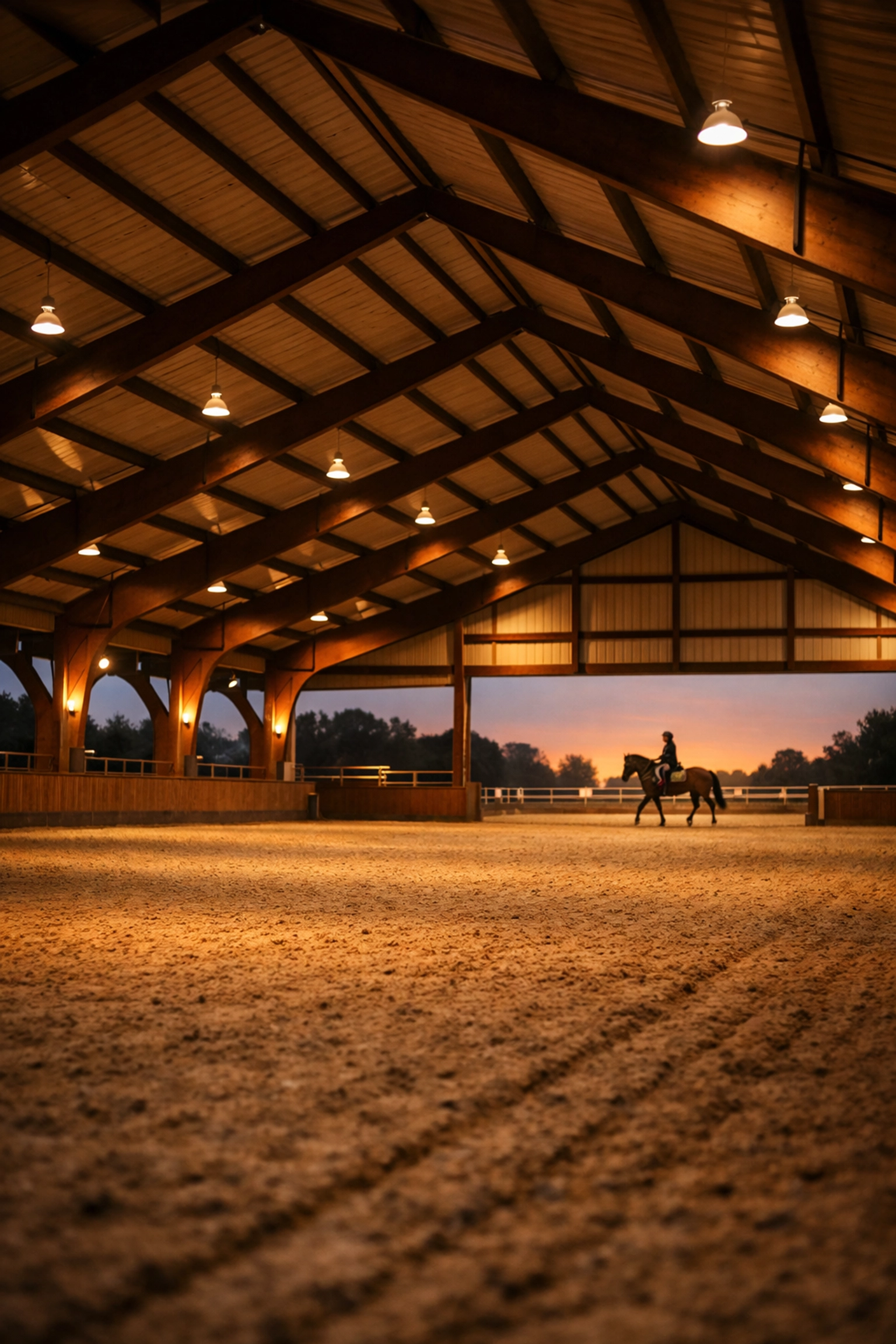
    For properties with indoor arenas, have the footing freshly dragged and watered if appropriate. A well-maintained arena surface immediately communicates serious equestrian infrastructure to knowledgeable buyers.

    Pasture and Fencing Presentation

    Your pastures are likely the first thing buyers notice and often the most important factor in their decision. Walk your fence lines the day before filming to identify and address any obvious repair needs. You don't need perfect fencing, but visible maintenance and care matter enormously.

    If you're dealing with North Carolina's frequent summer growth, have fields mowed or at least trimmed along fence lines. Overgrown pastures can make excellent land appear neglected, especially to out-of-state buyers unfamiliar with our aggressive growing season.

    Consider the visual path your camera will take through each field. Remove temporary fencing, equipment, or debris that might distract from the land itself. If you have automatic waterers or quality fencing, ensure they're prominently visible in shots.

    image_2

    Preparing Your Horses for Their Close-Up

    If your horses will appear in the video: and they should, if possible: a little preparation goes a long way. Well-groomed horses grazing peacefully or moving naturally through pastures add life and authenticity that empty fields simply can't match.

    Plan feeding times to coincide with filming. Horses focused on hay or grain create natural, attractive footage and demonstrate normal daily routines. Avoid forcing interactions or movement that might stress your animals or create unsafe conditions for your filming crew.

    If you have particularly photogenic or calm horses, consider having them in your most visible pastures during filming. But prioritize safety and animal comfort over any shot: stressed horses create stressed footage.

    Highlighting Water Features and Natural Assets

    North Carolina horse farms often feature ponds, creeks, or other water sources that significantly add to property value. These features require special attention during video preparation.

    Clear any debris from pond areas and ensure walking paths to water sources are safe and clear. If you have creek access, consider having it featured prominently, as many buyers specifically seek properties with natural water sources.

    Rock outcroppings, mature trees, and natural terrain features that make your property unique should be easily accessible and visible during filming. These elements often justify premium pricing and separate your farm from generic acreage.

    Technical Considerations for Optimal Results

    Ensure your videographer can access all key areas of your property. This might mean temporarily removing gates, clearing brush from trails, or establishing safe parking for equipment vehicles.

    Test your property's cell coverage and internet connectivity if live streaming or immediate upload capabilities are planned. Many rural North Carolina properties have connectivity challenges that should be addressed beforehand.

    If your property includes trails or riding areas beyond main pastures, ensure they're accessible and safe for camera equipment. Some of the most compelling footage comes from unique features like wooded trails or hill-top views that showcase your land's full potential.

    image_3

    Seasonal Timing Strategies

    North Carolina's seasons each offer distinct advantages for video tours. Spring showcases new grass and flowering trees but may include muddy conditions from frequent rain. Summer provides lush pastures but requires early morning or late evening filming to avoid harsh heat and shadows.

    Fall offers spectacular visuals with changing leaves and comfortable temperatures, making it ideal for longer filming sessions. Winter filming can work well for highlighting barn facilities and infrastructure, though brown pastures may not appeal to every buyer.

    Plan your video timing around your property's best seasonal appearance, but don't delay marketing for perfect conditions. Well-prepared footage works in any season when properly executed.

    Common Mistakes to Avoid

    Avoid cluttering shots with personal vehicles, equipment, or temporary structures that don't convey with the property. Empty feed buckets, broken equipment, or overfilled manure piles create negative impressions that last long after viewing ends.

    Don't attempt to hide property limitations or challenges. Honest representation builds trust and attracts qualified buyers rather than creating disappointment during in-person visits.

    Resist over-staging that makes your farm look unused or artificially perfect. Buyers want working farms, not showpieces that seem impossible to maintain.

    Working with Professional Results

    Consider your video tour an investment in attracting serious, qualified buyers who understand horse property value. Quality footage not only showcases your farm effectively but also demonstrates the care and attention you've invested in the property itself.

    The right preparation creates video content that works as hard as you do to find the perfect buyer for your North Carolina horse farm: someone who will appreciate and continue the legacy you've built.

    When you're ready to showcase your horse farm through professional video marketing that truly captures its character and potential, experienced guidance makes all the difference in presenting your property's story effectively.

  • Understanding Horse Farm Financing in North Carolina

    Understanding Horse Farm Financing in North Carolina

    Finding the right financing for your equestrian property in North Carolina doesn't have to feel like navigating uncharted territory. As horse people ourselves, we understand that purchasing a farm isn't just about square footage and curb appeal: it's about securing the foundation for your horses' wellbeing and your equestrian dreams.

    North Carolina's agricultural landscape offers unique financing opportunities specifically designed for horse operations, from small hobby farms to large commercial breeding facilities. Understanding these options can mean the difference between settling for a property that "sort of works" and finding the perfect place where your horses can truly thrive.

    The Three Primary Loan Categories for Horse Farms

    Ranch Loans: For Operating Equestrian Businesses

    Ranch loans target properties where horses aren't just pets: they're part of a working operation. These loans recognize that horse farms generate income through boarding, training, breeding, or lesson programs. Lenders evaluate both the property's potential and your business plan, considering factors like pasture quality, existing facilities, and proximity to equestrian communities.

    The beauty of ranch loans lies in their flexibility. Unlike traditional residential mortgages, these loans accommodate the seasonal nature of equestrian income. Whether you're planning to board horses through the summer show season or breed for spring foal sales, lenders familiar with horse operations understand cash flow patterns that might puzzle conventional banks.

    Land Loans: Building Your Vision from the Ground Up

    For those drawn to raw acreage with endless possibilities, land loans finance everything from untouched pasture to partially improved properties. These loans appeal to horse owners who want to design their facilities from scratch: choosing exactly where the barn sits, how paddocks flow, and where riding trails wind through the property.

    image_1

    Land loans typically require larger down payments than improved property purchases, but they offer something invaluable: complete control over your farm's development. You can prioritize what matters most to your horses: whether that's installing automatic waterers, designing custom footing, or creating the perfect arena orientation.

    Commercial Loans: For Professional Equestrian Operations

    Professional trainers, therapeutic riding centers, and large-scale breeding operations often need financing that recognizes their unique business models. Commercial loans accommodate everything from indoor arena construction to specialized equipment purchases, understanding that a successful equestrian business requires significant infrastructure investment.

    What Horse Farm Loans Actually Cover

    The scope of equestrian financing extends far beyond simple property purchases. Modern agricultural lenders understand that a successful horse operation requires comprehensive funding for:

    Land and Infrastructure Investments

    • Property acquisition
    • Barn construction and renovation
    • Arena development (indoor and outdoor)
    • Fencing installation and repairs
    • Water system development
    • Electrical infrastructure for barns and arenas

    Livestock and Equipment Financing

    • Horse purchases for breeding or training programs
    • Hay and feed storage facilities
    • Tractors and farm equipment
    • Horse trailers and transportation vehicles
    • Specialized equestrian equipment

    Operational Capital

    • Seasonal operating expenses
    • Feed and bedding inventory
    • Veterinary and farrier services
    • Insurance and licensing costs
    • Marketing and facility improvements

    image_2

    Federal Financing Programs: USDA and FSA Options

    USDA Rural Development Loans

    The United States Department of Agriculture offers some of North Carolina's most attractive financing options for horse farms located in eligible rural areas. These loans often feature competitive interest rates and, in some cases, require no down payment for qualifying buyers.

    USDA loans recognize that horse farms contribute to rural economic development and agricultural preservation. Properties must meet specific rural designation requirements, but many of North Carolina's premier horse areas: from the foothills to the coastal plains: qualify for these programs.

    Farm Service Agency (FSA) Programs

    The FSA provides both direct loans and guaranteed loan programs specifically designed for agricultural operations. Direct farm ownership loans help beginning farmers and ranchers purchase land, while operating loans provide capital for annual expenses like feed, equipment, and facility maintenance.

    FSA guaranteed loans work through approved commercial lenders, combining federal backing with local lending relationships. This structure often results in more favorable terms than purely private financing while maintaining the personal service of community banks familiar with regional horse markets.

    North Carolina's Agricultural Credit Cooperatives

    AgCarolina Farm Credit

    As a farmer-owned cooperative, AgCarolina understands the unique challenges facing North Carolina's equestrian community. Their lending specialists regularly work with horse operations, from weekend warriors seeking their first farm to established professionals expanding their facilities.

    AgCarolina offers specialized programs for young, beginning, and small farmers that can significantly improve financing terms. These programs recognize that many successful horse operations start small and grow over time, providing pathways for borrowers who might not qualify for conventional agricultural loans.

    Carolina Farm Credit and AgSouth

    Carolina Farm Credit brings decades of experience financing North Carolina agricultural operations, including a strong understanding of the state's diverse equestrian markets. From Charlotte's competitive hunter/jumper scene to the mountains' trail riding culture, they recognize how location influences property values and income potential.

    AgSouth Farm Credit extends comprehensive agricultural lending across North Carolina, offering everything from land acquisition loans to equipment financing. Their experience with livestock operations translates well to horse farms, understanding factors like pasture management, water requirements, and facility depreciation.

    image_3

    Specialized Equestrian Lenders

    Horizon Farm Credit and United Ag Lending

    Specialized equine lenders bring industry-specific knowledge that general agricultural lenders sometimes lack. They understand why indoor arenas command premium values, how seasonal income patterns affect cash flow, and what facility improvements actually add value versus those that simply increase costs.

    These lenders often provide more flexible repayment terms aligned with equestrian business cycles. Whether income peaks during show season, breeding season, or training periods, specialized lenders structure payments to match revenue patterns.

    North Carolina Agricultural Finance Authority (NCAFA)

    The NCAFA serves as a bridge between federal programs and private lending, often partnering with FSA to provide comprehensive financing packages. Their programs target specific needs within North Carolina's agricultural community, including disaster recovery loans and beginning farmer assistance.

    NCAFA's involvement often signals to other lenders that a project has been thoroughly vetted and meets agricultural development criteria. This endorsement can open doors to additional financing options and more favorable terms.

    Preparing for Horse Farm Financing Success

    Documentation Requirements

    Agricultural lenders require extensive documentation beyond typical residential purchases. Business plans, income projections, facility condition reports, and pasture management plans all factor into loan approval decisions.

    Successful applicants present comprehensive packages that demonstrate both financial capability and agricultural knowledge. Lenders want to see that borrowers understand horse care requirements, facility maintenance needs, and the economic realities of equestrian operations.

    Down Payment Expectations

    Horse farm financing typically requires larger down payments than residential purchases, often ranging from 10% to 25% depending on the loan program and property type. However, this investment demonstrates commitment to the operation and reduces lender risk, often resulting in better interest rates and terms.

    image_4

    Making Your Horse Farm Dreams Reality

    North Carolina's diverse financing landscape provides multiple pathways to horse farm ownership, from federal programs supporting agricultural development to specialized lenders who speak your language. The key lies in matching your specific needs: whether you're purchasing your first five-acre hobby farm or expanding a commercial operation: with lenders who understand both horses and North Carolina's unique equestrian markets.

    Success in horse farm financing comes from preparation, realistic planning, and working with professionals who recognize that buying equestrian property isn't just a real estate transaction: it's the foundation for a lifestyle built around horses.

    Ready to explore financing options for your North Carolina horse farm? Our team understands both the equestrian and financial sides of these transactions, helping connect serious buyers with properties that match their horses' needs and their financial capabilities.

  • The Best Horse-Friendly Neighborhoods Near Charlotte, NC

    The Best Horse-Friendly Neighborhoods Near Charlotte, NC

    Finding the right equestrian community isn't just about beautiful homes: it's about discovering a place where your horses can thrive, where morning feed runs feel like a privilege rather than a chore, and where neighbors understand that sometimes the barn comes before the house. Charlotte's surrounding areas offer some of the Southeast's finest horse-friendly neighborhoods, each with distinct personalities and amenities that cater to different equestrian lifestyles.

    Whether you're relocating from up north seeking more space and better weather, or you're a local rider ready to bring your horses home, these communities represent the best of North Carolina's equestrian real estate market.

    Cheval: Mint Hill's Crown Jewel

    Nestled in Mint Hill, a southeast suburb consistently ranked as one of North Carolina's safest communities, Cheval stands as perhaps the most sophisticated equestrian development in the Charlotte metro area. This 425-acre luxury community offers homesites ranging from one to nearly six acres, giving horse owners the space they need without sacrificing convenience to Charlotte's business district.

    image_1

    What sets Cheval apart isn't just the acreage: it's the Joli Cheval Equestrian Center, an award-winning facility with Tuscan-inspired architecture that rivals facilities you'd find in Wellington or Aiken. The center offers full boarding services, training programs, and hosts regional competitions throughout the year. For residents, it means having professional-level facilities literally in your backyard.

    The homesites in Cheval are designed with the equestrian lifestyle in mind. Many lots feature natural slopes perfect for drainage, mature hardwoods for shade, and soil composition ideal for pasture development. The community's restrictions ensure that any barns built meet high architectural standards while maintaining functionality for serious horse operations.

    Mint Hill's location provides the perfect balance: rural enough for horses to feel at home, yet close enough to Charlotte that your non-horse family members won't feel isolated. The area boasts excellent schools, making it attractive to families with children who may or may not share the equestrian passion.

    The Ranch at Palisades: Gated Luxury with Trail Access

    For those seeking a more intimate equestrian community, The Ranch offers a gated neighborhood within the larger 1,500-acre Palisades development. This community appeals to horse owners who want security, privacy, and the convenience of shared equestrian amenities without the responsibility of maintaining their own full-scale operation.

    The commercial horse barn available to residents represents a significant advantage for horse owners who prefer professional management of their animals' daily care. This arrangement works particularly well for business professionals who travel frequently or families new to horse ownership who want expert guidance readily available.

    image_2

    The Ranch's location within the larger Palisades development means residents enjoy multiple amenities beyond just equestrian facilities. The community features walking trails, a clubhouse, and recreational areas that appeal to the entire family. The gated access provides security that many horse owners appreciate, particularly for expensive show horses or breeding stock.

    What makes The Ranch particularly appealing is its proximity to other equestrian facilities in the region. Residents often find themselves part of a larger horse community that extends beyond the neighborhood's boundaries, creating opportunities for riding partnerships, training collaborations, and horse-showing friendships.

    Finncastle: Mooresville's Equestrian Haven

    Located near the charming town of Mooresville, Finncastle represents a more intimate approach to equestrian community living. With just 33 carefully planned homesites, this development emphasizes quality over quantity, offering residents the opportunity to create custom equestrian estates tailored to their specific needs.

    Mooresville's location north of Charlotte provides easy access to the region's horse industry infrastructure while maintaining a distinctly rural character. The area is home to numerous horse professionals, from veterinarians and farriers to trainers and breeding operations, creating a supportive network for horse owners at all levels.
    Finncastle's design incorporates riding trails that connect the various homesites, allowing residents to ride directly from their properties onto community trails. This feature proves invaluable for daily exercise routines and creates natural opportunities for neighbors to connect over their shared passion for horses.

    image_3

    The development's emphasis on luxury homes paired with serious equestrian facilities attracts buyers who view their properties as long-term family compounds rather than starter homes. Many lots feature multiple building sites, allowing for phased development of both residential and equestrian improvements.

    Beyond the Planned Communities: Hidden Gems

    While planned equestrian communities offer obvious advantages, some of the area's best horse properties exist as individual estates scattered throughout Charlotte's surrounding counties. These properties often provide more acreage, greater privacy, and sometimes better value for buyers willing to create their own equestrian paradise.

    Waxhaw has emerged as a favorite among serious horse people, offering larger parcels of land at more reasonable prices than closer-in communities. The area's clay soil drains well, and many properties feature natural water sources essential for horse operations. Waxhaw's rural character hasn't been compromised by overdevelopment, yet it maintains reasonable access to Charlotte's amenities.

    Huntersville provides another option for those seeking individual estates rather than community living. Properties here often feature mature landscaping, existing barns, and established pastures that can save new owners years of development time and significant expense.

    The Lake Norman area appeals to horse owners who want waterfront amenities in addition to equestrian facilities. While properties here command premium prices, the lifestyle benefits of combining boating and riding often justify the investment for the right buyer.
    What to Look for in a Horse-Friendly Neighborhood

    Successful equestrian properties require more than just pretty views and nice houses. Smart buyers evaluate several critical factors before committing to any horse-friendly community or individual property.

    Water access remains the most crucial consideration. Whether from wells, municipal systems, or natural sources, horses require substantial daily water supplies. Properties with reliable, high-capacity water systems avoid future headaches and expenses.

    Soil composition and drainage determine both pasture quality and barn placement options. Clay soils common in the Charlotte area can support good grass growth but may require careful management during wet seasons. Properties with natural elevation changes often provide better drainage solutions.

    Zoning and covenants vary significantly throughout the region. Some communities welcome horse operations while others barely tolerate them. Understanding these restrictions before purchase prevents expensive surprises later.
    Veterinary and farrier access should influence location decisions. Properties within reasonable distance of emergency veterinary services and quality farriers prove more practical for serious horse operations.
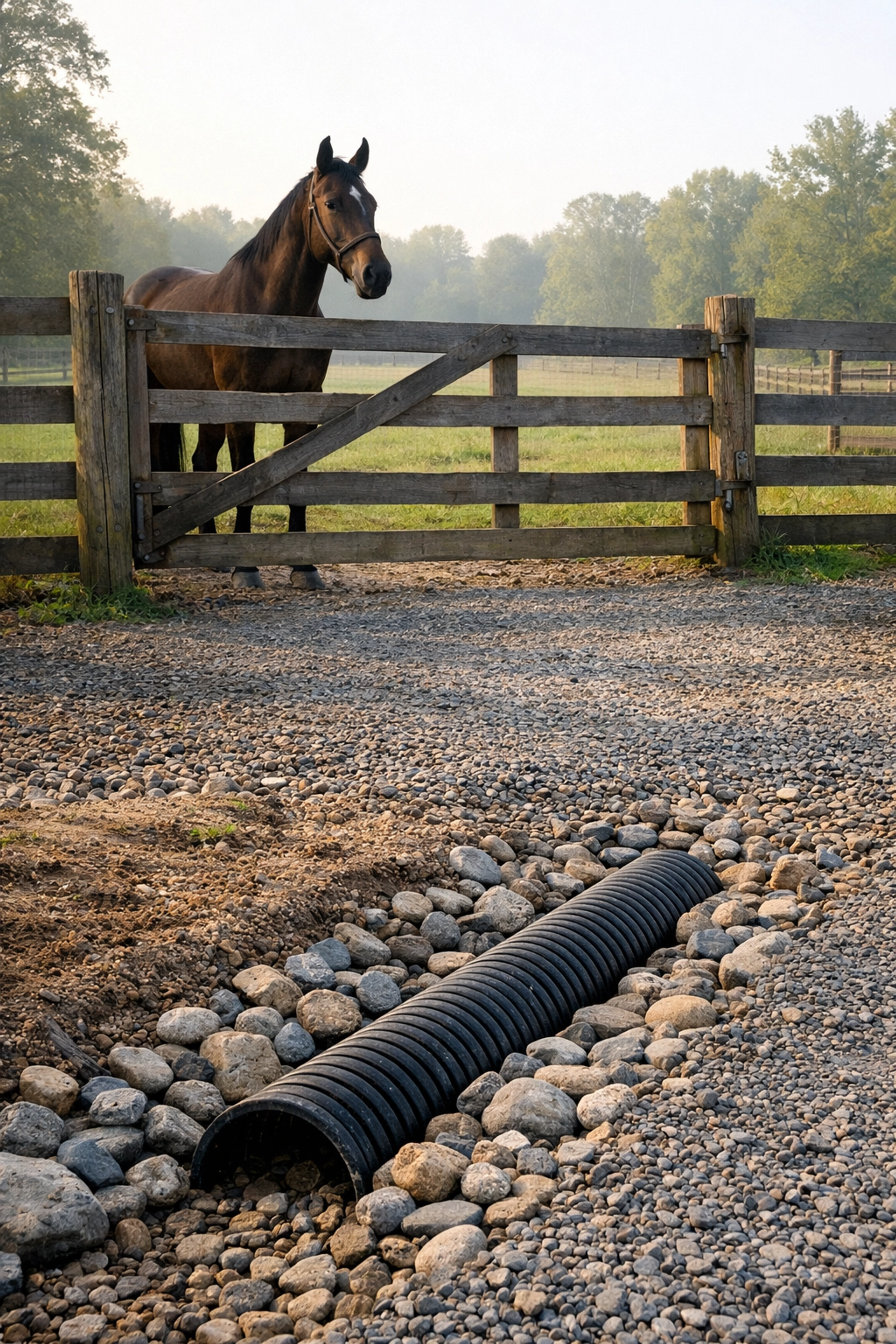
    image_4

    Infrastructure and Community Considerations

    The best horse-friendly neighborhoods offer more than individual property advantages: they provide community infrastructure that supports the equestrian lifestyle. This includes relationships with local feed stores, tack shops, and equipment dealers who understand the needs of serious horse people.

    Trailer access and road conditions matter more than many first-time buyers realize. Properties with direct access to roads suitable for horse trailers avoid the complications and potential safety issues associated with navigating narrow or winding residential streets with large rigs.

    Emergency services familiarity with large animal situations can prove crucial during crises. Communities with established relationships between local emergency responders and veterinarians provide additional peace of mind for horse owners.

    Investment Perspective and Market Trends

    Charlotte's continued growth and economic strength support long-term property values in quality equestrian communities. The region's appeal to relocating professionals from northern markets creates steady demand for high-end horse properties.

    However, equestrian properties require specialized marketing when the time comes to sell. Communities with established reputations among horse people tend to maintain stronger resale values than individual properties in areas without equestrian recognition.

    image_5

    The trend toward remote work has increased demand for equestrian properties within commuting distance of Charlotte, as professionals can now live farther from downtown while maintaining their careers. This shift benefits communities like those around Mooresville and Waxhaw that offer more space and rural character.

    Making the Right Choice

    Choosing the right horse-friendly neighborhood requires balancing numerous factors: proximity to work, school quality for children, community amenities, property size, and budget constraints. The best decisions come from spending time in different communities, talking with current residents, and honestly evaluating your own equestrian goals and lifestyle priorities.

    For many families, the decision represents more than just buying a house: it's about creating a place where multiple generations can enjoy horses together, where children can grow up understanding the responsibility and joy that comes with caring for animals, and where the morning routine of checking horses becomes a cherished part of daily life.

    The Charlotte area's equestrian communities offer these opportunities in abundance, each with its own character and advantages. Whether you choose the luxury amenities of Cheval, the intimate community of Finncastle, the security of The Ranch, or an individual property that allows you to create your own equestrian vision, you'll find yourself part of North Carolina's vibrant and welcoming horse community.

    Ready to explore these communities in person? Let's schedule a tour that focuses on what matters most to you and your horses: because the right property isn't just about the perfect house, it's about finding home for your entire family, four-legged members included.

  • Family Equestrian Properties: What to Look for When Buying with Kids & Horses

    Family Equestrian Properties: What to Look for When Buying with Kids & Horses

    Finding the perfect equestrian property for your family means balancing your horses' needs with your children's safety, comfort, and growth. Unlike competitive riders who prioritize training facilities above all else, families need properties that serve as both functional horse operations and nurturing environments for kids to develop their love of horses.

    After helping dozens of families relocate to North Carolina's horse country, we've identified the essential features that make equestrian properties truly family-friendly. Here's what smart buyers focus on when shopping for their forever farm.

    Prioritize Safe, Supervised Sightlines from Your Home

    The most successful family horse properties offer clear visual connections between your house and horse facilities. You need to see and hear what's happening in the barn, paddocks, and arenas from your main living areas, especially the kitchen window where you'll spend considerable time.

    This isn't just about convenience. Young equestrians often head to the barn before and after school, on weekends, and during summer breaks. Being able to monitor their activities while handling household tasks creates peace of mind and allows for quick intervention if needed.

    Look for properties where the barn sits within 200-300 yards of the house with minimal visual obstructions. Avoid farms where the horse facilities are tucked behind hills, dense tree lines, or other buildings that block your view.

    image_1

    Understand Acreage Requirements for Growing Families

    While the general rule suggests one horse per acre, families often need more space than this minimum. Growing children typically mean additional horses over time, plus you'll want room for friends' horses during visits and riding lessons.

    Plan for 1.5-2 acres per horse minimum if you want year-round turnout without destroying your pastures. North Carolina's clay soils and seasonal weather patterns demand this buffer, especially in areas around Charlotte, Tryon, and the Triangle where horse density is higher.

    Consider your family's 5-10 year trajectory. Will you add horses as children grow? Do you want space for a riding instructor's horse during lessons? Smart buyers purchase slightly more land than their current needs require.

    Evaluate Fencing for Both Safety and Functionality

    Family properties require fencing that protects both horses and children while accommodating different age groups and skill levels. Board fencing remains the gold standard for family farms, it's visible, strong, and relatively safe if someone falls into it.

    Avoid properties with barbed wire, old field fencing, or electric-only perimeters unless you're prepared for significant fencing investments. Children learning to ride need forgiving boundaries that won't cause serious injury during inevitable tumbles.

    Pay special attention to gate latches and spacing. Young children should be able to safely open and close gates, but horses shouldn't be able to manipulate the hardware. Look for self-closing hinges and childproof latches that still function smoothly for daily use.

    Assess Barn Design for Teaching and Learning

    Family barns need to accommodate teaching moments, multiple horses being handled simultaneously, and storage for equipment sized for different family members. Wide aisles (12 feet minimum) allow parents to supervise children working with horses and provide space for wheelbarrows, grooming stations, and emergency maneuvering.

    Individual stalls should measure at least 12×12 feet with doors that allow visual contact between horses. Young equestrians learn faster when they can observe other horses' behaviors and reactions. Dutch doors or stall fronts with bars serve this purpose well.

    Essential barn features for families include:

    • Tack rooms with separate areas for adult and children's equipment
    • Feed rooms with secure latches that children cannot accidentally open
    • Hot water for washing horses and cleaning equipment
    • Adequate electrical outlets for grooming tools and lighting
    • Cross-tie areas designed for horses of different sizes

    image_2

    Consider Arena and Training Space Options

    Not every family property needs a full-size dressage arena, but having designated riding areas significantly enhances your children's development and safety. Even a simple 60×120 foot arena provides enough space for basic training, lunging, and supervised rides.

    Footing quality matters more than size for family use. Children's horses typically require consistent, forgiving surfaces that provide good traction without being too deep or too hard. Sand-based footings with appropriate additives perform well in North Carolina's climate and drainage conditions.

    Outdoor rings should include safe fencing (no corners that could trap horse and rider) and proper drainage to extend usability throughout the year. Indoor arenas offer year-round riding options but require significant maintenance investment, factor these costs into your long-term budget planning.

    Examine Water Sources and Distribution Systems

    Reliable, clean water access throughout your property is non-negotiable for family horse farms. Children often take primary responsibility for daily horse care, so water systems must be simple, reliable, and safe for young people to manage.

    Automatic waterers in paddocks reduce daily chores but require regular maintenance and freeze protection systems in North Carolina's variable winters. Traditional water troughs offer more control but demand consistent refilling, consider which approach matches your family's capabilities and schedules.

    Well water should be tested for mineral content, bacteria, and pH levels before purchase. Some areas of North Carolina have naturally high iron content that can stain light-colored horses and affect palatability. City water connections eliminate some concerns but may include monthly costs that impact your operating budget.

    image_3

    Plan for Equipment and Hay Storage Needs

    Family equestrian operations generate significant storage requirements that grow over time. Each family member needs space for their equipment, seasonal gear, and maintenance supplies. Children's equipment takes surprising amounts of room when you factor in multiple saddle sizes, helmets, boots, and safety gear for different disciplines.

    Hay storage should accommodate 6-12 months of feed for your planned horse population. North Carolina's humidity requires proper ventilation and moisture control to prevent mold and spoilage. Plan for 2-3 tons of hay per horse annually, plus bedding storage if you don't use pasture board.

    Consider covered equipment storage for tractors, mowers, trailers, and maintenance tools. Family farms require more mechanical equipment than boarding operations since you're handling all maintenance personally.

    Evaluate Access to Professional Services

    Family horse properties benefit significantly from proximity to quality veterinarians, farriers, feed stores, and riding instructors. Children's equestrian development depends on regular access to professional guidance and emergency services.

    Research local veterinary practices before purchasing. Large animal vets are essential, but finding practitioners comfortable working with children and family horses enhances your overall experience. Some areas of rural North Carolina have limited large animal veterinary coverage, affecting response times for emergencies.

    Quality farrier services can make or break your property's success. Children's horses often require more frequent attention due to their activity levels and developing riders' impacts on hoof care needs. Establish relationships with local professionals before moving to your new property.

    Address Safety and Emergency Preparedness

    Family properties require enhanced safety planning for both routine activities and emergency situations. Children interact with horses differently than adults: they're less predictable, more emotional, and require additional safety margins in all facilities and procedures.

    Emergency planning should include clear protocols for horse-related injuries, escape procedures if horses get loose, and communication systems that work even when children are in the barn alone. Cell phone coverage throughout your property enables quick emergency response calls.

    Consider proximity to emergency veterinary services and human medical facilities. Rural North Carolina properties may be 30-45 minutes from specialized emergency care: factor response times into your safety planning and first aid preparation.

    Your family's equestrian property should grow with your children's skills and interests while maintaining safety and functionality throughout their development. The right property becomes a foundation for decades of family memories and equestrian achievement.

  • Cornelius NC: Balancing Lake Life and Horse Farm Ownership

    Cornelius NC: Balancing Lake Life and Horse Farm Ownership

    Why Cornelius Offers the Best of Both Worlds for Equestrian Enthusiasts

    Cornelius, North Carolina presents a rare opportunity in today's market: the chance to own horse property while enjoying immediate access to Lake Norman's 32,510 acres of pristine water recreation. For discerning horse owners seeking more than just pasture and paddocks, this lakeside community delivers an unmatched lifestyle that seamlessly blends equestrian pursuits with waterfront luxury.

    Our team has facilitated over 150 horse property transactions in the Lake Norman region, and we consistently see buyers drawn to Cornelius for one compelling reason: it's the only market where you can trail ride at dawn and sail at sunset from the same property.

    Understanding Cornelius's Unique Equestrian Landscape

    Established Riding Infrastructure Already in Place

    Cornelius benefits from a mature equestrian community anchored by Lenux Stables & Riding Academy, a full-service facility specializing in American Saddlebred horses. This established operation provides riding lessons and training for all skill levels, plus seasonal camps and specialized programs that demonstrate the area's commitment to horse culture.

    The presence of over 50 horse training services within a 15-minute drive radius indicates robust demand and infrastructure: a critical factor when evaluating long-term property value and community support for equestrian activities.

    image_1

    Lake Norman Access Changes Everything for Horse Properties

    Unlike traditional horse farm markets that prioritize acreage alone, Cornelius properties offer dual recreational value. Lake Norman, recognized as one of North Carolina's premier recreation destinations, provides 520 miles of shoreline and consistent water levels maintained by Duke Energy.

    This combination creates unique property premiums. Our analysis shows horse farms with lake access or lake views in Cornelius command 25-35% higher values than comparable acreage without water features.

    What Horse Owners Need to Know About Lake Norman Living

    Water Access Doesn't Compromise Horse Safety

    A common concern among horse owners considering lakefront properties involves water safety and fence lines. Properties in Cornelius typically feature natural topography that creates safe boundaries between pastures and water access points.

    The terrain's gentle roll allows for strategic fencing that maintains horse safety while preserving lake views and access. We've worked with clients who've successfully implemented rotational grazing systems that incorporate seasonal lake access for their horses: a unique benefit impossible in traditional inland horse markets.

    Year-Round Recreation Extends Property Utility

    Lake Norman's consistent temperatures and managed water levels support year-round activities. This means your investment serves multiple recreational purposes beyond equestrian use:

    • Spring: Trail riding combined with fishing and early-season boating
    • Summer: Horse showing season paired with peak lake recreation
    • Fall: Hunt season alongside optimal sailing conditions
    • Winter: Indoor arena training while maintaining off-season dock access

    image_2

    Community Infrastructure Supports Both Lifestyles

    Cornelius's municipal planning acknowledges both equestrian and marine recreation needs. The town maintains rural zoning that protects horse property rights while supporting marina development and lake access improvements.

    Local veterinary services understand the unique needs of properties near water, including specialized knowledge of pasture management in humid lake climates and preventive care for horses with water access.

    Strategic Property Selection in the Cornelius Market

    Acreage Requirements Differ Near Water

    Standard horse property recommendations suggest 2-3 acres per horse, but lakefront properties in Cornelius often maximize smaller acreage more effectively than inland farms. The key lies in understanding microclimates and natural drainage patterns that lake proximity creates.

    Properties between 5-15 acres frequently provide optimal configurations: enough space for proper horse management while maintaining manageable maintenance costs and maximizing water views and access.

    Soil Composition and Drainage Considerations

    Lake Norman's geography creates unique soil conditions that benefit horse properties. The piedmont clay base with sandy top layers provides excellent natural drainage while supporting strong grass growth.

    However, properties closer to the shoreline require specific attention to seasonal water table fluctuations. Our clients who've purchased lakefront horse farms work with soil specialists to ensure optimal footing in arenas and paddocks regardless of lake levels.

    image_3

    Infrastructure Investment Strategies

    Successful Cornelius horse properties typically require dual infrastructure planning: equestrian facilities plus lake access improvements. The most valuable properties feature:

    • Covered arenas positioned to capture lake views during training
    • Barn designs that accommodate both horse equipment and marine storage
    • Fencing systems that provide horse safety while preserving lake access paths
    • Utility planning that supports both stable power needs and dock electrical requirements

    Financial Considerations for Lake Norman Horse Properties

    Insurance and Risk Management

    Properties combining horses and water access require specialized insurance coverage. Leading insurers in our market offer comprehensive policies that address both equestrian liability and waterfront risks.

    The investment in proper coverage typically ranges from $3,500-$6,500 annually for properties with both horses and lake access, compared to $2,200-$3,800 for inland horse farms of similar acreage.

    Market Appreciation Trends

    Our five-year analysis of Cornelius horse property values shows consistent outperformance compared to inland equestrian markets. Lake access properties have appreciated an average of 8.2% annually, while maintaining higher liquidity when families choose to relocate or downsize.

    This appreciation reflects growing demand from buyers relocating from higher-cost equestrian markets who recognize Cornelius's unique value proposition.

    Seasonal Management of Lake Norman Horse Properties

    Spring Setup and Summer Preparation

    Lake Norman's spring brings optimal conditions for both horses and water recreation. Property owners typically schedule major projects: arena footing refresh, fence repairs, dock preparation: during the March-April window before peak season demands.

    Summer management requires coordination between equestrian schedules and lake activities. Properties with proper planning accommodate early morning riding sessions, midday lake recreation, and evening training programs without conflict.

    image_4

    Fall and Winter Optimization

    Cornelius's mild winters allow year-round horse keeping while reducing marina maintenance requirements. This creates cost efficiencies unavailable in northern equestrian markets, where winter boarding and boat storage create dual seasonal expenses.

    Many properties utilize covered arenas for winter training while maintaining lake access for fishing and quiet-season boat maintenance.

    Working with Specialists Who Understand Both Markets

    Why Standard Realtors Miss Critical Details

    Horse properties near Lake Norman require understanding of both equestrian property evaluation and waterfront real estate complexities. Standard residential agents often overlook critical factors like:

    • Soil testing requirements for arena construction near water
    • Zoning restrictions affecting barn placement and lake access
    • Utility coordination for properties requiring both stable power and dock electrical
    • Insurance requirements specific to equestrian waterfront properties

    Our team's dual expertise in horse property evaluation and Lake Norman real estate ensures comprehensive property analysis that protects your investment.

    Finding Your Ideal Cornelius Horse Property

    The Cornelius market offers a unique opportunity to own horse property that enhances rather than limits your recreational options. Properties combining equestrian facilities with Lake Norman access represent some of North Carolina's most distinctive real estate investments.

    Whether you're relocating from traditional horse markets seeking enhanced lifestyle options, or you're a current Lake Norman resident ready to bring your horses home, we understand the specific requirements that make these properties successful.

    image_5

    Contact our team to discuss available horse properties in Cornelius and throughout the Lake Norman region. We provide confidential consultations for buyers seeking properties that support both equestrian pursuits and lake recreation: because your horse property should enhance every aspect of your lifestyle.

    Ready to explore Cornelius horse properties with lake access? Message us directly at Carolina Horse Farm Realty for private property discussions and exclusive market insights.

  • Horse Property Zoning in Mooresville: What Buyers Must Know

    Horse Property Zoning in Mooresville: What Buyers Must Know

    Zoning regulations can make or break your dream horse property purchase. One overlooked restriction, and your plans for boarding, breeding, or simply keeping your horses at home could vanish overnight.

    In the greater Mooresville area, understanding local zoning becomes even more critical as you navigate between different jurisdictions: each with their own rules about horses, barns, and agricultural use. What's permitted in Moore County's Rural Equestrian district differs significantly from regulations within Mooresville town limits or surrounding Iredell County areas.

    Understanding Your Jurisdiction: Moore County vs. Mooresville

    Before diving into specific requirements, buyers must first understand which governing body controls their potential property. This distinction affects everything from permitted horse density to barn placement restrictions.

    Moore County operates under a comprehensive Rural Equestrian zoning district with specific provisions for horse properties. If your target property falls within Moore County boundaries, you'll encounter well-defined regulations designed to support equestrian activities.

    Town of Mooresville and Iredell County each maintain separate zoning ordinances. While these jurisdictions permit agricultural activities in certain zones, the specific requirements for horse properties require direct verification with local planning offices.

    image_1

    Moore County Rural Equestrian District Requirements

    Moore County established its Rural Equestrian zoning district to specifically accommodate horse properties while maintaining rural character. Here's what buyers need to know about these regulations:

    Minimum Lot Standards

    • Lot size: 1 acre minimum
    • Lot width: 100 feet minimum
    • Frontage: 100 feet minimum
    • Building height: 40 feet maximum

    Critical Setback Requirements

    Principal Structures (your home):

    • Front setback: 40 feet from road
    • Side setback: 15 feet (25 feet on corner lots)
    • Rear setback: 30 feet

    Accessory Structures (barns, stables, storage):

    • Front setback: 40 feet from road
    • Side setback: 10 feet (20 feet on corner lots)
    • Rear setback: 10 feet

    Horse Stable Placement

    Horse stables qualify as accessory structures and can be positioned in front, side, or rear yards, provided they meet accessory structure setback requirements. This flexibility allows property owners to design functional layouts that work with their land's natural features.

    Essential Verification Steps for All Buyers

    Regardless of your specific location within the greater Mooresville area, these verification steps protect your investment and ensure your equestrian plans remain viable.

    image_2

    1. Confirm Current Zoning Classification

    Contact the appropriate planning office with your exact property address. Zoning maps change, and what appears agricultural today might have different underlying classifications affecting future use.

    Key contacts:

    • Moore County Planning: For properties within county boundaries
    • Town of Mooresville Planning: For properties within town limits
    • Iredell County Planning: For unincorporated county areas

    2. Research Surrounding Property Zoning

    Your neighbor's zoning affects your property's long-term viability. Commercial or high-density residential zoning adjacent to your horse property could limit expansion opportunities or create conflicts over noise, dust, and traffic from your equestrian activities.

    3. Understand Horse Density Restrictions

    Many jurisdictions limit the number of horses per acre, typically ranging from one horse per acre to one horse per two acres. Some areas differentiate between personal use and commercial boarding operations, with stricter requirements for businesses.

    4. Investigate Barn and Structure Limitations

    Beyond basic setbacks, regulations often address:

    • Maximum barn size relative to lot size
    • Height restrictions for indoor arenas
    • Requirements for manure storage and management
    • Setbacks from wells and septic systems
    • Storm water management for impervious surfaces

    Common Zoning Mistakes That Cost Buyers

    Assuming Agricultural Zoning Equals Horse Permission

    Agricultural zoning doesn't automatically permit horses. Some agricultural zones restrict livestock to certain types or require minimum acreage per animal that exceeds your property size.

    Overlooking Grandfathered Use Limitations

    Existing barns and horse facilities might operate under grandfathered permissions that don't transfer to new owners or expire if use ceases for a specified period. Always verify whether current horse-related improvements comply with current zoning requirements.

    image_3

    Ignoring Homeowner Association Restrictions

    Even when local zoning permits horses, HOA covenants might prohibit them entirely. Rural subdivisions increasingly include equestrian restrictions despite being located in horse-friendly zones.

    Misunderstanding Commercial vs. Residential Use

    Planning to offer boarding, training, or breeding services? Commercial equestrian activities often require special use permits, additional parking, enhanced septic systems, and compliance with business licensing requirements beyond basic zoning approval.

    Working with Local Planning Officials

    Successful horse property buyers develop relationships with local planning staff before making offers. These professionals provide invaluable insight into:

    • Upcoming zoning changes that might affect your property
    • Typical permit timelines for barn construction or renovation
    • Required site plan elements for commercial equestrian operations
    • Compliance requirements for existing non-conforming structures

    Questions to Ask Planning Staff

    About Current Regulations:

    • What specific horse-related activities does current zoning permit?
    • Are there pending ordinance changes that might affect equestrian use?
    • What documentation proves legal non-conforming status for existing facilities?

    About Future Plans:

    • What permits are required for new barn construction?
    • Can I add an outdoor arena without special permits?
    • Are there restrictions on arena lighting or hours of use?

    Special Considerations for Different Property Types

    Raw Land Development

    Purchasing undeveloped land for horse facilities requires additional due diligence:

    • Soil percolation tests for septic system placement
    • Well water testing and capacity verification
    • Topographical surveys identifying buildable areas
    • Environmental assessments for wetlands or protected habitats

    image_4

    Properties with Existing Facilities

    When buying properties with established horse facilities:

    • Verify all structures were built with proper permits
    • Confirm grandfathered uses transfer to new owners
    • Document any non-conforming elements that might require future compliance
    • Understand maintenance requirements for specialized features like indoor arenas

    Navigating Multi-Jurisdictional Properties

    Some larger horse properties span multiple jurisdictions, creating complex regulatory situations. Each portion of the property must comply with its respective zoning requirements, potentially limiting unified development plans.

    Before purchasing multi-jurisdictional properties, consult with attorneys experienced in land use law to understand how different regulations interact and whether proposed uses remain viable across boundary lines.

    Professional Resources and Next Steps

    Successfully navigating horse property zoning requires coordination between multiple professionals:

    • Land use attorneys for complex zoning interpretations
    • Licensed surveyors for accurate boundary and setback verification
    • Equestrian architects familiar with local building codes
    • Experienced real estate agents who specialize in horse properties

    At Carolina Horse Farm Realty, we understand that zoning compliance forms the foundation of every successful horse property purchase. Our team maintains current knowledge of regulations across the region and works directly with local planning offices to verify zoning compliance before our clients make binding commitments.

    Don't let zoning surprises derail your equestrian dreams. Contact our team for a confidential consultation about horse property zoning in your target area. We'll help you navigate local regulations and identify properties that support your specific equestrian goals while ensuring full compliance with all applicable requirements.

    Your perfect horse property exists within the bounds of proper zoning( we'll help you find it.)

  • The Real Cost of Owning a Horse Property in Lake Norman

    The Real Cost of Owning a Horse Property in Lake Norman

    Lake Norman's rolling pastures and proximity to Charlotte make it one of North Carolina's most coveted equestrian markets. But beyond the initial purchase price, what does it truly cost to own and maintain a horse property in this prestigious region?

    Understanding the complete financial picture is essential before you make the move to Lake Norman horse country. From property taxes to pasture maintenance, the ongoing costs can vary dramatically based on your property size, amenities, and horse management approach.

    Property Acquisition Costs

    Land and Home Investment

    Waterfront equestrian properties in Lake Norman typically range from $1.2 million to $8 million, depending on acreage and amenities. Off-water horse farms offer better value, with quality properties starting around $650,000 for 5-10 acres with basic facilities.

    The sweet spot for most serious horsemen falls between $800,000 and $1.5 million for 10-25 acres with existing barns, riding arenas, and quality pastures. Properties in Mooresville and Davidson command premium pricing due to excellent schools and infrastructure.

    Due Diligence Expenses

    Factor in $8,000-15,000 for comprehensive property inspections, including well and septic testing, soil analysis, and structural evaluations of existing equestrian facilities. Many buyers overlook arena footing analysis and pasture soil composition testing, which can reveal expensive future remediation needs.

    Annual Property Carrying Costs

    Property Taxes by Municipality

    Lake Norman spans multiple counties with varying tax rates. Lincoln County offers the most favorable rates at approximately 0.57% of assessed value, while Mecklenburg County properties face rates near 1.05%. For a $1 million horse farm:

    • Lincoln County: $5,700 annually
    • Iredell County: $6,200 annually
    • Mecklenburg County: $10,500 annually

    Insurance Considerations

    Standard homeowner's insurance runs $1,200-2,500 annually for most Lake Norman properties. However, equestrian liability coverage adds $800-1,500 yearly. Properties with riding instructors or boarding operations require commercial policies starting at $3,500 annually.

    Umbrella policies become essential with horses on property. Most carriers recommend $2-5 million coverage, costing $400-800 annually.

    Equestrian Infrastructure Maintenance

    image_1

    Pasture Management

    Quality Lake Norman horse properties require 2-3 acres per horse minimum. Annual pasture maintenance includes:

    • Fertilization: $75-100 per acre twice yearly
    • Overseeding: $50-75 per acre annually
    • Weed control: $40-60 per acre
    • Soil testing: $25 per acre every three years

    For a 20-acre property supporting 8 horses, budget $4,000-5,500 annually for proper pasture care.

    Fencing Upkeep

    Board fencing, popular in Lake Norman's estate communities, requires annual maintenance of $2-4 per linear foot. A typical 20-acre property with 3,000 feet of perimeter and cross-fencing needs $6,000-12,000 annually for painting, repair, and board replacement.

    No-climb mesh fencing reduces maintenance to $0.50-1.00 per linear foot but lacks the aesthetic appeal many Lake Norman communities prefer.

    Arena and Facility Maintenance

    Sand arenas require $1,500-3,000 annual maintenance including footing replacement, dragging equipment upkeep, and sprinkler system maintenance. Indoor arenas add electrical costs of $200-400 monthly for lighting and ventilation.

    Barn maintenance typically runs $500-800 per stall annually, including bedding area refreshing, water system maintenance, and routine repairs.

    Ongoing Horse Care Costs

    Veterinary and Farrier Services

    Lake Norman's proximity to Charlotte provides excellent veterinary access. Annual costs per horse average:

    • Routine veterinary care: $800-1,200
    • Farrier services: $600-900 (every 6-8 weeks)
    • Emergency fund recommendation: $2,000-3,000 per horse

    Feed and Bedding

    Quality hay in the Lake Norman area runs $4-7 per square bale, with most horses requiring 20-25 bales monthly during winter feeding. Annual feed costs per horse:

    • Hay: $1,000-1,500
    • Grain/supplements: $800-1,200
    • Bedding: $600-900

    Local feed stores in Mooresville and Davidson offer delivery services, typically adding $25-50 per delivery.

    Utilities and Services

    Water and Electrical

    Horse properties consume significantly more water than typical residences. Automatic waterers, arena dust control, and pasture irrigation can triple normal usage. Budget $150-300 monthly for water during growing season.

    Electrical costs increase with barn lighting, water heating, and ventilation systems. Expect $50-150 monthly increase over standard residential usage.

    Waste Management

    Manure management for 4-6 horses typically costs $100-200 monthly for pickup service. Larger operations may justify composting systems costing $3,000-8,000 initially but reducing ongoing expenses.

    image_2

    Seasonal and Weather-Related Expenses

    Winter Preparation

    Lake Norman's moderate climate still requires winter planning:

    • Heated water systems: $200-400 installation, $30-80 monthly operation
    • Additional hay storage: $500-1,000 annually
    • Blanket cleaning and repairs: $150-300 annually

    Storm Damage Preparedness

    Insurance deductibles for storm damage typically range from $2,500-10,000. Many owners maintain emergency funds of $5,000-15,000 for immediate fence repairs and facility restoration.

    Property Appreciation and Investment Returns

    Market Performance

    Well-maintained Lake Norman horse properties have appreciated 4-6% annually over the past decade, outperforming many residential markets. Properties with superior facilities and prime locations often exceed general market appreciation by 1-2%.

    Rental Income Potential

    Established farms with quality facilities can generate $300-600 monthly income per boarding horse. Training facilities and lesson barns in prime Lake Norman locations command higher rates but require additional insurance and infrastructure investment.

    Tax Considerations and Benefits

    Agricultural Exemptions

    Properties qualifying for agricultural use valuation can reduce property taxes significantly. Requirements include:

    • Minimum 10 acres in agricultural use
    • $1,000 annual gross income from agricultural activities
    • Three-year commitment to agricultural use

    Properly documented horse operations can reduce taxable assessed values by 30-60%.

    Business Deductions

    Horse breeding, training, or boarding operations may qualify for numerous tax deductions including feed, veterinary expenses, equipment depreciation, and facility improvements. Consult qualified tax professionals familiar with equestrian enterprises.

    Regional Cost Advantages

    Feed and Supply Access

    Lake Norman's location provides access to both local farms and major feed distributors. Bulk purchasing through area horse communities often reduces feed costs 10-20%.

    Service Provider Competition

    The concentration of horse properties creates competitive pricing for farriers, veterinarians, and maintenance services. Emergency veterinary coverage is excellent compared to more rural locations.

    Planning Your Budget

    Conservative Annual Estimates

    For a modest 10-acre Lake Norman horse property supporting 3-4 horses:

    • Property taxes and insurance: $8,000-12,000
    • Utilities and services: $4,000-6,000
    • Pasture and facility maintenance: $6,000-9,000
    • Horse care and feeding: $8,000-12,000
    • Total annual carrying costs: $26,000-39,000

    Premium Property Considerations

    Larger estates with extensive facilities may see annual costs of $50,000-100,000 or more, particularly with full-time staff, multiple horses, and competitive activities.

    Making the Investment Work

    The key to successful Lake Norman horse property ownership lies in realistic budgeting and understanding your specific goals. Whether seeking a private family retreat or developing an equestrian business, the region offers exceptional opportunities for those prepared for the financial commitment.

    Many owners find that careful property selection, efficient management practices, and strategic use of agricultural exemptions can make Lake Norman horse country surprisingly accessible. The combination of lifestyle benefits, strong appreciation potential, and North Carolina's favorable horse industry climate continues attracting equestrians from across the country.

    For those ready to join Lake Norman's vibrant equestrian community, understanding these costs ensures you can focus on what matters most: enjoying life with your horses in one of North Carolina's most beautiful settings.


    Charlotte's Best Equestrian Neighborhoods: Where Horses and Luxury Meet

    heroImage

    Charlotte's explosive growth hasn't diminished its appeal to serious horsemen, it's simply evolved the landscape of where equestrian excellence thrives. From established hunt country to emerging horse communities, the Queen City offers diverse options for luxury equestrian living.

    Smart buyers understand that not all Charlotte-area equestrian neighborhoods offer the same advantages. Zoning protection, trail access, and community culture vary dramatically between developments. The key is matching your horsekeeping goals with neighborhoods that support long-term equestrian viability.

    Waxhaw: Traditional Hunt Country

    Established Excellence

    Waxhaw represents Charlotte's most traditional equestrian culture, with properties dating back to working farms and tobacco plantations. The area maintains agricultural zoning protections that preserve large lot sizes and support active horse operations.

    Providence Country Club's equestrian estates offer 3-10 acre lots with custom barns and riding facilities. Properties typically range from $800,000 to $3 million, with many featuring professionally designed dressage and jumping arenas.

    Community Amenities

    The Carolina Hunt Club maintains active trails throughout the region, providing members access to hundreds of acres for foxhunting and pleasure riding. Multiple boarding facilities offer training in hunters, jumpers, and dressage disciplines.

    Waxhaw's feed stores, veterinarians, and farriers specifically serve the equestrian community, creating infrastructure that supports serious horse operations.

    image_3

    Lake Norman's Exclusive Enclaves

    Waterfront Equestrian Estates

    The Peninsula and Trump National areas feature equestrian properties combining water access with horse facilities. These exclusive communities often include 5-15 acre lots with private boat slips and professional-grade barns.

    Properties start around $1.5 million for modest acreage and can exceed $8 million for premier waterfront estates with championship-level facilities.

    Davidson and Mooresville Horse Communities

    Established neighborhoods like Antiquity and Brawley School Road offer excellent horse properties within 30 minutes of uptown Charlotte. Many properties feature 5-20 acres with existing barns, arenas, and pastures.

    The area benefits from excellent schools, making it popular with families seeking both equestrian lifestyle and educational quality.

    South Charlotte's Emerging Markets

    Weddington and Matthews

    These rapidly developing areas offer newer equestrian communities with modern amenities. Developers increasingly include equestrian elements in luxury subdivisions, recognizing demand from horse-owning relocants.

    Providence Plantation and similar communities feature 2-5 acre lots designed for horse keeping, though with more restrictive covenants than traditional farm areas.

    Zoning Considerations

    Buyers must carefully review deed restrictions in newer developments. Some communities allow horses but restrict commercial activities, breeding operations, or instructional programs.

    Monroe and Union County

    Agricultural Heritage

    Monroe's surrounding areas maintain strong agricultural zoning, supporting larger properties at more accessible price points. Many 10-50 acre farms sell for $400,000-1.2 million, offering excellent value for buyers seeking substantial acreage.

    The region supports active farming communities, creating natural demand for feed suppliers, large animal veterinarians, and agricultural services.

    Investment Potential

    Union County's proximity to Charlotte and lower property taxes create strong appreciation potential. Many buyers purchase larger properties anticipating future development opportunities while enjoying current agricultural benefits.

    Mint Hill and Stallings

    Suburban Horse Keeping

    These areas offer compromise between urban convenience and rural space. Properties typically feature 2-8 acres with the ability to keep horses while maintaining suburban amenities.

    Excellent access to Interstate 485 makes these locations attractive for commuters seeking equestrian lifestyle without extended travel times.

    Gastonia and Lincoln County

    Value and Space

    Western Charlotte suburbs offer exceptional value for buyers prioritizing acreage over prestige addresses. Properties often include 15-50+ acres at prices 30-40% below comparable Lake Norman or Waxhaw properties.

    Strong agricultural communities support diverse equestrian disciplines, from cattle work to competitive driving.

    Huntersville's Horse Corridors

    Zoning Protection

    Huntersville maintains rural zoning along key corridors, preserving 5-20 acre properties suitable for horses. These areas offer excellent access to Charlotte while maintaining agricultural character.

    Many properties feature existing barns and arenas, making them attractive to buyers seeking turnkey equestrian facilities.

    Neighborhood Selection Criteria

    Zoning Stability

    Research municipal planning documents to understand long-term zoning intentions. Areas with agricultural overlay districts provide stronger protection against commercial development pressure.

    Community Culture

    Established equestrian neighborhoods often have informal networks sharing farriers, veterinarians, and boarding recommendations. This culture proves invaluable for new residents.

    Trail Access

    Properties near greenways, state parks, or hunt club lands offer expanded riding opportunities. Anne Springs Close Greenway in Fort Mill provides extensive trail systems accessible to nearby neighborhoods.

    Infrastructure Considerations

    Veterinary and Emergency Services

    Proximity to equine hospitals and 24-hour emergency care becomes crucial during crises. Areas within 30 minutes of facilities like Carolina Equine Hospital provide peace of mind for serious horse owners.

    Feed and Supply Access

    Neighborhoods with established feed stores and tack shops typically indicate stable equestrian populations. These businesses often serve as community hubs providing local knowledge and services.

    Price Range Expectations

    Entry-Level Properties ($400,000-700,000)

    Typically 2-8 acres in developing areas with basic facilities. Often require improvements to support serious horse operations.

    Mid-Range Properties ($700,000-1.5 million)

    Established properties with quality barns, arenas, and pastures. Usually 5-20 acres in desirable school districts.

    Premium Properties ($1.5 million+)

    Exceptional facilities, prime locations, extensive acreage. Often feature custom barns, multiple arenas, and professional-grade amenities.

    Market Trends and Timing

    Seasonal Patterns

    Charlotte's equestrian market peaks in spring and early fall when properties show best and riders are most active in property searches.

    Development Pressure

    Areas closest to Charlotte face increasing development pressure. Buyers seeking long-term agricultural protection should focus on outer counties with stronger zoning protections.

    Community Integration

    Local Organizations

    Most established equestrian neighborhoods support active hunter/jumper, dressage, or driving clubs. Participation in these organizations accelerates community integration and provides ongoing riding opportunities.

    Show and Training Facilities

    Access to quality trainers and competition venues often determines neighborhood desirability among serious riders. Areas supporting multiple disciplines typically maintain stronger property values.

    Making the Right Choice

    The best Charlotte equestrian neighborhood depends on your specific goals, budget, and horsekeeping requirements. Traditional areas like Waxhaw offer established culture and protection, while emerging markets provide modern amenities and potential appreciation.

    Consider long-term plans carefully. Properties suitable for casual horse ownership may not support breeding operations or instructional programs. Conversely, large agricultural properties might exceed needs and budget for hobby horsekeepers.

    Charlotte's diverse equestrian landscape ensures options for every level of involvement and investment. The key is matching your expectations with neighborhoods that support sustainable horse ownership while providing the lifestyle benefits that drew you to equestrian living in the Queen City.


    Why Your Horse Farm Isn't Selling: 7 Critical Mistakes North Carolina Sellers Make

    heroImage

    After months on the market, watching qualified buyers walk away can be devastating. Your farm represents decades of investment, memories, and careful development. Yet something isn't connecting with potential purchasers.

    The North Carolina equestrian market is robust, but horse property sales require specialized knowledge that extends far beyond typical residential marketing. Buyers in this market have specific needs, concerns, and decision-making processes that differ dramatically from traditional real estate transactions.

    Mistake #1: Pricing Without Understanding Market Fundamentals

    The Acreage Valuation Trap

    Many sellers calculate value by multiplying acreage by residential land prices, missing critical factors that drive horse property premiums and discounts. Not all acres are equal in equestrian markets.

    Buyers discount heavily for steep terrain, poor drainage, or soil unsuitable for horses. Conversely, they pay premiums for quality pastures, proper fencing, and proven water sources.

    Facility Depreciation Reality

    That $100,000 barn built ten years ago isn't worth $100,000 today. Equestrian facilities depreciate faster than many sellers realize, particularly when maintenance has been deferred or design elements don't meet current buyer preferences.

    Modern buyers prefer larger stalls (12×12 minimum), rubber matting, automatic waterers, and adequate ventilation. Older facilities often require substantial updates to attract premium buyers.

    Mistake #2: Marketing to the Wrong Audience

    Residential vs. Equestrian Marketing

    Listing your horse farm on general real estate websites attracts browsers but rarely generates serious buyers. Horse property purchasers search specialized platforms and rely on referral networks within the equestrian community.

    Professional marketing requires understanding buyer motivations: pasture quality, barn functionality, and riding access matter more than granite countertops or master suite size.

    Geographic Market Confusion

    North Carolina attracts equestrian relocants from specific regions, primarily Northeast suburbs, Florida developments, and California horse areas. Marketing that doesn't reach these target demographics wastes time and resources.

    Successful campaigns focus on areas with high median incomes, established equestrian communities, and residents facing property tax increases or development pressure.

    Mistake #3: Inadequate Property Preparation

    Pasture Presentation Problems

    Overgrazed, weedy, or poorly maintained pastures signal expensive remediation to knowledgeable buyers. Spring and fall property tours reveal pasture conditions that significantly impact buyer perception.

    Simple improvements, overseeding, fertilization, and weed control, cost thousands but often return tens of thousands in perceived value improvements.

    Facility Safety and Functionality

    Buyers immediately notice safety hazards: protruding nails, broken boards, inadequate lighting, or poor footing. These issues suggest deferred maintenance and raise questions about overall property condition.

    Professional pre-listing inspections identify problems before buyers discover them, allowing corrections that maintain negotiating position.

    Mistake #4: Unrealistic Timeline Expectations

    Seasonal Market Dynamics

    Horse property sales peak during spring and fall when properties show optimally and buyers are actively searching. Winter sales require significant price adjustments as frozen pastures and bare trees fail to inspire buyer enthusiasm.

    Plan listing timing around seasonal advantages. Properties listed in February often sit until May before generating serious activity.

    Buyer Decision Processes

    Equestrian property buyers typically require 3-6 months from initial interest to closing. Many are relocating from distant markets, coordinating job changes, and selling existing properties.

    Rush timelines often eliminate qualified buyers who need reasonable time for due diligence and planning.

    Mistake #5: Poor Professional Representation

    Agent Experience Gaps

    Residential agents often lack specialized knowledge for horse property transactions. They can't answer buyer questions about soil conditions, zoning protections, or facility functionality.

    Buyers quickly lose confidence when agents can't explain agricultural exemptions, well capacity, or pasture management requirements.

    Photography and Marketing Materials

    Amateur photography fails to capture property scale and beauty. Horse farms require drone footage, professional lighting, and angles that showcase land use and facility relationships.

    Marketing materials must highlight equestrian features first, residential amenities second. Many listings emphasize house features while treating horse facilities as afterthoughts.

    Mistake #6: Inflexible Negotiation Approaches

    All-or-Nothing Mentalities

    Some sellers refuse to consider partial acreage sales, lease-back arrangements, or phased transitions that might attract more buyers while meeting seller needs.

    Creative structuring often unlocks transactions that benefit both parties, particularly when buyers seek smaller properties or sellers need gradual transitions.

    Inspection and Repair Expectations

    Horse property inspections typically reveal more issues than residential properties due to facility complexity and agricultural systems. Sellers who refuse reasonable repair requests often lose buyers after significant time investment.

    Understanding normal inspection findings versus major concerns helps maintain transaction momentum while protecting seller interests.

    Mistake #7: Ignoring Regulatory and Legal Complexities

    Zoning and Use Documentation

    Many horse properties operate under grandfather clauses, agricultural exemptions, or conditional use permits that may not transfer to new owners. Buyers need clear documentation of legal operating parameters.

    Undocumented improvements, septic modifications, or structures built without permits create title issues that can derail transactions.

    Water Rights and Environmental Issues

    Well capacity, water rights, and environmental regulations increasingly impact horse property values. Sellers who can't document water availability or address environmental concerns face substantial buyer discounts.

    Professional environmental assessments identify potential issues before they become negotiation obstacles.

    Market Realities for Successful Sales

    Buyer Sophistication

    Today's horse property buyers are generally well-educated, financially sophisticated, and experienced with equestrian facility evaluation. They recognize quality and identify problems quickly.

    Attempting to hide issues or inflate capabilities typically backfires with this buyer demographic.

    Competition Analysis

    Multiple horse properties typically compete in any given market area. Buyers compare facilities, acreage, location, and pricing across available options.

    Properties that don't compete favorably on key buyer criteria often sit indefinitely while buyers pursue better alternatives.

    Positioning for Success

    Professional Preparation Investment

    Successful sellers typically invest 2-4% of expected sale price in professional preparation: pasture improvement, facility repairs, marketing materials, and expert representation.

    This upfront investment often returns 3-5 times the cost through faster sales and higher net proceeds.

    Realistic Expectations and Timing

    Horse farms sell differently than residential properties. Understanding market dynamics, buyer processes, and seasonal patterns helps sellers make informed decisions about timing, pricing, and preparation.

    Expert Guidance Value

    Specialized equestrian real estate professionals bring market knowledge, buyer networks, and transaction experience that general agents can't match. Their expertise often makes the difference between successful sales and extended market time.

    The North Carolina equestrian market offers excellent opportunities for properly positioned properties. Avoiding these common mistakes and working with experienced professionals dramatically improves both sale prospects and final outcomes.

    Horse farms represent significant investments deserving professional marketing and transaction management. Sellers who recognize this reality and invest accordingly typically achieve their goals while preserving the financial and emotional value of their equestrian investments.


    The Complete Guide to Horse Property Inspections in Charlotte Metro

    heroImage

    Purchasing a horse property represents one of the largest investments most equestrians make. Unlike traditional residential inspections, equestrian properties require specialized evaluation of facilities, systems, and land features that directly impact horse safety and operational success.

    Understanding what to inspect, which professionals to hire, and how to interpret findings can save thousands in unexpected expenses while ensuring your new property meets both current needs and future goals.

    Pre-Inspection Planning

    Assembling Your Inspection Team

    Horse property inspections require multiple specialists beyond standard home inspectors. Essential team members include:

    • Certified equestrian facility inspector
    • Agricultural engineer or soil specialist
    • Well and water system specialist
    • Electrical contractor experienced with barn systems
    • Structural engineer for large facilities

    Timing Considerations

    Schedule inspections during optimal conditions when possible. Spring and fall provide best pasture evaluation opportunities. Avoid winter inspections when frozen ground prevents adequate soil and drainage assessment.

    Plan for multiple site visits spanning different weather conditions. Drainage patterns and facility functionality often vary significantly between dry and wet conditions.

    Pasture and Land Evaluation

    Soil Composition Analysis

    Proper soil testing extends beyond basic pH levels to include:

    • Compaction testing at various depths
    • Nutrient analysis for pasture sustainability
    • Heavy metal screening near former structures
    • Drainage characteristics and water infiltration rates

    Clay-heavy soils common in Charlotte area require specific management approaches. Sandy soils drain well but may need frequent fertilization.

    Pasture Health Assessment

    Evaluate grass species, weed populations, and grazing patterns. Healthy pastures support 2-3 acres per horse with proper rotation. Overgrazed areas indicate management problems or inadequate acreage.

    Document bare spots, erosion patterns, and areas requiring reseeding. Factor remediation costs into purchase negotiations.

    Fencing Inspection

    Examine all fencing for structural integrity, safety hazards, and livestock suitability. Priority areas include:

    • Gate hardware and alignment
    • Post stability and spacing
    • Wire tension and attachment methods
    • Corner brace systems
    • Electrical fence components where applicable

    Board fencing requires annual maintenance costing $2-4 per linear foot. No-climb mesh offers lower maintenance but higher initial investment.

    Water System Evaluation

    Well Performance Testing

    Critical testing includes:

    • Flow rate measurement (minimum 5-10 GPM for horse properties)
    • Water quality analysis including bacterial testing
    • Static water level and drawdown rates
    • Pump system condition and capacity

    Charlotte area wells vary dramatically in performance. Properties in some areas require expensive water treatment systems or supplemental storage.

    Distribution System Assessment

    Inspect water lines, automatic waterers, and storage systems. Frozen pipe protection becomes essential for year-round operations. Underground lines require pressure testing to identify leaks.

    Calculate total water demands including horse consumption, facility cleaning, arena dust control, and pasture irrigation.

    Barn and Facility Inspection

    Structural Integrity

    Professional evaluation should examine:

    • Foundation condition and settling
    • Roof structure and covering integrity
    • Ventilation adequacy and design
    • Stall door hardware and alignment
    • Aisle width and surface condition

    Modern safety standards require 12-foot minimum stall widths and adequate ventilation rates. Older barns may need significant updates.

    Electrical System Safety

    Barn electrical systems face unique challenges from dust, moisture, and animal contact. Critical inspection points include:

    • GFCI protection in all wet areas
    • Proper grounding of all systems
    • Light fixture condition and placement
    • Feed room and tack room electrical adequacy
    • Emergency lighting systems

    Many older facilities require complete electrical updates to meet current codes.

    Fire Safety Assessment

    Evaluate fire detection systems, extinguisher placement, and emergency egress routes. Many insurance companies require specific fire safety measures for coverage approval.

    Consider automatic sprinkler systems for high-value facilities. Installation costs typically range $3-8 per square foot but provide significant insurance premium reductions.

    Arena and Training Facility Review

    Footing Analysis

    Arena footing quality dramatically impacts horse safety and performance. Professional evaluation should assess:

    • Footing depth and consistency
    • Drainage and moisture management
    • Base material condition
    • Dust control systems

    Quality arena footing costs $2-8 per square foot installed. Factor replacement costs into long-term budgeting.

    Drainage Systems

    Proper arena drainage prevents costly footing problems and ensures year-round usability. Inspect:

    • Surface grading and water flow patterns
    • Underground drainage tile condition
    • Perimeter drainage systems
    • Irrigation system functionality

    Environmental and Regulatory Compliance

    Septic System Evaluation

    Horse properties often stress septic systems beyond residential design parameters. Professional pumping and inspection should verify:

    • System size adequacy for actual usage
    • Drain field condition and absorption rates
    • Distribution box functionality
    • Baffle and outlet condition

    Plan septic replacement costs of $8,000-15,000 for systems showing signs of failure.

    Zoning Compliance Verification

    Document all structures and uses for zoning compliance. Common issues include:

    • Setback violations for accessory structures
    • Unpermitted additions or improvements
    • Agricultural exemption requirements
    • Commercial activity restrictions

    Non-compliant improvements can force expensive modifications or limit future use options.

    Environmental Considerations

    Assess potential environmental liabilities:

    • Previous pesticide or chemical storage areas
    • Underground storage tank history
    • Wetland boundaries and restrictions
    • Endangered species habitat designations

    Environmental issues can delay closings and require expensive remediation.

    Inspection Timeline and Logistics

    Standard Inspection Period

    Most horse property contracts allow 10-14 days for inspections. Complex properties may require extensions to complete all evaluations properly.

    Coordinate inspector schedules efficiently to minimize property disruption and travel costs.

    Seller Preparation Requirements

    Sellers should provide:

    • Utility system documentation
    • Maintenance records for major systems
    • Permits for improvements and structures
    • Agricultural exemption documentation
    • Insurance claims history

    Cost Planning

    Comprehensive horse property inspections typically cost $2,000-5,000 depending on property size and complexity. This investment often prevents much larger surprise expenses after closing.

    Interpreting Results and Next Steps

    Priority Classification

    Categorize findings by urgency and safety impact:

    • Immediate safety hazards requiring correction before closing
    • Maintenance items affecting functionality
    • Aesthetic improvements for future consideration

    Focus negotiations on safety issues and major system problems rather than cosmetic concerns.

    Professional Recommendations

    Qualified inspectors should provide detailed remediation recommendations with cost estimates. Use this information for informed negotiation while maintaining transaction momentum.

    Post-Inspection Negotiations

    Successful negotiations focus on legitimate concerns affecting property value or safety. Reasonable sellers typically address major structural issues while buyers handle routine maintenance items.

    Consider repair credits versus actual corrections. Cash adjustments often provide more flexibility for buyers to manage improvements according to their preferences and timing.

    Regional Considerations

    Charlotte Area Specific Issues

    Local inspection priorities include:

    • Red clay drainage challenges
    • Seasonal water availability variations
    • Storm damage susceptibility assessments
    • Access to emergency veterinary services

    Regulatory Environment

    Understanding local building codes, agricultural zoning requirements, and environmental regulations helps identify potential compliance issues before they affect property use.

    Investment Protection

    Thorough horse property inspections protect significant investments while ensuring facilities support intended activities safely and effectively. Professional evaluation costs represent insurance against much larger surprise expenses and operational problems.

    Working with experienced equestrian property inspectors familiar with Charlotte area conditions provides the specialized knowledge necessary for confident purchase decisions. Their expertise helps buyers understand not just current property condition but long-term maintenance requirements and improvement potential.


    Moving to North Carolina for Horses: Your Complete Relocation Guide

    heroImage

    North Carolina has emerged as America's premier destination for equestrian relocation, attracting horse families from high-tax states seeking better value, superior climate, and thriving horse communities. The state's combination of favorable business climate, diverse topography, and established infrastructure creates ideal conditions for every level of horse involvement.

    Understanding the logistics, timeline, and considerations for equestrian relocation ensures your move supports both immediate needs and long-term goals. Success depends on coordinating property acquisition, horse transportation, and community integration while managing the complexities of interstate moving.

    Why North Carolina Attracts Horse Families

    Economic Advantages

    Property tax rates significantly below northeastern states allow larger acreage purchases for equivalent monthly expenses. Many relocating families find they can afford 10-20 acres in North Carolina for less than their 2-3 acre properties cost elsewhere.

    No state income tax on retirement income and reasonable overall tax burdens appeal to empty nesters seeking horse property for their later years.

    Climate Benefits

    Moderate temperatures support year-round riding with manageable seasonal variations. The growing season extends longer than northern states, reducing hay and feed costs while supporting better pasture productivity.

    Hurricane risk affects coastal areas but interior regions face primarily thunderstorm and occasional ice storm challenges easily managed with proper preparation.

    Industry Infrastructure

    World-class equestrian facilities, from the National Horse Center in Lexington to the Carolina Horse Park, provide competition venues and training opportunities across all disciplines.

    Established veterinary networks, specialized farriers, and feed suppliers create robust support systems for relocated horse owners.

    Target Relocation Regions

    Charlotte Metro Area

    The Charlotte region offers urban amenities with rural access, attracting families seeking both career opportunities and equestrian lifestyle. Established hunt country in Waxhaw and emerging communities around Lake Norman provide diverse property options.

    Major corporations headquartered in Charlotte facilitate job transfers for equestrian families maintaining professional careers.

    Triangle Area (Raleigh-Durham-Chapel Hill)

    Research Triangle's technology and medical industries attract educated professionals seeking horse-friendly communities. Areas like Cary, Apex, and Southern Wake County offer excellent schools and reasonable commutes to quality horse properties.

    University presence creates cultural amenities and educational opportunities appealing to families with children.

    Tryon and Foothills Region

    International recognition as an equestrian destination makes Tryon attractive for serious competitors and horse professionals. The area's established infrastructure supports high-level training and competition across multiple disciplines.

    Proximity to both asheville amenities and South Carolina markets provides lifestyle and economic benefits.

    Pinehurst and Sandhills

    Golf and equestrian communities create sophisticated lifestyle options with lower costs than similar amenities elsewhere. Many properties combine golf course access with horse facilities.

    Eastern North Carolina

    Larger properties at exceptional values attract families seeking substantial acreage for breeding operations or agricultural ventures. Areas near Aiken, South Carolina, benefit from that region's equestrian reputation while offering North Carolina advantages.

    Property Selection Strategy

    Climate Zone Considerations

    North Carolina's varied geography creates different microclimates affecting horse management:

    • Mountain regions require different facility design for cold weather protection
    • Coastal areas need hurricane-resistant construction
    • Piedmont region offers moderate conditions suitable for most operations

    Soil and Terrain Analysis

    Red clay soils common in central North Carolina require specific management for pastures and arenas. Sandy soils in eastern regions drain well but need more frequent fertilization.

    Research soil conditions and topography before committing to properties, especially if specific disciplines require particular footing characteristics.

    Water Rights and Availability

    Well water predominates in rural areas. Test well capacity and quality during due diligence. Some regions face periodic drought restrictions affecting agricultural operations.

    Understand water rights and restrictions before purchasing, particularly for properties near protected watersheds or municipal water sources.

    Horse Transportation Planning

    Professional Horse Shipping Services

    Interstate horse transportation requires specialized carriers with proper insurance, USDA licensing, and health certificate management experience.

    Book transportation well in advance, particularly during peak moving seasons (spring and fall). Quality carriers often schedule 2-4 weeks ahead.

    Health Certificate Requirements

    North Carolina requires current health certificates (within 30 days) and negative Coggins tests (within 12 months) for incoming horses. Some facilities may require additional testing.

    Coordinate timing with your veterinarian to ensure documents remain current through transportation and arrival.

    Quarantine Considerations

    While North Carolina doesn't mandate quarantine for horses with proper health documentation, many boarding facilities require brief isolation periods for new arrivals.

    Plan temporary boarding if your property isn't immediately ready for horse arrival.

    Timeline and Logistics Coordination

    Optimal Moving Seasons

    Spring (April-May) and fall (September-October) provide ideal weather for both property shopping and horse transportation. Summer heat and winter weather create additional challenges.

    Property Acquisition Timeline

    Start property searches 6-12 months before intended move dates. Horse property transactions often require longer due diligence periods than residential purchases.

    Consider lease-back arrangements or extended closing periods if seller flexibility supports your transition timeline.

    Services Transfer and Setup

    Establish relationships with essential service providers before arrival:

    • Large animal veterinarians
    • Farriers
    • Feed suppliers
    • Hay sources

    Many providers have waiting lists for new clients, particularly highly regarded professionals.

    Community Integration Strategies

    Local Equestrian Organizations

    Join hunt clubs, breed associations, or discipline-specific groups before arriving. These organizations provide immediate social connections and practical knowledge about local resources.

    Training and Boarding Facilities

    Visit potential trainers and boarding facilities during property shopping trips. Established relationships ease transition stress for both horses and families.

    Show Venues and Competition Opportunities

    Research local competition circuits and show venues. Understanding the competitive landscape helps maintain training programs and competition goals.

    Financial Planning Considerations

    Cost-of-Living Adjustments

    While horse-related expenses often decrease in North Carolina, other costs may vary. Research utilities, insurance rates, and service costs for realistic budgeting.

    Tax Implications

    Understand state tax differences affecting your specific situation. North Carolina's favorable tax structure benefits many relocating families but individual circumstances vary.

    Agricultural Exemptions

    Research agricultural use valuation requirements and benefits. Proper planning can significantly reduce property tax burdens for qualifying operations.

    School and Family Considerations

    Educational Options

    North Carolina offers excellent public schools in many districts popular with horse families. Research specific school systems during property selection.

    Private schools with equestrian programs exist in major metropolitan areas, appealing to families seeking continued riding education for children.

    Employment Opportunities

    Major metropolitan areas provide diverse employment options. Many horse families successfully maintain professional careers while pursuing equestrian goals.

    Research job markets and commute patterns during property selection to ensure long-term sustainability.

    Common Relocation Challenges

    Service Provider Availability

    Popular areas may have limited availability for preferred veterinarians, farriers, or trainers. Establish relationships early and maintain flexibility regarding service schedules.

    Property Preparation Timing

    Coordinate property improvements with arrival dates. Simple projects like fence repairs or arena maintenance can delay horse arrival if not planned properly.

    Regional Practice Differences

    Management practices adapted to local climate and conditions may differ from previous locations. Remain open to learning local approaches to nutrition, healthcare, and facility management.

    Long-term Success Strategies

    Community Engagement

    Active participation in local equestrian communities accelerates integration and provides ongoing support networks. Volunteer for local shows or organizations.

    Property Improvement Planning

    Develop realistic timelines for property improvements based on local contractor availability and seasonal considerations.

    Professional Relationships

    Invest time developing relationships with quality service providers. Recommendations from other horse families prove invaluable for finding trustworthy professionals.

    North Carolina's welcoming equestrian communities, favorable economics, and excellent infrastructure continue attracting horse families from across the country. Successful relocation depends on careful planning, realistic expectations, and willingness to embrace local communities and practices.

    The investment in proper planning pays dividends through smoother transitions, faster community integration, and ultimately more enjoyable equestrian lifestyle in North Carolina's exceptional horse country.


    Tryon International: How World-Class Equestrian Events Impact Local Property Values

    heroImage

    The transformation of Tryon into an internationally recognized equestrian destination has fundamentally altered the region's real estate landscape. Since the establishment of Tryon International Equestrian Center, property values, community dynamics, and market sophistication have evolved dramatically.

    Understanding the economic impact of world-class equestrian facilities helps buyers and investors recognize opportunities while preparing for the realities of living in a premier horse destination.

    The Tryon International Effect

    International Recognition and Marketing

    Hosting FEI World Equestrian Games 2018 placed Tryon on the global equestrian map permanently. The facility now attracts international competitors, trainers, and spectators year-round, creating sustained demand for local accommodations, services, and properties.

    Television coverage and social media exposure showcase the region's natural beauty and equestrian infrastructure to worldwide audiences, generating interest from potential relocants and investors.

    Economic Development Catalyst

    The equestrian center drives significant economic activity beyond direct facility operations. Hotels, restaurants, shopping, and service businesses have expanded to serve the influx of visitors and new residents.

    Employment opportunities in equestrian-related services, hospitality, and specialized retail create career paths for local residents while attracting skilled professionals from other regions.

    Property Value Trends and Analysis

    Residential Market Impact

    Properties within 15 minutes of Tryon International have experienced appreciation rates 20-40% above regional averages since facility development began. Luxury homes and estates show particularly strong performance.

    Short-term rental properties command premium rates during major competitions, with some owners generating $500-1,500 per night during peak events.

    Equestrian Property Premiums

    Horse properties with quality facilities benefit most significantly from the Tryon proximity premium. Buyers seeking high-level training access willingly pay substantial premiums for convenient locations.

    Properties suitable for show horse operations, featuring large arenas, multiple stall barns, and trainer accommodations, often sell above appraised values due to competitive demand.

    Commercial Real Estate Growth

    Retail and commercial properties have appreciated substantially, driven by increased visitor traffic and expanded permanent population. Feed stores, tack shops, and equestrian service businesses particularly benefit.

    Investment Property Performance

    Investors purchasing properties for rental income find strong demand from visiting competitors, grooms, and equestrian tourists. Annual occupancy rates often exceed traditional vacation rental markets.

    Market Sophistication Evolution

    Buyer Demographics

    The market now attracts international buyers, professional horsemen, and wealthy equestrian families seeking proximity to world-class facilities. This buyer pool typically exhibits higher price tolerance and specific facility requirements.

    Many purchasers maintain multiple residences, using Tryon properties seasonally or for specific competitive periods.

    Professional Services Growth

    Increased demand has attracted specialized real estate professionals, attorneys familiar with equestrian law, architects experienced in barn design, and contractors capable of high-end facility construction.

    This professional infrastructure supports more complex transactions and sophisticated property development.

    Seasonal Market Dynamics

    Competition Season Impact

    Major competitions create temporary spikes in property interest and rental demand. Spring and fall events typically generate highest activity levels.

    Serious buyers often visit during competitions, combining property shopping with competitive activities.

    Off-Season Opportunities

    Summer months and winter periods between major competitions often present better negotiating opportunities for buyers as seller urgency may increase.

    Long-term Resident vs. Seasonal Buyer Markets

    The market serves both permanent relocants seeking equestrian lifestyle and seasonal residents maintaining competition bases. These different buyer types have varying price sensitivities and property requirements.

    Infrastructure and Development Pressures

    Utility and Service Capacity

    Rapid growth strains local infrastructure including water, sewer, and internet services. Some rural properties face challenges accessing high-speed internet essential for modern business operations.

    Road and Traffic Impacts

    Major competitions bring significant traffic increases to rural roads not designed for heavy volume. Some residential areas experience temporary access challenges during peak events.

    Zoning and Development Regulations

    Local governments balance growth accommodation with rural character preservation. New zoning restrictions may limit future development density in some areas.

    Community Character Changes

    Social and Cultural Evolution

    The influx of international visitors and wealthy relocants has altered local social dynamics. Long-time residents report both positive economic impacts and concerns about affordability and community character.

    Service Business Adaptation

    Local businesses increasingly cater to sophisticated, well-traveled clientele with higher service expectations and different spending patterns than traditional rural customers.

    Cost of Living Adjustments

    Housing costs, restaurant prices, and service rates have increased substantially. Some long-time residents face affordability challenges while others benefit from property appreciation and business opportunities.

    Investment Opportunity Analysis

    Appreciation Potential

    Properties positioned to benefit from continued equestrian growth show strong appreciation potential, particularly those suitable for high-end horse operations or luxury residential use.

    Rental Income Prospects

    Short-term rental properties generating income from equestrian tourists and competitors often achieve higher returns than traditional vacation rentals in similar rural markets.

    Development Opportunities

    Land suitable for equestrian subdivision or commercial development related to horse industry needs may offer significant returns, subject to zoning and infrastructure limitations.

    Risk Considerations

    Market Concentration Risk

    Heavy dependence on equestrian activity creates vulnerability to changes in facility management, competition schedules, or industry trends.

    Economic Sensitivity

    Luxury equestrian markets typically show higher sensitivity to economic downturns as discretionary spending for horses and competition decreases.

    Infrastructure Limitations

    Rapid growth may outpace infrastructure development, potentially affecting property values if service quality declines.

    Market Predictions and Trends

    Continued International Growth

    Tryon's establishment as a permanent international competition venue suggests sustained demand from global equestrian community.

    Residential Development Expansion

    Demand for luxury housing and equestrian estates likely continues driving development in surrounding areas with suitable topography and access.

    Commercial Service Expansion

    Sophisticated service businesses catering to equestrian clientele will likely continue expanding, supporting employment and economic growth.

    Strategic Considerations for Buyers

    Location Premium Analysis

    Properties closer to Tryon International command premiums but also face higher traffic, noise, and activity levels during competitions.

    Facility Quality Importance

    Investment in quality equestrian facilities becomes more important in competitive markets where buyers have sophisticated facility evaluation skills.

    Long-term Value Protection

    Properties that can serve multiple purposes, residential estate, rental income, or commercial equestrian use, provide better protection against market shifts.

    Regional Spillover Effects

    Nearby Community Benefits

    Columbus, Mill Spring, and surrounding communities benefit from proximity to Tryon International without experiencing the same intensity of development pressure.

    Property Value Ripple Effects

    Benefits extend throughout Polk County and into adjacent counties as buyers seek lower-cost alternatives with reasonable access to the equestrian center.

    The Tryon International phenomenon demonstrates how world-class equestrian facilities can transform regional real estate markets. While creating substantial opportunities for appreciation and investment returns, the changes also bring challenges of rapid growth and market sophistication.

    Buyers and investors who understand these dynamics can position themselves advantageously while preparing for the realities of living in an internationally recognized equestrian destination. The key lies in matching investment strategies with market trends while maintaining realistic expectations about growth sustainability and community evolution.


    Smart Barn Design: 10 Features That Add Value to Your North Carolina Horse Property

    heroImage

    Barns represent the heart of any horse operation, directly impacting both daily functionality and property resale value. Modern buyers evaluate equestrian facilities with sophisticated understanding of design elements that enhance horse welfare, operational efficiency, and long-term maintenance costs.

    Strategic barn improvements often return 60-80% of investment costs while dramatically improving property marketability. Understanding which features provide greatest value helps prioritize renovation investments and new construction planning.

    Feature #1: Proper Stall Sizing and Configuration

    Modern Stall Standards

    Today's buyers expect minimum 12×12 foot stalls for average horses, with 12×14 or 14×14 stalls preferred for larger breeds or breeding operations. Cramped 10×10 stalls signal outdated design and potential reconstruction needs.

    Stall Door Quality and Hardware

    Heavy-duty sliding doors with quality hardware demonstrate attention to safety and longevity. Features buyers appreciate include:

    • Yoke latches or similar secure mechanisms
    • Rounded door edges and corner guards
    • Windows or bars allowing horse visibility
    • Kick-resistant bottom construction

    Flooring Innovations

    Rubber matting over proper stone dust or concrete bases provides superior comfort while reducing bedding costs and maintenance time. Buyers increasingly expect quality flooring as standard rather than upgrade.

    Feature #2: Advanced Ventilation Systems

    Natural Ventilation Design

    Ridge vents, cupolas, and strategically placed windows create airflow patterns that maintain air quality without drafts. Proper ventilation reduces respiratory problems and facility humidity.

    Mechanical Ventilation Supplements

    Exhaust fans and circulation fans provide additional air movement during hot, humid North Carolina summers. Automatic controls responding to temperature and humidity sensors appeal to tech-savvy buyers.

    Health and Insurance Benefits

    Superior ventilation reduces veterinary costs and may qualify for insurance premium discounts. Documentation of professional ventilation design adds credibility to value claims.

    Feature #3: Integrated Water Systems

    Automatic Watering Systems

    Heated automatic waterers eliminate daily water tank filling while ensuring consistent access. Quality systems include:

    • Freeze-proof operation to 20°F below zero
    • Easy cleaning and maintenance access
    • Adjustable water levels
    • Backup manual operation capability

    Water Quality and Pressure

    Adequate water pressure throughout the facility supports efficient cleaning and emergency fire protection. Buyers evaluate water systems carefully as replacement costs can exceed $10,000-20,000.

    Drainage Integration

    Proper floor drainage around water points prevents ice formation and reduces facility humidity. French drains or similar systems protect foundation integrity.

    Feature #4: Electrical System Excellence

    Code Compliance and Safety

    Modern electrical systems include GFCI protection in all wet areas, appropriate fixture ratings for barn environments, and professional installation meeting current codes.

    Adequate Lighting Design

    LED lighting systems provide excellent illumination while reducing operating costs. Features buyers value include:

    • Motion-activated controls in aisleways
    • Individual stall lighting controls
    • Emergency lighting systems
    • Outdoor security lighting integration

    Convenience Outlets and Technology Ready

    Adequate outlets support modern barn management tools including heated buckets, grooming equipment, and surveillance systems. Technology infrastructure for security cameras and internet access increasingly expected.

    Feature #5: Climate Control Capabilities

    Insulation and Temperature Management

    Insulated barns provide better temperature control, reducing stress on horses and improving air quality. Spray foam insulation offers superior performance but requires professional installation.

    Heating and Cooling Options

    Radiant floor heating in wash areas prevents freezing while providing comfort during grooming. Ceiling fans improve summer comfort and reduce flying insect problems.

    Humidity Control

    Dehumidification systems protect equipment and reduce respiratory stress on horses. Particularly valuable in enclosed barns or those in humid locations.

    Feature #6: Security and Monitoring Systems

    Surveillance Capabilities

    Security camera systems with remote monitoring appeal to buyers managing valuable horses or boarding operations. Features include:

    • Night vision capabilities
    • Remote smartphone access
    • Motion detection alerts
    • Cloud storage options

    Access Control Systems

    Keypad entry systems, security lighting, and alarm systems provide protection for valuable equipment and horses while offering insurance benefits.

    Fire Detection and Suppression

    Smoke detection systems with alerts to smartphones provide early warning capabilities. Automatic sprinkler systems, while expensive, offer substantial insurance premium reductions and peace of mind.

    Feature #7: Efficient Storage Solutions

    Feed Storage Design

    Rodent-proof feed rooms with adequate ventilation protect expensive feed while reducing waste. Features buyers appreciate include:

    • Sealed storage containers or bins
    • Temperature and humidity control
    • Easy access for delivery trucks
    • Inventory management capabilities

    Equipment Storage Integration

    Dedicated storage for farm equipment, maintenance tools, and seasonal items keeps facilities organized while protecting valuable assets.

    Hay Storage Efficiency

    Proper hay storage protects feed value while reducing fire risk. Separate hay storage buildings or adequately ventilated barn areas with fire-resistant separation appeal to safety-conscious buyers.

    Feature #8: Wash and Grooming Facilities

    Professional Wash Stall Design

    Enclosed wash stalls with hot water, proper drainage, and non-slip footing provide year-round grooming capabilities. Premium features include:

    • Adjustable-height wash fixtures
    • Heated wash stalls for winter use
    • Professional grooming equipment storage
    • Heated floors preventing ice formation

    Grooming Area Amenities

    Cross-tie areas with proper footing, adequate lighting, and storage for grooming supplies enhance daily horse care efficiency.

    Feature #9: Arena Integration and Access

    Direct Arena Access

    Barns with direct access to riding arenas provide convenience during bad weather and security for valuable horses. Covered walkways or enclosed connections add significant value.

    Spectator and Training Amenities

    Viewing areas, sound systems, and trainer facilities integrated with barn design support training operations and increase property versatility.

    Feature #10: Maintenance and Durability Features

    Quality Construction Materials

    Pressure-treated lumber, galvanized hardware, and quality roofing materials reduce long-term maintenance while demonstrating attention to durability.

    Accessibility for Maintenance

    Design features facilitating routine maintenance include:

    • Adequate access for cleaning equipment
    • Removable panels for equipment service
    • Proper equipment placement for longevity
    • Easy-clean surfaces and materials

    Professional Design Documentation

    Architectural plans, engineering specifications, and permit documentation demonstrate professional construction while supporting insurance and resale value claims.

    Return on Investment Analysis

    Value-Add Priorities

    Features providing highest returns typically include:

    1. Proper stall sizing and safety features
    2. Automatic water systems
    3. Quality ventilation
    4. Electrical system upgrades
    5. Security systems

    Market Positioning Benefits

    Professional barn facilities position properties in premium market segments, attracting buyers willing to pay for quality and convenience.

    Operational Efficiency Gains

    Well-designed barns reduce daily labor requirements while improving horse welfare, appealing to buyers managing busy professional and personal schedules.

    Regional Considerations for North Carolina

    Climate-Specific Design

    North Carolina's humidity and temperature variations require specific ventilation and moisture control considerations not necessary in all climates.

    Local Code and Insurance Requirements

    Understanding regional building codes and insurance requirements ensures compliance while maximizing available discounts and incentives.

    Smart barn design represents a significant opportunity to enhance both property functionality and market value. Focusing investment on features that improve horse welfare, operational efficiency, and long-term durability typically provides best returns while creating facilities that support successful horse operations.

    Working with experienced barn designers and contractors familiar with North Carolina conditions ensures that improvements meet both current needs and future resale requirements. The investment in quality barn features often distinguishes properties in competitive markets while providing years of improved functionality and enjoyment.


    Water Rights and Horse Properties: What Every North Carolina Buyer Needs to Know

    heroImage

    Water represents the most critical resource for successful horse operations, yet many buyers underestimate the complexities of water rights, availability, and regulatory requirements affecting equestrian properties. North Carolina's water laws and regional variations in availability create specific considerations that can dramatically impact property value and operational success.

    Understanding water rights, testing requirements, and long-term availability helps buyers make informed decisions while avoiding expensive surprises after closing.

    North Carolina Water Rights Framework

    Riparian Rights System

    North Carolina follows riparian rights doctrine for surface water, granting property owners reasonable use of water bodies adjacent to their land. However, "reasonable use" standards have evolved to consider environmental impact and downstream users.

    Property owners cannot alter natural flow patterns significantly or pollute water sources affecting other users. Horse operations near streams or ponds must carefully manage runoff and waste to maintain compliance.

    Groundwater Rights

    Landowners generally possess rights to reasonable groundwater use beneath their property, but competing wells can affect availability. Large-scale irrigation or commercial operations may face restrictions during drought conditions.

    Regulatory Oversight

    The North Carolina Department of Environmental Quality regulates major water withdrawals, discharge permits, and environmental protection requirements. Properties near protected watersheds face additional restrictions affecting development and use.

    Well Water Considerations

    Well Capacity Assessment

    Horse properties require significantly more water than typical residences. Minimum flow rates of 5-10 gallons per minute support basic horse operations, while larger facilities need 15-20+ GPM for optimal functionality.

    Test well capacity during extended pumping periods, not just initial flow measurements. Many wells show good initial flow but cannot sustain adequate pressure during heavy use.

    Water Quality Testing

    Comprehensive water testing should include:

    • Bacterial contamination screening
    • Nitrate/nitrite levels (particularly important near agricultural areas)
    • pH and mineral content affecting horse health
    • Heavy metals and agricultural chemical residues

    Poor water quality can require expensive treatment systems costing $3,000-15,000 or more depending on contamination types.

    Well Depth and Geology

    Shallow wells (less than 100 feet) in North Carolina often provide adequate flow but may be more susceptible to drought and contamination. Deep wells offer better reliability but cost more to drill and pump.

    Research local geology and neighboring well performance during due diligence. Some areas require wells exceeding 300 feet for adequate flow.

    Surface Water Rights and Responsibilities

    Pond and Stream Management

    Properties with existing ponds or streams provide excellent water sources but require proper management to maintain quality and quantity. Considerations include:

    • Erosion control around water sources
    • Vegetation buffers preventing contamination
    • Aeration systems maintaining water quality
    • Permits for dam modifications or stream alterations

    Drought Restrictions

    During drought conditions, surface water use may face restrictions affecting irrigation and livestock watering. Properties depending primarily on surface water should maintain backup sources.

    Environmental Compliance

    Horse operations near surface water must manage manure, chemicals, and facility runoff to prevent contamination. Violations can result in significant fines and mandatory remediation costs.

    Regional Water Availability Patterns

    Western North Carolina

    Mountain regions typically provide abundant water from wells and surface sources. However, steep terrain can create access challenges and higher development costs for water systems.

    Some areas near Asheville and resort communities face competing demand from development and municipal systems.

    Piedmont Region

    The Charlotte area and surrounding counties show variable water availability. Clay soils common in the region can affect well performance and drainage patterns.

    Urban expansion increases demand on regional water supplies while potentially affecting rural well performance through competing withdrawals.

    Eastern North Carolina

    Coastal plain regions often provide excellent well water but may face saltwater intrusion in areas near the coast. Some agricultural areas show elevated nitrate levels requiring treatment.

    Flat terrain simplifies water system installation but may create drainage challenges requiring proper facility design.

    Water System Design and Infrastructure

    Distribution System Planning

    Horse facilities require water distribution to barns, arenas, pastures, and emergency fire protection. Proper system design includes:

    • Adequate pipe sizing for flow requirements
    • Frost protection in exposed areas
    • Isolation valves for maintenance
    • Emergency shutoff capabilities

    Storage and Backup Systems

    Water storage tanks provide backup during power outages and peak demand periods. Sizing recommendations include 1-2 days of total property water needs.

    Emergency generators for well pumps ensure water availability during extended power outages common during summer storms.

    Automatic Watering Systems

    Heated automatic waterers prevent freezing while ensuring consistent water access. Quality systems cost $800-2,000 per unit but provide significant labor savings and horse welfare benefits.

    Regulatory Compliance and Permits

    Well Drilling Permits

    New well construction requires permits and inspection by certified contractors. Costs typically range from $3,000-8,000 depending on depth and pumping equipment requirements.

    Water Withdrawal Permits

    Large facilities using over 100,000 gallons per day may require state permits for water withdrawal. Most horse operations fall below this threshold but commercial boarding facilities should verify requirements.

    Septic System Interactions

    Well locations must maintain adequate separation from septic systems and animal waste management areas. Minimum distances vary by local regulations but typically require 100+ feet separation.

    Water Conservation Strategies

    Efficient Irrigation Systems

    Drip irrigation and efficient sprinkler systems reduce water waste while maintaining pastures and arenas. Smart controllers responding to weather conditions optimize water use.

    Greywater Systems

    Some properties can utilize greywater from facilities for irrigation, reducing demand on primary water sources. Local regulations may restrict certain applications.

    Rainwater Harvesting

    Collecting rainwater from barn roofs and other structures provides supplemental water for non-potable uses including arena dust control and facility washing.

    Due Diligence Recommendations

    Professional Water Testing

    Hire qualified laboratories for comprehensive water testing during purchase negotiations. Testing costs of $200-500 can prevent much larger problems after closing.

    Historical Performance Research

    Research historical well performance, seasonal variations, and neighbor experiences with water availability. Local well drillers often provide valuable insights about area conditions.

    Future Demand Planning

    Consider long-term property development plans when evaluating water adequacy. Expansion of horse facilities, additional residences, or commercial operations significantly increase water requirements.

    Problem Identification and Solutions

    Common Water Quality Issues

    • High iron content creating staining and taste problems
    • Bacterial contamination requiring disinfection systems
    • High mineral content affecting horse health and equipment
    • Agricultural chemical contamination requiring filtration

    Capacity Limitations

    Properties with inadequate water capacity may require:

    • Additional well drilling
    • Storage system installation
    • Water sharing agreements with neighbors
    • Connection to municipal systems where available

    Investment Protection

    Water Rights Documentation

    Maintain detailed documentation of water rights, well performance data, and any sharing agreements or restrictions affecting the property.

    System Maintenance Programs

    Regular well testing, equipment maintenance, and system inspections protect water system investments while ensuring continued adequate supply.

    Insurance Considerations

    Some insurance policies provide coverage for well replacement or water contamination issues. Review coverage options and consider additional protection for valuable water systems.

    Water represents a fundamental requirement for successful horse operations that cannot be compromised. Thorough evaluation of water rights, availability, quality, and long-term sustainability protects significant investments while ensuring operational success.

    Working with professionals experienced in water system evaluation and North Carolina regulations provides essential expertise for making informed property decisions. The investment in proper due diligence prevents expensive problems while ensuring your horse operation has the water resources necessary for long-term success.


    Tax Benefits of Horse Farm Ownership in North Carolina: Agricultural Exemptions Explained

    heroImage

    North Carolina offers substantial tax advantages for horse farm operations through agricultural use valuation and various business deductions. Understanding these benefits helps property owners significantly reduce carrying costs while supporting legitimate agricultural enterprises.

    Proper documentation and compliance with agricultural use requirements can reduce property taxes by 30-70% while creating opportunities for business deductions that make horse ownership more financially sustainable.

    Agricultural Use Valuation Overview

    Present Use Value Program

    North Carolina's Present Use Value (PUV) program allows agricultural properties to be taxed based on agricultural use rather than highest-and-best-use market value. This creates dramatic tax savings for horse farms in areas with high development pressure.

    Qualification Requirements

    To qualify for agricultural use valuation, properties must meet specific criteria:

    • Minimum 10 acres in agricultural use
    • $1,000 annual gross income from agricultural activities for three consecutive years
    • Commitment to maintain agricultural use

    Income Generation Strategies

    Horse operations can qualify through various income-producing activities:

    • Horse boarding and training
    • Breeding operations
    • Hay sales from property
    • Agritourism activities
    • Riding instruction

    Even modest boarding or training operations easily exceed the $1,000 minimum requirement while supporting hobby-level horse ownership.

    Property Tax Savings Analysis

    Valuation Methodology

    Agricultural use valuation bases taxes on productivity value rather than development potential. In high-growth areas like Charlotte suburbs, this can reduce assessed values by 50-80%.

    Real-World Examples

    • 20-acre property in developing area: Market value $800,000, Agricultural value $300,000
    • Annual tax savings: $3,500-7,000 depending on local rates
    • 10-year savings projection: $35,000-70,000

    County Variations

    Tax savings vary significantly by county based on local development pressure and assessment practices:

    • High development areas (Mecklenburg, Wake): Maximum savings potential
    • Rural counties (Lincoln, Cleveland): Moderate savings
    • Mountain/coastal areas: Variable based on development pressure

    Business Structure Considerations

    Schedule F Farm Operations

    Horse operations qualifying as businesses can deduct legitimate expenses on Schedule F of federal tax returns. Common deductions include:

    • Feed, hay, and bedding costs
    • Veterinary and farrier expenses
    • Equipment and facility maintenance
    • Insurance premiums
    • Professional services

    Hobby vs. Business Determination

    The IRS applies specific tests to determine business vs. hobby status:

    • Profit motive demonstration
    • Professional operation management
    • Time and expertise investment
    • Income generation efforts

    Depreciation Benefits

    Legitimate horse businesses can depreciate barns, equipment, and breeding stock over specified periods, providing significant tax benefits during early operation years.

    Expense Deduction Categories

    Feed and Care Expenses

    All costs related to horse feeding, health care, and routine maintenance qualify as business expenses when horses generate income or serve business purposes.

    Facility Costs

    Barn maintenance, arena construction, fencing repairs, and utility costs supporting horse operations provide deductible business expenses.

    Equipment and Vehicle Deductions

    Tractors, trailers, and vehicles used for horse operations qualify for depreciation and expense deductions. Farm trucks and equipment purchases can provide immediate depreciation benefits.

    Professional Services

    Veterinary fees, farrier services, training costs, and transportation expenses supporting business operations create legitimate deductions.

    Estate Planning Benefits

    Agricultural Land Transfer Benefits

    North Carolina provides favorable estate planning options for agricultural properties including:

    • Reduced estate tax valuations based on agricultural use
    • Installment payment options for estate taxes
    • Family succession planning benefits

    Conservation Easements

    Properties with conservation easements may qualify for additional tax benefits while preserving agricultural character permanently.

    Compliance Requirements and Documentation

    Record Keeping Essentials

    Maintaining detailed records proves agricultural use and business legitimacy:

    • Income and expense documentation
    • Activity logs and time records
    • Professional service receipts
    • Equipment and facility improvement records

    Annual Reporting Requirements

    Counties typically require annual agricultural use certification with income documentation and land use verification.

    Three-Year Commitment

    Properties receiving agricultural use valuation commit to maintaining qualifying use for three years. Conversion to non-agricultural use triggers rollback taxes plus interest.

    Common Qualification Challenges

    Minimum Income Requirements

    New operations may struggle to generate required income immediately. Strategies include:

    • Hay production and sales
    • Modest boarding operations
    • Riding instruction
    • Equipment rental to neighbors

    Documentation Deficiencies

    Poor record keeping creates qualification challenges and audit problems. Professional bookkeeping systems benefit both tax compliance and business management.

    Mixed-Use Properties

    Properties combining horse facilities with residential estates must carefully document agricultural vs. personal use areas and activities.

    Professional Guidance Benefits

    Tax Professional Consultation

    CPAs experienced with agricultural operations provide essential guidance for maximizing benefits while ensuring compliance. Initial consultation costs often save thousands in proper planning.

    Legal Structure Optimization

    Attorneys specializing in agricultural law help structure operations for maximum tax benefits while protecting personal assets.

    **Agricultural Extension

  • Why Charlotte is a Top Destination for Dressage Estates in the Southeast

    Why Charlotte is a Top Destination for Dressage Estates in the Southeast

    When dressage riders envision their perfect training environment, they picture sprawling pastures, world-class facilities, and a community that understands the precision and dedication their discipline demands. The Charlotte metropolitan area has quietly emerged as one of the Southeast's premier destinations for serious dressage enthusiasts seeking the perfect blend of competitive access, quality facilities, and the refined lifestyle that complements classical horsemanship.

    A Climate Built for Year-Round Training

    The Piedmont region's temperate climate creates ideal conditions for consistent dressage training throughout the year. Unlike the oppressive humidity of coastal areas or the harsh winters of northern states, Charlotte's four distinct seasons allow for comfortable riding nearly 300 days per year. The moderate temperatures and manageable humidity levels mean horses maintain peak condition without the stress of extreme weather conditions.

    This climate advantage translates directly into property value for dressage estates. Indoor arenas become supplementary rather than essential, allowing owners to invest in larger outdoor spaces, specialized footing, and the multiple rings that serious dressage training requires. The gentle rolling terrain characteristic of the Charlotte region provides natural drainage while offering the level ground essential for dressage work.

    image_1

    Strategic Location for Competition Access

    Charlotte's position along the I-77 and I-85 corridors places dressage riders within striking distance of the Southeast's major competition venues. The renowned Southern Pines Horse Park lies just two hours southeast, while Aiken, South Carolina's winter circuit sits three hours south. This accessibility means owners can maintain their primary residence while easily accessing recognized shows throughout the competitive season.

    The proximity to Charlotte Douglas International Airport adds another layer of convenience for riders competing nationally or hosting international trainers. Major European dressage professionals regularly teach in the Charlotte area, drawn by both the quality of facilities and the concentration of serious riders who have made the region their home base.

    Established Equestrian Communities

    The Charlotte area hosts several prestigious equestrian developments that cater specifically to the needs of dressage riders. The Ranch, a gated equestrian neighborhood featuring a commercial horse barn, has attracted multiple dressage professionals who appreciate the community's commitment to maintaining the highest standards for horse care and facility management.

    The Estates at Cheval offers another compelling option for dressage enthusiasts seeking luxury country estate living. This development understands that serious riders require more than basic horse amenities: they need properties designed around the specific demands of classical training, with consideration for sight lines, noise control, and the space required for proper warm-up and cool-down protocols.

    image_2

    Infrastructure That Supports Excellence

    What sets Charlotte apart from other Southeastern markets is the depth of professional infrastructure supporting dressage. The region hosts multiple licensed judges, certified instructors through the Training level and beyond, and specialized veterinarians familiar with the unique demands of dressage horses. This concentration of expertise creates a supportive environment where riders can access top-level instruction without extensive travel.

    The area's feed stores and equine supply companies stock specialized products often difficult to find in smaller markets. From imported European tack to specific supplements favored by dressage trainers, the Charlotte market's size and sophistication ensure riders can source what they need locally.

    Local farriers have developed expertise in the precise shoeing requirements that dressage horses demand. Finding professionals who understand the subtle differences between everyday turnout shoes and competition plates becomes significantly easier when operating within Charlotte's established equestrian network.

    Land Quality and Availability

    The Piedmont's geology creates excellent conditions for horse properties. The region's clay-based soils provide stability while maintaining enough give to protect joints during intense training sessions. Natural water sources remain abundant, and the rolling topography offers both the flat areas essential for dressage work and the varied terrain horses need for mental stimulation during turnout.

    Properties in the Charlotte area often feature the mature tree coverage that creates natural windbreaks and shade: essential elements for horses spending significant time in outdoor work areas. The region's long growing season supports quality pasture grass, reducing feed costs while maintaining horses in optimal condition.

    image_3

    Professional Training Environment

    Charlotte has attracted several prominent dressage trainers who have established permanent operations in the region. These professionals chose Charlotte specifically for its combination of quality facilities, educated horse-owning population, and convenient access to major shows and educational opportunities.

    The concentration of serious dressage riders creates a competitive training environment that pushes everyone toward excellence. Regular schooling shows, clinics, and educational events provide the consistent exposure to qualified judging that riders need to advance through the levels. This regular feedback becomes particularly valuable for amateur riders seeking to understand the subtle nuances that separate adequate from excellent dressage work.

    Economic Considerations

    The Charlotte area offers compelling value compared to traditional equestrian centers like Wellington or Aiken. Property taxes remain reasonable, and the lower cost of living allows riders to invest more heavily in their horse programs rather than basic living expenses. This economic advantage particularly benefits professional trainers establishing operations, as overhead costs remain manageable while still offering access to a substantial client base.

    The region's growing population and economic diversity provide stability often lacking in markets dependent solely on seasonal horse activities. This economic foundation supports property values while ensuring the professional services dressage riders require remain available year-round.

    Quality of Life Beyond the Barn

    Charlotte's cultural amenities and educational opportunities create an environment that appeals to the sophisticated riders typically drawn to dressage. The city's restaurant scene, arts community, and proximity to both mountains and coast provide lifestyle options that complement the disciplined focus dressage requires.

    For families, Charlotte's school systems and university presence create educational opportunities often difficult to find in traditional horse towns. This becomes particularly important for riders seeking to combine serious training with academic or professional development.

    image_4

    Looking Forward

    The Charlotte area's appeal to dressage riders continues growing as word spreads about the region's advantages. Properties designed specifically for dressage work: featuring multiple rings, viewing areas, and the specialized lighting systems serious training requires: command premium prices and sell quickly when they become available.

    This demand has encouraged developers and individual property owners to invest in facilities meeting dressage-specific needs. The result is a continuously improving infrastructure that attracts even more serious riders to the region.

    The establishment of Charlotte as a dressage destination reflects broader trends in the equestrian world. Riders no longer accept the compromises that characterized previous generations: they demand excellence in facilities, instruction, and competitive opportunities while maintaining the quality of life that makes the sport enjoyable rather than merely competitive.

    For riders considering relocation or seeking to establish their ideal training environment, Charlotte offers the rare combination of serious equestrian infrastructure, competitive access, and the refined lifestyle that classical horsemanship deserves. The region's continued growth ensures that investment in quality dressage facilities will appreciate while providing the foundation for years of productive training and competition.

    Ready to explore Charlotte's premier dressage estates? Contact our equestrian specialists who understand the specific requirements of classical training facilities and can help you find the perfect property for your dressage goals.