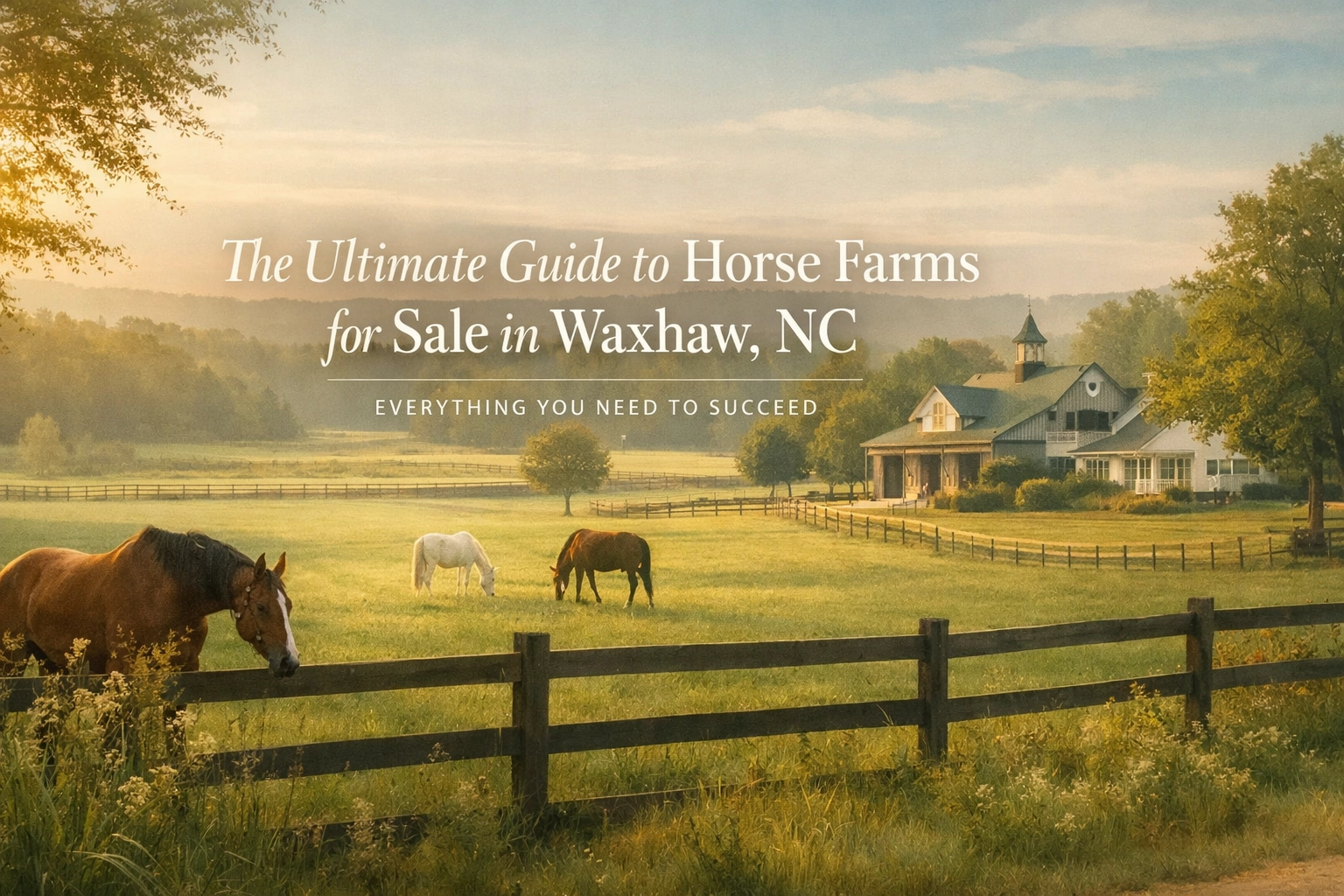
Category: Horse Farming Real Estate

  • Cornelius Equestrian Community Guide: Best Neighborhoods for Horse Lovers

    Cornelius Equestrian Community Guide: Best Neighborhoods for Horse Lovers

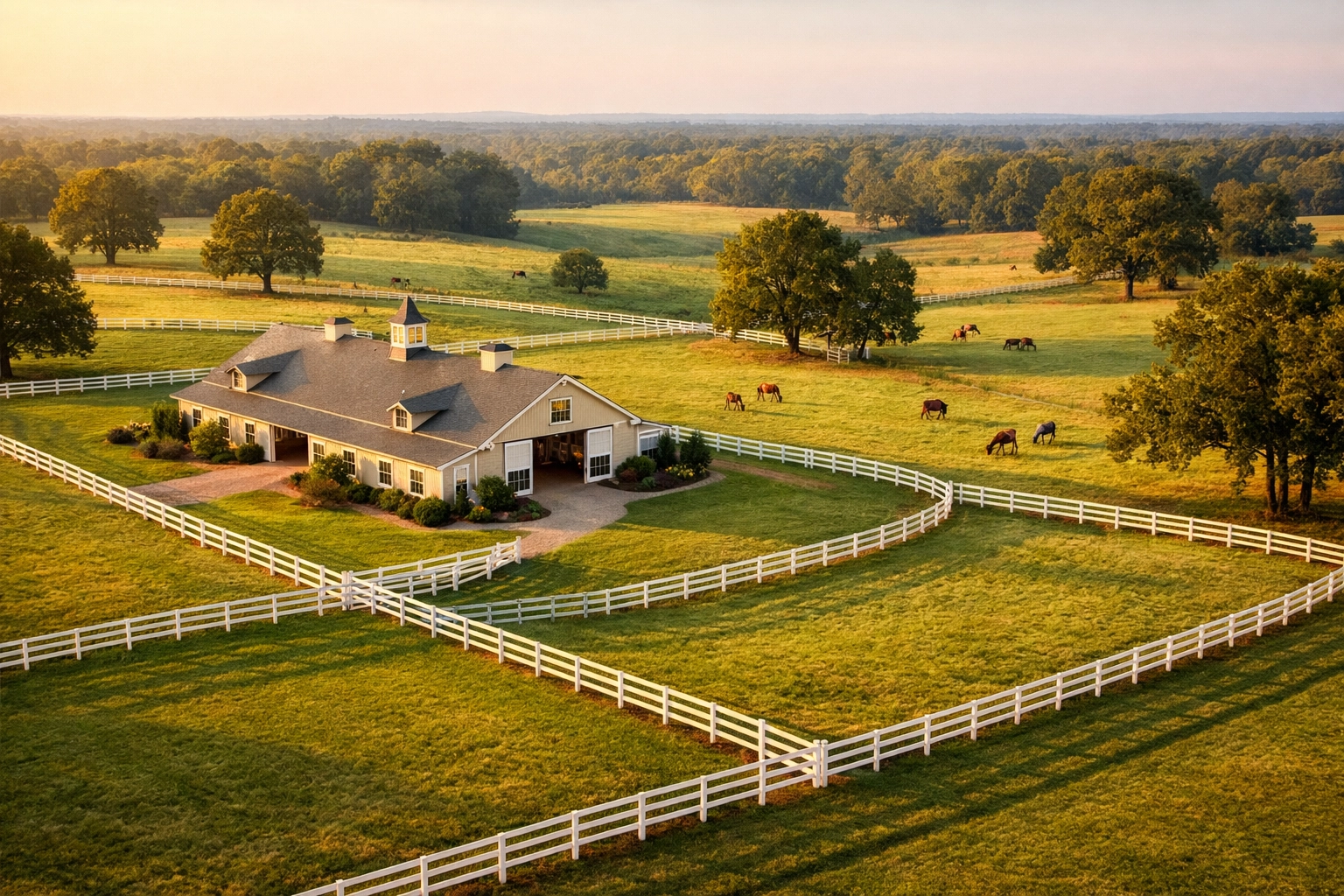
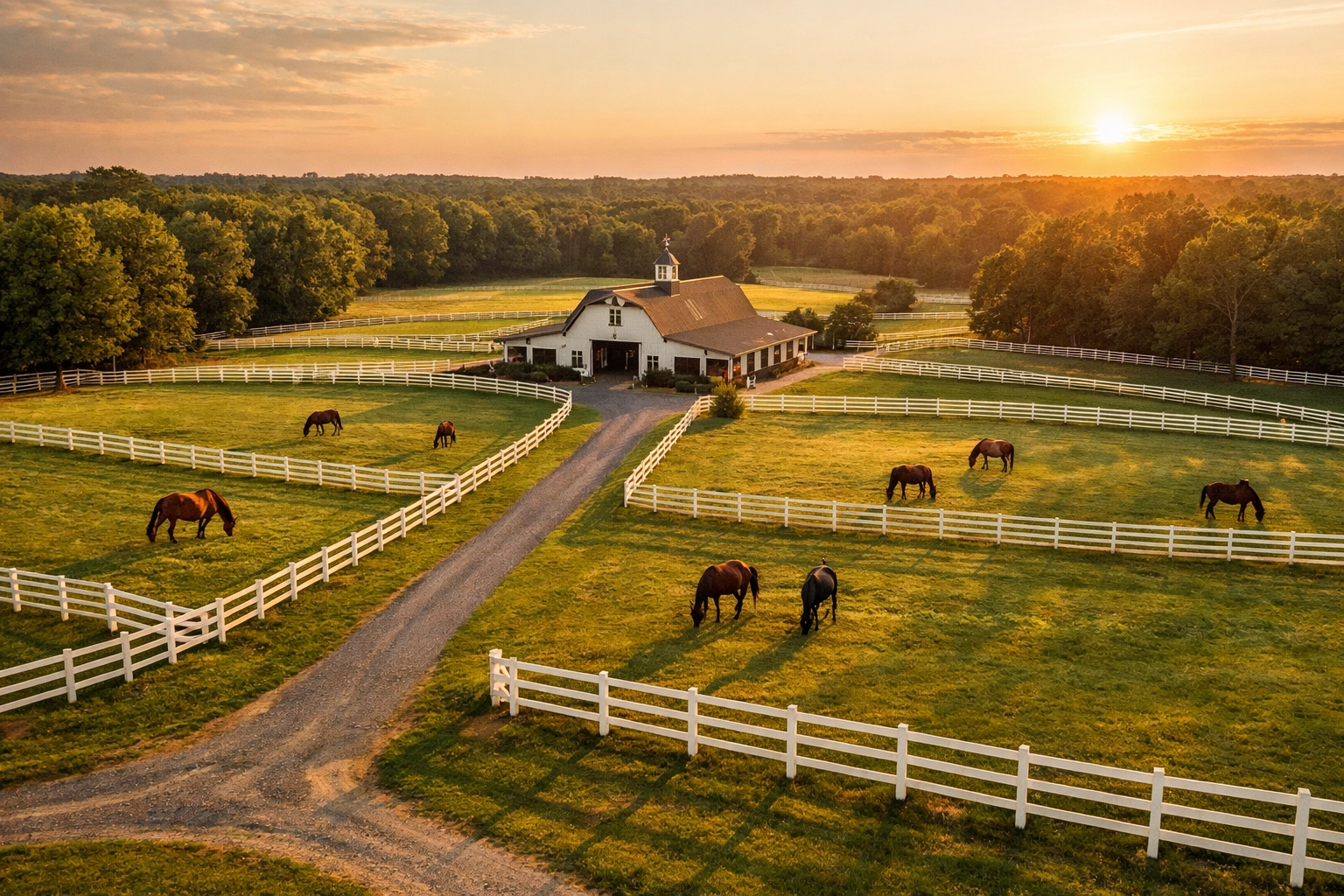
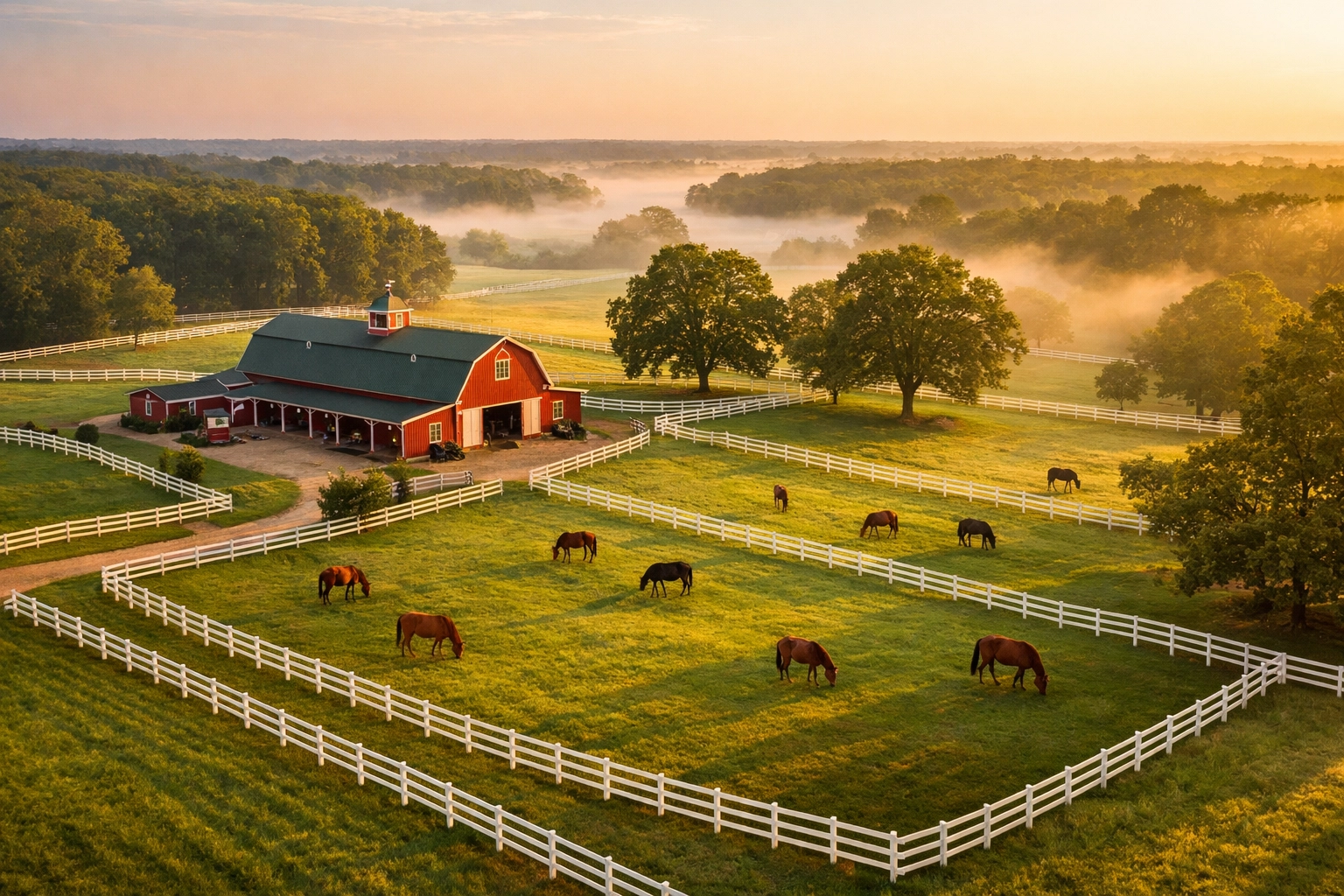
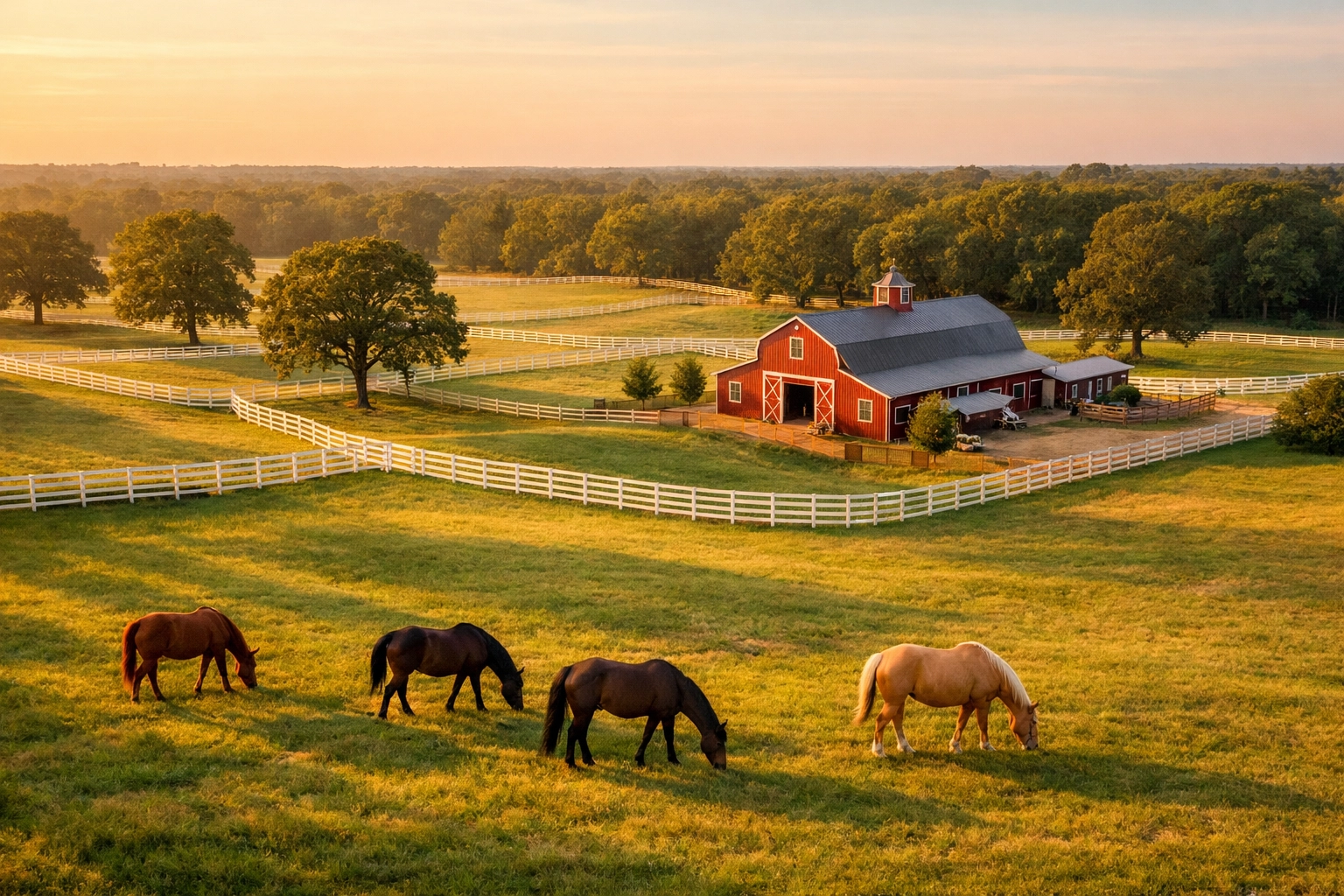
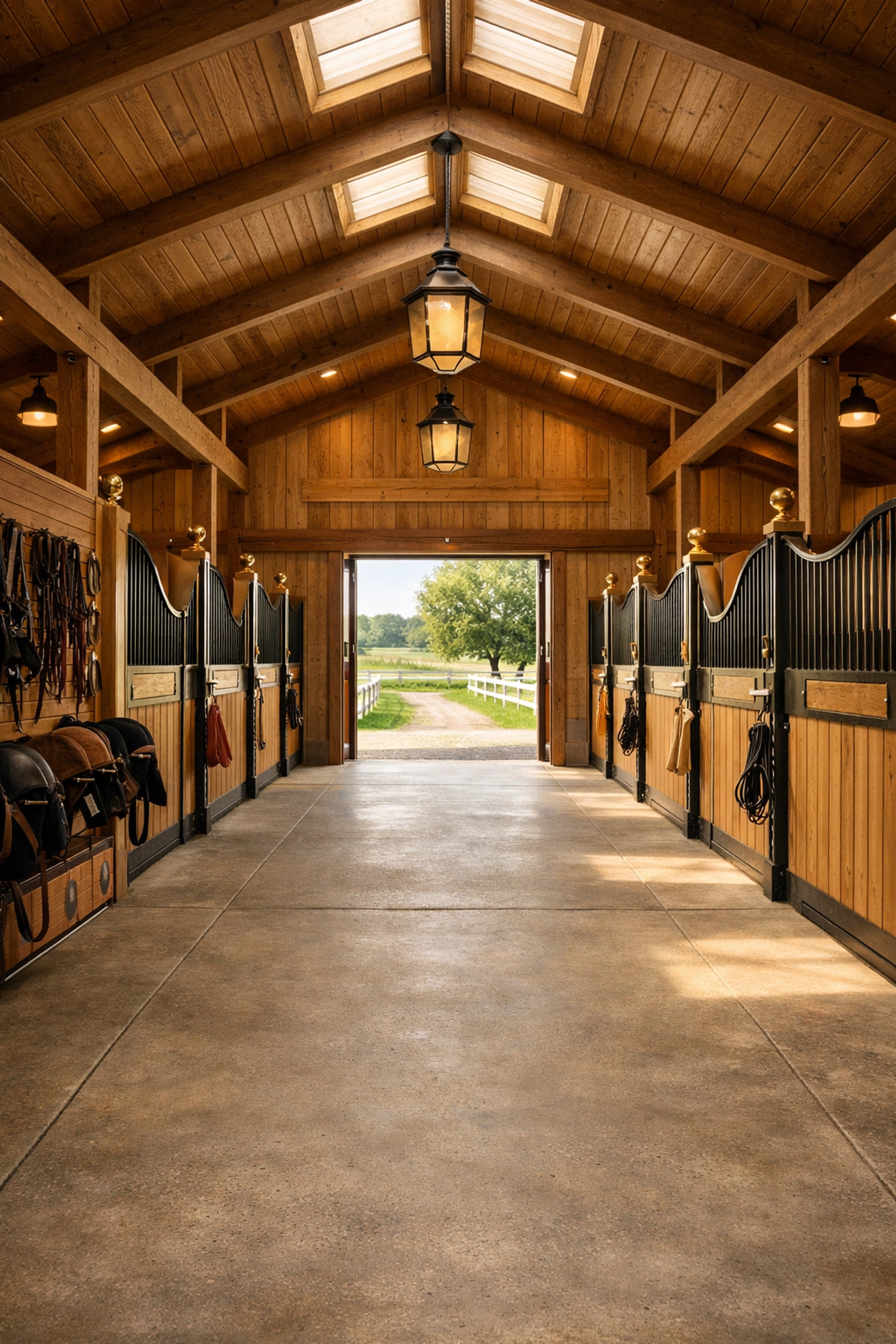
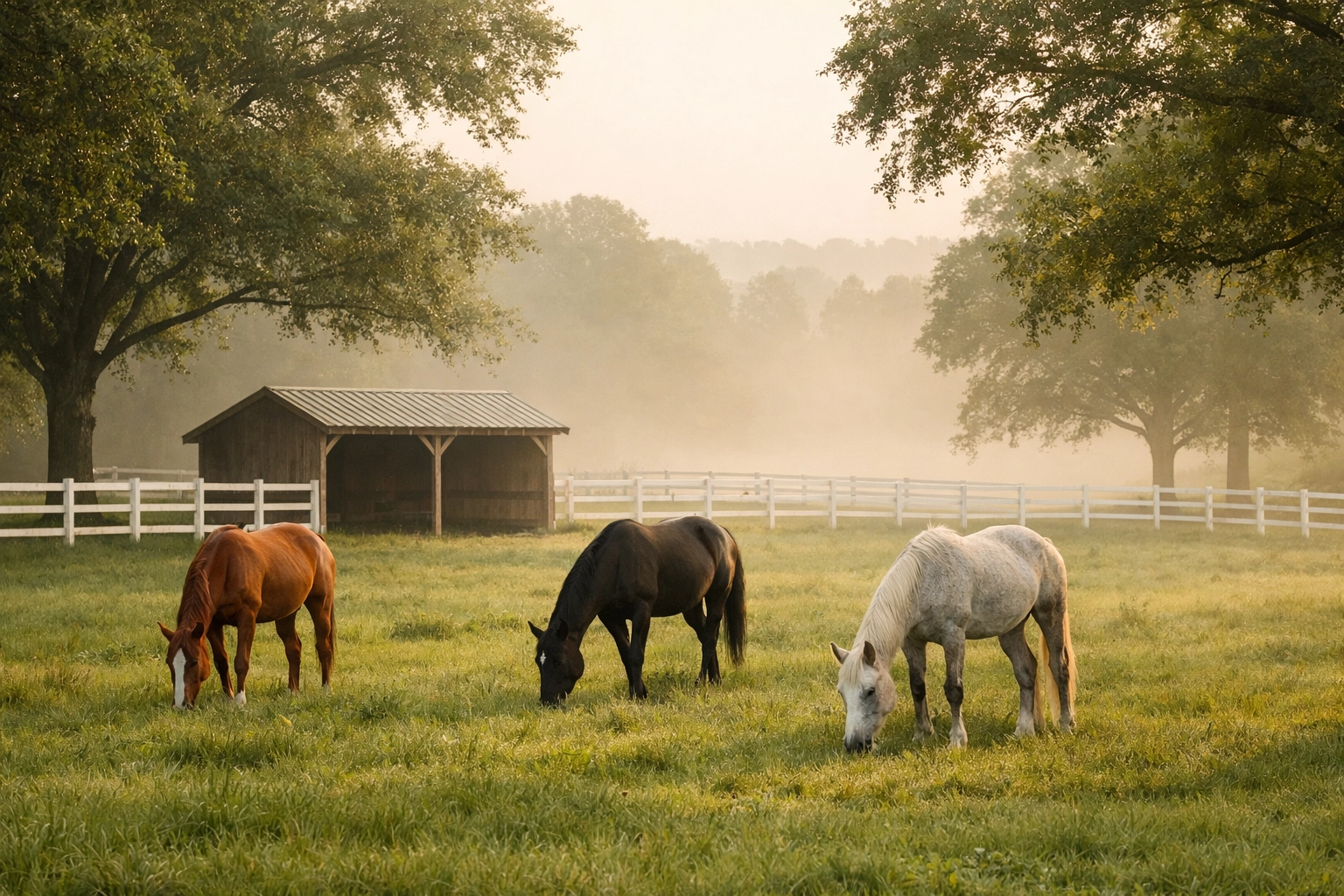
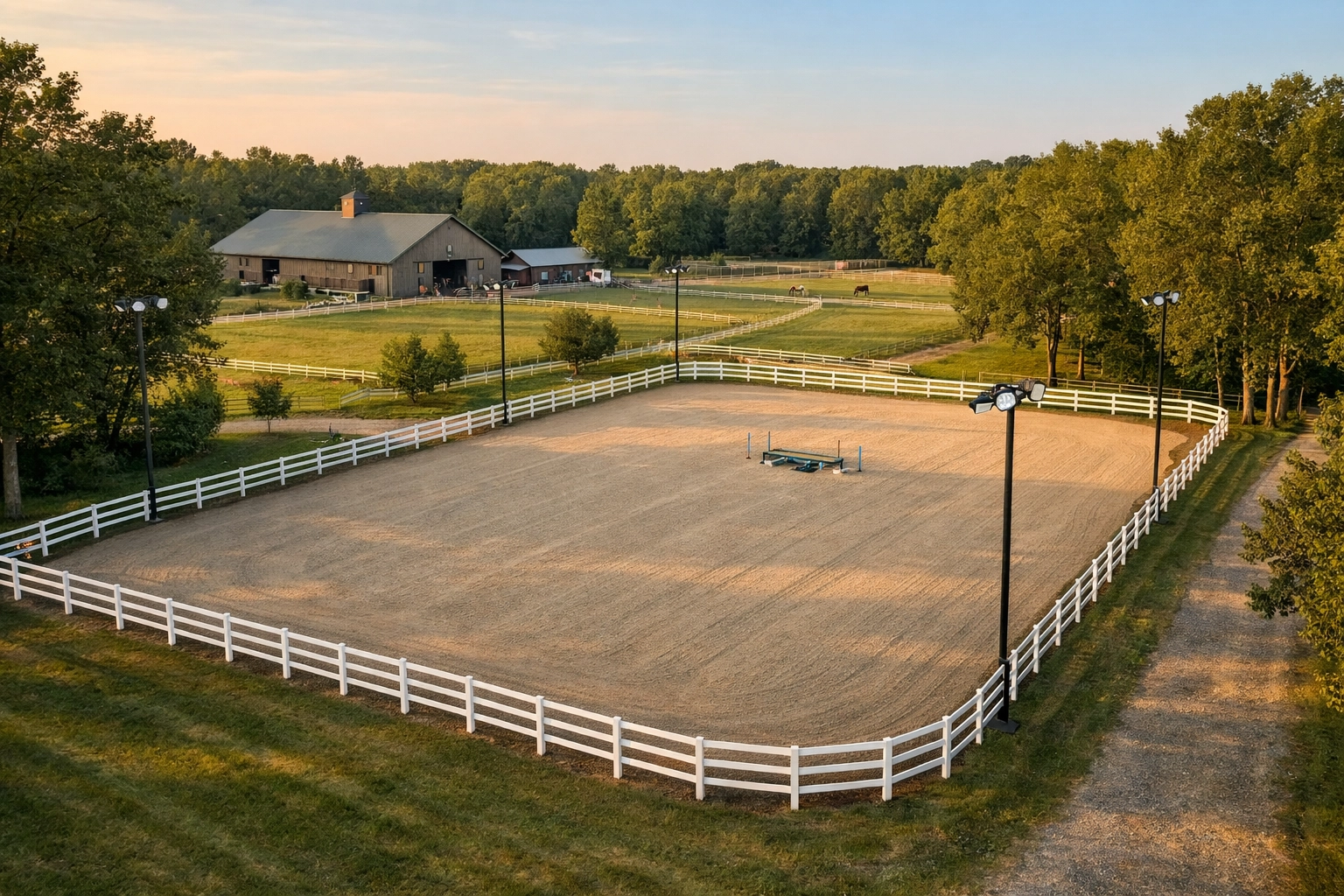
    Cornelius, North Carolina sits perfectly positioned on the shores of Lake Norman, offering horse enthusiasts a unique blend of waterfront beauty and rural equestrian lifestyle just 25 minutes from Charlotte. This charming town has quietly become a haven for those seeking the perfect balance between small-town equestrian living and urban accessibility.

    Why Cornelius Appeals to Horse Owners

    The Lake Norman region, including Cornelius, offers several distinct advantages for equestrian properties. The area maintains its rural character while providing modern amenities, and the rolling terrain creates natural beauty perfect for trail riding and pasture management. Property taxes remain reasonable compared to urban centers, and zoning regulations generally support agricultural and equestrian uses.
    Water access adds another dimension entirely. Many equestrian properties in the Cornelius area offer direct lake access or are positioned near Lake Norman, creating opportunities for both riding and boating lifestyles that few other regions can match.

    image_1

    Essential Features of Cornelius Equestrian Neighborhoods

    Acreage and Zoning Considerations

    Most serious equestrian properties in the Cornelius area start at five acres minimum, with many premium properties ranging from 10 to 50+ acres. The ideal setup includes proper agricultural zoning that supports horse ownership without restrictive covenants limiting the number of animals or facility types.

    Look for neighborhoods where properties maintain generous setbacks and buffer zones. This creates the quiet, private atmosphere essential for horses while ensuring your investment remains protected from incompatible development.

    Infrastructure That Matters

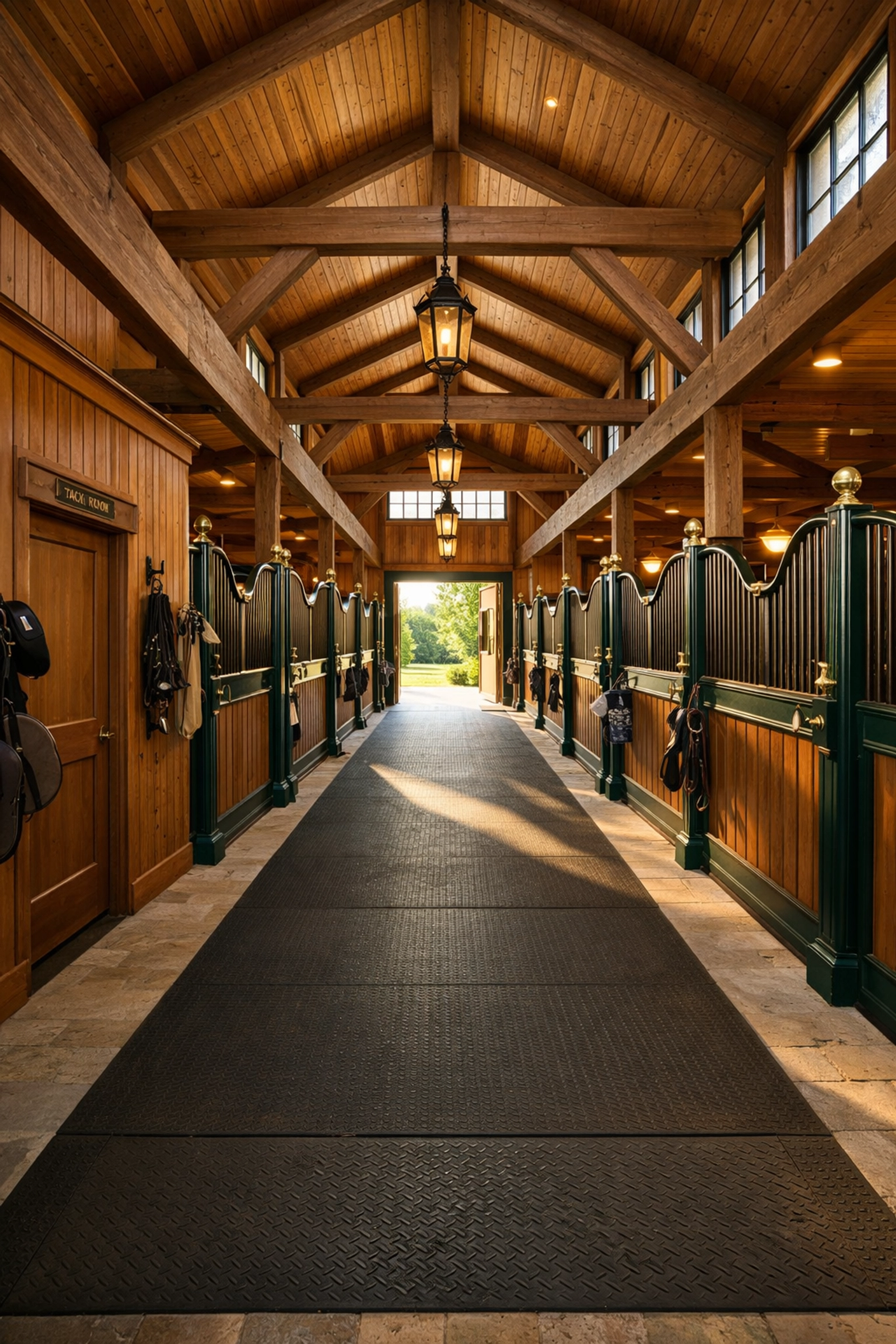
    Quality equestrian neighborhoods feature well-maintained gravel or paved roads that can handle horse trailer traffic. Adequate utilities including three-phase power for barn operations, reliable well water or county water service, and proper drainage systems are non-negotiable elements.

    The best properties offer level to gently rolling topography that provides good drainage while remaining suitable for pastures, arenas, and barn construction. Avoid areas prone to flooding or with soil conditions that create persistent mud problems.

    Neighborhood Characteristics to Prioritize

    Agricultural Heritage Areas

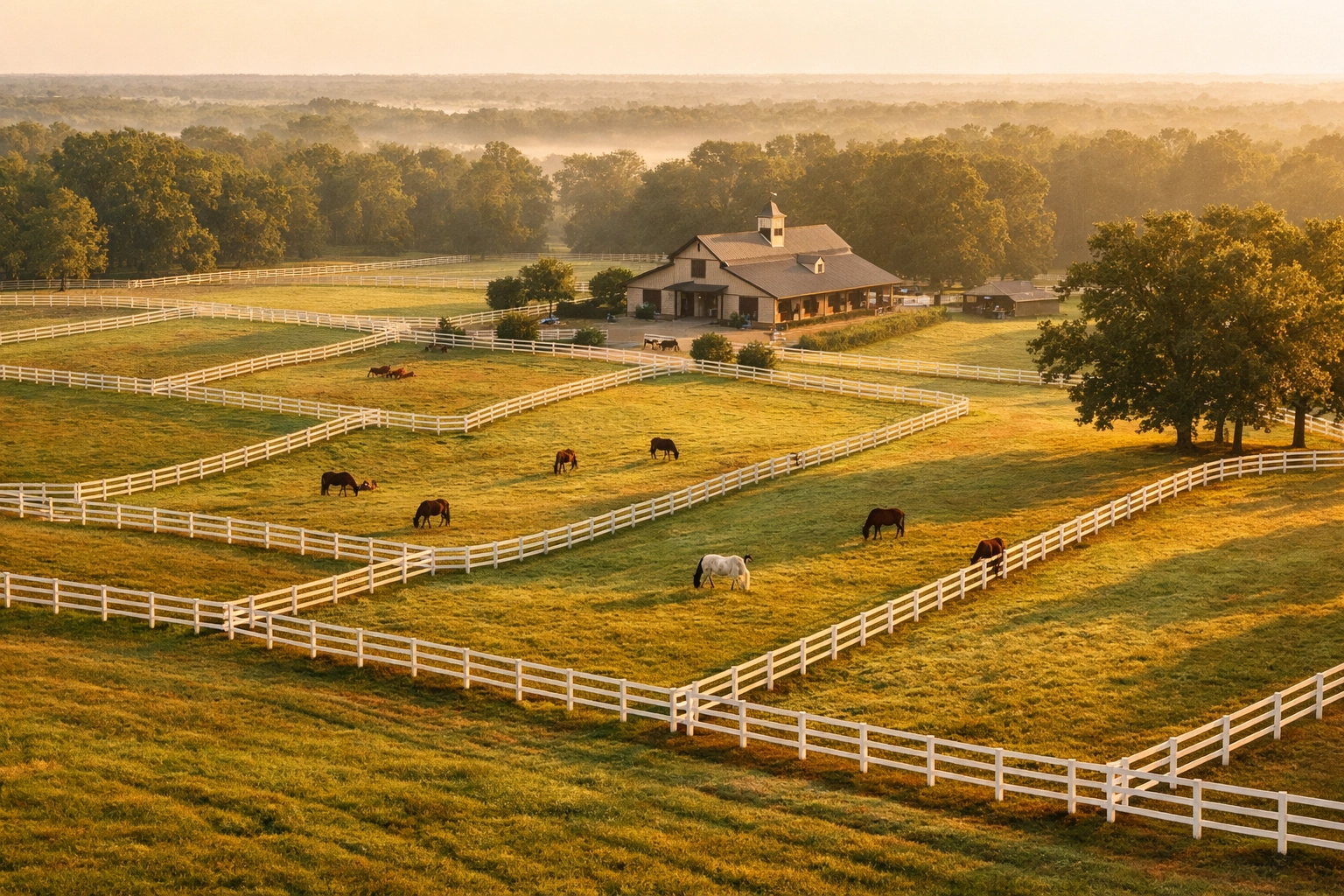
    Cornelius and surrounding Lake Norman communities contain several established agricultural areas where horse properties feel natural and welcomed. These neighborhoods typically feature larger lot sizes, minimal deed restrictions, and neighbors who understand and appreciate equestrian lifestyles.

    Properties in these areas often include existing barns, fencing, and pastures that can be renovated or expanded rather than built from scratch. This can represent significant savings and faster move-in timelines for horse owners.

    image_2

    Proximity to Equestrian Services

    The strongest equestrian neighborhoods position you within reasonable distance of essential services. Quality veterinary care, farriers, feed stores, and hay suppliers should all be accessible without extensive travel. The Lake Norman area benefits from excellent veterinary services and a network of equestrian professionals.

    Consider neighborhoods that provide easy trailer access to local horse shows, trail systems, or training facilities. Properties with direct trail access or connections to bridle paths add both recreational value and property appeal.

    Community Support Systems

    The best equestrian neighborhoods foster informal networks among horse owners. These relationships provide everything from horse-sitting during vacations to sharing recommendations for service providers. Look for areas where you observe well-maintained horse properties and active equestrian use.

    Some developments in the broader Cornelius area include formal equestrian amenities like shared trail systems or community riding areas, though these remain less common than in purpose-built equestrian communities.

    Specific Area Considerations

    Lake Norman Waterfront Equestrian Properties

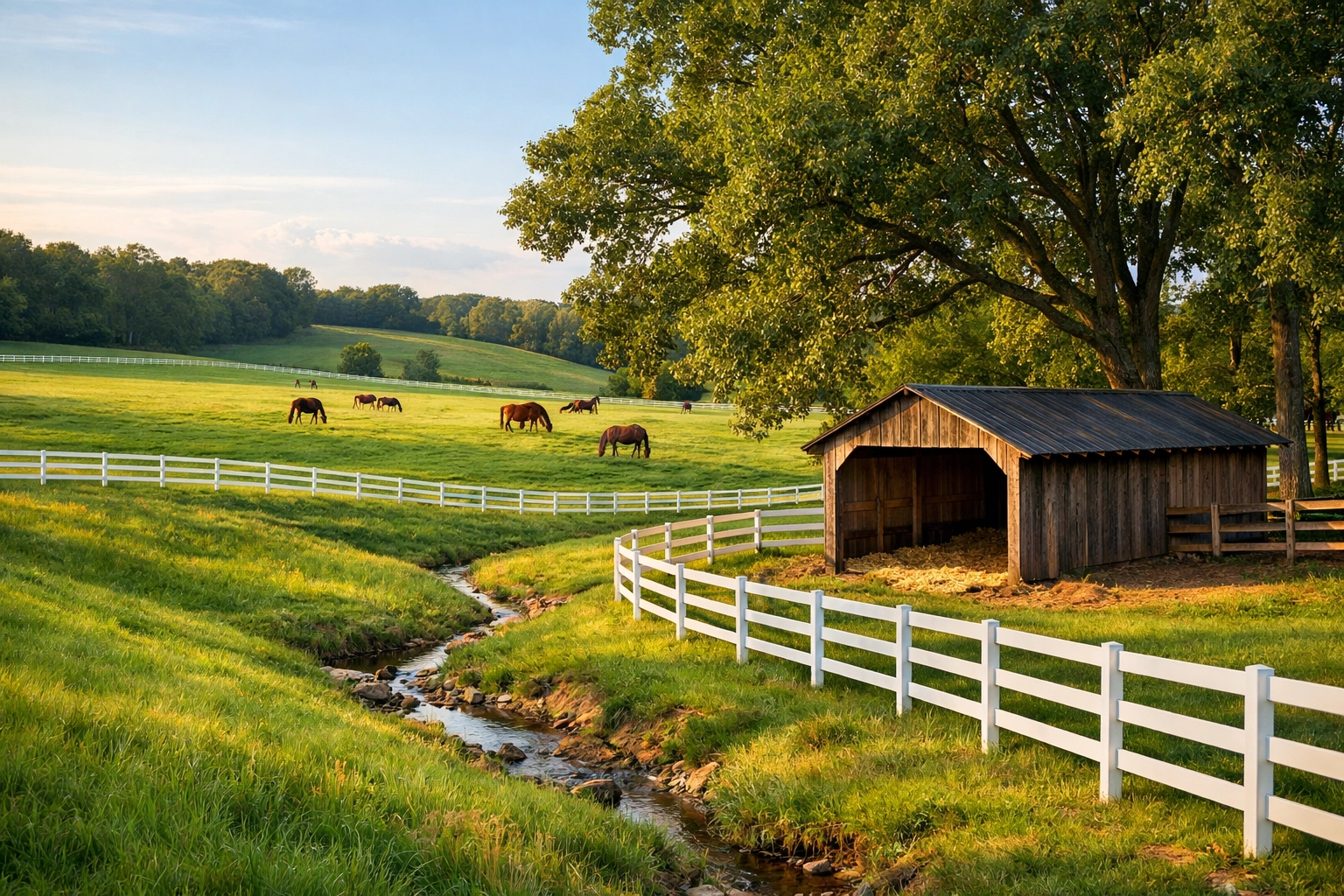
    Waterfront horse properties represent the premium segment of Cornelius equestrian real estate. These unique properties combine direct lake access with horse facilities, creating truly distinctive lifestyle opportunities. Expect higher price points but also exceptional long-term value retention.

    Waterfront equestrian properties require careful evaluation of elevation changes, drainage patterns, and setback requirements from the water. The best properties position horse facilities away from the waterfront while maintaining access to both amenities.

    image_3

    Rural Cornelius Outskirts

    The areas surrounding Cornelius proper often provide the most acreage at the best values. These locations maintain the rural character many horse owners prefer while keeping Charlotte accessibility. Properties here typically offer more flexibility for barn placement, arena construction, and pasture development.

    Transportation corridors like Highway 21 provide excellent access to these areas while maintaining the quiet, rural atmosphere horses and their owners appreciate.

    Established Equestrian Pockets

    Several informal equestrian areas have developed organically around Cornelius, where multiple horse properties cluster together. These areas benefit from shared knowledge among neighbors and often feature excellent soil conditions and terrain for horse keeping.

    Research these areas carefully, as they may not be formally designated but offer some of the best equestrian living experiences in the region.

    Neighborhood Amenities and Features

    Trail Access and Recreation

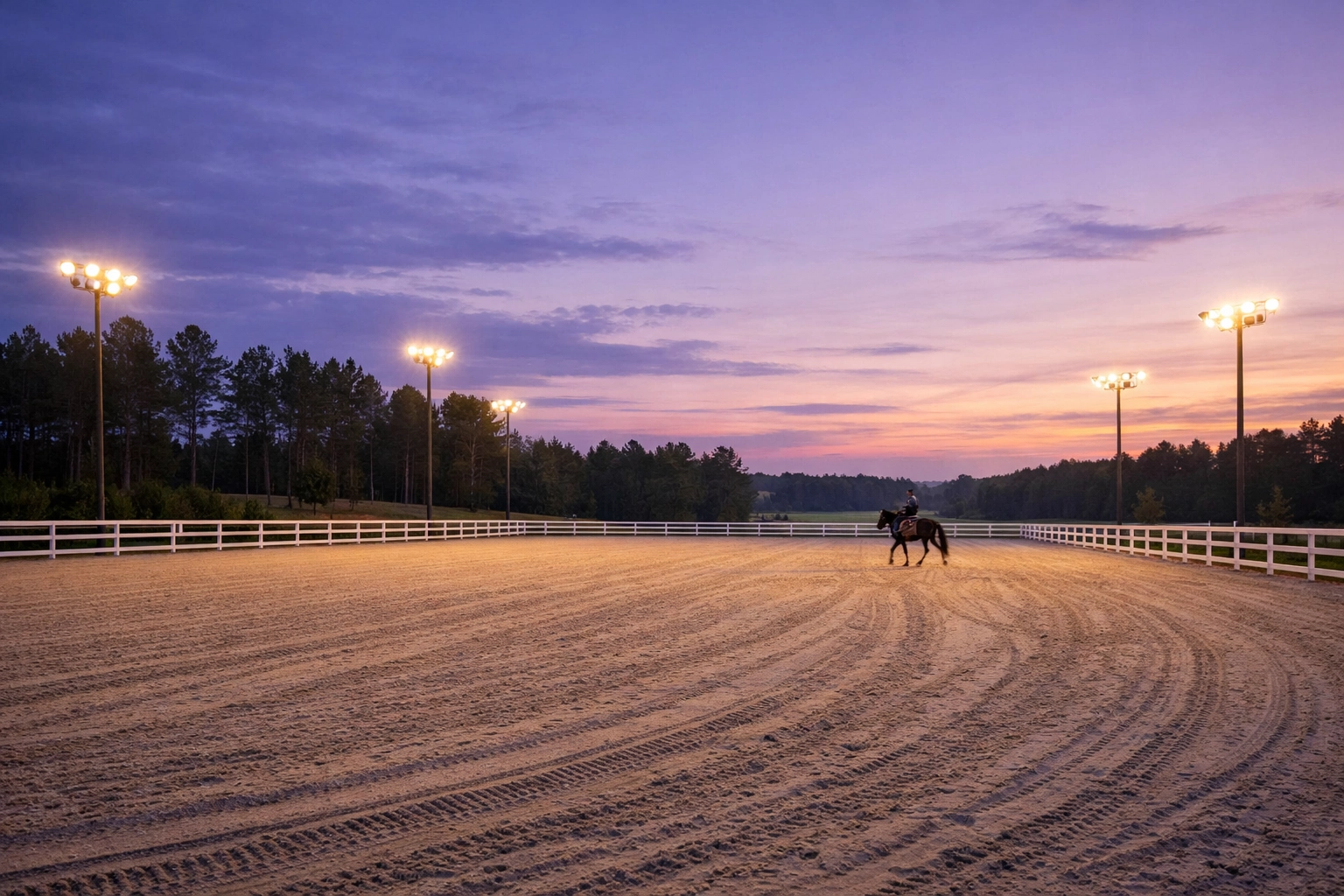
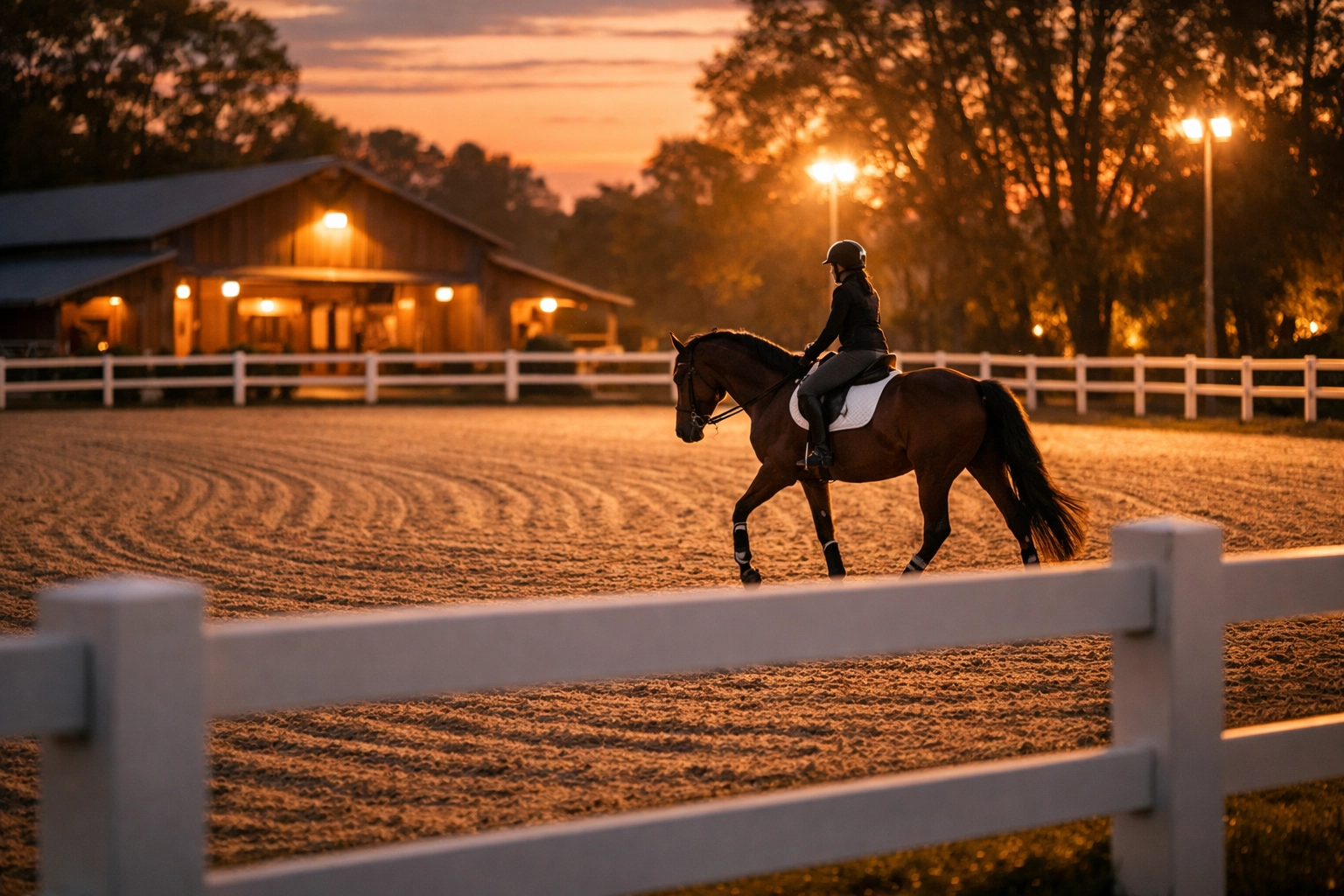
    The Lake Norman area provides extensive opportunities for trail riding, both on private property and through informal arrangements with neighbors. Some properties connect to greenway systems or offer access to larger tract holdings suitable for extended rides.

    Lake access creates unique recreational opportunities, including the possibility of conditioning horses in water or simply enjoying the scenic beauty during rides. Properties with both lake and trail access command premium pricing for good reason.

    Agricultural Support Infrastructure

    Strong equestrian neighborhoods maintain access to agricultural services including hay delivery, manure removal, and equipment rental. The Cornelius area benefits from its location in a region with continued agricultural activity, supporting these essential services.

    Local feed stores and equestrian suppliers should be easily accessible, and the area should support reliable delivery services for feed, bedding, and other supplies.

    image_4

    Making the Right Neighborhood Choice

    Evaluating Long-term Potential

    Consider not just current conditions but future development patterns. Areas with strong agricultural zoning and established equestrian use typically maintain their character better over time. Avoid areas showing signs of rapid residential development that might compromise the equestrian lifestyle.

    Proximity to Charlotte ensures strong property values, but balance this against maintaining the rural character that makes equestrian living appealing. The best areas provide both benefits without sacrificing either.

    Understanding Community Dynamics

    Spend time in potential neighborhoods during different times of day and week. Observe how properties are maintained, whether horses appear well-cared-for, and how neighbors interact. Strong equestrian communities are evident in the details.

    Talk with current residents about their experiences with county services, veterinary access, and any neighborhood challenges. Their insights can reveal important factors not apparent during property tours.

    Investment Considerations

    Cornelius equestrian properties generally maintain strong value retention due to the area's desirable location and limited supply of suitable horse property. Lake proximity, Charlotte accessibility, and quality infrastructure support long-term appreciation potential.

    Consider both the property's current equestrian infrastructure and its potential for improvement or expansion. Properties with room to grow often provide better long-term value than those already built to maximum capacity.

    image_5

    Finding Your Perfect Equestrian Community

    The Cornelius area offers genuine opportunities for horse owners seeking the ideal balance of rural living and urban accessibility. Success lies in understanding your priorities, evaluating neighborhoods carefully, and working with professionals who understand both horses and real estate.

    Each equestrian property tells its own story, and finding the right fit requires patience and expertise. The investment in time and careful evaluation pays dividends in years of satisfying equestrian living.

    Whether you're seeking waterfront luxury or rural tranquility, Cornelius provides options that honor both your equestrian passion and your lifestyle goals. The key lies in finding the neighborhood that supports your horses while enhancing your daily life.

    Ready to explore Cornelius equestrian communities firsthand? Our team understands the unique requirements of horse properties and can guide you toward neighborhoods that match your specific needs and goals. Visit Carolina Horse Farm Realty to start your search for the perfect equestrian community.

  • Seasonal Maintenance Checklist for Your NC Horse Farm

    Seasonal Maintenance Checklist for Your NC Horse Farm

    Every season brings its own rewards and challenges when you own a horse farm in North Carolina. From the humid summers that test your water systems to the unpredictable winter weather that can damage fencing overnight, staying ahead of maintenance isn't just about protecting your investment: it's about keeping your horses safe and healthy year-round.

    After helping hundreds of families find their dream equestrian properties across the Carolinas, we've seen firsthand how proper seasonal maintenance can make the difference between a thriving operation and costly emergency repairs. The farms that maintain their value and functionality? They follow a systematic approach that anticipates each season's unique demands.

    Spring: Renewal and Recovery

    Spring in North Carolina means it's time to assess winter's damage and prepare your property for the active months ahead. The mild temperatures make this the ideal season for intensive maintenance projects.

    Barn and Facility Deep Clean

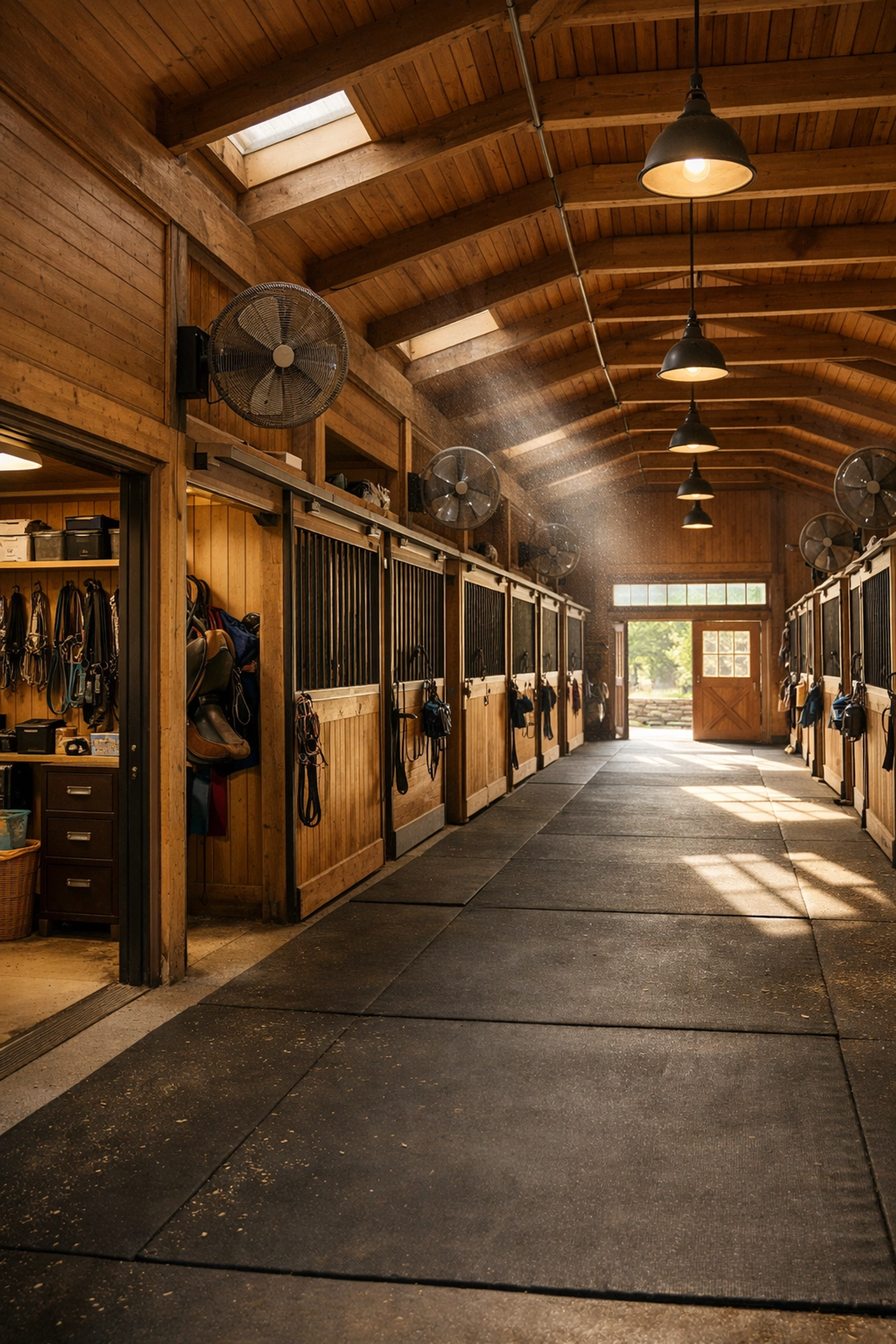
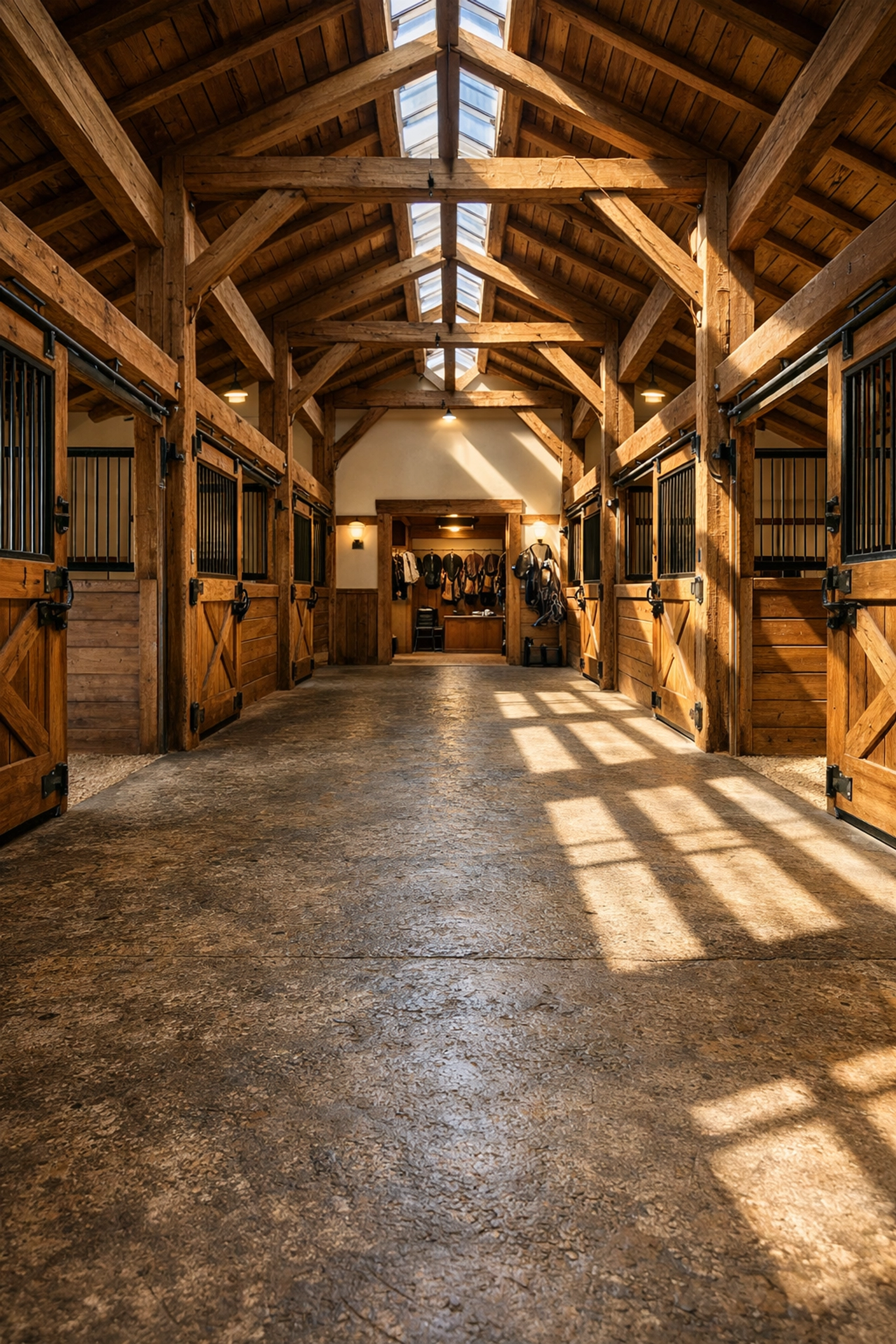
    Start with a complete barn overhaul. Strip every stall down to the mats, scrub the walls with a diluted bleach solution, and remove dust and cobwebs from rafters and corners. This isn't just about appearances: you're eliminating bacteria and mold that can compromise your horses' respiratory health.

    Check your barn's electrical wiring carefully. Rodents often cause damage during winter months, and exposed wires pose serious fire hazards. Inspect all lighting fixtures and outlets, replacing any damaged components immediately.

    Clean and disinfect all water tanks, feed bins, and automatic waterers. Replace any cracked or damaged buckets: they're breeding grounds for bacteria in warmer weather.

    image_1

    Pasture Assessment and Recovery

    Walk every inch of your pasture, removing branches, debris, and any old hay piles that accumulated over winter. This is your chance to spot potential problems before they become expensive headaches.

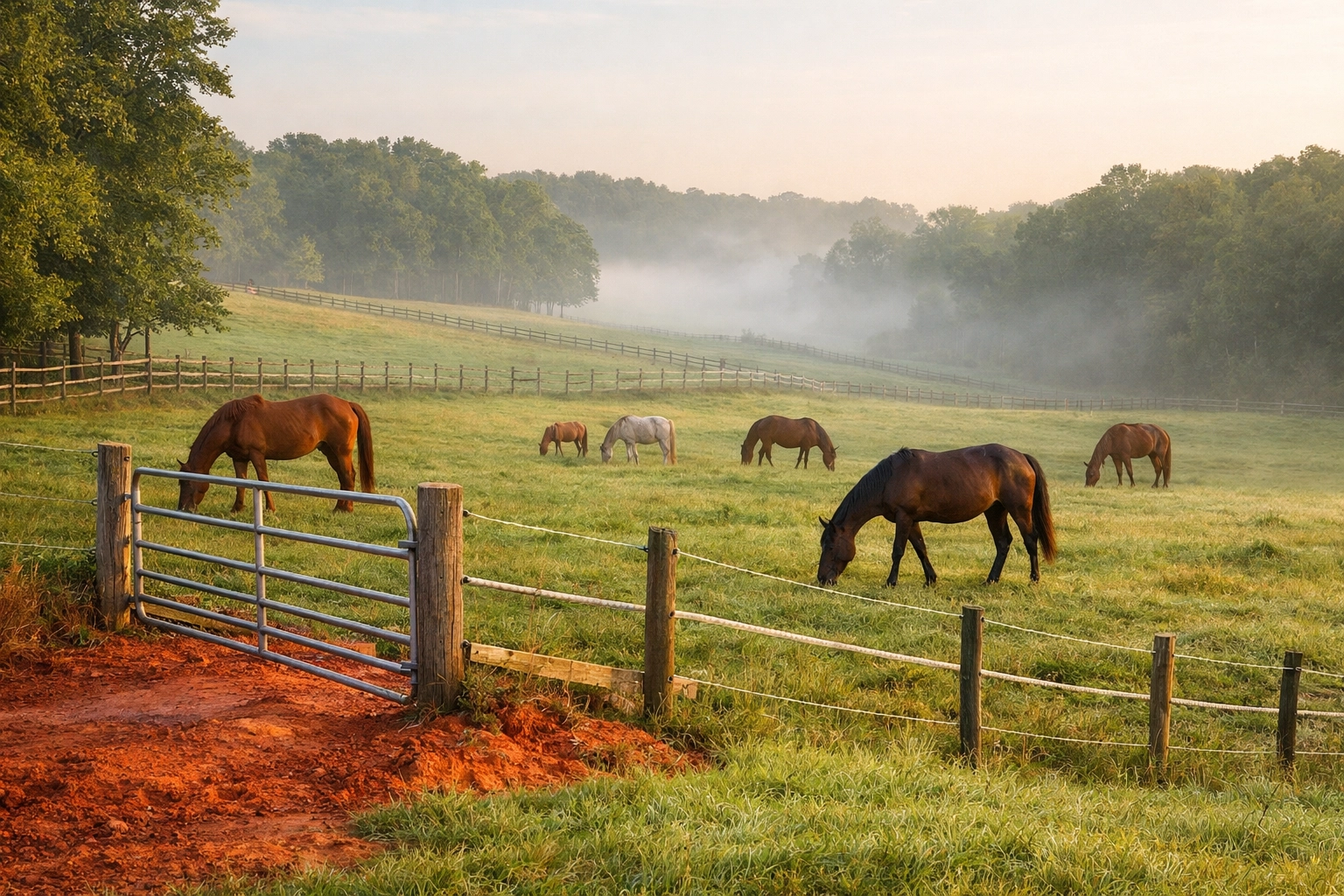
    North Carolina's clay soil can become severely compacted during wet winter months. Aerate high-traffic areas and reseed any worn spots with quality pasture grass suited to our climate. Consider soil testing to develop a targeted fertilization plan: healthy pastures reduce your hay costs significantly.

    Remove any toxic weeds that may be sprouting. Common North Carolina culprits include wild cherry, red maple, and various nightshades that can be lethal to horses.

    Fencing and Infrastructure

    Frost heave and winter storms take their toll on fencing. Walk your entire perimeter, checking for leaning posts, sagging wire, and loose boards. Pay special attention to gates: they should swing freely with secure, functioning latches.

    Replace any rusted or damaged components now, before your horses find the weak spots. Wood fencing requires particular attention; check for loose nails and replace any cracked or rotting boards.

    Summer: Maintenance and Monitoring

    North Carolina summers are hot, humid, and demanding on both horses and facilities. Your focus shifts to ongoing maintenance and pest control.

    Water System Management

    Clean water troughs weekly to prevent algae buildup: a constant battle in our humid climate. Automatic waterers need daily monitoring; the heat can cause seals to fail and pumps to overwork.

    Install bird houses near barn areas. Birds are natural pest controllers, reducing the fly population that makes summer miserable for horses and handlers alike.

    Ongoing Facility Care

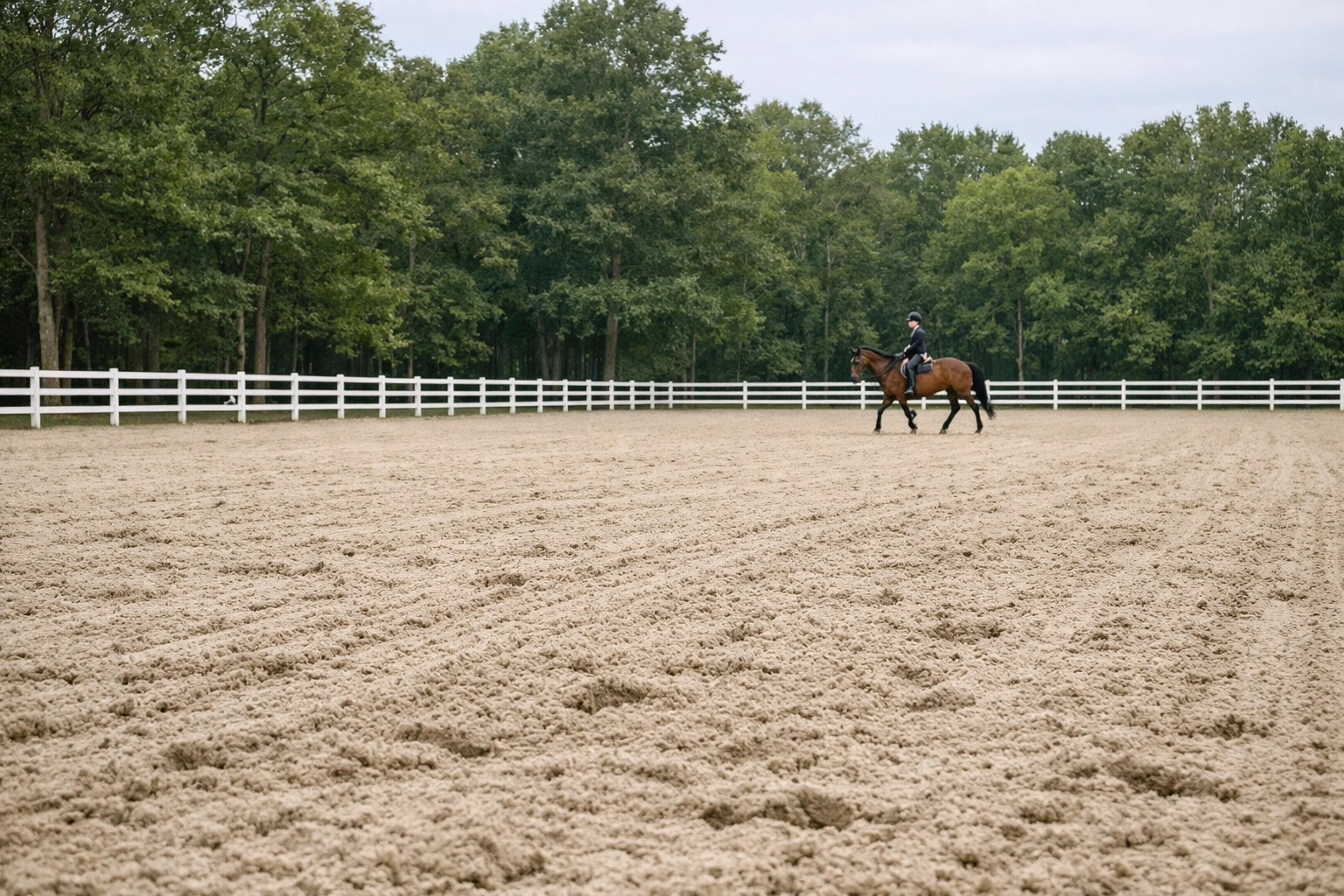
    Summer's heat makes heavy construction work dangerous, but it's perfect for maintaining what you have. Keep paddocks free of debris, monitor arena footing for safe conditions, and address small repairs before they become major projects.

    This is also prime time for inventory management. Stock up on hay while prices are typically lower, and ensure your grain storage areas are pest-proof and properly ventilated.

    image_2

    Fall: Winter Preparation

    Fall is your last chance to prepare for North Carolina's unpredictable winter weather. Don't wait until the first cold snap: it often comes earlier than expected.

    Critical Infrastructure Updates

    Bring in footing material for paddocks and high-traffic areas before wet weather arrives. Mud management is crucial for horse health and property value. Consider gravel, sand, or specialized footing materials for areas around gates, water sources, and shelter entrances.

    Clean and repair all gutters and downspouts. Proper drainage prevents ice damming and protects your barn's foundation. Divert water away from paddocks and riding areas: standing water freezes into dangerous ice sheets.

    Facility Winterization

    Complete a thorough inspection of all barn structures. Check roof integrity, repair any loose siding, and ensure adequate ventilation without creating drafts. Horses need fresh air even in cold weather, but drafts can cause respiratory issues.

    Service all heating systems and check backup power sources. Having a plan for extended power outages can be the difference between manageable inconvenience and disaster.

    image_3

    Equipment and Tack Care

    Deep clean all leather tack with quality leather cleaner, removing sweat and dirt buildup from summer use. Condition thoroughly to prevent cracking during cold weather. Properly maintained tack lasts decades; neglected leather becomes expensive to replace.

    Service all mechanical equipment: tractors, mowers, water pumps: before you need them in emergencies. Cold weather is hard on equipment that hasn't been properly maintained.

    Winter: Protection and Vigilance

    North Carolina winters may be milder than northern states, but they bring unique challenges. Ice storms can devastate unprepared properties, and temperature swings stress both animals and infrastructure.

    Daily Operations

    Maintain consistent daily routines. Remove manure regularly: it creates dangerous ice when frozen. Provide fresh, unfrozen water multiple times daily. Heated water sources reduce labor and ensure horses stay properly hydrated.

    Monitor pastures carefully. Prevent horses from grazing on frozen grass, which can damage root systems and destroy pastures for the following year. This is where having established sacrifice areas pays off.

    Structural Monitoring

    Check barn ventilation regularly. Adequate airflow prevents respiratory problems and reduces moisture buildup that can damage structures. Monitor for ice dams on roofs and address them immediately.

    Inspect fencing after every storm. High winds and ice can damage even well-maintained fencing overnight. Quick repairs prevent horses from injuring themselves on broken components.

    image_4

    Regional Considerations for North Carolina

    Our state's diverse geography means maintenance needs vary significantly. Coastal properties deal with salt air and hurricane preparations, while mountain farms face different challenges with steep terrain and colder temperatures.

    Clay soil, common throughout much of North Carolina, requires special attention to drainage and footing management. Sandy soil areas need different pasture management strategies. Understanding your specific soil type and local climate patterns is essential for effective maintenance planning.

    The Value of Preventive Maintenance

    Consistent seasonal maintenance protects more than just your property's condition: it preserves its value. Well-maintained horse farms command premium prices and sell faster when the time comes. Buyers recognize properties where attention to detail is obvious, and they're willing to pay for the peace of mind that comes with purchasing a properly maintained facility.

    More importantly, good maintenance keeps your horses healthy and safe. Emergency vet calls and injury-related expenses far exceed the cost of preventive care. A systematic approach to seasonal maintenance is an investment in your horses' wellbeing and your financial security.

    Whether you're maintaining your current property or considering a move to a new horse farm, understanding these seasonal requirements helps you make informed decisions. A property that's been properly maintained will provide years of enjoyment and service. One that's been neglected becomes a money pit that steals the joy from horse ownership.

    At Carolina Horse Farm Realty, we help buyers understand these maintenance realities before they purchase, and we help sellers present their properties in the best possible light. Our deep knowledge of equestrian properties throughout North Carolina means we understand what makes a horse farm truly functional and valuable.

    Ready to find a horse farm that's been loved and maintained, or need guidance on preparing your current property for sale? Let's talk about how proper maintenance creates lasting value for both horses and owners.

  • Waxhaw vs. Weddington vs. Mooresville: Which Charlotte Area Has the Best Horse Farms for Your Budget?

    Waxhaw vs. Weddington vs. Mooresville: Which Charlotte Area Has the Best Horse Farms for Your Budget?

    Choosing the right location for your horse farm investment in the Charlotte metro requires understanding how each area serves different budgets, riding disciplines, and lifestyle preferences. After analyzing hundreds of equestrian property transactions across Waxhaw, Weddington, and Mooresville, we've identified distinct advantages and price points that make each community ideal for specific buyer profiles.

    Budget Breakdown: What Your Investment Buys in Each Market

    Waxhaw: $400K-$2.5M Range

    • Entry Level ($400K-$750K): 5-15 acres with basic barn facilities, ideal for 2-4 horses
    • Mid-Range ($750K-$1.5M): 15-35 acres featuring indoor arenas, multiple paddocks, and established pasture rotation systems
    • Premium ($1.5M+): 35+ acres with championship-quality facilities, guest quarters, and direct trail access

    Weddington: $600K-$4M Range

    • Entry Level ($600K-$1M): 3-10 acres with luxury finishes, smaller but sophisticated facilities
    • Mid-Range ($1M-$2.5M): 10-25 acres combining elegance with functionality, often featuring covered arenas
    • Premium ($2.5M+): Estate properties with world-class facilities, entertainment spaces, and pristine pastures

    Mooresville: $350K-$3M Range

    • Entry Level ($350K-$650K): 10-20 acres with solid infrastructure, excellent value per acre
    • Mid-Range ($650K-$1.3M): 20-50 acres near Lake Norman, featuring both equestrian and recreational amenities
    • Premium ($1.3M+): Waterfront or water-access properties combining horses with boating lifestyle

    image_1

    Land Quality and Terrain Advantages

    Waxhaw's Rolling Pastures
    The gently rolling terrain in Waxhaw provides natural drainage while creating picturesque paddock layouts. The clay-based soil with good organic content supports year-round grazing when properly managed. Properties typically offer excellent fencing infrastructure and established pasture rotation systems that maintain soil health and grass quality.

    Weddington's Manicured Landscapes
    Weddington properties showcase meticulously maintained grounds with superior drainage systems and professional landscaping. The slightly higher elevation provides natural water runoff, reducing mud issues during Charlotte's wet seasons. Many properties feature imported sand for arena footing and professionally designed irrigation systems.

    Mooresville's Diverse Geography
    Mooresville offers the most varied terrain options, from lakefront properties with sandy soils to inland farms with clay-based pastures. The proximity to Lake Norman creates unique microclimates that can extend growing seasons and provide natural water sources for larger properties.

    Equestrian Community and Training Opportunities

    Waxhaw: Hunter/Jumper Hub
    Home to several A-circuit training facilities, Waxhaw attracts serious competitors in hunter/jumper disciplines. The area features:

    • Multiple boarding facilities offering professional training programs
    • Regular horse shows and competitions throughout the riding season
    • Established network of veterinarians, farriers, and equine specialists
    • Direct access to Anne Springs Close Greenway's 40+ miles of riding trails

    Weddington: Dressage and All-Discipline Focus
    Weddington's equestrian community emphasizes classical riding principles across multiple disciplines:

    • Several certified dressage instructors and USDF-recognized facilities
    • Strong focus on horsemanship education and classical training methods
    • Regular clinics featuring nationally recognized trainers
    • Well-maintained sand and grass arenas suitable for multiple disciplines

    Mooresville: Versatile Riding Community
    The Mooresville area supports the most diverse range of equestrian activities:

    • Trail riding enthusiasts with access to state parks and greenways
    • Western pleasure and rodeo communities
    • Growing eventing presence with cross-country courses nearby
    • Recreational riders attracted to the lake lifestyle combination

    image_2

    Investment and Resale Considerations

    Waxhaw Market Dynamics

    • Appreciation Rate: 6-8% annually over the past five years
    • Days on Market: 45-75 days for well-priced equestrian properties
    • Buyer Profile: 65% local relocations, 35% out-of-state equestrian migrants
    • Resale Strength: Strong demand for turnkey operations with established income potential

    Weddington Market Performance

    • Appreciation Rate: 5-7% annually with premium properties showing stronger gains
    • Days on Market: 30-60 days for luxury equestrian estates
    • Buyer Profile: 70% corporate relocations seeking luxury lifestyle properties
    • Resale Strength: Excellent for properties combining elegance with functionality

    Mooresville Investment Potential

    • Appreciation Rate: 7-9% annually, boosted by lake proximity
    • Days on Market: 60-90 days, longer for unique waterfront combinations
    • Buyer Profile: 50% recreational buyers, 30% serious competitors, 20% investors
    • Resale Strength: Dual-market appeal to equestrian and lake lifestyle buyers

    Access to Essential Services and Amenities

    Veterinary and Farrier Services
    All three areas maintain excellent access to equine professionals, with Waxhaw offering the highest concentration of specialized sport horse veterinarians. Weddington provides convenient access to both Charlotte-based and local practitioners. Mooresville benefits from competitive pricing due to the larger geographic service area.

    Feed and Supply Access
    Waxhaw features three major feed stores within 15 minutes of most properties, including specialized sport horse nutrition centers. Weddington residents typically travel 10-20 minutes for supplies but benefit from delivery services from premium providers. Mooresville offers the most economical feed prices with several farm supply stores and co-ops in the immediate area.

    image_3

    Transportation and Commute Factors

    Highway Access Rankings:

    1. Weddington: I-485 proximity provides 25-35 minute commutes to Charlotte
    2. Waxhaw: US-74 corridor offers 35-45 minute access to downtown Charlotte
    3. Mooresville: I-77 location enables 40-50 minute commutes but excellent regional connectivity

    Trailer and Hauling Considerations
    Waxhaw's country roads require careful route planning for large horse trailers, but most properties offer excellent on-site turning radius. Weddington provides the most hauling-friendly road infrastructure with wider lanes and better visibility. Mooresville's mixed terrain can create challenges, but major routes accommodate all trailer sizes.

    Zoning and Land Use Regulations

    Agricultural Exemptions and Tax Benefits

    • Waxhaw: Easiest agricultural exemption process with 3+ acres minimum
    • Weddington: Requires 5+ acres but offers comprehensive rural zoning protection
    • Mooresville: Most flexible zoning allows diverse agricultural and recreational uses

    Development Pressure and Future Protection
    Waxhaw faces moderate development pressure but maintains strong agricultural zoning protections. Weddington enforces strict land use controls that preserve the rural character while allowing tasteful improvements. Mooresville shows the highest development activity, requiring careful research of surrounding land use plans.

    Making Your Decision: Budget vs. Priorities Matrix

    Choose Waxhaw If:

    • Your budget ranges $400K-$1.5M for serious training facilities
    • Hunter/jumper competition is your primary focus
    • You value established equestrian community connections
    • Trail access ranks high in your priorities

    Choose Weddington If:

    • Your budget exceeds $600K for luxury lifestyle properties
    • You prefer smaller acreage with premium amenities
    • Classical riding disciplines align with your goals
    • Elegant property presentation matters for entertaining

    Choose Mooresville If:

    • You seek maximum acreage for your investment
    • Lake lifestyle appeals alongside equestrian activities
    • You value diverse riding community options
    • Investment appreciation potential ranks high in your decision criteria

    image_4

    Working with Local Market Experts

    Understanding these market nuances requires partnering with real estate professionals who live and breathe the equestrian lifestyle in each community. Our team maintains active relationships with trainers, facility managers, and horse owners across all three areas, providing insights that extend far beyond typical market statistics.

    Whether you're seeking a starter property for young horses or a championship-level facility for established operations, the right location choice positions your equestrian dreams for long-term success. Each of these communities offers distinct advantages that align with different budgets and riding goals.

    Ready to explore horse farms in your preferred area and budget range? Our comprehensive market knowledge and equestrian expertise ensure you'll find the perfect property that serves both your horses' needs and your investment objectives. Contact Carolina Horse Farm Realty to begin your property search with professionals who understand that the right horse farm becomes the foundation for years of equestrian success.

  • 7 Mistakes You're Making When Buying Equestrian Property (And How Charlotte's $2B Horse Industry Proves Why Location Matters)

    7 Mistakes You're Making When Buying Equestrian Property (And How Charlotte's $2B Horse Industry Proves Why Location Matters)

    Charlotte's equestrian industry generates over $2 billion annually, making it one of the Southeast's most robust horse markets. Yet despite this thriving landscape, we see buyers make the same costly mistakes repeatedly: mistakes that could cost you tens of thousands or derail your horse property dreams entirely.

    After helping hundreds of families find their perfect equestrian properties across the Carolina region, we've identified seven critical errors that even experienced horse owners make when purchasing land. These aren't just minor oversights: they're deal-breakers that separate successful horse property investments from expensive regrets.

    Mistake #1: Ignoring Soil Quality and Drainage Systems

    The Reality: Poor drainage creates muddy, unsafe conditions that stress horses and destroy pastures.

    Sandy or loamy soil drains efficiently, keeping paddocks and trails usable year-round. Clay soil, however, becomes waterlogged after rainfall, creating dangerous footing conditions and limiting turnout options. In Charlotte's climate, where we receive 43 inches of annual rainfall, drainage isn't optional: it's essential.

    The Solution: Test soil composition before making offers. Walk the property during and immediately after heavy rain. Look for standing water, soggy areas, or erosion patterns. Properties with proper French drains, graded surfaces, and natural drainage patterns will save you thousands in remediation costs.

    image_1

    Mistake #2: Overlooking Zoning Laws and Equestrian Regulations

    The Reality: Each municipality has specific requirements for horse properties that can halt your plans instantly.

    Many buyers assume agricultural zoning automatically permits horses, only to discover restrictions on barn sizes, riding arenas, or the number of animals allowed. Some areas require special use permits, setback distances from property lines, or specific waste management systems.

    The Solution: Contact local zoning offices before touring properties. Verify permitted uses, building restrictions, and any pending zoning changes. Work with realtors who understand equestrian regulations: we maintain relationships with planning departments across our coverage area specifically for these situations.

    Mistake #3: Drastically Underestimating Ongoing Maintenance Costs

    The Reality: Horse properties require 3-5x more maintenance investment than residential properties.

    Fence repairs alone can cost $8-15 per linear foot. Barn maintenance, pasture management, and arena upkeep add thousands annually. Equipment failures, storm damage, and seasonal preparation create unexpected expenses that catch new owners off-guard.

    The Solution: Budget 15-20% of the property value annually for maintenance and improvements. Interview current horse property owners about their actual expenses. Factor in equipment costs: tractors, mowers, and maintenance tools aren't optional luxuries.

    image_2

    Mistake #4: Failing to Evaluate Accessibility and Infrastructure

    The Reality: Remote properties become inaccessible during weather events, disrupting essential care routines.

    Consider proximity to veterinary clinics, feed stores, farriers, and emergency services. Properties requiring 4-wheel drive access or lacking reliable power systems create daily challenges that compound over time.

    The Solution: Visit properties in various weather conditions. Map distances to essential services: veterinary clinics should be within 30 minutes, feed suppliers within 15 minutes. Test cell phone coverage throughout the property. Verify power reliability with local utility companies.

    Mistake #5: Purchasing Properties Without Future Expansion Potential

    The Reality: Horse operations naturally evolve, requiring additional facilities, pastures, or boarding capabilities.

    Many buyers focus solely on current needs, purchasing properties that limit future growth. Properties without expansion potential also have limited resale appeal, affecting long-term investment value.

    The Solution: Evaluate properties for additional barn sites, arena placement, and pasture expansion. Consider setback requirements, utility access points, and soil conditions in undeveloped areas. Properties with unused acreage provide flexibility for changing needs.

    image_3

    Mistake #6: Skipping Professional Equestrian Property Inspections

    The Reality: Standard home inspections miss critical horse property components that pose safety and financial risks.

    Barn structures, electrical systems serving outbuildings, water systems for multiple facilities, and fencing integrity require specialized knowledge. Missed issues like foundational problems in barns or inadequate electrical capacity for arena lighting create expensive surprises.

    The Solution: Hire inspectors with equestrian property experience. Inspect all outbuildings, water systems, fencing, and electrical systems serving horse facilities. Test arena footing, evaluate hay storage areas, and assess manure management systems.

    Mistake #7: Choosing Properties with Challenging Topography

    The Reality: Excessive slopes, dense forest, or rocky soil create permanent limitations on property use.

    Steep terrain restricts pasture use and creates erosion problems. Dense forest requires expensive clearing and ongoing maintenance. Rocky soil complicates arena construction and fence installation.

    The Solution: Evaluate topography for practical use. Slopes exceeding 15% limit pasture effectiveness. Consider clearing costs for forested areas: typically $2,000-5,000 per acre. Test soil depth and composition in multiple locations across the property.

    image_4

    Why Charlotte's Market Rewards Smart Buyers

    Charlotte's $2 billion equestrian industry creates unique opportunities for informed buyers. The region's combination of year-round riding weather, established horse communities, and proximity to major population centers drives consistent demand for quality equestrian properties.

    Properties purchased with these seven considerations in mind appreciate faster and maintain stronger market positions. Our analysis shows that well-chosen equestrian properties in the Charlotte metro area have outperformed residential real estate by an average of 12% over the past five years.

    Making Your Next Move Count

    Smart equestrian property purchases require more than enthusiasm: they demand expertise in both horse management and real estate markets. The difference between finding your dream property and making an expensive mistake often comes down to working with professionals who understand both worlds.

    image_5

    Our team specializes in connecting serious horse people with properties that support their equestrian goals while building long-term value. We maintain relationships with equestrian inspectors, understand local zoning requirements, and know which properties offer the best combination of functionality and investment potential.

    Ready to find your perfect horse property without the costly mistakes? Let's discuss your specific needs and explore properties that meet your equestrian requirements while protecting your investment. Contact Carolina Horse Farm Realty to begin your property search with confidence.

  • Looking For Sustainable Horse Farms? Here Are 10 Eco-Friendly Features Charlotte Equestrian Properties Must Have in 2025

    Looking For Sustainable Horse Farms? Here Are 10 Eco-Friendly Features Charlotte Equestrian Properties Must Have in 2025

    The equestrian real estate market is evolving faster than ever, with 73% of horse property buyers now prioritizing sustainability features when searching for their dream farm. As environmental consciousness meets luxury living in Charlotte's thriving equestrian communities, today's discerning buyers expect properties that balance exceptional horse care with responsible land stewardship.

    Why Sustainable Horse Farms Are the Future of Charlotte Equestrian Real Estate

    Modern horse farms aren't just about pristine barns and manicured arenas anymore. The Charlotte Metro's most sought-after equestrian properties seamlessly integrate cutting-edge sustainability practices with world-class horse facilities. Our team has identified a clear trend: properties featuring comprehensive eco-friendly systems consistently outperform traditional farms in both market value and buyer interest.

    Smart horse farm owners understand that sustainable practices aren't just good for the environment: they're exceptional for the bottom line. Energy-efficient systems reduce operational costs by an average of 30-40%, while water conservation features can cut utility expenses by up to 50%.

    1. Solar Energy Systems Designed for Equestrian Operations

    image_1

    Leading Charlotte horse farms are installing solar arrays specifically configured for equestrian needs. These systems power everything from barn lighting and ventilation to automatic waterers and arena footing maintenance equipment. Premium installations include battery backup systems ensuring continuous power during storms: a critical feature for horse safety in North Carolina's unpredictable weather patterns.

    The most sophisticated properties feature solar tracking systems that adjust throughout the day, maximizing energy production while providing strategic shade for paddock areas. Our clients consistently report 60-80% reductions in electricity costs within the first year of installation.

    2. Rainwater Harvesting and Smart Irrigation Networks

    Water management separates exceptional horse farms from ordinary ones. Advanced properties incorporate comprehensive rainwater collection systems with underground storage tanks, capturing precipitation from barn roofs, arena covers, and residence structures. These systems supply automatic irrigation for pastures, arena watering, and emergency water reserves.

    Smart irrigation controllers monitor soil moisture levels and weather forecasts, delivering precise water amounts exactly when needed. This technology reduces water waste by up to 70% while maintaining optimal growing conditions for premium horse-quality grass and forage.

    3. Regenerative Pasture Management Systems

    image_2

    The Charlotte area's most valuable horse farms implement rotational grazing systems that improve soil health while supporting more horses per acre. These properties feature strategically planned paddock networks with sacrifice areas, allowing pastures to recover and regenerate naturally.

    Advanced farms utilize soil testing programs, cover crop rotation, and targeted overseeding to maintain exceptional forage quality year-round. Properties with documented soil improvement programs consistently command higher prices and attract serious equestrian buyers who understand long-term land value.

    4. Comprehensive Manure Management and Composting Facilities

    Professional-grade composting systems transform what many consider waste into valuable soil amendments. The most sophisticated horse farms feature covered composting areas with proper drainage, turning systems, and temperature monitoring to produce premium compost for pasture enhancement and landscaping.

    These facilities eliminate manure disposal costs while creating a valuable byproduct. Many of our clients generate additional income selling excess compost to local gardeners and landscapers, creating an unexpected revenue stream from their sustainable practices.

    5. Energy-Efficient Barn Design with Natural Climate Control

    image_3

    Modern sustainable horse barns utilize passive climate control through strategic ventilation design, thermal mass materials, and smart orientation. High-end properties feature barns positioned to capture prevailing breezes while blocking harsh weather, reducing the need for mechanical ventilation and heating systems.

    LED lighting throughout barn and arena areas reduces energy consumption by up to 85% compared to traditional lighting. Motion sensors and daylight harvesting systems ensure lights operate only when needed, while providing superior illumination for horse care activities.

    6. Greywater Recycling Systems for Farm Operations

    Sophisticated horse properties capture and treat greywater from wash stalls, laundry facilities, and residence sources. This treated water supplies arena dust control, equipment washing, and landscape irrigation: reducing freshwater demand while maintaining operational efficiency.

    Premium systems include automated filtration and UV sterilization, ensuring recycled water meets safety standards for all farm applications. These installations typically reduce total water consumption by 40-60%.

    7. Native Plant Landscaping and Wildlife Corridors

    The most desirable Charlotte horse farms seamlessly integrate with the natural landscape through native plant selections that require minimal irrigation and maintenance. These properties feature wildlife corridors and pollinator gardens that support local ecosystems while creating stunning visual appeal.

    Native landscaping reduces maintenance costs, eliminates chemical fertilizer requirements, and creates natural pest management systems. Premium properties often incorporate native species that provide natural fly control: a significant benefit for horse comfort and health.

    8. Geothermal Heating and Cooling Systems

    image_4

    High-end equestrian properties increasingly feature geothermal systems for residence and barn climate control. These systems provide consistent temperatures year-round while reducing energy costs by 50-70% compared to traditional HVAC systems.

    Geothermal installations work exceptionally well in Charlotte's moderate climate, providing efficient heating in winter and cooling in summer. The most sophisticated systems include radiant floor heating in barns, creating comfortable working conditions while maintaining optimal temperatures for horses.

    9. Organic Forage Production and On-Site Feed Storage

    Self-sufficient horse farms produce their own hay and forage using organic growing methods. These properties feature dedicated forage fields, proper curing facilities, and climate-controlled feed storage buildings that maintain nutritional quality while reducing feed costs.

    Organic forage production eliminates exposure to harmful chemicals while producing superior nutrition for horses. Properties with documented organic certification often command premium pricing and attract health-conscious horse owners willing to pay for quality.

    10. Smart Farm Management Technology Integration

    image_5

    The most advanced sustainable horse farms integrate comprehensive monitoring systems that track everything from pasture grass growth to water consumption patterns. These properties feature automated feeding systems, remote facility monitoring, and predictive maintenance scheduling.

    Smart technology platforms provide real-time data on energy production, water usage, and environmental conditions, allowing owners to optimize farm operations continuously. These systems often pay for themselves through operational efficiencies within 2-3 years.

    The Carolina Horse Farm Realty Advantage in Sustainable Properties

    Our deep understanding of both equestrian operations and environmental systems positions us uniquely to evaluate and market sustainable horse farms throughout the Charlotte Metro area. We work exclusively with properties that meet the highest standards of both horse care and environmental responsibility.

    Whether you're seeking a sustainable horse farm that aligns with your values or considering upgrading your current property with eco-friendly features, our team provides the specialized knowledge and market insight you need. We understand that today's discerning equestrian buyers expect properties that deliver exceptional horse care while demonstrating genuine environmental stewardship.

    Contact Carolina Horse Farm Realty today to explore Charlotte's finest sustainable equestrian properties, where luxury living meets responsible land management in perfect harmony.

  • Why 2025 Is the Perfect Time to Buy Your Dream Horse Farm in Charlotte (Before Prices Skyrocket)

    Why 2025 Is the Perfect Time to Buy Your Dream Horse Farm in Charlotte (Before Prices Skyrocket)

    The Charlotte Metro area has quietly become one of the Southeast's premier equestrian destinations, and current market conditions present unique opportunities for discerning horse farm buyers. While we can't predict the future with certainty, several converging factors suggest that serious buyers should act decisively in today's market.

    Charlotte's Equestrian Infrastructure Reaches Critical Mass

    The Queen City's horse community has experienced remarkable growth over the past decade. With over 200 equestrian facilities within a 50-mile radius, Charlotte now rivals traditional horse capitals like Lexington and Aiken for training, competition, and breeding opportunities.

    Major developments driving this transformation include:

    • The Tryon International Equestrian Center's continued expansion, hosting world-class competitions just 90 minutes from Charlotte
    • New partnerships between local hunt clubs and conservation groups, protecting riding trails for generations
    • The establishment of three new large animal veterinary practices specializing in equine medicine
    • Increased direct flights from Charlotte Douglas International Airport to major equestrian destinations

    This infrastructure boom creates a network effect: each new facility, service provider, and event venue makes the entire region more attractive to horse owners nationwide.

    image_1

    Interest Rates Create a Strategic Window

    Current interest rates remain historically favorable for qualified buyers, particularly those considering larger land purchases. Rural property financing often requires different strategies than traditional residential mortgages, and experienced buyers understand that timing these decisions correctly can save tens of thousands over the life of a loan.

    Smart financing strategies for 2025 include:

    • Leveraging relationships with agricultural lenders who understand equestrian operations
    • Considering owner-financing options increasingly popular with retiring horse farm owners
    • Structuring purchases to take advantage of agricultural tax benefits
    • Planning for potential rate changes by securing pre-approval for optimal properties

    Land Availability Versus Development Pressure

    Charlotte's population growth continues to accelerate, with demographers projecting the metro area will add another 500,000 residents by 2030. This expansion inevitably creates pressure on rural land, particularly properties within reasonable commuting distance of the city center.

    Currently, buyers can still find exceptional horse farms within 45 minutes of downtown Charlotte. However, the mathematics of development suggest this window won't remain open indefinitely. Agricultural land that sells for $15,000-$25,000 per acre today may command significantly higher prices once surrounding areas reach suburban density.

    Prime areas showing early development pressure:

    • Waxhaw and the Union County corridor toward Monroe
    • Denver and the Lake Norman region
    • Mint Hill and the eastern approach toward Monroe Road
    • Rock Hill and Fort Mill areas benefiting from corporate relocations

    The key insight? Today's "remote" horse farms may become tomorrow's suburban estates, with corresponding price adjustments.

    image_2

    Corporate Migration Brings Qualified Buyers

    Charlotte's business-friendly climate continues attracting major corporations and their executive teams. Many of these incoming families arrive from traditional horse regions: California's Central Valley, Kentucky's Bluegrass, and the Northeast's hunt country: bringing both equestrian knowledge and significant purchasing power.

    This demographic shift creates a deeper buyer pool for quality horse properties. Unlike speculative investors, these families plan to actively use their land for horses, supporting local equestrian businesses and maintaining properties according to best practices.

    Seller Motivations Align with Buyer Opportunities

    Many current horse farm owners purchased their properties 15-25 years ago, when land prices were substantially lower. As these owners reach retirement age or experience lifestyle changes, they're often motivated to sell to families who will continue their equestrian legacy.

    Common seller scenarios creating opportunities:

    • Empty-nesters wanting to downsize while remaining in the equestrian community
    • Business owners ready to convert property appreciation into retirement income
    • Families relocating for career opportunities in other markets
    • Estates requiring settlement following owner transitions

    These motivated sellers often prioritize finding the "right" buyer over maximizing sale price, particularly when they've invested decades developing their farms.

    image_3

    Quality Inventory Requires Patient Search

    Unlike residential real estate, exceptional horse farms don't appear on the market frequently. Properties offering ideal combinations of location, acreage, facilities, and land quality may surface only once or twice per year in specific areas.

    Serious buyers understand that finding their ideal farm requires sustained search efforts and quick decision-making when the right property becomes available. The best farms often sell before reaching the general market, moving within networks of equestrian professionals and dedicated real estate specialists.

    What defines "exceptional" inventory:

    • 20+ acres with suitable topography for arenas and trails
    • Existing barn facilities designed by equestrian architects
    • Multiple water sources and proper drainage systems
    • Proximity to boarding, training, and veterinary services
    • Clear title with appropriate zoning and agricultural designations

    The Lifestyle Premium Continues Growing

    Horse ownership represents one of the few lifestyle pursuits that consistently appreciates in both financial and personal value. Unlike recreational vehicles or luxury goods that depreciate, well-maintained horse farms typically increase in value while providing daily enjoyment and family bonding opportunities.

    Charlotte's climate supports year-round riding, and the region's cultural appreciation for equestrian pursuits creates a supportive community for horse families. From hunter/jumper competitions to trail riding groups, from driving clubs to dressage societies, every equestrian discipline finds representation in the Charlotte Metro area.

    image_4

    Planning Your Strategic Approach

    Success in today's horse farm market requires more than financial qualification. Buyers need strategic approaches addressing both immediate needs and long-term goals.

    Essential preparation steps:

    • Engage real estate professionals with specific equestrian property experience
    • Develop relationships with farm managers, veterinarians, and feed suppliers before purchasing
    • Understand local zoning regulations and their implications for your intended use
    • Consider utility access, internet connectivity, and emergency services availability
    • Plan for ongoing farm maintenance and improvement projects

    The Network Effect Advantage

    Charlotte's equestrian community operates on relationship-based principles. Newcomers who demonstrate genuine commitment to horse welfare and community participation quickly find acceptance and support. This network provides ongoing value through shared resources, emergency assistance, and collaborative purchasing opportunities.

    Local organizations like the Carolina Hunter Jumper Association, Mecklenburg Hounds, and various breed associations offer immediate entry points into established equestrian circles.

    image_5

    Making Your Move

    Current market conditions favor decisive action by qualified buyers. While no one can guarantee future price movements, the convergence of factors discussed above suggests that today's opportunities may not persist indefinitely.

    The most successful horse farm purchases result from careful preparation combined with quick execution when the right property appears. This balance requires working with professionals who understand both real estate markets and equestrian requirements.

    At Carolina Horse Farm Realty, we specialize in connecting serious horse families with properties that match their specific needs and goals. Our team combines deep equestrian knowledge with comprehensive understanding of the Charlotte Metro real estate landscape.

    Ready to explore what's available in today's market? Let's discuss your vision for the perfect horse farm and develop a strategic approach to make it reality. Contact us at Carolina Horse Farm Realty to begin your search for the property that will become your family's equestrian legacy.

  • How to Choose the Best Equestrian Community in Charlotte Metro (Compared)

    How to Choose the Best Equestrian Community in Charlotte Metro (Compared)

    Choosing the right equestrian community represents one of the most significant decisions you'll make as a horse owner. In the Charlotte Metro area, where rolling hills meet modern conveniences, several distinguished communities offer unique advantages for different riding disciplines and lifestyle preferences.

    Our team has guided dozens of families through this decision process, and we understand the unique requirements that separate exceptional equestrian communities from standard residential developments. The choice extends far beyond beautiful homes: it encompasses trail access, barn facilities, community culture, and long-term investment potential.

    Essential Evaluation Criteria for Equestrian Communities

    Trail Systems and Riding Access

    The foundation of any equestrian community lies in its trail network. Look for communities offering a minimum of 10-15 miles of maintained trails with varied terrain suitable for your riding discipline. Quality trails feature proper footing, clear sight lines, and strategic rest areas. Communities should provide trail maps, maintenance schedules, and clear usage guidelines.

    Barn and Arena Facilities

    Evaluate both private lot accommodations and shared community facilities. Premium communities offer regulation-size arenas with quality footing, round pens, and wash areas. Community barns should feature wide aisles, proper ventilation, and professional-grade amenities. Consider your specific needs: dressage riders require different arena specifications than trail riders or jumpers.

    image_1

    Lot Sizes and Zoning Regulations

    Minimum lot sizes should accommodate your current and future horse population comfortably. We typically recommend 2-5 acres for most horse owners, with larger parcels for breeding operations or multiple disciplines. Review HOA covenants carefully: some communities restrict commercial activities, boarding arrangements, or specific horse-related businesses.

    Professional Services and Proximity

    Access to veterinary care, farriers, feed stores, and training facilities significantly impacts your daily horse care routine. The best communities either provide these services on-site or maintain close relationships with trusted local providers. Consider drive times to major equestrian facilities and competition venues.

    Charlotte Metro's Premier Equestrian Communities Compared

    Cheval (Mint Hill)

    This 425-acre luxury community southeast of Charlotte stands out for its expansive homesites and custom building opportunities. The development partners with award-winning builders who understand equestrian property requirements, ensuring proper barn placement, drainage, and turnout configurations.

    Cheval's location provides excellent access to Charlotte's business districts while maintaining the rural character essential for horse ownership. The community's scale allows for significant trail development and diverse lot sizes accommodating various equestrian goals.

    The Ranch

    Situated within a substantial 1,500-acre development, The Ranch offers a gated equestrian neighborhood with dedicated horse facilities. The community features a professionally managed commercial horse barn available to all residents, eliminating the need for private barn construction while providing top-tier amenities.

    This arrangement particularly benefits buyers seeking turnkey equestrian living or those preferring shared facility maintenance responsibilities. The gated access provides additional security for valuable horses and equipment.

    Finncastle (Mooresville)

    This intimate 33-homesite community near Mooresville emphasizes quality over quantity. The established riding trail system and luxury positioning attract serious equestrians seeking an exclusive environment. The smaller scale fosters close community relationships among horse owners with similar interests and goals.

    Mooresville's proximity to Lake Norman adds recreational opportunities while maintaining reasonable access to Charlotte's amenities and employment centers.

    image_2

    Critical Questions for Community Evaluation

    Financial Considerations

    Beyond purchase price, evaluate HOA fees, special assessments, and ongoing maintenance costs. Communities with extensive trail systems and shared facilities typically charge higher fees but may provide better value than maintaining private facilities. Request detailed budgets and reserve fund information to assess long-term financial stability.

    Future Development Plans

    Understand the community's build-out timeline and planned amenities. Some developments promise future trail connections or facility upgrades that may never materialize. Request written development plans and verify permits for promised amenities.

    Community Culture and Management

    The most beautiful facilities mean little without proper management and compatible neighbors. Request contact information for current residents and visit during different times to observe community dynamics. Well-managed equestrian communities maintain clear rules, responsive management, and active resident involvement.

    Resale Considerations

    Equestrian properties represent specialized real estate with limited buyer pools. Evaluate each community's resale history, average days on market, and price trends. Communities with established reputations and desirable amenities typically maintain stronger resale values.

    image_3

    Making Your Decision: A Systematic Approach

    Create a Weighted Scoring System

    List your priorities in order of importance: trail access, lot size, proximity to work, community amenities, price range, and future plans. Assign point values to each factor and score each community objectively. This systematic approach prevents emotional decisions that may not align with practical needs.

    Visit During Different Seasons and Times

    Communities can feel dramatically different between weekday quiet and weekend activity levels. Visit during various weather conditions to assess drainage, trail conditions, and facility maintenance standards. Talk with residents during these visits to gain authentic insights into daily life.

    Evaluate Your Long-Term Goals

    Consider your riding goals, family changes, and career trajectory over the next 5-10 years. Young families may prioritize different amenities than empty nesters. Competitive riders need different access than recreational trail riders. Choose communities that accommodate your evolving needs rather than just current requirements.

    Professional Guidance Makes the Difference

    Navigating equestrian community selection requires expertise beyond standard real estate knowledge. Our team combines deep understanding of horse property requirements with comprehensive knowledge of Charlotte Metro's equestrian landscape.

    We maintain relationships with key communities, understand their strengths and limitations, and can arrange private tours with decision-makers who understand serious buyers' needs. Our experience with equestrian property transactions ensures you understand all implications before making this significant investment.

    "Working with Carolina Horse Farm Realty eliminated months of research and uncertainty. They understood exactly what we needed for our dressage horses and found the perfect community match." – Sarah M., Cheval resident

    "The team's knowledge of HOA restrictions and community dynamics saved us from making a costly mistake. Their guidance was invaluable." – Mike and Jennifer T., The Ranch

    Each Charlotte Metro equestrian community offers distinct advantages for different riding goals and lifestyle preferences. The key lies in matching your specific needs with the right community's strengths while understanding long-term implications of your choice.

    Ready to explore Charlotte Metro's premier equestrian communities? Contact our team at Carolina Horse Farm Realty to schedule private tours and receive detailed community comparisons tailored to your specific requirements.

  • Smart Barn Technology: 20 Modern Upgrades to Get You Started

    Smart Barn Technology: 20 Modern Upgrades to Get You Started

    Modern horse operations are embracing technology like never before, and smart barn systems are transforming how we care for our horses while streamlining daily management tasks. Whether you're running a boarding facility in Davidson or managing your private estate in Weddington, these 20 technology upgrades can enhance safety, reduce labor costs, and improve horse welfare.

    Environmental Control Systems

    1. Automated Climate Monitoring
    Smart sensors track temperature, humidity, and air quality 24/7, sending alerts directly to your phone when conditions fall outside optimal ranges. These systems prevent respiratory issues and maintain comfortable environments year-round.

    2. Intelligent Ventilation Controls
    Automated fans and inlet systems adjust airflow based on real-time weather data and internal conditions. No more manually opening and closing barn doors or adjusting fans multiple times per day.

    3. Smart Lighting Systems
    LED fixtures with programmable timers mimic natural daylight patterns, supporting horses' circadian rhythms while reducing energy costs by up to 60% compared to traditional barn lighting.

    4. Automated Misting Systems
    Temperature-triggered cooling systems activate during hot summer days, maintaining comfortable conditions without constant manual oversight.

    Feed Management Technology

    image_1

    5. Automated Feed Monitoring
    Smart scales and sensors track feed consumption for individual horses, alerting you to changes that might indicate health issues or allowing precise ration adjustments.

    6. Grain Bin Level Sensors
    Never run out of feed unexpectedly. These wireless sensors monitor inventory levels and can automatically coordinate delivery schedules with your feed supplier.

    7. Smart Feed Dispensers
    Programmable automatic feeders ensure consistent meal timing even when you're traveling, reducing stress for horses and maintaining digestive health.

    8. Water Tank Monitoring
    Real-time water level and quality sensors ensure fresh water availability while detecting leaks or contamination before they become serious problems.

    Security and Safety Upgrades

    9. Motion-Activated Security Cameras
    HD cameras with night vision capabilities monitor barn activity, storing footage in the cloud and sending immediate alerts for unusual activity.

    10. Smart Gate Controllers
    Remote-controlled entry systems allow secure access management while maintaining detailed logs of who enters your property and when.

    11. Fire Detection Networks
    Advanced smoke and heat sensors designed specifically for agricultural buildings provide early warning systems that could save both lives and property.

    12. Electrical System Monitoring
    Smart panels detect electrical faults, overloads, and potential fire hazards before they become dangerous, sending alerts for immediate attention.

    Animal Health and Welfare Technology

    image_2

    13. Wearable Health Monitors
    RFID tags or smart halters track vital signs, activity levels, and behavior patterns, alerting you to potential health issues before clinical symptoms appear.

    14. Stall Monitoring Systems
    Sensors detect unusual movements or sounds that might indicate colic, injury, or distress, especially valuable during foaling season or for horses with ongoing health concerns.

    15. Automated Fly Control
    Smart misting systems release precise amounts of fly spray at optimal intervals, reducing pest pressure without overuse of chemicals.

    16. Digital Health Records
    Cloud-based management systems store vaccination records, veterinary notes, and treatment histories, accessible from anywhere and easily shared with professionals.

    Maintenance and Operations

    17. Equipment Monitoring Sensors
    Track hours and performance metrics on tractors, mowers, and other equipment, scheduling preventive maintenance automatically and avoiding costly breakdowns.

    18. Smart Irrigation Controllers
    Weather-based systems adjust pasture watering schedules based on rainfall, soil moisture, and temperature data, maintaining optimal growing conditions while conserving water.

    19. Inventory Management Systems
    Barcode or RFID tracking for medications, supplements, and supplies ensures you never run low on essential items while maintaining accurate expense records.

    20. Energy Management Systems
    Smart electrical monitors track usage patterns and costs, identifying opportunities for efficiency improvements and helping you take advantage of time-of-use utility rates.

    Implementation Strategy for Horse Property Owners

    image_3

    Starting your smart barn journey doesn't require implementing all 20 upgrades simultaneously. Focus first on systems that address your most pressing challenges or time-consuming daily tasks.

    Phase One: Foundation Systems
    Begin with reliable Wi-Fi infrastructure throughout your barn area, then add environmental monitoring and basic security cameras. These provide immediate benefits while creating the connectivity foundation for future upgrades.

    Phase Two: Safety and Health
    Implement fire detection, electrical monitoring, and basic animal health tracking systems. These upgrades offer significant risk reduction and peace of mind.

    Phase Three: Automation and Efficiency
    Add automated feeding, watering, and environmental controls as your comfort level with technology increases and you see the benefits of earlier implementations.

    Cost Considerations and ROI

    Smart barn technology investments typically range from $500 for basic monitoring systems to $15,000+ for comprehensive automation packages. However, most horse property owners see returns through reduced labor costs, lower feed waste, improved animal health, and potential insurance discounts.

    Many systems qualify for agricultural tax credits or depreciation benefits, making the investment even more attractive from a financial perspective.

    Choosing the Right Technology Partner

    image_4

    When selecting smart barn technology, prioritize systems designed specifically for equine facilities rather than generic agricultural solutions. Look for companies offering local support and training, as these systems require ongoing maintenance and occasional troubleshooting.

    The best technology integrates seamlessly with your existing routines rather than forcing you to adapt to complicated interfaces or unreliable systems.

    Future-Proofing Your Investment

    Modern smart barn systems should offer expandability and regular software updates. Choose platforms that can grow with your operation and integrate with additional devices as your needs evolve.

    Consider systems that offer open APIs or work with multiple equipment manufacturers, avoiding vendor lock-in situations that might limit future upgrade options.

    Smart barn technology represents more than just modern convenience: it's becoming an essential tool for responsible horse property management. Whether you're considering upgrading your current facility or looking for properties already equipped with these systems, the investment in technology pays dividends in time savings, improved animal welfare, and enhanced property value.

    At Carolina Horse Farm Realty, we understand the unique requirements of modern equestrian facilities and can help you evaluate properties with existing smart systems or identify the best opportunities for technology integration. Our team works with horse property owners throughout the Charlotte Metro area who are embracing these innovations to create safer, more efficient operations.

    Ready to explore how smart barn technology could transform your horse property experience? Let's discuss your specific needs and identify the upgrades that would provide the most immediate benefits for your operation.

  • 7 Mistakes You're Making When Buying Horse Property in NC (and How to Fix Them)

    7 Mistakes You're Making When Buying Horse Property in NC (and How to Fix Them)

    Buying horse property in North Carolina should be an exciting milestone, not a costly learning experience. Yet every year, well-intentioned buyers make preventable mistakes that lead to drainage disasters, zoning surprises, and maintenance nightmares that could drain both your wallet and your enthusiasm for horse ownership.

    After years of helping clients navigate North Carolina's diverse equestrian landscape: from the Piedmont's rolling hills to the Coastal Plain's sandy soils: we've seen these same seven mistakes repeated countless times. The good news? Every single one is completely avoidable when you know what to look for.

    Mistake #1: Ignoring Soil Composition and Drainage

    The Problem: You fall in love with a property's barn or views, but overlook what's literally beneath your feet. Poor drainage creates muddy, boggy conditions that soften hooves, promote bacterial infections, and turn your dream pastures into swampland.

    North Carolina's clay-heavy soils in the Piedmont region are notorious for poor drainage, while Coastal Plain areas can have opposite challenges with overly sandy soils that don't retain nutrients.

    The Fix: Visit properties after heavy rain to see how water moves across the land. Look for standing water, marshy areas, or evidence of erosion. Sandy loam soils with gentle slopes drain best while retaining enough moisture for healthy grass growth.

    Request soil composition reports and consider hiring an agricultural extension agent for professional soil testing. In Charlotte's surrounding counties, soil conditions can vary dramatically within a few miles, so don't assume neighboring properties have similar drainage.

    image_1

    Mistake #2: Underestimating Zoning and Regulatory Requirements

    The Problem: You assume "rural" means "anything goes" and discover after closing that your dream of adding a second barn requires special permits, or that your property isn't actually zoned for commercial horse activities.

    The Fix: Contact the county zoning office directly: don't rely solely on listing descriptions. Each North Carolina county has different agricultural zoning classifications and requirements for horse properties.

    Ask specific questions: Can you operate a boarding facility? Are there restrictions on the number of horses per acre? What permits are required for new construction? In rapidly developing areas like Union, Iredell, and Cabarrus counties, zoning laws are evolving quickly as rural areas face suburban pressure.

    Work with a realtor who understands equestrian property regulations and maintains relationships with local planning departments. The time invested upfront prevents expensive surprises later.

    Mistake #3: Miscalculating Your Land-to-Horse Ratio

    The Problem: You either buy too little land and end up with overgrazed, muddy paddocks, or purchase more acreage than you can properly maintain, leading to weed problems and deteriorating pastures.

    The Fix: Plan for two acres of quality pasture per horse as a starting point, though North Carolina's year-round growing season can support slightly higher stocking rates with proper rotation.

    Consider your management style honestly. If you're a weekend warrior who travels frequently, extensive acreage might become overwhelming. If you plan to expand your herd or add boarding income, ensure you have room to grow without overgrazing.

    Factor in unusable acres: areas too steep, wet, or wooded for grazing. A 20-acre property might only provide 12-15 acres of usable pasture after accounting for the house, barn, driveways, and setbacks.

    image_2

    Mistake #4: Overlooking Infrastructure Maintenance Costs

    The Problem: You budget for the purchase price and monthly mortgage, but forget that horse properties require ongoing investments in fencing, barn maintenance, pasture management, and water systems.

    The Fix: Budget 2-3% of the property's value annually for maintenance: potentially more for older properties. Fence repairs alone can cost thousands, especially if you're dealing with rotted wooden posts or outdated barbed wire that needs replacement.

    Research local contractor costs for equine-specific services. In North Carolina's humid climate, wooden structures require more frequent maintenance than in drier regions. Metal roofing, composite fencing, and concrete barn aisles often prove more economical long-term despite higher upfront costs.

    Create separate savings accounts for routine maintenance, emergency repairs, and property improvements. This prevents financial stress when your automatic waterers freeze or storm damage requires immediate fence repairs.

    Mistake #5: Choosing Location Based on Beauty Over Practicality

    The Problem: You prioritize scenic views or privacy over proximity to essential services, then struggle with limited veterinarian availability, expensive feed delivery fees, or difficult access during emergencies.

    The Fix: Map out key services within a reasonable radius: equine veterinarians, farriers, feed stores, and hay suppliers. In rural North Carolina areas, some services might require significant travel time or higher fees for farm calls.

    Consider road access year-round. That charming dirt lane might become impassable during winter storms or spring flooding, potentially preventing emergency veterinary care. Properties with all-weather access typically maintain better resale value.

    Evaluate cell phone coverage and internet reliability: crucial for modern horse management apps, security systems, and staying connected with service providers.

    image_3

    Mistake #6: Skipping Professional Property Inspections

    The Problem: You assume a general home inspector can evaluate equine facilities adequately, or you skip inspection altogether because the property "looks good" from a quick walkthrough.

    The Fix: Hire inspectors who understand horse-specific requirements. Barn electrical systems, water line placement, footing materials, and fence installation all require specialized knowledge that typical home inspectors don't possess.

    Inspect during different weather conditions and times of day. Some drainage issues only become apparent after rain, while electrical problems might be noticeable only when all barn systems are running simultaneously.

    Test water quality and pressure throughout the property. Wells serving both house and barn often struggle to maintain adequate pressure for automatic waterers, especially during dry seasons common in North Carolina summers.

    Mistake #7: Failing to Plan for Future Needs and Resale Value

    The Problem: You buy based solely on current needs without considering how your horse activities might evolve or how future buyers might view the property.

    The Fix: Think beyond your current horse count and discipline. Properties with flexible layouts and quality infrastructure appeal to broader markets. A barn designed only for trail horses might not suit future buyers interested in showing or breeding.

    Consider the property's development potential. Areas experiencing suburban growth might offer excellent resale opportunities, but also face increasing property taxes and potential zoning pressures.

    Research local market trends and comparable sales. Properties in established equestrian communities typically maintain value better than isolated rural properties, especially as suburban development continues expanding outward from Charlotte and other NC metro areas.

    image_4

    Moving Forward With Confidence

    The North Carolina equestrian market offers incredible opportunities for both first-time buyers and those upgrading their horse properties. By avoiding these seven common mistakes, you're positioning yourself for a purchase that enhances rather than complicates your horse ownership journey.

    Take time to educate yourself about local soil conditions, zoning requirements, and infrastructure costs before beginning your search. The properties that seem too good to be true often are: but armed with the right knowledge, you can identify genuine opportunities and negotiate from a position of strength.

    Our team understands the unique intersection of horses, land, and North Carolina's diverse regional characteristics. We're here to help you navigate this important decision with the expertise that comes from years of matching buyers with properties that truly serve their equestrian goals.

    Ready to find horse property that checks all the right boxes? Let's discuss your specific needs and explore options that position you for long-term success in North Carolina's vibrant equestrian community.

  • Horse Farm Income Opportunities: What Experts Don't Want You to Know

    Horse Farm Income Opportunities: What Experts Don't Want You to Know

    The truth about horse farm income opportunities isn't that experts are hiding secrets: it's that most people only scratch the surface of what's possible. While everyone knows about boarding and lessons, the real money makers understand how to layer multiple revenue streams and leverage their land's unique advantages.

    After years of working with horse property owners across North Carolina, we've seen which income strategies actually build sustainable, profitable operations versus those that barely cover expenses. Here's what separates successful horse farm entrepreneurs from those who struggle to break even.

    The Foundation: Traditional Revenue Streams Done Right

    Boarding Services: The Steady Income Anchor

    Quality boarding remains the backbone of most profitable horse operations, but the key lies in positioning yourself correctly. Full-care boarding in the Charlotte Metro area commands $400-800 monthly per horse, depending on amenities and location. The most successful operations we've worked with maintain 85% occupancy rates by focusing on:

    • Consistent feed schedules and quality hay
    • Well-maintained facilities with proper drainage
    • Clear communication and transparent billing
    • Turnout schedules that work for working professionals

    Training and Lesson Programs: Premium Revenue Potential

    Private lessons can generate $50-100 per session, while group lessons typically run $30-50 per rider. However, the most profitable operations develop structured programs rather than ad-hoc lessons. Consider specialized offerings like:

    • Youth development programs with monthly packages
    • Adult beginner series with guaranteed progressions
    • Competition preparation intensives
    • Therapeutic riding partnerships with local organizations

    image_1

    Arena and Facility Rentals: Maximizing Infrastructure Investment

    Your covered arena represents significant capital investment: make it work harder. Beyond traditional lesson use, successful operations rent space for:

    • Clinics and educational workshops ($200-500 per day)
    • Horse shows and competitions (weekend packages $1,000-3,000)
    • Private training sessions for visiting professionals
    • Corporate team-building events with equestrian themes

    Lesser-Known Revenue Opportunities

    Agritourism and Event Hosting

    North Carolina's favorable climate and scenic landscapes create perfect conditions for year-round outdoor events. Horse farms with appropriate facilities can command premium rates for:

    • Wedding ceremonies and receptions in pastoral settings
    • Photography sessions for families and professionals
    • Corporate retreats combining nature with team activities
    • Seasonal events like harvest festivals or holiday celebrations

    The key is developing appropriate infrastructure: parking areas, restroom facilities, and weather contingencies: while maintaining your primary equestrian operations.

    Horse Exercise and Conditioning Services

    Many horse owners lack time for daily exercise routines, creating opportunities for professional conditioning services. This growing market serves:

    • Show horses requiring consistent fitness programs
    • Retired horses needing gentle exercise maintenance
    • Young horses in basic training phases
    • Rehabilitation horses returning to work

    Rates typically range from $25-50 per session, with package deals encouraging regular commitments.

    image_2

    Specialized Boarding Niches

    While general boarding provides steady income, specialized services command premium rates:

    • Rehabilitation boarding for horses recovering from injuries
    • Breeding operation support with foaling stall monitoring
    • Show horse prep with grooming and transport coordination
    • Retirement boarding designed for senior horses with special needs

    These specialized services often generate 30-50% higher monthly rates than standard boarding while building deeper client relationships.

    Strategic Income Optimization

    Hay Production and Feed Sales

    Productive agricultural land can generate income through hay production, serving both your operation and neighboring farms. Quality hay in North Carolina sells for $4-8 per small square bale, with large round bales commanding $40-80 depending on quality and timing.

    Consider partnerships with local feed stores or direct sales to boarding facilities. Some operations generate $1,000-3,000 per acre annually through strategic hay production.

    Equipment and Service Partnerships

    Your farm equipment represents underutilized assets during non-peak periods. Successful operations monetize this through:

    • Manure removal services for neighboring properties
    • Arena grooming and maintenance contracts
    • Hay cutting and baling services for smaller farms
    • Fence installation and repair services leveraging your expertise

    Horse Leasing and Sales Programs

    Developing quality horses for lease or sale creates high-value revenue opportunities. Well-trained horses suitable for lessons or trail riding can lease for $200-500 monthly, while quality competition prospects may sell for $10,000-50,000 or more.

    image_3

    This requires longer-term planning and horse development expertise, but successful programs generate the highest profit margins in the equestrian industry.

    Location Advantages in North Carolina

    Climate and Season Extension

    North Carolina's moderate climate allows year-round operations, providing competitive advantages over northern facilities. This translates to:

    • Twelve-month boarding revenue without seasonal fluctuations
    • Extended show and clinic seasons
    • Year-round outdoor event capabilities
    • Reduced infrastructure costs for winter horse care

    Proximity to Major Equestrian Centers

    The Charlotte Metro area's location provides access to major equestrian markets including Aiken, SC, and the Tryon International Equestrian Center. This proximity creates opportunities for:

    • Training and boarding overflow from major competitions
    • Transport and logistics services for traveling competitors
    • Specialized preparation facilities for horses heading to major shows
    • Retirement facilities for horses stepping down from competition

    Agricultural Tax Benefits

    North Carolina's agricultural tax programs provide significant financial advantages for qualifying horse operations. Present use value taxation can reduce property taxes by 50-90% for working agricultural operations, dramatically improving profitability calculations.

    image_4

    Maximizing Revenue Through Integration

    Combining Complementary Services

    The most profitable horse operations layer compatible services rather than relying on single revenue streams. Successful combinations include:

    • Boarding paired with training programs
    • Lesson operations combined with summer camps
    • Event hosting integrated with regular boarding services
    • Hay production supporting boarding and sales to neighbors

    Technology Integration

    Modern farm management software and online scheduling systems reduce labor costs while improving client satisfaction. Investment in barn monitoring systems, automated feeding, and water monitoring creates operational efficiencies that improve profit margins.

    Building Long-Term Client Relationships

    Sustainable horse farm income depends on client retention rather than constant customer acquisition. Successful operations focus on:

    • Consistent, professional communication
    • Transparent pricing and billing practices
    • Regular facility maintenance and improvements
    • Educational opportunities that add value beyond basic services

    Financial Planning and Risk Management

    Diversification Strategy

    Successful horse farm operations typically generate income from 3-5 different sources, reducing dependence on any single revenue stream. This approach provides stability during seasonal fluctuations or economic downturns.

    Cash Flow Management

    Horse operations require significant upfront investments with revenue that may fluctuate seasonally. Effective cash flow planning includes:

    • Emergency funds covering 6-12 months of basic expenses
    • Seasonal revenue planning accounting for weather and competition schedules
    • Equipment replacement schedules preventing unexpected capital expenditures

    image_5

    Making Your Horse Farm Investment Work

    Horse farm profitability requires combining passionate horsemanship with sound business planning. The most successful operations we work with treat their properties as both lifestyle investments and business enterprises, maximizing both personal satisfaction and financial returns.

    Location selection plays a crucial role in long-term success. Properties with good access to major roads, adequate water sources, and appropriate zoning provide foundations for profitable operations. Soil quality, drainage, and existing infrastructure significantly impact startup costs and ongoing profitability.

    Understanding your local market: both equestrian and broader agricultural: helps identify the most promising revenue opportunities for your specific situation. What works in the Tryon area may differ significantly from opportunities in the Lake Norman region or closer to Charlotte's urban core.

    The Charlotte Metro area's growing population and increasing interest in equestrian sports create expanding markets for quality horse operations. Families seeking riding instruction, adults exploring new hobbies, and competitive riders requiring quality training facilities all contribute to growing demand.

    Our experience with horse farm transactions throughout North Carolina shows that properties positioned to capture multiple revenue streams command higher values and sell more readily when owners decide to transition. Whether you're evaluating existing operations or planning new developments, understanding income potential helps make informed investment decisions.

    Ready to explore horse farm opportunities that maximize both lifestyle and financial returns? Our team understands the unique requirements of profitable equestrian operations and can help identify properties with the greatest income potential in your target area.

    Visit Carolina Horse Farm Realty to discuss how the right property selection can support your equestrian and financial goals.