Category: Horse Farming Real Estate

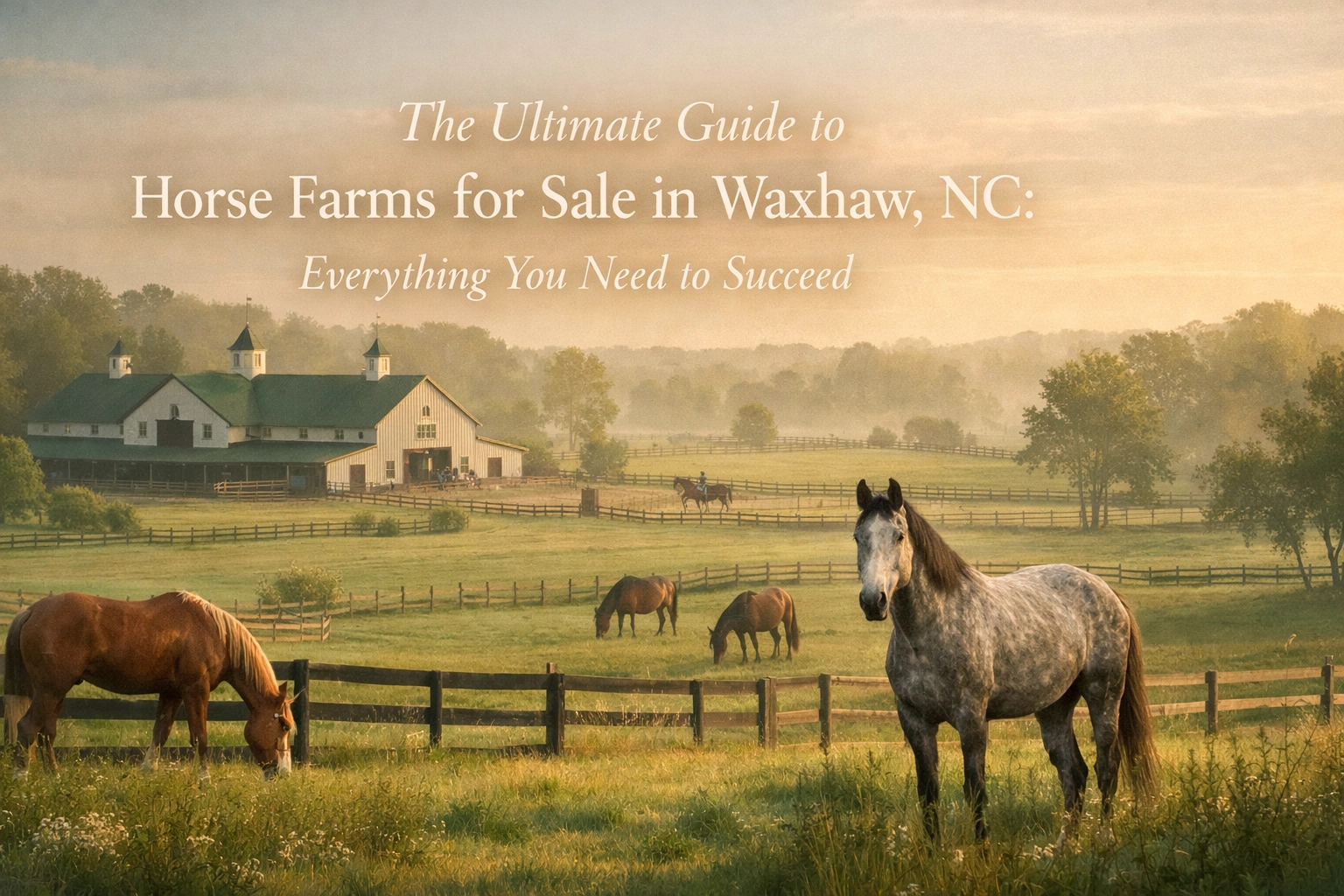
  • The Ultimate Guide to Horse Farms for Sale in Waxhaw, NC: Everything You Need to Succeed

    The Ultimate Guide to Horse Farms for Sale in Waxhaw, NC: Everything You Need to Succeed

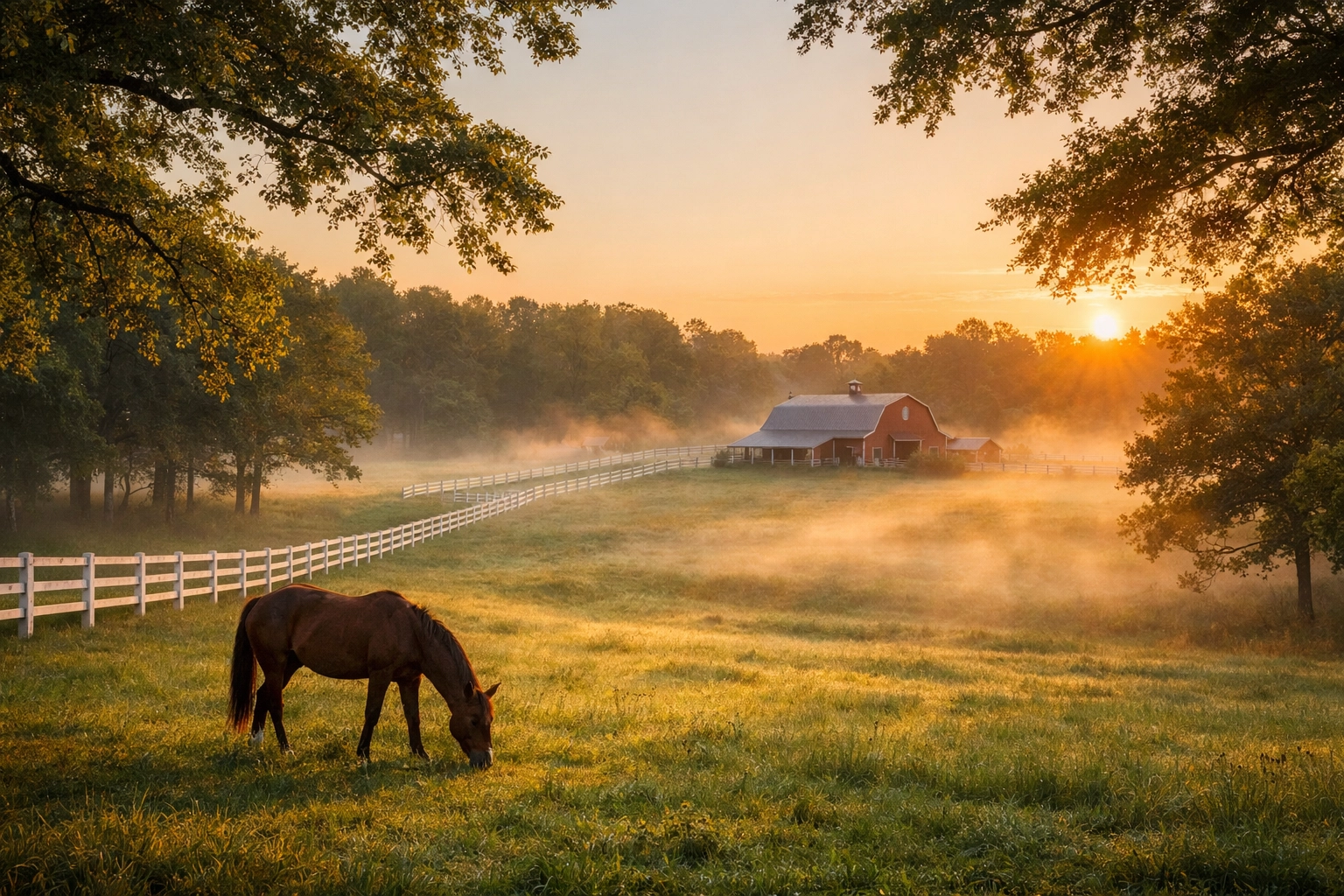
    There's a particular kind of morning that only happens on a well-situated horse farm: the one where you step out with your coffee, the horses are already at the fence line nickering for breakfast, and the horizon is just starting to turn gold over your back pastures. If you're searching for that life in the Charlotte Metro area, Waxhaw deserves your attention.

    This historic Union County town has quietly become one of the most compelling equestrian markets in North Carolina, offering the rare combination of established horse infrastructure, reasonable acreage prices, and genuine small-town character that hasn't been paved over by development. Let's walk through what makes Waxhaw work for horse people: and what you need to know before you buy.

    The Waxhaw Market: Real Numbers, Real Inventory

    The equestrian property market in Waxhaw is active and accessible. As of early 2026, 17 to 43 horse-specific properties are available depending on search parameters, with average listing prices ranging from $539,000 to $570,917. More importantly for land buyers, the average cost per acre sits between $50,005 and $51,660: a significant value proposition compared to neighboring Mecklenburg County.

    These aren't theoretical numbers. Current inventory includes properties distributed across Union County on roads like Lancaster Highway, Walkup Road, Richardson King Road, and Oxfordshire Road: areas where horses have been kept for generations, not HOA developments trying to accommodate them as an afterthought.

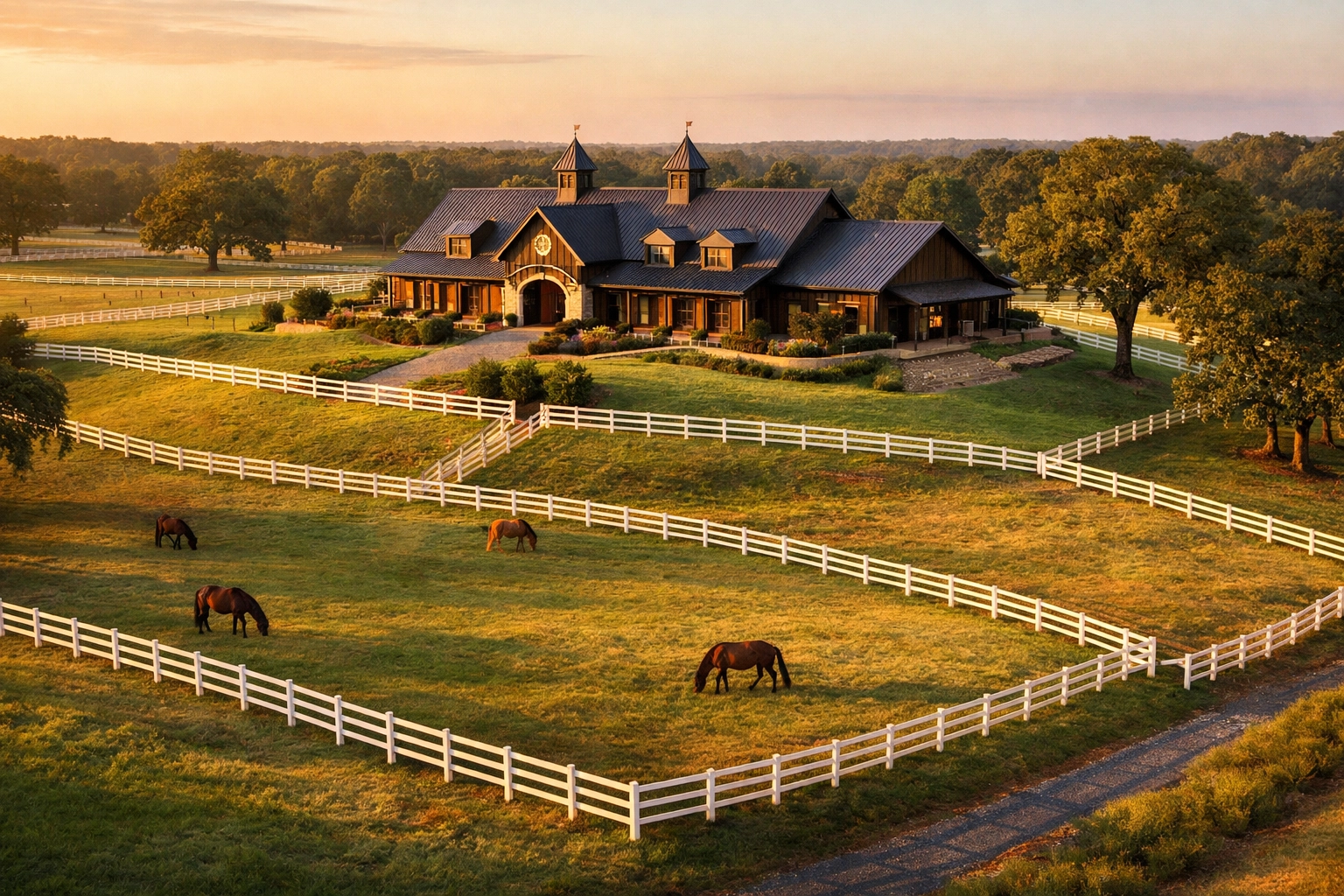
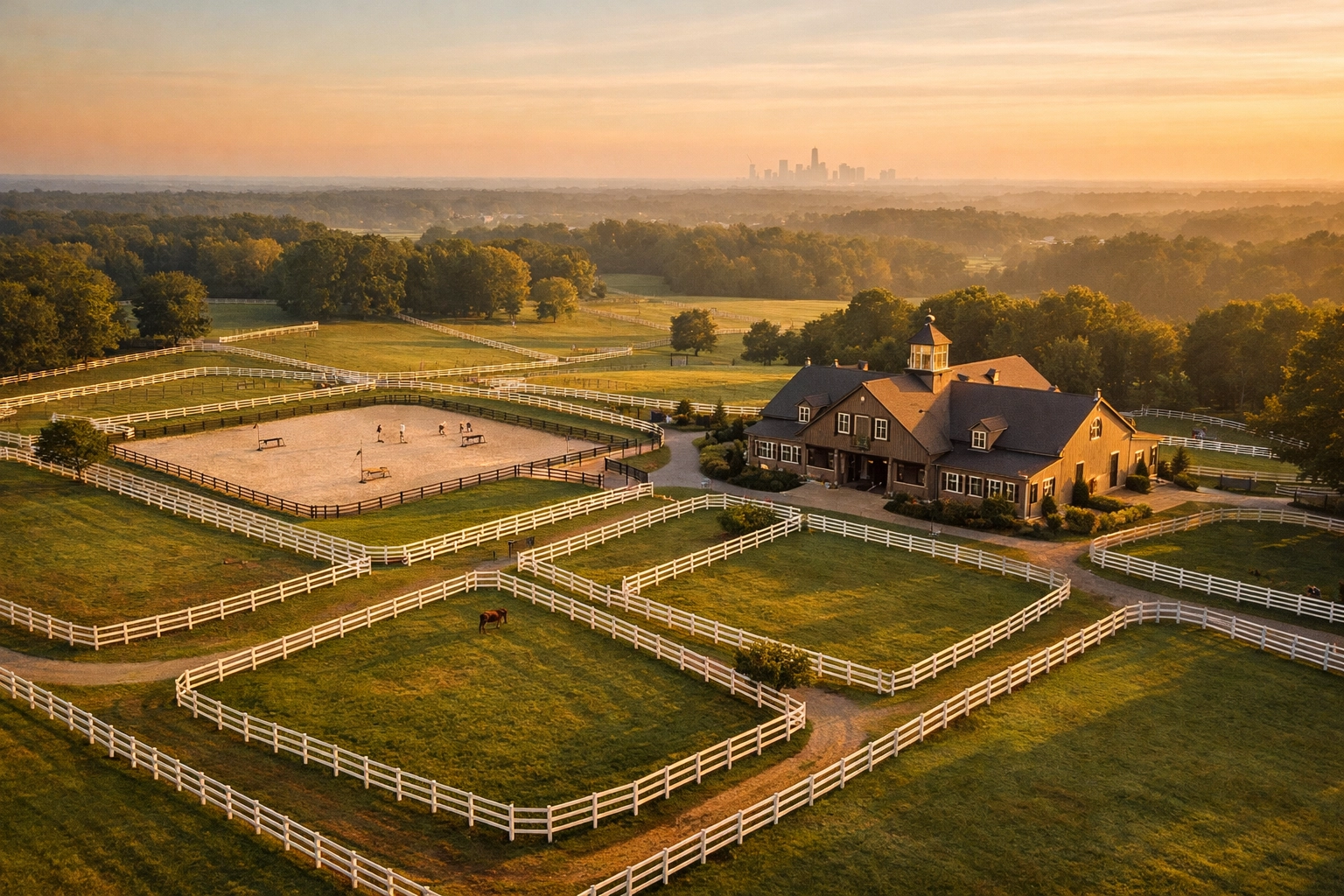
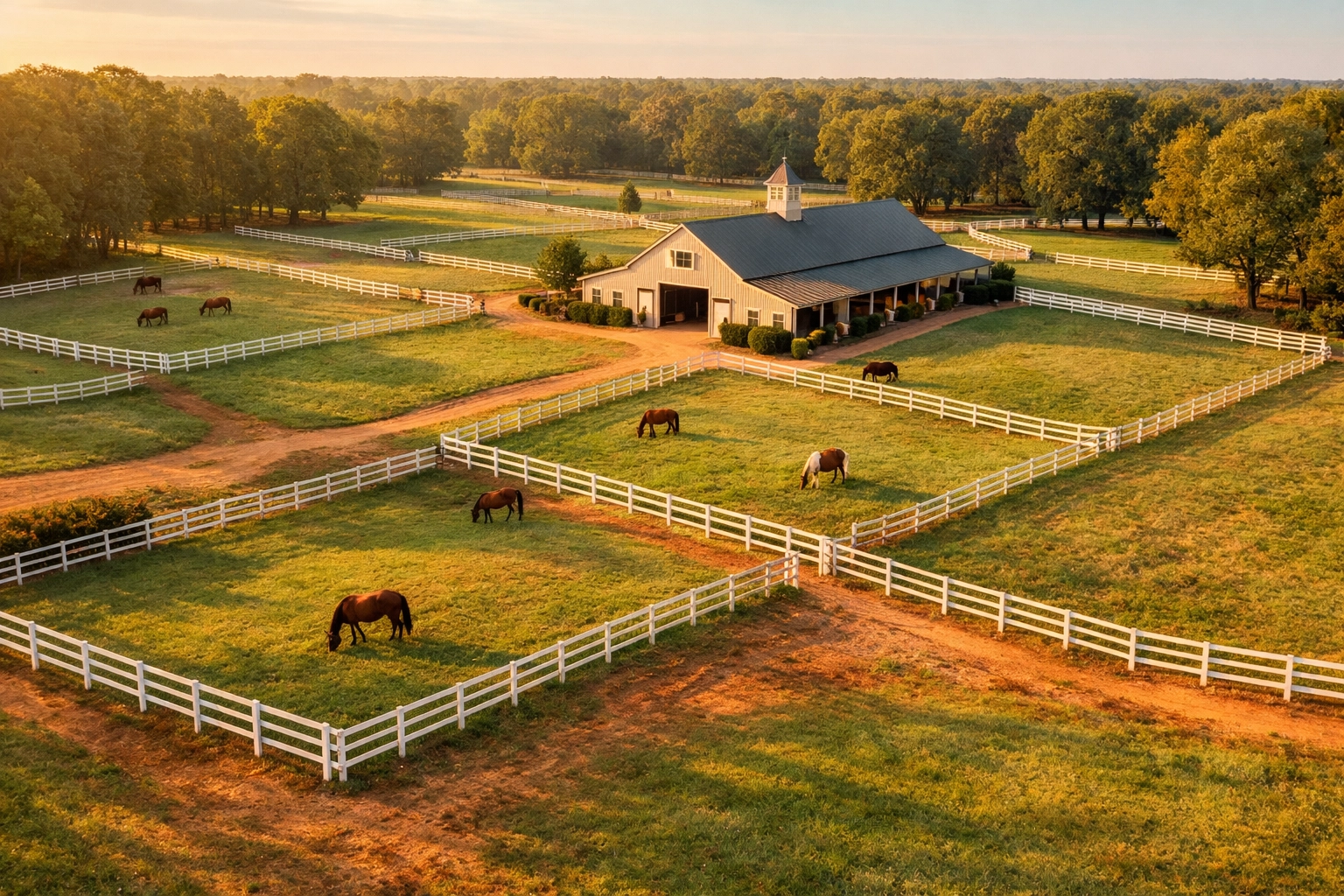
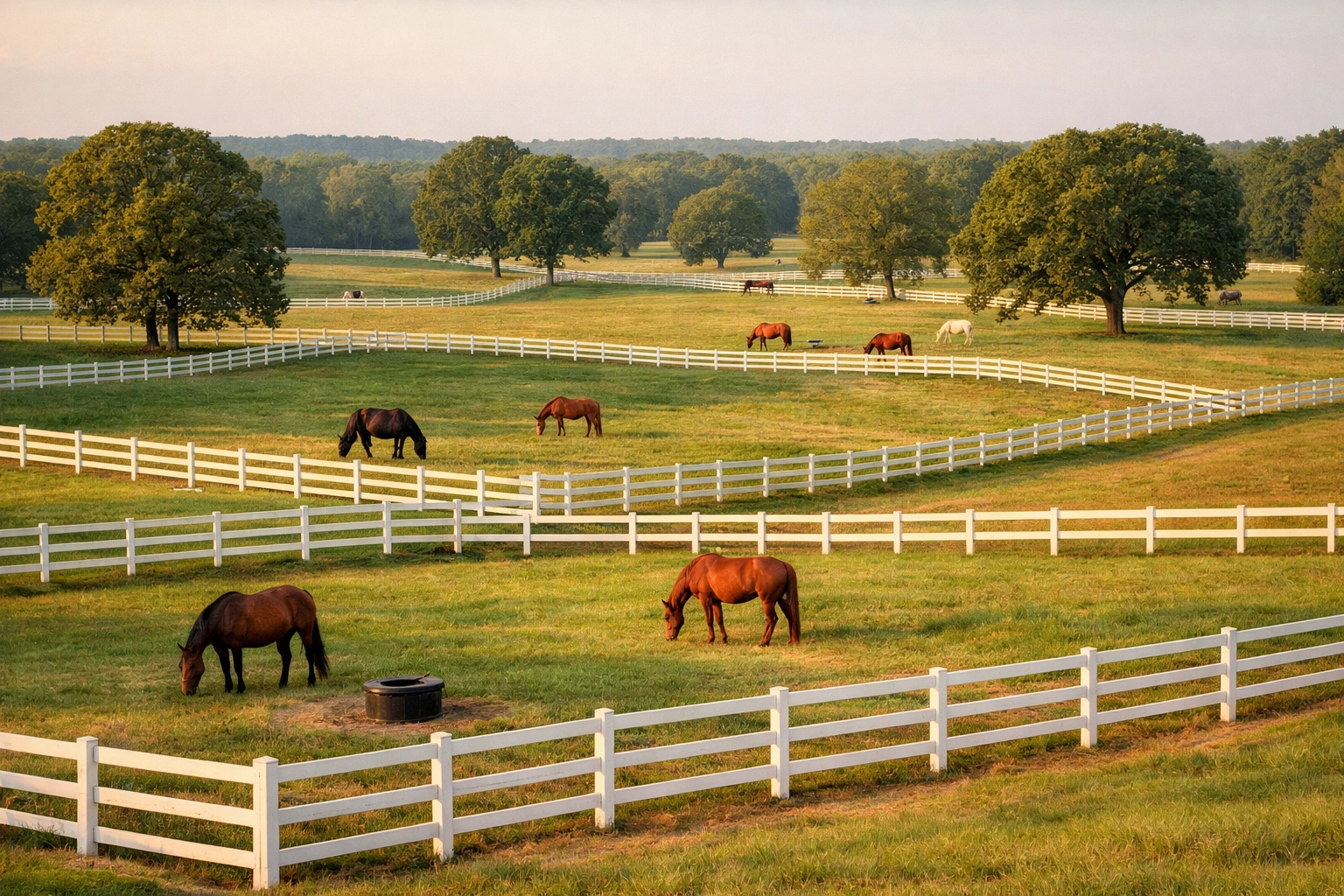
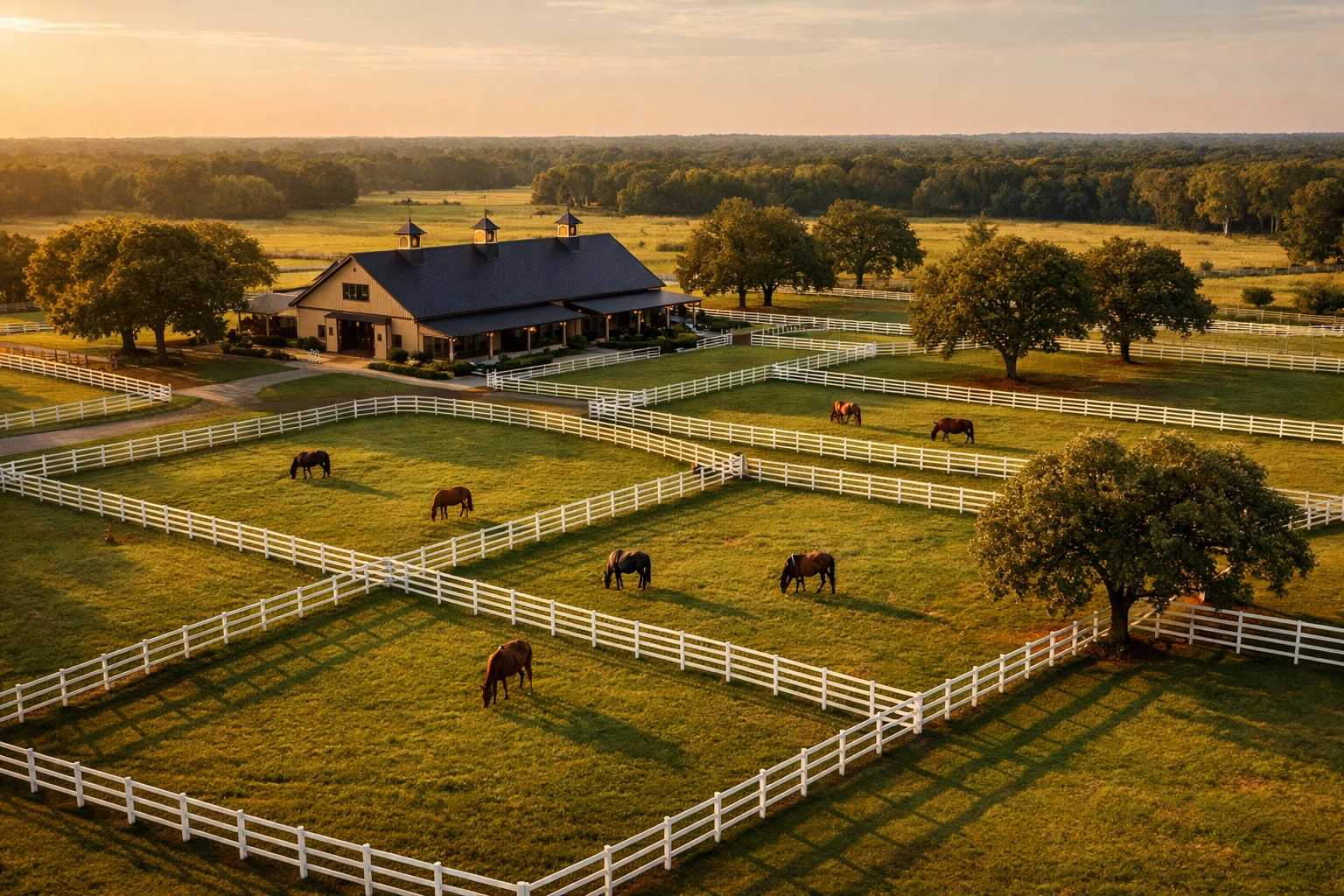
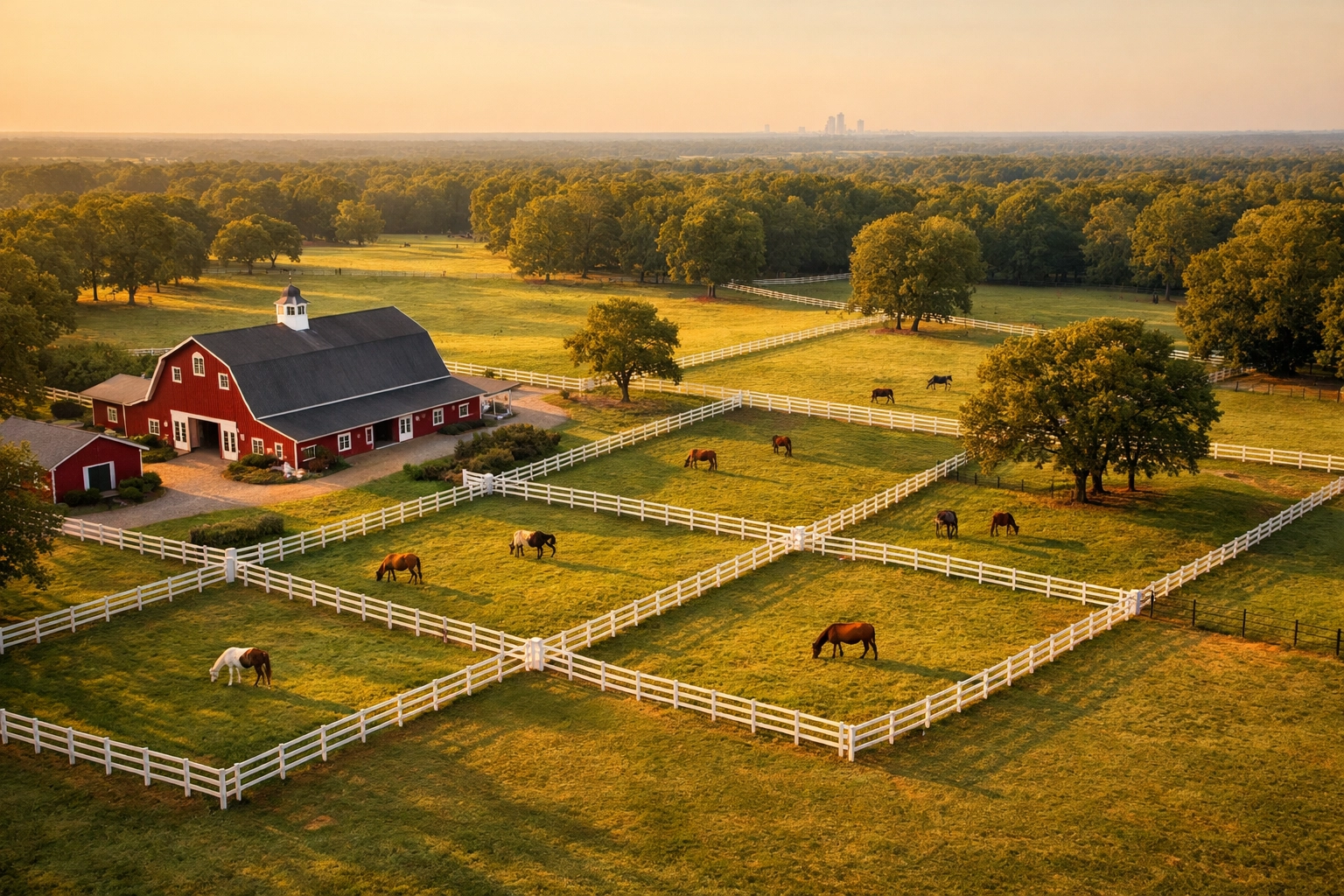
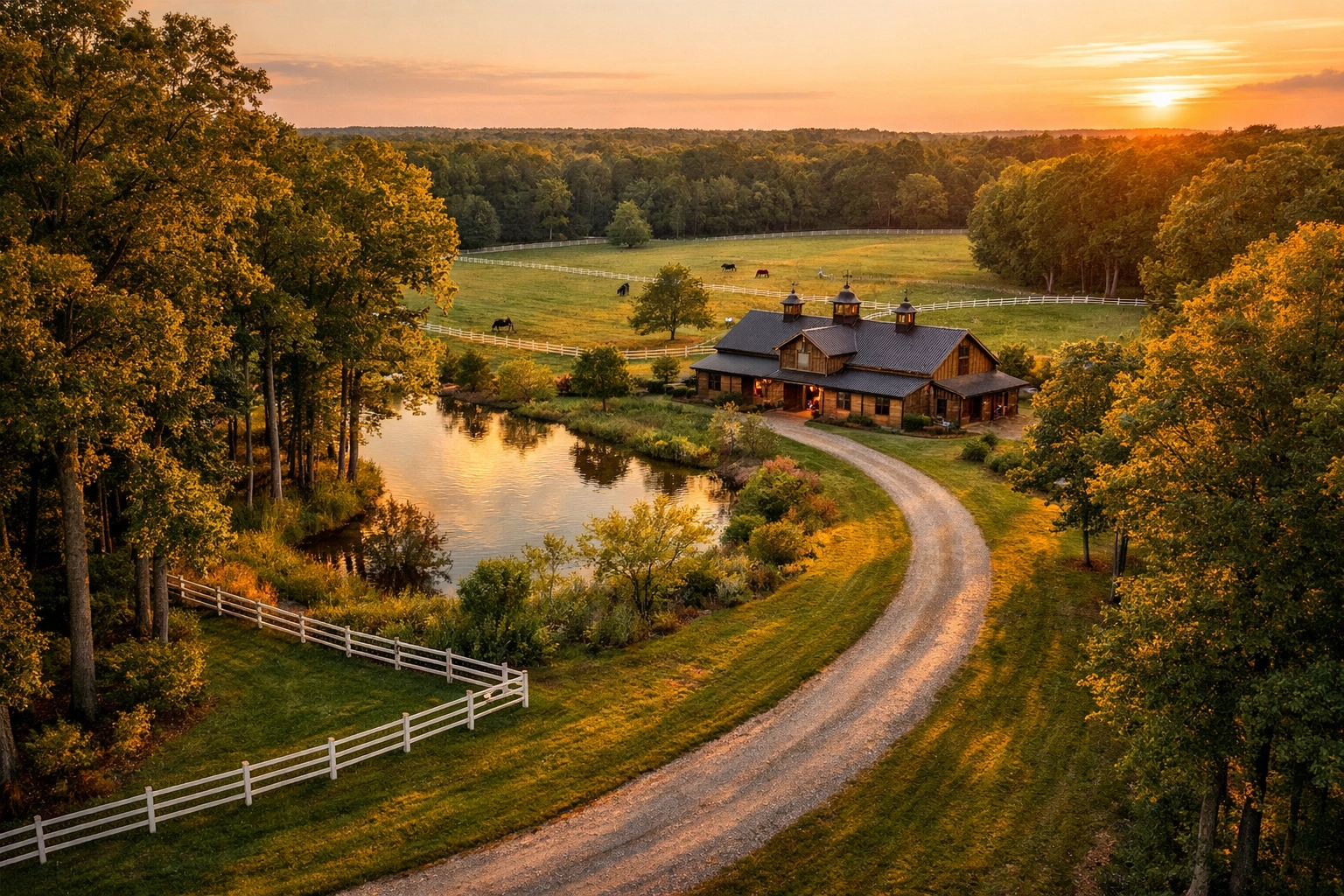
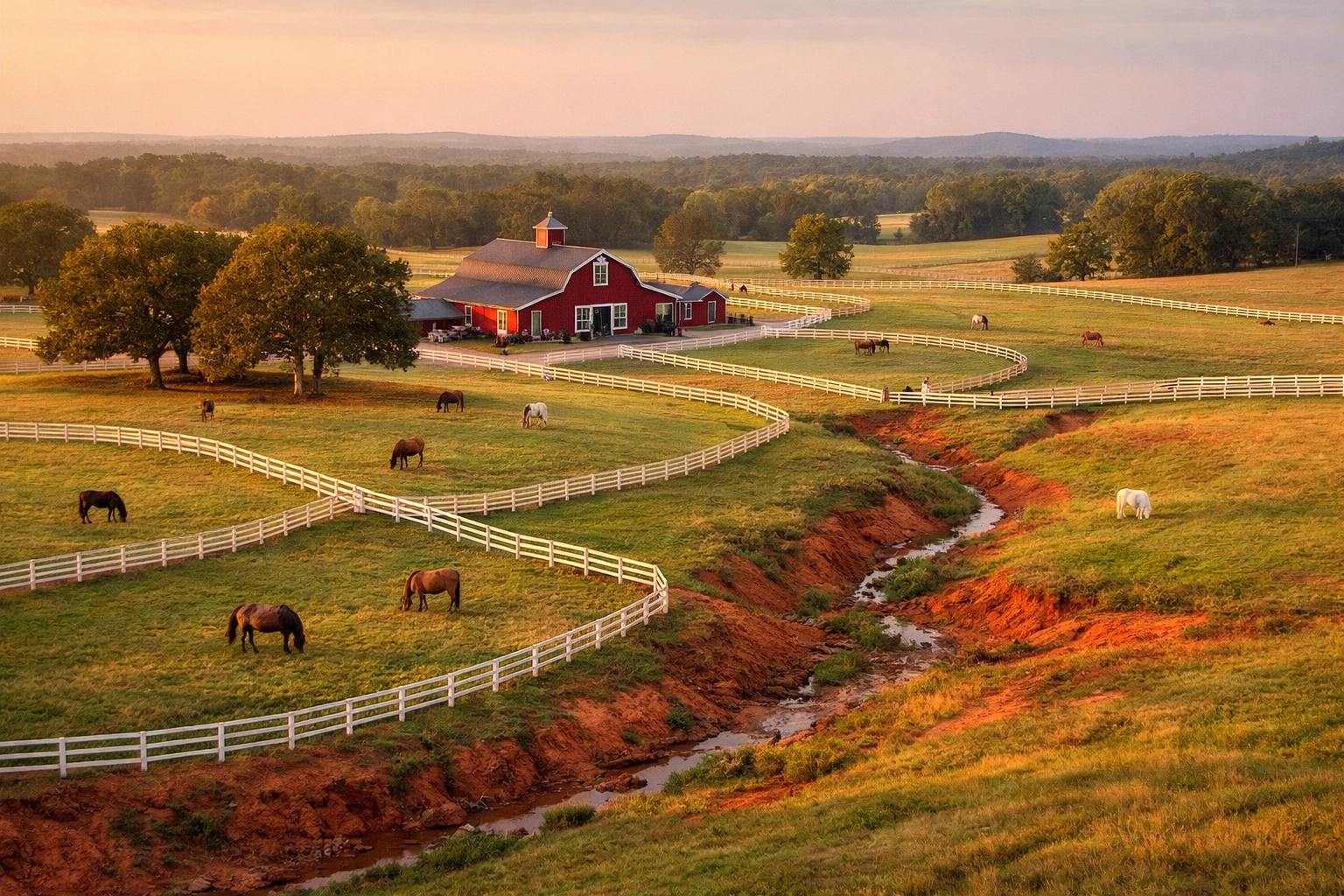
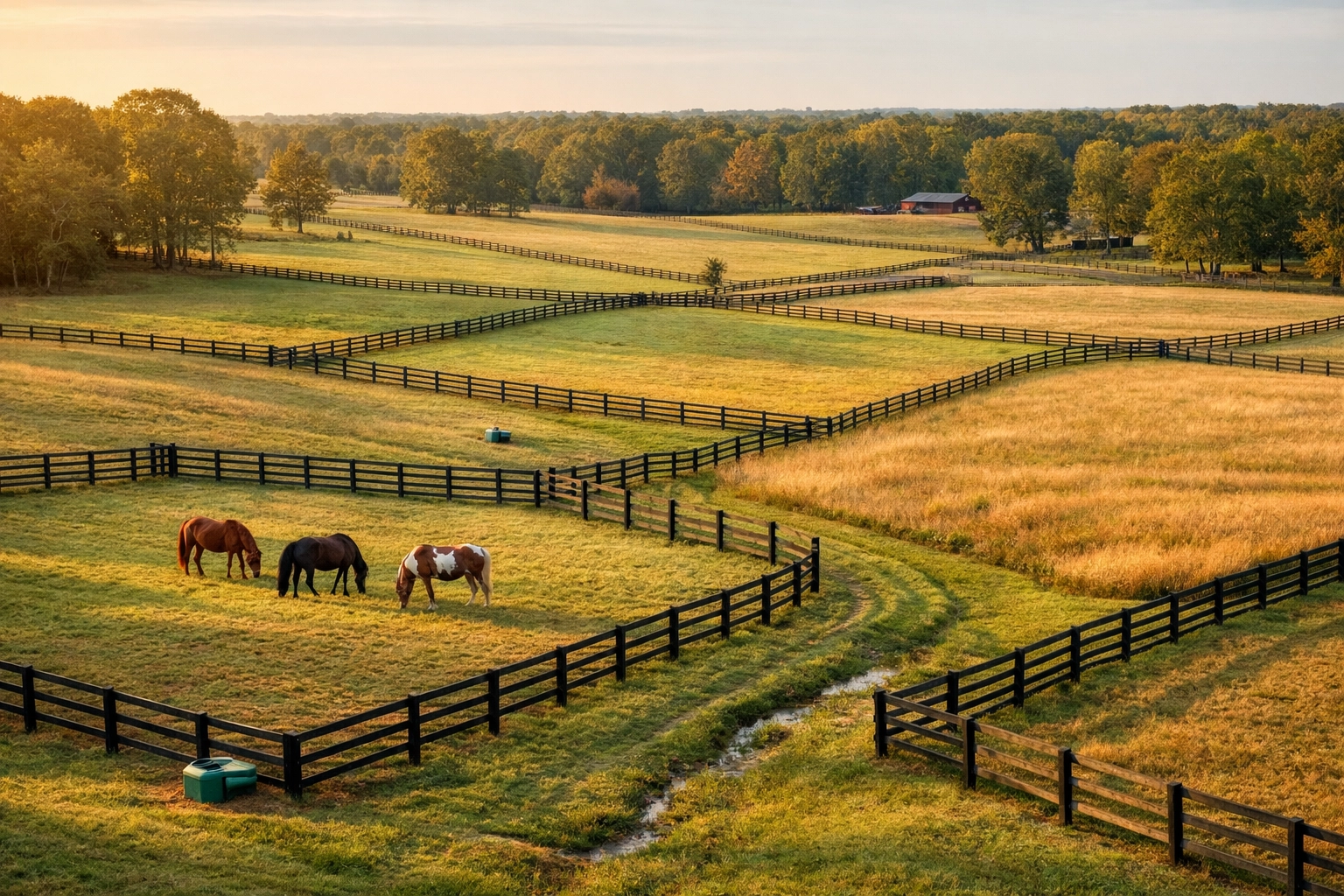
    Aerial view of horse farm for sale in Waxhaw NC with fenced pastures and barn

    Why Waxhaw Works for Working Horse Properties

    Geography matters when you're hauling hay, managing manure, and planning turnout schedules. Waxhaw sits at a practical intersection of accessibility and genuine rural character. You're roughly 30 minutes from uptown Charlotte when you need urban amenities, but you're surrounded by properties where people actually use their barns daily, not just for weekend aesthetics.

    The soil here: rolling Piedmont terrain with a mix of clay and loam: supports decent pasture management with proper rotation and lime applications. You're not fighting the sandy soils of the Sandhills or the red clay hardpan of some Charlotte suburbs. The climate allows for year-round turnout with adequate shelter, and most properties have established tree lines that provide natural windbreaks and shade.

    Water access is generally reliable through county connections or well systems, though any serious buyer should verify water table depth and quality before closing. The elevation changes create natural drainage patterns, but that same topography means you'll want to evaluate each property's specific grading around barn areas and run-ins.

    What's Actually Available: Property Types and Features

    Waxhaw's current inventory ranges from compact 5-acre starter farms to established 20+ acre training facilities. A representative example is the Break Away Farm listing: a 10+ acre property featuring a 3,771 square foot main residence, four-stall barn with hay loft, four separate pastures with rotation capability, a run-in shed, four-bay equipment storage, and a lighted 50' x 125' arena with irrigation.

    That level of infrastructure matters. You're not buying raw land and spending three years building out basic necessities. Many Waxhaw properties come with:

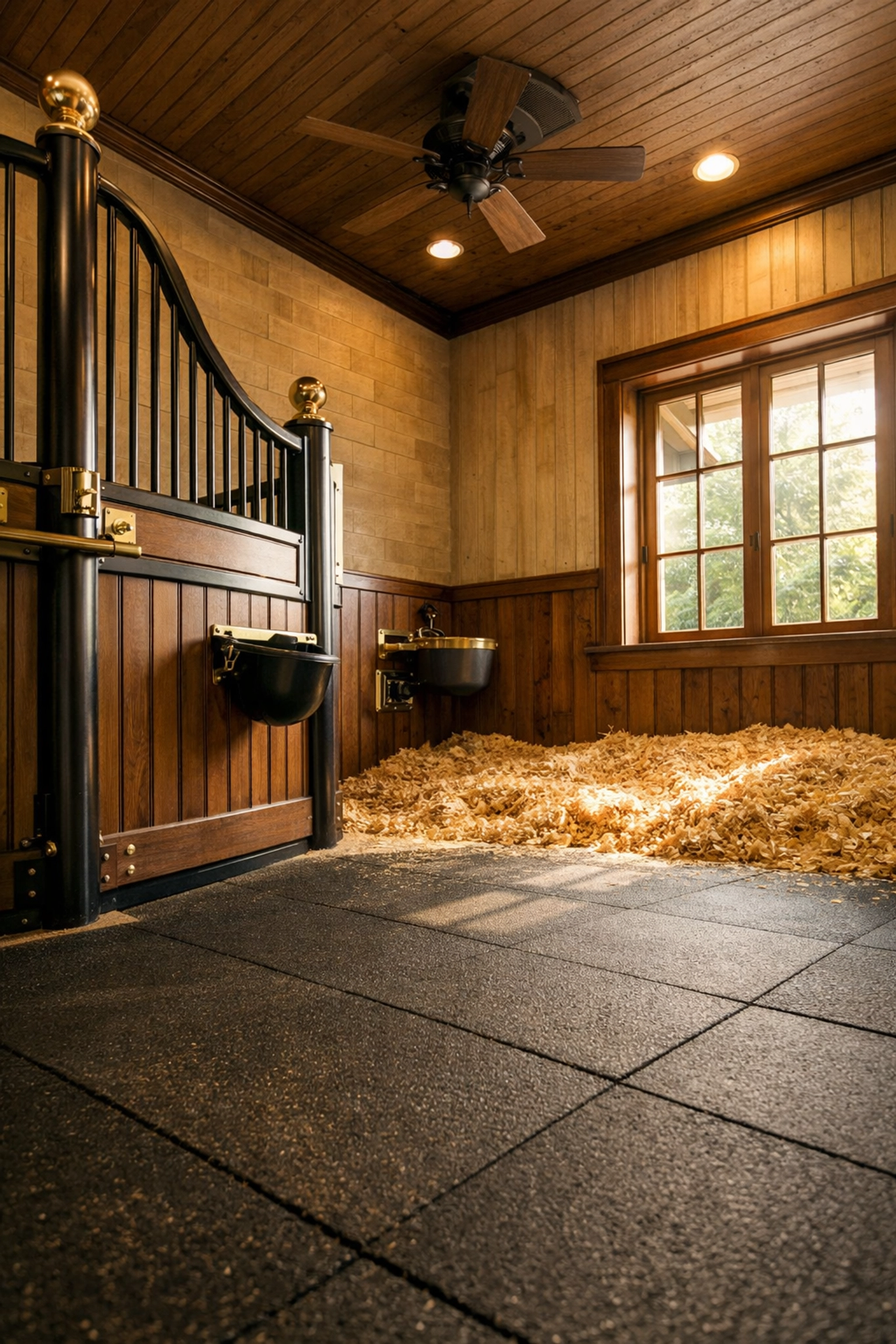
    Functional barn systems with proper ventilation, matted stalls, and hay storage that actually keeps hay dry through Carolina humidity. Not showcase barns with crystal chandeliers and no cross-ventilation.

    Established fencing that's been maintained and tested by actual horses, not installed by a general contractor who's never watched a gelding test every rail for weakness.

    Pasture rotation capacity with separate paddocks that allow rest and recovery, not a single large field that turns to mud by November.

    Equipment storage adequate for tractors, manure spreaders, and the accumulated tools that come with property maintenance.

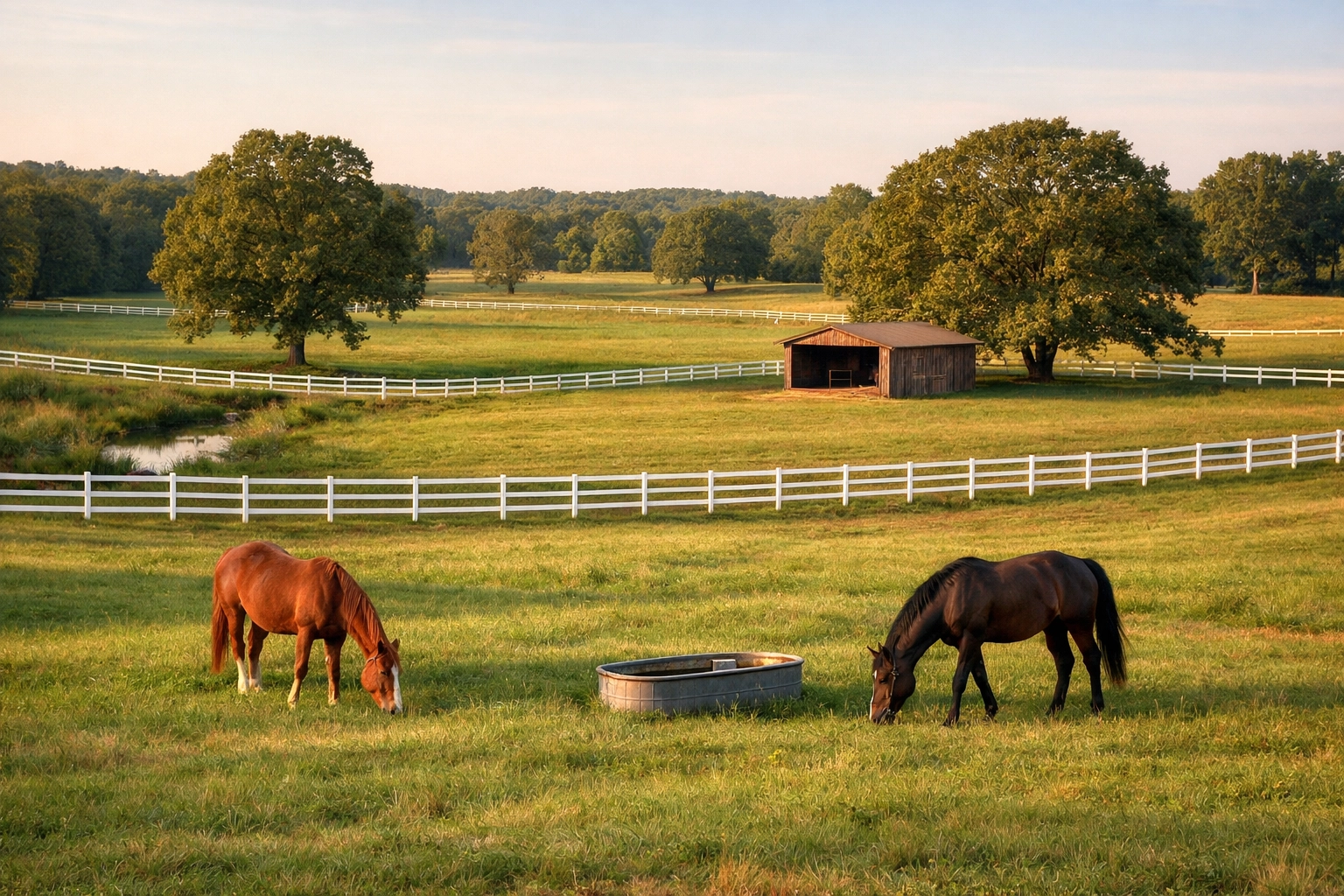
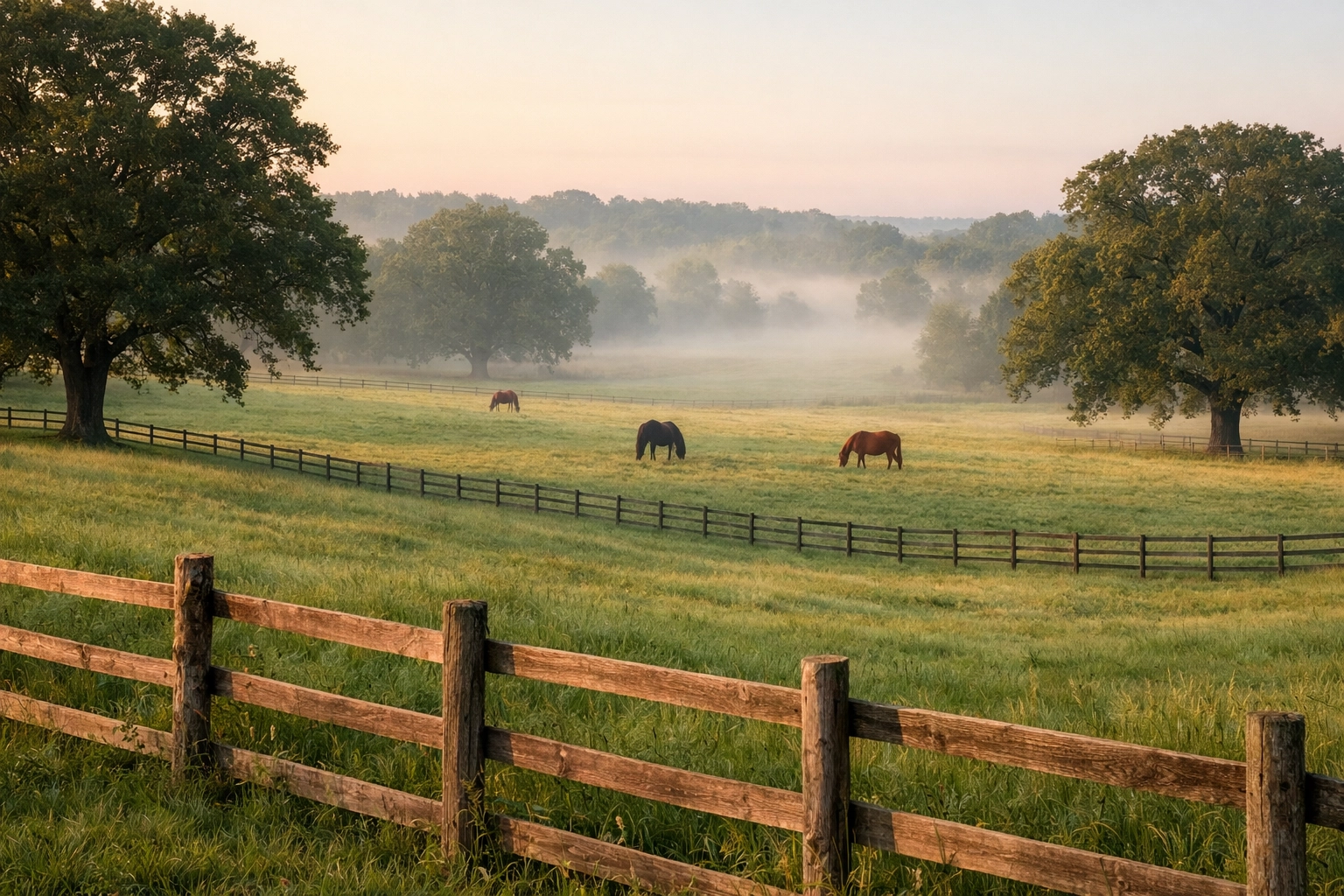
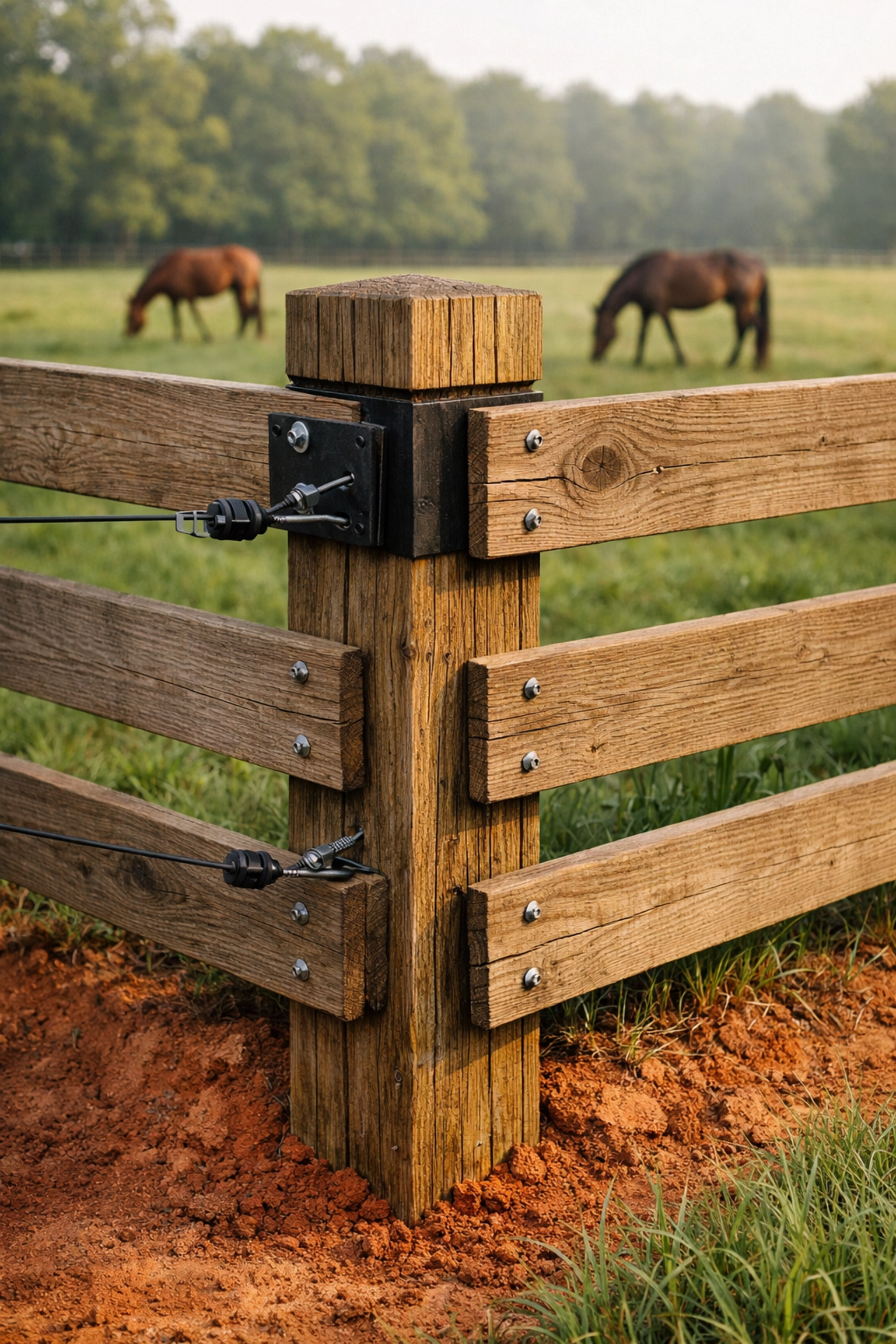
    Well-maintained horse pasture with wooden fencing in Waxhaw North Carolina

    The Trail Access Advantage

    One of Waxhaw's strongest assets often gets buried in listing descriptions: legitimate riding trail access. The Mineral Springs Greenway provides maintained trails without trailering off property. Nearby Cane Creek Park encompasses 1,100 acres with extensive trail systems open to equestrians: not a token half-mile loop, but actual distance riding opportunities.

    For hunters, eventers, or pleasure riders who understand that arena work alone creates sour horses, this access matters tremendously. The ability to hack out for conditioning work, expose young horses to varied terrain, or simply give your mare a mental break changes your daily training program.

    Historical Context Meets Modern Infrastructure

    Waxhaw carries genuine historical weight: this was the homeland of the Waxhaws indigenous tribe and the birthplace region of President Andrew Jackson. That historical continuity means something practical: the area's infrastructure evolved to support agricultural use, not residential subdivisions retrofitted with horse "amenities."

    Road access can handle trailers without white-knuckle navigation through narrow subdivision streets. Most properties connect to county utilities or have established well and septic systems designed for rural use. Neighboring properties tend to be owned by people who understand that horses make noise at 5 AM and manure spreaders run on Saturday mornings.

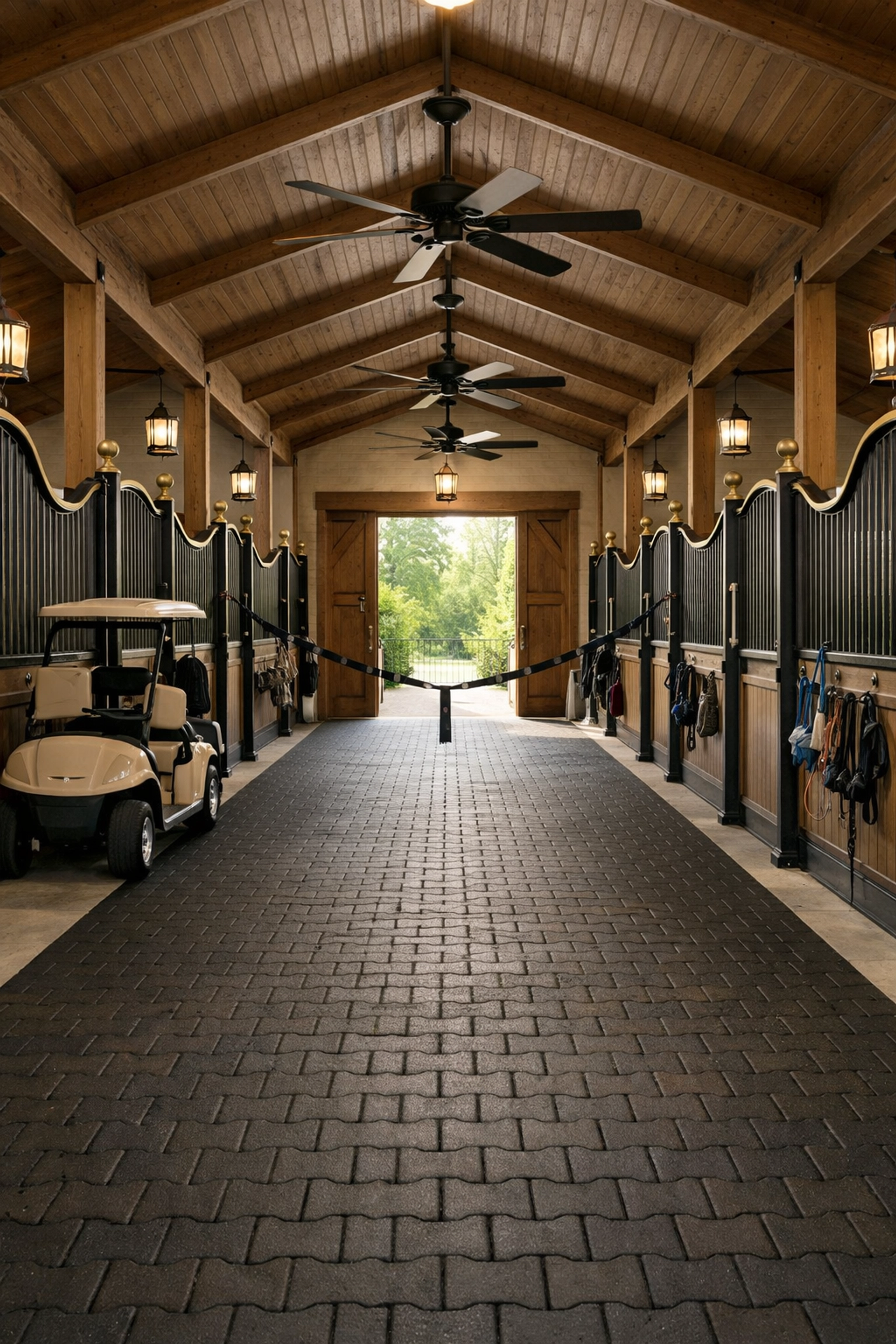
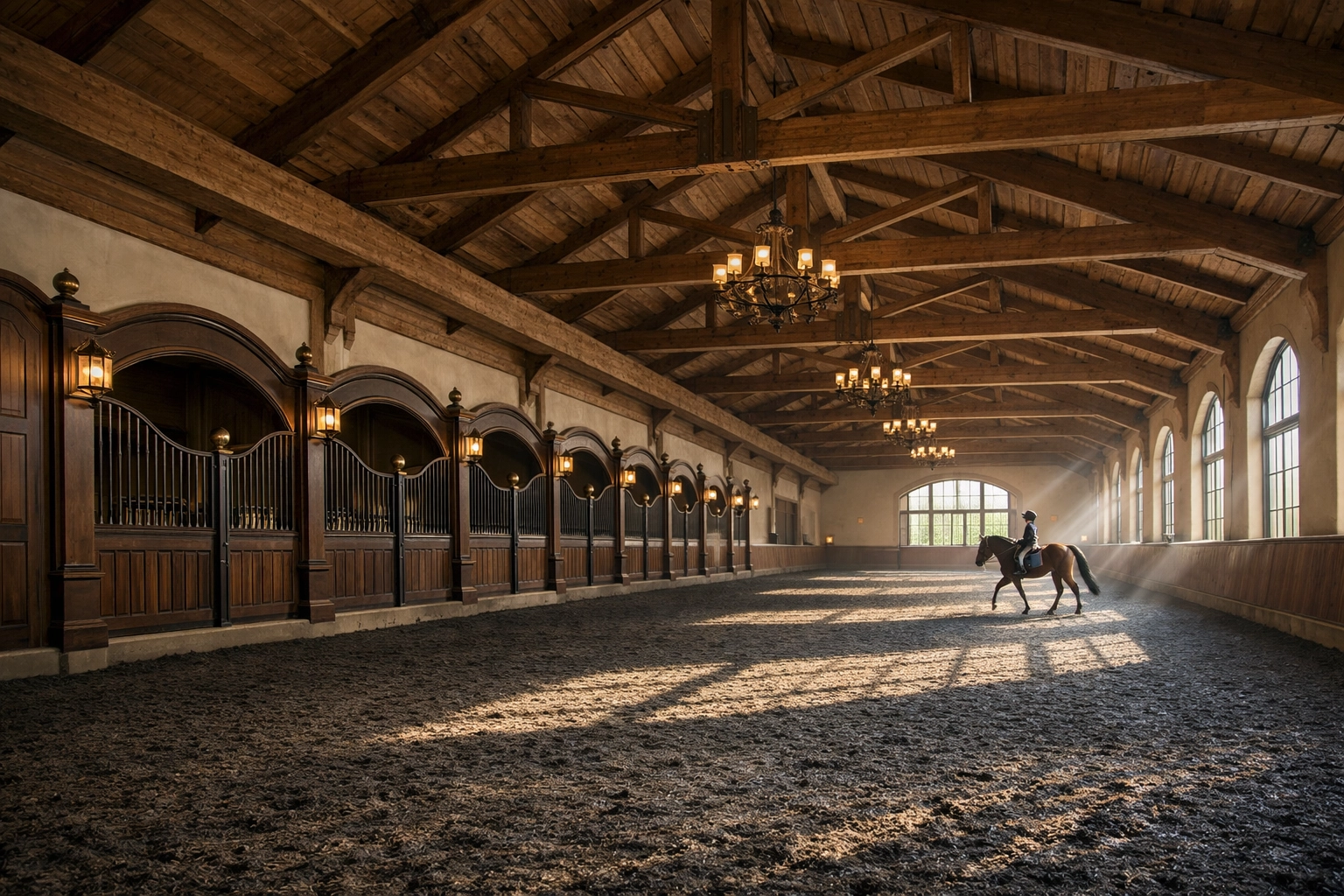
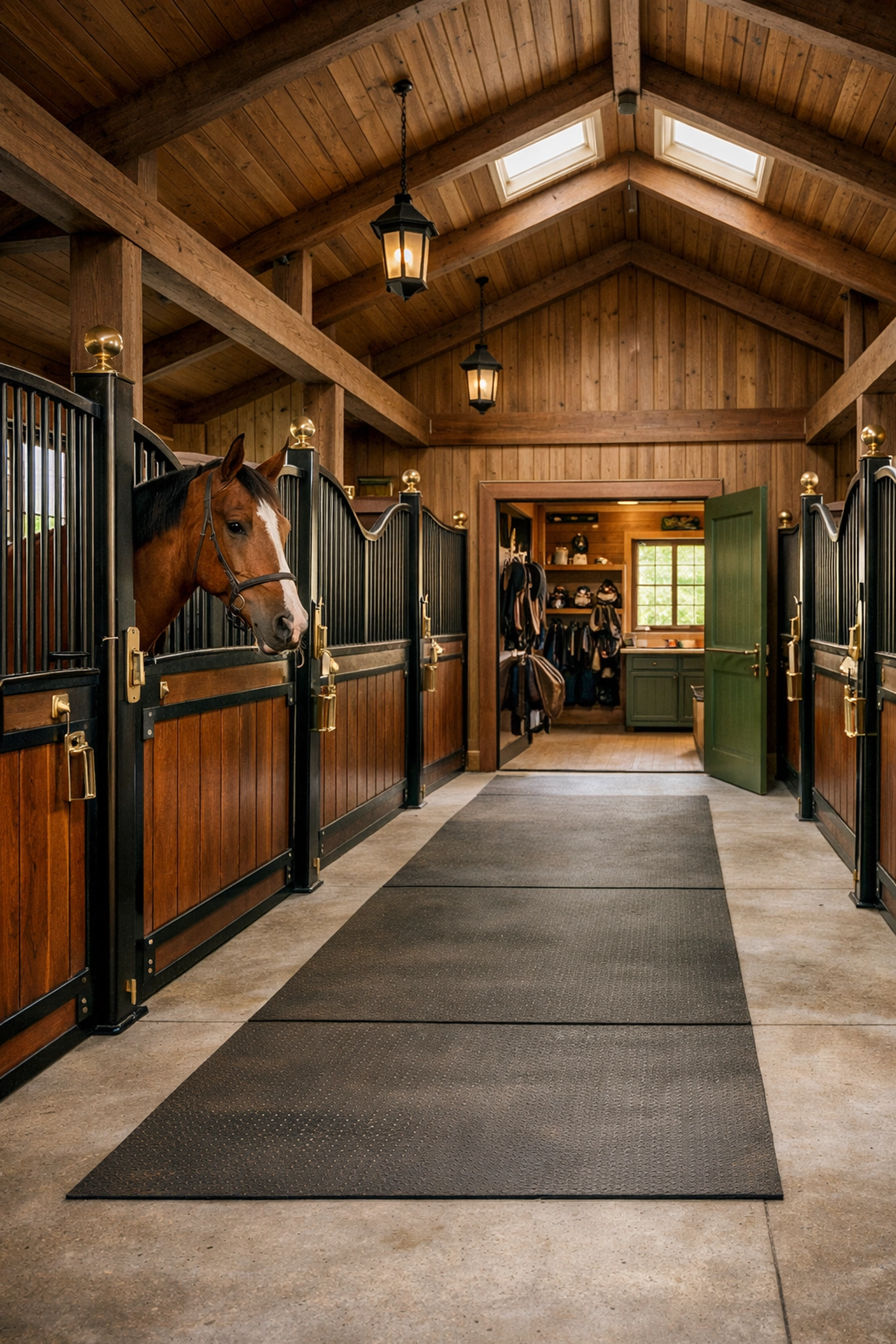
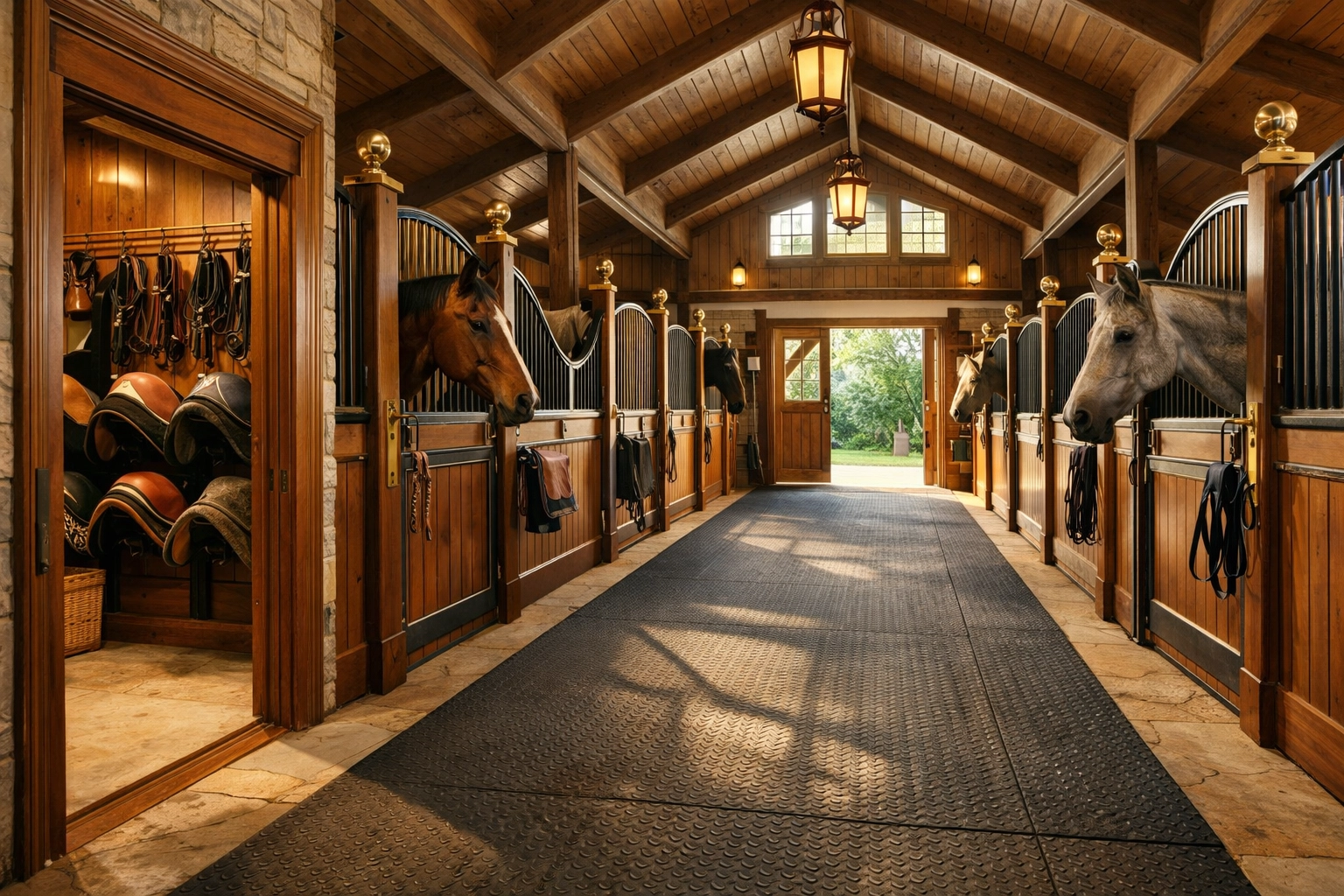
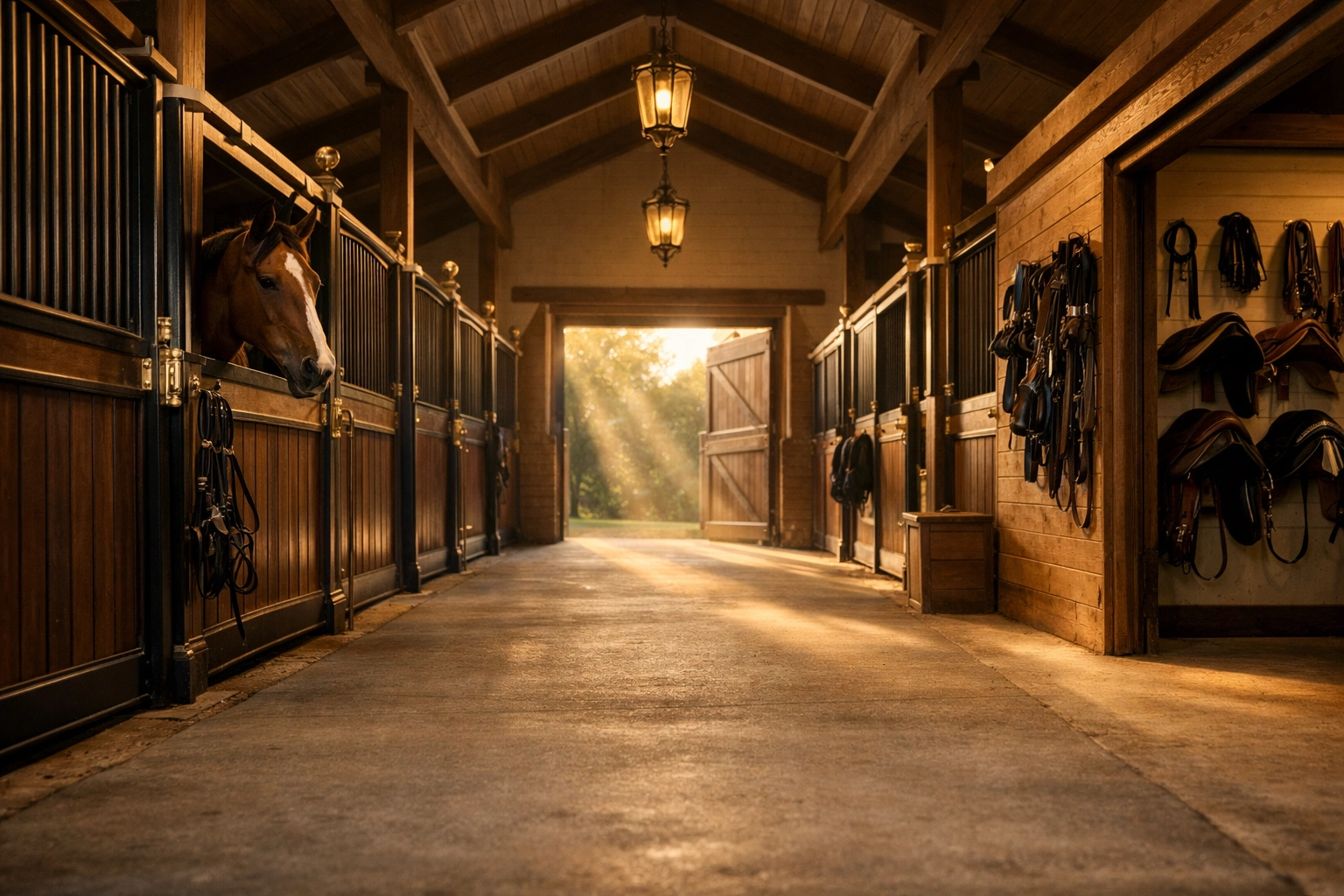
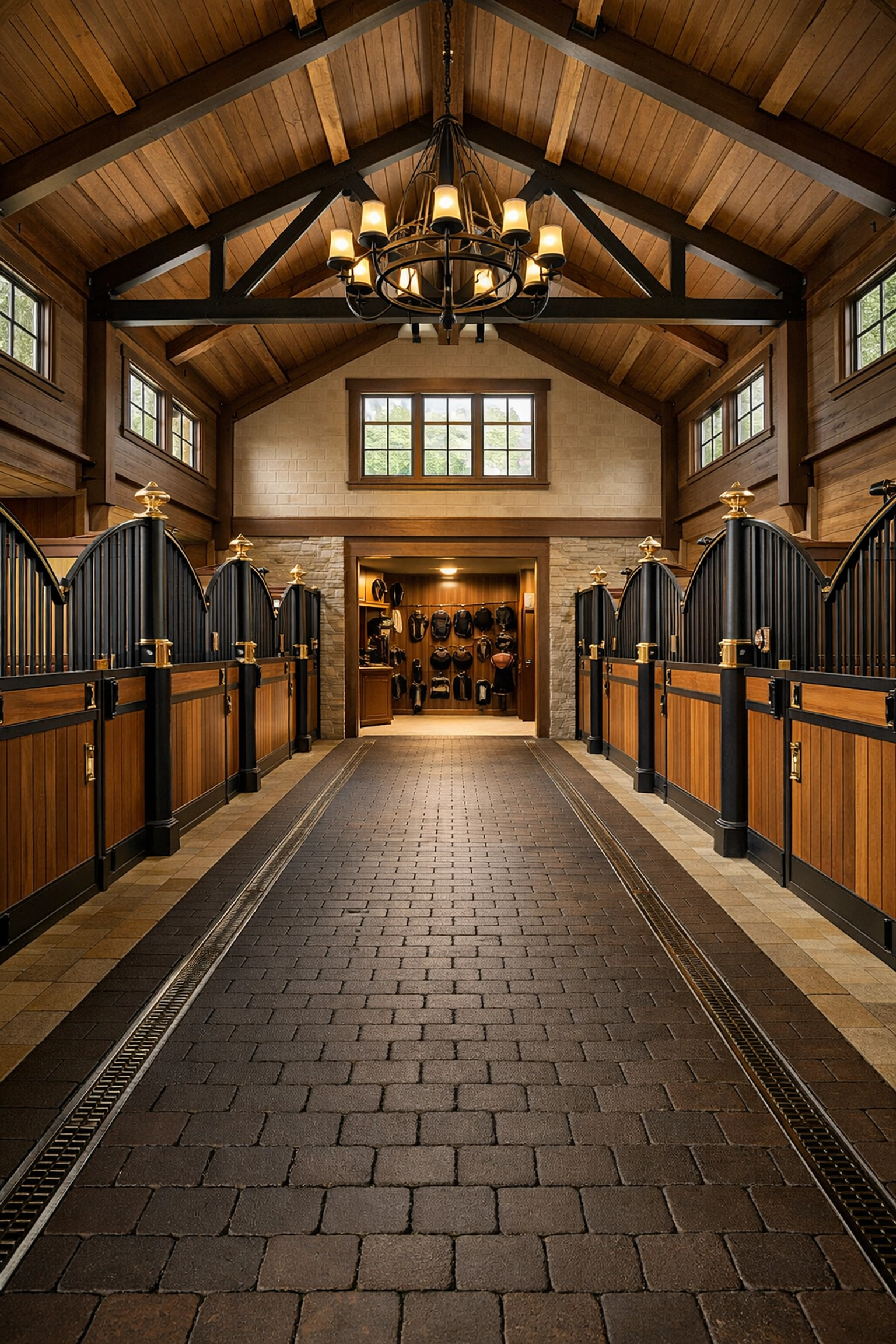
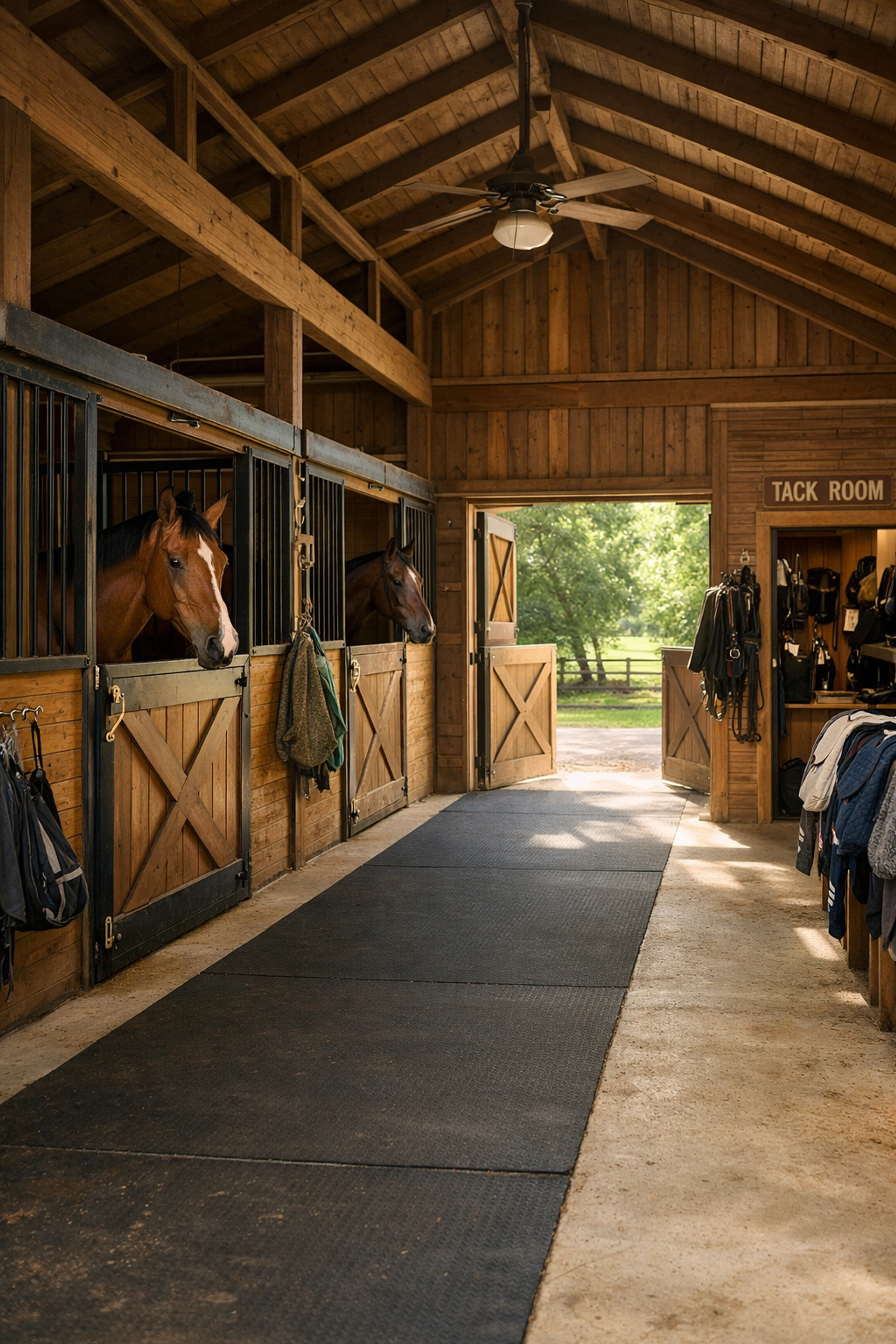
    Horse barn interior with stalls and natural light at Waxhaw equestrian property

    Essential Considerations Before You Buy

    Even in a strong market like Waxhaw, informed buyers protect themselves by evaluating:

    Zoning verification: Confirm the property's agricultural zoning status and any restrictions on commercial equestrian use if you're planning training, boarding, or lesson programs. Union County regulations differ from Mecklenburg County, and assumptions cost money.

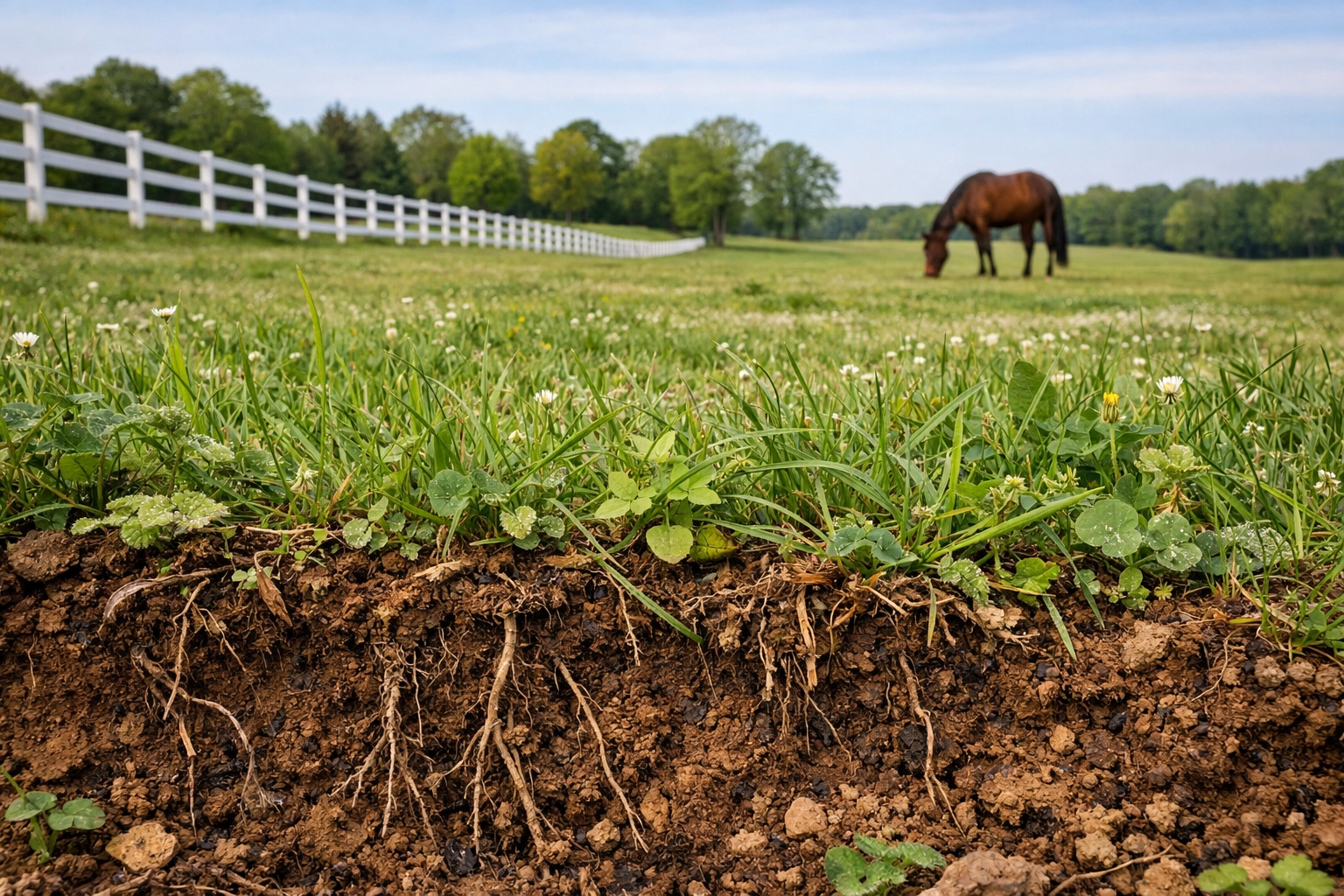
    Soil testing: Before you plan that new arena or additional pasture seeding, test the soil. Evaluate drainage patterns after rain events. Walk the entire property line to identify low spots that hold water and high ground suitable for construction.

    Barn condition assessment: Bring someone who understands equine facility management to evaluate barn structure, electrical systems, water lines, and whether that "charming older barn" needs $40,000 in foundation work.

    Pasture carrying capacity: Calculate realistic stocking rates based on actual grass growth, not theoretical acreage. Four acres in Waxhaw might support two horses comfortably with proper rotation, or it might support one horse poorly if the soil is compromised and the previous owner overgrazed.

    Access and easements: Verify deeded access if the property sits behind another parcel. Confirm no restrictive easements limit your intended use. Review any shared well or driveway agreements in writing.

    Working With Equestrian-Specialized Representation

    The Waxhaw market includes realtors who genuinely understand horse properties: professionals who know the difference between a run-in shed and a loafing shed, who can evaluate barn ventilation by walking through once, and who won't waste your time showing you properties with inadequate trailer access.

    Specialized representation matters because these transactions involve considerations beyond standard residential real estate: manure management regulations, barn insurance requirements, agricultural tax classifications, and the practical logistics of moving horses during closing transitions.

    The Practical Path Forward

    If Waxhaw fits your geographic requirements and price range, the logical next step involves boots-on-the-ground evaluation. Schedule property visits during wet weather to assess drainage. Bring your trainer or barn manager to evaluate facility layouts. Talk to neighbors about local farriers, veterinarians, and feed delivery options.

    Drive the routes you'd actually use for regular errands, vet calls, and competition trailering. Evaluate whether the property's daily reality matches your program's actual needs: not the romanticized version of horse ownership, but the 6 AM feeding schedule, the muddy February turnout, and the August afternoon when the arena footing is too hard to work safely.

    Horse and rider on wooded trail near Waxhaw NC equestrian community

    The Waxhaw horse farm market offers genuine opportunity for buyers who approach it with clear-eyed evaluation and horse-first priorities. The inventory exists, the infrastructure is established, and the community supports equestrian use as a legitimate agricultural practice, not a hobby to be tolerated.

    For buyers ready to move beyond the research phase into active property evaluation, view current Waxhaw listings or connect with our team to discuss your specific requirements. We work with horse people looking for properties that function as working farms, not showpieces: and we understand the difference.

  • York County, SC for Horse Lovers: The Ultimate Guide to Equestrian Living Just Outside Charlotte

    York County, SC for Horse Lovers: The Ultimate Guide to Equestrian Living Just Outside Charlotte

    There's something quietly appealing about York County, South Carolina. Maybe it's the rolling hills that remind you of Kentucky bluegrass country, or the way property taxes make you do a double-take compared to Mecklenburg County. For equestrians living in or around Charlotte who've been browsing listings and wincing at price tags, York County deserves a serious look.

    Just across the state line, this haven for horse lovers offers the space, amenities, and community you need without the premium price point that comes with a North Carolina address. Let's explore why York County has become one of the smartest choices for equestrian property buyers in the greater Charlotte metro.

    The Location Advantage: Charlotte Proximity Without Charlotte Prices

    York County sits directly south of Charlotte, making it one of the most accessible options for equestrians who work in the city but live for their horses. The commute from communities like Fort Mill, Clover, or Rock Hill to Uptown Charlotte ranges from 25 to 40 minutes depending on your exact location, manageable for daily work while giving you genuine countryside living.

    Unlike some of the more remote equestrian areas that require significant travel for veterinary emergencies, feed stores, or farrier services, York County keeps you connected. Major equine veterinary practices serve the area, and you're never far from quality hay suppliers or tack shops. The Charlotte-Douglas International Airport is close enough for those who travel for shows or business, yet far enough that you won't hear jets overhead during your early morning rides.

    Aerial view of York County SC horse farms with rolling pastures and white fencing near Charlotte

    Understanding the York County Horse Property Market

    Currently, York County offers approximately nine equestrian properties for sale, with an average listing price of $858,678. Before you let that number intimidate you, consider the value proposition: the average cost per acre comes in at $18,424, which represents significant savings compared to similar properties in Waxhaw, Weddington, or south Mecklenburg County.

    This pricing structure means your money goes further. That budget that might get you 10 acres in Union County could secure 20+ acres in York County, potentially the difference between keeping your horses at home versus continuing to board. The range of available properties spans from modest horse farms with basic barn setups to luxury equestrian estates with premium facilities, giving buyers options across different investment levels.

    South Carolina's agricultural property tax structure also works in your favor. Properties actively used for agricultural purposes, including horse farms, qualify for reduced assessment ratios, resulting in substantially lower annual tax bills compared to residential properties. For horse owners running breeding operations, boarding facilities, or training businesses, these savings compound significantly over time.

    Cherokee Farms: Purpose-Built Equestrian Community

    When developers actually understand what equestrians need, it shows. Cherokee Farms in the Clover area of York County exemplifies thoughtful equestrian community planning. This isn't a standard subdivision where you're retrofitting a half-acre lot to accommodate horses, these properties were designed from the ground up for horse owners.

    Equestrian property in York County featuring barn with paddocks and grazing horses

    Properties within Cherokee Farms feature nearly two-acre lots, which provides sufficient space for personal turnout paddocks, small barn facilities, or riding areas without feeling cramped. The corner lots incorporate mature hardwood trees, offering natural shade and aesthetic appeal that takes decades to establish elsewhere. Home prices range from $375,000 to $550,000, positioning the community as accessible for growing families and established equestrians alike.

    The rolling countryside setting provides natural beauty without the isolation some rural properties can create. You're part of a community that understands 5 AM feeding schedules, the sound of horses in the early morning, and why someone might need to leave a neighborhood gathering early because a mare is about to foal. That shared understanding holds value that's difficult to quantify but impossible to overlook once you've experienced it.

    Trail Access and Recreational Opportunities

    One persistent challenge for horse owners in suburban areas is finding safe, legal places to ride beyond your own property. York County is actively addressing this need. Worth Mountain Horse Trails are currently under construction, adding significant public trail access for county residents. These trails will provide scenic riding options through varied terrain, giving you the opportunity to condition horses, explore new ground, and connect with other riders in the area.

    Beyond formal trail systems, York County's larger property sizes and rural character mean many private farms have room for extensive trail systems on their own acreage. Twenty or thirty acres can accommodate substantial trail networks when thoughtfully designed, potentially eliminating the need to trailer out for every ride.

    Horse and rider on wooded trail in York County South Carolina

    The proximity to Tryon International Equestrian Center, less than an hour away, adds another recreational dimension. Whether you compete, audit, or simply enjoy watching world-class equestrian sport, having easy access to one of the premier equestrian venues in North America enhances your lifestyle significantly.

    Infrastructure That Supports Equestrian Living

    York County has invested in infrastructure improvements that benefit rural property owners. Road maintenance, emergency services coverage, and utility availability have all expanded to serve the county's growing population without sacrificing the rural character that attracted residents in the first place.

    High-speed internet availability has reached most areas of the county, addressing one of the historical drawbacks of country living. For equestrians running online businesses, managing social media presence for breeding or training operations, or simply working remotely, reliable internet is non-negotiable. York County delivers this essential service without requiring you to sacrifice acreage or countryside living.

    The county's commitment to balanced growth means equestrian property owners aren't facing the immediate threat of subdivisions replacing neighboring farms. Zoning regulations acknowledge and protect agricultural uses, providing some stability for long-term property investments.

    The Practical Details: What to Expect

    If you're accustomed to North Carolina's approach to equestrian property, South Carolina has some differences worth understanding. The closing process runs slightly differently, with attorneys handling most transactions rather than the title company model more common in North Carolina. Property disclosure requirements vary, making it essential to work with real estate professionals who understand both equestrian properties specifically and South Carolina regulations.

    Well-maintained horse farm infrastructure with barn and fencing in York County SC

    Well and septic systems remain standard for most rural properties, requiring proper evaluation during the inspection period. Pay particular attention to water quality and flow rates: essential factors for horse properties that non-equestrian inspectors might undervalue. A farm supporting multiple horses requires substantially more water than a standard residential property, and well capacity should match your anticipated needs.

    Soil composition throughout York County generally supports healthy pasture growth with proper management. The Piedmont region's characteristic red clay requires attention to drainage and erosion control, but responds well to good pasture management practices. Plan for rotational grazing, appropriate stocking rates, and regular soil testing to maintain healthy, productive land.

    Making Your Move to York County

    York County represents one of the Charlotte area's best-kept secrets for equestrian property buyers: though that secret is gradually getting out. The combination of reasonable land prices, lower taxes, genuine countryside character, and proximity to Charlotte creates a value proposition that's increasingly difficult to find elsewhere in the metro area.

    Whether you're a first-time farm buyer looking to bring your horses home from boarding, an established breeder seeking more space, or someone planning for eventual retirement on horse-friendly acreage, York County deserves your consideration. The market offers variety, the community understands equestrian living, and the location provides accessibility without compromise.

    If you're ready to explore what York County can offer for your equestrian lifestyle, connect with us at Carolina Horse Farm Realty. We specialize in equestrian properties throughout the Charlotte metro area, bringing the horse person's perspective that ensures you find land that truly works for you and your horses: not just a property that looks pretty in photos.

    Your perfect horse property might be waiting just across the state line.

  • The Ultimate Guide to Horse Farms for Sale in Waxhaw, NC: Everything You Need to Succeed

    The Ultimate Guide to Horse Farms for Sale in Waxhaw, NC: Everything You Need to Succeed

    Why Waxhaw Continues to Draw Serious Equestrians

    There's a reason Waxhaw remains on every experienced horse owner's radar when searching for property in the Charlotte Metro area. The town sits in the sweet spot: far enough from the city to maintain genuine rural character and affordable acreage, yet close enough to access everything a modern equestrian life demands.

    Unlike some areas that have compromised their horse-friendly infrastructure for development, Waxhaw has managed to preserve natural space while accommodating thoughtful growth. The result is a community where you'll find veterinary clinics that answer after hours, feed stores that know your horse's dietary quirks, and neighbors who understand why you need that early morning ride before work.

    The Current Market Reality in Waxhaw

    As of early 2026, Waxhaw's equestrian property market reflects both opportunity and competition. Current data shows approximately 17-20 active equestrian listings in and around Waxhaw, with an average listing price hovering between $539,000 and $571,000. When you break it down to cost per acre, you're looking at roughly $50,000 to $52,000 per acre: a figure that makes sense when you consider the quality of land, established infrastructure, and location advantages.

    These numbers tell an important story. You're not buying raw acreage in the middle of nowhere. You're investing in functional equestrian property with mature pastures, established riding communities, and proximity to both Charlotte's amenities and the competition circuits that matter.

    Aerial view of Waxhaw horse farm with white fencing, barn, and rolling pastures at sunset

    What Defines a Proper Waxhaw Horse Property

    Not every property with a few acres and a run-in shed qualifies as a true equestrian estate. After years of walking farms throughout Union County, certain features separate the exceptional from the adequate.

    Land Quality and Pasture Management

    The soil in this region can support healthy pasture with proper management, but you need acreage that's been cared for. Look for properties with rotational grazing systems already in place, evidence of regular soil amendments, and pastures free from toxic plants like red maple or wild cherry. Ten acres might sound generous, but for keeping horses at home year-round, you need land that can sustain them without turning into a mud pit by February.

    Barn Infrastructure That Actually Works

    A four-stall barn with a hay loft sounds romantic until you're dealing with North Carolina humidity and summer heat. The best properties in Waxhaw feature barns designed for our climate: proper ventilation, sufficient height to allow air circulation, Dutch doors that maximize airflow, and thoughtful placement to catch prevailing breezes. Concrete aisles, dedicated wash racks with hot water, and tack rooms that stay dry aren't luxuries; they're necessities for maintaining healthy horses and preserving your equipment investment.

    Arena and Training Space

    Whether you're bringing horses along for sale, maintaining your own competition string, or simply want the flexibility to ride regardless of weather, arena space matters. Lighted arenas extend your useful hours during winter months when daylight disappears by 5:30 PM. All-weather footing: properly maintained sand or a quality synthetic blend: means you're not confined to the barn aisle with a longe line when pastures are too wet to ride.

    Well-designed horse barn interior with Dutch doors and center aisle in North Carolina

    Access to Trails and Riding Community

    One of Waxhaw's genuine advantages lies in its proximity to established trail systems. The Mineral Springs Greenway offers maintained trails perfect for conditioning work or mental breaks from arena training. Just beyond Waxhaw, the 1,100-acre Cane Creek Park provides extensive trail networks through varied terrain: exactly what young horses need for developing balance and confidence.

    But beyond official trail systems, Waxhaw's equestrian community maintains an informal network of farm-to-farm riding opportunities. This isn't something you'll find listed in any property description, but it's invaluable. When your neighbors understand horses, they understand why you might need to pony a green horse down a quiet road or ask permission to ride through connecting properties.

    Practical Considerations Before Making an Offer

    Water and Utilities

    Horses drink 10-15 gallons daily in moderate weather, significantly more during Carolina summers. Automatic waterers are convenient, but they require consistent water pressure and electricity. Walk the property lines and verify water sources: both for the barn and pastures. Wells should be tested not just for potability but for flow rate. The last thing you need is a well that can't keep up with four horses on a 95-degree August afternoon.

    Zoning and Future Protection

    Union County has been relatively protective of agricultural land, but confirm current zoning and understand what can be built on adjacent parcels. A quiet horse farm loses considerable value if a subdivision materializes next door. Look for properties buffered by conservation easements or surrounded by other established horse farms.

    Maintenance Reality

    Every farm tour highlights pristine white fencing and immaculate pastures. Few sellers discuss the weekly mowing, the constant fence repair, or the reality that proper farm maintenance is essentially a part-time job. Factor this into your decision: either your time commitment or the cost of hiring reliable help. In Waxhaw, quality farm help exists but isn't unlimited. Established properties often come with connections to the workers who already know the property.

    Horseback rider on wooded trail in Union County near Waxhaw, North Carolina

    The Lifestyle Investment Beyond Real Estate

    Buying a horse farm in Waxhaw isn't purely a real estate transaction: it's a lifestyle decision that should align with your equestrian goals and daily reality.

    If you're showing regularly, Waxhaw positions you within reasonable trailering distance to major venues at the Tryon International Equestrian Center (90 minutes), Pinehurst (two hours), and countless schooling venues throughout the region. For breeding operations, you're within a day's reach of major stallion stations and established breeding programs.

    The morning drive to Charlotte takes 40-50 minutes depending on your exact location: manageable for those who need urban access but not ideal if you're commuting daily to Uptown. Most Waxhaw horse property owners either work remotely, run businesses from the farm, or have structured their lives around fewer trips to the city.

    Working with Land and Horses in This Region

    North Carolina clay soil presents specific challenges. It compacts easily, drains poorly when mismanaged, and grows weeds enthusiastically. But properly maintained, it supports excellent pasture. The best Waxhaw properties show evidence of ongoing management: overseeding with quality grass blends, regular soil testing, rotational grazing patterns that prevent overuse.

    Weather patterns here demand covered workspace. You'll face humid summers that make metal barns feel like saunas, rainy springs that turn paddocks to soup, and occasional winter weather that requires shelter beyond run-in sheds. Properties with covered arenas, enclosed wash racks, and sheltered work areas demonstrate an owner who understood these realities.

    Properly managed horse pastures with quality fencing on Waxhaw equestrian property

    What Serious Buyers Should Know

    The properties that represent genuine value in Waxhaw rarely stay on the market long. When a well-maintained farm with quality infrastructure, proper acreage, and established pastures lists at a reasonable price, the equestrian community notices immediately.

    Successful buyers in this market move decisively but not desperately. They've done advance research on the area, they understand what proper equestrian infrastructure costs to build, and they recognize the difference between cosmetic issues and fundamental problems. They bring qualified financing specific to agricultural/equestrian properties and work with professionals who understand the unique aspects of horse farm transactions.

    Most importantly, they've spent time in Waxhaw before making offers: riding the trails, visiting during both favorable and unfavorable weather, talking to other horse owners, and understanding what daily life actually looks like in this community.

    Finding Your Waxhaw Horse Property

    Whether you're relocating from out of state or moving from another Charlotte Metro area to gain more space, Waxhaw offers the combination of functional equestrian land, established community, and reasonable proximity to amenities that makes long-term horse ownership sustainable.

    The market continues to attract attention, and quality properties command appropriate pricing. But for buyers who understand what they're looking at and make informed decisions based on both horse needs and practical reality, Waxhaw remains one of the Charlotte region's most sensible choices for serious equestrians.

    Explore our current listings of horse farms throughout the Charlotte Metro area, or contact our team to discuss what you're looking for. We work with horse people who need property, not tire-kickers looking at farms as weekend hobbies.

  • Buying Your First Equestrian Property in Charlotte NC? Here Are 10 Things You Should Know

    Buying Your First Equestrian Property in Charlotte NC? Here Are 10 Things You Should Know

    The Charlotte equestrian market offers exceptional opportunities for horse enthusiasts, but navigating your first purchase requires specialized knowledge that goes far beyond traditional real estate considerations. We've guided over 200 equestrian families through property acquisitions in the greater Charlotte region, and these ten insights will help you make an informed decision that serves both your horses and your investment goals.

    1. Understand Charlotte's Zoning Classifications for Agricultural Use

    Charlotte-Mecklenburg County maintains specific zoning requirements for keeping horses on residential property. Properties zoned R-A (Rural Area) typically allow horses by right, while R-3 and R-4 zones may require conditional use permits. We regularly encounter buyers who fall in love with a property only to discover they cannot legally stable horses there. Always verify current zoning and any deed restrictions before making an offer.

    2. Water Rights and Wells Matter More Than You Think

    Charlotte sits at the confluence of multiple watersheds, and water access can significantly impact your property's value and functionality. Properties with private wells require annual testing, while those connected to municipal water may face restrictions during drought conditions. We've seen buyers overlook well reports during due diligence, only to discover expensive pumping or filtration issues later.

    image_1

    3. Soil Composition Affects Everything from Drainage to Arena Construction

    The Piedmont region's clay-heavy soil presents unique challenges for equestrian facilities. Proper drainage becomes critical not just for pasture health, but for barn placement and arena construction. Properties with mixed soil types: clay base with sandy topsoil: often provide the best foundation for both grazing and facility development. Soil percolation tests should be part of your due diligence process.

    4. Acreage Requirements Vary Based on Management Style

    While many assume more acreage equals better horse keeping, we've seen successful operations on five acres and struggling facilities on fifty. The key lies in management intensity and land use planning. For rotational grazing systems, plan for 1.5-2 acres per horse in Charlotte's climate. For sacrifice paddock management with hay feeding, you can support horses on smaller acreage with proper planning.

    5. Proximity to Veterinary and Farrier Services Impacts Operating Costs

    Charlotte's equestrian infrastructure has grown substantially, but service availability varies significantly by location. Properties within 30 minutes of major veterinary hospitals like Carolina Veterinary Specialists command premium values for good reason. We maintain updated databases of service provider coverage areas to help clients understand ongoing operational logistics.

    6. Easements and Right-of-Way Access Can Affect Future Development

    Many rural properties in Charlotte's outer counties include easements for utilities, roadways, or neighbor access that may not be immediately apparent. These easements can restrict barn placement, arena construction, or future subdivision potential. Our team reviews all recorded easements and helps clients understand how these might impact their equestrian plans.

    image_2

    7. School Districts Matter Even for Equestrian-Focused Families

    Charlotte's reputation for excellent schools extends into rural areas, but district boundaries can be complex. Properties in Union County often offer superior equestrian opportunities with access to top-rated schools, while some Cabarrus County locations provide more acreage at lower cost. Understanding school assignment areas helps protect resale value even for families without school-aged children.

    8. Barn and Facility Conditions Require Specialized Assessment

    Pre-existing barns and arenas may appear functional but harbor expensive problems. We coordinate inspections with equestrian contractors who understand ventilation systems, footing materials, and structural requirements specific to horse facilities. Electrical systems in barns require particular attention, as many older facilities lack proper grounding or adequate circuit protection.

    9. Homeowner Association Restrictions Can Limit Equestrian Activities

    Even properties marketed as "horse-friendly" may have HOA restrictions on breeding, boarding, or commercial activities. Some associations limit the number of horses per acre or restrict certain breeds. We've encountered clients who purchased properties planning to offer riding lessons, only to discover HOA restrictions prohibited commercial activities. Always review association bylaws and restrictions before closing.

    10. Property Tax Classifications Affect Long-Term Costs

    North Carolina offers agricultural tax deferrals that can significantly reduce property taxes for qualifying equestrian operations. However, maintaining agricultural classification requires meeting specific income or acreage requirements. We help clients understand qualification criteria and connect them with agricultural tax specialists who ensure proper filings and compliance.

    image_3

    Making Your Charlotte Equestrian Dream Reality

    The Charlotte market offers exceptional opportunities for equestrian enthusiasts, from boutique farms in Weddington to expansive training facilities in Monroe. Our deep understanding of both horses and real estate helps clients navigate these complexities with confidence.

    We've built our reputation by putting horses first in every transaction, ensuring that each property we represent truly serves the equestrian lifestyle our clients envision. Whether you're seeking your first small farm or expanding an existing operation, our expertise in Charlotte's unique market conditions helps you make informed decisions.

    Ready to explore equestrian properties that match your vision and budget? Visit Carolina Horse Farm Realty to view current listings and connect with our team. Your perfect equestrian property in Charlotte awaits, and we're here to help you find it.

  • How to Evaluate Riding Arena Footing on Potential Properties

    How to Evaluate Riding Arena Footing on Potential Properties

    Your Horse's Safety Depends on Getting This Right

    When you're walking through a potential property, most buyers focus on the barn layout, pasture fencing, or the home itself. But experienced equestrians know that arena footing can make or break your training program: and your horse's soundness. Poor footing leads to injuries, inconsistent performance, and thousands in unexpected renovation costs.

    The good news? You can evaluate footing quality during your property tour using simple tests that require no special equipment. Here's how to assess whether that arena will support your riding goals or become your biggest headache.

    The Three-Minute Physical Assessment

    The Heel Penetration Test

    Walk directly into the arena and bounce lightly on the footing surface. Now press your heel down with moderate pressure. Quality footing should allow your heel to indent no more than one inch. If you sink deeper, the surface lacks adequate support and will strain your horse's tendons and ligaments during work.

    Conversely, if your heel barely makes an impression, you're looking at a surface that's too hard. This creates excessive concussion on joints and increases injury risk, particularly during jumping or intensive training sessions.

    The Toe Penetration Simulation

    While you can't bring your horse to test this during a showing, you can simulate hoof penetration. Using the toe of your boot, apply firm downward pressure similar to how a horse's hoof would strike the surface. Optimal footing allows 1 to 1.5 inches of penetration.

    Less than one inch indicates dangerously hard footing that will cause premature breakdown of your horse's joints. More than two inches suggests the surface is too deep, creating a pulling sensation that leads to soft tissue injuries.

    image_1

    The Moisture Content Evaluation

    Proper moisture levels separate good footing from great footing. Gather a handful of arena material and attempt to form it into a loose ball. Quality footing with adequate moisture content will hold its shape when compressed but crumble when you open your hand completely.

    If the material won't form any cohesion, the arena suffers from insufficient moisture. This creates dusty conditions that affect both horse and rider respiratory health. Excessive dust also indicates the footing may break down quickly under use.

    On the opposite extreme, if your handful forms a tight ball that maintains its shape when released, the arena is over-watered. This creates slippery, unstable conditions that compromise your horse's confidence and safety.

    Visual Consistency Assessment

    Surface Uniformity Check

    Quality arena footing maintains consistent depth and composition across the entire riding surface. Walk the perimeter and cross through the center, noting any areas where the footing appears deeper, shallower, or different in color.

    Uneven watering creates patches of varying hardness that can catch your horse off-guard during movement. These inconsistencies often indicate maintenance issues that suggest ongoing problems rather than simple neglect.

    Drainage and Base Evaluation

    Look for any standing water or overly soft spots that might indicate drainage problems. Poor base construction shows up as areas where the footing shifts underfoot or feels unstable.

    Professional arena construction includes proper base materials and grading that prevents water accumulation. If you notice pooling or soggy areas, factor significant renovation costs into your property evaluation.

    image_2

    Red Flags That Signal Expensive Problems

    Structural Issues

    Avoid properties where arena footing shows obvious holes, ruts, or severely uneven surfaces. These problems typically stem from inadequate base preparation or structural failures that require complete reconstruction rather than simple maintenance.

    Watch for footing that shifts significantly when walked on. This "floating" sensation indicates the surface material isn't properly integrated with the base layer: a costly problem that affects both safety and performance.

    Material Degradation

    Examine the footing material itself. Decomposing organic materials, excessive amounts of fine particles, or obvious contamination with rocks, debris, or inappropriate additives all signal the need for complete footing replacement.

    Quality arena footing maintains its structure and characteristics over time. Materials that have broken down into dust or mud won't provide adequate cushioning or traction regardless of maintenance efforts.

    Testing Different Arena Areas

    High-Traffic Zone Assessment

    Pay special attention to areas that receive the most use: typically around jumps, along the rail, and in common schooling patterns. These zones reveal how the footing performs under regular work and indicate what you can expect with your training routine.

    Quality footing maintains its characteristics even in high-traffic areas. Significant deterioration in these zones suggests the material wasn't appropriate for the intended use level.

    Center vs. Rail Consistency

    Many arenas develop harder conditions along the rail where horses work most frequently, while centers may become too deep from infrequent maintenance. Ideally, the entire surface should feel consistent regardless of location.

    Dramatic differences between various arena zones indicate either poor initial installation or maintenance practices that create safety hazards during riding.

    image_3

    Understanding Footing Materials

    Sand-Based Systems

    Most quality arena footing uses sand as a base material, often mixed with specific additives for enhanced performance. Good sand footing feels firm but responsive, with individual particles that provide traction without creating dust.

    Avoid arenas with pure sand that feels loose and shifting, or sand that's broken down into fine particles that create dusty conditions. Quality sand maintains its angular structure over time.

    Synthetic and Fiber Additives

    Many modern arenas incorporate synthetic fibers, rubber, or other additives to improve consistency and reduce maintenance. These materials should be evenly distributed and show minimal signs of separation or degradation.

    Be cautious of DIY additive systems or unusual materials that may not have proven track records. Quality synthetic additives maintain their integrity and don't create safety hazards as they age.

    Professional Assessment Considerations

    When to Bring in Experts

    If you're seriously considering a property but have concerns about arena footing, consider hiring an arena specialist for professional evaluation. This investment often pays for itself by identifying hidden problems or confirming that existing footing meets your discipline's requirements.

    Professional assessment becomes especially valuable for high-end properties where arena renovation could cost $50,000 or more.

    Documentation for Negotiations

    Take photos and notes during your footing evaluation to document any concerns. This information becomes valuable during price negotiations or when planning post-purchase improvements.

    Quality documentation also helps you communicate specific issues to contractors if renovation becomes necessary.

    Making Your Final Decision

    Remember that arena footing directly impacts your daily riding experience and your horse's long-term soundness. A property with excellent footing may justify a higher purchase price, while poor footing should factor significantly into your renovation budget and timeline.

    Quality arena footing isn't just about initial installation: it requires ongoing maintenance and periodic refreshing. Consider whether the current owners have maintained the arena properly, as this often indicates the overall care level throughout the property.

    Your arena should support your riding goals, not limit them. Take the time to thoroughly evaluate footing conditions, because fixing problems after purchase often costs far more than finding a property with quality surfaces from the start.


    Ready to find your perfect equestrian property in North Carolina? Our team understands the specific requirements that serious horse people need in their next farm. Contact Carolina Horse Farm Realty to discuss properties that meet your riding and training standards.

  • How to Prepare Your Waxhaw Horse Property For a Quick Sale

    How to Prepare Your Waxhaw Horse Property For a Quick Sale

    Waxhaw's equestrian market moves fast when properties are positioned correctly: the difference between a quick sale and months on the market often comes down to strategic preparation that speaks directly to serious horse people.

    The Union County equestrian corridor attracts buyers who know exactly what they're looking for. These aren't casual browsers: they're experienced horse owners seeking properties that can support their program from day one. Your preparation strategy must address both the property's immediate visual impact and its functional capabilities for serious equestrian use.

    First Impressions Matter Most in Equestrian Real Estate

    Your entrance sets the tone before potential buyers ever see your facilities. In Waxhaw's competitive market, that first drive up your lane determines whether buyers mentally commit or start looking for reasons to leave early.

    Focus on your driveway condition, entrance gates, and the initial view of your property. Ensure your farm sign is clean and clearly visible, fence lines are straight and well-maintained, and any landscaping along the entrance road is trimmed and professional. Remove any equipment, trailers, or personal items that might be stored near the entrance: buyers need to envision their own operation, not navigate around yours.

    image_1

    The view from your entrance should showcase your property's best equestrian features immediately. If your indoor arena or beautiful pastures are visible from the drive, ensure they're pristine and highlight these assets in your staging.

    Optimize Your Equestrian Infrastructure for Inspection

    Serious horse buyers conduct thorough inspections of all equestrian facilities, and any maintenance issues become negotiating points or deal-breakers. Address infrastructure concerns before listing to maintain your asking price and timeline.

    Barn and Stable Areas: Walk through your barn as if seeing it for the first time. Clean all stall fronts, replace any broken boards or hardware, and ensure all doors slide smoothly. Add fresh bedding to stalls and remove cobwebs from corners and overhead areas. Check that all electrical outlets work properly and that lighting is adequate throughout the barn.

    Arena and Riding Areas: Drag and water your arenas so footing appears consistent and well-maintained. Repair any fence boards or arena panels that show wear. If you have jumps or other equipment, either remove them completely or arrange them neatly in designated storage areas.

    Pastures and Fencing: Walk your fence lines and repair any broken boards, loose gates, or compromised posts. Ensure gates open and close smoothly and that latches function properly. Remove any debris from pastures and check that water systems are working correctly.

    Strategic Staging for the Equestrian Buyer

    Horse property buyers evaluate both the lifestyle and the functionality your property offers. Your staging should support both perspectives without cluttering the space with personal items.

    image_2

    Remove personal equipment like saddles, blankets, and grooming supplies from common areas. Store feed bins and supplies in designated areas rather than leaving them in aisles or cross-tie areas. This allows buyers to envision their own equipment and setup without feeling like they're intruding on your current operation.

    Consider the flow of daily horse care activities when staging. Buyers mentally walk through their daily routines: feeding, grooming, turnout, and riding. Ensure these pathways are clear and logical, with easy access between pastures, barns, and riding areas.

    Highlight Waxhaw's Unique Advantages

    Waxhaw's location offers specific benefits that resonate with equestrian buyers relocating from other regions or upgrading within the Charlotte area. Prepare materials that clearly communicate these advantages.

    Document your property's proximity to major equestrian facilities, veterinary services, and feed stores. Many buyers relocating to Waxhaw need this information to plan their transition. Provide information about local hunt clubs, horse shows, and riding organizations that new owners might want to join.

    If your property has any grandfathered zoning benefits or agricultural exemptions, prepare documentation that clearly explains these advantages. Tax benefits and zoning protections become increasingly important as development pressure increases in the Charlotte suburbs.

    Professional Photography and Marketing Preparation

    Equestrian properties require specialized photography that captures both the scope of the land and the quality of the facilities. Prepare your property for professional photography by scheduling it during optimal conditions.

    image_3

    Plan photography for early morning or late afternoon when lighting enhances your property's natural beauty. Ensure all gates are closed, equipment is stored properly, and any horses on the property are either in designated photogenic areas or moved temporarily.

    Consider aerial photography to showcase your property's layout and acreage. Waxhaw's rolling topography photographs beautifully from above, and aerial shots help buyers understand the relationship between different areas of your property.

    Timing Your Sale in Waxhaw's Market

    Waxhaw's equestrian market follows seasonal patterns that smart sellers leverage for optimal results. Spring brings the most active buyer pool as horse owners plan summer relocations and competitive seasons.

    List your property in late winter or early spring when buyers are most motivated and weather allows for proper property inspection. Avoid listing during major horse show seasons when serious buyers are focused on competition rather than property shopping.

    Consider your own transition timeline when planning your listing. Many equestrian families need 60-90 days to coordinate property sales with new barn arrangements and school schedules.

    Working with Equestrian-Specialized Professionals

    Waxhaw's equestrian market requires professionals who understand both the technical aspects of horse properties and the unique motivations of equestrian buyers. Partner with agents who regularly work in the horse community and understand property values in the Union County corridor.

    image_4

    Your marketing approach should reach buyers through equestrian networks rather than relying solely on traditional real estate channels. Horse people often hear about properties through barn networks, social media groups, and equestrian organizations before they appear on MLS systems.

    Prepare for buyers who ask detailed questions about water rights, hay production capabilities, and zoning restrictions. These technical discussions require preparation and documentation that general residential sales don't typically address.

    Final Preparation Checklist

    Before your property goes live, conduct a final walkthrough addressing these critical elements:

    • All utilities functioning in barn and arena areas
    • Property boundaries clearly marked and documented
    • Any machinery or equipment either removed or positioned strategically
    • Contact information readily available for key service providers (veterinarians, farriers, feed suppliers)
    • Documentation prepared for any agricultural exemptions or special zoning considerations

    Your Waxhaw horse property represents significant investment and lifestyle aspirations for potential buyers. Proper preparation demonstrates the same attention to detail that serious horse people bring to their own operations, creating immediate credibility and trust with qualified prospects.

    The Union County equestrian community recognizes quality preparation and responds accordingly. When your property reflects the standards that horse people maintain in their own facilities, you'll attract the right buyers who can close quickly and appreciate what you've built.

    Ready to position your Waxhaw horse property for a successful sale? Connect with professionals who understand the unique requirements of equestrian real estate and can guide you through each step of the preparation process.

  • Mooresville Horse Properties: What Makes This Area Ideal for Equestrians?

    Mooresville Horse Properties: What Makes This Area Ideal for Equestrians?

    When serious equestrians search for the perfect property in North Carolina, Mooresville consistently rises to the top of their list. This isn't by accident: our team at Carolina Horse Farm Realty understands exactly what draws horse owners to this exceptional corner of Iredell County.

    Strategic Location Delivers Unmatched Accessibility

    Mooresville's position creates the perfect balance between rural tranquility and urban convenience that modern equestrians demand. Located just 30 minutes north of Charlotte, property owners enjoy immediate access to world-class veterinary services, specialized feed suppliers, and premium tack shops while maintaining the peaceful environment horses thrive in.

    The area's proximity to Interstate 77 and Highway 150 means transport to major equestrian events, breeding facilities, and training centers across the Southeast becomes remarkably simple. We've seen countless clients choose Mooresville specifically because they can trailer to Tryon International Equestrian Center in under two hours or reach the Virginia Horse Park for competitions without the stress of overnight hauling.

    image_1

    Premium Land Quality Supports Every Discipline

    The rolling topography and well-draining soils throughout Mooresville create ideal conditions for pasture management and arena construction. Our deep knowledge of local geology reveals why so many properties in this area maintain lush grass year-round with minimal input: the natural soil composition provides excellent drainage while retaining essential nutrients.

    Properties here typically feature elevation changes that create natural windbreaks and microclimates, protecting horses from harsh weather while providing varied terrain for conditioning work. We've evaluated hundreds of Mooresville properties, and the consistent soil quality means fewer drainage issues and more successful pasture establishment compared to other regional markets.

    Robust Equestrian Infrastructure Already Established

    The concentration of horse properties in Mooresville has fostered a comprehensive support network that independent rural properties often lack. Mobile veterinarians, farriers, and equine dentists maintain regular routes through the area, ensuring consistent care without the premium pricing that comes with isolated locations.

    Current market data shows 65 active horse property listings across various platforms, with our analysis revealing an average listing price of $1,328,600 and cost per acre averaging $104,522. These numbers reflect both the area's desirability and the substantial infrastructure investments property owners have made over decades.

    image_2

    Climate Advantages Extend Riding Seasons

    North Carolina's moderate climate reaches its optimal expression in Mooresville's location. The area experiences approximately 220 frost-free days annually, allowing for extended turnout periods and reduced hay storage requirements compared to northern climates.

    Summer temperatures rarely exceed uncomfortable levels for extended periods, while winter conditions seldom create the ice and deep snow problems that plague properties further north or at higher elevations. This climate reliability means more consistent training schedules and reduced weather-related facility damage.

    Water Resources Support Large Operations

    Mooresville's position near Lake Norman provides exceptional water security that larger equestrian operations require. Properties typically feature multiple water sources: wells, springs, and in some cases, lake access: ensuring adequate supply even during drought conditions.

    We've observed that Mooresville properties consistently maintain better water quality than areas closer to urban development, with minimal contamination concerns affecting either drinking water or irrigation systems. This reliability proves crucial for breeding operations and training facilities where water quality directly impacts horse health.

    image_3

    Established Equestrian Community Creates Support Networks

    The density of horse owners in Mooresville has generated a sophisticated community infrastructure that newcomers immediately benefit from. Local feed stores maintain extensive inventories of specialized products, while equipment dealers stock parts and accessories that rural areas often require special ordering.

    Monthly schooling shows, trail riding groups, and breed associations operate year-round schedules that provide both competitive opportunities and social connections. We regularly observe that clients who purchase Mooresville properties integrate into the equestrian community faster than those who choose more isolated locations.

    Property Variety Accommodates Every Goal

    Current inventory analysis reveals Mooresville offers unusual diversity in equestrian property types. From compact 5-acre starter farms to expansive 100+ acre training facilities, the market consistently provides options for every budget and discipline focus.

    Iredell County records show active listings ranging from modest horse-friendly homes to luxury equestrian estates featuring indoor arenas, breeding facilities, and championship-quality cross-country courses. This variety means growing operations can often find expansion opportunities within the same community rather than relocating entirely.

    image_4

    Investment Value Demonstrates Market Strength

    Long-term property value trends in Mooresville reflect the area's fundamental appeal to equestrian buyers. Properties with proper horse facilities consistently maintain value better than comparable rural land without equestrian infrastructure, creating confidence for both lifestyle and investment purchasers.

    The combination of Charlotte's continued growth and limited suitable land for new equestrian development ensures existing Mooresville properties retain competitive advantages. We've tracked property appreciation rates that consistently exceed regional averages, particularly for well-maintained facilities with quality improvements.

    Municipal Services Balance Rural Character With Modern Needs

    Unlike truly rural locations, Mooresville provides reliable emergency services, road maintenance, and utilities infrastructure that larger equestrian operations depend upon. Fire department response times remain reasonable, while power grid reliability exceeds standards common in more remote agricultural areas.

    Zoning regulations support agricultural use while preventing incompatible development that could compromise the area's equestrian character. This balance protects property values while ensuring horse owners can operate training, breeding, or boarding businesses without regulatory obstacles.

    image_5

    Transportation Networks Facilitate Competition Success

    Beyond basic highway access, Mooresville's location provides strategic advantages for competitive equestrians. The area sits within efficient driving distance of premier facilities throughout the Southeast, from Kentucky breeding farms to Florida winter circuits.

    Airport proximity through Charlotte Douglas International enables international competition participation, while the transportation infrastructure supports efficient movement of horses, equipment, and feed supplies that large operations require.

    Your Mooresville Equestrian Property Search Starts Here

    Our team's extensive experience with Mooresville's unique market advantages positions us to identify properties that match your specific equestrian goals. We understand the subtle differences between neighborhoods, water rights variations, and zoning considerations that can significantly impact your property's long-term potential.

    Whether you're seeking your first horse-friendly home or expanding an existing operation, Mooresville's combination of location, infrastructure, and community creates opportunities that serious equestrians recognize immediately. Contact Carolina Horse Farm Realty to explore current inventory and discover why discerning horse owners consistently choose Mooresville for their North Carolina equestrian dreams.

  • Smart Horse Farms Vs Traditional Estates: Which Is Better For Your Charlotte Property Investment?

    Smart Horse Farms Vs Traditional Estates: Which Is Better For Your Charlotte Property Investment?

    The Charlotte equestrian real estate market is experiencing a fascinating evolution. Traditional grand estates with their timeless appeal now compete alongside technology-integrated smart horse farms that promise efficiency and sustainability. For investors navigating this landscape, understanding which approach delivers better returns: and attracts the right buyers: has never been more critical.
    Understanding the Two Property Categories

    Traditional equestrian estates represent the classic vision of horse country luxury. These properties typically feature expansive main residences with architectural details like exposed beams, stone fireplaces, and wraparound porches. The horse facilities emphasize craftsmanship over automation: hand-built barns with intricate millwork, traditional stall designs, and established pasture systems that have proven their worth over decades.

    Smart horse farms integrate modern technology into every aspect of property management. Automated feeding systems, climate-controlled environments, and health monitoring devices transform daily operations. These properties often incorporate sustainable features like solar panels, rainwater collection systems, and smart irrigation that reduces environmental impact while cutting operational costs.

    image_1

    Investment Returns: The Numbers Tell a Story

    Smart horse farms typically command 15-20% higher initial purchase prices in the Charlotte market, but they deliver measurable operational savings. Automated systems can reduce daily management time by 60%, allowing property owners to minimize labor costs or manage larger operations with existing staff. Energy-efficient systems often cut utility expenses by 30-40% annually.

    Traditional estates, however, demonstrate stronger appreciation rates over time. Charlotte's established equestrian communities like Weddington and Waxhaw show consistent 8-12% annual appreciation for well-maintained traditional properties. The timeless appeal attracts a broader buyer pool, including those who prioritize heritage and craftsmanship over technological convenience.

    Buyer Preferences Shape Market Demand

    The Charlotte equestrian community includes two distinct buyer segments with different priorities. Technology-forward buyers: often younger professionals or those expanding existing operations: gravitate toward smart farms' efficiency and sustainability features. They value properties that integrate seamlessly with their digital lifestyles and support their environmental values.

    Heritage-focused buyers prefer traditional estates that reflect equestrian culture's deep roots. These purchasers often have established operations and appreciate the proven reliability of time-tested facilities. They're willing to invest in properties that honor the sport's traditions while offering room for customization.

    image_2

    Maintenance and Operational Considerations

    Smart horse farms excel in predictive maintenance capabilities. Sensors monitor everything from stall humidity to water consumption, alerting owners to potential issues before they become expensive problems. However, the technology requires ongoing updates and specialized technical support, adding complexity to property management.

    Traditional estates offer straightforward maintenance requirements that local contractors understand well. Repair costs are predictable, and replacement parts remain readily available. The simplicity appeals to investors who prefer direct control over their properties without technological dependencies.

    Charlotte's Unique Market Position

    Charlotte's proximity to Tryon International Equestrian Center creates exceptional demand for high-quality horse properties. The region's four-season climate suits both traditional and smart farm approaches, though smart systems' climate control features provide particular advantages during humid summers and unpredictable winter weather.

    Local infrastructure supports both property types effectively. Traditional estates benefit from established relationships with local feed suppliers, veterinarians, and craftsmen who understand regional needs. Smart farms can leverage Charlotte's growing technology sector for system support and upgrades.

    image_3

    Future-Proofing Your Investment

    Smart horse farms align with broader sustainability trends that influence property values nationwide. Buyers increasingly prioritize environmental responsibility, and properties with documented energy savings and carbon footprint reductions may command premiums in future markets.

    Traditional estates offer different future-proofing advantages through their adaptability. Well-designed traditional facilities can incorporate technological upgrades gradually, allowing owners to adopt new systems at their own pace without wholesale property restructuring.
    Which Investment Strategy Serves You Best?

    Choose smart horse farms if you're targeting:

    • Younger demographics expanding their operations
    • Buyers prioritizing operational efficiency
    • Markets emphasizing sustainability credentials
    • Investment horizons focused on operational income rather than pure appreciation

    Choose traditional estates if you're targeting:

    • Established equestrians seeking proven reliability
    • Heritage-conscious buyers valuing craftsmanship
    • Broader buyer pools including those less comfortable with technology
    • Long-term appreciation strategies in established communities

    image_4

    Making the Decision Work for Charlotte

    Success with either approach requires understanding your specific buyer market within Charlotte's diverse equestrian community. Weddington and Waxhaw favor traditional elegance, while areas closer to Charlotte's urban core show growing interest in smart farm efficiency.
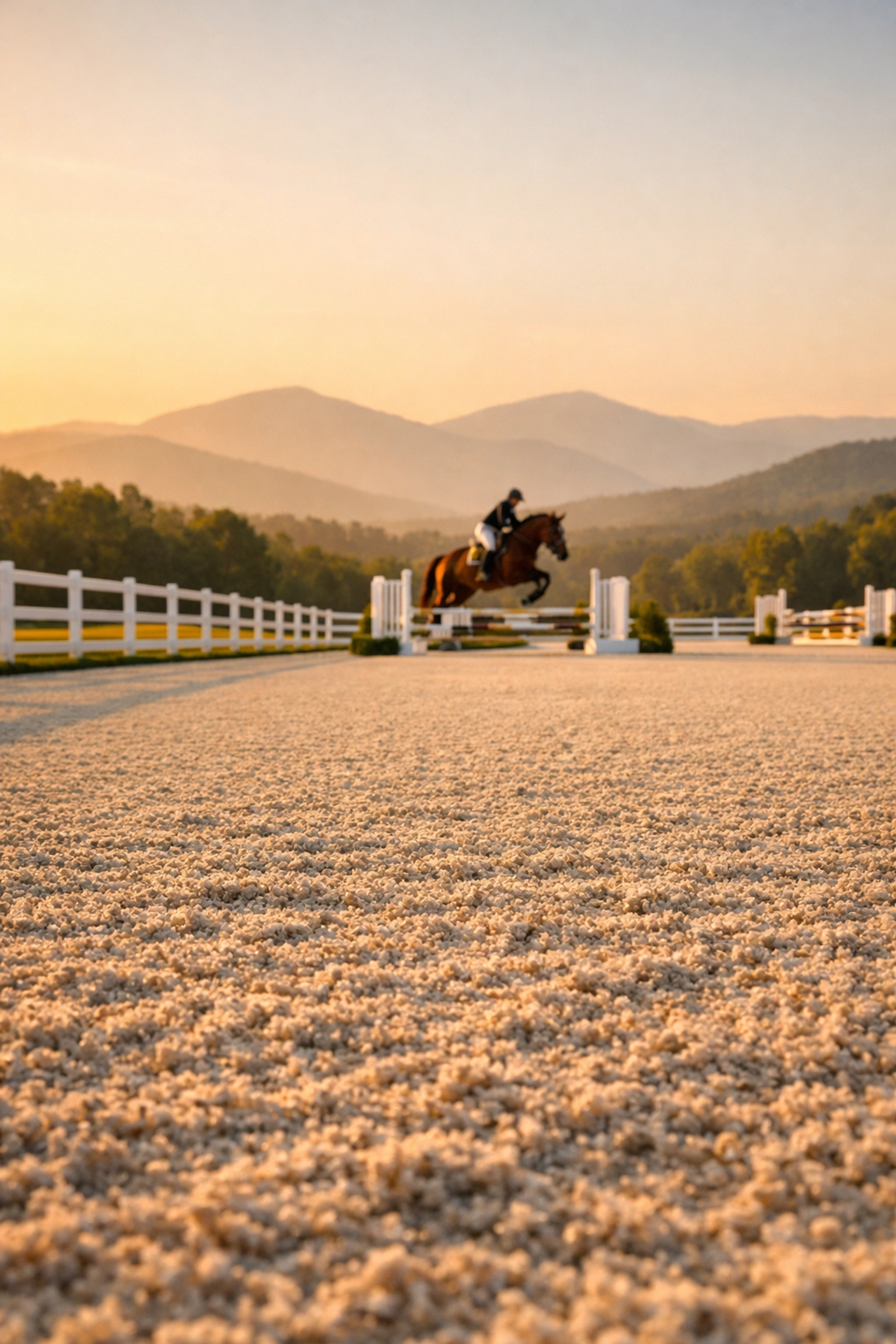
    The most successful investors often blend approaches: incorporating smart systems into traditionally-designed facilities or ensuring smart farms maintain the aesthetic appeal that Charlotte buyers expect. Properties that honor equestrian heritage while embracing practical innovations often command the highest premiums.

    Regional Market Insights

    Charlotte's equestrian market benefits from North Carolina's position as a leading horse state, with over 180,000 horses and a $1.8 billion economic impact. This established foundation supports both traditional and smart farm approaches, but local preferences lean toward properties that respect the region's agricultural heritage.

    Successful smart farm investments in Charlotte typically incorporate traditional design elements: board and batten siding, classic rooflines, and natural materials: while housing modern technology discreetly. This approach satisfies both efficiency needs and aesthetic expectations.

    image_5

    Your Next Steps in Charlotte Equestrian Investment

    Whether you choose smart farm efficiency or traditional estate elegance, success requires deep understanding of Charlotte's unique equestrian community and market dynamics. The best investment decision aligns with your target buyer's priorities while positioning your property for both immediate returns and long-term appreciation.

    At Carolina Horse Farm Realty, we understand the nuanced differences between these property types and how they perform in Charlotte's distinct market conditions. Our team brings the insight needed to identify which approach serves your investment goals while honoring the equestrian lifestyle that makes these properties so compelling.

    Ready to explore Charlotte's premier horse properties and discover which investment approach aligns with your goals? Let's discuss how traditional estates and smart horse farms each contribute to building your equestrian real estate portfolio in one of the nation's most dynamic horse markets.

  • Why Everyone Is Talking About Sustainable Equestrian Estates in Charlotte (And You Should Too)

    Why Everyone Is Talking About Sustainable Equestrian Estates in Charlotte (And You Should Too)

    The equestrian real estate market in Charlotte is experiencing a quiet revolution. Property buyers are increasingly asking about water management systems, energy-efficient barn designs, and pasture restoration programs. What was once considered "nice to have" has become a primary selling point that can add significant value to your investment.

    Sustainable Equestrian Estates Deliver 23% Higher Resale Values

    Recent market analysis shows that Charlotte-area equestrian properties with verified sustainable features command premium pricing and sell 40% faster than traditional horse farms. These aren't just environmental feel-good measures: they're smart business decisions that protect your investment while creating healthier environments for your horses.

    The numbers speak clearly: sustainable equestrian estates in the Charlotte region have shown consistent appreciation even during market downturns, with buyers specifically seeking properties that demonstrate long-term environmental stewardship and reduced operational costs.

    What Actually Makes an Equestrian Estate "Sustainable"

    Sustainable equestrian design goes far beyond solar panels and rain barrels. True sustainability in horse properties integrates land management, water conservation, energy efficiency, and animal welfare into a cohesive system that reduces environmental impact while enhancing property value.

    Water Management Systems form the foundation of sustainable equestrian properties. This includes rainwater harvesting for barn use, constructed wetlands for runoff filtration, and strategically placed retention ponds that prevent erosion while providing natural irrigation for pastures.

    Rotational Grazing Infrastructure allows horses to graze systematically across multiple paddocks, preventing overgrazing and soil compaction. Properties with permanent fencing systems designed for rotation show healthier pastures, reduced feed costs, and improved soil quality over time.

    Energy-Efficient Barn Design incorporates natural ventilation systems, LED lighting with motion sensors, and insulation that maintains comfortable temperatures without excessive heating or cooling costs. These features create healthier environments for horses while dramatically reducing utility expenses.

    image_1

    Your Horses Actually Perform Better on Sustainable Properties

    The correlation between sustainable land management and horse health isn't coincidental. Horses evolved as grazing animals that thrived in diverse, well-managed ecosystems. Sustainable equestrian properties recreate these conditions through thoughtful design and management practices.

    Pasture Diversity Programs incorporate native plant species that provide natural nutrition supplements, reducing the need for commercial feeds and supplements. Horses on diverse pastures show improved coat quality, better digestive health, and enhanced immune system function.

    Natural Drainage Systems prevent the muddy, bacteria-rich conditions that lead to hoof problems and respiratory issues. Properties with properly designed drainage maintain dry, stable footing year-round without requiring constant maintenance or expensive drainage solutions.

    Integrated Pest Management reduces chemical exposure while maintaining effective fly and parasite control. This approach combines beneficial insects, strategic manure management, and targeted treatments to create healthier environments for both horses and humans.

    Charlotte's Geographic Advantages Create Natural Sustainability Opportunities

    The Charlotte region's rolling terrain, clay-based soils, and moderate climate provide unique advantages for sustainable equestrian property development. Understanding these natural features allows property owners to work with the land rather than against it.

    Natural Slope Management in Charlotte properties allows for gravity-fed water systems and natural drainage patterns that require minimal intervention. Properties that leverage existing topography reduce long-term maintenance costs while preventing erosion and water quality issues.

    Native Plant Communities in the Charlotte area include nutrient-rich grasses that support horse health while requiring minimal irrigation or fertilization. Estates that preserve and enhance native vegetation create self-sustaining ecosystems that improve with minimal human intervention.

    Year-Round Growing Seasons enable property owners to maintain productive pastures with strategic overseeding and rotation programs. This extended growing season reduces hay costs and provides consistent nutrition for horses throughout most of the year.

    image_2

    Investment Returns That Make Financial Sense

    Sustainable features in equestrian properties aren't just environmental statements: they're strategic investments that deliver measurable returns through reduced operating costs and enhanced property values.

    Operational Cost Reductions from sustainable systems typically recover initial investments within 3-5 years. Water management systems reduce utility costs by 40-60%, while energy-efficient barn designs cut electricity expenses by 30-50%. These savings compound annually, creating significant long-term value.

    Insurance Premium Benefits are increasingly available for properties with verified sustainable features. Many insurance providers offer reduced rates for properties with water management systems, fire-resistant landscaping, and energy-efficient buildings that reduce risk exposure.

    Tax Incentive Programs at both state and federal levels provide additional financial benefits for sustainable improvements. These incentives can offset 20-30% of installation costs for qualifying systems and improvements.

    The Charlotte Equestrian Communities Leading This Movement

    Several established equestrian communities in the Charlotte area have emerged as leaders in sustainable development, creating models that other properties are adapting and improving upon.

    The Ranch in Charlotte incorporates extensive trail systems that prevent erosion while providing diverse riding opportunities across its 1,500-acre development. The community's approach to preserving natural water features while accommodating equestrian activities has become a regional model.

    Cheval in Mint Hill demonstrates how luxury equestrian development can incorporate sustainable practices without compromising aesthetic appeal. The community's 425-acre design preserves natural drainage patterns while creating premium homesites with equestrian amenities.

    These communities prove that sustainable equestrian development enhances rather than limits luxury and functionality. Property values in these developments consistently outperform traditional equestrian communities while providing superior quality of life for both horses and owners.
    image_3

    Future-Proofing Your Equestrian Investment

    Market trends indicate that sustainable features will become standard expectations rather than luxury upgrades in equestrian properties. Properties without these features may face increasing difficulty attracting buyers and commanding premium pricing.

    Regulatory Trends are moving toward stricter environmental requirements for agricultural and equestrian properties. Properties with existing sustainable systems avoid costly retrofits and compliance challenges that may arise in coming years.

    Buyer Demographics show increasing environmental awareness among younger equestrian property buyers who prioritize sustainability alongside traditional amenities. These buyers often pay premiums for properties that align with their values while delivering superior performance.

    Climate Adaptation becomes increasingly important as weather patterns intensify. Sustainable equestrian properties with robust water management and adaptive landscaping maintain functionality during extreme weather events that can devastate traditional properties.
    Making the Transition to Sustainable Equestrian Ownership

    Converting traditional equestrian properties to sustainable operations doesn't require complete reconstruction. Strategic improvements implemented over time can transform any horse property into a sustainable, high-value asset.

    Phased Implementation allows property owners to prioritize improvements based on immediate needs and available resources. Starting with water management or pasture rotation systems provides immediate benefits while establishing foundations for additional sustainable features.

    Professional Assessment by qualified equestrian land management specialists identifies the most effective improvements for specific properties and geographic conditions. These assessments typically identify 10-15 potential improvements that can be prioritized based on cost-benefit analysis.

    Financing Options including specialized agricultural loans and environmental improvement grants make sustainable improvements accessible for most property owners. Many lenders offer favorable terms for sustainable improvements that reduce long-term property risks.

    The sustainable equestrian movement in Charlotte represents more than environmental consciousness: it's a fundamental shift toward smarter, more profitable horse property ownership. Properties that embrace these principles today position themselves as leaders in tomorrow's equestrian real estate market.

    Our team understands the unique requirements of sustainable equestrian property development and the deep knowledge required to identify properties with the greatest potential for sustainable improvement. We work with buyers and sellers who recognize that the future of equestrian real estate lies in properties that deliver superior performance for both horses and investments.

    Ready to explore sustainable equestrian opportunities in the Charlotte area? Contact us to discuss how sustainable features can enhance your equestrian property search or maximize the value of your current holdings.

  • Best Horse Riding Trails Near Mooresville NC and the Equestrian Farms Around Them

    Best Horse Riding Trails Near Mooresville NC and the Equestrian Farms Around Them

    The Lake Norman region around Mooresville represents some of North Carolina's finest equestrian territory, where rolling hills meet pristine waters and established horse communities thrive alongside newcomers seeking that perfect balance of rural charm and modern convenience.

    Why Mooresville's Trail Network Draws Serious Equestrians

    Mooresville's unique geography: sitting at the heart of Lake Norman with its 520 miles of shoreline: creates a natural playground for trail riders. The terrain varies from gentle lakeside paths perfect for morning hacks to challenging wooded routes that test both horse and rider. What sets this area apart isn't just the natural beauty, but the established infrastructure supporting serious equestrian pursuits.

    image_1

    The region's proximity to Charlotte (just 30 minutes north) means you get genuine countryside living without sacrificing access to specialized equine veterinary care, quality feed stores, and the professional services that make horse ownership sustainable. This accessibility has attracted a sophisticated equestrian community that values both tradition and innovation.

    Premier Trail Destinations That Define the Area

    Painted Sky Ranch of Lake Norman stands as the crown jewel of local trail riding facilities. Spanning 135 acres of meticulously maintained trails that wind through mature forest and cross babbling creeks, this family-operated facility offers an authentic Western riding experience. The trails accommodate riders of varying skill levels, though they maintain strict safety standards: riders must be at least 11 years old with a maximum weight of 225 pounds.

    What makes Painted Sky Ranch particularly appealing to discerning equestrians is their commitment to proper horsemanship. Trail rides are available Monday through Thursday afternoons and Saturdays by advance reservation, ensuring each group receives personalized attention. The facility also features a spacious 195×125 training arena and luxury boarding stalls, making it a destination for both casual trail riders and serious competitors.

    Lakeside Stables at Lake Norman represents the more refined end of the spectrum, specializing in English riding disciplines with their state-of-the-art covered arena. While primarily focused on saddle seat instruction, their location provides access to scenic lakeside trails that showcase the region's natural beauty. The professional instruction available here makes it an excellent starting point for newcomers to the area seeking to establish themselves within the local equestrian community.

    image_2

    Kingfisher Park Equestrian offers a more intimate boarding experience with private trail access through wooded lands, across rolling pastures, and along meandering streams. This type of facility exemplifies what many serious horse owners seek when relocating to the Mooresville area: private access to quality trails without the crowds of public facilities.

    The Love Valley Experience: Western Heritage Meets Modern Convenience

    Just a short drive from Mooresville, Love Valley presents a unique slice of American Western culture. This horse-oriented camping resort town features miles of trails ranging from wide, easy-going dirt roads perfect for family rides to challenging mountain paths that test experienced trail horses.

    Love Valley's rental stable and guide services make it accessible to visitors, but the real draw for potential residents is the community itself. The town hosts regular rodeos and maintains an authentic Western atmosphere that attracts equestrians seeking a lifestyle centered around horses. Properties in and around Love Valley offer the opportunity to own a piece of this heritage while maintaining reasonable access to modern amenities.

    image_3

    Understanding the Real Estate Landscape

    The success of these trail systems reflects the broader strength of Mooresville's equestrian real estate market. Properties here aren't just about acreage: they're about joining established communities with proper infrastructure, knowledgeable neighbors, and access to quality facilities.

    Serious buyers often prioritize proximity to these established trail networks when evaluating properties. A 10-acre parcel with direct trail access commands premium pricing compared to similar acreage without these connections. The most desirable properties often feature private trails that connect to larger networks, providing the security of private access with the adventure of extended riding opportunities.

    Many of the area's finest equestrian properties have been developed by horse people who understand the importance of proper drainage, strategic barn placement, and thoughtful pasture management. These aren't suburban properties with a barn added as an afterthought: they're purpose-built equestrian estates designed by people who understand how horses actually live and work.

    Seasonal Riding and Year-Round Appeal

    North Carolina's moderate climate makes Mooresville particularly attractive to equestrians relocating from regions with harsh winters or oppressive summers. Trail riding here remains comfortable through most of the year, with spring and fall offering particularly spectacular conditions.

    The established facilities maintain their trails year-round, understanding that serious horse owners need consistent access regardless of season. This reliability factor weighs heavily in property decisions: knowing that your investment in an equestrian lifestyle won't be limited by seasonal closures or poor maintenance.

    image_4

    Community and Competition Opportunities

    Beyond trail riding, the Mooresville area supports a full spectrum of equestrian activities. The proximity to quality facilities means property owners can easily access everything from casual trail rides to serious training programs. This depth of opportunity helps maintain property values and ensures that equestrian investments remain relevant as interests and needs evolve.

    The region regularly hosts clinics, competitions, and educational events that strengthen the equestrian community. Property owners benefit from this active network through increased knowledge, better horse care resources, and stronger resale values when the time comes to move on.

    Making the Move: What Serious Equestrians Should Consider

    Relocating to an established equestrian area like Mooresville requires understanding both the opportunities and the responsibilities. The best properties often come with existing relationships: previous owners who've established connections with local veterinarians, farriers, and feed suppliers. These relationships represent real value that goes beyond the physical property boundaries.

    Prospective buyers should spend time riding in the area, visiting multiple facilities, and talking with current property owners before making decisions. The equestrian community here is generally welcoming to newcomers who demonstrate genuine commitment to proper horsemanship and community involvement.

    image_5

    The trail networks around Mooresville represent more than recreational opportunities: they're the foundation of a lifestyle that balances passion with practicality. Whether you're seeking a weekend retreat with trail access or a full-time equestrian operation, understanding these established systems helps inform better property decisions and ultimately, a more satisfying horse-centered life.

    For those considering joining this community, the combination of natural beauty, established infrastructure, and welcoming horse culture creates opportunities that are increasingly rare in today's rapidly developing landscape. The key is finding the right property that connects you to everything that makes this region special while supporting your specific equestrian goals.

    Ready to explore equestrian properties near these premier trail systems? Contact Carolina Horse Farm Realty to discover how the right property can connect you to everything that makes Mooresville's equestrian community so special.