Category: Horse Farming Real Estate

  • The Ultimate Guide to Horse Farms for Sale in Waxhaw, NC: Everything You Need to Succeed

    The Ultimate Guide to Horse Farms for Sale in Waxhaw, NC: Everything You Need to Succeed

    Waxhaw sits at the convergence of everything equestrian buyers need: established horse country culture, proximity to Charlotte's amenities, and land that still feels like the countryside. If you've been searching for a place where your horses can have proper turnout and you can still grab dinner in South End when you want it, Waxhaw deserves your attention.

    Why Waxhaw Works for Horse Owners

    The town's equestrian roots run deep. This isn't a community that merely tolerates horses, it's built around them. Zoning in Union County generally supports agricultural use, which means fewer battles over barn construction, manure management, or trailer traffic. Your neighbors understand why you're up at 5:30 AM feeding, and nobody complains about the occasional rooster.

    The geography matters too. Waxhaw's rolling topography provides natural drainage, and the clay-based soil, while requiring management, supports solid footing when maintained properly. You're looking at four distinct seasons without the harsh winters that create perpetual mud or the brutal summers that bake pastures to dust.

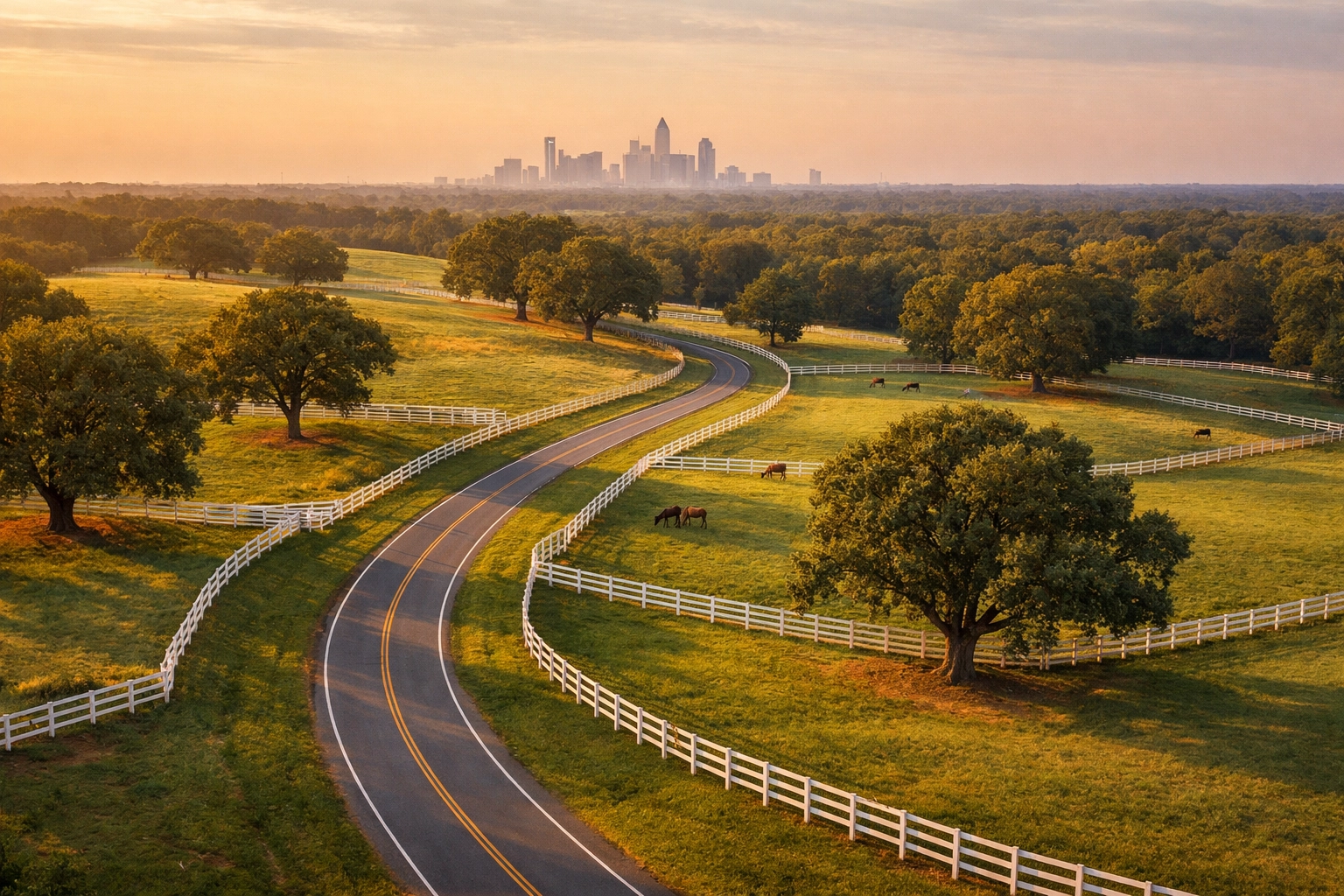
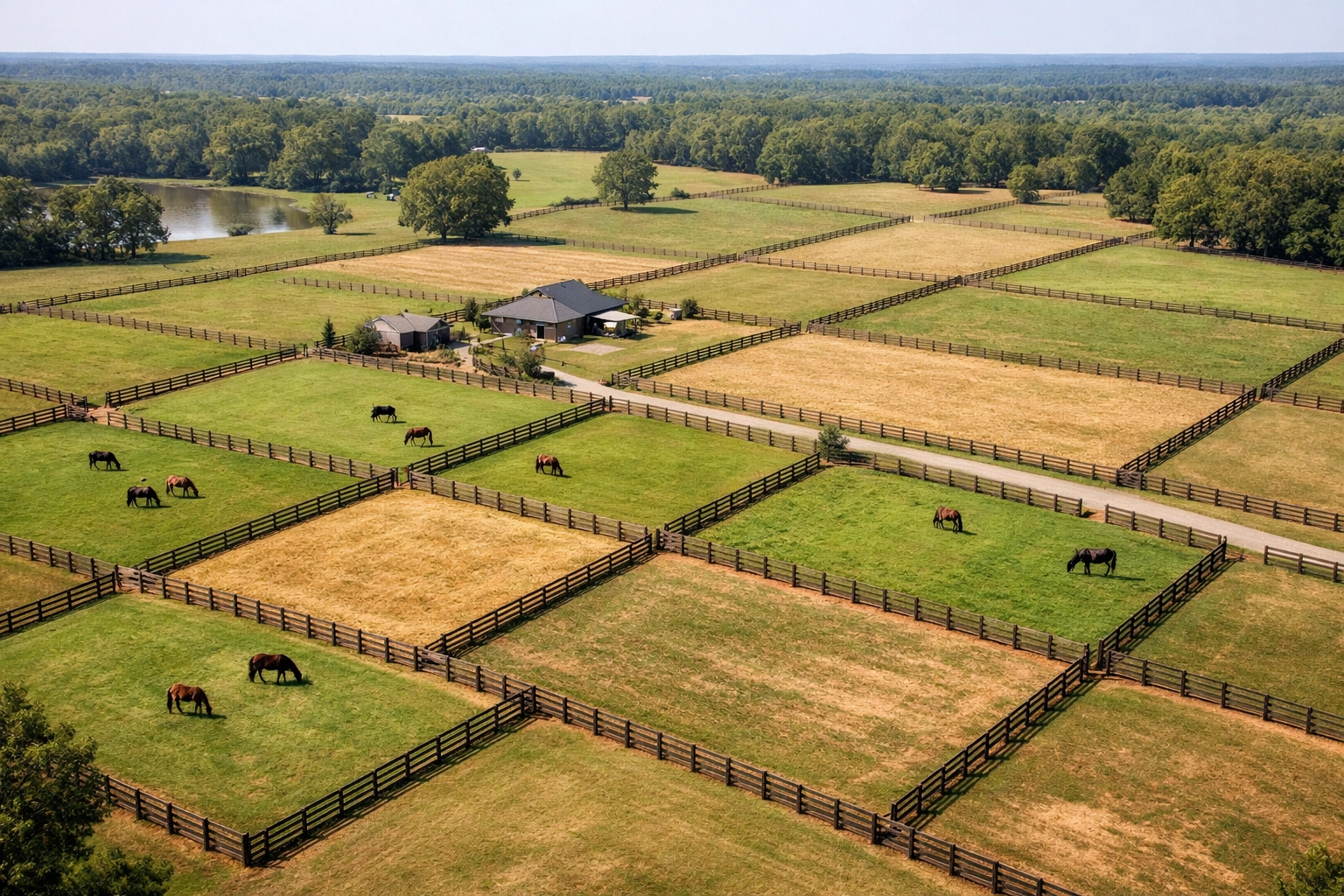
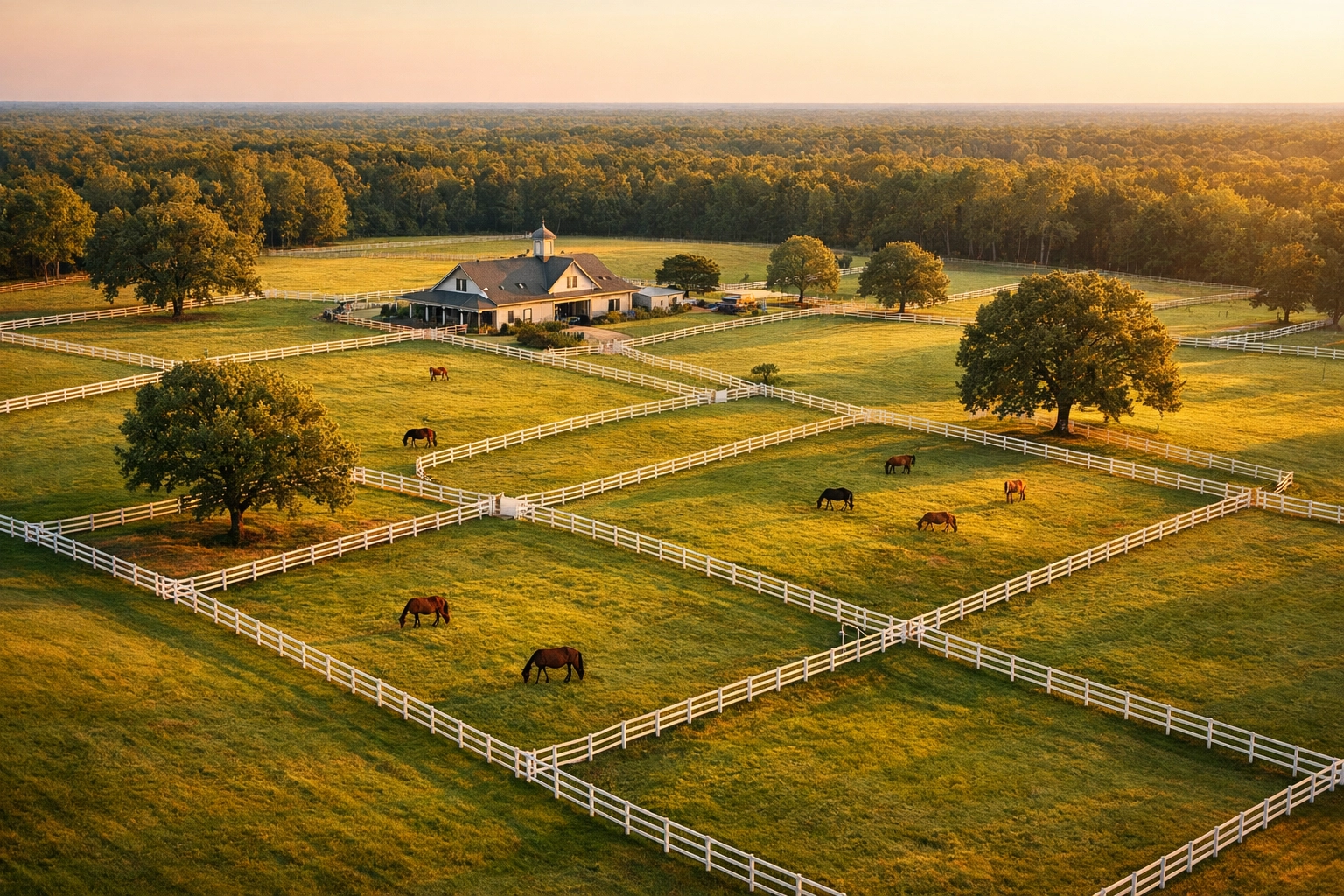
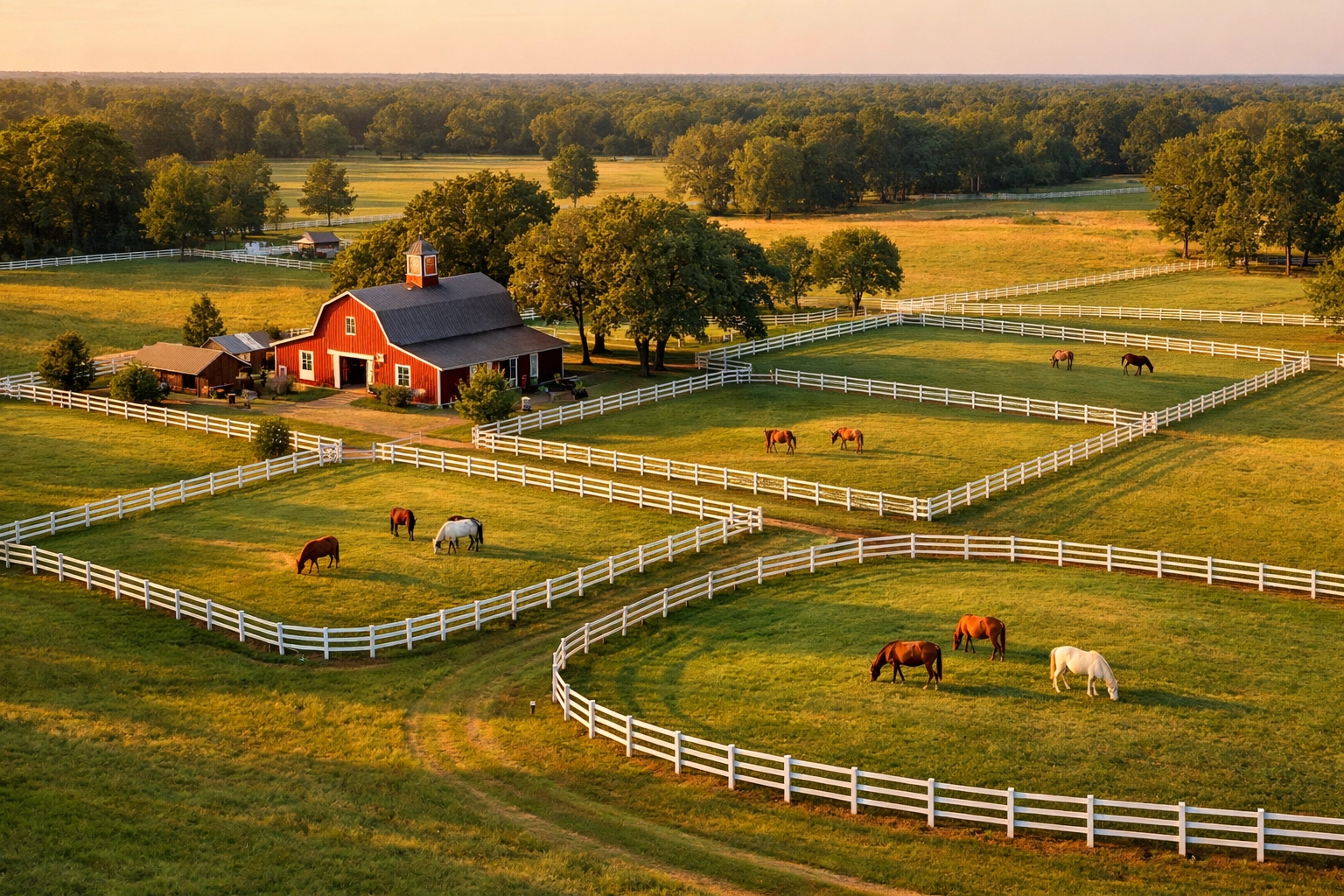
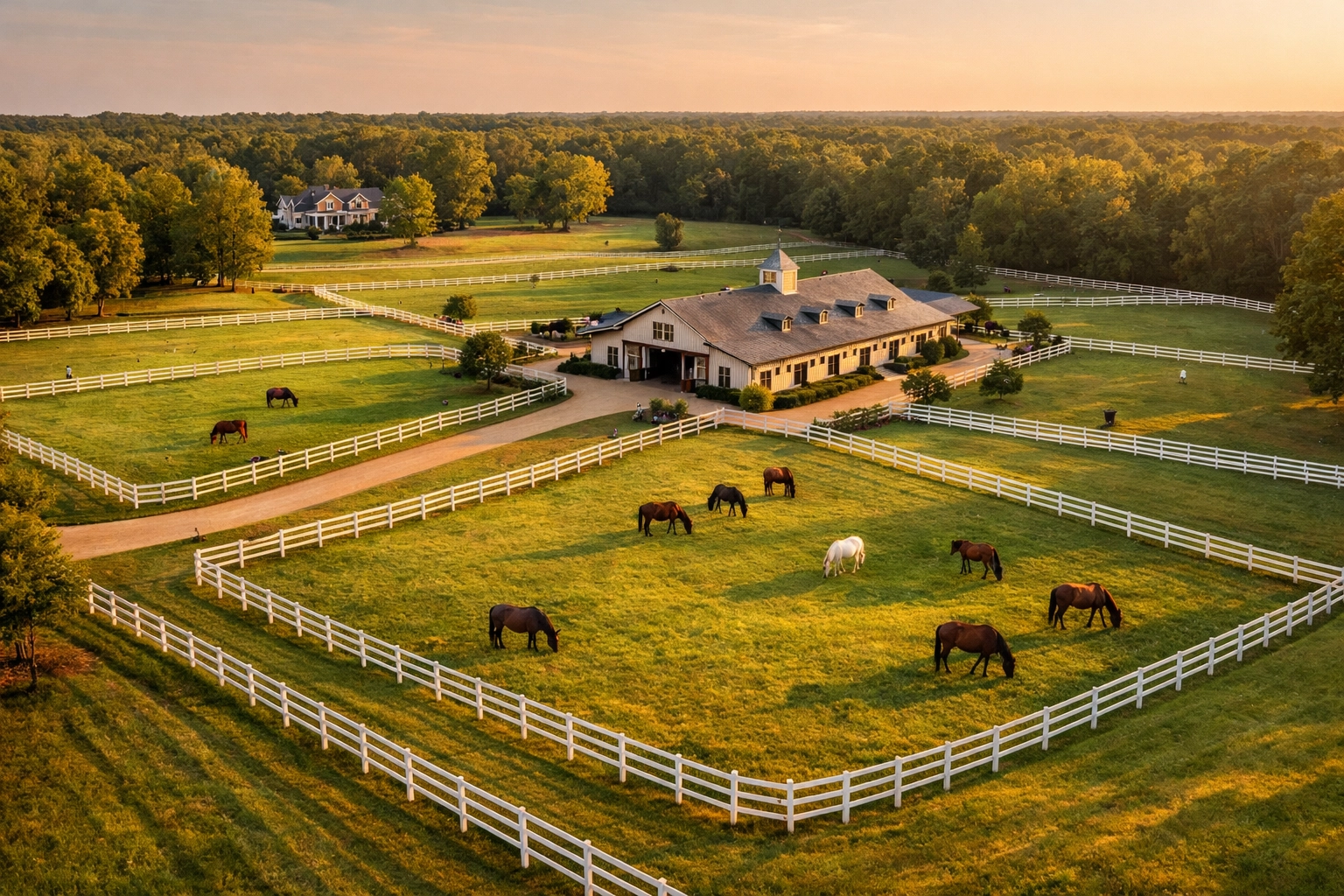
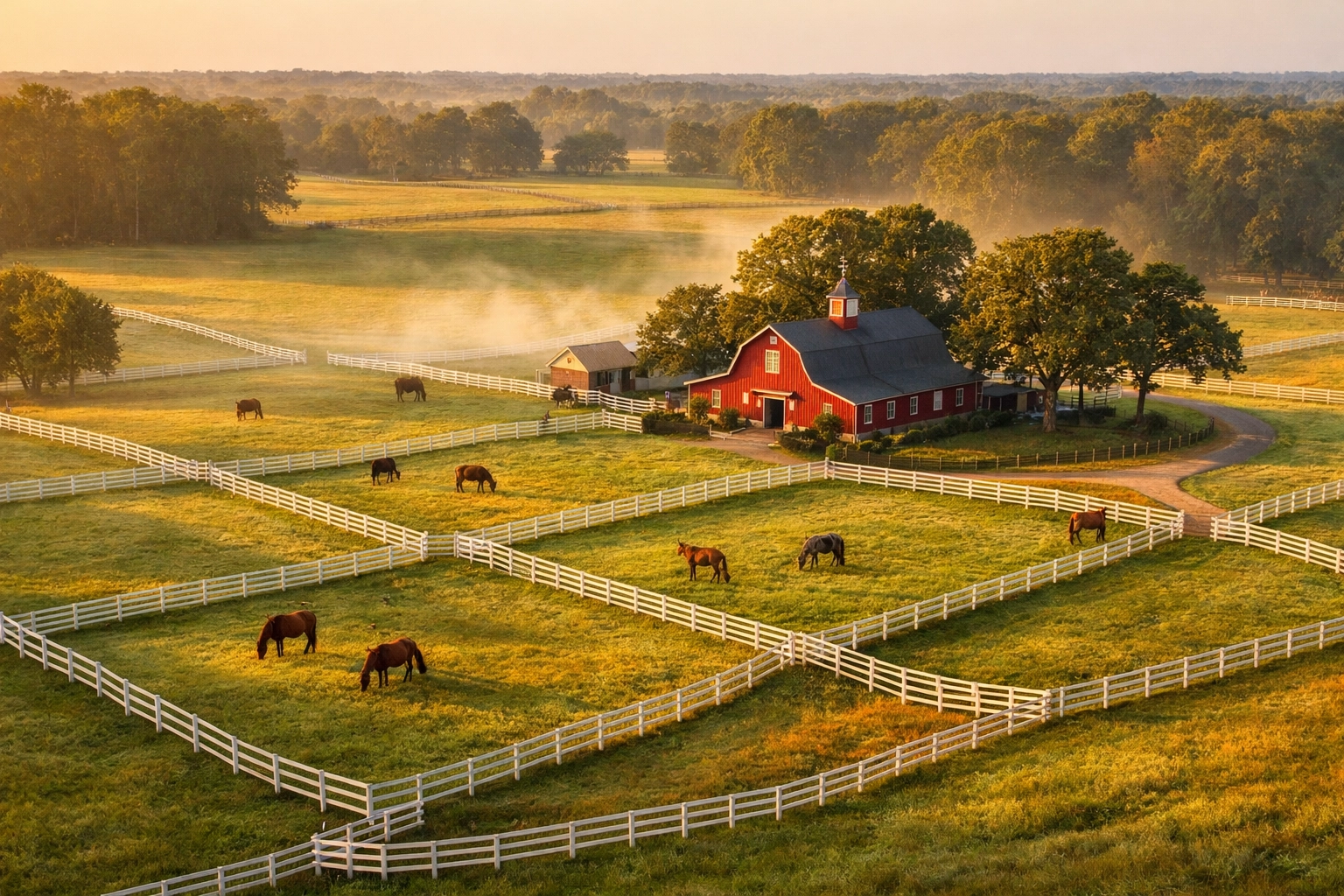
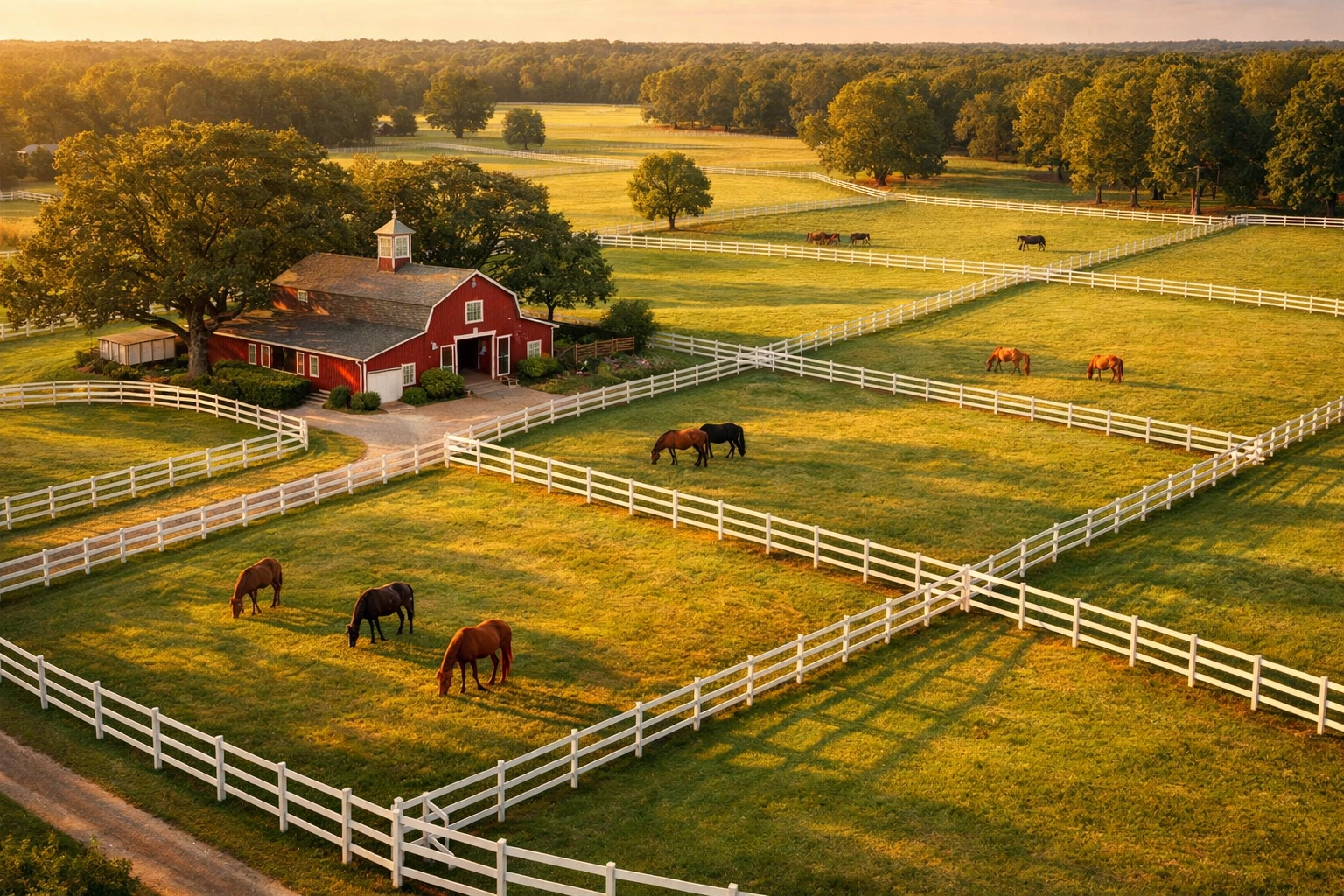
    Aerial view of Waxhaw horse farm with white fenced pastures, barn, and grazing horses

    Current Market Snapshot: What You'll Find

    As of early 2026, Waxhaw's equestrian property market shows strong inventory with diverse options. Current listings include 45 horse properties across various platforms, with prices ranging from $295,000 for smaller parcels to $1.5 million for established turnkey operations.

    The median listing price for equestrian properties sits around $620,000, reflecting the premium buyers pay for quality horse infrastructure. Properties move relatively quickly, averaging 52 days on market, which tells you that well-presented farms with solid facilities find their buyers.

    Average cost per acre runs approximately $50,000, though this varies significantly based on improvements, location within Waxhaw, and existing infrastructure. A raw 10-acre parcel will price differently than 10 acres with a six-stall barn, arena, and proper fencing.

    What Defines a Quality Waxhaw Horse Property

    Land and Pasture Configuration

    Look for properties offering at least 5-10 acres if you're keeping horses at home. Anything less becomes tight quickly once you account for barn placement, arena space, and proper pasture rotation. The best properties divide pastures logically, allowing you to rest fields without cramping your horses into inadequate turnout.

    Check slope and drainage patterns. Standing water means compaction, hoof issues, and expensive remediation. Natural elevation changes should work for you, not against you, providing drainage without creating dangerous hillsides where horses can slip or injure themselves.

    Barn and Stable Facilities

    A functional barn matters more than a pretty one, though Waxhaw's market includes both. Essential features include:

    • Proper ventilation: Carolina summers demand airflow. Ridge vents, cupolas, and strategic window placement prevent respiratory issues.
    • Adequate stall size: 12×12 minimum for average horses; 12×14 or larger for warmbloods and drafts.
    • Safe footing: Rubber mats over proper base material reduce injury and simplify maintenance.
    • Convenient utilities: Water to every stall area and sufficient electrical for winter heating and summer fans.

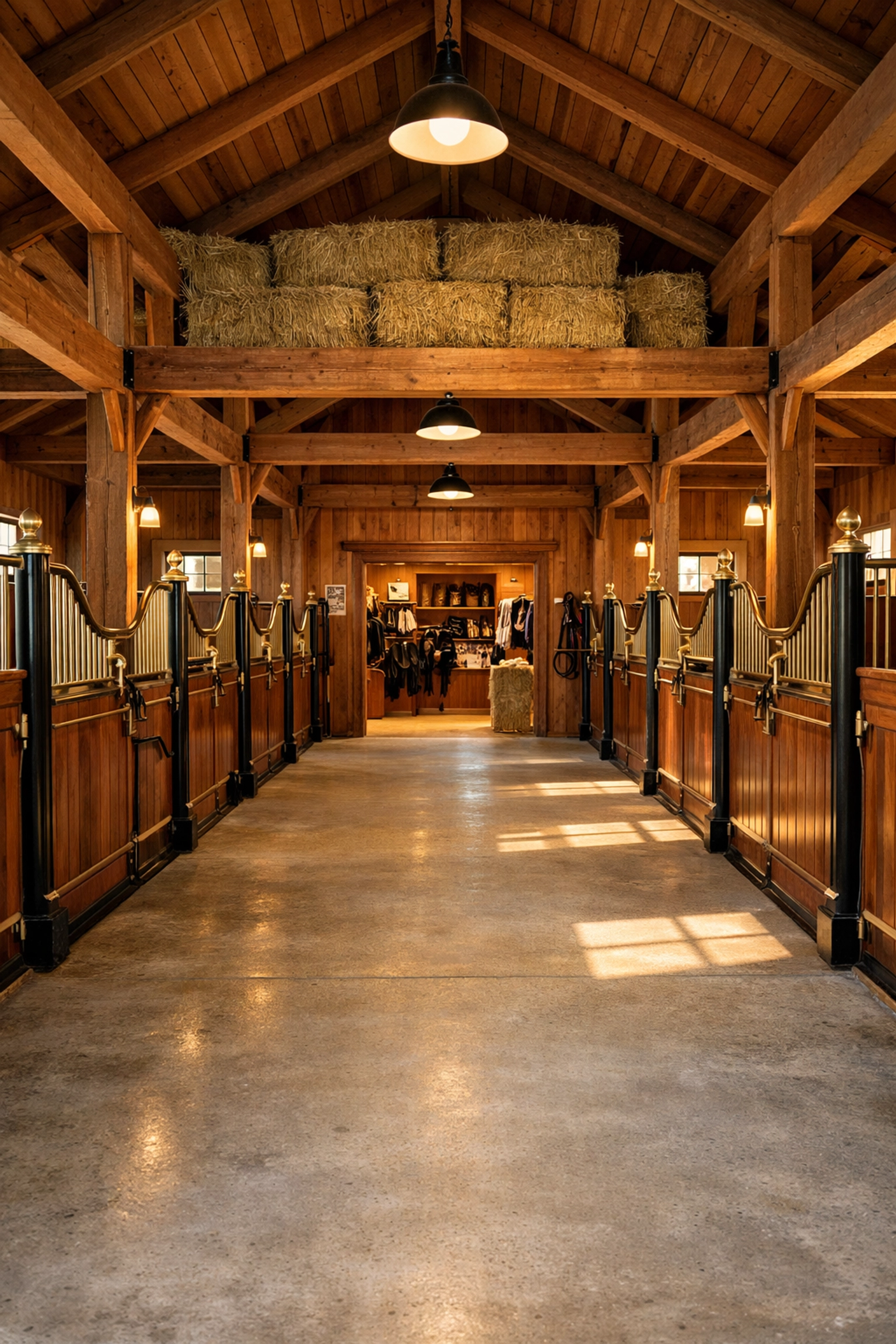
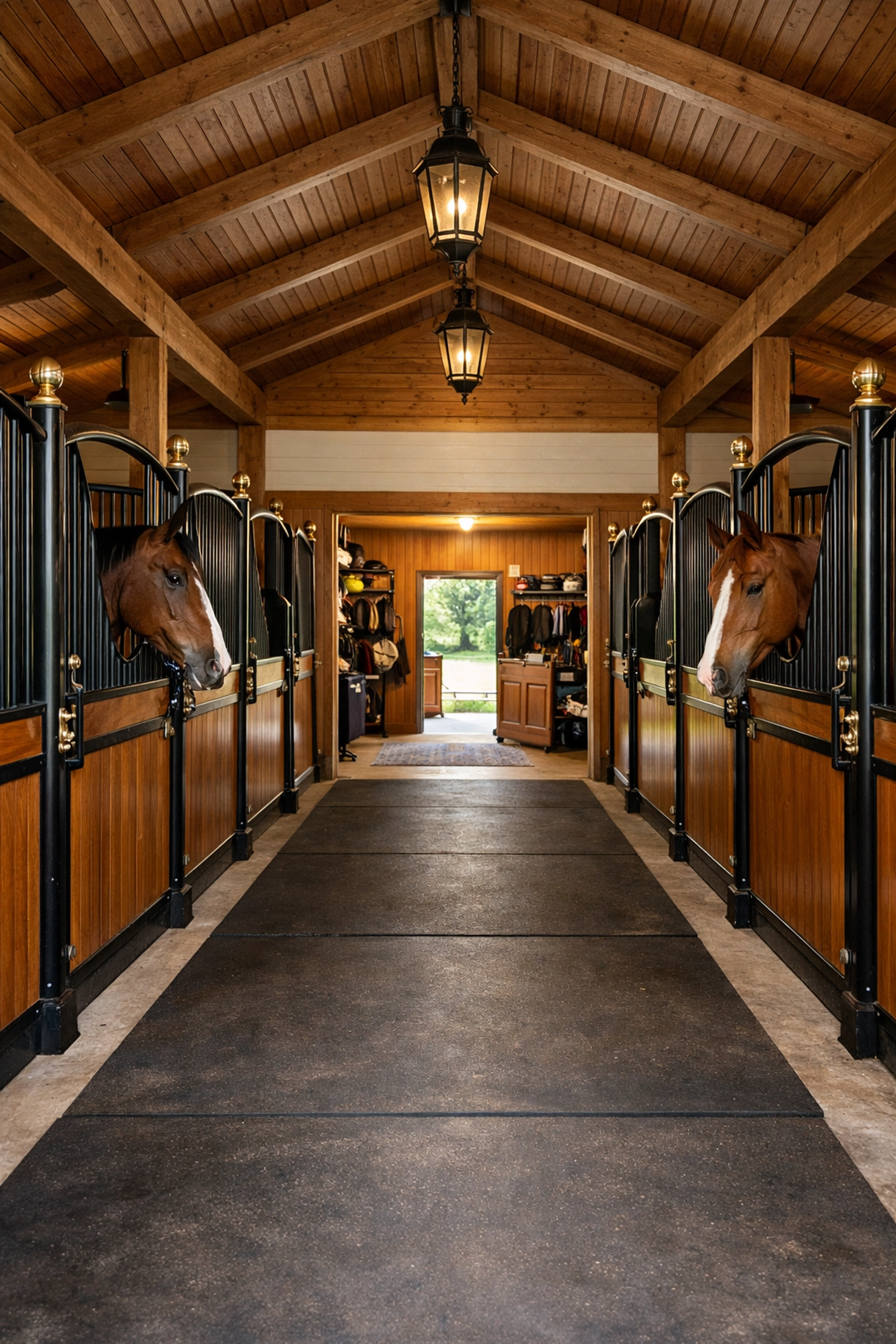
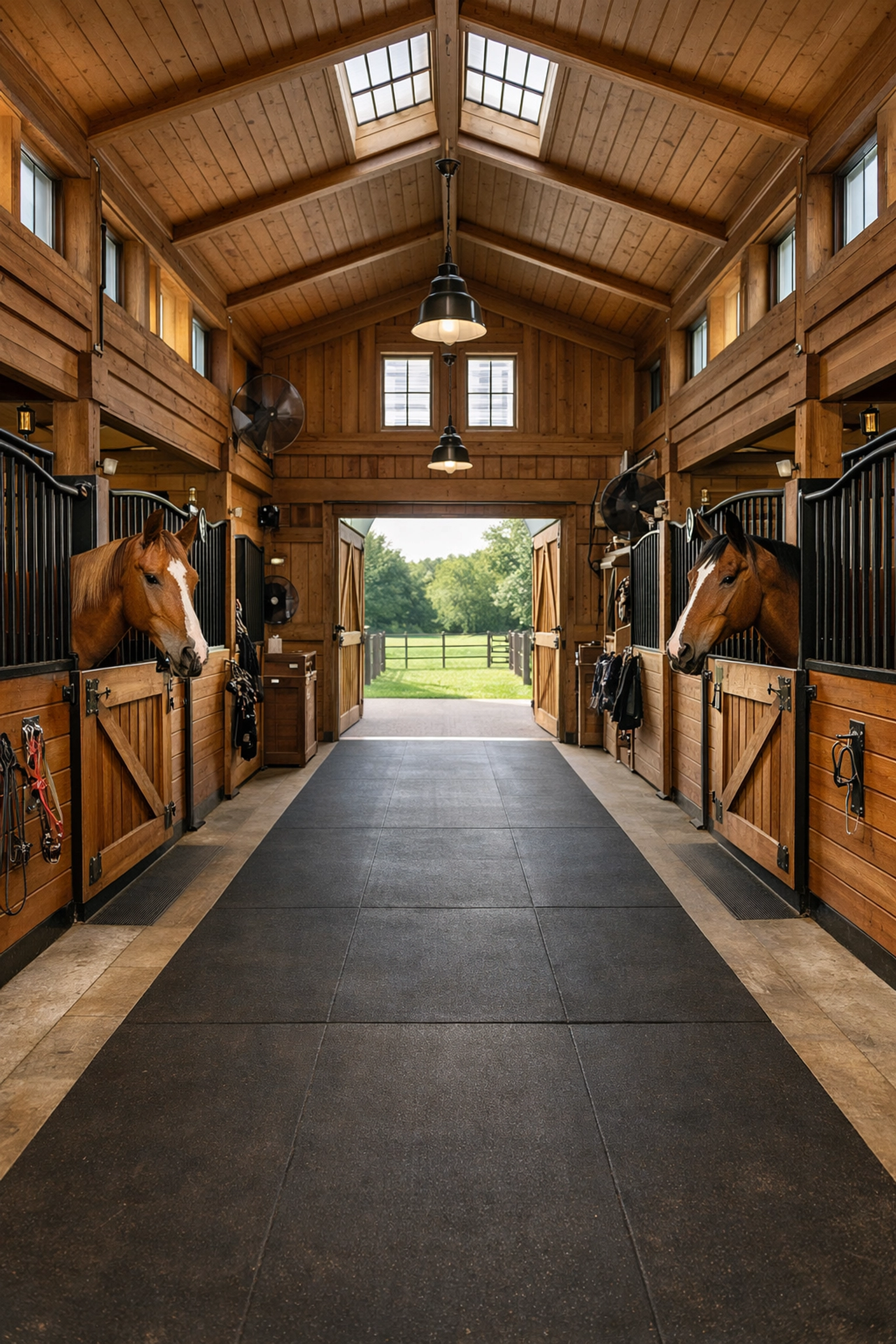
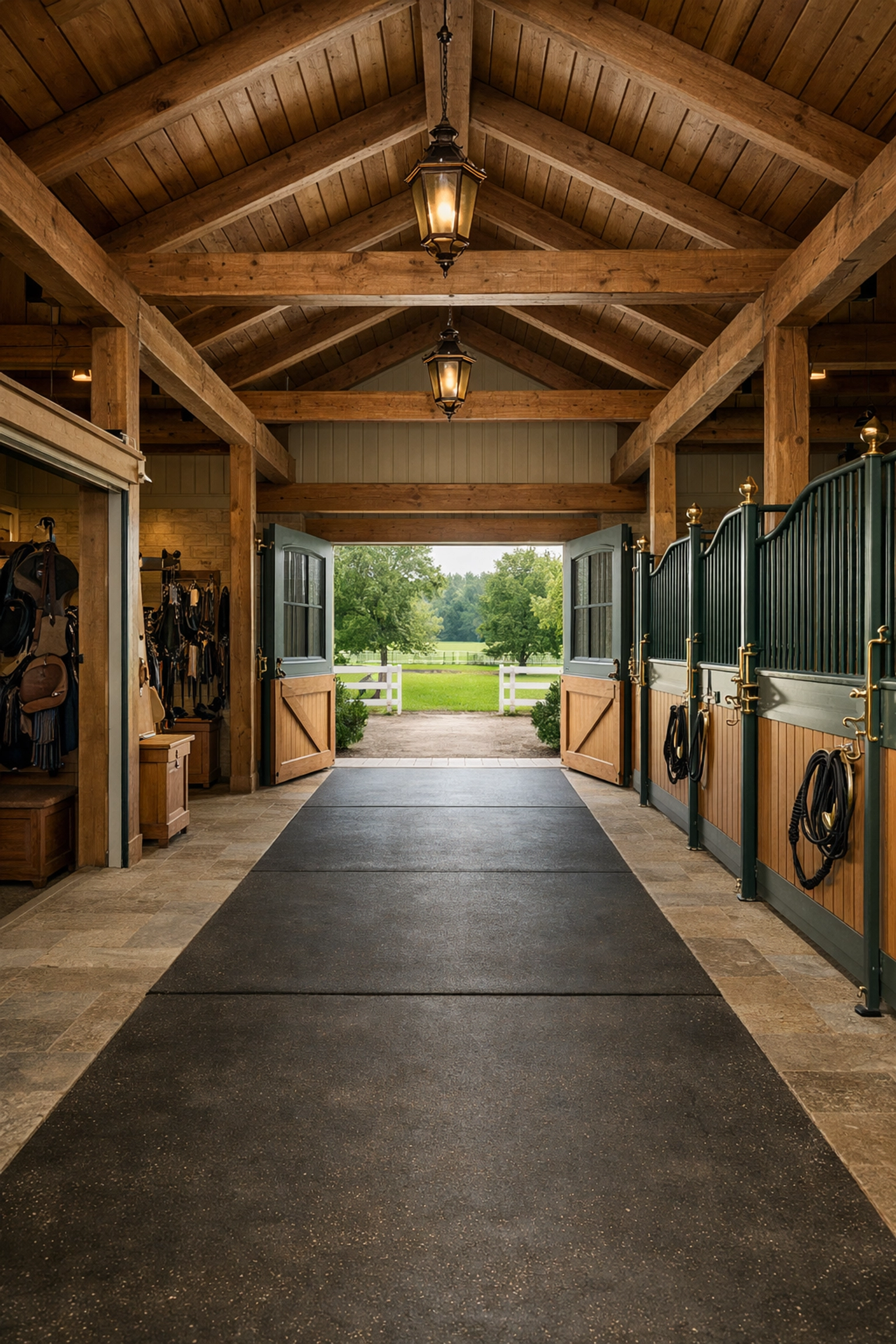
    Well-ventilated horse barn interior with stalls and tack room in North Carolina

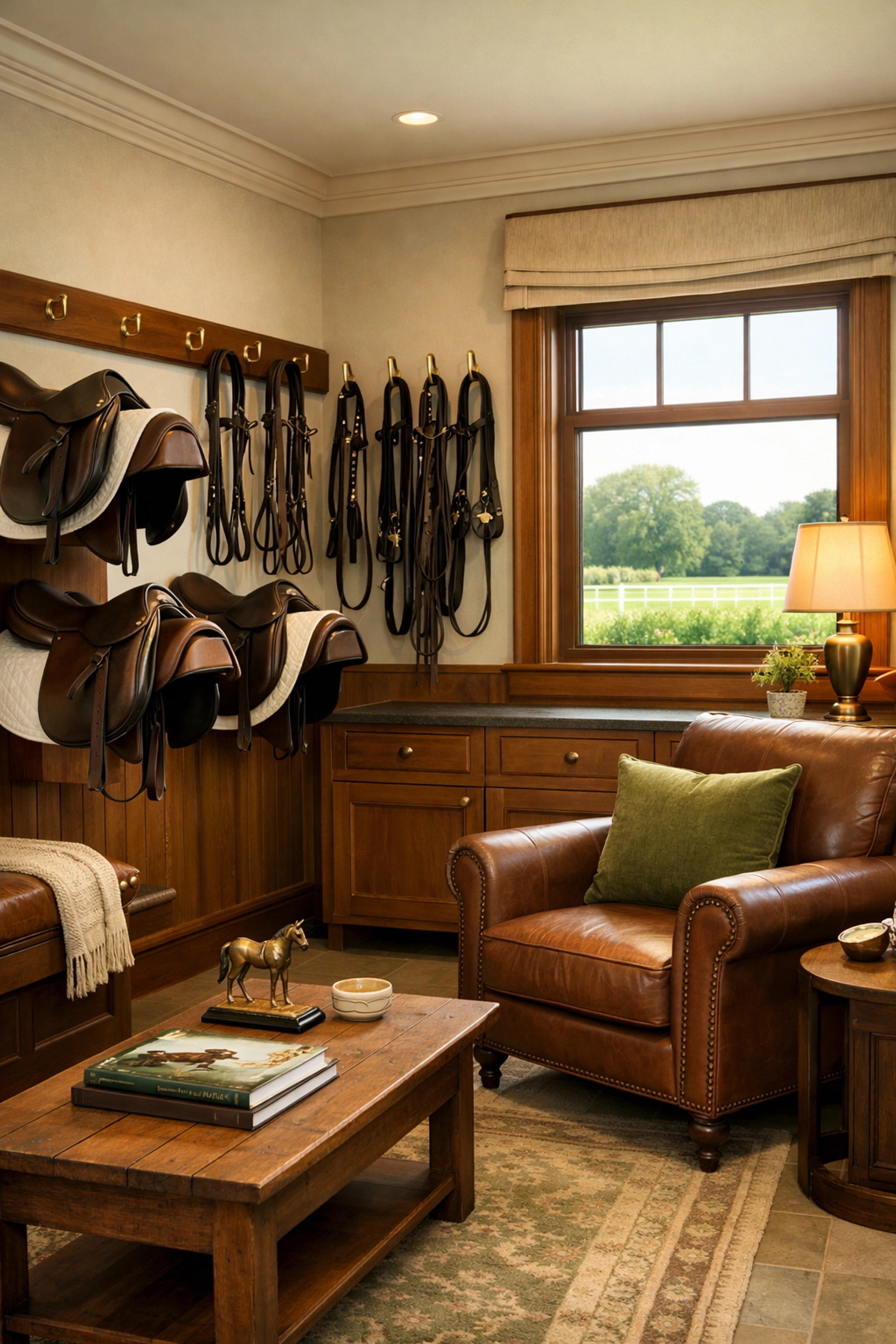
    Better properties include dedicated tack rooms with climate control (your saddles will thank you), wash stalls with hot water, and hay storage that's accessible but separated from the main barn for fire safety.

    Arena and Riding Areas

    Not every property includes an arena, and not every rider needs one. But if you school regularly, compete, or train professionally, an arena changes everything. Look for:

    • Minimum 100×200 feet for basic flatwork; 150×250 if you're jumping
    • Quality footing that drains well, sand base with appropriate additives
    • Proper fencing (pipe, no-climb wire, or quality board) at regulation height
    • Lighting if you'll ride after dark during winter months

    Some Waxhaw properties feature indoor arenas, which command premium prices but eliminate weather-related training interruptions. Outdoor arenas with good drainage serve most amateur riders perfectly well.

    Notable Waxhaw Equestrian Areas

    Valley Farm Community

    This established equestrian neighborhood understands horse keeping. Properties here benefit from like-minded neighbors and proximity to trail systems including Mineral Springs Greenway. The community maintains a balance between property privacy and social connection, you can trailer to a neighbor's arena without driving 45 minutes.

    Properties Near Cane Creek Park

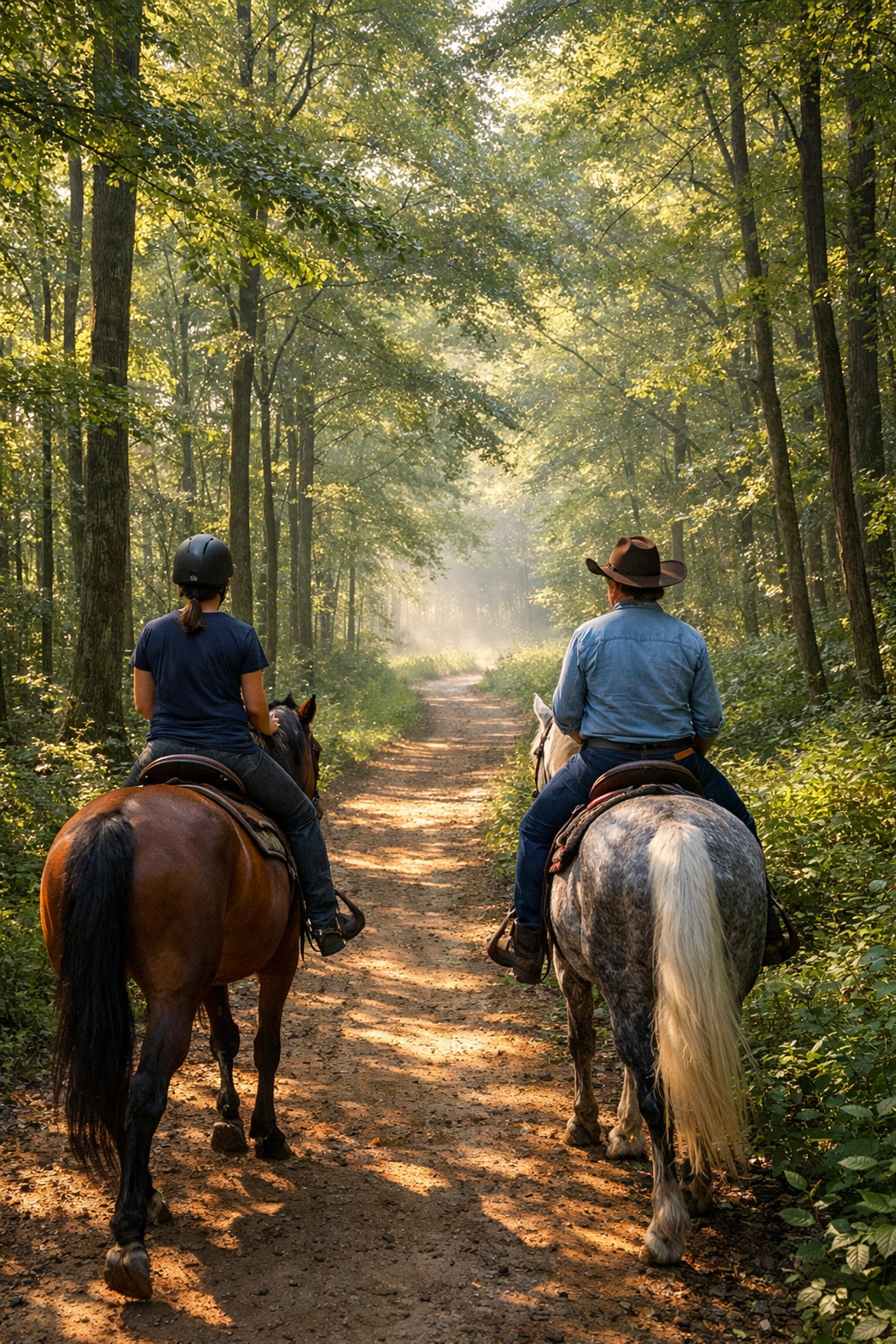
    The 1,100-acre Cane Creek Park provides riding trails and open space that effectively extend your property's recreational options. Farms positioned near park access points offer convenience for riders who want varied terrain and longer rides without trailering.

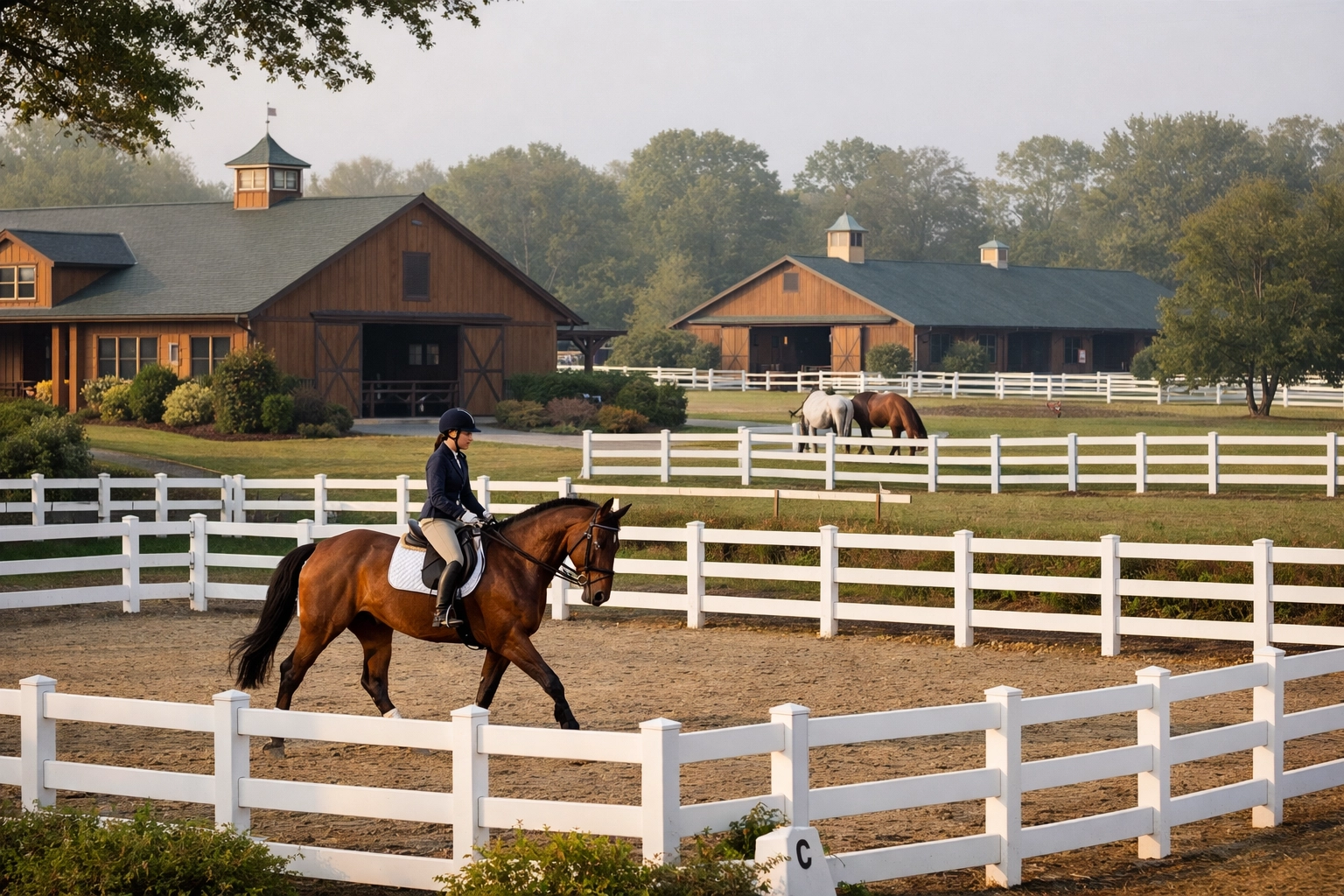
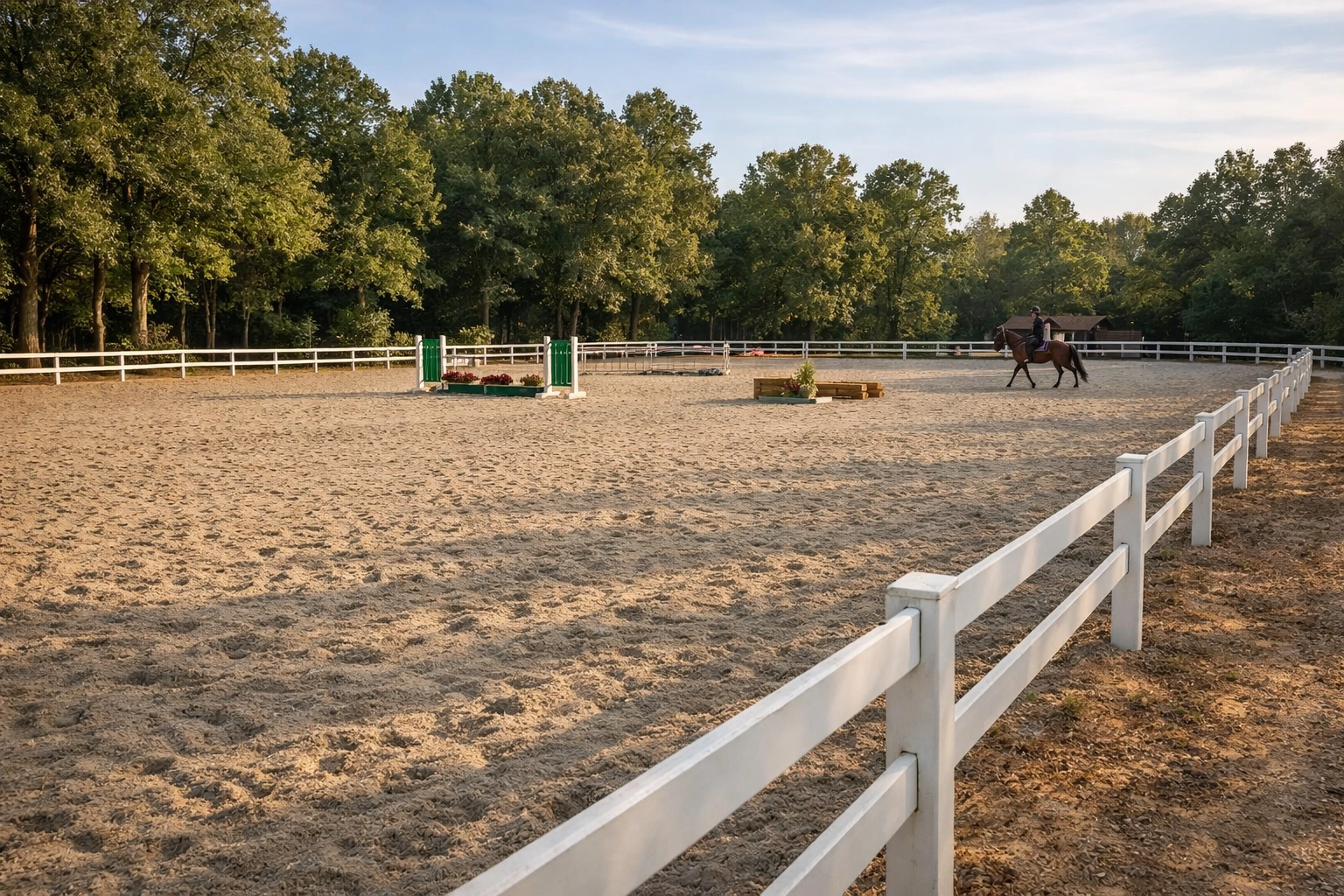
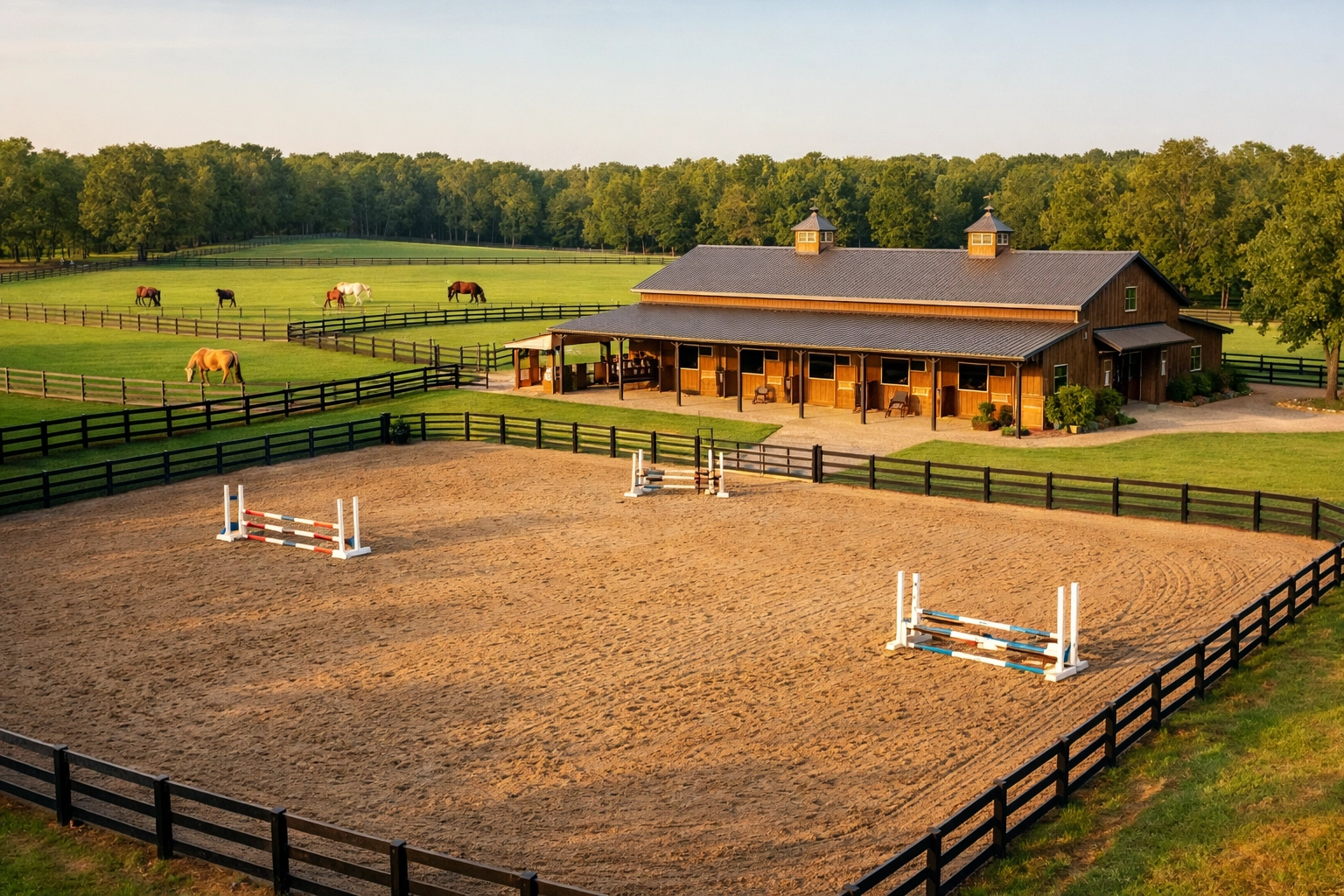
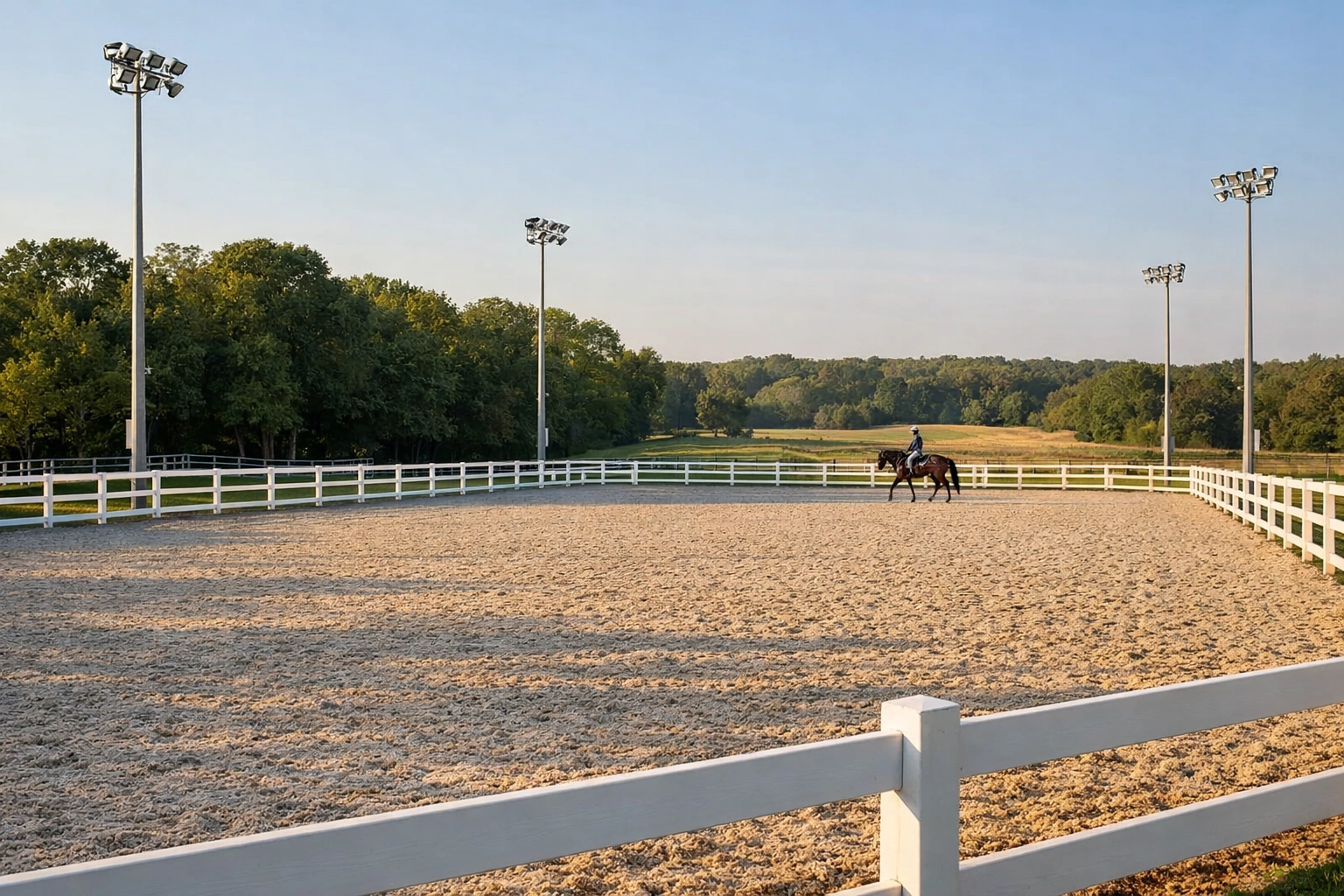
    Outdoor riding arena with lighting and fencing at Waxhaw equestrian property

    Practical Considerations Before You Buy

    Zoning and Agricultural Classification

    Union County zoning generally supports equestrian use on properties of adequate size. Verify your intended property allows commercial operations if you plan to board, train, or teach. Agricultural classification can provide tax benefits, but requirements vary, typically involving minimum acreage and demonstrable agricultural income.

    Soil and Pasture Management

    Request soil tests before closing. North Carolina's clay-heavy soil requires lime applications and appropriate seeding to maintain healthy pastures. Budget for pasture renovation on older properties, it's cheaper than buying hay year-round because your fields won't support grazing.

    Understanding your property's carrying capacity matters. A general rule suggests 1.5-2 acres per horse for adequate rotation, though this depends on your management intensity and willingness to supplement with hay.

    Infrastructure and Utilities

    Well water serves most Waxhaw horse properties. Have the well tested for capacity and water quality: horses drink 10-12 gallons daily, more in summer. Insufficient well capacity creates real problems.

    Septic systems, electrical service, and road access all warrant inspection. A property priced suspiciously low might need $50,000 in septic work or road improvements before it's functional.

    What Success Looks Like in Waxhaw

    The horse farms that work best here share common elements: adequate land for the horse population, infrastructure that simplifies daily care rather than complicating it, and locations that balance privacy with reasonable access to services.

    Success also means understanding what you're buying. A turnkey operation at $1.2 million looks expensive until you calculate the cost of building equivalent facilities from scratch. Conversely, a $400,000 property needing $200,000 in improvements might actually cost more than the finished farm next door.

    The best Waxhaw horse properties feel like they grew organically: barns positioned logically for weather and workflow, pastures shaped by topography rather than fighting it, and improvements that serve horses first and aesthetics second.

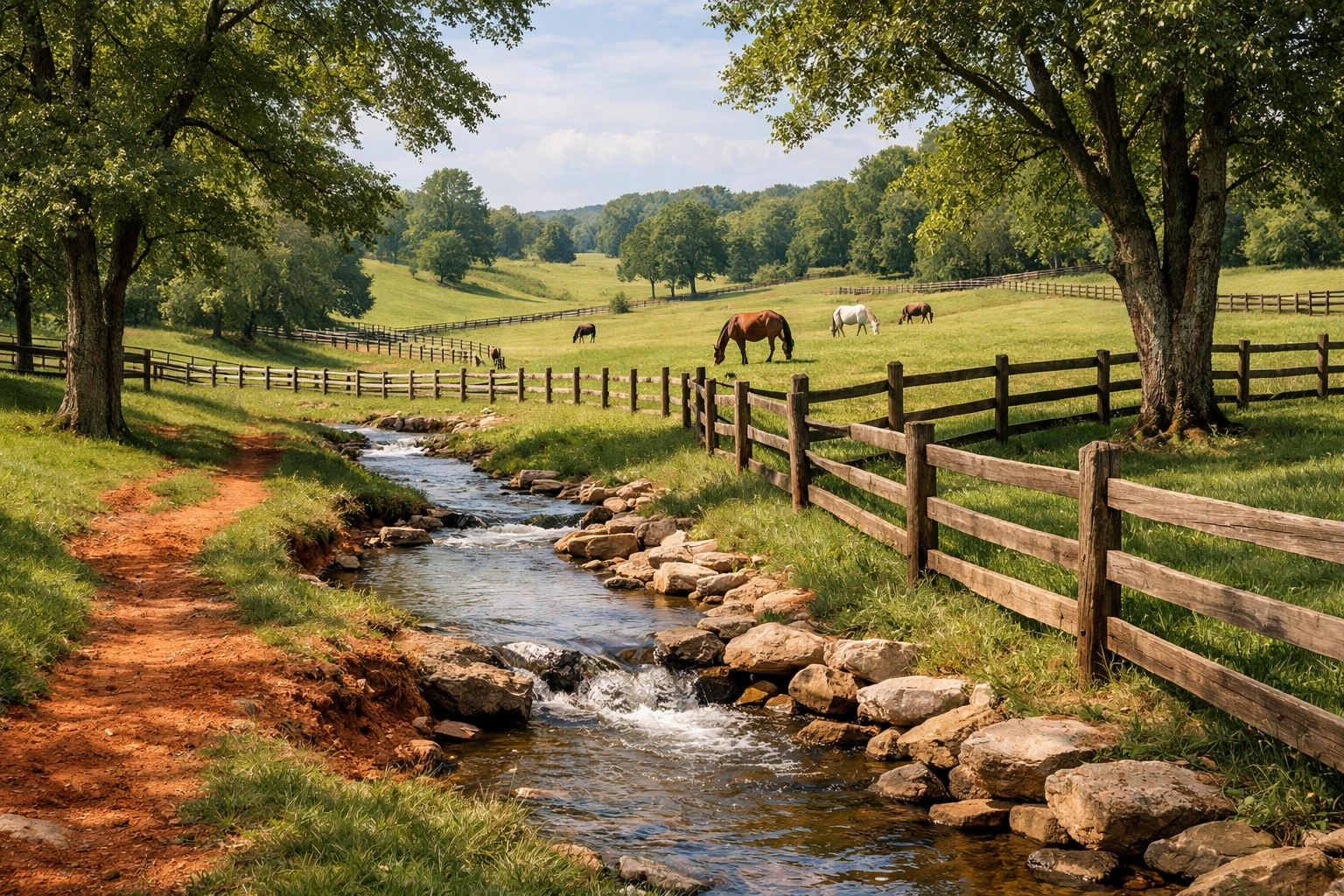
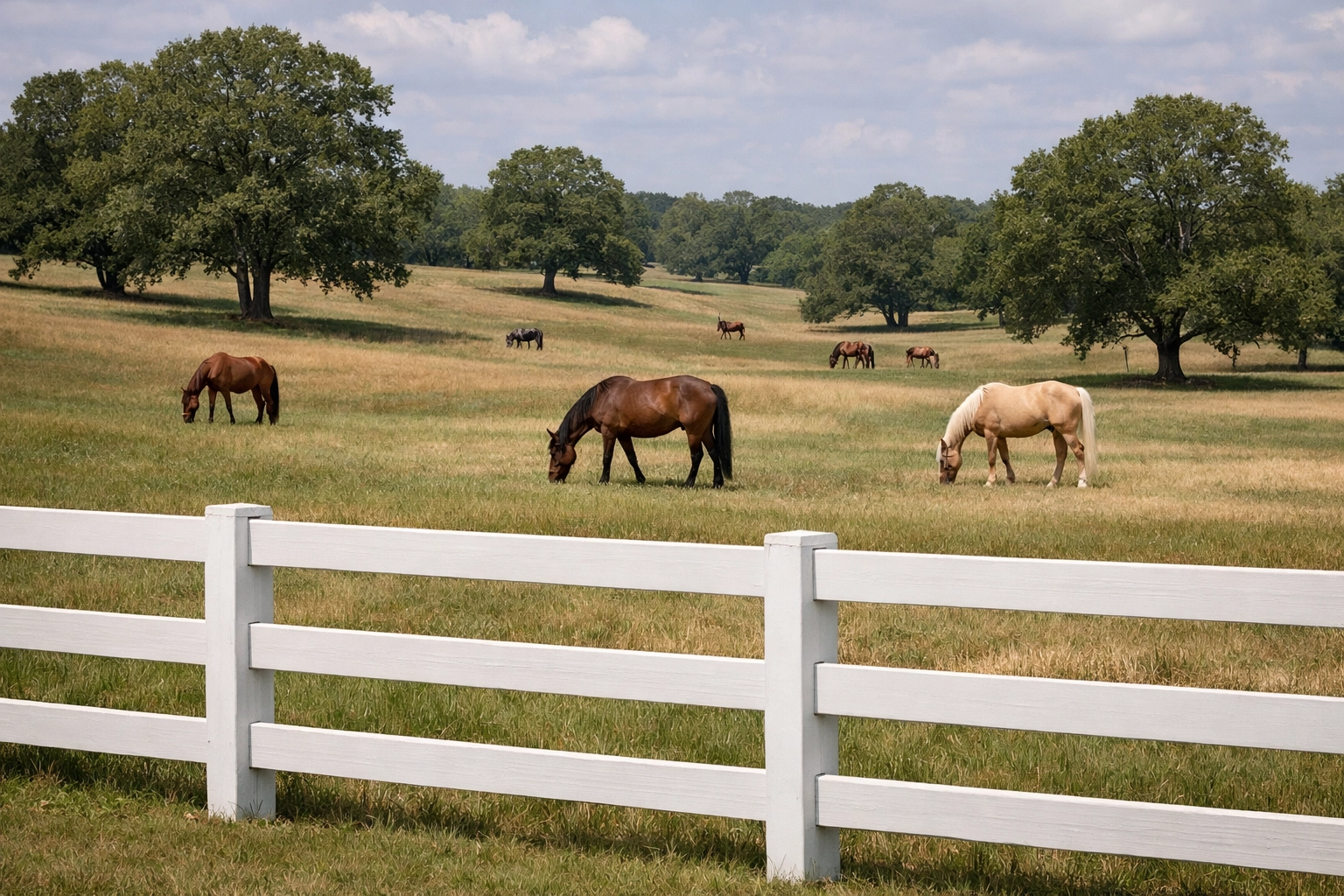
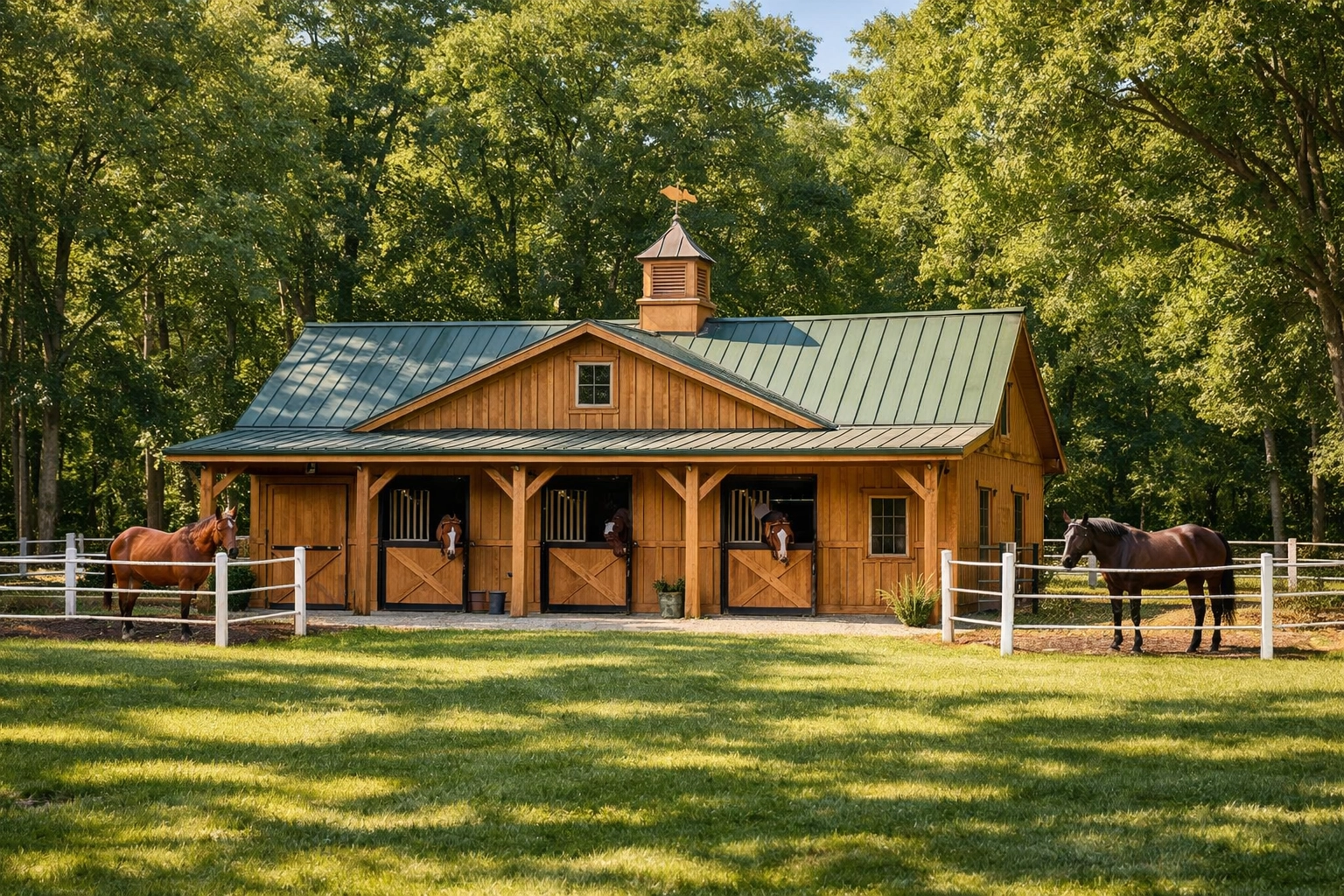
    Horses grazing in healthy pastures with board fencing at Waxhaw horse farm

    Finding Your Waxhaw Horse Farm

    Working with agents who understand equestrian properties prevents expensive mistakes. Someone who recognizes good barn ventilation, safe fencing, and proper pasture drainage saves you from purchasing someone else's problem.

    The Waxhaw market rewards patience and preparation. Properties with quality infrastructure and proper maintenance find buyers quickly. Rushed decisions based on attractive listing photos without understanding the property's bones lead to regret.

    If you're serious about finding horse property in Waxhaw, explore current listings or contact our team to discuss what you need. We know this market from a horse person's perspective: we understand why arena footing matters and why a barn positioned wrong for prevailing winds creates problems no amount of fans will fix.

    Waxhaw offers the combination of established equestrian culture, reasonable land prices, and proximity to Charlotte that's increasingly rare in the Southeast. Whether you're relocating from out of state or moving from a boarding situation into horse property ownership, understanding what makes these farms work: and what creates expensive headaches( makes all the difference.)

  • Pasture Management: 5 Steps to Keep Your North Carolina Soil Healthy (Easy Guide for Charlotte Horse Owners)

    Pasture Management: 5 Steps to Keep Your North Carolina Soil Healthy (Easy Guide for Charlotte Horse Owners)

    Every horse owner in the Charlotte area knows the frustration: you turn your horses out on what should be lush pasture, only to watch them stand on bare patches, seeking out sparse blades of grass between stretches of red clay and weeds. North Carolina's Piedmont soils: those weathered clays that define our region: don't naturally hold nutrients well. Without active management, they deplete quickly, leaving you with mud in winter, dust in summer, and a hay bill that climbs higher each year.

    Healthy soil isn't just about aesthetics. It's about forage quality, reduced feed costs, better drainage, and ultimately, healthier horses. Whether you're managing five acres in Waxhaw or fifty in Union County, these five soil health practices will transform your pastures from marginal grazing to productive, resilient forage systems your horses will thrive on.

    Step 1: Build and Maintain Organic Matter

    Organic matter is the foundation of everything good that happens in your soil. It holds nutrients, retains moisture during our humid summers and occasional droughts, feeds beneficial microorganisms, and improves soil structure. In North Carolina's naturally low-organic soils: especially the red clay Piedmont pastures common around Charlotte: organic matter is the difference between pastures that produce and those that simply exist.

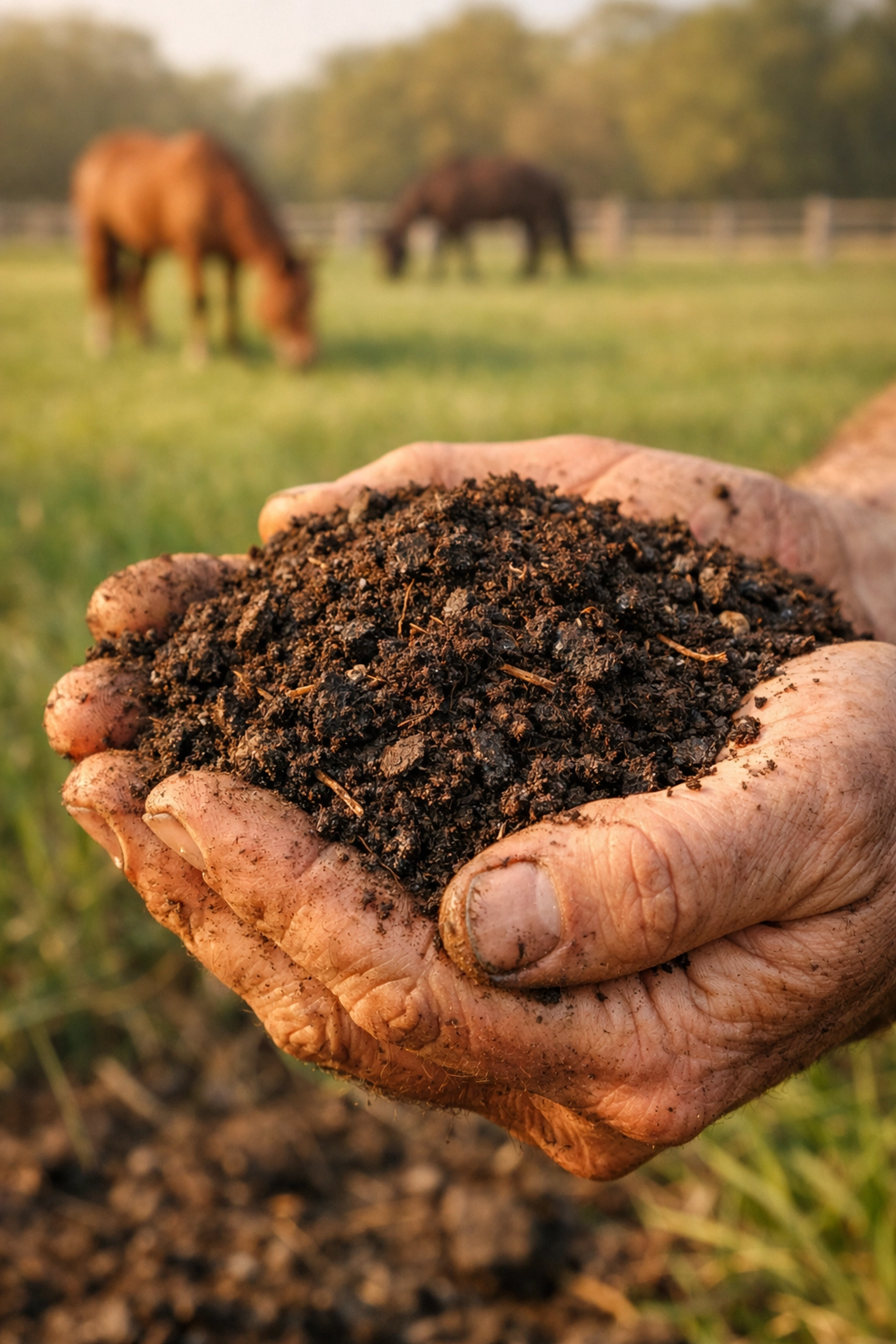
    Composted horse manure spread on North Carolina pasture improving soil organic matter

    How to increase organic matter in your pastures:

    Start with your manure management system. Rather than viewing manure as waste to be removed, see it as the most valuable soil amendment you already own. Composted horse manure, properly aged and spread across pastures during休植 (rest) periods, feeds both your soil and the microbial community that makes nutrients available to plants.

    Maximize the biomass your pastures produce and keep it in the ground. This means avoiding overgrazing that removes all plant material: more on that in Step 4: and allowing plants to maintain deep, healthy root systems. Living and decomposing roots are how pastures build organic matter naturally over time.

    Reduce soil disturbance whenever possible. Heavy traffic patterns, excessive harrowing in wet conditions, and unnecessary tillage all accelerate the breakdown of organic matter you've worked to build. Strategic sacrifice areas and rotational grazing protect your pastures during vulnerable periods.

    The goal: over several years of consistent management, you can raise organic matter levels from the typical 1-2% found in degraded Piedmont pastures to 4-5% or higher: transforming soil structure, water-holding capacity, and nutrient availability.

    Step 2: Minimize Soil Disturbance

    Every time you till, plow, or excessively harrow your pastures, you're essentially hitting the reset button on soil health. Tillage breaks apart soil aggregates, exposes organic matter to rapid decomposition, destroys beneficial fungal networks, and leaves soil vulnerable to erosion: particularly problematic on the rolling terrain typical of horse farms in Mecklenburg and Union counties.

    Healthy pasture grass root system in North Carolina Piedmont clay soil

    Practical approaches for Charlotte-area horse farms:

    When overseeding thin pastures, use no-till methods. A no-till drill or broadcast seeding followed by light harrowing only when absolutely necessary preserves soil structure while establishing new forage plants. Time overseeding for late summer or early fall in our climate, when cool-season grasses establish most successfully.

    Avoid renovating entire pastures unless absolutely necessary. Spot-treatment of problem areas, followed by managed grazing pressure to allow recovery, often produces better long-term results than complete renovation.

    Control traffic patterns with intention. Horses naturally create paths and congregation areas. Rather than fighting this, design your rotational grazing system to account for it. Use sacrifice lots during wet winter months when hooves cause the most compaction damage to saturated soils.

    The reality: North Carolina receives ample rainfall, and our clay soils compact easily. Protecting soil structure through minimal disturbance isn't optional: it's essential for long-term pasture productivity.

    Step 3: Keep Living Plants Growing Year-Round

    Bare soil is a problem. Whenever soil sits exposed: whether from overgrazing, drought, or seasonal die-back: you lose the benefits that living root systems provide: continuous carbon input, active microbial feeding, nutrient retention, erosion protection, and water infiltration.

    Creating year-round living cover:

    Maintain perennial pastures that stay green as much of the year as possible. In the Charlotte region, this typically means a base of cool-season grasses: orchardgrass, tall fescue, or timothy: that grow actively spring and fall, with periods of slower growth in summer heat and winter cold.

    Lush horse pasture with diverse grasses in Charlotte NC Piedmont region

    Consider warm-season perennials for summer production. Bahiagrass tolerates heat, handles moderate grazing pressure, and fills the mid-summer gap when cool-season grasses slow down. Bermudagrass, while aggressive, provides productive summer forage in full sun areas.

    For seasonal gaps or renovation periods, strategic use of cover crops maintains living roots. Annual ryegrass overseed in fall, or summer annuals like sorghum-sudangrass in renovated areas, keep biological activity going when perennial pastures can't.

    The principle is simple: soil organisms need to eat year-round. Living roots exude sugars and compounds that feed the microbial community, which in turn makes nutrients available to plants. Break that cycle, and soil health degrades quickly.

    Step 4: Implement Proper Grazing Management

    This is where theory meets reality on horse farms. Horses aren't cattle: they're selective grazers with strong preferences, they spend more time in pasture year-round in our temperate climate, and they create distinct traffic patterns that concentrate impact. Managing grazing pressure appropriately is the single most influential factor in maintaining healthy pastures.

    Rotational grazing principles for horse properties:

    Follow the "take half, leave half" guideline. When horses graze pastures down to less than 3-4 inches, you've removed too much leaf area for quick recovery and stressed plant root systems. Rotate horses to fresh paddocks while plants still have substantial height remaining.

    Rest is as important as grazing. Perennial pastures need 21-30 days minimum between grazing periods during active growing seasons to fully recover: longer during stress periods like summer heat or drought. More paddocks in your rotation mean longer rest periods and healthier pastures.

    Avoid grazing during extreme conditions. When pastures are saturated in winter or drought-stressed in summer, even moderate grazing pressure causes disproportionate damage. Having sacrifice areas or dry lots allows you to pull horses off vulnerable pastures when needed.

    Horses grazing in rotational paddocks on North Carolina horse farm

    Distribute manure naturally. Well-managed rotational grazing allows horses to fertilize pastures through natural manure distribution and trampling of organic matter into soil. This nutrient cycling reduces fertilizer needs while building soil biology.

    The Charlotte area's mild climate means year-round grazing is possible: but only if you protect pastures during their most vulnerable periods. Good grazing management isn't about rigid rules; it's about reading your land and responding accordingly.

    Step 5: Test Soil and Apply Nutrients Judiciously

    You can't manage what you don't measure. Soil testing removes guesswork from pasture management, tells you exactly what your soil needs, and prevents the expensive mistake of applying fertilizers your soil doesn't require or can't use.

    Smart soil testing for horse farm pastures:

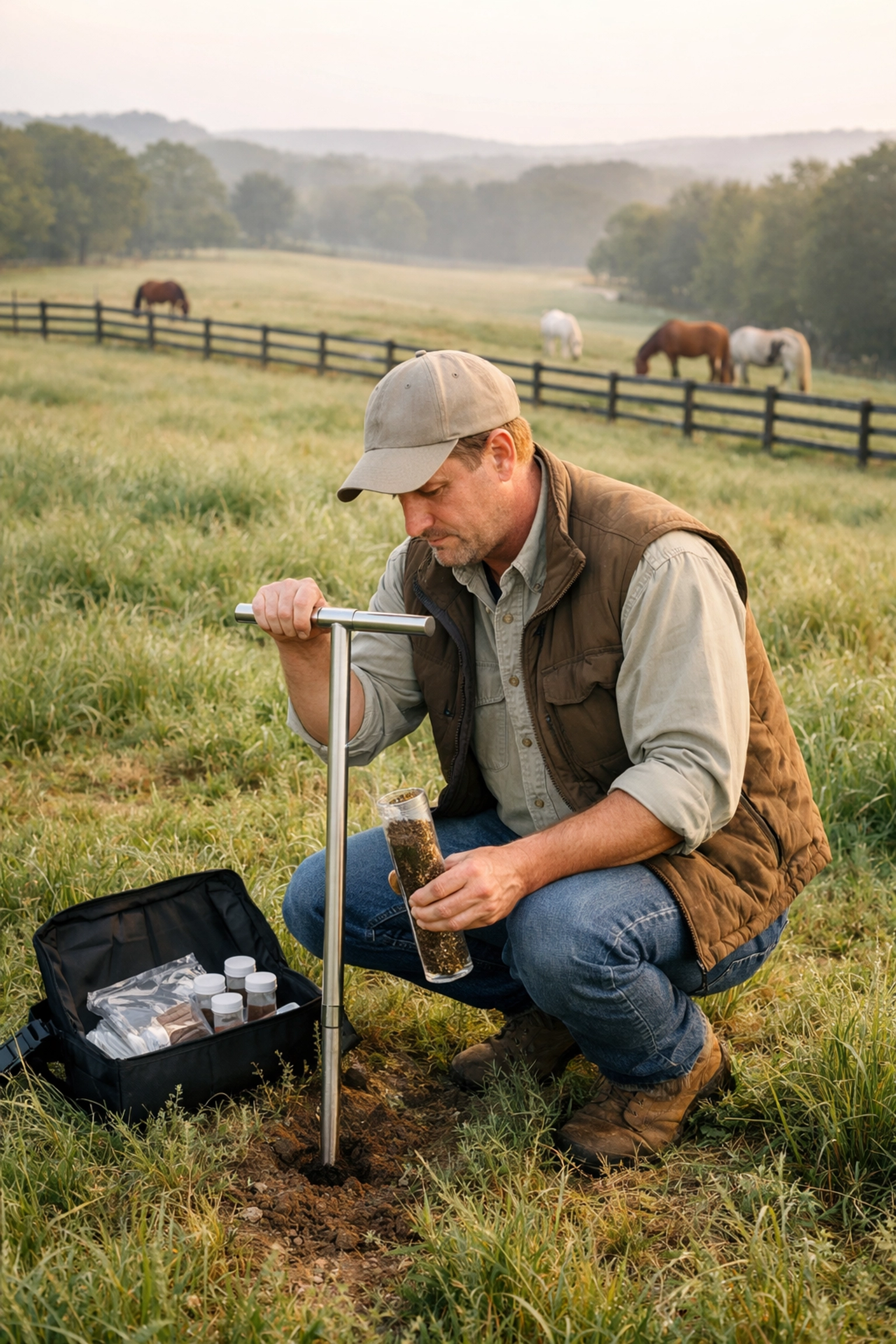
    Test annually, preferably in late fall or early spring before fertilizer applications. Pull samples from multiple locations within each pasture or soil type, mixing them to create representative composite samples. Most horse farms around Charlotte have varying soil types across their acreage: test them separately.

    Request a complete soil test including: pH, phosphorus, potassium, calcium, magnesium, sulfur, cation exchange capacity, and organic matter percentage. The NC Department of Agriculture offers affordable testing specifically designed for pastures and hayfields.

    Follow recommendations with this understanding: healthy, biologically active soil supplies a portion of nutrient needs naturally through organic matter mineralization and microbial activity. Once your organic matter levels increase and soil biology improves, you may reduce fertilizer rates while maintaining the same or better forage quality.

    Soil testing with core sampler on NC horse farm pasture

    Lime when needed. Most forage species prefer soil pH between 6.0-6.5. North Carolina soils naturally acidify over time; regular lime applications based on soil test recommendations maintain optimal pH for nutrient availability and plant growth.

    The investment in soil testing: typically $20-30 per sample: pays for itself many times over in reduced fertilizer costs, improved pasture production, and better forage quality for your horses.
    Building Soil Health Takes Time: And It's Worth It

    These five practices work together, not in isolation. Building organic matter improves your soil's ability to respond to proper grazing management. Minimizing disturbance protects the soil structure that organic matter creates. Year-round living cover feeds the biology that makes nutrients from organic matter available. And soil testing ensures you're supporting, not fighting against, these natural processes.

    Expect gradual improvement over 2-3 years of consistent management, with significant transformation after 5-7 years. The reward is pastures that produce more forage, require less input, handle weather extremes better, and support healthier horses.

    Whether you're currently managing horse property in the Charlotte area or searching for the right equestrian estate with quality pastures already established, understanding soil health fundamentals helps you recognize and maintain valuable land assets. And if you're considering selling, investing in pasture improvement now can significantly increase property value and appeal to discerning equestrian buyers who recognize well-managed land when they see it.

    Good soil health isn't complicated: it just requires understanding your land and managing it like the living system it is.

  • Charlotte Equestrian SEO Blitz – 30 Long-Tail Posts

    Charlotte Equestrian SEO Blitz – 30 Long-Tail Posts

    The Charlotte Metro equestrian market isn't just growing: it's evolving. If you're searching for horse farms for sale in the region, you need hyper-local knowledge that goes beyond generic real estate advice. We've compiled 30 essential topics every serious horse property buyer and seller should understand before making their next move.

    Location Intelligence: Where the Best Charlotte Horse Properties Are Found

    Waxhaw, NC remains the gold standard for equestrian properties in the Charlotte Metro area. With generous zoning, established horse communities, and proximity to the Cooks' Saddlery, it's where serious horsemen naturally gravitate. Properties here range from turnkey training facilities to undeveloped acreage waiting for your vision.

    Weddington offers something different: luxury estate living with equestrian amenities. Think custom barns on manicured acreage, close to excellent schools and shopping. It's where high-net-worth families want both horses and convenience.

    Aerial view of Waxhaw horse farm with white fencing, pastures, and barn in North Carolina

    Marvin delivers understated elegance. These properties typically feature mature landscaping, privacy, and architectural detail that appeals to buyers who view their farm as a retreat, not just a facility.

    York County, SC provides extraordinary value across the state line. Lower property taxes, more lenient zoning, and expansive acreage options make it increasingly attractive for professional trainers and breeders.

    Mooresville attracts buyers seeking lake access alongside equestrian amenities. It's a unique combination you won't find elsewhere in the region.

    Tryon maintains its reputation as North Carolina's premier horse destination. The international competition venue ensures property values here remain stable, even as other markets fluctuate.

    Huntersville solves the "close to the city" challenge. You can keep horses and still commute to Uptown Charlotte in under 30 minutes: a rare combination in today's market.

    Davidson holds hidden gems: older horse properties on established lots, often overlooked because they're not actively marketed to the equestrian community.

    Harrisburg is emerging fast. Young equestrian families are discovering the space and value here, creating a vibrant new horse community.

    Monroe delivers what privacy-focused buyers want: large acreage parcels where your nearest neighbor might be a quarter-mile away.

    Infrastructure That Matters: The Features That Define Quality Horse Properties

    An indoor riding arena fundamentally changes how you experience horse ownership in North Carolina. It's not a luxury when summer storms and winter mud make outdoor work impossible six months a year.

    Barn layout determines your daily efficiency and your horses' safety. The best designs minimize steps while maximizing ventilation, natural light, and ease of maintenance. Poor layouts can't be fixed without major reconstruction.

    Custom barn interior with organized tack room and quality finishes for Charlotte equestrian property

    Pasture management in North Carolina requires understanding our red clay soil, fescue toxicity concerns, and how to rotate grazing to prevent parasites. The properties that hold their value have owners who treat land health seriously.

    Stable design at the high end incorporates heated wash racks, rubber-matted stalls with proper drainage, and tack rooms that function as organized, climate-controlled spaces: not afterthoughts.

    Fencing represents one of your largest investments. Choose wrong and you'll replace it in five years. Board fencing looks beautiful but requires maintenance. No-climb wire offers safety and longevity. Electric works for specific applications but isn't universal.

    Manure management isn't glamorous, but it's required. Proper composting systems and spreader access separate well-run farms from properties that eventually face environmental complaints.

    Drainage solutions prevent your farm from becoming a mud pit. French drains, proper grading, and strategic use of geotextile fabrics under high-traffic areas are essential in our climate.

    Tack room organization reflects how seriously a property has been managed. Custom saddle racks, climate control for leather goods, and secure storage aren't extras: they're standard in quality facilities.

    Hay storage must protect your winter feed from moisture and rodents. Barns designed without proper hay lofts or separate storage buildings create daily headaches.

    The Lifestyle Advantage: Why Charlotte's Equestrian Community Stands Apart

    The public riding trails around Charlotte remain surprisingly accessible. The Carolina Thread Trail system, Anne Springs Close Greenway, and other regional resources mean you're not limited to arena work.

    Our region supports every discipline. From hunter/jumper trainers in Waxhaw to cutting horse specialists in York County, the training facility diversity attracts professionals nationwide.

    Buyer & Seller Essentials: The Knowledge That Protects Your Investment

    First-time horse farm buyers consistently underestimate operating costs and overestimate how much acreage they'll actually use. Start smaller than you think you need.

    Zoning regulations in Mecklenburg County continue tightening. Understanding what's grandfathered versus what requires special permits determines what you can legally do with your property.

    Union County zoning offers considerably more flexibility. The agricultural classifications here provide tax benefits and use rights that Mecklenburg properties can't match.

    Horses grazing on healthy pastures at Charlotte area equestrian estate with board fencing

    Staging your horse farm requires different thinking than residential real estate. Buyers want to see a functional, safe facility: not a staged living room. Clean pastures, organized barns, and maintained fencing sell properties.

    Horse property home inspections must include barn structures, fencing integrity, water systems to multiple pastures, and septic capacity for both residence and barn facilities. Standard home inspectors miss critical issues.

    Financing equestrian estates often requires specialized agricultural lending. Properties over 10 acres with significant barn infrastructure don't always qualify for conventional mortgages.

    Market Intelligence: What's Happening Right Now

    The 2026 Charlotte equestrian market shows continued demand for turnkey facilities with indoor arenas. Buyers increasingly want move-in-ready rather than projects, even if it means paying premium prices.

    Tax benefits of maintaining agricultural classification provide meaningful savings, but you must meet minimum acreage requirements and demonstrate legitimate agricultural use.

    Soil testing before purchase reveals drainage issues, contamination from previous use, and nutrient deficiencies that affect pasture quality. The $500 investment in testing can save you $50,000 in remediation.

    Your Next Move

    Understanding these 30 topics positions you ahead of 90% of buyers and sellers in the Charlotte equestrian market. Each represents years of learned experience: the kind that comes from living this lifestyle, not just selling properties.

    The Charlotte Metro region offers exceptional opportunities for horse property buyers who know what to look for and sellers who understand how to position their farm properly. Whether you're searching for equestrian properties in Waxhaw, considering land in York County, or ready to list your current facility, local expertise matters.

    We speak horse first, real estate second. That difference shows in every transaction.

    Connect with our team to discuss how these insights apply to your specific situation. The right property: or the right buyer: is out there. Finding them requires someone who understands both the market and the lifestyle.

  • The Ultimate Guide to Horse Farms for Sale in Waxhaw, NC: Everything You Need to Succeed

    The Ultimate Guide to Horse Farms for Sale in Waxhaw, NC: Everything You Need to Succeed

    Twenty minutes south of Charlotte, Waxhaw has quietly earned its reputation as one of the region's most desirable equestrian communities. This isn't accidental. The combination of quality soil, established horse culture, and accessible acreage creates the foundation every serious horseperson needs: whether you're running a training operation, breeding program, or building a private sanctuary for your string.

    Understanding the Waxhaw market means looking beyond listing photos. It requires knowledge of what actually works for horses in the North Carolina Piedmont, where to find the infrastructure that saves you years of development costs, and how to identify properties with long-term operational value.

    The Waxhaw Equestrian Market: Current Landscape

    The numbers tell a clear story. Waxhaw currently offers 17 active equestrian property listings with an average price of $539,000 and land costs averaging $50,005 per acre. This positions the area at a competitive price point compared to more northern Charlotte suburbs while maintaining superior acreage options.

    Property inventory ranges from turnkey operations to development opportunities, with listings spanning $295,000 to $1,500,000. The majority of well-appointed farms with existing infrastructure fall between $390,000 and $620,000, making Waxhaw accessible for first-time farm buyers and experienced operators alike.

    What distinguishes this market is consistency. Unlike areas experiencing rapid residential conversion, Waxhaw maintains agricultural zoning protections and a community commitment to preserving horse country character. This stability protects your investment and ensures your neighbors understand farm operations.

    Aerial view of horse farm for sale in Waxhaw NC with fenced pastures and barn

    Why Waxhaw Works for Equestrians

    The practical advantages start with geography. Waxhaw sits in Union County, where zoning regulations favor agricultural use and county services understand equestrian needs. You're not fighting uphill battles with neighbors who moved to the country but don't want to see horses or smell a manure pile.

    Soil quality in this region supports healthy pasture development. The clay-based Piedmont soils drain adequately with proper management while retaining enough moisture to sustain year-round grazing programs. This matters when you're calculating hay costs and pasture rotation schedules.

    Trail access sets Waxhaw apart from comparable markets. The Mineral Springs Greenway connects to an expanding trail network, while Cane Creek Park offers 1,100 acres of riding terrain with maintained bridle paths. Having public trail access within a short trailer ride eliminates the isolation many rural farms face and provides conditioning options beyond arena work.

    The equestrian community here is established but not insular. You'll find eventers, dressage riders, hunter/jumper programs, and western disciplines all represented. This diversity supports local trainers, farriers, vets, and feed stores: the service infrastructure that makes daily horse management feasible.

    Property Types and Investment Ranges

    Understanding what your budget delivers helps narrow the search efficiently.

    $295,000 – $450,000 typically secures 5-10 acres with basic improvements. Expect a modest barn (4-6 stalls), run-in shelters, and established fencing. These properties work well for private owners with small strings or buyers willing to add infrastructure over time. The land quality at this price point remains solid: you're sacrificing amenities, not acreage integrity.

    $450,000 – $700,000 opens access to turnkey operations. Properties in this range often include purpose-built barns with 6-9 stalls, dedicated tack and feed rooms, hot/cold water systems, and at least one quality arena (typically 100×150 feet or larger). Pasture configuration shows thoughtful planning with multiple paddocks supporting rotational grazing. Equipment storage and hay barns frequently accompany these farms.

    Horse barn interior with stalls and center aisle at Waxhaw equestrian property

    $700,000 – $1,500,000 represents premium equestrian estates. Expect 20+ acres, indoor or covered arenas, multiple barn complexes, and residential quality that matches the equestrian infrastructure. These properties suit professional training operations, breeding programs, or buyers who want entertaining space alongside serious horse facilities.

    Essential Infrastructure: What Actually Matters

    Walk properties with a practical eye. Attractive paint colors fade; proper drainage and functional barn layouts determine your daily quality of life.

    Barn design should prioritize ventilation, natural light, and efficient workflow. South-facing shed row barns with 12×12 stalls, Dutch doors, and protected grooming areas represent the gold standard. Center-aisle designs work but require more square footage and heating considerations for North Carolina's climate.

    Interior features that separate functional barns from renovation projects include:

    • Rubber matted aisles and stalls
    • Hot and cold water with freeze-proof hydrants
    • Dedicated wash stall with proper drainage
    • Tack room with climate control capabilities
    • Feed room with rodent-proof storage
    • Direct arena access reducing daily trailering

    Arena quality impacts usability more than size. A well-maintained 50×125 arena with proper footing outperforms a 150×200 space with drainage problems and uneven surfaces. Evaluate base construction, footing depth, and drainage patterns. Sprinkler systems indicate an owner who maintained the arena seriously.

    Fencing condition reveals overall property maintenance philosophy. Budget $8-12 per linear foot for quality board fencing replacement. Wire fencing costs less but requires vigilant maintenance to prevent injury. Properties with vinyl or coated wire demonstrate owners who prioritized long-term durability over initial costs.

    Riding arena with board fencing at horse farm in Waxhaw North Carolina

    Pasture configuration should support your management style. Look for:

    • Multiple paddocks enabling rotation
    • Adequate shade (natural or constructed)
    • Water access in each grazing area
    • Gates positioned for efficient movement
    • Separation areas for new horses or breeding operations

    Location Benefits Beyond the Barn

    Waxhaw's position provides practical advantages that become more valuable over time. You're 20 minutes from Charlotte's southern suburbs for shopping, medical care, and business needs, yet far enough that development pressure remains manageable.

    Downtown Waxhaw maintains authentic character: locally-owned restaurants, farm supply stores, and community spaces built around agricultural heritage rather than manufactured atmosphere. This matters when you need a farrier recommendation or want to grab dinner without driving forty minutes.

    The school system ranks consistently well, important for families balancing equestrian lifestyles with children's education. Union County schools understand farm schedules and many students participate in 4-H and FFA programs.

    Veterinary access includes both routine care providers and emergency services within reasonable distances. When you're dealing with colic at 2 AM, proximity to specialized equine hospitals becomes critical.

    Making Your Decision: Practical Considerations

    Successful farm purchases require looking beyond individual property features to operational reality.

    Water availability varies across Union County. Confirm well capacity and water quality before committing. Properties on municipal water eliminate concerns but may carry higher monthly costs for farm operations.

    Septic systems on older properties may need evaluation or upgrading, particularly if you're planning guest facilities or employee housing. Budget accordingly.

    Property taxes in Union County remain reasonable compared to Mecklenburg, but verify current agricultural exemption status. Working farms qualify for preferential assessment reducing annual tax burden substantially.

    Access and road frontage impact both daily convenience and future marketability. Properties requiring long private drives need maintenance budgets for grading and gravel. Paved road frontage adds value but isn't essential for private operations.

    Horses grazing in fenced pastures at Waxhaw NC equestrian estate

    Your Next Steps

    Waxhaw's equestrian market rewards informed buyers. The inventory exists, the infrastructure is here, and the community supports horse operations at every level. Success comes from understanding what your program actually needs, evaluating properties with operational perspective, and moving decisively when you find the right match.

    The best farms don't linger on the market. Properties with solid infrastructure, quality land, and turnkey readiness attract multiple qualified buyers quickly. Having your financing arranged and decision criteria established positions you to act when opportunity appears.

    If you're ready to explore equestrian properties in the Charlotte area, start with clear priorities: acreage requirements, essential facilities, location preferences, and realistic budget parameters. The right farm is here: finding it requires knowing exactly what you're looking for and why it matters to your horses.
    Waxhaw isn't trying to be anything other than what it is: functional horse country with the infrastructure to support serious equestrian operations and the community to make rural living sustainable. For buyers who understand what that means, it's exactly enough.

  • The Ultimate Guide to Horse Farms for Sale in Waxhaw, NC: Everything You Need to Succeed

    The Ultimate Guide to Horse Farms for Sale in Waxhaw, NC: Everything You Need to Succeed

    There's something about Waxhaw that just works for horse people. Maybe it's the way historic charm meets modern equestrian infrastructure, or how you can hack out on preserved trails one hour and be in uptown Charlotte the next. Whatever it is, this corner of Union County has quietly become one of the most sought-after locations for equestrian properties in the greater Charlotte metro.

    If you're searching for horse farms for sale in Waxhaw, you're not alone, and you're in the right place. This guide breaks down everything you need to know about buying horse property in Waxhaw, from market conditions and pricing to the features that actually matter when you're managing horses day in and day out.

    Understanding the Waxhaw Equestrian Market

    The current market offers genuine variety. Depending on which platform you're searching, you'll find anywhere from 13 to 43 horse properties actively listed in the Waxhaw area. That range isn't just noise, it reflects different property types, from turnkey equestrian estates to raw land with barn potential.

    Average pricing sits between $539,000 and $620,000, with the cost per acre averaging around $50,000. But don't let averages tell the whole story. Properties range from $295,000 starter farms to $1.5 million turnkey facilities, meaning there's genuine opportunity across different budget levels and experience stages.

    The market here moves differently than traditional residential real estate. Horse properties take longer to sell because they require the right buyer, someone who understands what they're looking at when they walk a fence line or step into a barn aisle. That's actually good news for serious buyers, because it means you have time to evaluate properties thoroughly without feeling rushed into decisions.

    Aerial view of horse farm in Waxhaw NC with white fencing and pastures

    Why Waxhaw Works for Horse Owners

    Location matters more than most people realize when you're keeping horses at home. Waxhaw delivers on multiple fronts: you're close enough to Charlotte for work and amenities (about 30 minutes to uptown), but far enough out that land is still affordable and zoning regulations are horse-friendly.

    Union County's agricultural character is protected by smart planning policies that favor equestrian use. You won't find yourself fighting restrictive HOAs or neighbors complaining about early morning feeding schedules. The community here gets it, horses aren't just pets, they're a lifestyle and often a livelihood.

    Trail access is exceptional. Cane Creek Park spans 1,100 acres with dedicated riding trails, and Mineral Springs Greenway offers additional riding opportunities. For those who want to trailer out occasionally but prefer riding from home, Waxhaw properties often include enough acreage for private trail networks through wooded areas and open fields.

    The climate is another practical advantage. North Carolina's Piedmont region offers moderate winters (rarely harsh enough to require extreme winterization) and manageable summers. Yes, it gets hot and humid, but horses acclimate well, and the growing season for pasture is long and productive compared to northern climates.

    Essential Features That Define Quality Horse Properties

    Walk enough properties and you'll start to recognize the difference between a home with a barn and an actual horse farm. Here's what matters:

    Pasture and Paddock Configuration: Look for well-established pastures with healthy grass coverage, not just cleared land with weeds. Rotational grazing capability, multiple pastures that allow you to rest fields, protects both your horses and your soil. Run-in sheds in each pasture aren't just nice to have; they're essential for horses who live out 24/7.

    Barn Infrastructure: A four-stall barn is the functional minimum for most serious horse owners. You'll want proper hay storage with a loft that keeps feed dry and accessible, adequate tack room space (because gear multiplies faster than horses), and efficient barn design that minimizes daily labor. Check ventilation, footing, and whether the barn was built by someone who actually kept horses or just threw up a pole building.

    Arena and Training Space: An arena, especially a lighted one, transforms how you ride. You're not limited to daylight hours or summer months. Whether it's a full-size dressage court or a smaller jumping arena, having dedicated riding space at home eliminates the logistics and cost of boarding for training.

    Well-designed horse barn interior with stalls and natural lighting in North Carolina

    Water and Utilities: Automatic waterers or easy-access water sources in each pasture save hours of daily labor. Reliable electricity to the barn (with proper amperage for water heaters, fans, and lighting) isn't negotiable. Septic or well systems should be sized appropriately for both the home and barn facilities.

    Equipment Storage: Between tractors, mowers, trucks, trailers, and all the equipment that comes with land management, you need proper covered storage. Properties with dedicated equipment barns or covered areas protect your investment and keep operations organized.

    Navigating Pricing and Investment Value

    That $50,000 per acre average requires context. Raw land with no improvements will price significantly lower, while fully developed farms with quality infrastructure command premium pricing. What you're really evaluating is the cost to create what's already in place versus buying finished.

    Building a barn from scratch easily runs $50,000 to $150,000 depending on size and finishes. Arena construction adds another $20,000 to $60,000. Fencing costs compound quickly, board fencing can run $5 to $8 per linear foot, and even basic wire fencing adds up when you're securing 10 or 20 acres. Pasture establishment, drainage work, and driveway improvements all require both time and capital.

    This math explains why turnkey properties that look expensive on paper often represent genuine value. Someone else absorbed the construction costs, weathered the contractor delays, and worked through the learning curve. You're buying time as much as property.

    Lighted riding arena at sunset on equestrian property in North Carolina

    For buyers considering properties that need work, factor in realistic timelines. Building takes longer in reality than in your planning spreadsheet, and horses can't wait around for contractors. If you're buying raw land or a project property, have a solid boarding plan for your horses during construction phases.

    The Lifestyle Component: What Daily Life Actually Looks Like

    Numbers and features matter, but understanding the daily reality of owning a horse farm in Waxhaw helps frame whether it's the right choice for your situation.

    You'll spend 2-3 hours daily on basic horse care: feeding, turnout, stall cleaning, water checks. That's before riding or training time. Properties with efficient layouts that minimize walking distances and thoughtful barn design reduce this significantly.

    Seasonal considerations shape your routine. Summer means battling flies, managing heat stress, and keeping water tanks filled. Winter requires different feed programs, checking heated waterers, and monitoring for ice. Spring and fall are prime pasture management seasons when soil work, fertilizing, and reseeding happen.

    Waxhaw's proximity to veterinary services (large animal vets within 20-30 minutes) and feed stores (Southern States, Tractor Supply, and local feed mills nearby) matters during emergencies and for routine supply runs. Being part of an established equestrian community means you have access to local farriers, trainers, and other professionals who understand the area's specific needs.

    Making Your Move: The Decision Framework

    Successful horse property purchases start with honest assessment of your actual needs versus wants. Write down your must-haves: number of horses now and in five years, discipline requirements (dressage needs different space than barrel racing), whether you'll board client horses or keep it private, and how much land management work you're prepared to handle personally.

    Visit properties multiple times, in different weather and at different times of day. That beautiful farm showing in afternoon sunshine reveals different challenges during morning mud season or summer thunderstorms. Walk the entire property: don't just tour the barn and house. Check fence lines, evaluate drainage patterns, and look for signs of proper maintenance.

    Work with real estate professionals who understand equestrian properties. General residential agents often miss critical details that affect horse farm value and functionality. The questions you need answered: about soil quality, water rights, barn code compliance, and zoning for equestrian use: require specialized knowledge.

    Your Next Steps in Waxhaw

    The Waxhaw horse property market offers genuine opportunity for buyers at different stages: whether you're purchasing your first small farm or upgrading to a full training facility. The combination of location, infrastructure, and community creates an environment where equestrian businesses and private horse owners both thrive.

    Quality properties move when the right buyer finds them. If you're seriously considering Waxhaw for your horse farm search, start by exploring current listings and connecting with professionals who know this market from a horse person's perspective, not just a sales background.

    The work of finding the right property takes time, but getting it right means setting yourself up for years of success: both in the barn and in your broader life around horses. Waxhaw provides the foundation; the rest is about matching the right property to your specific vision.

    Ready to see what's currently available? Browse our Waxhaw area listings or reach out to discuss your specific requirements. We're here to help you find property that works( not just property that looks good in photos.)

  • Charlotte Equestrian SEO Blitz: 30 Essential Long-Tail Posts for Horse Property Owners

    Charlotte Equestrian SEO Blitz: 30 Essential Long-Tail Posts for Horse Property Owners

    Location Guides: Where Charlotte-Area Horse People Are Buying

    1. The Ultimate Guide to Horse Farms for Sale in Waxhaw, NC

    Waxhaw remains the gold standard for serious equestrians in the Charlotte metro. With preserved agricultural zoning, mature tree canopies, and a horse-first community infrastructure, properties here offer 10+ acre parcels with established barns. Expect premium pricing: $800K to $3M+ for turnkey operations: but you're buying into a proven equestrian ecosystem with veterinary services, feed stores, and trainers within a five-mile radius.

    2. Why Weddington is the Perfect Spot for Your Equestrian Estate

    Weddington delivers the rare combination of Union County's horse-friendly zoning and Mecklenburg County's proximity. Properties here balance refined living spaces with functional equestrian infrastructure. The Town's commitment to preserving rural character means your investment is protected by thoughtful development restrictions. Most parcels range 5-15 acres with newer construction and designer barns.

    3. Luxury Living: Equestrian Properties in Marvin, NC

    Marvin attracts buyers who won't compromise on either the house or the horse facilities. Think chef's kitchens that open to covered viewing areas overlooking custom arenas. Properties start at $1.5M and climb quickly for estates with heated/cooled barns, multiple pastures with run-in sheds, and professional-grade footing. The village's strict preservation ordinances ensure your neighbor won't subdivide.

    Aerial view of luxury horse farm with barn, riding arena, and white fencing in Charlotte NC

    4. Exploring York County, SC: A Haven for Horse Lovers

    Cross the state line for significantly lower property taxes and agricultural exemptions that actually benefit small farm owners. York County offers larger acreage options ($400-700K for 15-30 acres) with less restrictive building requirements. The horse community here is tight-knit and working-farm oriented. You're 25 minutes from South Charlotte but saving $200+ monthly on property taxes alone.

    5. Finding Your Dream Horse Property in Mooresville

    Mooresville's lake influence creates microclimates ideal for year-round pasture management. Properties north of town offer rolling terrain with natural water sources: critical for sustainable farm design. The equestrian community leans toward dressage and recreational riders. Expect 10-20 acre parcels from $550K-$1.2M with good bones but often needing barn updates.

    6. Tryon Horse Country: Why It's Still a Top Destination

    Tryon International Equestrian Center's presence has permanently elevated the area's equestrian real estate. While prices have adjusted upward, the concentration of Olympic-level training facilities, show veterinarians, and specialized services remains unmatched in the Southeast. Serious competitors and young professionals building training businesses should focus here despite the 90-minute commute to Charlotte.

    7. Huntersville Equestrian Real Estate: Space Close to the City

    Northern Mecklenburg County's last equestrian holdout offers compromise: 5-10 acre parcels within 20 minutes of Uptown Charlotte. Properties move fast here because the inventory is finite. Agricultural zoning is under constant pressure, making these purchases both lifestyle and land preservation investments. Budget $750K+ for anything with adequate horse facilities.

    8. Hidden Gems: Horse Farms for Sale in Davidson, NC

    Davidson's estates blend equestrian function with Lake Norman access: a unique combination. Properties here cater to families wanting horses and boats. The town's walkable college atmosphere adds character. Limited availability means buyers should act decisively when the right property surfaces. Most farms sit on 8-15 acres with traditional barn setups requiring modest updates.

    9. Why Harrisburg, NC is Growing for Equestrian Families

    Harrisburg's explosive residential growth hasn't erased its agricultural roots: yet. Smart buyers are securing the remaining horse-zoned properties before they're rezoned. The area offers newer construction with purpose-built barns, excellent highway access, and strong school systems. Properties move between $650K-$1.1M for 7-12 acres. Buy now before the window closes.

    10. Large Acreage and Privacy: Monroe's Best Horse Properties

    Monroe delivers what's increasingly rare: 20+ acre parcels under $700K. The trade-off is a 40-minute commute and less developed equestrian infrastructure. These properties suit buyers prioritizing space for multiple horses, hay production, or breeding operations over proximity to trainers and show venues. Union County's agricultural zoning remains protective.

    Infrastructure & Farm Design Essentials

    11. Must-Have Feature: Why an Indoor Riding Arena Changes Everything

    An indoor arena transforms seasonal riders into year-round competitors. In North Carolina's humid summers and unpredictable winters, covered workspace means consistent training despite weather. Quality construction costs $150-300K for a 100×200 regulation space with proper footing and ventilation. Properties with existing indoors command $200K+ premiums and sell 60% faster than comparable farms without.

    Center aisle barn interior with custom stalls and professional equestrian design

    12. Barn Layouts 101: Designing for Efficiency and Horse Safety

    The best barn designs prioritize horse welfare and human efficiency equally. Center-aisle layouts with 12×12 stalls, strategic cross-ties, and generous tack rooms create functional daily operations. Budget $40-60K per stall for new construction including run-outs. Existing barns should show proper ventilation, safe electrical systems, and water access in every section. Renovating poor layouts often costs more than building correctly from scratch.

    13. Pasture Management: Keeping Your North Carolina Soil Healthy

    North Carolina's clay-based soils compact easily and require deliberate management. Rotational grazing prevents overgrazing while building soil organic matter. Lime application every 2-3 years maintains proper pH for fescue and orchard grass. Budget $200-400 per acre annually for pasture maintenance including fertilization, mowing, and weed control. Properties with established pasture management programs show better horse health and lower hay costs.

    14. The Essentials of High-End Stable Design in Charlotte

    Designer barns balance Instagram aesthetics with practical horse care. Heated/cooled tack rooms, individual thermostatically controlled stalls, and rubber flooring define luxury facilities. Expect $80-120K per stall for premium construction with custom finishes. These features matter most for breeding operations, senior horses, and competition barns where temperature regulation impacts performance and health outcomes directly.

    15. Fencing Options for NC Horse Farms: Safety Meets Style

    Post-and-board fencing dominates luxury properties but demands maintenance. Vinyl-coated wire systems offer safety and longevity for less. Budget $8-15 per linear foot for quality installation. Never use barbed wire around horses. Properties with newly installed fencing represent significant value: buyers often underestimate the $30-50K investment for properly fencing 10 acres with safe, horse-appropriate materials.

    16. Manure Management: Best Practices for Small and Large Farms

    Proper manure composting protects water quality and reduces fly populations. North Carolina regulations require covered storage and runoff management for farms with 10+ horses. Composting systems cost $5-15K installed but pay returns through reduced hauling fees and usable compost. Properties with existing compliant systems save buyers immediate capital outlays and regulatory headaches.

    Well-maintained horse pasture with white board fencing and grazing horses in North Carolina

    17. Drainage Solutions for Your Equestrian Property

    Charlotte's clay soils and 45 inches of annual rainfall create persistent drainage challenges. French drains around barns, properly graded paddocks, and strategic swales prevent mud accumulation and hoof problems. Budget $10-30K for comprehensive drainage solutions. Properties with engineered drainage sell for premiums because mud management directly impacts daily horse care and facility usability.

    18. Tack Room Goals: Organizing Your Equestrian Gear

    Functional tack rooms feature climate control, organized saddle racks, and secure storage for valuable equipment. Well-designed spaces include wash stations, boot storage, and natural light. Converting existing barn space costs $8-15K for a professional setup. Properties with thoughtfully designed tack rooms signal owners who invested in proper infrastructure throughout the facility.

    19. Preparing Your Hay Storage for the North Carolina Seasons

    Covered hay storage prevents mold and waste in humid Southern climates. Plan for 1.5-2 tons per horse annually if supplementing pasture. Proper barns include separate, well-ventilated hay storage away from electrical systems. A 12-month supply requires 200-300 square feet of covered space per horse. Properties with adequate covered storage represent significant functional value often overlooked in initial property tours.

    20. The Best Public Riding Trails Near Charlotte, NC

    The Carolina Thread Trail network expands annually, offering miles of bridle-friendly paths. Anne Springs Close Greenway in Fort Mill provides 40+ miles of maintained trails. Latta Equestrian Center in Huntersville offers arena access and trail connections. Properties within trailering distance of established trail systems appeal to recreational riders and add lifestyle value beyond the farm itself.

    Buying, Selling, & Ownership Guidance

    21. First-Time Horse Farm Buyer? Here's Where to Start

    Define your actual horse needs before touring properties. One retired horse requires vastly different infrastructure than three active eventers. Budget for 2-3 acres minimum per horse for sustainable pasture rotation. Pre-qualify for specialized equestrian financing. Work with agents who own horses themselves: they'll spot drainage issues and barn safety concerns invisible to traditional residential agents.

    22. Navigating Zoning Regulations for Horses in Mecklenburg County

    Mecklenburg County restricts horses to properties zoned Rural or Agricultural: increasingly rare designations. Minimum lot sizes, setback requirements, and manure management regulations apply. Verify zoning before making offers; residential zoning prohibits horses regardless of acreage. Properties with existing agricultural zoning are finite and irreplaceable as development pressure intensifies.

    23. Union County Zoning: What Equestrian Buyers Need to Know

    Union County's RA-40 zoning protects agricultural uses including horses with one dwelling per 40 acres. The county's Right to Farm ordinance shields agricultural operations from nuisance complaints. This regulatory environment makes Union County increasingly attractive as Mecklenburg's horse properties disappear. Understand permitted uses and building restrictions before purchasing.

    Organized luxury tack room with saddle racks and custom storage in equestrian property

    24. Staging Your Horse Farm: How to Sell Faster and for More

    Buyers visualize themselves in clean, organized facilities. Power wash barn aisles, repair fence boards, and trim pastures before listing. Remove personal tack and excess equipment. Stage viewing areas with seating overlooking arenas or pastures. Professional equestrian property marketing includes drone footage and barn detail shots. Well-presented farms sell 30-45 days faster and receive higher offers.

    25. 5 Things to Look for During a Horse Property Home Inspection

    Standard home inspections miss critical equestrian infrastructure. Verify electrical service adequacy for barn loads. Test well water flow rates and quality. Inspect fencing integrity throughout the property. Evaluate septic system capacity if adding farm help housing. Assess drainage patterns during rain. Specialized equestrian inspections cost $500-800 but identify expensive issues invisible to general inspectors.

    26. Financing Your Dream: Specialized Loans for Equestrian Estates

    Conventional financing often balks at properties exceeding 10 acres or substantial barn value. Agricultural loans through Farm Credit or specialized lenders understand equestrian operations. Some programs offer better terms for income-producing farms. Jumbo loans handle luxury estate pricing. Pre-qualifying with equestrian-experienced lenders prevents last-minute financing complications that kill transactions.

    27. The 2026 Charlotte Equestrian Market: Trends to Watch

    Inventory remains critically low as development pressure converts horse properties to subdivisions. Properties under $800K with functional facilities sell within weeks. Luxury estates above $2M see longer market times but maintain values. Out-of-state buyers relocating for Tryon's equestrian infrastructure expand search areas throughout Union and York counties. Expect continued appreciation for properly zoned, functional farms.

    28. Tax Benefits of Owning a Working Horse Farm in NC

    North Carolina's Present Use Value program dramatically reduces property taxes for qualifying agricultural land. Requirements include minimum acreage, income production, and management plans. Savings range from 60-85% of fair market tax assessments. Boarding, training, and breeding operations qualify. Proper documentation and adherence to program requirements protect these benefits through ownership transitions.

    29. From Pro to Retirement: Finding the Right Training Facility

    Professional trainers need 15+ acres, multiple arenas, and proximity to show venues. Retirement horses thrive on smaller properties with minimal facilities but excellent pasture. Define your timeline and goals before property shopping. Properties offering flexibility for changing horse numbers and uses provide best long-term value. Training facilities near Tryon command premium pricing but offer established client bases.

    30. Why Soil Testing is a Must Before Buying Land in Charlotte

    Clay content, pH levels, and drainage capacity vary dramatically across the Charlotte region. Soil testing costs $50-200 but reveals pasture viability and building challenges. Poor soils require extensive amendment for healthy grazing. Some properties need engineered septic systems adding $20-40K to development costs. Testing before purchase prevents expensive surprises during farm development.


    Ready to find your North Carolina horse property? Explore our current equestrian listings or contact our team to discuss your specific equestrian real estate needs. We're horse people first( let's find your perfect farm together.)

  • Tryon Horse Country: Why It’s Still a Top Destination for Equestrian Estates (And What You Need to Know Before Buying)

    Tryon Horse Country: Why It’s Still a Top Destination for Equestrian Estates (And What You Need to Know Before Buying)

    Some equestrian markets bloom quickly and fade just as fast. Tryon hasn't. For decades, this Western North Carolina destination has maintained its reputation as a serious horse town: not because of marketing, but because of infrastructure, community, and consistent commitment to the sport at every level.

    If you're considering an equestrian property in the greater Charlotte region, Tryon represents a different value proposition than suburban horse farms closer to the city. It's not a commuter town. It's a destination for riders who want immersion in a horse-centered lifestyle, access to world-class facilities, and a community that actually understands what it means to structure your life around training schedules and show seasons.

    The Tryon International Equestrian Center Changed Everything

    The completion of Tryon International Equestrian Center fundamentally elevated the area's status in the global equestrian community. This isn't a local riding club with weekend shows: it's a facility that hosts FEI World Equestrian Games, international competitions, and year-round events that draw riders from across the country and around the world.

    Tryon International Equestrian Center aerial view showing arenas and facilities in North Carolina

    What this means for property owners extends beyond bragging rights. When you live in Tryon, you have immediate access to:

    Competition venues without travel logistics. No hauling horses four hours each way. No hotel costs. No disrupted training schedules the week before a show.

    World-class instruction and training opportunities. Top trainers establish operations near major competition venues. The concentration of professional expertise in Tryon rivals any equestrian destination in the Southeast.

    A proven resale market. Buyers seeking serious equestrian properties understand Tryon's value. You're purchasing in a market with established demand from qualified equestrian buyers, not trying to explain to general real estate buyers why your barn matters.

    Year-round equestrian activity. Unlike seasonal markets, Tryon maintains consistent activity throughout the calendar, supporting local equestrian businesses, veterinarians, farriers, and all the infrastructure serious horse ownership requires.

    Market Reality: What Properties Actually Cost

    The current Tryon market sits at an average home value of $338,478, with a median sale price over the past year of $449,950. These numbers have remained relatively stable, with only modest adjustments: a 0.4% decline in average values and a 3% decrease in median sales prices from the previous period.

    For equestrian buyers, this stability matters more than dramatic appreciation. You want predictable value in a proven market, not speculation in an unproven one.

    The inventory tells an important story: approximately 32 properties with horse facilities are currently available, drawn from a broader market of 85 total listings. This concentration of equestrian-specific properties indicates both depth of market and realistic competition for quality facilities.

    Horse farm for sale in Tryon NC with barn, fenced pastures, and mountain views

    Land options under $150,000 remain available for buyers willing to build. Parcels of 20+ acres with mountain views and privacy exist at this price point, often with lower county tax burdens than incorporated areas. For the right buyer with specific facility requirements, starting from raw land can deliver exactly the layout and construction quality desired.

    What Differentiates Tryon From Closer-In Charlotte Markets

    Buyers often compare Tryon to equestrian communities in Waxhaw, Weddington, or southern Mecklenburg County. These are fundamentally different markets serving different buyer priorities.

    Distance and lifestyle commitment. Tryon sits approximately 70-75 miles from Charlotte: a meaningful drive that eliminates it as a daily commuter option. Buyers choosing Tryon prioritize horse lifestyle over proximity to urban employment centers. This isn't a weekend farm; it's where you live your equestrian life.

    Community immersion. In suburban Charlotte equestrian areas, you're a horse person in a general residential community. In Tryon, the entire town's economy and culture revolves around horses. Your neighbors understand training schedules, show prep, and the peculiar demands of equestrian sport.

    Facility expectations. Tryon properties compete in a market where sophisticated facilities are standard, not exceptional. Buyers expect proper drainage, professionally designed barns, quality fencing, and thoughtful property layout. This raises the baseline quality but also means renovating a substandard facility to market expectations requires significant capital.

    Terrain and climate. The mountain topography provides stunning views and varied terrain for riding, but also presents challenges for property development and maintenance. Winter weather can be more severe than lower-elevation Charlotte areas. Properties require different site planning, drainage solutions, and seasonal management strategies.

    Comparing Charlotte suburban horse property to Tryon mountain equestrian estate

    Critical Considerations Before You Buy

    Understand Your Access Requirements

    Not all Tryon equestrian properties offer equal access to TIEC and other competition venues. Some require trailering even short distances. Others provide direct access to bridle paths and trail systems. Map your actual usage patterns before committing: the difference matters significantly to daily quality of life.

    Evaluate Existing Facilities Objectively

    Emotion can cloud judgment when viewing beautiful mountain properties. Bring an experienced barn manager or facility consultant to assess:

    • Barn construction quality and remaining useful life
    • Drainage patterns across the entire property
    • Fence condition and appropriate design for your discipline
    • Pasture quality and carrying capacity
    • Access roads and trailer maneuverability
    • Water systems, electric service capacity, and other infrastructure

    Renovating inadequate facilities on a mountain property costs more than similar work in flat terrain closer to urban areas. Foundation work, site preparation, and material delivery all carry premium costs.

    Know the True Operating Costs

    Mountain properties with significant acreage and sophisticated facilities carry different operating costs than smaller suburban farms:

    • Property taxes vary significantly based on agricultural exemptions and property classification
    • Maintenance costs run higher due to terrain, weather exposure, and facility size
    • Hay and feed may cost more due to transportation distances
    • Emergency services including veterinary and farrier availability require advance relationship-building
    • Insurance for both property and horses should be quoted specifically for the location

    Assess Rental Income Potential Realistically

    Some buyers plan to offset costs through boarding or training operations. The Tryon market does support commercial equestrian businesses, but competition is substantial and the market sophisticated. Part-time or amateur operations face challenges competing with established professional facilities. Model financial projections conservatively and with local market knowledge.

    Professional inspecting horse barn infrastructure during equestrian property evaluation

    The Financing Reality for Equestrian Estates

    Properties in this price range with significant acreage and specialized improvements require different financing approaches than conventional residential purchases. Most traditional lenders view properties over 10 acres with extensive outbuildings as higher risk.

    Work with lenders experienced in equestrian property financing before you begin serious property search. Pre-qualification should account for the entire property's characteristics, not just the residence value. Some properties require commercial or agricultural lending products rather than residential mortgages.

    Land-only purchases for future development typically require 25-35% down payments and shorter amortization periods than improved property purchases.

    Zoning and Land Use Planning

    Polk County and surrounding areas maintain different regulatory frameworks than urban counties. Research specific requirements for:

    • Commercial equestrian operations if you plan boarding, training, or lesson programs
    • Building permits for new construction or significant renovations
    • Environmental regulations particularly regarding water features, wetlands, and steep slopes
    • Noise ordinances if you plan events or significant activity
    • Road maintenance responsibilities for private access roads

    Most Tryon area properties already operate under appropriate classifications, but confirming specifics prevents future complications.

    Why Serious Equestrians Still Choose Tryon

    Despite higher costs than alternative markets and logistical distance from Charlotte, Tryon continues attracting committed equestrian buyers because it delivers something suburban horse farms cannot: complete integration into an authentic equestrian community with world-class facilities at your doorstep.

    For riders whose training and competition schedules demand consistent access to quality facilities and instruction, the premium over closer-in alternatives represents value, not expense.

    Covered riding arena at Tryon equestrian facility with horses training and mountain backdrop

    Making the Decision That Fits Your Equestrian Life

    Buying in Tryon works when your priorities align with what the market delivers. If your horses drive your life decisions rather than the reverse, if you structure work around riding rather than fitting horses into weekends, if you value daily access to serious equestrian infrastructure over convenience to urban amenities: Tryon deserves serious consideration.

    The market's stability reflects its established position. You're buying into proven demand, not speculating on future development. For the right buyer with clear priorities, that foundation provides confidence worth the premium.

    Understanding your specific requirements: facility needs, access priorities, budget realities, and lifestyle goals: before you begin serious property search saves time and focuses effort on properties that genuinely fit. The Tryon market offers depth and options, but clarity about your own needs determines which properties represent true opportunity versus appealing distraction.

    If you're evaluating equestrian properties in Western North Carolina and want knowledgeable perspective on how Tryon compares to alternative markets for your specific situation, reach out to discuss your requirements. Understanding the landscape before you begin searching creates better outcomes than falling in love with a property before understanding how it fits your operational needs.

  • Charlotte Equestrian SEO Blitz: 30 Long-Tail Blog Posts to Boost Your Horse Property Ranking

    Charlotte Equestrian SEO Blitz: 30 Long-Tail Blog Posts to Boost Your Horse Property Ranking

    Whether you're searching for your dream horse farm in Waxhaw or planning to list your equestrian estate in Tryon, finding the right information shouldn't feel like searching for a needle in a haystack. The Charlotte Metro equestrian real estate market has its own language, its own geography, and its own set of requirements that only genuine horse people understand.

    We've built this comprehensive content library with one purpose: to give you the information you need to make confident decisions about buying, selling, or managing equestrian property in the Carolina region. No fluff. No generic real estate advice that ignores the realities of horse ownership. Just practical guidance from people who understand that the barn matters as much as the house.

    Understanding Long-Tail Search for Equestrian Properties

    When someone searches "real estate Charlotte," they could be looking for anything. When someone searches "horse farms for sale in Waxhaw with indoor arena," they know exactly what they want. These specific, intent-driven searches: called long-tail keywords: connect serious buyers with properties that actually meet their needs.

    Each of the 30 blog posts in this series targets a specific question, location, or feature that equestrian buyers and sellers actually search for. This isn't about gaming algorithms. It's about creating genuinely useful content that serves our community.

    Aerial view of horse farm with white fencing and barn in Charlotte NC equestrian country

    Location-Specific Guides: Finding Your Equestrian Community

    The Ultimate Guide to Horse Farms for Sale in Waxhaw, NC explores why this town has become synonymous with Carolina horse country, from its rolling topography to its proximity to major shows.

    Why Weddington is the Perfect Spot for Your Equestrian Estate examines the zoning advantages and community culture that attract serious horsemen to this Union County town.

    Luxury Living: Equestrian Properties in Marvin, NC looks at high-end farms where custom barn design meets architectural sophistication.

    Exploring York County, SC: A Haven for Horse Lovers crosses the state line to discover South Carolina's more flexible regulations and diverse property options.

    Finding Your Dream Horse Property in Mooresville covers Lake Norman's northern horse country, where boating and riding lifestyles intersect.

    Tryon Horse Country: Why It's Still a Top Destination delves into the historic equestrian hub that continues to draw international competitors.

    Huntersville Equestrian Real Estate: Space Close to the City addresses the challenge of finding acreage within commuting distance.

    Hidden Gems: Horse Farms for Sale in Davidson, NC uncovers lesser-known properties in this college town's surrounding countryside.

    Why Harrisburg, NC is Growing for Equestrian Families tracks the expansion of horse-friendly development in this emerging market.

    Large Acreage and Privacy: Monroe's Best Horse Properties showcases the substantial farms available for those seeking true rural seclusion.

    Essential Facility Features: Building the Right Infrastructure

    Understanding what makes a functional horse farm requires years in the saddle and countless hours managing facilities. These posts break down the critical components.

    Must-Have Feature: Why an Indoor Riding Arena Changes Everything explains the year-round riding benefits and property value impact of covered arenas.

    Barn Layouts 101: Designing for Efficiency and Horse Safety covers aisle configurations, stall placement, and workflow patterns that make daily care manageable.

    Modern barn interior showing efficient center aisle design and horse stalls for equestrian property

    Pasture Management: Keeping Your North Carolina Soil Healthy addresses rotational grazing, soil testing, and forage selection for our climate.

    The Essentials of High-End Stable Design in Charlotte explores ventilation systems, stall materials, and amenities that elevate standard barns into showcase facilities.

    Fencing Options for NC Horse Farms: Safety Meets Style compares board, no-climb mesh, electric, and flex fencing for different property types and budgets.

    Manure Management: Best Practices for Small and Large Farms tackles the unglamorous but essential topic of composting systems and local regulations.

    Drainage Solutions for Your Equestrian Property examines Carolina clay challenges, French drains, and paddock footing that stays functional in heavy rain.

    Tack Room Goals: Organizing Your Equestrian Gear offers practical storage solutions for saddles, blankets, and the accumulation that every horse person recognizes.

    Preparing Your Hay Storage for the North Carolina Seasons covers moisture control, rodent prevention, and fire safety in barn lofts and separate hay buildings.

    Community and Amenities: Connecting with Local Horse Culture

    The Best Public Riding Trails Near Charlotte, NC maps accessible trails from Anne Springs Close Greenway to Cowans Ford Wildlife Refuge.

    White board fencing at horse farm with grazing horses in pasture at sunset

    From Pro to Retirement: Finding the Right Training Facility guides buyers searching for properties with existing lesson programs or professional training operations.

    Buyer Education: Navigating the Purchase Process

    First-Time Horse Farm Buyer? Here's Where to Start walks through the unique considerations that separate equestrian property purchases from residential transactions.

    Navigating Zoning Regulations for Horses in Mecklenburg County decodes livestock restrictions, minimum acreage requirements, and commercial stable permits.

    Union County Zoning: What Equestrian Buyers Need to Know explains why this county remains more horse-friendly than its neighbors.

    5 Things to Look for During a Horse Property Home Inspection highlights fence line conditions, water source capacity, and structural concerns specific to barns and arenas.

    Financing Your Dream: Specialized Loans for Equestrian Estates demystifies agricultural loans, land loans, and conventional financing for properties with substantial acreage.

    The 2026 Charlotte Equestrian Market: Trends to Watch analyzes current inventory, pricing patterns, and shifting buyer preferences in our regional market.

    Tax Benefits of Owning a Working Horse Farm in NC outlines agricultural exemptions, present-use valuation, and legitimate farm business deductions.

    Why Soil Testing is a Must Before Buying Land in Charlotte explains how soil composition affects pasture quality, drainage, and building suitability.

    Seller-Focused Guidance: Presenting Your Property Effectively

    For those preparing to list an equestrian property, these posts offer quiet, strategic advice.

    Staging Your Horse Farm: How to Sell Faster and for More covers property presentation from a horseman's perspective: neat fence lines matter more than kitchen countertops.

    Natural riding trail through North Carolina forest near Charlotte equestrian properties

    Using This Resource Library

    Each post in this series serves a specific purpose. Some answer location questions. Others address facility concerns. A few tackle the business and legal aspects of equestrian property ownership. Together, they form a comprehensive guide to the Charlotte Metro horse farm market.

    We've written these from the perspective of people who've walked pastures in the rain checking fence, who understand why an eight-stall barn isn't always better than a four-stall, and who recognize that the best property isn't always the biggest or newest: it's the one that fits how you actually want to live with horses.

    The Horse-First Approach to Real Estate

    This content library reflects a fundamental belief: equestrian real estate requires equestrian expertise. The considerations that matter to horse owners: soil quality, water access, trailer turnaround, hay delivery access: don't appear on standard real estate checklists. They come from lived experience.

    Whether you're beginning your search or ready to schedule property tours, these posts provide the foundation for informed decisions. The Charlotte Metro area offers remarkable diversity in equestrian properties, from gentleman's farms minutes from uptown to serious training facilities in established horse communities.

    Understanding your options, knowing the right questions to ask, and recognizing quality facilities when you see them: these skills develop over time. This blog series accelerates that learning curve.

    Your Next Step

    Browse the topics that match your current needs. If you're location-focused, start with the area guides. If you're evaluating a specific property, the facility and inspection posts offer practical checklists. For sellers, the staging and market trend articles provide strategic direction.

    We update this content regularly as market conditions evolve and new questions emerge from our buyer and seller community. The goal remains constant: provide the information equestrian property owners and seekers actually need, delivered from a perspective that understands both horses and real estate.

    Explore our current listings of horse farms across the Charlotte Metro area, or contact our team to discuss your specific property goals. Every search begins with understanding what you're really looking for: and why it matters.

  • The Essentials of High-End Stable Design in Charlotte: 7 Features That Set Luxury Equestrian Estates Apart

    The Essentials of High-End Stable Design in Charlotte: 7 Features That Set Luxury Equestrian Estates Apart

    When you've spent enough time in barns, you develop an eye for quality that goes beyond aesthetics. A well-designed stable isn't just about impressing visitors: it's about creating an environment where horses thrive and daily barn management becomes seamless rather than exhausting. In the Charlotte equestrian market, luxury stable design has evolved far beyond basic shelter. Today's high-end properties feature barns that rival the main residence in both function and finish.

    Whether you're building from scratch or evaluating equestrian properties in the Charlotte area, understanding what separates exceptional stable design from merely adequate facilities helps you make informed decisions. These seven features define the standard for luxury equestrian estates in our region.

    1. Climate Control and Advanced Ventilation Systems

    North Carolina's humidity and temperature swings demand more than open doors and a few fans. High-end stables in the Charlotte area now incorporate comprehensive climate management systems that maintain optimal conditions year-round.

    Quality ventilation begins with proper barn orientation: ideally positioned to capture prevailing breezes while minimizing direct sun exposure on stall fronts. Ridge vents, cupolas, and strategically placed windows create natural airflow that reduces moisture buildup and respiratory irritants. Many luxury properties augment this with ceiling fans in aisleways and individual stall fans for summer comfort.

    Luxury horse barn interior in Charlotte with ceiling fans and natural ventilation system

    Climate-controlled facilities take this further with heating systems for cold snaps and misting systems for summer cooling. The investment pays dividends in horse health, reduced respiratory issues, and the simple comfort of working in your barn during extreme weather. For properties focused on breeding or showing, maintaining consistent temperatures supports optimal performance and recovery.

    2. Premium Flooring Materials and Engineered Drainage

    Walk through any luxury barn in Waxhaw or Weddington, and you'll immediately notice the flooring. This isn't an area where shortcuts work: your horses stand on these surfaces for hours, and poor drainage creates endless maintenance headaches.

    Concrete aisles with sealed, textured finishes provide durability and easy cleaning while offering sufficient grip for shod horses. Interlocking rubber pavers have gained popularity for their shock absorption and aesthetic flexibility, though they require proper base preparation to prevent shifting.

    The real sophistication shows in the drainage engineering. High-end barns incorporate pitched floors with trench drains that move water efficiently away from stall areas. Some properties include separate grey water systems that manage wash stall runoff according to environmental regulations. In stalls themselves, compacted stone dust over gravel drainage layers: or engineered grid systems: prevent the pooling that leads to thrush and compromised hoof health.

    3. Integrated Living and Working Spaces

    Modern luxury stables function as command centers for property management, not just housing for horses. The most thoughtfully designed facilities include climate-controlled offices with views of the barn aisle, allowing you to handle paperwork while monitoring activity. Built-in cabinetry, desks, and filing systems keep records organized and accessible.
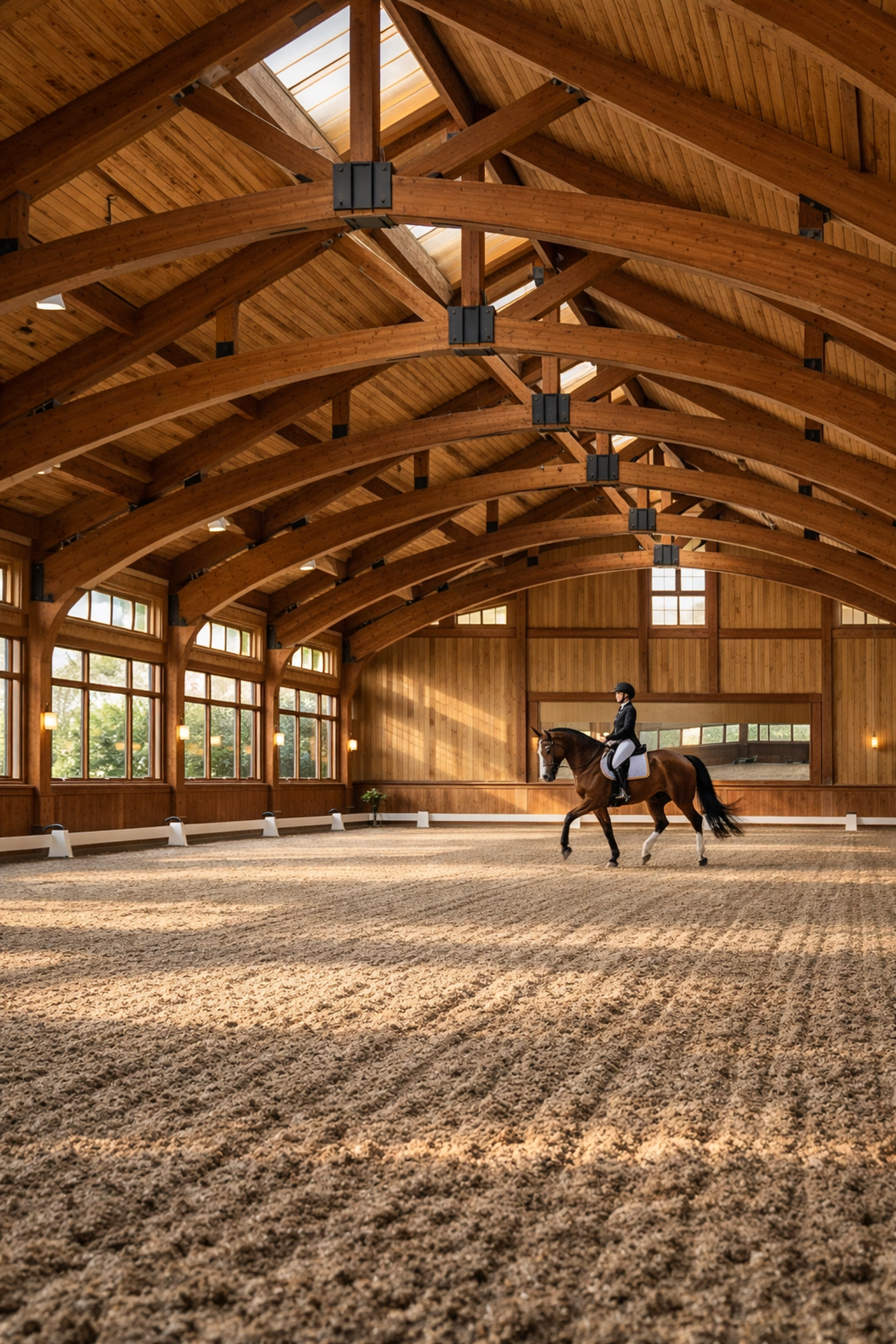
    Full bathrooms with showers have transitioned from luxury to necessity. After morning feed or a muddy turnout session, having proper facilities means you're not tracking through the main house. Some estates include small kitchenettes with refrigeration for medications, coffee makers for early mornings, and seating areas for veterinary consultations or farrier appointments.

    Premium horse barn flooring with concrete aisles, rubber pavers, and drainage channels

    These integrated spaces acknowledge the reality of horse ownership: you'll spend significant time in your barn. Designing them as extensions of your living environment rather than afterthoughts creates a more enjoyable daily experience. Many Charlotte-area properties incorporate lounge areas where owners can watch lessons or entertain other horse-focused guests in comfort.

    4. Professional-Grade Tack and Feed Storage

    Organization separates functional barns from chaotic ones. High-end properties dedicate substantial square footage to proper storage solutions, recognizing that quality equipment deserves quality housing.

    Tack rooms in luxury facilities feature custom cabinetry with individual saddle racks, bridle hooks, and climate control to prevent leather deterioration. Many include dedicated cleaning areas with hot water access and appropriate ventilation. Secure storage for expensive tack has become standard, with some properties incorporating biometric access or monitored security systems.

    Feed rooms demand equal attention. Rodent-proof construction, sealed containers, and organized shelving keep grain fresh and accessible. Separate refrigeration for medications and supplements, along with mixing stations for custom feed protocols, streamlines daily care routines. The best designs incorporate feed delivery considerations: wide doors, level access, and covered areas that protect deliveries from weather.

    5. Flexible Stall Configuration and Premium Materials

    Cookie-cutter stall layouts rarely suit diverse equestrian disciplines. Luxury stable design embraces flexibility through thoughtful spacing and adaptable configurations.

    Standard 12×12 stalls serve most horses adequately, but high-end barns often feature varied sizes: larger foaling stalls, spacious boxes for warmbloods, or runs for horses that struggle with confinement. Removable walls or sliding partitions allow reconfiguration as your needs evolve. Some properties include specialty stalls for veterinary care or quarantine situations.

    Material quality defines durability and safety. Powder-coated steel stall fronts resist rust in our humid climate while providing visibility and airflow. Hardwood options offer traditional aesthetics with proper maintenance. Stall doors should feature quality hardware: flush latches, kick-proof construction, and smooth operation that won't fail after a few years.

    Climate-controlled barn office with windows overlooking stable aisle in Charlotte equestrian estate

    Premium estates often incorporate rubber-lined walls in stalls to prevent injury from casting or kicking. Automatic waterers with individual shut-offs simplify hydration management while reducing labor. These details accumulate into facilities that genuinely enhance horse welfare and reduce management stress.

    6. Dedicated Wash Stalls and Grooming Areas

    Any serious equestrian operation requires proper bathing facilities. Basic cross-ties in an aisle work for quick grooming, but luxury properties dedicate specific spaces to thorough cleaning and preparation.

    Well-designed wash stalls include hot and cold water with quality fixtures, non-slip flooring with excellent drainage, and sufficient space for horses to move without crowding handlers. Overhead heating elements or heat lamps extend washing season into cooler months. Many facilities incorporate handheld sprayers, foam brushes, and organized storage for bathing supplies.

    The surrounding infrastructure matters equally. Covered grooming areas protected from weather allow year-round preparation for shows or sales. Multiple cross-tie stations prevent bottlenecks during busy periods. Some properties include grooming bays with built-in vacuum systems, dedicated clipping areas with additional electrical capacity, and natural lighting that aids detailed work.

    7. Layered Lighting Design

    Proper illumination transforms barn functionality and safety. High-end stable design employs sophisticated lighting strategies that balance natural and artificial sources.

    Large windows and skylights maximize daylight, reducing energy costs while supporting horses' natural rhythms. Positioning matters: south-facing windows flood aisles with winter warmth, while protected north light prevents excessive summer heat. Translucent panels in rooflines distribute even illumination without creating harsh shadows or hot spots.

    Artificial lighting requires equal consideration. LED fixtures throughout aisleways and in each stall provide bright, consistent light for evening care. Many luxury barns incorporate dimming systems that allow adjustment based on time and activity. Motion sensors in feed rooms, tack areas, and aisles improve energy efficiency and convenience.

    Emergency lighting and clearly marked exits meet safety codes while providing security during power outages. Some properties include programmable systems that mimic natural light cycles, potentially supporting breeding operations or managing seasonal coat changes in show horses.
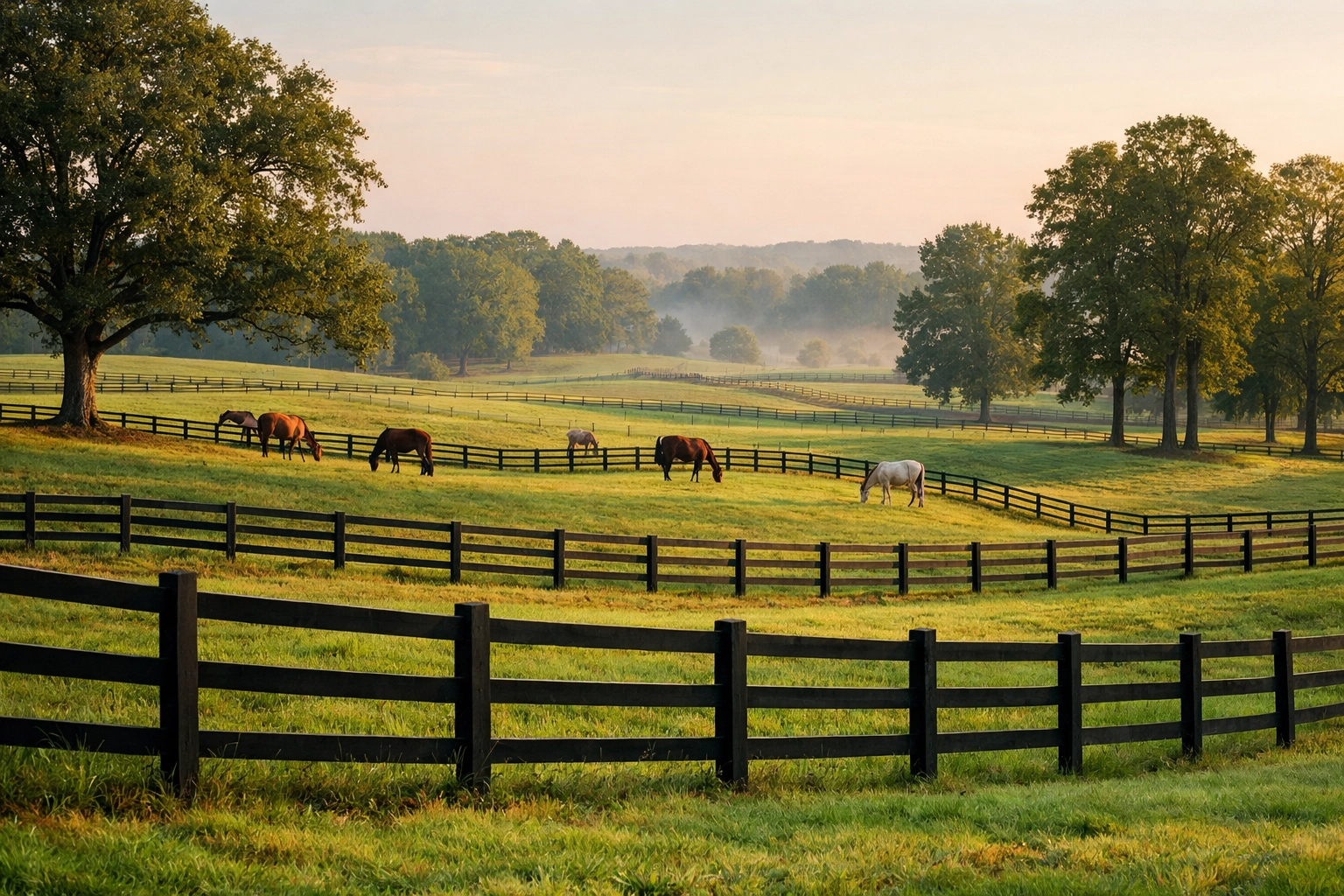
    Building Your Vision

    Exceptional stable design balances horse welfare, operational efficiency, and aesthetic presence. These seven features represent the foundation of luxury equestrian facilities in the Charlotte market, though individual properties express them through varied architectural styles and material choices.

    Whether you're searching for an existing equestrian estate with these appointments or planning a custom build, understanding these essentials helps you evaluate true quality. The Charlotte region offers diverse properties with sophisticated stable facilities: from meticulously maintained historic barns to cutting-edge modern designs.

    At Carolina Horse Farm Realty, we work exclusively with equestrian properties, bringing firsthand knowledge of what makes facilities truly functional. We understand that for serious horse owners, the barn often drives the property decision more than the house itself. If you're ready to explore high-end equestrian estates in the Charlotte area, let's start a conversation about what matters most in your ideal facility.

  • The Essentials of High-End Stable Design in Charlotte: What Luxury Equestrian Buyers Really Want

    The Essentials of High-End Stable Design in Charlotte: What Luxury Equestrian Buyers Really Want

    When serious equestrian buyers tour a luxury horse property in the Charlotte metro area, they're not just looking at stall counts or arena dimensions. They're envisioning their daily routine: that early morning feed check, the satisfaction of a well-organized tack room, the pride of hosting a small schooling show. High-end stable design isn't about flash: it's about creating a workspace that supports both horse welfare and the rider's lifestyle without compromise.

    After working with dozens of luxury equestrian buyers throughout Mecklenburg, Union, and York counties, we've learned that today's discerning horse owners want facilities that blend European craftsmanship with practical Carolina horse keeping. They expect their stable complex to function as seamlessly as their main residence, with thought given to every detail from drainage to aesthetics.

    The Foundation: Strategic Siting and Layout

    Before a single post goes up, high-end stable design begins with intelligent property planning. Luxury buyers recognize that proper siting determines everything from daily efficiency to long-term maintenance costs.

    The stable should sit on naturally elevated, well-drained ground: critical in North Carolina where summer thunderstorms can drop inches in an afternoon. Positioning the barn to capture prevailing breezes from the southwest reduces fly pressure and keeps air moving through the aisle during humid July days. Smart buyers also look for orientation that provides natural shade during summer months while maximizing southern sun exposure in winter.

    Luxury horse barn with European-style stable design on elevated terrain in Charlotte equestrian property

    Access matters tremendously. The stable complex should connect logically to both the main residence and property entrance, creating a functional work triangle. You'll want easy truck and trailer access without compromising the estate's overall aesthetic or forcing service vehicles past your front entrance. The best properties feature discreet service roads that separate guest traffic from daily farm operations.

    Stall Design That Prioritizes Horse Health

    In luxury markets like Waxhaw, Weddington, and Marvin, buyers expect stalls that reflect current best practices in equine management, not just adequate square footage.

    Twelve-by-twelve foot stalls represent the absolute minimum, with many high-end facilities opting for 12×14 or even 14×14 dimensions, particularly for warmbloods and sport horses. Ceiling height should exceed ten feet to accommodate proper ventilation and reduce injury risk for horses that rear or play in their stalls.
    European-style stall fronts have become the standard in upscale Charlotte facilities. These systems feature full or half grilles that allow horses to see their neighbors and environment while maintaining safety. Look for powder-coated steel construction that resists rust in our humid climate, paired with heavy-duty hardware that will withstand decades of use.
    Flooring represents one of the most significant investments in stable construction. Poured rubber pavers over compacted stone base provide superior drainage, cushioning, and longevity compared to traditional clay or screenings. They virtually eliminate dust, simplify stall cleaning, and reduce bedding costs: practical benefits that luxury buyers appreciate despite the higher upfront cost.
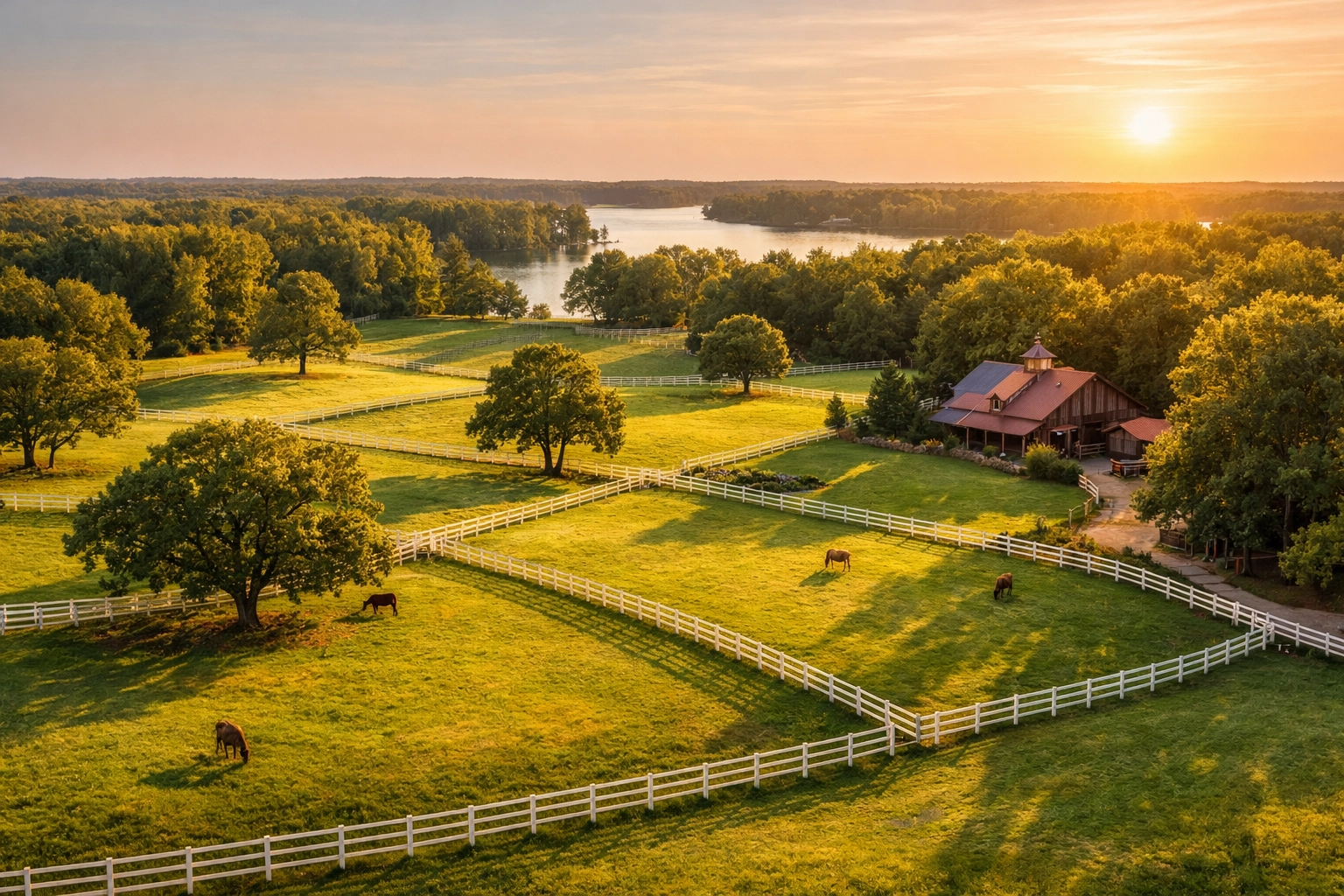
    The Breezeway: Your Stable's Central Workspace

    The center aisle, or breezeway, functions as the stable's primary workspace and should be designed accordingly. Sixteen feet represents the preferred width for high-end facilities, providing ample room for cross-ties while allowing golf carts or small tractors to pass safely.

    Wide barn breezeway with European stall fronts and rubber flooring in high-end Charlotte stable

    Premium construction includes concrete flooring with textured finish or rubber pavers for secure footing when wet. Proper pitch ensures water flows toward floor drains rather than pooling: a small detail that prevents ice formation in winter and reduces humidity in summer.

    Breezeway doors at each end create the natural airflow essential in our climate. These should be oversized (minimum 12 feet wide by 10 feet tall) to accommodate equipment and provide emergency exit routes. Many luxury properties install custom wood or steel doors that complement the overall architectural style while incorporating large windows for light and ventilation.

    Climate Control: Managing Carolina Weather

    Unlike barns in drier climates, Charlotte-area stables must address high humidity, extreme heat, and occasional winter freezes: sometimes all within the same week.

    High-end facilities incorporate multiple ventilation strategies. Ridge vents and cupolas create passive airflow through thermal siphoning. Strategically placed windows and Dutch doors on each stall provide cross-ventilation. Many luxury properties add ceiling fans throughout the breezeway and individual stall fans for horses that ship in for major competitions.

    Insulation, while uncommon in older facilities, increasingly appears in new construction targeting the luxury market. Insulated roofing reduces summer heat gain significantly, while insulated walls buffer temperature extremes in both stall areas and climate-controlled spaces like tack rooms and wash racks.

    Water Systems Built for Reliability

    Serious horse properties require serious water infrastructure. Luxury buyers look for systems that deliver convenience without sacrificing reliability.

    Automatic waterers in each stall eliminate the twice-daily bucket routine, but they must be heated models to prevent freezing during Carolina cold snaps. The system should include shut-off valves for each waterer, allowing you to service one without disrupting the entire barn. Frost-free hydrants throughout the property, properly installed below the frost line, provide year-round access for filling troughs, washing horses, and fire safety.

    Smart properties include a secondary water source: whether a well dedicated to farm use or a large storage tank: ensuring you can continue caring for horses during municipal supply interruptions.

    Organized luxury tack room with custom saddle racks and climate control in equestrian facility

    The Tack Room: Where Function Meets Presentation

    In luxury equestrian properties, the tack room transcends basic storage to become a showcase space that reflects the owner's program and attention to detail.

    Climate control protects leather investment. Mini-split systems maintain stable temperature and humidity year-round, preventing mold growth on saddles and extending the life of expensive equipment. Dehumidifiers provide an additional layer of protection during our notoriously humid summers.

    Built-in saddle racks, bridle hooks, and blanket bars should be commercial grade, mounted directly to wall studs for security. Glass-front cabinets display awards and special equipment while keeping them dust-free. A dedicated boot room or mudroom entrance prevents dirt tracking into the main tack area.

    Luxury facilities often include a small kitchenette for preparing supplements and storing medications, plus dedicated office space with robust WiFi for managing farm operations and staying connected during long barn days.

    Wash Racks and Grooming Areas

    Professional-grade wash racks distinguish high-end facilities from basic boarding barns. Buyers expect heated and cold water, adequate drainage, and finishes that will withstand daily use.

    The best wash racks incorporate textured rubber flooring with proper slope to perimeter drains. Walls should be finished with moisture-resistant materials: tile, FRP panels, or sealed concrete: that clean easily and don't harbor bacteria. Overhead clearance must accommodate tall horses, while thoughtful placement of cross-tie rings and utility hooks streamlines the grooming process.

    Hot water on demand matters more than many buyers initially realize. Whether bathing a horse after work on a chilly March evening or effectively removing bot eggs in fall, hot water transforms routine care from unpleasant chore to manageable task.

    Ancillary Spaces That Complete the Picture

    High-end stable design extends beyond stalls and aisles to include the supporting spaces that make daily horse care efficient.

    A dedicated feed room with secure rodent-proof bins, adequate lighting, and proximity to the center aisle prevents wasted steps during twice-daily feeding. Many luxury facilities add a small refrigerator for medications and supplements requiring cold storage.

    Proper hay and bedding storage under roof protects your investment from weather damage and reduces waste. Calculate approximately 150 square feet per horse for annual hay storage, more if you buy in large quantities when pricing is favorable.

    Equipment storage: often overlooked in planning: should accommodate your farm tractor, truck, manure spreader, and arena maintenance equipment under cover. Quality machinery represents significant investment; protecting it from the elements extends its useful life and maintains resale value.

    Integration with the Estate

    What truly separates luxury equestrian properties from standard horse farms is the thoughtful integration of equestrian facilities with the overall estate design. The stable complex should complement the main residence architecturally, using similar materials, rooflines, and finishing details.

    Landscaping softens the transition between formal estate grounds and working farm areas. Strategic placement of trees provides shade for horses while screening views of manure storage or equipment areas from the main house. Fencing should be both functional and attractive: post-and-board or powder-coated steel that enhances curb appeal while providing safety.

    Professional lighting design extends the property's usability after dark while maintaining the estate's sophisticated aesthetic. Barn aisle lighting should be bright enough for detailed work, while exterior fixtures illuminate pathways, parking, and paddocks for evening chores and enhanced security.

    Professional horse wash rack with heated water and rubber flooring in luxury Charlotte barn

    The Charlotte Market Perspective

    The Charlotte metro equestrian market has matured significantly over the past decade. Buyers relocating from established horse regions like Wellington, Ocala, or Aiken arrive with clear expectations shaped by experience with top-tier facilities. They recognize quality construction and thoughtful design details because they've lived with inferior systems and dealt with the resulting frustrations.

    Communities like Cheval in south Charlotte have raised the bar for integrated equestrian living, demonstrating that serious riders need not choose between luxury residential amenities and professional-grade horse facilities. This shift influences buyer expectations across the broader market, from Mooresville to Tryon.

    Working with buyers focused on properties in Waxhaw, Weddington, and Marvin, we consistently hear that they're seeking facilities that will still meet their needs in ten or fifteen years: not starter setups they'll immediately need to renovate. This long-term perspective drives investment in proper design and quality construction from the outset.

    Moving Forward with Your Vision

    Creating or finding a luxury equestrian property that truly meets your program's needs requires understanding both horse management fundamentals and the specific considerations of our Carolina climate and market. The details matter: from drainage to door hardware: because they determine whether you'll love your daily barn routine or constantly battle frustration.

    If you're searching for a property that gets these details right or planning to develop your own luxury equestrian estate, we'd welcome the conversation. Our team lives this lifestyle daily and understands the difference between facilities that look impressive in photos and those that function flawlessly through years of hard use.

    The best equestrian properties blend horse-first design with the refined finishes and integrated estate planning that luxury buyers expect. When these elements align, you create not just a place to keep horses, but a home that truly supports the equestrian lifestyle at the highest level.