Category: Horse Farming Real Estate

  • The Essentials of High-End Stable Design in Charlotte: 7 Features That Set Luxury Equestrian Estates Apart

    The Essentials of High-End Stable Design in Charlotte: 7 Features That Set Luxury Equestrian Estates Apart

    When you've spent enough time in barns, you develop an eye for quality that goes beyond aesthetics. A well-designed stable isn't just about impressing visitors: it's about creating an environment where horses thrive and daily barn management becomes seamless rather than exhausting. In the Charlotte equestrian market, luxury stable design has evolved far beyond basic shelter. Today's high-end properties feature barns that rival the main residence in both function and finish.

    Whether you're building from scratch or evaluating equestrian properties in the Charlotte area, understanding what separates exceptional stable design from merely adequate facilities helps you make informed decisions. These seven features define the standard for luxury equestrian estates in our region.

    1. Climate Control and Advanced Ventilation Systems

    North Carolina's humidity and temperature swings demand more than open doors and a few fans. High-end stables in the Charlotte area now incorporate comprehensive climate management systems that maintain optimal conditions year-round.

    Quality ventilation begins with proper barn orientation: ideally positioned to capture prevailing breezes while minimizing direct sun exposure on stall fronts. Ridge vents, cupolas, and strategically placed windows create natural airflow that reduces moisture buildup and respiratory irritants. Many luxury properties augment this with ceiling fans in aisleways and individual stall fans for summer comfort.

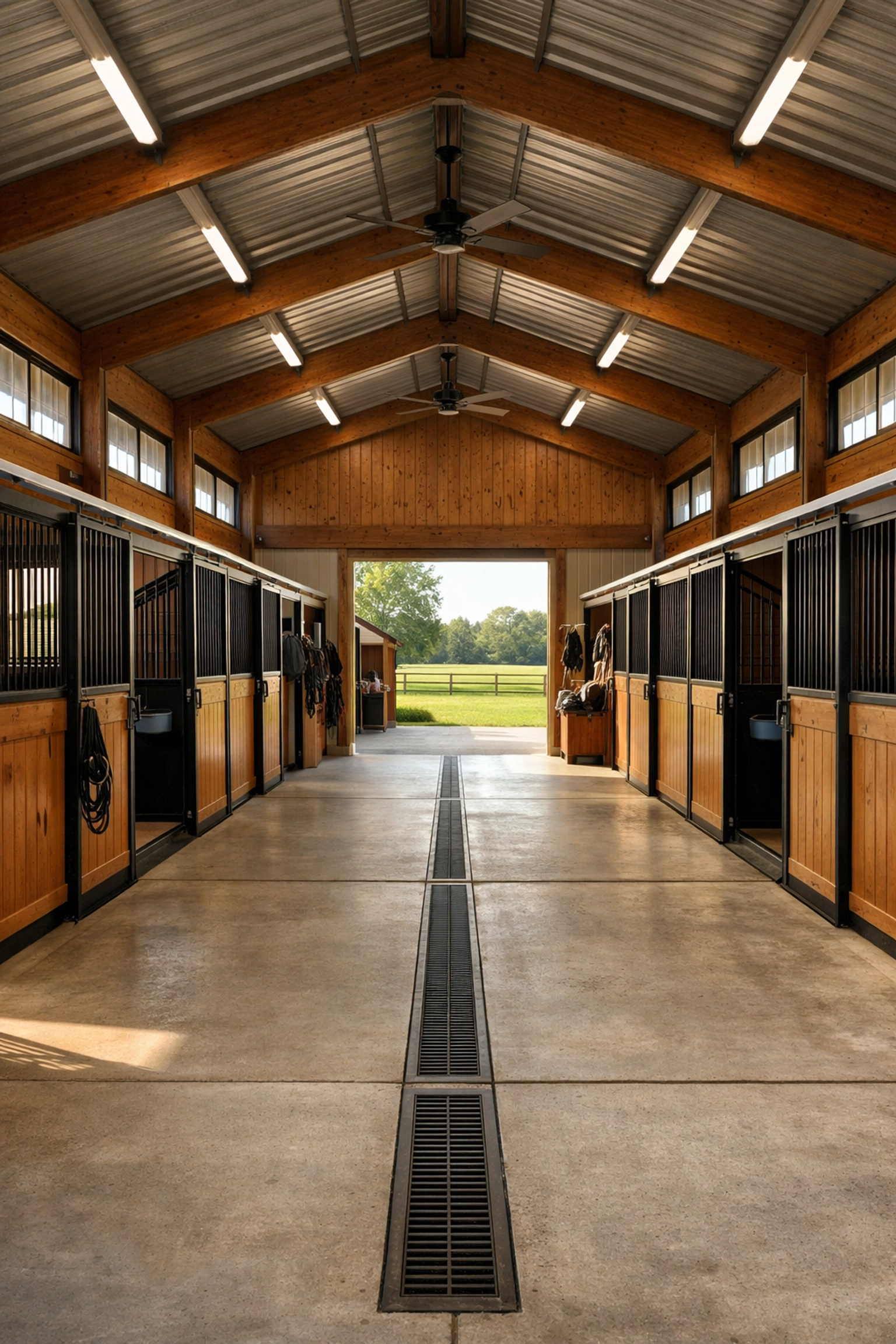
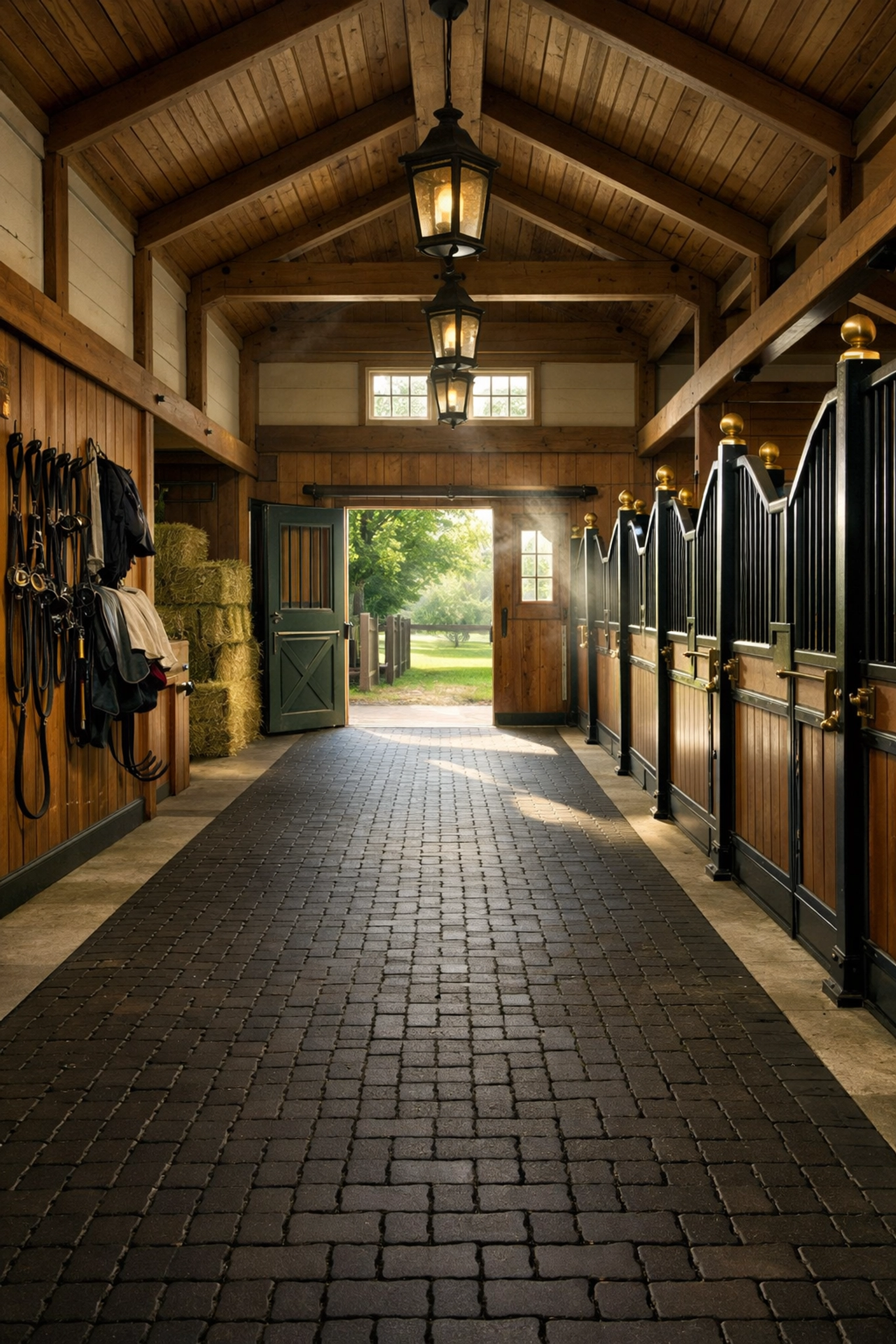
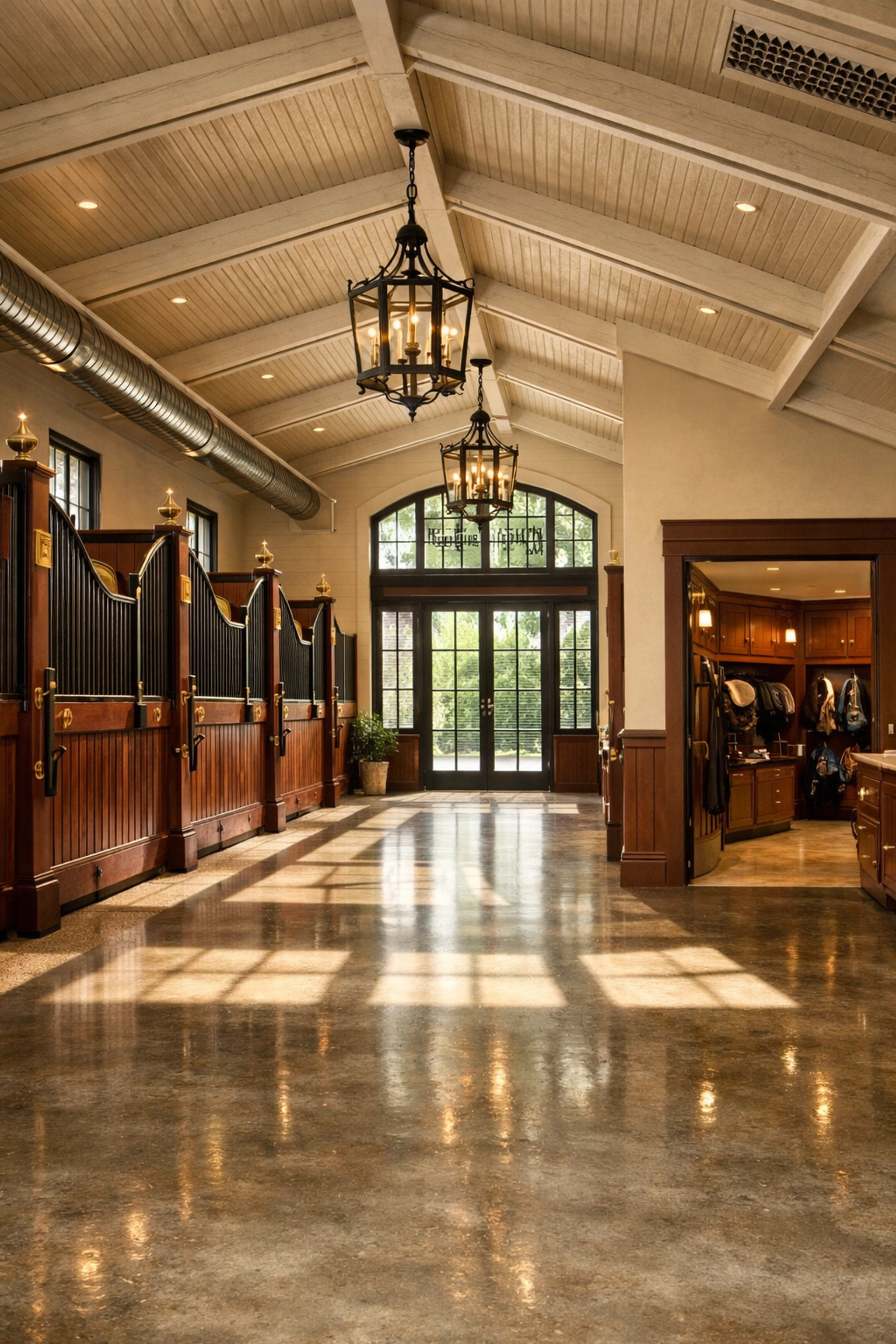
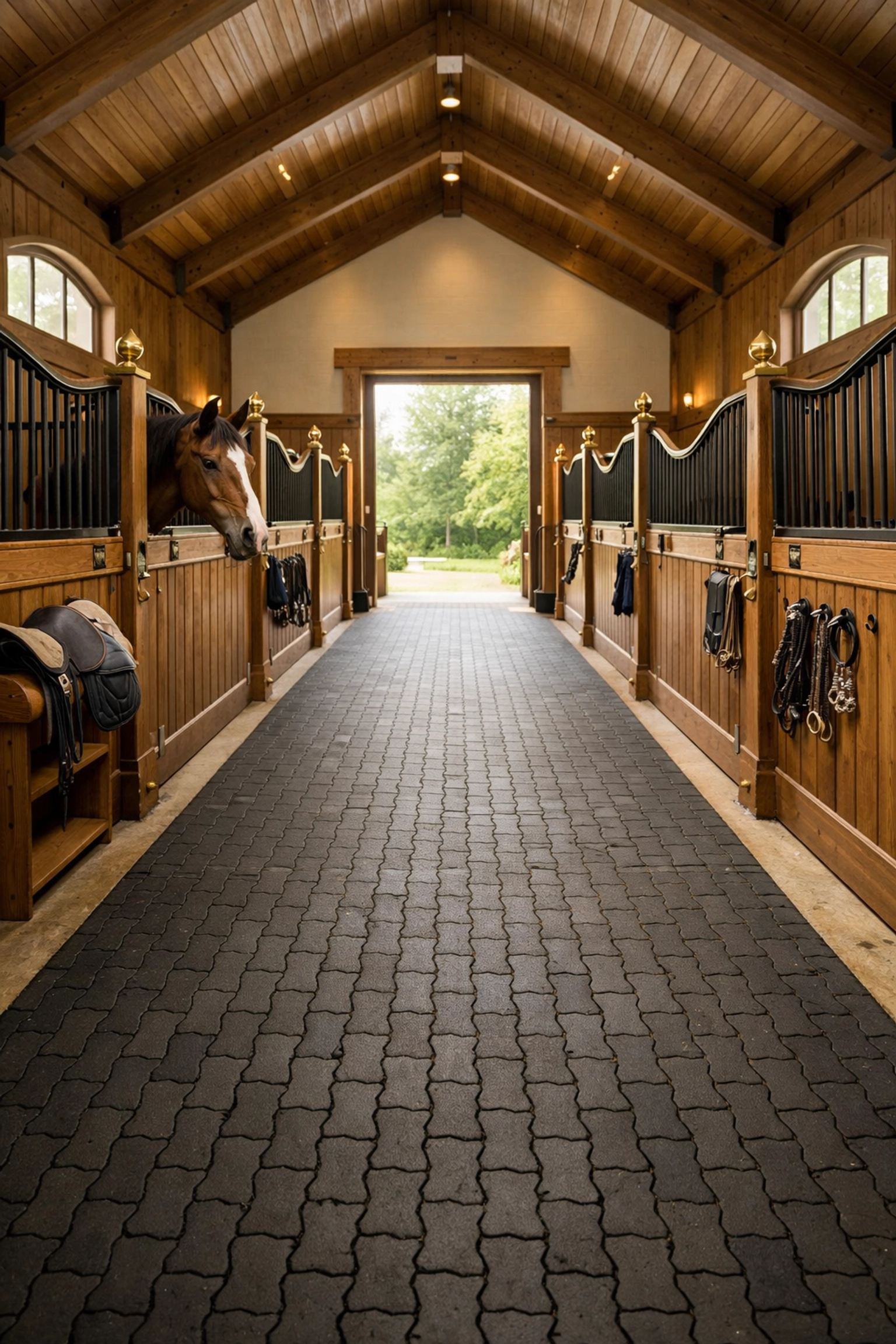
    Luxury horse barn interior in Charlotte with ceiling fans and natural ventilation system

    Climate-controlled facilities take this further with heating systems for cold snaps and misting systems for summer cooling. The investment pays dividends in horse health, reduced respiratory issues, and the simple comfort of working in your barn during extreme weather. For properties focused on breeding or showing, maintaining consistent temperatures supports optimal performance and recovery.

    2. Premium Flooring Materials and Engineered Drainage

    Walk through any luxury barn in Waxhaw or Weddington, and you'll immediately notice the flooring. This isn't an area where shortcuts work: your horses stand on these surfaces for hours, and poor drainage creates endless maintenance headaches.

    Concrete aisles with sealed, textured finishes provide durability and easy cleaning while offering sufficient grip for shod horses. Interlocking rubber pavers have gained popularity for their shock absorption and aesthetic flexibility, though they require proper base preparation to prevent shifting.

    The real sophistication shows in the drainage engineering. High-end barns incorporate pitched floors with trench drains that move water efficiently away from stall areas. Some properties include separate grey water systems that manage wash stall runoff according to environmental regulations. In stalls themselves, compacted stone dust over gravel drainage layers: or engineered grid systems: prevent the pooling that leads to thrush and compromised hoof health.

    3. Integrated Living and Working Spaces

    Modern luxury stables function as command centers for property management, not just housing for horses. The most thoughtfully designed facilities include climate-controlled offices with views of the barn aisle, allowing you to handle paperwork while monitoring activity. Built-in cabinetry, desks, and filing systems keep records organized and accessible.

    Full bathrooms with showers have transitioned from luxury to necessity. After morning feed or a muddy turnout session, having proper facilities means you're not tracking through the main house. Some estates include small kitchenettes with refrigeration for medications, coffee makers for early mornings, and seating areas for veterinary consultations or farrier appointments.

    Premium horse barn flooring with concrete aisles, rubber pavers, and drainage channels

    These integrated spaces acknowledge the reality of horse ownership: you'll spend significant time in your barn. Designing them as extensions of your living environment rather than afterthoughts creates a more enjoyable daily experience. Many Charlotte-area properties incorporate lounge areas where owners can watch lessons or entertain other horse-focused guests in comfort.

    4. Professional-Grade Tack and Feed Storage

    Organization separates functional barns from chaotic ones. High-end properties dedicate substantial square footage to proper storage solutions, recognizing that quality equipment deserves quality housing.

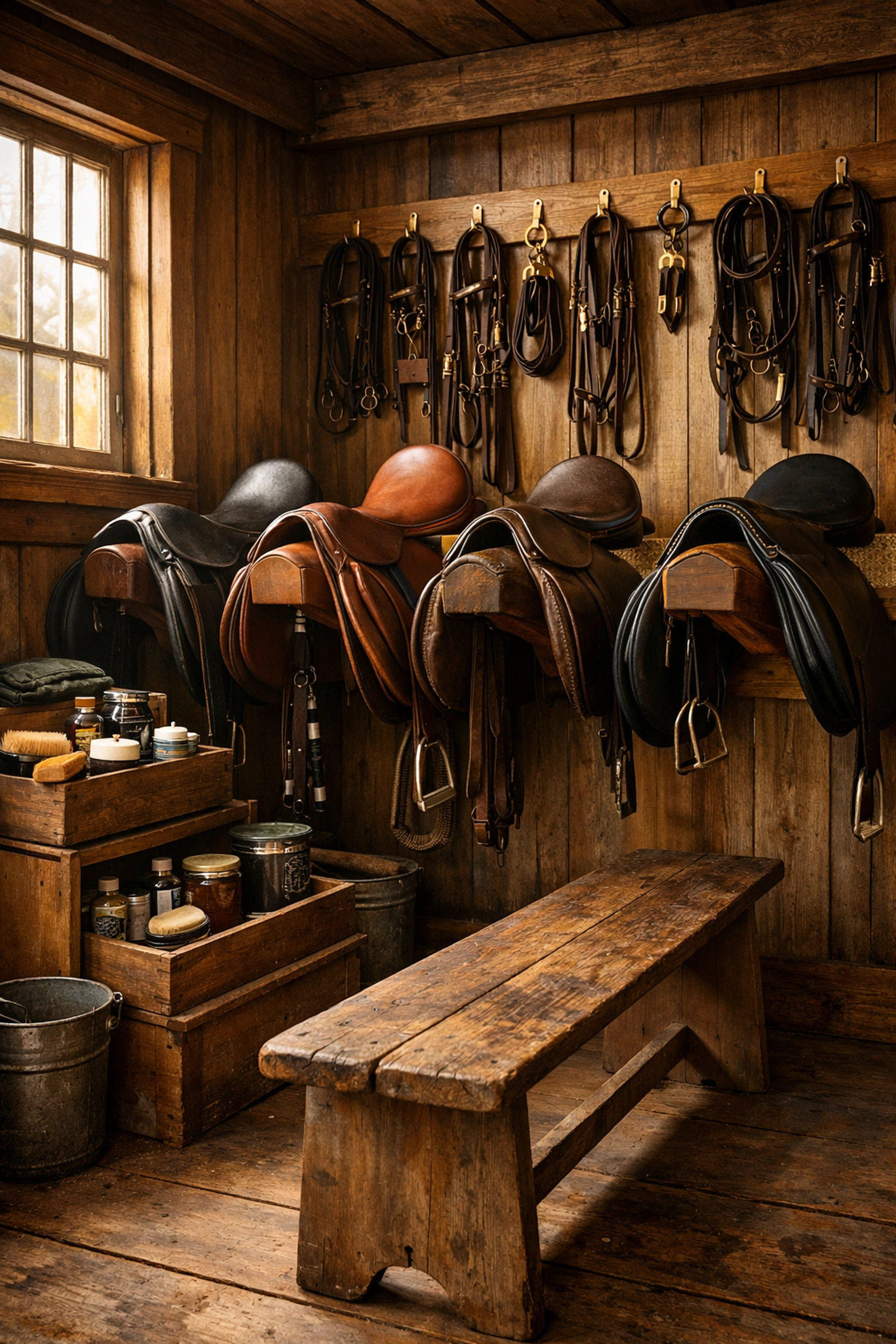
    Tack rooms in luxury facilities feature custom cabinetry with individual saddle racks, bridle hooks, and climate control to prevent leather deterioration. Many include dedicated cleaning areas with hot water access and appropriate ventilation. Secure storage for expensive tack has become standard, with some properties incorporating biometric access or monitored security systems.

    Feed rooms demand equal attention. Rodent-proof construction, sealed containers, and organized shelving keep grain fresh and accessible. Separate refrigeration for medications and supplements, along with mixing stations for custom feed protocols, streamlines daily care routines. The best designs incorporate feed delivery considerations: wide doors, level access, and covered areas that protect deliveries from weather.

    5. Flexible Stall Configuration and Premium Materials

    Cookie-cutter stall layouts rarely suit diverse equestrian disciplines. Luxury stable design embraces flexibility through thoughtful spacing and adaptable configurations.

    Standard 12×12 stalls serve most horses adequately, but high-end barns often feature varied sizes: larger foaling stalls, spacious boxes for warmbloods, or runs for horses that struggle with confinement. Removable walls or sliding partitions allow reconfiguration as your needs evolve. Some properties include specialty stalls for veterinary care or quarantine situations.

    Material quality defines durability and safety. Powder-coated steel stall fronts resist rust in our humid climate while providing visibility and airflow. Hardwood options offer traditional aesthetics with proper maintenance. Stall doors should feature quality hardware: flush latches, kick-proof construction, and smooth operation that won't fail after a few years.

    Climate-controlled barn office with windows overlooking stable aisle in Charlotte equestrian estate

    Premium estates often incorporate rubber-lined walls in stalls to prevent injury from casting or kicking. Automatic waterers with individual shut-offs simplify hydration management while reducing labor. These details accumulate into facilities that genuinely enhance horse welfare and reduce management stress.

    6. Dedicated Wash Stalls and Grooming Areas

    Any serious equestrian operation requires proper bathing facilities. Basic cross-ties in an aisle work for quick grooming, but luxury properties dedicate specific spaces to thorough cleaning and preparation.

    Well-designed wash stalls include hot and cold water with quality fixtures, non-slip flooring with excellent drainage, and sufficient space for horses to move without crowding handlers. Overhead heating elements or heat lamps extend washing season into cooler months. Many facilities incorporate handheld sprayers, foam brushes, and organized storage for bathing supplies.

    The surrounding infrastructure matters equally. Covered grooming areas protected from weather allow year-round preparation for shows or sales. Multiple cross-tie stations prevent bottlenecks during busy periods. Some properties include grooming bays with built-in vacuum systems, dedicated clipping areas with additional electrical capacity, and natural lighting that aids detailed work.

    7. Layered Lighting Design

    Proper illumination transforms barn functionality and safety. High-end stable design employs sophisticated lighting strategies that balance natural and artificial sources.

    Large windows and skylights maximize daylight, reducing energy costs while supporting horses' natural rhythms. Positioning matters: south-facing windows flood aisles with winter warmth, while protected north light prevents excessive summer heat. Translucent panels in rooflines distribute even illumination without creating harsh shadows or hot spots.

    Artificial lighting requires equal consideration. LED fixtures throughout aisleways and in each stall provide bright, consistent light for evening care. Many luxury barns incorporate dimming systems that allow adjustment based on time and activity. Motion sensors in feed rooms, tack areas, and aisles improve energy efficiency and convenience.

    Emergency lighting and clearly marked exits meet safety codes while providing security during power outages. Some properties include programmable systems that mimic natural light cycles, potentially supporting breeding operations or managing seasonal coat changes in show horses.

    Building Your Vision

    Exceptional stable design balances horse welfare, operational efficiency, and aesthetic presence. These seven features represent the foundation of luxury equestrian facilities in the Charlotte market, though individual properties express them through varied architectural styles and material choices.

    Whether you're searching for an existing equestrian estate with these appointments or planning a custom build, understanding these essentials helps you evaluate true quality. The Charlotte region offers diverse properties with sophisticated stable facilities: from meticulously maintained historic barns to cutting-edge modern designs.

    At Carolina Horse Farm Realty, we work exclusively with equestrian properties, bringing firsthand knowledge of what makes facilities truly functional. We understand that for serious horse owners, the barn often drives the property decision more than the house itself. If you're ready to explore high-end equestrian estates in the Charlotte area, let's start a conversation about what matters most in your ideal facility.

  • The Essentials of High-End Stable Design in Charlotte: What Luxury Equestrian Buyers Really Want

    The Essentials of High-End Stable Design in Charlotte: What Luxury Equestrian Buyers Really Want

    When serious equestrian buyers tour a luxury horse property in the Charlotte metro area, they're not just looking at stall counts or arena dimensions. They're envisioning their daily routine: that early morning feed check, the satisfaction of a well-organized tack room, the pride of hosting a small schooling show. High-end stable design isn't about flash: it's about creating a workspace that supports both horse welfare and the rider's lifestyle without compromise.

    After working with dozens of luxury equestrian buyers throughout Mecklenburg, Union, and York counties, we've learned that today's discerning horse owners want facilities that blend European craftsmanship with practical Carolina horse keeping. They expect their stable complex to function as seamlessly as their main residence, with thought given to every detail from drainage to aesthetics.

    The Foundation: Strategic Siting and Layout

    Before a single post goes up, high-end stable design begins with intelligent property planning. Luxury buyers recognize that proper siting determines everything from daily efficiency to long-term maintenance costs.

    The stable should sit on naturally elevated, well-drained ground: critical in North Carolina where summer thunderstorms can drop inches in an afternoon. Positioning the barn to capture prevailing breezes from the southwest reduces fly pressure and keeps air moving through the aisle during humid July days. Smart buyers also look for orientation that provides natural shade during summer months while maximizing southern sun exposure in winter.

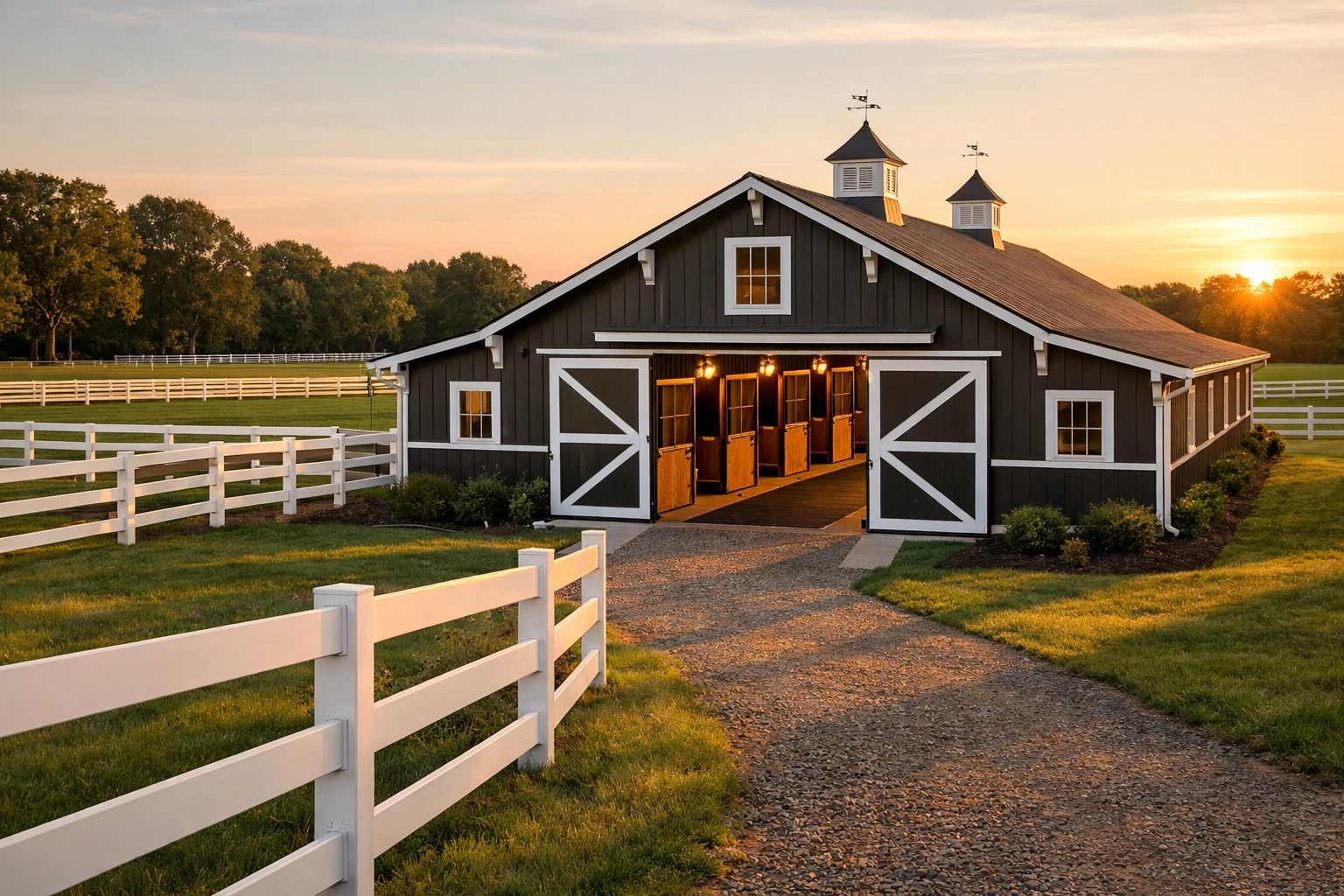
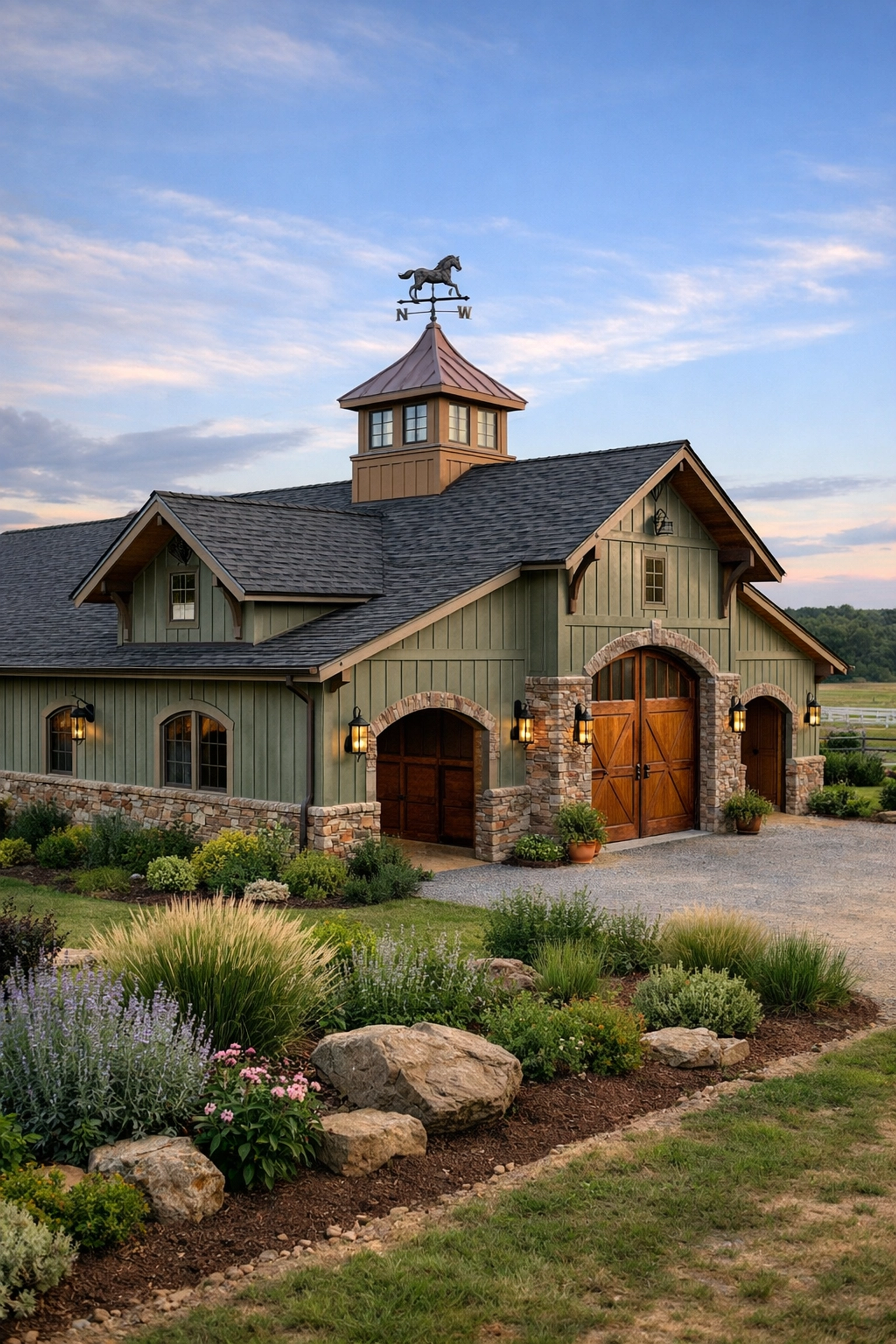
    Luxury horse barn with European-style stable design on elevated terrain in Charlotte equestrian property

    Access matters tremendously. The stable complex should connect logically to both the main residence and property entrance, creating a functional work triangle. You'll want easy truck and trailer access without compromising the estate's overall aesthetic or forcing service vehicles past your front entrance. The best properties feature discreet service roads that separate guest traffic from daily farm operations.

    Stall Design That Prioritizes Horse Health

    In luxury markets like Waxhaw, Weddington, and Marvin, buyers expect stalls that reflect current best practices in equine management, not just adequate square footage.

    Twelve-by-twelve foot stalls represent the absolute minimum, with many high-end facilities opting for 12×14 or even 14×14 dimensions, particularly for warmbloods and sport horses. Ceiling height should exceed ten feet to accommodate proper ventilation and reduce injury risk for horses that rear or play in their stalls.

    European-style stall fronts have become the standard in upscale Charlotte facilities. These systems feature full or half grilles that allow horses to see their neighbors and environment while maintaining safety. Look for powder-coated steel construction that resists rust in our humid climate, paired with heavy-duty hardware that will withstand decades of use.

    Flooring represents one of the most significant investments in stable construction. Poured rubber pavers over compacted stone base provide superior drainage, cushioning, and longevity compared to traditional clay or screenings. They virtually eliminate dust, simplify stall cleaning, and reduce bedding costs: practical benefits that luxury buyers appreciate despite the higher upfront cost.

    The Breezeway: Your Stable's Central Workspace

    The center aisle, or breezeway, functions as the stable's primary workspace and should be designed accordingly. Sixteen feet represents the preferred width for high-end facilities, providing ample room for cross-ties while allowing golf carts or small tractors to pass safely.

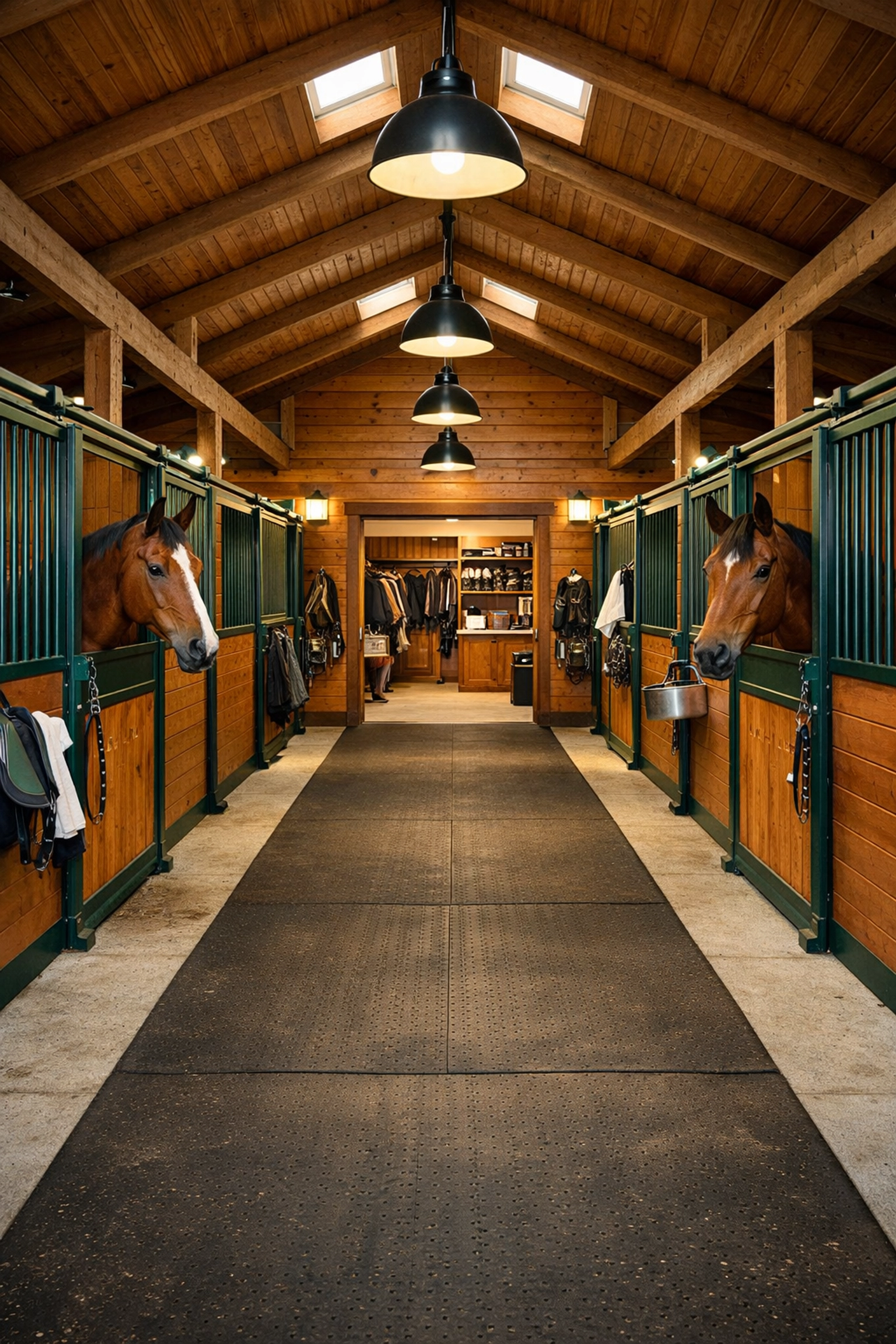
    Wide barn breezeway with European stall fronts and rubber flooring in high-end Charlotte stable

    Premium construction includes concrete flooring with textured finish or rubber pavers for secure footing when wet. Proper pitch ensures water flows toward floor drains rather than pooling: a small detail that prevents ice formation in winter and reduces humidity in summer.

    Breezeway doors at each end create the natural airflow essential in our climate. These should be oversized (minimum 12 feet wide by 10 feet tall) to accommodate equipment and provide emergency exit routes. Many luxury properties install custom wood or steel doors that complement the overall architectural style while incorporating large windows for light and ventilation.

    Climate Control: Managing Carolina Weather

    Unlike barns in drier climates, Charlotte-area stables must address high humidity, extreme heat, and occasional winter freezes: sometimes all within the same week.

    High-end facilities incorporate multiple ventilation strategies. Ridge vents and cupolas create passive airflow through thermal siphoning. Strategically placed windows and Dutch doors on each stall provide cross-ventilation. Many luxury properties add ceiling fans throughout the breezeway and individual stall fans for horses that ship in for major competitions.

    Insulation, while uncommon in older facilities, increasingly appears in new construction targeting the luxury market. Insulated roofing reduces summer heat gain significantly, while insulated walls buffer temperature extremes in both stall areas and climate-controlled spaces like tack rooms and wash racks.

    Water Systems Built for Reliability

    Serious horse properties require serious water infrastructure. Luxury buyers look for systems that deliver convenience without sacrificing reliability.

    Automatic waterers in each stall eliminate the twice-daily bucket routine, but they must be heated models to prevent freezing during Carolina cold snaps. The system should include shut-off valves for each waterer, allowing you to service one without disrupting the entire barn. Frost-free hydrants throughout the property, properly installed below the frost line, provide year-round access for filling troughs, washing horses, and fire safety.

    Smart properties include a secondary water source: whether a well dedicated to farm use or a large storage tank: ensuring you can continue caring for horses during municipal supply interruptions.

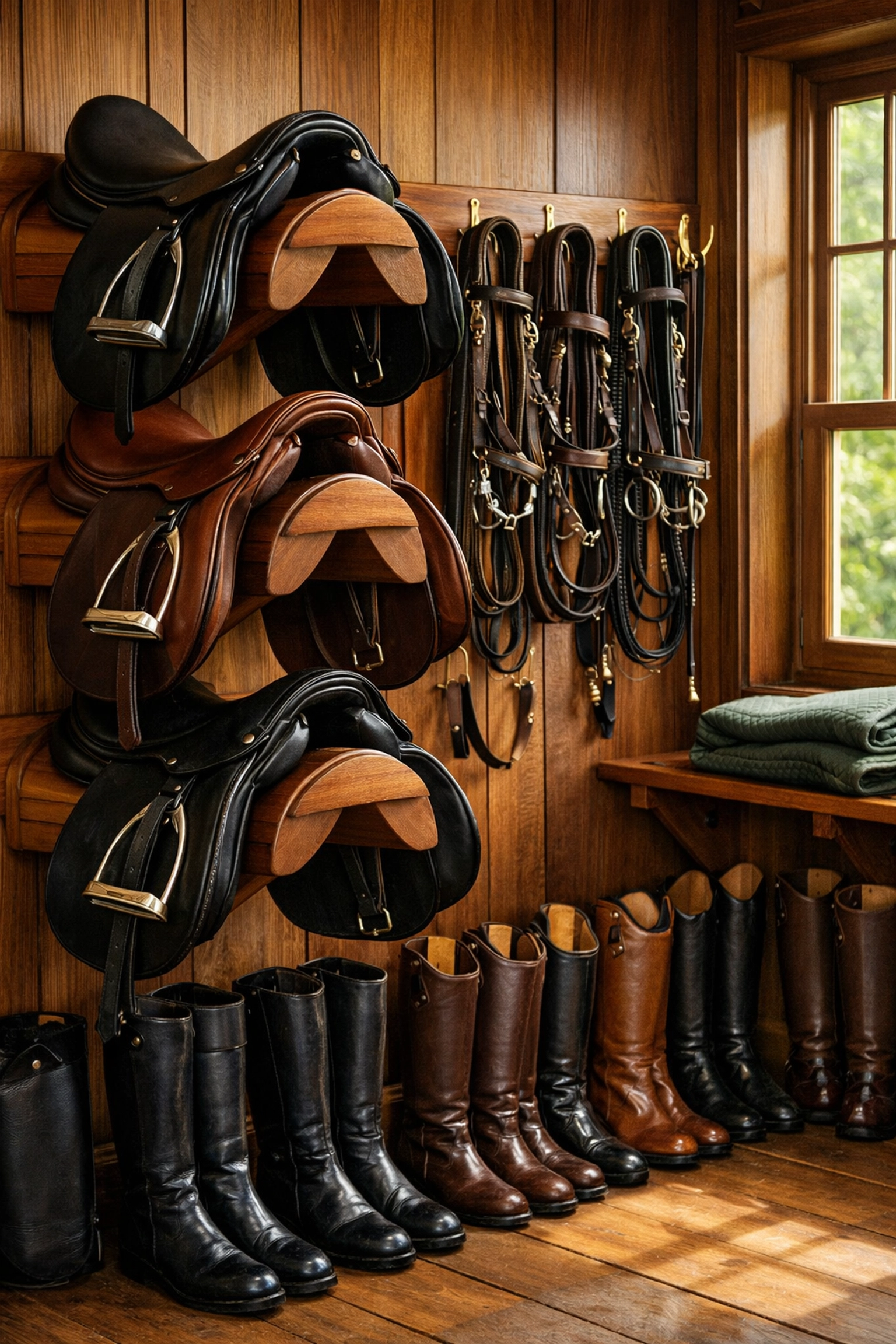
    Organized luxury tack room with custom saddle racks and climate control in equestrian facility

    The Tack Room: Where Function Meets Presentation

    In luxury equestrian properties, the tack room transcends basic storage to become a showcase space that reflects the owner's program and attention to detail.

    Climate control protects leather investment. Mini-split systems maintain stable temperature and humidity year-round, preventing mold growth on saddles and extending the life of expensive equipment. Dehumidifiers provide an additional layer of protection during our notoriously humid summers.

    Built-in saddle racks, bridle hooks, and blanket bars should be commercial grade, mounted directly to wall studs for security. Glass-front cabinets display awards and special equipment while keeping them dust-free. A dedicated boot room or mudroom entrance prevents dirt tracking into the main tack area.

    Luxury facilities often include a small kitchenette for preparing supplements and storing medications, plus dedicated office space with robust WiFi for managing farm operations and staying connected during long barn days.

    Wash Racks and Grooming Areas

    Professional-grade wash racks distinguish high-end facilities from basic boarding barns. Buyers expect heated and cold water, adequate drainage, and finishes that will withstand daily use.

    The best wash racks incorporate textured rubber flooring with proper slope to perimeter drains. Walls should be finished with moisture-resistant materials: tile, FRP panels, or sealed concrete: that clean easily and don't harbor bacteria. Overhead clearance must accommodate tall horses, while thoughtful placement of cross-tie rings and utility hooks streamlines the grooming process.

    Hot water on demand matters more than many buyers initially realize. Whether bathing a horse after work on a chilly March evening or effectively removing bot eggs in fall, hot water transforms routine care from unpleasant chore to manageable task.

    Ancillary Spaces That Complete the Picture

    High-end stable design extends beyond stalls and aisles to include the supporting spaces that make daily horse care efficient.

    A dedicated feed room with secure rodent-proof bins, adequate lighting, and proximity to the center aisle prevents wasted steps during twice-daily feeding. Many luxury facilities add a small refrigerator for medications and supplements requiring cold storage.

    Proper hay and bedding storage under roof protects your investment from weather damage and reduces waste. Calculate approximately 150 square feet per horse for annual hay storage, more if you buy in large quantities when pricing is favorable.

    Equipment storage: often overlooked in planning: should accommodate your farm tractor, truck, manure spreader, and arena maintenance equipment under cover. Quality machinery represents significant investment; protecting it from the elements extends its useful life and maintains resale value.

    Integration with the Estate

    What truly separates luxury equestrian properties from standard horse farms is the thoughtful integration of equestrian facilities with the overall estate design. The stable complex should complement the main residence architecturally, using similar materials, rooflines, and finishing details.

    Landscaping softens the transition between formal estate grounds and working farm areas. Strategic placement of trees provides shade for horses while screening views of manure storage or equipment areas from the main house. Fencing should be both functional and attractive: post-and-board or powder-coated steel that enhances curb appeal while providing safety.

    Professional lighting design extends the property's usability after dark while maintaining the estate's sophisticated aesthetic. Barn aisle lighting should be bright enough for detailed work, while exterior fixtures illuminate pathways, parking, and paddocks for evening chores and enhanced security.

    Professional horse wash rack with heated water and rubber flooring in luxury Charlotte barn

    The Charlotte Market Perspective

    The Charlotte metro equestrian market has matured significantly over the past decade. Buyers relocating from established horse regions like Wellington, Ocala, or Aiken arrive with clear expectations shaped by experience with top-tier facilities. They recognize quality construction and thoughtful design details because they've lived with inferior systems and dealt with the resulting frustrations.

    Communities like Cheval in south Charlotte have raised the bar for integrated equestrian living, demonstrating that serious riders need not choose between luxury residential amenities and professional-grade horse facilities. This shift influences buyer expectations across the broader market, from Mooresville to Tryon.

    Working with buyers focused on properties in Waxhaw, Weddington, and Marvin, we consistently hear that they're seeking facilities that will still meet their needs in ten or fifteen years: not starter setups they'll immediately need to renovate. This long-term perspective drives investment in proper design and quality construction from the outset.

    Moving Forward with Your Vision

    Creating or finding a luxury equestrian property that truly meets your program's needs requires understanding both horse management fundamentals and the specific considerations of our Carolina climate and market. The details matter: from drainage to door hardware: because they determine whether you'll love your daily barn routine or constantly battle frustration.

    If you're searching for a property that gets these details right or planning to develop your own luxury equestrian estate, we'd welcome the conversation. Our team lives this lifestyle daily and understands the difference between facilities that look impressive in photos and those that function flawlessly through years of hard use.

    The best equestrian properties blend horse-first design with the refined finishes and integrated estate planning that luxury buyers expect. When these elements align, you create not just a place to keep horses, but a home that truly supports the equestrian lifestyle at the highest level.

  • Charlotte Equestrian SEO Blitz: 30 Long-Tail Blog Post Ideas to Skyrocket Your Horse Farm’s Google Rankings

    Charlotte Equestrian SEO Blitz: 30 Long-Tail Blog Post Ideas to Skyrocket Your Horse Farm’s Google Rankings

    Why Long-Tail Keywords Matter for Equestrian Properties

    Here's what every horse farm owner selling property needs to understand: broad keywords like "horse farm" attract browsers. Long-tail keywords like "horse farms for sale in Waxhaw with indoor arena" attract buyers with a credit check and a moving truck.

    Long-tail keywords, those specific, multi-word search phrases, convert at 2.5 times the rate of generic terms. When someone searches "equestrian properties Charlotte NC," they're dreaming. When they search "Weddington horse farm with turnout and trails," they're deciding.

    The Charlotte Metro equestrian market is exploding in 2026, with inventory tight and qualified buyers hunting for properties that meet exact specifications. Your content strategy should mirror their search behavior: specific, intentional, and rooted in real equestrian needs.
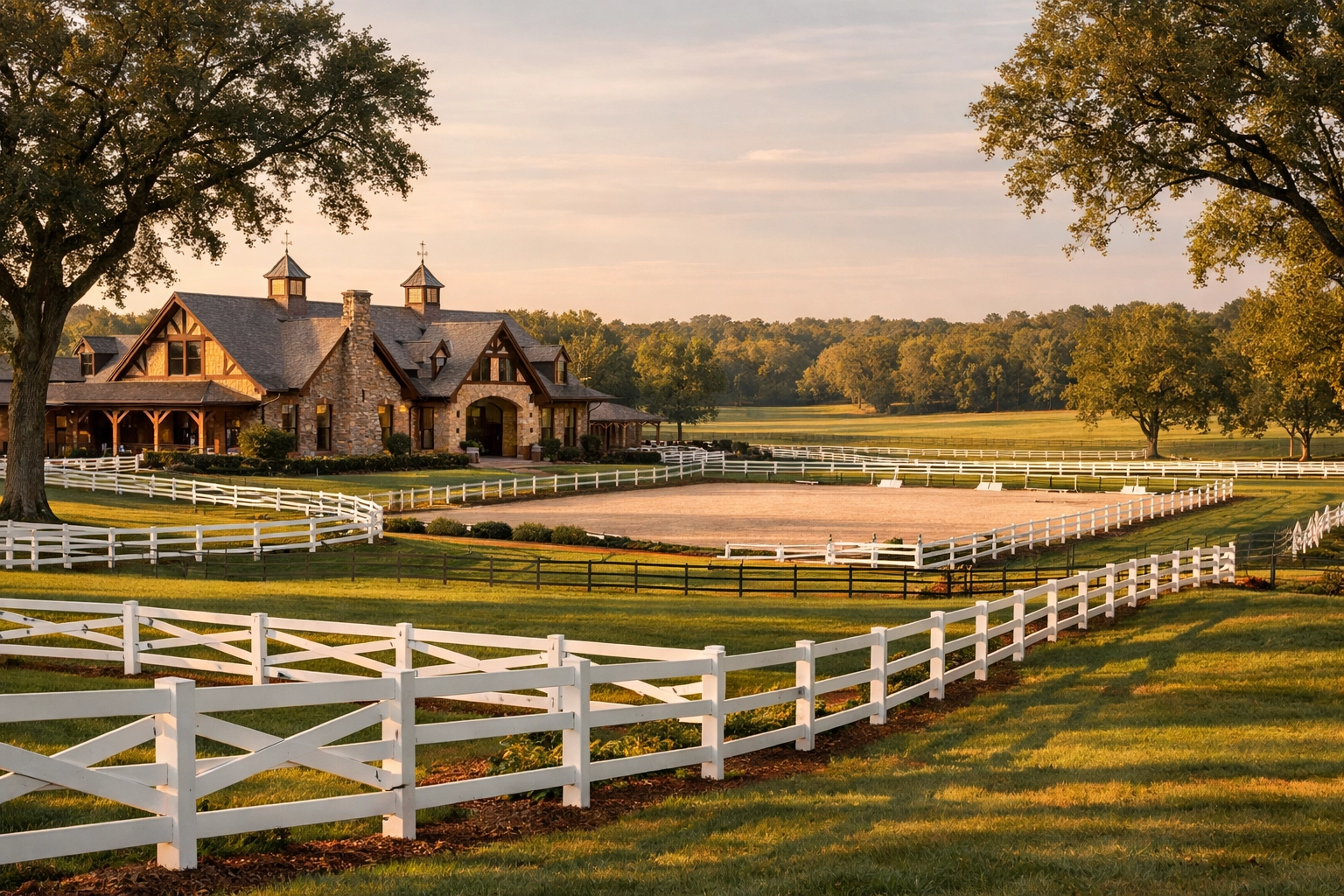
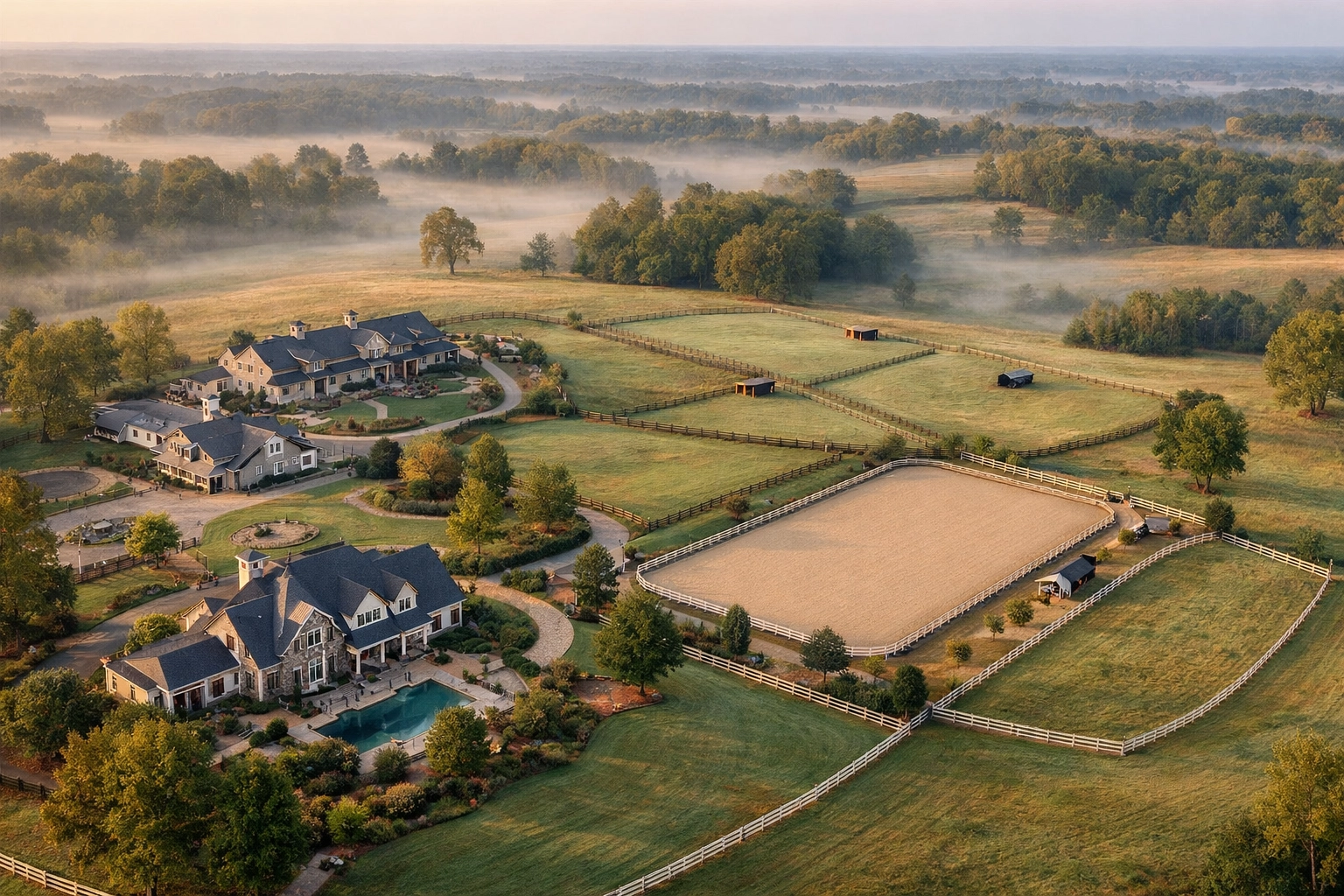
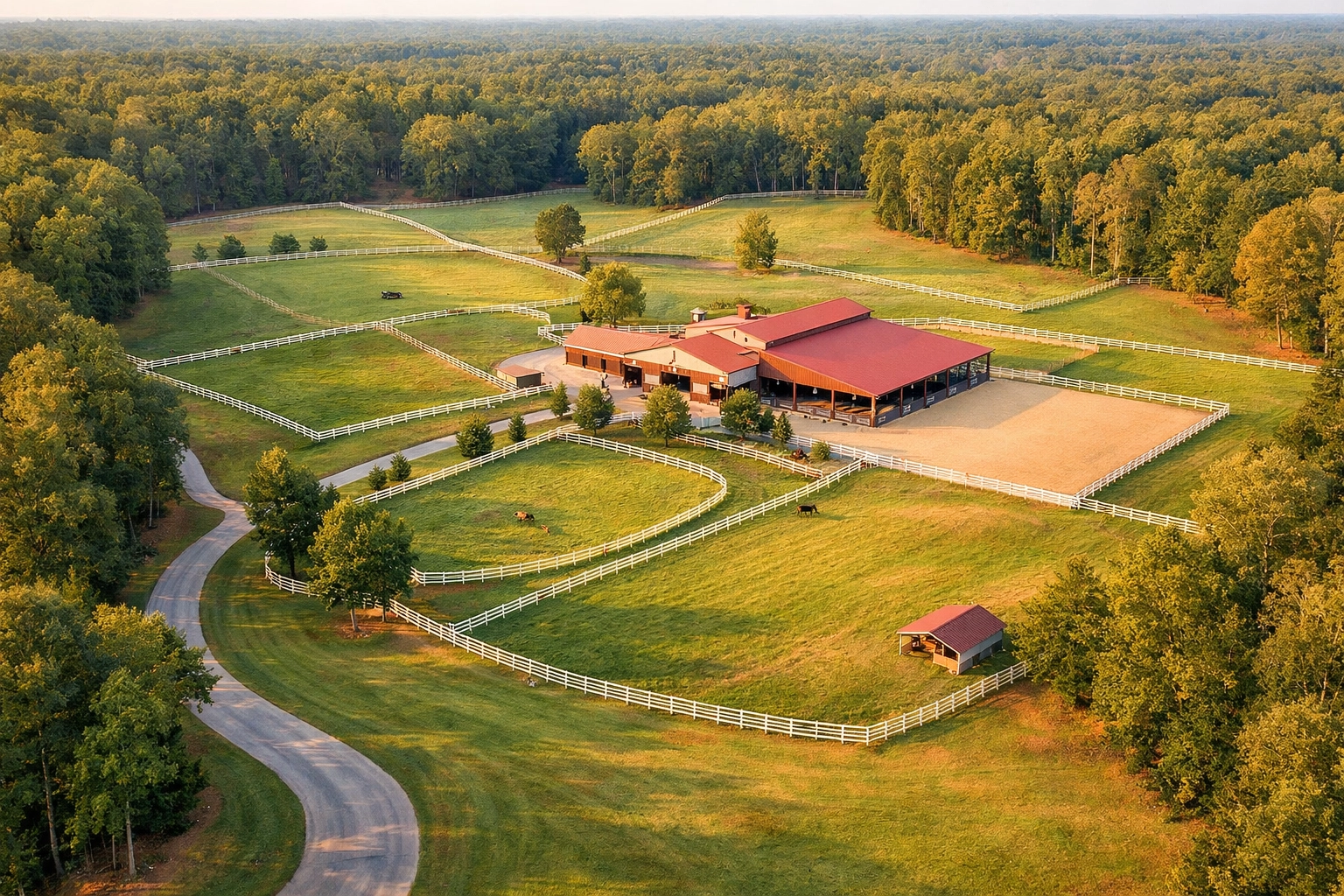
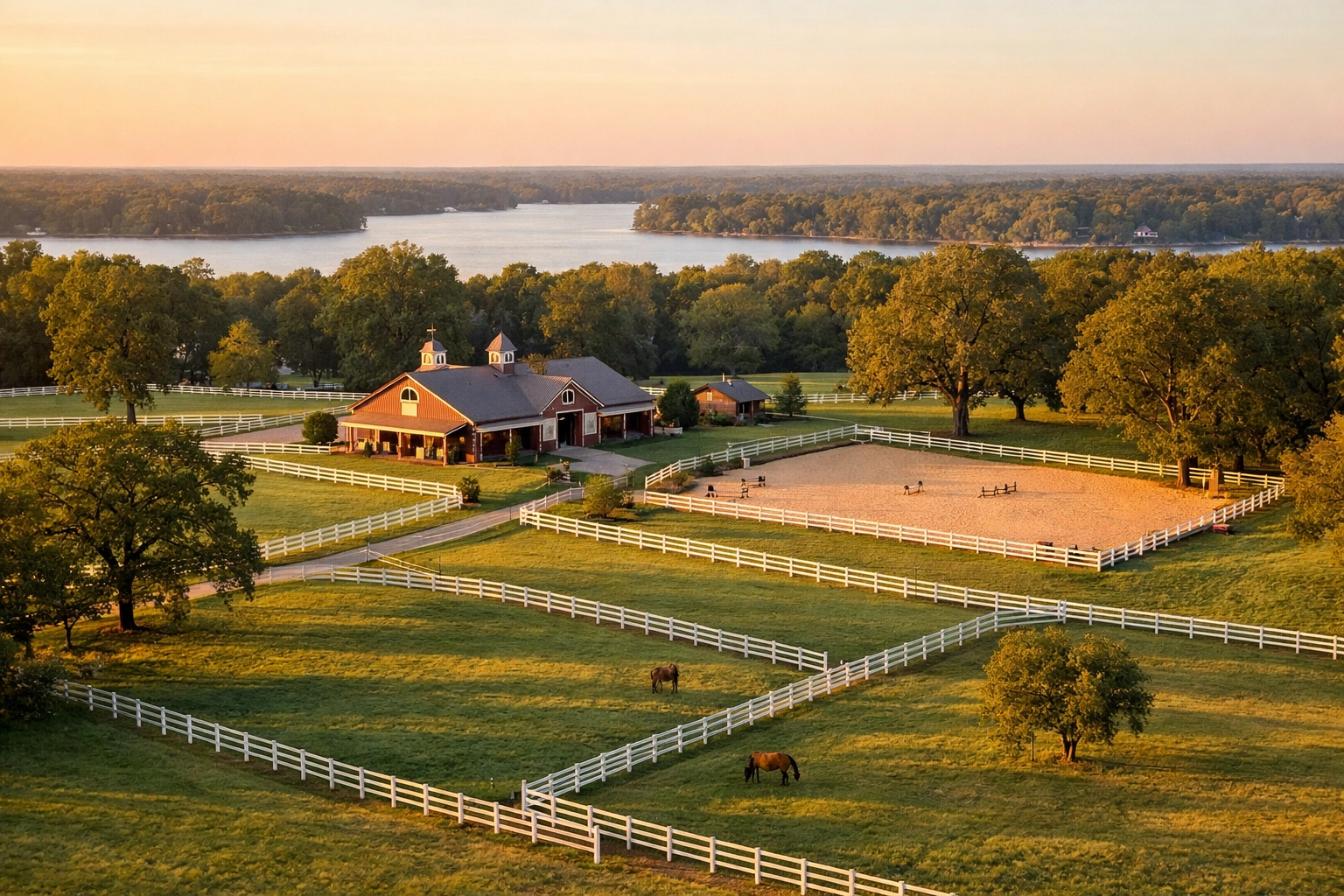
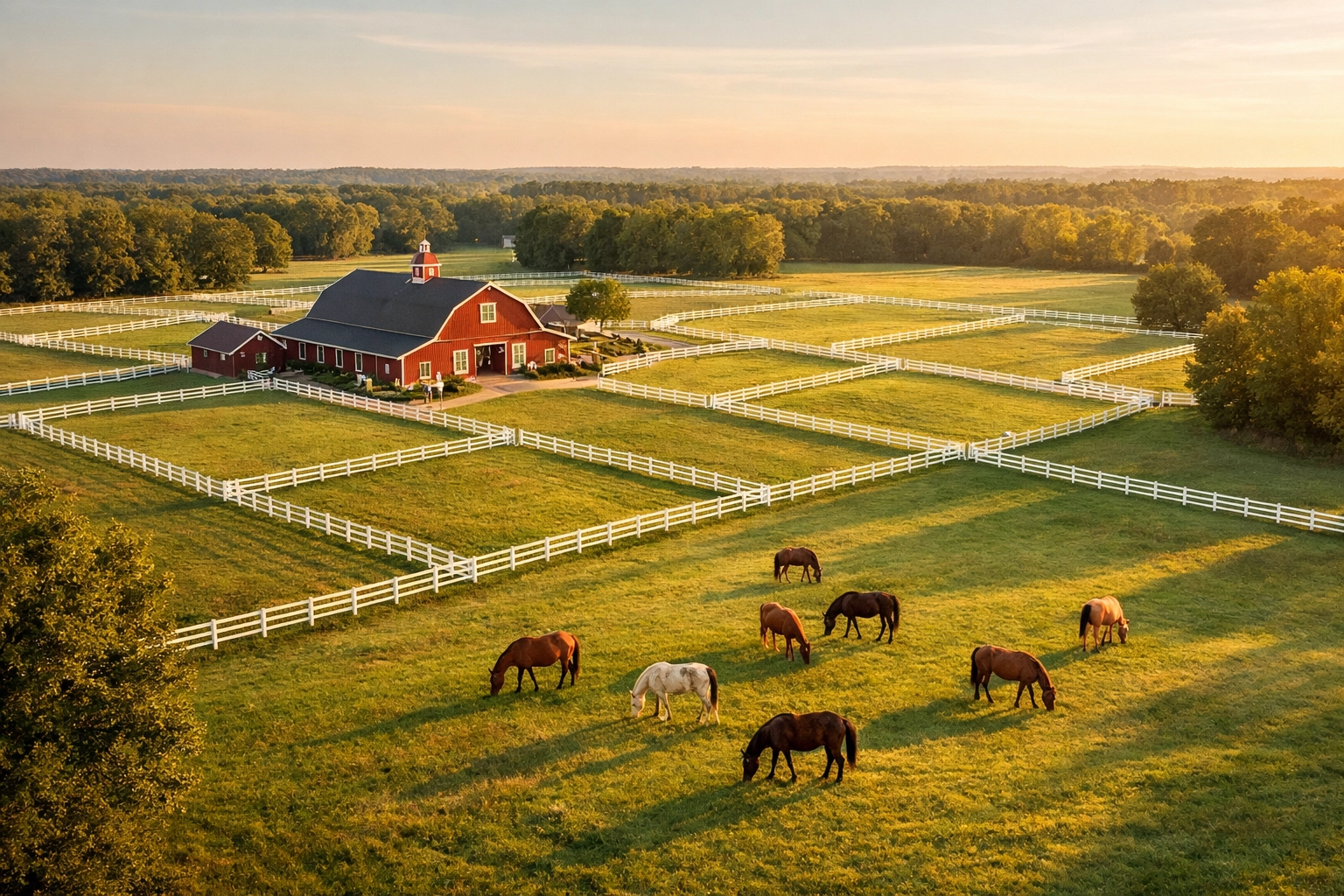
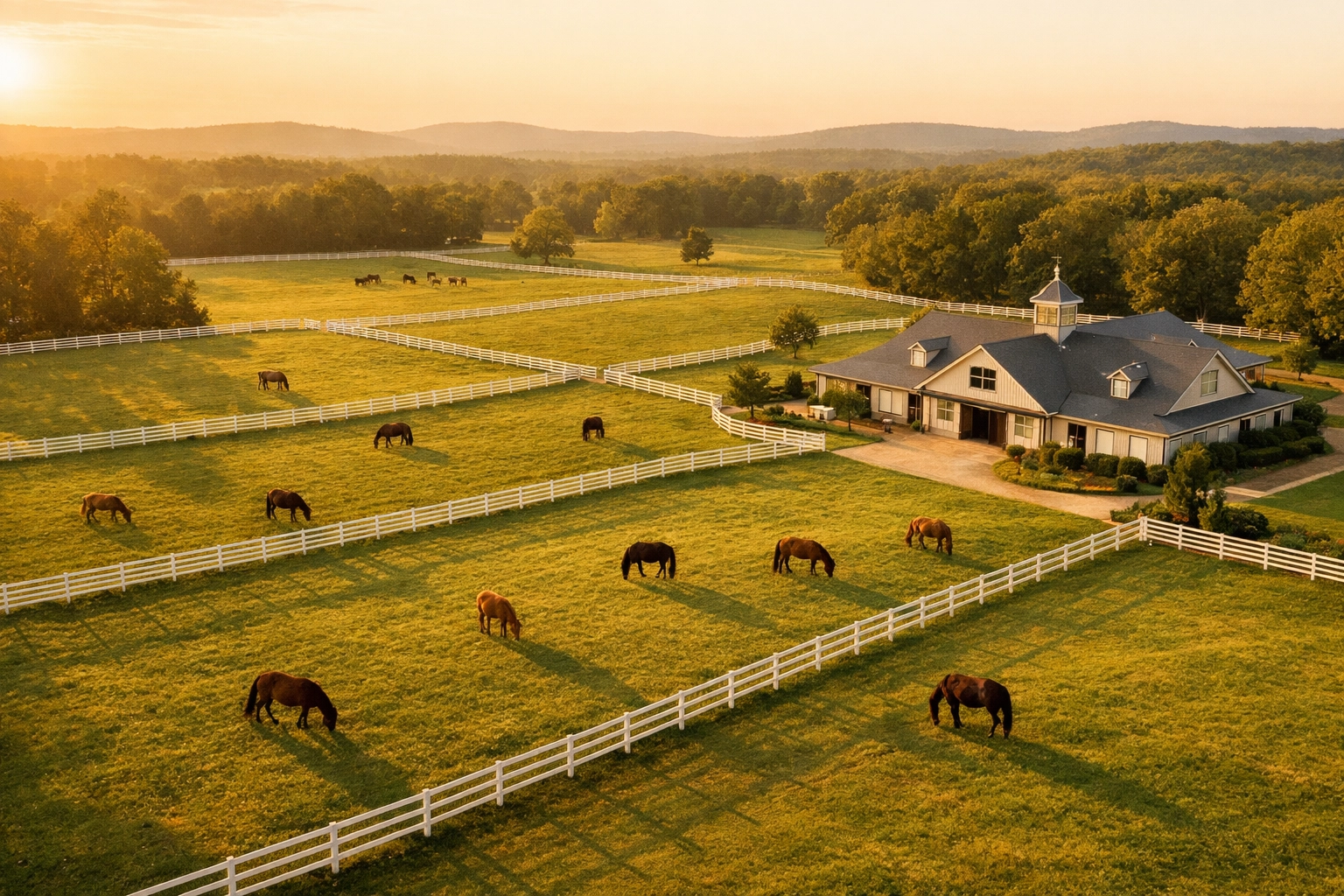
    Aerial view of horse farm with arena and pastures in Charlotte Metro equestrian property market

    Location-Based Content: Target Where Your Buyers Actually Search

    1. The Ultimate Guide to Horse Farms for Sale in Waxhaw, NC

    Waxhaw dominates Charlotte equestrian searches for good reason, it's the crown jewel of our regional horse country. Cover Cane Creek Park access, soil quality, average acreage, price ranges, and why the equestrian community here is unmatched. Include zoning specifics and what "horse farms for sale" actually means in Waxhaw versus surrounding areas.

    2. Why Weddington is the Perfect Spot for Your Equestrian Estate

    Weddington buyers want it all: land, luxury, and proximity to Charlotte. Address the unique appeal of larger lots with modern amenities, outstanding schools for equestrian families, and the balance between privacy and convenience. This post should speak to the professional with a substantial horse operation who doesn't want to sacrifice lifestyle.

    3. Luxury Living: Equestrian Properties in Marvin, NC

    Marvin represents the high end of our market, think custom-built barns with European stalls, heated viewing lounges, and championship-quality arenas. Focus on architectural design standards, what "luxury equestrian" means in terms of facility features, and why discerning buyers pay premium prices here.

    4. Exploring York County, SC: A Haven for Horse Lovers

    York County offers what North Carolina often can't: more land for less money. Address the cross-state-line concerns buyers have, tax implications, access to Charlotte amenities, and the strong equestrian culture in communities like Tega Cay and Fort Mill. This audience wants reassurance that "SC horse property" doesn't mean isolation.

    5. Finding Your Dream Horse Property in Mooresville

    Mooresville attracts a different buyer, often lake lifestyle meets equestrian living. Cover the unique proposition of Lake Norman proximity, what acreage looks like here versus Union County, and how water access affects land use and horse keeping.

    6. Tryon Horse Country: Why It's Still a Top Destination

    Tryon isn't just a location, it's an aspiration. Even in 2026, Tryon International Equestrian Center influences the entire Western North Carolina market. Explain the competition-focused lifestyle, property values driven by world-class facilities, and whether Tryon makes sense for non-professional riders.

    7. Huntersville Equestrian Real Estate: Space Close to the City

    Huntersville represents the tightest geographic circle around Charlotte where real horse acreage still exists. This post should address the compromise buyers make, smaller properties, higher prices, but unbeatable convenience for the commuting equestrian.

    8. Hidden Gems: Horse Farms for Sale in Davidson, NC

    Davidson flies under the radar in equestrian searches, which is exactly why it deserves content. Cover the smaller, well-maintained properties that appeal to semi-retirement riders or families wanting horses without full-scale farm management.

    9. Why Harrisburg, NC is Growing for Equestrian Families

    Harrisburg's growth story matters to buyers considering new construction or recently developed properties. Address the infrastructure improvements, school ratings, and how newer equestrian communities here balance modern builds with functional horse facilities.

    10. Large Acreage and Privacy: Monroe's Best Horse Properties

    Monroe offers space, real space. This post targets buyers who need 50+ acres, multiple pastures, and the privacy for breeding operations or large-scale training programs. Discuss what "large acreage" actually costs and maintains in Union County.

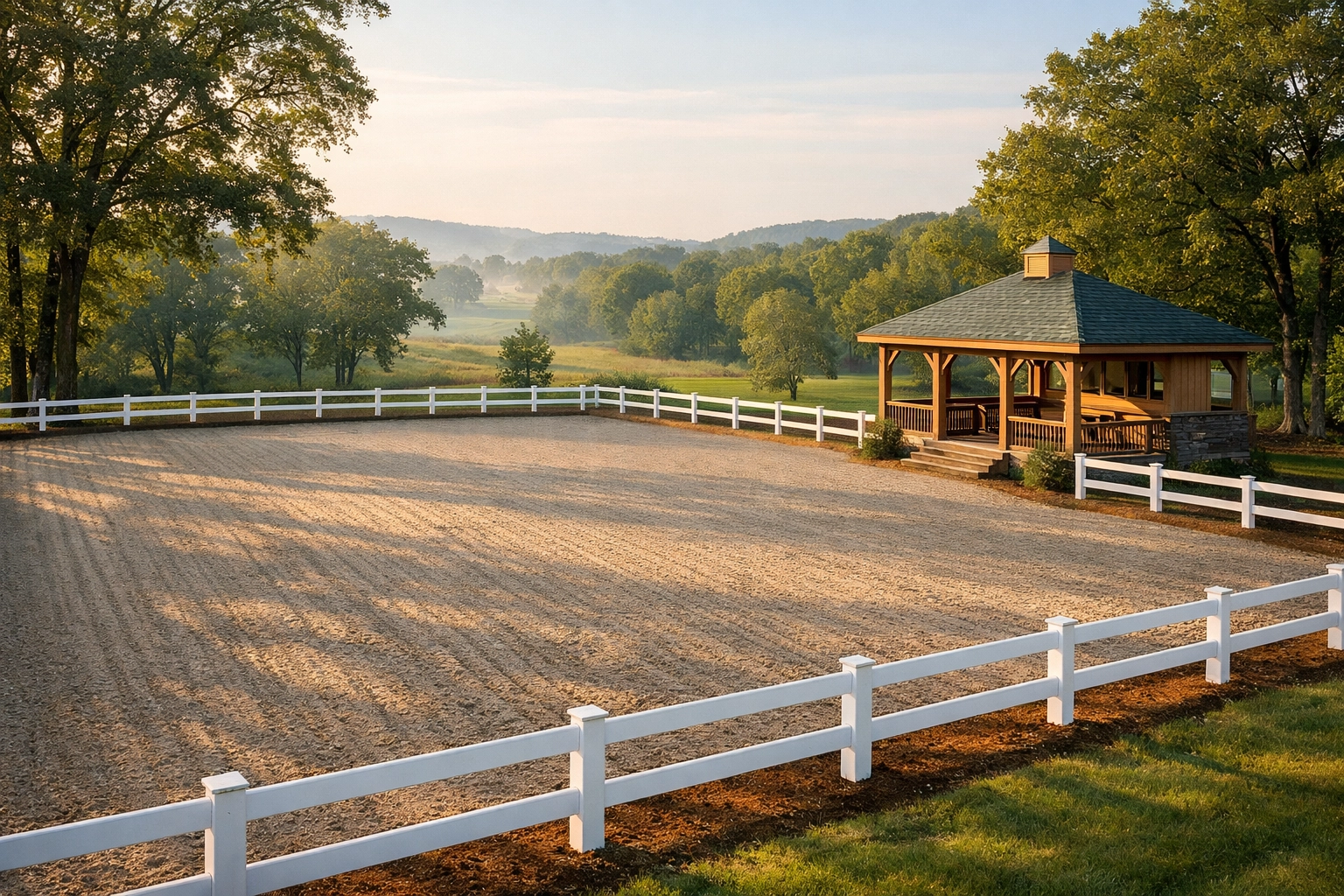
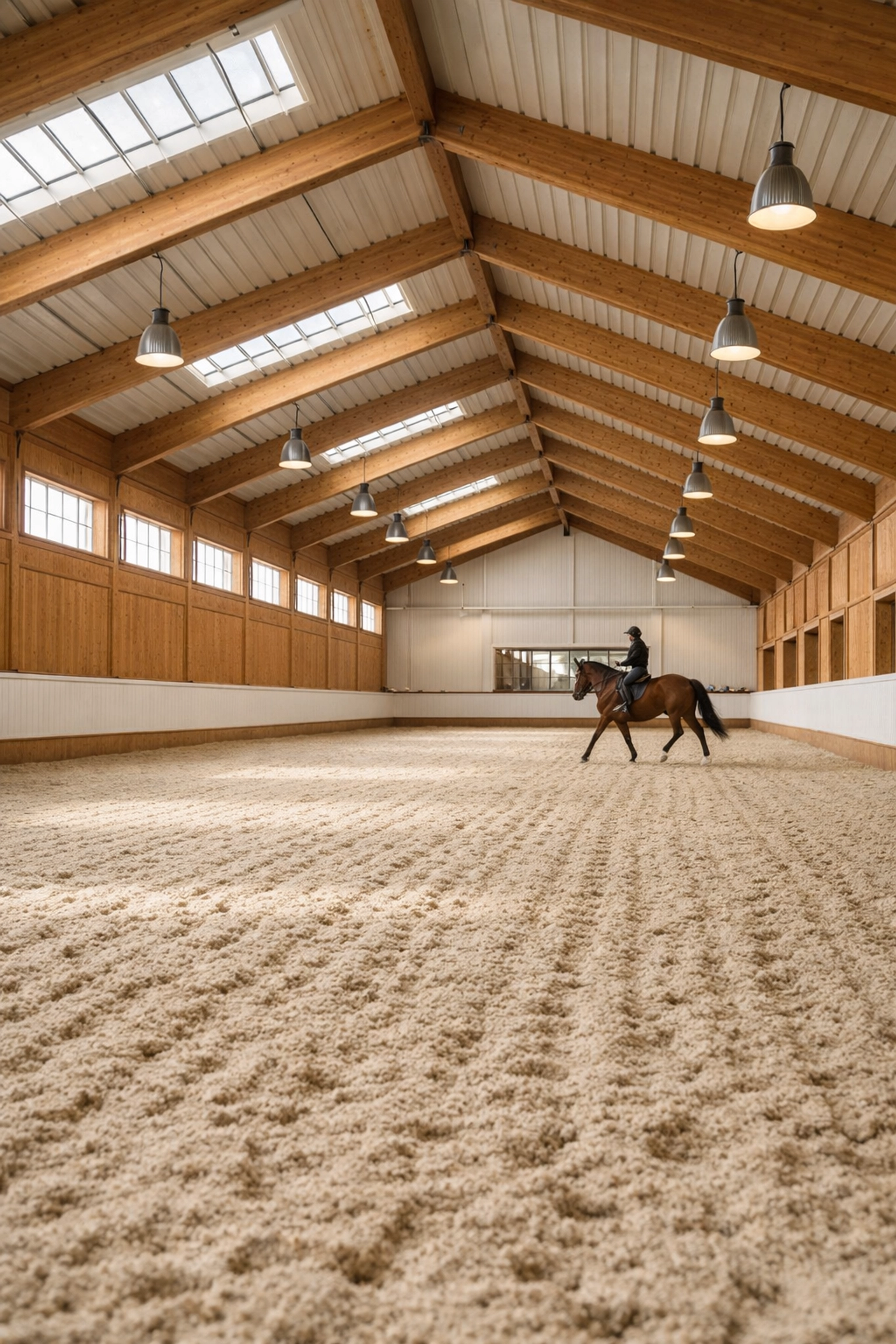
    Luxury indoor riding arena with European stalls at Charlotte area equestrian estate

    Facility Features That Convert Searches Into Showings

    11. Must-Have Feature: Why an Indoor Riding Arena Changes Everything

    Indoor arenas transform how serious riders search for property. Explain construction costs, maintenance realities, heating/cooling considerations for North Carolina climate, and ROI for sellers who invest in this feature. This post attracts both buyer searches and seller preparation planning.

    12. Barn Layouts 101: Designing for Efficiency and Horse Safety

    This educational content establishes authority while capturing searches from buyers evaluating existing facilities and sellers considering renovations. Cover aisle width, stall dimensions, feed room placement, and how modern designs prevent accidents and reduce labor.

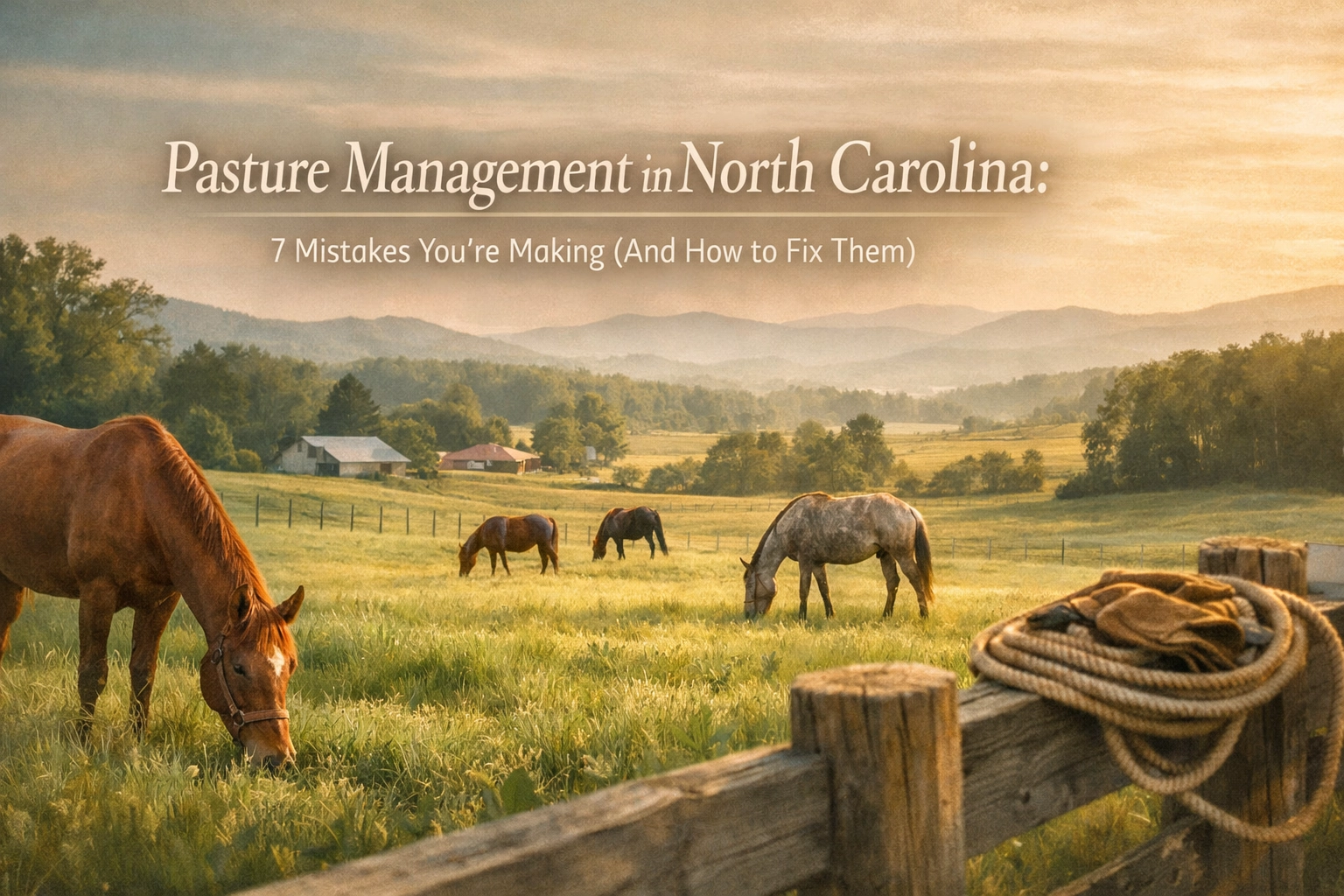
    13. Pasture Management: Keeping Your North Carolina Soil Healthy

    North Carolina red clay challenges newcomers from other regions. Address rotational grazing, erosion control, seeding schedules specific to our climate, and how pasture quality affects property value. This positions your brand as the local expert who understands land beyond structures.

    14. The Essentials of High-End Stable Design in Charlotte

    High-end buyers search for specific amenities, wash stalls with hot water, rubber pavers, climate control, and smart barn technology. Detail what separates a premium facility from a basic barn and justify price differences buyers see in listings.

    15. Fencing Options for NC Horse Farms: Safety Meets Style

    Fencing represents substantial investment and immediate visual impact. Compare costs and safety profiles of board, coated wire, vinyl, and traditional wood options. Address aesthetic considerations for properties in HOA communities versus agricultural zoned land.

    16. Manure Management: Best Practices for Small and Large Farms

    Unglamorous but essential, manure management affects zoning compliance, neighbor relations, and property appeal. Cover composting systems, removal services, regulations in different counties, and how professional handling adds value during property marketing.

    17. Drainage Solutions for Your Equestrian Property

    Poor drainage kills deals. Address French drains, grading requirements, arena footing that doesn't flood, and paddock solutions for our heavy rainfall. This practical content attracts serious buyers who know what questions to ask during showings.

    18. Tack Room Goals: Organizing Your Equestrian Gear

    Tack room design reveals whether a seller truly understands horses. Cover climate control for leather preservation, saddle rack spacing, boot storage, and how organized tack spaces photograph beautifully in listings, attracting premium buyers.

    19. Preparing Your Hay Storage for the North Carolina Seasons

    Hay storage seems minor until you face humidity and summer heat. Discuss barn placement, ventilation requirements, covered versus enclosed storage, and capacity planning for properties marketed to self-care boarders or training operations.

    Organized tack room with saddles and equipment in high-end North Carolina horse farm barn

    Lifestyle Content That Builds Emotional Connection

    20. The Best Public Riding Trails Near Charlotte, NC

    Trail access influences property decisions for pleasure riders. Map Cane Creek, Anne Springs Close Greenway, and lesser-known trail systems. This lifestyle content keeps your site active while building authority with the recreational riding community.

    Buyer & Seller Education: Converting Research Into Transactions

    21. First-Time Horse Farm Buyer? Here's Where to Start

    First-time buyers need reassurance and education. Create a step-by-step guide covering financing differences from residential loans, inspection considerations unique to equestrian properties, and realistic budget expectations for land, facilities, and maintenance.

    22. Navigating Zoning Regulations for Horses in Mecklenburg County

    Mecklenburg County zoning confuses buyers coming from rural areas. Explain minimum acreage requirements, boarding restrictions, commercial training limitations, and how zoning affects resale value and property use flexibility.

    23. Union County Zoning: What Equestrian Buyers Need to Know

    Union County's agricultural zoning offers advantages Mecklenburg doesn't. Compare the regulatory environments, address what "agricultural" classification means for taxes and permitted uses, and guide buyers on choosing counties based on their horse business plans.

    24. Staging Your Horse Farm: How to Sell Faster and for More

    Sellers need specific, actionable advice. Cover barn cleaning priorities, pasture presentation, arena grooming before photos, and how to showcase working farms without active boarding clients interfering with showings. This attracts seller leads while establishing expertise.

    25. 5 Things to Look for During a Horse Property Home Inspection

    Standard home inspections miss critical equestrian infrastructure issues. Detail barn electrical safety, well water quality and capacity for multiple horses, septic system sizing for farm use, and structural concerns in older agricultural buildings.

    26. Financing Your Dream: Specialized Loans for Equestrian Estates

    Properties with significant acreage and agricultural income potential require different lending approaches. Explain USDA loans, agricultural exemptions, how lenders evaluate horse properties differently, and what down payments realistically look like for equestrian estates.

    27. The 2026 Charlotte Equestrian Market: Trends to Watch

    Current market analysis keeps your content fresh and positions you as the authority on local conditions. Address inventory levels, price trends in key equestrian zip codes, buyer demand patterns, and how economic factors specifically affect luxury land transactions.

    28. Tax Benefits of Owning a Working Horse Farm in NC

    North Carolina offers present-use value taxation that dramatically reduces property taxes for qualifying agricultural operations. Explain qualification requirements, how horse boarding and training income factors in, and what "working farm" status means for long-term ownership costs.

    29. From Pro to Retirement: Finding the Right Training Facility

    Professional riders considering retirement or scaled-back operations represent a specific niche market. Address properties that transition well from full training programs to smaller operations, what infrastructure matters for this phase, and lifestyle considerations beyond horse facilities.

    30. Why Soil Testing is a Must Before Buying Land in Charlotte

    Soil quality determines pasture productivity, arena construction costs, and long-term land management expenses. Cover testing procedures, interpreting results specific to horse keeping, remediation costs for poor soil, and how soil reports affect purchase negotiations.

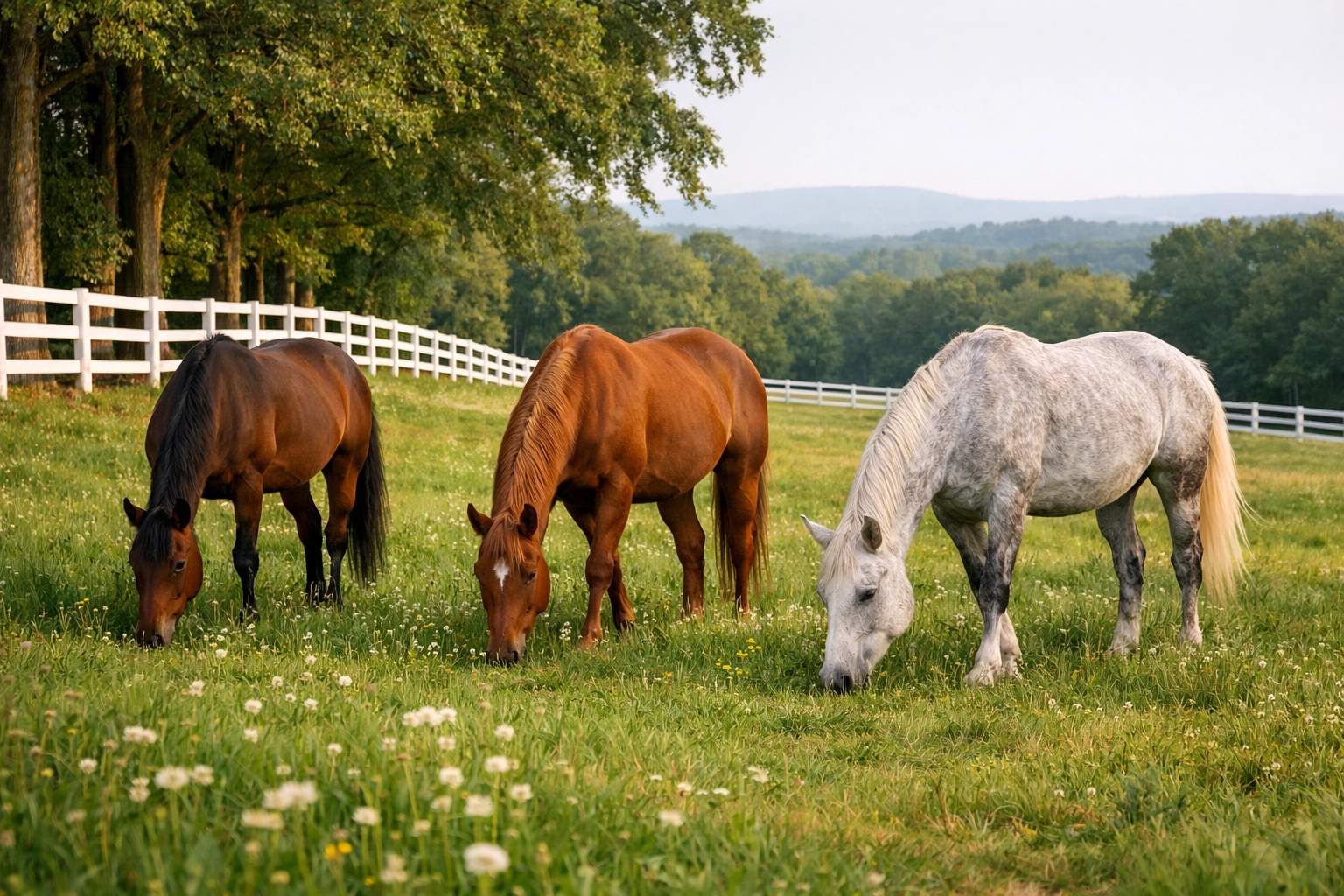
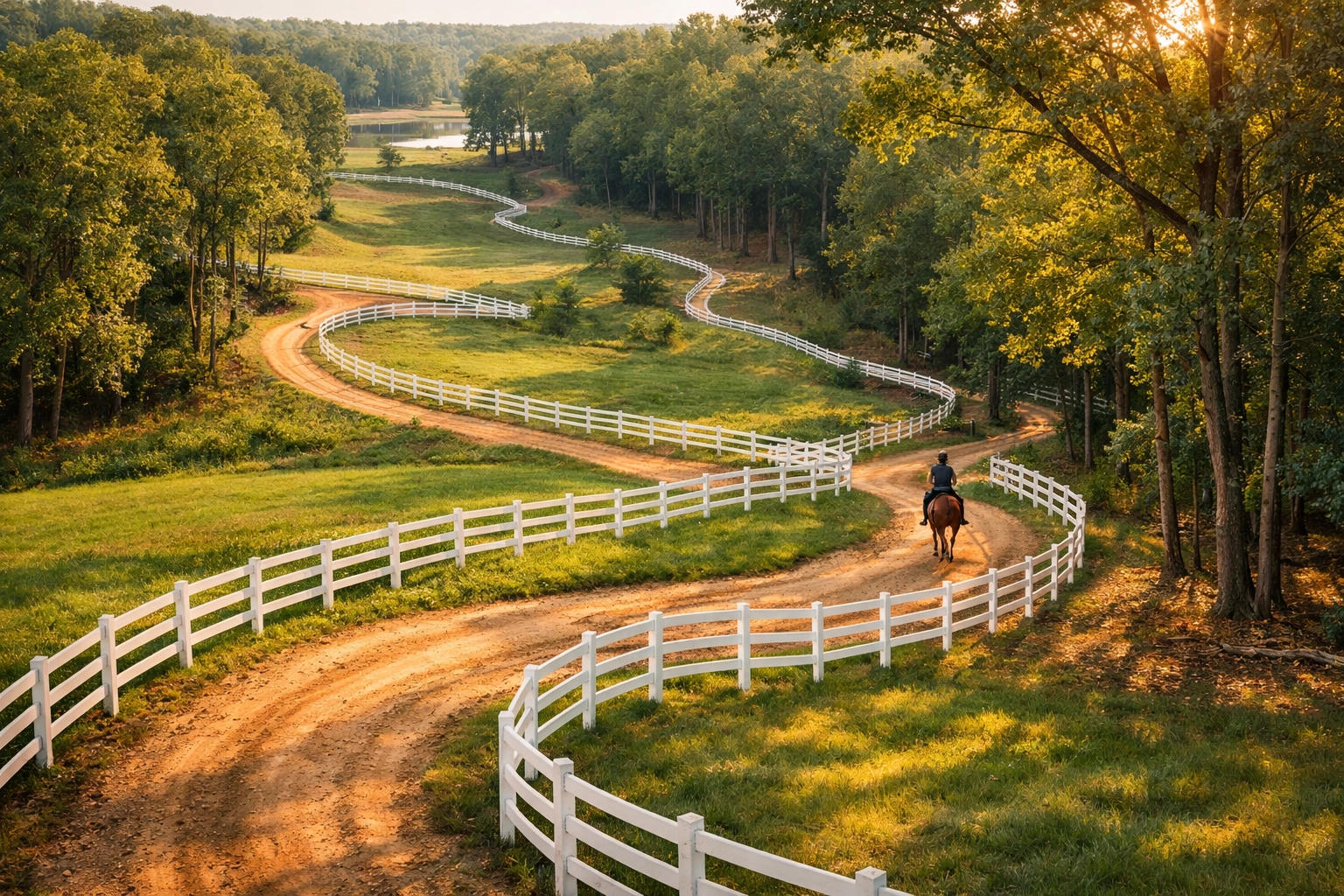
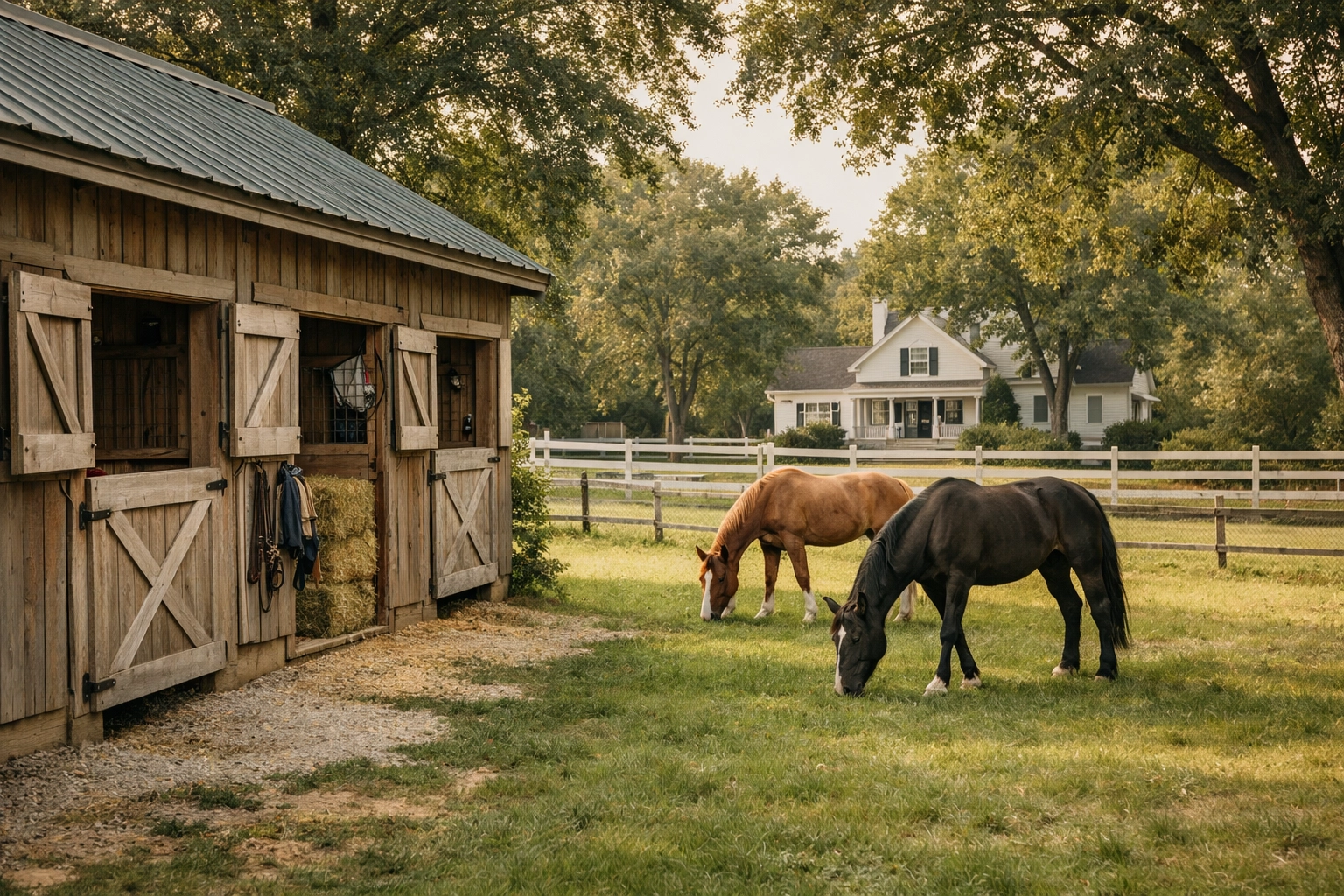
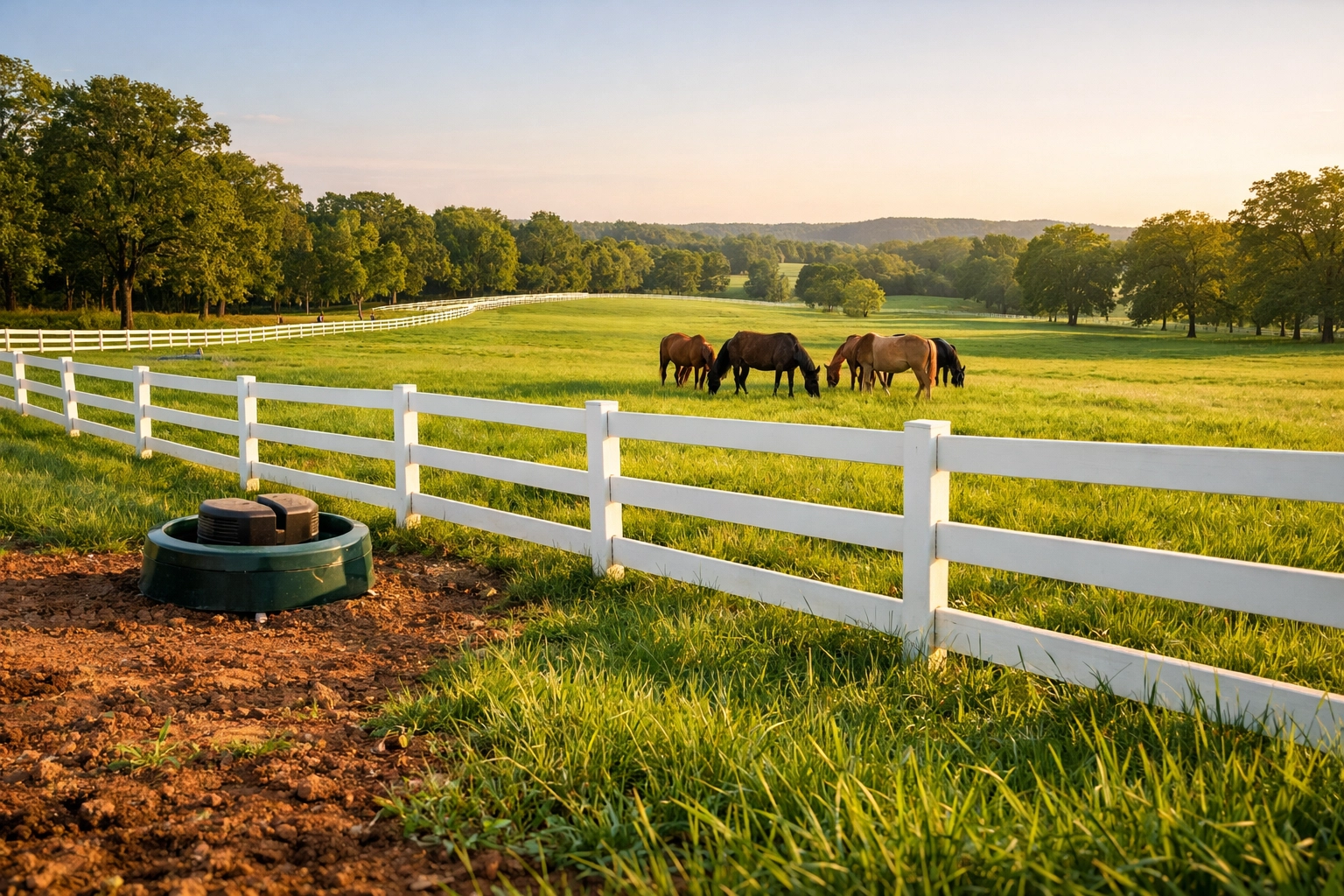
    Horse grazing in North Carolina pasture with white fence at sunrise on equestrian property

    From Content Strategy to Search Dominance

    These 30 long-tail topics create a content foundation that captures buyers at every stage: from initial research through final purchase decisions. Each post targets specific search intent while building cumulative authority that elevates all your rankings.

    The key isn't writing all 30 posts immediately. Start with the location-based content that matches your current inventory, add facility features that address your seller questions, and layer in buyer education that shortens your sales cycle.

    Search engines reward consistent, valuable content published over time. Your competition is still buying generic ads and hoping. You'll be answering the exact questions buyers are asking: and capturing them before they ever call another agent.

    Ready to position your equestrian property listings where serious buyers are actually searching? Visit our current horse farm listings or contact our team to discuss how strategic content creates competitive advantage in the Charlotte equestrian market.

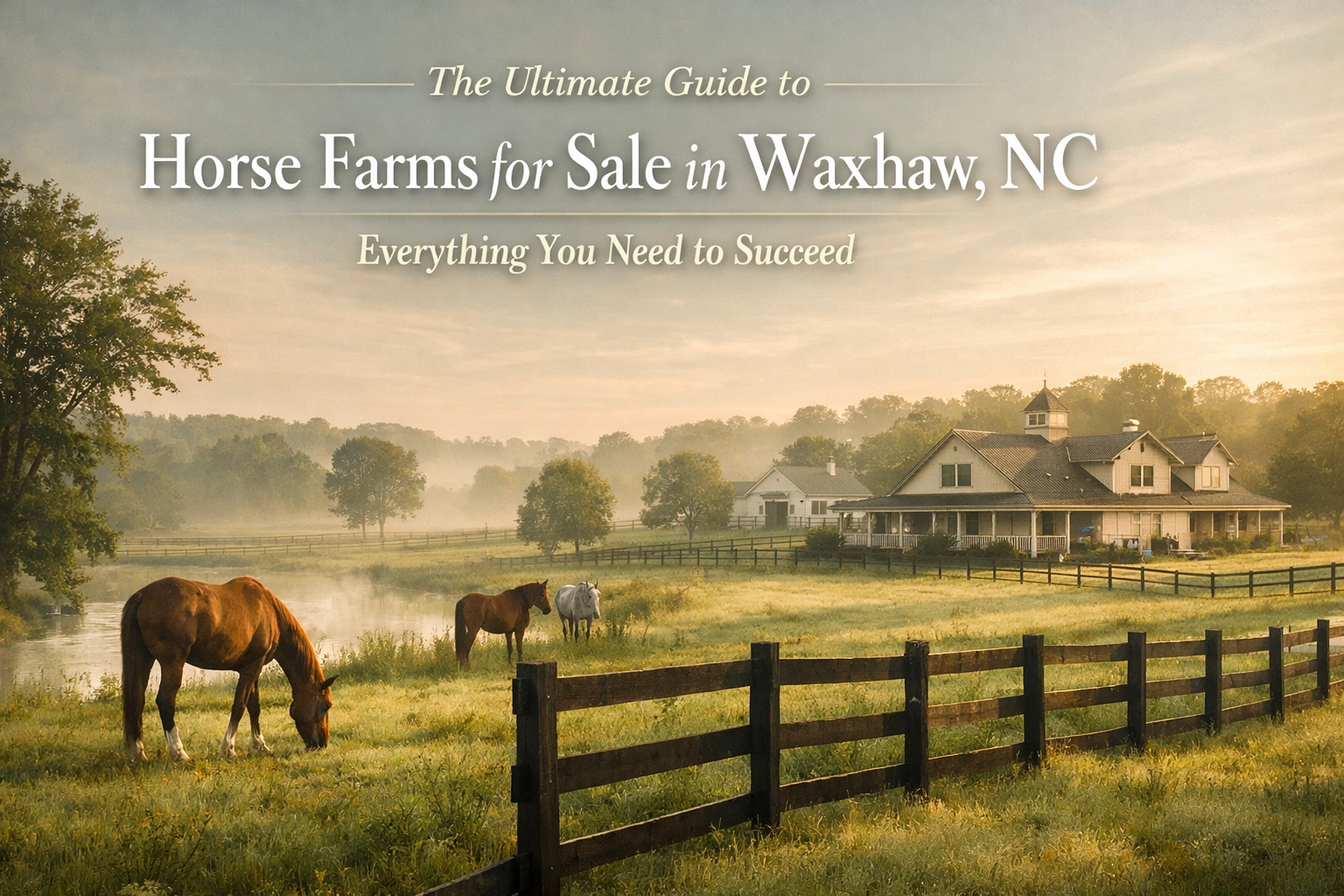
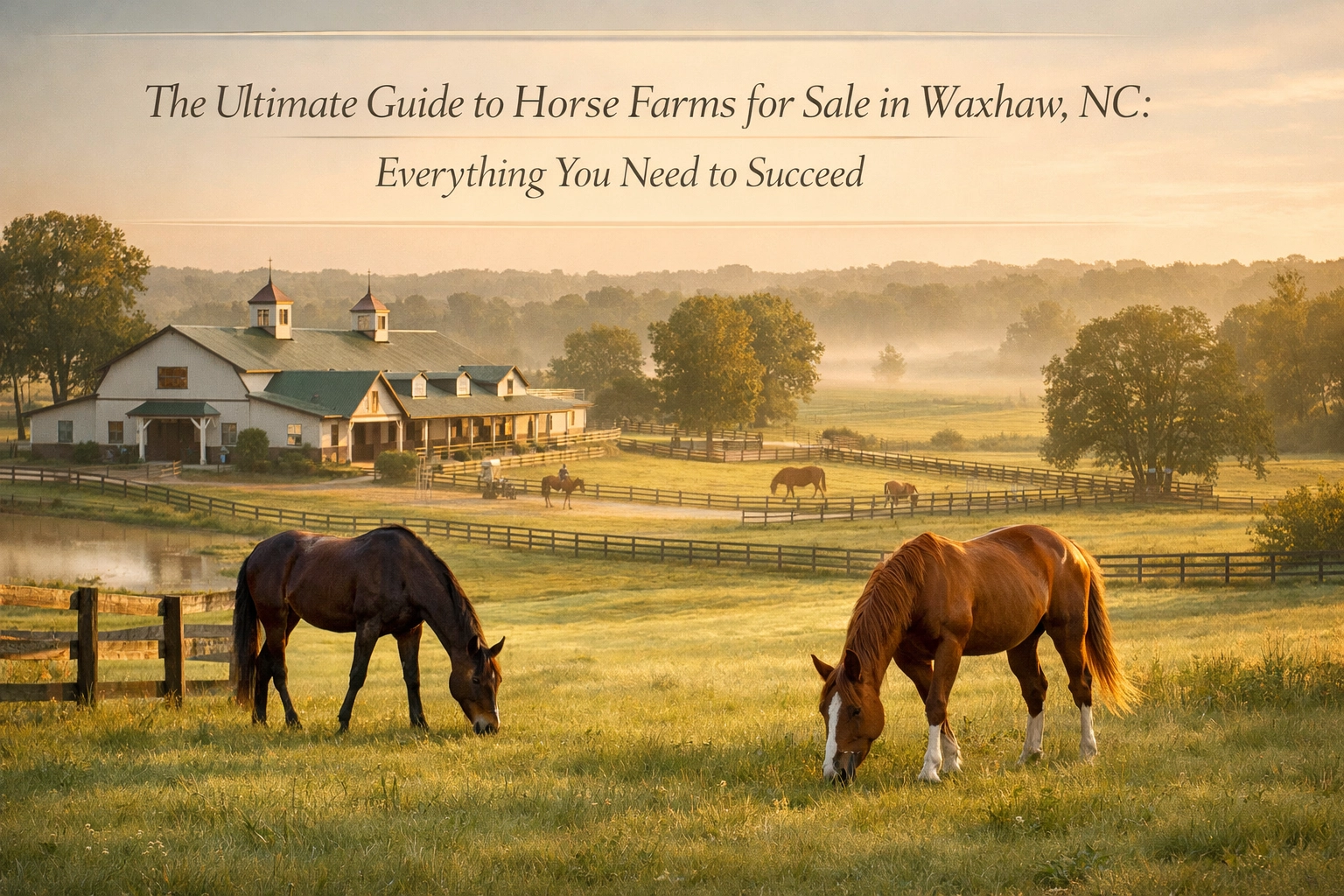
  • The Ultimate Guide to Horse Farms for Sale in Waxhaw, NC: Everything You Need to Succeed

    The Ultimate Guide to Horse Farms for Sale in Waxhaw, NC: Everything You Need to Succeed

    There's something about Waxhaw that just works for horses. Maybe it's the rolling topography that creates natural drainage. Maybe it's the proximity to Charlotte without the sprawl creeping into your pastures. Or maybe it's simply that this corner of Union County has been horse country long enough that the infrastructure, the culture, and the land itself all align to support the equestrian lifestyle.

    If you're searching for horse farms for sale in Waxhaw, you're looking in one of the Charlotte Metro's most established equestrian markets. But finding the right property requires more than browsing listings: it demands understanding what makes a farm functional, sustainable, and worth the investment.

    The Waxhaw Market: What You're Walking Into

    The equestrian property market in Waxhaw remains active and diverse. Currently, approximately 17 equestrian properties are available near Waxhaw with an average listing price of $539,000. The range is broad: from starter farms around $295,000 to fully developed estates exceeding $1.5 million.

    Per-acre costs average around $50,000, though this varies significantly based on improvements, location, and land quality. Properties typically range from intimate 2-acre setups to sprawling 10+ acre estates with multiple barns and arena facilities.

    What's important to understand: price per acre tells only part of the story. A 5-acre property with proper drainage, quality fencing, a well-designed barn, and established pastures is worth substantially more than raw land at the same per-acre cost. As horse people, we know infrastructure matters more than square footage on a tax card.

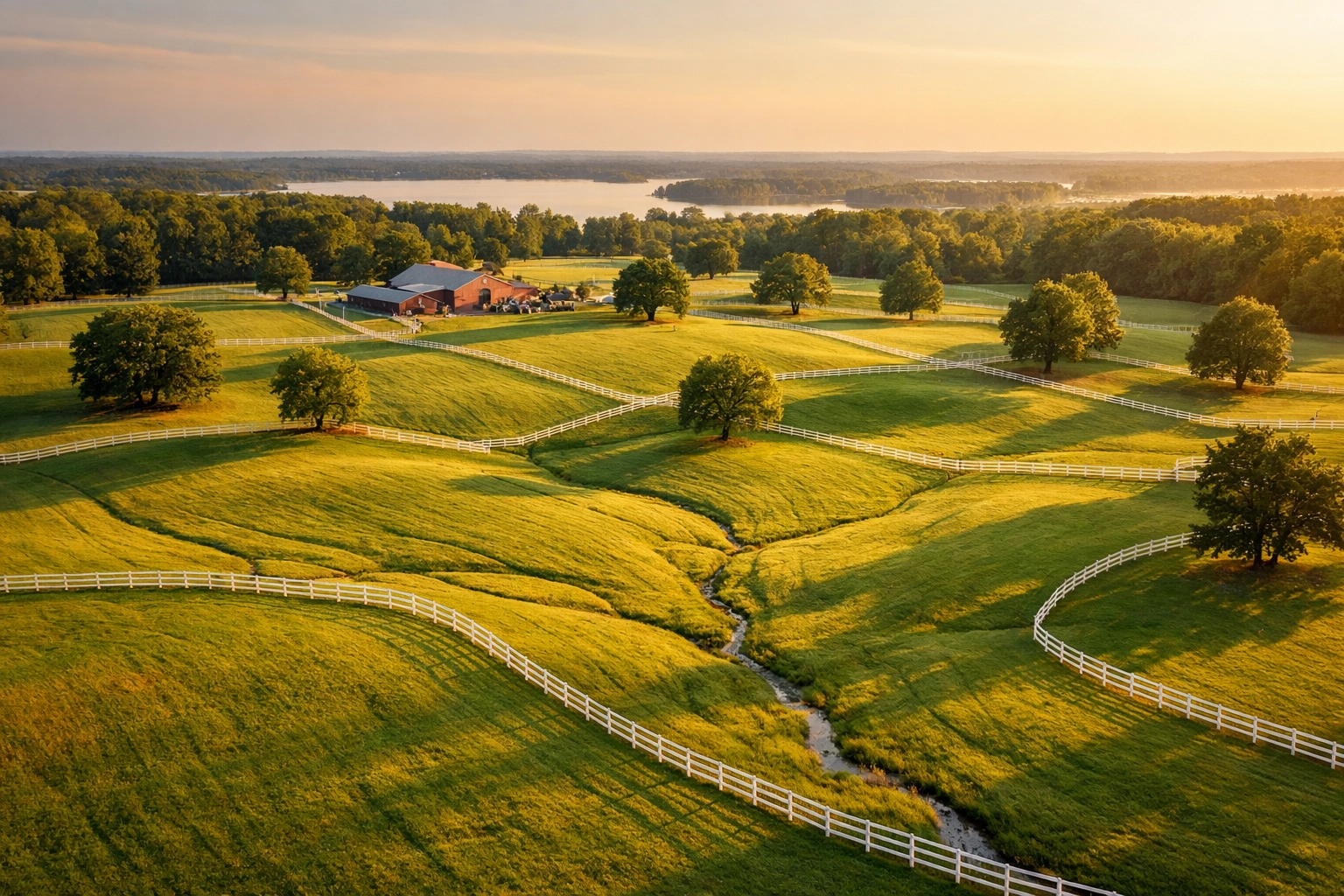
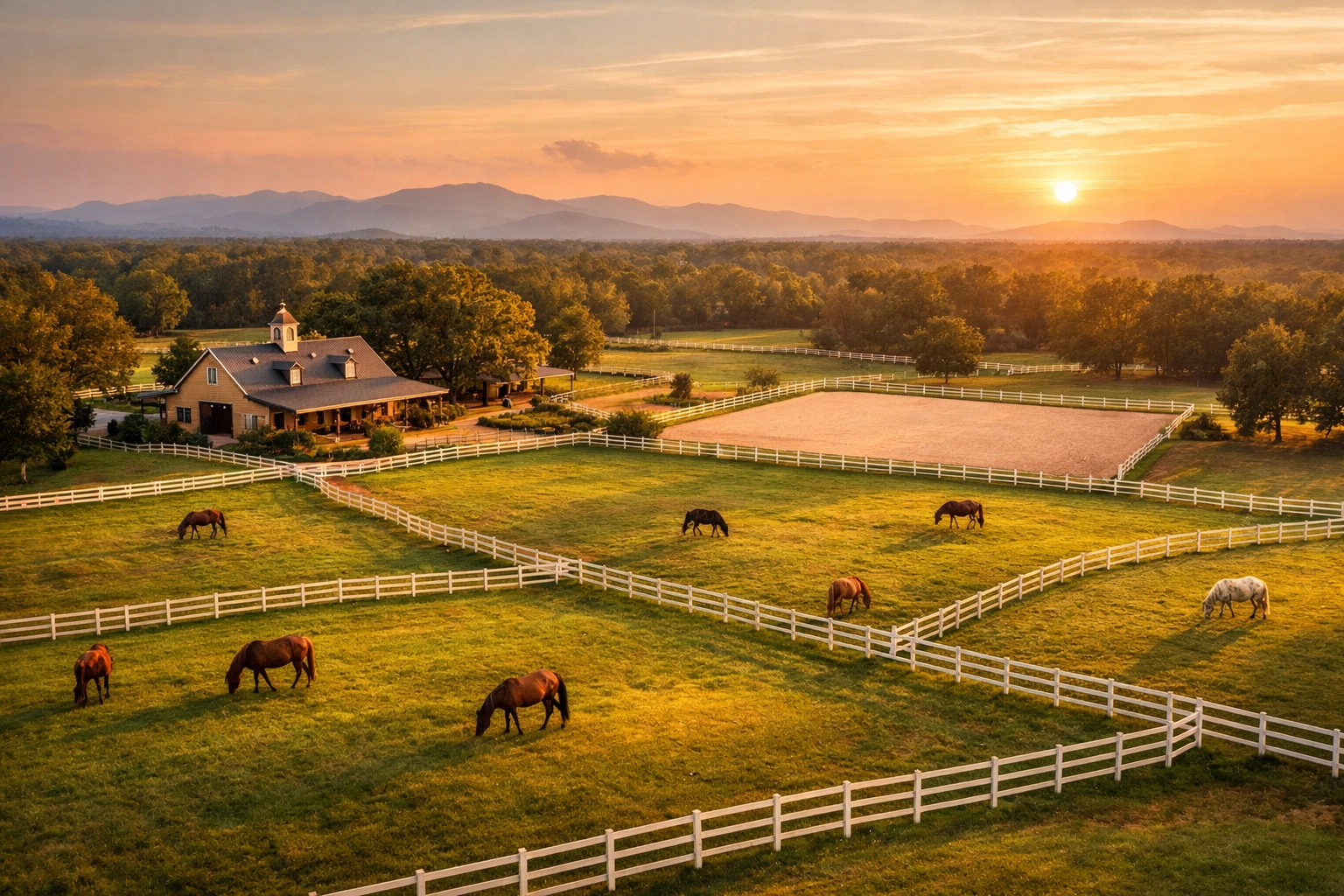
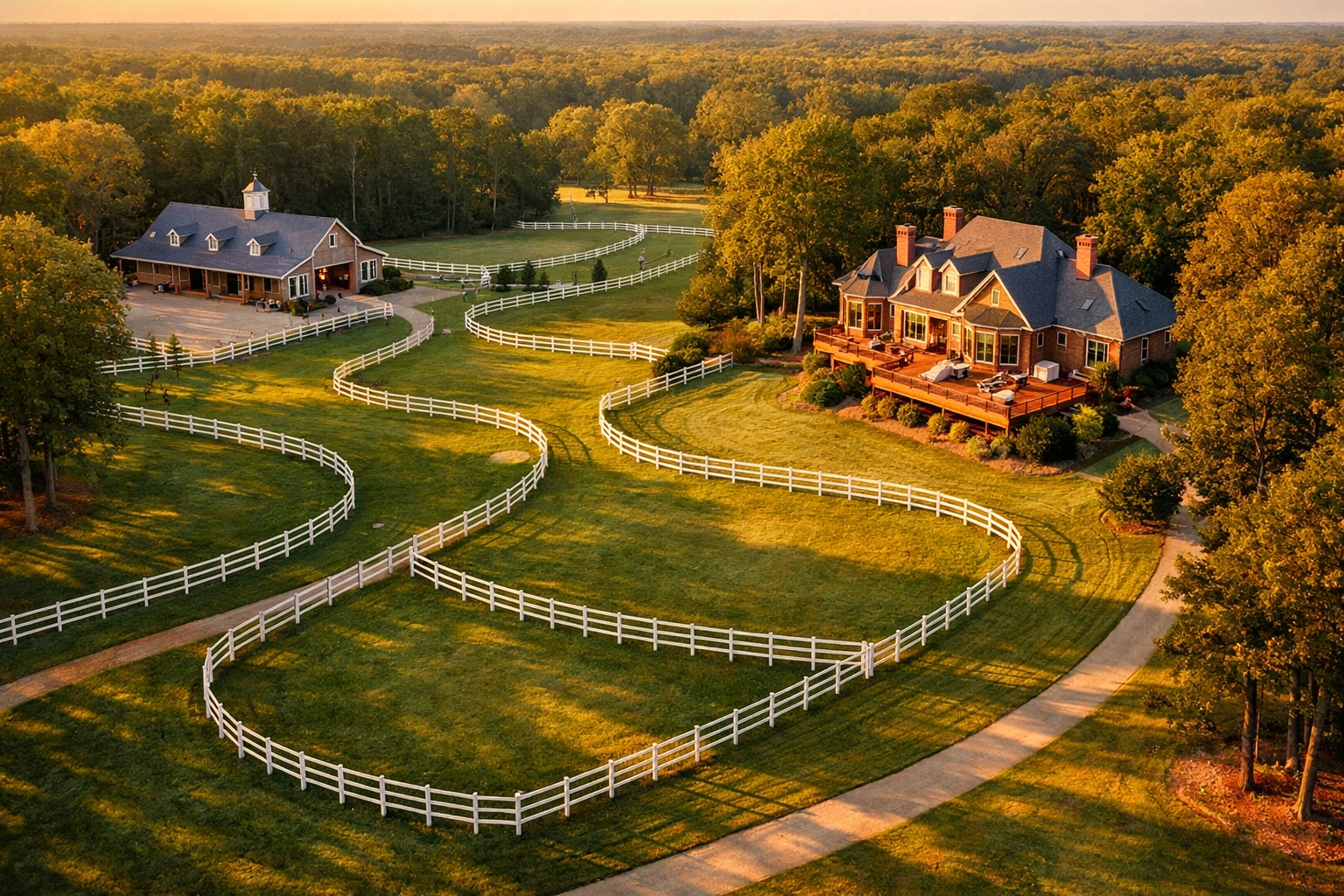
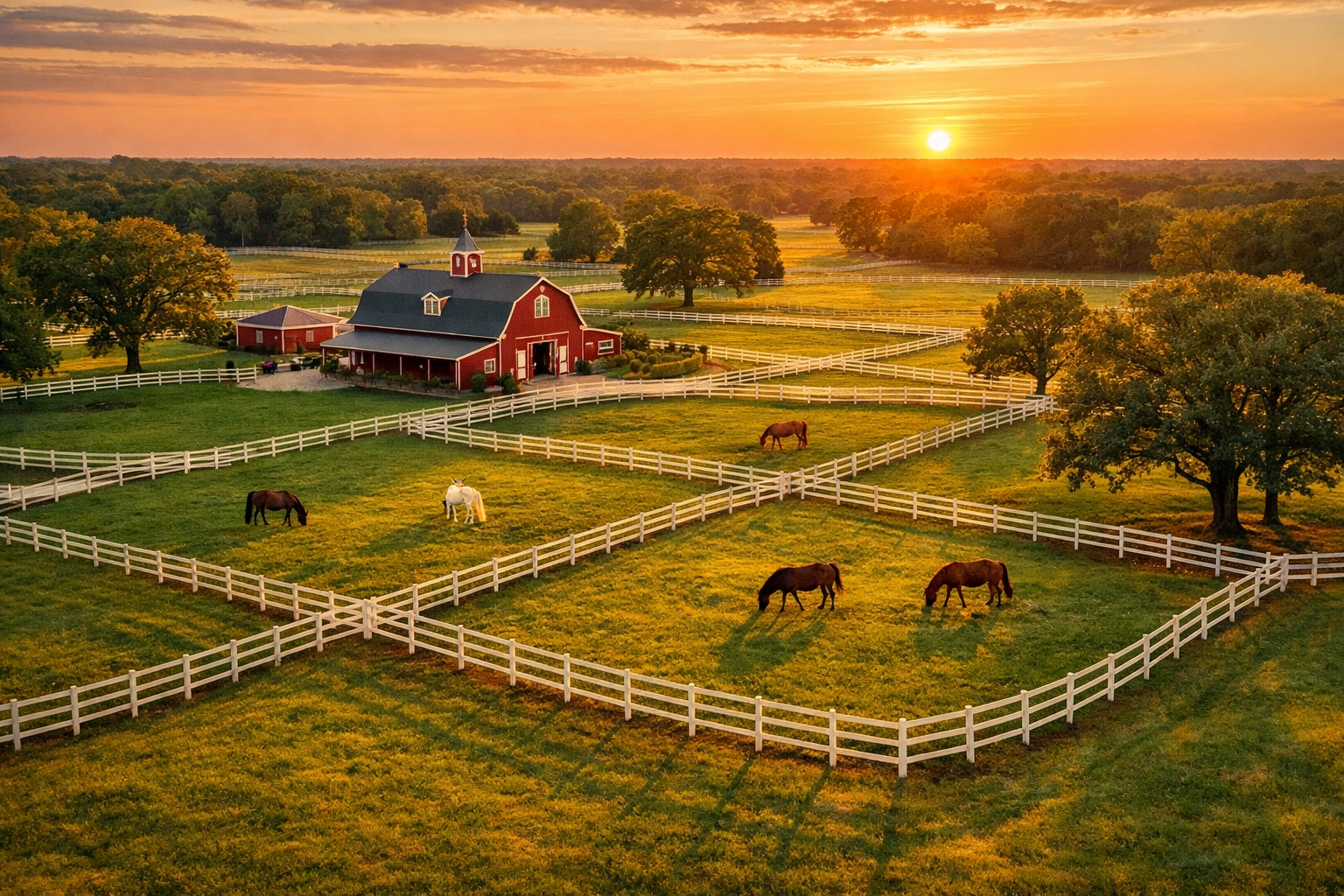
    Aerial view of horse farm for sale in Waxhaw NC with barn, fenced pastures, and grazing horses

    Why Waxhaw Works for Equestrians

    Waxhaw offers a particular combination of attributes that serious horse owners recognize immediately. The soil composition here: primarily clay with better drainage characteristics than much of the Piedmont: supports healthy pasture management when handled correctly. The terrain provides natural variation useful for conditioning horses and creating distinct turnout areas.

    The area benefits from genuine equestrian community infrastructure. You'll find veterinary practices familiar with performance horses, farriers who understand biomechanics, feed stores that stock quality hay and supplements, and trainers across multiple disciplines. This isn't a bedroom community where you'll struggle to find experienced professionals.

    Access to trail systems matters. Proximity to Cane Creek Park's 1,100 acres and the Mineral Springs Greenway means opportunities for trail riding without trailering hours from home. For many riders, particularly those focused on trail and pleasure horses, this accessibility improves quality of life significantly.

    Location provides another advantage: Waxhaw sits close enough to Charlotte for reasonable commutes while maintaining genuine rural character. You're not fighting suburban development pressure the way you would in Weddington or Marvin. The agricultural exemption community here is established and stable.

    What Separates Good Properties from Great Ones

    Not all horse farms are created equal, and Waxhaw's market demonstrates this clearly. Here's what to prioritize when evaluating properties:

    Barn Design and Functionality

    Most established farms feature 4-stall barn configurations, but layout matters more than stall count. Look for proper ventilation without drafts, adequate tack and feed storage, wash racks with hot water access, and safe footing throughout. A well-designed 4-stall barn beats a poorly executed 8-stall facility every time.

    Center-aisle barns remain most popular for good reason: they're efficient, versatile, and easier to expand. Shedrow-style barns work beautifully in our climate but require more land and different management approaches.

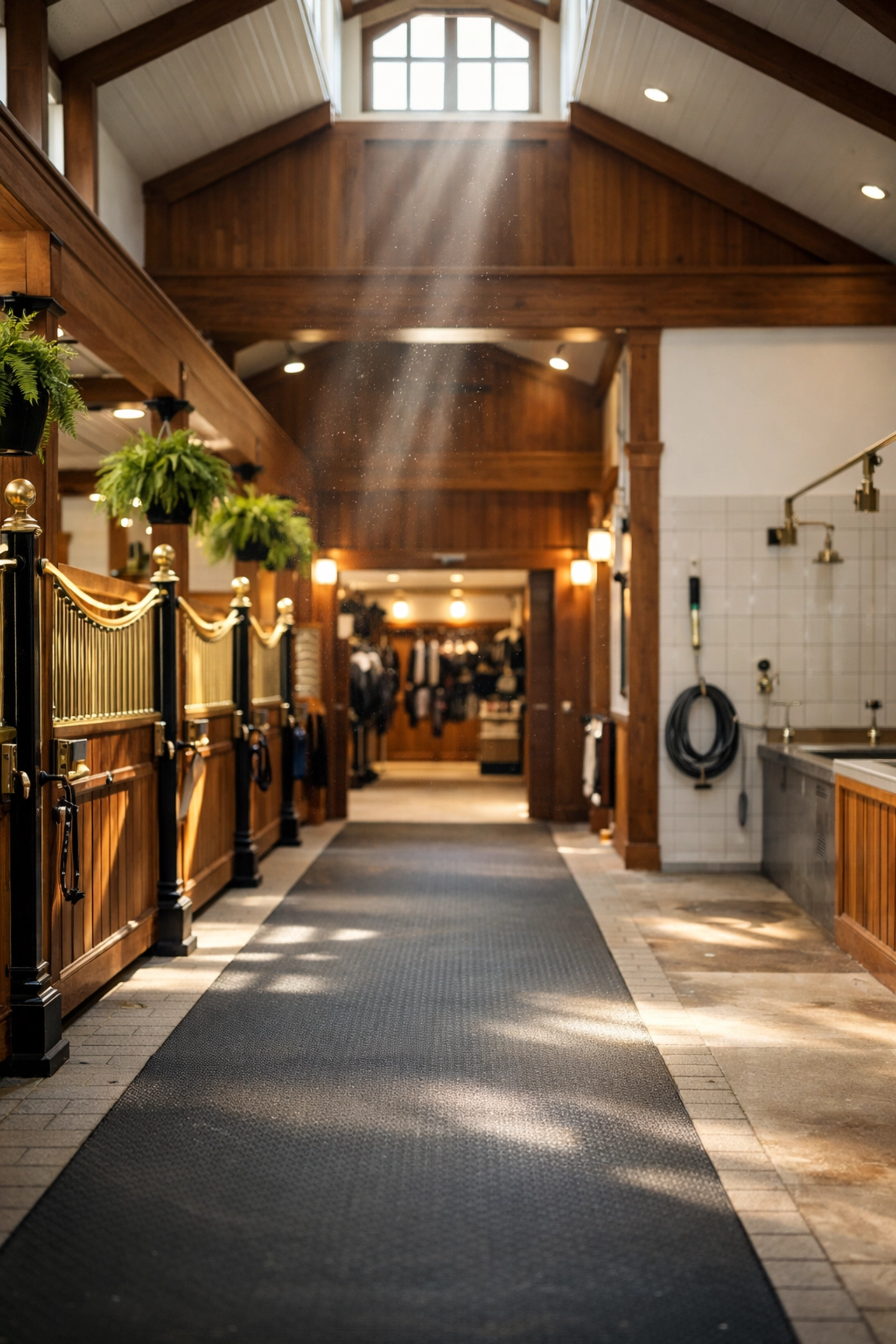
    Well-designed center-aisle horse barn interior with stalls and organized tack room in Waxhaw

    Pasture Quality and Layout

    Soil tests tell the truth about what you're buying. Request recent testing results and look for pH levels, nutrient profiles, and recommendations for amendments. Established pastures with healthy grass coverage indicate proper management: a sign the current owner understands horses.

    Rotation capability matters. Multiple paddocks allow rest periods essential for pasture health. Properties with 3-5 paddocks offer significantly more management flexibility than two-paddock configurations.

    Water access in every turnout area is non-negotiable. Automatic waterers or frost-free hydrants save hours of daily labor and ensure horses stay properly hydrated.

    Fencing Standards

    Waxhaw properties feature various fencing types, from traditional board fence to coated wire and electric options. What matters most is condition and appropriateness. Properly maintained 3-board or 4-board fencing remains the gold standard for horse safety, but quality high-tensile systems work well when correctly installed and maintained.

    Look for proper fence height (4.5 to 5 feet for most horses), good sight lines, and secure corners and gates. Deferred maintenance on fencing represents substantial costs: factor this into your offer if needed.

    Arena and Riding Facilities

    Properties with existing arenas command premium prices for good reason. Building an arena: properly, with appropriate base layers, drainage, and footing: costs $30,000 to $100,000+ depending on size and specifications.

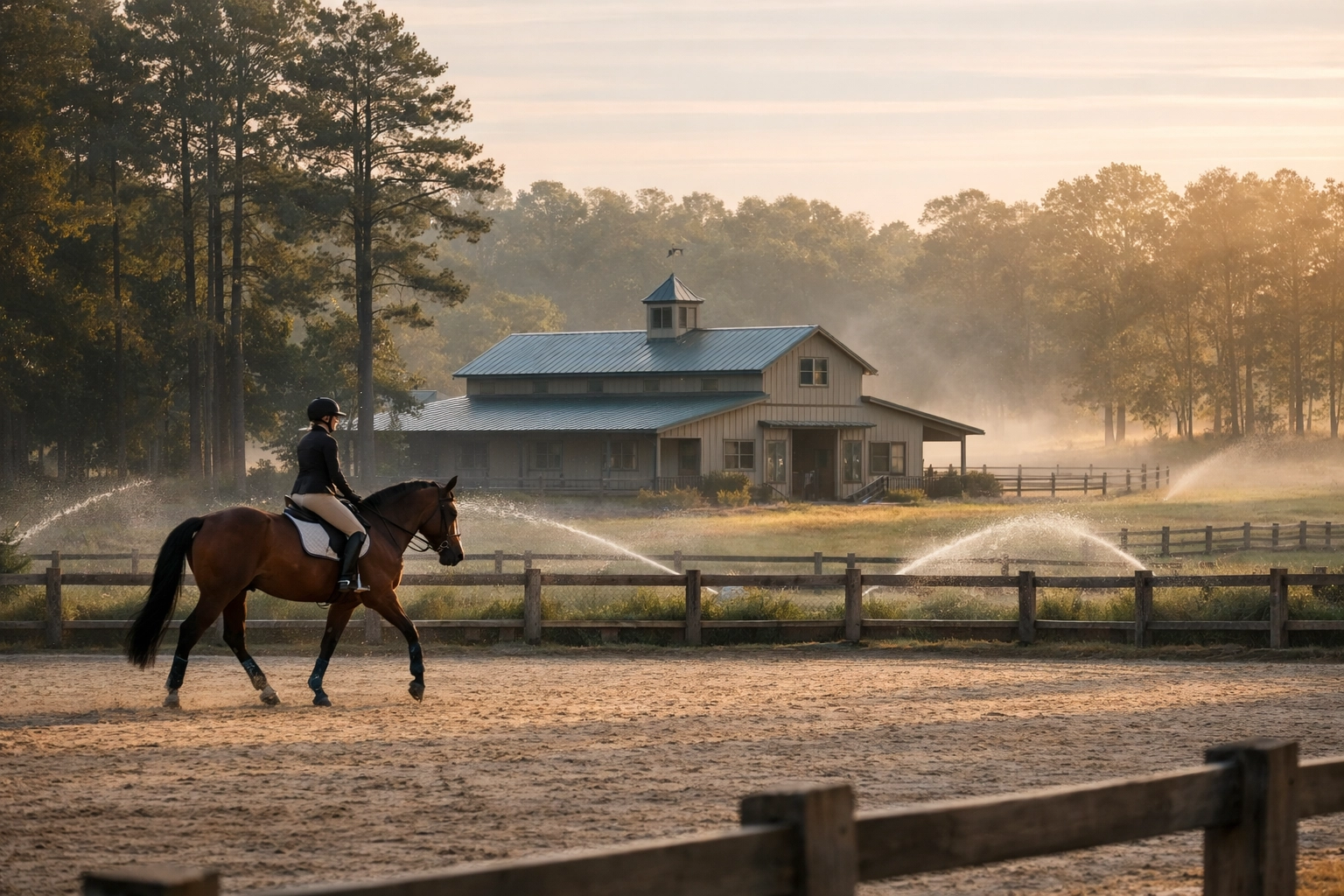
    Lighted arenas extend usable riding hours dramatically during winter months. Sprinkler systems keep dust down and footing consistent. These features indicate owners who ride seriously and maintain facilities properly.

    Understanding Waxhaw's Character and Community

    The village of Waxhaw itself maintains authentic small-town character despite growth pressure. Historic downtown offers local restaurants, shops, and services without tourist-trap artificiality. Community events remain genuinely local: farmers markets, seasonal festivals, and gatherings that draw actual residents rather than day-trippers.

    The equestrian community here leans working: trainers, lesson programs, breeders, and competitive riders alongside recreational horse owners. You'll find less emphasis on social scene and more focus on horsemanship, which appeals to serious horse people.

    School systems in Union County perform well, making the area viable for families. Proximity to Weddington schools adds options without requiring Weddington property prices.

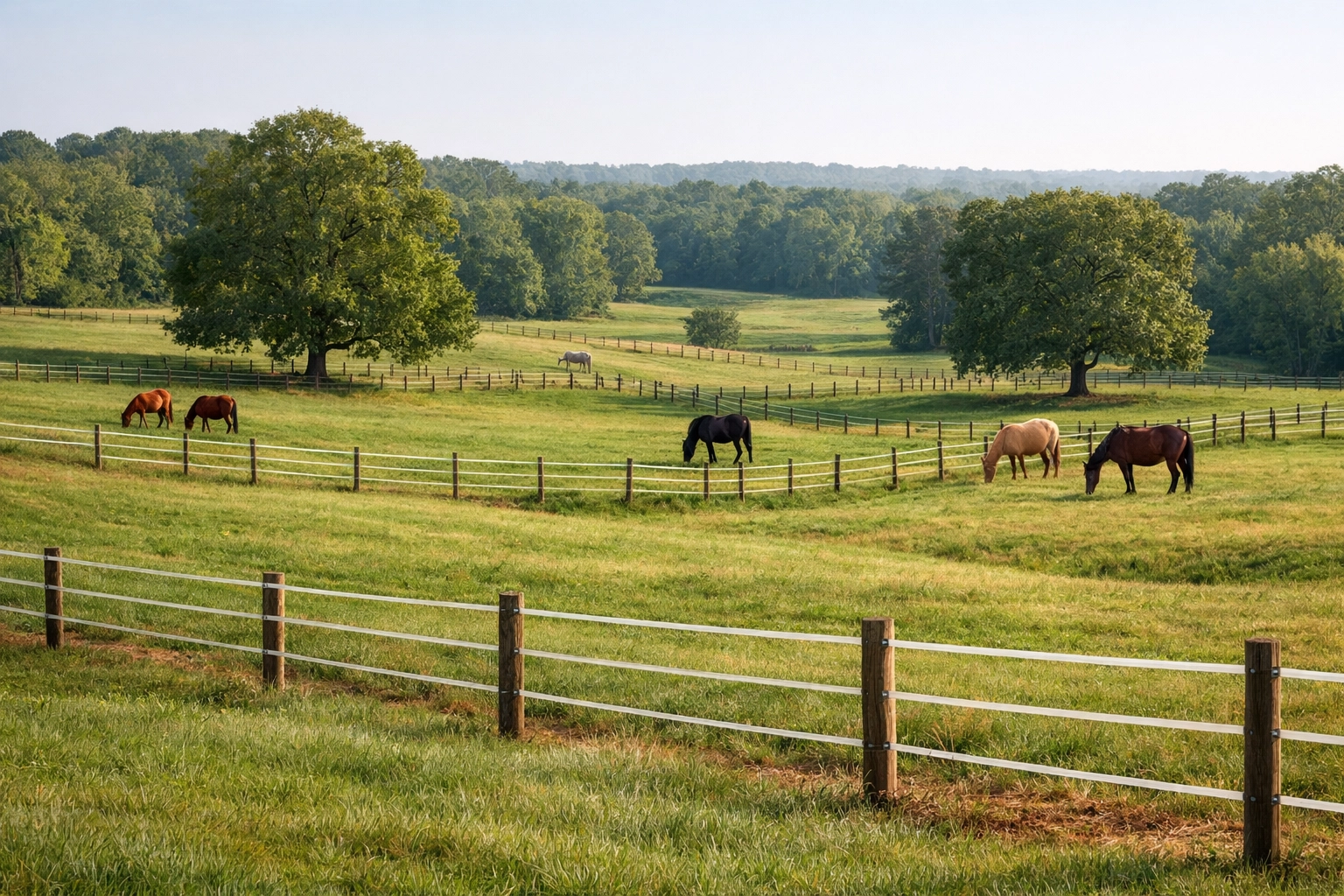
    Multiple horse paddocks with white board fencing and healthy pastures on Waxhaw equestrian property

    What First-Time Farm Buyers Need to Know

    If this is your first horse property purchase, understand that horse farms require different evaluation criteria than residential real estate. Standard home inspections miss critical issues: you need someone who understands equestrian facilities.

    Evaluate with a horse person's eye:

    • Walk every fence line personally
    • Test water systems in all areas
    • Check barn electrical for adequate service and safe installation
    • Assess drainage patterns after rain
    • Review septic and well systems if applicable
    • Understand local zoning for number of horses allowed
    • Investigate easements or restrictions that might affect use

    Union County zoning generally supports agricultural use, but specific parcels may have restrictions. Verify you can operate your intended program: whether private use, boarding, or training: before making offers.

    Consider ongoing costs realistically. Property taxes, insurance, fencing maintenance, pasture care, arena upkeep, and utility costs add up. Many new farm owners underestimate monthly expenses by 40-50%.

    Making Your Move in Waxhaw's Market

    The current market balances between buyers and sellers, creating opportunities for prepared purchasers. Properties with quality improvements, well-maintained facilities, and proper documentation move quickly. Farms requiring significant work or lacking key infrastructure sit longer, creating negotiating opportunities for buyers with vision and capital.

    Working with professionals who understand equestrian properties matters significantly. Agents unfamiliar with horse farms often overlook critical details or miss red flags that experienced equestrian realtors spot immediately.

    Finding Success in Waxhaw

    The best horse properties in Waxhaw combine functional land, quality improvements, and established infrastructure. They offer room to grow your program while providing the essentials from day one. Most importantly, they put horses first: proper turnout, safe facilities, and land that can be managed sustainably long-term.

    Whether you're relocating a training program, starting a breeding operation, or finally creating space for your own horses at home, Waxhaw provides the foundation. The combination of established equestrian community, quality land, and reasonable proximity to Charlotte creates an environment where horse businesses and private owners both succeed.

    If you're ready to explore what's available, focus on finding properties that match how you actually work with horses: not idealized visions of farm life. The right place feels right the moment you walk the property with your horse person's eye.

    We understand what makes equestrian properties work because we live this lifestyle ourselves. If you'd like to discuss what's currently available or explore whether Waxhaw matches your program needs, reach out to our team. We're here to help you find land that works: for you and your horses.

  • The Ultimate Guide to Horse Farms for Sale in Waxhaw, NC: Everything You Need to Succeed

    The Ultimate Guide to Horse Farms for Sale in Waxhaw, NC: Everything You Need to Succeed

    If you've been searching for that perfect balance: rolling pastures, quality facilities, and a genuine equestrian community: Waxhaw, NC deserves your attention. This Union County town has quietly established itself as one of the Charlotte Metro's premier destinations for horse properties, offering everything from starter farms to world-class training facilities without the pretense or price tags of traditional "horse country."

    The Waxhaw Equestrian Market: By the Numbers

    The current market offers serious options for buyers at multiple price points. With 17 to 43 equestrian properties actively listed as of early 2026, Waxhaw presents one of the most robust horse farm inventories in the region. The average listing price sits at $539,000, with land averaging $50,005 per acre: figures that reflect both quality and value compared to neighboring areas.

    Properties move at a reasonable pace here. The typical horse farm stays on the market approximately 52 days, indicating healthy demand without the feeding frenzy that can lead to rushed decisions and buyer's remorse. This timeline gives you space to conduct proper inspections, walk the property multiple times in different conditions, and truly envision your operation before committing.

    Aerial view of horse farm for sale in Waxhaw NC with barn, fenced pastures, and grazing horses

    Why Waxhaw Works for Horse People

    Waxhaw's appeal extends beyond availability and pricing. The town maintains its agricultural heritage while accommodating growth: a balance many Charlotte suburbs have failed to achieve. You're minutes from downtown Waxhaw's boutique shops and Wesley Chapel's conveniences, yet surrounded by properties where pasture management and barn maintenance remain priority conversations.

    The trail access alone makes Waxhaw exceptional. The Mineral Springs Greenway connects to Cane Creek Park's 1,100 acres of preserved land, offering extensive riding opportunities without trailering. Multiple properties provide direct trail access, while others sit within easy hauling distance. This infrastructure matters whether you're bringing along seasoned trail horses or developing young prospects who need controlled exposure to varied terrain.

    The community here understands horses. Your neighbors know why you're up before dawn. They understand trailer parking, manure management, and the sound of hooves on gravel at 6 AM. This isn't a suburban neighborhood tolerating your lifestyle: it's a community built around it.

    Price Ranges and Property Types

    Entry-Level Farms ($295,000-$390,000)

    Starter properties in this range typically offer 2-5 acres with basic facilities: perhaps a run-in shed or modest barn, adequate fencing, and a serviceable home. These properties work well for owners keeping 2-3 horses while building equity and learning farm management before scaling up.

    Mid-Range Estates ($500,000-$950,000)

    This segment represents Waxhaw's sweet spot. Expect 5-10 acres with legitimate equestrian infrastructure: proper barns with 6-9 stalls, tack rooms with hot and cold water, dedicated arenas, and multiple pastures with quality fencing. The homes in this bracket offer updated systems and comfortable living space without unnecessary luxury.

    Premium Properties ($1,500,000+)

    The upper tier delivers turnkey operations with 10+ manicured acres, sophisticated barn facilities, lighted arenas with specialized footing, equipment storage, and executive-level homes. These estates accommodate serious breeding, training, or boarding operations without compromise.

    Professional equestrian barn interior with organized tack room and horse stalls in Waxhaw NC

    Essential Features That Matter

    Barn Infrastructure

    A quality barn dictates your daily workflow and your horses' wellbeing. Look for stalls measuring at least 12×12 feet with adequate ventilation: essential in North Carolina's humid summers. Hot and cold water in the barn center eliminates the winter misery of frozen hoses and summer struggles with algae buckets.

    Tack room organization and feed storage capacity often reveal how seriously the property was managed. Proper feed rooms with vermin-proof containers and climate consideration protect your investment in nutrition. The best tack rooms include saddle racks, bridle hooks, and designated spaces for grooming supplies and blankets: details that improve daily efficiency.

    Arena Specifications

    Arena dimensions matter for your discipline. Dressage riders need different space than barrel racers or jumpers. A standard 100×150 arena accommodates most training programs, while serious dressage work benefits from 20×60 meter dimensions. Lighting transforms an arena from fair-weather convenience to year-round facility, essential given our shortened winter days.

    Footing quality determines usability and safety. Well-maintained sand arenas with proper drainage outlast cheaper alternatives. Properties with sprinkler systems demonstrate commitment to consistent footing management: a detail that separates hobby farms from serious operations.

    Pasture Quality and Fencing

    North Carolina soil can support excellent pasture with proper management. Evaluate the current pasture density, weed pressure, and rotation patterns. Multiple smaller pastures enable better grazing management than single large fields, reducing parasite loads and preserving forage quality.

    Fencing represents both safety and ongoing maintenance costs. Well-maintained three-board fencing, properly tensioned wire, or quality electric installations indicate responsible ownership. Compromised fencing signals deferred maintenance that may extend to less visible property aspects.

    Lighted riding arena at horse farm in Waxhaw NC with professional sand footing and fencing

    Featured Waxhaw Properties: What's Available Now

    Channas Way 10-Acre Horse Farm

    This $949,000 property exemplifies mid-to-upper-range value in Waxhaw. The turnkey operation features a 9-stall barn with proper amenities, a 100×150 riding arena, round pen, and four fenced pastures across 10 managed acres. The 2,447-square-foot ranch home includes recent HVAC updates (2024), a 2010 roof, and 2007 windows: critical systems already addressed.

    This property works for multiple business models: a breeding operation with space for mares and foals, a training facility with client horse capacity, or a private estate for an active competition program. The infrastructure exists; you provide the vision.

    Break Away Farm in Valley Farm Community

    For buyers seeking established elegance, this 10+ acre manicured estate offers four-stall barn capacity with hay loft, a run-in shed, four-bay equipment storage, and a lighted 50×125 arena with irrigation. Four pastures and paddocks provide flexible turnout management.

    The Valley Farm community location adds security and like-minded neighbors while maintaining privacy. Direct trail access to adjoining properties and proximity to Mineral Springs Greenway and Cane Creek Park's extensive trail system create exceptional recreational riding opportunities.

    Buyer Considerations: Questions to Ask

    Before scheduling viewings, clarify your non-negotiables. How many horses will you keep? Do you plan to board, breed, or train? Will you operate commercially or maintain a private facility? These answers determine necessary acreage, stall count, and barn configuration.

    During property visits, assess infrastructure beyond surface appearance. Check barn roof condition, foundation integrity, and electrical systems. Walk fence lines completely: expect repairs. Evaluate arena drainage and footing depth. Test water pressure at barn spigots.

    Consider the commute factor. Waxhaw's location offers reasonable access to Charlotte for work while maintaining rural character for living. Measure drive times during rush hours if you'll commute regularly.

    Working with Equestrian-Specialized Agents

    Horse farm transactions require different expertise than residential sales. Agents familiar with equestrian properties understand septic capacity for barns, zoning regulations around boarding operations, and how to evaluate specialized facilities. They know which inspectors understand barn structures and can identify issues specific to agricultural properties.

    The right agent connects you with equine veterinarians for pre-purchase land assessments, agricultural lending specialists familiar with farm financing, and contractors capable of farm-specific maintenance. This network proves invaluable long after closing.

    Horses grazing in well-maintained pasture with three-board fencing at North Carolina horse farm

    Making Your Waxhaw Move

    Waxhaw's equestrian market offers genuine opportunity for buyers willing to look beyond traditional "horse country" locations. The combination of reasonable land costs, legitimate facilities, established community, and trail access creates an environment where equestrian operations can thrive without excessive overhead.

    Whether you're relocating an existing business, starting your first farm, or transitioning from boarding to property ownership, Waxhaw provides the infrastructure and community to support your goals. The properties exist. The market timing favors informed buyers. The question becomes: which farm fits your vision?

    If you're serious about finding the right equestrian property in Waxhaw or throughout the Charlotte Metro area, let's talk. We understand the difference between properties that look good in photos and farms that actually work for horses and their people.

  • The Essentials of High-End Stable Design in Charlotte: What Luxury Equestrian Buyers Expect in 2026

    The Essentials of High-End Stable Design in Charlotte: What Luxury Equestrian Buyers Expect in 2026

    The luxury equestrian market in Charlotte has evolved dramatically. Today's discerning buyers aren't just looking for stalls and a tack room: they're seeking thoughtfully designed equestrian facilities that rival the craftsmanship of their main residence. After spending years working with high-end equestrian properties across the Charlotte metro area, we've seen firsthand how stable design has become a defining factor in property values and buyer satisfaction.

    If you're considering equestrian properties in Charlotte, understanding what separates an exceptional stable from a standard barn is essential. The standards for luxury stable design in 2026 reflect both timeless equine welfare principles and modern innovations that enhance daily management.

    Foundation Elements: Where Luxury Stable Design Begins

    Every exceptional stable starts below ground. Premium drainage systems aren't negotiable in North Carolina's climate: they're essential infrastructure. High-end properties feature French drains, properly graded aisles, and perimeter drainage that keeps facilities dry year-round. We're seeing more buyers specifically request detailed drainage plans during property tours, understanding that water management directly affects horse health and facility longevity.

    The foundation extends to flooring choices. Luxury stables have moved beyond basic concrete and rubber mats. Today's premium facilities incorporate interlocking rubber pavers with antimicrobial properties, permeable flooring systems in wash stalls, and textured concrete in aisles that provide traction without compromising drainage. These materials cost more upfront but eliminate the endless battle with standing water and bacteria growth that plague poorly designed facilities.

    Luxury stable interior with wide center aisle and natural light in Charlotte equestrian property

    Stall Design: Balancing Space, Ventilation, and Aesthetics

    Stall dimensions in luxury stables consistently exceed standard requirements. While a 12×12 stall meets basic needs, premium buyers expect 12×14 or 14×14 configurations that allow horses to move naturally and lie down comfortably. Corner stalls often reach 16×16, providing extra space for foaling or horses recovering from injury.

    Ventilation systems separate functional stables from exceptional ones. High-end designs incorporate Dutch doors with custom ironwork, strategically placed windows that create cross-ventilation, and cupolas that promote natural air exchange. Many 2026 builds include quiet ceiling fans controlled by individual thermostats: a feature that significantly improves air quality during our humid summers without creating drafts that stress horses.

    Stall fronts matter more than many realize. Premium facilities feature powder-coated steel bars or hardwood with refined finishes, avoiding the institutional appearance of galvanized steel. Hardware receives equal attention: European-style latches, slide bolts that horses can't manipulate, and yoke fronts that allow safe social interaction between neighbors. These details create an environment that feels purposeful rather than purely functional.

    Aisle Design: Creating Efficiency Without Compromising Beauty

    Center aisles in luxury stables typically span 12 to 14 feet, providing comfortable space for grooming, tacking, and equipment movement. We're seeing increased interest in 16-foot aisles that accommodate riding demonstrations or allow trainers to longe horses indoors during inclement weather. The extra width transforms the stable from simple horse housing into a versatile training environment.

    Lighting has undergone a revolution. Natural light remains paramount: clerestory windows and translucent panel systems reduce electricity dependence while creating bright, welcoming spaces. LED fixtures supplement natural light with adjustable brightness and color temperature options that don't disturb horses during evening checks. Motion-activated systems provide convenience while reducing energy costs.

    Climate control separates the exceptional from the adequate. While whole-barn HVAC systems remain rare, luxury facilities incorporate ceiling fans, misting systems for summer cooling, and strategically placed heaters for wash stalls and tack rooms. The goal isn't temperature control matching residential standards: it's creating an environment that keeps horses comfortable across seasons.

    Spacious horse stall with premium flooring and ventilation in high-end Charlotte stable design

    Tack Rooms and Amenities: Where Functionality Meets Refinement

    Premium tack rooms reflect the same design standards as residential living spaces. Custom cabinetry with humidity-controlled sections protects leather investments. Heated floors eliminate the shock of cold concrete during winter mornings. Deep utility sinks, washer/dryer combinations, and dedicated appliance garages for clipper storage demonstrate attention to daily workflow.

    The 2026 luxury standard includes dedicated spaces beyond basic tack storage. Separate feed rooms with rodent-proof containers and climate control preserve supplement quality. Heated grooming areas with hot water, dust extraction systems, and epoxy floors maintain functionality year-round. Dedicated laundry facilities, often including commercial-grade washers for coolers and blankets, eliminate the need to route barn laundry through residential spaces.

    Office areas have become essential as more owners manage breeding programs or training businesses from their properties. Premium designs incorporate offices with views of the stable or arena, built-in desks, secure document storage, and dedicated HVAC systems that separate workspace from barn dust.

    Technology Integration: The Modern Luxury Expectation

    High-end stable design in 2026 seamlessly incorporates technology without overwhelming the equestrian aesthetic. Security camera systems with remote monitoring capability provide peace of mind. Automated watering systems with individual shut-offs ensure consistent hydration while alerting managers to potential issues. Sound systems throughout facilities allow communication without shouting across aisles.

    Smart stable management platforms integrate multiple systems: stall cameras, automatic feeders, climate monitoring, and security: into single interfaces accessible from smartphones. These aren't gimmicks; they're practical tools that allow owners to travel confidently while maintaining oversight of their horses' care.

    Custom tack room with organized saddle storage in luxury Charlotte equestrian estate

    Material Selection: Durability Meets Design

    Exterior materials signal quality before visitors enter. Standing seam metal roofing in custom colors has replaced standard barn red in many luxury facilities. Horizontal board-and-batten siding creates refined silhouettes. Stone accents, particularly around entry areas and corners, establish architectural continuity with main residences.

    Interior materials balance durability with aesthetics. Tongue-and-groove pine ceilings create warmth while resisting moisture better than drywall. Kick boards in stalls utilize high-density polyethylene that absorbs impact without splintering. Hardware consistently features stainless steel or powder-coated finishes that resist rust and maintain appearance through years of daily use.

    Outdoor Spaces: Extending the Luxury Experience

    High-end stable design doesn't end at the barn doors. Covered porches with ceiling fans and seating create spaces where owners can watch lessons or socialize. Viewing areas overlooking arenas incorporate shade structures, built-in seating, and occasionally outdoor kitchens that transform horse shows into social events.

    Turnout arrangements reflect the same attention to detail. Luxury properties feature individual paddocks with run-in shelters, automated waterers, and board fencing that balances safety with aesthetic appeal. Covered walkers provide exercise options during weather extremes. Mare-and-foal paddocks with enhanced fencing and visibility from the barn demonstrate breeding-specific thoughtfulness.

    The Charlotte Luxury Standard

    Working specifically with horse farms for sale throughout the Charlotte metro area, we've observed regional preferences that define luxury here. Proximity to established equestrian communities like Waxhaw, Weddington, and Marvin influences design expectations. Buyers accustomed to facilities at Joli Cheval or similar high-end operations expect their private stables to match or exceed those standards.
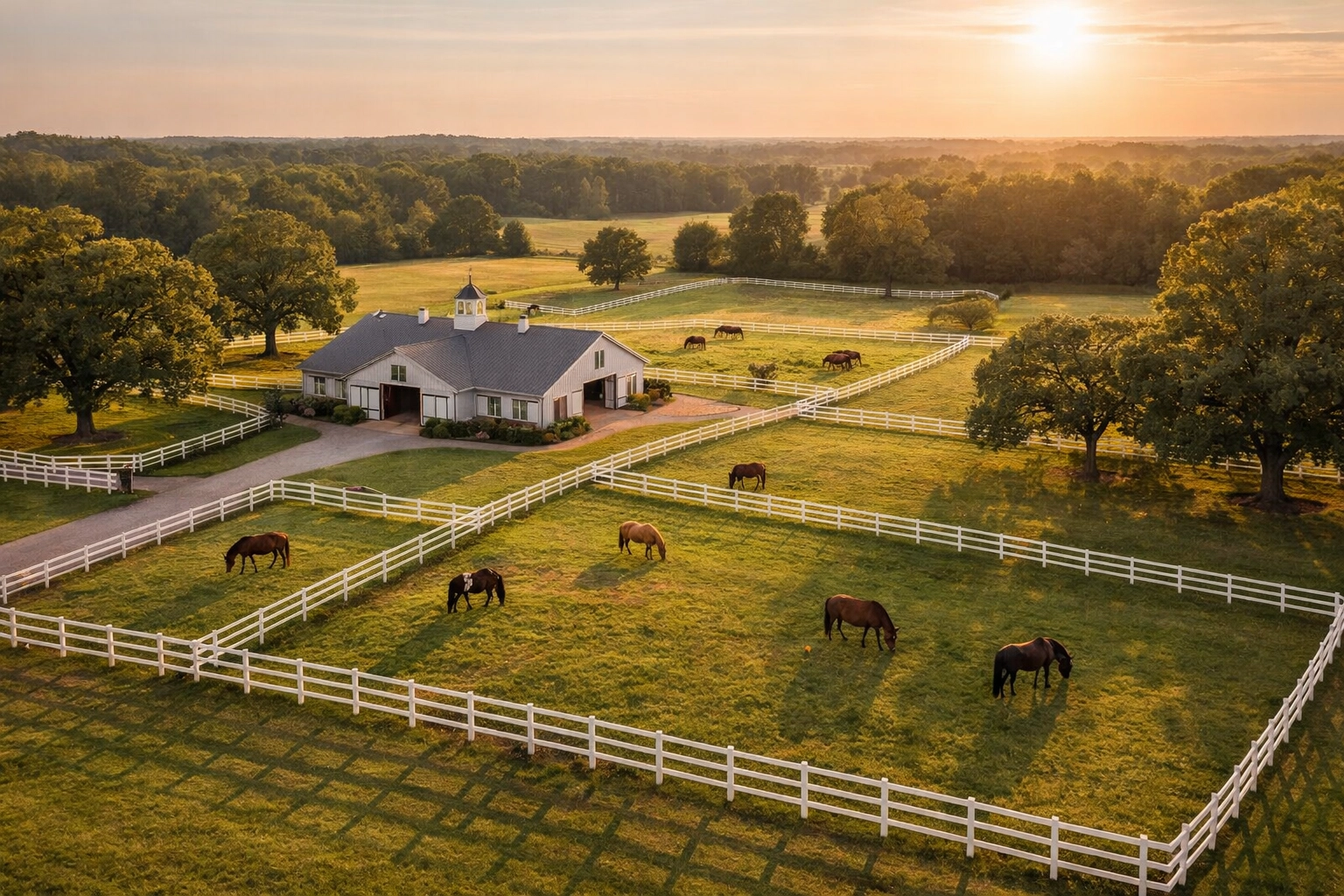
    The Charlotte market particularly values flexibility. Luxury stables increasingly feature convertible spaces: tack rooms that can transform into guest quarters, training arenas that accommodate multiple disciplines, and paddock configurations that adapt as horse populations change. This versatility protects property values as equestrian interests evolve.

    Smart stable technology and monitoring systems in modern Charlotte horse farm facility

    What Luxury Really Means

    Understanding high-end stable design goes beyond checking boxes on a feature list. It's about creating environments where horses thrive and owners find daily joy in barn routines. The best luxury stables feel purposeful rather than ostentatious: every design choice serves horse welfare, management efficiency, or genuine aesthetic enhancement.
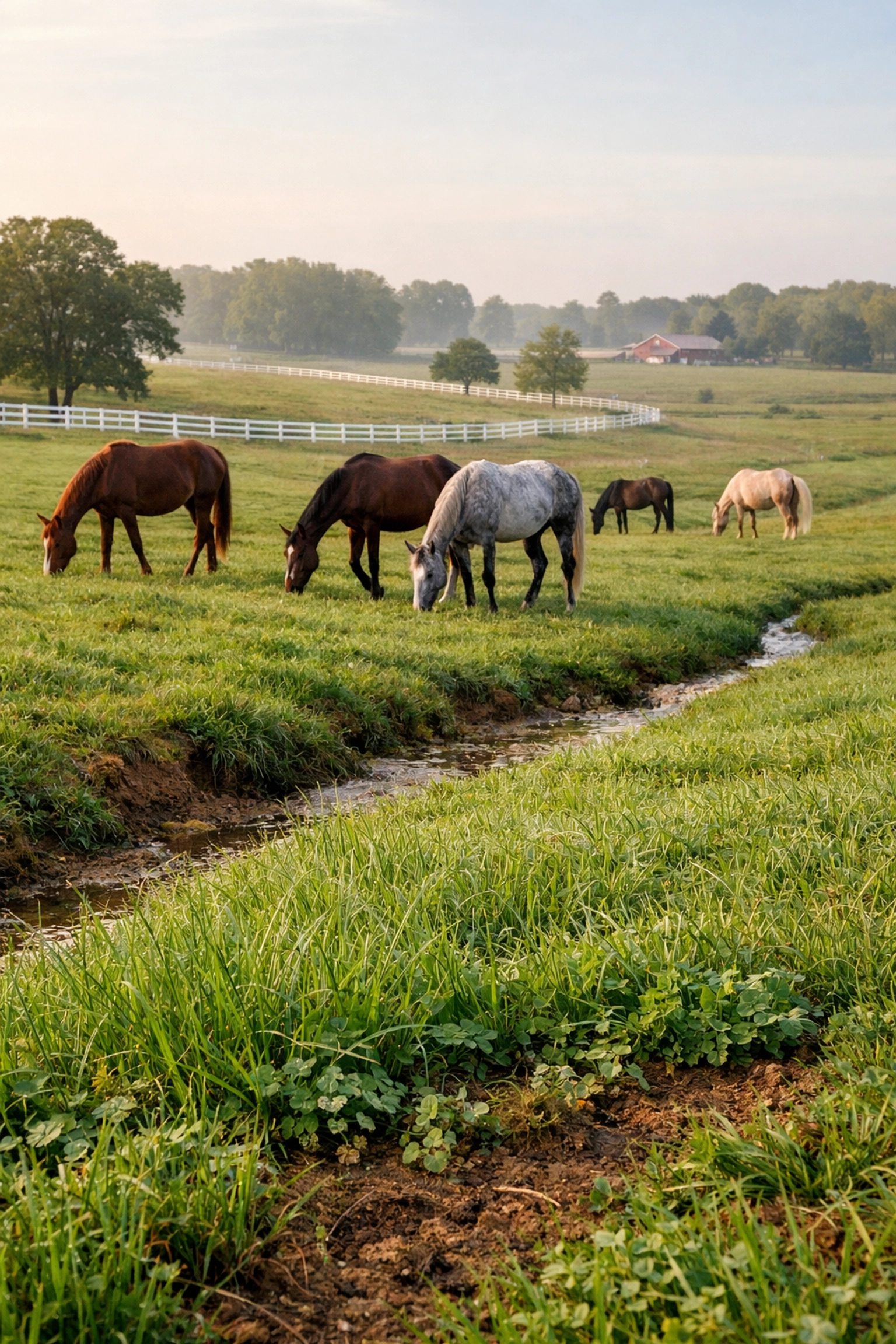
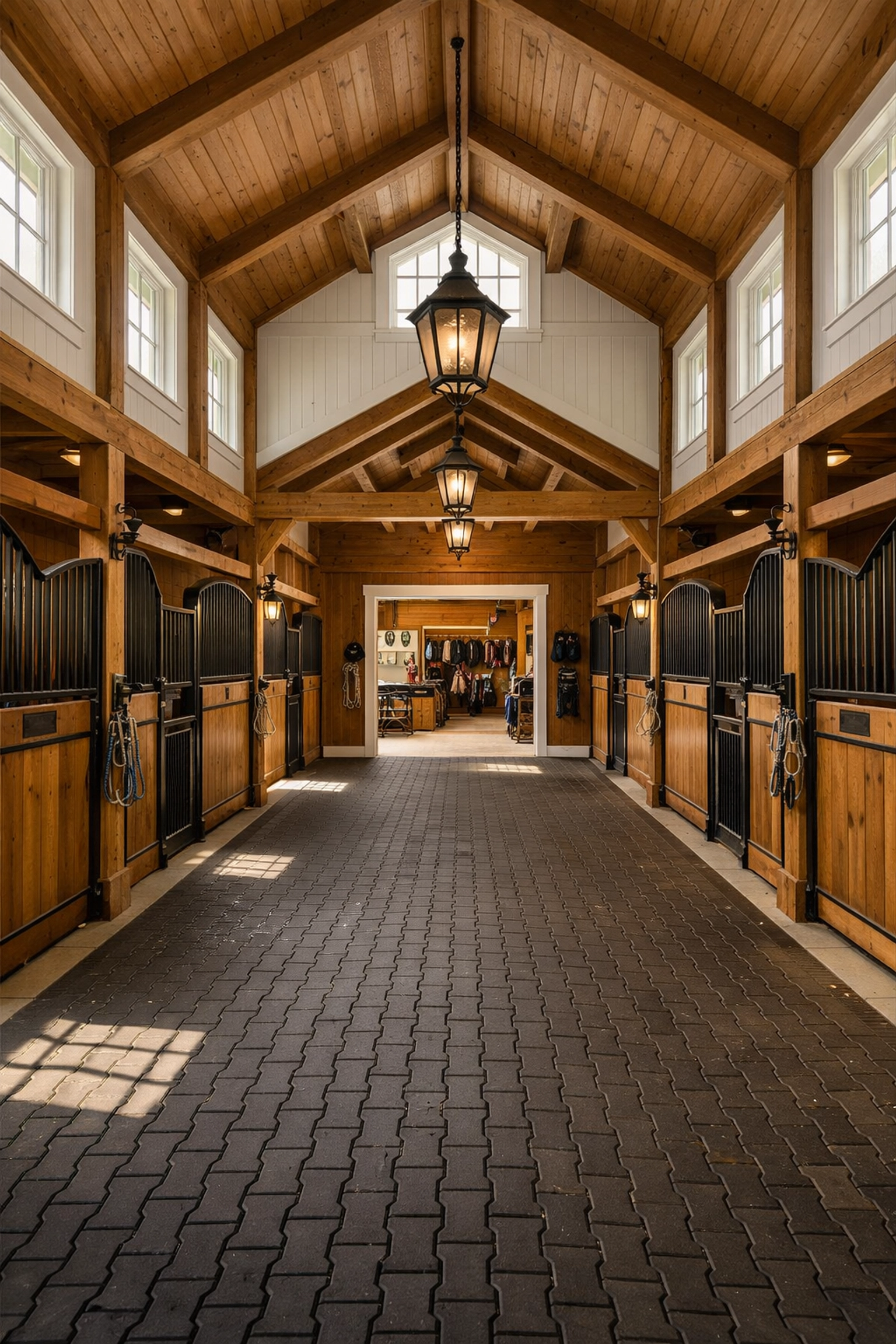
    As the Charlotte equestrian market continues attracting buyers seeking exceptional horse properties, stable quality increasingly determines property competitiveness. The facilities built today establish benchmarks that influence property values for decades.

    Whether you're evaluating existing properties or planning custom construction, approaching stable design with both equestrian expertise and an understanding of luxury expectations ensures investments that serve both horses and long-term property value. The most successful equestrian estates recognize that the barn isn't secondary to the residence: it's the heart of the property where the equestrian lifestyle actually happens.

    Looking for an equestrian property that meets these luxury standards? Explore our current listings or contact our team to discuss your specific stable design requirements.

  • The Ultimate Guide to Horse Farms for Sale in Waxhaw, NC: Everything You Need to Succeed

    The Ultimate Guide to Horse Farms for Sale in Waxhaw, NC: Everything You Need to Succeed

    Waxhaw has quietly established itself as one of the Charlotte Metro's most authentic equestrian communities: where horse ownership isn't a hobby imported from the suburbs, but woven into the landscape itself. If you're searching for horse farms for sale in North Carolina that balance proximity to Charlotte with genuine rural character, Waxhaw deserves your attention.

    The Current Waxhaw Equestrian Market: What You Need to Know

    The numbers tell an encouraging story for buyers. As of early 2026, 43 equestrian properties are actively listed in the Waxhaw area, with the average horse farm priced at $539,000. This represents a healthy inventory: enough choice to be selective without the feeding frenzy mentality that plagues other Charlotte-adjacent markets.

    Land costs average $50,005 per acre, which positions Waxhaw as accessible compared to inner-ring suburbs while maintaining the acreage necessary for legitimate horse operations. The price spectrum ranges from $295,000 for smaller turnkey properties to $1.5 million for comprehensive equestrian estates, allowing buyers at different stages to find their foothold.

    This isn't a market where you need to compromise. You'll find properties with proper infrastructure already in place: not bare land requiring six-figure investments before you can bring horses home.

    Aerial view of horse farm for sale in Waxhaw NC with barn, white-fenced paddocks, and grazing horses

    Why Waxhaw Works for Horse People

    Location matters differently when you own horses. Your barn isn't a weekend retreat: it's a twice-daily commitment regardless of weather, schedule, or convenience. Waxhaw understands this reality.

    The community sits far enough from Charlotte's sprawl to maintain actual agricultural zoning and land parcels that make sense for horses, yet close enough that your drive home from the barn doesn't consume your evening. You're not sacrificing career opportunities or urban amenities to live where your horses can thrive.

    More importantly, Waxhaw's equestrian culture runs deep. This isn't a community where your neighbors complain about manure smells or morning feeding routines. Horse trailers in driveways don't trigger HOA letters. The infrastructure: from large-animal vets to quality farriers to feed stores: exists because it's been needed for generations, not retrofitted to serve newcomers.

    The 1,100-acre Cane Creek Park and the Mineral Springs Greenway provide trail access without hauling, while the surrounding countryside offers the kind of low-traffic country roads that make conditioning rides possible without constant vigilance.

    Essential Property Features in Waxhaw Horse Farms

    Understanding what separates a functional horse property from one that will drain your time and budget requires looking beyond charming barn doors and scenic pastures.

    Barn Infrastructure That Actually Works

    The four-stall barn configuration dominates Waxhaw listings because it represents a practical sweet spot: enough capacity for a small breeding operation, training program, or personal horses plus boarders to offset costs, without requiring full-time staff. Look for:

    • Center aisle designs with 12×12 minimum stall dimensions
    • Concrete or paver aisleways that drain properly
    • Feed and tack rooms with adequate ventilation and pest control measures
    • Hay storage with capacity for at least a season's worth (the math: roughly 8-10 tons per horse annually)
    • Run-in sheds in pastures for 24/7 turnout options

    The best properties include equipment storage separate from the main barn: tractors, mowers, and manure spreaders don't belong near feed rooms no matter how convenient it seems.

    Four-stall horse barn interior with center aisle showing professional equestrian facility design

    Pasture and Paddock Configuration

    North Carolina's climate allows year-round turnout with proper management, but the soil and topography present challenges. Properties with established, well-managed pastures command premium prices for good reason: creating them from scratch requires years and significant capital.

    Evaluate pastures for:

    • Adequate drainage without standing water after heavy rain
    • Rotation capability (minimum three paddocks for sustainable grazing)
    • Safe, well-maintained fencing throughout (more on fence types later)
    • Water access in each turnout area
    • Natural shade or run-in shelter options

    Acreage requirements depend entirely on your management approach, but as a baseline: plan for 1.5 to 2 acres per horse if you're rotating pastures properly. Less acreage means more supplemental feeding and more intensive management.

    Riding Facilities

    Indoor arenas remain rare in the Waxhaw market due to construction costs, but outdoor arenas appear frequently. The standard 50' x 125' dimension works for most disciplines, though dressage riders will want minimum 60' x 150' if possible.

    Arena footing quality varies dramatically and represents one of the few items you can't easily assess from listing photos. During property visits, check for:

    • Consistent depth without hard pan underneath
    • Proper drainage slope (arenas should never puddle)
    • Dust control measures for summer months
    • Lighting if night riding matters to your program

    Some buyers dismiss properties without arenas, viewing them as deal-breakers. Horse-smart buyers understand that adding an arena costs $15,000-$40,000 depending on size and footing: significant, but not prohibitive if the property excels in other areas. You can't add 20 acres of level pasture to a small lot, but you can always build an arena.

    Horses grazing in rotational pastures with white board fencing on North Carolina horse property

    Land Considerations Beyond the Listing Description

    The unglamorous reality: your property's long-term success depends more on drainage, soil composition, and topography than on barn aesthetics.

    Soil and Drainage

    Waxhaw's Piedmont soils include significant clay content, which creates both opportunities and challenges. Clay holds nutrients well but drains poorly, requiring active management to prevent mud and erosion issues.

    Before purchasing, walk the property after significant rain. Note where water accumulates, how quickly it drains, and whether existing infrastructure shows signs of water damage. Properties with tile drainage systems already installed represent significant value: this improvement alone can cost $10,000-$30,000 depending on acreage.

    Topography and Usability

    Not all acres count equally. Steep slopes, heavy tree cover, and irregular parcels reduce functional grazing space and increase maintenance costs. A 15-acre property with 10 usable, gently sloped acres outperforms a 25-acre parcel where half the land requires bushhogging through trees or presents slope challenges for safe horse turnout.

    The Waxhaw Equestrian Community

    Infrastructure and acreage matter, but community defines daily life. Waxhaw offers the rare combination of privacy on your own property and connection when you want it.

    Active boarding facilities, training barns, and lesson programs create opportunities for education, socialization, and showing without traveling hours to find quality instruction. The competition calendar includes local hunter/jumper shows, dressage schooling shows, and trail riding events that build community without requiring significant investment.

    For families, Union County Public Schools serve the area with multiple elementary and middle schools, while proximity to Charlotte expands high school options including specialized programs. This matters for equestrian families: your teenagers can pursue riding seriously without sacrificing academic opportunities.

    Finding Your Property: A Strategic Approach

    The Waxhaw market moves quickly for well-priced properties with solid infrastructure. Waiting for perfection means missing opportunities; buying impulsively means costly mistakes. Finding balance requires strategy.

    Work With Equestrian-Specialized Representation

    General real estate agents miss critical details that define equestrian property value. Arena footing, fence condition, pasture rotation setup, water source adequacy: these items require horse knowledge to evaluate properly. An agent who understands equestrian properties sees opportunities others miss and identifies problems before they become expensive surprises.

    Browse available equestrian properties currently listed in the Charlotte Metro area to understand the market before scheduling viewings.

    Define Your Non-Negotiables

    Every property involves compromise, but knowing your absolute requirements prevents wasting time on wrong-fit properties. Consider:

    • Minimum acreage for your number of horses
    • Barn stall capacity or space to expand
    • Commute tolerance to work/school
    • Arena requirements for your discipline
    • Budget for immediate improvements versus move-in ready

    Plan the Property Visit

    View properties with purpose. Beyond the house tour, spend time walking fence lines, checking water sources, evaluating footing in turnout areas, and examining barn construction quality. If possible, visit after rain to assess drainage. Bring a list of specific questions about property maintenance, utility costs, and any recent improvements.

    Your Next Step

    Finding the right horse property requires patience, knowledge, and strategic timing. The Waxhaw market offers legitimate opportunities for equestrians at various price points, but success depends on understanding what you're evaluating and moving decisively when the right property appears.

    If you're serious about finding horse farms for sale in Waxhaw or the broader Charlotte Metro area, working with specialists who understand both real estate and horse property requirements changes everything.

    Contact our team to discuss your specific requirements and receive guidance tailored to your equestrian goals and timeline. Whether you're relocating to the area or upgrading from your current facility, understanding the market before you need to act positions you for success.

  • Hidden Gems: 7 Horse Farms for Sale in Davidson, NC You’ve Never Thought Of

    Hidden Gems: 7 Horse Farms for Sale in Davidson, NC You’ve Never Thought Of

    When horse people think about Charlotte-area equestrian properties, Davidson rarely makes the shortlist. Waxhaw gets the attention. Tryon has the reputation. Even Weddington and Mooresville dominate the conversation. But Davidson? It's the town everyone drives through on their way to Lake Norman without realizing they're passing some of the most compelling horse properties in Mecklenburg County.

    The statistics tell an interesting story: currently, eight equestrian properties sit available near Davidson with an average listing price of $2,190,000 and land costs averaging $175,340 per acre. These numbers reflect something most buyers miss: Davidson offers the rare combination of proximity, privacy, and proper infrastructure that serious horse operations require.

    Why Davidson Flies Under the Radar

    Davidson's equestrian inventory doesn't appear on every horse person's radar for specific reasons. The town's identity centers on the college, the charming downtown, and Lake Norman access: not horses. No major competition venues anchor the area. No training barns dominate the local conversation. This creates opportunity for buyers who understand what matters: quality land, reasonable regulations, and location that doesn't sacrifice thirty minutes twice daily to reach essential services.

    The properties that qualify as "hidden gems" share common characteristics. They sit off main roads, down tree-lined drives that don't announce themselves. They occupy the transitional zones where suburban development hasn't yet consumed the rural landscape. They offer mature infrastructure: existing barns, functional fencing, established pastures: without the premium price tags attached to properties marketed specifically to the equestrian market.

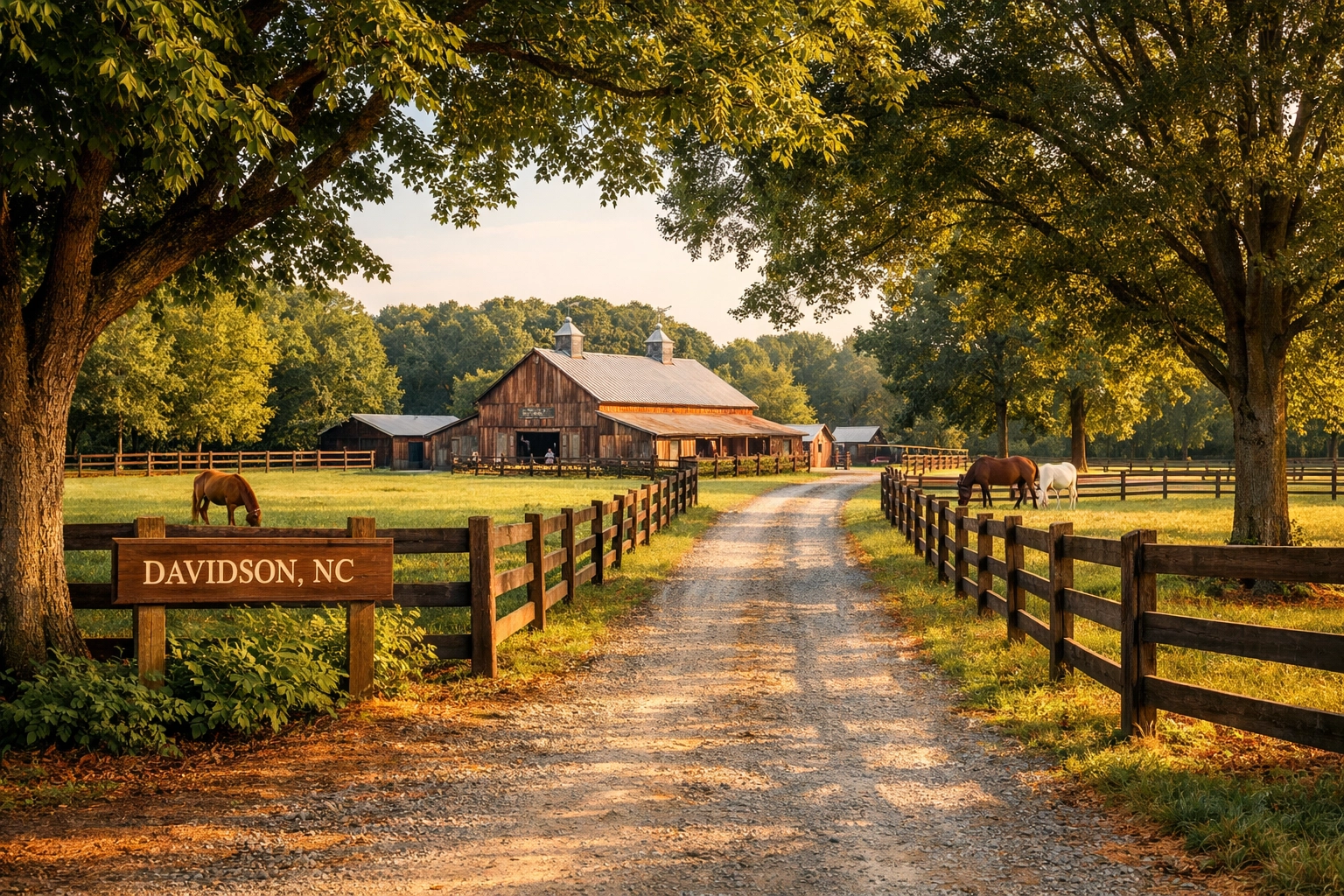
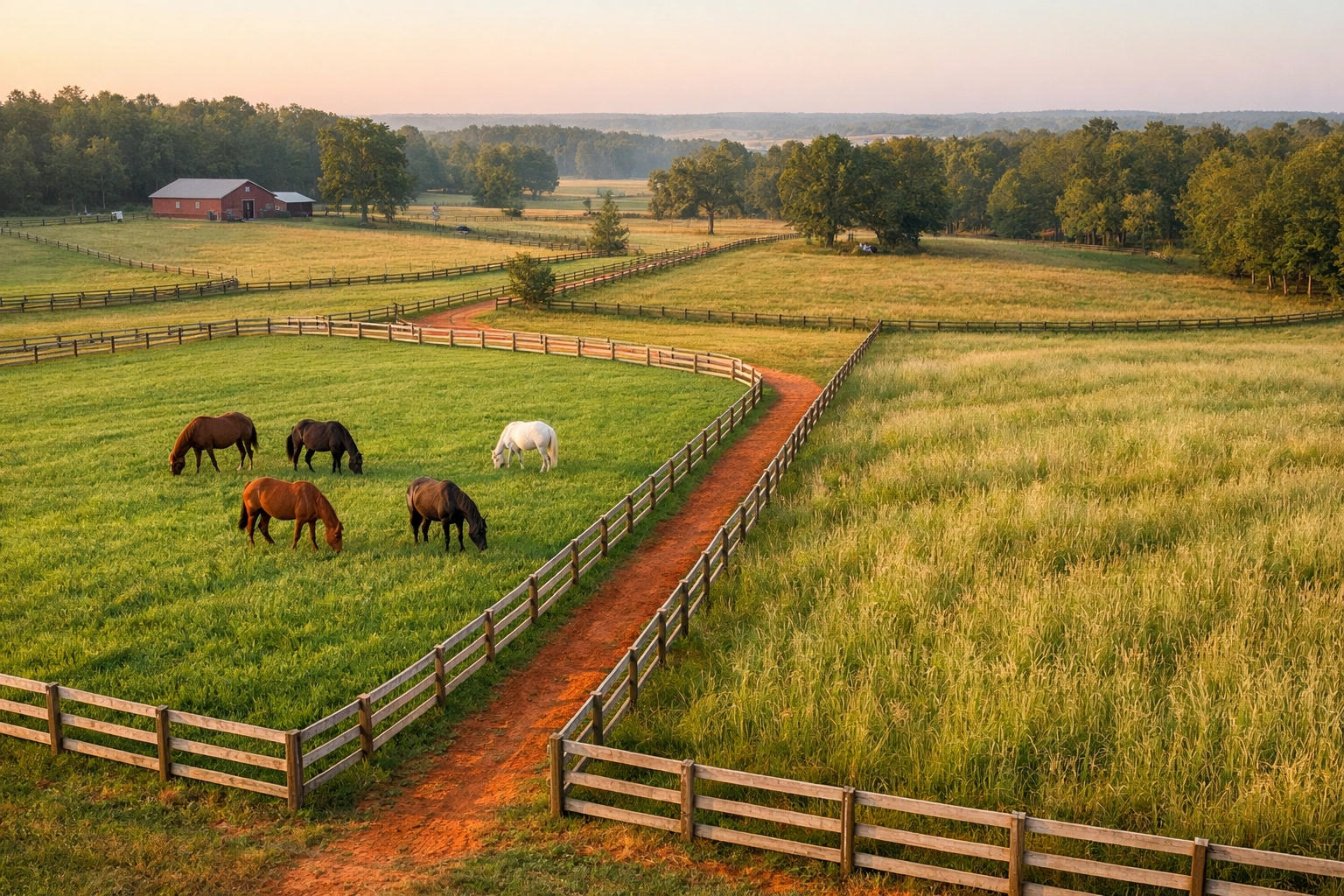
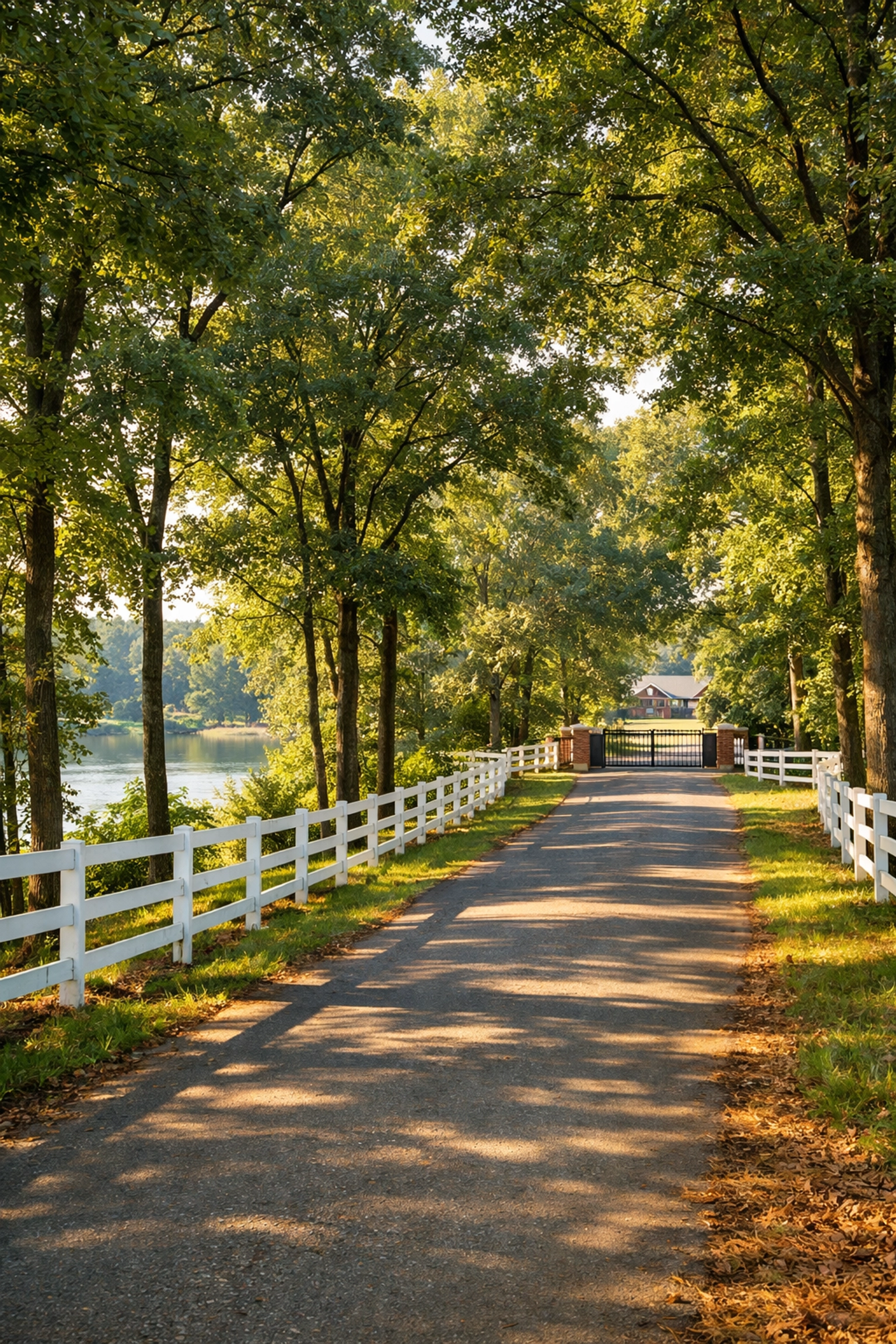
    Aerial view of secluded horse farm in Davidson NC with barn, pastures, and tree-lined driveway

    The Custom Estate You've Never Seen Listed

    One category of Davidson hidden gem: the custom equestrian estate built by owners who kept horses privately, never advertised their facilities, and now face life transitions requiring relocation. These properties feature personal training facilities designed by people who actually ride, not general contractors guessing at what horse people need. They include details that only emerge during property tours: properly pitched wash stalls, tack rooms with functional drainage, arenas with professional footing that's been maintained for years.

    The estate overlooking the one-acre pond down a private drive exemplifies this category. Built for personal use, maintained meticulously, never subjected to the wear of a commercial operation. These properties require buyers who recognize value beyond the marketing photos: who understand that a well-designed twelve-stall barn serves most private operations better than a flashy twenty-stall facility with compromised functionality.

    The Underutilized Agricultural Property

    Davidson's second hidden gem category: agricultural properties with existing equestrian infrastructure that current owners have repurposed or underutilized. These farms may currently run cattle, lease pastures for hay production, or sit partially vacant while owners contemplate their next move. The bones exist: cleared and maintained pastures, perimeter fencing, water systems, barn structures: but the properties don't present as "turnkey equestrian estates."

    Smart buyers recognize these opportunities. Converting a well-maintained agricultural property to full equestrian use costs significantly less than starting from raw land. The pastures already drain properly. The soil composition supports horses. The infrastructure foundations exist. What's missing is the specialized equestrian overlay: run-in sheds in each paddock, upgraded fencing to eliminate sharp edges, arena construction, and specialized barn modifications.

    Custom equestrian barn interior in Davidson showing professional stalls and functional design

    The Estate Division Property

    Third category: the division parcels from larger Davidson estates. When families divide inherited properties or longtime owners subdivide their holdings before selling, the resulting parcels often offer ideal equestrian opportunities that haven't been formally marketed to horse people. These properties bring mature landscaping, established tree lines for wind breaks, and infrastructure connections that raw land lacks.

    The challenge with estate divisions: they require buyers who can visualize the complete picture. A twenty-acre parcel with a residence and one outbuilding may appear inadequate. But with proper planning, twenty well-configured acres supports a private barn, training facilities, and adequate turnout for a small breeding operation or training program. Davidson's topography: rolling rather than steep, with natural drainage patterns: makes these divided parcels particularly functional for horses.

    The Proximity Advantage Nobody Calculates

    Davidson's location delivers advantages that only become apparent after you've lived in other Charlotte-area equestrian communities. Twenty-three minutes to emergency veterinary services at Carolina Veterinary Specialists. Thirty-two minutes to feed suppliers in Mooresville. Forty minutes to Tryon without fighting I-77 traffic during peak hours. Fifteen minutes to multiple options for farrier supplies, tack shops, and routine veterinary services.

    These minutes matter. When your mare colics at 2 AM, proximity to emergency services determines outcomes. When you're coordinating daily care for multiple horses, the cumulative time spent driving to and from essential suppliers and services adds hours to your week. Davidson's central location within the Charlotte equestrian community provides access without isolation.

    Rolling horse pastures in Davidson NC with post-and-rail fencing and grazing horses

    Soil Quality and Pasture Management Considerations

    Davidson's soil composition: predominantly Cecil series with adequate drainage: supports year-round turnout with proper pasture management. The area receives sufficient rainfall without the standing water issues that plague lower-elevation properties near Lake Norman's edge. Established properties demonstrate sustainable pasture systems that have supported horses for decades without catastrophic erosion or soil depletion.

    This matters for buyers planning long-term operations. Marginal soil requires constant inputs: lime, fertilizer, reseeding, and perpetual management of erosion. Davidson's existing equestrian properties demonstrate what's possible with proper stewardship. Mature pastures with established root systems, natural biodiversity that supports soil health, and drainage patterns that handle North Carolina's seasonal rainfall without creating mud management nightmares.

    The Regulatory Environment

    Mecklenburg County's zoning accommodates equestrian use within specific parameters. Davidson's jurisdiction applies town ordinances that permit agricultural operations including horse boarding and training within properly zoned areas. The regulatory environment here differs significantly from more restrictive areas where even private horse ownership faces neighborhood opposition or complex permitting requirements.

    Understanding Davidson's specific regulations before property hunting saves time. Properties zoned for agricultural use provide the most flexibility. Estate-zoned parcels often permit private horse ownership with limitations on commercial activities. These distinctions affect long-term plans for breeding operations, training businesses, or boarding facilities beyond personal use.

    What "Hidden Gem" Actually Means

    The hidden gem designation doesn't imply undiscovered by all buyers: it means overlooked by many. These properties don't feature in the glossy equestrian magazines. They don't appear in targeted marketing to horse people. They sit quietly on the market while serious buyers focus on the established equestrian communities with recognized names.

    For buyers with clear vision and realistic expectations, this creates opportunity. The price premium attached to Waxhaw or Tryon addresses: paid simply for location recognition: doesn't apply. The competition from buyers seeking status through address rather than functionality diminishes. What remains: properties evaluated on actual merit for horse keeping rather than marketing appeal.

    Aerial view of Davidson equestrian properties near Charlotte and Lake Norman region

    The Long-Term Value Proposition

    Davidson's growth trajectory suggests future appreciation potential that current pricing hasn't fully captured. Lake Norman's continued development pushes serious horse people toward areas with adequate space and reasonable land costs. Davidson sits at the intersection of this migration pattern: close enough to maintain proximity to Charlotte-area resources, far enough to preserve the acreage and privacy that equestrian operations require.

    The properties that qualify as today's hidden gems likely represent tomorrow's sought-after addresses. Early buyers who recognize quality infrastructure and proper land at reasonable valuations position themselves ahead of market shifts that make these areas harder to access at current price points.

    Finding Your Davidson Property

    The current inventory of eight equestrian properties near Davidson represents immediate opportunities. Beyond these actively marketed listings, additional properties exist that meet hidden gem criteria without formal equestrian marketing. Finding them requires working with specialists who understand both the local market and authentic equestrian requirements.

    Healthy horse pasture in Davidson NC showing quality soil and sustainable land management

    The process starts with defining clear criteria: required acreage, infrastructure priorities, budget parameters, and timeline flexibility. Davidson's hidden gems don't often survive on the market through extended decision cycles. Properties with proper bones, quality land, and reasonable pricing find buyers who recognize value without requiring extensive marketing periods.

    Making the Move

    Davidson's equestrian opportunities reward buyers who think independently, evaluate properties based on land quality and infrastructure rather than marketing, and understand long-term value beyond immediate status appeal. The hidden gems exist. Finding them requires looking past conventional wisdom about where horse people "should" buy, and focusing instead on what actually matters: quality land, functional facilities, strategic location, and realistic pricing.

    The question isn't whether Davidson offers compelling equestrian opportunities. The evidence confirms it does. The question is whether you're willing to look where others haven't thought to search.


    Ready to explore Davidson's equestrian properties beyond the obvious listings? Carolina Horse Farm Realty specializes in finding the properties other buyers overlook: the ones that offer genuine value for serious horse operations. Contact our team to discuss your specific requirements and discover what's available in Davidson today.

  • Tryon Horse Country: Why It’s Still a Top Destination for Equestrian Estates in 2026

    Tryon Horse Country: Why It’s Still a Top Destination for Equestrian Estates in 2026

    When riders talk about Tryon, there's a particular tone in their voice: a mix of respect and aspiration. In 2026, that reverence hasn't diminished. If anything, the region's status as one of North America's premier equestrian destinations has solidified further, drawing professionals, amateurs, and those simply seeking to live where horses come first.

    The question isn't whether Tryon remains relevant. It's whether you're ready to be part of what makes it exceptional.

    World-Class Infrastructure That Actually Delivers

    Tryon International Equestrian Center isn't just impressive on paper. The facility operates with 13 all-weather competition rings engineered to international standards, an expansive indoor complex, and more than 1,400 permanent stalls. These aren't vanity metrics: they're the foundation that allows the venue to host 12 or more disciplines throughout the year, from FEI-level dressage and show jumping to hunters, eventing, and para dressage.

    For property buyers, this infrastructure translates to proximity to training resources that most equestrians spend a lifetime traveling to access. Live within a 30-minute radius, and you're training where Olympians tune up between international tours. Your young horses can experience atmosphere and professional footing without a trailer ride across state lines.

    Tryon International competition ring with horse jumping in Blue Ridge foothills

    The permanence of these facilities matters. Too many equestrian centers rise with enthusiasm and fade when economic pressures mount. Tryon International has proven staying power, with continuous investment in surfaces, technology, and hospitality infrastructure that suggests decades of commitment, not a short-term play.

    A Competition Calendar That Shapes Careers

    The 2026 season calendar reveals why serious competitors are relocating to Tryon's orbit. The National Horse Show: a 140-year institution previously housed in Kentucky: now calls Tryon home, with dual dates scheduled for October 21-25 and October 27-November 1. This isn't a regional show that added "National" to its name for marketing. This is American show jumping history, and its permanent relocation to North Carolina signals where the sport's center of gravity has shifted.

    The Tryon Spring Series runs from late April through early June, offering competitors a steady progression of classes across multiple disciplines. The Tryon Summer Series follows in mid-June through early August, creating a nearly uninterrupted season that rivals Wellington's winter circuit in scope and quality.

    Between these anchor events, the IHSA National Championship in early May brings the nation's top collegiate riders to town, and countless other regional and national competitions fill the calendar. The practical advantage: you can build an entire competitive season without leaving your home base.

    Aerial view of equestrian estate in Tryon with barn and fenced pastures

    For equestrian property buyers, this calendar density creates value beyond blue ribbons. Barn managers find reliable clients who need training and boarding between competitions. Professionals can fill clinics and teaching schedules without cold-calling for business. The economic ecosystem that develops around sustained equestrian activity provides income streams that support horse property ownership in ways that isolated rural locations cannot match.

    The Blue Ridge Foothills Difference

    Tryon sits where the Piedmont yields to the mountains, creating topography that satisfies both the eye and the practical requirements of horse keeping. The elevation: ranging from 1,000 to 1,200 feet: provides natural drainage that keeps pastures workable through North Carolina's humid summers. The rolling terrain offers privacy without the flat monotony that characterizes some equestrian regions.

    The climate proves temperate enough for year-round riding without the weather extremes that plague northern barns in January or Florida properties in August. Winters occasionally bring snow to the higher elevations, but extended freezing periods that crack water lines and ice over paddocks are rare. Summers stay warm but benefit from mountain breezes that provide relief absent in the lower Piedmont.

    Rolling Blue Ridge foothills pasture land ideal for horse properties

    This geography attracts a particular type of horse owner: those who appreciate natural beauty but refuse to sacrifice functionality for aesthetics. Properties here tend toward understated elegance: well-maintained fencing that follows the land's contours, barn siting that takes advantage of natural windbreaks, and pasture layouts that balance grazing efficiency with visual appeal.

    Properties Built Around Horses, Not Trophy Homes

    The equestrian estates in Tryon Horse Country reflect a different set of priorities than what you'll find in suburban Charlotte or even other Carolina horse communities. These properties were often designed by riders who understand that the barn matters as much as the house: sometimes more.

    You'll find thoughtful details: wash racks with proper drainage, tack rooms with climate control for leather preservation, hay barns positioned for easy truck access but distant enough from the main barn to reduce fire risk. Feed rooms are built with rodent-proof construction. Arenas are sized for the disciplines practiced, not just installed because having an arena seemed like the thing to do.

    The housing stock ranges from modest farmhouses that have sheltered generations of horsemen to contemporary designs that prove luxury and functionality aren't mutually exclusive. What they share is a recognition that this is horse country first. The home exists to support the equestrian lifestyle, not the other way around.

    Property sizes typically start at 10 acres and extend well beyond 100, providing genuine room for sustainable horse keeping. You're not negotiating with HOAs about whether four horses qualifies as a "hobby farm" or defending your manure pile to neighbors who moved here for the rural aesthetic but object to rural realities.

    Community Built on Shared Understanding

    Perhaps Tryon's greatest asset isn't visible from satellite imagery or listed in facility specifications. It's the community of people who've chosen to build their lives here because horses aren't a phase or an affectation: they're fundamental.

    Your neighbors understand why you need to check on a colicky horse at 2 AM. Local veterinarians maintain practices with genuine emergency capacity, not answering services that route you to a clinic two counties away. Farriers schedule regular routes through the area because the client density supports full-time professional practices. Feed stores stock what you actually need, not the hobby-farm basics that frustrate serious horsemen.

    Professional tack room with organized saddles in Tryon equestrian facility

    The Overmountain Lodge and expanding hospitality infrastructure at Tryon International means your out-of-town trainer or visiting clients have quality accommodations without a 45-minute drive. The restaurants in Tryon and nearby Columbus cater to early-morning riders who need substantial breakfast and evening diners still wearing boots because there wasn't time to change between teaching and dinner.

    This ecosystem doesn't emerge overnight. It's the product of decades of equestrian activity attracting like-minded people who create businesses, services, and social structures that reinforce the lifestyle. Tryon has reached critical mass: the point where the equestrian community becomes self-sustaining and continually regenerating.

    Market Realities in 2026

    The equestrian property market in Tryon Horse Country reflects both opportunity and competition. Prices have appreciated as the area's reputation has grown, but values remain grounded in agricultural land economics rather than the speculative fervor that periodically grips recreational property markets.

    Well-maintained farms with functional improvements trade quickly. Properties that require substantial infrastructure investment or extensive pasture rehabilitation move more slowly, creating opportunities for buyers willing to invest time and capital into transformation. The key is understanding what you're looking at: not every 50-acre parcel with old fencing and a gambrel barn represents the same value proposition.

    Financing remains accessible for qualified buyers, with lenders familiar with equestrian property evaluation willing to work within the longer timelines these transactions sometimes require. Properties generating agricultural income through boarding, training, or breeding operations may qualify for favorable loan terms that reflect their productive use.

    Finding Your Place in Tryon's Story

    Tryon Horse Country in 2026 isn't for everyone. If your primary concern is minimizing commute time to a corporate office or you need big-box retail within 10 minutes, this probably isn't your landscape. If you're looking for horse property as a weekend retreat that might get used once a month, you'll find more economical options elsewhere.

    But if you're serious about horses: if your life revolves around training schedules, competition calendars, and the daily rhythm of barn work: Tryon offers what few places can match. World-class facilities are your neighbor, not your vacation destination. The community speaks your language because they live your life. The land itself cooperates with your goals rather than fighting against them.

    The question worth asking isn't whether Tryon remains a top destination. The evidence answers that clearly. The question is whether you're ready to commit to a place where excellence isn't occasional: it's expected.

    We work with buyers who understand the difference between horse property and property that happens to have horses. If Tryon's reputation resonates with your goals, let's discuss what's currently available and what might be coming to market. This isn't about pushing a sale. It's about matching serious equestrians with properties worthy of their commitment.

    Explore available equestrian properties across North Carolina, or contact our team to discuss your specific requirements. After all, finding the right property isn't about square footage or price per acre: it's about finding the place where your equestrian life makes sense.

  • The Ultimate Guide to Horse Farms for Sale in Waxhaw, NC: Everything You Need to Succeed

    The Ultimate Guide to Horse Farms for Sale in Waxhaw, NC: Everything You Need to Succeed

    Twenty minutes south of Charlotte's bustle, Waxhaw offers something increasingly rare in the metro area: genuine horse country with infrastructure that actually works. The red clay soil drains well enough for year-round turnout, the zoning protects agricultural use, and you can still find properties where your nearest neighbor isn't complaining about your 6 a.m. feeding schedule.

    If you're serious about keeping horses: not just owning a "farm" as a status symbol: Waxhaw deserves your attention.

    The Current Waxhaw Equestrian Market: What You're Actually Looking At

    The market here moves differently than suburban Charlotte. With over 40 active equestrian property listings and average land costs around $50,000 per acre, you're paying for established infrastructure and functioning horse amenities: not potential or promises.

    The pricing structure reflects genuine value rather than speculation. Entry-level properties with basic facilities start around $295,000, while turnkey operations with modern barns, quality fencing, and proper drainage systems range from $500,000 to $750,000. Luxury equestrian estates with indoor arenas, breeding facilities, or significant acreage reach $1.5 million and beyond.

    What matters more than price brackets is this: most properties for sale here were built by horse people for horses. You can tell within five minutes of walking a property whether someone understood rotation schedules, had a farrier visit regularly, and actually mucked their own stalls.

    Aerial view of horse farm for sale in Waxhaw NC with fenced pastures and barn

    Union County Zoning: Why It Actually Protects Your Investment

    Waxhaw sits in Union County, where agricultural zoning still means something. You can keep horses on residential parcels of sufficient size without jumping through conditional-use hoops. Your property taxes reflect agricultural use rates if you're legitimately farming or boarding. And your neighbors likely chose this area for the same reasons you did.

    The county regulations allow for farm businesses: boarding, training, breeding: without the restrictions you'll encounter in Mecklenburg County's more developed areas. If you plan to operate a training facility or run a breeding program, the regulatory environment here supports rather than fights your goals.

    What Makes a Property Work for Horses: The Non-Negotiables

    Forget the Pinterest barn photos for a moment. A functional horse property in Waxhaw requires three fundamentals: proper drainage, adequate fencing, and logical layout.

    Drainage determines whether you'll ride through winter or watch your arena turn into a lake. The red clay here holds moisture, so quality properties feature French drains around barn areas, graded paddocks that move water away from gates, and arena footing that doesn't turn to soup in April.

    Fencing separates hobby farms from serious operations. Look for four-board oak or quality no-climb wire: properly tensioned, with corners that won't fail when your mare tests them. Cheap T-posts and wire won't survive the first summer storm.

    Layout efficiency saves you hours weekly. Barn access from multiple paddocks, water sources that don't require dragging hoses 200 yards in August, hay storage that keeps moisture out but allows tractor access: these details matter more than granite countertops in the house.

    Quality four-board oak fence on Waxhaw NC horse property with grazing horses

    The Neighborhoods Horse People Actually Choose

    Certain pockets of Waxhaw attract equestrian buyers for good reasons beyond marketing copy. Cureton, Walnut Creek, Lawson, and Millbridge see consistent horse property activity because they offer larger parcels, fewer HOA restrictions, and neighbors who understand that tractors sometimes run early.

    The Valley Farm Community specifically caters to equestrian residents, with properties designed around horse keeping from the planning stage. You'll find homes here with integrated barn facilities, properly sized and fenced pastures, and trail access: not hobby farms with three acres and a run-in shed marketed as "equestrian estates."

    Break Away Farm in Valley Farm represents what a serious facility looks like: 10+ acres with four properly sized pastures, a functional 4-stall barn with hay loft storage, a lit 50' × 125' arena with irrigation, and run-in sheds where they're actually needed. This property wasn't decorated with horse amenities: it was designed around them.

    Trail Access: Why Cane Creek Park Changes Everything

    One thousand one hundred acres of riding trails ten minutes from your barn transforms a property from adequate to exceptional. Cane Creek Park provides the conditioning space, terrain variety, and off-property riding access that serious riders need.

    The Mineral Springs Greenway adds additional trail options for hacking out younger horses or cooling down after arena work. This infrastructure matters tremendously if you're training, foxhunting, or simply trying to keep your horses mentally sound through winter.

    Properties with direct trail access or proximity to Cane Creek command premiums: and they should. The alternative is hauling to ride, which means many horses don't get ridden, which means soundness issues, behavioral problems, and the slow decline of fitness that kills performance.

    Well-maintained horse barn interior with stalls in Waxhaw equestrian property

    Price Per Acre: Understanding Real Value

    The $50,000 per acre average in Waxhaw tells you something important: you're paying for functional land with horse infrastructure, not raw acreage. Compare this to outer rural counties where land runs $10,000 per acre but requires $150,000 in improvements before you can safely turn out horses.

    Smart buyers calculate total cost to operation, not just purchase price. A $600,000 turnkey facility with quality fencing, proper drainage, and a sound barn beats a $400,000 property that needs $200,000 in immediate infrastructure work: because that second scenario actually costs more and takes two years of construction headaches to reach functionality.

    Properties priced below market often signal deferred maintenance, drainage problems, or zoning complications. Properties priced at premium reflect quality improvements that save you money and misery over time.

    Barn Facilities: What You Actually Need vs. What Looks Good

    The Instagram-perfect barn with chandelier lighting and heated tack rooms photographs beautifully but might function terribly. What matters: solid construction that withstands humidity, adequate ventilation that prevents respiratory issues, and stall sizes that allow horses to lie down comfortably.

    A quality 4-stall barn with proper dutch doors, rubber-matted aisles, and separate hay storage outperforms an 8-stall showcase barn with poor ventilation and stalls too small for a 16-hand horse to roll. Most working barns in Waxhaw feature center aisle designs with 12×12 stalls minimum, tack rooms that stay dry, and wash racks positioned for proper drainage.

    Equipment storage matters more than buyers initially recognize. If you're maintaining pastures, building jumps, or stockpiling hay, you need covered space for tractors, implements, and supplies. Four-bay equipment sheds aren't luxuries: they're maintenance necessities.

    Rotational grazing pastures on Waxhaw NC horse farm with proper fencing

    The Pasture Question: Acreage Math for Your Horses

    Two horses per acre assumes managed grazing, rotation schedules, and supplemental feed. One horse per acre provides more realistic stocking density for North Carolina's growing season and your sanity.

    Quality properties feature multiple pastures allowing rotation: not single large fields that become mud pits near gates and overgrazed near water sources. Look for properties with at least three separate turnout areas so you can rest pastures, segregate horses by temperament, and maintain some green grass through summer.

    The best operations include sacrifice paddocks near the barn for muddy months, reducing wear on primary pastures when grass won't recover from traffic. This one feature signals an owner who understood horse keeping beyond aesthetics.

    What to Look for During Property Visits

    Walk every fence line before you fall in love with the view. Check tension, corner integrity, and whether gates actually function or require three people and prayer. Inspect barn stalls during rain to identify roof leaks and drainage problems. Test water sources in all pastures: many properties feature decorative automatic waterers that haven't functioned in years.

    Ask about septic system locations relative to pastures. Request well testing results if the property uses well water for barn operations. Identify where manure gets managed: properties without designated composting areas signal owners who likely piled manure wherever convenient, potentially contaminating soil you'll need for pasture.

    Notice trailer access and turnaround space. If you're hauling regularly for shows, clinics, or veterinary care, can you actually maneuver a truck and trailer without fifteen-point turns?

    Making Your Move: The Practical Next Steps

    The Waxhaw equestrian market rewards buyers who act decisively on quality properties while moving carefully past superficially attractive listings with fundamental flaws. Quality facilities sell quickly because serious horse people recognize functional infrastructure when they see it.

    If you're ready to explore what Waxhaw offers, start by clarifying your actual needs versus Pinterest dreams. How many horses? What disciplines? Will you operate a business or keep horses privately? These answers determine which properties deserve your time.

    Carolina Horse Farm Realty specializes in connecting buyers with properties that actually work for horses: not just properties marketed toward equestrians. We understand the difference between a run-in shed and proper shelter, between adequate fencing and future veterinary bills, and between properties that photograph well and properties where horses thrive.

    Visit our current listings to see what's available, or contact our team to discuss your specific requirements. We work with buyers who take horse keeping seriously: and we know where the functional properties are.