Charlotte Horse Farms for Sale: Your Complete Guide to Finding the Perfect Equestrian Property

If you’re dreaming of owning a horse farm in Charlotte, you’re not alone. This vibrant North Carolina city offers some of the most beautiful equestrian properties in the Southeast, combining Southern charm with world-class horse facilities. Whether you’re a seasoned horse owner looking to expand your operations or a first-time buyer ready to embrace the equestrian lifestyle, finding the right property can feel overwhelming.
Here’s the good news: Charlotte’s equestrian real estate market is thriving, and there are plenty of options to match different budgets and needs. From sprawling estates with championship-level facilities to cozy hobby farms perfect for a few horses, the Charlotte area has something for everyone. In this guide, we’ll walk you through everything you need to know about finding Charlotte horse farms for sale, from understanding your specific requirements to closing the deal on your dream property. Let’s get started on this exciting journey together.
What You’ll Learn
- Understanding Your Horse Farm Requirements
- Exploring Charlotte’s Equestrian Real Estate Market
- Navigating the Process of Buying a Horse Farm in Charlotte
- Evaluating the Potential of a Horse Farm
- Making an Offer on Your Dream Horse Farm
Understanding Your Horse Farm Requirements
Before you start browsing Charlotte horse farms for sale listings, you’ll need to get crystal clear on what you actually need. Trust us, this step saves you tons of time. It prevents you from falling in love with properties that won’t work for your situation.
Assessing Your Equestrian Needs
Think about your current and future horse-related activities. Are you running a boarding operation? Training horses professionally? Or maybe you’re keeping a few personal horses and want space for your family to enjoy? Each scenario requires different facilities and land configurations when searching for Charlotte horse farms for sale.
Here’s what you should consider:
- Number of horses: How many horses do you currently own? How many do you plan to have in the future? A good rule of thumb is one to two acres per horse for adequate grazing.
- Riding discipline: Dressage riders need different facilities than those focused on jumping or western disciplines. Your specific discipline will influence the type of arena and amenities you’ll need at your Charlotte horse farm.
- Business operations: If you’re planning to run a commercial boarding or training facility, you’ll need more stalls, larger arenas, and possibly office space for client meetings.
- Family considerations: Don’t forget about the house itself. Does your family need a certain number of bedrooms? Is proximity to good schools important?
Determining Your Budget
Let’s talk money. Horse farms aren’t cheap, but they’re investments that can bring both personal fulfillment and financial returns. In the Charlotte area, you’ll find horse properties ranging from under $500,000 for smaller hobby farms to several million dollars for premier equestrian estates. Understanding the market for Charlotte horse farms for sale helps you set realistic expectations.
But the purchase price is just the beginning. You’ll also need to budget for:
- Property taxes: These vary by county. They can be significant for larger properties.
- Insurance: Farm and equine liability insurance is essential. It adds to your monthly costs.
- Maintenance: Fencing repairs, arena maintenance, barn upkeep, and pasture management require ongoing investment.
- Utilities: Larger properties mean higher utility bills. This is especially true if you’re running a barn with water heaters and heated tack rooms.
Working with a lender who understands equestrian properties is crucial. These properties often require specialized financing. Not all mortgage companies are familiar with the unique aspects of horse farm loans.
Considering Location and Amenities
Location matters more than you might think. Sure, you want beautiful pastures and great facilities. But you also need to consider practical factors. How far are you willing to commute to work? What about access to equine veterinarians and farriers? Is the property close to riding trails or equestrian centers?
Charlotte’s surrounding areas offer different advantages when browsing Charlotte horse farms for sale. Properties in Waxhaw and Weddington tend to have a strong equestrian community. They offer easy access to shows and events. Areas like Mooresville and Davidson offer more rural settings. They’re still within reasonable driving distance of Charlotte’s amenities.
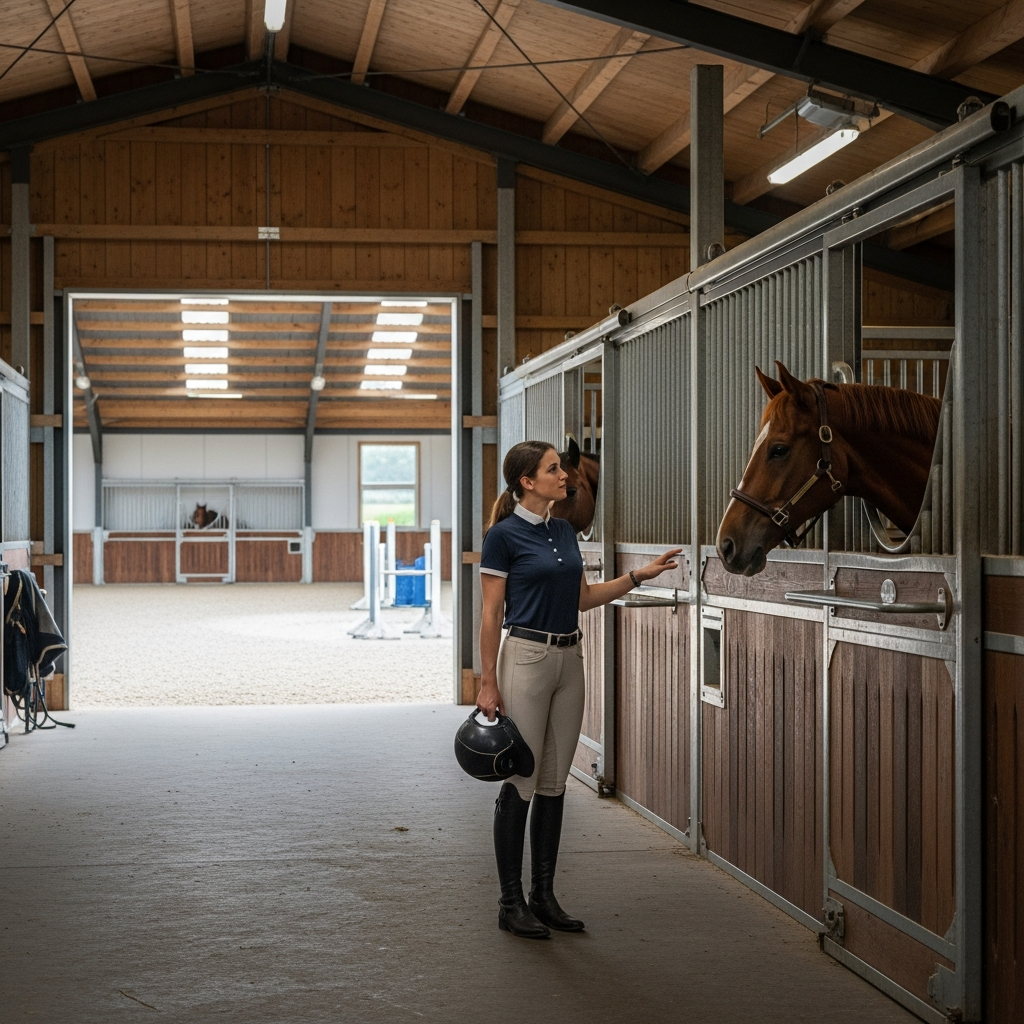
Exploring Charlotte’s Equestrian Real Estate Market
Charlotte’s equestrian real estate market is unique and exciting. The area has a rich horse culture that dates back generations. That tradition continues to thrive today. Understanding what’s available helps you set realistic expectations. It helps you spot good opportunities when they come along.
Overview of Charlotte’s Horse Properties
The Charlotte metro area is blessed with diverse terrain perfect for horses. You’ll find everything from gently rolling pastures to more dramatic landscapes with creeks and wooded areas. The climate here is generally horse-friendly. It has mild winters and warm summers that allow for year-round riding.
What makes this market particularly interesting is the variety. You’re not limited to one type of property or price point. Whether you’re searching for equestrian real estate Charlotte with established facilities or raw land where you can build your dream farm from scratch, options exist across the spectrum.
The market does move quickly for well-priced properties with quality facilities. Good Charlotte horse farms for sale don’t sit on the market long. This is especially true for those within a 30-minute drive of Charlotte’s city center. That’s why having your financing in order and knowing exactly what you want is so important.
Types of Horse Farms Available
When you start looking at Charlotte horse farms for sale, you’ll encounter several different property types. Understanding these categories helps you narrow your search. It helps you communicate effectively with your real estate agent.
- Turnkey operations: These properties come with everything you need to start boarding or training horses immediately. They typically include multiple barns, indoor and outdoor arenas, numerous paddocks, and well-maintained pastures. The house is usually substantial. It may include separate living quarters for staff or grooms.
- Hobby farms: Perfect for families with a few horses, these properties usually have a smaller barn (maybe 4-8 stalls), basic riding facilities, and enough land for comfortable grazing. They’re often more affordable. They require less maintenance than larger operations.
- Development opportunities: Some Charlotte horse farms for sale have good bones but need updates or expansion. These can be great deals if you’re willing to invest time and money into improvements. You might find a property with excellent land but outdated facilities, or vice versa.
- Raw land: If you want to build your dream farm exactly the way you envision it, raw land gives you that freedom. Just remember that developing a horse farm from scratch is a major undertaking. It requires significant capital and patience.
Equestrian Communities in Charlotte
One of the best things about buying a horse farm in Charlotte is joining the area’s vibrant equestrian community. Certain neighborhoods and areas have become hubs for horse enthusiasts. They offer not just properties but a whole lifestyle.
Waxhaw has long been known as Charlotte’s horse country. You’ll find numerous equestrian facilities, trainers, and like-minded horse owners in this area. The town hosts regular horse shows and events. Many Charlotte horse farms for sale in Waxhaw have direct access to riding trails.
The Lake Norman area, including towns like Mooresville and Troutman, offers beautiful waterfront properties with equestrian amenities. These areas tend to attract buyers who want both the horse farm lifestyle and lake recreation opportunities.
South Charlotte areas like Weddington and Marvin also have strong equestrian communities with excellent properties. These locations offer the advantage of being closer to Charlotte’s urban amenities. They still provide that rural, horse-friendly atmosphere.
Navigating the Process of Buying a Horse Farm in Charlotte
Buying a horse farm is different from buying a regular residential property. There are more moving parts. There are more things to inspect. There are more potential pitfalls. But don’t worry – with the right team and approach, you can navigate this process confidently when searching for Charlotte horse farms for sale.
Working with a Knowledgeable Real Estate Agent
This might sound self-serving, but it’s absolutely true: working with a real estate agent who specializes in equestrian properties makes a huge difference. At Carolina Horse Farm Realty, we’ve seen countless buyers struggle when they work with agents who don’t understand the unique aspects of horse properties.
What makes an equestrian real estate specialist valuable? They understand things like proper fencing requirements. They know arena footing quality. They understand barn ventilation systems and water access for pastures. They know which properties have good soil for growing hay. They know which areas tend to stay too wet for horses.
A specialized agent also has connections within the equestrian community. They often hear about Charlotte horse farms for sale before they hit the market. They can give you insider knowledge about specific farms, previous owners, and any issues that might not be immediately obvious.
When you’re ready to buy horse farm near Charlotte, interview potential agents. Ask about their experience with equestrian properties. How many horse farms have they sold? Do they own horses themselves? Can they provide references from other equestrian clients?
Inspecting Properties and Assessing Their Condition
Property inspections for horse farms go way beyond what you’d do for a regular house. Yes, you’ll still need a standard home inspection. But you’ll also want to carefully evaluate all the equestrian facilities and infrastructure.
Walk every inch of the fence line. Look for broken boards, rusted wire, or sagging gates. Fencing repairs can be expensive. Knowing what you’re getting into is important. Check the type of fencing too – some materials are safer for horses than others.
Inspect the barn thoroughly. Look at the roof for leaks. Check the electrical system. Evaluate the stall construction. Are there proper drainage systems? Is the hay storage adequate and safe? Does the barn have good ventilation to prevent respiratory issues?
If there’s an arena, walk it and look at the footing. Good arena footing is expensive to install. A well-maintained arena adds real value. Check for proper drainage and level surfaces.
Don’t forget about water sources. Are there frost-free hydrants throughout the property? Do the pastures have adequate water access? Is there a well? If so, what’s its capacity and condition?
Understanding Local Regulations and Zoning Laws
Here’s something that catches many buyers off guard: zoning regulations and agricultural classifications vary significantly between different areas around Charlotte. What you can do with your property depends heavily on how it’s zoned and classified. This is crucial when evaluating Charlotte horse farms for sale.
Some properties have agricultural exemptions that reduce property taxes. But maintaining these exemptions requires meeting certain criteria. You might need to keep a minimum number of acres in agricultural use. You might need to generate a certain amount of agricultural income.
Zoning also affects whether you can run a commercial boarding operation. It affects whether you can host shows or clinics. It affects whether you can build additional structures. Some residential areas have strict limitations on the number of horses you can keep. They may limit whether you can operate a business from the property.
Your real estate agent should help you navigate these regulations. But it’s also wise to contact the local planning and zoning office directly. Ask specific questions about what’s allowed on the property you’re considering. Get answers in writing.

Evaluating the Potential of a Horse Farm
Not every property you see will be perfect right out of the gate. Sometimes the best deals are farms that need some work but have great bones. Learning to evaluate a property’s potential helps you spot diamonds in the rough. It helps you find Charlotte horse farms for sale that other buyers might overlook.
Assessing the Property’s Condition and Potential for Renovation
When you’re looking at a property that needs work, you’ve got to be realistic about costs. You need to be realistic about your ability to manage renovations. Some improvements are straightforward and relatively affordable. Others can quickly balloon into major projects.
Cosmetic updates to the house or barn are usually manageable. Fresh paint, new stall mats, or updated lighting can transform a space without breaking the bank. But structural issues like foundation problems, roof replacements, or major electrical upgrades require serious investment.
Think about your timeline too. If you need to move horses onto the property immediately, you’ll need facilities that are at least functional. But if you can keep your horses boarded elsewhere while you renovate, you have more flexibility. You can take on larger projects.
Get quotes from contractors before you make an offer. This gives you real numbers to work with rather than guesses. And remember, renovation projects on horse farms almost always take longer than you initially expect. They cost more than you initially expect.
Considering the Quality of the Land and Pastures
The land itself is arguably the most important aspect of any horse farm. You can build new barns and arenas. But you can’t easily change the fundamental characteristics of the land. This is especially important when evaluating Charlotte horse farms for sale.
Good pasture land has the right balance of grasses. It has proper drainage. It has healthy soil. Walk the pastures and look for bare spots, erosion, or areas that stay consistently muddy. These issues indicate drainage problems. They can be expensive to fix.
Consider the topography. Gently rolling land with some variation is ideal. It’s interesting for riding but not so steep that it creates management challenges. Flat land can work well but may require more attention to drainage.
Ask about the property’s history. Has it been used for horses before? Is it being converted from another agricultural use? Properties with a history of horse management often have better infrastructure. They often have better pasture management already in place.
Soil testing is worth the investment. It tells you about soil composition. It tells you about pH levels. It tells you what you’ll need to do to maintain healthy pastures. This information helps you budget for ongoing land management.
Evaluating the Functionality of the Facilities
A barn might look beautiful, but is it actually functional for your needs? This is where your own experience as a horse owner becomes invaluable. Think about your daily routine. Think about how the facilities will support that workflow.
Stall size matters. Standard stalls are 12×12 feet. But larger horses or mares with foals need bigger spaces. Look at the stall construction too. Are the walls solid and safe? Are the doors well-hung and secure?
Consider the barn layout. Is there a logical flow from the tack room to the wash rack to the stalls? Can you easily move hay and feed? Is there adequate storage for equipment and supplies?
Arena facilities should match your discipline. Dressage riders need a specific size and good footing. Jumpers need space for courses. Western riders might prioritize different features. Don’t assume you can easily adapt facilities designed for one discipline to another.
Think about expansion potential too. Even if the current facilities meet your immediate needs, what happens if you want to grow? Is there room to add stalls? Can you build another barn? Can you expand the arena?
Making an Offer on Your Dream Horse Farm
You’ve found it – the property that checks all your boxes. Now comes the nerve-wracking part: making an offer. This is where strategy and market knowledge really pay off when pursuing Charlotte horse farms for sale.
Determining a Fair Market Price
Pricing horse farms is more art than science. Your real estate agent will provide comparable sales data. But equestrian properties are unique enough that finding true comparables can be challenging.
Look at recent sales of similar properties in the area. What did they offer in terms of acreage, facilities, and location? How long were they on the market? Properties that sold quickly likely were priced right. Those that languished probably were overpriced.
Consider the value of improvements separately from the land. Quality facilities add significant value. But they also require ongoing maintenance. Sometimes a property with older facilities but excellent land is a better value. It’s better than a turnkey operation that’s overpriced.
Don’t forget about market conditions. In a seller’s market, you might need to come in closer to asking price. But if the property has been sitting for months, there’s likely room for negotiation.
Crafting a Competitive Offer
Your offer includes more than just price. Terms matter too. Sometimes they matter as much as the dollar amount. A clean offer with solid financing and reasonable contingencies is often more attractive to sellers. It’s more attractive than a higher offer with complicated terms.
If you’re competing against other buyers, consider ways to make your offer stand out. Maybe you can be flexible on closing dates. Maybe you can reduce the inspection period. Just don’t waive important protections. A thorough inspection is crucial for horse properties.
Include appropriate contingencies. At minimum, you want inspection contingencies for both the house and all equestrian facilities. If you’re financing the purchase, you’ll need a financing contingency. Some buyers also include a contingency for selling their current property.
The earnest money deposit shows you’re serious. For horse farms, this is typically 1-2% of the purchase price. Though it can be higher in competitive situations.
Negotiating the Terms of the Sale
Negotiation doesn’t end when your initial offer is accepted. The inspection period often reveals issues that need to be addressed. This is your opportunity to renegotiate or request repairs on Charlotte horse farms for sale.
Prioritize your requests. Major safety issues or structural problems should take precedence over cosmetic concerns. Sellers are more likely to address significant items than minor wish-list repairs.
Consider asking for a credit at closing instead of repairs. This gives you control over who does the work. It ensures it’s done to your standards. It also avoids delays in closing while waiting for repairs to be completed.
Be reasonable and professional throughout negotiations. Remember, you’ll likely be part of the local equestrian community. Reputations matter. Treat the seller with respect. Most will reciprocate.
Don’t let emotions override good judgment. If the inspection reveals major problems that the seller won’t address, be prepared to walk away. There will be other Charlotte horse farms for sale. But you’ll own this one for years to come.
Key Takeaways
- Define your specific needs before starting your search for Charlotte horse farms for sale, including number of horses, riding discipline, and budget for both purchase and ongoing maintenance
- Work with a real estate agent who specializes in equestrian properties and understands the unique aspects of horse farm transactions
- Charlotte’s equestrian market offers diverse options from turnkey operations to development opportunities across various price points
- Thoroughly inspect all facilities including fencing, barns, arenas, and water systems before making an offer
- Understand local zoning laws and agricultural classifications that affect what you can do with the property
- Evaluate both the current condition and future potential of properties, especially the quality of the land and pastures
- Craft competitive offers with reasonable terms and be prepared to negotiate professionally throughout the buying process
Ready to Find Your Perfect Charlotte Horse Farm?
Searching for Charlotte horse farms for sale doesn’t have to be overwhelming. At Carolina Horse Farm Realty, we specialize in helping equestrian enthusiasts find their dream properties throughout the Charlotte area. Our team understands the unique needs of horse owners. We have the local market knowledge to guide you through every step of the buying process. Whether you’re looking for a small hobby farm or a premier equestrian estate, we’re here to help you find the perfect property. We’ll help you find Charlotte horse farms for sale that match your vision and budget.
Frequently Asked Questions
The general rule is one to two acres per horse for adequate grazing and turnout space. However, your total land needs depend on how many horses you plan to keep. It depends on whether you’ll grow your own hay. Most horse owners find that 10-20 acres provides a comfortable setup for a small personal farm. Commercial operations typically need 30 acres or more.
Charlotte horse farms for sale prices vary widely based on size, location, and facilities. Smaller hobby farms with 5-10 acres might start around $400,000-$600,000. Larger properties with extensive facilities can range from $1 million to several million dollars. Properties closer to Charlotte’s urban core typically command higher prices than those in more rural areas.
This depends on your budget, timeline, and specific needs. Buying a turnkey property costs more upfront but allows you to start using it immediately. Building from scratch gives you complete control over design. But it requires significant time and capital investment. Many buyers find the sweet spot is a property with good land and basic facilities. These Charlotte horse farms for sale can be improved over time.
Waxhaw is known as Charlotte’s premier horse country with a strong equestrian community and excellent properties. The Lake Norman area including Mooresville offers beautiful waterfront farms. Weddington and Marvin in South Charlotte provide proximity to urban amenities while maintaining a rural atmosphere. Each area has its own advantages depending on your priorities when searching for Charlotte horse farms for sale.
Whether you can operate a commercial boarding facility depends on the property’s zoning classification and local regulations. Some residential areas prohibit commercial operations. Agricultural zones typically allow them. Always verify zoning restrictions and any homeowners association rules before purchasing if you plan to run a business.
Beyond the standard home inspection, examine all fencing for safety and condition. Check barn structures for soundness and proper ventilation. Evaluate arena footing and drainage. Test all water systems. Inspect pasture quality and drainage. Verify that electrical systems in barns meet safety standards. Consider hiring an equine facility specialist for a thorough evaluation of Charlotte horse farms for sale.
Horse farms may qualify for agricultural tax classifications that can significantly reduce property taxes. However, you must meet specific criteria. These include minimum acreage in agricultural use and sometimes minimum income requirements. Tax rates and exemption requirements vary by county. Research the specific regulations for the area where you’re buying.
The Charlotte equestrian real estate market remains strong with steady demand for quality properties. While interest rates and market conditions fluctuate, well-maintained farms in good locations consistently hold their value. The best time to buy Charlotte horse farms for sale is when you find a property that meets your needs and fits your budget, regardless of broader market trends.
Leave a Reply