Author: james

  • Insider Tips: Navigating the Charlotte Equestrian Real Estate Market

    Insider Tips: Navigating the Charlotte Equestrian Real Estate Market

    Charlotte's equestrian real estate market operates with its own rhythm: one that doesn't always match the broader residential trends you'll read about in mainstream real estate reports. After years of working exclusively with horse properties in this region, we've learned that success here requires understanding the nuances that only come from living and breathing the equestrian lifestyle.

    The Current Market Reality in Charlotte

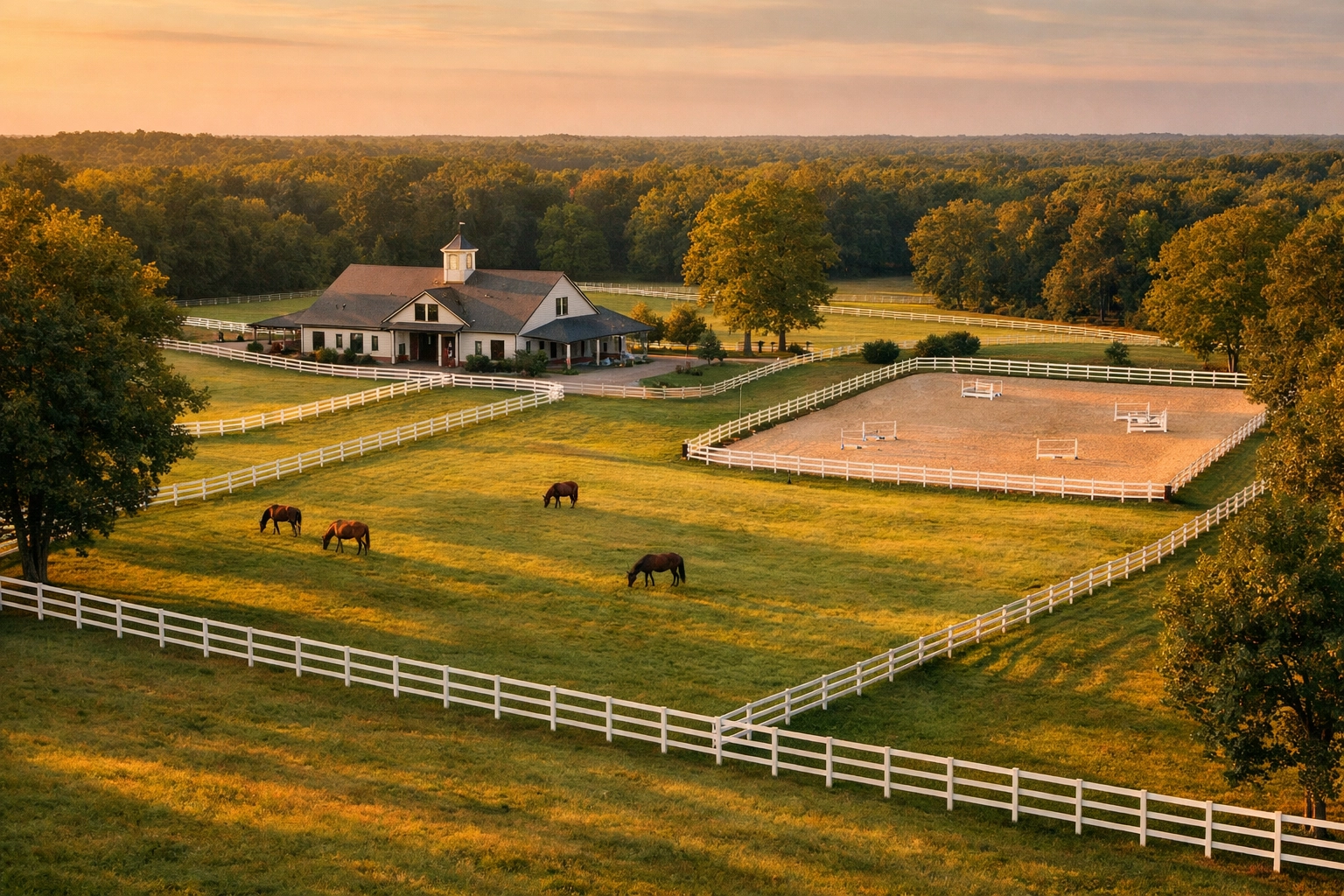
    The numbers tell one story: Charlotte's overall housing market shows homes averaging 47 days on the market with a median price of $437,500 and steady 3.7% year-over-year growth. But for equestrian properties, the reality is more complex. Within 35 miles of Charlotte, approximately 156 horse properties are currently available, yet quality turnkey facilities with proper infrastructure remain scarce.

    This scarcity creates a unique dynamic. While the broader market has found more balance between buyers and sellers, equestrian properties with functional barns, quality fencing, and established pastures still command premium attention and move quickly when priced correctly.

    image_1

    What Smart Buyers Know

    The most successful equestrian property buyers in Charlotte understand that patience and preparation are equally important. Unlike traditional residential purchases, horse property transactions involve layers of complexity that can derail unprepared buyers.

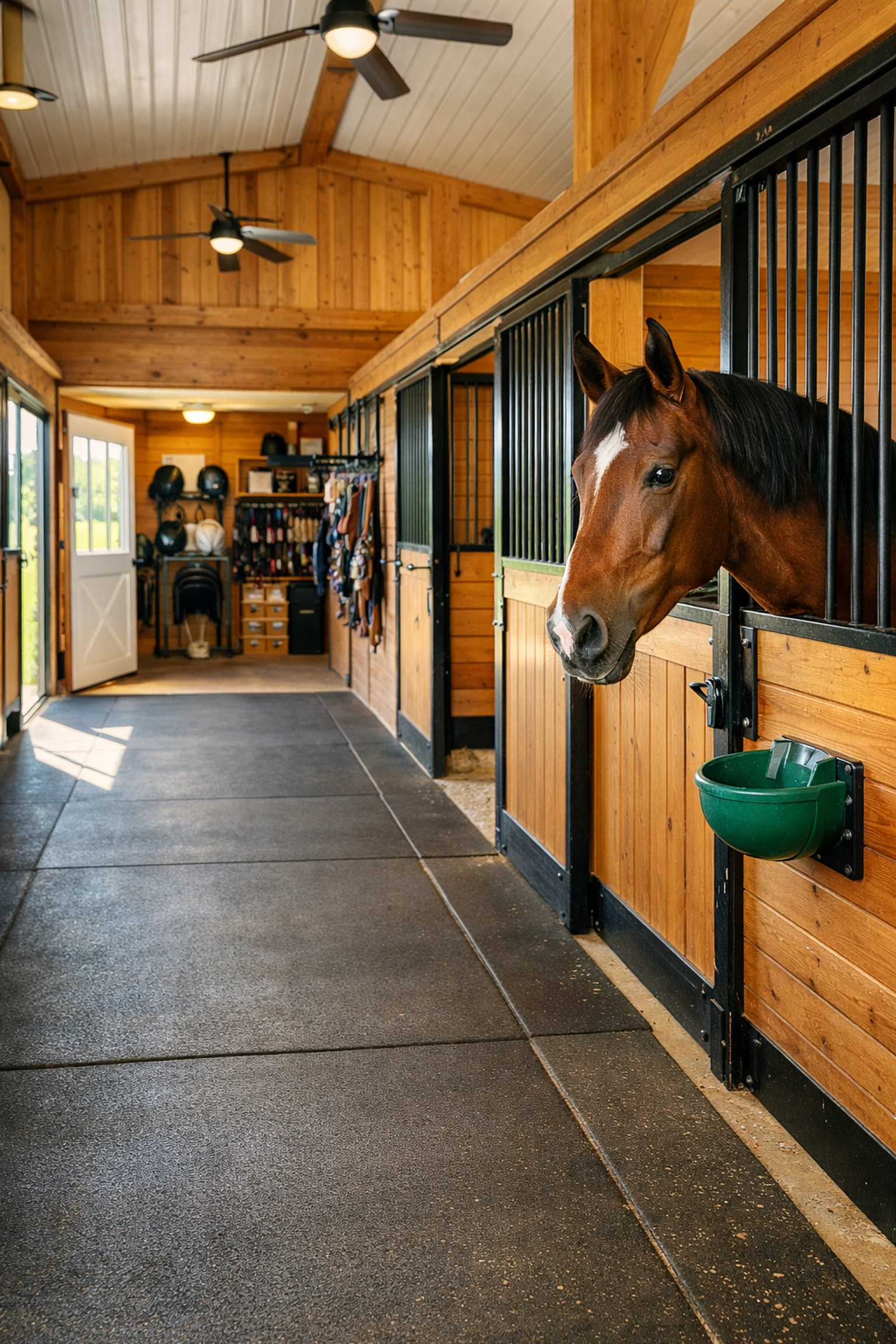
    Infrastructure trumps aesthetics every time. A property with a basic but structurally sound barn, reliable water systems, and well-maintained fencing offers more value than a showcase home with neglected equestrian facilities. The cost to retrofit poor infrastructure often exceeds the initial savings from a lower purchase price.

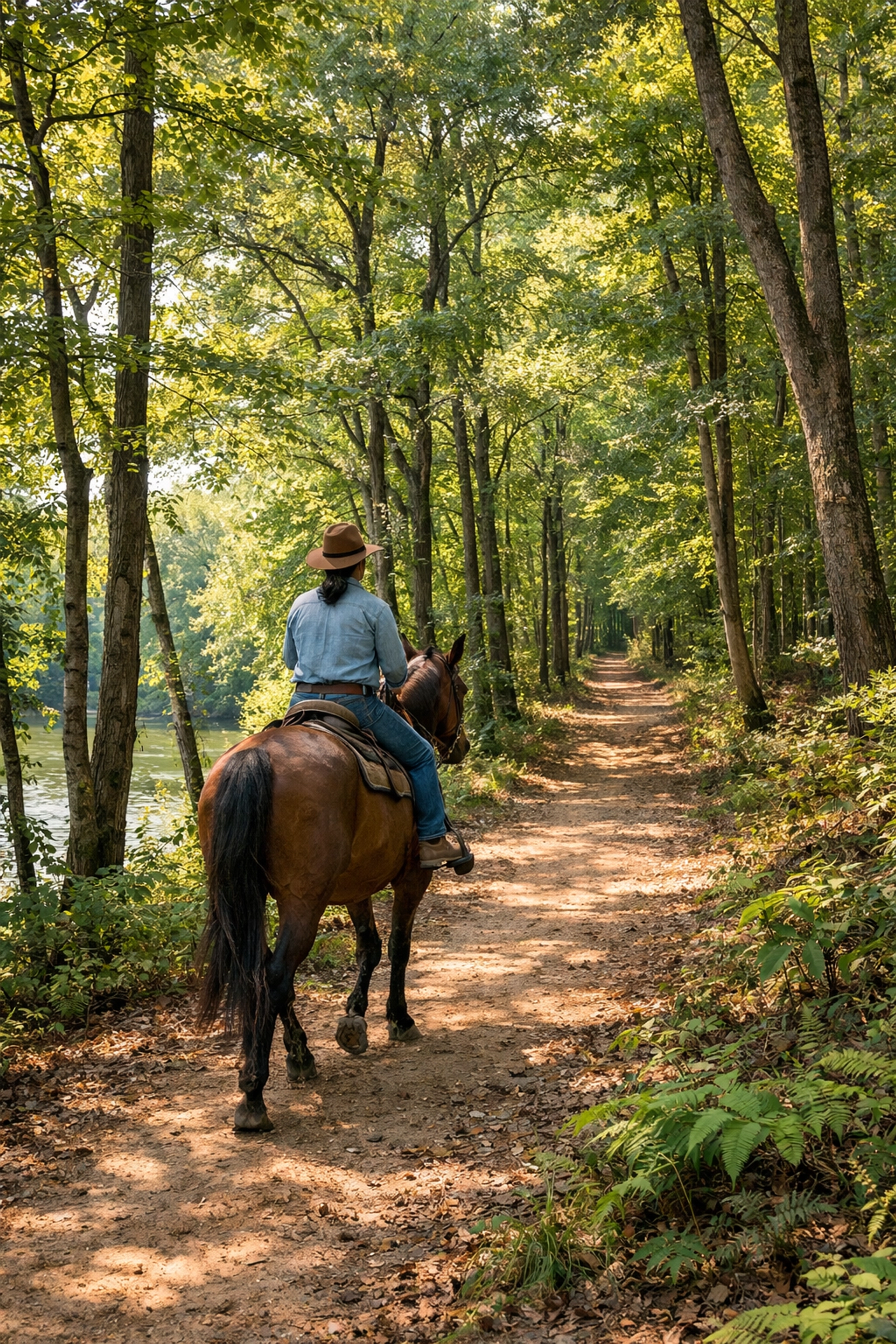
    Location considerations extend beyond school districts. Access to quality veterinarians, feed suppliers, and farriers matters. Proximity to riding trails, show facilities, and other equestrian amenities affects both your daily experience and future resale value. Properties near established equestrian communities like south Charlotte or the Lake Norman area command premiums for good reason.

    Zoning and easements require careful review. Agricultural exemptions, grazing permits, and neighbor agreements can significantly impact your property's functionality. Some buyers discover post-closing that their "horse property" comes with restrictions that limit their intended use.

    image_2

    Technology and Sustainability Trends

    The Charlotte equestrian market increasingly rewards properties that blend traditional horse keeping with modern efficiency. Smart buyers recognize that eco-conscious upgrades and automated systems aren't just trendy: they're becoming essential for properties that maintain their value.

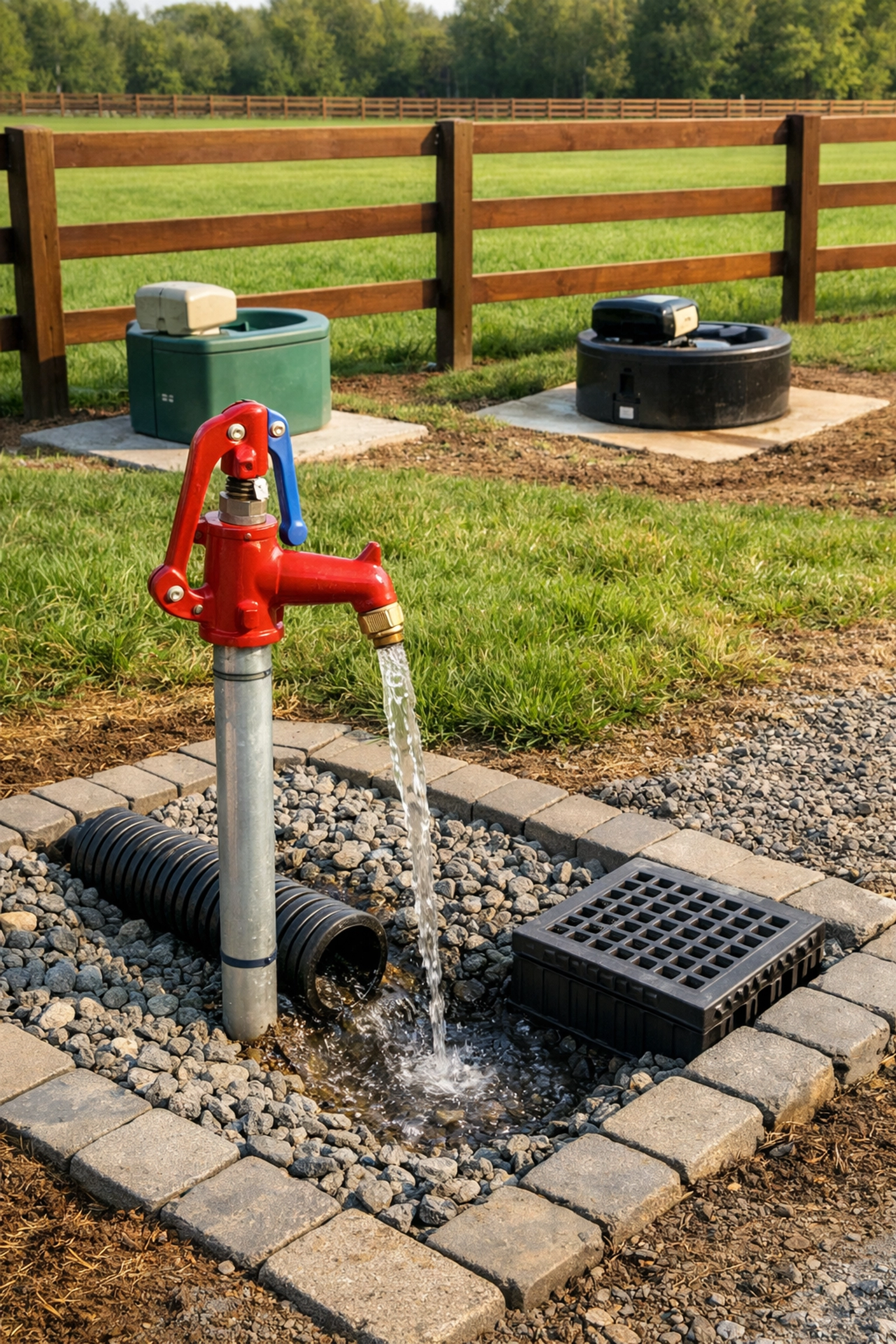
    Solar installations for barn lighting and water systems appeal to cost-conscious buyers. Automated feeding systems and smart irrigation for pastures reduce daily labor while ensuring consistent animal care. These features particularly attract busy professionals who want horses but need systems that function reliably during their work travels.

    Environmental sustainability initiatives also matter more than ever. Properties with established pasture rotation systems, natural water sources, and erosion control measures appeal to buyers who understand long-term land stewardship. These features often indicate well-maintained properties with owners who've invested in proper infrastructure.

    Seller Strategies That Work

    Successful sellers in Charlotte's equestrian market understand they're selling a lifestyle, not just real estate. The most effective approach involves showcasing how your property supports the horse-centered life buyers are seeking.

    Document your property's equestrian functionality. Create detailed information about feed storage capacity, water systems, pasture carrying capacity, and maintenance schedules. Buyers want to understand exactly what they're purchasing and how the operation currently functions.

    Highlight unique amenities and location advantages. Indoor arenas, round pens, trails, or proximity to popular riding destinations differentiate your property from standard listings. If your property offers something special: whether it's exceptional drainage, mature shade trees, or established relationships with quality service providers: make these features prominent in your marketing.

    Consider timing your sale strategically. Spring and early summer typically bring more active buyers as people plan for moving horses during favorable weather. However, serious buyers often shop during winter months with less competition, potentially leading to stronger offers.

    image_3

    The Investment Perspective

    Institutional investors have discovered equestrian and agricultural properties as portfolio diversifiers, which affects pricing and competition in the Charlotte market. These buyers often purchase with long-term appreciation in mind rather than immediate use, which can drive up prices for quality properties.

    For individual buyers, this trend means decision speed matters more than ever. Properties that offer both excellent equestrian facilities and strong investment fundamentals: good location, quality construction, proper infrastructure: attract multiple offer situations.

    However, this investor interest also creates opportunities. Properties that need renovation or development to reach their potential often receive less investor attention, creating openings for buyers willing to invest in improvements.

    Understanding Seasonal Patterns

    Charlotte's equestrian market follows predictable seasonal patterns that savvy buyers and sellers leverage for advantage. Spring brings the most active period as buyers emerge from winter planning and prepare for summer moving. Properties listed in March and April typically receive the most showings and strongest offers.

    Fall can offer opportunities for patient buyers as motivated sellers who didn't sell during prime season become more flexible on pricing and terms. Winter listings often indicate sellers with genuine motivation: job relocations, financial pressures, or life changes that don't wait for ideal timing.

    image_4

    Working with Local Expertise

    The complexity of Charlotte's equestrian market makes local expertise invaluable. Agents who understand horse properties know which veterinarians serve different areas, where to find quality hay suppliers, and how local zoning affects agricultural operations. This knowledge helps both buyers and sellers make informed decisions about pricing, timing, and property modifications.

    Successful transactions often involve collaboration between real estate professionals, veterinarians, contractors familiar with agricultural construction, and sometimes legal counsel for complex easement or zoning issues. Building these relationships before you need them streamlines the buying or selling process significantly.

    Looking Ahead

    Charlotte's growth continues to pressure available land for development, which should support long-term appreciation for well-located equestrian properties. However, this same growth creates regulatory changes and infrastructure demands that affect horse property ownership.

    Properties with solid water rights, established agricultural use, and good access to main roads will likely outperform isolated parcels or those with infrastructure challenges. Buyers who understand these fundamentals position themselves for both immediate enjoyment and long-term financial success.

    The most successful participants in Charlotte's equestrian real estate market: whether buying or selling: approach their decisions with both emotional connection to the lifestyle and practical understanding of the market dynamics. This balance of heart and head leads to transactions that satisfy both immediate needs and long-term goals.


    At Carolina Horse Farm Realty, we understand that finding the right equestrian property requires more than matching square footage and price points. If you're ready to explore Charlotte's horse property market with guidance from professionals who live this lifestyle daily, we'd welcome the opportunity to share our insights with you. Visit carolinahorsefarmrealty.com to begin your search for the perfect equestrian property.

  • From Hobby Farm to Premier Estate: Upgrading Your Horse Property in Waxhaw

    From Hobby Farm to Premier Estate: Upgrading Your Horse Property in Waxhaw

    Transforming your Waxhaw hobby farm into a premier equestrian estate requires strategic planning, substantial investment, and deep understanding of both horse management and luxury property development.

    Your weekend retreat has served you well. The modest barn, simple fencing, and basic amenities met your needs when you started with a couple of horses. But now your vision has expanded. You're ready to create something extraordinary: a property that commands respect in Waxhaw's competitive equestrian market while providing world-class facilities for your horses.

    The transformation from hobby farm to premier estate isn't just about adding square footage or upgrading fixtures. It's about reimagining your entire property through the lens of operational efficiency, aesthetic excellence, and long-term value creation.

    Understanding Waxhaw's Premier Estate Market Standards

    Waxhaw's equestrian market sets high expectations for premier properties. With 19 equestrian properties currently available at an average listing price of $527,364 and $44,704 per acre, the market rewards excellence and penalizes mediocrity.

    Recent sales data reinforces this reality. A 10.96-acre luxury equestrian estate on Valley Farm Road commanded $875,000, demonstrating the premium buyers pay for properties that meet premier standards. These properties succeed because they deliver sophisticated infrastructure wrapped in understated elegance.

    Premier estates in our market share common characteristics: impeccable drainage and footing systems, architectural cohesion between residence and equestrian facilities, and operational layouts that prioritize both horse welfare and human convenience. They also feature amenities that extend beyond basic horse keeping: indoor arenas, automated systems, guest accommodations, and entertainment spaces that support the equestrian lifestyle.

    image_1

    Infrastructure Foundation: Building Systems That Last Decades

    Your upgrade begins underground with systems invisible to visitors but essential for long-term success. Premier estates require infrastructure that supports intensive use while maintaining pristine conditions year-round.

    Drainage and Footing Systems

    Professional-grade drainage transforms your property's functionality and your horses' soundness. Traditional hobby farms often struggle with muddy paddocks, standing water, and inconsistent footing. Premier estates eliminate these issues through engineered solutions: French drains around barn areas, proper grading with crown-to-edge slopes, and footing systems designed for your specific soil conditions and usage patterns.

    Quality footing extends beyond the arena. Paddock surfaces, walkways, and high-traffic areas require materials and installation methods that provide cushioning, drainage, and durability. GGT footing, sand-fiber blends, or synthetic systems each offer distinct advantages depending on your discipline and budget.

    Utility Infrastructure

    Premier estates demand robust electrical, water, and communications systems. Your current 100-amp service may suffice for a hobby operation, but premier facilities require 200-amp or higher capacity to support heated water systems, arena lighting, security systems, and modern barn equipment.

    Water systems must deliver consistent pressure and quality throughout your property. Multiple frost-proof hydrants, automatic waterers with backup systems, and fire suppression capabilities protect both horses and investment. Many premier properties also incorporate rainwater collection and irrigation systems that maintain pristine landscaping while managing runoff.

    Architectural Cohesion: Creating Visual Harmony

    Premier estates tell a cohesive story through architectural consistency between residence and equestrian facilities. Your current barn may be functional, but does it complement your home's style and enhance your property's overall aesthetic?

    Design Language Integration

    Successful upgrades establish clear design themes that connect all structures. Whether you choose traditional Southern architecture, contemporary clean lines, or rustic elegance, every building should reinforce your chosen aesthetic. This means coordinating rooflines, materials, color palettes, and proportional relationships across your entire property.

    Strategic Siting and Flow

    Premier properties optimize the relationship between residence, barn, arenas, and paddocks for both visual appeal and operational efficiency. Sight lines from your home should showcase your best equestrian features while screening utility areas. Traffic patterns must accommodate horse movement, feed delivery, and guest access without conflict.

    image_2

    Facility Upgrades: From Basic to Extraordinary

    Transform your basic barn into a facility that rivals top training operations while maintaining the warmth and character appropriate for a private estate.

    Stall and Aisle Configuration

    Premier stalls start at 12×12 feet minimum, with many properties featuring 14×14 or 12×16 configurations for larger horses or enhanced comfort. Dutch doors, quality hardware, and proper ventilation systems create environments that support horse health and showcase your attention to detail.

    Aisle width matters more than many realize. Twelve-foot aisles accommodate equipment and provide comfortable movement space, while fourteen-foot or wider aisles create the spacious feel that defines premier properties. Consider heated aisles, rubber flooring systems, and integrated wash areas that function efficiently in all weather conditions.

    Indoor Arena Integration

    An indoor arena transforms your property's year-round usability and market appeal. Size depends on your discipline: dressage requires minimum 66×132 feet, while jumping or western disciplines may demand larger dimensions. Quality arena construction involves proper base preparation, engineered footing systems, and environmental controls that maintain optimal conditions regardless of weather.

    Lighting systems should provide even illumination without shadows or glare. LED systems offer energy efficiency and longevity while supporting everything from training sessions to evening events.

    Operational Efficiency: Designing for Daily Management

    Premier estates succeed because they make horse management easier, not harder. Your upgrade should reduce labor requirements while improving horse care standards.

    Feed and Bedding Systems

    Centralized feed storage with gravity-flow systems, automated watering, and efficient bedding storage reduce daily labor while ensuring consistent care. Many premier properties incorporate feed room scales, supplement organization systems, and climate control that maintains feed quality.

    Turnout and Pasture Management

    Strategic paddock design with safe fencing, automatic gates, and rotation capabilities support both horse health and pasture maintenance. Premier properties often feature sacrifice paddocks near the barn for weather protection, specialized footing in high-traffic areas, and run-in shelters that complement the overall architectural theme.

    image_3

    Technology Integration: Modern Solutions for Traditional Pursuits

    Today's premier estates incorporate technology that enhances security, monitoring, and convenience without compromising the authentic equestrian atmosphere.

    Security and Monitoring Systems

    Modern camera systems, access controls, and monitoring capabilities protect your investment while providing peace of mind during travel. Smart sensors can alert you to water system failures, temperature fluctuations, or unusual activity patterns.

    Environmental Controls

    Automated ventilation, misting systems, and climate monitoring ensure optimal conditions for both horses and equipment. These systems can integrate with your home automation platform for centralized control and monitoring.

    Professional Partners: Assembling Your Upgrade Team

    Successful transformations require experienced professionals who understand both equestrian requirements and luxury property development. Waxhaw offers specialists like Breedlove Farms Estates & Land for development guidance, and Tracy Theran at Cross Country Appraisal for specialized equestrian property evaluation.

    Your team should include architects with equestrian experience, contractors familiar with specialized building codes, and consultants who can navigate zoning requirements and permitting processes specific to equestrian facilities.

    Investment Strategy: Maximizing Value Creation

    Premier estate upgrades require substantial investment: typically $200,000 to $500,000+ depending on scope and existing conditions. Strategic phasing allows you to spread costs while maintaining property functionality throughout the process.

    Priority investments that deliver immediate value include drainage improvements, electrical upgrades, and safety enhancements. Aesthetic improvements and luxury amenities can follow as budget permits and seasonal schedules allow.

    Implementation Timeline: From Vision to Reality

    Most comprehensive upgrades require 12-18 months from initial planning to completion. Weather considerations, permitting timelines, and material availability can extend schedules, making early planning essential for meeting target completion dates.

    Ready to Transform Your Property?

    Your journey from hobby farm to premier estate begins with understanding your vision, budget, and timeline. Carolina Horse Farm Realty connects serious property owners with the specialized professionals and resources necessary for successful transformations. Let's discuss how your property can achieve premier estate status while supporting your long-term equestrian goals.

    Visit carolinahorsefarmrealty.com to explore your upgrade potential and connect with our network of equestrian property specialists.

  • Dressage Estates in North Carolina: What Makes Them Unique?

    Dressage Estates in North Carolina: What Makes Them Unique?

    When serious dressage riders envision their perfect property, they're not just thinking about pretty pastures and a basic barn. They're imagining precision-built arenas with perfect footing, climate-controlled facilities for year-round training, and the kind of thoughtful design that supports the demanding technical requirements of classical horsemanship.

    North Carolina has emerged as a premier destination for dressage-focused equestrian estates, offering a unique combination of favorable climate, diverse geography, and sophisticated horse communities that understand what serious dressage work requires.

    The Geography Advantage: Why North Carolina Works for Dressage

    North Carolina's varied topography creates microclimates perfect for year-round riding. From the rolling foothills of the Piedmont to the coastal plains, dressage riders can find properties with the specific conditions their training demands.

    The western regions around Tryon and Aiken provide cooler summer temperatures ideal for intensive training sessions, while the Sandhills region offers excellent drainage and sandy soils that create naturally superior arena footing. This geographic diversity means dressage-focused estates can be designed around specific training goals and seasonal programs.

    image_1

    Essential Infrastructure: What Sets Dressage Properties Apart

    True dressage estates go far beyond a rectangular arena. These properties feature multiple riding surfaces designed for different training phases. A serious dressage facility typically includes:

    Primary Dressage Court: A regulation 20×60 meter arena with premium footing materials like imported sand mixtures, rubber additives, or specialized synthetic surfaces. Proper drainage and consistent maintenance are non-negotiable.

    Secondary Training Ring: Often smaller, this space allows for schooling work, longe line training, and preliminary exercises without disrupting lesson or training schedules in the main arena.

    Climate-Controlled Indoor Facility: North Carolina's weather patterns make covered arenas essential for consistent training. The best dressage properties include spacious indoor arenas with excellent ventilation, proper lighting, and acoustics that won't spook sensitive horses.

    Specialized Barn Design: Dressage horses often require different housing than other disciplines. Wide aisleways accommodate the flowing movements of collection and extension during barn-aisle training sessions. Tack rooms need climate control to preserve expensive leather and equipment.

    The Community Factor: Proximity to Dressage Excellence

    What truly distinguishes North Carolina's dressage estates is their proximity to established equestrian communities. Properties near Tryon benefit from the area's concentration of top-tier trainers and regular competitions. The region hosts recognized shows throughout the year, meaning residents can compete without extensive traveling.

    Communities like those found in the Foothills and around Charlotte offer access to clinics with international-level instructors. This educational infrastructure adds significant value to dressage properties: it's not just about what you build, but about who you can access for continued learning and improvement.

    image_2

    Footing Science: The Foundation of Dressage Training

    Serious dressage riders understand that arena footing can make or break a horse's development. North Carolina's climate presents both opportunities and challenges for maintaining optimal surfaces.

    The state's clay-based soils provide excellent stability when properly prepared, while the availability of quality sand from coastal regions offers superior drainage options. Many high-end dressage estates invest in imported footing materials like German sand or specialized fiber additives that maintain consistency through varying weather conditions.

    Proper footing requires understanding the biomechanics of dressage movements. The extended trot demands more cushioning than collected work, while piaffe and passage need firm, stable surfaces that won't shift under the horse's weight. Estates designed specifically for dressage often include multiple arena surfaces to accommodate these varying requirements.

    Technology Integration in Modern Dressage Facilities

    Today's dressage estates incorporate technology that would have been unimaginable just a decade ago. Video analysis systems allow riders to review their work immediately, while automated watering systems maintain arena footing at optimal moisture levels regardless of weather conditions.

    Some properties feature mirrors strategically placed around training areas, though these require careful consideration of placement to avoid spooking horses while providing useful feedback for riders. Advanced lighting systems extend training hours during North Carolina's shorter winter days, with some estates installing full-spectrum LED systems that minimize shadows and provide consistent illumination.

    image_3

    Land Management for Dressage Excellence

    Dressage horses require different turnout management than many other disciplines. These athletes need controlled exercise periods and carefully managed nutrition, which influences how estates design their paddock and pasture systems.

    Many dressage-focused properties feature smaller paddocks closer to the barn for controlled turnout, along with larger fields for free movement when appropriate. Pasture rotation becomes critical for maintaining the body condition and mental health of horses in intensive training programs.

    Water management takes on special importance in dressage estates. Consistent arena watering, drainage around high-traffic areas, and backup systems for dry periods all factor into property design. North Carolina's periodic drought conditions make water rights and well capacity significant considerations.

    The Investment Perspective: Value Drivers in Dressage Properties

    From a real estate perspective, dressage estates command premium pricing for specific reasons. The specialized infrastructure can't be easily retrofitted: proper arena construction, drainage systems, and barn design require significant upfront investment.

    However, these properties also maintain value better than generic equestrian facilities. The dressage community represents serious, committed horse owners who understand and appreciate quality infrastructure. When properly designed and maintained, dressage estates attract buyers who recognize the investment in specialized features.

    Location within established equestrian communities amplifies this value retention. Properties near recognized training centers or within developments known for dressage excellence benefit from community reputation and shared amenities.

    image_4

    Seasonal Considerations: Year-Round Training Capability

    North Carolina's four-season climate requires dressage facilities to address varying conditions. Summer heat management becomes crucial: covered arenas, adequate ventilation, and scheduling flexibility allow training to continue through hot months.

    Winter weather, while generally mild, can create challenging conditions for outdoor work. Properties with covered arenas and properly heated tack rooms maintain training schedules regardless of weather. Some estates include heated wash racks and climate-controlled grooming areas that support the detailed care dressage horses require.

    The Future of Dressage Estates in North Carolina

    As the discipline continues growing in popularity, demand for purpose-built dressage facilities increases. North Carolina's combination of favorable climate, established equestrian communities, and available land makes it an attractive destination for riders relocating from more expensive markets.

    Emerging trends include sustainable facility design, with solar power systems and rainwater collection becoming more common. Smart barn technology, automated feeding systems, and enhanced security features represent the next evolution in dressage estate design.

    The integration of rehabilitation and wellness facilities: including swimming pools for horses, cold therapy systems, and specialized veterinary areas: reflects the growing understanding of what elite dressage horses need for long, successful careers.

    Making the Right Choice for Your Dressage Goals

    Whether you're searching for an established dressage estate or considering developing one from raw land, understanding these unique requirements guides better decisions. The investment in proper infrastructure pays dividends in training quality, horse welfare, and long-term property value.

    North Carolina's dressage estate market offers opportunities for serious riders to create or acquire facilities that support their highest aspirations in this demanding and beautiful discipline.

    Ready to explore dressage-focused equestrian properties in North Carolina? Let's discuss how to find or create the estate that matches your training goals and investment objectives. Visit Carolina Horse Farm Realty to begin your search for the perfect dressage property.

  • What to Know About Water Rights for North Carolina Horse Properties

    What to Know About Water Rights for North Carolina Horse Properties

    When you're shopping for the perfect horse property in North Carolina, you're probably focused on barn layouts, pasture quality, and arena space. But there's one critical element that many buyers overlook until it's too late: water rights.

    As horse people, we know that a single horse can drink 5-10 gallons of water daily, more in hot weather or with increased activity. Multiply that by your herd size, add in barn washing, arena watering, and general farm maintenance, and you're looking at serious water consumption. Without proper water rights, your dream property could become a legal and financial nightmare.

    Understanding North Carolina Water Rights: The Basics

    North Carolina operates under a complex system of water laws that blend traditional riparian rights with modern regulatory oversight. Understanding these distinctions isn't just legal technicality, it's essential protection for your investment.

    Riparian Rights are the most common form of water rights you'll encounter. If your property borders a natural waterway like a creek, river, or natural pond, you likely have riparian rights. These rights allow you to use water for "reasonable" purposes, which typically includes livestock watering, domestic use, and irrigation.

    However, "reasonable use" has limits. You can't divert an entire stream for your arena sprinkler system if it impacts downstream neighbors. The doctrine requires that your use be proportional to your land ownership and not unreasonably interfere with other riparian owners.

    image_1

    Prior Appropriation Rights operate differently and are less common in North Carolina's water-rich environment. These "first in time, first in right" systems prioritize based on historical use rather than land ownership. While North Carolina primarily follows riparian doctrine, some water rights may involve appropriative elements, particularly for larger commercial operations.

    Groundwater Rights in North Carolina generally follow the "reasonable use" doctrine. As a landowner, you typically have the right to drill wells and extract groundwater for beneficial use on your property. However, recent years have brought increased attention to groundwater conservation, particularly in areas experiencing development pressure.

    Types of Water Sources and Their Legal Implications

    Different water sources on your prospective horse property carry different legal considerations and protections.

    Natural Springs and Wells typically offer the most secure water rights for horse property owners. As groundwater, these sources generally fall under your property rights, though quantity and quality can vary seasonally. When evaluating a property, always request recent well logs and water quality tests. A productive well that's been reliable for decades provides more security than surface water rights that might face future restrictions.

    Natural Streams and Rivers provide riparian rights, but these come with responsibilities. You're entitled to reasonable use, but you must maintain natural flow patterns and water quality for downstream users. This means you can install a livestock watering system, but you can't dam the entire creek to create a swimming hole for your horses.

    Constructed Ponds and Reservoirs present unique situations. If the previous owner legally impounded water to create a pond, you'll typically inherit those rights. However, some older farm ponds may not have proper permits, a potential liability you'll want to identify during due diligence.

    image_2

    Shared Water Sources require careful attention to existing agreements. Some rural properties share wells or spring systems with neighbors through formal easements or informal arrangements. These situations need thorough legal review before closing.

    Red Flags to Watch During Property Evaluation

    Experienced horse property buyers know that water issues often hide beneath surface appearances. Here are warning signs that should trigger deeper investigation:

    Seasonal Water Availability can turn a dream property into a management nightmare. That beautiful creek running through the pasture might be a dry ditch come August. Always ask for water availability data across multiple seasons and drought years. Sellers should be able to provide information about well recovery rates and surface water reliability.

    Upstream Development poses ongoing risks to your water security. A new subdivision or industrial facility upstream can dramatically impact both water quantity and quality. Research planned development in your watershed and understand how it might affect your future water access.

    Aging Infrastructure often signals expensive upgrades ahead. Old wells may need replacement, and outdated irrigation systems might not meet current efficiency standards. Factor these potential costs into your purchase decision.

    Undefined Boundaries around water sources create future conflict potential. If property lines aren't clearly marked relative to streams, springs, or ponds, you could face disputes with neighbors about access and use rights.

    Protecting Your Water Investment

    Smart horse property buyers take proactive steps to protect their water rights from day one.

    Professional Water System Evaluation should happen during your due diligence period. Have a qualified well contractor assess any existing wells, including flow rates, water quality, and equipment condition. For surface water sources, consider hiring a hydrologist to evaluate long-term sustainability, especially if you're planning to expand your operation.

    Legal Review of Existing Agreements protects you from inheriting problems. Any shared water arrangements, easements, or restrictions should be thoroughly reviewed by an attorney familiar with North Carolina water law. Don't assume that informal agreements with neighbors will continue smoothly under new ownership.

    image_3

    Documentation and Permits require careful attention. Ensure that any water rights, well permits, or impoundment structures have proper documentation. Missing paperwork can create expensive legal challenges down the road.

    Insurance Considerations often overlook water-related risks. Standard property insurance may not cover certain water rights disputes or contamination issues. Discuss these exposures with your insurance agent and consider additional coverage where appropriate.

    Working with the Right Professionals

    Water rights issues require specialized expertise that goes beyond typical real estate transactions.

    Real Estate Agents with equestrian property experience understand the unique water demands of horse operations. We know which questions to ask and which professionals to recommend for specialized evaluations. Our familiarity with North Carolina's rural property market helps identify potential issues before they become deal-breakers.

    Water Rights Attorneys provide essential expertise for complex situations. If your target property involves shared water sources, disputed boundaries, or commercial-scale water use, legal counsel specializing in North Carolina water law becomes crucial.

    Environmental Consultants offer valuable services for properties with potential contamination risks or complex watershed issues. Their expertise becomes particularly important if your property lies near industrial activities or areas with known environmental concerns.

    Planning for Future Needs

    Successful horse property ownership requires thinking beyond current needs to anticipate future requirements.

    Herd Expansion significantly impacts water demands. If you're starting with a few horses but planning to grow your operation, ensure your water rights and infrastructure can accommodate that growth. Drilling additional wells or upgrading distribution systems becomes much more expensive after purchase.

    Climate Considerations increasingly affect water planning. North Carolina's changing precipitation patterns mean that historical water availability data may not predict future conditions. Building resilience into your water systems protects your investment against uncertainty.

    Regulatory Changes can affect future water use. Stay informed about evolving environmental regulations and watershed protection measures that might impact your property. Understanding the regulatory trajectory helps you make informed decisions about improvements and expansions.

    image_4

    The Bottom Line for Horse Property Buyers

    Water rights represent both an essential utility and a valuable property asset. In North Carolina's competitive equestrian property market, buyers who understand water rights hold significant advantages during negotiations and long-term ownership.

    Properties with secure, abundant water sources command premium pricing: and rightfully so. The average cost of $19,194 per acre for water rights properties reflects the market's recognition of water's value. However, these premiums often prove worthwhile when compared to the costs and uncertainties of properties with questionable water access.

    Most importantly, remember that water rights issues rarely improve with time. Problems that seem manageable during property tours often compound under the stress of daily horse care demands. Taking time to thoroughly evaluate water rights during your purchase process protects both your horses' welfare and your investment's value.

    Working with professionals who understand both equestrian needs and North Carolina water law ensures that your dream horse property provides the reliable water access essential for successful operations. At Carolina Horse Farm Realty, we bring this specialized knowledge to every equestrian property transaction, helping you identify opportunities and avoid costly mistakes.

    Water rights may seem like technical legal detail, but for horse property owners, they represent the foundation of sustainable operations. Get this critical element right, and you're positioned for decades of successful horse ownership in North Carolina's beautiful countryside.

  • Charlotte Horse Farms Under $500K: 7 Hidden Gems You've Never Thought Of

    Charlotte Horse Farms Under $500K: 7 Hidden Gems You've Never Thought Of

    Finding quality equestrian property under $500K in Charlotte's competitive market isn't just about luck: it's about knowing where to look and what compromises make sense for your horse operation.

    After helping dozens of horse families secure their dream properties in the Charlotte area, we've identified seven types of hidden gem opportunities that most buyers completely overlook. These aren't necessarily specific listings (the market moves too fast for that), but proven strategies that consistently deliver exceptional value for savvy equestrian investors.

    1. The Partial Conversion Properties

    Some of the best horse farm deals hide in plain sight as "regular" rural properties that need minor modifications for equestrian use. We regularly find 10-15 acre parcels with existing outbuildings, good fencing, and water access that can be converted into functional horse operations for significantly less than purpose-built equestrian facilities.

    image_1

    Look for properties with large pole barns, concrete-floored workshops, or agricultural storage buildings. A 40×60 pole barn can be converted into a six-stall barn with tack room and wash bay for $30,000-50,000: still keeping you well under budget on properties that might list for $350,000-450,000.

    The key is finding sellers who don't realize their property's equestrian potential. We've helped clients secure 12-acre properties with 3-bedroom homes and convertible outbuildings for under $400,000 in areas where comparable horse farms sell for $600,000+.

    2. The Estate Sale Opportunities

    Nothing beats an estate sale for serious value in the horse property market. These situations often involve families who inherited equestrian properties but lack the knowledge or interest to maintain horse operations. They're typically motivated to sell quickly and price competitively.

    Estate sale horse properties often come with established infrastructure: fencing, water systems, and barns: that the heirs may not fully value. We've seen 15-acre horse farms with solid infrastructure sell for $100,000-150,000 below comparable market value simply because the selling family prioritized quick disposition over maximum price.

    The challenge is timing. Estate sale opportunities don't stay on the market long, which is why working with an agent who understands both horse property values and estate sale dynamics is crucial.

    3. The Suburb-Adjacent Hidden Valleys

    Charlotte's rapid suburban expansion has created unique opportunities in areas that feel completely rural but sit just outside developing neighborhoods. These "hidden valley" properties often offer the best of both worlds: genuine rural privacy with excellent access to suburban amenities.

    image_2

    We regularly find 8-15 acre horse properties in areas like eastern Mecklenburg County or southern Iredell County that feel like you're in the middle of nowhere but actually sit 20-25 minutes from uptown Charlotte. These properties often price 20-30% below similar acreage in more obviously "horse country" locations.

    The secret is looking at topographical maps rather than just county boundaries. Properties tucked into natural valleys or behind tree lines often escape the development pressure and pricing that affects more visible rural land.

    4. The Shared Infrastructure Properties

    Some of the smartest horse property investments involve properties that share infrastructure costs with neighboring operations. This might mean properties with shared wells, common fencing lines, or cooperative hay storage arrangements that reduce individual operational costs.

    We've helped clients secure excellent horse properties where neighboring farms share costs for things like equipment storage, bulk feed delivery, or seasonal pasture management. These arrangements can reduce annual operational costs by $3,000-8,000, effectively increasing your buying power.

    Look for properties where the current owners have established good relationships with neighboring horse operations. These informal cooperation agreements often transfer to new owners and represent significant ongoing value.

    5. The Flexible Zoning Opportunities

    Charlotte's outlying counties offer surprising flexibility in agricultural zoning that creates unique investment opportunities. Properties zoned for agricultural use often allow for additional revenue streams that can help offset mortgage costs.

    image_3

    We've seen horse property owners successfully operate small agritourism businesses, seasonal farm markets, or equipment storage facilities that generate $12,000-20,000 annually in supplemental income. This additional revenue stream effectively reduces your property costs and can make a $480,000 horse farm feel like a $400,000 investment.

    The key is understanding local zoning regulations and working with sellers who may not realize their property's income potential. Agricultural zoning often permits uses that wouldn't be allowed on residential properties.

    6. The Seller-Financed Opportunities

    Owner financing remains one of the most overlooked strategies for securing quality horse property under budget. Sellers who own their properties outright sometimes prefer consistent monthly income over lump-sum sales, creating opportunities for creative financing arrangements.

    We've structured deals where horse property owners provide financing at below-market rates, require smaller down payments, or offer lease-to-own arrangements that help buyers secure properties they couldn't otherwise afford through traditional financing.

    This strategy works particularly well with older horse property owners who prioritize finding good stewards for their land over maximizing sale price. The key is demonstrating your commitment to proper horse management and property maintenance.

    7. The Off-Season Timing Plays

    The horse property market has distinct seasonal patterns that create opportunities for strategic buyers. Properties listed between November and February often sit longer and price more competitively than spring and summer listings.

    image_4

    Winter property viewings reveal important information that's hidden during growing season: drainage patterns, winter pasture conditions, and structural issues that might be concealed by vegetation. Sellers listing during slower months are often more motivated and flexible on pricing.

    We've helped clients secure excellent properties at 8-12% below comparable spring listing prices simply by shopping during traditionally slower periods. The trade-off is less inventory to choose from, but the properties available often represent exceptional value.

    Making Your Move in Charlotte's Market

    Finding hidden gem horse properties requires patience, local market knowledge, and the ability to act quickly when opportunities arise. The properties we've described don't typically last long on the market once identified.

    Each of these opportunity types requires different evaluation criteria and strategic approaches. Estate sales demand quick decision-making, while conversion properties need careful assessment of modification costs and local permitting requirements.

    The Charlotte horse property market remains competitive, but opportunities exist for buyers who understand where to look and how to structure competitive offers. Working with an agent who specializes in equestrian properties and understands these hidden opportunity categories significantly increases your chances of securing exceptional value.

    Whether you're looking for your first horse property or expanding an existing operation, these hidden gem categories represent proven paths to finding quality equestrian properties under $500K in the Charlotte area. The key is knowing what to look for and being ready to move when the right opportunity presents itself.

    Ready to explore what's currently available in these hidden gem categories? Our team maintains active relationships with estate attorneys, agricultural property specialists, and horse community members who often know about opportunities before they hit the public market.

    Visit Carolina Horse Farm Realty to connect with our equestrian property specialists who can help identify current opportunities that match your specific needs and budget requirements.

  • 10 Questions to Ask Before Buying a Training Facility in the Charlotte Metro

    10 Questions to Ask Before Buying a Training Facility in the Charlotte Metro

    Buying an equestrian training facility represents one of the most significant investments in your horse business journey. Unlike residential horse properties, training facilities require careful evaluation of both operational viability and long-term growth potential. The Charlotte Metro's expanding equestrian community presents unique opportunities, but success depends on asking the right questions before you sign.

    1. What Is the Current Client Base and Revenue Structure?

    Understanding the facility's existing revenue streams provides the foundation for your investment decision. Request detailed financial records showing monthly training income, boarding fees, lesson revenue, and clinic earnings for the past three years. In the Charlotte Metro, successful training facilities typically maintain 15-20 regular training clients alongside lesson programs.

    Examine client retention rates and seasonal fluctuations. Charlotte's year-round riding climate minimizes weather-related revenue drops, but summer competition travel can impact lesson schedules. Ask for client contracts and waiting lists: established facilities often have waiting lists for training slots, indicating strong demand.

    image_1

    2. Does the Facility Meet Current Industry Standards for Training Operations?

    Modern training facilities require specific infrastructure that directly impacts your ability to attract and retain clients. Evaluate arena footing quality, drainage systems, and lighting adequacy. The Charlotte area's clay soil and seasonal precipitation demand proper arena construction and maintenance protocols.

    Inspect barn ventilation, feed storage capacity, and water systems. Training barns need higher turnover rates than typical boarding facilities, requiring efficient workflows for daily care. Check electrical systems for adequate power distribution to support arena lighting, wash racks, and potential future additions like indoor arenas or covered round pens.

    3. What Are the Zoning Restrictions and Expansion Possibilities?

    Charlotte Metro counties each maintain different agricultural zoning requirements that can significantly impact your operations. Verify current zoning allows commercial training activities, not just private horse keeping. Some residential agricultural zones restrict the number of outside horses or commercial activities.

    Research expansion potential for additional arenas, buildings, or amenities. Many successful training operations grow by adding indoor arenas, covered round pens, or specialized facilities like lunging rings. Understanding setback requirements and building restrictions helps you plan for future growth without costly surprises.

    image_2

    4. How Does the Location Impact Client Accessibility and Competition?

    Location determines your client base potential and operational success. Analyze drive times from major horse communities in Charlotte, Gastonia, Rock Hill, and surrounding areas. Training facilities typically draw from a 30-45 minute radius, making highway access crucial.

    Research existing competition within your market area. The Charlotte Metro supports multiple disciplines, but oversaturation in specific areas can limit growth. Consider whether the location supports your training specialty: dressage, hunters, jumpers, or Western disciplines each have established community hubs.

    5. What Insurance and Liability Considerations Apply?

    Training facilities carry significantly higher insurance requirements than private horse properties. Current commercial liability coverage, property insurance, and professional liability policies provide baseline cost estimates. North Carolina's equine activity liability laws offer some protection, but comprehensive coverage remains essential.

    Review existing liability waivers, client agreements, and incident reports. Training operations face higher risks than simple boarding facilities, making proper documentation and safety protocols critical for insurance coverage and legal protection.

    image_3

    6. Are the Living Quarters Suitable for Your Business Model?

    Many training facilities include on-site residences, which can reduce operational costs while providing 24-hour horse care. Evaluate whether existing housing meets your needs or requires renovation. Some trainers prefer separation between business and residence, while others find on-site living essential for client service.

    Consider whether additional housing might attract working students or assistant trainers. The Charlotte Metro's growing equestrian community includes many young professionals seeking training opportunities, making employee housing a potential competitive advantage.

    7. What Are the Water Rights and Environmental Considerations?

    Water availability and rights significantly impact training facility operations. The Charlotte region generally maintains adequate water supplies, but drought conditions can trigger usage restrictions. Verify well capacity if the property uses private water sources, and understand any irrigation limitations.

    Environmental factors including wetlands, stream buffers, and protected areas can restrict expansion or require special permits for modifications. Recent environmental regulations in North Carolina have increased scrutiny on agricultural runoff and water quality protection.

    8. How Will Seasonal Weather Patterns Affect Operations?

    Charlotte's moderate climate supports year-round riding, but seasonal variations impact different aspects of training operations. Summer heat requires adequate shade and water access for horses and riders. Winter operations benefit from covered areas for training during occasional ice storms or extended rain periods.

    Evaluate existing weather protection and consider whether additional covered areas would enhance your competitive position. Many Charlotte-area trainers find covered round pens or small covered arenas essential for maintaining consistent training schedules.

    image_4

    9. What Are the Long-term Maintenance and Capital Improvement Needs?

    Training facilities require ongoing maintenance beyond typical horse properties due to higher usage and commercial demands. Request maintenance records for arenas, fencing, barns, and mechanical systems. Arena footing typically requires annual refresh and periodic complete replacement.

    Plan for capital improvements that enhance training effectiveness and client satisfaction. Popular additions include arena mirrors, advanced lighting systems, and climate-controlled indoor facilities. Understanding current infrastructure condition helps budget for necessary improvements.

    10. Does the Purchase Price Reflect Market Reality and Growth Potential?

    Compare the asking price to recent sales of similar training facilities in the Charlotte Metro. Training facilities typically command higher per-acre prices than general horse properties due to specialized infrastructure and income potential.

    Analyze the relationship between purchase price, current income, and expansion potential. Successful training facility investments often depend more on operational improvements and client base growth than property appreciation alone.

    image_5

    Making Your Decision

    Purchasing a training facility requires balancing current operational status with future growth potential. The Charlotte Metro's expanding equestrian community supports multiple training disciplines, but success demands thorough due diligence and realistic financial planning.

    Consider hiring equestrian facility consultants and attorneys familiar with commercial horse properties. Their expertise can identify issues that standard real estate evaluations might miss, protecting your investment and ensuring regulatory compliance.

    The right training facility purchase can provide both personal satisfaction and business success. Take time to thoroughly evaluate each aspect: your horses, clients, and financial future depend on making an informed decision.

    Ready to explore training facilities in the Charlotte Metro? Our team understands the unique requirements of equestrian businesses and can guide you through every aspect of your facility purchase. Visit Carolina Horse Farm Realty to start your search for the perfect training facility that matches your vision and business goals.

  • Are You Overlooking These Costs When Buying a Horse Farm in Cornelius?

    Are You Overlooking These Costs When Buying a Horse Farm in Cornelius?

    Buying your dream horse farm in Cornelius isn't just about the purchase price – it's about understanding the complete financial picture that many buyers discover too late.

    After years of helping equestrian families find their perfect properties in the Lake Norman area, we've seen too many buyers get caught off guard by costs they never saw coming. The sticker shock hits hard when you realize that $750,000 horse farm suddenly needs another $50,000 in immediate improvements just to be functional.

    Here's the truth: most horse farm listings focus on the romantic appeal – rolling pastures, established barns, proximity to trails. But they rarely detail the infrastructure realities or ongoing maintenance demands that make or break your budget in year one.

    Infrastructure Costs That Blindside New Farm Owners

    Water System Upgrades and Wells

    Most horse farms in Cornelius rely on well water, and that 20-year-old pump system might look fine during a summer walkthrough. But when you're running water to multiple pastures, filling stock tanks, and maintaining consistent pressure for barn operations, inadequate water systems become expensive problems fast.

    Budget $8,000-$15,000 for well upgrades or new pump installations. If your property lacks automatic waterers in paddocks, add another $2,000-$3,000 per waterer installed. Properties with older galvanized pipes often need complete replumbing – potentially $12,000-$20,000 for a full barn retrofit.

    Electrical System Modernization

    Older barns frequently run on outdated electrical systems that can't handle modern demands. LED lighting, heated water buckets, ventilation fans, and security systems all require adequate amperage and proper grounding.

    Expect $5,000-$12,000 for electrical upgrades in existing barns. New electrical runs to paddocks for heated waterers can cost $1,500-$2,500 per location. Don't forget arena lighting if you plan to ride after dark – budget $8,000-$15,000 for proper arena illumination.

    image_1

    Septic and Drainage Solutions

    Horse properties generate more wastewater than typical residential properties, especially if you're washing horses regularly or running a breeding operation. Older septic systems often can't handle the increased load.

    Septic system upgrades or replacements range from $8,000-$25,000 depending on soil conditions and system size. Barn drainage systems for wash stalls and stall cleaning add another $3,000-$8,000. Proper drainage prevents standing water that breeds mosquitoes and creates muddy paddocks.

    Fencing: The Never-Ending Investment

    Initial Fence Repairs and Replacements

    That charming wooden rail fencing looks picture-perfect until you realize half the rails are rotting and the corner posts are failing. Fence maintenance is the single biggest ongoing expense most new horse farm owners underestimate.

    Quality wooden rail fencing costs $12-$18 per linear foot installed. Safer alternatives like coated wire fencing run $8-$12 per linear foot. Most properties need immediate fence repairs costing $5,000-$15,000, plus ongoing maintenance of $2,000-$5,000 annually.

    Gates and Entry Points

    Functional gates make daily horse management efficient and safe. Many properties have makeshift gate solutions that work until you need to move horses quickly or safely contain an injured animal.

    Heavy-duty farm gates cost $300-$800 each installed. Electric gate operators for main entrances run $2,500-$4,500 installed. Budget for at least four to six gates on a typical horse farm property.

    Pasture Management and Soil Health

    Soil Testing and Amendments

    Healthy pastures start with healthy soil, but many horse farms have compacted, nutrient-depleted soils from years of overgrazing or poor management. Soil testing reveals pH levels, nutrient deficiencies, and contamination issues that affect both grass growth and horse health.

    Comprehensive soil testing costs $300-$800 for a typical property. Soil amendments like lime, fertilizer, and organic matter can cost $200-$400 per acre initially. Establishing new pasture grass runs $300-$600 per acre including seed, preparation, and initial fertilization.

    image_2

    Drainage and Erosion Control

    North Carolina's clay soils and heavy rainfall create drainage challenges that destroy pastures and create safety hazards. Poor drainage leads to mud, standing water, and damaged gates and fencing.

    Professional drainage solutions cost $2,000-$8,000 per problem area. French drains, culverts, and grading work prevent long-term damage but require upfront investment. Erosion control measures like stone infiltration basins add $3,000-$10,000 depending on property size and topography.

    Insurance Considerations Most Buyers Miss

    Specialized Farm and Equine Coverage

    Standard homeowner's insurance doesn't cover farm operations, liability for horses, or specialized farm structures. Many buyers discover coverage gaps after signing closing papers.

    Farm liability insurance adds $800-$2,000 annually to insurance costs. Specialized coverage for barns, equipment, and horse mortality insurance can double your insurance premiums. Some insurance companies require specific safety measures like emergency lighting and fire suppression systems.

    Umbrella Policies for Equine Activities

    Horse-related activities carry inherent liability risks that require additional coverage. Teaching lessons, boarding horses, or hosting events multiplies your liability exposure significantly.

    Umbrella policies for equine operations typically cost $1,200-$3,000 annually for $1-2 million in coverage. Professional liability insurance for instruction or training adds another $600-$1,500 annually.

    Property Tax Surprises and Agricultural Exemptions

    Understanding Agricultural Use Values

    Many horse farms qualify for agricultural use value taxation, which significantly reduces property taxes. However, qualifying and maintaining this designation requires meeting specific criteria and ongoing compliance.

    Agricultural use applications must be filed by January 31st for the current tax year. Properties must meet minimum acreage requirements and demonstrate active agricultural use. Losing agricultural status can result in rollback taxes for the previous three years plus interest.

    image_3

    Improvement Assessments and Special Districts

    Some horse farm properties fall within special taxing districts for road maintenance, water districts, or conservation easements. These assessments don't always appear in standard property records and can add $500-$3,000 annually to carrying costs.

    Research all applicable districts and assessments during your due diligence period. Some districts allow opt-out provisions if you file within specific timeframes after purchase.

    Equipment and Tool Requirements

    Basic Farm Equipment Needs

    Horse farms require specialized equipment that suburban properties don't need. Tractors, mowers, spreaders, and trailers represent significant capital investments that new farm owners often overlook.

    A reliable used compact tractor costs $15,000-$35,000. Add implements like bush hogs, spreaders, and box blades for another $5,000-$12,000. Gator utility vehicles for daily chores run $12,000-$18,000 new.

    Storage and Security Needs

    Farm equipment requires proper storage and security to protect your investment and maintain equipment longevity. Many properties lack adequate covered storage for tractors, trailers, and feed.

    Equipment sheds cost $15,000-$35,000 for basic covered storage. Security systems for remote properties add $2,000-$5,000 for cameras, alarms, and monitoring. Proper equipment maintenance facilities prevent costly repairs and extend equipment life.

    Emergency Fund Planning

    Unexpected Repairs and Replacements

    Horse farms experience equipment failures, weather damage, and infrastructure breakdowns that require immediate attention. Emergency repairs can't wait for convenient timing or budget planning.

    Maintain an emergency fund equal to 10-15% of your property value for unexpected repairs. Major systems like wells, septic, or electrical can fail without warning. Weather events damage fences, roofs, and drainage systems requiring immediate response.

    Seasonal Preparation Costs

    Each season brings specific preparation requirements that add to operational costs. Winter weather protection, spring fence repairs, summer fly control, and fall pasture renovation all require budget allocation.

    Seasonal costs typically run $3,000-$8,000 annually depending on property size and climate challenges. Emergency hay supplies, heating systems, and storm damage repairs can spike costs significantly.

    Making Informed Investment Decisions

    Smart horse farm buyers factor these hidden costs into their initial budgets rather than discovering them after closing. Properties requiring extensive infrastructure work might seem like bargains until you calculate total investment requirements.

    We help buyers understand the complete financial picture before making offers. Our experience with horse farm transactions reveals which properties offer genuine value versus those that become money pits.

    Contact Carolina Horse Farm Realty to discuss your horse farm search in Cornelius and surrounding Lake Norman areas. We'll help you identify properties that match both your dreams and your realistic budget parameters.

  • Horse Property Zoning Rules in Weddington: What You Need to Know

    Horse Property Zoning Rules in Weddington: What You Need to Know

    Weddington's equestrian zoning regulations determine exactly how many horses you can keep on your property: and getting it wrong could cost you thousands in compliance issues or force you to relocate your horses entirely.

    Understanding Weddington's Horse Density Standards

    Weddington operates under a tiered system that directly correlates your property size to the number of horses you can legally maintain. These regulations aren't suggestions: they're enforceable zoning requirements that every horse property owner must follow.

    Standard Horse Allowances by Property Size

    One Horse Maximum: Your property must contain a minimum of 40,000 square feet of contiguous fenced land area. This translates to just under one acre, making it accessible for many residential properties in Weddington's established neighborhoods.

    Two Horse Maximum: Properties supporting two horses require a minimum of 80,000 square feet of contiguous fenced area: approximately 1.8 acres. This threshold represents the practical limit for most suburban equestrian properties.

    Three or More Horses: Any property housing more than two horses automatically transitions into the "Horse Farm or Academy" classification, requiring a minimum of 5 acres. This isn't just a zoning technicality: it represents a fundamental shift in how your property is regulated and taxed.

    image_1

    The Five-Acre Threshold: Why It Matters

    Weddington's planning commission established the five-acre minimum for multiple horses based on practical land management principles. As Vice-Chairman Dow explained during zoning discussions, "When you get a lot of hooves in a small piece of property," the municipality cannot effectively regulate individual property care standards.

    This threshold protects both horse welfare and neighborhood compatibility by ensuring adequate pasture rotation, manure management space, and environmental sustainability. Properties below this threshold simply cannot support intensive equestrian use without creating potential conflicts with surrounding residential areas.

    Miniature Horse Regulations: A Different Standard

    Weddington recognizes that miniature horses require different space considerations than full-sized horses, creating separate regulations that acknowledge their smaller environmental impact.

    Miniature Horse Density Allowances

    On properties with less than 5 acres but meeting the 80,000 square foot minimum, you may maintain:

    • Up to 4 miniature horses exclusively
    • 1 standard horse plus up to 2 miniature horses

    These allowances reflect the reduced pasture requirements and lower environmental impact of miniature horses while still maintaining reasonable density limits. The mixed allowance (1 standard + 2 miniature horses) provides flexibility for families who want both riding horses and smaller companions.

    image_2

    Defining "Miniature Horse"

    Understanding exactly what qualifies as a miniature horse under Weddington's regulations is crucial. While the zoning code references miniature horses specifically, property owners should verify the exact height and registration requirements with the planning department to ensure compliance. Different organizations define miniature horses with varying height limits, typically ranging from 34 to 38 inches at the withers.

    Setback Requirements and Property Layout

    Weddington's setback requirements ensure that equestrian facilities maintain appropriate distances from neighboring properties while providing flexibility for basic horse-keeping infrastructure.

    Structure Setback Standards

    60-Foot Minimum: All structures housing horses must be positioned no closer than 60 feet from any property line. This includes barns, run-in sheds, and any enclosed shelter where horses spend regular time.

    Corral Exemptions: Open corrals and fenced exercise areas are exempt from the 60-foot setback requirement. This exemption recognizes that fencing and open paddocks create minimal impact on neighboring properties compared to enclosed structures.

    Strategic Property Planning

    These setback requirements significantly impact how you can develop your equestrian property. A 60-foot setback from all property lines means you need substantially more land than just the minimum acreage to create a functional barn and paddock layout.

    For example, on a narrow lot that meets the minimum square footage requirements, you might find that the setback requirements make it practically impossible to position a barn while maintaining adequate pasture space. This is why working with professionals who understand both zoning regulations and practical equestrian property design is essential.

    image_3

    Zoning Classification and Property Rights

    Understanding how your intended horse property use affects your zoning classification helps you make informed purchasing decisions and avoid costly surprises after closing.

    Residential vs. Agricultural Classifications

    Properties maintaining one or two horses typically remain within residential zoning classifications, preserving their character as family homes with equestrian amenities. This classification usually means:

    • Standard residential tax rates
    • Compatibility with neighborhood covenants
    • Easier financing through conventional mortgages
    • Lower insurance requirements

    Horse Farm Classification Implications

    Properties classified as Horse Farms or Academies enter a different regulatory environment that brings both opportunities and obligations:

    • Agricultural tax benefits may become available
    • Commercial activity regulations may apply if offering services
    • Different insurance requirements for liability coverage
    • Potential conflicts with residential deed restrictions

    Practical Compliance Strategies

    Successfully navigating Weddington's horse property regulations requires understanding both the letter of the law and practical implementation strategies.

    Pre-Purchase Due Diligence

    Before committing to any horse property purchase in Weddington, verify that your intended use aligns with current zoning regulations. This includes:

    Confirming actual usable acreage: Not all land on your property may count toward the zoning requirements. Wetlands, steep slopes, and areas within setbacks may not qualify as "usable" land for horse-keeping purposes.

    Understanding fencing requirements: The regulations specify "fenced" land, meaning you'll need to budget for appropriate perimeter and internal fencing that meets both zoning requirements and practical horse management needs.

    Evaluating existing structures: If purchasing property with existing barns or shelters, ensure they meet current setback requirements. Grandfathered structures may exist, but modifications or rebuilding could trigger compliance with current standards.

    image_4

    Working with Local Officials

    Weddington's planning department can provide definitive answers about specific property applications, but approaching them with the right questions and documentation streamlines the process:

    • Bring accurate property surveys showing all boundaries and structures
    • Prepare specific plans showing proposed horse facilities and fencing
    • Understand that interpretations may vary, so get official determinations in writing

    Beyond Basic Compliance: Best Practices

    Meeting minimum zoning requirements represents just the starting point for successful horse property ownership in Weddington. Thoughtful property management enhances both compliance and long-term enjoyment.

    Environmental Stewardship

    Proper pasture management, manure composting, and water source protection not only demonstrate good neighborliness but often exceed zoning requirements in positive ways. These practices help ensure your property remains a community asset rather than a source of conflict.

    Community Integration

    Understanding that your equestrian property exists within a broader residential community helps maintain positive relationships with neighbors and local officials. This includes managing noise during appropriate hours, maintaining attractive fencing and facilities, and being responsive to any legitimate concerns.

    image_5

    Making Informed Property Decisions

    Weddington's horse property regulations reflect a community committed to balanced growth that preserves both equestrian traditions and residential character. Success requires understanding these regulations as part of a comprehensive property strategy rather than simple compliance obstacles.

    The complexity of zoning regulations, combined with the significant financial investment in equestrian property, makes professional guidance essential. Every property presents unique opportunities and constraints that require careful evaluation beyond basic zoning compliance.

    Carolina Horse Farm Realty specializes in navigating these exact challenges for horse property buyers throughout North Carolina. Our deep understanding of local regulations, combined with practical equestrian experience, ensures your property purchase supports both your immediate goals and long-term equestrian lifestyle.

    Ready to explore horse properties in Weddington that meet your specific needs? Let's discuss how current zoning regulations align with your equestrian goals and identify properties that offer both compliance and opportunity.

  • Why Horse Owners Love Waxhaw: The Hidden Equestrian Gem Near Charlotte

    Why Horse Owners Love Waxhaw: The Hidden Equestrian Gem Near Charlotte

    Twenty miles south of Charlotte's hustle, Waxhaw offers something increasingly rare: authentic horse country that hasn't been swallowed by suburban sprawl. While everyone talks about Wellington or Aiken, smart equestrians are discovering this quiet corner of Union County where century-old farms neighbor modern training facilities, and you can still find 50-acre parcels with good bones.

    The Sweet Spot Between Country and Convenience

    Most horse owners face an impossible choice: proximity to amenities or genuine rural living. Waxhaw solves this dilemma by sitting perfectly positioned along the North Carolina-South Carolina border, close enough to Charlotte for veterinary specialists and feed deliveries, yet far enough out to maintain that small-town agricultural character.

    The drive to Presbyterian Hospital's equine program takes thirty minutes. Quality hay from local farms costs half what you'd pay closer to the city. Your farrier actually shows up when scheduled because he's not fighting traffic for two hours. These practical realities matter when you're managing multiple horses or running a training operation.

    image_1

    A Thriving Equestrian Infrastructure That Actually Works

    What sets Waxhaw apart isn't just the available land: it's the established equestrian community that's been quietly building for decades. McNeely Farms Equestrian Center anchors the area with full-service training and boarding in their 20-stall facility, while Silver Hill Farm has developed one of the region's most respected Hunter/Jumper programs.

    Providence Equestrian Center offers comprehensive lesson programs that actually produce competent riders, not just weekend warriors. Cedarhill Farm combines traditional boarding with specialized dressage clinics that draw riders from across the Carolinas. This isn't a collection of backyard barns: it's a legitimate equestrian community with the facilities to support serious horsemanship.

    For those seeking a different approach, Horseshoe Lodge maintains 100 acres of pristine trails perfect for the rider who prefers quiet trail time over arena work. Sugaree Ranch offers pasture boarding across 210 acres where horses can actually live like horses, not prisoners in stalls.

    Land That Understands Horses

    The terrain around Waxhaw tells the story of why horses thrive here. Gentle rolling hills provide natural drainage while avoiding the extremes that plague other regions. The clay-based soil with good organic content supports healthy pastures without the sandy challenges of coastal areas or the rocky complications of mountain regions.

    Water access runs deep, literally. Most properties tap into reliable aquifers that have sustained agriculture for generations. Creek frontage appears on many farms, providing natural water sources that reduce infrastructure costs while creating the scenic beauty that makes coming home a pleasure every evening.

    image_2

    The growing season supports year-round grazing with proper management. Native grasses thrive with minimal intervention, and established pastures show the kind of maturity that takes decades to develop. When you're evaluating properties, look for the telltale signs: old fence lines following natural contours, mature trees providing strategic shade, and the kind of grass that's been grazed by generations of horses.

    A Community That Gets It

    Perhaps most importantly, Waxhaw's equestrian community operates on principles that have been lost in many horse markets. Neighbors actually help each other during emergencies. The local veterinarians know your horses by name. Feed stores extend credit during tough months and remember your usual order.

    Mitey Riders therapeutic riding center has operated here for over 25 years, demonstrating the community's long-term commitment to accessible horsemanship beyond just competitive pursuits. This isn't a place where horse ownership is a status symbol: it's a working agricultural community where horses serve real purposes in people's lives.

    The local horse community includes working cattlemen, competitive riders, therapeutic programs, and families who simply want space for their horses to live naturally. This diversity creates a stability missing from areas dominated by any single equestrian discipline.

    image_3

    Market Intelligence for Serious Buyers

    The Waxhaw horse property market operates differently than Charlotte's suburban sprawl or the Tryon area's resort pricing. Properties here trade based on agricultural utility rather than speculative development potential. A well-maintained 25-acre farm with decent fencing and a functional barn sells for land value plus improvements: not some fantasy about future subdivision potential.

    This creates opportunities for buyers who understand horses over those who simply want acreage as an investment hedge. The best properties often sell quietly between horse people who recognize value beyond what appears on MLS listings. These transactions happen because sellers trust buyers who speak their language and understand what makes a farm function.

    Recent buyers include families relocating from Florida's congested horse areas, Pennsylvania riders seeking year-round turnout weather, and local professionals who've finally found properties that justify the commute from Charlotte.

    The Practical Realities That Matter Daily

    Beyond the romantic appeal of owning horse property, Waxhaw delivers on the practical requirements that determine whether horse ownership becomes a joy or a burden. Reliable electric service that doesn't fail during storms. Road access that accommodates trailer traffic without requiring special permits. Zoning that protects agricultural uses rather than treating them as temporary obstacles to development.

    Local contractors understand farm infrastructure. The equipment dealer services what he sells. Your hay supplier actually grows what he's selling rather than brokering from distant sources. These seemingly minor details compound into major quality-of-life improvements for serious horse owners.

    image_4

    Weather Advantages That Compound Over Time

    The Piedmont climate around Waxhaw offers genuine advantages for horse management. Winters rarely require significant weather protection beyond basic run-ins. Summers, while hot, lack the crushing humidity of coastal areas. Spring arrives early and fall extends late, maximizing turnout time and reducing heating costs.

    This climate allows for management practices that reduce both labor and expenses. Horses can live outside year-round with appropriate shelter. Pastures provide nutrition for longer seasons. Water systems rarely freeze for extended periods. These advantages accumulate into significant savings and improved horse welfare over time.

    Looking Beyond the Obvious

    The families and professionals choosing Waxhaw for their horse properties aren't following trends: they're making calculated decisions based on long-term fundamentals. They understand that authentic horse country requires more than just available acreage. It demands infrastructure, community, suitable climate, and market stability that supports the equestrian lifestyle rather than merely tolerating it.

    For those ready to move beyond the compromises of suburban horse keeping or the inflated costs of resort equestrian areas, Waxhaw offers something increasingly rare: a genuine horse community with room to grow.

    If this vision resonates with your plans for horse property ownership, quiet conversations about available farms and emerging opportunities happen regularly. The best properties in established equestrian communities often find their next owners through relationships rather than public marketing.

  • Pineville NC Horse Farms: Lifestyle, Land & Local Resources

    Pineville NC Horse Farms: Lifestyle, Land & Local Resources

    Nestled in the heart of Mecklenburg County, Pineville offers horse owners a unique blend of rural tranquility and urban accessibility that's increasingly rare in today's market. As equestrian properties become more coveted across North Carolina, Pineville stands out for its thoughtful development, quality land, and proximity to Charlotte's amenities: all while maintaining the space and privacy serious horse people demand.

    Why Pineville Appeals to Horse Owners

    The appeal isn't just about pretty pastures, though Pineville certainly has those. This community has evolved into a destination for horse owners who refuse to compromise between their equestrian lifestyle and modern conveniences. You're twenty minutes from Charlotte's business district, yet far enough removed to enjoy the quiet morning routines that make horse ownership so rewarding.

    What sets Pineville apart is its intentional approach to land use. Unlike areas where suburban sprawl has fragmented horse-friendly properties, Pineville has maintained larger parcel sizes and zoning that actually works for livestock. The rolling terrain provides natural drainage, and the clay-based soil, while requiring some management, offers excellent stability for arenas and barn construction.

    image_1

    Land Characteristics That Matter

    When evaluating Pineville horse properties, you're typically looking at parcels ranging from five to twenty acres, though larger estates do exist. The topography here works in your favor: gentle rolling hills that provide natural windbreaks and drainage without the steep grades that can limit pasture use or create erosion issues.

    The soil composition deserves attention. Pineville sits in the Carolina Slate Belt, which means you're dealing with clay-based soils that compact well but require thoughtful water management. Smart horse property owners here invest in proper drainage systems and strategic pasture rotation. The upside? Once established, this soil provides excellent footing for arenas and holds up well under heavy use.

    Water access varies significantly by property. Some parcels benefit from seasonal creeks or natural springs, while others rely on wells and municipal connections. The key is understanding your water needs beyond just household consumption: horses require reliable access to clean water, and pasture irrigation during dry spells can make the difference between thriving grass and dirt lots.

    Current Property Landscape

    The market reflects what many horse owners want: manageable acreage with modern conveniences. Recent listings have included an eleven-acre gated property featuring a modern farmhouse design: the kind of setup that appeals to buyers who want contemporary living without sacrificing agricultural flexibility. Another notable property offered five acres with two acres of established fenced pasture and a run-in shelter, perfect for horse owners ready to customize their facilities.

    These properties represent the sweet spot for many buyers: enough land to properly support horses without the overwhelming maintenance that comes with hundred-acre operations. The gated communities provide security that matters when you're investing in quality horses and equipment.

    image_2

    Essential Local Resources

    Success with horses depends heavily on your support network, and Pineville benefits from its position within Mecklenburg County's established equestrian community. While the town itself is growing, the surrounding region offers the professional services every horse owner eventually needs.

    Veterinary Care

    Large animal veterinary care in the Charlotte metro area is well-established, with several practices serving Pineville. Emergency services are crucial when you own horses, and proximity to emergency veterinary facilities provides peace of mind that remote rural properties can't match. Most established practices in the region offer both routine care and emergency services, with some providing specialized services like reproductive management and lameness evaluations.

    Feed and Supply

    Local feed stores understand the unique requirements of horse owners. Tractor Supply and independent dealers in the area stock quality hay, grain, and supplements. The key advantage of Pineville's location is choice: you're not dependent on a single supplier, which matters when feed quality or availability becomes an issue.

    Farrier Services

    Reliable farrier services are essential, and the Charlotte metro area supports several skilled professionals. The concentration of horse properties in Mecklenburg and surrounding counties means farriers can maintain efficient routes, often resulting in better availability and competitive pricing.

    image_3

    Community and Culture

    Pineville's equestrian community operates differently than traditional horse areas. Rather than being built around a single discipline or historic agricultural roots, it draws horse owners from diverse backgrounds: professionals who relocated for career opportunities, families seeking space for their children's riding pursuits, and retirees looking to return to horses after years in other pursuits.

    This diversity creates a welcoming environment for newcomers while supporting various equestrian interests. You'll find everything from backyard trail horses to serious dressage operations, with the common thread being quality horse care rather than specific competitive focus.

    The proximity to Charlotte's amenities means you don't sacrifice cultural and social opportunities for your equestrian lifestyle. Theater, dining, professional sports, and higher education remain accessible while you enjoy the quiet mornings feeding horses and the satisfaction of well-maintained pastures.

    Practical Considerations for Buyers

    Zoning in Pineville generally supports agricultural use, but understanding the specifics matters. Some properties allow commercial equestrian operations like boarding or training facilities, while others restrict use to private ownership. If you're considering income-generating activities, verify zoning and any homeowners association restrictions before purchasing.

    Utilities typically include standard electrical service, though some older properties may require upgrades to support modern barn lighting and equipment. High-speed internet has become increasingly important, especially for horse owners who work remotely or need connectivity for farm management systems.

    Property taxes on agricultural land can provide significant savings, but qualifying requires meeting specific use requirements. Understanding these regulations helps with both purchase decisions and ongoing property management.

    image_4

    Infrastructure and Development

    Pineville's growth has been thoughtful rather than explosive, which benefits horse property owners. Road infrastructure supports horse trailers without the congestion that makes hauling stressful. The town's commitment to maintaining rural character while accommodating growth means you're unlikely to wake up to subdivisions surrounding your pastures.

    Future development plans indicate continued respect for larger parcel sizes and agricultural use, though staying informed about zoning changes remains important for any property owner with long-term interests.

    Making the Decision

    Choosing Pineville for your horse property represents a decision to prioritize both quality of life and practical considerations. You're investing in a community that understands the value of space and agricultural use while providing access to modern amenities and professional services.

    The key is matching your specific needs: whether that's proximity to competition venues, access to trails, or simply safe, well-drained pastures: with available properties. Each property in Pineville offers different advantages, from established facilities ready for immediate use to blank canvases for creating your ideal equestrian setup.

    image_5

    Your Next Steps

    Finding the right horse property requires understanding both the land and the community that supports your equestrian goals. Pineville offers compelling advantages for horse owners who value location, land quality, and access to resources without compromising on the space and privacy horses require.

    Whether you're relocating to the Charlotte area or seeking to upgrade your current horse facilities, Pineville deserves serious consideration. The combination of suitable land, supportive zoning, and established equestrian community creates opportunities for both immediate enjoyment and long-term investment value.

    For detailed information about current horse properties in Pineville or to discuss your specific equestrian real estate needs, visit Carolina Horse Farm Realty. Our team understands both the technical requirements of horse properties and the lifestyle priorities that make the right property feel like home.