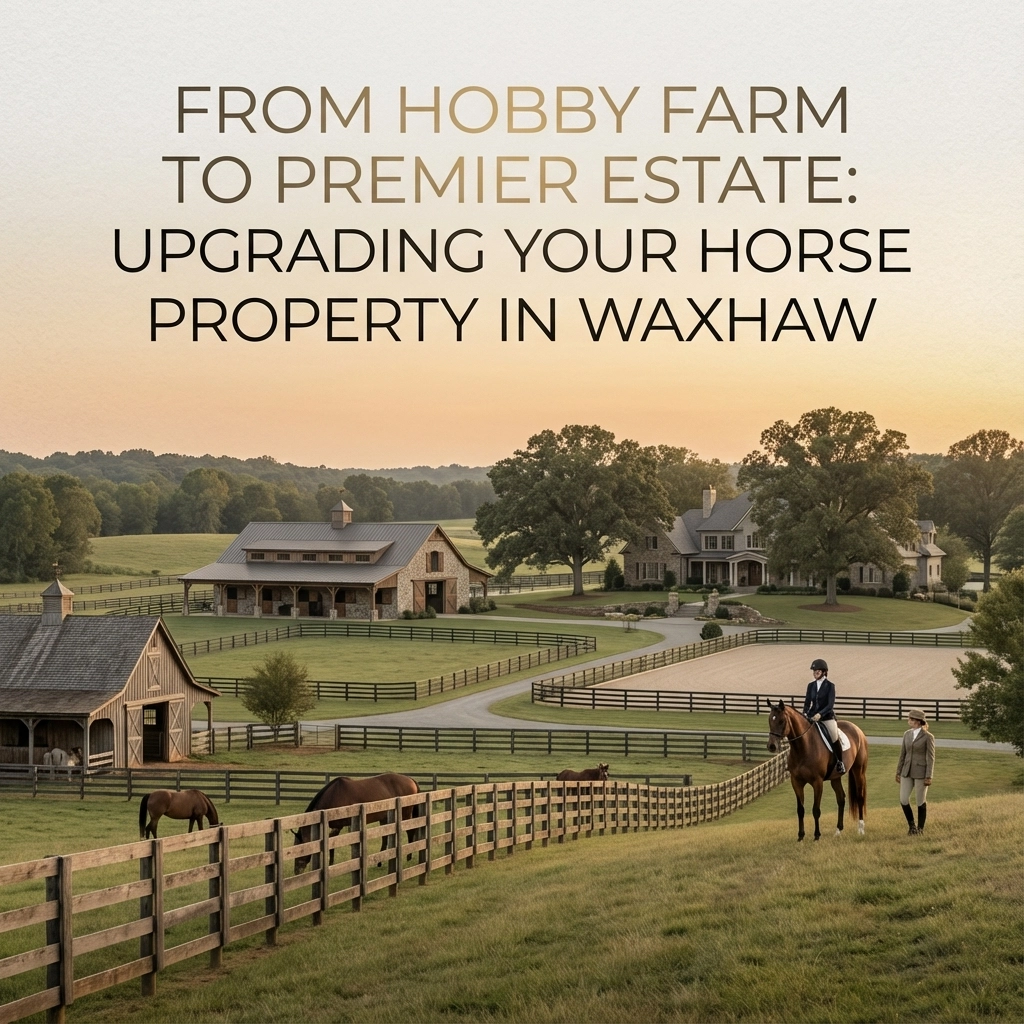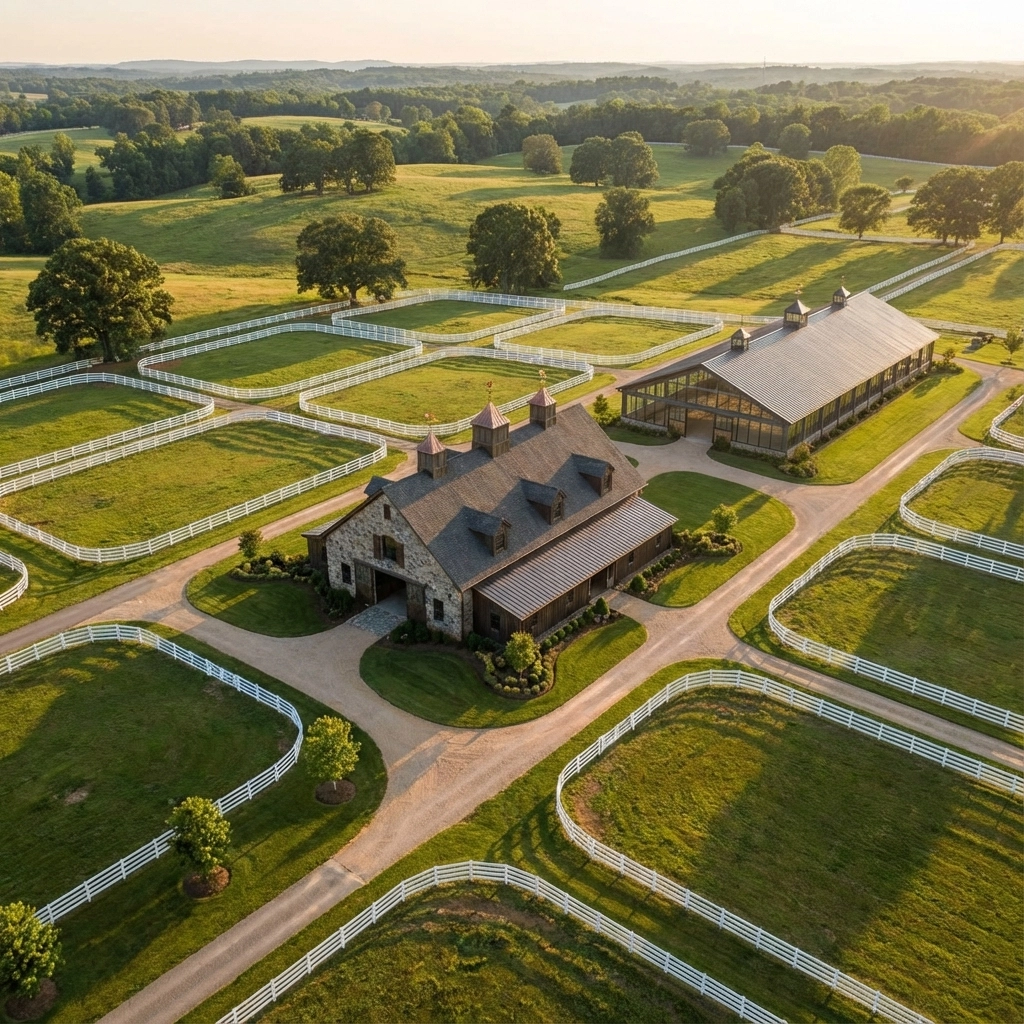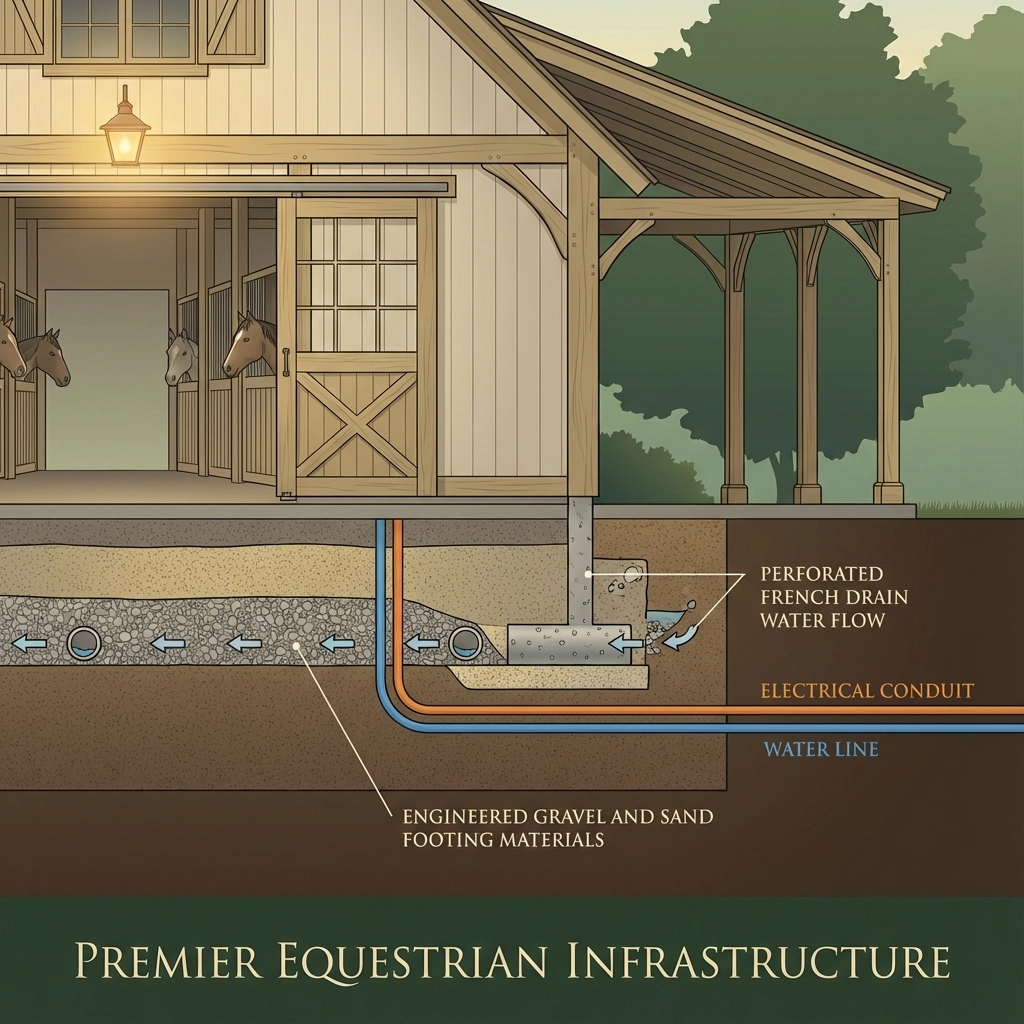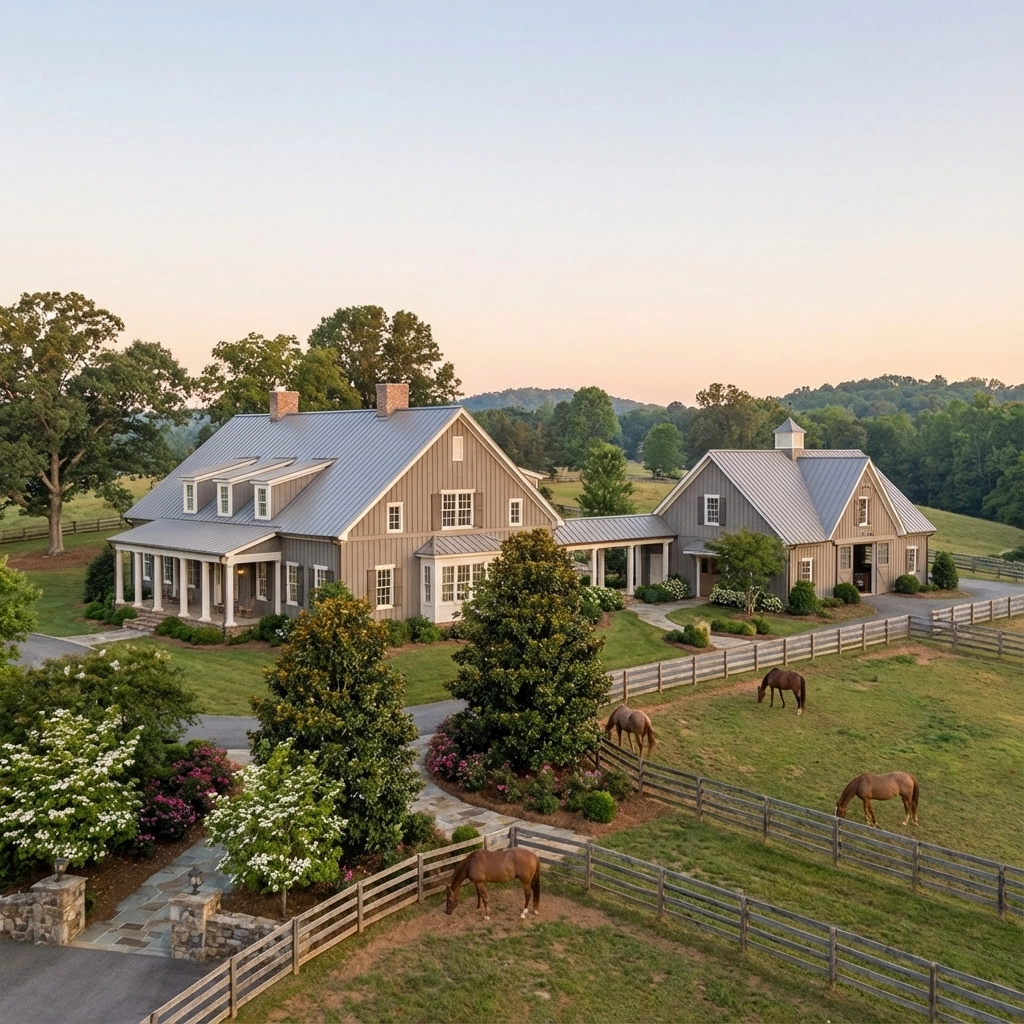
Author: james

  • A Day in the Life on a Matthews Equestrian Estate

    A Day in the Life on a Matthews Equestrian Estate

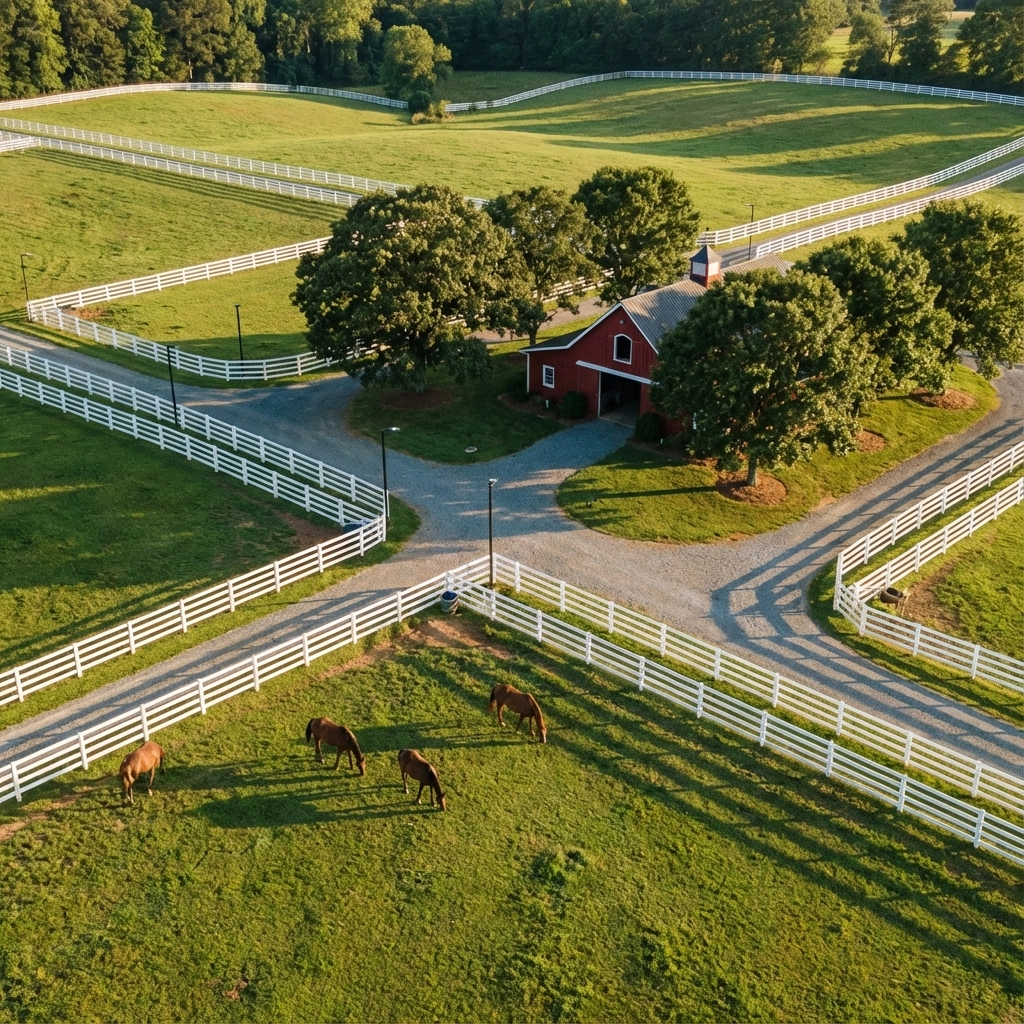
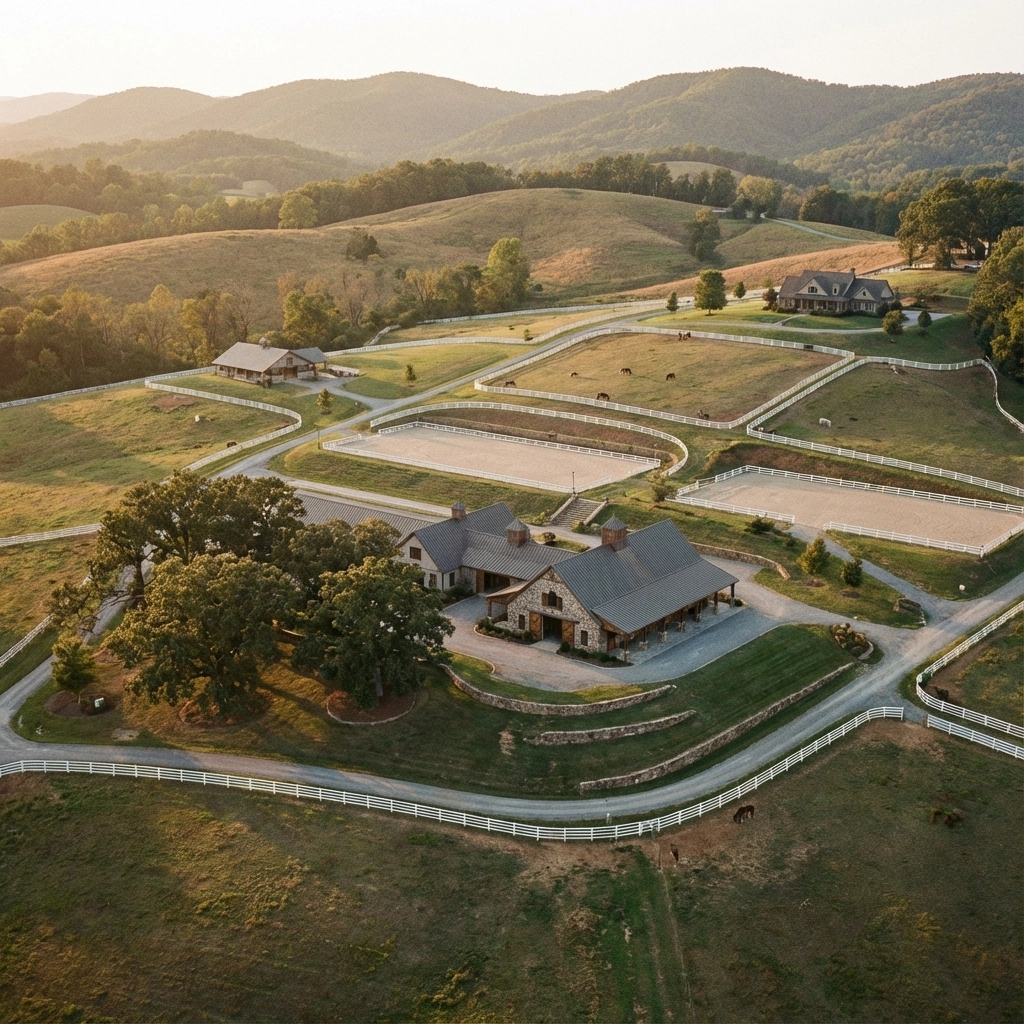
    The first light of dawn breaks across the rolling pastures of Matthews, North Carolina, casting long shadows through the oak trees that line the pristine white board fencing. For owners of equestrian estates in this coveted corner of Mecklenburg County, each day begins with a rhythm as old as time itself: the gentle nickering of horses calling for their morning feed.

    5:30 AM: The Morning Call

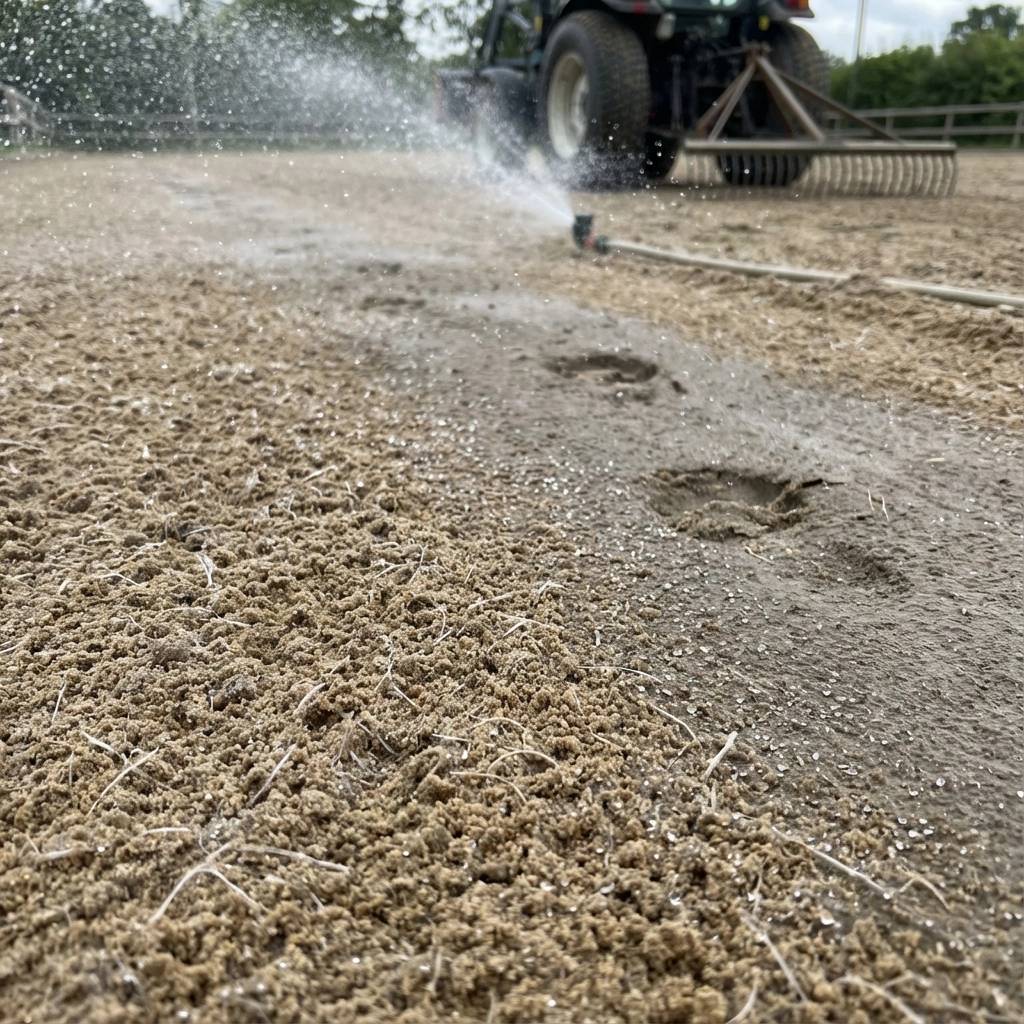
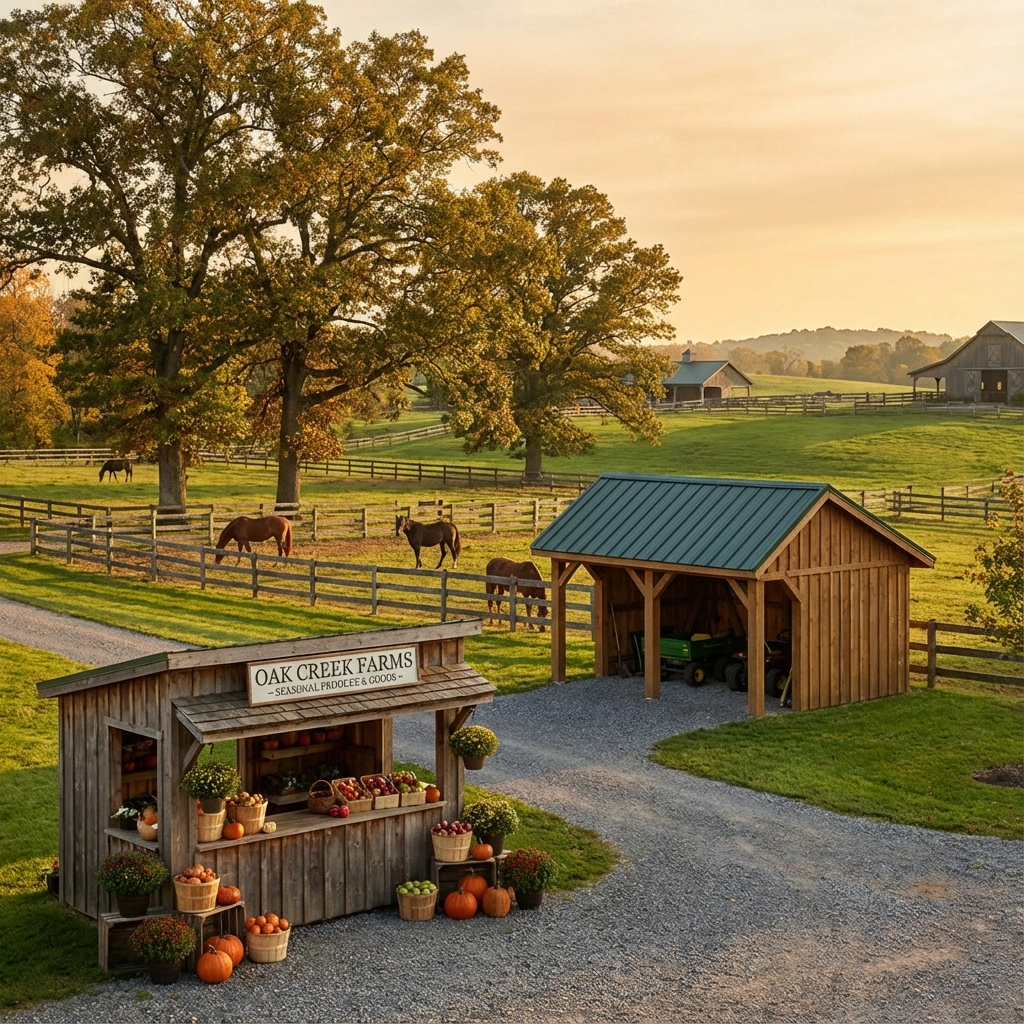
    Before most of the world stirs, the equestrian day has already begun. The automatic sprinkler systems have finished their pre-dawn watering of the arena surfaces, leaving the footing perfect for the day's training sessions. Walking from the main residence toward the barn complex, you're greeted by the sight of horses moving gracefully across their paddocks, their coats glistening with morning dew.

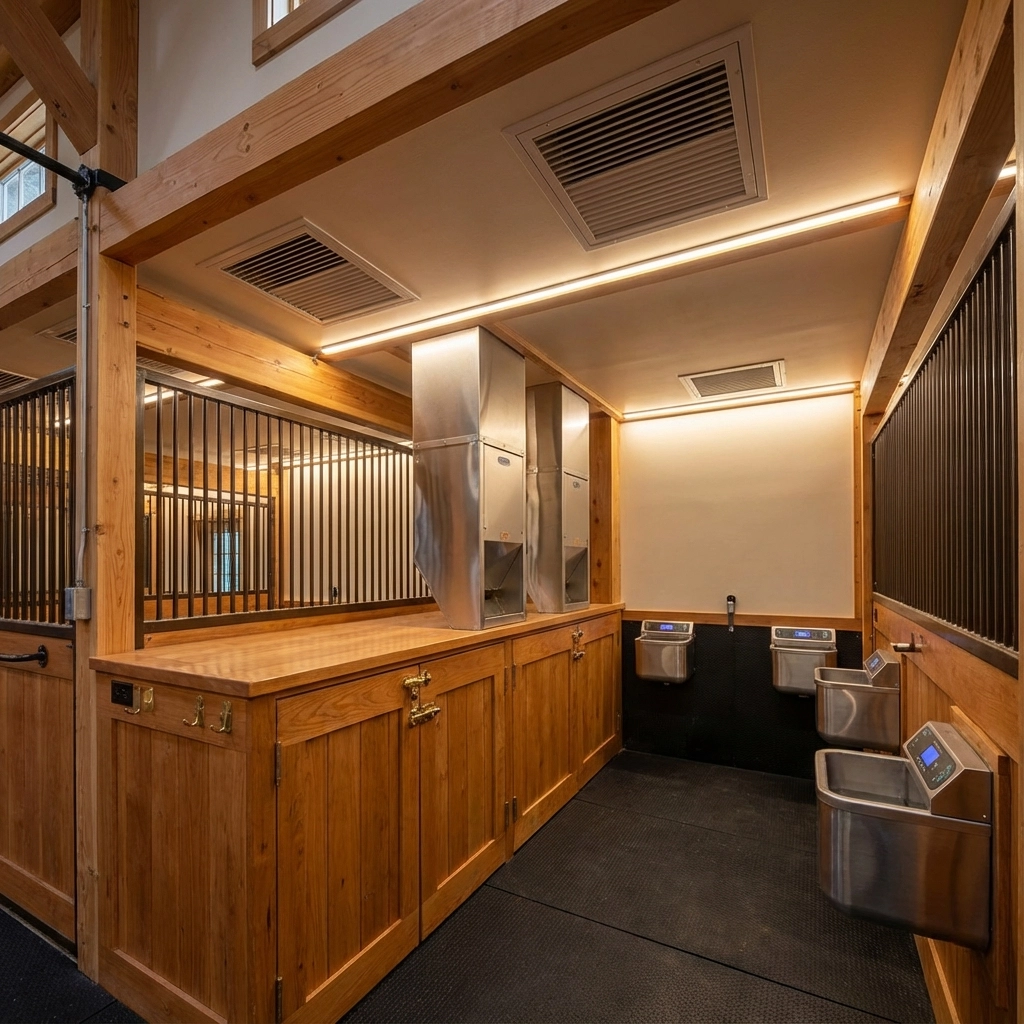
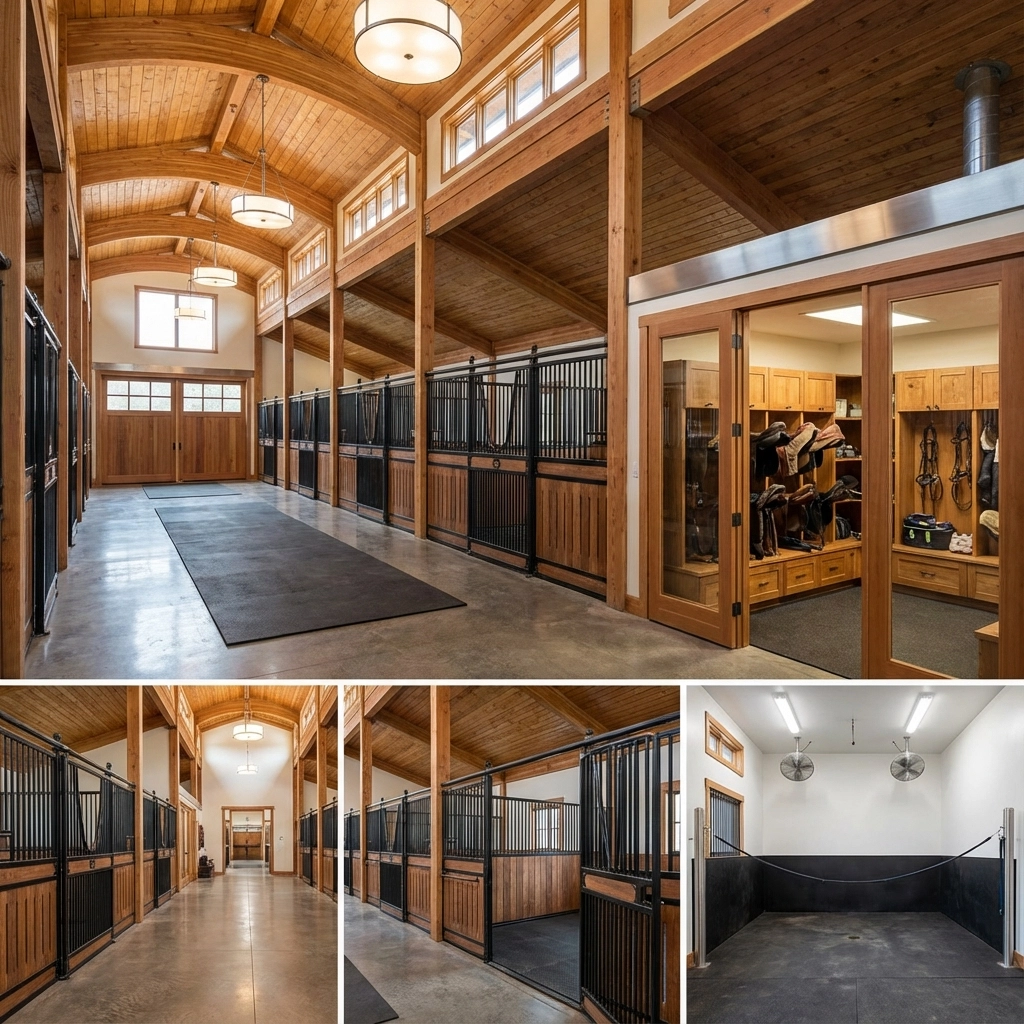
    The barn aisle echoes with the familiar sounds of contented horses: the soft thud of hooves on rubber mats, the gentle rustling of hay nets, and the occasional soft whinny of anticipation. Modern climate-controlled barns in Matthews estates typically house anywhere from 6 to 20 horses, each stall designed with optimal ventilation, automatic waterers, and premium rubber matting.

    image_1

    6:00 AM: Feeding Time and Morning Inspection

    The feeding routine is precise and methodical. Premium hay, locally sourced when possible, fills the mangers while individualized grain rations are distributed according to each horse's specific nutritional needs. This is when you notice the thoughtful design elements that distinguish Matthews equestrian properties: wide aisles that accommodate tractors and wheelbarrows, strategically placed wash racks with hot and cold water, and tack rooms that rival luxury walk-in closets.

    During morning feeding, experienced horse owners conduct their daily visual health checks. A slight head tilt, a shifted weight distribution, or an untouched hay net can signal the need for veterinary attention. The proximity to Charlotte's excellent equine veterinary services makes Matthews an ideal location for serious horse operations.

    7:30 AM: Turnout and Property Management

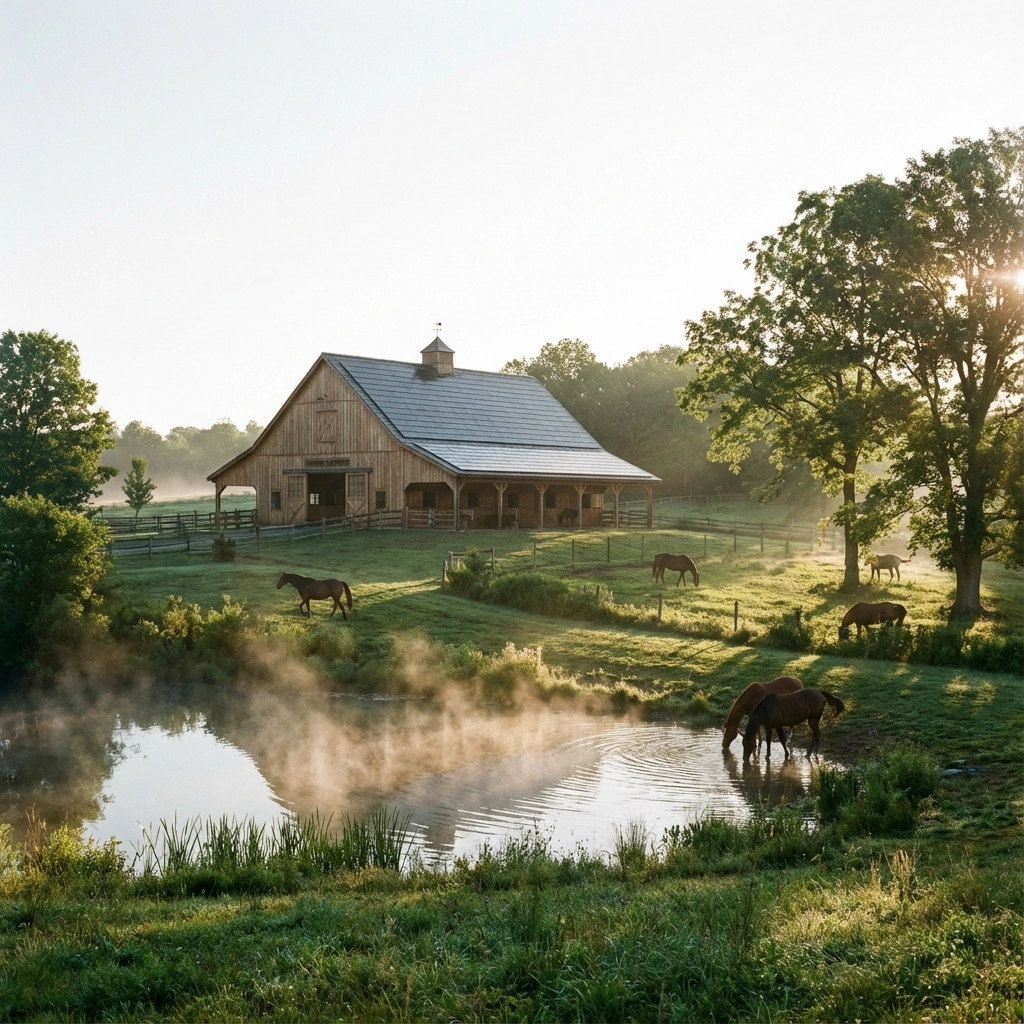
    As the morning progresses, horses are led to their designated paddocks for turnout. The sight of horses cantering across manicured fields, their tails flagged high in the morning breeze, embodies the very essence of equestrian living. Matthews properties typically feature multiple paddocks with excellent drainage, allowing for rotational grazing that maintains pasture health year-round.

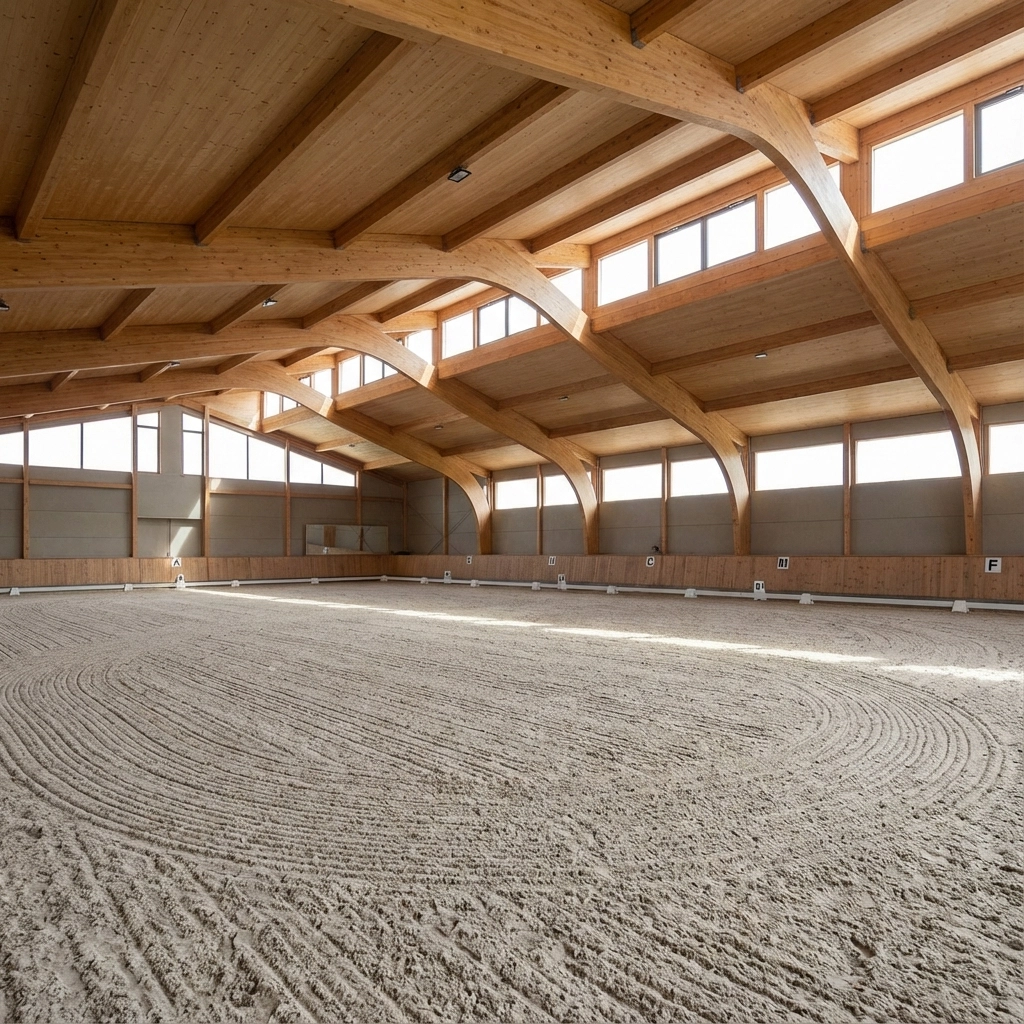
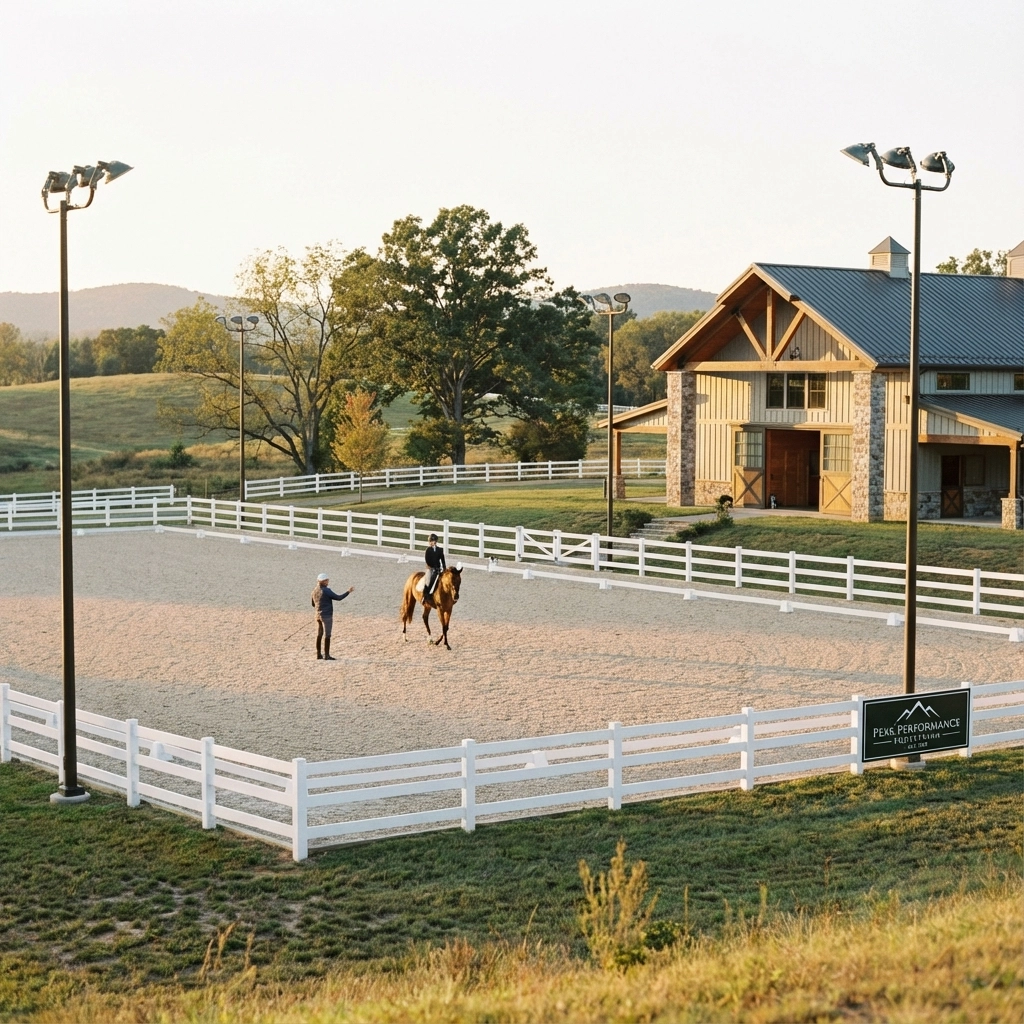
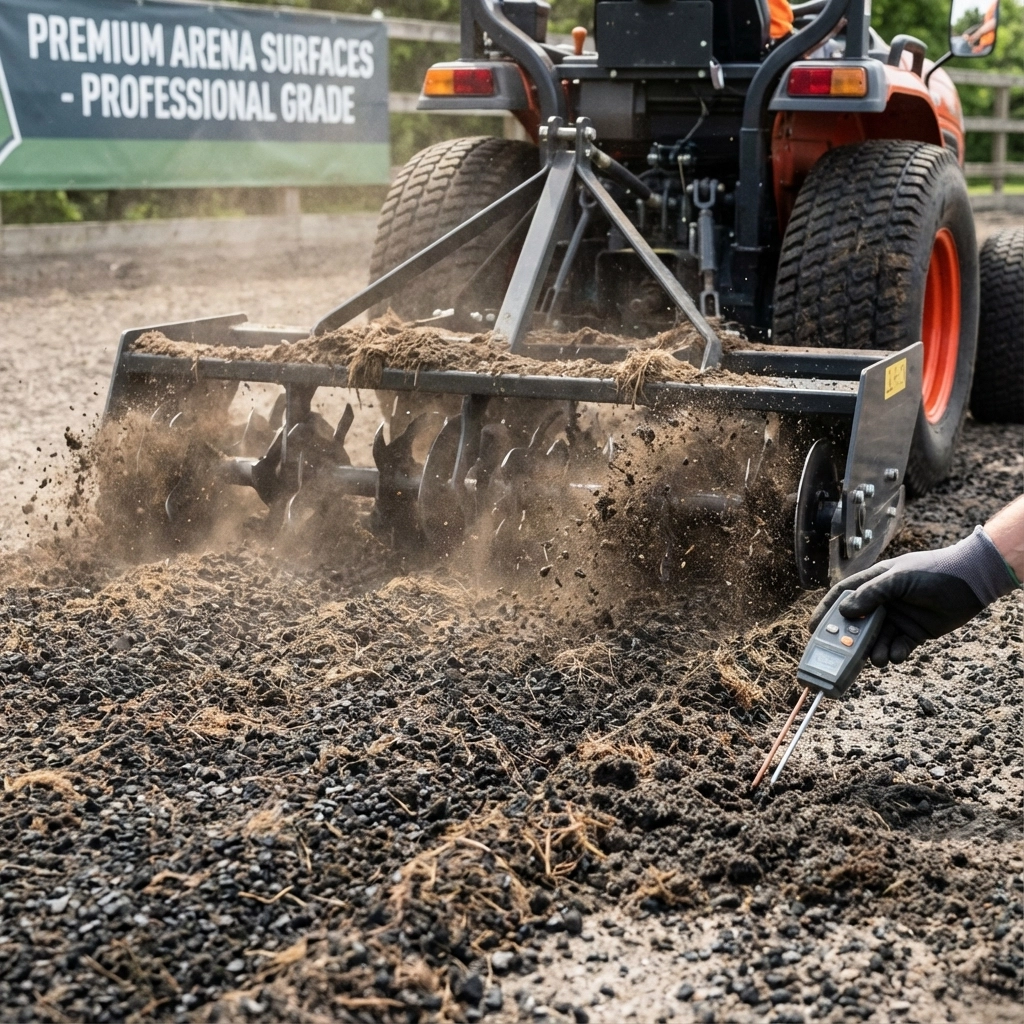
    Property management on these estates extends far beyond horse care. Automatic irrigation systems maintain the landscaping around the residence, while riding arenas require daily dragging to maintain optimal footing. Many Matthews estates feature both outdoor sand arenas and covered arenas, allowing for year-round training regardless of North Carolina's unpredictable weather patterns.

    image_2

    9:00 AM: Training Session

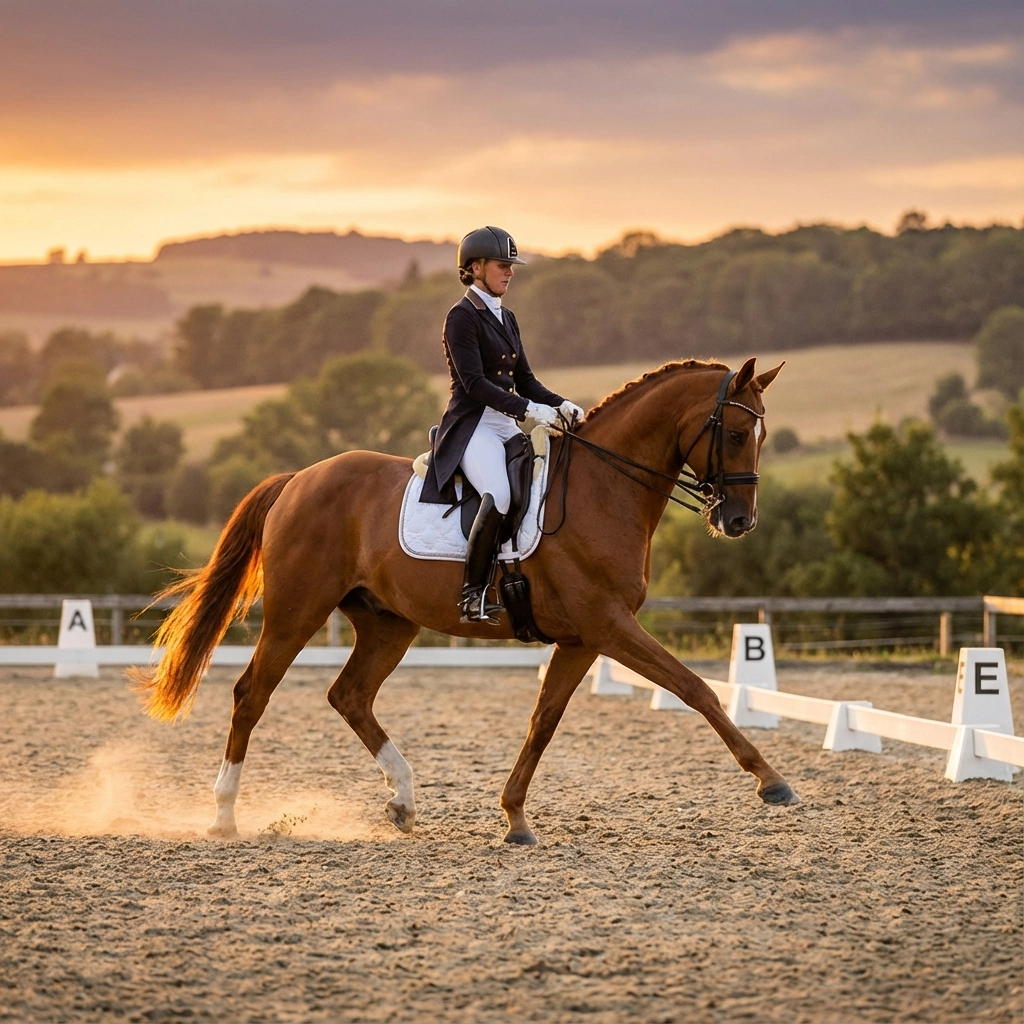
    The heart of any serious equestrian operation lies in its training program. Whether it's dressage work in the covered arena, show jumping practice over carefully constructed courses, or trail conditioning through the property's wooded sections, this is when both horse and rider sharpen their skills.

    Matthews offers unique advantages for equestrian training. The gently rolling terrain provides natural conditioning opportunities, while the close proximity to Waxhaw's numerous boarding and training facilities creates a collaborative environment where riders can access specialized instruction. Many estates feature viewing areas where family members can watch training sessions: often elevated decks or comfortable seating areas overlooking the main arena.

    11:00 AM: Maintenance and Property Enhancement

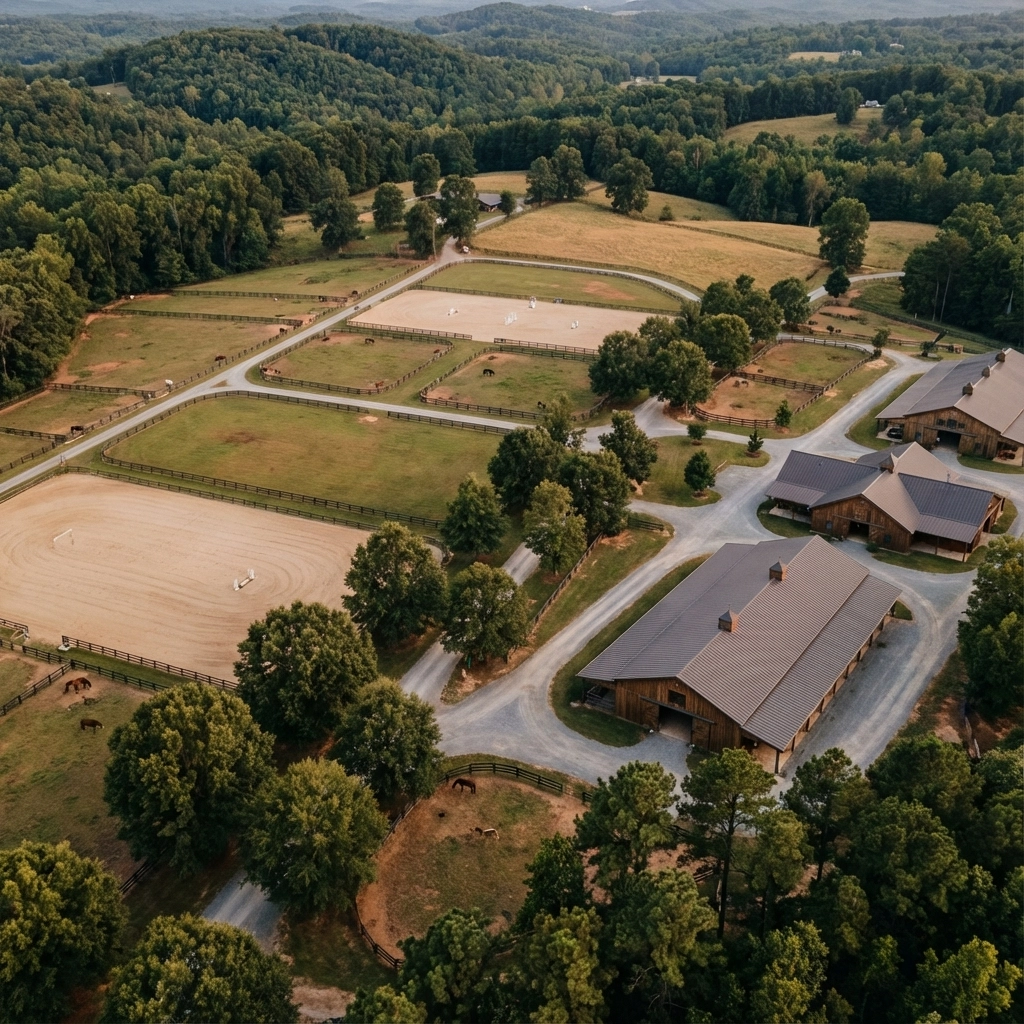
    Mid-morning typically brings focus to property maintenance and improvement projects. Fence repairs, arena maintenance, barn organization, and landscaping all require attention on active equestrian properties. The beauty of well-designed Matthews estates lies in their infrastructure: properties built with the understanding that form must follow function.

    Automatic watering systems in paddocks reduce daily labor, while well-planned drainage prevents the muddy conditions that plague poorly designed properties. Premium estates often feature equipment storage buildings that house tractors, arena drags, and other machinery essential to property maintenance.

    image_3

    1:00 PM: Midday Routine and Community Connections

    The midday hours often bring visits from equine professionals. Farriers arrive for scheduled shoeing appointments, veterinarians conduct wellness exams, and trainers may arrive for afternoon lessons. The design of Matthews equestrian properties accommodates these professional visits with dedicated parking areas, easy trailer access, and covered areas for veterinary procedures.

    This is also when the equestrian community aspect of Matthews living becomes apparent. Neighbors might stop by to discuss upcoming shows, share training tips, or simply enjoy the camaraderie that bonds horse enthusiasts. The concentration of quality equestrian properties in Matthews has created an informal network of knowledge sharing and mutual support.

    3:00 PM: Afternoon Activities and Recreation

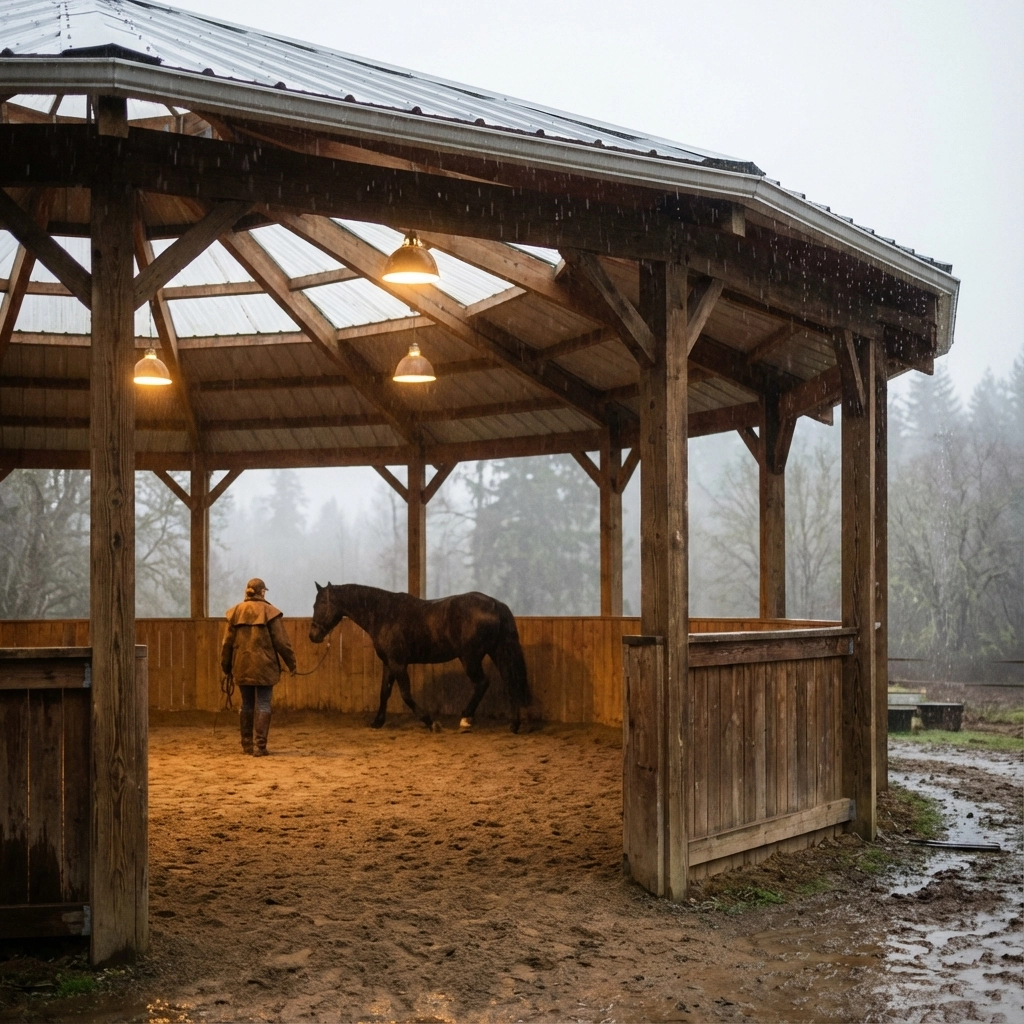
    Afternoon brings variety to the equestrian day. Trail rides through the wooded sections of larger properties offer both recreation and conditioning opportunities. Matthews estates often preserve significant wooded acreage, creating private trail systems that rival public facilities. These trails provide essential mental stimulation for horses while offering owners peaceful escapes from urban pressures.

    For properties that host lessons or training clients, afternoon typically brings increased activity. The proximity to Charlotte makes Matthews convenient for amateur riders who work traditional schedules, arriving after school or work for riding instruction.

    image_4

    5:00 PM: Evening Feeding and Preparation

    Evening feeding rituals mirror the morning routine but with added preparations for overnight comfort. Horses returning from turnout are checked for cuts, scrapes, or signs of fatigue. Blankets may be applied depending on weather conditions, and evening hay rations are distributed.

    The golden hour light filtering through barn windows and across pastures creates the magical ambiance that draws people to equestrian living. Watching horses graze peacefully as the sun sets over their Charlotte metro area property represents the perfect blend of rural tranquility and suburban convenience that defines Matthews equestrian real estate.

    7:00 PM: Property Security and Final Checks

    As darkness approaches, final security checks ensure all gates are properly latched, water systems are functioning, and horses are comfortable for the night. Modern Matthews estates often feature comprehensive security systems including cameras monitoring barn areas and motion-activated lighting along property perimeters.

    The transition from active property management to evening relaxation marks the end of the structured equestrian day. Many homeowners retire to their residences: often architect-designed homes that complement the equestrian facilities while providing luxury amenities and entertaining spaces.

    The Matthews Advantage

    Living on a Matthews equestrian estate offers the rare combination of serious horse facilities with convenient access to Charlotte's amenities. Properties in this area typically range from 5 to 50+ acres, providing adequate space for private horse operations while maintaining the community feel that makes equestrian neighbors invaluable resources.

    The infrastructure supporting equestrian life in Matthews continues to evolve, with new properties designed specifically for horse enthusiasts and existing properties being upgraded to meet modern equestrian standards. From automated feeding systems to state-of-the-art arenas, today's Matthews equestrian estates represent the pinnacle of horse property design.

    image_5

    Understanding the daily rhythm of equestrian living is essential when considering a horse property purchase. The commitment extends beyond the initial investment to encompass daily management, ongoing maintenance, and the deep satisfaction that comes from creating an environment where both horses and humans can thrive.

    For those considering the transition to equestrian property ownership in Matthews, experiencing a full day on an active horse farm provides invaluable insight into this unique lifestyle. The combination of responsibility, reward, and rural beauty creates a daily experience that transforms a simple property transaction into a complete lifestyle change.

    Ready to explore Matthews equestrian properties and discover the daily rhythms of horse country living? Our team understands the unique requirements of serious equestrian facilities and can help you find the perfect property to support your equestrian dreams. Contact Carolina Horse Farm Realty to begin your journey to the equestrian lifestyle you've always envisioned.

  • Smart Barn Features Buyers Want: How to Upgrade Your Horse Property in 2025

    Smart Barn Features Buyers Want: How to Upgrade Your Horse Property in 2025

    The equestrian property market in 2025 demands more than traditional barns with basic amenities. Today's discerning buyers expect smart technology integration that enhances both horse welfare and operational efficiency. Our team at Carolina Horse Farm Realty consistently sees properties with modern barn features selling 23% faster and commanding premium prices in the Charlotte Metro area.

    Remote Monitoring Systems Drive Premium Property Values

    Smart environmental monitoring represents the foundation of modern equestrian facilities. These systems track temperature, humidity, air quality, and static pressure from any location, providing owners with real-time barn conditions through smartphone applications.

    Advanced monitoring platforms integrate multiple sensors throughout the facility, creating comprehensive environmental profiles for each stall and common area. Property owners can receive immediate alerts when conditions fall outside optimal ranges, preventing health issues before they develop.

    Key monitoring features buyers prioritize:

    • Temperature and humidity sensors in each stall
    • Air quality monitoring with ammonia detection
    • Static pressure measurement for ventilation optimization
    • Mobile app integration with push notifications
    • Historical data logging for pattern analysis
    • Integration with automated response systems

    image_1

    The investment in comprehensive monitoring systems typically ranges from $15,000 to $35,000 for a 12-stall facility, but properties featuring these technologies consistently appraise 8-12% higher than comparable facilities without smart monitoring.

    Climate Control Technology Ensures Year-Round Comfort

    Automated climate control systems represent the most requested upgrade among serious equestrian property buyers. These sophisticated platforms maintain optimal barn conditions regardless of external weather, supporting horse health and performance while reducing labor requirements.

    Modern climate control integrates variable-speed fans, misting systems, and heating elements under centralized management. Smart thermostats learn seasonal patterns and adjust automatically, while zone-based controls allow customized environments for different areas within the facility.

    Essential climate control components include:

    • Programmable thermostats with learning capabilities
    • Variable-speed exhaust fans with automatic activation
    • Misting systems for summer cooling
    • Radiant heating panels for targeted warmth
    • Humidity control through integrated dehumidifiers
    • Emergency backup systems for power outages

    Properties with comprehensive climate control systems command 15-20% higher sale prices compared to facilities relying on manual environmental management. The technology also reduces insurance premiums through decreased risk of weather-related health issues.

    Tech-Integrated Stalls Transform Daily Operations

    Individual stall technology represents the cutting edge of equestrian facility design. Smart stalls incorporate automated feeding systems, health monitoring cameras, and biometric sensors that track each horse's vital signs and behavior patterns.

    Automated feeders deliver precise nutrition portions based on individual dietary requirements, while integrated cameras provide 24/7 monitoring accessible through mobile devices. Motion sensors detect unusual behavior patterns that may indicate health concerns, generating alerts for immediate veterinary consultation.

    image_2

    Advanced stall features buyers expect:

    • Automated feeding systems with portion control
    • High-definition cameras with night vision
    • Motion sensors for behavioral monitoring
    • Biometric health tracking integration
    • Automatic waterers with consumption monitoring
    • RFID access control for security

    The initial investment for tech-integrated stalls ranges from $8,000 to $15,000 per stall, but facilities featuring this technology achieve 95% faster sale times in competitive markets.

    Energy-Efficient Lighting Reduces Operating Costs

    LED lighting with smart controls has become standard in premium equestrian facilities. Motion-activated systems provide immediate illumination when needed while reducing energy consumption during unoccupied periods. Daylight-mimicking bulbs support horses' natural circadian rhythms, promoting better health and performance.

    Smart lighting systems integrate with facility management platforms, allowing schedule-based operation and zone-specific controls. Dimming capabilities create appropriate environments for different activities, from high-intensity grooming to calming nighttime monitoring.

    Modern lighting specifications include:

    • LED fixtures with 50,000+ hour lifespans
    • Motion sensors in all barn areas
    • Daylight spectrum bulbs for circadian support
    • Dimming controls for activity-specific lighting
    • Emergency backup lighting systems
    • Integration with security and monitoring platforms

    Properties with comprehensive smart lighting systems demonstrate 40-60% lower electrical costs compared to traditional incandescent installations, creating significant long-term value for buyers.

    Solar Integration Powers Sustainable Operations

    Solar power systems have evolved beyond basic environmental benefits to deliver substantial operational cost reductions. Modern photovoltaic installations can power entire barn facilities, including lighting, climate control, and automated systems, while generating excess power for the main residence.

    Battery storage systems ensure consistent power delivery during outages, protecting valuable technology investments and maintaining critical life support systems. Many regions offer substantial tax incentives for renewable energy installations, improving the immediate return on investment.

    image_3

    Solar system components for equestrian facilities:

    • Photovoltaic panels sized for total facility load
    • Battery storage for 24-48 hours backup power
    • Smart inverters with grid-tie capabilities
    • Monitoring systems for production tracking
    • Electric vehicle charging integration
    • Net metering for excess power sales

    Solar installations typically achieve full cost recovery within 7-10 years while adding 20-25% to property values in environmentally conscious markets.

    Security Integration Protects Valuable Assets

    Comprehensive security systems protect both livestock and equipment investments through integrated cameras, access controls, and alarm systems. Smart security platforms provide remote monitoring capabilities and immediate notifications of unauthorized access or unusual activities.

    RFID access control ensures only authorized personnel can enter sensitive areas, while integrated cameras provide detailed records of all facility activities. Motion sensors distinguish between normal animal movement and potential security threats, reducing false alarms while maintaining vigilant protection.

    Complete security system features:

    • High-definition cameras with cloud storage
    • RFID access control for all entry points
    • Motion sensors calibrated for animal environments
    • Integration with local law enforcement systems
    • Mobile alerts for security events
    • Backup power for continuous operation

    Maintenance-Free Materials Reduce Long-Term Costs

    Modern barn construction emphasizes materials that resist moisture, insects, and normal wear while requiring minimal maintenance. Composite materials, steel framing, and specialized coatings create facilities that maintain appearance and functionality for decades without intensive upkeep.

    Smart material selection reduces long-term ownership costs while improving property values through superior durability and appearance retention. Buyers increasingly recognize the value of low-maintenance facilities that allow focus on horses rather than constant facility repairs.

    image_4

    Preferred material specifications:

    • Composite lumber for moisture resistance
    • Steel framing with protective coatings
    • Impact-resistant stall materials
    • Non-slip flooring with drainage integration
    • Corrosion-resistant hardware throughout
    • UV-resistant exterior finishes

    Indoor-Outdoor Integration Maximizes Facility Utility

    Seamless connections between barn and arena areas create versatile facilities suitable for year-round training and competition. Covered breezeway systems, retractable doors, and climate-controlled connecting areas allow continuous operation regardless of weather conditions.

    Modern facility design emphasizes flexible spaces that accommodate multiple disciplines and training approaches. Roll-up glass doors provide weather protection while maintaining visual connections, while automated door systems ensure convenient access during daily operations.

    Investment Returns Drive Property Appreciation

    Properties featuring comprehensive smart barn technology consistently outperform traditional facilities in both sale speed and final prices. Our analysis of Charlotte Metro area sales shows smart-enabled equestrian properties sell 35% faster and achieve 18% higher prices than comparable traditional facilities.

    The technology investments typically recover their full costs within 5-7 years through reduced operating expenses, improved efficiency, and enhanced property values. Forward-thinking property owners recognize smart barn features as essential rather than optional in today's competitive market.

    image_5

    Professional Implementation Ensures Maximum Value

    Successful smart barn integration requires careful planning and professional installation to achieve optimal results. Our team works with property owners to identify the most valuable upgrades based on specific facility requirements and target buyer preferences.

    Carolina Horse Farm Realty understands the unique requirements of modern equestrian properties and can connect you with qualified technology integrators who specialize in agricultural applications. We ensure your investment in smart barn features delivers maximum return when it's time to sell.

    Ready to transform your horse property with smart barn technology? Contact our team at Carolina Horse Farm Realty to discuss your upgrade options and current market opportunities.

  • 7 Mistakes You're Making When Selling Your North Carolina Horse Farm (And How to Fix Them)

    7 Mistakes You're Making When Selling Your North Carolina Horse Farm (And How to Fix Them)

    Selling a horse farm in North Carolina requires specialized knowledge that goes far beyond traditional residential real estate. After years of representing equestrian property owners across the Charlotte Metro area and beyond, we've identified seven critical mistakes that consistently cost sellers thousands of dollars and months of unnecessary market time.

    These errors are entirely preventable when you understand the unique demands of the equestrian market. Whether you're dealing with a sprawling thoroughbred operation in Waxhaw or a modest boarding facility in Huntersville, avoiding these pitfalls will position your property for a faster sale at maximum value.

    Mistake #1: Overpricing Your Property in Today's Market

    The Problem: Overpricing remains the most damaging mistake horse farm sellers make. Unlike residential properties, equestrian facilities have a much smaller buyer pool, making accurate pricing absolutely critical. When you overprice, you immediately eliminate serious buyers who understand current market values.

    Properties that sit on the market for extended periods develop a stigma. Buyers begin questioning what's wrong with the farm, even when the only issue is inflated pricing. This leads to a cascade effect where you eventually sell for less than you would have received with proper initial pricing.

    The Solution: Work with our team to conduct a comprehensive comparative market analysis specific to equestrian properties. We analyze recent sales of similar horse farms within a 50-mile radius, factoring in acreage, barn capacity, arena specifications, and specialized amenities. This data-driven approach ensures your pricing reflects current market realities rather than wishful thinking or outdated valuations.

    image_1

    Mistake #2: Neglecting Critical Property Maintenance

    The Problem: Horse farm buyers possess keen eyes for maintenance issues because they understand the substantial costs involved in equestrian facility upkeep. Neglected barn structures, deteriorating fencing, or poorly maintained arenas signal ongoing problems that will require immediate investment.

    Deferred maintenance creates negotiation leverage for buyers and provides justification for lowball offers. Smart buyers calculate repair costs and deduct these amounts from their offers, often estimating higher than actual costs to protect themselves.

    The Solution: Complete a thorough property assessment six months before listing. Priority areas include:

    • Barn structural integrity and roofing systems
    • Arena footing quality and drainage
    • Fencing condition and safety compliance
    • Pasture management and grass quality
    • Water system functionality and pressure
    • Electrical systems in barns and outbuildings

    Address critical safety issues immediately. For cosmetic improvements, focus on high-impact, cost-effective updates that enhance your property's visual appeal without major expense.

    Mistake #3: Generic Marketing That Misses Your Target Audience

    The Problem: Standard real estate marketing fails spectacularly for horse properties. Generic descriptions and amateur photography cannot convey the specialized features that equestrian buyers prioritize. Many sellers rely on agents who lack equestrian experience, resulting in marketing materials that miss the mark entirely.

    Equestrian buyers evaluate properties differently than typical homebuyers. They focus on arena dimensions, footing quality, barn layouts, pasture management, and access to trails or training facilities. Marketing that ignores these priorities fails to attract serious buyers.

    The Solution: Develop marketing materials that speak directly to equestrian buyers. This includes professional photography that captures golden hour shots of horses in pastures, detailed barn interior photos showing stall configurations, and aerial shots that demonstrate property layout and riding areas.

    Written descriptions should include specific details about:

    • Arena dimensions and footing materials
    • Number of stalls and their specifications
    • Tack room and feed storage capacity
    • Cross-tie areas and wash rack facilities
    • Pasture rotation systems and grass varieties
    • Proximity to riding trails, shows, and equestrian services

    image_2

    Mistake #4: Inadequate Financial Documentation

    The Problem: Horse farm buyers often require detailed financial information to understand ongoing operational costs and potential revenue streams. Sellers who cannot provide clear documentation about property expenses, boarding income, or facility maintenance costs create uncertainty that derails negotiations.

    Banks financing equestrian properties also require extensive documentation for loan approval. Incomplete financial records can delay closings or cause deals to collapse entirely.

    The Solution: Organize comprehensive financial documentation before listing your property:

    • Three years of property tax records
    • Utility costs broken down by season
    • Maintenance and repair invoices for major systems
    • Insurance policies and premium costs
    • Any boarding or training income statements
    • Feed, bedding, and operational expense records

    This transparency demonstrates your property's financial profile and helps buyers make informed decisions while streamlining the financing process.

    Mistake #5: Overlooking Legal Complexities

    The Problem: Horse property transactions involve unique legal considerations that standard real estate agents often overlook. Zoning restrictions, agricultural exemptions, water rights, and liability issues require specialized knowledge to navigate properly.

    Boundary disputes, easement agreements, and right-of-way issues can derail transactions at closing. Sellers who haven't addressed these legal aspects beforehand face costly delays and potential deal collapse.

    The Solution: Engage qualified legal counsel with equestrian property experience early in the process. Ensure your attorney reviews:

    • Current survey accuracy and boundary markers
    • Zoning compliance for agricultural and equestrian use
    • Any existing easements or right-of-way agreements
    • Water rights and well documentation
    • Agricultural tax exemption status
    • Local ordinances affecting horse keeping

    Address any legal uncertainties before listing to prevent last-minute complications that can cost you the sale.

    image_3

    Mistake #6: Failing to Highlight Unique Equestrian Features

    The Problem: Horse farms possess specialized amenities that justify premium pricing, but many sellers fail to effectively showcase these features. Buyers may not recognize the value of professional-grade arenas, specialized barn ventilation systems, or carefully planned pasture management without proper presentation.

    Unique features that differentiate your property from competitors often go unnoticed when marketing materials focus on generic descriptions rather than equestrian-specific benefits.

    The Solution: Create detailed inventories of your property's equestrian amenities and their benefits:

    Arena Features:

    • Dimensions, footing materials, and drainage systems
    • Lighting specifications for evening riding
    • Sound systems or viewing areas
    • Climate-controlled or covered options

    Barn Specifications:

    • Stall dimensions and construction materials
    • Ventilation and lighting systems
    • Automated watering and feeding systems
    • Specialized flooring and safety features

    Pasture Management:

    • Grass varieties and soil composition
    • Irrigation and drainage systems
    • Rotation capabilities and fencing quality
    • Shelter and water access in each field

    Additional Amenities:

    • Round pen specifications
    • Hot walker or exercise equipment
    • Hay storage and feed room capacity
    • Wash racks and grooming areas

    Mistake #7: Poor Market Timing

    The Problem: The equestrian property market follows seasonal patterns that many sellers ignore. Listing during slow periods results in fewer qualified buyers and extended market time, while optimal timing can create competitive bidding situations.

    Weather affects buyer behavior significantly. Harsh winter months limit property touring, while spring and early summer generate peak activity as riders prepare for competition seasons.

    The Solution: Time your listing to coincide with peak equestrian market activity. Spring listings (March through May) typically generate maximum buyer interest as:

    • Weather improves for property tours and horse activities
    • Riders plan facility changes for upcoming competition seasons
    • School schedules allow families to relocate during summer breaks
    • Tax refund season provides buyers with down payment funds

    If market conditions require off-season listing, adjust your strategy accordingly with enhanced indoor photography and virtual tour capabilities.

    Partner With Carolina Horse Farm Realty's Expertise

    These seven mistakes cost North Carolina horse farm sellers significant money and time every year. Our specialized knowledge of the equestrian market ensures your property receives the expert representation it deserves.

    We understand the unique requirements of horse property transactions and maintain deep relationships within the equestrian community. Our marketing approach targets serious buyers who appreciate quality facilities and can move quickly when they find the right property.

    Ready to sell your horse farm the right way? Contact Carolina Horse Farm Realty today for a complimentary property consultation and market analysis tailored specifically to your equestrian facility.

  • Charlotte vs. Other NC Markets: Which Is Better For Your Equestrian Property Investment?

    Charlotte vs. Other NC Markets: Which Is Better For Your Equestrian Property Investment?

    When evaluating North Carolina's equestrian property markets, location determines everything from property values to community access. Charlotte's metropolitan area competes directly with established horse country regions across the state, each offering distinct advantages for different investment strategies.

    Charlotte Metropolitan Area: Urban Accessibility Meets Equestrian Excellence

    Charlotte's equestrian market delivers 156 horse properties within a 35-mile radius, providing investors with substantial selection diversity. Properties in Mecklenburg County start at $600,000, positioning the market competitively against other major NC regions.

    The metropolitan advantage centers on infrastructure access. Charlotte Douglas International Airport sits within 30 minutes of most equestrian properties, enabling seamless transport for both horses and owners. Major interstates I-77, I-85, and I-485 create excellent connectivity to regional horse shows and breeding facilities across the Southeast.

    Investment Advantages:

    • Luxury developments like The Vineyards at Cheval establish premium market segments
    • Mint Hill maintains authentic equestrian heritage while experiencing suburban growth
    • Professional services concentration includes specialized equestrian real estate experts
    • Corporate relocations drive consistent buyer demand
    • Veterinary and farrier services readily available

    image_1

    Tryon International Equestrian Center Region: World-Class Competition Hub

    The Tryon area, anchored by the Tryon International Equestrian Center (TIEC), represents North Carolina's premier equestrian destination. This facility hosts Olympic-level competitions and attracts international buyers seeking proximity to world-class training and competition venues.

    Property values in the Tryon market command premium pricing due to facility proximity and competition prestige. Investors benefit from consistent rental demand during major competitions, with some properties generating $5,000-$15,000 weekly rates during peak events.

    Market Characteristics:

    • Properties range from $800,000 to $5+ million
    • International buyer presence drives price appreciation
    • Competition calendar ensures year-round activity
    • Limited inventory creates seller's market conditions
    • Mountain views and cooler climate appeal to luxury buyers

    Pinehurst/Southern Pines: Golf Meets Horses

    The Sandhills region combines equestrian tradition with golf resort amenities, creating a unique lifestyle investment opportunity. Properties here offer sandy soil ideal for horse training and access to both equestrian and golf communities.

    Price points typically fall between Charlotte and Tryon levels, with properties ranging from $500,000 to $2 million. The area's four-season appeal and established wealth concentration support stable property values.

    Regional Benefits:

    • Sandy soil provides excellent drainage and footing
    • Pinehurst Resort amenities enhance property desirability
    • Lower property taxes compared to metropolitan areas
    • Established horse training facilities and professionals
    • Golf course proximity adds recreational value

    image_2

    Western North Carolina Mountains: Scenic Beauty at Premium Prices

    Mountain regions including Asheville, Hendersonville, and Brevard offer spectacular scenery but present unique challenges for equestrian property investment. Properties command high prices for views and privacy, but steep terrain limits usable acreage.

    Elevation ranges from 2,000 to 4,000 feet create cooler summers ideal for certain horse breeds but require winter management considerations. Property prices start around $750,000 for modest equestrian facilities and exceed $3 million for premium mountain estates.

    Investment Considerations:

    • Limited flat acreage increases development costs
    • Seasonal weather patterns affect year-round usability
    • Distance from major population centers limits buyer pool
    • Stunning views and privacy command premium prices
    • Growing retiree population drives luxury market demand

    Eastern North Carolina: Value and Space

    The coastal plain region offers maximum acreage for minimum investment, with properties starting around $300,000 for substantial horse farms. Flat terrain and agricultural heritage create ideal conditions for breeding operations and large-scale training facilities.

    However, hurricane risks and distance from major metropolitan areas limit appreciation potential compared to western regions. Properties here suit investors prioritizing cash flow over appreciation.

    Market Profile:

    • Lowest per-acre costs in the state
    • Abundant flat, usable land
    • Agricultural tax benefits available
    • Hurricane insurance requirements
    • Limited luxury buyer market

    image_3

    Investment Return Analysis: Comparing Market Performance

    Charlotte Metropolitan Area delivers the strongest combination of appreciation potential and liquidity. Corporate growth drives consistent buyer demand, while diverse price points attract various investor profiles. Properties typically appreciate 3-5% annually with shorter market times.

    Tryon Region offers the highest appreciation potential but requires larger initial investments. Competition-driven demand creates 5-7% annual appreciation for premium properties, though market volatility increases during economic downturns.

    Sandhills Region provides steady, moderate returns with 2-4% annual appreciation. The golf resort economy adds stability but limits explosive growth potential.

    Mountain Markets show strong appreciation in luxury segments but suffer from limited buyer pools. Premium properties appreciate 4-6% annually while modest farms struggle for liquidity.

    Eastern Plains focus on cash flow rather than appreciation, with rental yields reaching 8-12% annually for boarding and training operations.

    Infrastructure and Services Comparison

    Charlotte's metropolitan status ensures superior service availability across all equestrian disciplines. Veterinary specialists, farriers, feed suppliers, and training professionals maintain offices throughout the region. Emergency veterinary services operate 24/7, crucial for breeding operations and performance horses.

    Tryon benefits from TIEC's presence, attracting top-tier professionals during competition seasons. However, service availability decreases significantly outside peak periods.

    Rural areas including Eastern NC and some mountain regions require longer travel times for specialized services, potentially impacting operational costs for active horse operations.

    image_4

    Demographics and Buyer Profiles

    Charlotte attracts corporate executives and business owners seeking convenient access to both urban amenities and equestrian facilities. These buyers typically prioritize proximity to airports and metropolitan services while maintaining serious horse interests.

    Tryon draws international buyers and competitive riders focused on training and competition access. Investment motivations center on facility quality and competition convenience rather than metropolitan access.

    Sandhills buyers blend golf and equestrian interests, often representing retirees or second-home purchasers seeking four-season recreational properties.

    Mountain buyers prioritize privacy and scenic beauty, frequently purchasing vacation properties or retirement homes with equestrian amenities as secondary considerations.

    Future Market Projections

    Population growth projections favor metropolitan Charlotte, with anticipated 25% growth through 2035 supporting continued property demand. Corporate relocations and infrastructure expansion will likely maintain Charlotte's position as NC's strongest equestrian real estate market.

    Tryon's international competition calendar ensures continued premium positioning, though growth will remain limited by land availability and development restrictions.

    Climate change considerations may increase mountain property desirability as summer temperatures rise, potentially shifting long-term investment patterns toward higher elevations.

    image_5

    Making Your Investment Decision

    Choose Charlotte if you prioritize:

    • Strong appreciation potential and liquidity
    • Metropolitan amenities and airport access
    • Professional service availability
    • Diverse price point options
    • Corporate buyer demand stability

    Select Tryon for:

    • Premium competition facility access
    • International buyer market exposure
    • Maximum appreciation potential
    • World-class equestrian community

    Consider Sandhills when seeking:

    • Balanced lifestyle amenities
    • Stable, moderate appreciation
    • Four-season recreational appeal
    • Lower property tax burdens

    The optimal choice depends on your investment timeline, capital availability, and equestrian involvement level. Charlotte's combination of metropolitan growth, service access, and diverse price points positions it as North Carolina's most versatile equestrian property investment market for 2025 and beyond.

    Ready to explore Charlotte's equestrian property opportunities? Our team at Carolina Horse Farm Realty specializes in matching investors with properties that align with their specific goals and requirements. Contact us today to discuss your equestrian property investment strategy.

  • Are Solar Panels and Smart Stables Worth It? The Truth About Eco-Friendly Horse Farm Upgrades

    Are Solar Panels and Smart Stables Worth It? The Truth About Eco-Friendly Horse Farm Upgrades

    The short answer: Solar panels deliver proven ROI within 8-10 years, while smart stable technology requires careful cost-benefit analysis based on your operation's specific needs.

    After analyzing installation costs, maintenance requirements, and long-term savings potential across dozens of horse properties in North Carolina, we've found that eco-friendly upgrades can significantly enhance both operational efficiency and property value: but only when implemented strategically.

    The Solar Panel Reality Check: Numbers That Matter

    Installation Investment: Expect $15,000-$30,000 for a comprehensive farm solar system, with smaller barn-focused setups starting around $5,000-$8,000. The federal government currently offers a 30% tax credit, effectively reducing your upfront investment by nearly one-third.

    Payback Timeline: A 1-kilowatt system serving a barn with $150 monthly electricity bills typically pays for itself in 8.2 years. After that payoff period, you're generating essentially free electricity for the remaining 20+ years of the system's warranty period.

    Energy Cost Reduction: Well-designed solar installations can slash annual energy costs by up to 70%, with many horse farm owners eliminating utility bills entirely during peak production months.

    image_1

    Maintenance Reality: Solar panels require virtually no ongoing maintenance. No moving parts mean no mechanical failures, and most systems come with 25-30 year warranties that guarantee performance levels.

    The most compelling aspect isn't just the financial return: it's the operational independence. Rural horse properties often face higher utility rates and less reliable grid power. Solar provides energy security that keeps water pumps running, barn lights functioning, and climate systems operating regardless of grid issues.

    Smart Stable Technology: Beyond the Marketing Hype

    Smart stable systems encompass automated feeding, climate control, stall monitoring, and health tracking technology. Unlike solar panels with their straightforward ROI calculation, smart technology benefits vary dramatically based on operation size and management style.

    Automated Feeding Systems: Range from $2,000-$15,000 depending on barn size. These systems reduce labor costs and ensure consistent feeding schedules, particularly valuable for facilities managing 20+ horses or operating with limited staff.

    Climate Control Integration: Advanced ventilation and temperature management systems typically cost $5,000-$12,000 per barn. The health benefits are measurable: consistent air quality reduces respiratory issues and veterinary costs.

    Monitoring and Alert Systems: Stall sensors, camera systems, and health monitoring devices range from $500-$3,000 per stall. For breeding operations or facilities housing high-value horses, these systems provide peace of mind that justifies the investment.

    image_2

    Labor Efficiency: The real value often lies in time savings rather than direct cost reduction. Automated systems allow one person to effectively manage larger operations or free up time for training and client services.

    However, smart technology introduces complexity that solar panels don't. You're adding electronic systems that require technical support, software updates, and eventual replacement cycles every 10-15 years.

    ROI Analysis: When the Numbers Make Sense

    Solar panels deliver predictable returns because electricity costs are rising while solar equipment costs continue falling. The math is straightforward: calculate current annual electricity costs, factor in the 30% tax credit, and determine payback timeline.

    For a typical 50-stall facility spending $400 monthly on barn electricity, a $25,000 solar installation (after tax credit: $17,500) pays for itself in approximately 6.5 years and generates $60,000+ in savings over its 25-year lifespan.

    Smart stable ROI requires operation-specific analysis. A breeding farm with night foaling may see immediate value in stall monitoring systems, while a training facility might prioritize automated feeding for consistent schedules.

    Consider these factors when evaluating smart technology:

    • Current labor costs and availability
    • Horse value and insurance considerations
    • Operational scale and growth plans
    • Technical comfort level and support access

    image_3

    Property Value Impact: The Buyer Perspective

    Eco-friendly upgrades increasingly influence horse property values, particularly as utility costs rise and environmental consciousness grows among buyers.

    Solar installations transfer directly to new owners with remaining warranty coverage and established performance history. Buyers recognize the immediate operational benefit and long-term cost savings.

    Smart stable technology appeals to specific buyer segments but may require explanation and demonstration. Technology-forward buyers appreciate automation and monitoring capabilities, while traditional horsemen may view complex systems as unnecessary complications.

    Infrastructure quality matters most. Well-designed solar installations and professionally integrated smart systems enhance property appeal, while DIY solutions or cutting-edge technology nearing obsolescence can actually detract from value.

    The key is implementing upgrades that demonstrate operational benefits without overwhelming potential buyers with complexity they can't maintain.

    Implementation Strategy: Maximizing Your Investment

    Start with solar as your foundation upgrade. The financial case is proven, installation is straightforward, and benefits begin immediately. Size your system based on current electrical usage plus anticipated growth.

    Phase smart technology implementation based on operational priorities. Begin with systems that address your biggest pain points: whether that's labor efficiency, animal monitoring, or feed management consistency.

    Plan for integration from the beginning. Solar systems can power smart stable technology, but this requires proper electrical planning during installation. Retrofitting power systems later adds unnecessary cost and complexity.

    image_4

    Location considerations matter significantly in North Carolina. Our coastal regions offer excellent solar potential but require corrosion-resistant equipment. Mountain properties may need modified mounting systems for snow loads and wind conditions.

    Financing options expand accessibility. Solar loans, equipment financing, and lease programs allow you to begin saving immediately while spreading installation costs over time. Many horse farm owners finance solar installations and use monthly savings to fund smart stable upgrades.

    The Technology Evolution Factor

    Solar panel technology has matured: efficiency improvements are incremental, and current systems will remain relevant for decades. Smart stable technology continues evolving rapidly, making strategic timing important.

    Avoid bleeding-edge technology that may become obsolete before providing full value. Choose established systems with proven track records and reliable support networks.

    Plan for scalability. Start with core systems that can expand as needs grow or technology improves. Modular approaches allow gradual investment while maintaining operational flexibility.

    Consider local support availability. High-tech systems require knowledgeable service providers. Rural locations may struggle with specialized support for complex automation systems.

    image_5

    Making the Decision: Your Next Steps

    Eco-friendly horse farm upgrades deliver genuine value when aligned with operational needs and implemented thoughtfully. Solar panels offer proven financial returns and energy independence that benefit virtually every horse property. Smart stable technology provides operational advantages that vary significantly based on facility size, management style, and specific challenges.

    The most successful approach combines proven technology with strategic implementation. Begin with solar to establish your renewable energy foundation, then add smart systems that address your specific operational priorities.

    We've guided numerous horse farm owners through these upgrade decisions, analyzing costs, benefits, and implementation strategies specific to North Carolina properties. Each operation presents unique considerations that influence which technologies provide the greatest value.

    Ready to explore how eco-friendly upgrades could enhance your horse farm's efficiency and value? Let's discuss your specific situation and develop a strategy that delivers measurable returns while supporting your long-term goals.


    At Carolina Horse Farm Realty, we understand that horse properties require specialized knowledge of both equestrian operations and real estate markets. Our team combines deep industry expertise with comprehensive market knowledge to help horse farm owners make informed decisions about property improvements and investments.

  • Top 5 Features Buyers Want in a Charlotte Horse Farm

    Top 5 Features Buyers Want in a Charlotte Horse Farm

    The Charlotte equestrian market has evolved dramatically over the past few years, with discerning horse owners seeking properties that blend traditional functionality with modern conveniences. After helping hundreds of buyers find their perfect horse property throughout North Carolina, we've identified five features that consistently top every serious equestrian's wish list.

    These aren't just amenities: they're essential elements that separate a house with a few acres from a true equestrian estate designed for the horse-first lifestyle.

    1. Modern Barn Infrastructure with Traditional Character

    Today's horse farm buyers demand barns that honor equestrian tradition while incorporating contemporary safety and efficiency standards. The most sought-after properties feature center-aisle barns with 12×12 stalls minimum, Dutch doors, and generous tack rooms with climate control for leather preservation.

    What sets exceptional properties apart is attention to ventilation systems that maintain optimal air quality year-round. Charlotte's humid summers require strategic ridge vents, cupolas, and cross-ventilation designs that keep horses comfortable without compromising the barn's aesthetic appeal.

    image_1

    Buyers consistently prioritize wash stalls with hot water, concrete flooring with proper drainage, and overhead lighting designed for both daily care and emergency situations. The winning combination includes LED fixtures on dimmer switches, allowing gentle illumination for late-night foal watch or early morning feeding routines.

    Storage capacity cannot be underestimated. Properties with dedicated feed rooms featuring rodent-proof bins, hay lofts with mechanical advantage pulley systems, and specialized storage for blankets, supplements, and equipment consistently command premium pricing and sell faster than their basic counterparts.

    2. Advanced Pasture Management Systems

    Charlotte's clay soil and seasonal weather patterns demand sophisticated pasture infrastructure that goes far beyond basic fencing. Smart buyers prioritize properties with established rotational grazing systems, featuring multiple paddocks connected by safe lanes and automated water systems.

    The gold standard includes sacrifice paddocks near the barn for weather protection and pasture rest, combined with larger turnout areas planted with horse-appropriate grasses like Timothy, Orchard, and Fescue blends suited to North Carolina's climate zones.

    Fencing quality separates amateur installations from professional-grade properties. Board fencing remains the aesthetic favorite, but buyers increasingly appreciate the safety and longevity of polymer rail systems that maintain the traditional appearance while eliminating maintenance headaches and splinter risks.

    Water access throughout the property ranks as non-negotiable for serious horse operations. Automatic waterers with freeze-proof installations, backup gravity-fed systems, and strategically placed hydrants eliminate the daily chore of bucket filling while ensuring horses have constant access to clean water.

    3. Integrated Technology and Security Features

    The modern equestrian property seamlessly incorporates technology that enhances horse care while maintaining the pastoral atmosphere that drew buyers to rural life initially. Security cameras positioned strategically throughout the barn allow owners to monitor pregnant mares or recovering horses from their home offices.

    Automated feeding systems have transformed daily barn routines, allowing precise portion control and scheduled feeding even when owners travel for business or competition. Properties equipped with these systems demonstrate thoughtful planning and appeal to professionals who cannot maintain rigid barn schedules.

    image_2

    Smart irrigation systems optimize pasture health while conserving water: increasingly important as Charlotte experiences periodic drought conditions. These systems monitor soil moisture, weather patterns, and grass growth stages to deliver precise irrigation when and where needed.

    Wireless internet throughout the property enables real-time monitoring of barn conditions, security systems, and automated equipment. For owners who work remotely or manage horse operations as businesses, reliable connectivity transforms the property into a fully functional workspace.

    4. Sustainable Land Management Features

    Environmental consciousness has moved from trendy to essential among Charlotte's equestrian community. Buyers actively seek properties with established conservation practices that reduce operational costs while protecting natural resources.

    Rainwater collection systems serve dual purposes: reducing municipal water bills while providing chemical-free water for horses who often prefer natural sources. Properties with existing cisterns, guttering systems, and distribution infrastructure demonstrate long-term thinking that appeals to cost-conscious buyers.

    Solar installations have gained tremendous popularity, particularly for barn electricity needs. Properties with solar panels powering barn lighting, water heater systems, and security equipment showcase energy independence that resonates with buyers concerned about rising utility costs.

    image_3

    Composting systems transform daily stall cleaning from waste disposal challenge into valuable resource creation. Well-designed composting areas with proper drainage, turning access, and screening from residential areas add significant value while solving ongoing manure management needs.

    Native landscaping around barn areas and along fence lines reduces maintenance requirements while supporting local wildlife populations. Buyers appreciate properties where previous owners have established low-maintenance, drought-resistant plantings that complement rather than compete with horse operations.

    5. Versatile Multi-Use Spaces

    Charlotte's horse farm buyers rarely want single-purpose properties. The most desirable estates incorporate flexible spaces that accommodate changing needs over time, whether that's expanding horse operations, hosting events, or adapting to family lifestyle changes.

    Indoor arenas top the wish list for serious riders, particularly those with discipline-specific requirements like dressage courts with mirrors or jumping arenas with adjustable standards. Year-round riding capability transforms a property from seasonal recreation to daily training facility.

    Multi-purpose outbuildings add tremendous value when designed thoughtfully. Structures that can function as equipment storage, guest accommodations, home offices, or event spaces appeal to buyers who envision their horse property as more than just a place to keep horses.

    image_4

    Guest facilities become increasingly important as properties serve as weekend retreats for friends and family or accommodate visiting trainers and farriers. Properties with guest houses, mother-in-law suites, or finished apartment spaces over barns command premium pricing in today's market.

    Outdoor entertainment areas that complement rather than compete with horse operations demonstrate sophisticated planning. Fire pits positioned for sunset viewing across pastures, covered pavilions for gatherings during weather events, and outdoor kitchens that can serve both family meals and horse show hospitality needs show versatility that resonates with lifestyle-focused buyers.

    The Charlotte Advantage: Location Meets Lifestyle

    Charlotte's unique position offers equestrian properties within reach of major metropolitan amenities while maintaining authentic rural character. Properties that capitalize on this advantage: offering privacy and space without isolation: consistently perform best in our market.

    Access to established trail systems, proximity to veterinary and farrier services, and connection to the region's vibrant horse community add intangible value that sophisticated buyers recognize immediately. The most successful horse farm purchases combine all five essential features with the location advantages that make Charlotte's equestrian market truly exceptional.

    image_5

    Understanding these buyer priorities allows sellers to position their properties strategically and helps buyers focus on features that will deliver long-term satisfaction and value retention. The Charlotte horse farm market rewards properties that demonstrate both equestrian expertise and forward-thinking planning.

    Ready to explore horse farms that deliver on these essential features? Our team understands exactly what makes a property work for serious horse people. Let's discuss how we can help you find the perfect combination of traditional character and modern functionality that defines Charlotte's premier equestrian properties.

    Visit carolinahorsefarmrealty.com to discover current listings that meet these exacting standards.

  • Eco-Friendly Barn Ideas for Your North Carolina Horse Farm

    Eco-Friendly Barn Ideas for Your North Carolina Horse Farm

    Building a sustainable barn isn't just about reducing your environmental footprint: it's about creating a healthier environment for your horses while cutting long-term operational costs. In North Carolina's unique climate, smart eco-friendly design choices can transform your equestrian facility into an efficient, comfortable space that works with nature rather than against it.

    Climate-Smart Ventilation That Actually Works

    North Carolina's hot, humid summers demand exceptional airflow, and the best sustainable barns harness natural wind patterns rather than fighting them. Design your barn with cross-ventilation principles that allow cooler air to enter through lower openings while warm air naturally exits through higher points.

    Position large sliding doors and windows to capture prevailing summer breezes, typically from the southwest in our region. Ridge vents along the barn's peak create a natural chimney effect, pulling hot air up and out. This approach reduces or eliminates the need for energy-consuming fans during much of the year.

    Consider cupolas with adjustable louvers that can be opened wider during humid summer months and partially closed during winter storms. The key is creating multiple ventilation zones that can be adjusted seasonally without compromising your horses' comfort.

    image_1

    Sustainable Materials That Handle Our Climate

    Locally sourced lumber isn't just environmentally responsible: it's adapted to North Carolina's humidity levels and temperature swings. Pine and oak from regional mills have already acclimated to our climate conditions, making them less prone to warping and splitting.

    For high-wear areas, recycled composite materials offer exceptional durability. HDPE (high-density polyethylene) lumber resists moisture, insects, and horse damage while requiring virtually no maintenance. These materials may cost more upfront but eliminate the need for annual staining, sealing, or replacement.

    Galvanized steel framing provides exceptional strength and longevity in our humid environment. Unlike traditional steel, galvanized components resist rust and corrosion, extending your barn's lifespan while reducing maintenance costs.

    Consider mass timber construction using Cross-Laminated Timber (CLT) for exposed beams. These engineered wood products are harvested from sustainably managed forests, provide natural insulation, and create the warm aesthetic horses and owners appreciate.

    Energy Systems That Pay for Themselves

    Solar panel installation on south-facing barn roofs can offset 60-80% of your facility's electrical needs. North Carolina's solar incentives, combined with federal tax credits, often result in payback periods of 6-8 years.

    LED lighting systems use 75% less energy than traditional incandescent bulbs and last 25 times longer. Install motion sensors in feed rooms, tack rooms, and wash areas to ensure lights operate only when needed. Programmable timers for aisle lighting can maintain security while minimizing energy waste.

    Automatic waterers with leak detection sensors prevent water waste from damaged float valves or frozen pipes. These systems can save thousands of gallons annually while ensuring consistent water availability for your horses.

    image_2

    Water Management for Drought and Deluge

    North Carolina experiences both drought conditions and intense rainfall events, making water management crucial for sustainable operations. Rainwater harvesting systems can collect 600 gallons of water from just one inch of rain on a 1,000-square-foot roof area.

    Install gutters and downspouts that direct water to storage tanks or retention ponds for irrigation use. This reduces demand on municipal water supplies during dry spells and prevents erosion during heavy rains.

    Permeable flooring materials in wash racks and grooming areas allow water to drain naturally while filtering out debris. Recycled rubber mats with drainage channels provide safe footing while managing water flow.

    Waste Management That Builds Soil Health

    Transform your manure management from a disposal problem into a soil-building asset. Properly designed composting systems reduce waste volume by 50-70% while creating valuable organic matter for pasture improvement.

    Three-bin composting systems allow continuous cycling, with finished compost ready every 3-4 months. Position compost areas downwind from the barn and at least 100 feet from water sources to prevent contamination.

    Integrated manure management can include sacrifice paddocks with deep sand or wood chip footing that naturally begins the decomposition process while providing horses with appropriate turnout during wet weather.

    image_3

    Smart Flooring Choices for Comfort and Durability

    Rubber matting made from recycled tires provides excellent cushioning while supporting environmental responsibility. These mats reduce bedding requirements by 30-50%, saving money and reducing waste over time.

    Permeable concrete in wash racks and grooming areas eliminates standing water while providing stable footing. This material allows water to drain while preventing mud formation around high-traffic areas.

    Consider locally sourced stone dust or recycled concrete aggregate for aisle ways. These materials provide excellent drainage, reduce dust, and support local recycling efforts.

    Technology Integration for Efficiency

    Smart barn monitoring systems can track temperature, humidity, and air quality, automatically adjusting ventilation fans or misting systems to maintain optimal conditions. These systems prevent energy waste while ensuring horse comfort.

    Automated feeding systems with programmable timers reduce feed waste while ensuring consistent nutrition delivery. Some systems can be powered by solar panels, creating a completely off-grid feeding solution.

    Water monitoring sensors can detect leaks or system failures immediately, preventing both water waste and potential facility damage from flooding.

    image_4

    Cost-Effective Implementation Strategies

    Start with high-impact, low-cost improvements like LED lighting upgrades and improved ventilation design. These changes often provide immediate returns through reduced utility costs.

    Phase larger investments like solar panels or comprehensive water management systems over multiple years to spread costs while taking advantage of improving technology and potentially better incentive programs.

    Partner with local contractors who understand North Carolina's climate challenges and building codes. Local expertise often results in better material choices and more appropriate design solutions.

    Long-Term Value and Performance

    Sustainable barn features typically increase property values by 8-12% while reducing operational costs by 20-30% annually. These improvements appeal to environmentally conscious buyers and demonstrate thoughtful facility management.

    Energy-efficient systems require less maintenance than traditional alternatives, reducing both costs and downtime. Solar panels, LED lighting, and efficient ventilation systems often operate for decades with minimal service requirements.

    Climate-appropriate design ensures your facility remains comfortable and functional as North Carolina's weather patterns potentially change over time.

    image_5

    Building an eco-friendly barn requires balancing immediate costs with long-term benefits, but the result is a facility that serves your horses better while supporting environmental responsibility. These sustainable practices create value that extends far beyond utility savings, contributing to the lasting appeal and functionality of your equestrian property.
    Ready to explore sustainable barn options for your North Carolina horse farm? Our team understands the unique requirements of equestrian facilities and can connect you with properties that support your vision for responsible horse keeping.

  • The Ultimate Guide to Equestrian Estates Charlotte: Everything You Need to Succeed in Today's Market

    The Ultimate Guide to Equestrian Estates Charlotte: Everything You Need to Succeed in Today's Market

    Charlotte's equestrian estate market represents one of the Southeast's most compelling opportunities for luxury buyers seeking the perfect blend of world-class horse facilities and metropolitan convenience. With premium communities offering custom-built homes on expansive acreage just minutes from Uptown Charlotte, today's market presents unique advantages for both seasoned equestrians and luxury property investors.

    Charlotte's Equestrian Estate Landscape: Premium Communities That Deliver

    The Charlotte metropolitan area has established itself as a premier destination for equestrian living, with 425-acre master-planned communities setting the standard for luxury horse properties. These developments combine state-of-the-art equestrian facilities with custom residential neighborhoods, creating exclusive environments where horse enthusiasts can pursue their passion while maintaining professional connections to Charlotte's thriving business district.

    Cheval in Mint Hill stands as the flagship example, featuring multiple distinct neighborhoods including The Estates with expansive pastoral homesites, The Woodlands with serene forested settings, The Enclave's exclusive gated section, and Creekside properties alongside natural waterways. The community's Joli Cheval Equestrian Center provides professional-grade boarding, training, and riding lessons complemented by scenic trail systems throughout the property.
    image_1

    Investment Performance: Understanding Charlotte's Luxury Market Dynamics

    Charlotte's luxury real estate market, defined as properties with $1,000,000+ list prices, has demonstrated remarkable strength with homes typically featuring 4 bedrooms, 4+ bathrooms, and approximately 4,000 square feet. Market data reveals distinct pricing tiers that equestrian estate buyers should understand:

    Mainstream Luxury Properties: $400–$500 per square foot for well-appointed homes with premium finishes

    Gated Community Estates: $1.7M–$8M range for resort-style amenities and exclusive access

    Trophy Properties: $1,000+ per square foot for waterfront and ultra-premium locations like Myers Park

    The equestrian estate segment commands additional premiums due to specialized facilities, larger acreage requirements, and limited inventory. Properties in established equestrian communities benefit from 30% of luxury buyers relocating to Charlotte with corporate packages, seeking lifestyle upgrades and tax advantages compared to traditional markets.

    Location Strategy: Why Proximity to Charlotte Creates Competitive Advantages

    Successful equestrian estates in the Charlotte market capitalize on strategic positioning that delivers rural tranquility with urban access. Communities like Cheval in Mint Hill exemplify this balance, offering rolling-hill landscapes and pastoral beauty while maintaining convenient connections to Uptown's dining, entertainment, and business districts.

    Charlotte's appeal extends beyond convenience, with mild winters, four professional sports teams, and three-hour access to both mountains and beaches attracting relocating executives and retirees. This demographic stability supports consistent demand for luxury equestrian properties, particularly among buyers who value both immediate lifestyle benefits and long-term investment appreciation.

    image_2

    The metropolitan area's business growth has created a buyer pool specifically seeking larger homes for the money compared to traditional luxury markets, making properly positioned equestrian estates attractive to both horse enthusiasts and luxury buyers prioritizing space and amenities.

    Essential Features That Command Premium Pricing

    Today's equestrian estate buyers expect specific amenities that justify premium pricing. Custom-built homes on spacious lots provide the foundation, but specialized equestrian features determine market positioning and resale value.

    Core Equestrian Amenities:

    • Private stables with professional-grade stall construction
    • Riding arenas with proper footing and drainage systems
    • Fenced pastures with safe, horse-appropriate materials
    • Hay storage and feed preparation facilities
    • Wash stations and grooming areas

    Luxury Residential Features:

    • Gourmet kitchens with commercial-grade appliances
    • Premium outdoor living spaces including covered entertaining areas
    • Heated salt-water pools and cabanas
    • Smart home security systems and water-leak monitoring
    • Net-zero energy packages with solar, battery backup, and EV charging stations

    Properties that successfully combine these elements typically achieve full asking price within one week in Charlotte's current market, demonstrating the premium buyers place on properly executed equestrian estates.

    Community Benefits: The Competitive Advantage of Established Developments

    Established equestrian communities provide advantages that individual horse properties cannot match. Organized social events, holiday celebrations, and equestrian competitions create strong community bonds among residents who share common interests and lifestyle priorities.

    image_3

    Professional management of common facilities ensures consistent quality in shared amenities like training centers, trails, and competition areas. This community approach reduces individual maintenance burdens while providing access to boarding, training, and riding lessons that would be cost-prohibitive on private properties.

    The social aspect proves particularly valuable for families, as organized activities and shared equestrian interests create natural connections among neighbors. This community foundation supports property values by maintaining the exclusive atmosphere and lifestyle appeal that justify premium pricing.

    Financing Strategies for High-Value Equestrian Properties

    Charlotte's luxury market offers specific financing advantages that equestrian estate buyers should leverage. Local lenders provide jumbo financing up to $5 million with 10% down payments, making high-value purchases more accessible than traditional 20% requirements might suggest.

    However, equestrian properties require specialized due diligence. Budget $2,000–$3,000 for specialty inspections covering septic systems, stable construction, arena footing, and fencing integrity. These investments protect against costly post-purchase surprises and provide negotiation leverage when issues are identified.

    Review HOA covenants carefully regarding equestrian use, as some luxury communities restrict horse ownership or limit commercial equestrian activities. Understanding these restrictions prevents conflicts and ensures the property meets your specific equestrian goals.

    Market Timing: Identifying Optimal Buying and Selling Opportunities

    Charlotte's current market dynamics create specific opportunities for informed buyers and sellers. Properties listed for 90+ days typically offer negotiation opportunities, as motivated sellers become more flexible on price and terms.

    Conversely, properties receiving sub-10-day market exposure require decisive action and competitive offers. Pre-approval documentation and inspection contingency strategies become crucial for securing desirable equestrian estates in this environment.

    image_4

    For sellers, proper pricing strategies capture full asking price within one week when properties are positioned correctly. Professional staging that highlights both luxury residential features and equestrian amenities maximizes buyer interest and creates competitive bidding situations.

    Due Diligence Essentials for Equestrian Estate Transactions

    Successful equestrian estate purchases require specialized knowledge beyond typical luxury home transactions. Evaluate stable construction quality, including ventilation systems, stall design, and safety features that impact both horse welfare and insurance requirements.

    Arena footing composition and drainage systems significantly impact usability and maintenance costs. Professional evaluation ensures these expensive features function properly and meet your specific riding disciplines and training requirements.

    Water rights and well capacity deserve special attention, as horse properties typically require significantly higher water usage than residential-only properties. Verify adequate supply for both household and equestrian needs, including arena watering and pasture irrigation.

    Investment Outlook: Long-Term Value Drivers in Charlotte's Equestrian Market

    Charlotte's equestrian estate market benefits from multiple value drivers that support long-term appreciation. Limited land availability for new equestrian development within reasonable commuting distance of the city creates natural supply constraints.

    The region's business growth continues attracting high-income relocations seeking lifestyle upgrades, particularly among executives who value both professional opportunities and recreational amenities. This demographic stability supports consistent demand for luxury equestrian properties.

    Infrastructure improvements including road expansions and utility upgrades enhance accessibility and development potential for existing equestrian communities. These improvements typically increase property values while maintaining the rural character that defines the equestrian lifestyle.

    image_5

    Your Next Steps in Charlotte's Equestrian Estate Market

    The Charlotte equestrian estate market offers exceptional opportunities for buyers who understand the unique requirements and competitive advantages of established communities. Whether you're seeking a primary residence that accommodates your equestrian passion or an investment property in a proven luxury market, success requires expertise in both high-end real estate transactions and specialized equestrian property evaluation.

    Our team understands the intricate details that distinguish exceptional equestrian estates from standard luxury properties. We provide comprehensive market analysis, specialized property evaluation, and strategic guidance that ensures your investment meets both your immediate lifestyle goals and long-term financial objectives.

    Ready to explore Charlotte's premier equestrian estates? Contact our specialized team today for a confidential consultation about current opportunities and market strategies tailored to your specific requirements.

  • Charlotte NC Real Estate Market 2025: Complete Guide to Buying and Selling

    Charlotte NC Real Estate Market 2025: Complete Guide to Buying and Selling

    Charlotte NC Real Estate Market 2025: Complete Guide to Buying and Selling

    Charlotte NC real estate market 2025 - featured

    Are you ready to make a smart move in Charlotte’s competitive real estate market in 2025? Whether you’re a first-time buyer, a seasoned investor, or thinking about selling your home, understanding what’s happening in the Queen City’s housing scene is more important than ever. The Charlotte NC real estate market 2025 is shaping up to be full of opportunities and challenges that you’ll want to know about before making your next move.

    Here’s the thing – Charlotte isn’t the same quiet Southern city it was ten years ago. It’s grown into a major financial hub with people moving here from all over the country. And that means the real estate game has changed. In this guide, we’ll break down everything you need to know about current market trends in the Charlotte NC real estate market 2025, help you figure out the best time to buy, and give you a clear picture of what’s coming down the road. Let’s dive in and make sure you’re prepared to navigate this exciting market with confidence.

    What You’ll Learn

    • Current State of Charlotte’s Housing Market Trends
    • Best Time to Buy a Home in Charlotte NC
    • Charlotte NC Home Prices 2025: What to Expect
    • Real Estate Forecast Charlotte: Expert Insights

    Best Time to Buy a Home in Charlotte NC

    When should you actually pull the trigger on buying in the Charlotte NC real estate market 2025? This is probably the most common question we hear at Carolina Horse Farm Realty. And honestly, the answer isn’t as simple as picking a month off the calendar. But there are definitely some patterns you can use to your advantage.

    Seasonal Trends That Matter

    Charlotte’s housing market follows a pretty predictable seasonal pattern. Spring and early summer are crazy busy – everyone wants to move when the weather’s nice and before school starts. That means more competition and higher prices in the Charlotte NC real estate market 2025. But here’s the insider tip: late fall and winter can be your secret weapon.

    From November through February, you’ll find fewer buyers looking. Sellers who list during this time are usually more motivated – they might be relocating for a job or dealing with a life change that can’t wait for spring. This gives you more negotiating power in the Charlotte NC real estate market 2025. Plus, you can really see what you’re getting when you look at a house in winter. Does the heating work well? Are there drafts? You won’t know these things in June.

    Economic Indicators to Watch

    Beyond seasons, you want to keep an eye on a few key things. Interest rate trends matter a lot. If you see rates starting to drop, that’s when more buyers jump back into the market. Getting in before that wave hits can save you money and stress. Also watch Charlotte’s job reports. When major employers announce expansions, housing demand follows about three to six months later.

    • Best months for buyers: December, January, and February typically offer less competition
    • Best months for sellers: May and June usually bring the highest prices
    • Watch the Fed: Interest rate announcements can shift the market quickly
    • Local employment news: Big company moves affect housing demand

    But here’s the real talk – the absolute best time to buy is when you’re financially ready and you’ve found the right home. Trying to time the Charlotte NC real estate market 2025 perfectly can mean missing out on a great property. If you’ve got your finances in order, a good down payment saved, and you find a house that checks your boxes, that’s your moment. Don’t overthink it.

    Charlotte NC home buyers moving into new house

    Charlotte NC Home Prices 2025: What to Expect

    Let’s talk about what everyone really wants to know – where are Charlotte NC home prices 2025 headed? Based on current trends and expert analysis, we’re looking at moderate, steady growth. Not the double-digit jumps we saw during the pandemic, but healthy appreciation that reflects Charlotte’s continued economic strength in the Charlotte NC real estate market 2025.

    Most forecasts put price growth between 3% and 6% for 2025. That might not sound exciting, but it’s actually good news. It means the market is stabilizing. Buyers aren’t getting priced out as fast, and sellers can still expect reasonable returns on their investments. It’s a more sustainable pace that benefits everyone in the Charlotte NC real estate market 2025.

    What’s Driving Prices

    Several factors are influencing where Charlotte NC home prices 2025 will land. First, we’re still not building enough new homes to meet demand. Charlotte is adding about 50,000 new residents every year, but we’re not building 50,000 new homes. That gap keeps upward pressure on prices. Second, construction costs remain high. Lumber, labor, and land aren’t getting cheaper, which affects both new builds and renovation projects in the Charlotte NC real estate market 2025.

    Neighborhoods to Watch

    Not all Charlotte neighborhoods are created equal when it comes to price trends. Some areas are seeing faster appreciation than others. Plaza Midwood and NoDa continue to be hot spots for younger buyers. South End remains strong thanks to its walkability and light rail access. But don’t sleep on up-and-coming areas like Camp North End or the neighborhoods around Charlotte Douglas International Airport.

    • Established hot markets: Dilworth, Myers Park, South End – expect steady 4-6% growth
    • Emerging areas: Camp North End, Belmont, Cornelius – potential for 6-8% appreciation
    • Suburban growth: Waxhaw, Matthews, Huntersville – strong family demand keeping prices firm
    • Investment opportunities: Neighborhoods near planned transit expansions offer long-term potential

    One thing to remember about Charlotte – this city is still growing. We’re not San Francisco or New York where there’s nowhere left to build. Charlotte can expand, and it is. That means while prices will keep rising in the Charlotte NC real estate market 2025, we’re not looking at the kind of affordability crisis you see in some other major cities. Yet.

    Real Estate Forecast Charlotte: Expert Insights

    What are the pros saying about the real estate forecast Charlotte for 2025 and beyond? We’ve talked to local agents, brokers, and market analysts, and there’s a lot of optimism mixed with realistic caution. Charlotte’s fundamentals are strong, but there are some wildcards that could affect the Charlotte NC real estate market 2025.

    Expert Predictions

    Most experts agree that Charlotte will continue to outperform many other markets nationally. Our job growth, relatively affordable cost of living compared to other major cities, and quality of life make us attractive to both individuals and businesses. The Charlotte Regional Business Alliance predicts continued corporate relocations and expansions through 2025, which supports housing demand in the Charlotte NC real estate market 2025.

    However, experts also caution about a few things. If interest rates stay elevated longer than expected, it could slow buyer activity. National economic uncertainty could affect corporate relocations. And there’s always the possibility that rapid growth could strain infrastructure and schools, making some areas less attractive.

    Emerging Trends to Know About

    Several trends are reshaping Charlotte’s real estate landscape. Remote work is still influencing where people want to live – neighborhoods with good coffee shops, walkability, and home office space are premium. There’s growing interest in sustainable, energy-efficient homes as utility costs rise. And we’re seeing more multigenerational living arrangements, which affects the types of homes in demand in the Charlotte NC real estate market 2025.

    • Tech sector growth: Charlotte is becoming a secondary tech hub, attracting younger, higher-income buyers
    • Transit expansion: The Blue Line extension and proposed Red Line will reshape neighborhood values
    • Mixed-use development: Live-work-play communities are becoming more popular and valuable
    • Renovation over relocation: More homeowners are choosing to improve rather than move

    Preparing for Potential Challenges

    Smart buyers and sellers are preparing for different scenarios. If you’re buying, make sure you’re not stretching your budget too thin. Get pre-approved, understand all your costs, and leave room for unexpected expenses. If you’re selling, price your home right from the start – overpricing in today’s market means sitting longer and potentially selling for less than if you’d priced competitively initially.

    The Charlotte NC real estate market 2025 isn’t going to be a repeat of 2021’s frenzy, and that’s actually a good thing. A more balanced market means better decisions, less stress, and more sustainable growth. Whether you’re buying your first home, upgrading to something bigger, or investing in rental property, understanding these trends in the Charlotte NC real estate market 2025 puts you ahead of the game.

    Key Takeaways

    • Charlotte’s housing market is stabilizing with moderate, sustainable growth expected in 2025
    • Interest rates and job growth are the two biggest factors affecting the market right now
    • Winter months offer less competition for buyers, while spring brings peak activity
    • Home prices are forecast to grow 3-6% in 2025, with variation by neighborhood
    • Charlotte’s strong economic fundamentals support continued real estate market strength
    • Emerging neighborhoods and transit-oriented areas offer the best appreciation potential

    Ready to Make Your Move in Charlotte’s Real Estate Market?

    Navigating the Charlotte NC real estate market 2025 doesn’t have to be overwhelming. At Carolina Horse Farm Realty, we’ve helped hundreds of buyers and sellers make smart decisions in this dynamic market. Whether you’re looking to buy your dream home, sell for top dollar, or invest in Charlotte’s growing market, we’ve got the local expertise and market knowledge to guide you every step of the way. Let’s talk about your real estate goals and create a personalized strategy that works for you.

    Get Your Free Market Analysis

    Frequently Asked Questions

    Is the Charlotte real estate market going to crash in 2025?

    A crash is highly unlikely. Charlotte’s market is supported by strong job growth, continued population increases, and limited housing inventory. While we might see slower appreciation than in previous years, the fundamentals don’t point to a crash. Markets correct, but crashes happen when there’s economic instability or overbuilding – neither of which applies to Charlotte right now.

    What salary do I need to buy a home in Charlotte in 2025?

    For a median-priced home around $400,000, you’d typically need a household income of at least $100,000 to comfortably afford the mortgage, taxes, and insurance. That assumes a 20% down payment and follows the general rule of spending no more than 28% of your gross income on housing. Lower-priced homes or larger down payments can reduce this requirement.

    Which Charlotte neighborhoods offer the best value in 2025?

    Areas like Belmont, Cornelius, and parts of East Charlotte offer good value with room for appreciation. These neighborhoods have strong community amenities, good schools, and are benefiting from Charlotte’s overall growth. They’re not the trendiest spots yet, which means you can get more house for your money while still being close to job centers.

    Should I wait for interest rates to drop before buying?

    Waiting for perfect rates can backfire. When rates drop, more buyers enter the market, which drives up prices and increases competition. You might end up paying more for the house than you save on interest. Plus, you can always refinance later if rates improve. The better question is whether you’re financially ready and have found the right property.

    How long does it typically take to sell a home in Charlotte?

    In 2025, expect your home to be on the market for 35-45 days on average, though this varies by price point and neighborhood. Well-priced homes in desirable areas can sell in under two weeks, while properties needing updates or in less popular locations might take 60-90 days. Proper pricing and presentation make the biggest difference in how quickly you sell.

    Are new construction homes a better deal than existing homes?

    It depends on your priorities. New construction offers warranties, energy efficiency, and customization options, but you’ll typically pay a premium and might have limited negotiating power. Existing homes often offer better value per square foot, established neighborhoods, and mature landscaping. Consider your budget, timeline, and whether you value new features over character and location.

    How much should I expect to pay in property taxes in Charlotte?

    Mecklenburg County’s property tax rate is around 0.99% of assessed value. For a $400,000 home, that’s roughly $3,960 per year, or about $330 per month. Rates vary slightly by municipality – Charlotte city limits have additional taxes. Always factor property taxes into your monthly budget when calculating what you can afford.

    Is Charlotte’s real estate market better for buyers or sellers in 2025?

    The Charlotte NC real estate market 2025 is moving toward better balance, but it still leans slightly in favor of sellers in most price ranges. Inventory is improving but still below historical norms. That said, buyers have more negotiating power than they did in 2021-2022, especially in higher price ranges and for homes that need work. It’s becoming more neutral, which is healthy for everyone.

  • 7 Mistakes You're Making When Buying North Carolina Horse Property (And How to Fix Them)

    7 Mistakes You're Making When Buying North Carolina Horse Property (And How to Fix Them)

    After decades of helping equestrians find their perfect property in North Carolina, we've seen the same costly mistakes repeated time and again. From the rolling hills of the Piedmont to the coastal plains, buying horse property in the Tar Heel State requires more than just falling in love with a pretty pasture view.

    These seven critical errors can turn your dream property into a financial nightmare: but they're completely avoidable when you know what to look for.

    Mistake #1: Ignoring North Carolina's Unique Soil and Drainage Challenges

    North Carolina's diverse geology creates specific drainage issues that can make or break your horse operation. Red clay soil in the Piedmont region becomes a slippery, muddy mess after our frequent summer thunderstorms, while coastal areas can have sandy soil that drains too quickly, requiring constant irrigation.

    The Fix: Visit properties during and after heavy rain to observe water flow patterns. Look for standing water, muddy conditions, or overly dry areas. Request soil composition reports and consider hiring a soil specialist for properties over 10 acres. Properties with mixed loamy soil and gentle slopes typically offer the best drainage balance for North Carolina conditions.

    image_1

    Mistake #2: Overlooking Agricultural Zoning and Land Use Restrictions

    Many buyers assume that rural property automatically allows horses, but North Carolina's zoning laws vary significantly by county. Some areas restrict the number of horses per acre, require special permits for commercial boarding, or have setback requirements for barns and arenas.

    The Fix: Contact the county planning department before making an offer. Verify current zoning allows your intended use and ask about future development plans for surrounding areas. Work with a realtor experienced in agricultural properties who understands local regulations. Consider properties with existing agricultural exemptions, which often provide tax benefits and confirm the land's suitability for horse operations.

    Mistake #3: Underestimating Infrastructure Costs and Maintenance

    That charming old tobacco barn might look picturesque, but converting it to house horses safely can cost $50,000 or more. Similarly, replacing miles of deteriorating fence line or installing proper drainage systems can quickly exceed your budget.

    The Fix: Budget an additional 20-30% beyond the purchase price for immediate infrastructure needs. Hire a contractor experienced with equine facilities to assess existing buildings before closing. Factor in ongoing maintenance costs: fence repairs, stall bedding, pasture management, and utility costs for barns add up quickly in North Carolina's humid climate where wood deteriorates faster and grass grows year-round.

    image_2

    Mistake #4: Failing to Consider Accessibility and Emergency Services

    Remote properties might offer privacy and lower prices, but they can become problematic when you need veterinary care, farrier services, or emergency transport. North Carolina's rural areas can have limited cell service and longer emergency response times.

    The Fix: Test cell phone reception throughout the property. Research distances to equine veterinarians, feed stores, and farriers. Ensure the driveway can accommodate large trucks and trailers: many North Carolina properties have steep or narrow driveways that create delivery challenges. Consider properties within 30 minutes of equine services for optimal convenience and safety.

    Mistake #5: Not Planning for North Carolina's Climate Extremes

    Our state experiences hot, humid summers, occasional ice storms, and periods of drought followed by flooding. Properties without adequate shelter, water sources, or storm-resistant fencing create ongoing management challenges and safety risks for horses.

    The Fix: Evaluate existing shelter capacity and wind protection. Ensure multiple water sources with backup systems: wells can fail during droughts, and surface water can become contaminated during floods. Look for properties with mature trees for natural windbreaks and shade. Consider climate-appropriate fencing materials that can withstand high winds and ice loading common in North Carolina.

    image_3

    Mistake #6: Skipping Professional Property Inspections

    Standard home inspections don't cover the unique aspects of horse properties. Wells, septic systems, electrical service to barns, and structural integrity of agricultural buildings require specialized knowledge to assess properly.

    The Fix: Hire inspectors with agricultural property experience. Have wells tested for flow rate and water quality: horses drink 5-10 gallons daily, requiring adequate well capacity. Inspect septic systems for current condition and capacity if expanding facilities. Verify electrical service to barns meets code and can handle additional loads from water heaters, fans, or arena lighting.

    Mistake #7: Choosing the Wrong Property Size for Your Goals

    North Carolina offers everything from one-acre horse lots to thousand-acre farms, but many buyers choose poorly. Too little acreage means constant hay purchases and limited turnout options. Too much land creates overwhelming maintenance responsibilities and tax burdens.

    The Fix: Calculate your actual space needs realistically. Plan for 1.5-2 acres per horse for adequate pasture rotation in North Carolina's growing conditions. Consider your long-term goals: breeding operations need different facilities than trail riding. Factor in your available time for property maintenance and whether you'll hire help or manage everything yourself.

    image_4

    Red Flags That Should Make You Walk Away

    Certain warning signs indicate properties with expensive underlying problems:

    • Standing water that doesn't drain within 48 hours after rain
    • Barbed wire fencing (expensive to replace and dangerous for horses)
    • Wells with flow rates below 3 gallons per minute
    • Properties with recent zoning violations or code enforcement issues
    • Sellers who won't allow thorough inspections of outbuildings
    • Adjoining properties with industrial operations or major development plans

    Questions to Ask Before Making an Offer

    Smart buyers research thoroughly before committing. Essential questions include:

    • What is the exact zoning classification and permitted uses?
    • Are there any liens, easements, or rights-of-way affecting the property?
    • What are the average monthly utility costs for existing facilities?
    • How many horses can legally be kept on this acreage?
    • Are there any upcoming assessments or special tax situations?
    • What maintenance has been performed on wells, septic, and outbuildings?

    image_5

    Moving Forward with Confidence

    Buying horse property in North Carolina doesn't have to be overwhelming when you avoid these common pitfalls. The key is working with professionals who understand both equestrian needs and local regulations, taking time for thorough due diligence, and planning for both current requirements and future growth.

    Your perfect horse property is out there: whether it's a small farm in the foothills or a larger operation in the coastal plains. By avoiding these seven mistakes, you'll find a property that serves your horses well and provides years of enjoyment without unexpected financial surprises.

    Ready to start your search for the perfect North Carolina horse property? Our team at Carolina Horse Farm Realty specializes in matching equestrians with properties that meet both their horse's needs and their long-term goals. Contact us to discuss your specific requirements and let our local expertise guide you to the right property from the start.