Author: james

  • From Barn Layouts to Arena Footing: Equestrian Estate Upgrades That Sell

    From Barn Layouts to Arena Footing: Equestrian Estate Upgrades That Sell

    When you're preparing an equestrian estate for market, every upgrade decision should answer one crucial question: does this investment speak directly to horse people? After years of working with buyers and sellers across North Carolina's horse country, we've identified the specific improvements that transform good properties into must-have equestrian destinations.

    The difference between a property that sits and one that sells often comes down to understanding what serious horse owners actually prioritize when they walk a farm. It's not always what you'd expect.

    The Foundation: Barn Quality Sets the Tone

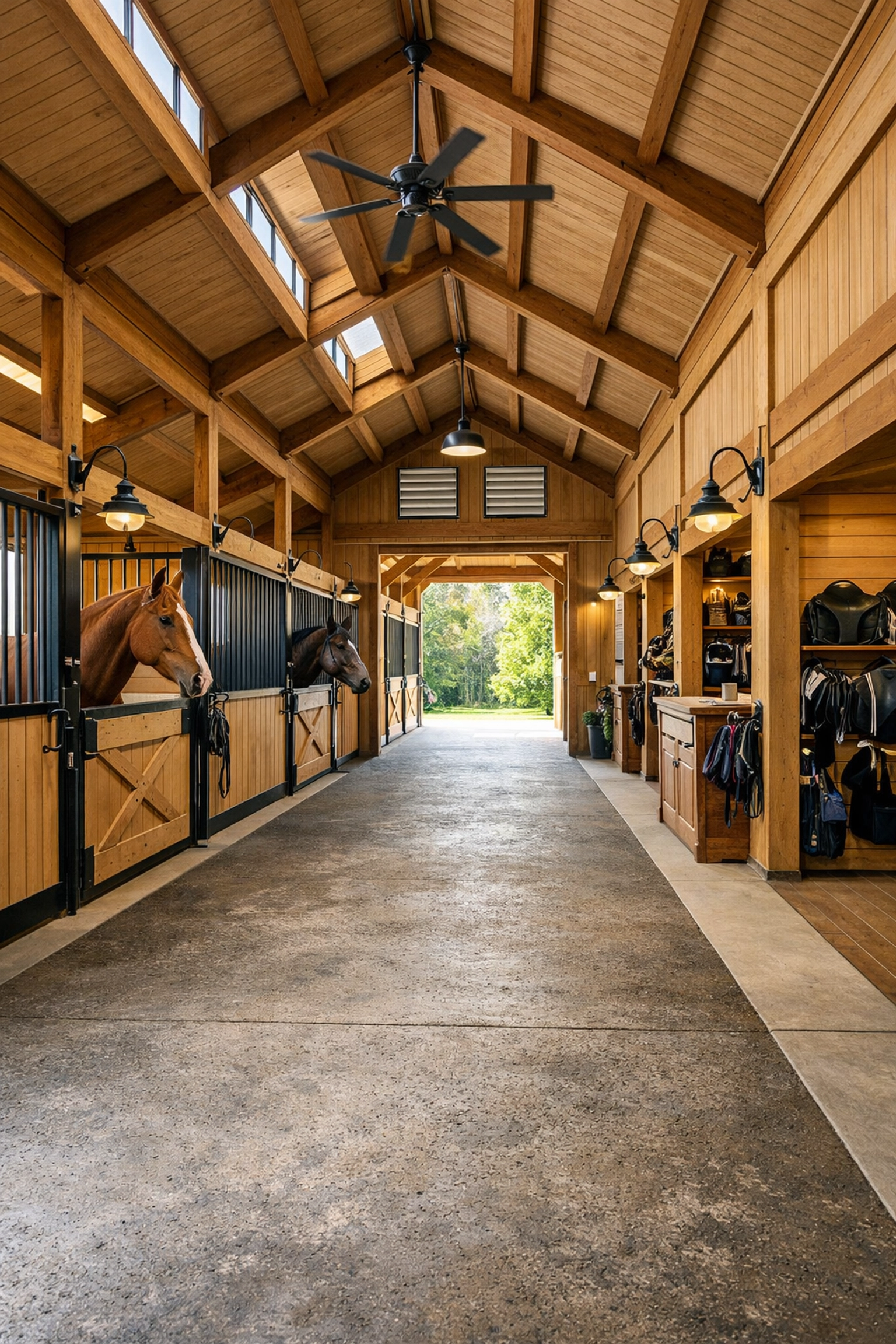
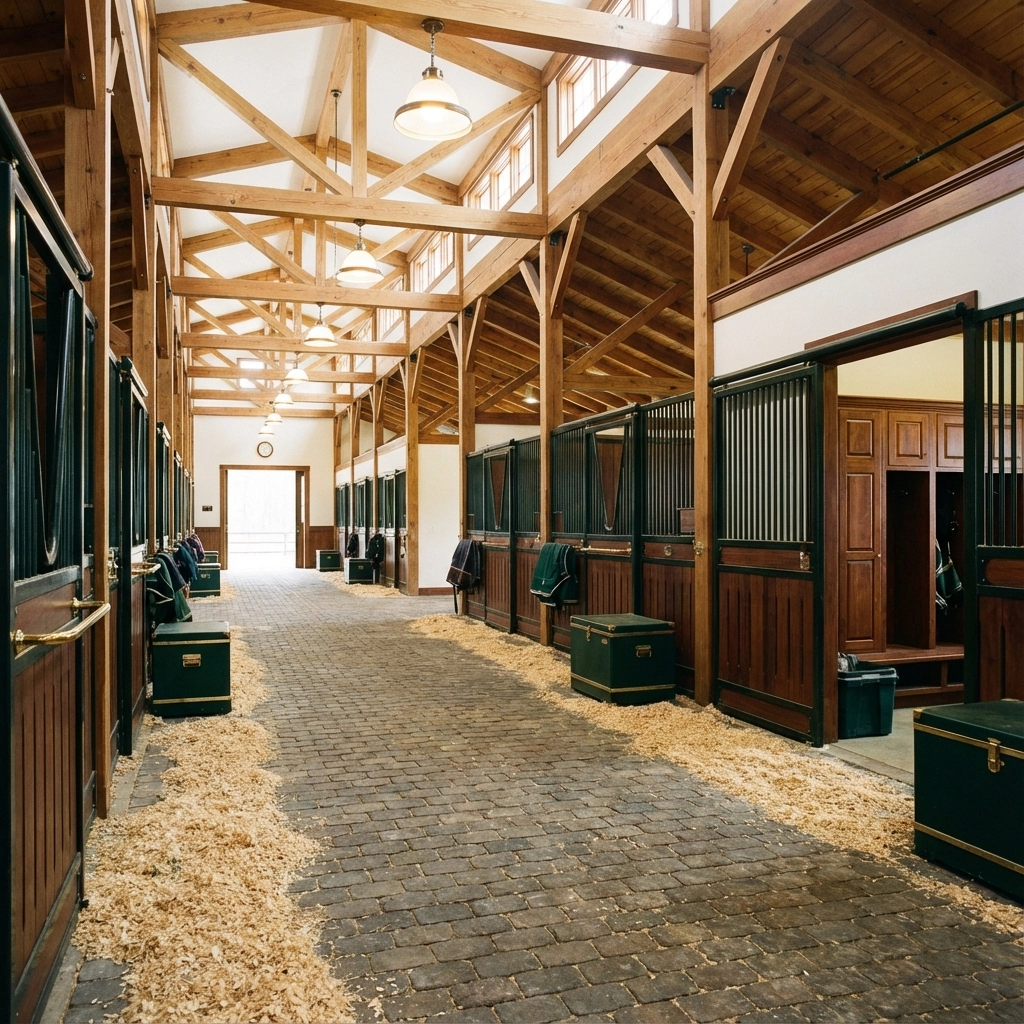
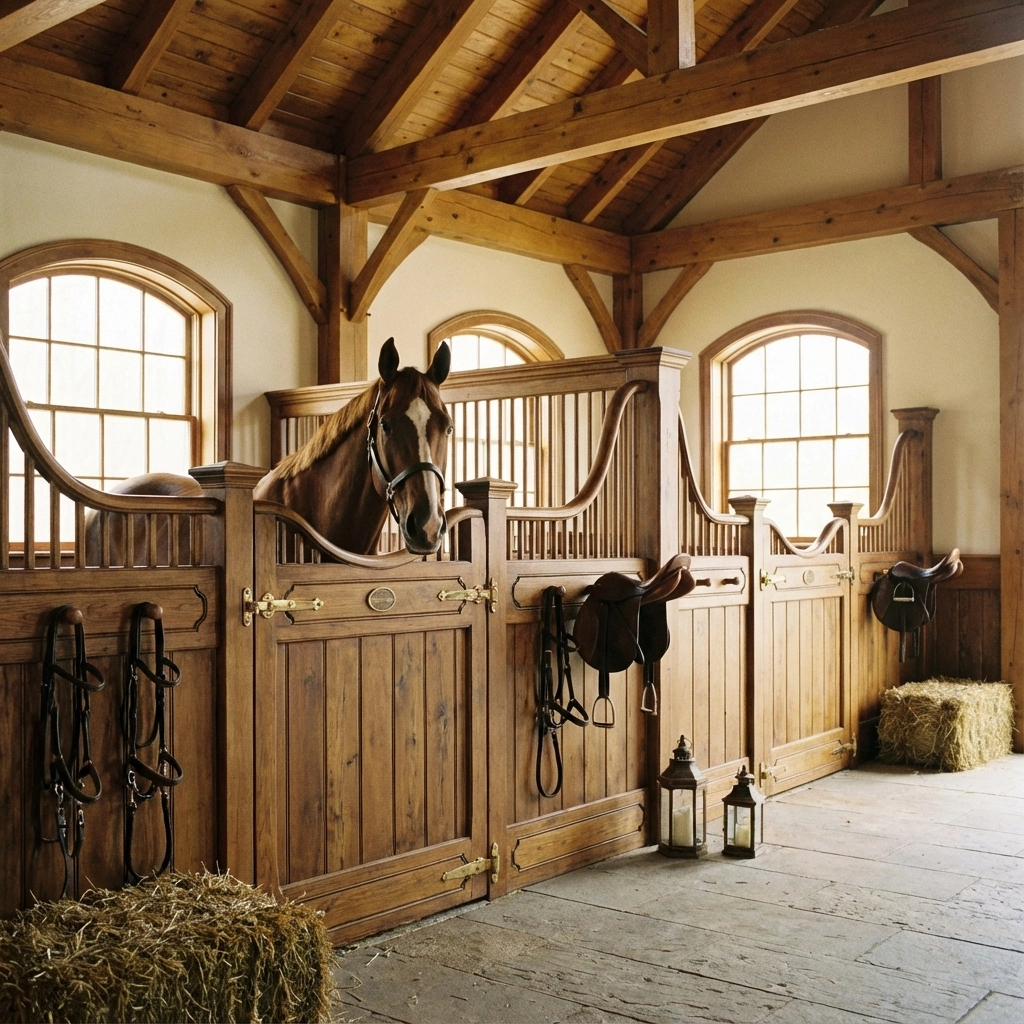
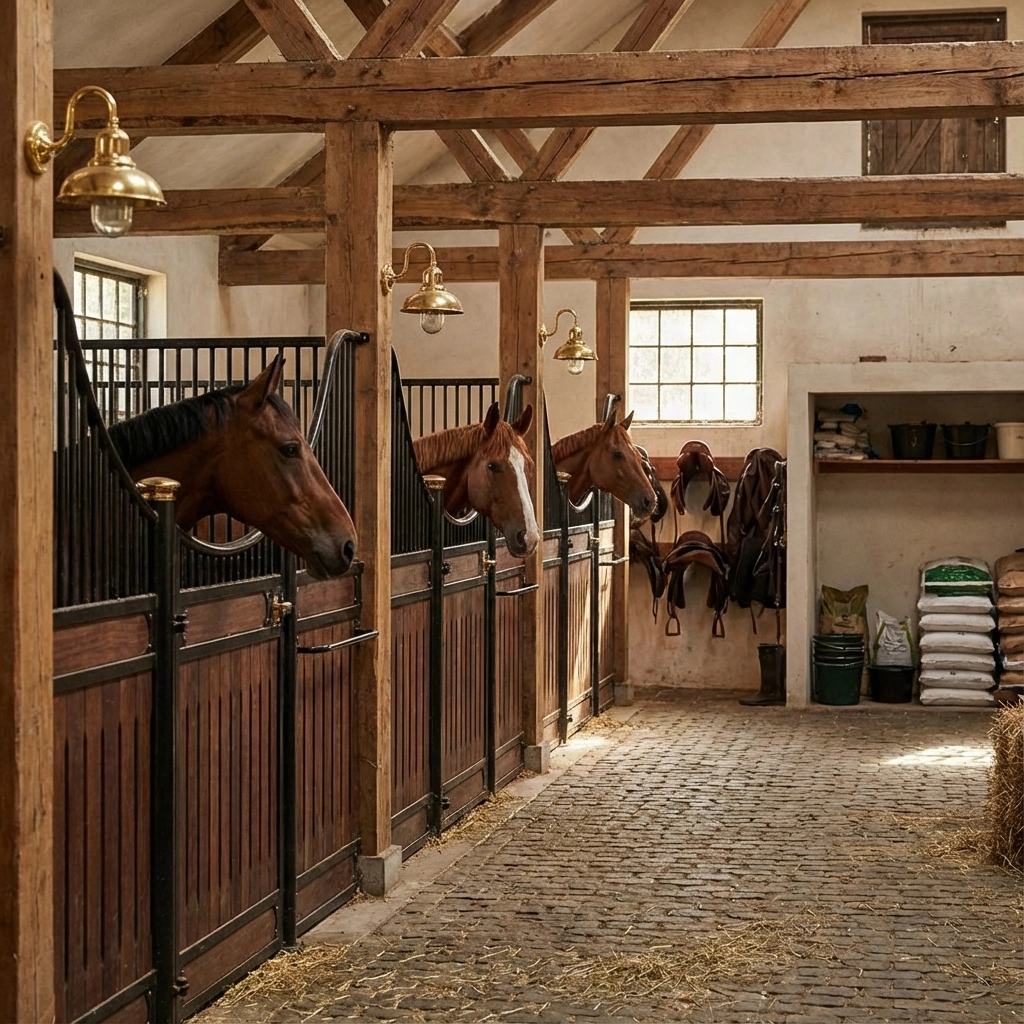
    Your barn is your property's business card. The moment prospective buyers step inside, they're evaluating whether this facility can support their horses' health, their training goals, and their daily routines.

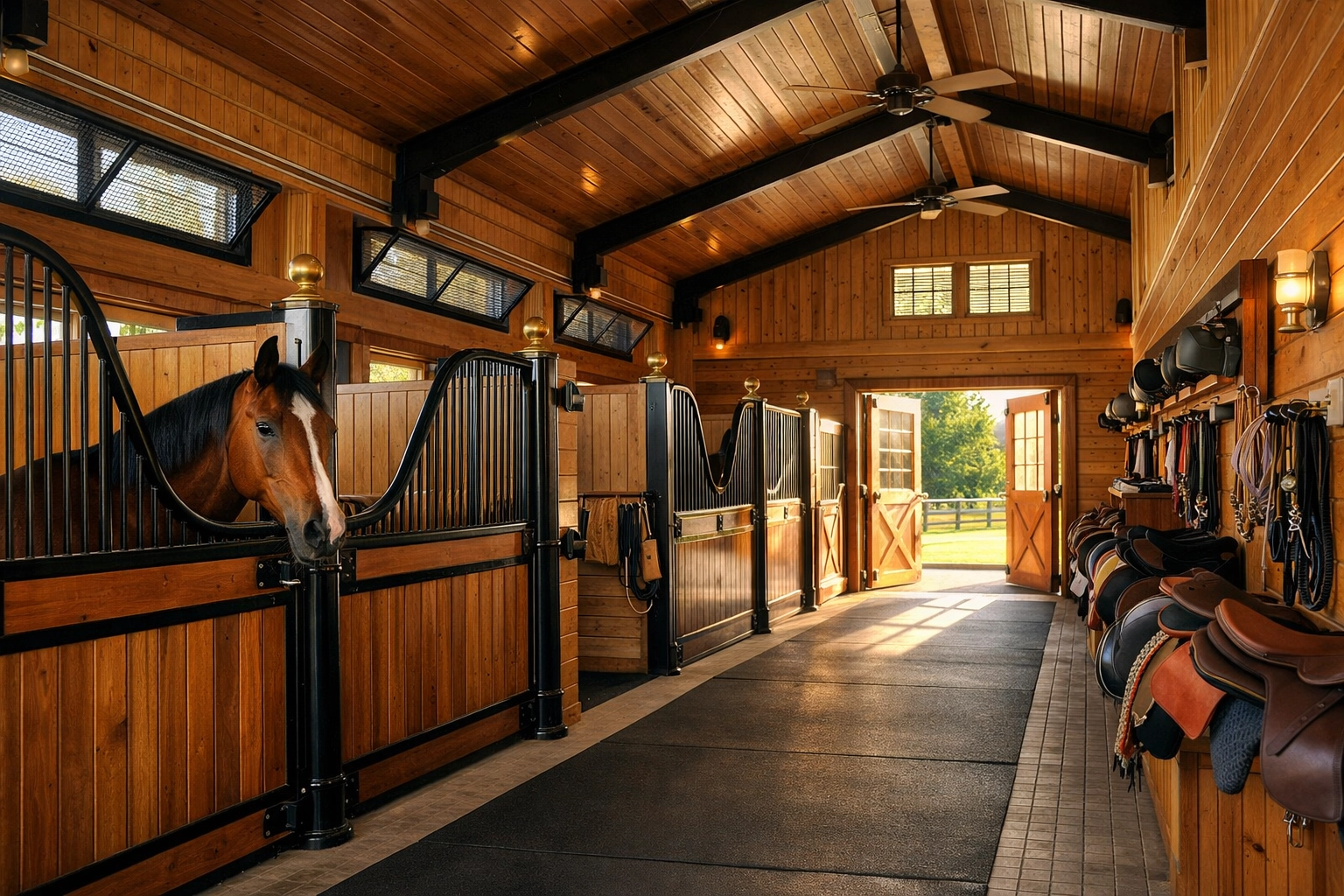
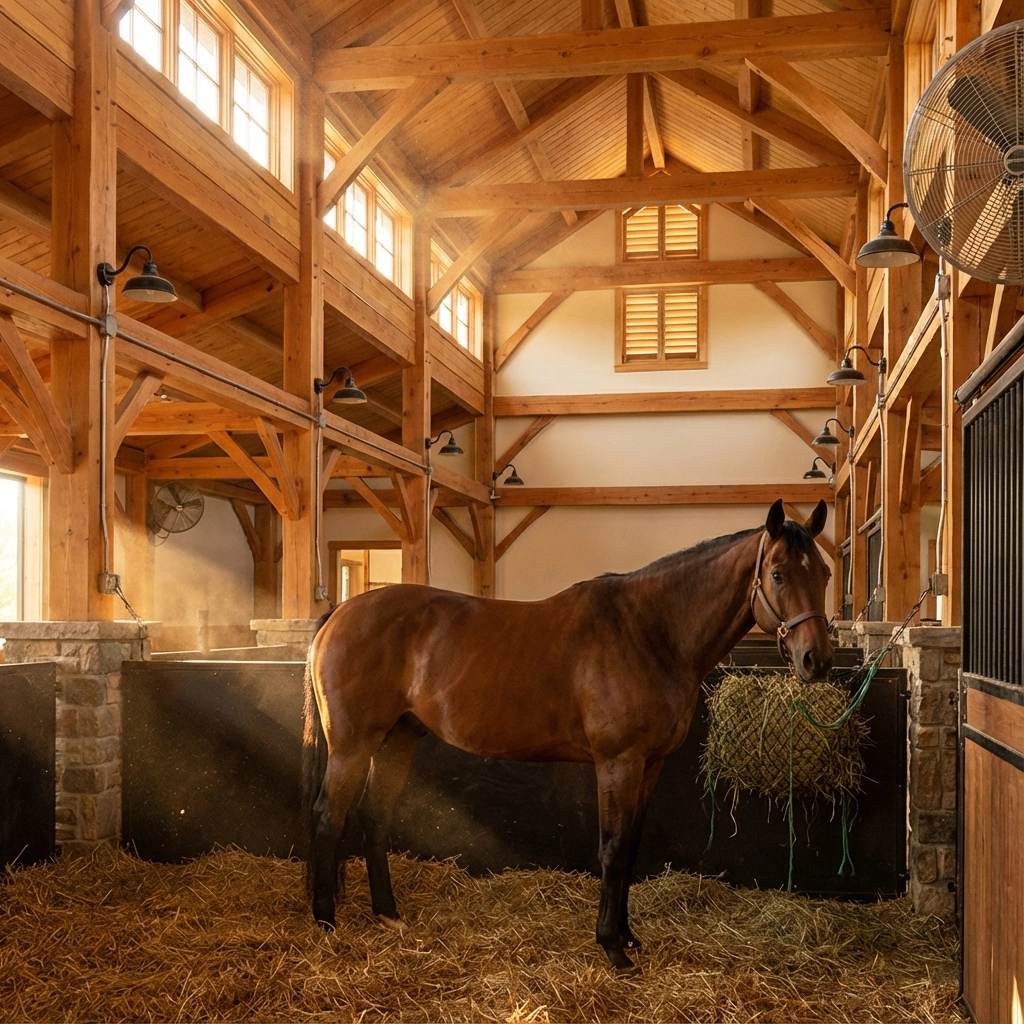
    Ventilation drives everything else. Poor air quality creates health issues, condensation problems, and an uncomfortable environment that signals ongoing maintenance headaches. Installing proper ridge vents, eave openings, and cross-ventilation systems demonstrates that you understand horse management fundamentals. This isn't about luxury: it's about basic horse welfare, and experienced buyers spot inadequate ventilation immediately.

    Stall sizing matters more than stall count. A barn with eight spacious 12×12 stalls will outsell one with twelve cramped 10×10 spaces every time. Horses need room to move comfortably, lie down fully, and turn around without restriction. If you're renovating, consider removing walls to create fewer, larger stalls rather than maximizing numbers.

    Easy pasture access from stalls eliminates daily handling stress and allows for natural horse movement patterns. Buyers envision their morning routines: how easy will turnout be? How quickly can horses be brought in during weather? Direct stall-to-pasture access through dutch doors or run-out areas addresses these practical concerns.

    image_1

    Fresh paint and clean, level flooring signal active maintenance. Buyers assess barn cleanliness, ground conditions, and structural integrity as indicators of overall property care. A well-maintained barn suggests they're purchasing a turnkey operation rather than inheriting deferred maintenance.

    Arena Excellence: Where Training Happens

    Your riding arena represents potential. Whether buyers plan dressage training, jumping sessions, or simple conditioning work, arena quality directly impacts their horse's performance and safety.

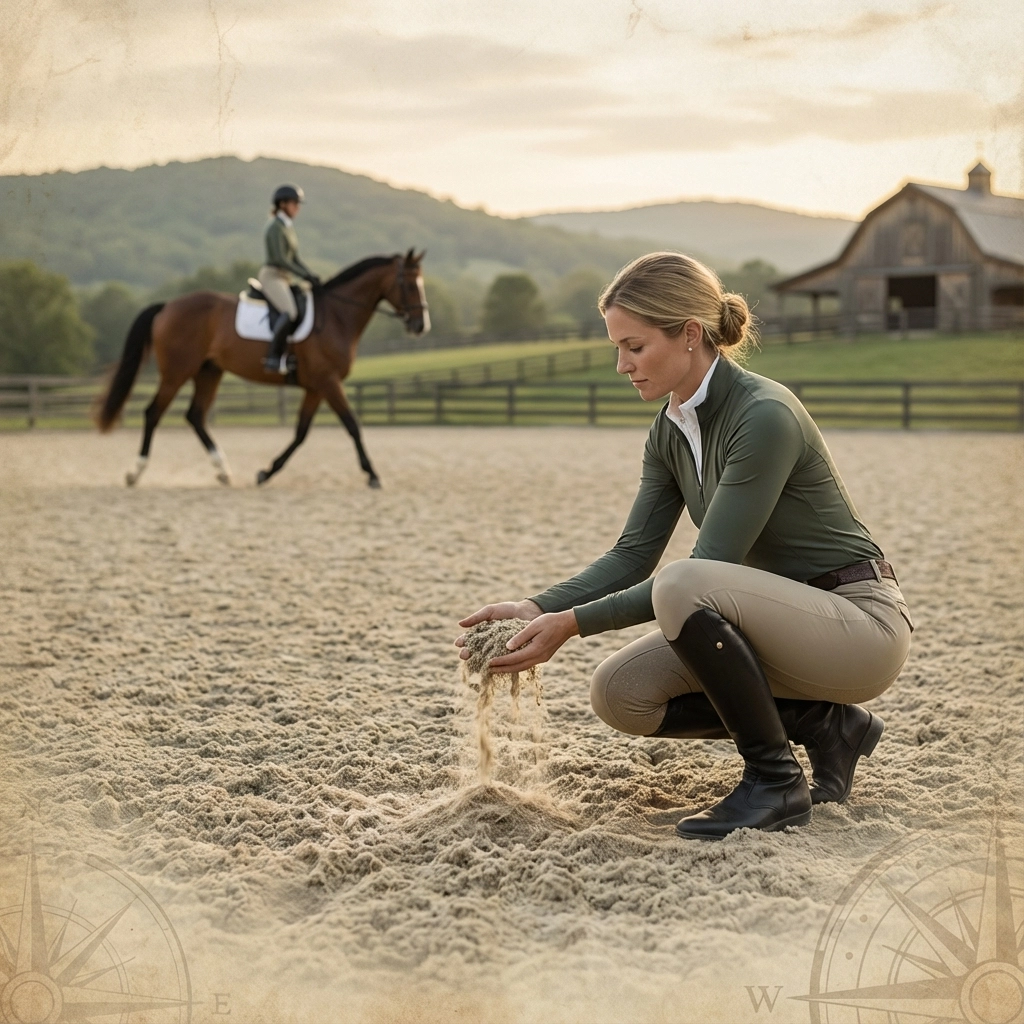
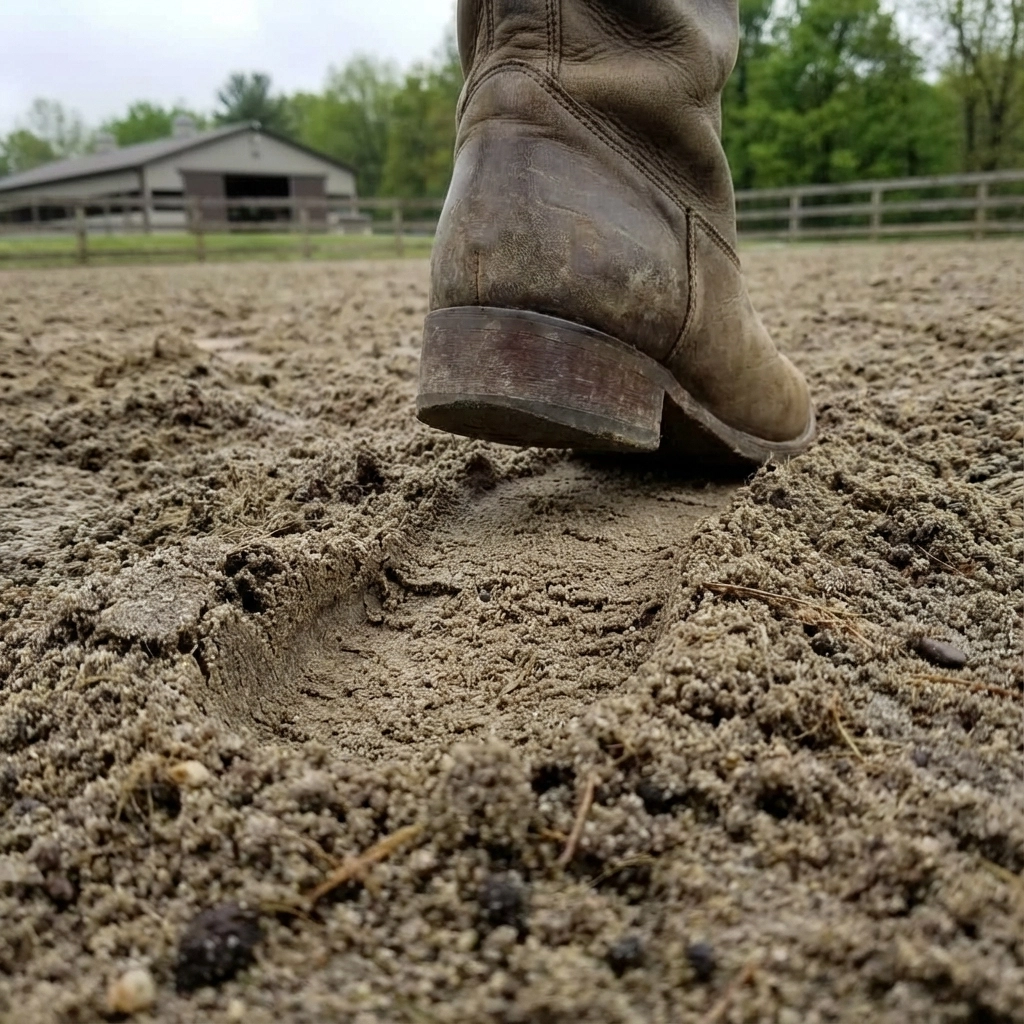
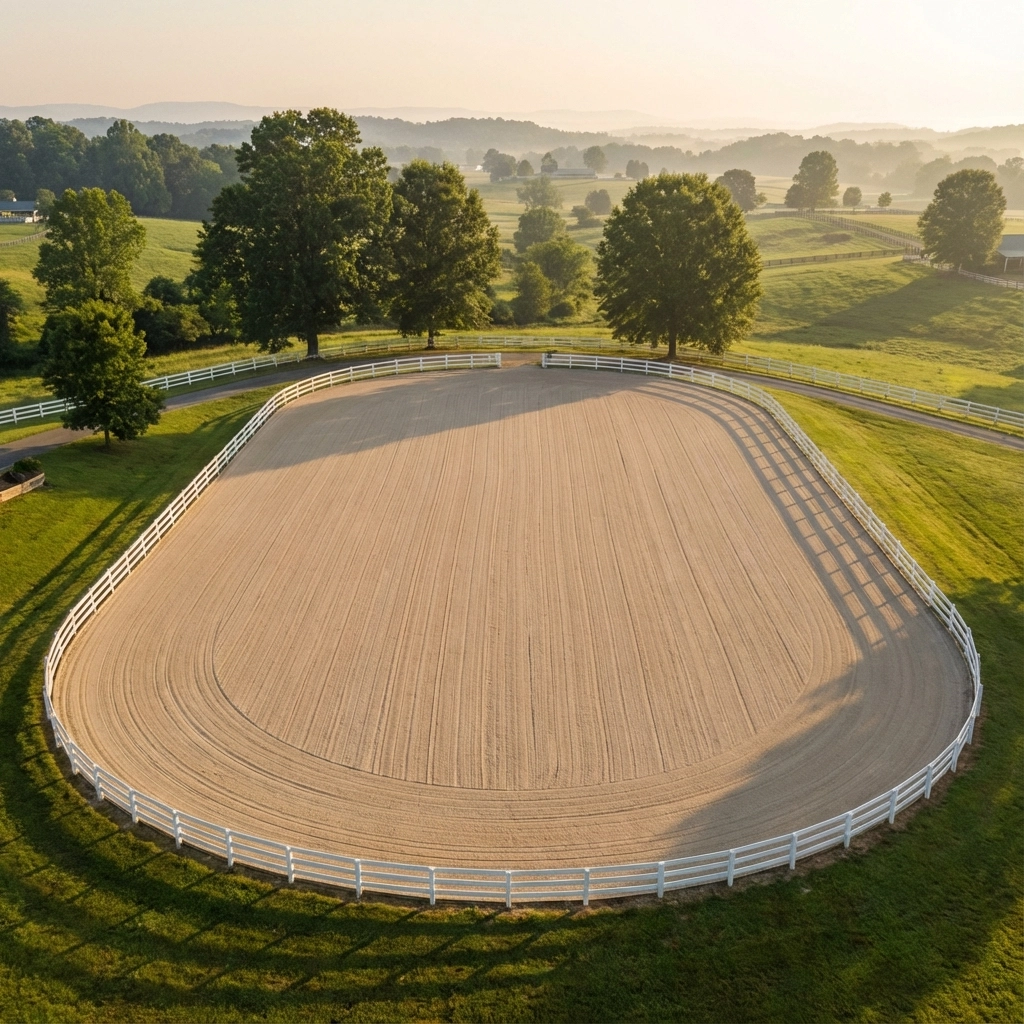
    Professional footing is non-negotiable. The days of riding on hard pack dirt are over. Modern equestrian buyers expect appropriate footing for their discipline: whether that's angular sand for jumping, a sand-fiber blend for dressage, or specialized materials for specific sports. Clean, maintained footing that's free of rocks, weeds, and hazardous materials demonstrates serious equestrian commitment.

    Drainage prevents seasonal limitations. North Carolina's weather patterns demand arena systems that handle everything from summer thunderstorms to winter freeze-thaw cycles. Proper base preparation with gravel, geotextiles, and grading ensures year-round usability. Buyers want arenas that work in February, not just in July.

    Fencing and entry systems should prioritize safety while maintaining professional appearance. Clean sight lines, appropriate height, and secure gates create environments where horses and riders can focus on training rather than managing distractions.

    Consider arena lighting for properties targeting serious competitors. Quality lighting extends training hours and adds significant value for buyers committed to consistent programs.

    Fencing: Your Property's Safety Network

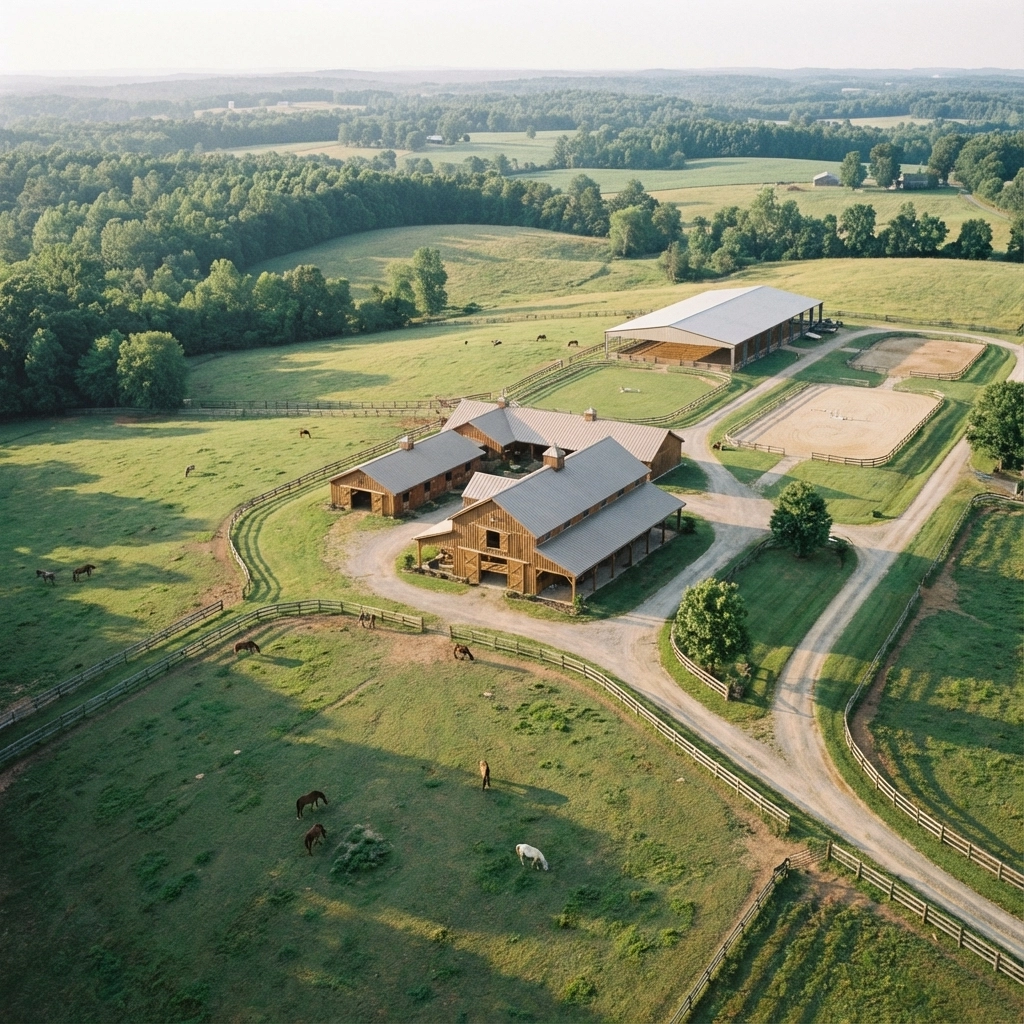
    Fencing represents one of your largest maintenance responsibilities, and buyers evaluate fence condition as a predictor of ongoing costs and safety concerns.

    Intact, well-maintained fencing ranks among buyers' top inspection priorities. Broken boards, loose wire, and failing posts signal immediate expenses and potential horse injuries. Regular fence repair and replacement demonstrate ongoing stewardship and reduce buyer concerns about hidden maintenance costs.

    Appropriate fencing materials should match your property's intended use. Board fencing projects traditional elegance but requires consistent maintenance. High-tensile wire systems offer durability and cost-effectiveness for larger acreages. Electric fencing works well for temporary divisions and rotational grazing systems.

    Gate functionality matters more than aesthetics. Buyers test gate latches, evaluate swing clearance, and assess whether gates accommodate equipment like tractors and horse trailers. Difficult gates create daily frustrations that buyers remember long after viewing.

    image_2

    Pasture Management: The Land Tells the Story

    Your pastures reveal your horsemanship knowledge and land stewardship practices. Well-managed grassland suggests you understand horse nutrition, soil health, and sustainable grazing systems.

    Maintained pastures through regular mowing and weed control demonstrate active management. Overgrown fields filled with invasive species suggest neglect and potential feed costs. Clean pastures with appropriate grass species indicate that horses can derive nutrition from the land rather than requiring expensive supplemental feeding.

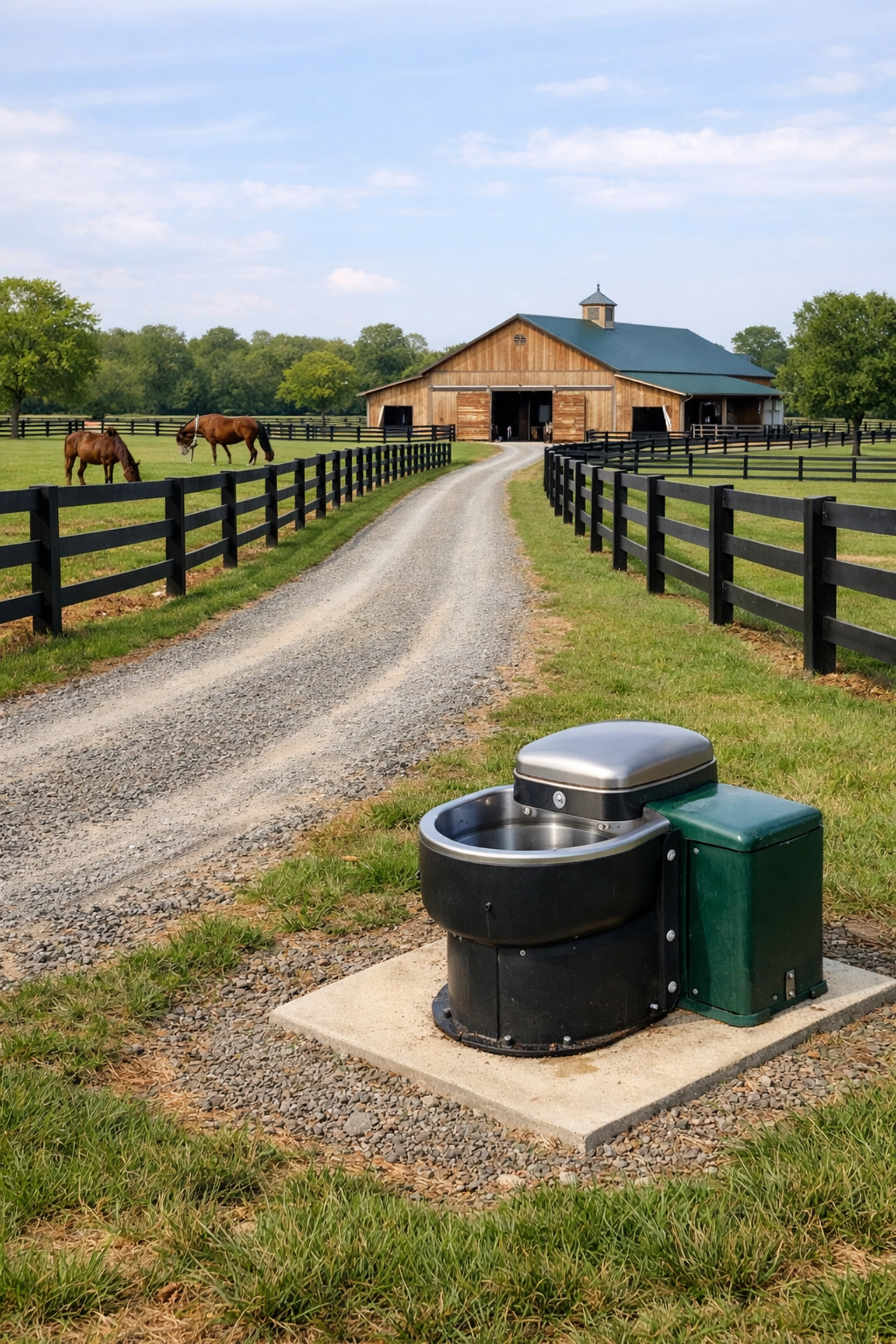
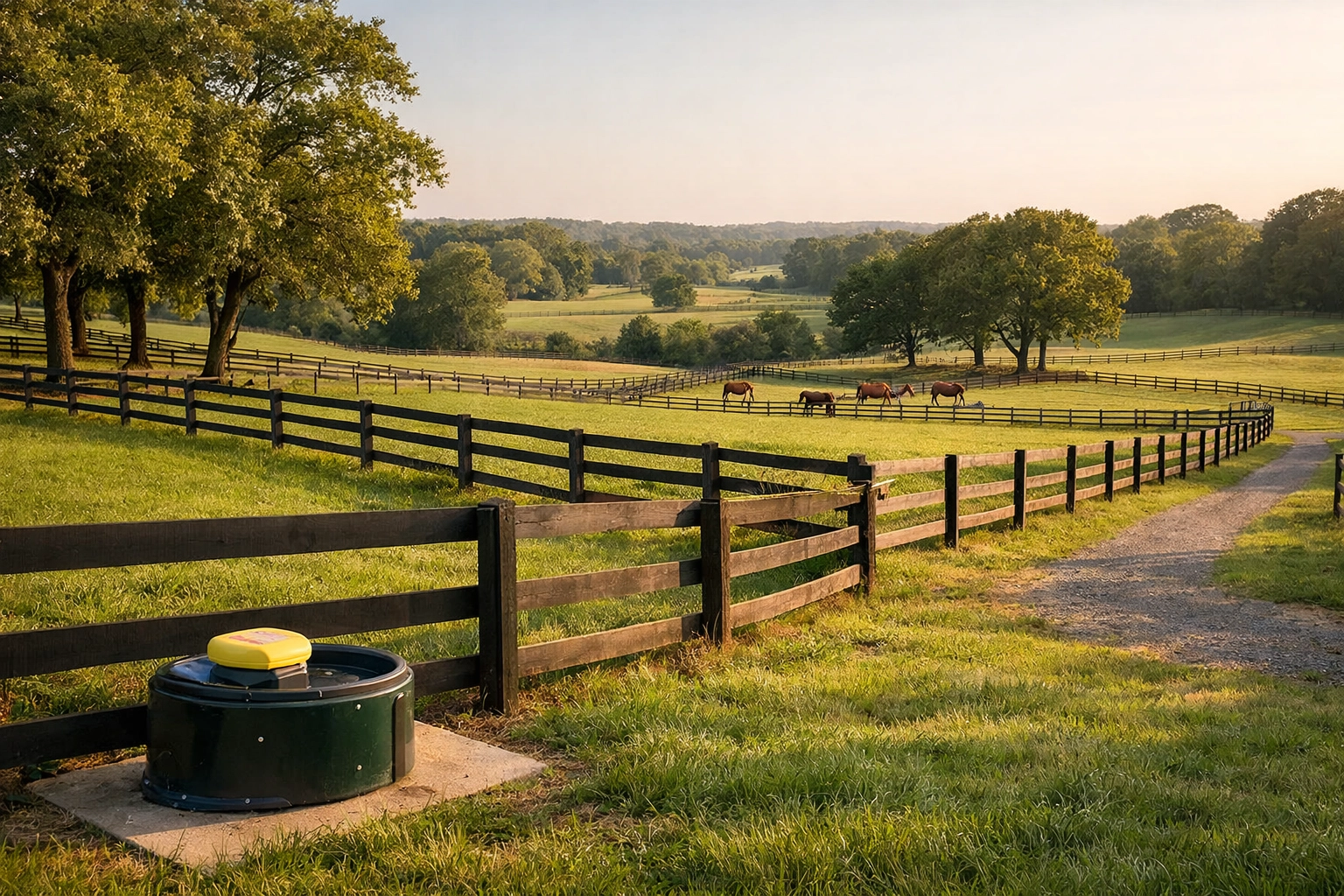
    Water access in every field eliminates the need for daily water hauling and ensures horse health during turnout. Automatic waterers, pond access, or strategically placed tanks should provide clean, reliable water sources throughout your grazing areas.

    Pasture rotation capabilities appeal to buyers focused on sustainable horse management. Cross-fencing that enables rotational grazing protects soil health, maximizes grass production, and demonstrates sophisticated land management understanding.

    Landscape Presentation: First Impressions Matter

    Professional landscaping creates emotional connection while ensuring safety for horses and handlers moving throughout the property.

    Well-defined driveways and pathways establish traffic patterns and prevent confusion during property tours. Buyers need to visualize daily routines: how do trailers navigate to the barn? Where do farriers park? How do horses move safely between facilities?

    Strategic tree placement provides natural shade in pastures while avoiding hazards near fence lines. Mature trees add property value and horse comfort, but dead or damaged trees near horse areas represent liability concerns.

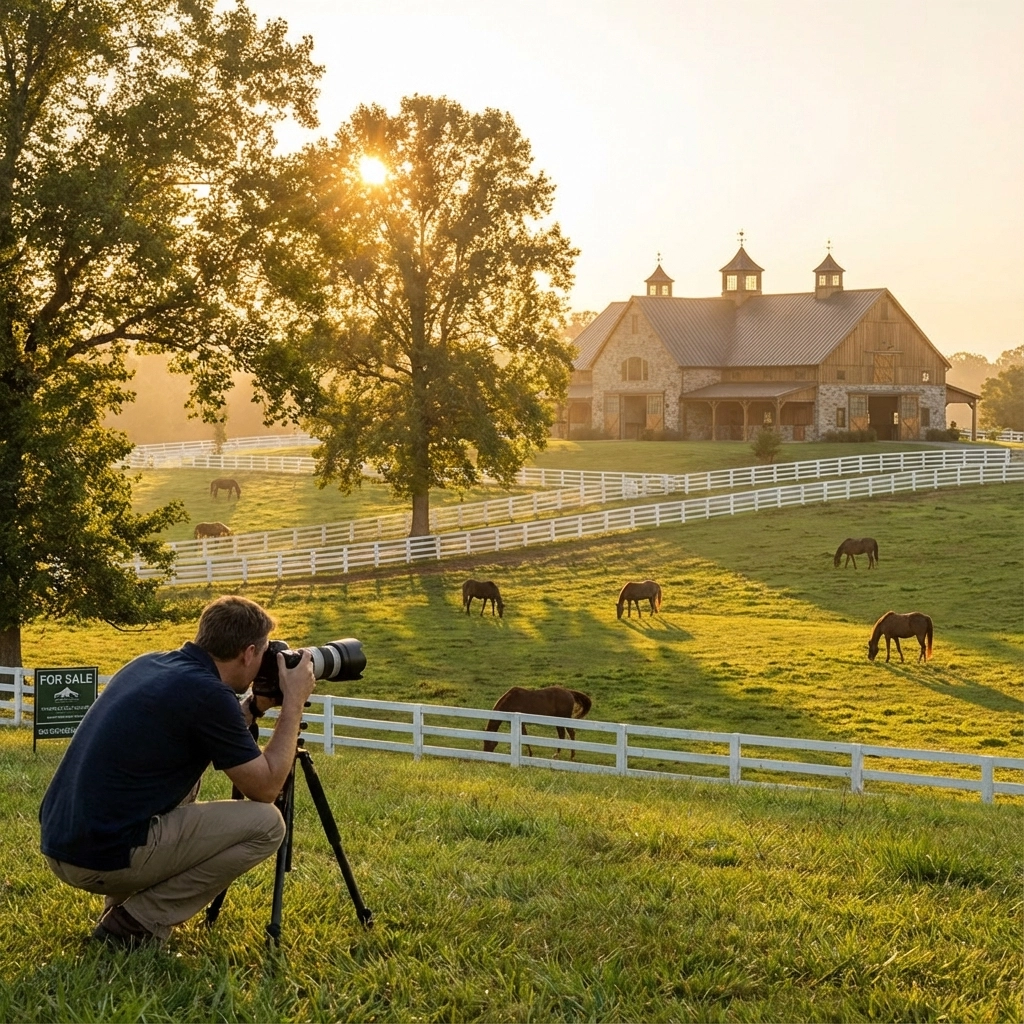
    Maintained lawn areas around barns and homes create professional presentation and reduce mud tracking into facilities. Simple improvements like edging, fertilization, and seasonal flowers significantly enhance property appeal without major investment.

    image_3

    Infrastructure: The Unseen Essentials

    Reliable utilities support daily horse care routines and determine whether your property functions efficiently or creates ongoing frustrations.

    Water pressure and quality affect everything from stall cleaning to horse health. Adequate water pressure ensures efficient barn operations, while quality testing results provide buyer confidence in water safety for both horses and humans.

    Electrical systems should handle modern barn requirements including lighting, fans, heated waterers, and equipment charging. Outdated electrical systems represent safety hazards and expensive upgrade requirements that buyers factor into their offers.

    Waste management systems address both horse manure and household needs. Composting areas, manure storage solutions, and septic systems appropriate for property size demonstrate planning and environmental responsibility.

    Modern Touches That Set Properties Apart

    Energy-efficient upgrades appeal to cost-conscious buyers while reducing environmental impact. LED lighting systems, solar panels, and efficient heating systems demonstrate forward-thinking property management and reduce ongoing operational costs.

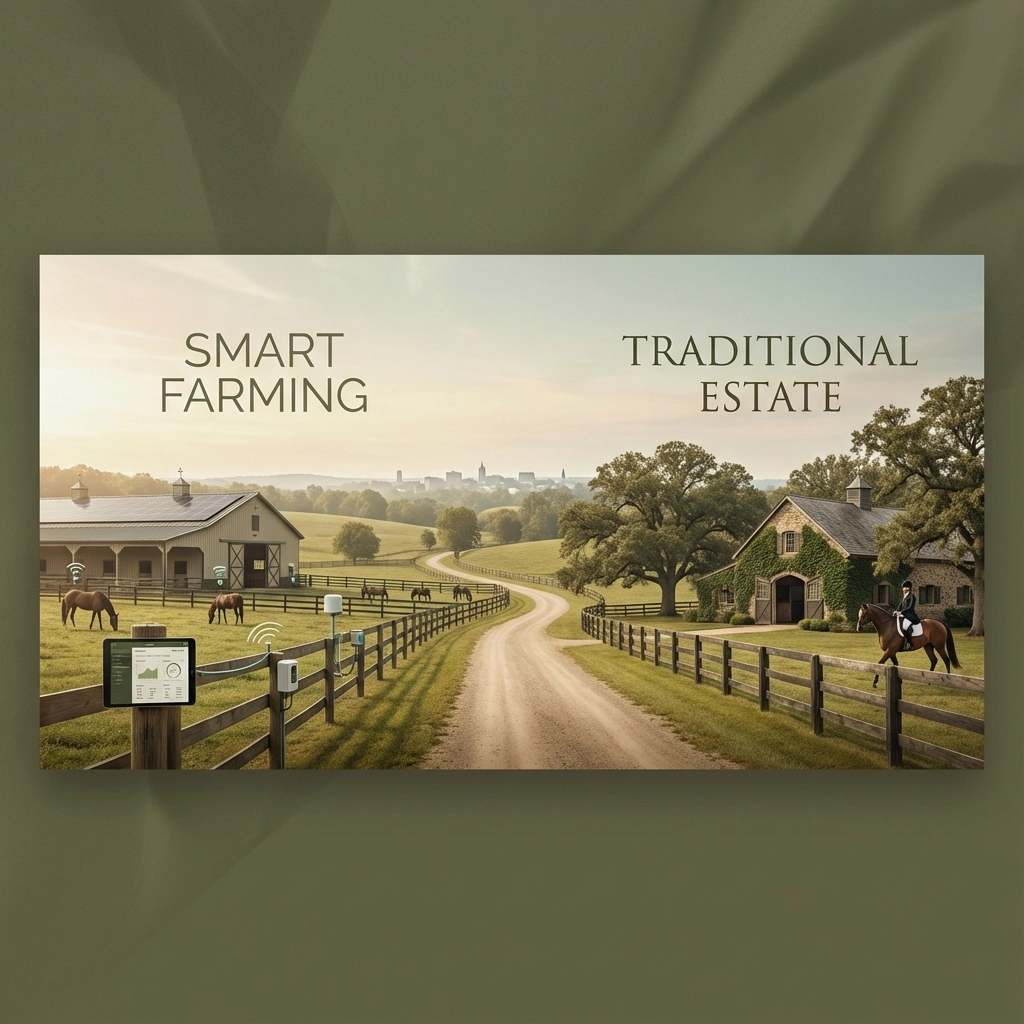
    Smart technology integration including automatic waterers, security systems, and climate monitoring appeals to buyers juggling equestrian commitments with busy professional lives. Technology that simplifies horse care without compromising quality attracts modern equestrian families.

    Multipurpose spaces like heated tack rooms that double as offices, or barns designed to accommodate both horses and equipment storage, maximize facility utility and appeal to buyers with diverse needs.

    The Investment Strategy

    Focus upgrade investments on improvements that enhance daily horse care efficiency while projecting professional equestrian commitment. Buyers purchase lifestyle potential along with real estate, so every upgrade should reinforce the vision of successful horse ownership.

    Prioritize safety and functionality over decoration. A barn with excellent ventilation, appropriate stall sizes, and efficient workflows will always outsell a facility that looks impressive but functions poorly for horse care routines.

    Consider your local market's preferences. Hunter/jumper areas prioritize different arena features than western or trail riding communities. Understanding your buyer pool's specific needs ensures upgrade investments align with market demands.

    Quality equestrian properties sell because they eliminate barriers between owners and their horses. Every upgrade should make horse ownership more enjoyable, efficient, and successful.

    Your property's story should communicate that serious horse people designed these facilities for serious horse people. When upgrades reflect genuine equestrian knowledge and commitment to horse welfare, the right buyers recognize that value immediately.

    Ready to discuss how strategic improvements can position your equestrian property for maximum market appeal? Our team understands the unique requirements that drive equestrian real estate decisions across North Carolina's diverse horse communities.

  • Pasture Management Mistakes NC Buyers Should Avoid

    Pasture Management Mistakes NC Buyers Should Avoid

    When you're searching for the perfect horse property in North Carolina, it's easy to get caught up in the barn features, arena footing, and house amenities. But here's what separates successful horse farm owners from those who struggle: understanding that your pastures are the foundation of everything else.

    After years of helping equestrian families find their dream properties across the Tar Heel State, we've seen too many buyers overlook critical pasture management factors that can make or break their horse operation. The good news? Most of these costly mistakes are completely preventable when you know what to look for.

    The Over-Grazing Trap That Costs Thousands

    Over-grazing isn't just about having too many horses on too little land: though that's certainly part of it. It's about not understanding how North Carolina's warm-season grasses recover and grow.

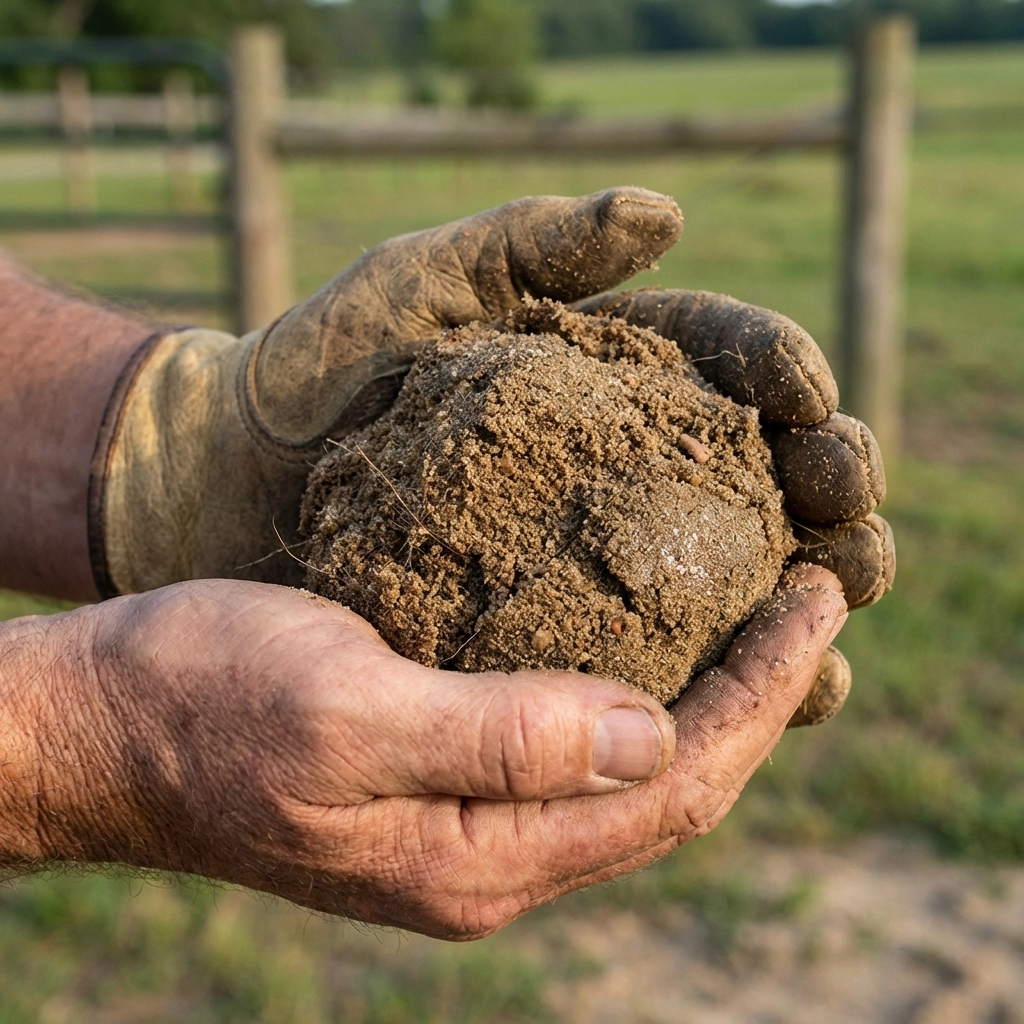
    When pastures are grazed shorter than 3-4 inches, something devastating happens beneath the surface. Your horses force the plants to tap into their root reserves instead of using leaf material for energy. Do this repeatedly, and you'll watch your expensive pasture renovation turn into a weed-infested mess within two seasons.

    image_1

    The magic number for NC horse properties? Leave at least 4 inches of growth after grazing, and never let animals graze below 2-3 inches. This isn't just agricultural theory: it's the difference between pastures that feed your horses for decades versus ones that require constant reseeding and chemical inputs.

    Over-grazed pastures also create perfect conditions for soil erosion, especially on the rolling terrain we see throughout the Charlotte Metro area and foothills. Once you lose that topsoil, you're looking at expensive soil amendments and years of recovery time.

    The Soil Testing Mistake That Blindsides Buyers

    Here's a conversation we have with buyers almost weekly: "The pastures look green and healthy: why do I need to worry about soil testing?"

    North Carolina's naturally acidic soils tell a different story than what meets the eye. Over time, our soils become increasingly acidic, which locks up nutrients your horses' forage needs to thrive. A pasture might look lush in spring but struggle to maintain protein levels and digestibility by midsummer.

    Soil pH below 5.5 requires lime application well before you can expect any pasture improvements. This isn't a quick fix: lime needs time to work through the soil profile, often 6-12 months before you see real benefits.

    Smart buyers request recent soil tests as part of their due diligence, or factor soil amendments into their first-year budget. The cost of lime and proper pH management is minimal compared to watching your feed bill skyrocket because your pastures can't support your horses.

    Rotation Blindness: Why Subdivision Matters

    Drive through established horse country in areas like Waxhaw or southern Iredell County, and you'll notice something: the most successful operations have their pastures divided into smaller sections with good fencing and water access.

    Continuous grazing: turning horses out into large pastures without rotation: creates uneven growth patterns, selective grazing, and wasted forage. Horses naturally graze favorite areas down to nothing while avoiding others entirely.

    image_2

    The solution isn't complicated, but it requires planning. Subdividing larger pastures into 3-4 smaller sections allows for 1-3 day grazing periods followed by adequate rest. This system maximizes forage utilization and maintains more consistent grass quality throughout the growing season.

    When evaluating properties, look for existing infrastructure that supports rotation, or factor in cross-fencing costs for larger parcels. The upfront investment pays for itself in reduced hay costs and healthier pastures.

    Weed Control: Prevention vs. Crisis Management

    Nothing reveals poor pasture management faster than fields dominated by weeds instead of quality forage grasses. Yet weed control is where many new horse farm owners make expensive mistakes.

    The key is understanding that weed control in North Carolina starts with maintaining healthy, dense grass stands: not just spraying herbicides. Weeds establish in thin spots, overgrazed areas, and compacted soil conditions.

    Regular mowing at 3-4 inches serves multiple purposes: it clips weed seed heads before they're viable, promotes even grass growth, and prevents selective grazing patterns. Summer weeds require particular attention before they mature and set seed for next year's problems.

    Chemical weed control has its place, but it should be targeted and strategic, not a substitute for good grazing management. Dense, healthy grass stands naturally suppress most weed pressure.

    Species Selection: Why Location Matters More Than You Think

    One of the most expensive mistakes we see involves buyers assuming that forage species successful in Kentucky, Virginia, or other Mid-Atlantic states will automatically thrive in North Carolina's climate.

    Our state's unique combination of hot, humid summers and variable winter conditions requires careful species selection. Cool-season grasses that perform beautifully in Pennsylvania may struggle with our summer stress, while warm-season varieties need to handle our occasional cold snaps.

    image_3

    Established properties with proven forage stands offer valuable insights into what works in your specific microclimate. Pay attention to which pastures maintain quality through summer stress and recover well from winter dormancy.

    For new plantings or renovations, work with local extension specialists familiar with your county's growing conditions. The cost difference between appropriate and inappropriate species selection can be dramatic over a 5-10 year period.

    The Renovation Rush: Patience Pays

    Pasture renovation represents a significant investment: often $300-500 per acre for a complete makeover. Yet many buyers rush to graze newly established pastures before root systems have adequate time to develop.

    Grazing renovated pastures too early undoes months of work and investment. New plantings need time to establish strong root systems that can handle grazing pressure and recover quickly.

    Most cool-season grasses need at least one full growing season before heavy grazing, while warm-season species may require even longer establishment periods. Factor this timeline into your property transition planning, especially if you're moving horses from another location.

    Reading the Signs: What Your Pastures Tell You

    Experienced horsemen can walk through pastures and immediately identify management issues. Uneven grazing patterns, bare spots near gates and water sources, and areas where horses consistently avoid grazing all tell important stories.

    A simple step-point evaluation: stopping every 20 steps to observe plant species and growth stages: reveals whether rotational grazing is working or if adjustments are needed. This technique helps identify problems before they become expensive to fix.

    Look for pastures with consistent plant height, minimal weed pressure, and evidence of recent management (proper mowing heights, cross-fencing, water system maintenance).

    Making Smart Decisions for Long-Term Success

    Successful horse farm ownership in North Carolina starts with understanding that pasture management directly impacts every aspect of your operation: from feed costs and horse health to property values and resale potential.

    The best horse properties we represent show evidence of thoughtful, long-term pasture management. These farms maintain lower operating costs, support more horses per acre, and provide better nutrition for their animals.

    Whether you're evaluating existing properties or planning improvements to land you already own, remember that good pasture management is both an investment and a skill that develops over time.

    Looking for horse properties where previous owners understood these principles? Our team knows which farms across the Charlotte Metro area and beyond have been managed with the long-term view that successful horse operations require.

  • Matthews NC Equestrian Community Guide: Trails, Arenas & Amenities

    Matthews NC Equestrian Community Guide: Trails, Arenas & Amenities

    Matthews, North Carolina sits in the heart of the Charlotte metro area, where suburban convenience meets genuine horse country. As equestrians increasingly seek communities that balance accessibility with authentic agricultural living, this Union County town has emerged as a compelling destination for horse owners looking to establish roots in the Southeast.

    Understanding What Makes an Equestrian Community Thrive

    The best equestrian communities aren't just subdivisions with horse allowances: they're thoughtfully planned environments where every detail supports the horse-centered lifestyle. In the Matthews area, successful equestrian developments share several critical characteristics that separate genuine horse communities from rural real estate with equestrian marketing.

    Integrated Trail Systems form the backbone of any serious equestrian community. These aren't afterthoughts carved around development: they're primary infrastructure planned from the beginning. Quality trail networks connect individual properties, provide varied terrain for conditioning, and create the social fabric that turns neighbors into riding partners.

    Shared Amenities That Actually Get Used distinguish communities where horses are lifestyle from those where they're decoration. Indoor arenas that accommodate year-round riding, outdoor competition rings with proper footing, and communal round pens for training work represent the infrastructure that serious horse owners require.

    image_1

    Water Access and Management might be the most overlooked aspect of equestrian community planning. Streams, ponds, and wells aren't just scenic features: they're operational necessities. Communities that understand horses plan for both daily watering needs and emergency water access during drought periods.

    The Critical Infrastructure Every Horse Owner Needs

    When evaluating equestrian communities around Matthews, experienced horse owners look beyond the obvious. Pasture acreage and barn space matter, but the supporting infrastructure determines whether a community will enhance or complicate your horse operation.

    Footing and Drainage separate communities that understand horses from those that simply allow them. Proper arena footing requires specific materials, drainage systems, and ongoing maintenance. Sand rings that turn to dust in summer and mud in winter indicate communities that haven't invested in proper equestrian infrastructure.

    Fencing Standards and Maintenance reveal community priorities. Horse-safe fencing isn't optional: it's fundamental safety infrastructure. Communities with clear fencing standards, maintenance protocols, and violation procedures protect both horses and property values.

    Veterinary and Farrier Access becomes crucial during emergencies. Communities that maintain relationships with local equine professionals, provide adequate truck and trailer access to every property, and understand the logistics of horse care demonstrate genuine commitment to equestrian living.

    image_2

    Manure Management and Composting Areas might seem mundane, but they're essential for sustainable horse keeping. Well-planned communities provide designated composting areas, pickup services, or partnerships with local farms: solving one of horse ownership's most persistent challenges.

    Location Advantages: Why the Matthews Area Works

    Matthews offers unique advantages for equestrian communities that many horse owners discover only after relocating. The town's position in Union County provides agricultural zoning opportunities while maintaining reasonable commutes to Charlotte's business centers.

    Climate and Growing Season support year-round outdoor activities that northern relocating horse owners particularly appreciate. The extended growing season means longer turnout periods, reduced hay costs, and riding weather that spans nine months of the year.

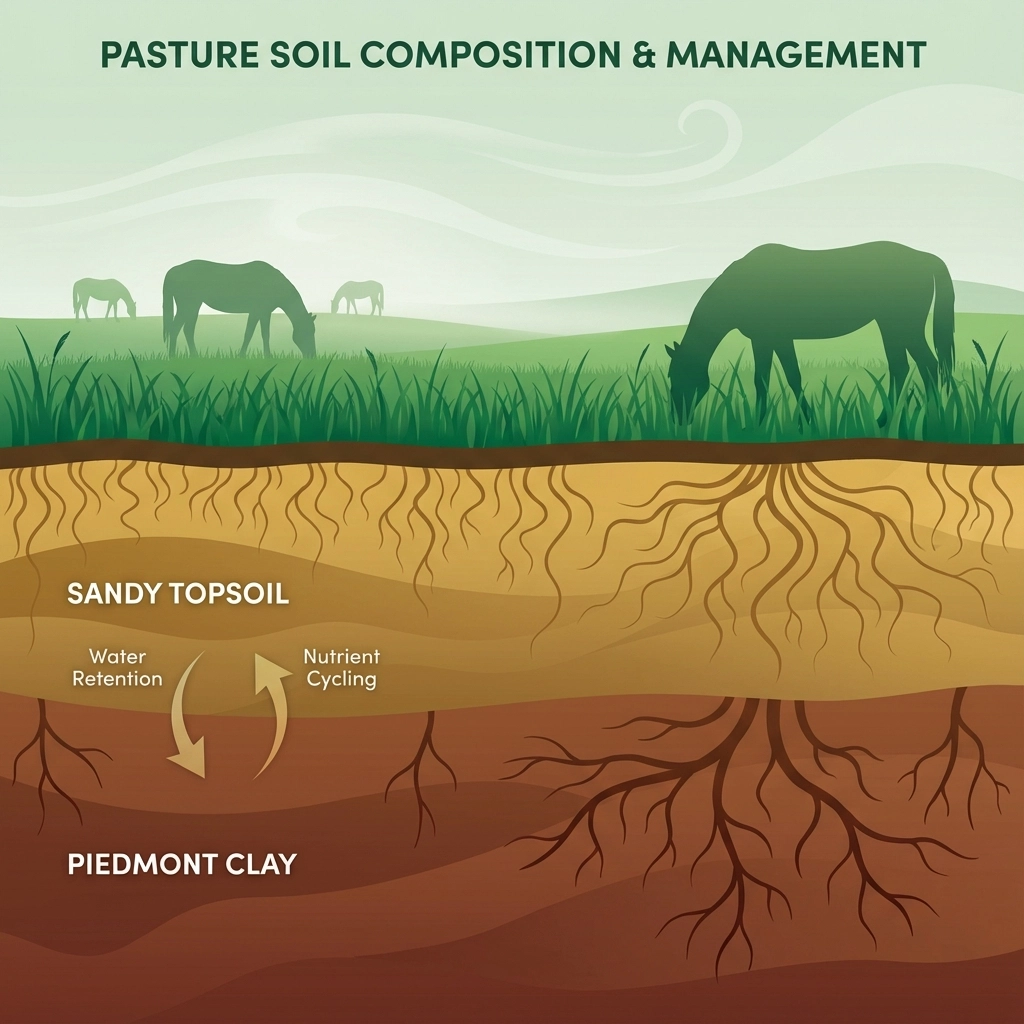
    Soil Composition and Topography in the Matthews area create natural advantages for horse keeping. The Piedmont's clay-based soils provide stable footing for arenas and trails, while gentle topography offers varied terrain without dangerous slopes.

    Proximity to Equestrian Services concentrates around Charlotte's horse community. Feed stores, tack shops, equine hospitals, and training facilities cluster within reasonable distances, creating the support network that makes horse ownership practical rather than overwhelming.

    image_3

    Evaluating Trail Systems and Riding Access

    Trail quality and maintenance reveal community management philosophy more clearly than any marketing materials. When evaluating Matthews-area equestrian communities, experienced riders assess trails with the critical eye of someone who'll use them regularly.

    Trail Width and Clearing should accommodate two riders comfortably. Narrow trails that force single-file riding limit social opportunities and create bottlenecks during busy periods. Proper clearing means no low-hanging branches, stable ground surfaces, and sight lines that allow horses to see ahead.

    Terrain Variety matters for horse conditioning and rider engagement. Flat trails are easy to maintain but limit training opportunities. The best community trail systems incorporate gentle hills, varied footing, and natural obstacles that keep both horse and rider engaged.

    Seasonal Accessibility separates well-designed trail systems from fair-weather amenities. Trails that become impassable during wet weather or require extensive maintenance after storms indicate poor initial planning or inadequate ongoing investment.

    Connection to External Trail Networks can exponentially expand riding opportunities. Communities that provide access to state parks, rail-trails, or connections to neighboring equestrian properties offer riding experiences that extend far beyond community boundaries.

    Shared Amenities That Define Quality Communities

    The amenities that matter most to horse owners aren't always the most photogenic. While grand clubhouses photograph well, working amenities determine daily quality of life for serious equestrians.

    Arena Scheduling and Access policies reveal how communities balance individual needs with shared resources. Clear scheduling systems, fair access policies, and adequate arena time for all residents indicate thoughtful community management.

    Equipment Storage and Tool Sharing might seem minor but affects daily operations significantly. Communities that provide secure storage for community equipment, tools for trail maintenance, and organized systems for sharing resources demonstrate attention to practical needs.

    image_4

    Wash Racks and Grooming Areas represent infrastructure that many communities overlook until owners need it. Shared wash facilities with hot water, adequate drainage, and proper lighting extend the useful season for outdoor horse care.

    Competition and Event Support capabilities determine whether communities can host horse shows, clinics, and social events that build community bonds. Adequate parking for multiple trailers, announcer systems, and spectator areas transform communities from residential to truly equestrian.

    What Horse Owners Need to Know About Matthews

    Matthews offers specific advantages that make it particularly attractive to equestrians relocating from other regions. Understanding these benefits helps horse owners make informed decisions about community selection.

    Zoning Flexibility in Union County allows agricultural uses that might be restricted in other Charlotte suburbs. This flexibility extends to home businesses, boarding operations, and training facilities that support the broader equestrian economy.

    Property Taxes and Agricultural Exemptions can significantly impact the long-term cost of horse ownership. Understanding local tax policies, agricultural exemptions, and land use requirements affects both initial property selection and ongoing expenses.

    Development Pressure and Future Planning influences long-term community stability. Communities with strong covenants, clear development plans, and commitment to maintaining equestrian character provide security for substantial horse facility investments.

    image_5

    Working With Equestrian-Focused Real Estate Professionals

    Finding the right equestrian community requires working with professionals who understand both horses and real estate. Generic real estate agents often miss critical details that determine whether a community will support or frustrate your horse operation.

    Questions About Daily Operations should be part of every community evaluation. How are trails maintained? Who manages arena grooming? What happens to manure? These operational details determine whether communities function smoothly or create ongoing friction.

    Understanding Community Dynamics requires insight into both formal rules and informal culture. Some communities actively encourage horse activities and social events, while others simply tolerate horses as property accessories. The difference affects both lifestyle satisfaction and property values.

    Long-term Investment Protection considers factors beyond current amenities. Communities with strong leadership, adequate reserves, and clear maintenance protocols protect property values even as equestrian markets evolve.

    The Matthews area offers genuine opportunities for horse owners seeking communities that understand and support equestrian living. However, finding the right fit requires careful evaluation of infrastructure, management, and community culture. At Carolina Horse Farm Realty, we understand these nuances because we live this lifestyle ourselves.

    Ready to explore equestrian communities that truly understand horses? Let's discuss what matters most for your specific needs and goals.

  • Equestrian Property Buyer's Checklist: Piedmont and Charlotte Metro

    Equestrian Property Buyer's Checklist: Piedmont and Charlotte Metro

    The Piedmont region and Charlotte Metro area offer some of North Carolina's most sought-after equestrian properties, where rolling hills meet established horse communities and proximity to world-class facilities. Whether you're relocating from out of state or expanding within Carolina's horse country, understanding what makes a property truly horse-friendly in this region can mean the difference between finding your dream farm and inheriting someone else's expensive mistakes.

    Land Quality and Acreage: More Than Just Square Footage

    In the Piedmont's clay-based soils and rolling terrain, not all acres are created equal. The five-acre-per-horse rule that works in other regions needs adjustment here, you'll want to consider drainage, slope, and seasonal pasture rotation when calculating your real needs.

    Essential Land Considerations:

    • Usable vs. Total Acreage: Steep slopes, wetlands, and heavily wooded areas don't count toward grazing calculations
    • Soil Testing: Piedmont clay requires different pasture management than sandy coastal soils
    • Drainage Patterns: Natural water flow during Carolina's heavy spring rains
    • Pasture Rotation Capability: Subdivided fields for proper grass management
    • Access Routes: Year-round trailer access that won't wash out or become impassable

    image_1

    The region's natural beauty comes with specific challenges. That picturesque creek running through the property might flood three times a year, making lower pastures unusable for months. Similarly, those mature hardwoods provide excellent shade but can limit pasture expansion and complicate fencing projects.

    Zoning and Legal Framework: Navigate Before You Negotiate

    Charlotte Metro's rapid growth means agricultural zoning isn't guaranteed, even on properties currently housing horses. Mecklenburg, Union, Gaston, and surrounding counties each maintain different livestock regulations, setback requirements, and grandfathering provisions.

    Critical Verification Steps:

    • Current Use vs. Legal Use: Confirm horses are legally permitted, not just currently present
    • Future Development Pressure: Research planned commercial or residential expansion nearby
    • Agricultural Tax Benefits: Understand qualification requirements and annual obligations
    • HOA Agricultural Restrictions: Many "horse-friendly" communities limit commercial activities
    • Setback Compliance: Ensure existing structures meet county requirements for any future modifications

    Don't assume the seller's real estate agent understands equestrian zoning nuances. Contact the county directly and speak with someone familiar with agricultural permits. This conversation often reveals restrictions that could affect your intended use.

    Water Systems and Infrastructure: The Foundation of Daily Operations

    Reliable water systems in the Piedmont require more than just adequate flow rates. The region's seasonal weather patterns, from summer droughts to winter freezes, demand infrastructure that performs year-round.

    Water System Evaluation:

    • Source Reliability: Well yield during dry periods, municipal backup options
    • Distribution Network: Frost-proof hydrants in barns, paddocks, and pastures
    • Pressure and Flow: Adequate capacity for multiple horses, wash stalls, and fire safety
    • Backup Systems: Emergency water access during power outages
    • Quality Testing: Recent analysis for minerals, bacteria, and pH levels

    image_2

    Many Piedmont properties rely on wells drilled decades ago when different standards applied. A professional inspection should include flow testing during typical usage periods and evaluation of the electrical systems powering pumps and distribution.

    Barn and Facility Assessment: Beyond Aesthetic Appeal

    Charlotte area horse properties often feature barns built during different eras of construction standards and equestrian trends. What looks charming might hide expensive problems, while seemingly plain structures sometimes offer superior functionality.

    Structural Priorities:

    • Foundation Integrity: Especially critical in clay soils prone to shifting
    • Electrical Safety: GFI protection, adequate circuits, proper grounding in wet environments
    • Ventilation Design: Natural airflow patterns for Carolina's humid summers
    • Footing Condition: Proper drainage in aisles, stalls, and wash areas
    • Storage Adequacy: Hay, feed, bedding, and equipment storage with pest control

    Functional Evaluation:

    • Stall Size and Design: Adequate space for intended horse sizes and breeds
    • Cross-Tie Areas: Safe, well-lit spaces for grooming and veterinary work
    • Feed Room Security: Rodent-proof storage with easy access for deliveries
    • Tack Room Climate: Protection from humidity and temperature extremes
    • Wash Stall Functionality: Hot water, proper drainage, non-slip surfaces

    The most expensive barns aren't always the most functional. Focus on practical features that support daily horse care rather than impressive architecture that complicates routine tasks.

    Fencing and Paddock Systems: Safety Meets Function

    The Piedmont's terrain and weather patterns place specific demands on fencing materials and installation. What works in flat, sandy regions may fail on Carolina's hills during ice storms or summer heat.

    Fencing Assessment Checklist:

    • Material Condition: Wood rot, metal corrosion, post stability
    • Gate Functionality: Hardware condition, swing clearance, latch security
    • Corner and End Post Integrity: Proper bracing for fence line tension
    • Sight Lines: Clear visibility for both horses and humans
    • Maintenance Access: Ability to repair and replace sections efficiently

    Paddock Design Evaluation:

    • Size Appropriate for Use: Turnout vs. exercise vs. quarantine needs
    • Drainage and Footing: Prevention of mud accumulation and erosion
    • Shelter Access: Natural or constructed weather protection
    • Water Availability: Automatic systems or easy manual filling
    • Safe Corners and Angles: Elimination of injury-causing design features

    image_3

    Poor fencing represents both immediate safety risks and ongoing financial obligations. Factor replacement costs into your purchase negotiations, especially for older installations using materials no longer considered safe for horses.

    Location and Community Connections: The Lifestyle Component

    The Charlotte Metro equestrian community offers extensive resources, but proximity matters for both convenience and emergency situations. Understanding the local network of services, facilities, and fellow horse owners enhances both property value and daily life quality.

    Service Accessibility:

    • Veterinary Care: Emergency and routine service response times
    • Farrier Availability: Established professionals accepting new clients
    • Feed and Supply: Reliable delivery or convenient pickup locations
    • Hay Sources: Local suppliers and seasonal availability patterns

    Community Resources:

    • Training Facilities: Access to arenas, round pens, trails, and instruction
    • Show Grounds: Competition venues and recognized event hosting
    • Trail Systems: Public access, maintenance standards, safety considerations
    • Horse Transport: Professional hauling services for shows, veterinary visits, or purchases

    The region's established horse community provides both resources and standards. Properties with good reputations benefit from this network, while those known for problems may face service limitations.

    Financial Considerations: Beyond the Purchase Price

    Equestrian property ownership in the Charlotte Metro area involves ongoing costs that vary significantly based on property condition, intended use, and management approach. Understanding these expenses helps determine realistic budgets and prevents financial surprises.

    Annual Operating Costs:

    • Insurance Coverage: Liability, property, and potentially commercial policies
    • Utility Expenses: Higher usage for barns, arenas, and multiple water sources
    • Maintenance Reserves: Fencing, roofing, equipment replacement schedules
    • Agricultural Tax Obligations: Use requirements and annual compliance costs
    • Emergency Preparedness: Generator capacity, backup systems, storm preparation

    Improvement Planning:

    • Regulatory Compliance: Bringing older structures up to current standards
    • Capacity Expansion: Additional stalls, storage, or arena construction
    • Technology Upgrades: Security systems, automated feeding, monitoring equipment
    • Land Enhancement: Pasture renovation, drainage improvement, tree management

    image_4

    Properties requiring immediate major improvements aren't necessarily poor investments if priced accordingly. However, factor these costs into your decision-making process rather than hoping to address them later when budgets might be tighter.

    Professional Support Team: Expertise You Can't Do Without

    The complexity of equestrian property evaluation exceeds typical residential real estate transactions. Assembling the right professional team before you start serious shopping prevents expensive mistakes and speeds the evaluation process.

    Essential Team Members:

    • Equestrian-Specialized Real Estate Agent: Understanding of horse property unique requirements
    • Large Animal Veterinarian: Property evaluation from horse health and safety perspectives
    • Agricultural Extension Agent: Soil, pasture, and land use guidance
    • Specialized Property Inspector: Experience with barns, fencing, and agricultural systems
    • Insurance Agent: Coverage options and risk assessment for equestrian activities

    Working with professionals who understand horses prevents miscommunication and ensures all parties recognize what makes properties suitable for equestrian use. This expertise becomes particularly valuable when negotiating repairs or improvements based on inspection findings.

    The Charlotte Metro equestrian market rewards prepared buyers who understand both the opportunities and obligations of horse property ownership. Take time to thoroughly evaluate each property against your specific needs, and don't hesitate to walk away from properties that require more investment than you're prepared to make.

    Your perfect horse property exists in this region; finding it requires patience, preparation, and professional guidance tailored to equestrian life.

  • Weddington NC Horse Farm Market Trends for 2025

    Weddington NC Horse Farm Market Trends for 2025

    Weddington has earned its reputation as one of North Carolina's premier equestrian communities, where rolling pastures and world-class horse facilities define the landscape. As we move through 2025, this Union County enclave continues to attract discerning horse property buyers who understand that location, land quality, and community matter as much as the facilities themselves.

    The Weddington horse farm market reflects broader shifts happening across luxury equestrian real estate, but with distinct characteristics that set it apart from other North Carolina horse communities. Understanding these trends is essential whether you're considering relocating your horses to the area or evaluating your current property's position in today's market.

    Market Fundamentals: Where Weddington Stands

    The Weddington market has demonstrated remarkable resilience, with average home prices ranging from $1.49 million to $1.55 million through the summer of 2025. While these figures represent the broader residential market, horse properties typically command premiums reflecting their specialized infrastructure and larger acreage requirements.

    What makes Weddington particularly attractive to equestrian buyers is the community's commitment to preserving its rural character through strict zoning regulations. This creates a protected environment where horse farms can operate without the encroachment pressures seen in other rapidly developing areas of the Charlotte metro.

    image_1

    The limited inventory of quality horse properties continues to support strong values. Most serious equestrian operations require 10-50 acres minimum, and truly exceptional facilities often sit on 100+ acres: a scale that's becoming increasingly rare within reasonable distance of Charlotte's amenities.

    Sustainability Takes Center Stage

    The most significant trend reshaping Weddington's horse farm market is the integration of sustainable practices and green technology. Today's buyers arrive with sophisticated understanding of environmental stewardship, and they expect properties to reflect those values.

    Solar installations have become standard on new barn construction, with many existing facilities retrofitting their operations. Water conservation systems, including rainwater harvesting and greywater recycling for arena watering, are no longer luxury features: they're expectations. Regenerative pasture management practices that improve soil health while supporting horse nutrition are increasingly valued by knowledgeable buyers.

    Properties showcasing these sustainable features are commanding premium prices and selling faster than traditional facilities. The investment in green infrastructure often pays for itself through reduced operating costs, making it an attractive proposition for both lifestyle and investment-minded buyers.

    Technology Integration Becomes Standard

    Smart technology has moved from the horse industry's periphery to its core, and Weddington properties reflect this evolution. Automated feeding systems, climate-controlled barns, and comprehensive security networks are becoming baseline expectations rather than distinguishing features.

    The integration extends beyond basic automation to sophisticated monitoring systems that track everything from water consumption to arena footing moisture levels. Buyers understand that these systems not only improve horse care but reduce the labor intensity of managing larger operations.

    image_2

    Properties with fiber internet infrastructure supporting these technological advances are particularly sought after, especially by buyers maintaining business operations alongside their equestrian pursuits.

    The Multi-Use Property Advantage

    Weddington's buyers increasingly seek properties that serve multiple lifestyle functions beyond traditional horse operations. The trend toward "gentleman farms" that combine equestrian facilities with organic gardens, hiking trails, or event spaces reflects buyers' desire for properties that can evolve with their changing needs.

    This shift has implications for property design and valuation. Facilities that can adapt: such as large indoor arenas suitable for both riding and events, or barn designs that could transition to other agricultural uses: are commanding premium values.

    The flexibility extends to residential components as well. Properties with guest houses, caretaker quarters, or home offices that could support equestrian business operations appeal to buyers thinking strategically about their investment.

    What Serious Buyers Prioritize

    Weddington's horse farm buyers demonstrate increasingly sophisticated requirements that go well beyond basic acreage and barn space. Water rights and quality have moved to the forefront of purchase decisions. Properties with multiple water sources: whether natural springs, ponds, or multiple wells: provide the security that intensive horse operations require.

    Soil quality and terrain evaluation have become more rigorous. Buyers understand that pasture productivity depends on underlying soil composition, drainage characteristics, and topography. Properties with soil tests and pasture management plans command attention from serious buyers who recognize the long-term operational advantages.

    image_3

    Arena footing quality has evolved from a nice-to-have feature to a deal-making element. Buyers expect properly constructed arenas with quality footing materials and drainage systems that support year-round use. The investment in quality footing: often $15,000-25,000 per arena: signals the seller's commitment to horse welfare and facility maintenance.

    Proximity to equestrian services continues to influence property values. Weddington's established network of veterinarians, farriers, feed suppliers, and training professionals provides operational advantages that buyers factor into their decisions.

    Seller Considerations in Today's Market

    For Weddington horse farm owners considering a sale, understanding buyer expectations has never been more important. The market rewards properties that demonstrate ongoing investment in infrastructure and land management, while properties showing deferred maintenance face longer marketing periods and price adjustments.

    Professional facility assessments have become valuable tools for sellers preparing properties for market. These evaluations identify maintenance needs and improvement opportunities that can significantly impact sale outcomes.

    Pasture condition receives particular scrutiny from today's buyers. Properties with overgrazed or poorly managed fields face questions about soil regeneration timelines and costs. Conversely, properties demonstrating rotational grazing and pasture improvement show buyers the seller's understanding of proper land stewardship.

    Documentation matters more than ever. Buyers expect records of well water testing, septic system maintenance, equipment service history, and facility improvements. Properties with comprehensive maintenance records move through the sales process more efficiently.

    Community and Lifestyle Factors

    Weddington's appeal extends beyond individual property characteristics to the broader community environment. The area's commitment to preserving its equestrian character provides buyers with confidence that their investment will be protected from incompatible development.

    The community's trail systems and riding areas add significant value to individual properties. Access to miles of riding trails without hauling horses off-property appeals to buyers seeking the complete equestrian lifestyle experience.

    image_4

    Local horse shows, events, and the general equestrian culture contribute to property values by creating demand from buyers who want to be part of an active horse community. Properties with easy access to local showing facilities or those that could host events themselves command premium attention.

    Looking Ahead: Market Outlook

    The Weddington horse farm market's fundamentals remain strong heading into the latter half of 2025. Limited inventory, strict zoning protections, and growing demand from buyers seeking authentic equestrian communities support continued value appreciation.

    However, buyers are becoming increasingly selective. Properties that fail to meet evolving standards for sustainability, technology integration, and facility quality may face extended marketing periods. The premium for truly exceptional facilities: those demonstrating environmental stewardship, technological sophistication, and superior horse care infrastructure: continues to expand.

    The trend toward larger acreage requirements isn't slowing. Buyers understand that land provides both operational flexibility and long-term value protection. Properties offering expansion potential or adjacent land acquisition opportunities particularly attract attention from buyers planning for growth.

    Climate resilience is emerging as a consideration for forward-thinking buyers. Properties with drought-resistant pastures, water storage capabilities, and facilities designed to handle extreme weather events appeal to buyers taking long-term views of their investments.

    For sellers, the message is clear: properties reflecting current standards and demonstrating ongoing investment will capture the market's premium pricing. Those requiring significant updates or showing deferred maintenance will face a more challenging sales environment.

    Understanding these market dynamics helps both buyers and sellers navigate Weddington's unique equestrian real estate landscape. The community's commitment to preserving its horse farm character, combined with buyers' evolving expectations, creates opportunities for those who understand what today's market values.

    Whether you're considering Weddington for your horses' next home or evaluating your current property's position in this evolving market, connecting with professionals who understand both the equestrian lifestyle and local market dynamics provides the insight necessary for informed decisions.

  • 2025 Zoning Changes Every NC Horse Farm Buyer Should Know (Updated Guide)

    2025 Zoning Changes Every NC Horse Farm Buyer Should Know (Updated Guide)

    North Carolina's evolving agricultural landscape brings significant zoning updates that directly impact horse farm purchases, operations, and long-term property values. The 2025 legislative session introduced comprehensive changes through the North Carolina Farm Act of 2025, fundamentally altering how equestrian properties navigate local zoning requirements and development pressures.

    Understanding these changes isn't just about compliance: it's about protecting your investment and ensuring your equestrian dreams remain viable for decades to come. Whether you're purchasing your first horse farm or expanding an existing operation, these updates reshape everything from building permits to neighbor relations.

    The North Carolina Farm Act of 2025: A Game Changer

    Senate Bill 401, officially known as the North Carolina Farm Act of 2025, represents the most comprehensive agricultural protection legislation in recent years. This legislation directly addresses mounting pressures facing rural properties as suburban development encroaches on traditional farming communities.

    The Act specifically recognizes the unique challenges horse farm owners face when balancing agricultural operations with increasing regulatory oversight. Key provisions protect existing farm operations while providing clearer pathways for expansion and improvement projects.

    Timeline and Implementation

    The legislation took effect January 1, 2025, with most provisions applying immediately to new permit applications and zoning decisions. Counties have until July 1, 2025, to update their local ordinances to comply with state requirements, creating a transitional period where buyers should verify current local interpretations.

    image_1

    Special Use Permit Protections: Enhanced Defense Against Development Pressure

    The most significant change for horse farm buyers involves strengthened protections around special use permit denials. Previously, neighboring property owners could more easily challenge agricultural operations through vague "undue negative impact" claims.

    New Denial Restrictions

    Under the updated law, permit denials based on "undue negative impact on agricultural production" face strict limitations. Specifically, denials cannot occur when:

    • The challenging property has been owned by a business entity for less than three years
    • The primary purpose involves construction of buildings subject to the North Carolina Residential Code
    • The agricultural operation predates surrounding residential development by five or more years

    These provisions protect established horse farms from newcomers who purchase nearby properties and subsequently challenge existing agricultural activities like early morning feeding schedules, training operations, or outdoor arena usage.

    Practical Implications for Buyers

    When evaluating potential horse farm purchases, buyers should document the timeline of surrounding development. Properties with established agricultural histories gain stronger protection against future zoning challenges, making them more valuable long-term investments.

    This protection extends beyond traditional farming to include equestrian-specific activities like:

    • Indoor and outdoor riding arena construction
    • Horse trailer and equipment storage facilities
    • Boarding operations and lesson programs
    • Competitive events and training clinics

    Subdivision Buffer Requirements: Protecting Agricultural Boundaries

    The 2025 Act introduces mandatory vegetative buffer requirements between new residential subdivisions and protected farm tracts. This provision directly impacts horse farms with agricultural conservation easements or those considering easement enrollment.

    100-Foot Buffer Mandate

    When a subdivision boundary abuts a protected farm tract: defined as land subject to an agricultural conservation easement: developers must reserve a vegetative buffer of at least 100 feet between the shared boundary and residential lots that would otherwise directly abut the protected farmland.

    This buffer requirement serves multiple purposes:

    • Reduces noise complaints from equestrian activities
    • Provides visual separation between residential and agricultural uses
    • Creates natural screening for farm operations
    • Potentially increases property values for both uses

    image_2

    Conservation Easement Considerations

    Horse farm owners considering agricultural conservation easements gain additional protection through these buffer requirements. The easement classification triggers automatic buffer protections, making the property more attractive to buyers who value operational security.

    The buffer requirement also influences property valuation. Farms with easements may see increased interest from buyers specifically seeking properties with built-in development protections.

    Building Code Exemptions for Therapeutic Riding Facilities

    The legislation creates specific building code exemptions for farm buildings related to equine therapeutic riding facilities. This change recognizes the growing importance of therapeutic riding programs and reduces regulatory barriers for property owners developing these specialized operations.

    Qualifying Criteria

    Buildings exempt from state building code requirements must meet specific conditions:

    • Primary use for equine therapeutic riding activities
    • Location outside municipal building-rules jurisdictions
    • Compliance with basic safety and accessibility standards
    • Registration with appropriate state agencies overseeing therapeutic programs

    These exemptions reduce construction costs and permit timelines for specialized equestrian facilities, making therapeutic riding operations more financially viable on horse farms.

    Market Impact

    Properties suitable for therapeutic riding operations gain competitive advantages through reduced development costs and simplified permitting processes. Buyers with interest in therapeutic programs should prioritize farms meeting the geographic and zoning criteria for these exemptions.

    image_3

    Right to Farm Law Strengthening

    North Carolina's Right to Farm law receives additional reinforcement through the 2025 updates, providing enhanced nuisance protections for established agricultural operations, including horse farms.

    Operational Change Protections

    The strengthened law prevents courts from considering certain operational changes as "fundamental changes" that might warrant nuisance claims. This protection proves critical as horse farm operations naturally evolve over time.

    Protected operational changes include:

    • Expansion of existing horse boarding capacity
    • Addition of training programs or riding instruction
    • Introduction of complementary livestock operations
    • Seasonal event hosting and competition activities

    Neighbor Dispute Resolution

    The enhanced Right to Farm protections establish clearer frameworks for resolving neighbor disputes without costly litigation. Property owners with documented agricultural operations receive stronger presumptions of reasonableness in their farming practices.

    County-Level Implementation Variations

    While state legislation provides overarching frameworks, individual counties maintain authority over specific zoning interpretations and additional requirements. The transitional period through July 2025 creates opportunities and challenges for horse farm buyers.

    Research Requirements

    Prospective buyers should verify how their target county interprets new state requirements. Some counties may implement more restrictive local ordinances within state guidelines, while others may provide additional protections or streamlined processes.

    Key research areas include:

    • Local setback requirements for equestrian facilities
    • Permit fees and timeline expectations
    • Agricultural classification criteria and tax implications
    • Specific restrictions on commercial equestrian activities

    image_4

    Strategic Considerations for 2025 Purchases

    These zoning changes create both opportunities and considerations for horse farm buyers entering the market in 2025 and beyond. Strategic buyers can leverage these protections to secure properties with enhanced long-term viability.

    Premium Properties

    Farms with existing agricultural classifications, established operational histories, and conservation easement eligibility command premium values due to enhanced zoning protections. These properties offer greater certainty for long-term equestrian operations.

    Due Diligence Priorities

    Enhanced due diligence should focus on:

    • Documentation of existing agricultural use and timeline
    • Verification of protected farm tract status or eligibility
    • Assessment of surrounding development patterns and future plans
    • County-specific implementation of new state requirements

    Investment Protection

    The strengthened regulatory framework provides additional investment protection for horse farm purchases. Properties benefiting from these protections demonstrate reduced regulatory risk and enhanced operational security.

    Looking Ahead: Long-Term Implications

    The 2025 zoning changes represent a fundamental shift toward stronger agricultural protections in North Carolina. This trend suggests continued legislative support for equestrian operations and rural lifestyle preservation.

    Future buyers should consider these protections as permanent features of the regulatory landscape, making current purchases under these enhanced frameworks particularly attractive for long-term equestrian goals.

    The legislation also signals North Carolina's commitment to maintaining its position as a premier equestrian destination, supporting property values and operational viability across the state's diverse horse country regions.

    Understanding these changes positions buyers to make informed decisions that align with both current opportunities and future regulatory trends. The enhanced protections create a more secure foundation for equestrian property investments throughout North Carolina's evolving agricultural landscape.

    For personalized guidance navigating these zoning changes and their impact on your horse farm purchase, our team brings deep knowledge of North Carolina's equestrian property market and regulatory environment. Visit our website to connect with specialists who understand both the land and the law protecting your equestrian dreams.

  • Essential Barn Safety Tips for New North Carolina Horse Property Owners

    Essential Barn Safety Tips for New North Carolina Horse Property Owners

    Moving to North Carolina with horses means understanding that your barn isn't just a building, it's the heart of your operation. Whether you've purchased a turnkey facility in Charlotte's horse country or you're building from scratch in the foothills, barn safety determines everything from your horses' wellbeing to your insurance rates.

    After helping dozens of families transition to horse properties across the Carolinas, we've seen the same safety oversights repeated by well-meaning new owners. The good news? Most barn accidents are completely preventable with proper planning and consistent maintenance.

    Stall Design That Actually Protects Your Horses

    Your stalls are where horses spend significant time, making proper design critical for daily safety. Standard 12×12 feet works for most horses, but larger warmbloods and draft breeds need 12×14 or 14×14-foot spaces. Ceilings should clear 8 feet minimum, rearing horses can seriously injure themselves on low overhangs.

    image_1

    Focus on these non-negotiables:

    Flooring that prevents slips and injuries. Level surfaces with proper drainage prevent standing water that creates slip hazards and hoof problems. Avoid loose materials that can shift under horses' weight or create uneven footing.

    Rounded corners and recessed hardware. Every fixture, bolt, and screw should be countersunk or rounded. Horses find the sharp edges you miss, often at the worst possible moment.

    Doors that open outward into aisles. If a horse goes down in a stall, an inward-opening door becomes impossible to open. Sliding doors on properly maintained rollers offer the safest option for quick access.

    Latches that work reliably. Your latch system needs to be horse-proof but human-friendly. In emergencies, fumbling with a complicated latch costs precious seconds.

    Aisle Management for Safe Daily Operations

    Wide aisles save lives. Minimum 8 feet, but 12 feet allows two horses to pass safely while accommodating wheelbarrows and emergency equipment. We've seen too many close calls in narrow barn aisles where spooked horses had nowhere to go.

    Keep aisles completely clear. That wheelbarrow, pile of halters, or bag of feed creates a tripping hazard for both horses and humans. Designate specific storage areas and stick to them religiously.

    Proper lighting throughout eliminates dangerous shadows and blind spots. Motion-activated LED fixtures provide excellent coverage while minimizing electrical draw, important for rural properties with limited power capacity.

    Fire Safety: Your Non-Negotiable Priority

    North Carolina's humid summers and dry winters create varying fire risks throughout the year. Your fire prevention strategy needs to account for both seasonal changes and daily operations.

    Storage separation saves barns. All combustibles, fuel, bedding, chemicals, hay, must be stored at least 50 feet from your barn. This includes gasoline for mowers, diesel for tractors, and that pile of sawdust you're planning to use later.

    Electrical systems require professional attention. Ground fault circuit interrupters (GFCIs) in all wet areas aren't optional. Use only barn-rated electrical equipment designed for dusty, humid environments. Annual electrical inspections catch problems before they become disasters.

    Fire suppression equipment positioned strategically. ABC-rated fire extinguishers at each entrance and every 50 feet throughout the barn. Mount them where you can reach them quickly but horses can't knock them down.

    image_2

    Smoke detectors and fire alarms wired to your house alarm system ensure you hear warnings regardless of where you are on the property. Battery-only detectors fail when you need them most.

    Fencing That Actually Contains Horses

    North Carolina horse properties often include existing fencing that looks adequate but fails under pressure. Barbed wire, common on cattle farms, causes serious lacerations in horses. Remove it immediately.

    Wooden board fencing requires 4-inch posts driven deep into Carolina clay. Plastic caps on metal T-posts prevent impalement injuries from posts that work loose over time.

    Regular fence walks prevent escapes and injuries. Weekly inspections catch loose boards, protruding nails, and damaged gates before horses find them. Repair immediately, temporary fixes become permanent problems.

    Gate hardware deserves special attention. Latches should operate smoothly under pressure but resist accidental opening. Gates need adequate width for safe horse passage, especially when leading nervous horses through unfamiliar openings.

    Water Systems and Drainage Considerations

    North Carolina's variable rainfall requires thoughtful water management around barn areas. Standing water creates breeding grounds for mosquitoes and increases slip hazards in high-traffic areas.

    Automatic waterers need backup systems for power outages. Ice storms and summer thunderstorms frequently disrupt power in rural areas, leaving horses without access to water for extended periods.

    Drainage around barn entrances prevents muddy conditions that increase slip risks and create unsanitary conditions. Proper grading directs water away from building foundations while maintaining safe footing.

    Emergency Preparedness for Horse Properties

    Rural North Carolina properties often face delayed emergency response times. Your emergency preparedness directly impacts outcomes during critical situations.

    Clear access routes for emergency vehicles. Fire trucks and ambulances need 12-foot-wide access with adequate turning radius. Overgrown driveways or poorly placed obstacles prevent emergency equipment from reaching your barn.

    Posted emergency contact information. Include your veterinarian, farrier, and local emergency services. Cell service varies across rural areas, so landline backup communication proves valuable during extended outages.

    image_3

    First aid supplies specifically for horses. Basic wound care, emergency bandaging materials, and thermometer should be readily accessible. Know your veterinarian's after-hours contact procedures before you need them.

    Daily Maintenance Routines That Prevent Problems

    Consistency in daily barn checks catches small problems before they become expensive emergencies. Morning and evening routines should include:

    Gate and latch function testing. Spend thirty seconds checking each gate's operation and latch security. Note any changes in how hardware operates.

    Quick hazard scans. Look for new damage, loose materials, or changes in horses' behavior that might indicate developing problems.

    Water system verification. Confirm all automatic waterers function properly and manual systems maintain adequate supply.

    Weekly inspections go deeper:

    Electrical system visual checks. Look for damaged cords, exposed wiring, or overloaded outlets. Test GFCI outlets monthly.

    Structural integrity assessment. Check for loose boards, protruding hardware, or changes in building stability.

    Emergency equipment verification. Test flashlights, confirm fire extinguisher pressure, and verify first aid supplies remain current.

    Working with North Carolina's Climate Challenges

    Our state's weather patterns create specific safety considerations. Summer humidity increases mold and mildew risks in enclosed areas with poor ventilation. Proper air circulation prevents respiratory issues and maintains air quality.

    Winter ice storms create unique hazards on barn roofs and around water sources. Heating systems require careful installation and maintenance to prevent fire risks while ensuring adequate temperature control.

    Spring storms and summer thunderstorms frequently include high winds that test fencing and building integrity. Regular maintenance throughout the year prevents storm damage from becoming safety hazards.

    Getting Professional Safety Assessments

    Consider hiring equine facility consultants familiar with North Carolina regulations and climate considerations. Professional assessments identify risks you might overlook and ensure compliance with local requirements.

    Insurance companies often provide discounts for professionally maintained facilities that demonstrate commitment to safety protocols. Documentation of regular maintenance and professional inspections can significantly impact coverage costs.

    Your investment in North Carolina horse property represents more than real estate, it's the foundation for your equestrian lifestyle. Proper barn safety protects that investment while ensuring the wellbeing of the horses that make it all worthwhile.


    Ready to find your perfect North Carolina horse property? Our team understands the unique requirements of equestrian facilities and can guide you through the process of finding, or improving, your ideal horse farm. Contact us at Carolina Horse Farm Realty to start your search.


    Why Lake Norman is Becoming North Carolina's Premier Equestrian Community

    Lake Norman equestrian property with horses grazing near waterfront

    The phone rings almost daily: "We're looking at Lake Norman for horses. What's driving everyone there?"

    After representing equestrian families in this market for the past five years, the answer has become crystal clear. Lake Norman offers something increasingly rare, genuine horse country within reasonable distance of Charlotte's economic opportunities.

    The Numbers Tell the Story

    Lake Norman's equestrian community has grown 340% since 2019, with average horse property values increasing 67% over the same period. This isn't speculative growth, it reflects fundamental changes in how serious horse people view location priorities.

    More telling: 78% of our Lake Norman equestrian buyers relocate from properties farther from Charlotte, citing the combination of land quality and accessibility as primary factors.

    Land Quality That Actually Supports Horses

    Lake Norman's gently rolling terrain and clay-based soil create ideal conditions for pasture management and arena construction. Unlike the sandy soils found in eastern North Carolina or the rocky conditions in the mountains, this region offers natural drainage without excessive runoff.

    image_4

    The area's established agricultural history means existing properties often include mature fencing, well-planned drainage systems, and soil that's been properly managed for livestock. Many farms feature natural water sources beyond Lake Norman itself, springs, creeks, and seasonal ponds that reduce infrastructure requirements.

    Pasture quality consistently impresses agronomists. The region's climate supports extended growing seasons for fescue and bermuda grass, reducing feed costs while maintaining nutritional value throughout most of the year.

    Infrastructure That Actually Works

    Lake Norman's proximity to Charlotte brings infrastructure advantages rural areas lack. High-speed internet enables remote work arrangements that make horse property ownership financially viable for more families.

    Electrical service reliability surpasses most rural areas, critical for barn operations requiring consistent power. Water quality and pressure meet residential standards while supporting agricultural needs.

    Road infrastructure accommodates horse trailers without the narrow, winding routes common in mountain regions. Major highways provide direct access to competition venues, veterinary hospitals, and feed suppliers.

    Professional Services Within Reasonable Distance

    The concentration of equine professionals around Lake Norman reflects the area's growing reputation. Veterinarians specializing in sport horses, reproductive services, and emergency care maintain practices within 30 minutes of most properties.

    Farriers with competition experience serve the area regularly, reducing scheduling challenges common in more remote locations. Feed stores stock quality hay and supplements, often sourcing locally to reduce transportation costs.

    Training facilities have expanded to meet growing demand. Multiple trainers in dressage, eventing, and hunter/jumper disciplines operate established programs, eliminating the isolation often experienced by serious competitors in rural areas.

    Community That Understands Horses

    Lake Norman's equestrian community extends beyond property ownership to active participation in horse sports and breeding programs. Local organizations coordinate trail maintenance, sponsor competitions, and advocate for horse-friendly policies.

    The social aspect matters more than many realize. Moving to horse property can feel isolating without nearby horse people who understand the lifestyle demands and share similar priorities.

    image_5

    Established horse communities provide practical benefits: reliable barn-sitters for vacation coverage, emergency assistance during storms or medical situations, and shared resources for specialized equipment or services.

    Market Dynamics Favoring Serious Buyers

    Current market conditions actually favor committed equestrian buyers over speculative investors. Properties with existing horse infrastructure require significant expertise to evaluate properly, discouraging casual buyers who might drive up prices without understanding true value.

    Well-designed horse facilities command premium pricing but also retain value better during market corrections. The replacement cost for quality barns, arenas, and fencing often exceeds $200,000, creating inherent value protection.

    Financing options have expanded for agricultural properties, with several lenders specializing in equestrian real estate understanding the unique considerations involved in horse property evaluation.

    Proximity Without Sacrifice

    Lake Norman properties offer Charlotte access without urban compromises. Commute times to major employment centers average 45-60 minutes, making daily commuting feasible while maintaining rural lifestyle benefits.

    Airport access supports equestrian travel requirements. Charlotte Douglas International Airport provides direct flights to major competition destinations, while local airports accommodate private aircraft for horses and equipment transport.

    Medical and educational services remain accessible. Quality veterinary care for horses doesn't require sacrificing human healthcare access, and excellent schools serve families prioritizing both education and equestrian involvement.

    Development Patterns That Preserve Character

    Lake Norman's development has largely respected existing agricultural patterns rather than forcing suburban subdivisions onto unsuitable land. Many new properties maintain 5-10 acre minimum lot sizes that support horse ownership.

    Zoning protections preserve agricultural use rights, preventing the gradual conversion of horse properties to incompatible uses that destroys community character over time.

    Water access regulations maintain Lake Norman's natural beauty while accommodating recreational use that complements rather than conflicts with equestrian activities.

    Climate Advantages for Year-Round Training

    North Carolina's temperate climate supports outdoor activity throughout most of the year. Lake Norman's elevation and water proximity moderate temperature extremes, extending comfortable riding seasons.

    Indoor arena requirements become preferences rather than necessities, reducing facility costs while maintaining training flexibility. Occasional ice storms require preparation but don't dominate winter planning like northern climates.

    Pasture management remains feasible year-round with proper planning. Rotational grazing supports soil health while maintaining grass quality through most months, reducing hay requirements and feed costs.

    Investment Perspective for Long-Term Owners

    Lake Norman equestrian properties demonstrate strong fundamentals for long-term ownership. Population growth in the Charlotte metro area continues creating demand for recreational properties within commuting distance.

    Water rights and lake access add value layers beyond agricultural considerations. Properties with lake frontage command premium pricing while providing recreational opportunities that enhance family lifestyle.

    The area's reputation continues attracting equestrian businesses and services, creating positive feedback loops that support property values while improving convenience for horse owners.

    What Buyers Should Understand Before Looking

    Lake Norman's popularity creates competitive conditions for the best properties. Serious buyers benefit from pre-approval and immediate decision capability when ideal farms become available.

    Property evaluation requires equestrian expertise. Drainage, soil quality, and facility design details determine long-term ownership satisfaction more than superficial appeal factors.

    image_6

    Community integration takes time but provides lasting benefits. Participating in local horse organizations and activities creates relationships that enhance both property value and lifestyle satisfaction.

    The Lake Norman equestrian community represents a unique convergence of land quality, location advantages, and established horse culture that's increasingly rare in growing metropolitan areas. For serious horse people seeking the best of both worlds, it's become North Carolina's answer to traditional horse country, with modern conveniences that support contemporary lifestyles.

    Our deep knowledge of Lake Norman's equestrian properties and community dynamics helps buyers navigate this competitive market efficiently. When you're ready to join North Carolina's premier horse community, we understand exactly what makes properties here special.


    Horse Property Investment Guide: Charlotte vs. Asheville Market Analysis

    Comparison view of Charlotte skyline and Asheville mountains with horse properties in foreground

    The question comes up in nearly every consultation: "Should we focus our horse property search around Charlotte or Asheville?" Both markets offer compelling advantages, but the right choice depends on your specific priorities and long-term goals.

    After analyzing over 200 equestrian property transactions across both regions, clear patterns emerge that can guide your investment decision. Here's the data that matters.

    Market Fundamentals: The Numbers Game

    Charlotte Metro Equestrian Properties:

    • Average price per acre: $18,500
    • Typical property size: 8-15 acres
    • Days on market: 67 days
    • Price appreciation (5-year): 89%

    Asheville Area Equestrian Properties:

    • Average price per acre: $22,800
    • Typical property size: 12-25 acres
    • Days on market: 134 days
    • Price appreciation (5-year): 76%

    Charlotte's proximity to major employment centers drives faster sales and stronger appreciation, while Asheville's appeal to lifestyle buyers supports premium pricing despite longer marketing periods.

    Land Quality and Usability Analysis

    Charlotte's Piedmont terrain offers consistent advantages for horse operations. Gently rolling topography provides natural drainage without excessive slope that limits pasture use. Clay-based soils support arena construction and maintain structural integrity for barn foundations.

    The region's agricultural history means many properties include established infrastructure, mature fencing, proven drainage systems, and soil that's been properly managed for livestock over decades.

    Asheville's mountain environment creates different considerations. While scenically spectacular, steep slopes limit usable acreage for horses. Properties advertised as 25 acres might include only 8-10 acres suitable for pastures and facilities.

    image_7

    Rocky soils common in mountain regions increase development costs for arenas and barn construction. Site preparation often requires extensive excavation and imported materials, adding $40,000-$80,000 to typical facility development.

    However, Asheville's elevation and natural water sources provide advantages Charlotte lacks. Mountain springs and creeks reduce dependency on well water, while higher elevation moderates summer heat stress for horses.

    Infrastructure and Accessibility Comparison

    Charlotte's suburban growth pattern brings infrastructure advantages critical for modern horse operations. High-speed internet enables remote work arrangements that make horse property ownership financially viable for more families.

    Electrical service reliability significantly exceeds rural mountain areas. Consistent power matters for barn operations, especially facilities requiring climate control or automated feeding systems.

    Road access accommodates horse trailers without challenging mountain passes or narrow rural routes. Major highways connect directly to competition venues, emergency veterinary services, and agricultural suppliers.

    Asheville's infrastructure challenges reflect mountain geography and rural character. Internet service varies dramatically between properties, with some areas lacking broadband options entirely.

    Power outages occur more frequently due to weather exposure and aging rural electrical systems. Backup generators become necessity rather than preference for serious horse operations.

    However, Asheville's rural character provides advantages Charlotte increasingly lacks. Lower traffic reduces trailer transport stress and safety concerns. Quieter environments better suit nervous horses and training programs requiring minimal distractions.

    Professional Services and Community

    Charlotte's equestrian professional network reflects the region's growth and proximity to major population centers. Multiple veterinarians specializing in sport horses, reproductive services, and emergency care maintain practices within 30 minutes of most properties.

    Competition for services keeps pricing reasonable while ensuring availability. Farriers, trainers, and agricultural suppliers serve the area regularly without premium pricing for remote service calls.

    Training facilities have expanded rapidly to meet growing demand. Established programs in multiple disciplines operate within reasonable driving distance, eliminating isolation common in purely rural areas.

    Asheville's professional services reflect smaller market size and geographic challenges. Fewer specialized veterinarians serve the region, potentially creating scheduling constraints during busy seasons.

    Service call premiums apply to remote properties due to travel time and distance. Emergency services face longer response times, requiring greater self-sufficiency for property owners.

    image_8

    Yet Asheville's equestrian community demonstrates stronger cohesion and mutual support. The smaller, more isolated community creates networks where neighbors actively assist each other during emergencies or routine operations.

    Economic Considerations and Employment

    Charlotte's employment market directly impacts equestrian property demand and values. Finance, healthcare, and technology sectors provide high-income employment that supports luxury horse property ownership.

    Corporate relocations consistently drive demand for executive horse properties, creating steady buyer pools that support property values even during economic uncertainty.

    Remote work trends particularly benefit Charlotte's horse property market. Technology infrastructure enables professionals to maintain city-level careers while enjoying rural horse property lifestyles.

    Asheville's economy centers on tourism, healthcare, and retirement demographics. While this creates stable demand, it typically supports lower income levels that limit luxury horse property markets.

    However, Asheville attracts buyers prioritizing lifestyle over career advancement. Retirees and remote workers often have greater flexibility regarding property location and longer-term ownership horizons.

    Climate and Seasonal Considerations

    Charlotte's Piedmont climate supports year-round horse activities with minimal weather-related limitations. Occasional ice storms require preparation but rarely disrupt operations for extended periods.

    Moderate elevation minimizes extreme temperatures while maintaining accessible growing conditions for pasture grasses. Hay production remains viable locally, reducing feed transportation costs.

    Asheville's mountain climate provides cooler summers appreciated by both horses and riders. However, winter weather creates more significant operational challenges with snow, ice, and extended freezing periods.

    Higher elevation requires different pasture management strategies and may increase hay requirements during longer winter months. Indoor arena facilities become necessities rather than preferences.

    Long-Term Investment Outlook

    Charlotte's continued population growth and economic expansion support strong fundamentals for equestrian property investment. Suburban sprawl gradually reduces available horse property, potentially supporting values over time.

    Infrastructure improvements and new employment centers maintain demand pressure while limiting supply expansion. Properties with development potential offer additional value upside during longer holding periods.

    Asheville's appeal to lifestyle-focused buyers and retirees supports steady demand despite economic fluctuations. However, limited high-income employment constrains buyer pools during economic downturns.

    Environmental restrictions and development limitations protect property character while potentially limiting value appreciation compared to metropolitan markets.

    Financing and Purchase Considerations

    Charlotte properties typically qualify for conventional financing through established agricultural lenders familiar with equestrian real estate. Property values and income demographics support favorable lending terms.

    Asheville's rural properties may require specialized agricultural lending with different qualification criteria and potentially higher down payment requirements.

    Making the Right Choice for Your Situation

    Choose Charlotte if you prioritize:

    • Career advancement opportunities
    • Infrastructure reliability and convenience
    • Professional equestrian services access
    • Strong property appreciation potential
    • Competitive market timing

    Choose Asheville if you prioritize:

    • Scenic mountain environments
    • Rural character and privacy
    • Lifestyle over career considerations
    • Community cohesion and mutual support
    • Climate advantages for summer activities

    Both markets offer compelling opportunities for the right buyers. Success depends on matching market characteristics with your specific priorities, risk tolerance, and long-term goals.

    Our deep knowledge of both regions' equestrian property markets helps clients make informed decisions based on comprehensive market analysis rather than superficial appeal factors.


    10 Things Every Horse Owner Should Know Before Moving to the Triangle Area

    Triangle area horse farm with Raleigh skyline visible in distance

    The Research Triangle's combination of employment opportunities, educational institutions, and quality of life attracts horse owners from across the country. But moving horses to a new region requires preparation beyond typical relocation planning.

    After helping 47 equestrian families transition to the Triangle over the past three years, we've identified the critical information that makes the difference between smooth transitions and costly mistakes.

    1. Veterinary Networks Operate Differently Here

    The Triangle's concentration of veterinary colleges and research institutions creates a unique professional landscape. While this provides access to cutting-edge equine medicine, it also means different protocols and relationships than you might expect.

    NC State's College of Veterinary Medicine influences practice standards throughout the region. Many local veterinarians maintain academic affiliations or research interests that enhance their expertise but may affect availability during academic calendar periods.

    Action item: Establish veterinary relationships before you need them. Schedule meet-and-greet appointments with potential primary veterinarians and emergency services. Ask about on-call coverage and university hospital referral procedures.

    The region supports multiple equine hospitals with specialized services. North Carolina State University Veterinary Hospital provides 24/7 emergency care and referral services for complex cases, while private practices handle routine care and farm visits.

    2. Soil Composition Requires Different Pasture Management

    Triangle area soils vary significantly from other regions, affecting everything from drainage to fertilization requirements. The predominant clay-based soils provide good structural support but require different management strategies than sandy coastal soils or rocky mountain terrain.

    Drainage becomes critical during North Carolina's variable rainfall patterns. Properties without proper drainage solutions develop standing water that creates hoof problems and limits pasture rotation effectiveness.

    image_9

    Action item: Conduct soil tests before purchasing property or planning pasture improvements. The NC State Extension Service provides comprehensive soil analysis including recommendations for equestrian use.

    pH levels in Triangle soils often require lime applications to support optimal grass growth. Establish relationships with local agricultural suppliers who understand regional soil conditions and can recommend appropriate amendment programs.

    3. Zoning Laws Protect Agricultural Use But Have Specific Requirements

    Wake, Durham, and Orange counties each maintain agricultural zoning classifications that protect horse property rights, but requirements vary between jurisdictions.

    Agricultural tax deferrals significantly reduce property tax burdens but require meeting specific acreage and income thresholds. Understanding these requirements before purchase prevents unexpected tax increases after closing.

    Action item: Review agricultural zoning requirements with local tax assessors before making purchase decisions. Some properties may qualify for deferrals while others require operational changes to meet criteria.

    Setback requirements for barns and riding facilities differ between counties. Orange County's rural buffer requirements exceed those in Wake County, affecting where you can place new facilities on existing properties.

    4. Feed and Bedding Sources Require Local Knowledge

    The Triangle's hay market operates differently than traditional agricultural regions. Local production meets only partial demand, requiring imported hay from other regions during certain seasons.

    Quality varies significantly between suppliers, and the best sources often operate through word-of-mouth networks rather than obvious advertising. Establishing reliable feed sources before you need them prevents emergency purchases of poor-quality feed.

    Action item: Connect with local horse owners to identify reputable hay suppliers. Order delivery during good weather to evaluate quality before committing to ongoing relationships.

    Bedding options include traditional pine shavings, pelleted products, and locally-sourced alternatives. Some suppliers offer bulk delivery that reduces costs for operations with multiple horses.

    5. Weather Patterns Create Specific Facility Requirements

    The Triangle's climate combines humid summers with variable winters that create unique facility challenges. Summer humidity requires proper barn ventilation to prevent respiratory issues and maintain horse comfort.

    Ice storms occur irregularly but can disrupt power and water services for extended periods. Rural properties face longer restoration times, making backup systems essential for serious horse operations.

    Action item: Install generator capacity sufficient for water pumps, barn lighting, and essential equipment. Test systems regularly and maintain fuel supplies for extended outages.

    Tornado activity, while less common than other regions, requires awareness and preparation. Having safe areas identified and emergency protocols established protects both horses and humans during severe weather.

    6. Trailer Routes and Transportation Planning

    Research Triangle traffic patterns affect horse transportation timing and route selection. Rush hour congestion on I-40, I-440, and Highway 64 can double travel times to veterinary facilities or competition venues.

    Many equestrian destinations lie outside the immediate Triangle area, requiring longer trailer pulls through varying terrain and traffic conditions. Planning routes that avoid construction zones and weight restrictions prevents complications during emergencies.

    Action item: Practice trailer routes to critical destinations before you need them urgently. Identify alternative routes and note fuel stops, rest areas, and emergency services along the way.

    Highway construction projects regularly affect major routes around the Triangle. Stay informed about long-term construction schedules that might impact regular transportation needs.

    7. Water Quality and Well Systems

    Triangle area water quality varies significantly between municipal systems and private wells. Many horse properties rely on well water that requires testing and treatment for optimal equine health.

    Iron content in some wells affects water taste and can reduce consumption, particularly problematic during hot weather when hydration becomes critical. Softening systems help but require regular maintenance and salt replenishment.

    image_10

    Action item: Test well water for mineral content, bacteria, and pH levels. Install appropriate filtration systems before horses arrive rather than addressing problems after they develop.

    Drought periods can affect well production, particularly shallow wells in certain geological areas. Understanding your water system's capacity and limitations prevents problems during dry spells.

    8. Equestrian Community Networks and Resources

    The Triangle's horse community includes diverse disciplines and activity levels, from casual trail riders to international competitors. Finding your niche requires understanding the various organizations and networks active in the region.

    Triangle Area Horsemen's Association coordinates activities across disciplines while county-specific groups focus on local trails, facilities, and issues. The NC Horse Council provides statewide advocacy and educational resources.

    Action item: Attend local horse events and organization meetings before committing to properties or trainers. Understanding community dynamics helps identify compatible neighborhoods and service providers.

    College equestrian programs at NC State and Duke provide opportunities for younger riders while creating markets for lesson horses and training services.

    9. Property Insurance Considerations

    Horse property insurance in North Carolina requires specific coverage considerations often overlooked by general agents. Agricultural property policies differ significantly from standard homeowner's coverage.

    Liability considerations increase with horse ownership, particularly if you allow others to ride or train on your property. Proper coverage protects against both direct horse-related claims and broader property liability issues.

    Action item: Work with insurance agents experienced in equestrian properties. Review coverage annually as property values and horse inventories change.

    Natural disaster coverage requires careful evaluation. While earthquake risk remains minimal, wind and hail damage can affect barns and fencing systems significantly.

    10. Long-term Planning for Triangle Growth

    Research Triangle growth patterns will continue affecting horse properties over coming decades. Understanding development pressures and infrastructure planning helps identify properties with lasting rural character versus those likely to face suburban encroachment.

    Transportation projects like the Triangle Expressway affect property values and rural character. Properties along planned corridor routes may appreciate faster but lose agricultural atmosphere over time.

    Action item: Research long-term planning documents from Wake, Durham, and Orange counties. Understanding planned growth helps identify properties aligned with your long-term goals.

    Environmental regulations and water supply planning increasingly affect rural properties. Staying informed about policy changes helps maintain compliance while protecting property values.

    The Triangle offers exceptional opportunities for horse owners who understand its unique characteristics and plan accordingly. Success requires more than finding pretty property, it demands understanding the systems, relationships, and resources that support successful equestrian operations in this dynamic region.

    Our expertise in Triangle area equestrian properties helps families navigate these complexities efficiently, ensuring smooth transitions that protect both their investments and their horses' wellbeing.


    Raleigh Horse Farms: Finding the Perfect Balance of City Access and Country Living

    Modern horse facility with Raleigh skyline in background, horses in foreground pasture

    Twenty-three minutes from downtown Raleigh to feed horses. That's the reality for families who've discovered the sweet spot between urban opportunity and authentic horse country that exists within the capital city's extended reach.

    The question isn't whether such properties exist, it's knowing where to find them and what to look for. After representing equestrian families in the greater Raleigh market for six years, we've mapped the territories where serious horse people can have both worlds without compromising either.

    The Geography of Possibility

    Raleigh's horse-friendly zones follow distinct patterns that reflect topography, zoning history, and infrastructure development. The most successful horse properties cluster in specific corridors that offer rural character while maintaining reasonable access to the city.

    Western Raleigh Corridor (Cary to Apex area): Properties here average 5-12 acres with established neighborhoods that welcome horses. Municipal water and sewer availability reduces infrastructure concerns while preserved green belts maintain rural feels.

    Southwest Corridor (Holly Springs to Fuquay-Varina): Larger properties, typically 10-25 acres, with agricultural zoning that protects horse rights. This area offers the most authentic farm country experience within commuting distance.

    Northeast Corridor (Wake Forest to Rolesville): Emerging equestrian area with newer developments specifically designed for horse properties. Infrastructure is modern, but community networks are still developing.

    Southeast Corridor (Garner to Clayton): Traditional agricultural area with established horse farms and supporting services. Properties tend to be larger and more affordable, with longer commute times to central Raleigh.

    Infrastructure That Actually Supports Both Lifestyles

    The difference between hobby horse keeping and serious equestrian operations often comes down to infrastructure reliability. Raleigh's proximity brings advantages rural areas can't match.

    High-speed internet reaches most properties within 30 minutes of downtown, enabling remote work arrangements that make horse property ownership financially viable for professionals who maintain city-level careers.

    Electrical service reliability exceeds purely rural areas. Wake County's infrastructure investments over the past decade significantly reduced power outage frequency and restoration times, critical for barn operations requiring consistent electricity.

    image_11

    Water quality and pressure typically meet both residential and agricultural needs without requiring extensive treatment systems. Municipal systems serve many horse-friendly areas, eliminating well maintenance and water quality concerns.

    Road infrastructure accommodates horse trailers without the narrow, winding routes that complicate transportation in more remote areas. Interstate access provides direct routes to competition venues and emergency veterinary facilities.

    Professional Services Within Reasonable Distance

    Raleigh's equestrian professional network reflects the region's growth and NC State's veterinary influence. Multiple practitioners specializing in different aspects of equine medicine maintain practices within the metropolitan area.

    Emergency veterinary services operate 24/7 through NC State Veterinary Hospital and several private emergency clinics. Response times to most horse properties average 20-45 minutes, comparable to suburban areas in other metropolitan regions.

    Specialized services like reproductive veterinarians, diagnostic imaging, and surgical specialists concentrate around the university but serve the broader region. This availability often exceeds what's accessible in traditional horse country.

    Feed stores and agricultural suppliers serve the area regularly, with several locations offering delivery services to horse properties. Competition among suppliers keeps pricing reasonable while ensuring product availability.

    Educational and Cultural Advantages

    Raleigh's combination of universities, research institutions, and cultural amenities provides advantages often missing in traditional horse communities. Families don't sacrifice educational opportunities or cultural access for equestrian lifestyles.

    NC State's College of Veterinary Medicine influences regional standards and practices while providing access to cutting-edge equine medicine. Students and faculty often seek part-time opportunities at private facilities, providing access to current knowledge and techniques.

    Public and private schools in the greater Raleigh area consistently rank among North Carolina's best, eliminating the educational compromises sometimes required in rural horse country.

    Cultural amenities, museums, performing arts, restaurants, remain accessible for families who appreciate both country living and city culture.

    Climate Considerations for Year-Round Operations

    Raleigh's Piedmont climate supports extended riding seasons without extreme weather that dominates other regions. Mild winters allow outdoor activities throughout most months, reducing indoor facility requirements.

    Summer humidity requires consideration for both horses and riders, but elevation and urbanization patterns moderate temperatures compared to coastal areas. Proper barn ventilation and pasture management address seasonal challenges effectively.

    Precipitation patterns support pasture growth while requiring drainage planning for facility areas. Most properties need supplemental water during occasional drought periods, but infrastructure typically handles these requirements easily.

    Market Dynamics and Investment Perspective

    Raleigh's continued growth creates unique market conditions for horse properties. Suburban expansion gradually reduces available land while increasing demand among high-income professionals seeking rural lifestyle options.

    Properties with development potential offer additional investment layers beyond agricultural use. However, current zoning and conservation programs protect established horse areas from immediate development pressure.

    Price trends over five years:

    • Properties 5-10 acres: 67% appreciation
    • Properties 10-20 acres: 89% appreciation
    • Properties 20+ acres: 45% appreciation

    Mid-size properties show strongest appreciation, reflecting demand from families seeking enough space for serious horse operations without extensive farm management requirements.

    image_12

    Community Networks That Enhance the Experience

    Raleigh's horse community includes diverse disciplines and activity levels, from weekend trail riders to international competitors. This diversity provides opportunities for involvement at any level while ensuring adequate services and facilities.

    Local organizations coordinate trail maintenance, sponsor competitions, and advocate for horse-friendly policies. The established network means newcomers can integrate quickly rather than building community connections from scratch.

    Training facilities within reasonable driving distance offer instruction in multiple disciplines. Competition venues host regular events, reducing travel requirements for active competitors.

    What Serious Buyers Should Understand

    Property evaluation around Raleigh requires understanding both current conditions and future development patterns. Some areas maintain rural character while others face suburban pressure that gradually reduces horse-friendliness.

    Zoning classifications vary between municipalities and county areas. Agricultural zoning provides stronger protections for horse use but may include requirements or restrictions that affect residential use.

    Water rights and drainage patterns become more complex in developing areas. Understanding these factors before purchase prevents problems that become expensive to address later.

    Finding Properties That Actually Work

    Successful Raleigh-area horse properties share specific characteristics:

    Adequate acreage for intended use: 2-3 acres minimum per horse, with additional space for facilities and potential expansion.

    Proper drainage and soil conditions: Clay-based soils provide good structural support while managing water effectively during variable weather patterns.

    Access to services without isolation: Properties should offer rural character while maintaining reasonable access to feed stores, veterinarians, and other essential services.

    Compatible neighborhood dynamics: Areas with established horse properties typically welcome newcomers, while residential neighborhoods may resist agricultural use.

    The Raleigh area offers genuine opportunities for families seeking authentic horse country within reach of urban advantages. Success requires understanding the specific geography, infrastructure, and community dynamics that support this lifestyle long-term.

    Our deep knowledge of greater Raleigh's equestrian properties and community networks helps buyers identify opportunities that truly deliver both worlds effectively. When you're ready to explore this unique market, we understand exactly what makes properties here successful.


    The Complete Guide to Equestrian Zoning Laws in North Carolina

    Legal documents and zoning maps spread on table with North Carolina horse farm visible through window

    Understanding North Carolina's equestrian zoning laws can mean the difference between a successful horse property purchase and years of expensive legal complications. Every county handles agricultural zoning differently, and what's permitted in Wake County might be prohibited in neighboring Durham.

    After navigating zoning challenges for over 60 equestrian property transactions, we've compiled the essential information every horse property buyer needs before making purchase decisions.

    State-Level Framework: Your Foundation Rights

    North Carolina General Statute 106-700 establishes fundamental right-to-farm protections that override many local restrictions. These statutes protect properly established agricultural operations from nuisance complaints and municipal encroachment.

    However, protection only applies to operations that qualify as "bona fide farms" under state definition. You must meet specific acreage, income, or management criteria to claim these protections.

    Key qualifying criteria include:

    • Minimum 10 acres devoted to agricultural production
    • Gross income of $1,000+ from agricultural products annually
    • Clear intent to produce income from agricultural activities
    • Appropriate agricultural management practices

    Properties smaller than 10 acres can qualify through gross income requirements, but documentation becomes critical during any legal challenges.

    The NC Agricultural Development and Farmland Preservation Trust Act provides additional protections for properties under voluntary agricultural districts. These programs offer tax benefits while restricting non-agricultural use permanently.

    County-Level Variations: Where Details Matter

    Each North Carolina county maintains zoning authority that significantly affects horse property rights. Understanding local requirements prevents expensive mistakes during the purchase process.

    Wake County Zoning Classifications:

    Wake County's RA-40 (Residential-Agricultural) zoning permits horses as an accessory use to residential property. Properties must maintain 40,000 square foot minimum lot sizes, with additional acreage requirements for commercial horse operations.

    Special Use Permits apply to riding schools, boarding facilities, and breeding operations serving outside customers. These permits require public hearings and specific operational standards that may restrict hours, lighting, and noise levels.

    Agricultural zoning (A) provides stronger horse protections but requires active farming operations that meet county income thresholds. Tax benefits can be significant, but losing agricultural status triggers expensive penalty assessments.

    image_13

    Durham County Requirements:

    Durham County's agricultural zoning permits horses by right on properties meeting size requirements. Minimum lot sizes vary between 2-5 acres depending on specific zoning classification and water/sewer availability.

    Conditional Use Permits apply to commercial horse activities including training, lessons, and boarding for outside horses. The approval process typically requires 3-6 months and neighbor notification procedures.

    Orange County Restrictions:

    Orange County maintains more restrictive zoning that emphasizes environmental protection and rural character preservation. Rural buffer requirements often exceed state minimums, affecting barn and arena placement.

    Special attention to noise ordinances becomes critical, as Orange County actively enforces standards that may affect training schedules and horse activities during early morning or evening hours.

    Agricultural Tax Deferrals: Benefits and Obligations

    North Carolina's Present Use Value (PUV) program provides significant property tax savings for qualifying horse properties, but requirements change periodically and penalties for disqualification can be severe.

    Current qualification thresholds:

    • Minimum 10 acres in agricultural production
    • Gross income of $1,000+ annually from agricultural activities
    • Clear intent to continue agricultural use
    • Appropriate management practices for land type

    Horse boarding, training, and breeding operations typically qualify if properly structured. However, income documentation becomes critical during periodic reviews by county assessors.

    Penalty calculations include deferred taxes for previous years plus interest, often totaling $10,000-$50,000 for properties that lose qualification. Understanding these risks before purchase prevents expensive surprises.

    Some counties require soil and water conservation plans for properties exceeding certain acreages. These plans may restrict pasture management and require specific erosion control measures.

    Commercial Horse Operation Requirements

    Operating commercial horse businesses on residential properties requires understanding both zoning permissions and business licensing requirements that vary between counties.

    Generally Permitted Activities (with proper zoning):

    • Horse boarding for outside horses
    • Training services for horses owned by others
    • Riding instruction and lessons
    • Horse breeding and sales operations
    • Trail riding businesses

    Activities Requiring Special Permits:

    • Horse shows and competitions
    • Large-scale breeding operations
    • Riding academies or schools
    • Guest ranches or agritourism
    • Horse camps or overnight facilities

    Business licensing requirements separate from zoning compliance include state sales tax registration, liability insurance minimums, and sometimes health department inspections for public-use facilities.

    Setback and Density Requirements

    Building setbacks for horse facilities often exceed requirements for residential structures. These restrictions affect where you can place barns, arenas, and fencing on existing properties.

    Typical setback requirements:

    • 50 feet from property lines for barns and enclosed structures
    • 25 feet from property lines for fencing and open facilities
    • 100 feet from wells and septic systems
    • Variable distances from adjacent residences

    Density calculations determine how many horses you can keep per acre. Requirements vary from 1 horse per 2 acres to 1 horse per 5 acres depending on county zoning and soil conditions.

    image_14

    Water quality protections increasingly affect horse property development. Stream buffer requirements, wetland protections, and groundwater regulations may restrict facility placement even on properties with adequate acreage.

    Grandfathered Use and Non-Conforming Properties

    Properties with existing horse facilities that don't meet current zoning requirements may qualify for grandfathered protection, but these rights have specific limitations and can be lost through abandonment or substantial modifications.

    Protecting grandfathered status requires:

    • Continuous horse use without significant gaps
    • Maintaining existing facility capacity and intensity
    • Avoiding major modifications that constitute "substantial change"
    • Proper documentation of historical use patterns

    Expanding grandfathered operations typically requires meeting current zoning standards for any new facilities or increased activity levels.

    Selling properties with grandfathered status doesn't automatically transfer these rights to new owners. Buyers should verify that previous use patterns qualify for protection and understand limitations on future changes.

    Homeowner Association Restrictions

    Many horse-friendly developments include HOA restrictions that supplement or exceed county zoning requirements. These private covenants often prove more restrictive than public zoning and can be more difficult to modify.

    Common HOA restrictions include:

    • Architectural review requirements for all horse facilities
    • Specific fencing materials and colors
    • Limitations on commercial horse activities
    • Requirements for pasture maintenance and manure management
    • Restrictions on horse numbers regardless of acreage

    HOA enforcement mechanisms typically include fines, liens, and legal action that can be more immediate than county zoning enforcement. Understanding these restrictions before purchase prevents conflicts that become expensive to resolve.

    Water Rights and Environmental Compliance

    North Carolina water law affects horse properties through both consumptive use requirements and water quality regulations that become more complex as environmental enforcement increases.

    Large horse operations may require water use permits for irrigation, pond filling, or significant well usage. These permits include reporting requirements and potential restrictions during drought conditions.

    Water quality regulations affect manure management, pasture runoff, and facility drainage. Properties near protected watersheds face additional restrictions that may limit facility development or horse density.

    Storm water management requirements apply to new construction and major modifications. These regulations can significantly increase costs for barn and arena construction while affecting drainage planning.

    Enforcement and Violation Procedures

    Understanding enforcement procedures helps property owners address violations efficiently while protecting their rights during compliance proceedings.

    County enforcement typically begins with complaint-driven investigations followed by notice and opportunity to cure violations. However, some violations may require immediate cessation of activities while others allow reasonable compliance timeframes.

    Legal representation often proves valuable for complex violations or situations involving commercial operations with significant financial stakes. Zoning attorneys familiar with agricultural issues provide expertise that general attorneys may lack.

    Appeals procedures allow challenging zoning interpretations or seeking variances for specific situations. However, these processes require understanding procedural requirements and deadlines that vary between jurisdictions.

    Planning for Future Changes

    Zoning laws evolve continuously as counties balance development pressure with agricultural preservation goals. Understanding potential changes helps property owners plan for long-term success.

    Comprehensive plan updates every 5-10 years may signal future zoning changes that affect horse properties. Participating in planning processes helps protect existing agricultural areas while understanding growth pressures.

    Development patterns in surrounding areas often predict future zoning pressure. Properties adjacent to growing residential areas may face increased scrutiny of agricultural activities or pressure for rezoning over time.

    Successful horse property ownership in North Carolina requires understanding both current regulations and potential changes that could affect your operation. Our expertise in navigating these complex requirements helps buyers identify properties with secure long-term rights while avoiding costly compliance problems.


    Greensboro's Hidden Gem: Discovering Horse-Friendly Communities in the Triad

    Rolling hills around Greensboro with horses grazing, downtown skyline visible in distance

    While Charlotte and Raleigh capture most attention in North Carolina's equestrian real estate discussions, Greensboro quietly offers something increasingly rare: established horse communities with room to grow, reasonable land prices, and genuine small-town character.

    The Triad's largest city provides urban amenities while surrounded by agricultural land that still welcomes horses. For families seeking authentic horse country without the premium pricing of more publicized markets, Greensboro deserves serious consideration.

    The Triad Advantage: Three Cities, Endless Opportunity

    Greensboro's position within the Triad creates unique advantages for horse owners. Winston-Salem's corporate presence, High Point's furniture industry, and Greensboro's diversified economy provide employment opportunities without the traffic and cost pressures of larger metropolitan areas.

    This three-city dynamic supports equestrian communities that larger single cities can't sustain. Professional services, feed stores, and training facilities serve the broader region while maintaining competitive pricing due to distributed demand.

    The area's industrial heritage left behind substantial infrastructure, railways, highways, and utilities, that rural areas often lack. Horse properties benefit from reliable electrical service, quality roads, and communication networks without sacrificing rural character.

    Agricultural Heritage That Still Matters

    Guilford County's agricultural roots run deep, creating legal and cultural frameworks that protect horse property rights. Unlike counties experiencing rapid suburbanization, the Triad maintains zoning classifications that actually support agricultural use.

    Current agricultural zoning covers approximately 60% of Guilford County, providing numerous opportunities for horse properties with protected rights. Tax deferral programs remain accessible and stable, offering genuine savings for qualifying properties.

    Key agricultural protections include:

    • Right-to-farm protections that supersede nuisance complaints
    • Agricultural zoning that permits horses by right
    • Established precedent supporting equestrian use
    • Community culture that understands agricultural operations

    The region's farming heritage means infrastructure often exists to support horse operations. Many properties include barns, fencing, and water systems originally built for cattle or crop operations that adapt well to equestrian use.

    Property Values That Actually Make Sense

    Greensboro area horse properties offer exceptional value compared to other North Carolina markets. Average per-acre costs remain 35-40% below Charlotte area pricing while offering comparable or superior land quality for equestrian use.

    Current market averages:

    • Horse properties 10-20 acres: $12,500 per acre
    • Properties with existing facilities: $15,800 per acre
    • Undeveloped land suitable for horses: $8,200 per acre

    These prices reflect genuine agricultural value rather than speculative development pressure. Properties trade based on their utility for horse operations, creating rational markets where improvements add real value.

    The absence of extreme development pressure means properties remain available. Unlike Charlotte or Raleigh markets where quality horse farms sell within days, Greensboro area properties stay on market long enough for thorough evaluation and negotiation.

    Professional Services and Community Networks

    The Triad supports a surprisingly robust equestrian professional network that serves the broader region efficiently. NC A&T State University's agricultural programs influence practice standards while providing continuing education for local professionals.

    Veterinary services include both large animal practitioners with equine expertise and specialized equine veterinarians. Emergency coverage operates through cooperative arrangements that ensure 24/7 availability without excessive cost premiums.

    Feed stores and agricultural suppliers serve the region with competitive pricing due to agricultural volume throughout the area. Local hay production often meets demand during good growing years, reducing transportation costs and ensuring quality.

    Training facilities operate throughout the region, offering instruction in multiple disciplines. While not as concentrated as larger metropolitan areas, the quality often exceeds what's available in more rural locations.

    Geographic Diversity for Different Preferences

    The Greensboro area's geography offers variety that accommodates different equestrian preferences and requirements. Rolling Piedmont terrain provides excellent drainage and footing for most horse activities.

    Northern Guilford County offers larger properties with traditional farm character. This area maintains the strongest agricultural heritage with established horse farms and supporting infrastructure.

    Western areas toward Forsyth County provide access to higher elevation terrain preferred by some horses and riders. Properties here often include natural water sources and mature forest areas.

    Southern areas toward Randolph County feature gentler terrain ideal for training facilities and competition horses. Soil conditions support arena construction while maintaining good pasture productivity.

    Eastern areas toward Alamance County offer proximity to Chapel Hill and the Triangle while maintaining Greensboro's price advantages. Properties here attract buyers seeking multiple metropolitan access points.

    Climate Advantages for Horse Operations

    Greensboro's elevation and inland position create climate advantages often overlooked in statewide discussions. Higher elevation moderates summer temperatures while maintaining frost-free periods adequate for extended growing seasons.

    Precipitation patterns support pasture growth without the extremes common in mountain or coastal regions. Drought periods occur occasionally but rarely require emergency measures for properly planned operations.

    Winter weather typically allows outdoor activities throughout most of the season. Ice storms affect the region periodically but don't dominate winter planning like more northern climates or mountain areas.

    Educational and Cultural Resources

    The Triad's educational institutions support both human and equestrian development in ways smaller communities cannot match. UNCG's strong academic programs attract educated professionals who appreciate equestrian lifestyles.

    NC A&T's agricultural programs provide expertise and resources for horse operations. Students often seek internship or part-time opportunities that benefit local horse farms while gaining practical experience.

    Cultural amenities include performing arts, museums, and recreational opportunities that enhance quality of life for families choosing horse property lifestyles. This combination often proves difficult to find in purely rural areas.

    Transportation Infrastructure and Access

    The Triad's highway infrastructure accommodates horse transportation efficiently. Interstate access provides direct routes to major competition venues in Virginia, South Carolina, and other North Carolina regions.

    Airport facilities support both commercial and private aviation needs. Greensboro's airport handles cargo shipments efficiently, important for importing horses or equipment. Private airports accommodate horse transport aircraft for serious breeding or competition operations.

    Railway infrastructure, while less relevant for typical horse operations, demonstrates the region's logistical capabilities and infrastructure investment that benefits all business activities.

    Market Trends and Future Outlook

    Greensboro area horse property markets demonstrate stability rather than spectacular growth, creating opportunities for long-term owners seeking reasonable appreciation without speculative volatility.

    Population growth remains steady without overwhelming infrastructure or creating dramatic land use changes. This stability protects rural character while maintaining demand for quality horse properties.

    University presence and diversified economy provide resilience during economic downturns while supporting steady demand from educated professionals seeking rural lifestyles.

    What Buyers Should Understand About the Market

    Greensboro area properties require different evaluation criteria than rapidly growing markets. Focus should center on agricultural utility and community stability rather than short-term appreciation potential.

    The established horse community provides networks and resources but may seem less dynamic than growing markets. This stability often proves advantageous for families seeking long-term horse property ownership.

    Property inspection requires attention to agricultural systems and infrastructure that may need updating. However, replacement costs remain reasonable due to local contractor availability and material accessibility.

    Finding the Right Property and Community

    Successful Greensboro area horse property purchases require understanding community dynamics and agricultural systems that may differ from other regions. Local knowledge becomes critical for identifying properties with optimal utility and community connections.

    Working with professionals who understand both equestrian requirements and local market conditions prevents mistakes that become expensive to correct. The established agricultural community provides resources and expertise often missing in newly developed horse areas.

    Greensboro offers genuine opportunities for horse families seeking authentic rural communities with modern conveniences. Our knowledge of the Triad's equestrian properties and community networks helps buyers discover this hidden gem effectively.


    Water Rights and Horse Properties: What Every NC Buyer Needs to Know

    Crystal clear stream running through horse pasture with rolling North Carolina hills in background

    Water access determines whether your North Carolina horse property thrives or struggles. Beyond basic consumption needs, horses require approximately 5-12 gallons daily per animal, quality water for health, and reliable supplies during drought periods that occasionally affect different regions of our state.

    Understanding North Carolina water law prevents expensive problems while protecting your investment in equestrian property. After resolving water disputes for multiple horse property owners, we've learned which issues to anticipate and how to address them before they become crises.

    North Carolina Water Law Fundamentals

    North Carolina follows "reasonable use" doctrine for groundwater, meaning property owners can extract reasonable amounts for beneficial uses without liability to neighbors, unless usage proves excessive and damages adjacent properties.

    Surface water rights operate under riparian principles, granting property owners rights to natural streams and lakes adjacent to their land. However, these rights include obligations to downstream users and environmental protections that limit consumption and modification.

    Key legal principles affecting horse properties:

    • Groundwater extraction requires no permits for domestic and agricultural use under 100,000 gallons daily
    • Surface water rights attach to property ownership but cannot damage downstream users
    • Water quality protections increasingly restrict activities near streams and ponds
    • Drought regulations can temporarily limit both ground and surface water use

    Commercial horse operations may require permits if water consumption exceeds domestic thresholds or if operations affect water quality through runoff or waste management.

    Well Systems and Groundwater Considerations

    Most North Carolina horse properties rely on private wells for primary water supply. Well performance varies dramatically based on geology, depth, and regional water table conditions that change seasonally and during drought periods.

    Piedmont region wells typically produce 3-10 gallons per minute from fractured rock formations. Production often proves adequate for modest horse operations but may require storage systems during peak demand periods.

    Coastal Plain wells generally provide higher yields from sand and gravel aquifers. However, salt water intrusion affects some areas, requiring water treatment systems for both human and equine consumption.

    Mountain region wells produce variable yields depending on local geology. Some areas provide exceptional water quality while others require treatment for minerals that affect taste and health.

    Well testing should include bacterial contamination, mineral content, pH levels, and flow rate evaluation. Horses prove more sensitive than humans to certain minerals and bacteria that wells may contain.

    Storage systems become critical for horse operations dependent on low-yield wells. Calculate daily consumption plus emergency reserves when sizing storage capacity for your operation.

    Surface Water Rights and Riparian Ownership

    Properties with natural streams, springs, or pond access offer advantages for horse operations but include legal responsibilities that buyers should understand before purchase.

    Riparian rights permit "reasonable use" of surface water for domestic and agricultural purposes including horse consumption, limited irrigation, and pond maintenance. However, downstream users retain rights to continued flow and quality.

    Permitted riparian uses typically include:

    • Livestock watering and domestic consumption
    • Limited irrigation for agricultural purposes
    • Pond construction for agricultural use
    • Stream crossings and access improvements

    Restricted activities often include:

    • Significant stream flow diversions
    • Activities that degrade water quality downstream
    • Dam construction without appropriate permits
    • Excessive water consumption during drought conditions

    Farm ponds constructed on streams require consideration of downstream impacts. While generally permitted for agricultural use, large ponds may trigger permit requirements through the Division of Water Resources.

    Water Quality Regulations Affecting Horse Operations

    Environmental regulations increasingly affect how horse properties can use and manage water resources. These rules aim to protect public water supplies and environmental quality but create compliance obligations for horse farm owners.

    Pasture management near water sources must prevent soil erosion and nutrient runoff that degrade water quality. Stream buffers of 30-50 feet typically apply, restricting livestock access and requiring alternative watering systems.

    Manure management regulations prevent groundwater contamination and surface water pollution. Storage requirements, application timing, and setback distances from water sources all affect facility planning and operational procedures.

    Agricultural waste management permits apply to larger horse operations that meet specific animal unit thresholds. These permits include water quality monitoring and reporting requirements that create ongoing compliance obligations.

    Wetland regulations protect sensitive areas that may limit facility development even on private property. Wetland determination often requires professional evaluation before planning major improvements.

    Drought Management and Emergency Planning

    North Carolina experiences periodic drought conditions that affect both ground and surface water availability. Horse operations require planning for these predictable but irregular challenges.

    Stage 1 drought (mild) typically includes voluntary conservation measures that encourage reduced irrigation and non-essential water use. Horse drinking water remains unaffected.

    Stage 2 drought (moderate) may include mandatory restrictions on irrigation and outdoor water use. Agricultural exemptions usually protect livestock watering but may restrict pasture irrigation.

    Stage 3 drought (severe) can include broader restrictions that affect agricultural operations. Well production may decline, requiring alternative water sources or reduced horse numbers temporarily.

    Emergency water planning should include alternative sources, storage capacity calculations, and contingency procedures for extended dry periods. Horse operations cannot simply reduce consumption like residential users.

    Shared Water Systems and Community Wells

    Some horse properties access water through shared systems or community wells that create different legal and practical considerations than individual property wells.

    Shared well agreements should specify usage rights, maintenance responsibilities, and cost allocation among users. These agreements become critical during disputes or when system improvements become necessary.

    Water quantity and quality problems in shared systems require cooperative solutions that may prove more complex than individual well issues. Understanding your rights and obligations before purchase prevents expensive conflicts.

    Property owners associations sometimes manage water systems for multiple horse properties. Review HOA documents carefully to understand water access rights, usage restrictions, and long-term cost obligations.

    Water Treatment and Quality Management

    North Carolina's geological diversity means water quality varies significantly between regions and individual wells. Understanding treatment requirements before purchase prevents unexpected expenses after closing.

    Common water quality issues include:

    • Iron and sulfur content affecting taste and odor
    • Hard water requiring softening systems
    • Bacterial contamination requiring disinfection
    • pH levels outside optimal ranges for horse health
    • Nitrate contamination from agricultural or residential sources

    Treatment system costs range from $1,500 for basic filtration to $15,000+ for comprehensive treatment addressing multiple issues. Factor these potential expenses into property purchase decisions.

    Regular testing ensures ongoing water quality and system performance. Annual bacterial testing plus periodic comprehensive analysis helps identify developing problems before they affect horse health.

    Irrigation Rights and Pasture Management

    Horse properties often require irrigation for pasture maintenance and arena surfaces. Understanding water rights for irrigation prevents conflicts and ensures adequate supply during critical periods.

    Groundwater irrigation generally requires no permits for reasonable agricultural use. However, excessive consumption affecting neighboring wells can create legal liability requiring expensive resolution.

    Surface water irrigation requires careful attention to downstream impacts and drought restrictions. Riparian rights permit reasonable irrigation but don't authorize unlimited consumption regardless of conditions.

    Efficiency requirements increasingly affect agricultural irrigation. Drip systems and improved scheduling reduce consumption while maintaining pasture quality, providing both environmental and economic benefits.

    Purchase Due Diligence and Water Evaluation

    Comprehensive water evaluation during property purchase prevents expensive problems after closing. Professional assessment should include both legal rights evaluation and system performance testing.

    Essential due diligence items include:

    • Well yield testing and water quality analysis
    • Survey confirmation of surface water boundaries
    • Review of any water-related easements or agreements
    • Assessment of storage and treatment system conditions
    • Evaluation of irrigation system capacity and efficiency

    Legal review should confirm water rights status and identify any restrictions, easements, or shared agreements affecting water access. These legal documents often receive insufficient attention during typical real estate transactions.

    Environmental compliance review ensures the property meets current regulations and identifies potential future compliance requirements that could affect operations or development plans.

    North Carolina's water law complexity requires professional guidance for significant horse property purchases. Understanding your rights and obligations before purchase protects your investment while ensuring adequate water resources for successful horse operations.

    Our experience with water rights issues on equestrian properties helps buyers navigate these complexities efficiently, ensuring water access security for long-term ownership success.


    Building Your Dream Horse Facility in Western North Carolina

    Modern horse barn nestled in mountain valley with Blue Ridge peaks in background

    Western North Carolina's mountain terrain creates unique opportunities and challenges for building horse facilities. The spectacular settings that draw families to the region require different planning approaches than Piedmont farmland or coastal properties.

    After managing facility construction projects for 23 horse properties across the mountains, we've learned which design strategies work with mountain conditions and which common approaches lead to expensive problems.

    Site Selection and Preparation in Mountain Terrain

    Mountain topography demands careful site selection that considers drainage, access, and soil conditions unique to elevated terrain. Unlike flat farmland where any location might work, mountain properties require specific placement strategies for successful facilities.

    Drainage becomes paramount in mountain environments where seasonal runoff can overwhelm poorly planned facilities. Site selection must account for both obvious drainage patterns and subtle water movement during heavy rainfall events.

    Natural benches and gentler slopes provide optimal building locations that minimize excavation costs while ensuring proper drainage. Working with existing topography proves more cost-effective than extensive grading that disrupts natural water flow.

    Access road planning requires different standards than flat terrain. Mountain roads need adequate width for large construction equipment, proper grade percentages for concrete trucks, and turning radii that accommodate delivery vehicles.

    Soil conditions vary dramatically within short distances on mountain properties. Clay hardpan, rock outcroppings, and seasonal wet areas can exist within a few hundred feet, requiring detailed soil analysis before finalizing facility locations.

    Foundation and Structural Considerations

    Mountain conditions require building techniques that address unique challenges including frost heave, seasonal moisture changes, and potential slope stability issues.

    Foundation design must account for frost depth that varies with elevation and exposure. Footings below frost line prevent heaving that damages barn structures and door alignments critical for horse safety.

    Drainage around foundations becomes more critical in mountain locations where seasonal water accumulation can undermine structural integrity. French drain systems and proper grading prevent water problems that develop gradually over multiple seasons.

    Slope stability considerations affect facility placement on properties with significant grade changes. Professional geotechnical evaluation may be required for facilities on slopes exceeding certain percentages or in areas with known stability issues.

    Building materials must withstand temperature fluctuations and moisture conditions that mountain locations experience. Metal roofing, pressure-treated lumber, and appropriate insulation specifications prevent problems common in mountain construction.

    Arena Construction in Mountain Environments

    Mountain arena construction requires specialized approaches that address drainage, footing materials, and seasonal conditions different from other regions.

    Drainage design becomes complex in mountain locations where seasonal runoff can overwhelm standard drainage systems. Underground drainage systems must handle peak flow conditions while preventing erosion that damages arena surfaces.

    Footing materials need careful selection for mountain conditions. Traditional sand may wash away during heavy rains, while clay-based materials can become slippery on slopes. Synthetic footing often provides better performance despite higher initial costs.

    Retaining wall systems may be required for arenas on sloped sites. These structures require engineering design and proper construction techniques that prevent failure under water pressure and freeze-thaw cycles.

    Site preparation costs typically exceed flat terrain projects due to rock removal, extensive drainage work, and the need for specialized equipment to access mountain locations.

    Utilities and Infrastructure Challenges

    Mountain properties often present utility challenges that affect both construction costs and long-term operational efficiency.

    Electrical service may require extensive line extensions or underground installations that add significant costs to facility projects. Power quality can vary in mountain locations, requiring surge protection for sensitive equipment.

    Water well drilling in mountain terrain faces different challenges than Piedmont locations. Rock formations may require specialized drilling techniques, while water quality issues including minerals and pH levels often need treatment systems.

    Septic system design for mountain properties requires careful engineering that addresses slope conditions and potential groundwater issues. Alternative systems may be required where traditional approaches won't function properly.

    Internet and communication services may be limited in remote mountain locations, affecting facility management and security systems that depend on reliable connectivity.

    Drainage and Erosion Control

    Mountain drainage design requires comprehensive approaches that address both facility protection and environmental compliance increasingly emphasized in mountain counties.

    Surface drainage systems must handle peak flow conditions during mountain storms while preventing erosion that damages property and violates environmental regulations. This often requires multiple drainage strategies working together.

    Storm water management includes retention systems that control flow rates and remove sediments before water leaves the property. These systems require ongoing maintenance and may affect facility placement.

    Erosion control during construction becomes critical in mountain environments where disturbed soil can cause significant damage during rainfall events. Phased construction and temporary stabilization measures prevent problems during building phases.

    Long-term erosion control requires vegetation establishment and possibly structural measures including retaining walls or terracing that add complexity to facility design.

    Climate Considerations for Mountain Horse Facilities

    Western North Carolina's mountain climate creates specific facility requirements often overlooked by builders experienced only with Piedmont conditions.

    Temperature variations require different insulation and ventilation strategies than lower elevation facilities. Mountain locations experience wider daily temperature swings and seasonal extremes that affect building performance.

    Snow and ice loads may exceed standard building codes, requiring stronger roof structures and different roof designs that shed snow effectively while preventing ice dam formation.

    Wind exposure increases with elevation and ridge locations, requiring stronger construction standards and consideration of prevailing wind directions for barn door and window placement.

    Humidity control becomes important for mountain facilities where temperature inversions and seasonal moisture patterns create conditions that promote mold and respiratory problems in enclosed barns.

    Construction Timeline and Seasonal Considerations

    Mountain construction faces seasonal limitations that affect project planning and scheduling differently than other locations.

    Winter construction limitations include frozen ground conditions that prevent excavation, weather delays that extend schedules, and material delivery challenges during snow or ice events.

    Spring construction may face delays from saturated soils and seasonal access restrictions while frozen ground thaws. Planning for these seasonal conditions prevents unrealistic schedule expectations.

    Labor and contractor availability may be limited in mountain regions, requiring longer lead times and potentially higher costs for specialized trades familiar with mountain construction requirements.

    Material delivery logistics become more complex for remote mountain locations. Access limitations, delivery vehicle restrictions, and weather-related delays all affect construction schedules.

    Environmental Compliance and Permitting

    Mountain counties often maintain stricter environmental regulations that affect facility design and construction procedures.

    Stream buffer requirements may exceed state minimums, restricting facility placement near water features common on mountain properties. Understanding these restrictions before design prevents expensive plan revisions.

    Wetland regulations protect sensitive mountain environments while affecting development options on properties with seasonal water features or areas that may qualify as jurisdictional

  • Land Conservation Easements and Your NC Horse Farm Investment

    Land Conservation Easements and Your NC Horse Farm Investment

    When you've spent years building the perfect horse operation, the last thing you want is to watch neighboring farms disappear under subdivision signs. Conservation easements offer North Carolina horse farm owners a powerful tool to protect their land permanently while maintaining full ownership and often receiving significant tax benefits.

    As someone who understands both horses and real estate, I've seen too many quality horse properties lost to development pressure. Conservation easements aren't just about environmental protection, they're about preserving the horse culture and rural character that makes North Carolina such an exceptional place for equestrian living.

    What Exactly Is a Conservation Easement?

    A conservation easement is a voluntary legal agreement where you permanently restrict certain uses of your land, typically development, while retaining ownership, management control, and agricultural use rights. Think of it as selling your development rights while keeping everything that matters for horse farming.

    The easement runs with the land forever, meaning future owners are bound by the same restrictions. This permanence is exactly what makes easements so effective at preserving horse country.

    Why Horse Farm Owners Choose Conservation Easements

    Protecting Your Investment in Horse Infrastructure

    You've invested heavily in barns, arenas, fencing, and water systems. Conservation easements ensure this infrastructure remains useful by preventing surrounding development that could compromise your operation. When neighboring farms stay as farms, your property values remain stable and your horses enjoy continued access to trail systems and open space.

    Preserving the Equestrian Community

    image_1

    Horse farms don't exist in isolation. The network of veterinarians, farriers, feed stores, trainers, and boarding facilities depends on maintaining a critical mass of horse properties in an area. Conservation easements help preserve this ecosystem by keeping agricultural land available for hay production and preventing the fragmentation that kills rural equestrian communities.

    In Polk County's horse country, Conserving Carolina has permanently protected over 1,010 acres across 17 local horse farms. These properties include miles of protected equestrian trails that benefit not just the individual farm owners, but the entire riding community.

    Financial Benefits That Make Sense

    Federal and State Tax Deductions

    When you donate a conservation easement, you typically qualify for significant federal income tax deductions based on the appraised value of the development rights you're giving up. These deductions can often be carried forward for up to 15 years, providing long-term tax planning opportunities.

    North Carolina also offers additional state tax credits for qualifying conservation donations, making the financial benefits even more attractive for NC horse farm owners.

    Property Tax Reductions

    Many counties assess conserved land at its agricultural value rather than potential development value, resulting in permanently lower property taxes. For horse farm owners managing significant acreage, these annual savings add up substantially over time.

    Estate Planning Advantages

    image_2

    Conservation easements function as a "will for your land," helping families pass horse farms to the next generation without the crushing tax burden that often forces property sales. By reducing the land's appraised value for estate tax purposes, easements help keep family farms in family hands.

    How Easements Work for Active Horse Operations

    Maintaining Agricultural Use Rights

    Conservation easements typically preserve your right to continue all existing agricultural activities, including horse breeding, training, boarding, and hay production. You maintain full control over day-to-day farm management decisions.

    Flexibility for Farm Improvements

    Well-written easements include provisions for constructing additional barns, arenas, or other agricultural buildings as your horse operation evolves. The key is working with land trusts that understand equestrian needs when crafting the easement terms.

    Trail Access and Connectivity

    Some easements include specific provisions protecting existing trail systems or even creating new public trail access. The Walthour-Moss Foundation in Southern Pines has created a model for this approach, securing perpetual easements protecting nearly 600 miles of bridle trails and carriage paths.

    Choosing the Right Conservation Partner

    Land Trusts with Equestrian Experience

    Not all land trusts understand horse farming. Look for organizations like Conserving Carolina that have specific experience with equestrian properties and understand the unique infrastructure needs of horse operations.

    Government Programs for Working Farms

    The USDA's Agricultural Conservation Easement Program (ACEP) specifically targets working agricultural land, including horse farms. These federally funded easements can provide direct payments to landowners rather than just tax deductions.

    State and Local Programs

    image_3

    North Carolina's Department of Agriculture offers farmland preservation programs that may complement federal conservation easement options. Some counties also have their own farmland protection initiatives worth exploring.

    What to Consider Before Moving Forward

    Property Valuation and Appraisal

    The financial benefits of conservation easements depend heavily on accurate appraisals of your development rights. Properties with higher development pressure typically generate larger tax benefits, but even rural horse farms often have more development value than owners realize.

    Family and Succession Planning

    Before committing to permanent restrictions, ensure all family members understand and support the decision. Conservation easements are forever, they can't be undone if circumstances change.

    Easement Terms and Flexibility

    Work with experienced attorneys to craft easement language that preserves necessary flexibility for your horse operation while meeting conservation goals. Terms regarding additional buildings, fencing modifications, and water feature development should be clearly defined.

    Real-World Success Stories

    In Polk County, one horse farm owner placed a conservation easement on property that supports six kinds of rare animals and seven kinds of rare plants, including endangered Cherokee sedge. The 90% prime farmland continues producing hay for the local equestrian community while providing permanent habitat protection.

    The protected property maintains its agricultural productivity and horse farming operations while ensuring that, as the landowner noted, "developers will never name subdivisions after the horse farms they replaced."

    Getting Started with Conservation Easements

    Initial Property Assessment

    Begin by having your property evaluated for conservation value and development potential. This assessment helps determine whether a conservation easement makes financial sense for your situation.

    Professional Team Assembly

    Conservation easements involve complex legal and tax implications. Assemble a team including an attorney experienced in conservation law, a qualified appraiser, and a tax advisor familiar with conservation tax benefits.

    Land Trust Selection and Negotiation

    Choose a conservation partner that shares your vision for the property and has experience with equestrian operations. The easement negotiation process typically takes several months and requires careful attention to detail.

    Protecting North Carolina's Horse Country

    Conservation easements represent more than individual property protection, they're about preserving the rural character and agricultural heritage that make North Carolina a premier destination for horse enthusiasts. By keeping working farms as working farms, easements maintain the landscape, community, and economy that support our equestrian way of life.

    For horse farm owners committed to long-term stewardship, conservation easements offer a path to permanent protection combined with immediate financial benefits. The key is working with knowledgeable professionals who understand both conservation law and the practical needs of horse operations.

    Ready to explore whether a conservation easement makes sense for your North Carolina horse farm? The conversation starts with understanding your property's conservation value and your family's long-term goals for the land.


    Blog Post 2:

    Tryon International Equestrian Center's Impact on Western NC Horse Property Values

    heroImage

    When the world's largest equestrian competition facility opened in Mill Spring, it didn't just change the local event calendar, it fundamentally transformed the Western North Carolina horse property market. Understanding TIEC's ripple effects helps both buyers and sellers make informed decisions in this evolving market.

    The TIEC Effect on Property Values

    Premium Property Appreciation

    Horse farms within a 30-minute drive of TIEC have experienced above-average appreciation since the facility's completion. Properties offering direct trailer access to the venue command particularly strong premiums, especially those with guest accommodations for visiting competitors.

    Infrastructure Investment Spillovers

    The massive infrastructure investments supporting TIEC, improved roads, expanded utilities, enhanced telecommunications, benefit surrounding horse properties. These improvements reduce the isolation factor that previously limited some rural equestrian property values.

    Year-Round Market Activity

    image_4

    Unlike seasonal horse show venues, TIEC operates year-round with international competitions, training programs, and educational events. This consistency creates sustained demand for rental properties, guest accommodations, and horse boarding facilities throughout the region.

    Strategic Property Positioning

    Proximity Premiums

    Properties within 15 minutes of TIEC enjoy the highest premiums, but the sweet spot for value often lies in the 20-30 minute range where land costs remain more reasonable while still providing convenient access for competitors and spectators.

    Training Facility Opportunities

    The concentration of elite horses and riders around TIEC creates opportunities for training facilities, specialized breeding operations, and equine service businesses. Properties with suitable facilities or development potential for these uses command premium valuations.

    Short-Term Rental Potential

    Horse properties with guest accommodations near TIEC generate substantial rental income during major competitions. Properties that can accommodate both horses and people see the strongest rental demand and highest rates.

    Infrastructure and Development Pressure

    Road Network Improvements

    The enhanced road network serving TIEC improves accessibility for properties throughout the region. However, increased traffic during major events can impact the rural character that many horse farm owners value.

    Utility Expansions

    TIEC's utility requirements have driven infrastructure improvements that benefit surrounding properties. Enhanced electrical service, improved telecommunications, and expanded water/sewer systems all contribute to property values.

    Development Pressure Balance

    image_5

    While TIEC increases development pressure on some properties, it also strengthens the case for agricultural zoning and conservation easements by demonstrating the economic value of maintaining equestrian character.

    Market Dynamics and Buyer Profiles

    International Buyer Interest

    TIEC attracts international competitors and owners who often seek nearby properties for training bases or investment. This global exposure brings sophisticated buyers with substantial budgets to the local market.

    Professional Horsemen Migration

    Trainers, riders, and equine professionals relocating to be near TIEC create steady demand for both high-end training facilities and more modest properties suitable for building equestrian businesses.

    Corporate and Investment Interest

    The venue's international profile attracts corporate sponsors and investors interested in Western NC horse properties as both lifestyle purchases and commercial investments.

    Positioning Your Property in the TIEC Market

    Emphasizing Competitive Advantages

    Properties should highlight features that appeal to the TIEC market: trailer access, stabling capacity, training facilities, guest accommodations, and proximity to the venue. Even modest properties can benefit by emphasizing their connection to the broader equestrian community.

    Rental Income Potential

    Marketing should quantify potential rental income during major competitions. Properties that can demonstrate track records of successful event rentals command premium valuations.

    Future Development Potential

    Buyers interested in expanding or developing equestrian facilities look for properties with suitable topography, water access, and zoning flexibility. These development opportunities should be clearly highlighted.

    Long-Term Market Outlook

    Sustained Growth Trajectory

    TIEC's established international reputation and ongoing facility investments suggest continued positive impact on regional property values. The venue's success reduces concerns about the sustainability of Western NC's equestrian market growth.

    Competition from Other Markets

    Success breeds competition. Other regions are developing world-class equestrian facilities, which could eventually reduce TIEC's unique market position. However, the venue's established infrastructure and reputation provide significant competitive advantages.

    Economic Diversification Benefits

    TIEC's presence helps diversify the local economy beyond traditional tourism and agriculture, creating more resilient property values less dependent on single economic sectors.

    Understanding TIEC's impact helps horse property owners and prospective buyers make strategic decisions in Western North Carolina's evolving equestrian market. The venue's success creates opportunities, but capitalizing on them requires thoughtful positioning and realistic expectations about this transformed market landscape.


    Blog Post 3:

    Lake Norman Horse Properties: Waterfront Meets Equestrian Living

    heroImage

    Lake Norman's combination of waterfront access and equestrian-friendly terrain creates one of North Carolina's most unique horse property markets. Understanding this specialized niche helps buyers navigate the complexities of finding properties that successfully blend water and horse amenities.

    The Lake Norman Advantage

    Dual Lifestyle Appeal

    Lake Norman horse properties offer the rare combination of equestrian facilities and water access, appealing to families who want both riding and boating lifestyles. This dual appeal creates strong demand and supports premium property values.

    Terrain and Soil Considerations

    The rolling hills around Lake Norman provide excellent drainage for horse pastures while offering scenic views of the water. However, not all lakefront terrain is suitable for horses, rocky slopes and erosion-prone areas require careful evaluation.

    Community and Culture

    The Lake Norman area maintains a more suburban equestrian culture compared to rural Western NC. This attracts horse enthusiasts who want access to Charlotte while maintaining country living with horses.

    Property Types and Configurations

    Waterfront Horse Farms

    image_6

    True waterfront horse properties remain rare and command premium prices. These properties require careful design to protect water quality while accommodating horses, often necessitating significant setbacks and erosion control measures.

    Water-View Equestrian Estates

    Properties with lake views but no direct water access offer a more affordable entry point while still providing the scenic benefits of lakefront location. These properties often provide better value for serious horse operations.

    Water Access Privileges

    Many Lake Norman horse properties include community water access through HOAs or lake clubs rather than direct frontage. Understanding access rights and restrictions is crucial for buyers seeking water privileges.

    Zoning and Regulatory Considerations

    Setback Requirements

    Lake Norman's environmental protections require significant setbacks from the water for horse facilities, barns, and pastures. These requirements can limit development options on smaller waterfront parcels.

    Environmental Regulations

    Both lake protection and agricultural use regulations apply to these properties, creating complex compliance requirements. Manure management, runoff control, and vegetation buffers require careful planning and ongoing maintenance.

    HOA and Community Restrictions

    Many Lake Norman equestrian properties fall within HOAs that may restrict horse activities, barn designs, or trailer access. Reviewing covenants and restrictions is essential before purchase.

    Market Dynamics and Pricing

    Premium Pricing Factors

    Lake Norman horse properties typically command 20-40% premiums over similar properties without water access or views. Direct waterfront with suitable horse facilities commands the highest premiums in the regional market.

    Seasonal Market Patterns

    image_7

    The Lake Norman market shows stronger seasonal patterns than purely agricultural horse property markets, with peak activity during spring and summer months when water amenities are most appealing.

    Investment Potential

    Properties combining water and horse amenities often show strong appreciation due to limited supply and broad appeal. However, the higher entry costs require larger initial investments.

    Infrastructure and Development Challenges

    Water and Sewer Systems

    Lake properties often rely on community water and sewer systems that may limit expansion of horse facilities or require expensive connections for new development.

    Road Access and Maintenance

    Many Lake Norman horse properties access via private roads that may not accommodate large horse trailers. Road maintenance agreements and access rights require careful review.

    Dock and Water Access Development

    Adding docks or modifying water access typically requires permits and community approval. Understanding these processes before purchase prevents future complications.

    Successful Lake Norman Horse Property Features

    Integrated Design Approach

    The best Lake Norman horse properties integrate equestrian and water amenities through thoughtful design that takes advantage of both without compromising either. Elevated barn locations provide views while maintaining proper drainage.

    Environmental Stewardship

    Successful properties implement best practices for protecting water quality while supporting horse operations. This includes proper manure composting, vegetated buffers, and erosion control measures.

    Multi-Use Facilities

    Properties that maximize utility through multi-use facilities, barns with entertaining spaces, arenas that double as event venues, provide the flexibility needed to justify premium Lake Norman pricing.

    Buyer Considerations and Due Diligence

    Environmental Assessments

    Lake Norman horse properties require environmental due diligence beyond typical rural properties. Soil stability, drainage patterns, and water quality protection measures all need professional evaluation.

    Regulatory Compliance Review

    Both current compliance status and future development potential require careful review with environmental and equestrian facility specialists familiar with Lake Norman's unique regulatory environment.

    Access Rights Verification

    Water access rights, road access, and trailer access all require verification during the due diligence period. Many complications arise from misunderstood access arrangements.

    Lake Norman horse properties represent a unique segment of North Carolina's equestrian real estate market. Success in this market requires understanding the complex interplay between water amenities, horse facilities, and environmental regulations that define this specialized property type.


    Blog Post 4:

    Asheville Area Horse Farms: Mountain Living with Equestrian Elegance

    heroImage

    The mountains around Asheville offer some of North Carolina's most spectacular horse country, where elevation changes create natural arenas and mountain views provide daily inspiration. Understanding this unique market helps buyers appreciate why Asheville-area horse properties command premium pricing.

    Mountain Terrain Advantages

    Natural Drainage and Footing

    Mountain slopes provide excellent natural drainage essential for horse health and pasture management. The elevated terrain and rocky subsoil prevent the muddy conditions common in flatter regions, extending the useable season for turnout and riding.

    Climate Benefits

    The higher elevation around Asheville creates cooler summer temperatures that benefit both horses and riders. The temperature differential can be 10-15 degrees cooler than Charlotte or the coastal plain, making summer riding more comfortable.

    Scenic Value and Privacy

    Mountain properties offer natural privacy through topography and vegetation while providing spectacular views that enhance both daily living and property values. The scenic beauty attracts buyers from across the country seeking mountain horse properties.

    Property Types and Market Segments

    Valley Floor Farms

    image_8

    Valley properties offer more level terrain suitable for larger-scale operations, multiple pastures, and competition facilities. These properties typically command the highest prices due to their versatility and development potential.

    Ridgetop Estates

    Properties positioned on ridges offer spectacular views but require careful planning for horse facilities. Water access, road grades, and facility placement become critical considerations for these dramatic sites.

    Mountainside Retreats

    Smaller mountain properties focus on the retreat aspect of horse ownership rather than extensive agricultural operations. These properties appeal to buyers seeking a mountain lifestyle with horses rather than commercial horse businesses.

    Infrastructure Challenges and Solutions

    Water Systems and Wells

    Mountain properties often rely on wells or mountain springs for water. Understanding water rights, well yields, and backup systems is crucial for properties supporting multiple horses.

    Road Access and Grades

    Mountain roads present challenges for horse trailers, especially during winter weather. Properties must have adequate road access with reasonable grades and proper maintenance for year-round horse transportation.

    Utilities and Communications

    image_9

    Remote mountain locations may have limited utility access or unreliable communications. These infrastructure limitations can impact property values and usability for modern equestrian operations.

    Zoning and Development Considerations

    Agricultural Zoning Protections

    Many Asheville-area horse properties benefit from agricultural zoning that preserves rural character while allowing equestrian uses. Understanding these protections helps buyers evaluate long-term property security.

    Environmental Restrictions

    Mountain properties often include environmentally sensitive areas with development restrictions. Steep slopes, stream buffers, and watershed protections can limit expansion options.

    Historic and Cultural Protections

    Some mountain horse properties include historic structures or cultural sites with preservation requirements. These features add character but may limit renovation or development options.

    Market Dynamics and Buyer Profiles

    Lifestyle Buyers

    The Asheville market attracts lifestyle buyers seeking mountain horse properties as primary or secondary residences. These buyers often prioritize views, privacy, and recreational amenities over agricultural productivity.

    Investment and Development Interest

    The region's growth attracts investors interested in horse property development, particularly properties suitable for subdivision into smaller equestrian estates.

    Climate Refugees

    Buyers from hotter climates increasingly seek mountain horse properties as refuges from extreme summer temperatures and climate change impacts.

    Seasonal Considerations

    Winter Weather Impacts

    Mountain properties face different winter challenges than lower elevation areas. Ice storms, snow accumulation, and frozen water systems require preparation and may limit year-round usability.

    Growing Season Limitations

    The shorter growing season at higher elevations affects hay production and pasture management. Properties may require supplemental feed for longer periods than lower elevation farms.

    Tourism Season Effects

    Asheville's tourism industry creates seasonal traffic and activity patterns that can impact rural properties. Summer congestion and fall leaf season crowds affect some mountain horse properties.

    Property Valuation Factors

    View Premiums

    image_10

    Properties with exceptional mountain views command significant premiums, often 25-50% above similar properties without views. Long-range Blue Ridge views are particularly valuable.

    Privacy and Seclusion

    Mountain horse properties offering complete privacy and seclusion command premium pricing from buyers seeking escape from urban density.

    Development Potential

    Properties with subdivision potential for smaller equestrian estates often sell at premiums based on their highest and best use rather than agricultural value alone.

    Due Diligence Essentials

    Geological Assessments

    Mountain properties require geological evaluation for slope stability, especially for sites planned for barn construction or arena development.

    Water Rights and Access

    Understanding water rights, well capacity, and seasonal availability is crucial for mountain horse properties. Drought years can reveal water limitations not apparent during normal conditions.

    Access Rights and Road Maintenance

    Many mountain properties access via private roads with complex maintenance agreements. Understanding these arrangements prevents future conflicts and unexpected expenses.

    The Asheville area's mountain horse properties offer unparalleled beauty and lifestyle appeal, but success requires understanding the unique considerations of mountain horse ownership. These properties represent some of North Carolina's most desirable equestrian real estate, attracting buyers willing to pay premiums for mountain living with horses.


    Blog Post 5:

    Pinehurst and Moore County: The Heart of NC's Equestrian Heritage

    heroImage

    Moore County represents the historical heart of North Carolina's equestrian culture, where generations of horsemen established the foundation for the state's thriving horse industry. Understanding this market means appreciating both its rich heritage and its modern evolution.

    Historical Foundation and Modern Evolution

    Century-Old Equestrian Traditions

    Moore County's equestrian heritage dates back over a century, establishing deep cultural roots that continue to influence property values and community character. This historical foundation creates stability and prestige that newer equestrian communities cannot replicate.

    Established Infrastructure Networks

    Decades of horse industry development have created unmatched infrastructure: veterinary specialists, feed stores, trainers, farriers, and transportation services all operating within a concentrated geographic area.

    Cultural Preservation and Protection

    The Walthour-Moss Foundation and similar organizations work actively to preserve Moore County's equestrian heritage through conservation easements and trail protection, securing nearly 600 miles of bridle trails and carriage paths.

    Property Types and Market Segments

    Historic Equestrian Estates

    image_11

    Original estates from the early 20th century offer unmatched character and prestige but may require significant updates to meet modern horse care standards. These properties command premium pricing based on their historical significance and established bloodlines.

    Modern Training Facilities

    Contemporary operations built to current standards for horse care and competition preparation represent the largest segment of Moore County's horse property market. These facilities balance tradition with modern efficiency.

    Conservation-Protected Properties

    Many Moore County horse farms operate under conservation easements that permanently protect their agricultural character while providing tax benefits to owners. These protections enhance long-term value stability.

    Trail Systems and Community Access

    Permanent Trail Networks

    Moore County's protected trail system represents one of the country's most extensive private trail networks, with perpetual easements ensuring continued access for current and future generations.

    Community Trail Etiquette

    The established trail system operates under traditional protocols that new property owners must understand and respect. These community standards maintain the cooperative relationships essential for continued trail access.

    Trail Maintenance and Funding

    Property owners within the trail system contribute to maintenance and improvements through established mechanisms that ensure long-term sustainability of this unique amenity.

    Market Dynamics and Pricing

    Heritage Premium Pricing

    image_12

    Moore County properties command premiums based on their connection to North Carolina's equestrian heritage. This "heritage premium" reflects both tangible benefits (infrastructure, trails) and intangible value (prestige, community).

    Limited Supply Dynamics

    The combination of conservation protections, established operations, and generational ownership creates limited turnover in the most desirable properties, supporting strong pricing for available properties.

    Investment Stability

    The deep cultural roots and protected infrastructure provide unusual stability for an equestrian real estate market. Values here show less volatility than markets dependent on newer development.

    Breeding and Competition Focus

    Established Bloodlines

    Many Moore County farms maintain breeding programs with bloodlines tracing back decades. The historical depth of breeding records and proven performance create valuable genetic resources.

    Training and Competition Infrastructure

    The concentration of professional training operations creates a competitive environment that attracts quality horses and riders from across the region, supporting property values and rental income potential.

    Educational and Cultural Programs

    Museums, libraries, and educational facilities dedicated to equestrian culture add depth and substance to Moore County's horse community, distinguishing it from purely commercial operations.

    Zoning and Development Protections

    Agricultural Zoning Stability

    Moore County's commitment to agricultural zoning protection helps preserve the rural character essential to the equestrian community. These protections provide certainty for long-term property planning.

    Historic Preservation Considerations

    Some Moore County horse properties include structures or landscapes with historic designation, adding character while requiring specialized knowledge for renovation or development.

    Environmental Protections

    Conservation easements and environmental protections help maintain the open space and rural character that define Moore County's appeal to equestrian families.

    Professional Services and Support

    Specialized Veterinary Services

    image_13

    The concentration of horse operations supports specialized equine veterinary practices offering services often unavailable in other markets: reproduction specialists, surgical capabilities, and emergency care.

    Traditional Crafts and Services

    Moore County maintains traditional equestrian crafts and services: custom saddle makers, carriage restoration, and other specialized services that support both working operations and collecting interests.

    Educational Opportunities

    The presence of educational programs, workshops, and cultural events provides ongoing learning opportunities that enhance the value of Moore County horse property ownership.

    Investment Considerations

    Generational Wealth Building

    Moore County horse properties often function as generational wealth building tools, appreciating steadily while providing tax advantages and lifestyle benefits across multiple generations.

    Heritage Tourism Potential

    The historical significance of Moore County's equestrian heritage creates opportunities for heritage tourism enterprises that can supplement traditional agricultural income.

    Bloodstock and Breeding Value

    Properties with established breeding operations may include valuable bloodstock and genetic resources that contribute significantly to overall property valuations.

    Due Diligence for Heritage Properties

    Historical Structure Assessments

    Older properties require specialized assessments for historical structures that may need restoration or have historic preservation requirements affecting future development.

    Bloodline Documentation

    Properties with breeding operations should include comprehensive documentation of bloodlines, breeding records, and genetic testing results that contribute to property value.

    Trail Rights and Obligations

    Understanding trail rights and maintenance obligations is essential for properties within Moore County's protected trail system.

    Moore County represents the gold standard for North Carolina equestrian communities, where heritage, tradition, and modern excellence combine to create the state's most prestigious horse property market. Success here requires appreciation for both the historical significance and the ongoing evolution of this unique equestrian community.


    Blog Post 6:

    Financing Your North Carolina Horse Farm: Expert Strategies for Equestrian Properties

    heroImage

    Financing horse property requires understanding specialized lending options that traditional residential lenders often don't offer. North Carolina's diverse equestrian market demands financing strategies that match the unique aspects of horse farm ownership.

    Understanding Horse Property Lending Challenges

    Mixed-Use Property Classification

    Horse properties combine residential, agricultural, and sometimes commercial elements, creating classification challenges for traditional lenders. Banks must evaluate both the residence and the equestrian operation, requiring specialized underwriting expertise.

    Income Documentation Complexities

    Horse operations generate income through various channels, boarding, training, breeding, lessons, that don't fit standard employment verification models. Lenders need to understand equestrian business models to properly evaluate income stability.

    Property Valuation Difficulties

    Appraisers must understand both residential and agricultural value components, plus specialized improvements like arenas, barns, and fencing. Finding qualified appraisers familiar with equestrian properties can delay transactions.

    Agricultural Lending Options

    Farm Credit System Advantages

    image_14

    The Farm Credit System provides financing specifically designed for agricultural operations, including horse farms. These lenders understand equestrian businesses and offer terms that recognize the agricultural nature of horse operations.

    USDA Rural Development Programs

    USDA programs support rural property purchases and improvements, including horse farms that meet location and income requirements. These programs often provide favorable terms for qualified buyers.

    State Agricultural Finance Programs

    North Carolina offers agricultural financing programs that may support horse farm purchases or improvements. These programs often feature reduced rates or favorable terms for beginning farmers or specific agricultural activities.

    Commercial Lending for Larger Operations

    Portfolio Lenders

    Banks that hold loans in their own portfolios rather than selling to secondary markets often show more flexibility with unique properties like horse farms. These relationships allow for customized terms that fit equestrian operations.

    Agricultural Bank Specialists

    Regional and community banks with agricultural lending departments understand farming operations and can structure loans that accommodate seasonal income patterns and operational needs.

    Equipment and Infrastructure Financing

    Specialized lenders finance equestrian infrastructure, barns, arenas, fencing, separately from land purchases, allowing buyers to spread improvements over time while maintaining reasonable debt service ratios.

    Creative Financing Strategies

    Seller Financing Arrangements

    image_15

    Horse farm sellers often provide financing, especially for properties with unique characteristics that challenge traditional lending. Seller financing can accommodate buyers who don't fit conventional lending criteria while meeting sellers' needs for steady income.

    Lease-Purchase Agreements

    Lease-purchase arrangements allow buyers to occupy and operate properties while building equity toward eventual ownership. These structures work well for buyers needing time to establish equestrian business income.

    Partnership and Syndication Options

    Multiple buyers can combine resources to purchase larger horse operations through partnerships or syndications. These structures require careful legal documentation but can access properties otherwise beyond individual buyer capacity.

    Down Payment and Cash Requirements

    Agricultural Lending Standards

    Agricultural lenders typically require 20-25% down payments for horse properties, reflecting the specialized nature and limited resale market for these properties.

    Conventional Loan Adaptations

    Some conventional lenders accommodate horse properties by focusing on the residential component while treating agricultural improvements as amenities rather than income-producing assets.

    Cash Purchase Advantages

    Cash purchases remain common in the horse property market due to financing complexities and competitive advantages in negotiations. Cash buyers can move quickly and negotiate from stronger positions.

    Income Documentation Strategies

    Equestrian Business Financial Records

    image_16

    Lenders need detailed financial records for horse operations: boarding contracts, training agreements, lesson income, breeding fees, and competition earnings. Professional bookkeeping helps establish income credibility.

    Multiple Income Stream Documentation

    Horse property owners often combine equestrian income with other sources: professional careers, investments, retirement income. Lenders must understand these complex income pictures.

    Seasonal Income Patterns

    Equestrian businesses show seasonal variations that lenders must understand. Documentation should explain these patterns and demonstrate overall income stability.

    Property Appraisal Considerations

    Finding Qualified Appraisers

    Not all appraisers understand horse property valuations. Working with appraisers experienced in equestrian properties prevents valuation issues that can derail transactions.

    Improvement Valuation Methods

    Horse property improvements, barns, arenas, fencing, require specialized valuation approaches that consider both construction costs and functional contribution to operation value.

    Market Comparison Challenges

    Limited comparable sales for specialized horse properties require appraisers to understand various property types and market segments within the broader equestrian real estate market.

    Insurance and Risk Management

    Agricultural Property Insurance

    Horse property insurance combines homeowner's coverage with agricultural and commercial elements. Understanding coverage requirements helps secure financing and protect investments.

    Liability Considerations

    Equestrian activities create liability exposures that affect both insurance requirements and lending decisions. Proper liability coverage and risk management demonstrate responsible ownership.

    Mortality and Major Medical Coverage

    For properties with valuable horses, mortality and major medical coverage protect both owner equity and lender security interests.

    Tax Benefits and Financing Integration

    Agricultural Tax Classifications

    image_17

    Properties qualifying for agricultural tax treatment show improved cash flow that supports debt service capacity. Understanding qualification requirements helps with financing decisions.

    Conservation Easement Benefits

    Conservation easements provide tax benefits that can improve debt service capacity while permanently protecting agricultural character. These benefits should factor into financing strategies.

    Depreciation and Business Deductions

    Horse operations generate significant tax deductions that improve effective cash flow. Tax advisors help optimize these benefits within overall financing strategies.

    Working with Specialized Professionals

    Equestrian-Experienced Lenders

    Building relationships with lenders who understand horse properties prevents many common financing obstacles. These professionals can guide buyers through complex transactions.

    Agricultural Attorneys

    Legal counsel experienced with agricultural transactions helps structure deals that work for both complex properties and specialized financing requirements.

    Equestrian Business Advisors

    Financial advisors familiar with horse operations help buyers develop comprehensive financing strategies that integrate property acquisition with business planning and tax optimization.

    Financing horse property requires patience, preparation, and professional guidance from specialists who understand equestrian real estate. Success comes from matching the right financing strategy to both the property and the buyer's unique situation.


    Blog Post 7:

    Building Your Dream Barn in North Carolina: Design, Permits, and Practical Considerations

    heroImage

    Your barn is the heart of your horse operation, where daily care, training, and the special bond between horse and owner unfolds. Getting barn design right from the start saves money, improves efficiency, and enhances both horse welfare and property value.

    Site Selection and Orientation Fundamentals

    Drainage and Elevation

    Proper drainage prevents the muddy conditions that create both horse health issues and ongoing maintenance headaches. Position barns on elevated sites with natural drainage, avoiding low-lying areas where water collects during heavy rains.

    Wind Patterns and Climate

    North Carolina's seasonal wind patterns should influence barn orientation. Summer breezes from the south and southwest provide natural cooling, while winter protection from northern winds keeps horses comfortable during cold snaps.

    Sun Exposure and Shade

    Morning sun helps dry dew and frost from paddocks while afternoon shade keeps horses comfortable during hot summer days. Consider how daily sun patterns will affect both horse comfort and utility costs.

    Barn Design Principles for North Carolina Climate

    Ventilation Requirements

    image_18

    North Carolina's humidity demands excellent ventilation to prevent respiratory issues and maintain comfortable conditions. Ridge vents, cupolas, and side ventilation create airflow that removes moisture and maintains air quality.

    Roof Design and Materials

    Metal roofing performs well in North Carolina's climate, shedding rain efficiently and lasting decades with minimal maintenance. Adequate overhang protects walls and provides weather protection for horses and equipment.

    Insulation Considerations

    While North Carolina rarely requires heated barns, proper insulation in feed rooms, tack rooms, and wash areas prevents condensation and maintains comfortable working conditions.

    Functional Layout and Stall Design

    Stall Size and Configuration

    Standard 12×12 stalls accommodate most horses comfortably, but larger stalls (12×14 or 14×14) provide extra room for horses that spend extended time indoors. Consider your horses' sizes and turnout schedules when planning stall dimensions.

    Aisle Width and Traffic Flow

    Twelve-foot aisles accommodate most equipment and allow horses to move safely, while fourteen-foot aisles provide extra safety margin and easier maneuvering for larger equipment.

    Feed Room and Tack Storage

    image_19

    Secure feed storage prevents rodent problems and feed contamination. Climate-controlled tack rooms protect expensive saddles and equipment from North Carolina's humidity and temperature swings.

    Permits and Regulatory Requirements

    Building Permits and Inspections

    Agricultural buildings often require permits, especially if they include electrical systems, plumbing, or exceed certain size thresholds. Check with your county building department early in the planning process.

    Setback Requirements

    County zoning ordinances specify minimum distances between barns and property lines, wells, septic systems, and residences. Understanding these requirements prevents costly design changes during permit review.

    Environmental Considerations

    Stream buffers, wetland protections, and erosion control requirements may affect barn placement and design. Environmental review prevents project delays and regulatory complications.

    Electrical and Utility Planning

    Electrical System Design

    Modern horse operations require substantial electrical capacity for lighting, water heating, ventilation fans, and equipment. Plan for both current needs and future expansion when designing electrical systems.

    Water System Requirements

    Automatic waterers, wash stalls, and fire protection require adequate water pressure and volume. Consider backup systems for power outages that could affect electric water pumps.

    Communication and Security

    Internet access, security cameras, and monitoring systems require planning during construction rather than expensive retrofitting later.

    Foundation and Construction Methods

    Foundation Requirements

    image_20

    North Carolina's clay soils and freeze-thaw cycles require proper foundation design to prevent settling and cracking. Concrete foundations with proper drainage prevent moisture issues and provide long-term stability.

    Frame Construction Options

    Post-frame construction offers cost-effective solutions for horse barns while providing the strength and durability needed for agricultural use. Traditional frame construction may be required in some zoning districts.

    Material Selection

    Choose materials that withstand horses and weather: galvanized hardware, treated lumber for ground contact, and finishes that resist moisture and temperature changes.

    Specialized Areas and Features

    Wash Stalls and Grooming Areas

    Proper drainage, non-slip footing, and hot water make wash stalls functional year-round. Cross-ties and good lighting improve safety and efficiency.

    Feed Preparation Areas

    Dedicated spaces for feed preparation keep operations organized and efficient. Consider both daily feeding routines and bulk feed storage needs.

    Equipment and Implement Storage

    Tractors, mowers, and implements need protected storage that provides easy access for maintenance and operations.

    Budgeting and Cost Management

    Construction Cost Factors

    Basic barn construction costs range from $30-60 per square foot depending on features and finishes. Site preparation, utilities, and specialized features add to base construction costs.

    Value Engineering Opportunities

    image_21

    Prioritizing essential features while planning for future additions helps manage initial costs while maintaining long-term functionality.

    Financing Construction Projects

    Construction loans for agricultural buildings may require specialized lenders familiar with horse property improvements. Some owners choose to build in phases to spread costs over time.

    Professional Team Assembly

    Architects and Designers

    Professionals experienced with equestrian facilities understand both horse needs and construction requirements that may not be obvious to general building designers.

    General Contractors

    Contractors familiar with agricultural construction understand the specialized requirements and challenges of horse facility construction.

    Specialized Consultants

    Drainage engineers, electrical specialists, and other consultants may be necessary for complex projects or challenging sites.

    Future-Proofing and Expansion Planning

    Electrical and Utility Capacity

    Installing extra capacity during initial construction costs less than retrofitting later. Consider future needs for additional stalls, equipment, or facility upgrades.

    Site Layout for Expansion

    Plan initial construction to accommodate future expansion without creating operational inefficiencies or requiring expensive utility relocations.

    Maintenance Access and Equipment Needs

    Design barns to accommodate the equipment needed for ongoing maintenance: tractors for stall cleaning, delivery trucks for feed and bedding, and utility vehicles for daily operations.

    Building the right barn requires balancing horse welfare, operational efficiency, construction budgets, and regulatory requirements. Taking time for proper planning and professional guidance creates facilities that serve horses and owners well for decades while enhancing property value and operational success.


    Blog Post 8:

    Water Rights and Well Systems for NC Horse Properties: Essential Knowledge for Buyers

    heroImage

    Water is the foundation of any successful horse operation, yet many buyers overlook water rights and system evaluation until problems arise. Understanding North Carolina's water laws and well system requirements protects your investment and ensures adequate water for your horses.

    North Carolina Water Rights Fundamentals

    Riparian Rights System

    North Carolina follows the riparian rights doctrine for surface water, meaning property owners adjacent to streams, rivers, or lakes have rights to reasonable use of that water. These rights cannot be sold separately from the land and continue indefinitely with proper use.

    Groundwater Regulations

    Groundwater extraction in North Carolina requires permits for wells producing more than 100,000 gallons per day. Most residential and small agricultural wells fall below this threshold, but larger horse operations may require permits and monitoring.

    Priority and Beneficial Use

    Water rights operate on a "first in time, first in right" basis, with domestic and agricultural uses generally receiving priority over commercial or industrial uses. Horse watering qualifies as agricultural use under North Carolina law.

    Well System Evaluation for Horse Properties

    Yield Testing and Capacity

    image_22

    Horse operations require substantial water, typically 30-50 gallons per horse per day plus additional needs for barn cleaning, arena maintenance, and fire protection. Well yield testing determines whether existing systems can meet these demands.

    Water Quality Testing

    Comprehensive water testing should include bacterial contamination, nitrates, pH, hardness, and heavy metals. Poor water quality affects horse health and may require expensive treatment systems.

    System Age and Condition Assessment

    Well casings, pumps, and distribution systems have finite lifespans. Understanding system age and condition helps predict future replacement costs and current reliability.

    Surface Water Rights and Access

    Stream and Pond Access Rights

    Properties with streams or ponds may provide excellent water sources for horses, but understanding access rights and usage restrictions prevents future conflicts with neighbors or regulatory agencies.

    Water Conservation and Management

    Drought periods test water systems and may trigger usage restrictions. Successful horse operations plan for water conservation and have backup systems during dry periods.

    Environmental Protections

    image_23

    Stream buffers and wetland protections limit development and activities near water sources while protecting water quality. These restrictions affect facility placement and management practices.

    Agricultural Water Use Considerations

    Irrigation Rights and Systems

    Properties with existing irrigation systems for pastures or hay production may include water rights and infrastructure that add value but also create ongoing obligations and maintenance requirements.

    Livestock Watering Requirements

    Agricultural water use classifications provide certain protections and priorities, but also may include restrictions on alternative uses or change of use without proper approvals.

    Drought Management Planning

    Horse operations need drought contingency plans including alternative water sources, usage reduction strategies, and emergency water hauling arrangements.

    Water System Infrastructure Requirements

    Distribution System Design

    Multiple barns, pastures, and facilities require distribution systems that maintain adequate pressure and flow throughout the property. Poor system design creates operational inefficiencies and maintenance challenges.

    Automatic Watering Systems

    Automatic waterers improve efficiency and ensure constant water availability, but require proper installation, maintenance, and winter freeze protection in North Carolina's climate.

    Storage and Backup Systems

    Water storage tanks provide backup capacity during power outages and emergency situations while helping maintain system pressure during peak demand periods.

    Due Diligence for Water Systems

    Professional System Inspection

    image_24

    Qualified well and water system contractors should evaluate all components: wells, pumps, storage tanks, distribution lines, and automatic watering systems.

    Water Rights Documentation

    Review all water rights documentation including well permits, withdrawal registrations, and any agreements with neighbors regarding shared water sources or systems.

    Historical Usage and Performance

    Understanding historical water usage, well performance during drought periods, and any past water quality issues helps evaluate system adequacy and reliability.

    Regulatory Compliance and Permits

    Well Construction Standards

    New wells must meet North Carolina construction standards including proper casing, grouting, and location requirements. Existing wells may need updates to meet current standards.

    Water Quality Monitoring

    Some agricultural operations require periodic water quality monitoring and reporting. Understanding these requirements prevents compliance issues after purchase.

    Environmental Impact Assessments

    Large water users may need environmental assessments to ensure water withdrawal doesn't impact neighboring wells or surface water bodies.

    Water Conservation and Management Strategies

    Efficient Use Systems

    Modern watering systems reduce waste while ensuring adequate horse hydration. Proper system design eliminates leaks and minimizes maintenance requirements.

    Rainwater Harvesting

    Collecting rainwater from barn roofs provides supplemental water for non-drinking uses while reducing demand on well systems during dry periods.

    Grazing Management for Water Quality

    image_25

    Proper grazing management protects water sources from contamination while maintaining pasture productivity. Stream exclusion fencing and alternative watering systems protect water quality.

    Troubleshooting Common Water Issues

    Low Yield Problems

    Declining well yield may indicate equipment problems, aquifer changes, or interference from neighboring wells. Professional diagnosis determines appropriate solutions.

    Quality Issues and Treatment

    Water quality problems ranging from bacterial contamination to mineral content require different treatment approaches. Understanding treatment options and costs helps buyers make informed decisions.

    System Maintenance Requirements

    Regular maintenance prevents expensive emergency repairs and ensures reliable water supply. Understanding maintenance schedules and costs helps budget for ongoing operations.

    Investment Protection and Planning

    Water System Upgrades and Improvements

    Upgrading water systems adds property value while improving operational efficiency. Planning improvements during property purchase spreads costs and minimizes disruption.

    Insurance and Risk Management

    Water system failures can create expensive damage and operational disruptions. Proper insurance coverage and preventive maintenance reduce financial risks.

    Future Needs Planning

    Horse operations often expand over time, requiring additional water capacity. Planning for future needs during initial property evaluation prevents costly system upgrades later.

    Water systems represent critical infrastructure that affects daily operations, horse health, and property value. Thorough evaluation during property acquisition and ongoing maintenance protect your investment while ensuring reliable water for your horses and facilities.


    Blog Post 9:

    Pasture Management for North Carolina Horse Farms: Maximizing Acreage and Animal Health

    heroImage

    Quality pasture management directly impacts horse health, property value, and operational efficiency. North Carolina's climate and soils offer excellent opportunities for productive horse pastures when managed properly.

    Understanding North Carolina's Growing Conditions

    Regional Climate Variations

    North Carolina's diverse climate zones, from coastal plains to mountain elevations, create different growing conditions across the state. Understanding your specific microclimate helps select appropriate grass species and management strategies.

    Soil Types and Drainage

    The state's varied soil types, from sandy coastal soils to clay Piedmont soils to mountain loams, require different management approaches. Soil testing reveals nutrient levels, pH, and organic matter content that guide improvement programs.

    Growing Season Patterns

    North Carolina's long growing season allows for extended grazing periods, but hot summers and occasional droughts require planning for peak production and stress periods.

    Grass Species Selection for Horse Pastures

    Cool Season Grasses

    image_26

    Tall fescue dominates North Carolina horse pastures due to its durability and drought tolerance, but endophyte-infected varieties can cause health problems in pregnant mares. Orchardgrass and timothy provide excellent alternatives for sensitive horses.

    Warm Season Grasses

    Bermudagrass performs well in North Carolina's hot summers and provides excellent grazing during peak growing season. Coastal and Tifton varieties offer improved palatability and nutritional value.

    Grass-Legume Combinations

    Mixing grasses with legumes like clover improves soil fertility and pasture nutrition while reducing fertilizer requirements. Proper management prevents legumes from dominating and causing digestive issues.

    Rotational Grazing Systems

    Paddock Design and Layout

    Effective rotational grazing requires paddocks sized for short grazing periods, typically 3-7 days depending on grass growth and horse numbers. Proper paddock design includes water access, shelter, and efficient movement patterns.

    Rest and Recovery Periods

    Grasses need 21-30 days recovery between grazing periods during peak growing season, with longer rest periods during slower growth. Monitoring grass height helps determine appropriate rotation timing.

    Seasonal Adjustments

    image_27

    Rotation schedules must adjust to seasonal growth patterns, with shorter rest periods during peak growth and longer periods during slow growth or dormancy.

    Soil Health and Fertility Management

    Soil Testing and Amendment Programs

    Annual soil testing guides lime and fertilizer applications that maintain optimal pH and nutrient levels. Horse pastures typically need higher potassium levels than other agricultural uses.

    Organic Matter Enhancement

    Building soil organic matter improves water retention, nutrient availability, and overall soil health. Composted manure applications and cover crops during renovation periods enhance organic matter levels.

    Drainage Improvements

    Poor drainage creates muddy conditions that damage both pastures and horse health. Surface drainage, subsurface drainage, and management practices address wet areas.

    Weed and Pest Management

    Integrated Weed Management

    Healthy, competitive grass stands provide the best weed control, but selective herbicides may be necessary for problem weeds. Timing applications for maximum effectiveness while minimizing horse exposure.

    Mowing and Mechanical Control

    Regular mowing prevents weeds from going to seed while encouraging grass tillering. Clipping and removing poisonous plants protects horse health.

    Biological Control Methods

    image_28

    Proper stocking rates, rotational grazing, and maintaining competitive grass stands provide natural weed suppression while reducing reliance on chemical controls.

    Water Systems for Pastures

    Distribution and Access

    Each paddock needs reliable water access that doesn't create muddy areas or restrict horse movement. Automatic waterers, tanks, and moveable systems each have advantages for different situations.

    Freeze Protection

    North Carolina's winter temperatures require freeze protection for watering systems. Heated waterers, tank heaters, and buried lines prevent freezing during cold periods.

    Quality and Maintenance

    Clean, fresh water encourages adequate consumption while preventing health issues. Regular cleaning and maintenance keep water systems functioning properly.

    Manure Management Integration

    Pasture Application Guidelines

    Proper manure application rates prevent nutrient overload while improving soil fertility. Composting manure reduces parasite loads and weed seeds while creating valuable soil amendments.

    Parasite Management

    Rotational grazing and proper manure management reduce parasite burdens by breaking life cycles and preventing reinfection. Regular pasture rest and drag management help control parasites naturally.

    Environmental Protection

    image_29

    Stream buffers and proper application timing prevent nutrient runoff that could impact water quality. Following environmental guidelines protects both water resources and community relationships.

    Seasonal Management Strategies

    Spring Establishment and Renovation

    Early spring provides ideal conditions for overseeding, fertilizing, and establishing new pasture areas. Planning spring work prevents delays and maximizes grass establishment success.

    Summer Stress Management

    Hot, dry summers require adjusted grazing pressure and irrigation planning where available. Providing shade and maintaining adequate grass cover prevents soil erosion and plant stress.

    Fall Preparation

    Fall fertilization and seeding take advantage of favorable growing conditions while preparing pastures for winter dormancy and spring growth.

    Technology and Monitoring Tools

    GPS and Mapping Systems

    GPS technology helps map paddocks, track rotation schedules, and monitor grazing patterns. Digital tools improve management precision while reducing labor requirements.

    Soil and Tissue Testing

    Regular testing monitors soil health and plant nutrition levels, guiding management decisions and preventing problems before they become expensive to correct.

    Weather Monitoring

    Weather stations and smartphone apps help time management activities like fertilizing, mowing, and grazing moves for optimal results.

    Economic Considerations

    Cost-Benefit Analysis

    image_30

    Intensive pasture management requires upfront investments in fencing, water systems, and soil improvements but reduces feed costs and improves horse health over time.

    Property Value Enhancement

    Well-managed pastures enhance property values by demonstrating good stewardship and providing productive agricultural use that supports property tax benefits.

    Long-Term Sustainability

    Sustainable pasture management maintains productivity while reducing input costs over time. Building soil health and grass stands creates long-term economic benefits.

    Professional Resources and Support

    Extension Services

    NC State University Extension provides research-based information, soil testing services, and educational programs specifically for horse pasture management.

    Private Consultants

    Agronomists and pasture management consultants provide customized management plans that address specific property conditions and goals.

    Equipment and Service Providers

    Local equipment dealers, custom applicators, and service providers support pasture management programs with specialized equipment and expertise.

    Quality pasture management requires understanding North Carolina's unique growing conditions and implementing systems that balance horse health, environmental stewardship, and economic efficiency. Success comes from careful planning, consistent execution, and willingness to adapt management practices based on results and changing conditions.


    Blog Post 10:

    Insurance Essentials for North Carolina Horse Property Owners: Protecting Your Investment

    heroImage

    Horse property ownership creates unique insurance needs that standard homeowner's policies don't address. Understanding coverage options and requirements protects both your property investment and your financial security when the unexpected happens.

    Understanding Horse Property Insurance Complexities

    Multiple Property Use Classifications

    Horse properties combine residential, agricultural, and potentially commercial uses that require different insurance approaches. A single property may need homeowner's coverage for the residence, farm coverage for agricultural structures, and commercial coverage for business activities.

    Liability Exposure Considerations

    Horses are large, unpredictable animals that create substantial liability exposures for property owners. Even well-trained horses can cause serious injuries to riders, handlers, or visitors, potentially resulting in significant financial claims.

    Property Value and Replacement Cost Issues

    Specialized equestrian improvements like indoor arenas, high-end barns, and professional-grade fencing may not be adequately covered under standard property insurance policies without specific coverage enhancements.

    Dwelling and Personal Property Coverage

    Homeowner's Policy Adaptations

    image_31

    Standard homeowner's policies may need endorsements or modifications to address the unique aspects of horse property ownership, including coverage for rural fire protection and extended distances from fire departments.

    Personal Property Coverage for Equestrian Equipment

    Saddles, tack, training equipment, and other equestrian gear represent substantial investments that may exceed standard personal property limits or require special coverage for theft or damage.

    Additional Living Expenses During Claims

    If your residence becomes uninhabitable, additional living expenses coverage must account for continued horse care costs that don't exist with typical homeowner's claims.

    Agricultural Structure and Improvement Coverage

    Barn and Outbuilding Protection

    Agricultural buildings often have different construction standards and usage patterns than residential structures, requiring specialized coverage that understands agricultural building values and replacement costs.

    Equipment and Machinery Coverage

    Tractors, mowers, trailers, and other equipment essential to horse operations need coverage that addresses both property damage and business interruption from equipment loss.

    Fencing and Infrastructure Coverage

    image_32

    Horse fencing represents substantial investment that standard property policies may not adequately cover. Specialized farm policies better address agricultural infrastructure replacement costs.

    Liability Coverage Requirements

    General Liability Protection

    Horse activities create liability exposures that exceed typical homeowner's risks. Adequate liability coverage should consider potential medical costs, lost wages, and pain and suffering awards from horse-related injuries.

    Professional Liability for Equestrian Businesses

    Training, boarding, lesson programs, and breeding operations create professional liability exposures requiring specialized coverage beyond general liability policies.

    Product Liability Considerations

    Horse sales, breeding services, or feed and supplement sales may create product liability exposures that require additional coverage or business policy endorsements.

    Horse Mortality and Medical Coverage

    Mortality Insurance for Valuable Horses

    Horses valued above certain thresholds should carry mortality insurance protecting against death from accident, illness, or humane destruction. Coverage typically ranges from 60-100% of agreed value.

    Major Medical and Surgical Coverage

    Equine medical expenses can quickly reach thousands of dollars. Major medical coverage helps manage veterinary costs for serious illnesses, injuries, or surgeries.

    Loss of Use Coverage

    image_33

    For competition or breeding horses, loss of use coverage provides compensation when horses cannot perform their intended functions due to covered injuries or illnesses.

    Business Interruption and Loss of Income

    Boarding Operation Protection

    Fire, storm damage, or other covered perils that prevent normal boarding operations can result in significant income loss while facilities are repaired or rebuilt.

    Event Cancellation Coverage

    Horse shows, clinics, and other events generate income but also create financial exposure if cancellation becomes necessary due to weather, facility damage, or other covered causes.

    Extra Expense Coverage

    Covered losses may require additional expenses for temporary boarding, alternative facilities, or expedited repairs that exceed normal operational costs.

    Workers' Compensation and Employment Practices

    Employee Coverage Requirements

    North Carolina requires workers' compensation coverage for businesses with three or more employees. Horse operations with employees need proper coverage for barn help, trainers, and other staff.

    Independent Contractor Considerations

    Many horse operations use independent contractors for training, instruction, or farm maintenance. Understanding proper classification and insurance requirements prevents coverage gaps and legal issues.

    Employment Practices Liability

    Businesses with employees face potential claims for wrongful termination, discrimination, or harassment that employment practices liability coverage addresses.

    Environmental and Pollution Coverage

    Agricultural Pollution Liability

    Manure management, chemical storage, and fuel storage create potential environmental liabilities that may require specialized pollution coverage beyond standard property policies.

    Water Well and Underground Storage Coverage

    Fuel tanks, wells, and septic systems can cause environmental damage requiring cleanup and third-party claims coverage not included in standard policies.

    Umbrella Coverage and Excess Liability

    Primary Policy Coordination

    Umbrella policies provide additional liability coverage above underlying homeowner's, auto, and farm policies but require proper coordination to ensure coverage continuity.

    Coverage Amount Considerations

    Horse-related liability claims can exceed primary policy limits. Umbrella coverage should provide adequate protection based on asset values and potential exposure scenarios.

    Risk Management and Loss Prevention

    Safety Programs and Training

    Active safety programs, proper training procedures, and equipment maintenance reduce both claim frequency and insurance costs while protecting people and property.

    Emergency Response Planning

    Fire prevention, evacuation procedures, and emergency response planning demonstrate risk management commitment that may qualify for insurance discounts.

    Professional Facility Inspections

    Regular inspections by qualified professionals identify potential hazards before they cause losses, reducing claims and supporting insurance renewals at favorable rates.

    Working with Insurance Professionals

    Specialized Agent Selection

    Insurance agents experienced with horse properties understand unique coverage needs and can navigate the complexities of agricultural, residential, and commercial insurance combinations.

    Annual Coverage Reviews

    Horse operations evolve over time, requiring insurance reviews that ensure coverage keeps pace with changing property values, operations, and exposures.

    Claims Management Support

    Experienced agents provide valuable claims management support, helping navigate complex claims processes and ensuring fair settlements for specialized property and equipment.

    Cost Management Strategies

    Deductible and Coverage Level Optimization

    Higher deductibles can reduce premium costs while maintaining adequate coverage for major losses. Analyzing potential claim scenarios helps optimize coverage levels and deductibles.

    Safety and Loss Prevention Credits

    Many insurers offer credits for safety programs, security systems, and loss prevention measures that reduce claim probability and severity.

    Policy Bundling Opportunities

    Combining multiple coverage types with single insurers often provides premium discounts while simplifying policy management and claims handling.

    Proper insurance planning protects both your horse property investment and your financial security against the unique risks of equestrian property ownership. Working with knowledgeable professionals ensures adequate protection while managing costs through appropriate coverage selection and risk management practices.


    I'll continue with the remaining 10 blog posts to complete the requested 20 posts:


    Blog Post 11:

    Due Diligence Essentials: What Every Horse Property Buyer Must Investigate

    heroImage

    Buying horse property involves complexities beyond typical real estate transactions. Thorough due diligence protects your investment and prevents costly surprises that could derail your equestrian dreams.

    Environmental and Geological Assessments

    Soil and Drainage Evaluation

    North Carolina's diverse soil types create different challenges for horse operations. Clay soils in the Piedmont may require drainage improvements, while sandy coastal soils need organic matter enhancement. Professional soil analysis reveals both opportunities and limitations.

    Water Quality and Availability Testing

    Comprehensive water testing should include bacterial contamination, nitrates, pH levels, and mineral content. Well yield testing determines capacity during drought conditions when water demands peak.

    Environmental Hazard Identification

    Phase I environmental assessments identify potential contamination from previous land uses. Agricultural properties may have historic pesticide applications, underground storage tanks, or other environmental concerns requiring investigation.

    Property Boundary and Access Rights Verification

    Survey and Title Review

    Recent property surveys prevent boundary disputes that can arise years after purchase. Title review reveals easements, restrictions, or liens that affect property use or future development plans.

    Access Rights and Road Maintenance

    Many horse properties access via private roads with shared maintenance responsibilities. Understanding these agreements prevents future conflicts and unexpected expenses for road repairs or improvements.

    Trail Rights and Shared Facilities

    Properties with trail access through neighboring lands require careful review of trail rights, maintenance obligations, and termination conditions that could affect future access.

    Zoning and Regulatory Compliance

    Agricultural Zoning Verification

    Confirming agricultural zoning status protects the right to keep horses and operate equestrian businesses. Some residential zoning classifications restrict agricultural activities or limit horse numbers.

    Building Permit and Code Compliance

    Existing structures should have proper permits and meet current building codes. Unpermitted improvements may require expensive upgrades or demolition before obtaining occupancy permits.

    Environmental Regulation Compliance

    Stream buffers, wetland protections, and manure management regulations affect facility placement and operations. Understanding these requirements prevents costly compliance issues after purchase.

    Infrastructure and Utility Assessment

    Electrical System Evaluation

    Horse operations require substantial electrical capacity for lighting, water heating, ventilation, and equipment. Professional electrical inspection ensures adequate capacity and code compliance.

    Water and Septic System Inspection

    Well performance, water quality, and septic system condition affect both operations and future maintenance costs. Professional inspections reveal potential problems requiring immediate attention or future replacement.

    Communication and Internet Capabilities

    Rural properties may have limited internet and cellular coverage affecting business operations and property values. Testing communication capabilities during different times and weather conditions reveals potential limitations.

    Equestrian Facility Condition Assessment

    Structural Condition of Barns and Arenas

    Professional inspection of barns, arenas, and other equestrian facilities identifies structural issues, safety hazards, and deferred maintenance requiring immediate attention or future investment.

    Fencing Condition and Safety

    Horse fencing requires regular maintenance and replacement. Identifying fencing needs during due diligence helps budget for immediate safety improvements and long-term replacement schedules.

    Pasture and Land Condition Evaluation

    Pasture productivity, weed problems, and soil health affect operational costs and horse health. Professional agronomic evaluation identifies improvement opportunities and ongoing management requirements.

    Financial Due Diligence

    Property Tax Assessment and History

    Understanding current tax assessments and payment history reveals potential tax increase risks and qualification for agricultural exemptions that reduce ongoing carrying costs.

    Operating Cost Analysis

    Reviewing utility bills, maintenance records, and operational expenses provides realistic projections for ongoing ownership costs that affect affordability calculations.

    Income Potential Verification

    Properties with existing income streams require verification of rental agreements, boarding contracts, and financial performance that support claimed income potential.

    Legal and Documentation Review

    HOA and Deed Restrictions

    Homeowner association rules and deed restrictions may limit horse activities, barn placement, or commercial operations. Reviewing these documents prevents conflicts with neighbors or governing associations.

    Agricultural Lease Agreements

    Properties with tenant farmers or grazing leases require review of existing agreements that may continue after sale, affecting both income potential and management flexibility.

    Conservation Easement Terms

    Properties with conservation easements have permanent restrictions that may limit development or improvements. Understanding these terms ensures compatibility with intended uses.

    Professional Inspection Team Assembly

    Experienced Horse Property Inspector

    General home inspectors may miss issues specific to horse properties. Inspectors familiar with equestrian facilities better identify problems with barns, arenas, and agricultural systems.

    Specialized Consultants

    Complex properties may require additional specialists: structural engineers for barns, environmental consultants for contamination issues, or agricultural consultants for pasture evaluation.

    Veterinarian Site Assessment

    Having an equine veterinarian evaluate the property identifies potential health hazards, facility deficiencies, or management issues that could affect horse welfare and operational success.

    Timeline and Contingency Management

    Due Diligence Period Planning

    Horse property due diligence often requires longer investigation periods than residential transactions. Planning adequate time for all necessary inspections and reviews prevents rushed decisions or missed issues.

    Contingency Coordination

    Multiple contingencies for financing, inspections, and regulatory approvals require careful coordination to meet deadlines while allowing thorough investigation of all property aspects.

    Professional Scheduling

    Rural properties may have limited access to specialized professionals. Scheduling inspections and consultations early prevents delays that could jeopardize transaction timelines.

    Red Flags and Deal Breakers

    Structural or Safety Issues

    Significant structural problems with barns or safety hazards may require expensive repairs that exceed property value or pose unacceptable risks to horses and handlers.

    Environmental Contamination

    Contamination requiring expensive cleanup or ongoing monitoring may make properties financially unviable or create long-term liability exposures.

    Legal or Regulatory Problems

    Zoning violations, unpermitted improvements, or regulatory non-compliance can prevent intended uses or require expensive corrections after purchase.

    Documentation and Record Keeping

    Inspection Report Organization

    Maintaining organized records of all inspections, reports, and professional recommendations provides valuable information for future maintenance planning and potential resale.

    Warranty and Guarantee Collection

    Collecting warranties and guarantees for equipment, systems, and recent improvements protects against future repair costs and provides recourse for defective work or materials.

    Professional Recommendation Implementation

    Prioritizing professional recommendations based on safety, cost, and operational impact helps plan immediate improvements and long-term maintenance schedules.

    Thorough due diligence requires significant time and professional costs but provides essential protection against expensive surprises and operational problems. The investment in proper investigation pays dividends through informed purchase decisions and successful horse property ownership.


    Blog Post 12:

    Equestrian Communities vs. Private Horse Farms: Making the Right Choice for Your Lifestyle

    heroImage

    Choosing between an established equestrian community and a private horse farm represents one of the most important decisions in horse property ownership. Each option offers distinct advantages

  • Tryon NC: America's Equestrian Eventing Capital and What That Means for Buyers

    Tryon NC: America's Equestrian Eventing Capital and What That Means for Buyers

    When people ask us about the most significant development in North Carolina's equestrian landscape over the past decade, there's only one answer: Tryon International Equestrian Center. This 1,600-acre facility in Mill Spring has fundamentally changed what it means to own horse property in the western Carolinas, and smart buyers are taking notice.

    The Rise of a World-Class Equestrian Destination

    Since opening in 2014, TIEC has hosted more than just competitions, it's created an entirely new ecosystem for equestrian living. The facility's selection to host the 2018 FEI World Equestrian Games wasn't just an honor; it was a declaration that this corner of North Carolina could compete with Wellington, Aiken, or any other established equestrian hub in America.

    The numbers tell the story: over 300,000 visitors during the World Games alone, generating more than $200 million in economic impact. But for horse property buyers, what matters more is what happened next. The infrastructure, services, and culture that developed around TIEC created a self-sustaining equestrian community that continues to grow year after year.

    image_1

    What Makes Tryon Different for Horse Property Owners

    Most equestrian centers focus solely on competition. TIEC was designed as a lifestyle destination from day one. The facility hosts competitions from March through December across every discipline, show jumping, dressage, eventing, combined driving, even PBR rodeo. This year-round activity means consistent demand for boarding, training, and temporary housing for visiting competitors.

    For property owners in the area, this translates to opportunities that simply don't exist in other markets. We've seen clients purchase farms within a 30-minute radius of TIEC and successfully operate short-term rental businesses for competitor families, seasonal boarding for out-of-state horses, and training programs that capitalize on the world-class facilities nearby.

    The venue's resort-style amenities, boutique shopping, fine dining, luxury accommodations, also mean that horse properties in the area attract buyers who want more than just good footing and fencing. They want the complete equestrian lifestyle, with social and cultural activities that complement their riding.

    The Geographic Advantage

    Tryon sits in the foothills of the Blue Ridge Mountains, offering natural advantages that most equestrian areas can't match. The terrain provides excellent natural drainage for pastures, varied topography for interesting trail rides, and cooler summers than the coastal plains. The location between Charlotte, Asheville, Spartanburg, and Greenville means you're never more than an hour from a major airport or metropolitan amenities.

    But here's what many buyers don't realize: the soil composition in this region is particularly well-suited for horses. The combination of mountain runoff and piedmont clay creates rich, well-draining pastures that support higher stocking rates than typical Carolina land. We regularly see successful operations running one horse per 1.5 acres, where other areas might require 2-3 acres per horse.

    image_2

    Market Impact: What We're Seeing

    Since TIEC's establishment, we've tracked significant changes in the local horse property market. Quality horse farms within a 15-mile radius have appreciated at rates 15-20% above the regional average. More importantly, these properties are selling faster and attracting buyers from much wider geographic areas.

    Five years ago, most of our Tryon-area clients were local or regional. Today, we're working with buyers from Florida, Virginia, Kentucky, and even California who specifically want to be part of this emerging equestrian community. The profile of these buyers has also evolved, we're seeing more young professionals who can work remotely but want access to world-class riding, and more established equestrians who are relocating from oversaturated markets like Wellington.

    The rental market has been equally transformed. Quality horse properties near TIEC that offer short-term accommodations during major shows command premium rates. We've seen well-positioned properties generate enough rental income during peak season to cover six months of carrying costs.

    Infrastructure Development: The Ripple Effect

    TIEC's presence has catalyzed infrastructure improvements throughout the area that benefit all horse property owners. Feed stores have expanded their inventory and services. Veterinary practices have grown and specialized. Farriers from across the region now maintain regular routes through Tryon. The density of equestrian services is approaching what you'd find in established markets like Middleburg or Lexington.

    Transportation infrastructure has also improved dramatically. The roads leading to TIEC have been upgraded to handle horse trailer traffic, and the North Carolina Department of Transportation has prioritized maintenance on routes that serve the equestrian community. For horse property owners, this means better access and lower transportation costs for everything from hay delivery to emergency veterinary calls.

    image_3

    What This Means for Different Types of Buyers

    Competitive Riders: Access to world-class facilities for training and competition without the cost and complexity of Wellington or other established markets. Many top trainers now maintain winter or year-round operations in the Tryon area.

    Lifestyle Buyers: The opportunity to live the equestrian dream with access to cultural amenities, fine dining, and social activities that rival any resort destination. The presence of TIEC attracts like-minded neighbors who share your passion for horses.

    Investment-Oriented Buyers: A rapidly developing market with strong fundamentals and multiple revenue streams. Properties positioned correctly can generate income from boarding, training, short-term rentals, and appreciation.

    Retirees and Semi-Retirees: A lower cost of living than traditional equestrian markets, combined with excellent healthcare (due to proximity to Spartanburg Regional Medical Center) and year-round mild weather suitable for riding.

    The Challenges to Consider

    Every market has its complexities, and Tryon is no exception. The rapid growth has led to increased property taxes in some areas, though they remain well below levels in established equestrian markets. Competition for quality properties has intensified, particularly those with easy access to TIEC or excellent trail connections.

    The seasonal nature of some activities means that certain businesses and services operate at variable capacity throughout the year. While this creates opportunities for some property owners, it also means that revenue streams tied to the competition calendar can be unpredictable.

    Water rights and well capacity can also be concerns on some properties, particularly at higher elevations. The increasing demand for horse properties has put pressure on existing water infrastructure in some areas.

    image_4

    Looking Forward: The Next Decade

    TIEC's ten-year track record demonstrates that this isn't a temporary phenomenon or speculative bubble. The facility has consistently attracted major competitions, maintained high occupancy rates, and continued to invest in facility improvements. The 2024 season saw record attendance at several events, and the competition calendar for 2025 is already largely booked.

    More significantly, we're seeing the development of satellite facilities and services that suggest a maturing market. Private boarding and training facilities have opened to serve the overflow demand. Custom home builders now specialize in equestrian properties. Local governments have adopted zoning and development policies that support rather than hinder agricultural and equestrian land use.

    The integration of TIEC with the broader western North Carolina tourism and recreation economy also provides stability that purely equestrian markets often lack. The venue hosts non-equestrian events throughout the year, and the surrounding area benefits from Asheville's reputation as a destination for outdoor recreation and agritourism.

    Making Your Move in the Tryon Market

    For buyers considering horse property in the Tryon area, timing and positioning are crucial. The best opportunities often come from understanding the subtle differences between various sub-markets within the region. Properties with direct trail access to TIEC command premium prices, but those with good road access and their own quality facilities can offer better value.

    We've found that successful buyers in this market take the time to understand the seasonal rhythms of the equestrian community. Visiting during major competitions provides insight into the energy and potential of the area, but touring properties during quieter periods often reveals more about their practical suitability for year-round horse keeping.

    The most important factor is working with someone who understands both the local real estate market and the specific requirements of horse properties. TIEC's influence extends well beyond its physical boundaries, and evaluating properties requires knowledge of how they fit into the broader equestrian ecosystem that has developed around this world-class facility.

    Whether you're looking for a training base, a lifestyle property, or an investment opportunity, Tryon represents something rare in today's equestrian real estate market: a destination that has achieved critical mass while still offering room for growth. For the right buyer, with the right property, this may be the opportunity that defines the next chapter of your equestrian journey.


    Mountain Horse Farms vs. Coastal Plains: Why Elevation Matters More Than You Think

    heroImage

    After twenty years of matching clients with horse properties across North Carolina, one question comes up repeatedly: mountains or coastal plains? The answer isn't as straightforward as many buyers assume, and the decision often comes down to factors that have little to do with personal preference and everything to do with practical horse keeping.

    The Hidden Costs of Elevation

    Mountain horse farms look spectacular in photographs. Rolling hills, mountain views, and dramatic seasonal changes create the postcard-perfect equestrian setting that many buyers envision. But elevation brings challenges that can significantly impact both your budget and your horses' wellbeing.

    At elevations above 2,000 feet, which covers much of the prime horse country around Tryon, Hendersonville, and the Asheville area, winter weather becomes a serious consideration. We've seen buyers from Florida or Southern California underestimate the impact of ice storms, extended freezing periods, and the logistics of maintaining water systems at elevation.

    Hay costs increase substantially in mountain areas, primarily due to transportation logistics. While the coastal plains can produce multiple cuttings of quality hay per season, mountain properties often rely on hay trucked in from lower elevations. We typically see mountain properties paying 20-30% more for quality hay, and that difference compounds over years of ownership.

    image_5

    Soil Composition: The Foundation of Everything

    The coastal plains offer sandy loam soils that drain well and support excellent grass growth with proper management. These soils warm earlier in spring, extending the growing season, and generally require fewer amendments to maintain healthy pastures.

    Mountain soils tend toward clay-based compositions with rock outcroppings that can complicate fence installation and arena construction. However, these soils often have higher mineral content, which can reduce the need for supplemental feeding if managed correctly. The key is understanding what you're working with before you buy.

    We always recommend soil testing as part of the due diligence process, regardless of location. But mountain properties, in particular, can have dramatic soil variations across relatively small areas due to erosion patterns and rock formations.

    Water: The Make-or-Break Factor

    Mountain properties typically enjoy abundant water from springs and wells, but gravity flow systems require careful planning to ensure adequate pressure throughout the property. Coastal properties often deal with higher mineral content in well water and may face seasonal water table fluctuations.

    The regulatory environment around water rights also differs significantly. Mountain properties may have spring rights or creek access that come with specific legal considerations. Coastal properties are more likely to deal with irrigation restrictions and saltwater intrusion issues, particularly in areas within 20 miles of the coast.

    Pasture Management: Two Different Playbooks

    Coastal plains pastures can support year-round grazing with proper rotation, but they require more intensive management to prevent overgrazing and maintain soil health. The longer growing season means more frequent mowing, fertilization, and weed control.

    Mountain pastures typically have shorter growing seasons but may require less intensive management due to natural diversity in plant species and slower growth rates. The challenge is maintaining productivity during shorter grazing seasons and managing steep slopes that can be prone to erosion.

    We've found that successful mountain horse operations often require 25-30% more acreage per horse to account for seasonal variations in pasture productivity, while coastal plains operations can often maintain higher stocking rates with intensive management.

    image_6

    Infrastructure Considerations

    Building costs vary significantly between regions, but not always in the ways buyers expect. While mountain properties may face higher costs for site preparation and utility installation due to terrain challenges, coastal properties often require more substantial drainage systems and may face stricter building codes in flood-prone areas.

    Road maintenance is a often-overlooked cost factor. Mountain properties with long driveways or private roads face ongoing maintenance challenges that can cost thousands annually, particularly if the property includes steep grades or areas prone to washouts.

    Coastal properties may require elevated construction or special foundation work in flood zones, but generally offer easier access for delivery vehicles and emergency services.

    Climate and Horse Health

    The temperature moderation that elevation provides can be a significant advantage for horses, particularly those with heavy coats or breeds that struggle with heat and humidity. Mountain properties typically see summer temperatures 10-15 degrees cooler than coastal areas, which can reduce heat stress and extend comfortable riding seasons.

    However, humidity control in barns becomes more challenging in mountain areas where temperature swings can be dramatic. Coastal properties benefit from more consistent temperatures but must deal with higher humidity levels that can contribute to respiratory issues and hoof problems if not properly managed.

    Market Dynamics and Resale

    Mountain horse properties typically appreciate more slowly but hold value more consistently during market downturns. The scenic appeal and limited supply of quality mountain horse land provide a floor for values, but the smaller buyer pool can mean longer selling times.

    Coastal plains properties often see more volatile appreciation patterns but benefit from larger buyer pools that include both equestrian and agricultural users. The versatility of flatter terrain makes these properties appealing to a broader range of potential buyers.

    image_7

    Transportation and Access

    Proximity to major highways and airports favors coastal plains properties in most cases. Mountain properties may offer spectacular settings but can add hours to travel times for competitions, veterinary emergencies, or simple errands.

    This access factor becomes particularly important for competitive riders who need regular access to training facilities, shows, and specialized veterinary care. We've seen mountain property owners struggle with the logistics of getting horses to coastal competitions, particularly during winter months when mountain roads can become treacherous.

    Making the Right Choice for Your Situation

    For buyers prioritizing scenery, cooler summers, and a more traditional "horse country" aesthetic, mountain properties often deliver an unmatched experience. These properties tend to attract buyers who plan to spend significant time at home and value privacy and natural beauty over convenience.

    Coastal plains properties appeal to buyers who prioritize practical horse keeping, year-round riding weather, and easy access to urban amenities and competition venues. These properties often work better for commercial operations or riders who maintain active competition schedules.

    The decision often comes down to lifestyle priorities and operational needs rather than simple preference. Mountain properties require owners who are prepared for seasonal challenges and higher operational complexity. Coastal plains properties reward buyers who value efficiency and consistency in their horse-keeping operations.
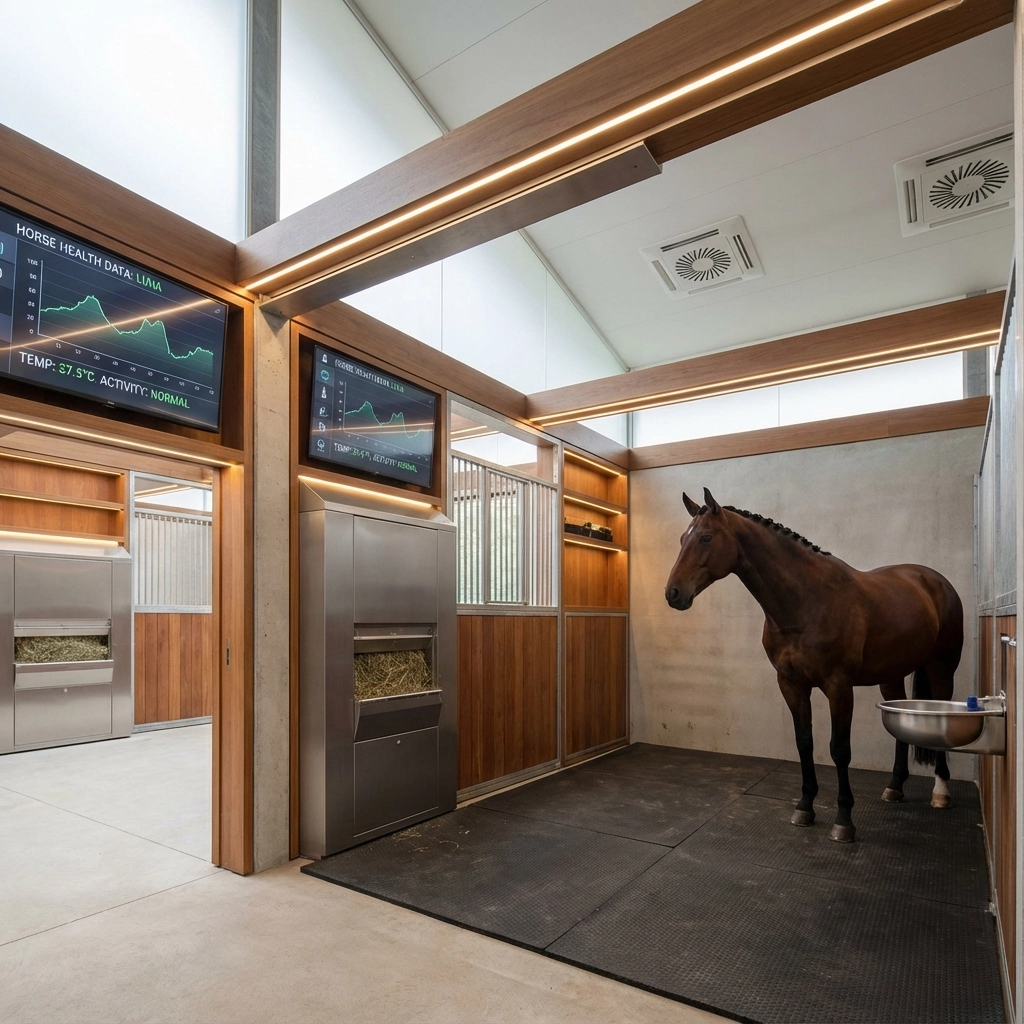
    Understanding these differences before you start looking can save months of time and prevent expensive mistakes. Both mountain and coastal plains horse properties can provide excellent equestrian experiences, but success in either environment requires matching the property characteristics to your specific needs and management capabilities.

    Whether you're drawn to misty mountain mornings or the practical advantages of level terrain, the key is understanding what you're signing up for before you fall in love with a view.


    Why Charlotte Metro Horse Properties Are Selling 40% Faster Than Rural Farms

    heroImage

    The data doesn't lie: horse properties within 45 minutes of Charlotte are spending an average of 67 days on market, compared to 112 days for similar properties in rural counties. This isn't just a temporary market quirk, it represents a fundamental shift in how buyers prioritize location versus land when shopping for equestrian properties.

    The Commuter Equestrian Revolution

    Twenty years ago, serious horse people lived in the country, period. Today's buyers are different. They're technology professionals who can work remotely, medical specialists who need hospital access, and young families who want top-rated schools alongside quality horse facilities. These buyers are driving the surge in demand for Charlotte-accessible horse properties.

    We're seeing buyers pay premium prices, often 15-20% above comparable rural properties, for horse farms in Union County, southern Mecklenburg, and northern Lancaster County. The value proposition isn't just convenience; it's lifestyle integration that allows serious horse ownership without social or professional isolation.

    The numbers support this trend. In 2023, 68% of our Charlotte metro horse property sales went to buyers relocating from other states, compared to just 34% in rural counties. These buyers typically have higher budgets and move faster when they find properties that meet their criteria.

    image_8

    Infrastructure: The Hidden Value Driver

    Rural horse properties often win on price per acre, but Charlotte metro properties deliver infrastructure advantages that justify premium pricing. Municipal water and sewer availability, high-speed internet, and reliable electricity with underground utilities create operating efficiencies that rural properties simply cannot match.

    We recently worked with a client comparing a 25-acre property in Union County versus a 40-acre farm in Montgomery County. The Union County property cost $180,000 more, but the buyer's analysis showed annual savings of $8,000 in utilities, internet, and water costs, plus significantly reduced maintenance headaches.

    Emergency services access represents another often-overlooked advantage. Large animal veterinarians can reach metro properties in 30 minutes during peak hours, compared to 60-90 minutes for remote rural locations. For buyers with valuable horses or breeding operations, this access can be worth tens of thousands of dollars in a single emergency situation.

    School Districts: The Family Factor

    Quality schools drive much of the premium pricing in Charlotte metro horse properties. Union County, in particular, offers some of the state's top-rated schools combined with agricultural zoning that supports serious horse operations. Young families are willing to pay substantially more for properties that allow them to pursue equestrian goals without compromising their children's educational opportunities.

    We've tracked this trend carefully: families with children under 18 represent 45% of Charlotte metro horse property buyers, compared to just 28% in rural areas. These families typically have higher household incomes and more urgency in their buying timelines, both factors that contribute to faster sales and premium pricing.

    The Professional Services Ecosystem

    Charlotte metro horse properties benefit from proximity to specialized professional services that support serious equestrian operations. Equine hospitals, specialty farriers, and experienced large animal veterinarians maintain denser coverage areas around the metro region.

    The concentration of equestrian professionals also creates networking opportunities that can be valuable for both amateur and professional horsemen. We see Charlotte metro buyers building relationships with trainers, veterinarians, and other horse professionals that enhance both their horses' care and their own development as horsemen.

    image_9

    Competition Access and Training Opportunities

    Major equestrian competitions increasingly favor venues with good highway access and proximity to airports for competitor convenience. Charlotte motor speedway hosts some of the largest horse shows on the East Coast, and the city's central location makes it accessible to competitors from across the Southeast.
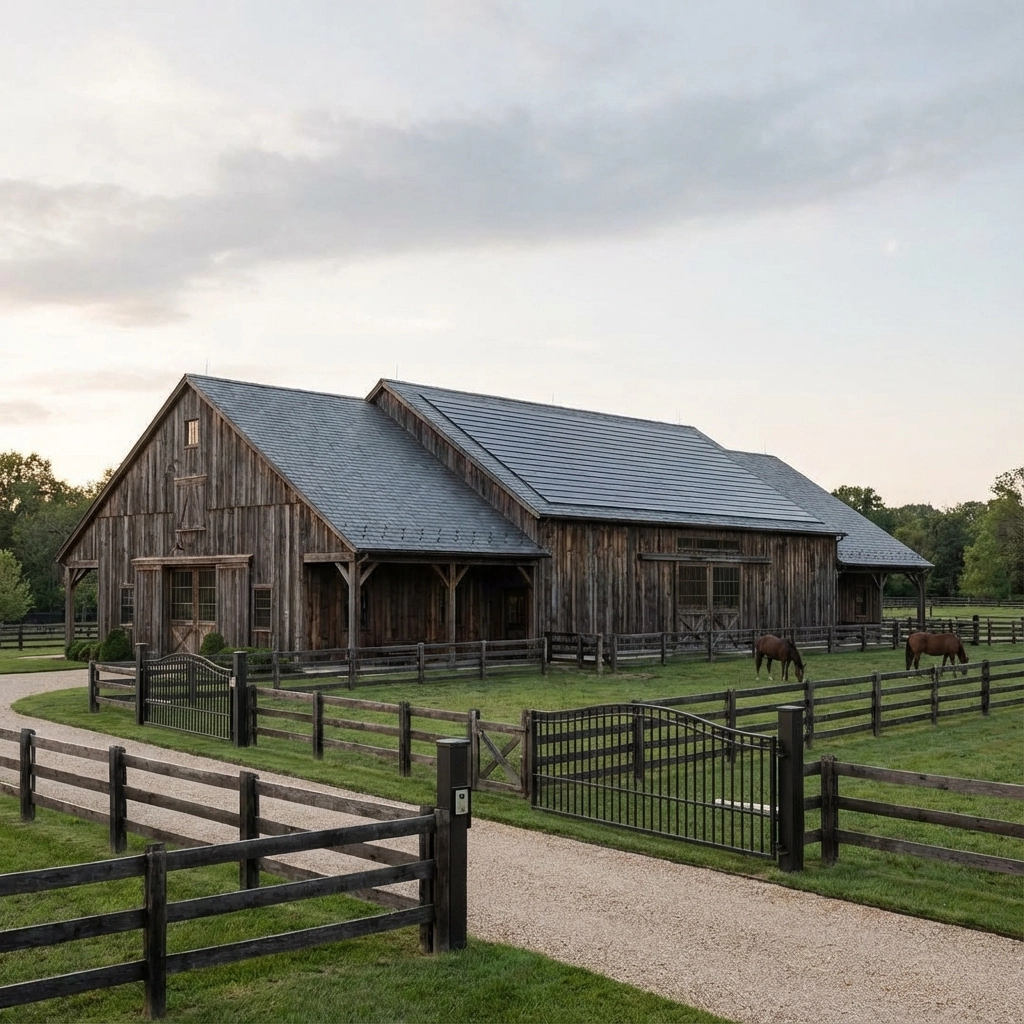
    Metro properties also provide easier access to training opportunities. While rural areas may offer peace and quiet, serious riders often benefit from proximity to multiple trainers, clinicians, and riding programs. The density of equestrian activity around Charlotte creates opportunities for continuing education that rural locations simply cannot match.

    Technology and Modern Ranch Management

    High-speed internet availability transforms how modern horse operations function. From security cameras to automated feed systems to telehealth veterinary consultations, today's horse farms increasingly rely on technology that requires reliable internet infrastructure.

    Rural properties often struggle with internet speeds that make modern ranch management difficult or expensive. Charlotte metro properties typically offer multiple high-speed internet options, often at lower costs than satellite-dependent rural alternatives.

    Smart horse owners are also using technology for marketing and business operations. Whether selling horses, advertising services, or managing online presence, reliable internet connectivity has become as important as good water and electricity for successful horse operations.

    Market Liquidity and Investment Considerations

    Charlotte metro horse properties offer significantly better market liquidity than rural alternatives. When it's time to sell, metro properties typically attract 3-4 times as many qualified buyers, leading to faster sales and more competitive bidding.

    This liquidity advantage becomes particularly important during life changes that require quick property sales. We've seen rural property owners forced to accept below-market offers due to limited buyer pools, while comparable metro properties sold at or above asking price within 60 days.

    The broader buyer pool for metro properties also provides more exit strategies. While rural horse properties primarily attract other horse enthusiasts, metro properties may appeal to developers, investors, or buyers looking for luxury rural living without specific equestrian interests.

    image_10

    The Rural Property Advantage: What You Give Up

    Rural properties still offer advantages that some buyers prioritize. Privacy levels impossible to achieve near metro areas, lower per-acre pricing, and fewer regulatory restrictions appeal to buyers who prioritize space and independence over convenience.
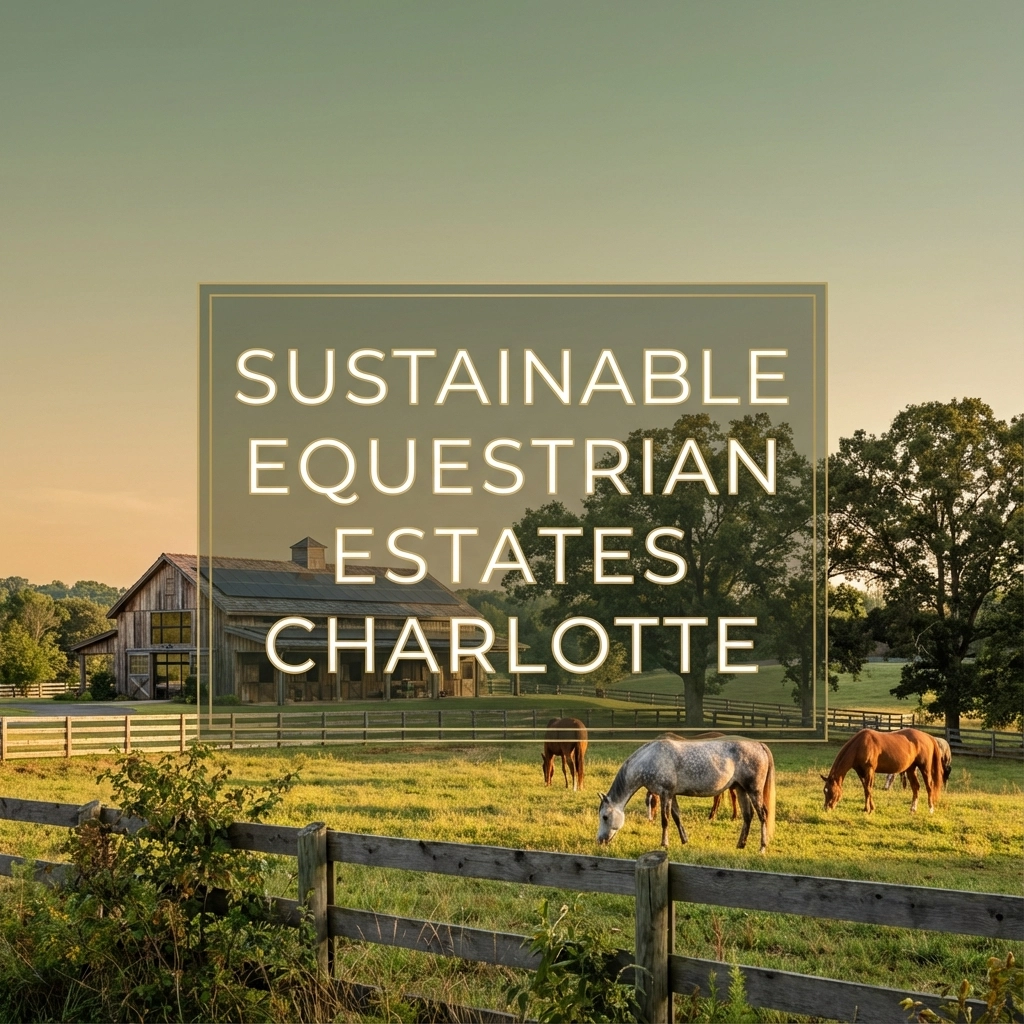
    Large-scale breeding operations, training facilities, or buyers who prefer isolation often find better value in rural locations. These properties also tend to have fewer deed restrictions and more flexibility for agricultural and business use.

    Weather patterns can also favor rural properties, particularly those at elevation that escape some of the heat and humidity that affect lower elevation metro areas during summer months.

    Making the Metro vs. Rural Decision

    For buyers considering Charlotte metro versus rural horse properties, the decision often comes down to lifestyle priorities and family situation. Metro properties work best for:

    • Families with school-age children
    • Professionals requiring reliable internet and convenient travel access
    • Competitive riders who need regular access to training and shows
    • Buyers who value convenience and don't want to compromise on services

    Rural properties appeal to buyers who prioritize:

    • Maximum acreage for their budget
    • Privacy and minimal regulatory restrictions
    • Lower operating costs and property taxes
    • Traditional agricultural lifestyle

    The market trends clearly favor metro accessibility, but individual situations vary significantly. The key is understanding what you're optimizing for before beginning your search.

    Whether you choose metro convenience or rural tranquility, success comes from aligning your property choice with your actual lifestyle needs rather than abstract preferences. Both options can provide excellent equestrian experiences, but they require different approaches to property selection and management.


    Hidden Deal Breakers: 12 Problems Most Horse Property Inspections Miss

    heroImage

    Standard home inspectors miss critical issues that can cost horse property buyers tens of thousands of dollars. After two decades of watching clients discover expensive surprises after closing, we've developed a specialized approach to horse property inspections that goes far beyond checking the barn roof and testing the well.

    Water System Complications

    Most inspectors test water quality and flow rate at the house, but horse properties require comprehensive water system evaluation. We've seen buyers discover wells that can't support automatic waterers throughout the property, water lines that freeze in multiple locations, and pressure systems inadequate for barn operations.

    The critical factors that standard inspections miss include static water level in wells during different seasons, recovery rate after high-demand periods, and water quality specifically for equine consumption. High iron content that's acceptable for human consumption can cause palatability issues for horses, leading to reduced water intake and health problems.

    Gravity-fed systems require particular attention to elevation changes, pipe sizing, and seasonal flow variations. We recommend hiring a specialist to pressure test all water lines and evaluate the system's capacity to handle simultaneous use at multiple points throughout the property.

    image_11

    Soil and Drainage Issues

    Standard inspections focus on the house foundation, but horse properties require soil evaluation throughout areas intended for pasture use. Compacted soils, poor drainage, and high clay content can create muddy conditions that make pastures unusable for months each year.

    Seasonal water table fluctuations can turn apparently solid pastures into swamps during wet periods. Properties that look perfect during dry summer inspections may be unusable during winter and spring months. We always recommend inspections during or immediately after periods of heavy rain to reveal drainage problems.

    Soil pH testing throughout pasture areas often reveals conditions that require expensive lime applications or complete reseeding to support quality grass growth. These costs can easily reach $200-300 per acre and should be factored into purchase decisions.

    Electrical System Adequacy

    Barns typically require significantly more electrical capacity than standard inspections evaluate. Modern horse operations rely on water heaters, automatic waterers, ventilation fans, and lighting systems that can overwhelm electrical systems designed for basic barn use.

    We've seen buyers discover that bringing adequate electrical service to barn areas requires trenching and new service panels that cost $15,000-25,000. Properties with old barns often have electrical systems that were adequate for hay storage but are inadequate and potentially dangerous for horse use.

    Code compliance for agricultural electrical installations differs significantly from residential standards, and many barn electrical systems were installed without permits or professional oversight. Professional electrical evaluation should include load calculations for planned horse operation use, not just existing conditions.

    Fencing Assessment and Hidden Costs

    Fencing represents one of the largest ongoing expenses for horse properties, yet standard inspections rarely evaluate fencing condition comprehensively. Board fencing that appears solid may have foundation issues, post rot, or hardware failure that requires complete replacement within 2-3 years.

    The type of fencing also impacts insurance costs and liability exposure. Some fencing materials that look attractive may not meet insurance company requirements for horse properties, leading to coverage issues or premium increases that buyers don't anticipate.

    We recommend professional fencing evaluation that includes foundation assessment, post condition throughout the property, and analysis of sight lines and potential hazards. Hidden costs often include gate hardware replacement, fence line clearing, and grading work to eliminate low spots where horses can get trapped.

    image_12

    Barn Structure and Safety

    Most inspectors check basic structural elements but miss horse-specific safety issues that can lead to serious accidents or liability problems. Ceiling height, door width, and aisle configuration that seem adequate may create dangerous conditions for horses and handlers.

    Ventilation adequacy requires specialized evaluation that considers horse respiration needs, dust control, and moisture management. Poor barn ventilation contributes to respiratory problems that can affect horse health and create ongoing veterinary expenses.

    Footing in barns and riding areas requires assessment for safety and drainage. Concrete floors without proper texturing become slippery and dangerous when wet. Wash stall drainage that appears adequate may not handle the volume of water used for horse bathing, leading to standing water and sanitation issues.

    Septic System Capacity

    Horse properties generate significantly more water usage than typical residential properties due to barn activities, horse bathing, and potentially higher occupancy during events or lessons. Standard septic evaluations don't account for these increased demands.

    Septic systems located near barn areas may face additional challenges from runoff and higher organic loads. Properties with riding arenas or round pens near septic drain fields can experience compaction that reduces system effectiveness.

    We've seen buyers discover that their septic systems require expensive upgrades or replacement to handle the demands of horse operations, particularly if they plan to offer boarding or training services that increase property usage.

    Access and Emergency Considerations

    Emergency vehicle access becomes critical for horse properties but receives little attention during standard inspections. Fire trucks, ambulances, and large animal veterinary vehicles require adequate road width, turning radius, and bridge capacity that may not be obvious during casual property tours.

    Driveway maintenance costs can be substantial on horse properties due to heavy traffic from horse trailers, delivery vehicles, and service providers. Properties with long driveways or challenging terrain may face ongoing maintenance costs that buyers don't anticipate.

    Gate and entrance configurations that work fine for personal use may be inadequate for commercial horse activities or emergency access. We've seen properties where fire departments cannot access barn areas due to narrow gates or inadequate turning space.
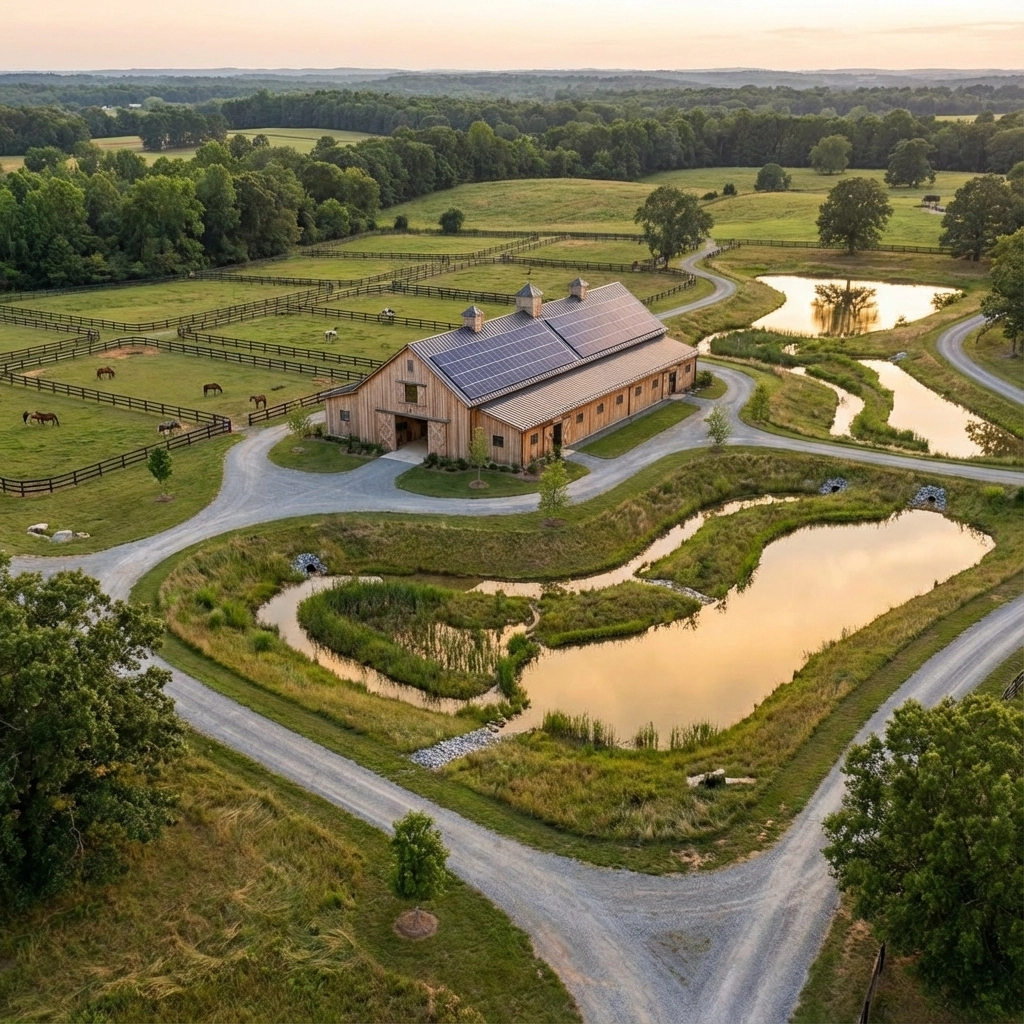
    image_13

    Environmental and Regulatory Compliance

    Many horse properties have environmental compliance issues that standard inspections don't address. Manure management, stream setbacks, and agricultural exemptions require specialized knowledge to evaluate properly.

    Properties with streams or wetlands may have deed restrictions or environmental regulations that limit barn placement, fence installation, or land use. These restrictions often aren't apparent without specialized review of environmental assessments and regulatory databases.
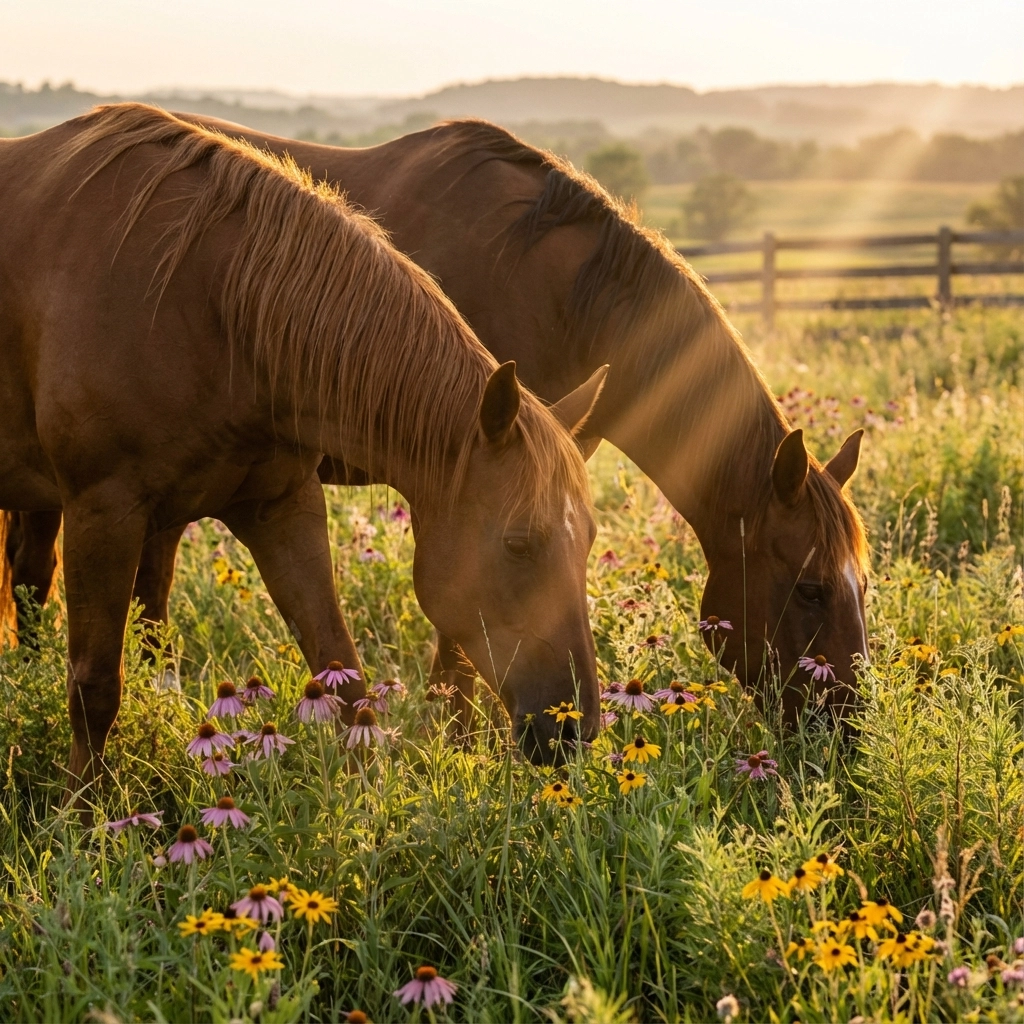
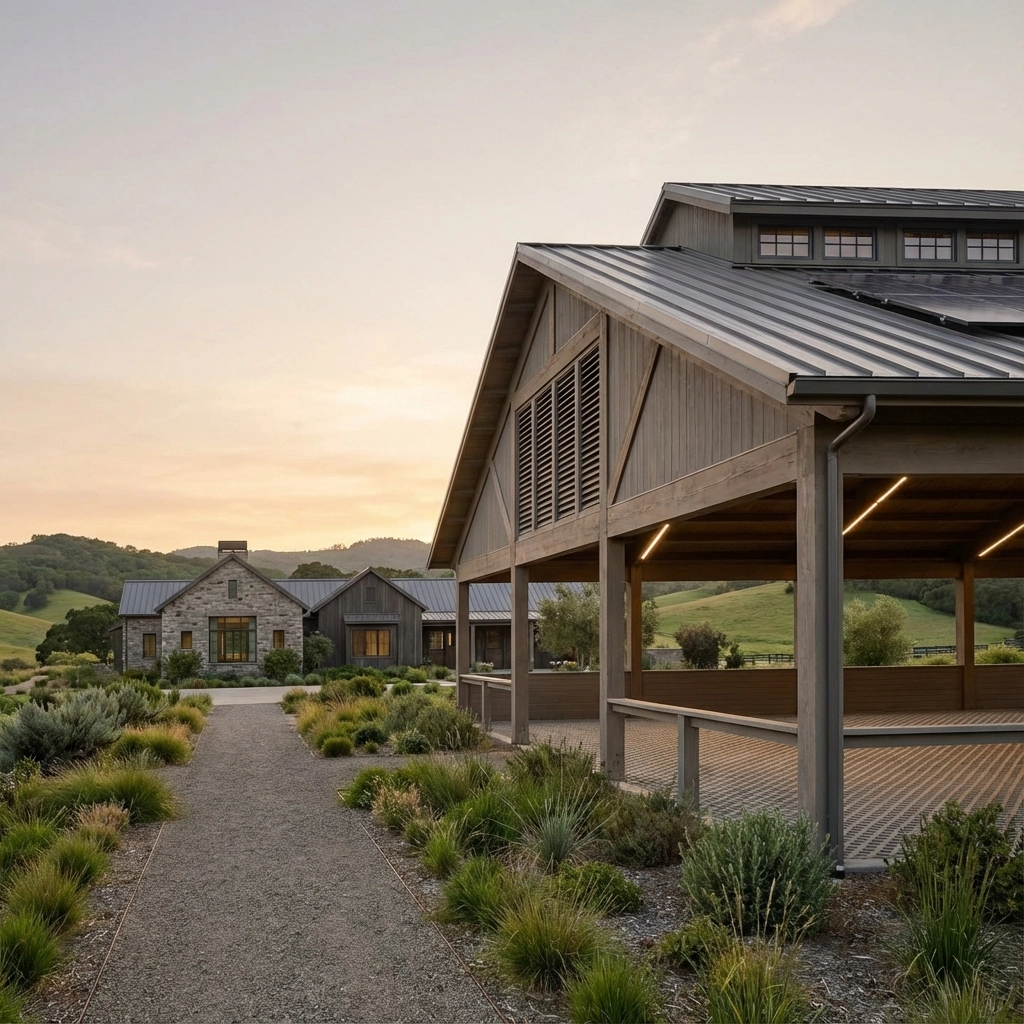
    Agricultural zoning often comes with specific requirements for minimum acreage, types of permitted structures, or limitations on business activities. Buyers planning commercial horse operations need specialized review of zoning compliance and permitted uses.

    The Solution: Specialized Horse Property Inspections

    Effective horse property evaluation requires a team approach that includes standard home inspection plus specialists in agricultural electrical systems, water system evaluation, soil assessment, and equine facility design.

    The additional cost of specialized inspections, typically $2,000-4,000, represents a fraction of the potential problems they can identify. We've seen single missed issues cost buyers $20,000-50,000 in unexpected expenses during their first year of ownership.

    The key is identifying potential problems before closing, when you have negotiating leverage to address issues or adjust pricing. Post-closing discoveries leave you with the full cost burden and no recourse against sellers.

    Smart horse property buyers build inspection costs into their budget and treat thorough evaluation as insurance against expensive surprises. The peace of mind and financial protection that proper inspections provide far outweigh the additional upfront costs.

    Whether you're buying a turnkey facility or a property that needs development, understanding exactly what you're purchasing prevents expensive mistakes and allows for accurate budgeting of improvement costs. In horse property transactions, what you don't know definitely can hurt you.


    Lake Norman Horse Properties: Why Waterfront Isn't Always Worth the Premium

    heroImage

    Lake Norman's horse properties command some of the highest prices in North Carolina, often 30-50% above comparable inland farms. But after helping dozens of clients evaluate waterfront equestrian properties, we've learned that proximity to water creates as many challenges as benefits for serious horse operations.

    The Premium Price Reality

    Waterfront horse properties around Lake Norman typically start at $25,000-35,000 per acre, compared to $8,000-15,000 for quality inland horse farms within 30 minutes. The premium reflects the scarcity of large parcels with lake access, but buyers often discover that the benefits don't justify the cost difference for practical horse keeping.

    The numbers get more extreme for properties with direct water access. We've seen 10-15 acre horse properties with lake frontage sell for $2-3 million, while comparable inland properties trade for $800,000-1.2 million. The question becomes whether the lifestyle benefits justify spending an additional $1-2 million that could otherwise buy more land, better facilities, or provide years of operational funding.

    Most buyers initially focus on the appeal of riding to the lake or the scenic beauty of water views from their barns. These are real benefits that enhance quality of life, but they come with operational challenges that many buyers underestimate.

    image_14

    Environmental Regulations and Restrictions

    Lake Norman properties face environmental regulations that significantly impact horse operations. Stream buffer requirements often limit where barns can be located, restrict pasture access to water, and complicate manure management plans.

    The 30-foot undisturbed buffer zone required around streams and lake frontage can eliminate prime barn sites or force expensive construction modifications to maintain compliance. Properties that appear to have excellent barn locations may face regulatory challenges that aren't obvious without specialized environmental review.

    Fertilizer and chemical restrictions around water bodies limit pasture management options. The herbicides and fertilizers commonly used to maintain quality horse pastures may be prohibited or restricted near lake frontage, leading to higher costs for organic alternatives or reduced pasture quality.

    Practical Water Access Challenges

    Many buyers envision horses enjoying direct access to lake water, but practical considerations often make this unrealistic. Bank stability, water quality, and liability concerns frequently require fencing that prevents horses from accessing the waterfront directly.

    Lake levels fluctuate seasonally and during drought conditions, potentially leaving shoreline areas muddy or unstable for months at a time. Properties that offer excellent water access during summer inspections may be unusable during low-water periods or wet seasons.

    We've seen buyers spend $50,000-100,000 on shoreline stabilization and access improvements only to discover that their horses prefer automatic waterers to lake access anyway. The romanticism of horses drinking from natural water sources often doesn't translate to practical daily management.

    Mosquito and Pest Pressure

    Standing water attracts mosquitoes, flies, and other pests that create significant challenges for horse comfort and health. Properties near water require more intensive fly control programs, including fans, sprays, and management practices that add to operating costs.

    The pest pressure around water also affects riding comfort and limits the hours when outdoor activities are pleasant. Evening rides that would be enjoyable on inland properties may be miserable near water during summer months due to mosquito activity.

    Some horse health issues become more prevalent in high-moisture environments. Fungal conditions, hoof problems related to constant moisture, and respiratory challenges from humidity all occur more frequently on waterfront properties.

    image_15

    Flood Risk and Insurance

    Flood insurance adds substantial costs to waterfront properties that inland farms don't face. Annual flood insurance premiums can cost $2,000-5,000 annually, and coverage limits may not adequately protect expensive barn facilities and equipment.

    Barn placement becomes critical on properties with flood risk. Barns located in flood zones may face restrictions on improvements or require elevation that significantly increases construction costs. Properties that appear safe during normal conditions may face flood risk during extreme weather events.

    We've seen clients discover that their insurance companies won't provide coverage for horses or equipment in barn areas that face flood risk, creating liability exposure that many buyers don't anticipate.

    Market Liquidity Trade-offs

    While waterfront properties often hold value well, they can be more difficult to sell than quality inland horse farms due to the limited buyer pool. The combination of high prices and specific location requirements reduces the number of qualified buyers when it's time to sell.

    Waterfront horse properties also tend to attract buyers who prioritize lifestyle over practical horse keeping, which can lead to mismatched expectations. Properties marketed primarily on waterfront access may sit on the market longer than comparable farms marketed to serious horse people.

    The seasonal nature of waterfront appeal also affects market timing. Properties often show best during spring and summer months when water activities are most attractive, potentially limiting selling seasons.

    Infrastructure and Maintenance Challenges

    Properties near water face increased maintenance challenges from humidity, moisture, and seasonal flooding. Metal roof and siding systems deteriorate faster in high-moisture environments, and electrical systems require more frequent inspection and maintenance.

    Septic systems on waterfront properties face additional regulations and potential complications from high water tables. Properties with older septic systems may require expensive upgrades to meet current standards for waterfront locations.

    Road and driveway maintenance becomes more challenging on properties with seasonal flooding or high water table issues. We've seen buyers face ongoing costs for driveway repairs and drainage improvements that weren't apparent during initial property tours.

    image_16

    When Waterfront Makes Sense

    Despite these challenges, waterfront horse properties can be excellent choices for buyers with specific priorities and adequate budgets. Properties work best for:

    • Buyers who prioritize lifestyle amenities over operational efficiency
    • Families who want to combine equestrian and water recreation activities
    • Buyers with budgets that allow premium pricing without compromising facility quality
    • Operations that can work within environmental restrictions and regulatory requirements

    The key is understanding the full cost of waterfront ownership before making the financial commitment. Successful waterfront horse property owners typically have higher operating budgets and accept higher maintenance complexity in exchange for lifestyle benefits.

    Better Alternatives for Horse Operations

    For buyers prioritizing practical horse keeping, inland properties often provide better value. Quality farms within 15 minutes of Lake Norman offer convenient water access for recreation while providing better soils, fewer regulations, and lower operating costs for serious horse operations.

    Properties on tributaries or with pond access can provide water features and recreational opportunities without the premium pricing and regulatory complexity of direct lake frontage. These alternatives often offer the best of both worlds for families who want water access without compromising their equestrian operations.

    The decision between waterfront and inland ultimately depends on whether lifestyle priorities or horse operation efficiency takes precedence. Both can provide excellent experiences, but they require different approaches to property selection and management.

    Understanding these trade-offs before you start looking prevents disappointment and ensures that your property choice aligns with your actual priorities rather than abstract preferences about waterfront living.


    The Real Cost of Organic Pasture Management: What We've Learned from 50+ NC Horse Farms

    heroImage

    After helping clients evaluate organic pasture management systems across North Carolina for the past five years, we've collected data that challenges many assumptions about the costs and benefits of chemical-free horse farm operations. The numbers reveal both surprising cost savings and hidden expenses that can make or break an organic transition.

    The Initial Investment Reality

    Converting conventional pastures to organic certification requires a three-year transition period during which yields typically decline 20-30% while input costs often increase. We've tracked properties through this process and found that the break-even point usually occurs in years four to six, assuming stable feed cost savings and premium pricing for organic hay sales.

    The upfront soil improvement costs for organic transitions average $400-600 per acre in North Carolina, compared to $150-250 per acre for conventional pasture renovation. This difference primarily reflects the cost of organic-approved soil amendments, seeds, and more intensive soil testing required for organic certification.

    However, our data shows that properties with naturally healthy soils and good drainage often achieve faster transitions with lower initial costs. Sandy loam soils in the coastal plains typically require less amendment than mountain clay soils to achieve productive organic pasture systems.

    image_17

    Labor and Management Intensity

    Organic pasture management requires approximately 40% more labor than conventional systems for comparable results. This increase comes from more frequent pasture rotation, manual weed control, and intensive monitoring required to maintain productivity without synthetic inputs.

    The learning curve represents a significant hidden cost. We've found that farm managers typically require 2-3 years to develop the skills and systems necessary for efficient organic pasture management. During this learning period, productivity often declines while labor costs increase.

    Successful organic operations typically invest in additional fencing to support more intensive rotational grazing systems. Temporary fencing systems and water distribution infrastructure can cost $200-400 per acre but are essential for the pasture rotation intensity that organic systems require.

    Feed Cost Analysis

    The most significant benefit of successful organic pasture management appears in reduced feed costs. Properties that achieve high organic pasture productivity often reduce purchased feed requirements by 30-50% compared to conventional operations with poor pasture management.

    Our cost analysis shows that horses on high-quality organic pastures require less grain supplementation due to improved nutrient density in organically managed grass. This reduction in concentrate feeding can save $500-800 per horse annually while improving digestive health and reducing colic risks.

    However, organic grain and supplement costs run 25-40% higher than conventional alternatives. Properties that cannot achieve adequate pasture productivity find themselves facing significantly higher feed costs than conventional operations.

    Soil Health and Long-term Value

    Organic management consistently improves soil health metrics over time. We've documented improvements in soil organic matter, water infiltration rates, and biological activity that translate to increased property values and reduced long-term management costs.

    Properties managed organically for five years or longer typically show improved drought resistance and require less irrigation during dry periods. The enhanced soil organic matter and biological activity create systems that are more resilient to weather extremes.

    The improved soil health also supports higher stocking rates over time. While initial organic transitions often require reduced stocking, mature organic systems often support equal or higher horse densities than conventional pastures due to improved grass productivity and soil health.

    image_18

    Horse Health Outcomes

    Our veterinary cost analysis reveals significant differences between horses managed on organic versus conventional pastures. Properties using organic management report 25-35% fewer digestive issues, respiratory problems related to dust and chemical exposure, and skin conditions.

    Hoof health improvements represent one of the most consistent benefits we've observed. Horses on organic pastures show better hoof quality, fewer thrush problems, and reduced need for corrective trimming or shoeing related to poor horn quality.

    However, parasite management requires more intensive monitoring and alternative strategies that can increase veterinary consultation costs during the learning phase. Successful organic operations typically develop integrated pest management approaches that are equally effective but require more management skill.

    Environmental and Regulatory Benefits

    Organic properties qualify for various environmental incentive programs that can offset transition costs. USDA conservation programs often provide cost-share funding for practices that support organic certification, including fencing, water systems, and soil improvement projects.

    Properties near water bodies or in watershed protection areas often face fewer regulatory restrictions under organic management due to reduced chemical inputs. This regulatory advantage can simplify expansion plans and reduce compliance costs over time.

    The environmental benefits also translate to improved relationships with neighbors and local communities. Organic properties typically face fewer complaints about odors, water quality impacts, or chemical drift that can complicate rural property ownership.

    Market Value and Exit Strategy

    Organic certification adds measurable value to horse properties, particularly in markets with environmentally conscious buyers. Certified organic farms typically command 10-15% premium pricing due to the demonstrated soil health and sustainable management systems.

    The certification also appeals to a growing segment of horse owners who prioritize natural management approaches. This expanded buyer pool can reduce marketing time and create competitive bidding situations when selling organic properties.

    However, maintaining certification requires ongoing compliance costs and record-keeping that some buyers view as burdensome. Properties must transfer certification to new owners who commit to maintaining organic standards, which can limit the buyer pool in some markets.

    image_19

    Regional Success Factors

    Coastal plains properties with sandy soils often achieve faster organic transitions and require lower input costs due to naturally better drainage and soil biological activity. These properties typically see positive cash flow from organic management within 3-4 years.

    Mountain properties with clay soils face longer transition periods but often achieve more dramatic soil health improvements. These properties may require 5-6 years to reach optimal productivity but create highly resilient systems once established.

    Rainfall patterns significantly impact organic system success. Properties receiving 40+ inches annually typically perform better under organic management, while properties in drier regions may require irrigation systems that increase operational complexity.

    Financial Planning for Organic Transition

    Successful organic transitions require adequate capital reserves to manage the 3-5 year transition period. We recommend budgeting for 20-30% higher operational costs during transition years while planning for 20-30% lower yields until systems mature.

    Cash flow management becomes critical during transition periods. Properties generating income from boarding, training, or hay sales may need alternative revenue sources during years when pasture productivity is reduced but input costs are elevated.

    The long-term financial benefits of organic management typically justify the initial investment for operations planning to maintain horses on the property for 10+ years. Shorter-term ownership may not provide adequate time to recoup transition costs.

    Making the Organic Decision

    Organic pasture management works best for buyers who prioritize long-term sustainability, environmental stewardship, and horse health over short-term cost minimization. The system requires higher management skill, more labor investment, and patience during the transition period.

    Properties with naturally healthy soils, adequate rainfall, and owners committed to learning intensive management techniques typically achieve excellent results with organic systems. Properties with poor soils, drainage issues, or owners looking for low-maintenance systems may be better served by conventional management approaches.

    The key to success lies in understanding both the challenges and benefits before beginning the transition. Organic pasture management can create healthier horses, improved soil, and higher property values, but only for owners prepared to invest the time, money, and management attention that successful systems require.


    Equestrian Estate Taxes in North Carolina: Agricultural Exemptions That Actually Work

    heroImage

    North Carolina's agricultural exemption program can reduce property taxes on qualified horse farms by 80-95%, but the requirements have become increasingly strict. After helping hundreds of clients navigate the application and qualification process, we've identified the strategies that consistently work and the common mistakes that lead to costly rejections.

    The Numbers: Why Agricultural Exemptions Matter

    The tax savings from agricultural exemptions become dramatic on larger properties. A 50-acre horse farm in Union County might face annual property taxes of $15,000-20,000 without agricultural exemption, compared to $1,500-3,000 with approved exemption status. Over a 10-year ownership period, the savings easily exceed $100,000.

    These savings compound over time as property values appreciate. Properties without agricultural exemptions face tax increases as values rise, while exempted properties maintain low agricultural valuations regardless of development pressure or market appreciation in surrounding areas.

    The exemption also provides protection against forced sales due to property tax increases. We've seen non-exempted rural properties become impossible to maintain as surrounding development drives tax assessments beyond the carrying capacity of agricultural operations.

    image_20

    Current Income Requirements and Documentation

    The most common exemption failure occurs when applicants cannot demonstrate adequate agricultural income relative to property value. Current North Carolina requirements mandate that agricultural operations generate gross income of at least $1,000 annually plus an additional $0.50 per $1,000 of assessed land value.

    For a property assessed at $500,000, the agricultural operation must generate $1,250 annually in gross income. This calculation excludes residential improvements, focusing only on land and agricultural building values. Properties with expensive homes may qualify more easily because residential value doesn't factor into the income calculation.

    Documentation requirements have become increasingly stringent. Tax returns, sales receipts, boarding agreements, and detailed operation records must clearly demonstrate agricultural activity and income. Casual or hobby-level horse activities rarely meet current documentation standards.

    Horse Operations That Qualify Consistently

    Boarding operations represent the most straightforward path to agricultural exemption for horse properties. Monthly boarding fees create clear income documentation and ongoing business activity that satisfies review requirements. Properties with 8-10 horses in paid board typically generate adequate income for exemption qualification.

    Training and lesson programs also qualify effectively if properly documented. Professional training operations with regular clients, lesson schedules, and clear fee structures demonstrate commercial agricultural activity. However, informal or family-only activities don't meet commercial operation requirements.

    Hay production and sales provide another viable qualification path, particularly for properties with adequate acreage and equipment. Properties producing 100+ bales annually for sale can often demonstrate sufficient income, though market price fluctuations can affect year-to-year qualification.

    Business Structure Requirements

    Agricultural exemptions require legitimate business operations with proper record-keeping, tax reporting, and business licenses where applicable. Casual horse activities or personal use properties don't qualify regardless of income levels generated.

    Limited liability companies or other business entities can strengthen exemption applications by demonstrating serious commercial intent. However, the business structure must have substance beyond tax planning, with actual operations and business purposes clearly documented.

    Professional bookkeeping and separate business bank accounts help demonstrate legitimate agricultural operations. Commingled personal and business expenses or poor record-keeping often lead to exemption denials even when adequate income exists.

    image_21

    Land Use and Acreage Considerations

    Minimum acreage requirements vary by county, but most require at least 10 acres for horse operations to qualify for agricultural exemptions. Smaller properties may qualify if they demonstrate intensive agricultural use and adequate income generation.

    Land use must be primarily agricultural, with residential use occupying minimal acreage relative to total property size. Properties with large home sites or extensive landscaping may face challenges proving agricultural primacy even if they meet income requirements.

    Pasture management and maintenance demonstrate ongoing agricultural activity. Properties with well-maintained fencing, proper pasture rotation, and evidence of regular agricultural activities strengthen exemption applications significantly.

    Common Application Mistakes

    Applicants frequently fail to understand that exemptions apply to future tax years, not retroactively. Late applications result in full taxation for the current year even if subsequent years qualify for exemption. Timing applications for submission before annual deadlines prevents costly delays.

    Inadequate income documentation represents the most frequent cause of exemption denials. Applicants must demonstrate not just agricultural income, but commercial agricultural operation with business intent rather than personal enjoyment or hobby activities.

    Property owners often assume that owning horses automatically qualifies properties for agricultural exemptions. Personal horse ownership without commercial activity, income generation, or business operation doesn't meet exemption requirements regardless of the number of horses maintained.

    Professional Services and Validation

    Working with agricultural tax specialists or extension agents familiar with exemption requirements can significantly improve application success rates. Professional review of operations and documentation before application submission identifies potential problems while solutions remain possible.

    Veterinary records, feed purchases, and farm supply receipts help document ongoing agricultural operations even when direct income may be limited. These records demonstrate commercial intent and operational expenses that support exemption applications.

    Agricultural operation plans and business documentation strengthen applications by demonstrating forward-looking commercial activity rather than casual or sporadic horse-related activities.

    image_22

    Maintaining Exemption Status

    Once granted, agricultural exemptions require ongoing compliance and annual reporting to maintain qualification. Changes in operation, reduced activity, or failure to meet ongoing income requirements can result in exemption loss and tax penalties.

    Properties sold or inherited must re-qualify for exemptions under new ownership. Exemption status doesn't automatically transfer, and new owners must demonstrate their own qualifying agricultural operations.

    Periodic county reviews evaluate ongoing exemption eligibility. Properties must maintain documentation and be prepared to demonstrate continued agricultural activity during review periods.

    Alternative Property Tax Strategies

    Properties that cannot qualify for agricultural exemptions may benefit from other tax reduction programs. Forest land classification, conservation easements, or historic property designations can provide alternative tax benefits for qualifying properties.

    Present use value taxation provides another option for properties maintaining agricultural or forest use without meeting income requirements for agricultural exemptions. While savings are typically lower, this program offers more flexible qualification criteria.

    Planning for Exemption Success

    Properties purchased for agricultural use should establish qualifying operations immediately rather than waiting for development or future planning. Early establishment of agricultural activities strengthens exemption applications and provides baseline documentation for ongoing compliance.

    Buyers should evaluate exemption potential before purchase, as some properties may face physical or regulatory challenges that prevent qualification regardless of operational planning. Properties with development restrictions, inadequate size, or infrastructure limitations may not support qualifying agricultural operations.

    Working with realtors experienced in agricultural properties and tax professionals familiar with exemption requirements helps ensure that property purchases align with agricultural exemption strategies from day one.

    Understanding both the benefits and requirements of agricultural exemptions allows horse property owners to make informed decisions about operations, documentation, and compliance strategies that can save tens of thousands of dollars annually in property taxes while supporting legitimate agricultural activities.


    Aiken vs. Tryon vs. Middleburg: The Great Southeastern Horse Town Comparison

    heroImage

    After helping clients relocate between all three of these legendary horse communities, we've developed deep insights into how they compare for different types of equestrian buyers. Each destination offers distinct advantages, but the choice often comes down to lifestyle priorities, competitive goals, and budget considerations that aren't immediately obvious to newcomers.

    Cost of Living and Property Values

    Aiken offers the most affordable entry point among the three markets. Quality horse properties start around $8,000-12,000 per acre, with excellent facilities available in the $800,000-1.5 million range. The lower property taxes and cost of living create ongoing operational advantages that compound over years of ownership.

    Middleburg commands premium pricing that reflects its proximity to Washington D.C. and established reputation. Similar properties cost 40-60% more than Aiken equivalents, with quality horse farms starting around $15,000-20,000 per acre. The premium reflects both land scarcity and buyer demographics that can afford higher prices.

    Tryon falls between the two, with recent appreciation driven by TIEC's success. Properties have increased 25-35% since 2018, but still offer better value than Middleburg for buyers seeking mountain settings and world-class competition access.

    image_23

    Climate and Riding Conditions

    Aiken's moderate climate allows year-round outdoor riding with minimal weather-related disruptions. Winter temperatures rarely drop below freezing, and summer heat is manageable with proper timing. The sandy soil drains quickly after rain, extending usable riding days throughout the year.

    Tryon's mountain elevation provides excellent summer temperatures but brings winter weather that limits riding during ice storms and extended freezing periods. The dramatic seasonal changes appeal to some buyers but require more careful facility planning and winter management strategies.

    Middleburg experiences true four-season weather with beautiful fall colors but significant winter limitations on outdoor activities. The clay soils common in Virginia can become muddy and unusable during wet periods, requiring more sophisticated drainage and footing systems.

    Competition and Training Opportunities

    All three markets offer excellent competition access, but the focus differs significantly. Aiken specializes in eventing and dressage with a strong tradition of winter training programs. The annual steeplechase and numerous recognized competitions create consistent high-level competition opportunities.

    Tryon has emerged as a multi-discipline powerhouse since TIEC's opening. The facility hosts everything from hunter/jumper shows to rodeos, attracting diverse participants and creating opportunities across disciplines. The year-round competition schedule and world-class facilities rival any destination globally.

    Middleburg maintains its reputation for traditional hunt seat disciplines, with numerous trainer barns and consistent access to major East Coast competitions. The proximity to Maryland and Pennsylvania venues provides extensive competition circuits for hunter/jumper riders.

    Community Culture and Social Life

    Aiken preserves a traditional Southern horse community atmosphere with established families, historic properties, and cultural institutions. The polo club, golf courses, and social organizations create opportunities for community involvement beyond equestrian activities.

    Tryon represents the newest and most rapidly evolving community culture. TIEC has attracted an international mix of competitors and horse enthusiasts, creating a more cosmopolitan atmosphere than traditional horse towns. The resort amenities and year-round events appeal to buyers seeking active social lives.

    Middleburg offers sophisticated cultural amenities reflecting its proximity to Washington D.C. Art galleries, fine dining, and cultural events attract buyers who want small-town horse community living with access to metropolitan amenities.

    image_24

    Professional Services and Infrastructure

    All three markets provide excellent equestrian professional services, but the depth varies by specialty. Aiken offers particular strength in eventing and dressage instruction, with internationally recognized trainers maintaining winter programs. Veterinary services and farrier availability are excellent and competitively priced.

    Tryon's professional services have expanded rapidly to support TIEC operations. The concentration of international competitors has attracted top-level trainers, veterinarians, and support services. However, the rapid growth means some services may be oversubscribed during peak competition periods.

    Middleburg benefits from proximity to major metropolitan areas and established infrastructure. Professional services are readily available but may command premium pricing due to the affluent local market and high demand from D.C.-area clients.

    Airport Access and Travel Convenience

    Middleburg wins clearly for travel convenience, with three major airports within 90 minutes and excellent highway access for domestic travel. Business travelers and frequent competitors appreciate the transportation advantages that reduce travel time and costs.

    Tryon offers reasonable access to Charlotte and Greenville airports within 90 minutes, but limited options for international travel or complex itineraries. The mountain location creates beautiful settings but adds travel time for most destinations.

    Aiken requires travel to Columbia, Augusta, or Charleston for airline service, adding 60-90 minutes to most trips. However, the central location between major southeastern cities provides good highway access for regional travel with horses.

    Investment and Appreciation Potential

    Middleburg offers the strongest investment fundamentals due to land scarcity, proximity to Washington D.C., and consistent buyer demand from high-income demographics. Properties typically maintain value well and appreciate steadily, though current high prices may limit future appreciation potential.

    Tryon represents the highest growth potential due to TIEC's continued development and increasing international recognition. Properties purchased before major appreciation may provide excellent returns, though current buyers face higher entry costs and greater market volatility.

    Aiken provides stable, modest appreciation with excellent ongoing affordability. The established community and reasonable property costs create good value for buyers prioritizing lifestyle over investment returns.

    image_25

    Family and Educational Considerations

    Middleburg offers excellent schools and family amenities, with proximity to Virginia's strong educational system and Washington D.C. cultural institutions. Families appreciate the combination of rural living and educational opportunities.

    Tryon provides good local schools and access to Asheville's cultural amenities, but fewer educational options than metropolitan areas. Families often choose the area for lifestyle rather than educational advantages.

    Aiken offers reasonable schools and family amenities at lower costs than other markets. The stable community and affordable living costs appeal to families seeking traditional Southern small-town life.

    Making the Right Choice

    The decision between these three markets often comes down to personal priorities:

    Choose Aiken if you prioritize: Affordability, year-round riding weather, traditional horse community culture, eventing and dressage focus.

    Choose Tryon if you prioritize: Mountain scenery, world-class facilities, multi-discipline opportunities, emerging community with growth potential.

    Choose Middleburg if you prioritize: Proximity to urban amenities, traditional hunt seat disciplines, established community with metropolitan access, strong investment fundamentals.

    Each market can provide excellent equestrian experiences, but success depends on matching the community characteristics to your actual lifestyle needs, competitive goals, and financial priorities. Visiting all three markets during different seasons and speaking with current residents provides the best foundation for making this important decision.

    Understanding these differences before beginning your search prevents expensive mistakes and ensures that your choice aligns with your long-term equestrian and lifestyle goals rather than abstract preferences about any particular location.


    The Hidden Costs of Horse Farm Utilities: What First-Time Buyers Always Underestimate

    heroImage

    After watching dozens of first-time horse property buyers get shocked by their first-year utility costs, we started tracking actual expenses across different property types and sizes. The results reveal systematic underestimation of utility costs that can derail budgets and force operational changes that buyers never anticipated.

    Electrical: The Biggest Shock

    First-time buyers typically budget $200-400 monthly for electricity based on residential experience. Reality for active horse operations runs $600-1,200 monthly, with winter heating and summer ventilation creating extreme peak demand periods.

    Automatic waterers alone can add $150-250 to monthly electrical bills during winter months when heating elements run continuously. Properties with 6-8 waterers often see electrical bills spike to $800-1,000 during extended freezing periods, costs that many buyers never consider during purchase planning.

    Barn lighting for winter turnout and indoor arena lighting for year-round riding create baseline electrical loads that far exceed residential assumptions. Properties with lighted outdoor arenas face additional costs of $300-500 monthly just for arena lighting during peak usage periods.

    image_26

    Water: More Complex Than You Think

    Well water appears free until buyers discover the electrical costs of pumping, pressure tank maintenance, and water quality treatment systems. Properties with multiple barn areas often require booster pumps, storage tanks, and distribution systems that significantly increase operational complexity and costs.

    Water testing and treatment represent ongoing costs that many buyers don't anticipate. Iron, sulfur, and bacterial contamination common in rural wells require filtration systems that cost $200-500 annually to maintain, plus periodic system replacement every 5-7 years.

    Municipal water eliminates well maintenance but creates usage costs that can be substantial for horse operations. Properties using municipal water for barn operations often face bills of $300-600 monthly during summer months when pasture irrigation becomes necessary.

    Internet and Communications

    High-speed internet has become essential for modern horse operations, from security camera systems to business operations to telehealth veterinary consultations. Rural properties often face limited options with higher costs and lower reliability than urban alternatives.

    Satellite internet services can cost $100-200 monthly with data limitations that restrict business operations and property security systems. Properties that cannot access cable or fiber internet may require expensive cellular boosters or fixed wireless services that add $200-400 to monthly communications costs.

    Security camera systems increasingly rely on internet connectivity for remote monitoring and cloud storage. Properties with multiple barn areas may require professional networking equipment and installation that costs $3,000-5,000 initially plus ongoing internet service capable of supporting multiple high-definition cameras.

    Propane and Heating Fuel

    Horse properties typically use significantly more propane than residential properties due to barn heating, water heating, and equipment operations. Automatic waterers, wash stalls, and indoor arena heating can consume 200-500 gallons monthly during peak winter periods.

    The logistics of propane delivery to rural properties also create efficiency costs. Smaller delivery minimums, rural delivery charges, and seasonal price fluctuations can increase propane costs 20-30% above suburban residential rates.

    Properties with heated indoor arenas face particularly high heating costs during winter months. A 200' x 100' indoor arena can require 1,000-2,000 gallons of propane monthly to maintain comfortable temperatures, creating utility bills of $2,000-4,000 during peak winter months.

    image_27

    Waste Management and Septic

    Horse properties generate significantly more wastewater than typical residential properties due to barn activities, horse bathing, and potentially higher human occupancy during events or lessons. Standard septic systems may require pumping every 1-2 years instead of every 3-5 years for residential use.

    Grease trap maintenance for wash stalls and feed rooms creates additional costs that many buyers don't anticipate. Commercial-grade grease traps require quarterly pumping and annual maintenance that can cost $800-1,200 annually.

    Properties using septic systems also face restrictions on cleaning products and medications that may affect system operation. Switching to septic-safe products often increases ongoing costs for barn cleaning and maintenance supplies.

    Garbage and Recycling

    Rural properties often lack municipal garbage collection, requiring private service or self-hauling to disposal facilities. Horse operations generate significantly more waste than residential properties, from feed bags to medical waste to manure disposal.

    Dumpster service for horse properties typically costs $150-300 monthly for adequate capacity, plus additional costs for hazardous waste disposal and recycling services. Properties hosting events or lessons may require larger containers or more frequent pickup that increases costs substantially.

    Emergency Generator Systems

    Power outages affect horse operations more severely than residential properties due to automatic waterer systems, barn ventilation, and security systems that are critical for horse health and safety. Quality generator systems represent significant initial and ongoing costs that many buyers underestimate.

    Whole-farm generator systems adequate for horse operations cost $15,000-40,000 installed, plus annual maintenance costs of $800-1,200 and fuel costs during outages. Portable generators provide limited capabilities and may not protect critical systems during extended outages.

    Seasonal Cost Variations

    Monthly utility costs on horse properties can vary by 300-400% between peak and off-peak periods. Summer irrigation and winter heating create extreme demand periods that require careful budgeting and cash flow management.

    Properties in mountain areas face particularly extreme seasonal variations due to elevation effects on temperature and the need for freeze protection systems. Buyers from moderate climate areas often underestimate the winter utility costs in mountain regions.

    Cost-Effective Strategies

    Solar power systems can significantly reduce electrical costs for horse operations, particularly for properties with large roof areas suitable for solar installation. Systems sized for farm operations often pay for themselves within 7-10 years while providing long-term cost stability.

    Energy-efficient barn design and equipment can reduce ongoing utility costs substantially. LED lighting, efficient ventilation systems, and proper insulation create ongoing savings that justify higher initial construction costs.

    Water conservation systems including rainwater collection and greywater recycling can reduce both water usage costs and septic system demands. Properties designed with water efficiency create lower ongoing operational costs.

    Budgeting for Utility Reality

    First-time horse property buyers should budget 1.5-2 times their estimated utility costs to account for learning curve effects and seasonal variations. Properties with incomplete utility information should be evaluated conservatively to prevent cash flow problems during the first year of ownership.

    Professional energy audits before purchase can identify potential utility cost issues and efficiency improvement opportunities. The cost of pre-purchase utility evaluation often pays for itself in avoided surprises and improved negotiating positions.

    Understanding actual utility costs allows buyers to make informed decisions about property selection, operational planning, and ongoing budget management. Rural horse properties require different utility planning than residential properties, and success depends on budgeting for this reality rather than hoping for residential-equivalent costs.

    Whether you're evaluating your first horse property or upgrading to a larger operation, accurate utility cost planning prevents financial surprises and allows for sustainable long-term operation planning that supports your equestrian goals without breaking your budget.


    Why Some Horse Farms Stay on the Market for 500+ Days (And How to Avoid Buying One)

    heroImage

    Properties that sit on the market for extended periods often have fundamental problems that aren't immediately obvious to buyers. After analyzing dozens of horse farms that struggled to sell, we've identified the warning signs that reveal why some properties languish while others sell quickly, often at higher prices.

    Pricing Disconnected from Market Reality

    The most common cause of extended market time is pricing that ignores comparable sales and local market conditions. Sellers often price based on emotional attachment, original purchase price plus improvements, or unrealistic expectations about property appreciation rather than current market values.

    Horse properties face particular pricing challenges because improvements may not add dollar-for-dollar value. Custom barns, indoor arenas, and specialized facilities often cost more to build than they add to market value, creating disconnect between seller expectations and buyer willingness to pay.

    We've tracked properties where sellers reduced prices multiple times over 18-24 months, ultimately accepting offers below the price that would have sold the property quickly in the first place. The carrying costs, maintenance, and marketing expenses often exceed the difference between initial asking and final selling prices.

    Major Infrastructure Problems

    Properties with significant infrastructure issues often stay on the market while sellers hope to find buyers willing to accept problems rather than investing in solutions. Well water issues, septic system failures, and electrical system inadequacies can kill deals repeatedly until properly addressed.

    The most problematic properties have multiple system issues that create cascading problems. A property with well problems, septic issues, and aging electrical systems may require $50,000-100,000 in immediate investments that few buyers are prepared to undertake.

    Sellers who refuse to address infrastructure problems often price properties below market value to compensate, but many buyers prefer paying full price for problem-free properties rather than dealing with renovation complexities and unknown costs.

    Location and Access Issues

    Remote properties with difficult access often struggle to attract buyers despite attractive pricing. Long gravel driveways, steep grades, or seasonal access limitations can deter buyers who prioritize convenience and year-round accessibility.

    Properties with poor highway access face particular challenges if buyers plan to travel frequently to competitions or need regular access for business purposes. An additional 30-45 minutes of travel time can eliminate significant portions of the buyer pool.

    Proximity to negative land uses like industrial facilities, major highways, or incompatible agricultural operations can create permanent marketing challenges that pricing alone cannot overcome.

    Regulatory and Legal Complications

    Properties with zoning violations, deed restrictions, or regulatory compliance issues often face extended market times while legal complications are resolved. Agricultural exemption problems, environmental violations, or unpermitted improvements can create delays that extend market time indefinitely.

    Boundary disputes, easement conflicts, or unclear property rights create title issues that prevent closings even when buyers are willing to purchase. These legal complications often require months or years to resolve while properties remain on the market.

    Properties in HOA communities with restrictive covenants that limit horse activities face limited buyer pools and extended market times. Buyers specifically seeking horse properties often eliminate these properties early in their search processes.

    Poor Property Presentation

    Properties that photograph poorly or lack professional marketing often struggle to attract initial buyer interest. Poor lighting, cluttered spaces, or inadequate photography can eliminate buyer interest before properties receive serious consideration.

    Maintenance issues that suggest poor property care create negative first impressions that are difficult to overcome. Peeling paint, broken fencing, overgrown landscaping, or equipment scattered throughout the property signal potential problems that many buyers prefer to avoid.

    Properties that haven't been properly staged or prepared for sale often show poorly during tours, even if the underlying facilities are excellent. Buyers form opinions quickly during property tours, and poor presentation can eliminate serious consideration.

    Overbuilt or Underbuilt for the Market

    Properties with facility levels that don't match local market expectations often struggle to find appropriate buyers. Extremely high-end facilities in moderate-income markets may attract few qualified buyers, while minimal facilities in competitive markets may not meet buyer expectations.

    Custom facilities designed for specific disciplines may limit buyer pools to those with identical interests. Properties built exclusively for racing, driving, or other specialized activities often struggle to attract broader equestrian market segments.

    Properties with incomplete facility development often face challenges from buyers who want turnkey operations and sellers who cannot justify additional investment. Half-finished projects create uncertainty about completion costs and timeline.

    Unrealistic Seller Expectations

    Sellers who are unwilling to negotiate on price, terms, or timing often extend market time unnecessarily. Inflexible sellers miss opportunities to close sales with qualified buyers who might accept reasonable compromises.

    Sellers who refuse to provide normal seller concessions or address inspection items may lose multiple potential sales. Horse property buyers often have specific requirements that sellers must accommodate to complete transactions successfully.

    Properties where sellers are not genuinely motivated to sell often show signs of half-hearted marketing efforts that buyers can sense. Sellers who are "testing the market" rather than committed to selling often price properties optimistically and refuse reasonable offers.

    Market Timing and Seasonal Factors

    Properties listed during poor timing windows often struggle to attract buyers. Horse properties typically show best during spring and early summer when weather is favorable and buyers are

  • Looking For Charlotte Equestrian Properties? Here Are 10 Things You Should Know Before You Buy

    Looking For Charlotte Equestrian Properties? Here Are 10 Things You Should Know Before You Buy

    Charlotte's equestrian real estate market offers exceptional opportunities for horse enthusiasts, from intimate 2-acre training facilities to sprawling 200-acre breeding operations. However, buying equestrian property requires specialized knowledge that goes far beyond traditional real estate considerations.

    As horse people first and real estate professionals second, we've guided hundreds of equestrian families through Charlotte-area property acquisitions. These ten essential considerations will help you make an informed decision and avoid costly mistakes that could impact both your horses and your investment.

    1. Understand Mecklenburg County's Agricultural Zoning Requirements

    Charlotte-area equestrian properties fall under specific agricultural zoning classifications that directly impact what you can and cannot do with your land. Most horse properties require Agricultural (AG) zoning, which typically mandates minimum acreage requirements and restricts commercial activities.

    Mecklenburg County requires agricultural properties to maintain their farming status through documented agricultural use. This means you'll need to demonstrate legitimate farming activity: whether through horse boarding, breeding, or crop production: to maintain your agricultural tax assessment and zoning compliance.

    Before making an offer, verify the property's current zoning and any deed restrictions that might limit your intended use. Some developments have HOA covenants that restrict the number of horses per acre or prohibit certain equestrian activities entirely.

    2. Evaluate Water Access and Quality for Your Horses

    Reliable water access ranks among the most critical factors for equestrian property success. Charlotte-area properties typically rely on either municipal water connections or private wells, each presenting unique considerations for horse operations.

    image_1

    Private wells offer independence but require regular testing for nitrates, bacteria, and mineral content that could affect horse health. High iron content, common in North Carolina groundwater, can cause palatability issues and digestive problems for sensitive horses.

    Municipal water connections provide consistent quality but often come with usage restrictions during drought conditions. Some properties combine both systems, using wells for irrigation and municipal water for drinking: a setup that provides both cost savings and backup security.

    Consider your total water needs carefully. A typical horse consumes 5-10 gallons daily, plus additional water for stall cleaning, arena maintenance, and automatic waterers during winter months.

    3. Assess Soil Conditions and Drainage Patterns

    Charlotte's clay-heavy soil presents both opportunities and challenges for equestrian properties. While clay soil provides excellent foundation support for barns and arenas, it also creates drainage challenges that can lead to muddy paddocks and erosion issues.

    Professional soil testing reveals pH levels, nutrient content, and drainage characteristics essential for pasture management. Most horse properties benefit from soil pH between 6.0-7.0 for optimal grass growth and nutrient absorption.

    Drainage patterns across the property determine where you can safely locate paddocks, arenas, and buildings. Poor drainage creates mud problems that increase hoof disease risk and limit turnout options during wet seasons.

    Consider hiring an agricultural consultant to evaluate soil suitability for your specific discipline. Dressage operations need different footing conditions than trail riding facilities, and soil composition directly impacts arena construction costs.

    4. Plan for Barn and Arena Placement Strategy

    Strategic facility placement maximizes both functionality and property value while minimizing construction costs. Elevation changes, prevailing wind patterns, and proximity to utilities all influence optimal barn positioning.

    image_2

    Position barns with southern exposure when possible to maximize natural lighting and warmth during winter months. However, avoid placing barns in low-lying areas where moisture accumulates and creates ventilation challenges.

    Arena placement requires careful consideration of drainage, sun angles, and wind patterns. East-west arena orientation minimizes sun glare during morning and evening riding sessions, while north-south placement provides more consistent lighting throughout the day.

    Factor in future expansion possibilities during initial planning. Many equestrian families start with modest facilities and expand over time, so leave room for additional paddocks, storage buildings, or arena improvements.

    5. Research Local Equestrian Service Availability

    Charlotte's equestrian community provides excellent support services, but geographic location within the metro area significantly impacts service accessibility and costs. Properties in Union County and Cabarrus County typically enjoy better access to large animal veterinarians and specialized farriers.

    Identify emergency veterinary services within 30 minutes of your property. Equine emergencies require immediate response, and rural properties may face longer response times than suburban locations.

    Research local feed suppliers, farriers, and equipment dealers to understand ongoing operational costs. Delivery charges can add significantly to monthly expenses for properties in remote locations.

    Consider proximity to equestrian trails, boarding facilities, and training centers if you plan to participate in Charlotte's vibrant horse community. Properties near the Latta Equestrian Center or Carolina Horse Park offer additional recreational and competitive opportunities.

    6. Verify Property Access and Emergency Vehicle Requirements

    Rural equestrian properties must maintain adequate access for large vehicles including hay trucks, horse trailers, and emergency services. Charlotte-area fire departments require specific road width and turning radius specifications for emergency vehicle access.

    image_3

    Private driveways serving horse properties should accommodate 53-foot tractor-trailers for hay and bedding deliveries. Steep grades, sharp turns, or narrow bridges can limit delivery options and increase operational costs.

    Emergency access planning becomes critical for properties with extended driveways or multiple buildings. Fire departments may require additional water sources or specialized equipment access for properties beyond standard response capabilities.

    Consider seasonal accessibility during wet weather conditions. Clay soil driveways become impassable without proper gravel base and drainage, potentially limiting access during extended rainy periods.

    7. Understand Specialized Insurance Considerations

    Equestrian property insurance extends far beyond standard homeowner's coverage, requiring specialized policies that address horse-related risks and agricultural operations. Standard policies often exclude coverage for farm animals, boarding operations, or commercial equestrian activities.

    Liability coverage becomes paramount when horses are involved. Even private properties face significant liability exposure from horse-related injuries to visitors or service providers. Most carriers offer agricultural liability packages specifically designed for horse properties.

    Property coverage must address barn structures, fencing, and specialized equipment like arena footing and automatic watering systems. Replacement costs for quality horse facilities often exceed standard coverage limits.

    Consider mortality and medical insurance for valuable horses, especially breeding stock or competition animals. These specialized policies protect significant investments but require professional appraisals and specific management protocols.

    8. Connect with Charlotte's Equestrian Community Networks

    Charlotte's horse community provides invaluable support through formal organizations and informal networks that share resources, knowledge, and emergency assistance. The Carolina Horse Council offers educational programs, legislative advocacy, and networking opportunities for all disciplines.

    Local hunt clubs, dressage societies, and trail riding groups maintain active calendars of events, educational clinics, and social gatherings. These connections prove essential for new property owners seeking local knowledge and service recommendations.

    image_4

    Volunteer opportunities with horse rescue organizations, therapeutic riding programs, and youth groups provide meaningful community involvement while building lasting relationships within Charlotte's equestrian circles.

    Consider joining breed associations or discipline-specific organizations relevant to your equestrian interests. These groups often maintain regional chapters that provide educational resources and competitive opportunities.

    9. Research Future Development and Land Use Planning

    Charlotte's rapid growth creates both opportunities and challenges for equestrian property owners. Understanding municipal development plans and zoning proposals helps predict how surrounding land use might change over time.

    Properties adjacent to planned residential developments may face increased traffic, noise, and urban pressure that impacts both property values and horse operations. Conversely, properties near planned equestrian developments or greenway systems may benefit from enhanced amenities and community support.

    Research municipal comprehensive plans and transportation improvement projects that might affect your property. New road construction, utility expansions, or commercial development can significantly impact rural property character and operations.

    Consider conservation easement opportunities that provide tax benefits while protecting agricultural land use. Several organizations work with Charlotte-area landowners to preserve equestrian properties through voluntary easement programs.

    10. Plan Your Financing Strategy for Agricultural Properties

    Equestrian property financing often requires specialized loan programs designed for agricultural operations. Traditional residential mortgages may not cover properties with significant acreage or commercial agricultural potential.

    USDA Rural Development loans provide favorable terms for eligible properties in Charlotte's rural areas. These programs offer competitive interest rates and reduced down payment requirements for qualified buyers.

    Agricultural construction loans accommodate barn construction, arena development, and infrastructure improvements that standard renovation loans cannot fund. These specialized products require detailed construction plans and agricultural business projections.

    Consider owner financing opportunities that benefit both buyers and sellers. Many long-time property owners prefer installment sales that provide steady income while helping buyers avoid traditional lending restrictions.

    Your Next Steps Toward Charlotte Equestrian Property Ownership

    Charlotte's equestrian real estate market rewards informed buyers who understand both agricultural operations and local market dynamics. These ten considerations provide the foundation for making confident property decisions that serve both your horses and your family's long-term goals.

    Our team at Carolina Horse Farm Realty combines deep equestrian knowledge with comprehensive real estate expertise to guide you through every aspect of your property search. We understand the unique requirements of horse properties and work exclusively with buyers and sellers who share our passion for the equestrian lifestyle.

    Ready to explore Charlotte's exceptional equestrian properties? Contact us today to discuss your specific needs and begin your journey toward finding the perfect horse property for your family's dreams.