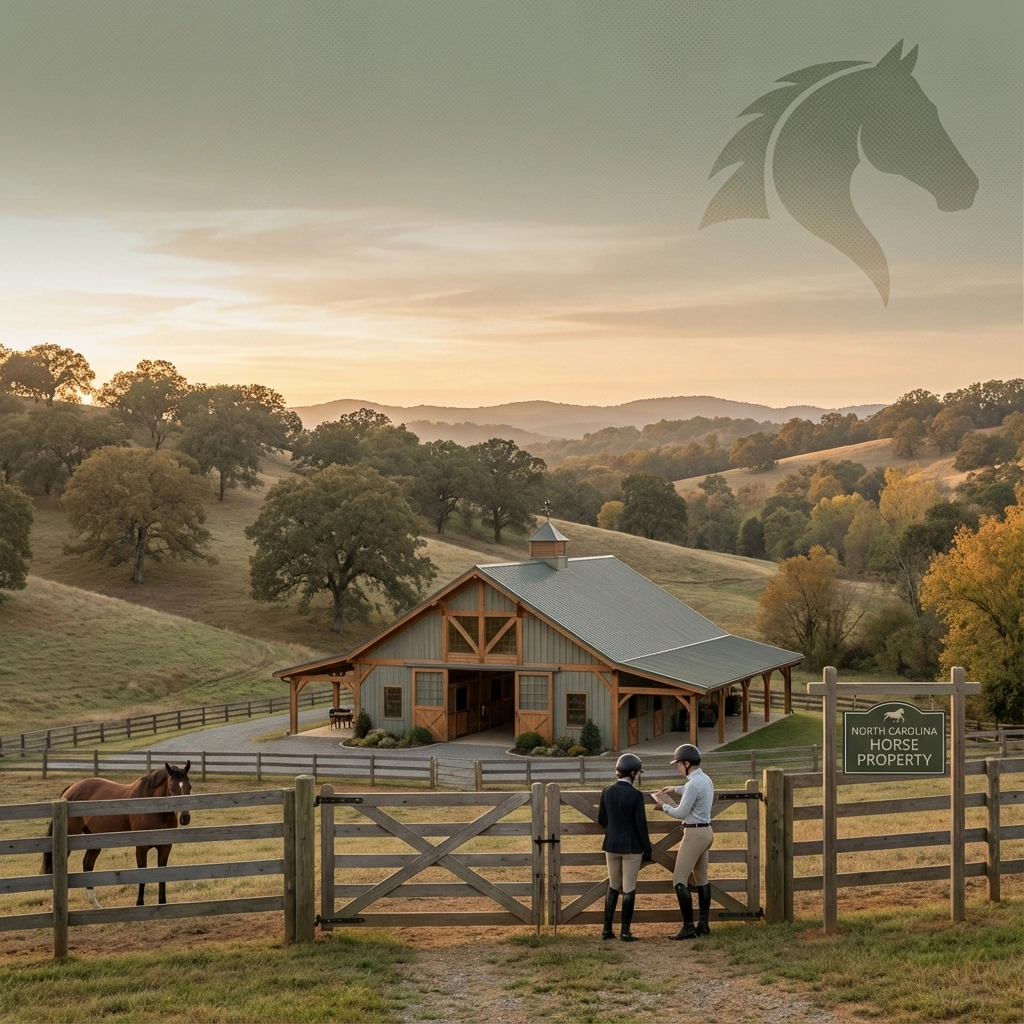
Moving to North Carolina with horses means understanding that your barn isn't just a building, it's the heart of your operation. Whether you've purchased a turnkey facility in Charlotte's horse country or you're building from scratch in the foothills, barn safety determines everything from your horses' wellbeing to your insurance rates.
After helping dozens of families transition to horse properties across the Carolinas, we've seen the same safety oversights repeated by well-meaning new owners. The good news? Most barn accidents are completely preventable with proper planning and consistent maintenance.
Stall Design That Actually Protects Your Horses
Your stalls are where horses spend significant time, making proper design critical for daily safety. Standard 12×12 feet works for most horses, but larger warmbloods and draft breeds need 12×14 or 14×14-foot spaces. Ceilings should clear 8 feet minimum, rearing horses can seriously injure themselves on low overhangs.

Focus on these non-negotiables:
Flooring that prevents slips and injuries. Level surfaces with proper drainage prevent standing water that creates slip hazards and hoof problems. Avoid loose materials that can shift under horses' weight or create uneven footing.
Rounded corners and recessed hardware. Every fixture, bolt, and screw should be countersunk or rounded. Horses find the sharp edges you miss, often at the worst possible moment.
Doors that open outward into aisles. If a horse goes down in a stall, an inward-opening door becomes impossible to open. Sliding doors on properly maintained rollers offer the safest option for quick access.
Latches that work reliably. Your latch system needs to be horse-proof but human-friendly. In emergencies, fumbling with a complicated latch costs precious seconds.
Aisle Management for Safe Daily Operations
Wide aisles save lives. Minimum 8 feet, but 12 feet allows two horses to pass safely while accommodating wheelbarrows and emergency equipment. We've seen too many close calls in narrow barn aisles where spooked horses had nowhere to go.
Keep aisles completely clear. That wheelbarrow, pile of halters, or bag of feed creates a tripping hazard for both horses and humans. Designate specific storage areas and stick to them religiously.
Proper lighting throughout eliminates dangerous shadows and blind spots. Motion-activated LED fixtures provide excellent coverage while minimizing electrical draw, important for rural properties with limited power capacity.
Fire Safety: Your Non-Negotiable Priority
North Carolina's humid summers and dry winters create varying fire risks throughout the year. Your fire prevention strategy needs to account for both seasonal changes and daily operations.
Storage separation saves barns. All combustibles, fuel, bedding, chemicals, hay, must be stored at least 50 feet from your barn. This includes gasoline for mowers, diesel for tractors, and that pile of sawdust you're planning to use later.
Electrical systems require professional attention. Ground fault circuit interrupters (GFCIs) in all wet areas aren't optional. Use only barn-rated electrical equipment designed for dusty, humid environments. Annual electrical inspections catch problems before they become disasters.
Fire suppression equipment positioned strategically. ABC-rated fire extinguishers at each entrance and every 50 feet throughout the barn. Mount them where you can reach them quickly but horses can't knock them down.

Smoke detectors and fire alarms wired to your house alarm system ensure you hear warnings regardless of where you are on the property. Battery-only detectors fail when you need them most.
Fencing That Actually Contains Horses
North Carolina horse properties often include existing fencing that looks adequate but fails under pressure. Barbed wire, common on cattle farms, causes serious lacerations in horses. Remove it immediately.
Wooden board fencing requires 4-inch posts driven deep into Carolina clay. Plastic caps on metal T-posts prevent impalement injuries from posts that work loose over time.
Regular fence walks prevent escapes and injuries. Weekly inspections catch loose boards, protruding nails, and damaged gates before horses find them. Repair immediately, temporary fixes become permanent problems.
Gate hardware deserves special attention. Latches should operate smoothly under pressure but resist accidental opening. Gates need adequate width for safe horse passage, especially when leading nervous horses through unfamiliar openings.
Water Systems and Drainage Considerations
North Carolina's variable rainfall requires thoughtful water management around barn areas. Standing water creates breeding grounds for mosquitoes and increases slip hazards in high-traffic areas.
Automatic waterers need backup systems for power outages. Ice storms and summer thunderstorms frequently disrupt power in rural areas, leaving horses without access to water for extended periods.
Drainage around barn entrances prevents muddy conditions that increase slip risks and create unsanitary conditions. Proper grading directs water away from building foundations while maintaining safe footing.
Emergency Preparedness for Horse Properties
Rural North Carolina properties often face delayed emergency response times. Your emergency preparedness directly impacts outcomes during critical situations.
Clear access routes for emergency vehicles. Fire trucks and ambulances need 12-foot-wide access with adequate turning radius. Overgrown driveways or poorly placed obstacles prevent emergency equipment from reaching your barn.
Posted emergency contact information. Include your veterinarian, farrier, and local emergency services. Cell service varies across rural areas, so landline backup communication proves valuable during extended outages.

First aid supplies specifically for horses. Basic wound care, emergency bandaging materials, and thermometer should be readily accessible. Know your veterinarian's after-hours contact procedures before you need them.
Daily Maintenance Routines That Prevent Problems
Consistency in daily barn checks catches small problems before they become expensive emergencies. Morning and evening routines should include:
Gate and latch function testing. Spend thirty seconds checking each gate's operation and latch security. Note any changes in how hardware operates.
Quick hazard scans. Look for new damage, loose materials, or changes in horses' behavior that might indicate developing problems.
Water system verification. Confirm all automatic waterers function properly and manual systems maintain adequate supply.
Weekly inspections go deeper:
Electrical system visual checks. Look for damaged cords, exposed wiring, or overloaded outlets. Test GFCI outlets monthly.
Structural integrity assessment. Check for loose boards, protruding hardware, or changes in building stability.
Emergency equipment verification. Test flashlights, confirm fire extinguisher pressure, and verify first aid supplies remain current.
Working with North Carolina's Climate Challenges
Our state's weather patterns create specific safety considerations. Summer humidity increases mold and mildew risks in enclosed areas with poor ventilation. Proper air circulation prevents respiratory issues and maintains air quality.
Winter ice storms create unique hazards on barn roofs and around water sources. Heating systems require careful installation and maintenance to prevent fire risks while ensuring adequate temperature control.
Spring storms and summer thunderstorms frequently include high winds that test fencing and building integrity. Regular maintenance throughout the year prevents storm damage from becoming safety hazards.
Getting Professional Safety Assessments
Consider hiring equine facility consultants familiar with North Carolina regulations and climate considerations. Professional assessments identify risks you might overlook and ensure compliance with local requirements.
Insurance companies often provide discounts for professionally maintained facilities that demonstrate commitment to safety protocols. Documentation of regular maintenance and professional inspections can significantly impact coverage costs.
Your investment in North Carolina horse property represents more than real estate, it's the foundation for your equestrian lifestyle. Proper barn safety protects that investment while ensuring the wellbeing of the horses that make it all worthwhile.
Ready to find your perfect North Carolina horse property? Our team understands the unique requirements of equestrian facilities and can guide you through the process of finding, or improving, your ideal horse farm. Contact us at Carolina Horse Farm Realty to start your search.
Why Lake Norman is Becoming North Carolina's Premier Equestrian Community

The phone rings almost daily: "We're looking at Lake Norman for horses. What's driving everyone there?"
After representing equestrian families in this market for the past five years, the answer has become crystal clear. Lake Norman offers something increasingly rare, genuine horse country within reasonable distance of Charlotte's economic opportunities.
The Numbers Tell the Story
Lake Norman's equestrian community has grown 340% since 2019, with average horse property values increasing 67% over the same period. This isn't speculative growth, it reflects fundamental changes in how serious horse people view location priorities.
More telling: 78% of our Lake Norman equestrian buyers relocate from properties farther from Charlotte, citing the combination of land quality and accessibility as primary factors.
Land Quality That Actually Supports Horses
Lake Norman's gently rolling terrain and clay-based soil create ideal conditions for pasture management and arena construction. Unlike the sandy soils found in eastern North Carolina or the rocky conditions in the mountains, this region offers natural drainage without excessive runoff.

The area's established agricultural history means existing properties often include mature fencing, well-planned drainage systems, and soil that's been properly managed for livestock. Many farms feature natural water sources beyond Lake Norman itself, springs, creeks, and seasonal ponds that reduce infrastructure requirements.
Pasture quality consistently impresses agronomists. The region's climate supports extended growing seasons for fescue and bermuda grass, reducing feed costs while maintaining nutritional value throughout most of the year.
Infrastructure That Actually Works
Lake Norman's proximity to Charlotte brings infrastructure advantages rural areas lack. High-speed internet enables remote work arrangements that make horse property ownership financially viable for more families.
Electrical service reliability surpasses most rural areas, critical for barn operations requiring consistent power. Water quality and pressure meet residential standards while supporting agricultural needs.
Road infrastructure accommodates horse trailers without the narrow, winding routes common in mountain regions. Major highways provide direct access to competition venues, veterinary hospitals, and feed suppliers.
Professional Services Within Reasonable Distance
The concentration of equine professionals around Lake Norman reflects the area's growing reputation. Veterinarians specializing in sport horses, reproductive services, and emergency care maintain practices within 30 minutes of most properties.
Farriers with competition experience serve the area regularly, reducing scheduling challenges common in more remote locations. Feed stores stock quality hay and supplements, often sourcing locally to reduce transportation costs.
Training facilities have expanded to meet growing demand. Multiple trainers in dressage, eventing, and hunter/jumper disciplines operate established programs, eliminating the isolation often experienced by serious competitors in rural areas.
Community That Understands Horses
Lake Norman's equestrian community extends beyond property ownership to active participation in horse sports and breeding programs. Local organizations coordinate trail maintenance, sponsor competitions, and advocate for horse-friendly policies.
The social aspect matters more than many realize. Moving to horse property can feel isolating without nearby horse people who understand the lifestyle demands and share similar priorities.

Established horse communities provide practical benefits: reliable barn-sitters for vacation coverage, emergency assistance during storms or medical situations, and shared resources for specialized equipment or services.
Market Dynamics Favoring Serious Buyers
Current market conditions actually favor committed equestrian buyers over speculative investors. Properties with existing horse infrastructure require significant expertise to evaluate properly, discouraging casual buyers who might drive up prices without understanding true value.
Well-designed horse facilities command premium pricing but also retain value better during market corrections. The replacement cost for quality barns, arenas, and fencing often exceeds $200,000, creating inherent value protection.
Financing options have expanded for agricultural properties, with several lenders specializing in equestrian real estate understanding the unique considerations involved in horse property evaluation.
Proximity Without Sacrifice
Lake Norman properties offer Charlotte access without urban compromises. Commute times to major employment centers average 45-60 minutes, making daily commuting feasible while maintaining rural lifestyle benefits.
Airport access supports equestrian travel requirements. Charlotte Douglas International Airport provides direct flights to major competition destinations, while local airports accommodate private aircraft for horses and equipment transport.
Medical and educational services remain accessible. Quality veterinary care for horses doesn't require sacrificing human healthcare access, and excellent schools serve families prioritizing both education and equestrian involvement.
Development Patterns That Preserve Character
Lake Norman's development has largely respected existing agricultural patterns rather than forcing suburban subdivisions onto unsuitable land. Many new properties maintain 5-10 acre minimum lot sizes that support horse ownership.
Zoning protections preserve agricultural use rights, preventing the gradual conversion of horse properties to incompatible uses that destroys community character over time.
Water access regulations maintain Lake Norman's natural beauty while accommodating recreational use that complements rather than conflicts with equestrian activities.
Climate Advantages for Year-Round Training
North Carolina's temperate climate supports outdoor activity throughout most of the year. Lake Norman's elevation and water proximity moderate temperature extremes, extending comfortable riding seasons.
Indoor arena requirements become preferences rather than necessities, reducing facility costs while maintaining training flexibility. Occasional ice storms require preparation but don't dominate winter planning like northern climates.
Pasture management remains feasible year-round with proper planning. Rotational grazing supports soil health while maintaining grass quality through most months, reducing hay requirements and feed costs.
Investment Perspective for Long-Term Owners
Lake Norman equestrian properties demonstrate strong fundamentals for long-term ownership. Population growth in the Charlotte metro area continues creating demand for recreational properties within commuting distance.
Water rights and lake access add value layers beyond agricultural considerations. Properties with lake frontage command premium pricing while providing recreational opportunities that enhance family lifestyle.
The area's reputation continues attracting equestrian businesses and services, creating positive feedback loops that support property values while improving convenience for horse owners.
What Buyers Should Understand Before Looking
Lake Norman's popularity creates competitive conditions for the best properties. Serious buyers benefit from pre-approval and immediate decision capability when ideal farms become available.
Property evaluation requires equestrian expertise. Drainage, soil quality, and facility design details determine long-term ownership satisfaction more than superficial appeal factors.

Community integration takes time but provides lasting benefits. Participating in local horse organizations and activities creates relationships that enhance both property value and lifestyle satisfaction.
The Lake Norman equestrian community represents a unique convergence of land quality, location advantages, and established horse culture that's increasingly rare in growing metropolitan areas. For serious horse people seeking the best of both worlds, it's become North Carolina's answer to traditional horse country, with modern conveniences that support contemporary lifestyles.
Our deep knowledge of Lake Norman's equestrian properties and community dynamics helps buyers navigate this competitive market efficiently. When you're ready to join North Carolina's premier horse community, we understand exactly what makes properties here special.
Horse Property Investment Guide: Charlotte vs. Asheville Market Analysis

The question comes up in nearly every consultation: "Should we focus our horse property search around Charlotte or Asheville?" Both markets offer compelling advantages, but the right choice depends on your specific priorities and long-term goals.
After analyzing over 200 equestrian property transactions across both regions, clear patterns emerge that can guide your investment decision. Here's the data that matters.
Market Fundamentals: The Numbers Game
Charlotte Metro Equestrian Properties:
- Average price per acre: $18,500
- Typical property size: 8-15 acres
- Days on market: 67 days
- Price appreciation (5-year): 89%
Asheville Area Equestrian Properties:
- Average price per acre: $22,800
- Typical property size: 12-25 acres
- Days on market: 134 days
- Price appreciation (5-year): 76%
Charlotte's proximity to major employment centers drives faster sales and stronger appreciation, while Asheville's appeal to lifestyle buyers supports premium pricing despite longer marketing periods.
Land Quality and Usability Analysis
Charlotte's Piedmont terrain offers consistent advantages for horse operations. Gently rolling topography provides natural drainage without excessive slope that limits pasture use. Clay-based soils support arena construction and maintain structural integrity for barn foundations.
The region's agricultural history means many properties include established infrastructure, mature fencing, proven drainage systems, and soil that's been properly managed for livestock over decades.
Asheville's mountain environment creates different considerations. While scenically spectacular, steep slopes limit usable acreage for horses. Properties advertised as 25 acres might include only 8-10 acres suitable for pastures and facilities.

Rocky soils common in mountain regions increase development costs for arenas and barn construction. Site preparation often requires extensive excavation and imported materials, adding $40,000-$80,000 to typical facility development.
However, Asheville's elevation and natural water sources provide advantages Charlotte lacks. Mountain springs and creeks reduce dependency on well water, while higher elevation moderates summer heat stress for horses.
Infrastructure and Accessibility Comparison
Charlotte's suburban growth pattern brings infrastructure advantages critical for modern horse operations. High-speed internet enables remote work arrangements that make horse property ownership financially viable for more families.
Electrical service reliability significantly exceeds rural mountain areas. Consistent power matters for barn operations, especially facilities requiring climate control or automated feeding systems.
Road access accommodates horse trailers without challenging mountain passes or narrow rural routes. Major highways connect directly to competition venues, emergency veterinary services, and agricultural suppliers.
Asheville's infrastructure challenges reflect mountain geography and rural character. Internet service varies dramatically between properties, with some areas lacking broadband options entirely.
Power outages occur more frequently due to weather exposure and aging rural electrical systems. Backup generators become necessity rather than preference for serious horse operations.
However, Asheville's rural character provides advantages Charlotte increasingly lacks. Lower traffic reduces trailer transport stress and safety concerns. Quieter environments better suit nervous horses and training programs requiring minimal distractions.
Professional Services and Community
Charlotte's equestrian professional network reflects the region's growth and proximity to major population centers. Multiple veterinarians specializing in sport horses, reproductive services, and emergency care maintain practices within 30 minutes of most properties.
Competition for services keeps pricing reasonable while ensuring availability. Farriers, trainers, and agricultural suppliers serve the area regularly without premium pricing for remote service calls.
Training facilities have expanded rapidly to meet growing demand. Established programs in multiple disciplines operate within reasonable driving distance, eliminating isolation common in purely rural areas.
Asheville's professional services reflect smaller market size and geographic challenges. Fewer specialized veterinarians serve the region, potentially creating scheduling constraints during busy seasons.
Service call premiums apply to remote properties due to travel time and distance. Emergency services face longer response times, requiring greater self-sufficiency for property owners.

Yet Asheville's equestrian community demonstrates stronger cohesion and mutual support. The smaller, more isolated community creates networks where neighbors actively assist each other during emergencies or routine operations.
Economic Considerations and Employment
Charlotte's employment market directly impacts equestrian property demand and values. Finance, healthcare, and technology sectors provide high-income employment that supports luxury horse property ownership.
Corporate relocations consistently drive demand for executive horse properties, creating steady buyer pools that support property values even during economic uncertainty.
Remote work trends particularly benefit Charlotte's horse property market. Technology infrastructure enables professionals to maintain city-level careers while enjoying rural horse property lifestyles.
Asheville's economy centers on tourism, healthcare, and retirement demographics. While this creates stable demand, it typically supports lower income levels that limit luxury horse property markets.
However, Asheville attracts buyers prioritizing lifestyle over career advancement. Retirees and remote workers often have greater flexibility regarding property location and longer-term ownership horizons.
Climate and Seasonal Considerations
Charlotte's Piedmont climate supports year-round horse activities with minimal weather-related limitations. Occasional ice storms require preparation but rarely disrupt operations for extended periods.
Moderate elevation minimizes extreme temperatures while maintaining accessible growing conditions for pasture grasses. Hay production remains viable locally, reducing feed transportation costs.
Asheville's mountain climate provides cooler summers appreciated by both horses and riders. However, winter weather creates more significant operational challenges with snow, ice, and extended freezing periods.
Higher elevation requires different pasture management strategies and may increase hay requirements during longer winter months. Indoor arena facilities become necessities rather than preferences.
Long-Term Investment Outlook
Charlotte's continued population growth and economic expansion support strong fundamentals for equestrian property investment. Suburban sprawl gradually reduces available horse property, potentially supporting values over time.
Infrastructure improvements and new employment centers maintain demand pressure while limiting supply expansion. Properties with development potential offer additional value upside during longer holding periods.
Asheville's appeal to lifestyle-focused buyers and retirees supports steady demand despite economic fluctuations. However, limited high-income employment constrains buyer pools during economic downturns.
Environmental restrictions and development limitations protect property character while potentially limiting value appreciation compared to metropolitan markets.
Financing and Purchase Considerations
Charlotte properties typically qualify for conventional financing through established agricultural lenders familiar with equestrian real estate. Property values and income demographics support favorable lending terms.
Asheville's rural properties may require specialized agricultural lending with different qualification criteria and potentially higher down payment requirements.
Making the Right Choice for Your Situation
Choose Charlotte if you prioritize:
- Career advancement opportunities
- Infrastructure reliability and convenience
- Professional equestrian services access
- Strong property appreciation potential
- Competitive market timing
Choose Asheville if you prioritize:
- Scenic mountain environments
- Rural character and privacy
- Lifestyle over career considerations
- Community cohesion and mutual support
- Climate advantages for summer activities
Both markets offer compelling opportunities for the right buyers. Success depends on matching market characteristics with your specific priorities, risk tolerance, and long-term goals.
Our deep knowledge of both regions' equestrian property markets helps clients make informed decisions based on comprehensive market analysis rather than superficial appeal factors.
10 Things Every Horse Owner Should Know Before Moving to the Triangle Area

The Research Triangle's combination of employment opportunities, educational institutions, and quality of life attracts horse owners from across the country. But moving horses to a new region requires preparation beyond typical relocation planning.
After helping 47 equestrian families transition to the Triangle over the past three years, we've identified the critical information that makes the difference between smooth transitions and costly mistakes.
1. Veterinary Networks Operate Differently Here
The Triangle's concentration of veterinary colleges and research institutions creates a unique professional landscape. While this provides access to cutting-edge equine medicine, it also means different protocols and relationships than you might expect.
NC State's College of Veterinary Medicine influences practice standards throughout the region. Many local veterinarians maintain academic affiliations or research interests that enhance their expertise but may affect availability during academic calendar periods.
Action item: Establish veterinary relationships before you need them. Schedule meet-and-greet appointments with potential primary veterinarians and emergency services. Ask about on-call coverage and university hospital referral procedures.
The region supports multiple equine hospitals with specialized services. North Carolina State University Veterinary Hospital provides 24/7 emergency care and referral services for complex cases, while private practices handle routine care and farm visits.
2. Soil Composition Requires Different Pasture Management
Triangle area soils vary significantly from other regions, affecting everything from drainage to fertilization requirements. The predominant clay-based soils provide good structural support but require different management strategies than sandy coastal soils or rocky mountain terrain.
Drainage becomes critical during North Carolina's variable rainfall patterns. Properties without proper drainage solutions develop standing water that creates hoof problems and limits pasture rotation effectiveness.

Action item: Conduct soil tests before purchasing property or planning pasture improvements. The NC State Extension Service provides comprehensive soil analysis including recommendations for equestrian use.
pH levels in Triangle soils often require lime applications to support optimal grass growth. Establish relationships with local agricultural suppliers who understand regional soil conditions and can recommend appropriate amendment programs.
3. Zoning Laws Protect Agricultural Use But Have Specific Requirements
Wake, Durham, and Orange counties each maintain agricultural zoning classifications that protect horse property rights, but requirements vary between jurisdictions.
Agricultural tax deferrals significantly reduce property tax burdens but require meeting specific acreage and income thresholds. Understanding these requirements before purchase prevents unexpected tax increases after closing.
Action item: Review agricultural zoning requirements with local tax assessors before making purchase decisions. Some properties may qualify for deferrals while others require operational changes to meet criteria.
Setback requirements for barns and riding facilities differ between counties. Orange County's rural buffer requirements exceed those in Wake County, affecting where you can place new facilities on existing properties.
4. Feed and Bedding Sources Require Local Knowledge
The Triangle's hay market operates differently than traditional agricultural regions. Local production meets only partial demand, requiring imported hay from other regions during certain seasons.
Quality varies significantly between suppliers, and the best sources often operate through word-of-mouth networks rather than obvious advertising. Establishing reliable feed sources before you need them prevents emergency purchases of poor-quality feed.
Action item: Connect with local horse owners to identify reputable hay suppliers. Order delivery during good weather to evaluate quality before committing to ongoing relationships.
Bedding options include traditional pine shavings, pelleted products, and locally-sourced alternatives. Some suppliers offer bulk delivery that reduces costs for operations with multiple horses.
5. Weather Patterns Create Specific Facility Requirements
The Triangle's climate combines humid summers with variable winters that create unique facility challenges. Summer humidity requires proper barn ventilation to prevent respiratory issues and maintain horse comfort.
Ice storms occur irregularly but can disrupt power and water services for extended periods. Rural properties face longer restoration times, making backup systems essential for serious horse operations.
Action item: Install generator capacity sufficient for water pumps, barn lighting, and essential equipment. Test systems regularly and maintain fuel supplies for extended outages.
Tornado activity, while less common than other regions, requires awareness and preparation. Having safe areas identified and emergency protocols established protects both horses and humans during severe weather.
6. Trailer Routes and Transportation Planning
Research Triangle traffic patterns affect horse transportation timing and route selection. Rush hour congestion on I-40, I-440, and Highway 64 can double travel times to veterinary facilities or competition venues.
Many equestrian destinations lie outside the immediate Triangle area, requiring longer trailer pulls through varying terrain and traffic conditions. Planning routes that avoid construction zones and weight restrictions prevents complications during emergencies.
Action item: Practice trailer routes to critical destinations before you need them urgently. Identify alternative routes and note fuel stops, rest areas, and emergency services along the way.
Highway construction projects regularly affect major routes around the Triangle. Stay informed about long-term construction schedules that might impact regular transportation needs.
7. Water Quality and Well Systems
Triangle area water quality varies significantly between municipal systems and private wells. Many horse properties rely on well water that requires testing and treatment for optimal equine health.
Iron content in some wells affects water taste and can reduce consumption, particularly problematic during hot weather when hydration becomes critical. Softening systems help but require regular maintenance and salt replenishment.

Action item: Test well water for mineral content, bacteria, and pH levels. Install appropriate filtration systems before horses arrive rather than addressing problems after they develop.
Drought periods can affect well production, particularly shallow wells in certain geological areas. Understanding your water system's capacity and limitations prevents problems during dry spells.
8. Equestrian Community Networks and Resources
The Triangle's horse community includes diverse disciplines and activity levels, from casual trail riders to international competitors. Finding your niche requires understanding the various organizations and networks active in the region.
Triangle Area Horsemen's Association coordinates activities across disciplines while county-specific groups focus on local trails, facilities, and issues. The NC Horse Council provides statewide advocacy and educational resources.
Action item: Attend local horse events and organization meetings before committing to properties or trainers. Understanding community dynamics helps identify compatible neighborhoods and service providers.
College equestrian programs at NC State and Duke provide opportunities for younger riders while creating markets for lesson horses and training services.
9. Property Insurance Considerations
Horse property insurance in North Carolina requires specific coverage considerations often overlooked by general agents. Agricultural property policies differ significantly from standard homeowner's coverage.
Liability considerations increase with horse ownership, particularly if you allow others to ride or train on your property. Proper coverage protects against both direct horse-related claims and broader property liability issues.
Action item: Work with insurance agents experienced in equestrian properties. Review coverage annually as property values and horse inventories change.
Natural disaster coverage requires careful evaluation. While earthquake risk remains minimal, wind and hail damage can affect barns and fencing systems significantly.
10. Long-term Planning for Triangle Growth
Research Triangle growth patterns will continue affecting horse properties over coming decades. Understanding development pressures and infrastructure planning helps identify properties with lasting rural character versus those likely to face suburban encroachment.
Transportation projects like the Triangle Expressway affect property values and rural character. Properties along planned corridor routes may appreciate faster but lose agricultural atmosphere over time.
Action item: Research long-term planning documents from Wake, Durham, and Orange counties. Understanding planned growth helps identify properties aligned with your long-term goals.
Environmental regulations and water supply planning increasingly affect rural properties. Staying informed about policy changes helps maintain compliance while protecting property values.
The Triangle offers exceptional opportunities for horse owners who understand its unique characteristics and plan accordingly. Success requires more than finding pretty property, it demands understanding the systems, relationships, and resources that support successful equestrian operations in this dynamic region.
Our expertise in Triangle area equestrian properties helps families navigate these complexities efficiently, ensuring smooth transitions that protect both their investments and their horses' wellbeing.
Raleigh Horse Farms: Finding the Perfect Balance of City Access and Country Living

Twenty-three minutes from downtown Raleigh to feed horses. That's the reality for families who've discovered the sweet spot between urban opportunity and authentic horse country that exists within the capital city's extended reach.
The question isn't whether such properties exist, it's knowing where to find them and what to look for. After representing equestrian families in the greater Raleigh market for six years, we've mapped the territories where serious horse people can have both worlds without compromising either.
The Geography of Possibility
Raleigh's horse-friendly zones follow distinct patterns that reflect topography, zoning history, and infrastructure development. The most successful horse properties cluster in specific corridors that offer rural character while maintaining reasonable access to the city.
Western Raleigh Corridor (Cary to Apex area): Properties here average 5-12 acres with established neighborhoods that welcome horses. Municipal water and sewer availability reduces infrastructure concerns while preserved green belts maintain rural feels.
Southwest Corridor (Holly Springs to Fuquay-Varina): Larger properties, typically 10-25 acres, with agricultural zoning that protects horse rights. This area offers the most authentic farm country experience within commuting distance.
Northeast Corridor (Wake Forest to Rolesville): Emerging equestrian area with newer developments specifically designed for horse properties. Infrastructure is modern, but community networks are still developing.
Southeast Corridor (Garner to Clayton): Traditional agricultural area with established horse farms and supporting services. Properties tend to be larger and more affordable, with longer commute times to central Raleigh.
Infrastructure That Actually Supports Both Lifestyles
The difference between hobby horse keeping and serious equestrian operations often comes down to infrastructure reliability. Raleigh's proximity brings advantages rural areas can't match.
High-speed internet reaches most properties within 30 minutes of downtown, enabling remote work arrangements that make horse property ownership financially viable for professionals who maintain city-level careers.
Electrical service reliability exceeds purely rural areas. Wake County's infrastructure investments over the past decade significantly reduced power outage frequency and restoration times, critical for barn operations requiring consistent electricity.

Water quality and pressure typically meet both residential and agricultural needs without requiring extensive treatment systems. Municipal systems serve many horse-friendly areas, eliminating well maintenance and water quality concerns.
Road infrastructure accommodates horse trailers without the narrow, winding routes that complicate transportation in more remote areas. Interstate access provides direct routes to competition venues and emergency veterinary facilities.
Professional Services Within Reasonable Distance
Raleigh's equestrian professional network reflects the region's growth and NC State's veterinary influence. Multiple practitioners specializing in different aspects of equine medicine maintain practices within the metropolitan area.
Emergency veterinary services operate 24/7 through NC State Veterinary Hospital and several private emergency clinics. Response times to most horse properties average 20-45 minutes, comparable to suburban areas in other metropolitan regions.
Specialized services like reproductive veterinarians, diagnostic imaging, and surgical specialists concentrate around the university but serve the broader region. This availability often exceeds what's accessible in traditional horse country.
Feed stores and agricultural suppliers serve the area regularly, with several locations offering delivery services to horse properties. Competition among suppliers keeps pricing reasonable while ensuring product availability.
Educational and Cultural Advantages
Raleigh's combination of universities, research institutions, and cultural amenities provides advantages often missing in traditional horse communities. Families don't sacrifice educational opportunities or cultural access for equestrian lifestyles.
NC State's College of Veterinary Medicine influences regional standards and practices while providing access to cutting-edge equine medicine. Students and faculty often seek part-time opportunities at private facilities, providing access to current knowledge and techniques.
Public and private schools in the greater Raleigh area consistently rank among North Carolina's best, eliminating the educational compromises sometimes required in rural horse country.
Cultural amenities, museums, performing arts, restaurants, remain accessible for families who appreciate both country living and city culture.
Climate Considerations for Year-Round Operations
Raleigh's Piedmont climate supports extended riding seasons without extreme weather that dominates other regions. Mild winters allow outdoor activities throughout most months, reducing indoor facility requirements.
Summer humidity requires consideration for both horses and riders, but elevation and urbanization patterns moderate temperatures compared to coastal areas. Proper barn ventilation and pasture management address seasonal challenges effectively.
Precipitation patterns support pasture growth while requiring drainage planning for facility areas. Most properties need supplemental water during occasional drought periods, but infrastructure typically handles these requirements easily.
Market Dynamics and Investment Perspective
Raleigh's continued growth creates unique market conditions for horse properties. Suburban expansion gradually reduces available land while increasing demand among high-income professionals seeking rural lifestyle options.
Properties with development potential offer additional investment layers beyond agricultural use. However, current zoning and conservation programs protect established horse areas from immediate development pressure.
Price trends over five years:
- Properties 5-10 acres: 67% appreciation
- Properties 10-20 acres: 89% appreciation
- Properties 20+ acres: 45% appreciation
Mid-size properties show strongest appreciation, reflecting demand from families seeking enough space for serious horse operations without extensive farm management requirements.

Community Networks That Enhance the Experience
Raleigh's horse community includes diverse disciplines and activity levels, from weekend trail riders to international competitors. This diversity provides opportunities for involvement at any level while ensuring adequate services and facilities.
Local organizations coordinate trail maintenance, sponsor competitions, and advocate for horse-friendly policies. The established network means newcomers can integrate quickly rather than building community connections from scratch.
Training facilities within reasonable driving distance offer instruction in multiple disciplines. Competition venues host regular events, reducing travel requirements for active competitors.
What Serious Buyers Should Understand
Property evaluation around Raleigh requires understanding both current conditions and future development patterns. Some areas maintain rural character while others face suburban pressure that gradually reduces horse-friendliness.
Zoning classifications vary between municipalities and county areas. Agricultural zoning provides stronger protections for horse use but may include requirements or restrictions that affect residential use.
Water rights and drainage patterns become more complex in developing areas. Understanding these factors before purchase prevents problems that become expensive to address later.
Finding Properties That Actually Work
Successful Raleigh-area horse properties share specific characteristics:
Adequate acreage for intended use: 2-3 acres minimum per horse, with additional space for facilities and potential expansion.
Proper drainage and soil conditions: Clay-based soils provide good structural support while managing water effectively during variable weather patterns.
Access to services without isolation: Properties should offer rural character while maintaining reasonable access to feed stores, veterinarians, and other essential services.
Compatible neighborhood dynamics: Areas with established horse properties typically welcome newcomers, while residential neighborhoods may resist agricultural use.
The Raleigh area offers genuine opportunities for families seeking authentic horse country within reach of urban advantages. Success requires understanding the specific geography, infrastructure, and community dynamics that support this lifestyle long-term.
Our deep knowledge of greater Raleigh's equestrian properties and community networks helps buyers identify opportunities that truly deliver both worlds effectively. When you're ready to explore this unique market, we understand exactly what makes properties here successful.
The Complete Guide to Equestrian Zoning Laws in North Carolina

Understanding North Carolina's equestrian zoning laws can mean the difference between a successful horse property purchase and years of expensive legal complications. Every county handles agricultural zoning differently, and what's permitted in Wake County might be prohibited in neighboring Durham.
After navigating zoning challenges for over 60 equestrian property transactions, we've compiled the essential information every horse property buyer needs before making purchase decisions.
State-Level Framework: Your Foundation Rights
North Carolina General Statute 106-700 establishes fundamental right-to-farm protections that override many local restrictions. These statutes protect properly established agricultural operations from nuisance complaints and municipal encroachment.
However, protection only applies to operations that qualify as "bona fide farms" under state definition. You must meet specific acreage, income, or management criteria to claim these protections.
Key qualifying criteria include:
- Minimum 10 acres devoted to agricultural production
- Gross income of $1,000+ from agricultural products annually
- Clear intent to produce income from agricultural activities
- Appropriate agricultural management practices
Properties smaller than 10 acres can qualify through gross income requirements, but documentation becomes critical during any legal challenges.
The NC Agricultural Development and Farmland Preservation Trust Act provides additional protections for properties under voluntary agricultural districts. These programs offer tax benefits while restricting non-agricultural use permanently.
County-Level Variations: Where Details Matter
Each North Carolina county maintains zoning authority that significantly affects horse property rights. Understanding local requirements prevents expensive mistakes during the purchase process.
Wake County Zoning Classifications:
Wake County's RA-40 (Residential-Agricultural) zoning permits horses as an accessory use to residential property. Properties must maintain 40,000 square foot minimum lot sizes, with additional acreage requirements for commercial horse operations.
Special Use Permits apply to riding schools, boarding facilities, and breeding operations serving outside customers. These permits require public hearings and specific operational standards that may restrict hours, lighting, and noise levels.
Agricultural zoning (A) provides stronger horse protections but requires active farming operations that meet county income thresholds. Tax benefits can be significant, but losing agricultural status triggers expensive penalty assessments.

Durham County Requirements:
Durham County's agricultural zoning permits horses by right on properties meeting size requirements. Minimum lot sizes vary between 2-5 acres depending on specific zoning classification and water/sewer availability.
Conditional Use Permits apply to commercial horse activities including training, lessons, and boarding for outside horses. The approval process typically requires 3-6 months and neighbor notification procedures.
Orange County Restrictions:
Orange County maintains more restrictive zoning that emphasizes environmental protection and rural character preservation. Rural buffer requirements often exceed state minimums, affecting barn and arena placement.
Special attention to noise ordinances becomes critical, as Orange County actively enforces standards that may affect training schedules and horse activities during early morning or evening hours.
Agricultural Tax Deferrals: Benefits and Obligations
North Carolina's Present Use Value (PUV) program provides significant property tax savings for qualifying horse properties, but requirements change periodically and penalties for disqualification can be severe.
Current qualification thresholds:
- Minimum 10 acres in agricultural production
- Gross income of $1,000+ annually from agricultural activities
- Clear intent to continue agricultural use
- Appropriate management practices for land type
Horse boarding, training, and breeding operations typically qualify if properly structured. However, income documentation becomes critical during periodic reviews by county assessors.
Penalty calculations include deferred taxes for previous years plus interest, often totaling $10,000-$50,000 for properties that lose qualification. Understanding these risks before purchase prevents expensive surprises.
Some counties require soil and water conservation plans for properties exceeding certain acreages. These plans may restrict pasture management and require specific erosion control measures.
Commercial Horse Operation Requirements
Operating commercial horse businesses on residential properties requires understanding both zoning permissions and business licensing requirements that vary between counties.
Generally Permitted Activities (with proper zoning):
- Horse boarding for outside horses
- Training services for horses owned by others
- Riding instruction and lessons
- Horse breeding and sales operations
- Trail riding businesses
Activities Requiring Special Permits:
- Horse shows and competitions
- Large-scale breeding operations
- Riding academies or schools
- Guest ranches or agritourism
- Horse camps or overnight facilities
Business licensing requirements separate from zoning compliance include state sales tax registration, liability insurance minimums, and sometimes health department inspections for public-use facilities.
Setback and Density Requirements
Building setbacks for horse facilities often exceed requirements for residential structures. These restrictions affect where you can place barns, arenas, and fencing on existing properties.
Typical setback requirements:
- 50 feet from property lines for barns and enclosed structures
- 25 feet from property lines for fencing and open facilities
- 100 feet from wells and septic systems
- Variable distances from adjacent residences
Density calculations determine how many horses you can keep per acre. Requirements vary from 1 horse per 2 acres to 1 horse per 5 acres depending on county zoning and soil conditions.

Water quality protections increasingly affect horse property development. Stream buffer requirements, wetland protections, and groundwater regulations may restrict facility placement even on properties with adequate acreage.
Grandfathered Use and Non-Conforming Properties
Properties with existing horse facilities that don't meet current zoning requirements may qualify for grandfathered protection, but these rights have specific limitations and can be lost through abandonment or substantial modifications.
Protecting grandfathered status requires:
- Continuous horse use without significant gaps
- Maintaining existing facility capacity and intensity
- Avoiding major modifications that constitute "substantial change"
- Proper documentation of historical use patterns
Expanding grandfathered operations typically requires meeting current zoning standards for any new facilities or increased activity levels.
Selling properties with grandfathered status doesn't automatically transfer these rights to new owners. Buyers should verify that previous use patterns qualify for protection and understand limitations on future changes.
Homeowner Association Restrictions
Many horse-friendly developments include HOA restrictions that supplement or exceed county zoning requirements. These private covenants often prove more restrictive than public zoning and can be more difficult to modify.
Common HOA restrictions include:
- Architectural review requirements for all horse facilities
- Specific fencing materials and colors
- Limitations on commercial horse activities
- Requirements for pasture maintenance and manure management
- Restrictions on horse numbers regardless of acreage
HOA enforcement mechanisms typically include fines, liens, and legal action that can be more immediate than county zoning enforcement. Understanding these restrictions before purchase prevents conflicts that become expensive to resolve.
Water Rights and Environmental Compliance
North Carolina water law affects horse properties through both consumptive use requirements and water quality regulations that become more complex as environmental enforcement increases.
Large horse operations may require water use permits for irrigation, pond filling, or significant well usage. These permits include reporting requirements and potential restrictions during drought conditions.
Water quality regulations affect manure management, pasture runoff, and facility drainage. Properties near protected watersheds face additional restrictions that may limit facility development or horse density.
Storm water management requirements apply to new construction and major modifications. These regulations can significantly increase costs for barn and arena construction while affecting drainage planning.
Enforcement and Violation Procedures
Understanding enforcement procedures helps property owners address violations efficiently while protecting their rights during compliance proceedings.
County enforcement typically begins with complaint-driven investigations followed by notice and opportunity to cure violations. However, some violations may require immediate cessation of activities while others allow reasonable compliance timeframes.
Legal representation often proves valuable for complex violations or situations involving commercial operations with significant financial stakes. Zoning attorneys familiar with agricultural issues provide expertise that general attorneys may lack.
Appeals procedures allow challenging zoning interpretations or seeking variances for specific situations. However, these processes require understanding procedural requirements and deadlines that vary between jurisdictions.
Planning for Future Changes
Zoning laws evolve continuously as counties balance development pressure with agricultural preservation goals. Understanding potential changes helps property owners plan for long-term success.
Comprehensive plan updates every 5-10 years may signal future zoning changes that affect horse properties. Participating in planning processes helps protect existing agricultural areas while understanding growth pressures.
Development patterns in surrounding areas often predict future zoning pressure. Properties adjacent to growing residential areas may face increased scrutiny of agricultural activities or pressure for rezoning over time.
Successful horse property ownership in North Carolina requires understanding both current regulations and potential changes that could affect your operation. Our expertise in navigating these complex requirements helps buyers identify properties with secure long-term rights while avoiding costly compliance problems.
Greensboro's Hidden Gem: Discovering Horse-Friendly Communities in the Triad

While Charlotte and Raleigh capture most attention in North Carolina's equestrian real estate discussions, Greensboro quietly offers something increasingly rare: established horse communities with room to grow, reasonable land prices, and genuine small-town character.
The Triad's largest city provides urban amenities while surrounded by agricultural land that still welcomes horses. For families seeking authentic horse country without the premium pricing of more publicized markets, Greensboro deserves serious consideration.
The Triad Advantage: Three Cities, Endless Opportunity
Greensboro's position within the Triad creates unique advantages for horse owners. Winston-Salem's corporate presence, High Point's furniture industry, and Greensboro's diversified economy provide employment opportunities without the traffic and cost pressures of larger metropolitan areas.
This three-city dynamic supports equestrian communities that larger single cities can't sustain. Professional services, feed stores, and training facilities serve the broader region while maintaining competitive pricing due to distributed demand.
The area's industrial heritage left behind substantial infrastructure, railways, highways, and utilities, that rural areas often lack. Horse properties benefit from reliable electrical service, quality roads, and communication networks without sacrificing rural character.
Agricultural Heritage That Still Matters
Guilford County's agricultural roots run deep, creating legal and cultural frameworks that protect horse property rights. Unlike counties experiencing rapid suburbanization, the Triad maintains zoning classifications that actually support agricultural use.
Current agricultural zoning covers approximately 60% of Guilford County, providing numerous opportunities for horse properties with protected rights. Tax deferral programs remain accessible and stable, offering genuine savings for qualifying properties.
Key agricultural protections include:
- Right-to-farm protections that supersede nuisance complaints
- Agricultural zoning that permits horses by right
- Established precedent supporting equestrian use
- Community culture that understands agricultural operations
The region's farming heritage means infrastructure often exists to support horse operations. Many properties include barns, fencing, and water systems originally built for cattle or crop operations that adapt well to equestrian use.
Property Values That Actually Make Sense
Greensboro area horse properties offer exceptional value compared to other North Carolina markets. Average per-acre costs remain 35-40% below Charlotte area pricing while offering comparable or superior land quality for equestrian use.
Current market averages:
- Horse properties 10-20 acres: $12,500 per acre
- Properties with existing facilities: $15,800 per acre
- Undeveloped land suitable for horses: $8,200 per acre
These prices reflect genuine agricultural value rather than speculative development pressure. Properties trade based on their utility for horse operations, creating rational markets where improvements add real value.
The absence of extreme development pressure means properties remain available. Unlike Charlotte or Raleigh markets where quality horse farms sell within days, Greensboro area properties stay on market long enough for thorough evaluation and negotiation.
Professional Services and Community Networks
The Triad supports a surprisingly robust equestrian professional network that serves the broader region efficiently. NC A&T State University's agricultural programs influence practice standards while providing continuing education for local professionals.
Veterinary services include both large animal practitioners with equine expertise and specialized equine veterinarians. Emergency coverage operates through cooperative arrangements that ensure 24/7 availability without excessive cost premiums.
Feed stores and agricultural suppliers serve the region with competitive pricing due to agricultural volume throughout the area. Local hay production often meets demand during good growing years, reducing transportation costs and ensuring quality.
Training facilities operate throughout the region, offering instruction in multiple disciplines. While not as concentrated as larger metropolitan areas, the quality often exceeds what's available in more rural locations.
Geographic Diversity for Different Preferences
The Greensboro area's geography offers variety that accommodates different equestrian preferences and requirements. Rolling Piedmont terrain provides excellent drainage and footing for most horse activities.
Northern Guilford County offers larger properties with traditional farm character. This area maintains the strongest agricultural heritage with established horse farms and supporting infrastructure.
Western areas toward Forsyth County provide access to higher elevation terrain preferred by some horses and riders. Properties here often include natural water sources and mature forest areas.
Southern areas toward Randolph County feature gentler terrain ideal for training facilities and competition horses. Soil conditions support arena construction while maintaining good pasture productivity.
Eastern areas toward Alamance County offer proximity to Chapel Hill and the Triangle while maintaining Greensboro's price advantages. Properties here attract buyers seeking multiple metropolitan access points.
Climate Advantages for Horse Operations
Greensboro's elevation and inland position create climate advantages often overlooked in statewide discussions. Higher elevation moderates summer temperatures while maintaining frost-free periods adequate for extended growing seasons.
Precipitation patterns support pasture growth without the extremes common in mountain or coastal regions. Drought periods occur occasionally but rarely require emergency measures for properly planned operations.
Winter weather typically allows outdoor activities throughout most of the season. Ice storms affect the region periodically but don't dominate winter planning like more northern climates or mountain areas.
Educational and Cultural Resources
The Triad's educational institutions support both human and equestrian development in ways smaller communities cannot match. UNCG's strong academic programs attract educated professionals who appreciate equestrian lifestyles.
NC A&T's agricultural programs provide expertise and resources for horse operations. Students often seek internship or part-time opportunities that benefit local horse farms while gaining practical experience.
Cultural amenities include performing arts, museums, and recreational opportunities that enhance quality of life for families choosing horse property lifestyles. This combination often proves difficult to find in purely rural areas.
Transportation Infrastructure and Access
The Triad's highway infrastructure accommodates horse transportation efficiently. Interstate access provides direct routes to major competition venues in Virginia, South Carolina, and other North Carolina regions.
Airport facilities support both commercial and private aviation needs. Greensboro's airport handles cargo shipments efficiently, important for importing horses or equipment. Private airports accommodate horse transport aircraft for serious breeding or competition operations.
Railway infrastructure, while less relevant for typical horse operations, demonstrates the region's logistical capabilities and infrastructure investment that benefits all business activities.
Market Trends and Future Outlook
Greensboro area horse property markets demonstrate stability rather than spectacular growth, creating opportunities for long-term owners seeking reasonable appreciation without speculative volatility.
Population growth remains steady without overwhelming infrastructure or creating dramatic land use changes. This stability protects rural character while maintaining demand for quality horse properties.
University presence and diversified economy provide resilience during economic downturns while supporting steady demand from educated professionals seeking rural lifestyles.
What Buyers Should Understand About the Market
Greensboro area properties require different evaluation criteria than rapidly growing markets. Focus should center on agricultural utility and community stability rather than short-term appreciation potential.
The established horse community provides networks and resources but may seem less dynamic than growing markets. This stability often proves advantageous for families seeking long-term horse property ownership.
Property inspection requires attention to agricultural systems and infrastructure that may need updating. However, replacement costs remain reasonable due to local contractor availability and material accessibility.
Finding the Right Property and Community
Successful Greensboro area horse property purchases require understanding community dynamics and agricultural systems that may differ from other regions. Local knowledge becomes critical for identifying properties with optimal utility and community connections.
Working with professionals who understand both equestrian requirements and local market conditions prevents mistakes that become expensive to correct. The established agricultural community provides resources and expertise often missing in newly developed horse areas.
Greensboro offers genuine opportunities for horse families seeking authentic rural communities with modern conveniences. Our knowledge of the Triad's equestrian properties and community networks helps buyers discover this hidden gem effectively.
Water Rights and Horse Properties: What Every NC Buyer Needs to Know

Water access determines whether your North Carolina horse property thrives or struggles. Beyond basic consumption needs, horses require approximately 5-12 gallons daily per animal, quality water for health, and reliable supplies during drought periods that occasionally affect different regions of our state.
Understanding North Carolina water law prevents expensive problems while protecting your investment in equestrian property. After resolving water disputes for multiple horse property owners, we've learned which issues to anticipate and how to address them before they become crises.
North Carolina Water Law Fundamentals
North Carolina follows "reasonable use" doctrine for groundwater, meaning property owners can extract reasonable amounts for beneficial uses without liability to neighbors, unless usage proves excessive and damages adjacent properties.
Surface water rights operate under riparian principles, granting property owners rights to natural streams and lakes adjacent to their land. However, these rights include obligations to downstream users and environmental protections that limit consumption and modification.
Key legal principles affecting horse properties:
- Groundwater extraction requires no permits for domestic and agricultural use under 100,000 gallons daily
- Surface water rights attach to property ownership but cannot damage downstream users
- Water quality protections increasingly restrict activities near streams and ponds
- Drought regulations can temporarily limit both ground and surface water use
Commercial horse operations may require permits if water consumption exceeds domestic thresholds or if operations affect water quality through runoff or waste management.
Well Systems and Groundwater Considerations
Most North Carolina horse properties rely on private wells for primary water supply. Well performance varies dramatically based on geology, depth, and regional water table conditions that change seasonally and during drought periods.
Piedmont region wells typically produce 3-10 gallons per minute from fractured rock formations. Production often proves adequate for modest horse operations but may require storage systems during peak demand periods.
Coastal Plain wells generally provide higher yields from sand and gravel aquifers. However, salt water intrusion affects some areas, requiring water treatment systems for both human and equine consumption.
Mountain region wells produce variable yields depending on local geology. Some areas provide exceptional water quality while others require treatment for minerals that affect taste and health.
Well testing should include bacterial contamination, mineral content, pH levels, and flow rate evaluation. Horses prove more sensitive than humans to certain minerals and bacteria that wells may contain.
Storage systems become critical for horse operations dependent on low-yield wells. Calculate daily consumption plus emergency reserves when sizing storage capacity for your operation.
Surface Water Rights and Riparian Ownership
Properties with natural streams, springs, or pond access offer advantages for horse operations but include legal responsibilities that buyers should understand before purchase.
Riparian rights permit "reasonable use" of surface water for domestic and agricultural purposes including horse consumption, limited irrigation, and pond maintenance. However, downstream users retain rights to continued flow and quality.
Permitted riparian uses typically include:
- Livestock watering and domestic consumption
- Limited irrigation for agricultural purposes
- Pond construction for agricultural use
- Stream crossings and access improvements
Restricted activities often include:
- Significant stream flow diversions
- Activities that degrade water quality downstream
- Dam construction without appropriate permits
- Excessive water consumption during drought conditions
Farm ponds constructed on streams require consideration of downstream impacts. While generally permitted for agricultural use, large ponds may trigger permit requirements through the Division of Water Resources.
Water Quality Regulations Affecting Horse Operations
Environmental regulations increasingly affect how horse properties can use and manage water resources. These rules aim to protect public water supplies and environmental quality but create compliance obligations for horse farm owners.
Pasture management near water sources must prevent soil erosion and nutrient runoff that degrade water quality. Stream buffers of 30-50 feet typically apply, restricting livestock access and requiring alternative watering systems.
Manure management regulations prevent groundwater contamination and surface water pollution. Storage requirements, application timing, and setback distances from water sources all affect facility planning and operational procedures.
Agricultural waste management permits apply to larger horse operations that meet specific animal unit thresholds. These permits include water quality monitoring and reporting requirements that create ongoing compliance obligations.
Wetland regulations protect sensitive areas that may limit facility development even on private property. Wetland determination often requires professional evaluation before planning major improvements.
Drought Management and Emergency Planning
North Carolina experiences periodic drought conditions that affect both ground and surface water availability. Horse operations require planning for these predictable but irregular challenges.
Stage 1 drought (mild) typically includes voluntary conservation measures that encourage reduced irrigation and non-essential water use. Horse drinking water remains unaffected.
Stage 2 drought (moderate) may include mandatory restrictions on irrigation and outdoor water use. Agricultural exemptions usually protect livestock watering but may restrict pasture irrigation.
Stage 3 drought (severe) can include broader restrictions that affect agricultural operations. Well production may decline, requiring alternative water sources or reduced horse numbers temporarily.
Emergency water planning should include alternative sources, storage capacity calculations, and contingency procedures for extended dry periods. Horse operations cannot simply reduce consumption like residential users.
Shared Water Systems and Community Wells
Some horse properties access water through shared systems or community wells that create different legal and practical considerations than individual property wells.
Shared well agreements should specify usage rights, maintenance responsibilities, and cost allocation among users. These agreements become critical during disputes or when system improvements become necessary.
Water quantity and quality problems in shared systems require cooperative solutions that may prove more complex than individual well issues. Understanding your rights and obligations before purchase prevents expensive conflicts.
Property owners associations sometimes manage water systems for multiple horse properties. Review HOA documents carefully to understand water access rights, usage restrictions, and long-term cost obligations.
Water Treatment and Quality Management
North Carolina's geological diversity means water quality varies significantly between regions and individual wells. Understanding treatment requirements before purchase prevents unexpected expenses after closing.
Common water quality issues include:
- Iron and sulfur content affecting taste and odor
- Hard water requiring softening systems
- Bacterial contamination requiring disinfection
- pH levels outside optimal ranges for horse health
- Nitrate contamination from agricultural or residential sources
Treatment system costs range from $1,500 for basic filtration to $15,000+ for comprehensive treatment addressing multiple issues. Factor these potential expenses into property purchase decisions.
Regular testing ensures ongoing water quality and system performance. Annual bacterial testing plus periodic comprehensive analysis helps identify developing problems before they affect horse health.
Irrigation Rights and Pasture Management
Horse properties often require irrigation for pasture maintenance and arena surfaces. Understanding water rights for irrigation prevents conflicts and ensures adequate supply during critical periods.
Groundwater irrigation generally requires no permits for reasonable agricultural use. However, excessive consumption affecting neighboring wells can create legal liability requiring expensive resolution.
Surface water irrigation requires careful attention to downstream impacts and drought restrictions. Riparian rights permit reasonable irrigation but don't authorize unlimited consumption regardless of conditions.
Efficiency requirements increasingly affect agricultural irrigation. Drip systems and improved scheduling reduce consumption while maintaining pasture quality, providing both environmental and economic benefits.
Purchase Due Diligence and Water Evaluation
Comprehensive water evaluation during property purchase prevents expensive problems after closing. Professional assessment should include both legal rights evaluation and system performance testing.
Essential due diligence items include:
- Well yield testing and water quality analysis
- Survey confirmation of surface water boundaries
- Review of any water-related easements or agreements
- Assessment of storage and treatment system conditions
- Evaluation of irrigation system capacity and efficiency
Legal review should confirm water rights status and identify any restrictions, easements, or shared agreements affecting water access. These legal documents often receive insufficient attention during typical real estate transactions.
Environmental compliance review ensures the property meets current regulations and identifies potential future compliance requirements that could affect operations or development plans.
North Carolina's water law complexity requires professional guidance for significant horse property purchases. Understanding your rights and obligations before purchase protects your investment while ensuring adequate water resources for successful horse operations.
Our experience with water rights issues on equestrian properties helps buyers navigate these complexities efficiently, ensuring water access security for long-term ownership success.
Building Your Dream Horse Facility in Western North Carolina

Western North Carolina's mountain terrain creates unique opportunities and challenges for building horse facilities. The spectacular settings that draw families to the region require different planning approaches than Piedmont farmland or coastal properties.
After managing facility construction projects for 23 horse properties across the mountains, we've learned which design strategies work with mountain conditions and which common approaches lead to expensive problems.
Site Selection and Preparation in Mountain Terrain
Mountain topography demands careful site selection that considers drainage, access, and soil conditions unique to elevated terrain. Unlike flat farmland where any location might work, mountain properties require specific placement strategies for successful facilities.
Drainage becomes paramount in mountain environments where seasonal runoff can overwhelm poorly planned facilities. Site selection must account for both obvious drainage patterns and subtle water movement during heavy rainfall events.
Natural benches and gentler slopes provide optimal building locations that minimize excavation costs while ensuring proper drainage. Working with existing topography proves more cost-effective than extensive grading that disrupts natural water flow.
Access road planning requires different standards than flat terrain. Mountain roads need adequate width for large construction equipment, proper grade percentages for concrete trucks, and turning radii that accommodate delivery vehicles.
Soil conditions vary dramatically within short distances on mountain properties. Clay hardpan, rock outcroppings, and seasonal wet areas can exist within a few hundred feet, requiring detailed soil analysis before finalizing facility locations.
Foundation and Structural Considerations
Mountain conditions require building techniques that address unique challenges including frost heave, seasonal moisture changes, and potential slope stability issues.
Foundation design must account for frost depth that varies with elevation and exposure. Footings below frost line prevent heaving that damages barn structures and door alignments critical for horse safety.
Drainage around foundations becomes more critical in mountain locations where seasonal water accumulation can undermine structural integrity. French drain systems and proper grading prevent water problems that develop gradually over multiple seasons.
Slope stability considerations affect facility placement on properties with significant grade changes. Professional geotechnical evaluation may be required for facilities on slopes exceeding certain percentages or in areas with known stability issues.
Building materials must withstand temperature fluctuations and moisture conditions that mountain locations experience. Metal roofing, pressure-treated lumber, and appropriate insulation specifications prevent problems common in mountain construction.
Arena Construction in Mountain Environments
Mountain arena construction requires specialized approaches that address drainage, footing materials, and seasonal conditions different from other regions.
Drainage design becomes complex in mountain locations where seasonal runoff can overwhelm standard drainage systems. Underground drainage systems must handle peak flow conditions while preventing erosion that damages arena surfaces.
Footing materials need careful selection for mountain conditions. Traditional sand may wash away during heavy rains, while clay-based materials can become slippery on slopes. Synthetic footing often provides better performance despite higher initial costs.
Retaining wall systems may be required for arenas on sloped sites. These structures require engineering design and proper construction techniques that prevent failure under water pressure and freeze-thaw cycles.
Site preparation costs typically exceed flat terrain projects due to rock removal, extensive drainage work, and the need for specialized equipment to access mountain locations.
Utilities and Infrastructure Challenges
Mountain properties often present utility challenges that affect both construction costs and long-term operational efficiency.
Electrical service may require extensive line extensions or underground installations that add significant costs to facility projects. Power quality can vary in mountain locations, requiring surge protection for sensitive equipment.
Water well drilling in mountain terrain faces different challenges than Piedmont locations. Rock formations may require specialized drilling techniques, while water quality issues including minerals and pH levels often need treatment systems.
Septic system design for mountain properties requires careful engineering that addresses slope conditions and potential groundwater issues. Alternative systems may be required where traditional approaches won't function properly.
Internet and communication services may be limited in remote mountain locations, affecting facility management and security systems that depend on reliable connectivity.
Drainage and Erosion Control
Mountain drainage design requires comprehensive approaches that address both facility protection and environmental compliance increasingly emphasized in mountain counties.
Surface drainage systems must handle peak flow conditions during mountain storms while preventing erosion that damages property and violates environmental regulations. This often requires multiple drainage strategies working together.
Storm water management includes retention systems that control flow rates and remove sediments before water leaves the property. These systems require ongoing maintenance and may affect facility placement.
Erosion control during construction becomes critical in mountain environments where disturbed soil can cause significant damage during rainfall events. Phased construction and temporary stabilization measures prevent problems during building phases.
Long-term erosion control requires vegetation establishment and possibly structural measures including retaining walls or terracing that add complexity to facility design.
Climate Considerations for Mountain Horse Facilities
Western North Carolina's mountain climate creates specific facility requirements often overlooked by builders experienced only with Piedmont conditions.
Temperature variations require different insulation and ventilation strategies than lower elevation facilities. Mountain locations experience wider daily temperature swings and seasonal extremes that affect building performance.
Snow and ice loads may exceed standard building codes, requiring stronger roof structures and different roof designs that shed snow effectively while preventing ice dam formation.
Wind exposure increases with elevation and ridge locations, requiring stronger construction standards and consideration of prevailing wind directions for barn door and window placement.
Humidity control becomes important for mountain facilities where temperature inversions and seasonal moisture patterns create conditions that promote mold and respiratory problems in enclosed barns.
Construction Timeline and Seasonal Considerations
Mountain construction faces seasonal limitations that affect project planning and scheduling differently than other locations.
Winter construction limitations include frozen ground conditions that prevent excavation, weather delays that extend schedules, and material delivery challenges during snow or ice events.
Spring construction may face delays from saturated soils and seasonal access restrictions while frozen ground thaws. Planning for these seasonal conditions prevents unrealistic schedule expectations.
Labor and contractor availability may be limited in mountain regions, requiring longer lead times and potentially higher costs for specialized trades familiar with mountain construction requirements.
Material delivery logistics become more complex for remote mountain locations. Access limitations, delivery vehicle restrictions, and weather-related delays all affect construction schedules.
Environmental Compliance and Permitting
Mountain counties often maintain stricter environmental regulations that affect facility design and construction procedures.
Stream buffer requirements may exceed state minimums, restricting facility placement near water features common on mountain properties. Understanding these restrictions before design prevents expensive plan revisions.
Wetland regulations protect sensitive mountain environments while affecting development options on properties with seasonal water features or areas that may qualify as jurisdictional
Leave a Reply